
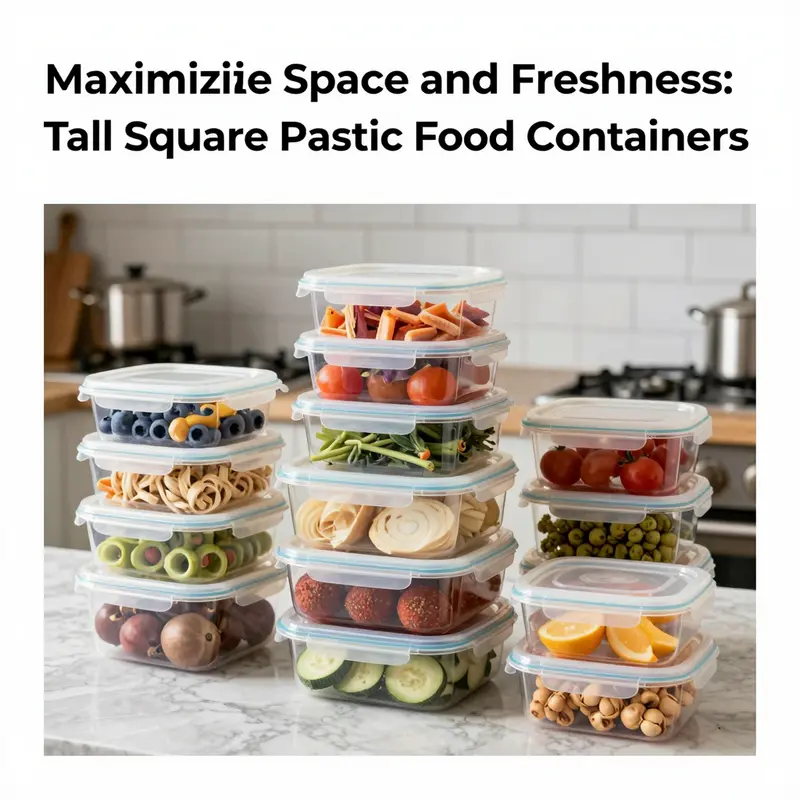
Tall square plastic food containers have gained significant traction in the food service industry, becoming crucial for organizations like bubble tea shops, restaurants, food trucks, and catering services. Their unique design optimizes storage, while their durability ensures safety and hygiene. This article delves into the intrinsic features of these containers, exploring their health and safety aspects, as well as current market trends influencing their usage. Each chapter offers valuable insights to help businesses understand why integrating tall square containers into their operations is not just practical but essential for success.
Vertical Precision: How Tall Square Plastic Containers Fuse Form, Function, and Space
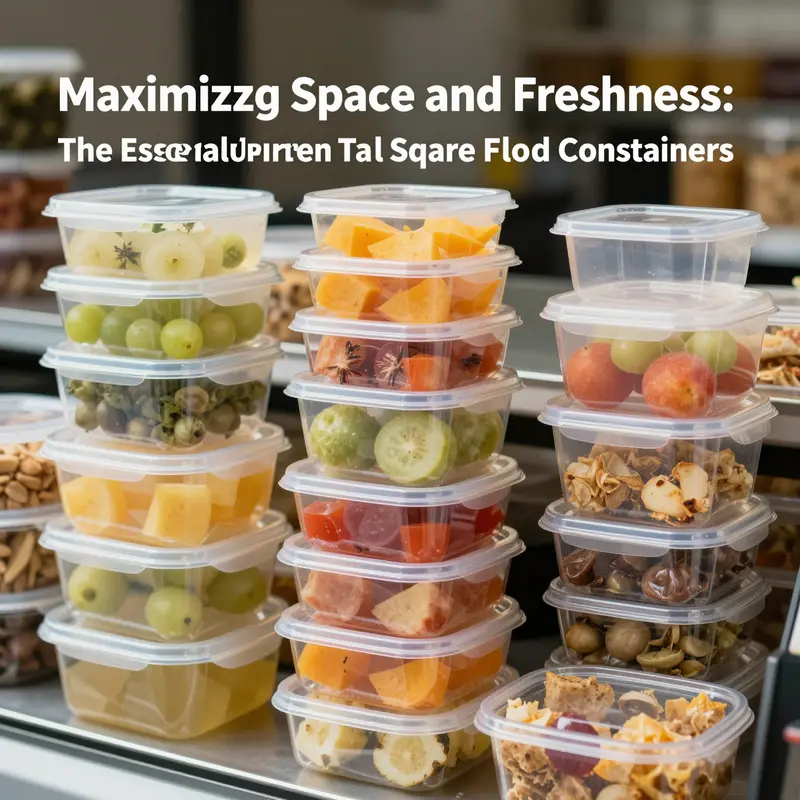
Kitchens and workspaces that prize efficiency often arrive at a quiet consensus: great storage must be tall when it needs to be, square where stability matters, and clear enough to read at a glance. The tall square plastic food container embodies that philosophy. Its design is not a single feature but a deliberate balance of geometry, material choice, and functional hardware that together enable a kitchen to transform bulk ingredients into organized portions, ready for fresh meals, predictable prep, and reliable transport. At first glance, the shape tells you most of the story. The tall, vertical profile stretches capacity without hogging shelf depth, fitting neatly on refrigerator racks, in freezer bins, and along the edges of pantry shelves where space is always at a premium. The square or near-square footprint anchors stability. It sits evenly on shelves and in trays, reducing the risk of tipping during the inevitable slide of a hand reaching for a meal, a batch of prepped ingredients, or a handful of frozen portions. This stability translates into fewer spills and less wasted time cleaning up, a small but meaningful win in both home kitchens and busy kitchens in a café, catering operation, or dormitory dorm kitchen alike. The geometry also supports a more intuitive approach to organization. When the sides are flat and the corners true, labeling becomes straightforward, and contents can be identified without pulling a dozen containers from the lineup to see what’s inside. The design thus respects the rhythm of a kitchen where speed and clarity matter as much as capacity and durability.
Material science lies beneath every contour. Most tall square containers are crafted from food-safe plastics such as polypropylene (PP) or high-density polyethylene (HDPE). These polymers strike a careful compromise between rigidity and resilience, offering a light yet sturdy container that can hold both dry goods and liquids with confidence. PP, in particular, is prized for its chemical resistance and low moisture absorption, which helps prevent odor retention and keeps flavors clean after repeated use. HDPE, meanwhile, contributes impact resistance and a tougher feel that is easy to grip through the daily grind of daily meals and frequent handling. When a sight line through the walls is desired, designers may lean toward clear or translucent variants, frequently in PET or clear PP, to enable quick content recognition without opening the lid. There is an almost subtle artistry in how a container can be both nearly invisible on a crowded shelf yet instantly legible when you need to locate yesterday’s leftovers or today’s marinade. Still, clarity comes with cautions: high heat and aggressive dishwashing cycles can affect clarity and even the structural integrity of certain materials. PMMA, or acrylic-like clears, may offer extraordinary gloss and visibility, but such a choice often trades away high-heat performance, meaning these particular variants are less common where hot liquids or microwaving are routine. The design thus threads a careful line between visibility and heat tolerance, a balance tailored to the typical patterns of use in homes and professional kitchens alike.
Lid technology plays a pivotal role in preserving the practical benefits of tall square containers. Airtight seals, often achieved with snap-on or locking lids, are not cosmetic features; they are central to preserving freshness, preventing leaks, and protecting contents from contamination. The lid’s interaction with the body is a precise interface: a gasketed seal may run around the inner rim to block air exchange, while a locking mechanism—whether a simple snap latch or a more robust latch system—ensures the lid remains in position during transport. This combination is especially valuable when meals are portioned for on-the-go days, or when sauces and broths travel in transit without creating a soggy mess. The sealing design also helps prevent freezer burn in cold storage and minimizes the risk of spill during cabinet movement. In daily practice, that airtight competence reduces waste and preserves the quality of soups, stews, stews with grains, and ready-to-heat meals.
Function extends beyond sealing. Many tall square containers feature practical integrations that reflect a thoughtful approach to everyday cooking and planning. Some models incorporate measuring scales integrated into the handle or side walls, a feature that earns its keep in meal prep and portioning. A built-in scale helps cooks portion out ingredients with confidence, whether the goal is consistent meal sizes for a week of lunches or precise recipe testing that requires repeatable quantities. The capacity markers guide the insertion of ingredients, enabling a smoother workflow that minimizes the need for extra tools. This is not merely a matter of convenience; it reduces the number of utensils and measuring devices that accumulate in a crowded kitchen, supporting a cleaner, faster, and more reliable cooking regimen.
The design also embraces the practical realities of daily life: the need for easy access and fast filling, even when hands are wet or sticky from marinade or sauce. The flat sides and squared corners create predictable contact points, allowing hands to cradle the container with a sure grip. A well-shaped lip or flange around the rim enhances pouring control and makes the lid easier to seat accurately with one hand. The edges are typically rounded to reduce the chance of snagging clothing or causing minor injuries during busy shifts in a commercial kitchen or crowded home kitchen on a weekday morning. Yet the same rounded edges contribute to comfortable nesting when the containers are empty, letting them stack or nest tightly to minimize storage space. The nesting feature is not merely space-efficient; it also reduces the likelihood of damage from contact when containers are racked in busy kitchens where metal racks and moving carts are common. Each design decision—grip, rim, corner, and lip—works in concert to create a container that feels predictable and dependable in the user’s hands.
From a sustainability perspective, the choice of material and the structure of the container influence its lifecycle. Polypropylene and HDPE are widely recyclable in many municipal streams, though recycling capabilities vary by region. The design’s emphasis on durability encourages repeated use, with the ability to withstand the order of operations in a busy home or commercial kitchen: from freezer to microwave to dishwasher and back to the refrigerator. The broad compatibility across cleaning and reheating tasks is a nod to the modern kitchen’s need to minimize waste and maximize reuse. In this light, the tall square container becomes not only a practical accessory but a small statement about how a kitchen approaches waste, reuse, and the careful stewardship of space.
The aesthetics of visibility and labeling further deepen the utility of tall square containers. Clear or translucent walls—when paired with a stable, squat label or a smooth panel on the flat sides—make it easier to scan a row of containers without lifting their lids. In a kitchen where inventory turnover is rapid, that visual read is a small but meaningful advantage. For professionals, the flat sides provide a convenient surface for bolder, durable labels that withstand repeated washing cycles. For households, it means a quick glance into the refrigerator becomes second nature, reducing the time door-hopping for identical meals or lingered leftovers. When contents are visible and well-organized, portion control becomes less of a mental exercise and more of a practiced discipline, a quiet systemic improvement that supports healthier eating and more predictable grocery planning.
The design vocabulary of tall square containers thus spans geometry, material science, sealing technology, and practical ergonomics. Each feature may be necessary on its own, but it is the synthesis of all of them that yields a container flexible enough for a week’s worth of meal prep yet sturdy enough to survive the rigors of daily use. In a kitchen culture that values modularity, the tall square form offers a stable, scalable solution. It can be used to portion out a family’s weekly lunches, to hold batch-cooked grains that align with a rotating menu, or to transport meals to a friend’s house in a compact, leak-proof package. The limited footprint on shelves, the high capacity within, the predictable lid action, and the clear interior all work in concert to deliver a practical toolkit that supports consistent eating patterns and organized storage.
Yet even as design teams celebrate the boiling principle of efficiency—the tall square container as a compact, resilient workhorse—it is essential to acknowledge the trade-offs. The very choice of material and the need to achieve an airtight seal can add cost relative to simpler, disposable options. The robust lids that hold a precise gasket and secure latches contribute weight, which can affect how a unit feels when carried in a bag or a lunchbox. Some users may find the airtight seals require more attention during cleaning to prevent residue from building up in grooves. There is also a balance between transparency and heat resistance. While clear variants improve identification and reduce guesswork, high-heat exposure can impact clarity and, in some cases, the strength of the lid’s seal. For this reason, many manufacturers designate microwave-safe and dishwasher-safe variants clearly, guiding users to the right pairing of container and task. All these considerations are part of a larger design craft that must weigh everyday practicality against manufacturing realities, cost constraints, and the diverse needs of households and professional kitchens.
The elegance of tall square containers lies not in any single revolutionary feature but in the careful orchestration of a set of pragmatic decisions. Each dimension—height, width, wall thickness, lid geometry, and the degree of transparency—contributes to a product that can be trusted under a wide range of conditions. The shape acknowledges the way people store, label, and retrieve food, and the lid acknowledges the demands of transport and freshness. It anticipates the rhythm of meal-prep Sundays, the cadence of weekly leftovers, and the quiet drama of a lunch tray that keeps every component intact until the moment it is reheated or eaten. In that sense, the design is less about spectacle and more about reliability—an armor of plastics that protects nourishment and simplifies routine.
For readers curious about how these design choices translate into real-world practice, consider how a well-planned lineup of tall square containers can transform the everyday experience of cooking, storing, and moving meals. When space is tight, the vertical profile allows you to stack more into the same footprint, freeing shelf space for additional containers or other kitchen essentials. The square footprint prevents rolling and tipping, a small but meaningful advantage when you are pulling containers from a crowded fridge or a packed cabinet. The combination of airtight lids and sturdy walls keeps flavors discrete, protects textures, and minimizes the chance of spills during transport to work, school, or a potluck. The integrated measuring scales, when present, empower precise portioning and consistent cooking, turning a once-tricky measurement step into a simple glance at a number on the container. Visibility through clear walls reduces the cognitive load of meal planning, helping you answer the simple question: what’s inside without opening every lid? And because these containers are built to endure, they become the backbone of a recurring routine rather than a one-off solution.
What emerges is a design language that respects both the human and the practical realities of storage. The tall square container becomes an instrument of order in a space where meals are produced in cycles and stored until needed. It invites a rhythm: measure, fill, seal, stack, store, and reheat. It integrates into a larger ecosystem of kitchen tools and packaging, where the aim is to minimize waste, maximize reuse, and keep the food world moving with grace and efficiency. In this sense, the design features of these containers are not merely about holding food. They are about enabling a predictable workflow, reducing friction, and creating a sense of calm in the maze of items that accumulate in a busy kitchen.
To connect this design story with practical buying and application decisions, consider the ways in which you might choose a tall square container for a particular setting. A home kitchen might prioritize a clear body for quick scanning, a nesting-friendly profile for tight storage, and a reliable snap-on lid for everyday use. A school program or office meal-prep routine may value interlocking lids to minimize mixed batches and practices that support batch cooking, while a cafe or catering operation might lean toward more rugged variants with reinforced corners and heavier wall thickness to survive the repetitive use and frequent washing cycles. In all cases, the essence remains the same: the tall square container is deliberately engineered to bend space to its will, to protect the contents, and to support the human activities that hinge on reliable, repeatable storage.
As readers move from design insights to selection criteria, they can reflect on the ways a container’s proportions align with the specific tasks at hand. If you anticipate frequent freezing and reheating, you may favor a model with a proven freezer-resilience profile and a gasketed lid that seals tight in cold temperatures. If you expect frequent transport or long commutes, a robust latch system and a solid plan for stacking stability could be decisive factors. If your routine blends cooking and portion control, an integrated measuring scale or a clearly marked capacity line could be the feature that makes the difference between a smooth week and a string of near-misses. In short, the design features of tall square plastic food containers do more than house food. They shape the choreography of everyday meals, the discipline of meal prep, and the ease with which a kitchen can scale to accommodate more people, more meals, and more ideas about how we nourish ourselves.
For readers who want to explore related packaging formats that share a similar emphasis on space optimization and usability, a related resource in the packaging world discusses a broader spectrum of storage and take-out solutions. You can learn more about compatible or similar solutions by visiting the following resource: Kraft paper food storage bowls for salads and noodles. While it focuses on a different material category, the emphasis on flat surfaces, clear labeling, secure lids, and efficient stacking echoes the same design ethos that makes tall square plastic containers so effective in modern kitchens. The alignment across materials and formats underscores a shared priority: maximize usable space while preserving the integrity and freshness of the contents.
As a closing reflection, the tall square plastic container demonstrates that thoughtful design can quietly change how we eat, how we store, and how we move meals through our days. It is a reminder that everyday objects, when designed with an eye toward geometry, materials, and user workflow, can yield meaningful improvements in both routine and scale. The next stage of consideration—how to choose the right dimensions, the right seal, and the right balance of visibility and heat tolerance—opens a practical path for readers to translate this design insight into tangible, everyday choices. The container becomes less of a disposable vessel and more of a modular ally in a kitchen that values order, efficiency, and nourishment delivered with reliability.
External reference: https://www.alibaba.com/product-detail/Tall-Square-Plastic-Containers-348_1602795591216.html
Health, Safety, and Safer Storage: Tall Square Containers Revisited
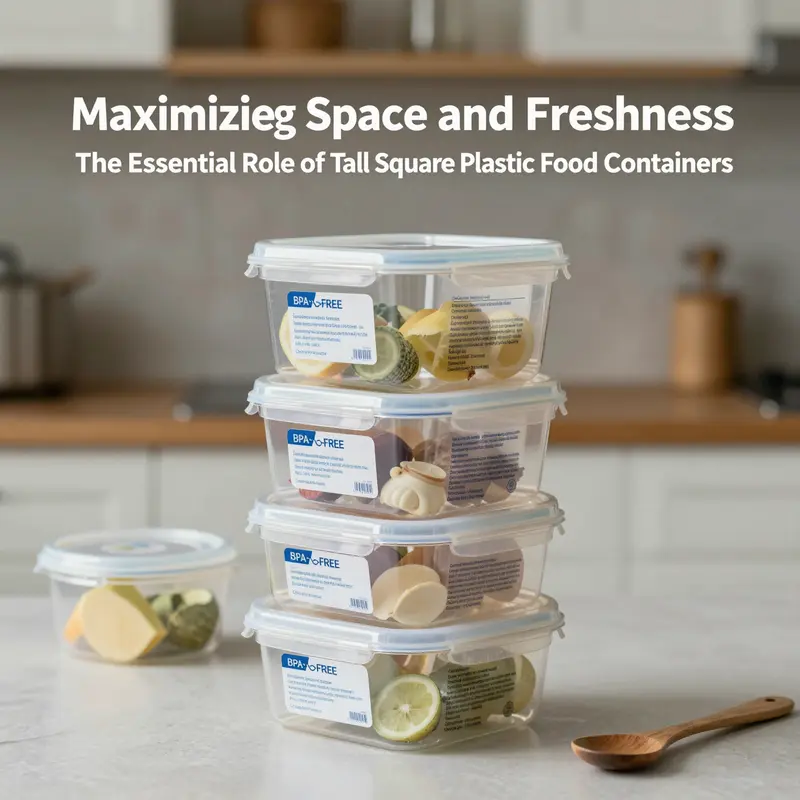
Tall square plastic food containers remain common in kitchens for stacking and organizing, but their health and safety implications deserve careful use. This chapter outlines how plastics interact with heat, acidity, and time, and what practical choices can reduce risk. It covers chemical leaching, microplastics, and the impact of wear and aging on container integrity, then offers pragmatic guidance for safer storage practices and material alternatives. It also discusses how to read labels beyond BPA-free claims and how to rotate stock, inspect for damage, and limit reheating in plastics.
A closer look at chemistry shows that many plastics contain additives to achieve flexibility or color, and that transfer into food is more likely when containers are heated or stored for long periods. BPA and related bisphenols have drawn scrutiny, but avoiding one compound does not guarantee inertness. The chapter explains how microplastics can be generated through scratches and repeated use, and why vulnerable populations may face higher risk. The practical message is not to fear plastic wholesale but to use it wisely: reserve heat exposure for dedicated heat‑safe containers, minimize time in contact with acidic foods in plastics, and replace aging containers.
Safer material options include glass and stainless steel, each with trade‑offs in weight, breakage risk, and cost. A hybrid approach—using plastics for cold or short‑term storage while choosing glass or metal for hot or acidic items—often meets practical needs without abandoning safety. Routine maintenance, mindful cleaning, and regular replacement are central to keeping containers trustworthy. Reading labels, looking for heat‑resistance information, and avoiding labels that imply perfect safety helps consumers make informed decisions.
For households seeking to reduce plastic reliance, alternatives like silicone lids or compostable papers can complement plastic use rather than replace it entirely. The overarching goal is balanced risk management: enjoy the convenience of tall square containers while minimizing exposure through selective use, diligent maintenance, and thoughtful material choices. External resources and ongoing research provide context, but everyday practice remains the most important determinant of safety and satisfaction.
Vertical Design, Broad Reach: The Market Dynamics and Economic Footprint of Tall Square Plastic Food Containers
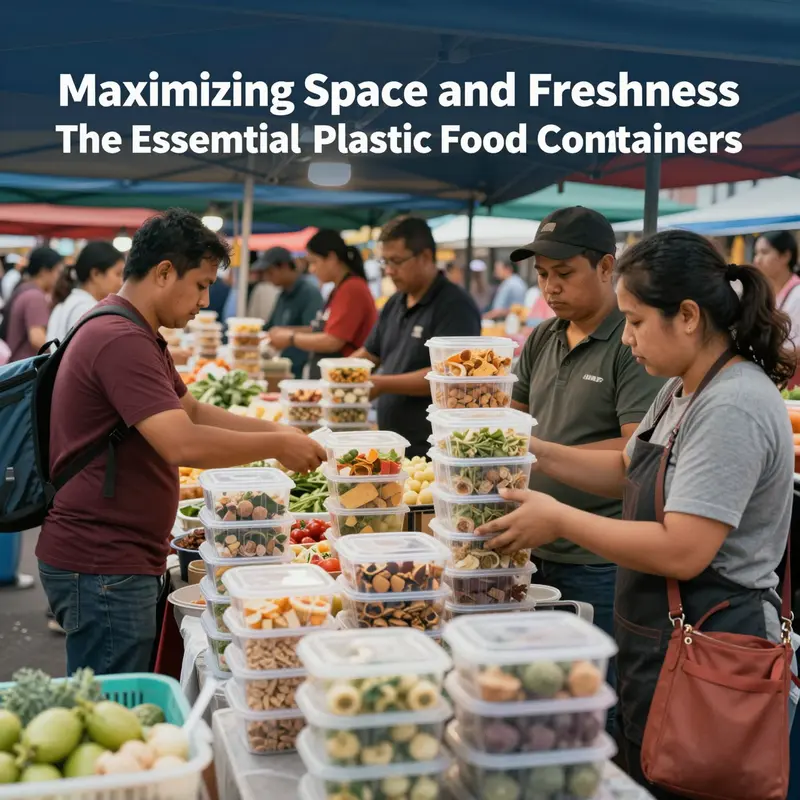
A tall square container is more than a simple vessel for holding leftovers. It is a design solution born from the practical demands of modern kitchens, meal prep routines, and the hectic rhythms of both home dining and professional food service. The tall, compact silhouette maximizes vertical space, turning a pantry shelf into a neatly organized row of ready-to-use portions. In a world where refrigerators, pantries, and freezers are finite and precious, every cubic inch matters. The upright form reduces the spread of odors, provides a predictable footprint, and couples with clear walls that invite quick content recognition. This combination of visibility and space efficiency translates into tangible benefits: faster retrieval during busy mornings, less time spent searching for ingredients, and a more orderly approach to daily meal planning. The design’s value extends beyond home use. In cafeterias, catering operations, and institutional kitchens where scale and efficiency drive margins, tall square containers offer a reliable means to store large portions, repackage ingredients, and portion meals with consistent accuracy. They support a workflow that prizes speed without sacrificing food safety or quality, a balance that has become essential as food service and retail demand intensifies across regions and markets.
The material core of these containers—typically a food-grade polymer such as polypropylene or high-density polyethylene—provides a critical blend of safety, durability, and functional performance. Polypropylene, with its impressive resistance to heat and chemicals, makes these containers capable of withstanding the temperature extremes of microwaves and freezers alike, while maintaining clarity and resisting hazing over repeated cycles. The same material’s strength helps keep lids secure, a feature that matters when sauces or liquids are involved, and when containers are stacked high in storage carts or shelves. Clear walls are not merely a cosmetic trait; they empower users to identify contents at a glance, reducing the need to pop open lids for inspection. In a logistics chain that values speed and accuracy, the ability to quickly locate the right item can shave minutes from prep or service periods, a small but meaningful advantage in operations where every minute counts.
The performance profile of these containers—airtight or locking lids, reliable snap closures, and compatibility with common kitchen equipment—further reinforces their appeal in both domestic and commercial settings. An airtight seal helps preserve texture and flavor, slows moisture loss in dry goods, and minimizes the risk of leaks during transport. Locking mechanisms that resist accidental openings contribute to safer handling, from school lunch trays to field deliveries. The compatibility with microwaves, dishwashers, and freezers adds to the total cost of ownership, because these containers can endure many cycles without degradation of structural integrity or surface clarity. In the context of household routines, this translates into a dependable go-to option for reheating and repurposing meals, while in a professional setting it translates into reduced replace-and-restock costs and improved inventory control.
Market dynamics for tall square plastic food containers unfold against a backdrop of expanding food service activity and the broad growth of packaged foods. The global plastic food containers market has reached a scale where tens of billions of dollars in annual value reflect the essential role these products play in retail, food service, and industrial packaging. In 2024 the market was valued at roughly 37 billion USD, with forecasts pointing toward a rise to about 51.6 billion USD by 2034. This trajectory signals not only rising demand for durable, reusable storage options but also a continued preference for cost-effective packaging solutions that can support high-volume operations while maintaining quality and safety standards. The segment that includes tall square designs benefits from their medicinally straightforward manufacturing, the ease of labeling and branding on flat, vertical faces, and the efficiency gains when used in bulk storage and distribution.
Within this growth, plastic storage containers hold a substantial portion of the market—an enduring advantage driven by their combination of low cost, durability, and versatility. In particular, tall square containers are favored for their capacity to hold large portions without occupying excessive footprint, a trait that resonates with households trying to minimize clutter and with food service operations seeking to streamline prep and service lines. The design enables better stacking compatibility and nesting capabilities, enabling operators to store more items in the same space and to retrieve them without disturbing other contents. When meals are prepped in advance, the ability to separate components while preserving freshness becomes a practical necessity. In this sense, tall square containers support a workflow that favors batch preparation and efficient portion control, which in turn align with the broader trends toward meal prep culture, organized meal planning, and the increasing popularity of ready-to-eat options.
It is also important to recognize how this market intersects with sustainability pressures and regulatory expectations. The packaging industry faces accelerating scrutiny over plastic waste, recycling rates, and the environmental footprint of single-use as well as reusable packaging. For many manufacturers and distributors, the path forward involves a careful balancing act: preserving the performance attributes that make tall square containers appealing while advancing materials and processes that reduce environmental impact. This tension is shaping product development toward materials that offer strong recyclability or compostability in appropriate streams, and toward design choices that simplify end-of-life processing. In practice, this means exploring polymers that maintain their performance under high heat and repeated wash cycles while also being more friendly to recycling streams or capable of singling out for green waste processing where local infrastructure supports it. The industry is translating these goals into concrete business decisions—whether through more straightforward intrinsic recyclability, better compatibility with circular supply chains, or innovations that extend product lifecycles through durability and reusability.
The economic implications of these shifts are nuanced. On one hand, the persistent demand for durable, reusable containers helps sustain a robust business case for plastic storage solutions, particularly in contexts where cost pressures are high and alternatives may fail to deliver the same balance of price, performance, and longevity. On the other hand, the push for sustainability can influence cost structures. Materials with stronger environmental credentials or that meet evolving regulatory standards may carry higher upfront costs, and innovations in recycling or composting infrastructure can affect overall lifecycle economics. Yet, even with these pressures, tall square containers remain a compelling choice for many operators and households because they deliver predictable cost-per-use in exchange for reliable performance and a long service life. The market recognizes that waste reduction has value not only in environmental terms but also in operational efficiency and brand reputation, especially for businesses that emphasize sustainability in their procurement decisions and consumer messaging.
Regional dynamics also color the picture of demand and supply. In growing economies with expanding food service networks and rising consumer class, the need for scalable storage solutions is pronounced. In mature markets, the emphasis shifts toward optimizing shelf life, minimizing waste, and supporting standardized prep and service workflows—areas where tall square containers can deliver measurable gains. The capacity to standardize sizes and lid systems simplifies training, reduces the complexity of inventory management, and supports consistent quality across multiple sites or outlets. These conditions encourage wholesalers and manufacturers to invest in broader assortments of tall square designs, with an eye toward interoperability across different lines of business and across geographic markets. At the same time, cross-border complexities, currency fluctuations, and trade policies can influence cost and lead times, reminding stakeholders that the economics of packaging extend beyond the product itself into the broader supply chain ecosystem.
Within the food retail and service ecosystems, the visibility afforded by clear walls—a hallmark of many tall square containers—plays a subtle but important role in consumer decision-making. When shoppers browse through refrigerated sections or meal-prep aisles, the ability to see content through a transparent surface can reinforce perceptions of freshness and portion size. In institutional settings, clear walls support quick audits of inventory and easier compliance checks, helping managers track usage patterns and waste more efficiently. The lid mechanisms, often designed to interlock or snap securely, contribute not only to containment but to a reliable user experience that minimizes spill incidents during transit or handling. These advantages translate into tangible cost savings, reduced waste, and improved service levels—benefits that accumulate across thousands of transactions and many storage cycles.
As research and industry analyses project future expansion, the tall square format is likely to continue benefiting from its core strengths: efficient use of vertical space, robust performance under heat and cold, and a straightforward path from production floor to consumer use. The design maintains breadth in application—from dry goods and sauces to ready-to-eat meals and fruit salads—because its form can accommodate diverse contents without compromising on cleanliness, safety, or convenience. Yet the path forward will also require ongoing attention to environmental considerations, with manufacturers pursuing smarter materials, better recyclability, and more sustainable lifecycle practices. The market will reward players who can blend dependable functionality with responsible stewardship, delivering containers that not only perform well in kitchens today but also align with the longer-term expectations of a world increasingly focused on waste reduction and responsible packaging.
The story of tall square plastic food containers is therefore not simply about a product design. It is about the interplay between consumer habits, commercial efficiency, regulatory context, and environmental responsibility. It is about the way a simple architectural choice—the decision to build storage containers that rise vertically, maximize space, and harness clear surfaces—can ripple through kitchens, supply chains, and marketplaces. It is about how such containers enable people to prepare meals, share nourishment, and manage ingredients with a clarity and efficiency that few other packaging solutions can match. The market signals a steady, purposeful ascent: a movement driven by practical utility, reinforced by steady demand across retail and service channels, and tempered by a collective push toward sustainability that will shape the packaging landscape in the years to come. This is the economic footprint of tall square plastic food containers—a footprint not only measured in sales figures but also in the real-world improvements they bring to everyday cooking, shopping, and dining, as well as to the strategic operations of food-centric businesses around the world.
For readers seeking a more granular, data-driven map of the global landscape, industry analyses point to a sustained growth trajectory underpinned by both volume and value. The market’s scale and resilience reflect how integral these containers have become in a modern food economy that prizes convenience, efficiency, and reliability. The numbers tell a complementary story to the qualitative advantages: a multi-decade growth arc that underscores the role of packaging in shaping consumer behavior and business logistics alike. It is a reminder that design choices in the kitchen—how we store, portion, and transport food—can have far-reaching consequences for waste management, supply chain efficiency, and even the economics of food preparation. The tall square container, with its disciplined geometry and practical features, stands as a small but significant node in a larger system that keeps households fed and kitchens functioning smoothly in markets across the globe.
As the chapter closes on current conditions and near-term expectations, the larger narrative remains clear. Tall square plastic food containers survive and thrive not merely by offering a better box, but by enabling better systems: better planning, better storage density, better visibility, and better outcomes for freshness and safety. They are a reminder that in modern packaging, form and function are inseparable. The shape matters because it translates into real-world benefits: more organized shelves, easier meal prep, fewer wasteful moments, and a more predictable supply chain. The demand for these containers will continue to be shaped by consumer enthusiasm for home cooking and by the ongoing expansion of food service activities worldwide, all while environmental considerations push the industry toward smarter materials and end-of-life solutions. In this sense, tall square containers are less a trend and more a durable component of the kitchen and commercial ecosystem—a stable design choice that has proven its value across a broad range of contexts and will likely endure as populations grow, diets evolve, and the push for efficiency and sustainability intensifies.
External resource for further reading: https://www.grandviewresearch.com/industry-analysis/plastic-food-containers-market
Final thoughts
Adopting tall square plastic food containers is more than a storage solution; it reflects a commitment to efficiency, safety, and sustainability in the food service industry. By understanding their design features and health benefits, as well as recognizing market trends, businesses can make informed decisions that positively impact operations and customer satisfaction. As competition grows in the culinary landscape, leveraging smart storage solutions will provide a competitive edge and enhance service delivery.