
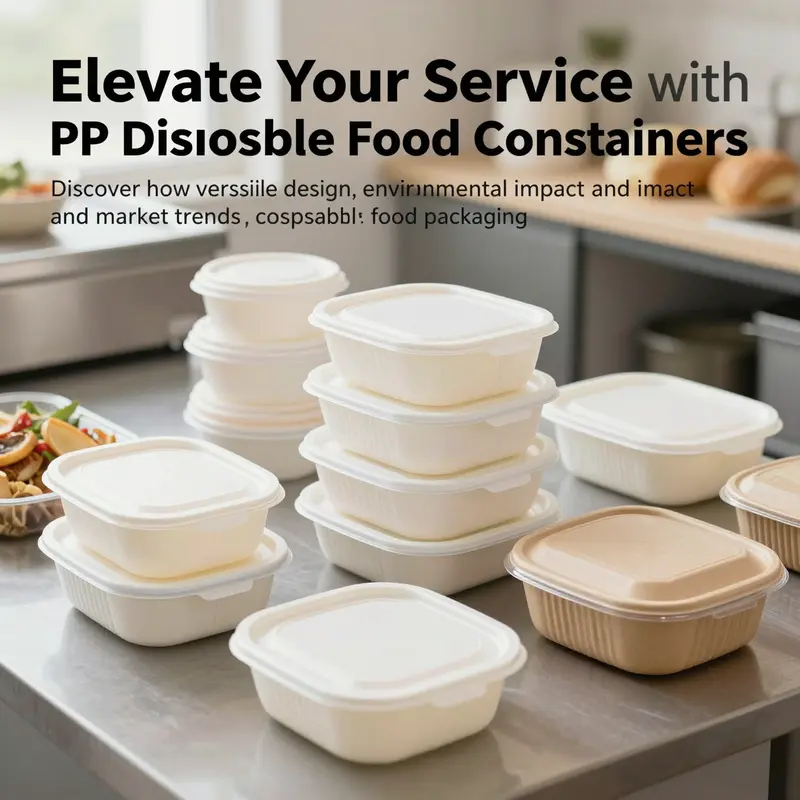
In an age where convenience meets safety, PP disposable food containers have become essential for a variety of businesses, including bubble tea shops, restaurants, food trucks, and catering services. These containers not only ensure the preservation of food quality during transport but also cater to the evolving demands of consumers who seek sustainable options. This article delves into the design considerations of compartmentalized containers, explores the effectiveness of clamshell designs, analyzes the demand for bento boxes, discusses the environmental implications of polypropylene, and examines the various applications and market potential of these disposable solutions. Each section reflects on how food service providers can enhance customer satisfaction while maintaining responsibility towards sustainability.
分隔式餐盒在PP一次性容器中的设计逻辑:功能、安全与可持续性的三重平衡
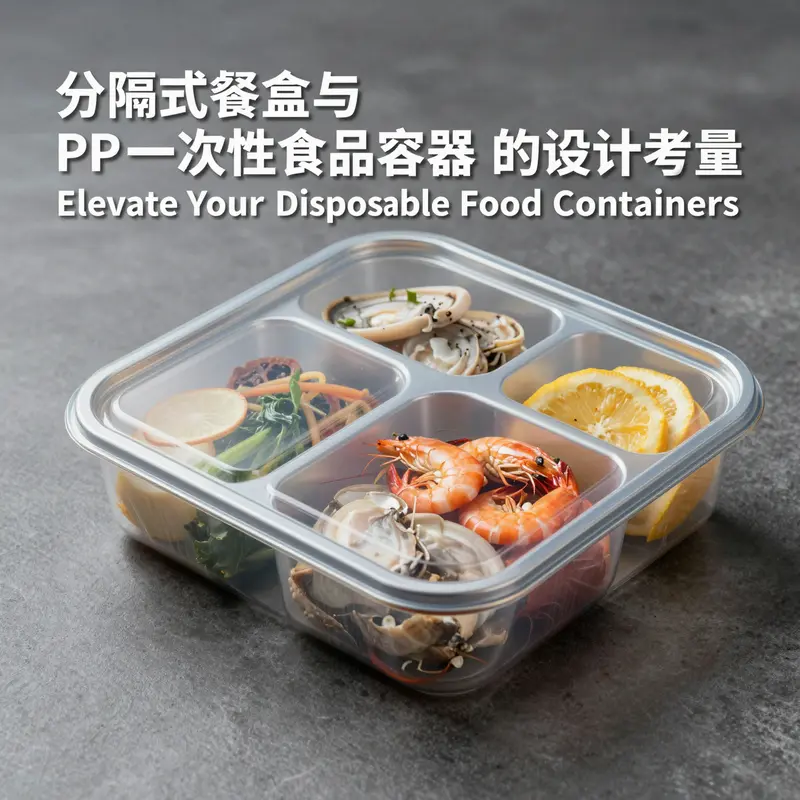
在PP一次性容器的分隔式餐盒设计中,功能性是首要驱动。通过实现干湿分离、温度分区与口味隔离,三格、四格甚至五格的结构被用于配合不同菜肴组合的物流与保温需求。三格通常包括米饭+荤菜+蔬菜,能降低汁液浸渍并提升口感与视觉层次;多格设计则面向校园、企业或家庭团餐场景,确保分量与防串味。分格之间的气密性与密封性需要通过透气孔设计与防漏锁扣的协同来实现安全微波加热与长途运输。透气孔防止内部气压积聚导致喷溅,锁扣与密封圈提供运输过程中的防漏保障。\n\n在材料与安全层面,食品级聚丙烯PP是底线。PP材料具备较宽的耐热区间,通常-20℃至+120℃,可微波加热,对食品无明显异味或残留。设计者需警惕混用材料的风险,例如盒体为PP而盖子为PS,可能影响耐热一致性并增加误用风险,因此需清晰的材料标识、使用禁忌及图示。盒身标注材质、温度范围与禁忌,辅以回收符号有助于提升品牌环保形象。\n\n安全性不仅来自材料,还体现在结构细节。密封圈、盖子、锁扣与接缝处加工质量决定是否渗漏。为避免冷却或热气在密封区堆积,设计可吸收温差的弹性结构与微小通风孔,兼顾防漏与排气。结构需经跌落与温度循环测试,保证运输中的耐久性。对需要盛放汤汁的餐食,独立小汤盒或分装袋的设计也成为趋势,便于干净与便捷取用。盖子开启便利性如外侧凹槽把手,防滑底纹提升稳定性,减少路途振动导致翻倒。\n\n用户体验层面的优化应贯穿全过程。容量匹配是关键:单人餐盒500–700毫升,家庭装可达1500–2000毫升;盒身保留容量刻度,帮助按需盛放与商家标准化打包。易开启设计、抑制温度下降的结构、保护香气与质地,都是提升体验的要点。对带汤汁的餐食,独立汤盒与密封盖显著降低渗漏。标签区预留,方便标注餐品名称、口味描述、加热指示等信息,尤其在外卖平台信息传达上重要。对可重复使用的折叠式餐盒,设计时应留出折叠后的体积优化空间,确保日常使用中的耐用性与储物便捷性。\n\n环保与可持续方面,优先采用可回收PP材料或更易回收的组合,避免不可回收涂层。模块化密封圈、锁扣等配件便于更换,延长产品寿命,降低全生命周期资源消耗。包装本身尽量简化,避免覆膜、过度印刷,使用环境友好水性油墨。盒身设置回收指引,帮助消费者正确分类。品牌层面,分格设计成为视觉识别与传播载体,LOGO压纹、可持续材质组合以及对绿色消费群体的回应,提升品牌形象。\n\n产业与供应链视角要求兼顾成本、制造复杂度与大规模生产可行性。多格结构模具成本与组装工艺要求较高,但通过标准化模块化设计实现容量与格数的高效转换,降低单位成本。设计阶段需与注塑、模具、表面处理和印刷工艺深度协同,确保材料选择、表面光洁度、密封性与标识的一致性。对不同国家和地区法规的前瞻性评估,确保全球市场合规性,包括微波、冷藏、热处理及酸性食品耐受性。\n\n情境化需求是设计的落地基础。外卖场景的时间压力、运输颠簸、备餐端的高效与收餐端的快速拆封,要求设计以即用即享为导向。理想的分隔式餐盒应自然融入日常工作流,完成从商家打包到物流再到顾客用餐的无缝体验。具有视觉冲击力的多格设计、清晰标签与环保材料的组合,成为消费者拍照分享的对象,提升品牌传播效果。\n\n通过行业研究与趋势分析,材料透明性、密封与气密结构改进、可持续材料应用,是提升消费者信任与市场接受度的关键。设计应将可回收与循环利用嵌入产品核心,而非附加说明。未来设计将借助仿真、测试、提升生产工艺与材料,打造更具韧性和美感的分隔式餐盒。\n\n总结:分隔式餐盒不仅是分格技术,更是围绕用户体验、安全与环境责任的系统工程。通过功能性设计、清晰材料与使用指引、周到用户体验和明确环保承诺之间的平衡,PP容器在市场中可持续发展。
Clamshell Design in PP Disposable Containers: Sealing Flavor, Safety, and Sustainability in Modern Takeaway Packaging
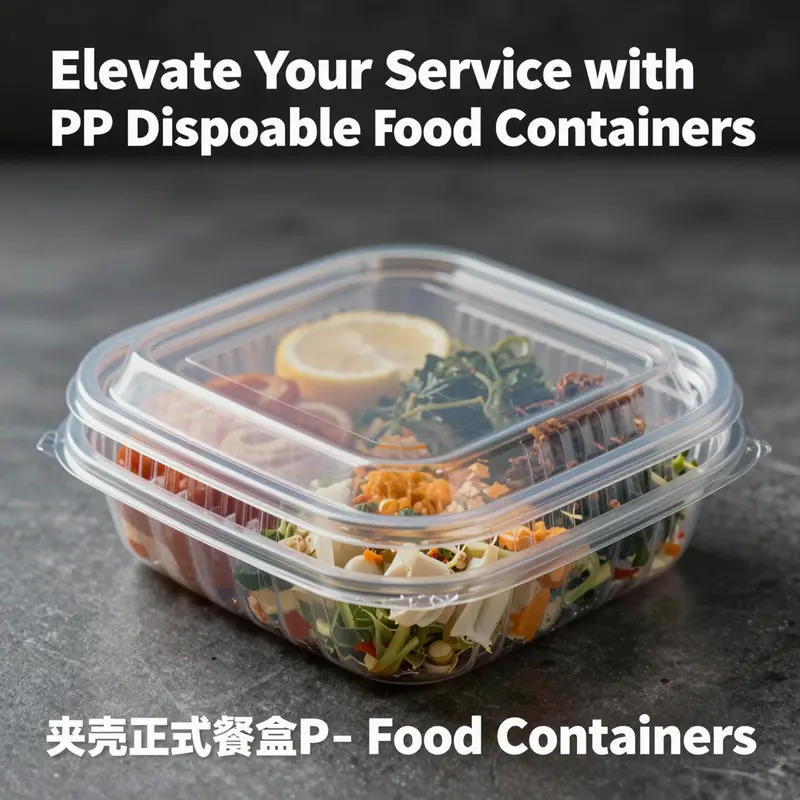
The clamshell, a familiar silhouette in disposable food containers, has become more than a hinge and lid. In polypropylene (PP) single-use packaging, the clamshell form emphasizes integrated sealing, multi-chamber potential, and user-friendly handling. When designed with care, a clamshell preserves meal integrity from kitchen to consumer while offering operators a reliable, scalable packaging solution. This chapter explores how the core attributes of the clamshell—its sealing capabilities, compartmental designs, and stackability—shape modern takeaway packaging.
At the heart of the clamshell’s value is its ability to separate components without sacrificing convenience. Many modern PP clamshells are engineered as seamless assemblies where upper and lower sections lock into a tight, pressure-fit embrace. The result is a dependable barrier that minimizes cross-contamination and prevents sauces from leaking into adjacent elements. Multi-chamber configurations address the challenge of keeping ingredients distinct while preserving visual appeal, which supports display quality and consumer trust. The material itself—food-grade PP—often remains clear enough to showcase a meal, reinforcing perceived freshness.
Beyond separation, the clamshell’s structural integrity determines transport reliability. The hinge resists accidental opening while withstanding the rigors of busy delivery routes. The tight bite between lid and base reduces shifting during transit, a common source of spills that frustrate customers and erode brand trust. A well-executed crimp or interlock can absorb shocks and prevent the lid from dislodging when containers are stacked in delivery bags or on shelves. This stability is particularly valuable in high-volume settings like large orders, drive-through lanes, or curbside pickups where containers may be jostled.
The clamshell’s space efficiency contributes to a broader logistical advantage: optimized storage and streamlined handling. The one-piece, foldable nature of many clamshells nests when empty and maintains a compact footprint when filled, helping maximize payloads in delivery routes and on storage racks. The one-handed operation angle—opening with a simple lift and reversing to seal—speaks to user-centered design. Operators and customers alike appreciate a design that does not demand fiddly tools or extra steps, a factor especially critical in high-volume settings where speed and accuracy are essential. The resulting ergonomics complement protective features, ensuring that a hot or steaming meal can be opened and enjoyed without compromising safety or cleanliness.
Temperature tolerance is another feature where the clamshell excels within PP’s robust performance envelope. Polypropylene is prized for its heat resistance and chemical inertness, with many clamshell designs rated to endure reheating scenarios when the label clearly indicates microwave suitability. The ability to heat a meal directly in the same container, provided the lid is marked microwave-safe, speeds service lines and aligns with consumer expectations for convenience. The design must consider heat transfer to different components and the meal’s composition to avoid safety concerns. Clear labeling of microwave tolerance and recycling instructions helps guide responsible use and disposal.
Safety and regulatory considerations accompany functional advantages. High-quality PP used in single-use containers is typically selected to meet food-grade standards, avoiding toxins, flavors, or odors that could compromise a meal. Certifications from safety authorities offer reassurance that the packaging will not contribute unwanted substances to food during heating or storage. The transparency of many clamshells is not merely aesthetic; it supports accountability by enabling clear visibility of contents. The safety narrative extends to packaging as a system, with accurate heat tolerance labeling and recycling instructions playing a role in responsible consumption.
Environmental considerations shape how clamshell designs evolve. PP’s recyclability is central to sustainable takeaway packaging. When labeled correctly with the resin identification code (#5) and accompanied by clear recycling guidance, PP clamshells can re-enter the circular economy. Real-world recycling depends on local infrastructure and consumer participation. Ongoing innovation aims to simplify disassembly, promote uniform material streams, and integrate with bio-based or compostable options without sacrificing performance.
Beyond performance, clamshell design intersects with brand storytelling. A transparent lid that showcases a neatly presented, separated meal can elevate perceived quality and support premium positioning. The one-piece hinge and clean lines convey reliability and care in presentation, reinforcing trust with diners who judge packaging as part of the dining experience. The compact, stackable form factors also support omnichannel service, from dine-in meals to takeaway boxes for mobile orders.
For readers seeking broader context, adjacent formats share the same core aim—delivering food safely while maintaining quality and convenience. See references such as disposable octagonal box packaging in kraft paper as an alternative reference point in packaging architecture that demonstrates how different materials and forms can meet distinct needs without compromising menu integrity. See https://greendispopack.com/product/disposable-octagonal-box-restaurant-food-kraft-paper-packaging/ for an example.
External resources provide further context on environmental and regulatory aspects of disposable packaging. For sustainable materials management resources, see the U.S. EPA’s sustainable materials management SMM resources: https://www.epa.gov/smm
便当盒热潮与PP一次性食品容器的适用性:市场需求如何塑形现代包装格局
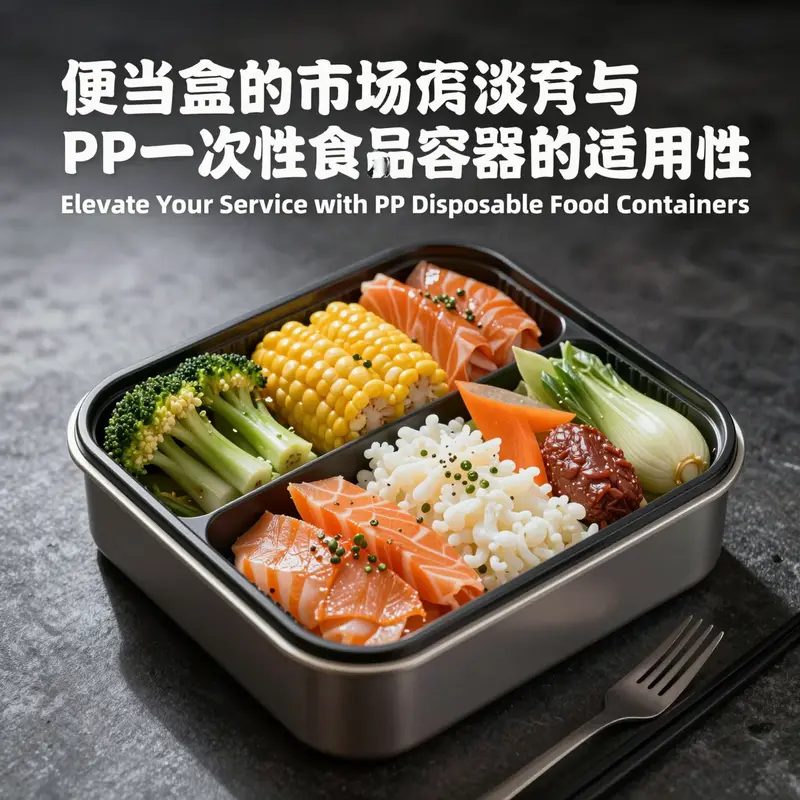
总之,便当盒的市场需求与PP一次性食品容器的适用性并非简单的对立关系,而是构成了一个互补的包装生态系统。健康、安全、环保与便利共同塑造了这一系统的演进方向。理解这三者之间的张力与融合,是企业在快速变化的餐饮市场中实现可持续增长的关键。未来的包装解决方案将继续在耐用性、回收性、卫生性与用户体验之间寻找最佳平衡点,使得便当盒与一次性容器各自的优势得以在不同场景下被最大化利用。
From Convenience to Cycle: Rethinking the Environmental Footprint and Recycling of PP Disposable Food Containers
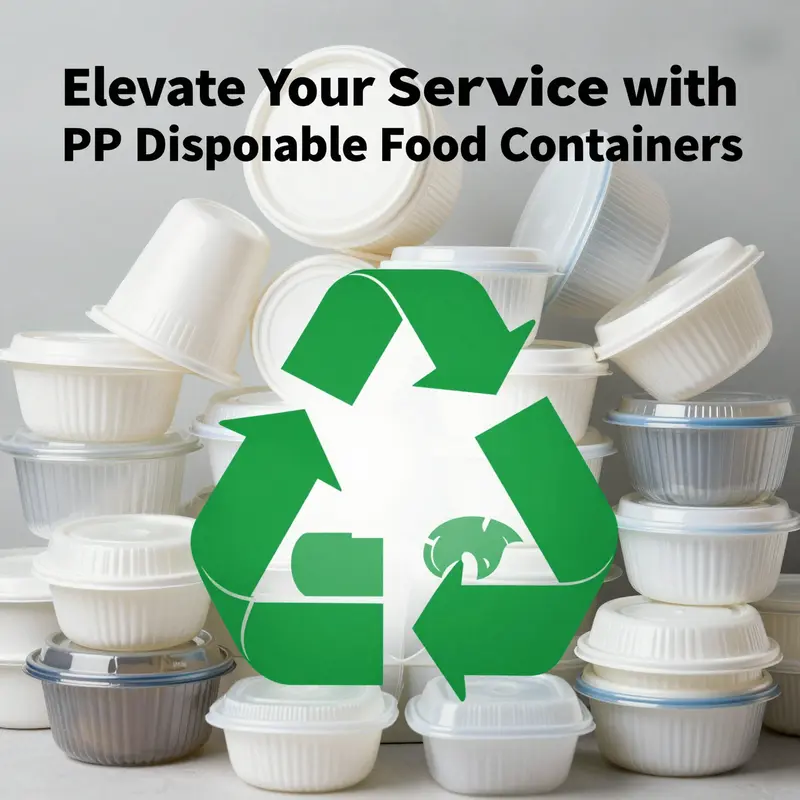
Polypropylene (PP) disposable food containers have become a ubiquitous feature of modern food service, offering a practical bridge between speed, safety, and portability. Yet in a world increasingly tuned to the language of sustainability, these containers invite a closer examination of their full life cycle. The narrative around PP is not simply a matter of comparing it to other packaging materials on a single axis of performance. It is a question of how a material designed for convenience fits into a system of production, use, and end-of-life management that aims to minimize environmental harm while preserving food safety and accessibility. To understand the environmental footprint of PP containers, one must balance their well-known advantages with the nuanced challenges that accompany widespread adoption.
On the advantages side, PP’s environmental appeal rests largely on efficiency in production and the benefits of lightweight design. Compared with heavier packaging options such as glass or metal, PP containers require less energy to manufacture and transport, translating into lower fuel consumption during distribution. This advantage compounds when you consider the sheer scale of take-out and meal-prep operations worldwide. A typical 650 ml PP container, widely used for meals and sauces, weighs around 12 grams. In aggregate, these small mass savings accumulate into meaningful reductions in overall material demand and transportation emissions. When a lifecycle assessment compares PP with paper-based or other plastics under similar usage scenarios, PP often shows a favorable balance in energy intensity and carbon footprint, particularly for systems optimized around single-material recycling streams or reuse-oriented design. These factors help explain why PP has maintained its popularity in the food-service sector, especially in contexts that prioritize safe reheating, moisture management, and shelf-life integrity.
But those advantages must be weighed against the environmental risks and the practical roadblocks that accompany real-world use. Microplastic concerns have emerged as a focal point in recent years. Studies indicating the release of nanoscale particles during microwave heating prompt questions about exposure pathways and long-term health implications. While the toxicity and bioavailability of these nanoparticles remain areas of active investigation, the potential for such particles to travel through biological barriers underscores a precautionary note for consumers and policymakers alike. Relatedly, chemical migration remains a critical issue, particularly when containers are used with acidic or lipid-rich foods at elevated temperatures. Even when PP is labeled as food-grade and safe within prescribed temperature ranges, contamination from additives, residual monomers, or recycled content can occur if the material is not produced under rigorous controls or is subjected to conditions that exceed its design parameters. This is especially relevant when non-food-grade recycled polypropylene is used in consumer packaging, where contaminants or processing residues can migrate into foodstuffs over time.
Beyond the question of safety and exposure lies the broader challenge of environmental persistence—the so-called white pollution problem. PP is not readily biodegradable in conventional landfills, and in waste streams that lack efficient separation and processing, these containers can occupy landfill space for decades. The environmental footprint of PP thus extends beyond its operational benefits to include the long tail of waste management, land use, and potential impacts on soil and groundwater where mismanaged waste accumulates. In practice, the environmental picture is a mosaic: PP’s lightweight profile reduces upstream energy demand, but its downstream fate depends heavily on a robust recycling system that can avoid contamination and preserve material quality through cycles of reuse and reprocessing.
Recycling remains the thorniest issue. Even with strong incentives to collect and recycle, the global picture shows discouragingly low recovery rates. In many regions, post-consumer PP containers are challenged by contamination from food waste, which raises processing costs and complicates sorting. The problem is compounded when multi-layered or laminated structures are involved, where a single-material strategy is compromised by the presence of coatings, films, or blends that thwart straightforward recycling. The result is a recycling ecosystem that struggles to maintain feedstock quality, with significant portions of PP waste ending up in landfills or incinerators rather than re-entering the production cycle. A striking point in the current discourse is the stringent regulatory filter around food-contact recycled polypropylene rPP. FDA-style or equivalent certifications for food-contact use of recycled content are not easily obtained, with only a subset of producers achieving the rigorous No Objection Letter or its international equivalents. This certification gap constrains the scale at which recycled PP can be safely deployed in food packaging, particularly for products that directly touch food or are heated in consumer appliances.
Industry responses reflect a recognition that the path to sustainable PP packaging cannot rely on a single lever. Material innovation is underway on several fronts. First, there is an increasing willingness to incorporate recycled content into strategic positions within the packaging, particularly in non-food-contact layers where the risk of migration is lower. The idea is to introduce food-grade recycled polypropylene (rPP) without compromising safety, using it in exterior shells, bases, or moisture barriers where possible. Some manufacturers are also exploring bio-based polypropylene or partially bio-derived feedstocks to reduce dependence on fossil resources, while maintaining compatible processing characteristics and performance. In addition to material changes, design optimization aims to simplify recycling. By favoring single-material constructions over multi-layered composites, and by reducing the use of coatings or laminated films, new-generation PP containers are easier to sort and process at the end of life. Lightweighting, too, is pursued not merely as a performance feature but as a question of system efficiency—every gram saved translates into more efficient logistics and lower per-unit environmental impact.
A parallel thread in industry strategy focuses on the evolution of the recycling infrastructure itself. The current reality is that dedicated collection streams, improved sorting technologies, and pre-processing steps that minimize food residue can dramatically improve the quality and value of recovered PP material. Private and municipal stakeholders are experimenting with post-consumer take-back systems and closed-loop initiatives designed to feed high-purity PP back into the food-packaging supply chain. Such systems require collaboration across the value chain—from manufacturers and brands to waste-collection services, recyclers, and policymakers. The objective is not simply to recycle more but to recycle smarter: to yield reprocessable feedstock that can meet food-grade safety standards where feasible, or to divert contaminated streams into non-food applications where safe use is assured.
Consumer behavior is a critical variable in this equation. Recycling efficacy depends on proper disposal practices, reliable waste separation, and the willingness to choose containers that are clearly labeled and supported by accessible recycling streams. The economic calculus also matters: the cost of recycling, contamination penalties, and the price volatility of virgin versus recycled PP influence corporate decisions and investment in recycling infrastructure. In this sense, the sustainability of PP packaging hinges on systemic changes, not only on improvements within a single company’s operations. A shift toward circularity requires concerted action: governments can incentivize the use of recycled content, while brands can commit to transparent material disclosures and long-term supplier agreements that prioritize recyclability and post-consumer value recovery.
The literature and industry reports converge on a nuanced conclusion: PP single-use containers are not inherently virtuous or villainous from an environmental perspective. Their technical performance and energy efficiency at production can be compelling advantages. Yet the environmental and health hazards associated with poor end-of-life management and the potential for micro- and chemical migration demand a disciplined, systems-oriented response. The path forward lies in an integrated approach that couples improved material choices with thoughtful design, enhanced recycling networks, and consumer engagement that promotes responsible disposal and reuse when feasible. This does not require a blanket rejection of PP packaging; rather, it calls for a calibrated strategy that recognizes both the material’s strengths and its limits within a modern, resource-constrained economy.
To connect these ideas with practical consumer choices, many stakeholders are exploring labeling strategies and product lines that emphasize recyclability and reuse. For instance, some offerings highlight the possibility of returning containers to proper recycling streams or reusing certain shell components for storage after use. The trend toward eco-friendly options is not merely a marketing ploy; it reflects a deeper shift toward packaging ecosystems that reward and enable better end-of-life outcomes. For readers seeking concrete examples of how packaging design can align with responsible disposal, a look at available products that foreground recyclability and reuse can be instructive. One relevant example is found in the category of eco-friendly, custom paper coffee cups with lids, which demonstrates how design choices can support recycling-friendly pathways while maintaining the functional needs of hot beverages. See https://greendispopack.com/product/disposable-eco-friendly-custom-paper-coffee-cups-with-lid/.
In the broader context of the PP packaging discussion, it is essential to maintain a balanced perspective that accounts for both energy efficiency and the long-term implications of waste. While PP’s light weight and low-energy production can offer notable advantages, these gains are only realized if the waste generated at the end of life is managed through reliable, high-quality recycling or reuse systems. The responsibility is shared across producers, retailers, waste managers, and regulators. Producers can advance material purity, facilitate take-back schemes, and publish clear disclosures about recycled-content use. Retailers can encourage customers to participate in recycling programs and consider offering options that minimize single-use waste, such as encouraging customers to bring their own containers or selecting products designed for easier end-of-life processing. Regulators can foster a framework that reduces barriers to the acceptance of recycled materials in food-contact contexts while maintaining rigorous safety standards. And consumers can contribute by supporting products that provide clear recycling instructions, by adopting reuse where feasible, and by engaging in proper disposal practices.
In sum, the environmental footprint of PP disposable containers is best understood as a balance—one that favors efficiency and safety in use when coupled with robust end-of-life infrastructure and thoughtful design. The practical challenge is to move from a linear usage model toward a circular system in which material streams remain clean, high-quality, and usable for food packaging where possible. It is not enough to optimize one segment of the life cycle in isolation; the most meaningful gains arise from aligning material science, product design, waste management, policy, and consumer behavior toward a common goal: reduce waste, minimize environmental harm, and create a resilient packaging ecosystem that can support a high-volume food economy without compromising ecological integrity. External resource: FDA and related regulatory perspectives on food-contact materials and recycled content can provide additional context on safety and standards governing the use of recycled polypropylene in food packaging. See https://www.fda.gov/food-packaging-labeling-regulatory-food-contact-materials/food-contact-materials.
PP一次性食品容器的应用领域与市场前景:驱动现代餐饮与包装创新的核心材料
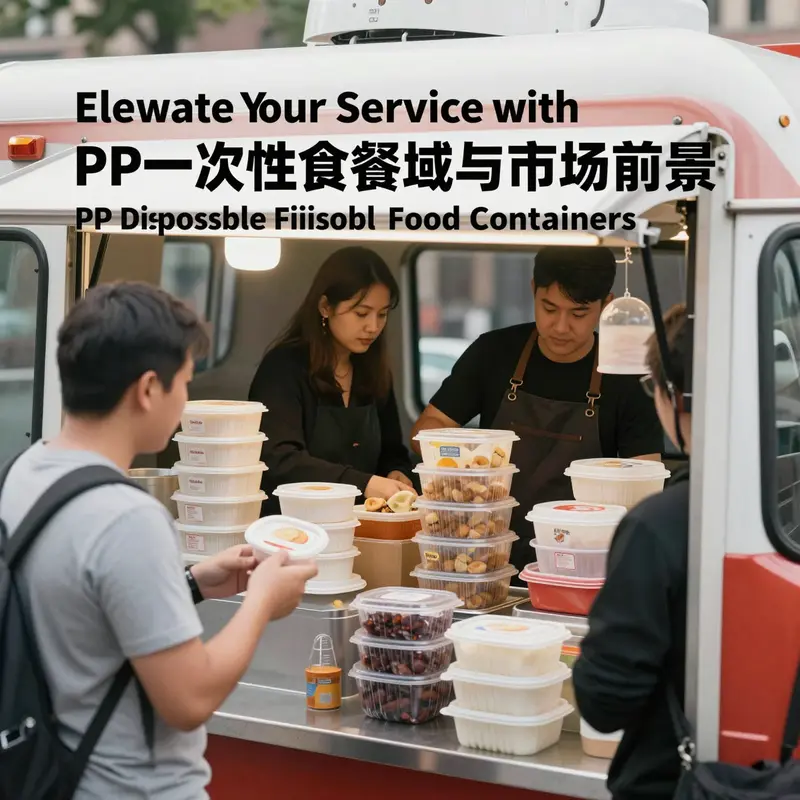
Polypropylene (PP) disposable food containers have quietly become the backbone of a rapidly changing food service landscape. Their distinctive mix of safety, performance, and process flexibility positions them at the center of takeout culture, meal-prep routines, catering logistics, and even some aspects of retail packaging. The narrative around PP is not merely about a plastic material; it is about a material that bridges speed, hygiene, and consumer expectations in a world where meals travel from kitchen to consumer in minutes, sometimes across hundreds of kilometers. When we chart the applications, the market, and the ongoing evolution of PP containers, a consistent thread emerges: PP’s value rests on a precise alignment of material science with the real-world demands of food safety, display, and practicality in transport and heating.
From a material science perspective, PP’s appeal starts with a robust safety profile. Food-grade PP is designed to be odorless, tasteless, and non-toxic, with a broad operating temperature range that makes it suitable for both heating and chilling—roughly from sub-freezing to well above room temperature. Reliable heat resistance is one of its defining strengths; many PP formulations tolerate a heating window that, in practice, spans from cold storage up to high-temperature reheating in microwaves, a crucial capability for ready-to-heat meals and single-serve dishes. In the industry, PP is often singled out as among the few plastics routinely approved for microwave heating, an attribute that translates directly into faster service, reduced food handling, and improved safety for hot-delivery meals. The chemical stability of PP, alongside its inertness to many common food components, supports a wide spectrum of products, from compact takeaway boxes to beverages and small dessert cups. The ability to infringe little on the flavor or aroma of the food inside is not trivial; it is a core contributor to consistent product quality from kitchen to customer.
But the story goes beyond safety. The performance envelope of PP containers includes exceptional rigidity and optical clarity when needed, which helps brands showcase the contents and maintain a premium perception even in transit. This is particularly valuable for fresh or prepared meals that rely on visible appeal to command interest and trust. The design language of PP containers—whether a compartmentalized tray that keeps sauces from mingling, a clamshell that provides a secure seal for grab-and-go meals, or a bento-inspired box with multiple compartments—speaks to a broader consumer desire for convenience without compromise. Each form factor has trade-offs: compartmentalized containers run the risk of leaks in transit and can incur higher costs; clamshells offer airtight protection and high display clarity but demand robust hinge materials and precise mating surfaces; and bento-style boxes emphasize portion control and aesthetic presentation, yet may sacrifice complete airtightness for certain liquids.
The material’s resilience is matched by a growing ecosystem of safety certifications and recycling pathways. High-quality PP packaging often adheres to international safety standards, typically including codes that reassure buyers about the material’s suitability for contact with a broad array of foods. Beyond safety, the environmental conversation is not optional. PP’s recyclability is a central argument in many corporate sustainability strategies because it enables the circular use of plastics and reduces landfill burden when recovered through established streams. Even so, the environmental impact hinges on proper recycling infrastructure and consumer participation; if PP containers are not collected and processed, their benefits can be mitigated by end-of-life leakage. Industry players therefore emphasize clear recycling labels, easy-to-understand sorting instructions, and collaborations with municipal waste systems to ensure materials re-enter productive cycles.
The modern PP packaging ecosystem does not exist in isolation. It integrates with a spectrum of packaging options, including paper-based alternatives and molded alternatives, where the choice often depends on product requirements, brand positioning, and supply chain realities. Within this spectrum, a notable trend is the shift away from more problematic, harder-to-recycle materials toward PP for many fast-service and ready-to-eat applications. In markets where EPS (foam) packaging is being phased out due to environmental concerns, PP go-to solutions have gained traction by combining heat tolerance, recyclability, and compatibility with additive technologies that enhance barrier properties or enable the incorporation of biodegradable materials with lower life-cycle impact.
A closer look at application domains reveals a coherent growth pathway across the supply chain. Core applications revolve around packaging and heating: fast-casual takeout and meal boxes, beverage cups for cold and hot drinks, transparent trays for fresh or chilled items, and ready-to-eat containers like yogurt, jelly cups, or partially prepared meals. The central appeal here is the frictionless interface PP provides between heating, sealing, and presentation. The containers maintain structural integrity during transport, preserve food safety, and preserve product appeal when opened by consumers. When brand owners design packaging around PP, they are also optimizing the customer experience: high transparency to showcase product quality, reliable venting and sealing for sauces and soups, and compatibility with a wide range of heating equipment.
Beyond the kitchen and dining room, PP’s reach extends into other important settings. Medical packaging sometimes leverages PP’s sterile and inert properties for components that come into contact with sterile products, while consumer goods like storage boxes, bathroom organizers, and certain translucent housings benefit from the material’s light weight and ruggedness. In industrial contexts, PP’s chemical resistance and dimensional stability support molded parts that require minimal weight without sacrificing durability. In all these domains, the underlying logic is consistent: the material should perform under operating conditions, be safe for users, and contribute to the overall efficiency and cleanliness of the process.
Market projections for PP-based disposable food containers reinforce the optimism surrounding the material’s role in contemporary packaging. The segment devoted to ready-to-eat PP containers has demonstrated notable momentum. Projections estimate that by 2025, the market for specialized ready-to-eat PP containers will reach roughly 16.7 billion USD, with growth continuing to 23.64 billion USD by 2032 and a compound annual growth rate (CAGR) of about 5.2%. These figures reflect not only a growing appetite for convenient, safe, and attractive packaging but also an ongoing evolution in product design and material science that enables brands to differentiate themselves through clarity, rigidity, and heat performance.
In China and other large markets, the transition away from older, less recyclable options like EPS toward PP is well underway. PP fast-food and takeout containers are becoming the norm due to their durability, recyclability, and the possibility to tailor formulations with new additives to achieve higher rigidity, better gloss, and improved optical properties. The ability to add performance-enhancing components—such as high-ridelity pigments or optical brighteners—into PP resins supports premium packaging that helps products stand out on crowded shelves and in delivery fleets. For brands seeking to elevate consumer perception, such material upgrades translate into tangible benefits in shelf appeal and consumer trust.
Technological progress continues to drive improvements in PP packaging. Advanced PP formulations, including high-rigidity grades with excellent clarity—symbols that packaging engineers recognize in grades such as BG065SA in some northern European markets—offer distinct advantages. These materials help deliver crisper product presentation, better compatibility with decorative printing or labeling, and a perception of higher quality for premium offerings. The ongoing collaboration between resin suppliers and packaging manufacturers is enabling even more tailored solutions, blending mechanical strength with optical performance to meet rising brand standards. In parallel, there is active work around sustainability: researchers and manufacturers are exploring ways to incorporate starch-based additives or photoinitiators to yield PP variants with enhanced degradability or easier recycling streams, aligning with global drives toward more responsible packaging design.
The environmental imperative remains a consistent driver of change. While plastic pollution remains a challenge, PP’s recyclability is a compelling argument for continued adoption, provided closed-loop collection and recycling systems are in place. The industry is increasingly focusing on labeling clarity, standardized recycling streams, and consumer education to improve recovery rates. That said, packaging decisions still require careful consideration of end-use conditions. In some instances, manufacturers must choose to pair PP with compatible sealants, coatings, or outer layers to achieve desired barrier properties, which can complicate recycling streams if not properly managed. The emphasis, therefore, is on designing for recyclability from the outset—selecting compatible cap, lid, and tray materials, using consistent resins for closures, and avoiding disparate plastics that complicate sorting.
As brands navigate this landscape, the choice of container format becomes a strategic lever. Compartmentalized trays, while excellent at preventing cross-contamination and preserving distinct flavors, demand careful sealing to manage leaks. Clamshells offer secure closures and a premium display but require durable hinges and consistent fit. Bento-style boxes project a modern, aesthetically pleasing image and can support portion control and premium plating, yet their airtightness around liquid components remains a consideration. In each case, the packaging decision must align with the product’s sensory profile, the expected handling conditions during transport, and the desired consumer experience once the package is opened. The broader market context—rising demand for convenient, safe, and pop-display packaging—continues to push manufacturers to optimize material choices, seal integrity, and production efficiency.
To illustrate the packaging ecosystem’s breadth, consider the broader set of disposable packaging options available to food businesses. Paper-based designs and bioplastics increasingly sit beside PP in the decision tree, but PP’s proven track record for heat tolerance, safety, and recyclability ensures it remains a central option for many operators. The packaging strategy for a given restaurant or food service operation will typically weigh the trade-offs between cost, performance, and environmental impact, aiming for a solution that preserves product quality, supports efficient logistics, and aligns with brand values. In this sense, PP is not simply a plastic choice; it is a design and supply-chain decision that can influence how customers perceive warmth, hygiene, and consistency from the moment a meal leaves the kitchen to when it lands on a customer’s table or doorstep.
For readers seeking a tangible example of related packaging formats, consider this example from the broader disposable packaging family: disposable kraft paper bowls with lids, a counterpart to PP in the disposable ecosystem. These paper-based options illustrate how brands are expanding their packaging toolkit to meet diverse needs—from hot soups to cold salads—while navigating the trade-offs between barrier performance, recyclability, and consumer preferences. See here for a representative disposable kraft paper bowl with lid: disposable kraft paper bowl for food package with lid. This linkage underscores how the packaging landscape is moving toward integrated solutions that balance material performance, environmental goals, and brand storytelling.
Looking ahead, the market outlook for PP disposable containers remains robust, driven by persistent demand for convenient, safe, and visually appealing packaging. The trajectory is supported by ongoing research that improves resin performance, enhances clarity and rigidity, and supports compatibility with both automated filling lines and consumer microwaving. The environmental dimension will continue to shape product development, as manufacturers pursue recyclable formulations and efficient end-of-life processes that reduce waste and extend the value of plastic packaging in a circular economy. The result is a packaging ecosystem where PP remains a central, adaptable, and increasingly sophisticated material, capable of supporting a wide range of products and business models—from quick-service restaurants to meal-prep services and beyond.
For readers seeking a broader perspective on plastics in packaging and their role in sustainable materials management, see the following external resource: https://www.epa.gov/smm/sustainable-management-materials-plastics.
Final thoughts
As the food service industry continues to evolve, PP disposable food containers stand out as practical solutions adaptable to varying needs. Their designs, safety standards, and environmental considerations align with the preferences of both businesses and consumers. Investing in high-quality disposable packaging not only enhances the customer experience but also supports a commitment to sustainability. By understanding the benefits and applications of these containers, businesses can effectively contribute to their success and future growth in a competitive market.