

In the competitive world of beverage service, offering the right packaging can make a significant impact on customer satisfaction and brand perception. Plastic disposable coffee cups with handles have become a favored choice across various establishments, including bubble tea shops, restaurants, and catering services. These versatile cups provide convenience, durability, and market appeal, suitable for both hot and cold beverages. Moreover, with evolving consumer demands emphasizing sustainability, customization, and compliance, understanding the trends and opportunities surrounding these cups is crucial. This article comprehensively explores market trends, eco-friendly options, customization advantages, and essential regulatory frameworks, providing a roadmap for beverage businesses looking to enhance their service and brand identity.
Handles in Transition: The Dynamic Market for Plastic Disposable Coffee Cups with Handles
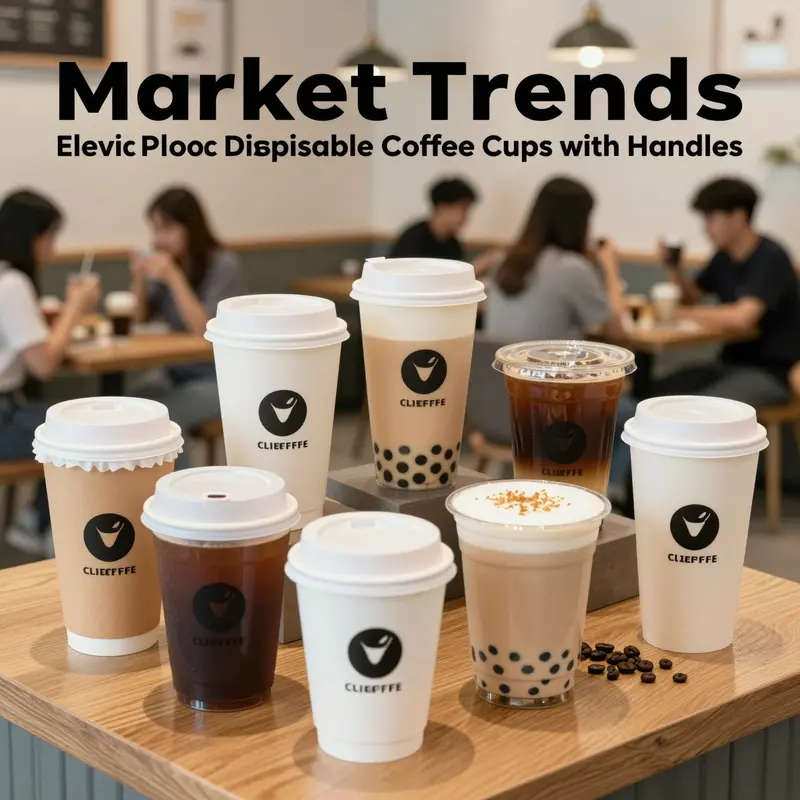
A global perspective on this evolution begins with regulatory action and a growing emphasis on circular economy principles. In major manufacturing hubs, policy shifts have accelerated a reallocation of demand away from traditional, non-biodegradable plastics toward materials that can be recovered or decomposed under suitable conditions. The shift is most pronounced in high-volume markets where disposable cups are a daily necessity and a visible symbol of waste. The Chinese market illustrates this transition vividly: regulators tightening enforcement and pushing for waste reduction cause manufacturers and retailers to recalibrate toward eco-friendly variants such as bio-based cups derived from renewable feedstocks. Recent industry assessments point to a growing share migrating toward PLA-based and other bio-based cup options, even as overall market size continues to expand. This is not a shrinking market; it is a reshaped market where sustainability-differentiated products claim larger shares of the pie. The rise of compostable and plant-based options is another cornerstone of current market dynamics, with compostable cups gaining traction globally due to policy incentives and shifting consumer preferences toward environmentally aligned products. Compostable cups—often made from corn starch or sugarcane fiber—can be engineered to perform on par with traditional cups and are designed to degrade under industrial composting conditions within a practical timeframe, typically 90 to 180 days; however, success hinges on access to appropriate facilities and clear consumer guidance to avoid misrouting waste. The growth of compostable options has driven standard-setting and certification programs that assess industrial and home compostability, while product development emphasizes heat resistance, leakage control, and structural integrity across beverage temperatures. Across regions, challenges remain, including compatibility with existing waste streams, varying facility availability, higher unit costs, and the need for consistent disposal messaging. Yet the overall trend points toward materials that align with broader sustainability objectives, brand commitments, and circular economy principles, with packaging ecosystems increasingly incorporating cups, lids, sleeves, and other components into cohesive, greener solutions. Market projections indicate continued growth for the broader disposable cup category, with a shifting share toward sustainable variants and a potential reduction in the traditional plastic cup with a handle to niche or hybrid uses within greener systems. The implications for business strategy are practical: embed end-of-life considerations early in design, communicate clear disposal guidance, align with regional waste systems, and pursue packaging innovations that balance performance, cost, and environmental impact. In short, the plastic disposable coffee cup with handle is evolving from a practical convenience into a component of circular packaging systems that preserves service speed and branding while reducing environmental footprint.
Holding a Green Future: Reimagining Sustainability in Plastic Disposable Coffee Cups with Handles
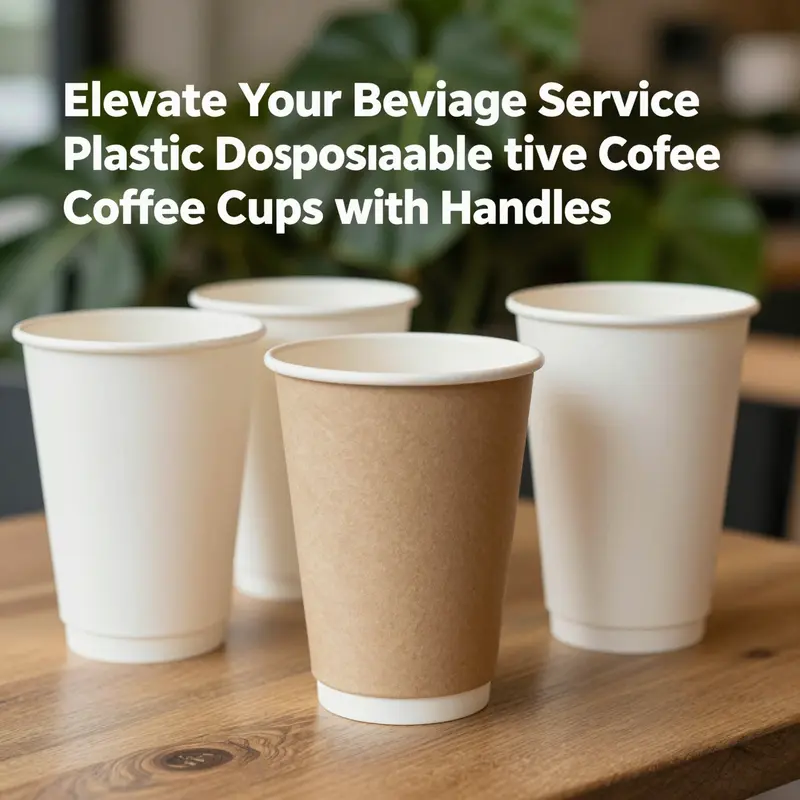
The humble plastic disposable coffee cup with a handle sits at a crossroads between everyday practicality and shifting environmental expectations. It is prized for its lightness, strength, and cost efficiency, which make it a staple in cafes, offices, and bustling events. Yet as awareness of plastic waste grows and regulations tighten, the demand for cups that can perform without compromising the planet has become a defining market force. The challenge is not simply to replace one material with another, but to rethink the entire lifecycle of the cup—from the choice of materials and the way it is manufactured to how it is used, disposed of, and, ideally, reintroduced into a circular system. The result is a narrative that moves beyond the mere presence of a handle and toward a broader commitment to sustainability that can keep pace with dynamic consumer expectations and policy landscapes while preserving the convenience that drives the cup’s ubiquity.
Material composition lies at the heart of this evolution. Traditional plastic cups are typically made from polypropylene or polystyrene, materials that offer strength and heat resistance but are not readily biodegradable. In response, manufacturers are exploring biodegradable alternatives such as polylactic acid, a plant-based polymer derived from cornstarch that can be composted under industrial conditions. These options aim to retain the performance users rely on—such as insulating properties for hot beverages and a reliable grip—without locking in fossil fuel dependence. At the same time, some brands introduce recycled plastics, like post-consumer recycled PET, to reduce the reliance on virgin materials. The promise here is twofold: it lowers the carbon footprint of each cup and closes the loop by reintroducing plastic into the supply chain rather than letting it end up in landfills or the environment. Yet the reality is nuanced. Not all PLA cups will compost in a home setting, and many require specialized industrial facilities that can reach the temperatures and conditions needed to break down the material effectively. This distinction matters because it shapes how retailers and consumers manage disposal and what infrastructure must accompany any material shift.
A key consideration with cups that feature a handle is preserving structural integrity while embracing greener options. Handles are not simply a stylistic flourish; they are central to user comfort and safety when holding hot drinks. Design innovations increasingly explore alternatives to conventional plastic handles, including paper-based attachments or bioplastic attachments that can be integrated into a singular compostable unit. The goal is a cup that can be disposed of whole, or at least in a way that minimizes contamination and improves compostability. When the handle remains part of a circular solution, the entire cup—cup, lid, and any attached sleeve—becomes more straightforward to compost or recycle in a facility that can handle mixed materials. In practice, these innovations reduce the friction between a product’s desirable performance and its end-of-life outcomes, steering the industry toward solutions that feel seamless in the moment of use and responsible in the moment of disposal.
Crucially, the pursuit of sustainability also invites a lifecycle perspective. The environmental impact of a single cup depends not only on the materials it contains but on the energy and water used during production, the efficiency of the manufacturing process, and the availability of end-of-life infrastructure. A shift toward plant-based or recycled materials can lessen carbon emissions and fossil fuel intensity, but it may simultaneously introduce new challenges—such as the need for higher energy input in some PLA manufacturing processes or the requirement for careful sorting to separate contaminated streams during recycling. Forward-thinking manufacturers are addressing these trade-offs by streamlining production, reducing solvent use, and partnering with recyclers to design cups that align with existing sorting technologies. The emphasis is not on a single victory but on a balanced portfolio of improvements that collectively lower the environmental burden while maintaining the practical benefits customers expect in everyday service.
The sustainability story is also about recognition and verification. Consumers and businesses increasingly seek verifiable assurance that a product actually performs as claimed in its environmental attributes. Independent certifications play a pivotal role here. Bodies such as the Biodegradable Products Institute certify compostability under defined conditions, while TÜV OK Compost provides additional validation. The How2Recycle program offers practical guidance on recyclability and proper disposal, helping users decide how to handle cups in the real world. When selecting sustainability-forward cups, buyers look for these marks as signals of a credible lifecycle approach. Yet certification is not a silver bullet. It must be complemented by a robust waste management system that can handle the specific materials in use. Without appropriate infrastructure, even the most responsibly designed cup can struggle to achieve its intended environmental benefit. This is why the broader conversation increasingly encompasses collaborations with municipalities, waste processors, and consumer education campaigns that clarify how to dispose of cups properly in different regions.
As businesses weigh the options, the rise of circular economy initiatives offers a practical pathway beyond single-use reductions. Reusable cup programs in cafes and offices have gained traction as a way to dramatically cut single-use waste, while simultaneously exposing customers to a different service model. These programs are not a rejection of disposables but a strategic complement: for certain contexts, a durable, reusable system paired with a streamlined cleaning and return flow can dramatically lower overall environmental impact. Even within the disposable category, designers are adopting modular thinking—creating cups that can be more easily separated into recyclable streams or that rely on compostable layers for the core structure. Such modular thinking echoes the larger industry push toward products that are easier to disassemble, sort, and process at end of life.
The practical realities of disposal also shape consumer behavior. In many markets, the ideal of home composting remains a distant target because most households lack industrial facilities capable of breaking down PLA or other compostable plastics. This gap underscores the importance of consumer education about local facilities, labeling, and the differences between home and industrial composting. It also highlights the need for clear, standardized guidance on what can be recycled with a given cup, what must be discarded as waste, and where to locate the appropriate recycling or composting stream. In turn, retailers and manufacturers face the imperative to align product design with the capabilities of the waste infrastructure in their markets. The result is a practical, ground-level approach to sustainability that emphasizes honest communication with customers and a willingness to adapt as systems evolve.
A central thread in this narrative is the balance between customization and responsibility. Cups with handles often serve as canvases for branding while also carrying practical attributes such as grip texture, heat resistance, and stackability. Customization remains valuable for brand visibility and user experience, but it must be pursued in harmony with sustainability goals. For instance, a cup may feature an eco-friendly printed logo on a single-wall cup to convey commitment to greener practices without compromising recyclability. This concept can be explored through accessible design choices and careful material selection that keep the cup compatible with standard waste streams. For readers seeking a tangible example of how such choices translate into product options, an internal reference point can be found in the eco-friendly printed logo single-wall paper cup, which illustrates how branding and sustainability can coexist in a practical, circular-minded packaging ecosystem. eco-friendly printed logo single-wall paper cup.
Ultimately, true environmental responsibility requires a holistic view that extends beyond the cup and into the systems that surround it. Policies and industry standards shape the market, but the most meaningful progress happens when brands, retailers, waste management providers, and consumers collaborate. This collaboration involves not only adopting greener materials but also investing in education, infrastructure, and logistics that enable proper disposal and recovery. It means recognizing where a cup’s life ends and its next life begins, and designing with that boundary in mind from the outset. In the end, the handle that makes a hot beverage manageable can become a symbol of accountability if the product is designed and disposed of with care, transparency, and a clear path back into the circular economy. As standards continue to evolve and consumer expectations sharpen, the most resilient strategies will be those that couple strong material science with robust waste systems and clear, accessible guidance for users.
External reference: For guidance on end-of-life practices and recyclability, see How2Recycle’s plastic cup information. https://www.how2recycle.org/what-to-do-with-plastic-cups/
Branding on the Move: Customizing Plastic Coffee Cups with Handles as Mobile Marketing Tools
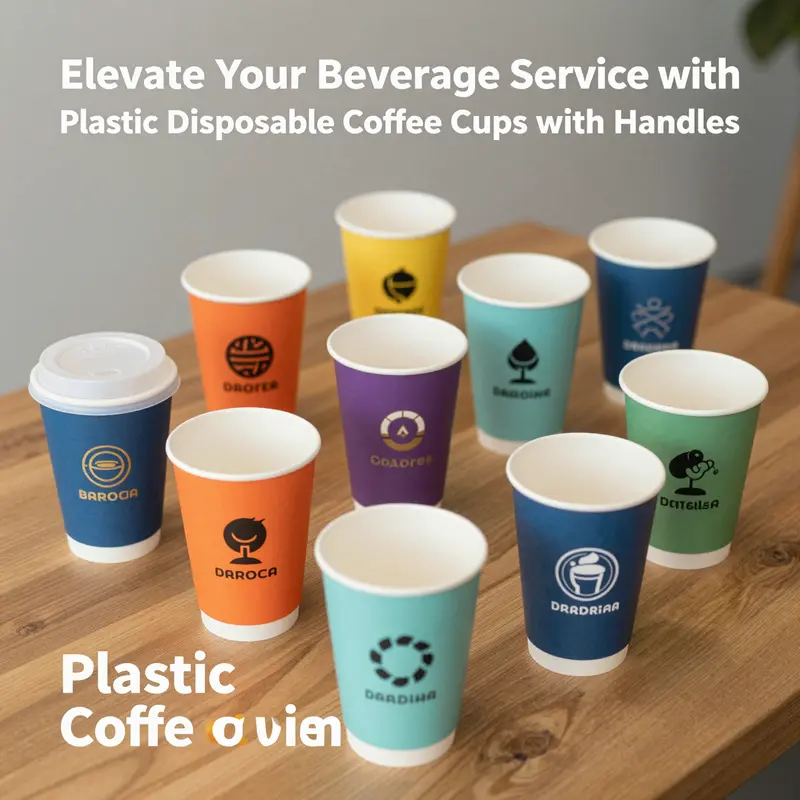
Plastic disposable coffee cups with handles sit at the intersection of everyday practicality and strategic branding, turning a simple consumer habit into a surprisingly effective marketing channel. In cafes, offices, and events, these cups travel from barista to customer, then into hands, bags, and even the occasional spill on a busy street. That mobility makes every cup a tiny, motion-infused billboard. The handle, often overlooked as a purely functional feature, becomes a tactile invitation for interaction. When a manager considers a branding program, the opportunity goes beyond a one-off logo print. It extends to a continuous brand experience that travels with the drinker—from the moment the cup is picked up, through the sip, to the moment the cup is discarded or recycled. The result is brand visibility that is both intimate and portable, a cost-effective form of advertising that does not rely on a fixed storefront or a single location. The cup becomes a compact ambassador, carrying color, typography, and the brand’s personality along every step of the customer’s day.
The core value of customization rests on three interconnected choices: how the cup communicates the brand visually, how the cup feels in the user’s hand, and how the printing method sustains the design through handling, heat, and time. In practice, brands can select from a broad palette of colors and images, then translate those choices into designs that wrap around the cup’s curved surface. This is where the physics of the cylinder matters: a print must stay legible when viewed at various angles and distances, and it must resist wear when the cup is carried, touched, and possibly stacked with others. The materials used for the cup—often PET for clarity and strength—play a decisive role in how faithfully a logo or artwork can be reproduced. A durable finish, whether matte or glossy, can further enhance legibility and perceived quality, influencing a customer’s first impression of the beverage and, by extension, the brand itself.
In the design process, the handle adds a second dimension to branding. Some brands treat the handle as an accent, choosing a complementary color or texture that harmonizes with the cup’s body. Others go further, embossing a logo, crest, or subtle pattern directly onto the handle to create a tactile cue that is instantly recognizable even when the cup is only partially visible. The effect is more than decorative; it creates a distinctive moment of contact that can be linked to a sense of premium service or artisanal care. When a customer takes hold of the cup, the physical sensation of the design reinforces memory, turning a practical object into a meaningful part of the brand story. The opportunity increases when suppliers offer options beyond standard finishes, including soft-touch textures, laser-engraved details, or subtly frosted elements that catch the light and the eye in different ways as the cup moves.
From a business perspective, the branding potential of plastic cups with handles extends well beyond the shelf or the display case. Brands gain constant, low-cost exposure because each cup is a repeat touchpoint in the consumer journey. The cups travel through daily routines—commutes, meetings, snack breaks—thereby extending the brand’s reach without additional media spend. Custom cups can also serve as a persuasive differentiator in crowded markets. In settings such as conferences or office campuses, branded cups help messages survive beyond the moment of purchase, offering a tangible reminder of the brand during downtime or follow-up conversations. Promotional campaigns can leverage limited-edition designs tied to seasons, events, or collaborations, creating not just recognition but anticipation. A well-executed design strategy can convert a simple beverage into a memorable moment, strengthening the emotional connection between the consumer and the brand and, importantly, boosting brand recall during the next purchase decision.
Customization also supports broader brand-building goals by harmonizing cup design with other packaging elements. Cups can be coordinated with lids, sleeves, and related accessories to present a cohesive packaging solution. A consistent visual language across cups and lids reinforces brand identity and elevates perceived value. This approach is particularly useful for businesses hosting events, managing corporate cafeterias, or coordinating multiple retail locations. The ability to extend branding across different touchpoints helps maintain a uniform consumer experience, which in turn strengthens trust and loyalty. Even the choice of cup size—6 oz, 8 oz, 12 oz, or 16 oz—can be aligned with a brand’s promotional calendar, enabling targeted messaging for different times of day or occasions. A 12-ounce cup might carry a bold centerpiece graphic for a coffee program, while a smaller 6-ounce option could showcase a seasonal emblem in a limited run, both reinforcing a playful, strategic consistency rather than mere decoration.
Print quality remains a central consideration in achieving durable branding. High-quality printing techniques, such as offset or digital printing, ensure designs stay vibrant through handling and use. The presence of a clear PET cup body helps protect color and detail, but designers must account for the cup’s cylindrical curvature. Shrink or distortion can occur if artwork is not adapted for wraparound printing, so designers often work with templates that map the artwork to the exact curvature and include safe margins for seams and overlaps. The finish option—matte or glossy—also influences perception. A matte surface can provide a refined, sophisticated feel and reduce glare when photographed, while a glossy finish can enhance brightness and pop, making colors appear more saturated in bright café lighting. Each finish interacts with light and grip in distinctive ways, subtly shaping how a brand is perceived at the moment of purchase and during the lingering minutes of consumption.
Sustainability considerations shape not only the materials but also the story brands tell about their customization choices. Consumer demand for greener options has nudged the industry toward biodegradable and compostable plastics made from renewable resources such as polylactic acid (PLA), along with double-walled insulated designs that improve heat retention and user comfort. These greener choices can coexist with branding goals, but they require careful messaging and clear performance expectations. Clear communication about recyclability or compostability, along with any certifications, helps manage customer expectations and supports responsible disposal. For brands seeking premium positioning, double-walled insulated cups can be presented as a value-add that preserves drink temperature while maintaining a sleek aesthetic; however, this can come at a higher unit cost, and marketers must weigh the benefits against the price sensitivity of their audience.
Another design challenge arises from the cup’s practical use in hectic environments. The curved surface, the space available for a label, and the possible micro-variations in cup diameter can distort imagery if not accounted for during the design phase. Designers are advised to employ scalable vector graphics and high-contrast color palettes to preserve legibility across sizes and lighting conditions. The ethics of branding also come into play—ensuring that the art supports accessibility and readability for all customers, including those with visual impairments. Thoughtful design, in combination with responsible material choices, helps brands avoid slogans or images that might be misread when the cup is partially occluded by a sleeve or a hand. In short, the brand story should be legible at first glance, even when the cup is only partially visible or in motion.
For brands that want to explore the practicalities of turning customization into a real project, the pathway typically flows from concept to prototype to large-scale production. Early stages involve a collaborative design review, where graphic files are prepared for wraparound printing and tested against real-world conditions such as grip, heat, and exposure to steam. This process often includes selecting a color system that translates faithfully from digital proof to printed cup, establishing tolerances for misalignment, and confirming that the design remains cohesive when viewed from multiple angles. Once a design is finalized, suppliers can coordinate with lids and sleeves to deliver a complete branding package, ensuring consistency wherever the cups travel. The ability to offer integrated solutions—lids, sleeves, and cup branding as a single suite—represents a practical value proposition for operators seeking efficiency and coherence in their packaging. In this sense, the customization of plastic cups with handles transcends simple aesthetics; it becomes a turnkey branding and packaging strategy that aligns with broader marketing objectives.
To illustrate how these concepts translate into real-world applications, imagine a campaign built around a limited-edition colorway that speaks to a seasonal mood or a local collaboration. The design could feature bold typographic treatment or a playful illustration that wraps the cup, with the handle receiving a complementary texture or an embossed mark to reinforce tactile recognition. When executed well, such a program invites customers to collect and share moments with the cup in their hands, on social media, and in conversations with friends and colleagues. The result is a small, daily ritual that deepens brand resonance without the noise and cost of traditional advertising channels. The cup thus operates as a silent salesperson, an accessible touchpoint that travels through the day’s rhythms and reinforces the brand narrative at every sip.
For readers seeking concrete examples of branding opportunities in disposable cup packaging, one can explore a range of packaging suppliers that emphasize customization across multiple product categories, including take-away cups and associated accessories. For more on branded cup options and design leverage, visit the resource linked here: disposable-takeaway-paper-cup-custom-logo-kraft-coffee-cup-with-lid. This example illustrates how a cohesive branding package extends beyond the cup body to create a unified, market-ready presentation that can be tailored to different campaigns while maintaining recognizable brand markers. Finally, broader sustainability considerations remain essential to responsible branding. Companies that openly communicate ecological commitments—whether through recyclable materials, compostable options, or recycled-content packaging—build trust with consumers who increasingly value transparency and environmental stewardship. In this context, the branding success of plastic cups with handles hinges not only on visual impact but also on clarity about disposal pathways and environmental responsibility.
External resources for further reading on sustainable materials management and packaging lifecycle can offer valuable context for brands pursuing green branding strategies. See the following resource for a broader framework on how packaging choices intersect with sustainability goals: https://www.epa.gov/smm/sustainable-management-materials
Between Convenience and Caution: A Deep Dive into Plastic and Eco-friendly Disposable Coffee Cups with Handles

Every morning rush in cafes and offices reveals a quiet lesson about design: a cup with a handle can change how we carry heat, how we perceive warmth, and how we imagine the lifecycle of a single-use item. Plastic disposable coffee cups with handles emerged from a need for reliability, portability, and speed. They are light enough to cradle in a busy hand and sturdy enough to resist buckling when a hot beverage is filled to the brim. The handle, a small ergonomic feature, isn’t just a convenience; it is a signal about comfort and control in the moment of consumption. Yet behind the concrete advantages lies a spectrum of concerns about materials, safety, and the fate of these cups once they leave the coffee shop. To understand the full story, one must trace the threads of composition, performance, and consequence, and then weigh them against alternatives that promise lower impact without surrendering practicality.
At the heart of plastic disposable cups with handles is material choice. The workhorse materials are polypropylene (PP) and, in some cases, polycarbonate (PC). Both offer high heat resistance and rigidity, which helps when hot liquids are poured and the cup has to hold its shape during a quick transfer from bar to hand. But heat and time matter: prolonged contact between hot liquid and certain plastics can lead to chemical migration. BPA, a compound once common in PC resins, became a focal point of concern because of its endocrine-disrupting properties. Even as manufacturers pivot to BPA-free formulations, the story doesn’t end there. Alternative plastics marketed as “BPA-free” may still shed microplastics or release other chemical residues when heated. The FDA regulates food-contact materials, but the long tail of exposure—especially from frequent use or repeated reuse of single-use cups—continues to provoke questions about cumulative risk.
Eco-friendly disposable cups, often pitched as the responsible counterpoint to plastic, typically rely on paper barriers lined with plant-based polymers such as polylactic acid (PLA). The appeal is clear: a renewable feedstock and a perception of compostability and reduced fossil-fuel dependence. Yet a growing body of research challenges the neat dichotomy. A Swedish study published in 2023 raised a striking point: many cups labeled eco-friendly carry a thin plastic or fluorinated coating intended to prevent leakage. These fluorinated layers can break down under heat, releasing toxic fluorinated compounds into the beverage. The implication is profound: a product marketed as sustainable or safer for health may still pose chemical challenges when hot liquids are involved. The Swedish study does not merely cast doubt on a single coating; it invites readers to scrutinize the surface realities of what we call eco-friendly and to consider how coatings interact with heat, time, and our sensory expectations of safety.
From a consumer perspective, these chemical questions matter but are only one part of a broader environmental calculus. Environmental impact is a multifaceted ledger. Plastic cups, despite being technically recyclable, suffer from dismal real-world recycling rates due to contamination and the perishability of sorting streams. Global estimates place the proportion of plastic that is actually recycled at well under ten percent, underscoring a mismatch between ideal recycling pathways and everyday waste management realities. Eco-friendly cups, meanwhile, depend on industrial composting facilities for meaningful degradation. In many municipal systems, such facilities are sparse or unevenly distributed, leaving PLA-lined cups to languish in landfills where they generate methane during degradation. Even the production of PLA invites scrutiny: it relies on agricultural inputs and energy, which can translate into a carbon footprint that challenges the assumption of being inherently greener than conventional plastics.
The practicalities of use extend beyond chemistry and carbon accounting. In daily life, plastic cups with handles deliver a combination of travel-ready durability and heat tolerance that many customers value for coffee on the go. They resist warping and leaking up to a point, which is precisely why they became a staple in quick-service environments. Eco-friendly paper cups with a plastic lining can offer a crisper feel in the hand and a more reassuring grip for some, yet their insulation properties often falter compared to the best insulated plastic variants. A double-walled design, which maintains beverage warmth better, is marketed as a premium feature. The premium, however, does not automatically translate into sustainability; it may simply create a perception of value while complicating the end-of-life equation, since more complex structures require more intricate separation in recycling or composting facilities.
A broader narrative emerges when we consider customization and branding. In high-traffic settings, a disposable cup is not just a vessel but a moving billboard. Businesses lean into logos, color schemes, and even slogans printed or embossed on cups to reinforce brand identity. The potential downside is the unintended consequence of elevating disposable items as a surface for marketing while the environmental costs remain embedded in the product’s lifecycle. Even as suppliers offer eco-friendly options that can be printed with corporate art, the underlying question persists: how do we balance promotional value with honest attention to health and environmental data? In this context, the availability of customizable eco-friendly options—such as eco-friendly custom paper cups with lids—provides a path that aligns branding with a broader conversation about sustainability. These options can be presented with careful messaging about lifecycle considerations, and, crucially, they can be paired with clear waste-handling guidance to steer customers toward responsible disposal.
The lifecycle conversation matters because a single cup is not an isolated artifact; it exists within a system of production, distribution, use, and end-of-life. For a business trying to optimize costs, the nonstop flow of disposable cups with handles remains economical in the short term. The numbers often cited point to a low unit price that makes them accessible in bulk, enabling standardization across multiple locations and events. Yet the hidden costs—chemical exposure, potential mislabeling about safety, and the environmental burden of massive waste streams—force a recalibration of priorities. In response, some operators are experimenting with reusable options or rotating stock toward more sustainable single-use formats that minimize risk while maintaining the practical advantages customers expect. Reusable travel mugs and insulated cups, though initially more expensive, are designed to be durable, easy to clean, and serviceable across many uses. For customers who prioritize safety and environmental integrity, these alternatives offer a clear path to reducing single-use waste without sacrificing the convenience that a handle provides.
In industries that pride themselves on speed and uniform service, the risk landscape also includes health and regulatory considerations. Even with BPA-free designs, the interaction of hot liquids with plastics or coatings remains an area requiring ongoing scrutiny. Transparent communication becomes essential: customers deserve to know not only what a product is made of but also how it performs under typical usage, how it should be cleaned, and what its end-of-life expectation is. The best practice for vendors and retailers is to publish straightforward information about material composition, processing, and disposal guidance, alongside a cautious reminder that the safest overall choice for health and environment is often to minimize single-use consumption and to favor reusable systems when feasible.
In contemplating the future, a balanced outlook recognizes that neither plastic nor so-called eco-friendly cups offer a flawless answer. The most responsible choice may lie in a continuum: reduce overall consumption, invest in high-quality reusable wares for daily use, and implement robust, convenient recycling or composting streams for unavoidable disposables. The trade-offs are not simply about one material versus another; they are about aligning design, consumer behavior, and waste infrastructure so that the handle on a cup does not become a handle on a problem. As research continues to illuminate the nuanced interactions between heat, coatings, and leachates, designers and policymakers have an opportunity to converge on solutions that respect safety, performance, and planet alike. For brands, that means transparent communication, responsible sourcing, and offering options that genuinely lower environmental impact without compromising the user experience.
To ground this discussion in accessible, real-world evidence, readers can explore examples of how eco-friendly options can be implemented with careful attention to end-of-life considerations and branding outcomes. For further reading on the broader category of eco-friendly, customizable cups with lids, see the resource describing eco-friendly custom paper coffee cups with lid. This example illustrates how companies are attempting to marry branding with sustainability without overpromising on finishes or outcomes: eco-friendly custom paper coffee cups with lid.
Ultimately, the question of which cup is “better” is not a single verdict but a decision shaped by context. A small café in a city with strong recycling or composting infrastructure may tilt toward certain eco-friendly configurations, while a large event with high turnover and limited waste management options may prioritize the reliability and cost-effectiveness of traditional plastic cups with handles. In both cases, the crucial steps are clarity, science-backed decision-making, and a willingness to move toward designs and practices that reduce risk while preserving the everyday rituals that a coffee cup enables. The handle remains a symbol of ease, but the stewardship of what happens after the drink is finished is the real measure of responsibility.
External reference for deeper consideration of chemical leaching and environmental concerns in disposable cups: https://www.svenskmiljoforsakring.se/nyheter/2023/11/28/plastfria-kaffekoppar-kan-innehalla-toxiska-foreningar/
Regulatory Currents and the Handled Cup: Navigating Law, Waste, and Innovation in Plastic Disposable Coffee Cups
The regulatory landscape surrounding plastic disposable coffee cups with handles has shifted from a behind-the-scenes compliance matter to a frontline consideration for product design, sourcing, and end-of-life planning. Regulators increasingly frame these items not merely as consumer conveniences but as chapters in a broader story about waste generation, resource use, and the real-world limits of recycling infrastructure. A central development is the LCQ16 Regulation, which has been effective since 2025 and targets the reduction of plastic tableware and regulated plastic products from being disposed of in landfills. Its impact travels beyond the waste stream; it reshapes the incentives for manufacturers and retailers, nudging them to rethink materials, structures, and the lifecycle of every cup that leaves a storefront. For a business, that means more than meeting a rule; it requires anticipating how a cup will live, be collected, and potentially be reintroduced into the economy as a stream of materials rather than a residue in a landfill.
The challenge begins with the cup body itself. In most disposable coffee cups with handles, the common materials are polystyrene (PS) or polypropylene (PP), both derived from non-renewable fossil resources. Those choices bring a practical set of advantages—low cost, light weight, excellent heat resistance, and established manufacturing ecosystems. Yet the environmental footprint attached to PS and PP remains sizable, especially when fabrication, transport, and end-of-life processing are considered in concert. The regulatory narrative thus compels manufacturers to quantify that footprint and to align with standards that govern recyclability, contaminant management, and the feasibility of circularity. Contamination remains a stubborn barrier; many cups labeled as recyclable still end up non-recyclable in municipal programs because of food residues, liquid contents, or the presence of sleeves, lids, and handles that complicate separation. In some jurisdictions, labeling and sorting guidance are as important as the cup’s physical composition because improper disposal undermines the entire recycling value chain. This reality underpins a growing emphasis on design-for-recycling practices and on clear, consistent messaging that helps consumers participate correctly in the local waste system.
The addition of a handle complicates life cycle thinking more than a plain cup might. Handles can be made from different materials—plastic, paperboard, or even composite laminates—and they often require adhesive or mechanical bonds that challenge separation during recycling. From a regulator’s perspective, the entire product structure is under scrutiny, not just the cup body. This means disclosure of material streams, adhesive types, ink formulations, and even the lifecycle data that informs environmental claims. Producers are increasingly expected to demonstrate that their products can, with reasonable efficiency, be diverted from landfills and reintroduced into value chains. In practice, this pushes companies toward embracing post-consumer recycled (PCR) materials where feasible and toward exploring alternative packaging formats that simplify end-of-life processing. PCR adoption becomes not just a sustainability feature but a regulatory signal of alignment with evolving waste-management capabilities.
Policy signals also come with market incentives. When a regulatory regime promotes or requires higher recycling rates or the use of PCR content, it nudges procurement choices toward materials and suppliers who can deliver verifiable circularity. This sometimes translates into formal obligations, such as reporting on recycled content, sharing lifecycle assessments, or meeting minimum performance thresholds for recyclability and compostability. For cups with handles, these obligations may extend to the attachment methods for the handle itself, the ink and coating systems used on the cup surface, and the compatibility of the assembled cup with lids and sleeves that commonly accompany hot beverages. The regulatory emphasis on end-of-life processing ensures that a cup is not treated as a one-way product but as a potential feedstock in a broader closed-loop system. In practice, this has accelerated interest in alternatives, including biodegradable or compostable options, though those alternatives come with their own regulatory and logistical considerations.
Biodegradable and compostable options, such as PLA-based formulations derived from renewable resources, exist in the market as part of the response to consumer and regulator-driven demand for greener packaging. While these materials can reduce certain environmental impacts in specific waste streams, they also complicate compliance questions. Compostability standards vary by jurisdiction, and the composting infrastructure required to handle these products is not uniformly available. Regulators look for robust certification schemes and clear guidance on what waste stream is appropriate for disposal of compostable cups. For businesses evaluating whether to transition away from conventional PS or PP cups, the decision is not simply a matter of material substitution. It involves understanding the regulatory requirements for labeling, the performance of composting channels in target markets, and the compatibility of the new cups with existing supply chains, including lids, sleeves, and shipping materials.
Design-for-recycling principles are increasingly mainstream in the regulatory conversation. Companies are expected to minimize mixed materials that hinder mechanical separation and to favor monomaterial constructions where possible. When mixed materials are unavoidable, regulators expect strong end-of-life plans and transparent disclosures about the ease or difficulty of recovering value from those materials. This often translates into practical changes: selecting compatible lid materials, avoiding complex coatings, and ensuring that inks and logos do not contaminate the recycling stream. Even packaging color and print processes can become regulatory talking points if they impede sorting or contamination control. Beyond the technical details, there is a broader requirement for lifecycle transparency. Regulators and observers alike want to see evidence that the product’s overall environmental profile aligns with stated claims, and that the packaging ecosystem is moving toward real, measurable improvements in resource use and waste reduction.
The governance landscape also intersects with consumer expectations. Increasingly informed customers seek products that align with broader sustainability commitments. Businesses are responding by developing and communicating clear environmental targets, participating in extended producer responsibility schemes where applicable, and auditing the entire packaging supply chain for opportunities to reduce impact. The end consumer, in turn, becomes a crucial partner in the regulatory narrative, transmitted not only through choices at checkout but also through feedback and demand signals that influence policy evolution. In this environment, one may observe a shift toward more durable, reusable, or refillable cup concepts in certain markets, especially where local regulations promote reuse infrastructure and where retailers can demonstrate effective system-level gains from such shifts. While a wholesale move away from single-use cups is not universal, the trend toward systems thinking—where disposal, reuse, and recovery are treated as a connected loop—is unmistakable and reinforced by regulatory frameworks.
For practitioners and executives, the practical upshot is clear: regulatory compliance is inseparable from product strategy. The feasibility of meeting LCQ16 or similar rules depends as much on supplier collaboration and process agility as on the cup’s material choices. Responsible sourcing now extends to the upstream supply chain, where resin suppliers, ink formulators, and adhesive manufacturers are also held to higher standards for clarity, traceability, and environmental performance. Downstream, manufacturers and retailers must invest in monitoring, labeling, and consumer education to ensure that disposal outcomes are predictable and favorable. The regulatory agenda is, in effect, a quality control mechanism for the broader packaging ecosystem, driving consistency, accountability, and continuous improvement.
From a branding perspective, the regulatory tide pushes companies toward transparent storytelling about packaging life cycles. Brands that demonstrate credible progress—whether through higher PCR content, clearer end-of-life guidance, or reductions in overall material use—can differentiate themselves in a crowded market. This is where internal alignment matters: product design, procurement, sustainability reporting, and marketing communications must be integrated so that the regulatory narrative informs every facet of the business. The interplay between policy and practice becomes a driver of innovation, prompting safer materials, simpler recycling schemes, and smarter logistics that reduce emissions and waste. It also invites a broader dialogue about the role of single-use products in a resource-constrained world and about how packaging can evolve to balance convenience with responsibility.
In the end, the story of plastic disposable coffee cups with handles is not just about compliance. It is about rethinking how everyday packaging fits within a climate-conscious, resource-aware economy. The LCQ16 framework, along with related regulations, challenges the industry to demonstrate that convenience and sustainability can coexist without compromising safety, efficiency, or economic viability. For a business navigating this regulatory current, the path forward lies in design choices that ease end-of-life processing, robust data and disclosure that support credible claims, and a willingness to explore and invest in alternatives when the economics, logistics, and policy align to do so. The result can be a more resilient product ecosystem—one that preserves the essential convenience customers expect while aligning with regulatory expectations and the growing demand for responsible packaging.
External resource: https://www.gov.uk/government/publications/lcq16-regulation-of-disposable-plastic-products
Final thoughts
In conclusion, plastic disposable coffee cups with handles offer a compelling blend of practicality, customization, and sustainability, serving as an essential component for beverage businesses. As the market evolves, understanding the trends, sustainable alternatives, branding opportunities, and regulatory frameworks can position your establishment to better meet consumer demands. By integrating these insights, you can enhance your beverage service experience, attract environmentally conscious customers, and elevate your brand identity. Stay ahead of the curve and make informed choices that will not only meet but exceed your customers’ expectations.