
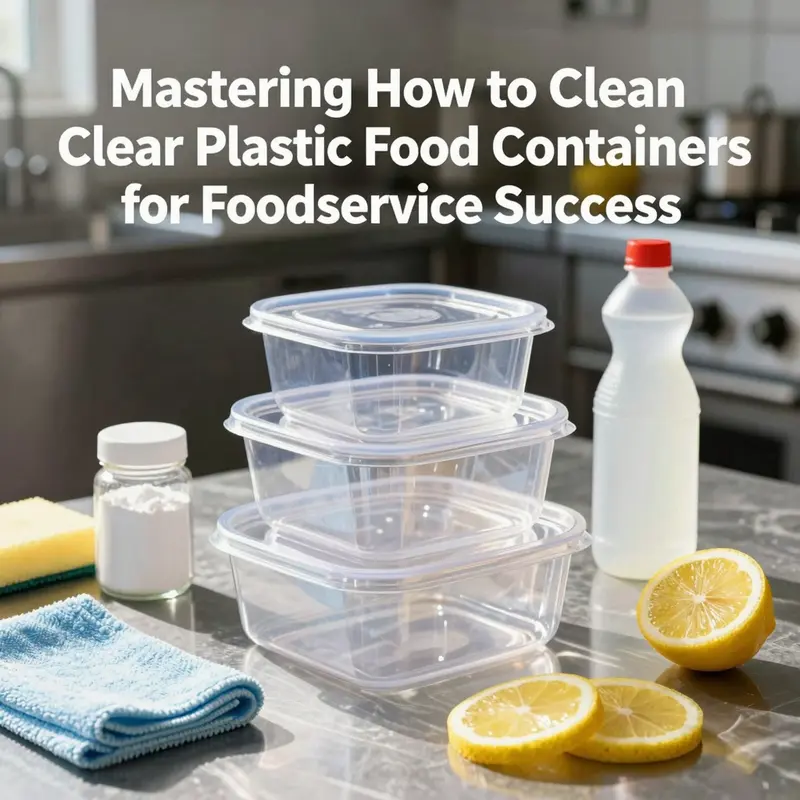
Clear plastic food containers are essential tools across bubble tea shops, restaurants, food trucks, catering services, event planners, and corporate procurement teams. Maintaining their pristine clarity and hygiene isn’t just about aesthetics—it directly impacts food safety, brand reputation, and operational efficiency. Effective cleaning tailored to different stains and residues preserves container quality while extending usable life and controlling costs. This guide covers four core areas: selecting cleaning methods based on stain types, step-by-step safety procedures, eco-friendly maintenance approaches, and key best practices to protect container durability and transparency. Each chapter builds a comprehensive understanding so your business can confidently manage container hygiene while promoting sustainability and safety standards.
Restoring Clarity: Choosing Cleaning Methods for Clear Plastic Containers by Stain and Residue Type
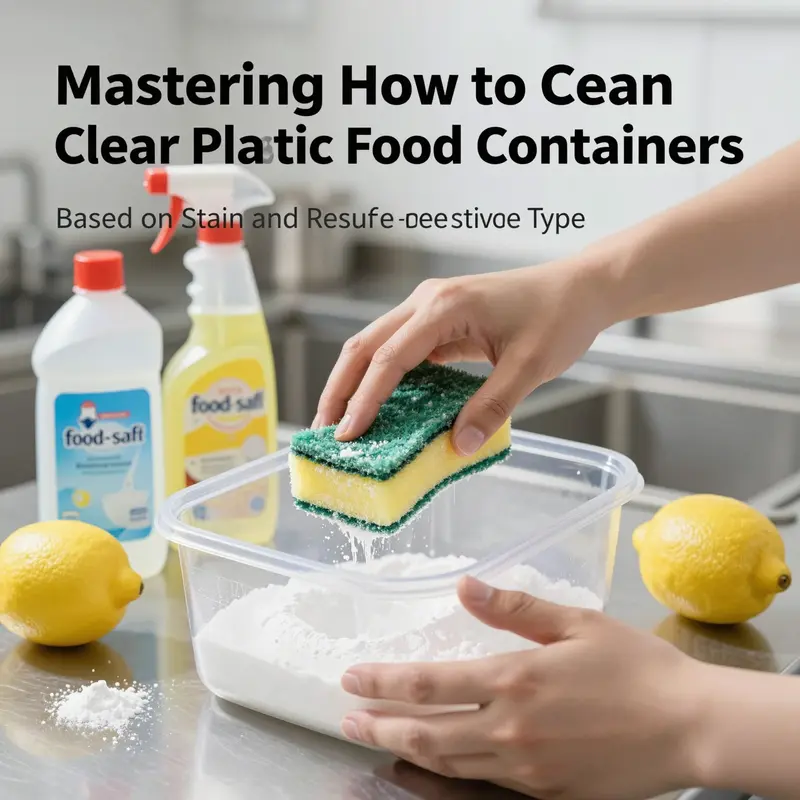
Clear plastic food containers earn their place in kitchens because they let you see what’s inside. But their transparency can fade. The cloudy look isn’t always the same problem, and a one-size-fits-all scrub often makes things worse. The key is diagnosis. When you can identify the stain or residue behind the haze, your cleaning method can be precise, gentle, and effective. This chapter walks you through the reasoning and the practical steps, linking the science of plastics with the everyday routines of kitchen cleaning. The goal isn’t just to remove a stain; it’s to preserve clarity, maintain safety for food contact, and extend the life of the container so it can carry on as a reliable, reusable part of your setup. As you read, you’ll notice that each approach respects the material’s limits while exploiting safe, food-grade cleaners that work with plastic without etching, warping, or leaving a film that invites new residues. The result is a container that looks fresh, handles well, and stays reliable through repeated use.
A good starting point is to recognize that surface haze and discoloration arise from different causes: oil buildup, mineral deposits, detergent residues, scratches, and deep-stained pigments from foods. Each cause suggests a particular method. This isn’t about chasing perfection in one quick pass; it’s about a measured sequence that treats the problem at its source. By aligning technique with stain type, you reduce repeat cleanings and minimize the chance of introducing new haze. This approach also dovetails with broader practices of reducing waste and maintaining a long life for reusable containers, a practical consideration for anyone looking to cut waste and save money over time.
First, and perhaps most common, is surface haze from fat and oil buildup. Containers that frequently hold curry, olive oil, or fried foods often become milky or foggy on the surface. The underlying principle is straightforward: oils adhere to the plastic and scatter light, giving a dull appearance. The recommended procedure begins with warm water and mild dish soap. A soft sponge or cloth helps lift the film without scratching. When the buildup is stubborn, a baking soda paste—about one part baking soda to two parts water—can be gentle enough to break the bond between oil and plastic. The paste is applied with circular motions, then allowed to sit for ten to fifteen minutes before a thorough rinse. Baking soda provides a mild abrasive action that can lift trapped oils without scratching the surface. Drying is equally important; air-drying upside down in a well-ventilated area helps prevent new moisture from becoming a breeding ground for bacteria.
Second, consider residues left by detergents or harsher cleaners. Some dishwashing processes involve chlorine or sodium-containing detergents that, over time, can etch or dull plastics. If you notice that haziness seems to develop after repeated dishwasher cycles, it’s wise to reduce exposure to those harsher residues. A practical method is to soak the container in a solution of white vinegar and water in equal parts for about thirty to sixty minutes. The acetic acid helps neutralize chemical residues and dissolves mineral deposits that may cling to the surface. After soaking, scrub gently with a non-abrasive sponge and rinse thoroughly. This vinegar soak is a gentle, food-safe step that preserves plastic integrity while restoring clarity.
Third, mineral deposits from hard water can mimic cloudiness. Tap water often leaves behind calcium and magnesium that form a chalky film. The same vinegar soak used for detergent residues is effective here. After the soak, rinsing with distilled water, when possible, reduces the chance of redepositing minerals. If stubborn films persist, a soft brush can help dislodge particles without creating scratches. The vinegar’s acetic acid dissolves mineral scale while remaining gentle on the plastic.
Fourth, scratches and micro-scratches from abrasive tools or aggressive dishwasher jets can scatter light and produce a frosted look. The guiding rule is simple: never use steel wool, scouring pads, or any abrasive scrub on plastic. If the surface has minor scratches, you can consider a polishing approach with toothpaste. Use a non-gel, plain toothpaste on a soft cloth and rub gently in small circular motions. Rinse and dry. The mild abrasive in toothpaste can smooth micro-scratches enough to reduce glare without removing material or creating deeper marks. If scratches are deeper or more pronounced, it may be time to retire the container, as continued use can compromise both clarity and safety.
Fifth, stains from acidic or pigmented foods—think tomato sauce, turmeric, and curry—demand prompt attention and a careful approach. Pigments can penetrate the surface, leaving long-set stains. The first line of defense is immediate rinsing after use to minimize contact time between pigments and the plastic. For existing stains, consider soaking in an oxygen-based cleaner or a hydrogen peroxide solution at about three percent concentration for several hours. Oxygen-based cleaners are specially formulated to lift pigments without harsh chemical bleaching that could degrade the plastic’s structure. Avoid prolonged exposure to chlorine bleach, which can degrade certain plastics and leave a harsh residue. The principle here is to use a gentle, active oxidizer rather than a harsh chemical, allowing pigments to fade naturally while preserving the container’s integrity.
Beyond the stain-specific methods, there are broader practices that can prevent haze from forming in the first place. Prevention is more economical and less time-consuming than restoration. Rinsing containers promptly after use reduces the chance of residues setting in. Avoiding dishwashers for cleaning plastics, even if labeled dishwasher-safe, helps preserve the polymer’s mechanical properties and color. The heat and detergents can gradually wear down etchants on the surface, especially with regular exposure. When you do wash by hand, focus on all parts—the lid, seals, gaskets, and small corners where residues tend to accumulate. Bacteria can hide in those crevices, and a routine, thorough cleaning helps maintain hygiene without compromising clarity.
Another practical principle is controlled drying. Air-drying upside down in a well-ventilated space reduces the risk of moisture stagnation and the growth of mold or bacteria on damp surfaces. Avoid linty towels that can transfer fibers or leave tiny residues on the plastic. If you choose to wipe dry, use a clean, soft cloth and ensure it’s free from fibers and oils. The goal is a spotless, dry surface that looks as clear as glass again after cleaning.
The chapter’s guidance also emphasizes that not all plastics are identical, and some fragile containers may require special care. Highest-risk materials include those with known sensitivity to heat, certain solvents, or aggressive cleaning agents. The safest stance is to treat each container as you would a delicate item: gentle cleaners, controlled contact time, and minimal mechanical action. If you’re unsure about a container’s compatibility with a particular cleaner, test it on a small, inconspicuous area first or consult the manufacturer’s guidelines. In the broader practice of careful stewardship, this cautious approach is a crust of common sense that saves money and prevents waste.
A final note on maintenance ties the cleaning routines to daily habits. Regular maintenance cleaning, even when a container seems clean, helps prevent subtle odor buildup and residue accumulation. A weekly, light wipe-down or rinse with a mild soap keeps oils at bay and preserves clarity. This steady rhythm reduces the likelihood of needing aggressive restorations later, which can risk surface damage. If you want to explore related packaging topics as part of a broader sustainable kitchen practice, you might consider eco-friendly single-wall paper cups with lids. They can serve as an alternative for take-away use in certain contexts, helping reduce the overall stress on plastic containers. eco-friendly single-wall paper cups with lids.
Throughout this approach, keep in mind the core takeaway: align the cleaning method with the stain’s cause. A fat-and-oil film responds best to a gentle soap plus a mild baking soda treatment, while mineral deposits yield to acetic acid from vinegar and careful scrubbing. Detergent residues benefit from a vinegar soak, and pigmented stains crave oxygen-based cleaners rather than bleach. Scratches are best avoided with any abrasive contact, and polishing with a mild toothpaste can help only if the surface is only lightly damaged. By combining diagnosis with a method, you preserve transparency, maintain food safety, and extend the life of your containers. This methodical mindset makes cleaning less about quick fixes and more about lasting clarity.
If you’d like an external expert perspective that supports these ideas, see a well-regarded resource on cloudiness and plastic restoration. The guidance there emphasizes similar principles: identify the residue, choose a safe cleaner, and avoid aggressive scrubbing that can scratch or degrade the polymer. External reference: https://www.cleaner.com/cleaning-tips/clean-cloudy-plastic-food-containers/
In practice, the work remains straightforward and repeatable. Identify the stain type, select the corresponding method, rinse thoroughly, and dry properly. Keep lids and seals clean, store containers in a dry, ventilated space, and monitor for signs of structural wear. A clear container is more than a visual benefit; it’s a practical tool for meal planning, food safety, and waste reduction. It enables you to see at a glance when contents are fresh and when a container has done its due service. The discipline of matching stain to method turns cleaning from a chore into a process that protects health, saves money, and sustains a more mindful approach to everyday kitchen routines.
Preserving Clarity: A Calm, Methodical Cleaning Path for Clear Plastic Food Containers
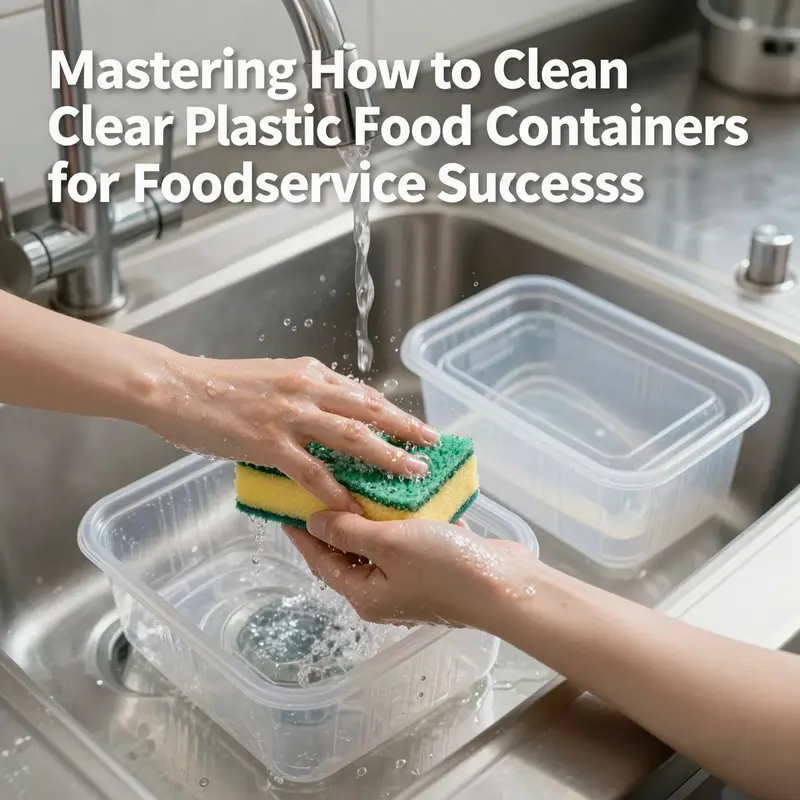
Clear plastic food containers carry the promise of a tidy kitchen and reusable practicality. Yet their appeal hinges on one crucial trait: transparency. When the surface looks dull, stained, or carries lingering aromas, it betrays a break in care and a risk to the food that will be stored within. A gentle, methodical approach is the surest way to preserve not only the visual clarity but also the integrity of the container and its safety for food contact. The following narrative weaves together the core practices that keep these containers brilliant and long-lasting, treating staining, odor, and bacteria as interconnected challenges rather than isolated problems.
The journey begins as soon as a container loses its pristine look. Stains from oils and spices tend to set in when residues are left to linger. Odors from fish, garlic, or curry cling to plastic because organic compounds penetrate the surface. At the same time, the gaskets and lid seals can harbor trapped bacteria if neglected. A truly effective cleaning ritual recognizes the problem areas and treats them with a light touch and patient persistence. The aim is not to overpower the plastic with aggressive chemicals but to support its surface through gentle agents and time-honored techniques that food-contact surfaces can safely endure.
Preparation matters. Start with a swift, warm rinse to remove loose crumbs and light films. Warm water, not boiling, is essential because heat can warp certain plastics like PET and other common kitchen polymers. A thorough rinse reduces the work required later and minimizes the risk of setting stains. With the container under the faucet, one smooth, steady rinse helps loosen oils and food particles that would otherwise cling to ridges and corners. The clearest path from here is a clean, neutral approach: mild dish soap or a specially formulated, food-safe cleaner designed for plastics. The goal is a surface that feels smooth to the touch and free of a soapy film after the final rinse.
Choosing the right cleaning agent requires a balance between effectiveness and gentleness. Mild, neutral cleaners are the cornerstone of this practice. They dissolve grease without leaving behind harsh residues that might migrate into future meals. Bleach and aggressive, highly alkaline or acidic cleaners are best avoided because they can degrade the plastic or alter its safety profile. When a container exhibits specific issues, natural alternatives provide targeted help without compromising the material. For stubborn grease, a small amount of baking soda whisked with warm water creates a paste that can be worked gently with a soft cloth or sponge. The paste acts as a mild abrasive to lift oils without scratching the surface, and it leaves behind a clean tactile impression rather than a chalky residue.
Odors, that stubborn companion when fish, onion, or garlic has graced the container, respond well to a vinegar soak. A diluted solution—one part white vinegar to three parts water—softens odor-causing compounds and neutralizes odors rather than masking them. The container rests in this bath for about 30 minutes, after which a thorough rinse clears any vinegar scent and residual moisture that could invite new mold or bacterial growth if left standing. When bacteria become a concern, lemon juice offers a natural antibacterial boost. A light rub on gaskets, seals, and the interior surface can help dislodge biofilms that often accumulate in hard-to-reach corners. Lemon’s acidity is gentle enough to avoid harming most plastics while providing a clean, fresh impression after drying.
Tough, color-changing stains from coffee, tea, or curry require a targeted approach that respects the material. Specialized plastic cleaners designed for food-grade containers can handle these challenges. Apply according to the product’s directions, allow the solution to dwell for the recommended time, then wipe with a soft sponge and rinse until any slick or slippery feel disappears. The critical idea is to dampen, not soak, the surface with cleaners that are compatible with plastics and safe for food contact. A quick note: always test a small, inconspicuous area first when introducing a new cleaner to ensure there is no undesired surface reaction.
No matter which cleaning agent you choose, the subsequent steps focus on gentleness and thoroughness. Scrubbing should never involve abrasive tools. Steel wool, scouring pads, or anything that scratches the surface creates tiny grooves that become traps for dirt and bacteria. Instead, reach for a soft sponge, microfiber cloth, or a non-abrasive brush. These tools lift residues without marring the surface, preserving clarity and minimizing micro-scratches that over time cloud the container. As you work, pay careful attention to often neglected zones: the rim where the lid seats, the gasket and seals, crevices along corners, and any seam lines around the lid. These zones accumulate residues and moisture at a pace faster than the main body.
Rinsing is a crucial final act before drying. A complete rinse inside and out eliminates soap or cleaner residues that can dull transparency or mix with future foods to create new odors. A quick, final check for a slippery film signals the need for an extra rinse. It is not unusual for a stubborn film to cling to the underside of the lid or the gasket where soap is slow to reach. In those moments, a second gentle rinse, followed by air drying, yields the best results. The drying phase is where patience pays off. Air-drying upside down on a clean, dry rack or a towel allows water to drain completely and reduces the chances of water marks or spots. If you need to speed the process, a clean, lint-free cloth can carefully pat the surface dry, but avoid any rough or textured fabrics that might introduce micro-scratches.
Another practical principle is to avoid heat exposure that can warp plastic or cloud its surface. Do not place containers in a dishwasher unless they are explicitly labeled as dishwasher-safe. For drying, keep containers away from direct sunlight or intense heat sources, which can cause deformation or yellowing over time. A simple, room-temperature environment with good air circulation supports longevity and keeps the surface glossy. When the containers are to be stacked for storage, ensure they are completely dry to prevent moisture from being trapped in the folds and seams where odors can linger and mold can form.
Beyond the routine steps, the chapter on maintaining clear plastic containers emphasizes two broad habits that reinforce results over the long term. First is prompt cleaning. Cleaning soon after use prevents many stains from taking hold and reduces the effort needed later. The longer a residue sits, the more obstinate it becomes. Second is regular maintenance cleaning, even when containers appear clean. A light weekly wipe-down with a mild cleaner and a quick rinse can stop subtle buildup before it has a chance to affect clarity or food safety. This habit not only preserves the container’s transparency but also preserves the material’s physical integrity by reducing the need for aggressive measures later.
What about the different components of a typical clear plastic container? The body is usually the easiest to clean, but the lid and gasket deserve the same attention. The gasket seals the lid tightly to the body and often traps microscopic residues that resist standard washing. When residues collect at the seal, they can harbor bacteria and impart odors even after the rest of the container is spotless. A careful wipe with a lemon juice solution or a mild cleaner, followed by thorough rinsing, helps keep these critical seams sanitary. If the lid features unusual textures or tight crevices, a soft brush can help reach those micro-areas, but always avoid anything abrasive that could create new micro-scratches.
Another nuanced aspect is the relationship between cleanliness and long-term clarity. Cloudiness often results from micro-scratches, residue buildup, or exposure to heat and harsh chemicals that alter the surface. The gentle, measured approach described here reduces abrasion and discourages micro-scratching by design. Baking soda, vinegar, and lemon juice each interact with residues in slightly different ways—saponification of oils, acid neutralization of odors, and antimicrobial action, respectively—yet they share a common thread: balance. The goal is to harness these agents in a way that respects the plastic’s chemistry while achieving a visibly cleaner surface. Following the recommended dwell times and rinse thoroughness ensures you do not leave behind residues that could affect flavor in future uses.
This chapter also integrates natural and eco-friendly practices that align with responsible stewardship of household cleaning. Sunlight can play a small, beneficial role: after cleaning, a two-hour exposure to indirect sunlight can help reduce microbial presence and help deodorize the surface. The sun’s UV rays have powerful effects on surfaces, but the key is to limit exposure to avoid any potential long-term deterioration of the plastic. It is a short, precautionary step that complements the chemical cleaning without replacing it. Consistency matters more than intensity here; routine maintenance cleans, deodorizes, and reinforces the container’s age-old role in your kitchen economy.
The overarching message is clear: keep your clean routine simple, gentle, and consistent. Avoid aggressive cleaners, hot water, and abrasive tools. Embrace a small set of trusted agents—a mild dish soap for general cleaning, baking soda paste for oily stains, diluted vinegar for odors, and lemon juice for a natural antimicrobial touch—and apply them with care. The aim is to maintain clarity, security for food contact, and the container’s structural integrity so that it can be reused confidently over many meals and seasons. When done correctly, the routine yields durable, evergreen performance and reduces waste, supporting both personal savings and environmental responsibility.
For readers seeking deeper background or variations on this approach, expert guidance emphasizes the same core ideas with added emphasis on specific staining scenarios and material considerations. The balance of cleaning strength with surface friendliness remains the touchstone. The guidance also cautions against common missteps, such as using bleach or strong detergents that can degrade plastics, or scrubbing with abrasive tools that create micro-scratches and harbor bacteria in the resulting grooves. The consistent thread across all recommendations is to respect the material and its role in food safety while maintaining the container’s clarity and longevity.
In practice, these principles translate into a quiet, almost ritualistic routine that you can perform in minutes, yet with lasting impact. You rinse promptly after use, choose a neutral cleaner, apply gentle, targeted treatments for stains or odors, scrub with non-abrasive tools, rinse completely, and dry thoroughly in an airy, upright position. If you ever encounter a stubborn zone, return to the gentle options first and allow time for the cleaners to work rather than forcing a faster result with harsher methods. The rhythm of this routine—rinse, clean, scrub gently, rinse, dry—becomes a habit that preserves the container’s clarity, ensures safe reuse, and extends the life of a kitchen essential.
External resources provide additional perspective for those who want to cross-check details or explore related practices. For extended expert advice, see The Spruce Eats – “How to Clean Plastic Food Storage Containers”. This reference complements the approach described here by presenting aligned techniques and cautions that deepen understanding of material-safe care. https://www.thespruceeats.com/how-to-clean-plastic-food-storage-containers-4843730
Natural and Eco-Friendly Ways to Preserve Clarity: A Gentle, Hygienic Guide for Clean Clear Plastic Food Containers
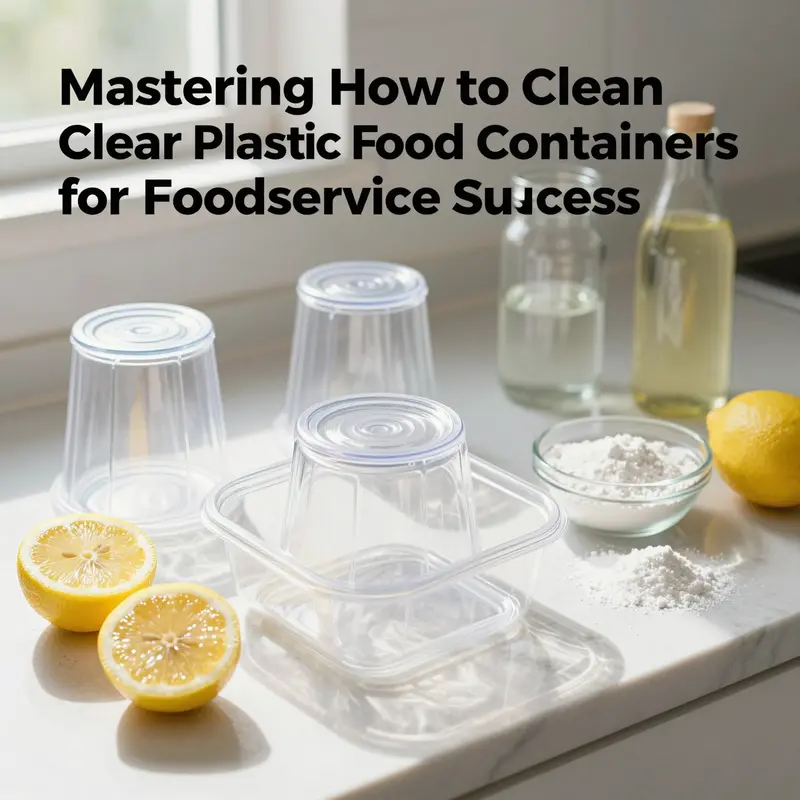
Clear plastic food containers are prized for their transparency and practicality, but their value is lost if residues cling to the surface or odors linger. In the following narrative, the goal is not to chase miracles but to weave a steady, eco-friendly routine that protects hygiene, preserves clarity, and respects the environment. The approach rests on small, deliberate choices: gentle cleaners, patient processing, and mindful drying. This is a practical philosophy that treats plastic as a reusable resource rather than a disposable convenience. The idea is to keep the containers looking like new while avoiding anything that could leave harmful residues or damage the material. The routine centers on gentle methods and observable results, a cadence that fits into a kitchen without turning cleaning into a ritual of fear. The result is not just cleaner containers; it is a more sustainable way of handling everyday essentials. When you begin, you are not just following steps; you are choosing a mindset that honors safety, transparency, and the long life of plastic that has already earned its keep in your home.\n\nThe foundation of a natural cleaning routine rests on simplicity and respect for the material. Warm water and a mild, plant-based dish soap are your primary tools. The warmth helps dissolve light grease, and the surfactants in biodegradable soaps gently lift oils from the plastic’s surface without scratching or clouding it. When you wash, start with the inside first, then move to the outside. Pay special attention to corners, gaskets, and seal edges where grime tends to gather. Use a soft sponge or cloth rather than abrasive pads. Harsh scrubbing can create micro scratches that trap food particles and harbor bacteria, undermining the container’s transparency and hygienic integrity. This foundation is not merely about cleanliness; it is about preserving the clarity that makes the container useful in the first place. A clear container is a sign of good hygiene, not just good lighting in the kitchen. By choosing a mild, biodegradable soap, you also minimize the impact on waterways and aquatic life, aligning everyday cleaning with broader environmental values. The method feels straightforward, almost intuitive, yet the payoff is substantial: a surface that remains visibly clean and a process that respects the planet.\n\nFor the stubborn stains or persistent odors that linger after ordinary washing, a baking soda paste offers a gentle yet effective solution. Baking soda is a mild abrasive and an alkaline agent that helps lift grime without scratching. To use it, mix a small amount of baking soda with warm water to create a paste the consistency of thin yogurt. Apply the paste to stained or odorous areas with a soft cloth or sponge, then let it sit for 10 to 30 minutes. The dwell time gives the paste a chance to break down residues that have settled into tiny surface imperfections. After the pause, you rinse thoroughly, scrubbing lightly with the sponge. The result is typically a visibly improved surface with diminished staining and a reset on those stubborn odors that sometimes cling to plastic. This approach is especially helpful after oil-heavy meals or dishes with strong flavor compounds, such as curry or turmeric, where color and scent tend to cling more tenaciously than typical foods. The key is to treat the paste gently, remove it completely, and ensure the surface is dry before reuse. Baking soda is abundant, non-toxic, and environmentally friendly, making it a cornerstone of a responsible cleaning routine.\n\nAnother natural option that can address both mineral deposits and odors is a white vinegar soak. A dilute solution—equal parts white vinegar and water—will not only cut through light mineral buildup but also neutralize many odor-causing compounds. Submerge the container and its lid so that every surface is wetted, and allow it to soak for at least 30 minutes. For more stubborn smells, overnight soaking can be effective, followed by a thorough rinse with clean water. It is important to rinse well to remove any vinegar scent, which can be strong if left behind. The acidity of vinegar helps break down residues that water alone cannot, especially in areas where hard water leaves a mineral film. Vinegar is biodegradable and widely available, and when used in moderation, it aligns with an eco-friendly cleaning philosophy. As with all soaking methods, inspect seals and gaskets after the soak. If they appear swollen or nicked, they may need replacement to maintain a reliable barrier against moisture and contaminants. The vinegar step is a bridge between everyday washing and deeper cleansing, offering a practical option for periodic maintenance and odor control without resorting to harsh chemicals.\n\nLemon juice offers another natural perspective on disinfection and deodorizing. The citric acid in lemon juice provides a mild sanitizing effect and a fresh, uplifting scent that many people find pleasant after a meal. For a quick touch-up, you can rub the cut side of a lemon directly on stained or odorous areas, letting the juice interact with the surface before rinsing. Alternatively, you can fill a bowl with warm water and a few tablespoons of lemon juice and soak the container for 15 to 20 minutes. The combination of acidity and aroma often leaves a brighter, cleaner feel to the plastic, which can be especially satisfying after dealing with garlic, onion, or fish residues. Lemon is a renewable resource in many kitchens, and the juice breaks down readily in the environment. This method is not a replacement for thorough cleaning but a complementary step that adds deodorizing power and a clean scent without introducing synthetic fragrances or additives. As with all methods, follow with a complete rinse and a careful dry-down, paying special attention to the gasket area where lemon juice can linger if not rinsed away.\n\nAn optional but increasingly popular element in eco cleaning is sunlight exposure. Placing a clean container in direct sunlight for a few hours can provide a natural sterilizing effect and help deodorize, thanks to the sun’s UV radiation. To use this method safely, remove the lid and set the container on a surface that is protected from weather and dust. A few hours are usually sufficient, and you should monitor the container to ensure it does not become too hot to touch. This approach harnesses free energy from the sun and avoids chemical inputs, yet it is not a universal solution. UV exposure can degrade certain plastics over very long periods or with repeated cycles, so it should be used judiciously and as part of a rotating cleaning plan rather than a sole method. The sun can reinforce other cleaning steps, especially after a thorough wash, removing residual moisture and odors while refreshing the container’s appearance and feel. It is a simple, low-impact step that harmonizes with a broader eco-friendly routine.\n\nIn addition to the methods themselves, the broader practice emphasizes several safety and maintenance principles that sustain hygiene and preserve the plastic’s integrity. First, it is essential to know the plastic type you are cleaning. The recycling symbol helps identify the material, with PET (#1) and PP (#5) being the most common in reusable containers. PET is generally safe for food contact but is more sensitive to repeated high-heat cleaning and rough handling. It is better suited to hand washing rather than dishwasher cycles, particularly if the container is old or scratched. PP, on the other hand, tends to be more durable and typically compatible with higher temperatures and more robust cleaning conditions. Understanding the material helps you tailor your routine and prevent damage from heat, abrasion, or aggressive detergents. Second, it is wise to avoid dishwashers for most plastic containers in daily use, since high heat and strong detergents can warp or degrade the polymer over time. Hand washing remains the safer default, with careful drying as a critical final step. Third, inspect containers regularly for cracks, deep scratches, cloudiness, or discoloration. Scratches can harbor bacteria and compromise hygiene, even if the surface appears clean. When in doubt, replace compromised containers to preserve safety and performance. Finally, drying is not merely a convenience; it is a protective step. Inverting the container and allowing air to circulate in a well-ventilated area reduces the chance of mold or bacterial growth and helps maintain clarity by preventing water spots from forming on the plastic.\n\nTo make this approach sustainable, incorporate these elements into a weekly rhythm. After meals, begin with a quick rinse and wash using warm water and a mild dish soap. If the container has delicate seals, keep them moist only with water during washing to minimize oxidation or detachment. When a stain or odor persists, switch to the baking soda paste or lemon juice method as a targeted treatment. For odor control or mineral deposits from hard water, perform the vinegar soak on a rotating basis with the lemon and sunlight steps. Let air dry thoroughly before stacking or storing. This rhythm is not a rigid schedule but a flexible framework that respects the plastic’s limitations and the home’s workflow. The beauty of the natural approach lies in its transparency and accessibility: you do not need specialized products, expensive equipment, or aggressive methods to keep clear containers pristine and safe for food contact. The aim is to balance cleanliness, safety, and environmental responsibility, so the containers can continue serving meals, snacks, and leftovers without accumulating costly wear.\n\nWhen you view cleaning as a daily stewardship rather than a chore, the containers’ longevity becomes a tangible benefit. You reduce waste by extending the life of items you already own, and you minimize exposure to harsh chemicals that can linger on surfaces and in the water supply. The gentle methods described here align with broader public health goals and ecological considerations, creating a kitchen routine that is both practical and principled. You are not merely removing grime; you are preserving clarity, safeguarding food safety, and demonstrating a thoughtful relationship with everyday materials. The choices you make in the cleaning ritual ripple outward, supporting a culture of careful consumption and responsible reuse. In practice, this means you can enjoy the look and feel of a spotless, transparent container while knowing you have chosen methods that are gentle to the planet and protective for your family.\n\nFor readers seeking further authoritative guidance, reliable, science-based information on safe household cleaning practices is available through public health resources. This chapter’s emphasis on gentle, biodegradable cleaners, mechanical action with soft tools, and careful drying echoes those guidelines and offers a practical, kitchen-friendly interpretation you can apply today. If you would like to explore the official guidelines in more depth, see the EPA resource linked here: https://www.epa.gov/healthy-home-environment/guidelines-safe-household-cleaning-practices
Guardians of Clarity: Precautions and Best Practices for Cleaning Clear Plastic Food Containers to Preserve Durability and Visibility
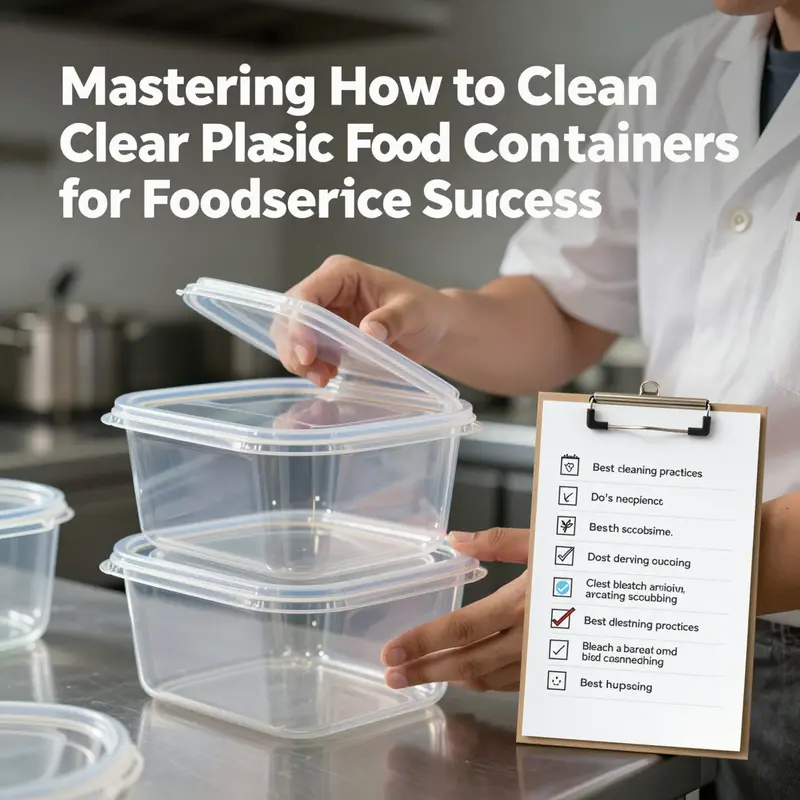
Clear plastic food containers carry a quiet promise: dependability, freshness, and an unobstructed view of what’s inside. The reality, however, is that daily use wears them down. Heat, oils, minerals, and routine neglect can dull their sparkle, thicken their edges with residues, and even compromise safety over time. This chapter threads together practical wisdom and evidence-based guidance to help you treat clear plastics with the care they deserve. The approach is deliberately gentle, methodical, and attentive to the way these polymers respond to water, heat, and cleaners. When you treat these containers like a delicate gear that keeps food safe and appealing, you protect both their clarity and their resilience. The aim is not merely to remove grime but to preserve the structural integrity of the plastic while maintaining the container’s ability to perform as intended for years to come.
To begin, the choice of cleaning agents matters more than many people realize. The recommended practice is to use mild, neutral cleaning agents that respect the surface chemistry of clear plastics. Harsh detergents, abrasive cleaners, or solvent-heavy products can strip protective coatings, leave behind residues, or roughen the surface just enough to scatter light and create a cloudy appearance. In daily routines, a simple, pH-neutral dish soap combined with warm water is often sufficient to break down oils from meals, dressings, and sauces without prompting micro-scratches. If the cooking environment regularly produces stubborn residues, a few targeted options can be employed with restraint. A paste made from baking soda and warm water, applied with a soft cloth or sponge, provides a gentle alkaline action that helps lift grease without scratching the surface. After applying the paste, a brief 10- to 15-minute rest allows the cleaner to work, followed by thorough rinsing. The gentle abrasion from a soft sponge is enough to dislodge surface grime but not enough to compromise the integrity of the plastic over repeated cycles.
Odors are another common challenge with clear containers, especially when fish, garlic, or onions pass through the storage cycle. A practical approach is to soak the containers in a diluted white vinegar solution—one part vinegar to three parts water—for about 30 minutes. Vinegar’s acetic acid helps neutralize many odor-causing compounds. The key is thorough rinsing afterward to remove any lingering vinegar scent and to prevent it from transferring to future foods. For more persistent or biofilm-associated odors that linger in gaskets or lid seals, lemon juice offers a fresh, food-safe option. Rubbing lemon juice on gaskets or into lid seals targets bacteria and helps reset the odor baseline. It’s important, however, to rinse well after lemon treatment and to avoid prolonged exposure if the lid materials are not explicitly designed to tolerate acidic juice.
Stains from strong colors—coffee, tea, curry, beetroot—require a slightly different approach. In many households, a commercial plastic cleaner designed for food-grade containers can be effective. These cleaners are formulated to break down pigment compounds without sacrificing clarity. The general pattern is to apply as directed, allow a brief dwell time, and then wipe clean with a soft sponge before a thorough rinse. If stubborn stains resist, a secondary pass with the baking soda paste or a vinegar solution can be employed, but it’s wise to test on a small, inconspicuous area first to rule out any unexpected surface interactions. In all cases, the objective is to lift color without creating micro-abrasions that trap residues and accumulate haze over time.
An additional layer of protection comes from observing the broader principles that govern plastic care. First, never subject clear containers to high heat unless the manufacturer explicitly marks them as microwave-safe or dishwasher-safe. Boiling water, hot dishwashers, or exposure to intense heat on the top rack can warp PET and other plastics, producing micro-fractures and tiny pits. These damage sites scatter light and contribute to cloudiness, undermining the very clarity you are trying to preserve. Second, avoid abrasive tools such as steel wool, scouring pads, or stiff brushes. They create microscopic scratches that act as traps for oils and dirt, gradually dulling the surface’s transparency. The recommended tool set remains simple: soft sponges, microfiber cloths, and non-abrasive brushes designed for gentle cleansing. Third, ensure thorough rinsing to remove any soap film. Hard water areas can leave mineral residues that appear as a faint film or splotches on the surface. A final rinse with clean, preferably filtered, water helps ensure the surface remains pristine and less prone to re-soiling.
Drying is not a mere afterthought but a vital step in maintaining clarity. The preferred method is natural air-drying, with containers placed upside down in a well-ventilated area. This orientation allows residual moisture to drain away completely, minimizing the chance of water spots and the growth of mold or mildew in damp crevices. Towels, especially those that shed fibers, can deposit lint or microfibers on the surface, which would be counterproductive to a clean, streak-free finish. Whenever possible, avoid direct sun exposure during drying. While sunlight can kill some microbes, it can also contribute to material degradation if exposure is prolonged. A balanced, ventilated environment ensures drying that supports the container’s long-term clarity and structural performance.
Maintenance plays a crucial role in preventing the subtle buildup that erodes both aesthetics and food safety. Even when containers appear clean, a routine, weekly maintenance clean helps prevent the slow accumulation of odors, mineral deposits, and oil residues that can eventually become more difficult to remove. This is especially true in households that use hard water or frequently store aromatic foods like garlic and onion. The routine becomes a preventive habit rather than a corrective one, and it reinforces the container’s capacity to remain a reliable, long‑lasting part of the kitchen routine.
A practical concern some users raise is the relationship between plastic containers and heat exposure during storage. The guidance here is straightforward: store away from direct sunlight and avoid storing them in areas where heat is extensive, such as near stovetops or on windowsills. Prolonged UV exposure can accelerate polymer degradation, leading to brittleness and loss of transparency. Keeping containers in a cool, shaded cabinet helps preserve both clarity and the material’s mechanical properties over time. If you do notice a cloudiness that does not correspond to residues, it may indicate UV exposure or micro-scratches that have accumulated over repeated use. In such cases, a gentle restoration attempt with the baking soda paste or a vinegar soak, followed by careful drying, can recover some clarity without risking further damage.
Sound handling also means a mindful approach to compatibility with food safety expectations. The general rule is to avoid any process that could introduce toxic residues or degrade the plastic’s surface integrity. The use of lemon juice, vinegar, and baking soda all align with food-safety standards when used in moderation and properly rinsed. The goal is to preserve the surface so that it remains easy to clean, easy to rinse, and resistant to odor and stain—without compromising the container’s ability to withstand routine reuse. This is where the science of plastics meets practical kitchen wisdom: the surface must remain smooth enough to shed oils and residues while retaining its optical clarity so you can see what’s inside at a glance.
In considering the broader lifecycle of clear plastic food containers, it’s worth noting guidance about material codes and heat tolerance. Visual indicators like the recycling symbol on the bottom—commonly labeled with numbers from 1 to 7—offer quick clues about heat exposure and reuse suitability. Plastics labeled #3 (PVC), #6 (PS), and #7 (other plastics) often carry a higher risk of breakdown with heat or repeated exposure to mechanical or chemical stress. When a container is clearly marked as microwave-safe or dishwasher-safe, you can confidently plan for those environments; when not, it’s prudent to reserve the container for cold storage and straightforward hand washing. This nuance matters because preserving clarity hinges not just on cleaning technique but on respecting the material’s heat history and resin family. A container that has endured repeated high-heat cycles will typically show subtle signs of fatigue—page-like haziness, micro-scratches, or a slight yellowing under bright light—and it is wise to retire such pieces when clarity and integrity decline noticeably.
Finally, a word about sun exposure in storage. While a brief, controlled dose of sunlight can help deodorize and reduce microbial load after cleaning, extended exposure is not recommended. The delicate balance is to use light as a quick, incidental deodorizing step rather than a routine exposure method. Long-term UV exposure weakens the polymer chains and accelerates the aging process, which can manifest as brittleness and loss of transparency. The recommended storage practice is to keep containers in a cool, shaded area when not in use, with lids and seals in a dry, well-ventilated space to prevent musty odors and microbial growth in damp corners.
Putting all of these strands together, the practical routine emerges: choose mild, neutral cleaners; avoid high heat and abrasive tools; rinse thoroughly; dry naturally; perform regular maintenance; and store appropriately to minimize UV impact. The result is not just a perfectly clean container but a durable companion in everyday food preparation and storage. It’s a disciplined approach aligned with scientific observations and consumer-tested wisdom, designed to extend the life of your clear containers while preserving their essential properties: clarity, safety, and usability. The cumulative effect of these practices is a kitchen ecosystem where clear plastic remains a reliable stage for food, where you can see what’s inside, and where you protect the planet by extending the life of a reusable product rather than discarding it prematurely.
For readers seeking a concise synthesis of best practices, the core idea is simple: use soft tools with mild cleaners, treat stains gently, control heat exposure, rinse and dry thoroughly, and maintain a cool, shaded storage regimen. This is how you honor both the plastic’s durability and its optical virtue. When you adopt these habits, you transform routine cleaning into a careful stewardship of material performance and personal economics. The clarity you regain every time you open the container becomes a small but meaningful indicator that your kitchen practices are aligned with both efficiency and environmental mindfulness. In the end, the goal is not merely cleanliness but a sustained capacity for reuse—fewer disposables, lower costs, and a clearer view of what’s inside.
For extended expert guidance, see the referenced external resource that delves into restoring clarity in cloudy plastic containers, which complements the hands-on practices described above: https://www.cleanipedia.com/en/2026/02/20/how-to-clean-cloudy-plastic-food-containers-and-restore-clarity/ .
Final thoughts
Maintaining clear plastic food containers in peak condition is a vital part of operational excellence for bubble tea shops, restaurants, food trucks, catering, and event services. Following stain-specific cleaning methods ensures each type of residue is removed gently yet effectively, preserving container clarity and hygiene. Adhering to thorough, safe cleaning procedures prevents damage and bacterial buildup while extending container life. Integrating natural and eco-friendly approaches promotes sustainability without compromising safety. Lastly, recognizing and applying key precautions safeguards container integrity and supports your brand’s commitment to quality. By mastering these cleaning strategies, businesses capitalize on cost savings, reduce waste, and deliver trusted, fresh presentation to customers. Clean, clear containers are more than storage—they are a reflection of your professional standards and care.