
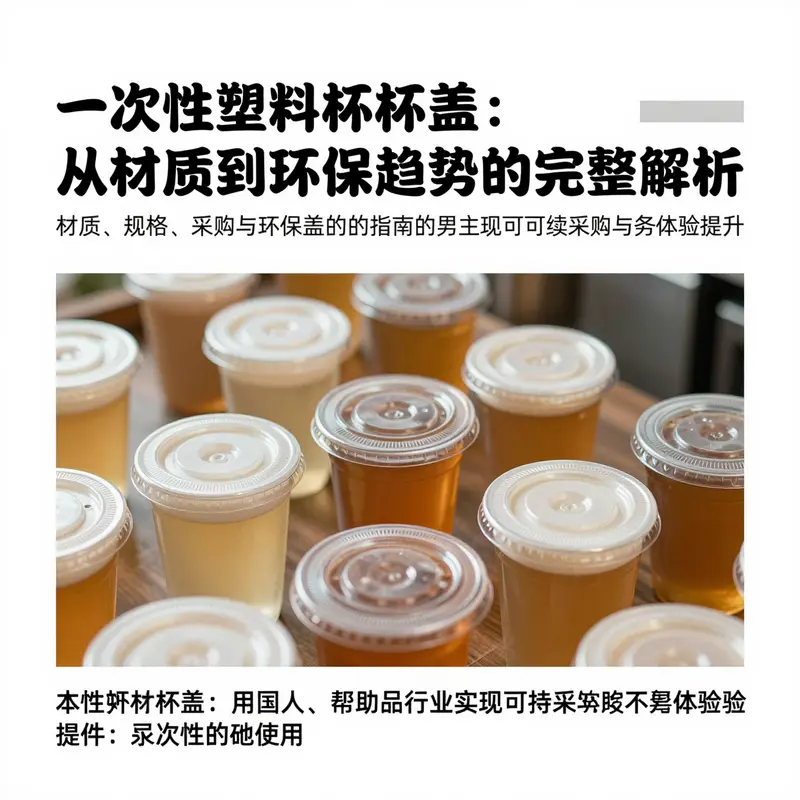
一次性塑料杯盖是现代餐饮与外卖服务的核心组件,承担着保护饮品、提升用户体验以及传递品牌形象的多重功能。随着消费者对卫生、耐用性与环保的关注不断提高,系统了解杯盖的材料、设计规格、采购成本与环境趋势,能够帮助门店、品牌方与采购人员在确保品质的同时降低总成本并实现可持续发展。
Material Choices and Traits: How Disposable Cup Lids Shape Safety, Taste, and a Greener Future
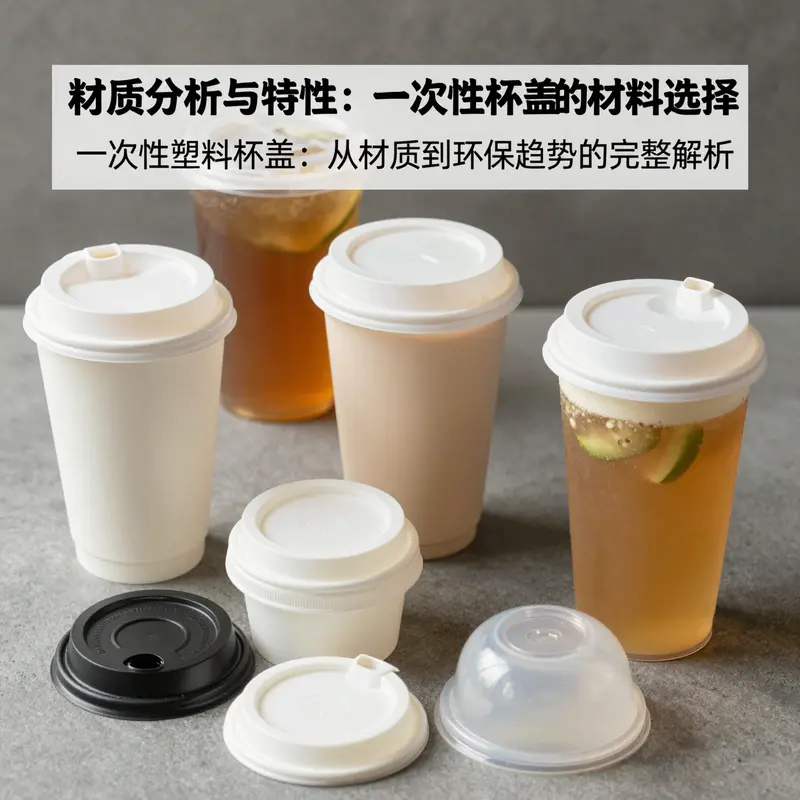
Every sip carries a decision about what touches our lips and what travels with it to the stomach and the planet. The lid on a disposable cup is more than a barrier against spills; it helps manage heat, influence flavor, and shape safety and environmental outcomes. When we examine lid materials, shapes, and features such as a straw hole or vent, we see how design choices ripple through daily service and long term responsibility. The material beneath the lid, its heat tolerance, and its potential to migrate chemicals into hot beverages matter for consumer health and for regulatory risk. In practice, the most common lid materials include polystyrene, polypropylene, and increasingly biobased options. Each material brings strengths and concerns. Polystyrene is inexpensive and easy to mold but can shed trace compounds when hot liquids are served, raising questions about migration in real world use. Deeply pigmented lids can mask signals of contamination, complicating risk assessment. Polypropylene provides higher heat resistance and stability and is widely used in hot beverage lids, contributing to safer handling and a cleaner taste profile. Biobased and biodegradable options offer improved end of life prospects but must be demonstrated to be safe under migration testing and compatible with industrial composting systems. The industry is experimenting with blends and alternatives that aim to balance heat tolerance, safety, and environmental goals, including materials that can withstand hot drinks while offering more favorable disposal options than conventional plastics. A growing segment of lids seeks to align with circular economy ideas through recycling friendly designs or compostable formats that require appropriate waste infrastructure. From a procurement perspective, the choice of lid affects not only the immediate cost but also brand perception, customer satisfaction, and the practicality of reuse or proper disposal. In cold drink contexts, clear or translucent lids can showcase beverage color, but heat tolerance remains a constraint because cold friendly plastics may soften or leak under prolonged warmth. The path forward involves a portfolio approach to materials that aligns with use case, climate, and waste management capabilities. Operators can improve safety by selecting high temperature rated PP based lids where feasible and by vetting biobased options that have credible safety data and compatible end of life pathways. The broader goal is to reduce risk, improve experience, and advance sustainability without sacrificing convenience or performance.
Specifications, Design, and Standards: How Disposable Plastic Cup Lids Align Safety, Function, and Sustainability
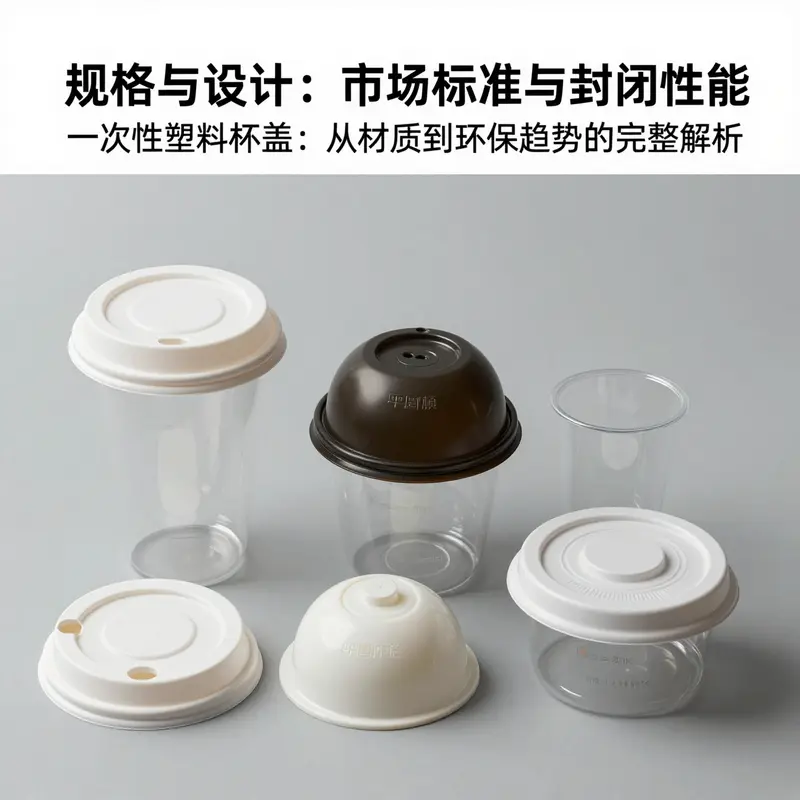
In the quiet choreography of a beverage business, the lid often plays the lead role. It forms the final barrier between a consumer’s drink and the outside world, controlling splashes, preserving temperature, and shaping the user experience from first touch to last sip. Yet the lid is more than a practical accessory; it is a nexus where safety, performance, and environmental responsibility converge. This chapter follows that convergence, tracing how market standards and design decisions translate into lids that are safe to use, reliable in transit, and aligned with growing sustainability expectations. It is a story of constraints and opportunities—constraints set by regulatory bodies and technical norms, opportunities opened by material science and clever engineering, and the ongoing tension between low cost and high value, between convenience and accountability.
At the heart of standardization for disposable cup lids lies a layered framework. In China, as elsewhere, regulatory guidance operates on several levels, beginning with the safety of materials and the potential for substances to migrate into food or drink. The core reference point is the Food Safety National Standard for materials and articles in contact with food, GB 4806.7-2016. This standard establishes what is permissible in terms of migration limits for heavy metals, monomers, and other additives that might transfer from lid to beverage. It is not a single line in a catalog but a boundary condition for the entire product chain. Alongside this, the general technical requirements for disposable tableware, GB/T 18006.1-202x, outline hygienic indicators, physical and chemical properties, labeling rules, and testing methodologies that apply across a broad class of one-time-use items, including cup lids. Although the latter is labeled with a “202x” version, its content reflects the industry’s latest direction—toward clearer performance expectations, more robust sanitary checks, and better traceability in the supply chain.
Within this regulatory envelope, manufacturers rarely stop at the minimum. They frequently adopt enterprise standards that push performance beyond the baseline. A representative pattern is the development of internal specifications that specify tighter tolerances, more rigorous testing, or enhanced recyclability criteria. The chapter notes that some enterprises publish standards such as Q/HY16-2026 for “food packaging cup lids,” which explicitly bridge national mandates with internal commitments. These internal standards serve two purposes: they ensure a consistent product profile across batches and locations, and they create a competitive edge by signaling reliability and process control to customers who demand more than basic compliance. In practice, this means lids that resist deformation under shock and vibration, that maintain a reliable seal under a wide temperature range, and that are designed to be easier to recycle where possible.
The material story behind modern lids is a careful balancing act. Polypropylene (PP) is the workhorse for many lids because it tolerates heat well enough for hot drinks, remains light, and is widely recyclable in many markets. PP’s familiar attributes—reasonable heat resistance, chemical inertness, and a favorable balance of stiffness and flexibility—make it a versatile choice for dome lids, flat lids, and variants with straw holes or built-in stoppers. Yet transparency can be a premium feature, especially when brands wish to showcase colorful beverages or layered ingredients. In such cases, PET becomes attractive due to its high clarity, though the trade-offs include different recycling streams and, depending on the lamination used, potential permeability concerns.
A practical detail that often separates good lids from great ones is interior surface lamination. Inner films, typically PE or PLA laminations, act as a barrier to leaks and can influence the seal between the lid and the cup’s rim. Market data from 2026 suggests that lamination thickness in the interior layer often lands in a range around 15–25 g/m², a specification that helps reduce liquid migration while keeping the overall lid weight and cost in check. This detail may seem technical, but it directly affects consumer satisfaction. A well-laminated lid clamps down on spills during transit, prevents leakage when the cup is tilted, and helps maintain a consistent beverage temperature—elements that cafeterias and delivery services watch closely when calculating total cost of ownership.
Visually and functionally, the lid family is diverse. Flat lids offer a clean look and ease of stacking; dome lids provide the headroom needed for whipped toppings or froth and, crucially, space for a straw or sipping mechanism. Straws may be threaded through a built-in hole, or a separate plugging solution might be used in cold beverages, with attached stopper features designed to prevent straw loss during transport. The design vocabulary is not mere ornament; it translates directly into how quickly a cup can be stacked in a busy cafe, how reliably it travels in a rider’s bag, and how well a brand’s packaging communicates its values to a consumer who notices both aesthetics and performance in a single glance.
In practice, diameter choices have become a practical language all their own. The most widely used size is about 90 millimeters, a dimension that aligns with many standard cup diameters and supports a broad range of cold and hot beverages. Other configurations—78 mm, 92 mm, or variants that fit specific cup lines—exist to accommodate different volumes and cup shapes. The interplay between diameter and cup size means that a lid manufacturer must understand not just the lid in isolation but also how it will perform with particular cups in the field, including common sizes like 16 oz, 20 oz, and 24 oz capacities, as well as larger or smaller experimental formats that a brand might test for a season.
Price dynamics sit at the intersection of standardization, material choice, and customization options. Wholesale pricing in 2026 varied widely, but core factors repeatedly emerged: material (PP versus PET), diameter, the presence or absence of a straw hole, whether the lid includes an attached stopper, the need for transparency or color, and any branding or printing requirements. Typical ranges might span from a few hundredths of a dollar to under ten cents per unit, with larger orders offering more favorable economics. Materials and thicknesses, MOQs (minimum order quantities), and the scope of customization all determine the final price tag. The procurement process, therefore, reads like a negotiation over a blend of technical performance and marketing impact. A buyer may opt for the stability of a standard, unprinted lid, or pursue a cost-efficient printed solution that reinforces a brand’s image on a packaging sleeve or cup wrap, using processes that print or emboss a logo, color, or design directly onto the lid’s exterior surface.
For those considering how to source lids and what to look for in supplier communications, the market presents a spectrum of options. Some supply chains emphasize mass production with limited customization, delivering consistent performance and predictable delivery timelines. Others chase differentiation through branding and packaging integration, offering print-ready surfaces and color-matched aesthetics that align with a company’s visual identity. In either case, the standard framework acts as a baseline; it ensures that even as a lid becomes a marketing tool, it remains within safety margins and technical expectations. The alignment among standards, material choices, and design features makes the process of selecting lids both a technical and an economic decision.
Within this landscape, the opportunity to connect product design with consumer experience is real. A lid’s performance is often decided long before a consumer ever touches it. It is evident in how easily a lid seals against a cup, how it resists spillage when a delivery person hits a bump, and how it behaves when a hot beverage is sipped with less risk of scalding or scalding-related discomfort. A robust lid design reduces waste by minimizing spills, lowers complaints related to leakage or breakage, and contributes to a smoother service workflow for cafes, convenience stores, and food-delivery platforms. In turn, this stability supports sustainable packaging strategies, because fewer spills translate to less waste and less need for replacement cups or cleaning resources downstream.
The topic of customization is a crucial thread in this story. Many buyers crave some degree of branding, whether through color matching, logo printing, or even specialized graphics on the lid’s outer surface. The design challenge here is not simply to print but to maintain lid integrity, heat tolerance, and moisture barrier properties while adding cosmetic features. Some brands explore branded, high-contrast printing or embossing as a low-impact method to convey identity without compromising recyclability. In this context, a subtle yet meaningful implementation is the option to link packaging decisions to broader sustainability narratives—an integrated strategy where the lid’s material choice, its recycling compatibility, and any printed elements all harmonize to reduce the total environmental footprint.
Amid these considerations, a practical cue for buyers is to evaluate the packaging system holistically. The container, cup, and lid are a trio whose performance is interdependent. The cup’s geometry, the lid’s seal lip design, and the interior lamination all influence the risk of leaks and the ability to maintain beverage temperature over time. The market’s attention to compatibility across cup sizes and beverage types is not merely about convenience; it is a risk management exercise that protects brand reputation and reduces incidents during transit and service. The sums of these decisions—material choice, lamination thickness, interior barrier properties, and the presence of features such as straw holes or attached stoppers—collectively determine how well a lid contributes to the end customer’s drink experience.
From a procurement and supply-chain viewpoint, the landscape is also shaped by the rise of new materials and recycling frameworks. As environmental policy intensifies globally, the industry is increasingly tasked with designing lids that are easier to recycle. This may involve selecting materials with well-established end-of-life paths, or adopting lamination strategies that simplify separation in recycling streams. Even where current infrastructure remains imperfect, designers are exploring closed-loop ideas and alternative materials such as bio-based or compostable layers to reduce the overall ecological impact. The standards and internal specifications discussed earlier provide a scaffold for these innovations, helping translate ambitious sustainability goals into implementable manufacturing and testing plans.
In the realm of sourcing and procurement, this chapter highlights how a single element—in this case, a lid—can be a strategic lever for brand terminology and market positioning. The details that surface in supplier conversations—die-cut accuracy, tolerances for the lid-to-cup seam, clarity of the translucent window for visibility of the beverage, or the stability of color under heat—signal a supplier’s capability to deliver consistent quality at scale. They also reveal the degree to which a provider integrates quality control into its process: standardized testing regimes, batch traceability, and documentation that can be shared with customers to demonstrate regulatory compliance and market readiness. And to support a broader industry view, the market’s wholesale channels illustrate how supply chains coordinate to deliver the right mix of standardization and flexibility, enabling foodservice businesses to operate smoothly across peak hours and off-peak times.
Within this dialogue, it is helpful to anchor the discussion with a practical bridge to action. Brands and buyers can benefit from exploring accessible options that balance cost, performance, and environmental considerations. For instance, those who require a fast track to market might start from standard, unprinted lids that meet the safety and performance criteria, then layer on branding as a later phase when volumes justify the added expense. On the other hand, value-focused operators may pursue limited customization that strengthens recognition while preserving margin, exploiting the market’s willingness to print small-area logos or use color-coded lids to differentiate beverage lines. The essential idea is that standards do not limit creativity; they define a reliable platform upon which design and marketing strategies can be built.
To make this concrete, consider the potential of a practical, low-friction path for small and mid-sized operators: a lid that reliably seals across a spectrum of cup diameters, with a straw-hole variant designed to minimize leaks and accidental spillage, all while meeting the relevant safety standards. Such a configuration supports a diverse beverage program—from cappuccinos and cold brews to fruit-infused teas—without requiring a different lid for each variation. For brands seeking to add a touch of personality without incurring high customization costs, a simple exterior color option or a discreet printed motif can offer a visual cue that aligns with a broader packaging design system. This approach reinforces the chain of trust that consumers place in the brand, even as the lid remains a largely unseen but indispensable component of the drinking experience.
The discussion of design, standards, and sustainability would be incomplete without acknowledging the ongoing evolution of the supply ecosystem. The market is increasingly drawn to transparent documentation, including test reports, migration data, and recyclability certifications. Buyers now expect suppliers to provide clear evidence that their lids meet regulatory obligations and align with internal standards that may exceed legal requirements. This shift toward verifiable compliance underpins risk management in a market where missteps can escalate quickly—from product recalls to reputational damage. In tandem, industry players are investing in clearer labeling, better supply-chain traceability, and more robust quality-control protocols. The result is a more resilient market that can adapt to regulatory updates, shifting consumer expectations, and the expansion of recycling infrastructure.
In sum, the landscape of disposable plastic cup lids is a portrait of careful engineering at the intersection of safety, function, and sustainability. Standards set the guardrails that keep products safe for daily use, accurate in performance, and aligned with environmental responsibilities. Designers and manufacturers translate those guardrails into features that matter in daily service—the lid’s ability to seal, to withstand heat, to resist leakage, and to slot neatly into a diverse ecosystem of cups and beverages. Buyers, in turn, navigate a marketplace that values consistency, transparency, and value, recognizing that a small component can influence a brand’s reliability and customer satisfaction as surely as the beverage itself. The lid, in other words, is where science meets service—and where every sip begins with a well-specified, well-designed, and responsibly produced interface.
For readers who want to explore a practical touchpoint in the product landscape, a related resource on recent lid designs and supplier options can be found here: new-arrival single-layer paper cup lid.
External reference: https://www.alibaba.com/product-detail/Wholesale-Disposable-Plastic-Cup-Lids-16-20-24-OZ_1600568284864.html
Sealed Efficiency: The Hidden Economics and Design Evolution of Disposable Cup Lids
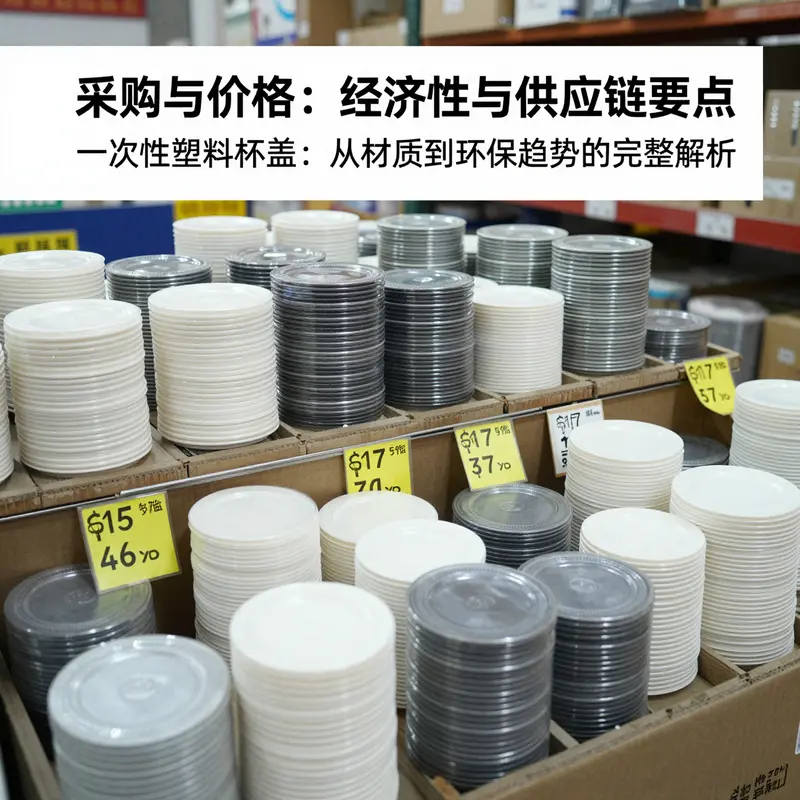
The lid is more than a cap. In the fast-paced world of beverages, it is a small, precise piece of engineering that governs experience, cleanliness, and throughput. A consumer picks up a cup, the lid seals in aroma and temperature, and the interaction continues—sip, seal, dispose—almost without thought. Yet behind every takeaway order lies a careful balance of materials, dimensions, and design choices that determine not only how a drink is enjoyed but how efficiently a business runs. In this chapter, we trace the life of disposable cup lids from their material roots to the economics of procurement, and we illuminate how evolving designs respond to both customer expectations and sustainability pressures. The story is not about a single product but about a system—the way a simple object helps a cafe serve, a delivery driver move quickly, and a brand maintain a consistent, leak-free image across thousands of cups per day.
The most common material for these lids is polypropylene (PP). It suits the demands of high-volume service because it is lightweight, has strong heat tolerance, and can be microwaved for reheating or broth-based drinks without compromising safety. In many markets, a 90-millimeter diameter PP lid fits a wide array of 16-, 20-, and 24-ounce cups, a practical standard that streamlines packaging across cafes and takeout chains. Yet not all lids are opaque or utilitarian; some rely on clear materials like PET to showcase the beverage inside—an aesthetic choice that can be decisive for fruit-based drinks or visually compelling beverages where color and layering matter. In parallel with these mainstream options, a growing subset of producers is introducing environmentally friendlier variants, including more easily recyclable formulations and, in some cases, biodegradable options. The key is to preserve function while reducing environmental impact, a difficult but increasingly non-negotiable target in modern packaging.
Dimensions anchor the lid’s compatibility. The majority of lids in the market today are built around the 90-millimeter standard, though variations exist—78 millimeters for smaller cups or 92 millimeters for particular oversized bottles and speciality drinks. This standardization reduces the complexity of supply chains, allowing a single lid family to service a range of cup sizes and beverage formats. The designs, too, carry a family resemblance while offering enough variation to meet different use cases. Flat tops present a clean silhouette that maximizes stacking efficiency and minimizes material use, making them well-suited for iced coffee and other cold drinks. Dome lids, with their raised profile, provide space for whipped cream toppings or large ice, and they also accommodate a straw without compromising the seal. Lids with a dedicated straw hole are essential for milk teas, smoothies, and fruit drinks, where the straw is a primary consumption channel. Some models incorporate an attached stopper, a small feature that helps prevent straw detachment during transport or vending machine dispensing, further reducing spillage risk and human error.
Equally important is how the lid interacts with the drink’s temperature profile. A well-sealed lid reduces heat exchange, keeping hot beverages warm while limiting condensation on the exterior for cold drinks. In this sense, the lid becomes a miniature climate control device, a backstage engineer ensuring the customer’s sensory experience aligns with expectations. The design choices extend beyond function to durability. In high-volume environments, the ability to withstand the stress of rapid handoffs, stacking, and occasional rough handling matters. A lid that cracks or warps under pressure erodes trust in a brand and creates avoidable waste, both from returns and from failed deliveries.
The environmental narrative around lids is not merely about reducing plastic volume; it is about rethinking materials and end-of-life pathways. While traditional PP lids dominate, a growing proportion of suppliers is highlighting recyclability and even compostability in certain jurisdictions. The shift toward more sustainable formulations is often paired with recycling infrastructure improvements—the two must advance in step to produce meaningful reductions in environmental impact. In some markets, biodegradable or compostable lids are piloted for food-service environments with dedicated waste streams, offering a route to reduce long-term pollution without sacrificing the operational benefits lids provide in transit and at consumption. The trade-off here is nuanced: biodegradability may be attractive in certain settings, but it requires compatible composting facilities and consumer awareness to ensure proper disposal. For many operators, the most practical path remains optimizing recyclability and increasing the share of lids that can be economically recovered at end of life.
From a user experience perspective, lid design has long balanced two competing imperatives: ease of use and leak prevention. A flat lid can be convenient for quick service and is lighter on material costs, while a dome lid may be preferred for visually appealing beverages that benefit from a more generous surface area. The presence or absence of a straw hole changes the drinking experience entirely. For many operators, a straw hole is essential for certain drinks, including specialty teas and blended beverages, because it keeps the straw aligned with the cup and reduces spill risk as the cup is moved or jostled. In other contexts, a straw-free design may be sufficient, especially when the lid is used in product demonstrations, display cases, or food-service settings where straws are discouraged for safety or hygiene reasons. In all cases, the lid must partner with the cup to maintain a reliable seal during transport, a critical factor for delivery services that traverse crowded streets and varied handling conditions.
Procurement economics adds another layer to this narrative. The market for disposable cup lids demonstrates a striking combination of low unit cost and wide variability driven by volume, material choice, and customization. Wholesale price ranges commonly sit in the low single-digit cents per unit—roughly $0.01 to $0.08 per piece, with the exact number depending on order size and the degree of customization. Minimum order quantities (MOQs) can span from around 1,000 to several thousand units, reflecting the scale benefits of manufacturing for commercial buyers. The economics of scale tell a compelling story: for a major chain, consolidating orders across dozens of outlets and supplier partners can unlock meaningful discounts. In one illustrative scenario from industry reporting, a business managing a monthly supply of around two million lids can drive profits in the six-figure range, once logistics and distribution margins are accounted for. The math is simple but powerful: low unit cost, high-volume demand, and efficient logistics combine to yield margins that help support broader operations budgets, even when beverage margins are under pressure.
Yet price is only part of the picture. The value proposition extends into the cost of operations and the customer experience. Lids contribute to a spill-free service, reducing waste and cleanup costs, and tighten the link between quality of packaging and brand perception. A leak-free lid is a subtle, yet measurable, enhancer of trust; it reduces the potential for drips on car seats, uniforms, and tablecloths—elements that can otherwise translate into negative word-of-mouth. This is particularly true in the delivery and off-premise segments, where the speed and reliability of service are under constant scrutiny. A lid that seals well supports not just the immediate moment of consumption but the broader supply chain—ensuring that hot beverages remain hot during transit and that cold beverages arrive intact and visually appealing at the customer’s door.
The marketing dimension of lids is not to be overlooked. Clear PET lids offer the opportunity to showcase the beverage’s color, foam, or layers in a way that flat, opaque lids cannot. For brands that rely on visual storytelling—fiery amber tea, ruby strawberry smoothies, or emerald matcha—transparent or translucent materials enable a moment of brand storytelling at the moment of purchase. Customization, often available for lids in larger orders, extends this storytelling one layer deeper: brand colors, logos, or thematic graphics can be embedded on or around the lid, reinforcing brand identity with a virtually invisible, widely distributed canvas. This is where procurement intersects marketing. Establishing a supply chain that can deliver consistent lid quality, reliable customization, and timely replenishment is as critical as the lid’s sealing capability, because it touches both customer satisfaction and long-term brand equity.
Consumer-facing expectations are evolving in concert with these material and design innovations. Consumers increasingly favor packaging that signals responsibility and care for the environment. Even when a product is designed for single use, brands can communicate commitment to sustainability by selecting recyclable materials, highlighting recycling symbols, and offering take-back or recycling programs where feasible. The lid becomes part of a broader sustainability narrative rather than an isolated material choice. In regions where waste separation systems are mature, the emphasis may lean toward optimizing recyclability of PP lids and ensuring that the entire cup-and-lid assembly is compatible with existing recycling streams. In other markets, the emphasis may be on improving the biodegradability profile or reducing the overall packaging footprint through light-weighting and material substitutions. Publishers and researchers often emphasize that if the end-of-life pathway is unclear, consumer perception may shift toward frustration rather than appreciation for the eco-friendly intention.
Within the procurement ecosystem, platforms and channels shape the path to acquisition. Broadly, suppliers offer a spectrum of options—from standard, non-customized lids designed for broad compatibility to highly customized solutions tailored to specific cup models, printing requirements, and logistic needs. A typical route might involve a global or regional distributor that aggregates demand from multiple outlets, harmonizes packaging specs, and negotiates favorable MOQs and lead times. Some buyers rely on direct factory procurement to minimize intermediary costs, especially when volumes are predictable and stable. The choices reflect a broader trend: no single solution fits all businesses. A cafe on a single busy corner may favor a straightforward, cost-efficient 90-millimeter PP lid, chosen from a handful of suppliers with reliable on-time delivery. A fast-growing beverage chain, with a need for brand-consistent signaling across cities and countries, may require standardized lids with logo customization and integrated supply-chain planning. In each case, the fundamentals remain the same: a cost-effective lid that seals reliably, a design that aligns with the beverage and the drinking experience, and a logistics pathway that ensures consistent availability.
The market context, while deeply rooted in product design and cost, is also shaped by policy and public sentiment. A chorus of environmental awareness continues to influence packaging decisions. Some markets push for reductions in single-use plastics or require stronger labeling to encourage recycling. In others, the economy of scale and established recycling streams make traditional PP lids the most practical choice for immediate, wide-scale deployment. This tension—between immediate operational practicality and aspirational sustainability—drives ongoing innovation. Designers and manufacturers experiment with alternative polymers, multilayer laminates, or additive manufacturing techniques to optimize performance while minimizing environmental impact. The result is not a single winner but a spectrum of solutions that can be matched to each business’s priorities and local infrastructure.
To anchor this broader narrative, consider how a typical procurement decision unfolds in practice. A restaurant group or beverage brand contends with multiple variables: the cup size standard, the preferred lid design, the desired level of customization, and the logistics window that ensures lids arrive before bottles and cups are prepared. The procurement strategy often begins with the most basic questions—what diameter is required by our standard cup, which design minimizes waste and leakage, and is there an opportunity to improve recyclability without sacrificing functionality? Then it layers in the practical realities: MOQs, freight terms, and the total landed cost, including duties in cross-border shipments. The best solutions not only meet cost targets but also support operational rhythms. A single, reliable lid supplier who can deliver on time across a network of stores helps to avoid stockouts that disrupt service. In turn, store-level performance—measured in leak incidents, returns, and customer feedback—becomes a proxy for the lid’s effectiveness in the field. The lid, in short, is a quiet workhorse of the beverage business, with a record of performance that shows up not in glossy ads but in the smoothness of daily operations.
As the market continues to mature, the future of disposable cup lids appears to hinge on smarter material choice, smarter supply chains, and smarter consumer-facing messaging. The push toward recyclability and compostability will require improving waste infrastructure in tandem with product redesign. Meanwhile, the steady demand for affordable, dependable packaging will persist, especially in high-volume channels like cafes, delivery services, and events. The economics of lids will continue to be shaped by scale, logistics efficiency, and the capacity to customize without eroding margins. In a world where every lift of a lid counts toward a patron’s perception of a brand, the lid’s influence extends from the point of sale to the last mile of delivery. It is a reminder that the smallest components in a packaging system can drive the largest differences in cost, experience, and sustainability.
For readers seeking concrete, on-the-ground updates about lid varieties and current availability, one can explore recent lid-specific iterations such as the new-arrival single-layer paper cup lid, which illustrates how quickly the market adapts to evolving requirements and expectations. This kind of development signals the ongoing convergence of traditional packaging with new materials and design concepts, all aimed at delivering a better drink and a better day for operators and customers alike. In this sense, the lid is not merely a functional accessory but a critical node in the network of modern beverage service—one that embodies efficiency, adaptability, and responsibility in equal measure.
External resource: https://www.statista.com/statistics/1189558/global-disposable-plastic-cup-market-size-by-region/
Circular by Design: Navigating the Sustainability Challenge of Disposable Cup Lids
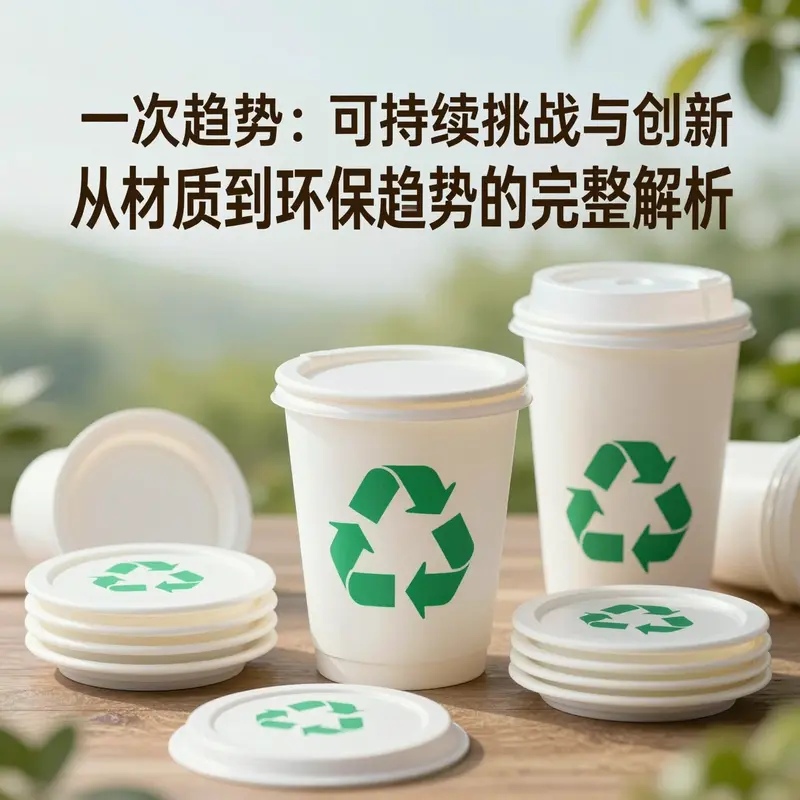
The everyday ritual of grabbing a cold or hot drink in a takeaway cup is inseparable from its lid. The lid is more than a seal; it is a connector between a customer’s moment of consumption and a broader web of supply chains, packaging choices, and environmental consequences. In coffee shops, cafeterias, convenience stores, and delivery-driven service models, lids enable spill-free transport, keep drinks at their intended temperatures for longer, and contribute to the overall drink experience. They come in a spectrum of sizes and designs to fit standard cup diameters—commonly around 90 millimeters for mid-sized cold beverages, with variations such as slightly smaller or larger forms used for 78, 92, or other diameters to accommodate 16, 20, 24, and even larger-ounce cups. This practical versatility is a key driver of their market pervasiveness, yet it also magnifies the environmental implications when those lids reach the end of their short-use life. A single business day can generate thousands, and across the global hospitality and fast-service ecosystem, the scale quickly becomes a cumulative impact that matters not just in waste terms but in the broader question of resource use and pollution. The lid, in other words, sits at a critical intersection: it enables a convenient consumer habit while simultaneously highlighting the tension between convenience and responsibility in modern packaging systems. When we talk about sustainable development in disposable cup lids, we need to look beyond individual materials and toward the complete lifecycle, the fit between product design and waste management infrastructure, and the incentives that shape how cups and lids are used, reused, or disposed of in everyday practice.
From a materials perspective, most lids have been built around polypropylene (PP) because of its blend of heat resistance, light weight, and recyclability. PP lids handle a broad range of beverages and temperatures, and they can be molded into flat or dome shapes that accommodate different drinking styles and consumption contexts. PET lids offer an alternative path when transparency is prioritized, such as in beverages where visibility of the liquid is part of the product presentation. The common seal, the positive snap of a cap, and the compatibility with standard cup profiles collectively enable efficient production, shipping, and store handling. These attributes are not incidental: they reinforce the widespread adoption of disposable cup lids in the service economy. Yet the advantages come with a shared responsibility to manage the waste that flows from millions of cups and lids every day. In discussing sustainability, it is essential to acknowledge that the most dominant materials in this space—PP and PET—still pose environmental challenges if not properly captured by recycling streams. The problem is not only about the material chemistry; it is about the systems that collect, sort, and process these items after use, and about consumer behaviors that influence whether a lid is recycled, diverted, or discarded.
A simple tally helps crystallize the scale at stake. Global consumption of disposable cups and lids is vast enough that, if counted end-to-end, the numbers could be imagined as a continuous line circling the Earth multiple times. The Chinese-speaking research summary highlights a stark figure: hundreds of billions of such items are used annually. When this is translated into real-world waste streams, a substantial portion ends in landfills or the environment, contributing to persistent plastic pollution. The concerns extend beyond visible litter; they include microplastics that can travel through waterways and ecosystems and pose potential risks to wildlife and human health over time. These concerns have sharpened the public policy focus on packaging design and waste management, and they have spurred interest in alternative materials and new business models that reduce the net environmental footprint of beverage packaging.
Even as the search for alternatives intensifies, the path to sustainability is not as simple as swapping one material for another. Biopolymers such as polylactic acid (PLA) and its derivatives have been explored as potential replacements, aiming to offer compostability or better end-of-life options. However, the practicalities of using such materials at scale reveal a more complex picture. Ordinary PLA lids, for instance, have limited heat resistance and may soften or leak when filled with hot beverages approaching boiling temperatures. This limitation is not merely a laboratory observation; it translates into real-world challenges around consumer safety and product performance. In response, researchers and material developers are pursuing specialized formulations that improve heat tolerance and durability for hot drinks, attempting to extend the usable life of a lid made from bio-based polymers. Yet even with enhanced formulas, the life-cycle assessment remains nuanced. The carbon footprint associated with growing, processing, and transporting biopolymers can be comparable to or exceed that of conventional plastics when the end-of-life infrastructure is not robust enough to ensure proper disposal or industrial composting. In areas without industrial composting facilities, the promise of “biodegradable” or “compostable” lids can fade into a more complicated reality, where waste streams do not achieve the intended environmental benefits.
All of this points to a larger truth: the sustainability challenge of disposable cup lids cannot be solved by material substitution alone. Even the most optimistic material innovations must contend with the bigger question of what happens after use. A lifecycle perspective requires scrutinizing the entire supply chain—from feedstock extraction and polymer production to manufacturing, distribution, consumer use, and end-of-life management. In many analyses, a lid’s impact is amplified if the accompanying cup and its associated waste streams are not managed in an integrated circular system. The idea that materials can be swapped and the problem will fade ignores the behavioral and systemic dimensions that govern how many of these items are collected, recycled, or disposed of. The evidence increasingly supports a more transformative approach: beyond tinkering with resin chemistry, the packaging industry and its partners should pursue models that keep packaging from becoming waste in the first place.
The most compelling sustainability narrative today centers on the circular economy—an approach that shifts the emphasis from once-and-done disposal to reuse, repair, and regeneration. When a lid or a cup is used multiple times within a controlled system, the environmental benefits can surpass those of any single-substitution solution. Research across different packaging contexts demonstrates that repeated use—often after a domestic or commercial cleaning step—can reduce greenhouse gas emissions and conserve materials after as few as twenty cycles versus a single-use scenario. The practical implication is clear: durable, reusable systems can outperform disposables not merely in theory but in real-world performance, even when single-use options incorporate advanced materials claiming biodegradability or compostability. Real-world pilots and policy pilots alike highlight the potential for closed-loop arrangements, including deposit schemes, digital traceability, and centralized cleaning and disinfection processes. In such systems, the cost of cleaning and logistics is offset by the value of reusing the same packaging multiple times and by reducing the volume of new packaging required. The shift toward reuse is not a visionary ideal detached from daily operations; it is becoming a practical strategy that many organizations are testing and refining as part of their broader environmental targets.
To illustrate the direction in which this shift is moving, consider how circular-cup concepts are being piloted in various markets. These often involve a capacious system design: customers borrow or purchase a cup-and-lid kit, a deposit is paid or a digital credit is recorded, the kit is used and then returned to a centralized hub for cleaning and reintroduction into the supply stream. The emphasis is not only on the materials themselves but on the infrastructure that makes reuse feasible at scale. The case for such systems has gained momentum from both environmental and economic perspectives: you can reduce the total material input by reusing high-quality packaging, lower waste handling costs, and, in many instances, offer a premium consumer experience that aligns with values of responsibility and stewardship. At the policy level, several jurisdictions are publishing guidelines and pilot programs to explore the practicalities of repeat-use packaging, including how to design for durability, how to ensure sanitary cleaning, and how to manage the collection and return logistics efficiently. These developments are essential to moving beyond a debate about materials toward a holistic framework in which packaging is designed with its end of life in mind from the outset.
From the standpoint of the consumer and the business that serves them, there are concrete execution challenges to address. Logistics play a pivotal role: collecting used lids and cups, transporting them to cleaning facilities, and executing reliable sanitation protocols require coordinated systems, dedicated infrastructure, and investment. Water use, energy for cleaning, and the pace of throughput in busy service environments must all be considered when evaluating the viability of reuse schemes. In addition, consumer acceptance is not guaranteed. Some customers favor the immediate convenience of single-use packaging and may be hesitant to participate in a reuse program. Other customers may welcome a more sustainable option if it comes with a simple, seamless experience and visible assurances about hygiene and safety. To foster adoption, programs must be designed with clear value propositions for consumers, including convenience, cost savings, and a trusted sanitation process. For businesses, the decision hinges on supply chain compatibility, the reliability of cleaning systems, and the ability to scale while maintaining service quality across peak periods.
In the broader ecosystem, the conversation around disposable cup lids is increasingly intertwined with environmental policy and consumer expectations. The push toward packaging that can fit a circular system means rethinking not just the lid, but the entire drinking experience. Designers are experimenting with rounded geometries that reduce plastic use while preserving functional integrity. They are exploring new attachment mechanisms that minimize material usage without compromising seal strength. Some efforts focus on facilitating easier disassembly for recycling at end-of-life, while others emphasize compatibility with centralized recycling streams or with local composting infrastructure. There is also growing interest in materials that can be reincorporated into other products at the end of life, rather than exiting the system as waste. The core idea is to align the capabilities of the lid with the realities of waste management and to ensure that every stage—from production to post-use handling—contributes to a net-positive impact.
For readers seeking further context on how sustainability in plastics packaging is being reframed at a global level, the Ellen MacArthur Foundation provides a comprehensive lens through its New Plastics Economy framework. The global commitment emphasizes that relying solely on recycling or on biodegradable alternatives is not sufficient; the priority is to advance the reuse and systemic circularity of packaging materials. This perspective helps frame the lid as a small but meaningful component in a much larger shift away from linear consumption toward durable, regenerative packaging systems. The work of organizations articulating the circular economy is a reminder that improvements in one product line must be connected to changes in how packaging is designed, manufactured, used, returned, cleaned, and re-fed into production streams.
From a practical procurement and design standpoint, the pursuit of sustainable lids also invites a careful look at the broader packaging portfolio. While material innovation remains important, it should be coupled with process innovations across the value chain. A practical approach is to assess the compatibility of new materials with existing manufacturing equipment, the feasibility of scale, and the potential to integrate with a reuse ecosystem. Cost considerations, MOQs (minimum order quantities), and supplier reliability are essential in deciding whether a shift to a more sustainable lid is viable for a given business model. It is not merely a question of choosing an eco-credentialed material; it is about ensuring that the entire packaging solution—from cap to cup to disposal or reuse system—works as a coherent, efficient, and scalable pathway toward lower environmental impact.
Within this evolving landscape, there is value in acknowledging and exploring a spectrum of lid designs and materials. Some segments may still rely on conventional PP with improved recycling options, while others may pilot compostable or paper-based lids where appropriate infrastructure exists. Others will pursue reusable system designs that prioritize durability and streamlining of cleaning processes. In all cases, the guiding principle should be to reduce overall waste and resource consumption while preserving safety, hygiene, and user experience. The conversation extends beyond ideation and into concrete steps: aligning procurement with waste-management capabilities, designing for disassembly and recycling where possible, and investing in validated reuse models where viable. This is not a single solution but a strategic shift toward designing lids and their packaging as elements of a circular system rather than as disposable after a single use.
For readers who want to explore options that combine eco-friendly material choices with practical, scalable formats, there are examples of lids and related packaging solutions that aim to balance performance with environmental responsibility. One such option highlights the potential for eco-disposable lid variants designed for kraft-paper cups, which can be part of broader efforts to align lid design with paper-based cup ecosystems. See eco-disposable-paper-lids-for-kraft-coffee-cups for more details. https://greendispopack.com/product/eco-disposable-paper-lids-for-kraft-coffee-cups/
Externally, the most robust roadmap for long-term improvement remains anchored in the circular-economy discourse. The global commitment to rethinking plastics packaging, promoted by leading sustainability organizations, reinforces the message that the path forward involves reimagining packaging as a resource rather than a waste product. The emphasis on reuse over single-use substitutes, the need for standardized recycling streams, and the importance of consumer-facing systems that enable easy participation are central to meaningful progress. The chapter thus ends not with a verdict on a single material or a single design choice but with a call to approach lids as opportunity points within a broader system of sustainable packaging that can evolve through iterative testing, shared data, and collaborative action across industries and governments. For those who want to read further on the global commitments and the rationale behind reuse as a core strategy, an authoritative external resource is available at https://www.ellenmacarthurfoundation.org/initiatives/new-plastics-economy/global-commitment.
Final thoughts
一次性塑料杯盖在饮品服务中扮演着不可或缺的角色,同时也面临日益严格的环保与合规要求。通过对材质、设计规格、采购经济性以及可持续趋势的系统了解,商家可以在确保用户体验的前提下实现成本优化与品牌提升,推动行业走向更高效、环保的未来。