

As hospitality providers, ensuring food safety and customer well-being is paramount. One common question that arises is whether it’s safe to warm food in plastic containers. This concern is particularly relevant in environments like bubble tea shops, restaurants, and catering services where quick and efficient reheating methods are often employed. In this guide, we will explore the risks associated with non-microwave-safe plastics, delve into chemical safety and toxin release, explain the dangers of microplastic contamination, provide guidelines for safe usage, and suggest safer alternatives to plastic containers. By the end of this article, you will be equipped with the knowledge needed to make informed decisions that protect your customers and your brand.
null
null
Heat, Hormones, and Plastics: Unraveling the Risks of Reheating Food in Plastic

Reheating food in a plastic container is one of those everyday acts that feels completely ordinary until you pause to consider what heat does to a material that was never meant to be a kitchen chemical reactor. The act of microwaving or otherwise heating wrapped or stored food invites a cascade of physical and chemical processes that can reallocate energy, mass, and even tiny fragments of plastic into the very meal you plan to eat. The core question—can you warm up food in a plastic container?—depends on the type of plastic, its design, and how it is labeled. The short, cautious answer emerging from the science is nuanced: not all plastics are equal, and even among those labeled microwave-safe, there are limits to what heat can safely do. The risk is not merely a theoretical concern; it is a real, measurable phenomenon that plays out in the laboratory and, increasingly, in public health discussions about long-term exposure to plastic-associated chemicals and microplastics.
The chemistry of heat and plastic hinges on the properties of the polymer in question and the additives embedded in the resin. Some plastics are relatively inert when heated, while others release substances that can migrate into food. The migration process is influenced by temperature, contact duration, the nature of the food, and the condition of the container itself. When fats or oils are involved, the leaching can accelerate because lipophilic compounds dissolve more readily in fatty matrices. The more intense the heat and the longer the exposure, the greater the potential for chemical migration. The underlying mechanism is not a single smoking gun but a spectrum of interactions—diffusion of additives, partial breakdown of polymer chains, and, in some cases, the release of micro-sized fragments that can become part of the food we eat.
A foundational line of evidence comes from studies on polystyrene foam, a material long used for takeout cups and certain microwave-ready packaging. Research summarized in a widely cited NIH PMC article shows that heating polystyrene foam can promote the leaching of chemicals into food. The process is not passive; when exposed to microwave temperatures, the rate at which additives migrate into the meal increases. The implication is straightforward: even materials that seem convenient or inexpensive can exchange chemical compounds with food under heat, raising concerns about exposure to substances that may influence hormonal balance, metabolism, or other physiological processes over time. These findings are not merely about a single solvent or a single chemical. They reflect a broader truth about how heat transforms the boundary between food and container, sometimes in ways that are invisible to the naked eye.
Beyond the specific case of polystyrene, an emergent thread in the literature concerns microplastics that can be released during heating. A 2025 study from China’s Academy of Sciences highlights a striking and troubling possibility: microwaving food in polypropylene containers may release millions of microplastic particles per square centimeter and billions of nanoplastics into the food. The researchers emphasized that these tiny plastic fragments can traverse biological barriers and circulate in the body, with particular concern about accumulation in organs such as the liver, kidneys, and brain. While this line of inquiry is still developing, the message is clear: heat can intensify the fragmentation of plastics and raise exposure to particles small enough to interact with cells and tissues. Even plastics considered relatively stable or “safe” under normal use can behave differently under the thermal stress of microwaving, underscoring the need for caution and better design in consumer packaging.
Another layer to consider is the compatibility between the plastic type and the food it holds. The conventional labeling system—with categories like PET, PVC, and PP—aims to guide safe use, but it is not a universal safeguard. Polypropylene, marked as #5 and often marketed as microwave-safe, may still leach or shed microplastics under certain conditions. The literature consistently shows that the safest approach is to transfer food to a container expressly designed for heating rather than attempting to heat in containers that were originally intended for cold storage or cold serving. The reason is not just the chemical horizon but the physical reality of container integrity under heat: warping, deformation, or cracks that can alter how a container seals, vents, or interacts with the microwaves themselves.
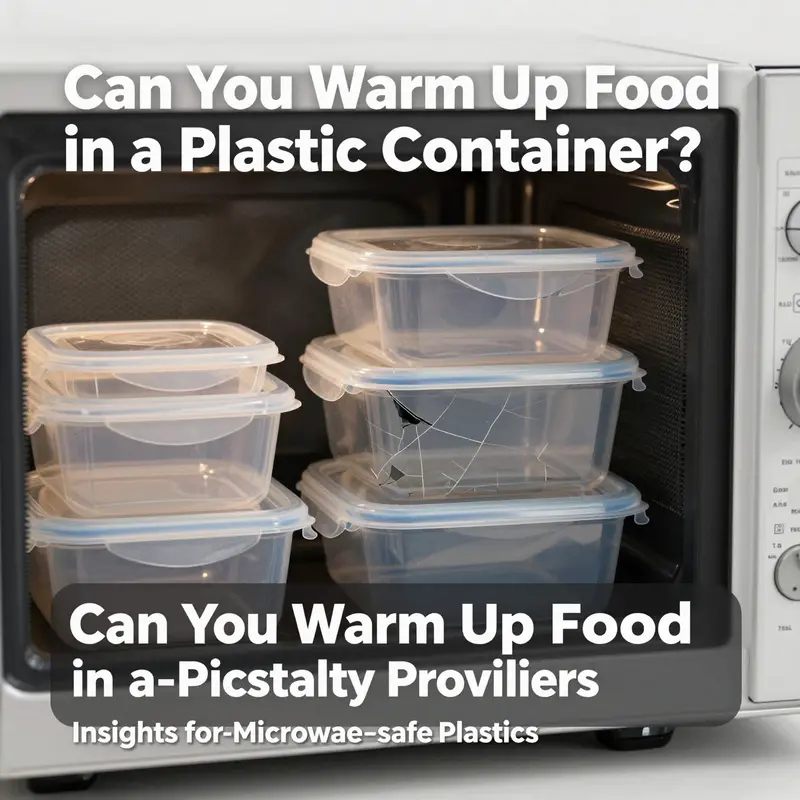
In day-to-day practice, the simplest rule is practical: if a container is cracked, discolored, or scratched, or if the lid is not clearly labeled as microwave-safe, avoid heating the contents in that container. The presence of scratches and micro-scratches is more than cosmetic; it can create microenvironments where heat concentrates and migration pathways widen. A cracked container is not just a sign of wear and tear—it signals an elevated risk of chemical migration and, potentially, structural failure during heating. When in doubt, follow the manufacturer’s instructions, but also consider the robust evidence from independent research that highlights the limited predictability of plastics under microwave conditions.
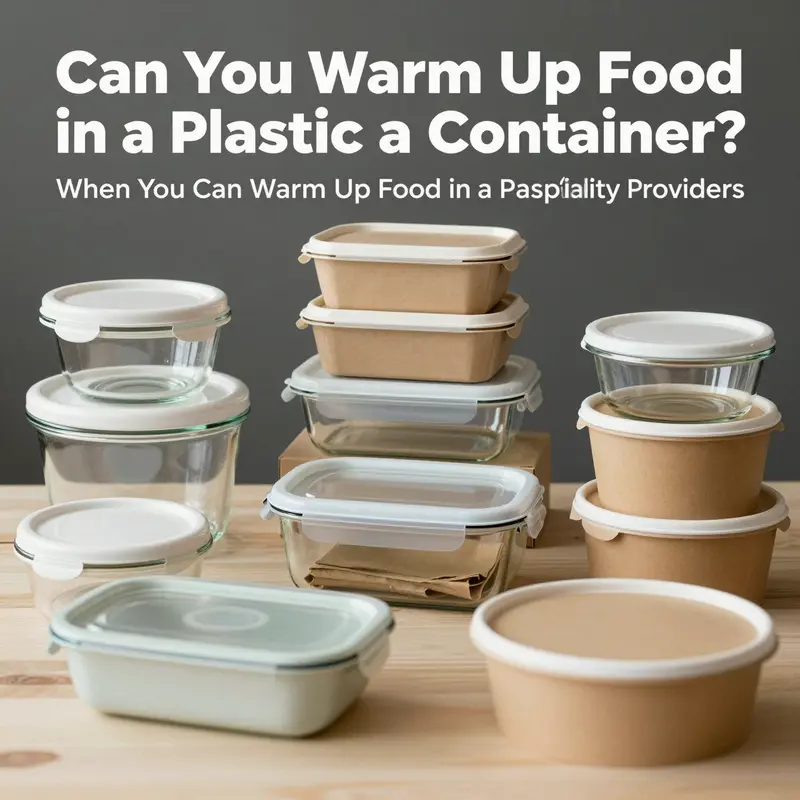
The safer path, repeatedly emphasized in reviews of the literature and in guidance from health and safety experts, is to move toward non-plastic alternatives for heating whenever possible. Glass and ceramic vessels have a long-standing reputation for chemical inertness and stability under microwave heating. They do not leach additives in the same way plastics may, and they tend to resist warping or deformation under typical reheating conditions. For many households, the transition from plastic to glass or ceramic is a practical step toward reducing exposure to potential toxins and microplastics. Ceramic dishes should be microwave-safe and free of metallic trims, while glass containers should be labeled as microwave-safe and free from lead-based glazes or coatings that could introduce other contaminants into food. When it is necessary to cover food during reheating, paper-based wraps or wax paper can provide a barrier that minimizes direct contact with the container while still allowing heat to circulate; though these coverings must also be used with care to prevent steam buildup or uneven heating.
In all of these considerations, the surface-to-volume dynamics of the container matter. A large, thick-walled container will heat differently than a shallow, narrow one, and the way food is arranged inside the container can influence hot spots. Stirring or rotating food during reheating can help mitigate localized overheating that would otherwise magnify chemical migration in certain spots. The practice of venting lids or selecting containers with vented closures can also play a role in controlling pressure and temperature build-up, which, in turn, affects migration rates. Yet even with venting and careful handling, the heat-food-container equation remains a risk-laden interplay. That is why many experts advocate for the least risky option—transferring to a non-plastic vessel for heating and then transferring back to a container suitable for storage once the meal has cooled.
The narrative above does not discount the utility of plastic containers in everyday life. They offer convenience, stackability, and, for some uses, cost advantages. However, the weight of current evidence suggests that the price of convenience is a measured risk—especially for those who heat oily, acidic, or highly processed foods, or who routinely reheat multiple times in the same container. The presence of microplastics adds a new layer of concern: even if immediate toxicity is not clear, long-term exposure to minuscule plastic fragments has the potential to accumulate in bodily tissues and interact with cellular processes in ways researchers are still trying to understand. This is not a crisis with a single culprit but a spectrum of potential exposures that requires cautious handling, clear labeling, and deliberate choices about materials used for heating.
For households aiming to reduce exposure while maintaining accessibility and practicality, there are pragmatic steps to adopt. First, prioritize glass or ceramic for reheating whenever feasible. If plastic must be used, choose containers that are explicitly labeled microwave-safe and free from cracks or cloudiness, and limit heating duration to the minimum needed to reach the desired temperature. Avoid heating oil-rich or acidic foods in plastic, and avoid transferring raw or delicate foods into containers that could shed more substances under heat. After reheating, let hot foods stand briefly to reduce the risk of uneven temperatures on contact surfaces, and consider transferring leftovers to inert containers for long-term storage rather than keeping them in plastic while cooling.
Beyond individual choices, a broader cultural shift toward safer packaging design is essential. The most protective approach is to design and regulate packaging that minimizes chemical migration and microplastic release under thermal stress. Safer alternatives, such as paper-based or bio-based materials with appropriate barrier properties, show promise for reducing risk without sacrificing utility. This is where consumer demand can drive innovation—pushing manufacturers toward materials that maintain strength during heating while limiting chemical migration and fragmentation. The evolving science also underscores the value of transparency: clear labeling about microwave safety, the exact material composition, and the presence of potential additives helps consumers make informed decisions. In turn, clearer consumer expectations can encourage better packaging choices across industries.
For readers seeking practical, safer packaging options in the kitchen, exploring non-plastic alternatives can be a straightforward step toward minimizing exposure. For households curious about safer packaging options, consider disposable kraft paper bowl with lid. This option illustrates how conventional disposables can be designed for heat tolerance and safe handling, while potentially reducing reliance on plastics for immediate heating needs. Such choices, when paired with careful reheating practices, can help balance convenience with health considerations—an essential equilibrium in a world where the boundaries between consumer goods and food safety are continually negotiated.
A final note on sources and ongoing research: the evidence base continues to evolve as scientists refine measurements of chemical migration, assess subcellular toxicity of microplastics, and explore the long-term health implications of chronic exposure. The body of work around polystyrene leaching is particularly instructive for understanding how heat changes the interaction between food and container materials. For readers who want to delve deeper into the laboratory findings, an external resource provides a comprehensive overview of these leaching dynamics and the broader implications for food safety. External resource: https://www.ncbi.nlm.nih.gov/pmc/articles/PMC10264978/
In sum, while some plastics may be marketed as microwave-safe, the best practice remains conservative: minimize heating in plastic, favor inert materials like glass or ceramic, and stay vigilant about the integrity and labeling of any container used for reheating. The convergence of chemical safety and microplastic concerns invites a thoughtful reassessment of everyday habits, guiding us toward choices that protect health without compromising practicality. The kitchen as a space for informed decisions, rather than a site of risk, is a goal worth pursuing as research continues to illuminate the subtle, cumulative effects of heat on plastic and food.
Heat, Plastic, and Microplastics: What Happens When You Reheat Food in a Plastic Container

Reheating leftovers in a plastic container feels convenient and harmless enough to breeze past a moment’s doubt. The kitchen is full of familiar rituals: snap on a lid, press a button, and wait for that familiar hiss of steam. Yet behind this everyday ease lies a web of science that complicates the simple act of warming food. The heart of the matter is not merely whether a container will melt or warp in the microwave. It is what happens to the plastic itself when heat, fat, acidity, and moisture converge, and how those changes might influence what ends up in your meal and, ultimately, in your body. When you weigh the safety of reheating in plastic, you must move beyond labels and fridge-door assumptions to the chemistry of heat, the physics of polymers, and the biology of tiny particles that travel through your system in ways we are only beginning to understand.
The first restraint is obvious on inspection: plastics are not a single material. They are a family of polymers with varying heat tolerances, chemical resistances, and food-contact properties. A container labeled as non-microwave-safe signals a basic warning: heating in that material carries a real risk of deformation, melting, and chemical interaction with food. Even among the plastics that are marketed as microwave-safe, there is cause for caution. The risks here are twofold. On one hand, the heat can drive the migration of additives and monomers that reside in the plastic into the food. On the other hand, heating can promote the fragmentation of the material itself, yielding microplastics and nanoplastics that may find their way into your plate and your body. It is a reminder that safety in this domain is not a binary yes-or-no; it is a spectrum shaped by the type of plastic, the heating method, and the nature of the food inside.
In the broader landscape of plastic in contact with hot foods, certain polymers have clear red flags. Historically, containers made from PET or PVC have drawn attention for the potential release of hazardous substances when heated. The concern extends beyond the immediacy of taste or texture changes; it touches the realm of bioactive chemicals that can disrupt hormonal balance and contribute to longer-term health risks. But even materials that might be considered safer on a standard shelf—namely, those that are labeled as microwave-safe—present subtler hazards when heat is applied relentlessly or for extended periods. The conversation is not simply about whether a lid stays on or a container remains intact; it is about what migrates from the plastic into the food and whether those migrants are harmless byproducts of polymer chemistry or compounds with biological activity.
A newer and more troubling line of evidence has emerged around microplastics and nanoplastics. These particles, often invisible to the naked eye, are released in greater numbers when heat becomes a factor. In a 2025 study led by researchers in China, heating plastic in microwave conditions with common polymers yielded startling figures for microplastics and nanoplastics release. The investigation reported up to millions of microplastic particles per square centimeter and billions of nanoplastic particles under heated conditions. While the exact numbers vary with the polymer and the testing environment, what stands out is the magnitude: heat amplifies particle release far beyond what is observed in cold storage or at room temperature. In simple terms, the act of microwaving can turn ordinary containers into potent microplastic sources for your food. The microscopic scale of these particles is precisely what makes them elusive; they can slip through biological barriers and potentially accumulate in tissues and organs over time.
The type of plastic makes a meaningful difference. Polyethylene (PE) and polypropylene (PP) are among the most common food-contact polyolefins. Across studies that simulate real-world conditions—using water, acidic solutions like vinegar, and typical cooking temperatures—these materials respond differently to heat. The evidence consistently points to more particle release from PE than from PP under similar conditions, though PP is not free from concern. The difference matters not only for the air or surface around the microwave but for the actual meal sitting in the container. The chemical nature of the surrounding food also shapes outcomes. A syrupy, fatty, or acidic liquid interacts with plastic differently from a neutral beverage, altering both the rate and the magnitude of any leaching or shedding of particles. The result is a reminder that the kitchen is a chemistry lab when heat is involved, and the exact mix of plastic and food decides the degree of exposure.
Beyond the numbers, the health implications of micro- and nanoplastic exposure are the subject of ongoing research and debate. Nanoplastics, which can be smaller than 0.1 micrometers, have the capacity to cross biological barriers that larger particles cannot. Early evidence has detected microplastics in human blood and in organs such as the heart and brain, and there is concern about potential accumulation in fetal tissue. The hypothetical chain of causality—ingestion leading to systemic distribution, inflammation, cellular disruption, and, in the long run, potential links to neurodegenerative processes—remains an active area of inquiry. While direct causal connections between microwaving plastic and a specific health outcome are not yet settled, the accumulating data on particle release during heating strengthens arguments for precaution. The picture that emerges is not a stark verdict but a precautionary narrative: heat magnifies exposure, and exposure to nanoplastics is a risk that deserves serious attention as science evolves.
The practical message for everyday cooking, therefore, is nuanced. If a plastic container bears a microwave-safe label or a #5 recycling symbol (PP), it may withstand more heat than a non-microwave-safe counterpart. Yet even these containers deserve careful handling. Do not heat oily or highly acidic foods in plastic—that combination tends to accelerate chemical migration. Do not reuse containers that are cracked, discolored, or scratched; surface damage can create microchannels where chemicals and particles preferentially migrate. Do not heat foods for longer than necessary, and prefer the lowest practical temperature. In short, microwave safety in plastics is not a license for carefree reheating; it is a call for informed restraint, because the dynamics of heat, plastics, and food are anything but static.
This is where safer alternatives enter the story with practical clarity. Glass and ceramic vessels are inert and stable in a microwave, offering a robust barrier against leaching and plastic-origin particles. They do not shed microplastics into your meal in the way plastics can when heated, and they do not deform under typical reheating conditions. The downside – fragility and weight, and sometimes higher cost or less convenience – can be outweighed by the health trade-offs for some users. Paper-based options can also play a role, especially as covers or wraps rather than as direct food-contact vessels for heating. If a paper wrap is used, it should not be in direct contact with hot food for extended periods; the aim is to keep the food’s surface away from potential contaminants rather than to substitute a plastic container with a single paper barrier.
For those who still want to explore safer take-out or reheating options that minimize plastic contact, there are practical routes that align with a precautionary approach. One route is to choose containers and serving ware made from paper-based materials designed for food contact and with appropriate lids. These products are often marketed for their compostable or recyclable properties and can offer a cleaner reheating path when used properly. If you’re considering a practical example, you might explore kraft paper bowls that are designed for take-out and have secure lids for transport. See a representative option here: disposable-kraft-paper-bowl-take-away-kraft-paper-salad-bowl-with-pet-lid. This type of packaging represents a tangible way to reduce direct plastic contact during reheating while still accommodating convenient meals on the go.
Of course, the broader conclusion remains consistent: while some plastic containers may be technically microwave-safe, the safest approach to protecting health and reducing microplastic exposure is to favor glass or ceramic containers for reheating whenever possible. If plastic must be used, it should be explicitly labeled for microwave use, and even then, heating times should be brief, foods should be non-oily and non-acidic, and containers should be checked for damage before each use. The practical takeaway is not merely about avoiding a dangerous container in the moment but about adopting a cautious kitchen ethos that acknowledges the unseen dynamics unleashed by heat.
For readers seeking the most rigorous, peer-reviewed grounding behind these cautions, the broader body of evidence on microplastics and nanoplastics from heated plastic is continually evolving. A pivotal study that informs this discussion is the work on microplastics and nanoplastics released from plastic containers and reusable food pouches, which highlights the potential health implications of exposure and the need for ongoing assessment of risk in real-world conditions. You can review the external study here: https://pubs.acs.org/doi/10.1021/acs.est.3c01942. As research advances, it will refine our understanding of how microwaving plastics intersects with human health, and it will likely reinforce the practical guidance to minimize plastic contact during reheating.
In the meantime, the core guidance holds steady: prioritize non-plastic heating vessels, be mindful of what you heat, and recognize that the kitchen is a site where physics, chemistry, and biology intersect in tangible ways. If the goal is to minimize microplastic exposure without sacrificing convenience, glass and ceramic options offer robust performance with fewer hidden costs. When plastic cannot be avoided, selection matters, usage should be conservative, and attention to the integrity of the container – together with the type of food being heated – can meaningfully reduce risk. The everyday act of warming food, once a routine with little reflection, becomes a small craft of risk management – an area where informed choices can translate into meaningful health benefits over time. This alignment between practical cooking habits and evolving scientific insight helps anchor a more deliberate approach to meal preparation, reheating, and the materials we trust to carry our food from plate to palate.
Heat Without Hazard: A Practical Guide to Safe Microwave Reheating in Plastic Containers

Heating leftover meals in plastic containers is a common habit, but one that invites a closer look at safety, chemistry, and everyday practicality. Many people assume that any container marked microwave safe will be perfectly inert during heating. In reality, the answer depends on the plastic’s composition, the food you place inside, and how long you heat it. The same lid and walls that keep food secure during storage can become a source of contaminants once the microwave light turns on. The concern is not only about toxic chemicals that might leach into the meal but also about microplastic fragments that could shed into the steam and then settle on the surface of the food. The research landscape is evolving. While some plastics are certified for microwave use, the certification does not guarantee risk-free heating in every situation. Modern scientists have documented both chemical leaching and microplastic release under realistic reheating conditions. For a family planning weekly meals, these details matter because they shape everyday choices in the kitchen. The goal is not paranoia but precision: to balance convenience with the best available evidence so that reheating becomes a process you can trust rather than a source of uncertainty. A careful approach makes it possible to keep meals warm and safe without turning the kitchen into a laboratory, and it invites readers to weigh practicality against health considerations with clear guidelines rather than vague warnings.
Identify Safe Plastic Types. The starting point is knowing what is inside the container. Look for the universal recycling triangle with a number inside the bottom. The number 5, which stands for Polypropylene, is the most consistently associated with microwave health safety. Polypropylene can withstand temperatures up to about 120 C, which covers the boiling point of water and many reheating scenarios. By contrast, containers marked with numbers 1, 3, 6, or 7—PET, PVC, PS, and PC—carry higher risks of deformation or chemical transfer when heated. Labels that declare the item microwave-safe or show a wave icon offer a baseline assurance, but they are not a golden seal. Real-world use can still undermine safety if the container is old, scratched, or used for stubbornly fatty and acidic foods. If a container lacks a clear microwave-safe label, or if you are unsure of the plastic type, the safest choice is not to use it for heating. For households that want to minimize guesswork, the rule of thumb is simple: when it doubt, leave it out of the microwave entirely, and choose a glass or ceramic alternative.
Inspect Your Container Before Use. The safest practice begins with a careful look. A cracked, chipped, discolored, or warped container is no longer a reliable barrier against heat and chemicals. Warping reduces contact integrity and can create micro-channels that trap heat and increase leaching. The lid story is equally important: even if the body is PP and labeled microwave-safe, the lid may not be. In most cases, the lid is not designed for direct microwave heat, and sealing the container tightly during heating can trap steam and pressure, potentially leading to an explosive failure. Remove the lid entirely before microwaving and avoid any lid that lacks specific microwave-safe certification. If you plan to cover the container during heating to manage splatter, use a microwave-safe cover or loosely placed vented film that does not seal the container completely. Finally, confirm all markings and ensure you have three corroborating indicators: the PP number 5, the microwave-safe labeling, and a cup-and-fork symbol. Those three marks together provide the strongest, though not absolute, confidence in safety.
Follow Proper Heating Practices. Even when a container meets the labeling test, heat should be applied with restraint. Short bursts are safer than long, uninterrupted sessions. Aim for 2 to 3 minutes per interval and check the temperature before proceeding. Foods with high fat or sugar content heat more intensely and can heat the plastic from the inside out, increasing the likelihood of deformation and chemical migration. When possible, use lower power settings to spread heat more evenly and reduce peak temperatures. Stirring halfway through the heating cycle helps distribute heat, avoids scorching on the food’s surface, and minimizes intense heat at the container walls. If the food contains oil or sauce, the margins of safety become narrower, so consider transferring the reheated portion into a glass or ceramic dish for final warming if needed. The goal is not to push the container beyond its comfort zone but to give the food an even, comfortable warmth while keeping the container within its design limits. Finally, beware of the tension between convenience and safety: rapid reheating can create hot spots that feel fine on the tongue but may reflect uneven energy transfer that stresses the container and promotes leakage. A few extra minutes and a gentler heat can be a smarter bargain in the long run.
Understand the Risks and Choose Safer Alternatives. A growing body of evidence points to microplastic concerns that accompany even microwave-use plastics. A significant study released in 2025 by the Chinese Academy of Sciences quantified the release of microplastics and nanoplastics when heating in polypropylene containers. They reported that a single square centimeter could shed millions of microplastics and billions of nanoplastics under realistic heating conditions. While this does not mean plastics are never safe, it does mean that the most conservative approach is to minimize plastic exposure whenever possible. The consequences of microplastic ingestion are still being explored, but early signals point to potential pathways for entering the bloodstream and accumulating in organs. That is not the kind of risk you want to invite to your meals. For most families, the simplest path to health is to choose cookware that is inert under heat. Glass and ceramic vessels do not leach chemicals and are highly stable under microwave energy. If you must use plastic, the safest option is to ensure it is truly polypropylene and used in the shortest possible heating cycle with strict attention to damage. Additionally, avoid oily or acidic foods inside plastic, and do not heat containers that show signs of wear. A practical compromise for occasional reheating is to use plastic only as a temporary vessel for transfers, not as the final warmed dish, and then transfer to glass or ceramic for serving. For those who want to stay within plastic in a safer frame, please consider a verified, microwave-safe PP container and follow the guidelines above. If you are curious about alternative materials, consider glass or ceramic for routine reheating, since these keep the integrity of the food and minimize exposure risks. For readers exploring safer packaging options, consider the disposable-eco-friendly-printed-logo-single-wall-paper-cup link as a reference point for non-plastic alternatives that still respect convenience and cost.
A Practical Framework for Everyday Kitchens. The path forward blends science with sensible habits. Start with cautious selection, favoring containers clearly marked as microwave-safe and preferably number 5 PP. Maintain the container in good condition; discard any scratched or warped pieces. When heating, keep sessions short, use lower power, and stir the contents to avoid hot spots. Always remove the lid before microwaving, or ensure any lid is explicitly labeled microwave-safe and vented. After reheating, judge whether the dish has reached a safe serving temperature without pushing the container beyond its limits. In many homes, the simplest practice is to complete the reheating in a glass or ceramic dish, then transfer to a clean serving vessel. This tiny shift reduces the cumulative exposure to plastics in the cooking cycle and aligns with a growing precautionary approach to kitchen safety. Across households, this mindset translates into meals that are warm, flavorful, and prepared with attention to health considerations rather than risk-based guesswork. For readers who want to explore safer packaging options without leaving the convenience of disposables behind, the linked option above provides a concrete example of how non-plastic alternatives can fit into everyday routines.
External Resource for Further Reading. For a broader perspective on how plastics interact with heat and human health, consider consulting trusted health and public safety sources that synthesize current research and policy recommendations. External reference: https://www.who.int/news-room/fact-sheets/detail/plastics-and-health
null
null
Final thoughts
In the context of food safety and customer health, understanding the implications of warming food in plastic containers is crucial for any hospitality business. This article has highlighted the risks of using non-microwave-safe plastics, the potential for chemical and microplastic exposure, and outlined safe practices alongside alternative materials. By prioritizing safer options, businesses can enhance their service quality and uphold customer trust. Caring for the health of your patrons, while simultaneously ensuring compliance with safety standards, can positively impact your brand reputation and operational success.