
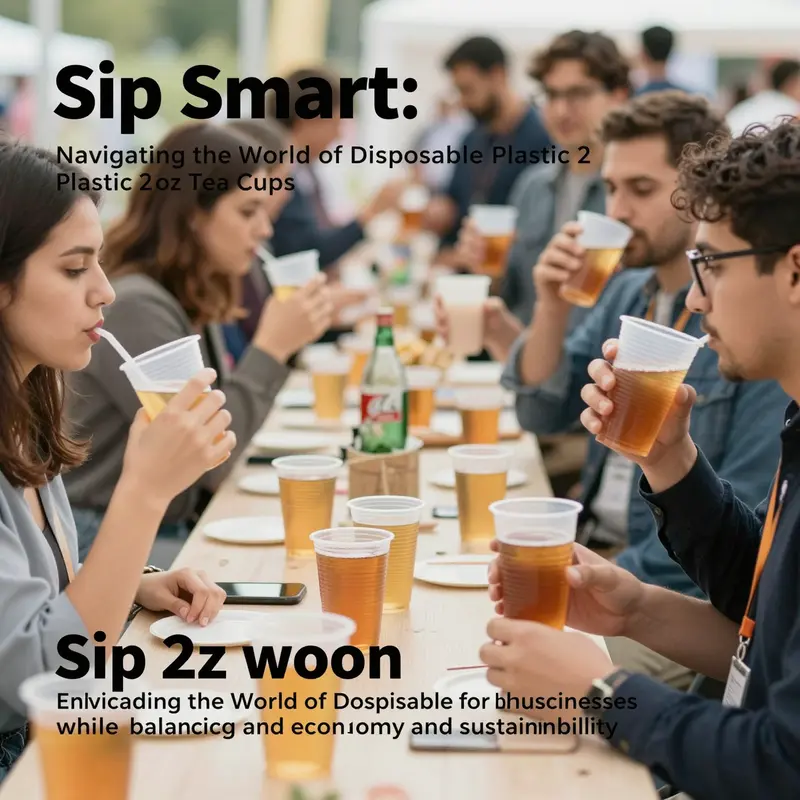
The use of disposable plastic 2 oz tea cups in the beverage service industry has become an essential focus for a variety of businesses, from bubble tea shops to catering services. As events and gatherings get busier, the demand for practical beverage solutions that do not compromise quality or aesthetics rises. This article explores the versatility, economic benefits, sustainability challenges, and ever-evolving consumer preferences surrounding these cups. By diving into each aspect, we aim to provide a comprehensive understanding of how disposable plastic tea cups can not only meet the needs of businesses but also align with the growing trend of environmental awareness. Join us on this insightful journey through the layers of disposable plastic tea cups.
Small Vessels, Big Dynamics: The Practical, Promotional, and Environmental Dimensions of the 2 oz Disposable Plastic Tea Cup
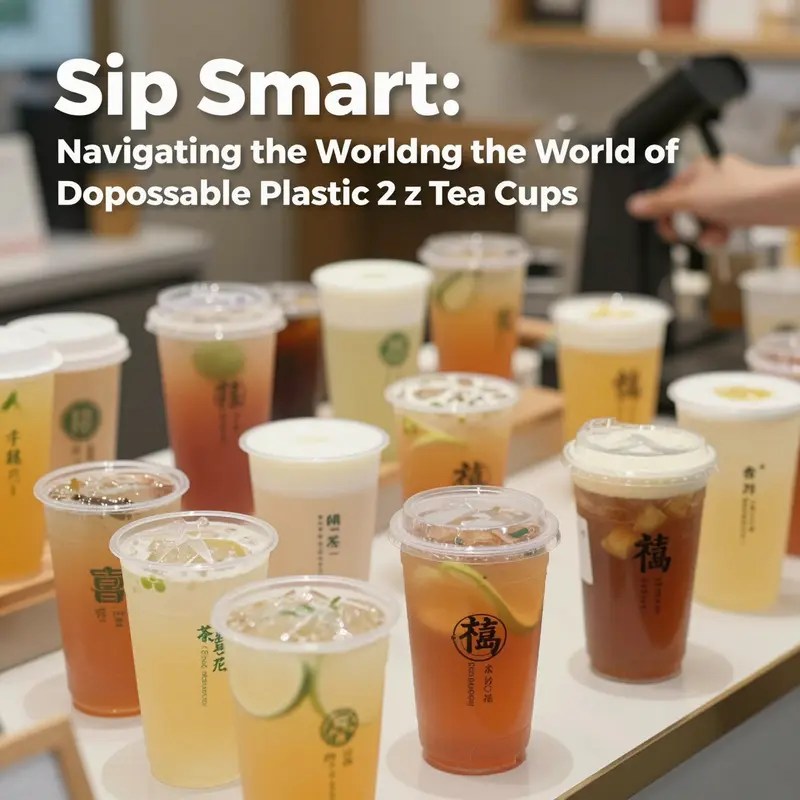
The two-ounce disposable plastic tea cup sits at the intersection of practicality, economy, and evolving responsibility. It is a small vessel with a big role: enabling portion control, hygienic service, quick turnover, and neat presentation. In events, catering stations, and fast-service lines, these cups convey reliability: they are lightweight, legible, and easy to stock, and they support a smooth guest flow as crowds gather. They are typically made from polypropylene, chosen for its durability and heat tolerance, and many models offer clear visibility of the beverage to showcase color and clarity. Optional features—handles for grip, snap-on lids for spill prevention, and branding-ready surfaces—expand how organizers tailor the serving method while keeping costs predictable.
The bulk machinery of procurement reveals why the 2 oz cup matters: large orders, predictable pricing, and standardized packaging enable venues to scale service across multiple stations without breaking the budget. In many cases, the math is straightforward—cents per cup, predictable waste streams, and streamlined inventory management—making the cup a practical workhorse rather than a luxury item.
Sustainability sits at the heart of current debates about disposables. While biodegradable and compostable variants are increasingly available, they require specific disposal infrastructure to break down effectively, which is not always available in every venue or region. Recycling remains an important option where feasible, demanding clear consumer guidance and robust post-consumer sorting. In response, many suppliers offer eco-conscious lines, better-tuned to waste-management realities while preserving the benefits of a single-use format.
Beyond the material and environmental considerations, the cup also supports a distinct guest experience. The tiny size invites sampling, comparison, and the celebration of variety without over-commitment, while minimizing cleanup demands after tastings or demonstrations. Printed logos and color accents turn a simple sampling vessel into a portable marketing piece, reinforcing brand presence in a way that is unobtrusive yet visible. Good practice in service design—clear cup retrieval cues, efficient lid pairing, and tidy station layouts—helps staff maintain speed and accuracy in busy moments.
Taken together, the disposable 2 oz tea cup represents a pragmatic compromise: it delivers speed, hygiene, and clarity at a cost that makes it the backbone of many tasting events. It exists within a broader ecosystem of packaging options, where greener alternatives continuously push the industry toward more responsible choices without sacrificing the essential conveniences that large-scale events depend on.
Slim Vessels, Big Impacts: The Economic Case for 2 oz Disposable Plastic Tea Cups in Catering and Events
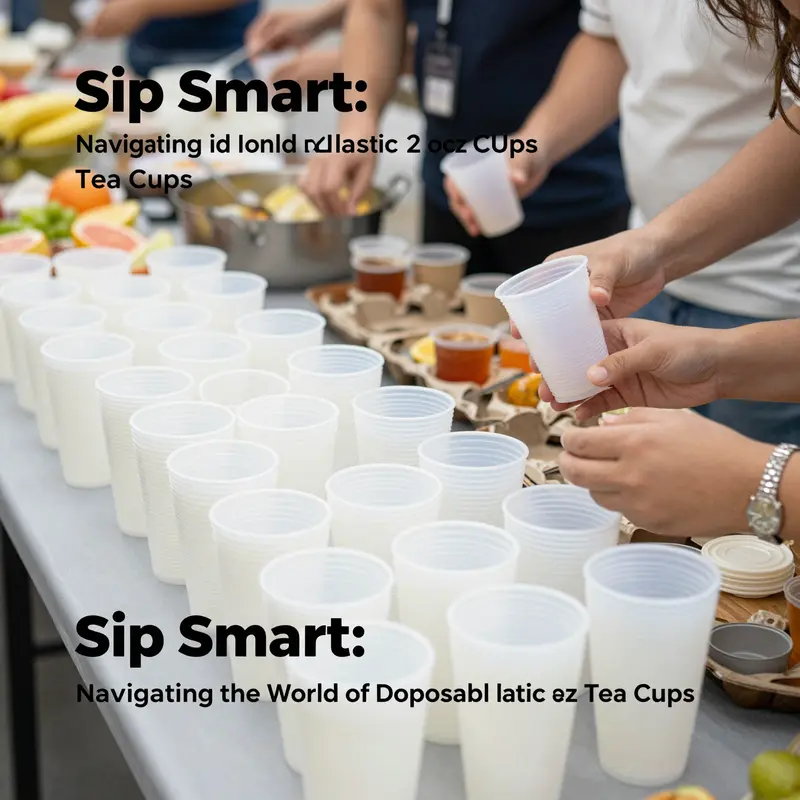
The small, seemingly modest 2 oz disposable plastic tea cup has a quiet but potent economic profile that unfolds most clearly when viewed through the lens of high-volume catering and event logistics.
In beverages service contexts where thousands of guests sample tea, espresso, or light cocktails, the cost structure of cups becomes a strategic factor for profitability and service flow. The unit price for such cups is typically in the low-cent range, often cited in supplier literature as roughly $0.03 to $0.08 per cup. For an event serving 2,000 cups, that cup cost adds $60 to $160 to the line item, a detail that aggregates across multiple service moments and can influence menu pricing and staffing plans because disposables are a fixed, predictable cost rather than a variable dependent on wash cycles or rentals.
Bulk purchasing amplifies savings, as volume discounts and shipping efficiencies reduce the average cost further. The end result is an attractive economics case for budget-conscious operations, particularly when waste minimization and throughput are prioritized in sourcing.
Operational efficiency is the second pillar. The single-use nature of these cups removes a large category of time-sinks: no glassware to return, no post-event washing, no sterilization protocols, and no inventory tracking for reusables. Labor hours that would have gone to washing and restocking can be redirected to front-of-house service and guest engagement, with downstream savings in water use and machine wear. In large-scale operations, even small reductions in rinse cycles can translate into meaningful utility savings over an event’s duration and across many events.
Predictability and scalability complete the trilogy. When guest counts are forecasted but variable, locking in a per-unit cost and scaling orders up or down becomes a powerful procurement advantage. Uniform cups also enable clean branding opportunities without adding complexity or cost penalties, supporting a professional presentation aligned with client branding.
Environmental considerations are increasingly shaping procurement. While disposables offer cost and efficiency benefits, buyers weigh waste, disposal costs, and reputational risk. Some products are marketed as biodegradable or compostable, but end-of-life infrastructure varies by region and facility. For some events, sustainable choices may justify higher up-front costs, while other programs may rely on reusable systems for recurring engagements where lifecycle economics favor reinvestment. A prudent strategy couples the short-term economics of disposables with a sustainability plan that includes certified compostable or recyclable options where feasible and a path toward reusables for ongoing programs.
In practice, the optimal approach blends disposables for peak demand with strategic exploration of reusables and compostable options for select events. This lifecycle-aware decision framework considers immediate costs and longer-term environmental and brand implications, guiding procurement toward a balanced portfolio that preserves cash flow, maintains service speed, and aligns with client expectations.
The practical implications for operations teams emphasize disciplined forecasting, labeling, and timely ordering. When guest counts are estimated, teams can align orders to minimize waste while ensuring uninterrupted beverage service. Contingency planning supports last-minute changes and weather-driven attendance shifts, while the choice of cup type should consider beverage temperature and sensory expectations; the 2 oz size is well-suited for tasting flights or small servings where aroma and taste matter. A consistent diameter and stable base reduce spillage risk and support smooth service in crowded environments.
Ultimately, the economic case for 2 oz disposable plastic tea cups rests on the synergy of low per-unit cost, operational efficiency, and scalable predictability, tempered by a forward-looking commitment to sustainability. The result is a pragmatic, evidence-driven approach that supports both profitability and responsible procurement in the dynamic world of events and catering.
For further context on branding and logistics, see related discussions on logo-printed disposables and standardized serviceware, noting how branding investments can be integrated into broader cost-management strategies.
External context: industry pressures on plastic waste and evolving policy landscapes continue to shape supplier options and event planning decisions.
Small Cup, Big Responsibility: Rethinking Sustainability in the 2 oz Disposable Tea Cup
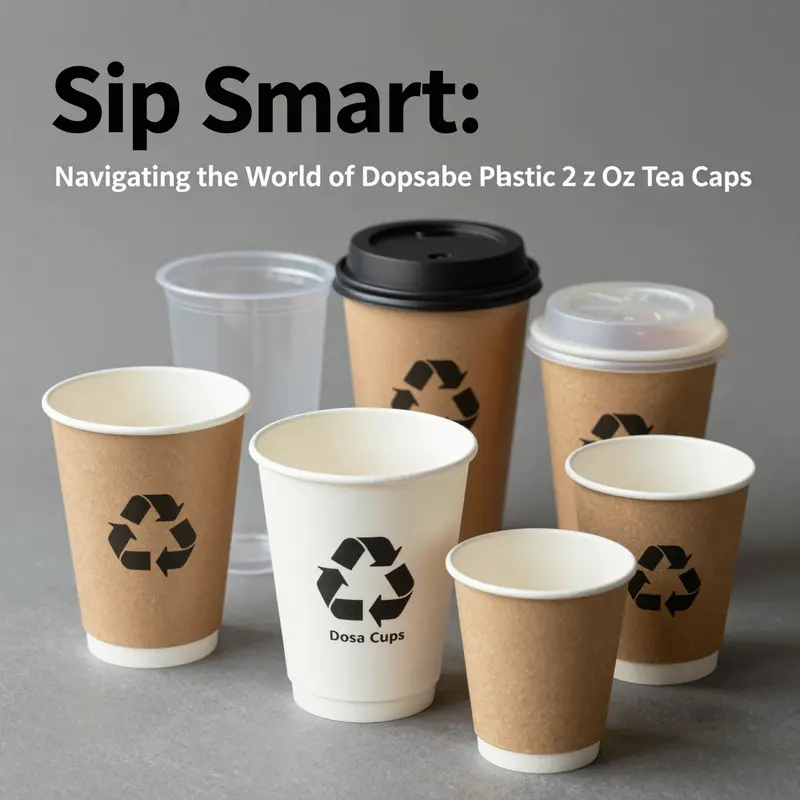
The 2 oz disposable plastic tea cup often passes unnoticed in the rush of events, yet its environmental footprint invites a careful rethink of how small formats aggregate into larger consequences. These diminutive vessels, frequently made from petroleum-based polymers such as polystyrene or polyethylene, are engineered for convenience, durability, and safety. They resist cracking, maintain temperature briefly, and can be produced in bulk with predictable quality. But the same traits that make them appealing—lightweight construction, short lifecycle, and widespread use at gatherings of all kinds—also magnify their potential for waste and environmental harm when disposed of carelessly. To understand the sustainability challenges of these cups, one must look beyond the moment of service and into the broader system that governs their production, use, and end-of-life fate. The picture is not simply a matter of materials choice; it is a matter of how systems handle contamination, complexity, and scale when single-use items intersect with crowded supply chains and varied consumer habits.
At the core of the challenge lies the undeniable reality of plastics pollution. The small cup, by virtue of its size and volume, can slip through recycling streams that are optimized for larger items. Even when a cup is labeled recyclable, the likelihood of recovery depends on how well it is separated from its liquid and food residues, as well as on whether the local infrastructure can process its particular polymer. Multi-layer laminates, surface coatings, or additives designed to improve performance can complicate recycling further, sometimes rendering a cup unsuitable for conventional mechanical recycling. The result is a story of lost opportunities where the label says recyclable, yet practical outcomes reveal a gap between aspiration and execution. As researchers have noted, systemic issues in recycling performance create a persistent barrier to closing the loop for small-format plastics, underscoring the distance between recycling rhetoric and real-world results.
The most visible consequence of this disconnect is increased landfill mass and, in some regions, diversion into waste streams that eventually reach oceans and waterways. The 2 oz size does not inherently condemn a cup to become waste, but its disproportionate share of low-value recyclables and the sheer number of such cups consumed at events make collective impact nontrivial. The sustainability calculus must therefore account not only for the materials themselves but also for how human behavior interacts with infrastructure. Contamination is a stubborn adversary. A leftover tea or coffee film can introduce impurities that degrade a batch of recyclables, while the simple act of rinsing cups before disposal, though beneficial, is not universally practiced or feasible, especially in fast-paced catering environments. The resulting inefficiencies translate into higher costs and greater energy use for processing, often without commensurate environmental gains. In practice, the system’s performance often lags behind the optimistic promises of circularity so commonly associated with modern packaging.
In response to these limitations, the industry has begun to pivot toward innovations that reframe the end-of-life narrative for small cups. A notable shift involves the introduction of compostable and plant-based alternatives. Polylactic acid (PLA), derived from renewable feedstocks such as cornstarch or sugarcane, is being used to manufacture 2 oz cups designed to decompose under industrial composting conditions. The arc of this technology runs from lab to pilot to pilot-scale production, and increasingly to commercial availability, with accreditations and third-party testing intended to verify compostability claims. The rationale is straightforward: if a cup can break down in a controlled composting environment within a matter of months, its long-term presence in landfills and the environment can be curtailed. Yet the promise comes with important caveats. Industrial composting facilities, rather than home composters, typically provide the requisite conditions—specific temperatures, moisture levels, and microbial activity—needed to achieve consistent decomposition. Without access to such facilities, PLA cups may struggle to degrade, and the environmental benefits can diminish. This nuance highlights a broader truth: the sustainability profile of compostable options depends not only on the material but also on the context in which disposal occurs.
Standards and certifications have emerged to address the risk of “greenwashing” and to help brands communicate credible ecological claims. Independent testing and certification schemes strive to verify compostability under defined industrial conditions and to differentiate true compostables from products that merely claim to be biodegradable. For buyers, these certifications provide a degree of assurance that their choice aligns with established environmental benchmarks. They also help guide procurement decisions in settings where composting infrastructure is available and properly managed. Nevertheless, certification does not automatically translate into universal acceptance or seamless waste processing. The practical realities of local waste management, consumer participation, and the availability of certified facilities all shape outcomes. The conversation thus moves from the chemistry of polymers to the logistics of waste streams, a shift that is essential if compostable cups are to deliver their intended reduction in environmental harm.
Alongside compostable options, advances in material science continue to broaden the toolkit available for small-format cups. Higher-density polymers, such as HDPE and certain polyethylene terephthalate variants, offer enhanced durability, heat resistance, and moisture protection, attributes that matter for outdoor events or high-traffic kiosks. When designed for recycling, these materials can be integrated into existing material streams with relative ease. The challenge remains to optimize their performance without compromising recyclability or escalating environmental footprint. In practice, this means balancing barrier properties, clarity for visibility, and the economics of recycled-content materials. The push toward stronger, more thermally stable formulations reflects a broader trend in which recyclability and reuse coexist with performance demands. The environmental win comes not from a single material choice but from a suite of design decisions that prioritize end-of-life outcomes while preserving user experience and cost efficiency.
A more forward-looking strand of innovation focuses on lifecycle transparency enabled by smart technologies. Some manufacturers and researchers are exploring the embedding of micro-sensors or RFID chips into disposable cups. While the idea may seem out of step with minimalist packaging, the potential benefits are substantial. Sensor-enabled cups can track usage patterns, temperatures, and disposal events as they move through the supply chain. In practice, this data can illuminate waste streams, reveal inefficiencies in routing and processing, and identify opportunities for reuse or improved recycling. The concept aligns with circular economy principles, where every stage—from production to post-consumer recovery—is monitored and optimized. Real-world deployment faces hurdles, including cost, potential privacy concerns, and the need for standardized data protocols. Yet the path forward is clear: better information can empower producers, processors, and municipalities to make targeted improvements that yield measurable environmental gains.
These material and technological developments do not occur in a vacuum. The sustainability story of the 2 oz disposable tea cup intersects with consumer expectations, regulatory environments, and the economics of catering at scale. Consumers increasingly value eco-conscious packaging, and organizations that can demonstrate credible environmental stewardship may gain competitive advantage. That does not always translate into lower total cost of ownership, particularly in high-volume, time-sensitive settings where convenience and reliability are paramount. For many operators, the decision hinges on a balance: preserve the ease of single-use serving while reducing environmental impact through a combination of compostable materials, recyclable polymers, and smarter waste management. The financial equation is nuanced. While compostable cups may carry higher unit costs than conventional plastics, reductions in waste disposal fees, improved yield in recycling streams, and enhanced brand reputation can offset these upfront differences over time. Moreover, policy shifts that promote container deposit schemes, extended producer responsibility, or municipal incentives for composting can alter the cost landscape and push preferences toward more sustainable options.
Within established channels of procurement, buyers are often confronted with a spectrum of choices that reflect different sustainability trade-offs. Some prefer dedicated compostable cups for venues with robust composting infrastructure, while others lean toward recyclable HDPE or PETE-based designs that fit neatly into existing municipal recycling programs. The decision is rarely binary; it is a careful calibration of local infrastructure, event type, and audience expectations. In some cases, a hybrid approach can be most effective: leveraging compostable options where facilities exist, while using recyclable polymer cups elsewhere, coupled with clear labeling and robust waste separation practices. This strategy recognizes that no one solution fits every situation and that the most responsible path may involve a portfolio of options calibrated to local realities. The broader implication is that sustainability is an ongoing process rather than a fixed destination, requiring continuous assessment and adjustment as technology, infrastructure, and consumer behavior evolve.
One practical implication of this evolving landscape is the growing importance of transparency in labeling and waste management guidance. Clear communication about material type, disposal methods, and the availability of composting services helps reduce contamination and improve the efficiency of recycling and composting facilities. For event planners and catering providers, this means adopting standardized signage, training staff to handle cups and waste properly, and partnering with waste streams that can accommodate the chosen packaging. The human element—how people sort and dispose of cups—remains a decisive factor in whether technical advances translate into real-world environmental benefits. In other words, the success of these innovations depends as much on behavior and infrastructure as on chemistry and design.
The story of the 2 oz disposable tea cup thus unfolds as a collaboration among material science, waste management, policy, and consumer culture. It is a story of incremental progress rather than revolutionary change, driven by the overarching aim of aligning convenience with ecological responsibility. The journey is characterized by three complementary strands: the development of compostable materials that truly perform under appropriate industrial conditions; the refinement of recyclable polymers that can participate in existing waste streams without sacrificing safety or usability; and the incorporation of lifecycle data and traceability tools that illuminate where improvements matter most. When viewed together, these strands form a roadmap toward a future in which small, single-use cups can be part of a sustainable system rather than a casualty of it.
For readers seeking practical examples of how these ideas translate into real-world decisions, consider how procurement strategies can evolve. Choosing compostable cups in settings with reliable industrial composting facilities, while supporting recycling-oriented options in other contexts, represents a flexible, modular approach. It acknowledges the diversity of waste infrastructure across regions and respects the reality that a single solution cannot fit every scenario. Likewise, investing in transparency—certifications, clear labelling, and data-backed lifecycle analyses—helps align purchasing with environmental goals and builds trust with guests and customers. The broader takeaway is that sustainability in small-format disposable packaging requires orchestration: a coordinated blend of materials science, waste management, and consumer engagement that together reduce harm without sacrificing the essential benefits of convenience and cleanliness. The direction is not to eliminate disposables entirely, but to redesign, rechannel, and revalue them in ways that respect both human needs and planetary boundaries.
As this chapter winds toward its close, it is worth returning to the central tension that drives ongoing innovation. The disposable 2 oz tea cup embodies a paradox: it is at once a symbol of practical efficiency and a potential contributor to environmental harm. The solutions on the horizon—compostable polymers, smarter polymers, and lifecycle-aware management—do not eliminate the trade-offs. They offer routes to minimize harm while preserving the benefits of disposable service. The path forward is pragmatic: implement the most suitable solution for a given context, invest in infrastructure where it matters most, and maintain a rigorous, transparent dialogue about performance, costs, and goals. In this light, the small cup becomes a test bed for a broader shift in packaging—one that recognizes the value of convenience but measures it against a clear commitment to environmental stewardship.
Internal resources on related eco-friendly solutions can provide additional context for those seeking alternatives within the same ecosystem. For example, readers who want to explore paper-based alternatives and their sustainability profiles may find useful details in resources describing eco-friendly custom paper cups with lids. This example of cross-material thinking highlights how organizations can diversify their packaging portfolio while maintaining a shared commitment to responsible disposal and waste reduction. eco-friendly custom paper coffee cups with lid.
For a broader, evidence-based view of where the industry is headed, refer to the latest comprehensive overview of plastic cup innovations and their implications for sustainability. This external resource synthesizes insights from multiple perspectives, including material science, waste management, and policy developments. It helps situate the 2 oz cup within a larger trend toward packaging that is both functional and conscientious. External resource: https://www.sustainabilityinstitute.org/reports/plastic-cup-innovation-2025
Small Vessels, Big Shifts: How Consumer Preferences Are Redefining the 2-Ounce Disposable Tea Cup
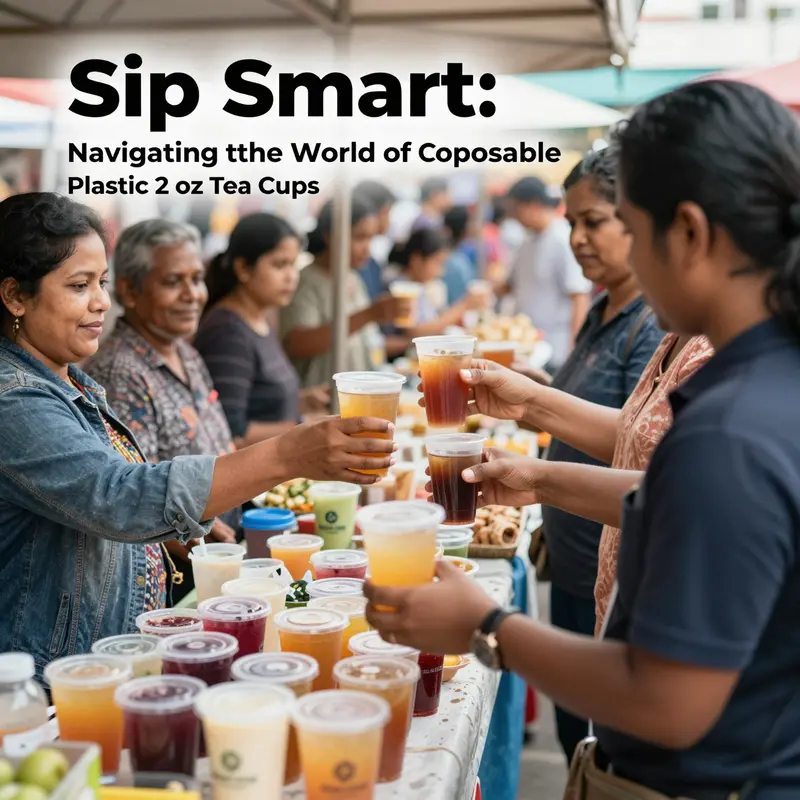
In hospitality, the smallest decisions can carry outsized meaning. The 2 oz disposable plastic tea cup sits at the crossroads of convenience and culture, a micro-innovation that reveals how people sip, socialize, and signal responsibility in shared spaces. Its compact form is more than a practical vessel; it is a lens through which preferences for ease of use, hygiene, and sustainability are refracted and reframed.
In catering events, office break rooms, pop ups, and micro coffee corners, these tiny cups become stage props for larger stories about how today’s consumers want to experience warmth without waste, sameness without sacrifice, and choice without friction.
As events resume full throttle and gatherings normalize again, the 2 oz cup has evolved from a mere disposable to a deliberate design choice that communicates values as much as it carries tea.
The appeal starts with a straightforward premise: a small serving size that travels well. The cup is easy to grip, lightweight enough to be passed along a line without fatigue, and sturdy enough to hold a hot drink without collapsing under heat. In many settings, its form factor supports a fast, efficient service model where staff can keep pace without sacrificing safety. This is not just about minimizing spills; it is about enabling a social ritual that feels effortless. When a guest receives a cup that fits neatly in hand and into a schedule, the impression is one of competence and thoughtfulness. The cup’s ergonomics—its wall thickness, its lip shape, even the contour of a tiny handle—play a subtle but meaningful role in how the beverage is perceived and enjoyed. In environments ranging from bustling corporate kitchens to intimate tasting events, the small cup becomes a silent facilitator of flow, encouraging guests to sample, linger, and move on without hesitation.
Behind the smooth surface of everyday practicality lies a more consequential discussion about materials. The most common compositions for these cups—polypropylene and polystyrene—are chosen for durability, heat resistance, and a degree of clarity that helps beverages look appealing. Yet the choice of material also frames environmental impact and end-of-life considerations. Polypropylene offers robustness at a modest cost and can improve with design features like reinforced rims or textured grips. Polystyrene, while economical and lightweight, raises different questions about recyclability and waste management in real-world settings. The tension between performance and responsibility is not resolved by a single material choice; it prompts a broader conversation about how disposable items can evolve to meet both user expectations and environmental imperatives. This is precisely where the discourse around the 2 oz cup becomes more than a market note—it becomes a reflection of ongoing shifts toward responsible consumption that doesn’t demand concessions on experience.
As consumers have grown more attuned to the consequences of waste, there is a parallel appetite for customization that helps brands and event hosts connect with attendees without sacrificing the convenience of disposables. Coloring, branding, and even embossing on the cup surfaces offer a way to transform a practical utility into a portable marketing touchpoint. A stylized color palette can signal the tone of an event, from corporate wellness to celebratory brunch. Embossing a logo or a pattern can elevate the cup from a throwaway to a keepsake moment for guests who may reuse, recycle, or repurpose the vessel in ways that extend the encounter with a brand. The customization trend does more than prettify a disposable item; it reinforces memory and recognition, translating a simple sip into a moment of connection that extends beyond the event itself. In practice, this means suppliers are increasingly offering options that blend low-cost production with high-visibility branding, a combination that appeals to budget-minded planners who still want to deliver a cohesive guest experience.
Innovation in design has kept pace with these evolving expectations. Ergonomic handles, rounded rims for comfortable sipping, and leak-resistant lid options address practical concerns that previously forced compromises. A well-designed lid can prevent spills during transport and service, a crucial feature when beverages travel across busy venues or when guests are moving between spaces with their supplies in hand. Even the way the cup engages with hot liquids matters: a tighter fit around the lip, a smoother interior finish, and a slightly more generous inner dimension can reduce heat transfer to the fingers while preserving the aroma and flavor of the drink. These features may look incremental, but in aggregate they shape the daily experience of countless events. For buyers, the question shifts from Can this cup do the job? to Will this cup make the experience easier, safer, and more memorable for guests? The answers hinge on perceptible differences in how a cup feels, how it behaves under heat, and how confidently hosts can manage the logistics of service without compromising on aesthetics or hygiene.
The topic of sustainability lingers as a constant undercurrent. Disposable does not have to mean irreversible waste. The market today is increasingly attentive to options that align with a circular economy ethos: biodegradable or recyclable materials, clear labeling that supports correct disposal, and partner ecosystems that facilitate responsible end-of-life outcomes. Consumers—especially those who attend events or manage office spaces—are more likely to favor suppliers who can demonstrate a responsible lifecycle for their products. This translates into demand for cups that can be composted in appropriate industrial facilities, or at least easily separated for recycling with minimal contamination. The implications for event planners and suppliers are practical as well: sustainability credentials can influence vendor selection, justify price differentials, and become a differentiator in competitive bids. The push toward greener options does not erase the practicality of the cup; it reframes it. It asks manufacturers to innovate in polymers that can withstand heat and wear while still being compatible with recycling streams or composting processes, and it invites brands to communicate clearly to end users about how to dispose of each cup responsibly.
Within this evolving landscape, customization and sustainability are not opposing forces. They operate in tandem to produce a product that feels special yet widely accessible. Color choices can align with a venue’s theme or corporate colors, while branding can reinforce a message of quality or care. At the same time, sustainable design features—such as bio-based polymers, compostable additives, or simplified recycling cues—can be integrated without sacrificing the reliability customers expect from a disposable cup. The market is learning to balance these priorities through careful material selection, testing for heat tolerance, and engaging in collaborations with recyclers and composters to ensure that the final consumer experience aligns with what happens after the last sip is taken. In practical terms, this means coffee hours remain efficient, but the cups they rely on carry less guilt and offer clearer pathways for responsible disposal.
The purchasing dynamics around these cups also reflect a broader shift in how organizations think about spend and impact. Bulk buying remains a central driver for catering companies and event planners, where price per unit matters. Yet the value proposition is no longer about the minimum cost; it is about the total value delivered: reliability in service, consistency in branding, and confidence that the product will perform under pressure and different environmental conditions. This is especially salient for small beverage servings, where a misfit cup can lead to spills, leakage, or a perception of sloppiness that undermines a brand’s image. As a result, buyers increasingly weigh the trade-offs between core performance, brand alignment, and end-of-life options. The 2 oz cup thus becomes a microcosm of contemporary consumer behavior, offering a concentrated snapshot of how people want efficiency, clarity, and responsibility to co-exist in their everyday choices.
In looking toward the future, several converging trends promise to reshape the 2 oz disposable cup category even further. Tasting flights and sampler programs, which rely on small servings to introduce new flavors, are expanding beyond beverages to include cold infusions and dessert shots. In these contexts, the cup must perform across a wider temperature range and accommodate a broader spectrum of contents, from steaming hot tea to chilled samples. Brands and manufacturers are responding with adaptive features—improved insulating properties, more versatile lids, and coatings designed to resist staining and odor retention—so that the cup remains useful across applications. At the same time, consumer awareness around sustainability continues to intensify. The most forward-thinking suppliers are testing materials that blend the familiarity of traditional plastics with enhanced recyclability or compostability, and they are pursuing dashed-line guidance that helps users understand disposal options at a glance. This alignment between product design and consumer ethics is not a trend; it is a shift in expectations that will persist as infrastructure for waste management evolves and becomes more accessible to events and offices alike.
The insights emerging from recent analyses reinforce this trajectory. Researchers highlight the demand for design innovations that enhance user experience while enabling brands to express identity through small, portable canvases. They also note that eco-conscious choices are increasingly breaking through price considerations as consumers recognize the long-term value of responsible packaging. The dialogue between comfort, convenience, and conservation is no longer a niche conversation; it shapes the core decisions that vendors, venues, and buyers make when selecting a cup for 2 oz servings. In light of these dynamics, the narrative surrounding the disposable 2 oz tea cup shifts from one of simple utility to one of strategic alignment. It is about choosing a vessel that embodies a commitment to reliable service, thoughtful branding, and a viable path toward sustainability without compromising the sensory experience that beverages are meant to deliver.
For readers seeking a deeper dive into design innovations and consumer preferences in this space, a recent analysis offers a thorough exploration of how customization and material choices intersect with evolving consumer behavior. See the external resource for a broader context: https://www.example.com/disposable-cup-trends-2024. And for practical examples of how suppliers are marrying branding with disposability in real-world product lines, consider a take-away cup option that supports custom logos and lids, which illustrates how customization can translate into tangible guest experiences. disposable-takeaway-paper-cup-custom-logo-kraft-coffee-cup-with-lid. This link demonstrates how a seemingly small item can function as a portable, high-visibility touchpoint for a brand while still meeting the needs of fast-paced service scenarios. The chapter thus closes not with a single solution but with an evolving toolkit of choices that empower businesses to deliver consistent, satisfying experiences in a world where taste, hygiene, and responsibility are increasingly inseparable.
Final thoughts
The rise of disposable plastic 2 oz tea cups is a defining trend in the beverage industry, merging convenience with consumer expectations for affordability and sustainability. As businesses adapt to these evolving demands, they must navigate not only the practical benefits of these cups but also the sustainability challenges they present. By selecting the right products, brands can enhance their service offerings and meet the growing consumer interest in eco-friendliness. Ultimately, the ongoing preference for these cups signifies a shift in consumer behavior that values convenience while increasingly prioritizing environmental responsibility. Businesses that align their practices with these preferences will not only thrive but will also contribute positively to a more sustainable future.