
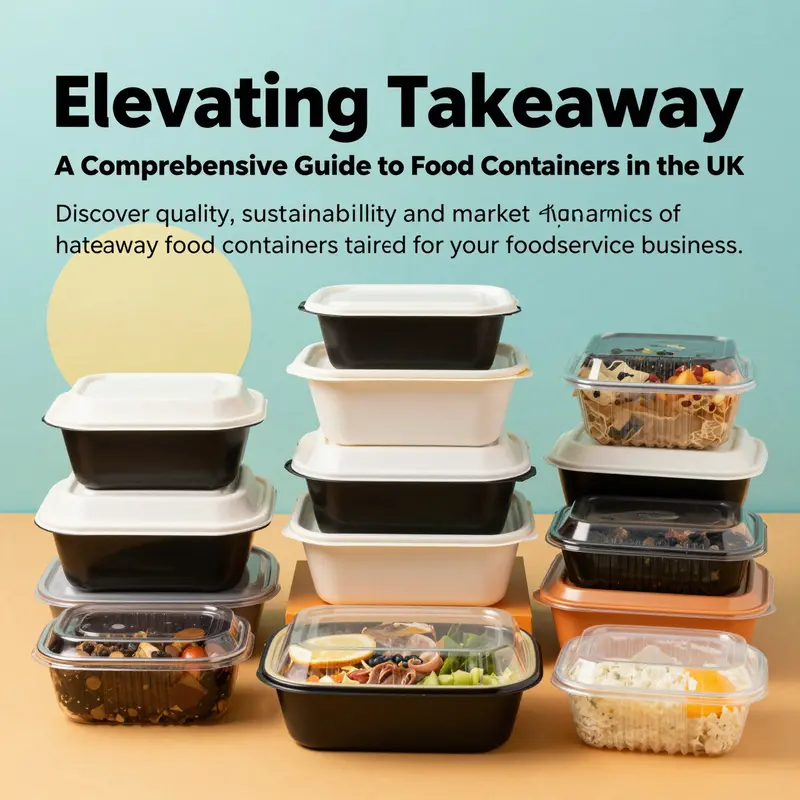
The takeaway food industry in the UK is rapidly evolving, and packaging plays a crucial role in delivering not just food but also brand identity. Whether you’re a bubble tea shop, a bustling food truck, a restaurant, or an event planner, having reliable and aesthetically pleasing takeaway containers is essential to your business operations. This guide delves into vital aspects such as quality standards, sustainability trends, and the market dynamics surrounding takeaway food containers. By understanding these components, you can make informed decisions that elevate your service and meet customer expectations efficiently.
Holding Up the Brand: Quality Standards in UK Wholesale Takeaway Containers
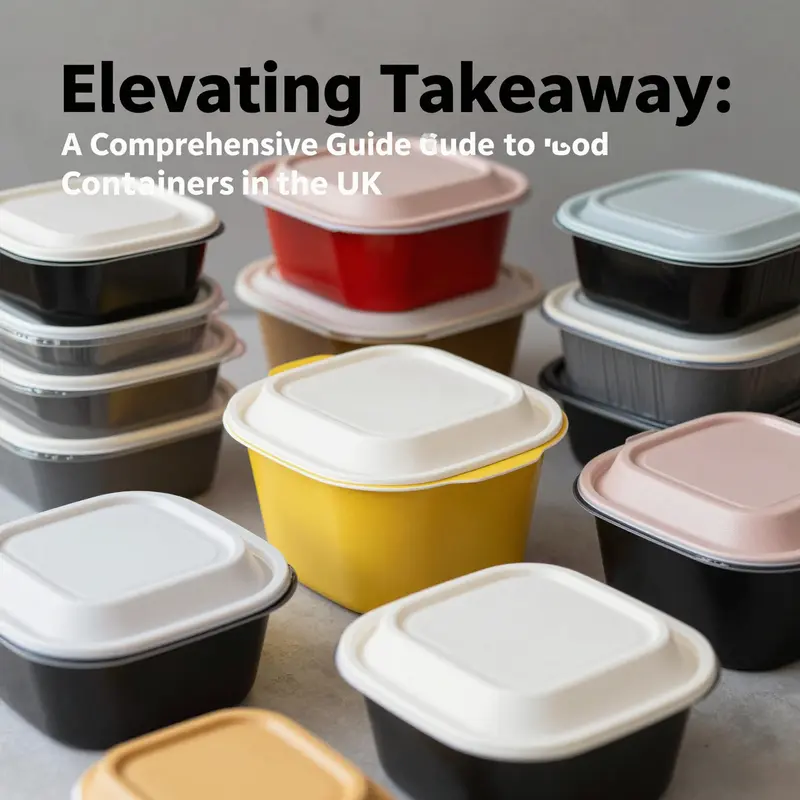
Quality standards in wholesale takeaway containers across the UK are more than a checklist of materials and temperatures. They form the backbone of a safe, reliable and trusted brand experience, influencing perceptions of hygiene, integrity and sustainability. Suppliers must provide documentation and verifications for food-contact compliance, batch traceability, and consistent performance across real-world use. In the UK post-Brexit environment, alignment with Regulation (EC) No 1935/2004 remains common practice, with certifications and migration testing used to demonstrate safety. Durability, heat resistance and seal integrity are tested to prevent leaks and ensure customer satisfaction. The sustainability strand requires evidence of recyclability, compostability or renewable content, with third-party marks from bodies such as BPI or OK Compost helping buyers distinguish genuinely compliant options from marketing claims. Looking forward, quality programs should link material choices to end-of-life guidance, lifecycle thinking, and continuous improvement, so that packaging supports safe food handling, brand protection, and responsible waste management. A robust specification sheet that accompanies each order, including material composition, compliance declarations, temperature limits, seal tests, and disposal guidance, helps buyers scale packaging across sites with confidence.
Sustainability in Motion: Transforming the UK Takeaway Container Wholesale Landscape
The UK takeaway container market is undergoing a deliberate shift toward sustainability that goes beyond green marketing and into the core of supplier strategy, product development, and the very economics of wholesale purchasing. This shift is not simply about choosing a more eco-friendly material; it is about aligning packaging design with regulatory expectations, consumer behavior, and the practical realities of high-volume takeaway operations. In this evolving landscape, sustainability acts as a catalyst for innovation and a compass for decision-making, guiding buyers toward containers that perform reliably in heat, leakage resistance, and stability while also fitting into broader environmental goals and corporate responsibility commitments. The path forward is not a single destination but a dynamic journey shaped by demand, capability, and accountability, and it is being navigated by UK wholesalers who are expanding eco-friendly lines, reimagining packaging geometry, and strengthening supply chains so that responsible choices do not compromise efficiency or affordability.
Consumer expectations are a driving force behind these changes. Market observers note that more than four in ten consumers actively seek sustainable packaging options, a statistic that translates into measurable shifts in ordering behavior and brand perception. In practical terms, this means operators cannot rely on yesterday’s packaging strategies when margins tighten and delivery windows tighten further during peak periods. The call for sustainability is not purely about reducing plastic burden; it is also about making packaging that integrates seamlessly into the consumer experience. A container that keeps food safely contained, travels well through the hands of a driver, and arrives at the customer’s door without spill or sog, yet can be responsibly disposed of or recycled, checks multiple boxes at once. This multi-criteria demand invites a closer look at materials, manufacturing processes, and end-of-life pathways that wholesalers must help retailers navigate with confidence.
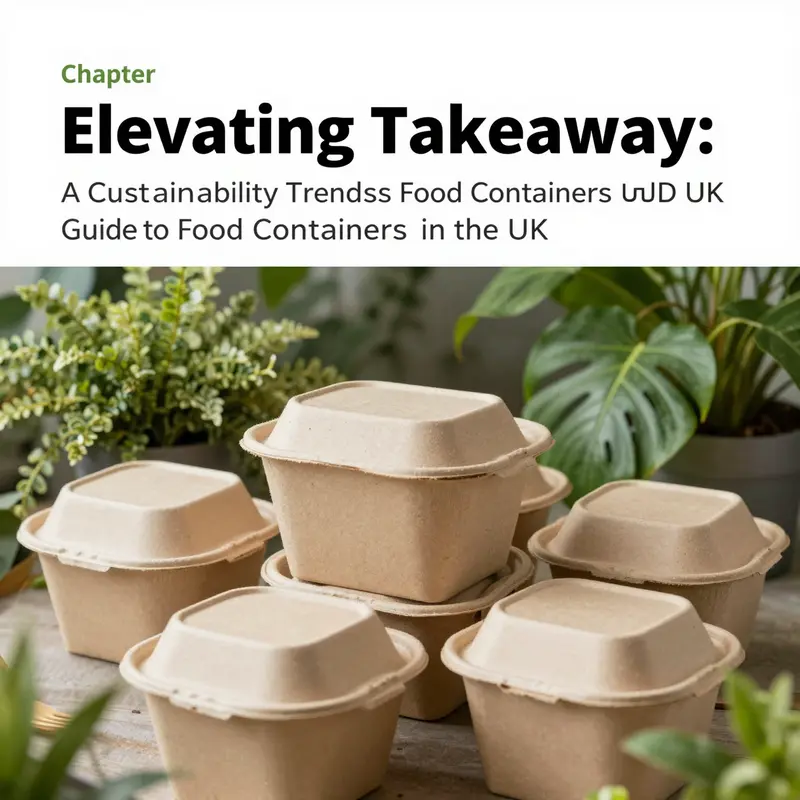
Among the materials gaining traction, bagasse and bamboo stand out as credible alternatives to conventional plastics. Bagasse, derived from sugarcane pulp, offers a natural aesthetic and a compostable profile that aligns with curbside recycling infrastructure and industrial composting streams in many regions. Bamboo, with its renewability and sturdy performance, provides a similar blend of strength and environmental compatibility. Both materials are increasingly used for containers, trays, and associated packaging components, delivering a lower environmental impact when measured across production, use, and disposal phases. At the same time, reusable plastics, particularly polypropylene (PP), maintain a place in the market by enabling multiple reuse cycles and reducing overall waste when managed through proper take-back or refill models. This nuanced material mix reflects a broader realization: sustainable packaging is not a single material choice but a carefully engineered portfolio that balances performance, cost, and lifecycle considerations.
Wholesale players in the UK are responding to these material shifts with a deliberate expansion of eco-friendly product lines. The emphasis extends beyond the material itself to functional performance. Leakage resistance, heat stability, and stackability remain non-negotiables for operators whose efficiency hinges on predictable performance at scale. In practice, this means developing containers that can hold hot meals without warping, cold foods without sweating, and sauces without leakage during transit. It also means offering packaging that supports branding while remaining compatible with existing kitchen workflows and delivery chains. Many wholesalers are moving toward modular design families that enable brands to mix and match sizes and shapes while preserving a consistent sustainability standard. Custom branding capabilities, once a luxury feature, are increasingly viewed as essential for preserving professional identity in a competitive market where packaging itself is a touchpoint with the customer.
Sourcing decisions in this context hinge on regulatory clarity and supply chain resilience. Buyers are advised to select UK wholesalers that offer certified compostable or recyclable containers, ensuring alignment with current and evolving environmental legislation. Certifications provide a reliable signal of performance and compliance, reducing the risk of late-stage product substitutions or disposal complications that can disrupt service levels. The value proposition for the retailer extends beyond compliance; it encompasses operational efficiency, risk reduction, and an enhanced brand narrative. When a wholesale partner can guarantee that a full line of containers meets local disposal streams or industrial composting standards, the operator gains a more predictable procurement process and a stronger platform for sustainability-focused marketing without sacrificing speed to market.
The broader market context reinforces the attractiveness of sustainable takeout packaging as a long-term strategic investment. Industry outlooks project substantial growth in the global takeout container market, driven by delivery demand and consumer environmental awareness. Even as the UK market navigates its own regulatory and logistical specifics, the momentum is clear: more players are treating packaging as a strategic asset rather than a mere commodity. This shift is visible in the way wholesalers develop and curate portfolios that blend recycled content with responsibly sourced materials, and in how they structure pricing to account for environmental costs and savings accrued through waste reduction and improved lifecycle performance.
Another layer to this transition is the branding and design dimension. Contemporary consumers often associate sustainable packaging with a business’s values, and they reward brands that present a coherent, eco-conscious story across channels. For retailers and caterers, the packaging experience is part of the product experience. Customizable kraft paper bowls, for example, are gaining traction not only for their natural aesthetic and biodegradability but also for their compatibility with hot and cold foods. The trend toward natural textures and earthy finishes does not come at the expense of practicality; instead, it complements the desire for on-brand packaging that can be printed with logos, slogans, and other identifiers without compromising functionality. Wholesalers that can offer both material sustainability and branding flexibility position their clients to meet consumer expectations and differentiate themselves through responsible presentation.
As sustainability becomes more embedded in procurement logic, the lifecycle of packaging gains prominence in decision-making. End-of-life considerations—whether the container is recyclable through municipal streams, accepted by composting facilities, or designed for reuse—shape the long-term viability of a given packaging choice. The circular economy framework provides a useful lens for assessing trade-offs, encouraging buyers to think beyond initial cost to consider how a container behaves after its first use. In practice, this translates into questions about supply chain compatibility with recycling programs, whether the packaging is compatible with return-and-reuse systems, and how much energy and water are involved in producing and processing the materials. The aim is to minimize planetary impact without sacrificing reliability or increasing complexity in the kitchen or during delivery.
Within this evolving landscape, a number of practical sourcing considerations come into sharper relief. First, buyers should evaluate the supplier’s ability to deliver consistently across seasonal peaks. Bulk purchasing strategies can secure adequate stock and stabilize unit costs, helping to prevent stockouts that disrupt service during promotions, events, or periods of high demand. Second, the supplier’s geographic footprint matters for lead times and carbon footprints. Local or UK-based wholesalers can offer faster delivery, easier compliance checks, and clearer accountability in the event of quality concerns. Third, the breadth of the eco-friendly portfolio matters. A supplier who can provide a range of compostable, recyclable, and reusable options—alongside ancillary items such as lids, trays, and bags—gives operators a coherent platform for packaging strategy rather than a patchwork of incompatible choices.
The research landscape surrounding sustainable packaging in the takeaway space is anchored by industry analyses and market outlooks that underscore a decisive shift toward eco-conscious design and production. For instance, detailed studies highlight how consumer preferences, regulatory expectations, and material science advances converge to create a fertile environment for innovation. The takeaway container sector is moving toward materials like bagasse and bamboo that can be molded into a variety of shapes and sizes while offering compostability and renewability advantages. At the same time, recycled-content plastics and reusable plastics are being refined to maximize recyclability and reuse potential. The net effect is a more diverse and adaptable set of packaging options that enable operators to tailor solutions to their specific cuisine, service model, and geographic market while maintaining a consistent sustainability standard across the business.
From a design and procurement perspective, wholesale buyers gain leverage by embracing these trends with a measured approach. There is merit in selecting a core set of packaging formats that address the most common meal configurations—hot entrees, soups, salads, and sides—while ensuring that each format can be produced with a sustainable material option and still perform under heat, moisture, and transit stresses. Great emphasis is placed on compatibility with printing and branding services, since the packaging itself is part of the marketing mix. The capability to apply logos and messages at scale, while maintaining legibility and color fidelity, enhances brand recognition and consumer trust. These considerations tie back to the central objective of consistent quality across all batches, which in turn supports a professional brand image and minimizes operational issues that could undermine customer satisfaction.
The environmental ambition of wholesalers also intersects with broader CSR goals that many operators pursue. Sustainable packaging is linked not only to regulatory compliance but also to corporate storytelling, supplier diversity, and community engagement. Retailers and caterers that communicate responsible sourcing and packaging choices can differentiate themselves in a crowded market, attract environmentally minded customers, and foster loyalty. While the cost equation remains a critical factor, it is increasingly common to see packaging budgets justified through savings from reduced waste, improved efficiency in handling and delivery, and enhanced brand equity. In other words, sustainable packaging is becoming a strategic investment with measurable returns and a clear alignment with consumer expectations.
To illustrate the practicalities of modern packaging decisions, buyers increasingly rely on a curated mix of materials and designs that balance sustainability with performance. An option like a kraft paper bowl with a lid can offer both the biodegradability consumers favor and the protection needed for hot meals. Such containers can be part of a broader set of offerings that includes recyclable paper-based boxes, compostable liners, and sturdy trays. The key is a coherent procurement approach that preserves operational simplicity while enabling environmental performance. In this regard, the internal ecosystem of the wholesale supplier matters as much as the material choice itself. A partner that can provide consistent product quality, straightforward ordering, and dependable delivery creates a foundation on which operators can build sustainable packaging programs rather than cobble together ad hoc solutions.
As the sector moves forward, the literature and market intelligence suggest a few concrete directions for buyers. First, there is increasing interest in precision packaging designed to minimize material usage without compromising strength. This means lighter, yet sturdy containers, smartly engineered closures, and margins that allow room for safe stacking and transport. Second, there is a growing emphasis on end-of-life compatibility, with distributors offering clearer guidance on disposal streams and compostability standards. Third, customization continues to evolve in tandem with sustainability; brands can imprint logos and colorways while selecting materials that align with environmental commitments. Importantly, this customization does not have to come at the expense of standardization and scale, which are crucial for high-volume takeaway operations.
The chapter of sustainability in takeaway container wholesaling in the UK is still being written, with ongoing innovations in material science, manufacturing efficiency, and circular economy practices. What remains clear is that the wholesale channel plays a pivotal role in translating consumer demand into practical, scalable packaging solutions. By prioritizing lower environmental impact without sacrificing performance, UK wholesalers enable operators to meet today’s expectations and to prepare for tomorrow’s regulatory and market developments. The result is a packaging ecosystem that supports reliable service at scale, reinforces brand integrity, and contributes to a more sustainable foodservice economy overall.
For those seeking deeper technical and market context, a well-regarded external resource provides a broader view of the plastic container landscape, including compliance and performance benchmarks relevant to wholesale buyers. This reference offers a comprehensive look at standards, material options, and industry performance that complements the UK-specific focus and helps frame procurement decisions within the larger global context. External links are included below for readers who want to explore the topic further and connect local practice with wider industry developments.
Internal resource for practical reference: For operators exploring sustainable, cost-effective kraft-based options, see the 700ml kraft paper bowl with lid catalog entry, which illustrates how a simple design can balance aesthetics, functionality, and end-of-life considerations. 700ml Kraft paper bowl take-out octagonal — note that this link demonstrates how a single design family can be adapted to multiple service contexts while maintaining a consistent sustainability standard.
External resource for broader context: Plastic Food Containers Wholesale UK: Complete Analysis of Standards, Types, and Industry Performance. This external guide provides in-depth detail on how UK suppliers are adapting to sustainability demands through compliant, high-quality, eco-conscious packaging solutions tailored for bulk buyers in the food service sector. It complements the local market perspective by situating UK wholesale practices within global material trends and regulatory trajectories.
Steady Growth Under Pressure: UK Takeaway Container Wholesale Dynamics
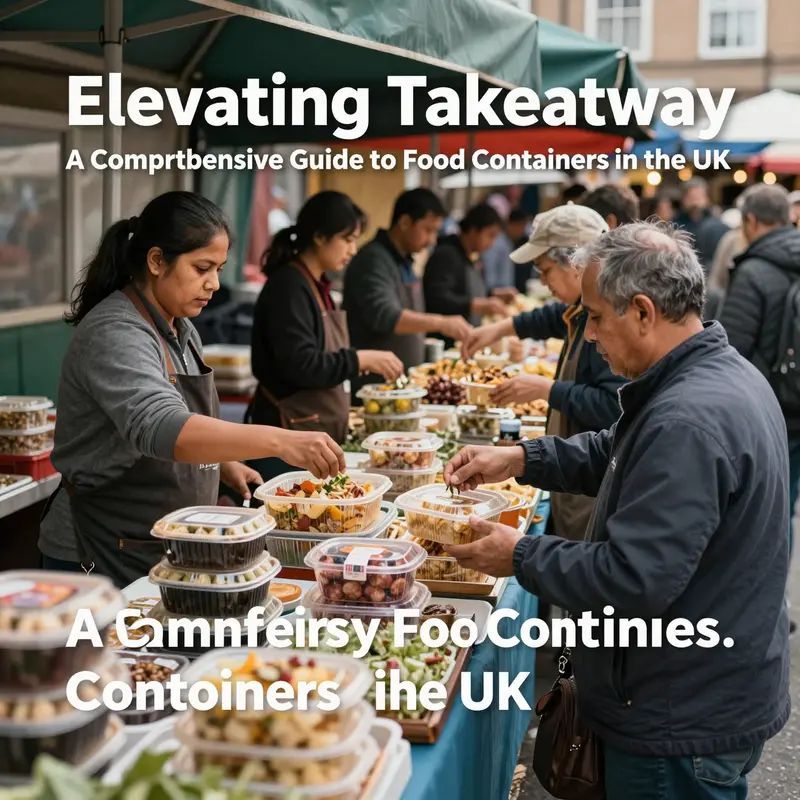
The UK wholesale market for takeaway containers sits at the intersection of rising takeout demand, sustainability agendas, and a regulated environment that rewards reliability. Growth is driven by convenience, evolving consumer expectations, and a continuous push toward better materials and more efficient logistics. Wholesalers must provide broad, flexible procurement options, predictable lead times, and robust quality assurance across multiple materials—from sturdy plastics to recyclable papers and compostable bioplastics. Regulatory changes around single-use plastics and end-of-life labeling are accelerating supplier differentiation and encouraging transparent material specifications. A resilient supply chain with strong local networks reduces transit times and helps operators manage seasonal peaks while protecting margins. In this context, standardization where possible—paired with selective differentiation for premium offerings—helps buyers control costs without sacrificing performance or brand presentation. The result is a market that values durability, leak resistance, heat tolerance, and clear disposal pathways as much as cost and speed.
Final thoughts
In navigating the complex landscape of takeaway food containers, businesses must prioritize quality standards, sustainability, and an understanding of market dynamics. Each element discussed in this guide plays a pivotal role in shaping customer experience and operational efficiency. As competition intensifies and consumer preferences shift, staying informed and adaptable will be key to securing success in this vibrant marketplace.