
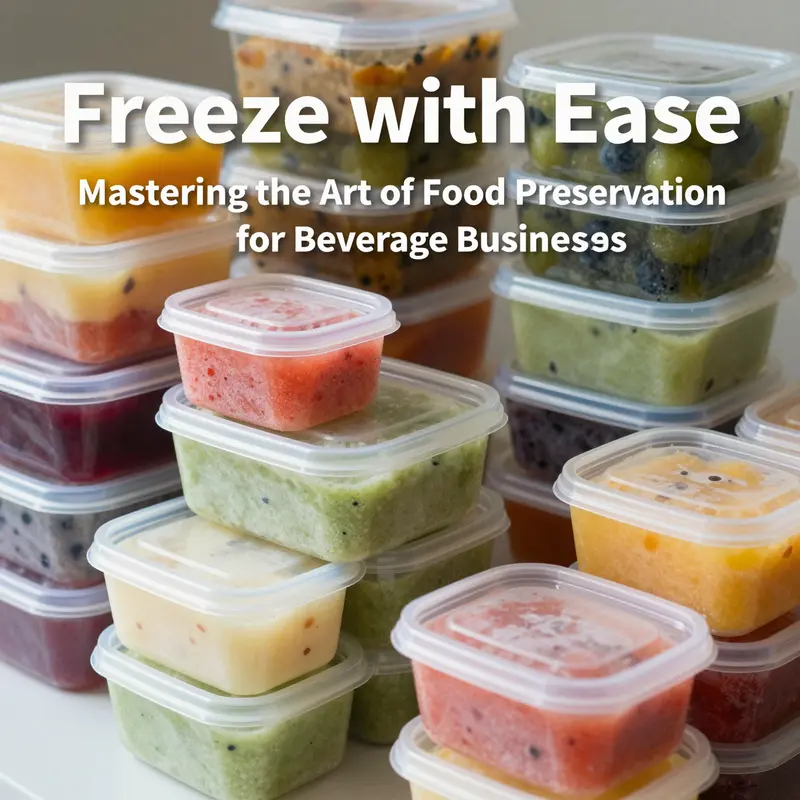
As beverage businesses thrive on delivering quality and freshness, mastering the art of food preservation through freezing becomes essential. Properly freezing ingredients not only helps maintain their freshness but also significantly reduces waste and enhances your menu offerings. This guide will explore the key aspects of choosing the right plastic containers, best practices for freezing, and ensuring safety and proper labeling. Each chapter will provide a comprehensive understanding of how these elements work together to elevate your operational efficiency and customer satisfaction in your beverage service.
The Cold-Guard Choice: How to Lock in Flavor and Safety When Freezing Food in Plastic Containers
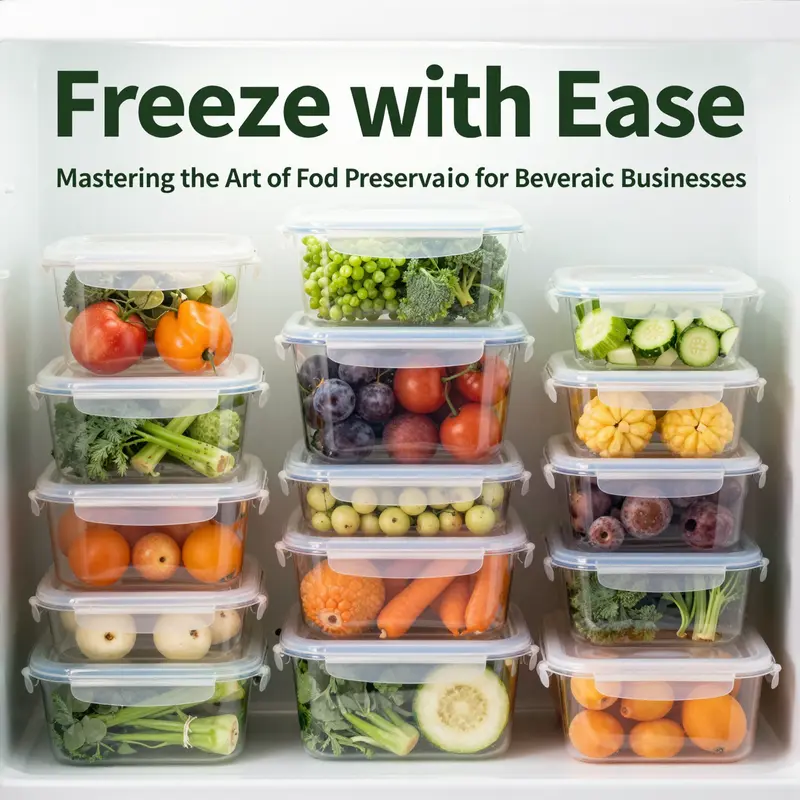
Choosing the right plastic containers for freezing food is more than a matter of size or convenience. It is a decision that touches on safety, texture, and the overall enjoyment of meals long after they leave the fridge. When you freeze food, you are not simply stopping time; you are slowing chemical processes, preserving moisture, and shielding flavors from a cold world that can alter them in subtle, sometimes troubling ways. The container you select acts as a shield and a pathway. A shield against freezer burn, odor transfer, and contamination; a pathway for how your food will thaw, heat, and serve without losing its character. The best choices balance chemistry, practicality, and longevity, while avoiding pitfalls that can compromise safety and quality. In this chapter, the aim is to weave together the core principles that empower home cooks to make confident, evidence-based container choices for freezer storage. It is not enough to pick a container by looks or habit; the materials, construction, and labeling carry implications for every bite you take months later. By focusing on the right plastics—principally polypropylene and polyethylene—along with careful sealing, headspace, and labeling practices, you can create a freezing system that reliably protects texture and flavor. You can also benefit from understanding when alternatives like glass or stainless steel make more sense, especially if you are freezing recurring batches of fatty foods or items that will stay in the freezer for many months. In short, the right container is part science, part common sense, and part routine discipline that prevents waste and worry while helping you enjoy prepared meals as if they were freshly made.
The foundation of smart freezing starts with material safety. Plastics come with a spectrum of properties and limitations at low temperatures, and not every plastic is intended for food contact or long-term freezing. The most dependable options for freezer storage are polypropylene and polyethylene. Polypropylene, known by its recycling code as #5, has earned a strong reputation as a workhorse for freezing. It behaves predictably at temperatures well below freezing, with a low tendency to become brittle or crack. PP is chemically stable, which means it resists migration of substances into food and, importantly, resists deformation when air is removed from the equation through tight sealing. When you see a container labeled as food-grade and freezer-safe, it is often polypropylene or a PP-based blend that has been tested to withstand the stress of freezing and thawing cycles. A silicone seal ring is a practical enhancement because it furthers airtight sealing and reduces the risk of freezer burn, odor transfer, and moisture loss. The design matters as well; a square or rectangular shape tends to maximize space in the freezer and makes stacking easier, which reduces the likelihood of accidental punctures or deformities from pressure against the container.
Polyethylene, often used in flexible packaging and freezer bags, is another sturdy option for freezing. PE’s toughness at low temperatures and its flexibility make it ideal for wrapping smaller portions, vegetables, fruit, and even delicate proteins. It is widely used in commercial frozen packaging, which is a nod to its reliability. For shorter freezing periods or when you need to portion out meals, PE bags and pouches offer a practical, space-efficient solution. They seal well and can be nested or layered to optimize freezer organization. Yet there is a caveat: long-term exposure, particularly with fatty foods, can heighten the risk of chemical leaching over time. This risk tends to be less pronounced in PP containers, which is one reason many experts emphasize PP for long-term solid-food storage. The lesson here is not to demonize PE, but to match the packaging to the food’s characteristics and the intended duration of freezing. It is a matter of balancing performance, safety, and peace of mind. When a choice is between PP and PE, think about how long the food will stay in the freezer, how fatty it is, and how you plan to thaw and use it.
The warning against PVC is not new, but it bears repeating with practical clarity. PVC, or polyvinyl chloride, has historically carried phthalates and other additives that can migrate into food, especially under cold and stressed storage conditions. For this reason, PVC-based containers should be avoided for freezing. Instead, seek labels that indicate food-grade safety and freezer compatibility, and be attentive to the presence of a well-fitting lid, tight seals, and materials that are clearly designed for long-term contact with food at low temperatures. The emphasis should be on transparency: look for explicit labeling like food-contact approved and the presence of a recyclable code that aligns with the material you are using. If a container smells unusual or shows signs of wear or discoloration, replacing it is a prudent step toward reducing any risk of leaching or contamination.
A practical framework emerges when you translate these material insights into everyday freezer routines. One rule of thumb is to prioritize containers that offer tight, reliable seals. A lid that fits snugly and, ideally, a rubber or silicone gasket, helps prevent freezer burn and keeps flavors from drifting into the surrounding freezer air. Moisture loss is a slow enemy of texture, especially for soups, stews, and other liquid-rich dishes. A well-sealed container keeps broth love in check by preserving the mouthfeel that your dish relies on. Along with sealing, leave headspace—roughly 1 to 2 inches at the top for expansion as the contents freeze. It may seem counterintuitive to leave space in a container meant to hold as much as possible, but the expansion of water during freezing is real and can stress the container walls, leading to cracking or warping if headroom is neglected. The simple habit of headspace saves you from the expense and frustration of micro leaks or compromised lids later.
Labeling and dating are not optional chores but essential tools for food safety and quality control. When you place food into the freezer, write the contents and the date of freezing on the container. This practice, simple as it is, unlocks the practical rotation of frozen foods and ensures you stay within recommended tool lifespans. The USDA and FSIS guidelines offer broad time frames: meats can be stored for several months, while seafood tends to be more perishable in the freezer. While the specifics can vary by product, the underlying principle remains consistent: rotate first in, first out to ensure you are consuming items well within their safe windows. This is not just about safety; it preserves texture, color, and aroma that would otherwise degrade with time in the cold.
Another staple of safe freezing is to avoid repeated cycles of freezing and thawing. Repeatedly thawing and refreezing can degrade both safety and quality, particularly for protein-rich foods or those with delicate textures. If you anticipate needing portions, it is prudent to freeze in portions that you will actually use in one or two servings. This minimizes the number of cycles and reduces waste. The practice aligns with the broader goal of preserving integrity in every bite. It also helps you rely less on improvisation when it comes to reheating. You can thaw portions safely and reheat them in a way that preserves moisture and texture, rather than sacrificing quality for speed.
A concise best-practice summary helps anchor your routine. Use food-grade PP containers for long-term freezing of solid foods; use PE bags for short-term or portioned items. Always label with date and contents to support effective rotation and safety. Consider periodic replacement of containers—some authorities suggest every six to twelve months, especially if you notice wear, cracking, or strong odors emanating from the plastic. This practice reduces the risk of chemical migration and preserves the sensory quality of your meals. If you are especially concerned about chemical migration or you routinely freeze fatty or highly volatile foods, weighing the option of glass or stainless steel for long-term storage may be worthwhile.
The broader context of these choices lies in health and safety governance. Reputable organizations provide guidelines that emphasize the importance of using appropriate materials for freezing and storage. The bottom line is to avoid materials not intended for food contact, to favor those that resist cold and moisture, and to implement practical habits for labeling, headspace, and rotation. In many kitchens, the dialogue about freezing becomes a dialogue about sustainability and practicality as well. The decision to opt for PP over PVC or to rely on sturdy PE bags can influence not only safety but also kitchen efficiency, freezer organization, and waste reduction. The cultural and environmental dimensions matter because the way we store food reflects how we value resources and time.
To connect these practical steps to daily routines, consider a few integrated examples. A batch of chili and a batch of shredded chicken can be frozen in PP containers with lids that seal tightly, allowing you to reheat the meals directly in the same container or easily transfer to a pot for a quick reheat. A handful of fruit portions can be tucked into PE bags, labeled, and stored in stacked rows for easy access. For a meatier, fattier item like pulled pork, PP with a silicone seal preserves the texture better over the long haul, reducing freezer burn marks and moisture loss. And it is worth noting that while PE bags are superb for portioning and flexible storage, long-term exposure, particularly to fatty foods, requires mindful planning about duration and eventual replacement of the packaging.
Another element worth reflecting on is the broader ecosystem of food packaging and its alternatives. The choice to use plastic containers does not exist in a vacuum. Some households explore kraft paper packaging options as a compostable or recyclable route for certain foods, especially when the storage duration is short and the surface biomarkers or aromas of the food can be managed. This approach can compliment plastic storage by enabling a shift toward fewer plastics in certain scenarios. If you want to explore this packaging option further, you can look at the kraft paper packaging options page to understand how packaging formats beyond plastic can support sustainability goals while still meeting practical freezer needs. kraft paper packaging options
While plastic remains the most convenient, durable, and cost-effective solution for most home freezers, the conversation about storage materials should remain open and adaptive. There is no one-size-fits-all answer, and the best approach balances safety, compatibility with your food, freezer space, and how you plan to thaw and reheat. If you are freezing delicate or highly fatty foods, consider leaning toward PP for its stability and non-toxicity under long-term cold. For lighter, non-fat-rich items or shorter storage windows, PE-based bags will do the job with flexibility and efficiency. Moreover, when possible, consider supplementing plastic storage with non-plastic options in specific scenarios—glass containers or stainless steel can offer advantages in terms of chemical migration and heat retention, though they trade off heavier weight and potential fragility. This dynamic approach allows you to tailor storage to the character of the food and the realities of your kitchen, rather than forcing a single container type to handle every freezing challenge.
In closing, the act of freezing is both culinary and hygienic. The container is the exterior of a well-planned freezer plan, and the discipline you bring to selecting, sealing, labeling, and rotating determines whether a frozen meal remains a beacon of flavor or becomes a reminder of avoidable waste. The science and the practice converge in a few reliable habits: choose freezer-safe PP or PE products designed for food contact, verify the presence of a tight seal, leave headspace, label with date and contents, avoid repeated freezing and thawing, and be mindful of replacement timelines when you notice degradation. When these elements come together, you preserve the essential qualities of your food—the moisture, the texture, the aroma, and the color—so that every reheat delivers the satisfaction you expect from a well-prepared meal. For more formal guidance on freezing and storing foods, see the official USDA FSIS recommendations.
External resource for further reading: https://www.fsis.usda.gov/food-safety/safe-food-handling-and-preparation-guides/freezing-and-storing-foods
Freeze with Confidence: Mastering Techniques and Best Practices for Freezing Food in Plastic Containers
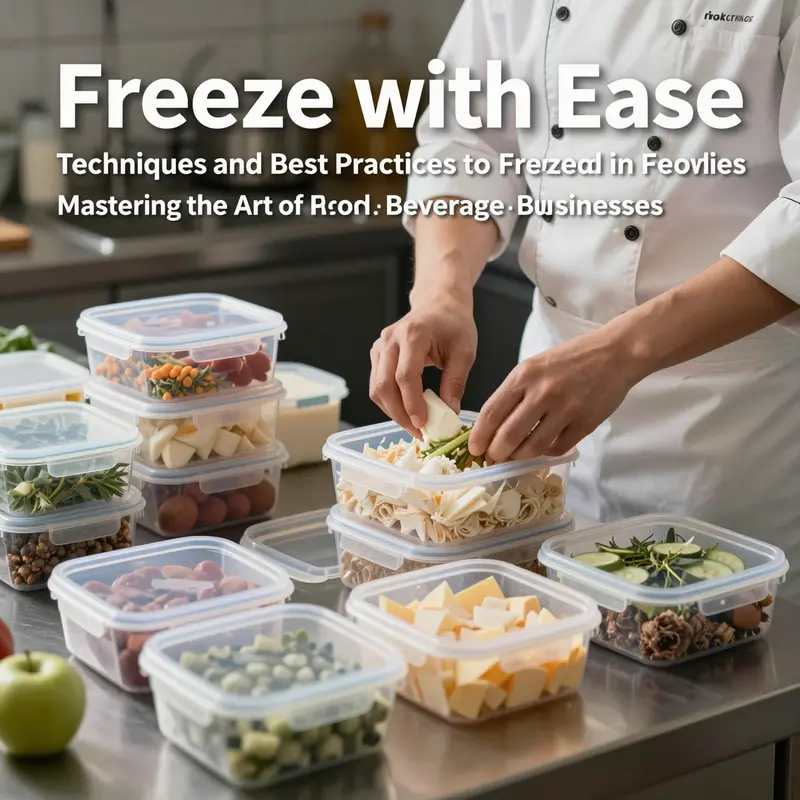
Freezing food in plastic containers can feel like a simple, dependable habit, yet the results hinge on a careful alliance between material science and the habits that govern how we prepare and store. The act of freezing is, at its core, a locking in of moisture and structure, a pause button for flavor and nutrition. But that pause only works well if the container holds up under cold, and if the food meets the freezer’s demands without inviting texture changes or safety risks. The chapter you’re reading lives at the intersection of convenience and science, where decisions about plastic types, sealing methods, cooling speed, and labeling practices all cohere into a single, practical approach to freezing that protects both health and quality. It is not a celebration of plastic alone but a disciplined use of plastic where it makes most sense, complemented by alternatives when needed, and guided by the expectations of food safety authorities that keep the practice trustworthy over time. To lean into this balance, it helps to begin with the choice of container—the real, physical home where frozen food rests—and then move through a sequence of steps that safeguard temperature control, limit exposure to air, and maintain the integrity of the contents from freezer to plate.
A foundational consideration is the nature of the plastic itself. Not all plastics are created equal when the temperature plunges. Some are designed to endure low temperatures and frequent handling, while others can become brittle, crack, or even release substances that migrate into food. The guidance from regulatory bodies and the broader scientific literature consistently points toward using containers that are explicitly freezer-safe or designed for freezing. In practice this means looking for labels such as freezer-safe or BPA-free, and avoiding containers that lack a clear designation for freezing or that are known to contain additives that may pose concerns when subjected to cold and prolonged storage. The emphasis on safety and stability translates into a straightforward rule: choose containers that clearly have the capacity to survive the freezer environment without compromising the food’s safety or quality. For more detailed regulatory guidance on container selection, you can consult FDA guidance on food storage containers, which emphasizes choosing appropriate materials and labels that communicate safety and suitability. FDA guidelines on food storage containers.
Beyond freezer labeling, the chemical composition of the plastic matters deeply for how it interacts with different foods. Plastics such as vinyl, or PVC, are best avoided for freezing foods because they often involve additives and plasticizers that may migrate under cold conditions. Long-term exposure to cold, moisture, and sometimes fatty or acidic foods can accelerate this migration, altering taste, aroma, or even safety in ways that are not easy to detect by sight or smell. Materials like polyethylene and polypropylene tend to be more chemically stable at low temperatures, with better resistance to cracking and less tendency to leach substances when used within their intended guidelines. When selecting a container, consider not only whether it can survive the freezer but also whether it is well suited to the particular food you intend to freeze. A hearty vegetable curry or a tomato-based sauce, for instance, behaves differently in plastic than a plain cooked vegetable mix, and it may be wiser to reserve certain foods for glass or ceramic storage if you intend to freeze them for longer periods.
Another practical pillar is the sealing mechanism. A container that seals poorly invites freezer burn, a phenomenon that dries out surfaces and damages texture, and it also increases the chances of moisture loss that can dull flavors over time. Tight-fitting lids, gasketed seals, and even the occasional use of vacuum-sealed options for ready-to-freeze portions can dramatically reduce exposure to air. The goal is not merely to prevent moisture loss but to maintain a barrier against rapid temperature fluctuations that can occur when the freezer door opens. In everyday practice, this means choosing containers with lids that snap or screw on securely, and taking a moment to confirm the seal each time you close the container. When air is present in excess, it not only accelerates visible signs of freezer burn but also facilitates the desiccation of the surface layer, which can alter the bite and mouthfeel of the food once thawed.
Headspace—the space left at the top of a container before freezing—plays a surprisingly large role in maintaining quality. Foods expand as they freeze, and failure to leave sufficient headspace can cause lids to press against the contents and even crack containers in the worst cases. The general guideline is to leave roughly one to two inches of space at the top of rigid containers. For bags or flexible pouches, the rule shifts to pressing out as much air as possible and freezing flat to minimize air pockets and to speed up the freezing process. This simple adjustment helps preserve moisture within the food and reduces the risk of surface ice crystals that can alter texture. The intention is not to fill to the brim but to anticipate the inevitable expansion that accompanies the formation of ice crystals.
Labeling and dating the frozen contents is not a cosmetic step but a safety and quality practice. A well-labeled container communicates what is inside and when it was frozen, which in turn enables proper rotation and reuse. The practice of first in, first out is a cornerstone of safe storage, keeping old items from lingering and losing quality beyond their useful life. In terms of time horizons, the guidelines suggest that many meats are best used within about three months, while seafood often remains at peak quality for a shorter window, around two weeks, depending on the type and preparation. These timeframes are not a hard rule for safety in every case, but they reflect a balance between safety and sensory quality. Consistent labeling also helps minimize waste and makes meal planning simpler on busy days when you want to pull something straight from the freezer for a quick, wholesome dinner.
Even as these guidelines emphasize careful planning, they also underscore abundance of caution about what not to freeze in plastic. Acidic ingredients—think tomato-based sauces or highly citrus-forward mixtures—have a greater potential to interact with certain plastics over extended periods. Oils and fats, which can migrate into some plastics, also raise concerns about long-term storage in plastic containers. The best practice is to transfer such acidic or fatty foods to glass or ceramic containers before freezing. This does not mean plastic cannot be part of the freezer routine; it means plastic works best for foods that are relatively neutral in chemistry and short-to-medium term in storage. Transferring more reactive foods to a more inert container type preserves flavor and texture and reduces the risk of chemical migration, while still letting you enjoy the convenience of plastic for everyday meals that are prepared with moderate ingredients and stored for a few weeks.
A related principle concerns the management of air and temperature during the freezing process itself. To minimize freezer burn and preserve a more uniform texture, it is wise to seal tightly and minimize the amount of air in contact with the food. Resealable bags can be pressed to expel air before sealing, and for those who have access to more advanced options, vacuum sealing offers an even more consistent barrier against ice crystal formation and moisture loss. When using rigid containers, ensure the lids fit snugly and consider placing a thin layer of plastic wrap under the lid to provide an extra barrier against air infiltration if the seal feels imperfect. The idea is to reduce oxidative changes and moisture migration that can degrade sensory attributes as months go by.
An important boundary condition is the caution against repeated freezing and thawing. Each cycle risks compromising texture, nutritional quality, and, in some cases, safety margins. The logic is straightforward: once thawed, food has already endured microbial exposure and structural changes that are difficult to reverse. Repackaging for a second freeze compounds those changes and can present a growing risk to safety. The prudent habit is to freeze only once and to plan portions in such a way that they can be thawed and consumed before another round of handling. If there is any doubt about whether a portion has been thawed before, it is safer to discard or repurpose it rather than risk quality or safety.
It is useful to bring in the practice of cooling before freezing with the same discipline we apply to food preparation in general. Do not place hot or warm foods directly into plastic containers for freezing. The rapid introduction of heat into a cool environment has a dual downside. On one hand, it can degrade the plastic, creating pathways for leaching and compromising the container’s structural integrity. On the other hand, hot foods can raise the overall freezer temperature, creating a microenvironment favorable to bacterial growth during the cooling phase. The best method is to allow food to come down to room temperature first, ideally within two hours, and sometimes within an hour or two in hot weather, before transferring to the freezer. When time is critical, using shallow, wide containers or an ice bath to accelerate cooling helps ensure a rapid but safe drop in temperature, protecting both the food and the container from undue stress.
The chapter’s practical rhythm also includes a careful eye toward how and where plastic is used in the freezer. Plastic containers are flexible allies for simple, nonreactive foods, such as plain cooked vegetables, cooked grains, or portions of bread that you want to keep ready for quick meals. For more complex or reactive foods, or for longer storage durations, glass or ceramic can be the wiser choice. This is not a moral verdict about plastic versus glass but a pragmatic approach to storage that respects the chemistry of the food, the stability of the container, and the convenience that each method affords. The overarching aim is to protect health and preserve quality while keeping the freezer organized and efficient for everyday meal planning.
An element of the discussion that cannot be omitted is the broader regulatory and scientific context that shapes how these practices are adopted in homes. Regulatory bodies and food safety organizations emphasize the importance of using containers designed for freezing and the careful handling of food from the moment of preparation to its final thaw. The emphasis on safe containers, proper sealing, appropriate headspace, and mindful cooling is part of a consistent set of recommendations that aims to minimize risk while maximizing the likelihood that the frozen product will retain its sensory attributes. These guidelines are not arbitrary; they reflect a synthesis of chemistry, microbiology, and practical kitchen experience that together inform the everyday decisions of home storage. In this light, the practice of freezing becomes less about rigid rules and more about a reliable protocol that you can apply across a range of foods, with the confidence that you are aligning with established best practices.
The fusion of science and everyday habit becomes especially meaningful when you consider how these practices carry over to kitchen routines that extend beyond the freezer. Preparation, cooling, sealing, labeling, and rotation are the same steps you might apply when you portion meals for busy weekdays, batch-cook ahead for the family, or store leftovers for future dinners. The careful use of plastic containers is part of a larger ethos of food safety that combines protection against contamination with respect for flavor and texture. When you follow these steps, you enable the frozen portions to re-emerge with their original character intact—the vegetables still crisp, the sauces still cohesive, the soups and stews tasting like the day you prepared them, not the day they were thawed. The discipline of preparation and the dignity of well-handled containers work together to deliver meals that are not only convenient but dependable and nourishing.
In closing, the practice of freezing food in plastic containers is not a singular act but a sequence of informed choices and precise techniques. It asks you to consider the material you choose, the way you seal and headspace, the timing of cooling, and the labeling that keeps the freezer orderly. It invites you to respect the foods you cook by treating them with appropriate care from the moment you prepare them to the moment they reappear as a ready-to-eat meal. And it acknowledges that while plastic can be a practical ally for many everyday foods, it remains wise to select glass or ceramic for sensitive items, or for longer storage periods, so that you can enjoy both safety and the best possible texture and flavor when you thaw and serve. For those who wish to explore the regulatory framing behind these practices, authoritative resources provide a robust map of the safe choices and the reasons behind them. In this sense, freezer-time becomes more than a function of freezer shelves; it becomes a deliberate workflow that honors safety, quality, and the everyday joy of home cooking. Practical, science-informed habits—cool food before freezing, use freezer-safe containers, avoid acidic or fatty foods in plastic, seal well, leave headspace, label, and minimize freeze-thaw cycles—form a coherent approach that helps you freeze with confidence. And when questions arise about specific foods or storage timelines, remembering that there is a stable body of guidance to consult can reassure you that your routine is aligned with the best available evidence. Finally, for those who want to broaden their understanding of the freezing landscape, consult external resources that summarize safe practices across the spectrum of foods and storage conditions, such as the USDA’s freezing and storing guidance. External resource: https://www.fsis.usda.gov/food-safety/safe-food-handling-and-preparation-guidance/freezing-and-storing-foods
Safely Freezing Food in Plastic Containers
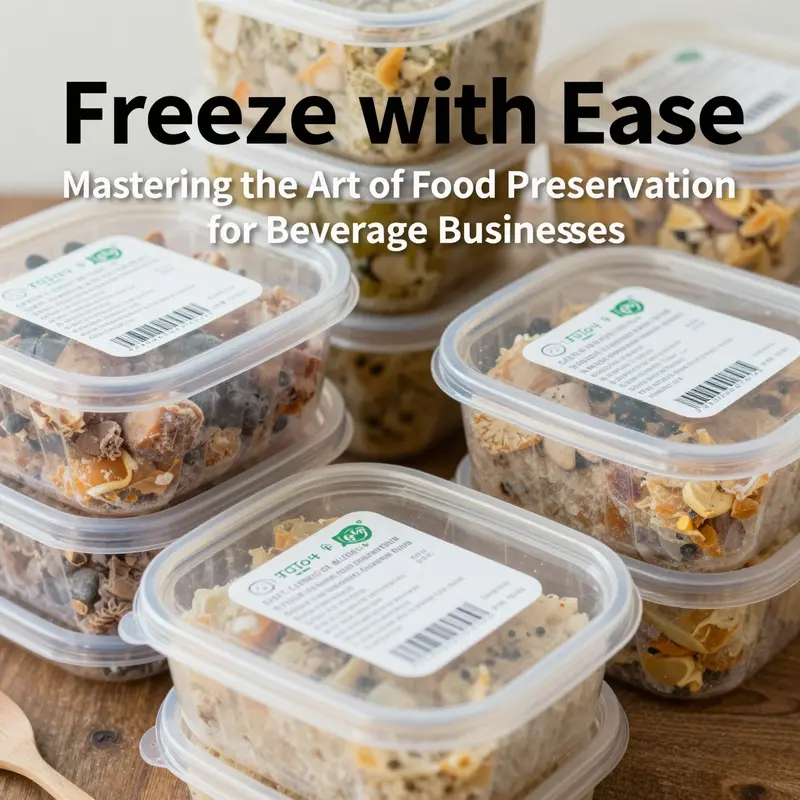
Freezing is both science and craft. The packaging around frozen portions matters as much as the food itself. A sturdy plastic container helps minimize freezer burn, preserve texture, and prevent odor transfer. The container acts as the first line of defense by keeping air, moisture, and cold where they belong. This chapter puts safety labeling and storage duration into practice, with three simple aims: choose containers designed for freezing, seal them properly, and track what is inside.
Safety first. Not all plastic containers are suitable for freezing. Look for freezer-safe labels. Materials that perform well at low temperatures include polypropylene (PP) and high-density polyethylene (HDPE). They resist cracking and maintain structure after repeated freeze-thaw cycles and are less likely to transfer unwanted substances into foods. In contrast, PVC, PS, or some other plastics may not hold up and could pose risks over time.
Check container integrity. Do not use cracked, warped, or scratched containers. Microbes can hide in rough surfaces, and compromised seals invite freezer burn. Plastic containers intended for freezing should be explicitly food-grade and suitable for repeated freezing and thawing and free from residues that could affect flavor or safety.
Sealing matters. A tight lid reduces air exposure and moisture loss. A good seal should hold up after many cold cycles. Leave space at the top to allow for expansion. About 1 to 2 inches of headspace is typically sufficient for most foods and helps avoid cracking.
Labeling and rotation. Date the container and note what is inside. If there are allergens or dietary concerns, include them. Clear labeling supports first in, first out and helps prevent cross-contact when mixing items. Durable waterproof labels or markers withstand frost.
Storage durations. Freezing slows quality loss but does not stop it. As a rule of thumb, most raw meats stay best for three to six months, fish for two to three months, cooked dishes two to three months, and fruits and vegetables eight to twelve months. These are guidelines and can vary by item. Use within the recommended windows for best quality, but know that safety remains the priority.
Practical tips. Do not re-freeze thawed foods. For long-term storage, consider vacuum sealing or heavy-duty freezer bags to limit air exposure. Plan and label before freezing to simplify future meals.
External guidance. Food safety agencies provide standards and tips for freezing and safe handling. When in doubt, consult local guidelines and follow manufacturer instructions for your containers. External resource: https://www.fsis.usda.gov/food-safety/safe-food-handling-and-preparation-guides/freezing-and-storing-foods
Final thoughts
Using appropriate plastic containers for freezing food is crucial for ensuring food safety and quality in your beverage business. Emphasizing the selection of freezer-safe materials, employing best practices for freezing techniques, and maintaining accurate labeling can significantly enhance your operational efficiency and customer satisfaction. By prioritizing these aspects, you not only preserve the integrity of your ingredients but also extend the shelf life of your offerings, leading to a more sustainable and cost-effective business model.