
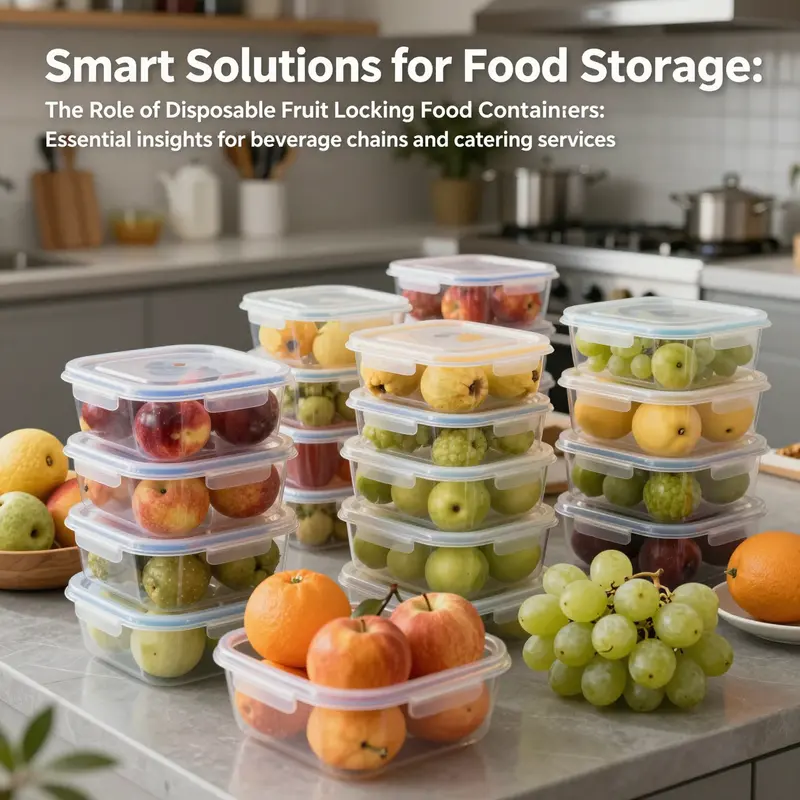
In the bustling world of food and beverage service, effective storage is as vital as the quality of the ingredients themselves. Disposable fruit locking food containers are revolutionizing the way beverage chains, restaurants, food trucks, and event planners handle fresh produce. Tailored to meet the needs of those who prioritize both convenience and presentation, these containers merge innovative design with practical functionality. In the following chapters, we will delve into the key features of these containers, explore the materials that ensure their effectiveness, and discuss their diverse applications and market availability, ultimately showcasing their significance in contemporary food service environments.
Locking in Freshness: How Disposable Fruit Containers Balance Seal, Safety, and Simplicity
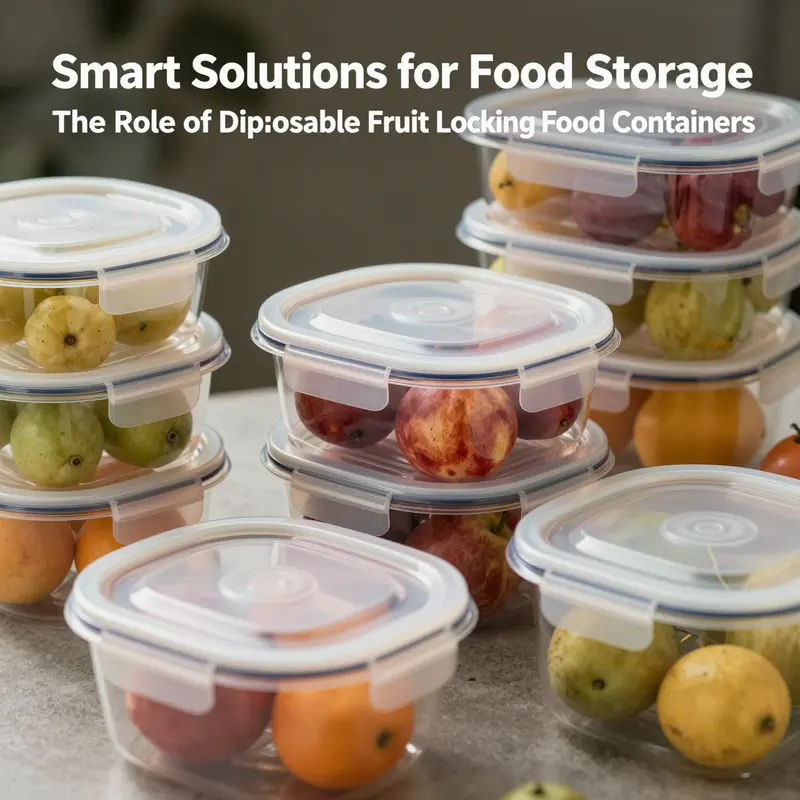
Disposability and reliability come together in a family of storage solutions designed specifically for fruit, salads, and other perishable, moisture-rich items. These containers are not just simple cartons with lids; they are engineered to keep produce fresher, reduce the risk of leaks during transport, and simplify meal-prep workflows for kitchens, caterers, and home users alike. The heart of their value lies in a carefully crafted interaction between the container body, the lid, and the locking mechanism that binds them. In practice, this means a system that is easy to use one-handed, resistant to jostling in transit, and capable of preserving humidity without becoming a moisture trap. The result is a storage tool that helps maintain the visual appeal of fruit—bright colors, crisp textures, and minimal browning—while streamlining handling and delivery. To appreciate how these containers achieve that balance, it is useful to trace the core design philosophy that underpins their everyday performance and to imagine how that philosophy translates into real-world benefits for both operators and end users.
A typical disposable fruit locking container emerges from a deliberate three-piece assembly: a base, a potential middle compartment, and a secure-fit lid. This configuration is not merely a stacking convenience; it is a functional choice that enables modular storage, portioning, and secure closure. The interlocking relationship between lid and body is what makes the system leak-resistant under movement and vibration, a practical concern from kitchen to courier bag. Key features often include an interlocking protrusion on the main body and a corresponding locking groove on the lid. When pressed together, these elements snap into a defined position, creating a dependable seal that can withstand the bumping and tilting that accompany transport. A typical articulation of this idea is seen in what engineers describe as a locking step on the body, paired with a matching locking groove on the lid. The two parts are designed to engage with a reassuring click, signaling that the seal is engaged and the container is ready for its next journey. This precise engagement reduces the probability that edges will loosen or that the lid will drift open during transit, a small but meaningful advantage for anyone who has carried a box of berries that learned to weep during a stumble.
Beyond the audible click, the physical geometry of the locking interface contributes to user confidence in the product. A self-cushion effect often arises from a slight bend along the upper edge of the container body. This bend serves as a micro-spring, absorbing minor impacts and maintaining a tight contact between the lid and the body. In practice, the lid does not simply press down; it settles into a controlled, pressure-stabilized interface. The effect is twofold: it helps preserve the integrity of the seal under routine handling and reduces the likelihood that minor jostles during stacking or shipping will cause a lid pop. The wraparound columnar shape of the lid further reinforces this seal. By encasing the body with a snug, continuous perimeter, the lid inhibits the intrusion or escape of moisture and odors. The geometry is not arbitrary; it’s a deliberate response to the realities of real-world use, where containers must be stacked, loaded, and unloaded repeatedly without compromising their contents.
Material choice is the other pillar of performance. The most common plastics used in these systems are food-grade polypropylene and polyethylene terephthalate. Each material contributes distinct advantages. Polypropylene, for example, offers a favorable balance of rigidity, chemical resistance, and temperature tolerance. It can be designed to withstand brief microwave reheating when explicitly labeled as microwave-safe, making it a practical option for cold-to-warm transitions without oven exposure. Transparent lids or transparent walls are another practical preference, allowing observers to assess the contents without needing to open the container. This visibility is invaluable for food service environments where quick inspection translates into faster service and less handling of perishable items. PET, meanwhile, can provide excellent clarity and a higher barrier to moisture and gases, depending on the formulation and wall thickness. Together, these materials deliver a combination of leak resistance, lightness, and cost efficiency that makes disposable fruit locking containers an attractive choice for short-term use.
Sustainability and adaptability have also shaped material choices. The modern packaging landscape increasingly embraces alternatives to traditional plastics. In response, some manufacturers now offer versions made from plant-based or compostable materials such as bagasse-derived fibers. These eco-friendly variants align with broader green packaging goals and can satisfy customer expectations for responsible disposal, particularly in institutional settings like schools or corporate cafeterias that seek to minimize landfill impact. For those who prioritize conventional plastics due to performance or supply considerations, the range of available options remains broad, with formulations optimized for moisture resistance and impact tolerance. A critical caveat remains: most disposable fruit locking containers are not intended for oven use, and many are not suitable for high-heat microwaving unless explicitly labeled. This is not a limitation of the locking mechanism but rather a matter of material stability and safety. Users who need reheating capabilities should always verify the product labeling and follow the manufacturer’s guidance.
In practice, the seal’s reliability translates into tangible benefits across several domains. In a culinary or food-service setting, consistent containment reduces not only the mess but also the risk of cross-contamination. When different fruits or salads share a vessel, compartmentalization becomes an additional safety and quality feature. Dividers or multi-compartment configurations allow for the separation of delicate berries from denser melon or citrus, preventing bruising and enabling portion control. The ability to designate portions supports standardized meal kits and catering orders, where uniformity in presentation and size is as important as taste. The sealed environment itself slows oxidation by limiting air exposure, a factor that helps preserve color, texture, and aroma for a longer window. While it is unrealistic to expect fruit to stay unchanged for weeks in a disposable package, a well-sealed container can extend perceived freshness during short-term storage and transit, which is exactly the window in most service scenarios.
Another practical advantage is the ease with which these containers support cold-chain workflows. Refrigeration provides a stable backdrop for fruit storage, and the locking design helps ensure that cold air is retained close to the product. The combination of a leak-resistant lid and a sealed body reduces the risk of condensation forming on the exterior, a common complaint that can affect handling and presentation. Additionally, the clear lid enables quick visual checks, saving time for staff who need to confirm inventory without opening every box. This is particularly valuable in high-volume environments where efficiency and hygiene drive both cost and customer satisfaction. In such settings, staff can perform quick inventory scans, identify at-a-glance the contents of a container, and minimize exposure of perishable goods to ambient air, thereby preserving quality while reducing waste.
From a design perspective, the choice of a three-piece system—base, optional middle compartment, and lid—also supports flexibility in production and logistics. The base can be tailored to accommodate various fruit assortments, while the middle compartment, when used, enables more nuanced portioning or the separation of sauces or salad components from fruit to avoid sogginess. The wraparound lid enhances the sealing surface and provides a robust barrier against leaks, even when containers are stacked or tossed lightly during handling. This modular approach makes it feasible for manufacturers to offer a family of products that share a common locking language and similar outward geometry, reducing production complexity and enabling scalable packaging solutions for different customer needs.
In terms of audience and application, the utility of these containers extends far beyond the standard supermarket or home kitchen. They are widely adopted in food-service operations, corporate catering, and luxury delivery services where presentation, freshness, and reliability are prized. For bulk users, such as meal-kit providers or event caterers, the ability to mix multiple fruit varieties into a single packing solution—while maintaining separation and preventing bruising—adds appreciable value. Even in industrial or temporary storage contexts, the same principles apply: a sturdy, sealed container can protect a variety of perishable items from moisture ingress and physical damage for short durations. The practical upshot is a product that looks and performs consistently across a range of conditions, helping operators deliver on promises of freshness and quality without sacrificing convenience or efficiency.
Market availability reflects these practical benefits and the broad demand for dependable, simple packaging. Suppliers typically offer a spectrum of configurations—from simple two-compartment designs to more complex multi-compartment boxes specifically optimized for fruits and salads. The economics of these units are compelling in bulk, with prices that tend to be competitive when ordered in large quantities. For buyers evaluating options, the emphasis often falls on a combination of seal integrity, material safety, and compatibility with existing logistics workflows. The ability to reclose and transport without spillage can translate into meaningful savings on handling and waste, especially in settings where perishable items are moved through multiple stages of distribution.
To ground these considerations in a broader procurement context, market listings and supplier catalogs point to the practical realities of sourcing. They highlight the availability of standard sizes, the range of compartment configurations, and the compatibility with common storage and transport practices. For professionals who must compare options quickly, specifications such as wall thickness, lid geometry, and closure force become important decision criteria. While it is not uncommon to encounter a spectrum of prices, the core value proposition remains consistent: a disposable storage solution that is lightweight, cost-effective, and purpose-built to keep fruit and other perishables protected between the moment of preparation and the moment of consumption. The combination of a robust locking mechanism, moisture resistance, and clear visibility helps ensure that contents remain appealing from the kitchen to the consumer’s table.
For readers seeking more granular product data or supplier options, market aggregators and wholesale platforms often present a wide array of designs and formulations. In the context of discerning buyers, it is useful to look for containers that clearly label their sealing characteristics, material safety data, and any microwave or freezer compatibility. Transparency about reusability and disposal pathways also matters, especially as buyers balance performance with environmental commitments. At the same time, buyers should recognize that disposable fruit locking containers represent a snapshot of a broader packaging ecosystem, one in which innovations in materials, locking geometry, and lid geometry continue to evolve to meet emerging needs in food safety and sustainability. The overarching narrative remains consistent: a well-designed locking container can simplify operations, protect quality, and deliver confidence at every handoff—from kitchen prep to table and beyond.
For those who want to explore concrete examples in the marketplace, large-scale suppliers have made a point of offering both single-serve and bulk packaging options, with multi-compartment layouts designed to accommodate different fruit assortments and dietary requirements. The ability to adapt these designs to diverse service contexts—ranging from casual takeout to premium catering—speaks to the versatility of the locking approach. In short, the design features described here—secure locking lids, self-cushioning interfaces, wraparound lid geometry, and the choice of food-safe materials—combine to create a practical, reliable, and scalable solution for storing and transporting fresh fruit and other cold foods. Whether used in a home kitchen or a commercial setting, the core principles remain the same: a well-sealed container protects, organizes, and presents, turning a simple act of storage into a dependable step in the journey from farm to fork.
For additional context on product specifications and supplier options in the broader market, readers may consult a widely used platform that catalogs disposable fruit containers and related packaging solutions. These listings illustrate the range of capacities, multi-compartment configurations, and price points available to buyers seeking both performance and value. The market picture reinforces the practical takeaway: a designed locking interface, appropriate material selection, and thoughtful geometry together underpin a dependable, leak-resistant solution for fresh produce.
Internal reference for further packaging context: disposable-octagonal-box-restaurant-food-kraft-paper-packaging. This linked resource exemplifies how packaging design language can cross-pollinate between different formats, even as the core sealing and handling principles remain consistent across materials and form factors.
External resource for broader market context: https://www.alibaba.com/product-detail/Disposable-Plastic-Fruit-Containers-2500ml_1601374579487.html
Material Choices in Disposable Fruit Locking Food Containers: Safety, Sealing Integrity, and the Path to Sustainable Freshness
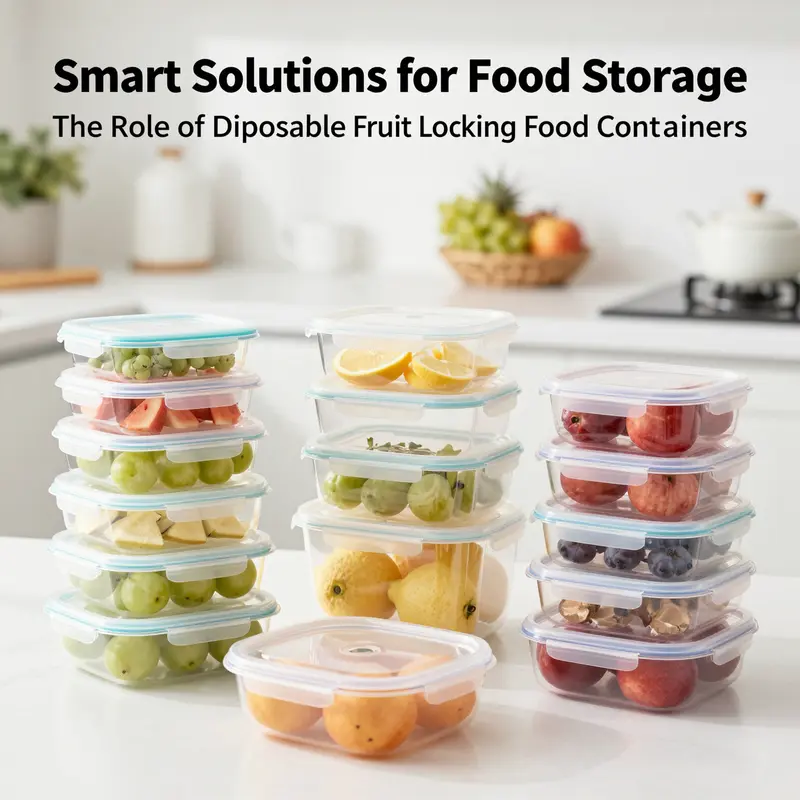
The choice of material sits at the heart of every disposable fruit locking food container. It determines not only the container’s ability to protect, transport, and present fresh fruit, but also how it behaves under heat, moisture, and the rough handling of everyday service. When designers talk about a three-piece system—a base, a middle compartment if needed, and a secure-fit lid—the material options are what translate that design into real-world reliability. In this chapter, we move beyond the shape and the snap-fit to explore how materials govern performance, how they balance cost with safety, and how emerging eco-conscious options are reshaping what it means to store and move fruit without waste. The discussion weaves together the practical requirements of storage and transport with the regulatory expectations that ensure consumer protection, and it considers the market pressures that push manufacturers toward both reliability and sustainability. In short, the material story is a narrative about how science, craft, and responsibility meet at the intersection of freshness and convenience.
At the core of most disposable fruit locking containers lies a polymer chemistry that favors a few workhorse materials, each chosen for specific strengths. Polypropylene (PP) remains the dominant workhorse for many disposable fruit containers. Its popularity rests on a practical triad: food-grade safety, moisture and oil resistance, and a favorable balance of rigidity and lightness. PP’s chemical structure resists permeation by water and oils better than many other plastics, which helps keep the interior drier and reduces the chance of sticky surfaces that can compromise the seal over time. This resistance is crucial for fruit storage, where juice exudes from berries or citrus, and where a tight seal matters for transporting the container without leaks. PP’s compatibility with microwaves—though not universally recommended for reheating–adds a layer of convenience for consumers who want to warm a snack rather than discard leftovers. And, from a production standpoint, PP’s low cost and ease of processing make it suitable for mass production, contributing to the wide availability of ready-to-use, leak-resistant containers in various sizes and configurations.
Yet PP is not the only material that finds a home in this category. Polycarbonate (PC) and acrylic are often considered when clarity is paramount. If the product’s presentation is a selling point—consumers want to see the fruit inside to gauge ripeness or color—then the high transparency of PC and certain acrylic formulations can be a compelling benefit. The trade-offs, however, are notable. PC and acrylic tend to command higher material costs and exhibit different thermal properties than PP. They can be more brittle under certain impacts and may not fare as well under repeated microwave exposure or long-term contact with acidic fruits, which can influence leaching behavior in some contexts. For these reasons, PC and acrylic are not the default for everyday fruit containers, but they remain viable options for premium or specialty lines where visibility and impact resistance at a critical moment—such as in display cases or premium takeout packages—outweigh the cost concerns.
In some designs, aluminum foil or metalized layers appear, not as primary containers for fresh fruit themselves, but as components that surround or insulate contents in premium packaging. This approach is more common in premium or hybrid packaging concepts where heat retention or insulation is valuable. For fresh fruit that is meant to be served cold or at a specific temperature, foil-backed or laminated structures can help maintain temperature during transit, while still allowing the inner base to be a food-safe plastic. Yet for standard disposable fruit boxes designed for moisture control and leak resistance, aluminum-based solutions are less common due to their higher cost, recyclability considerations, and the fact that the primary goal—moisture and aroma retention with a reliable seal—can be achieved with plastics alone.
An area of growing interest is the development of biodegradable or compostable materials. Biodegradable and compostable options—made from renewable feedstocks such as sugarcane bagasse, bamboo fiber, or other plant-based fibers—offer a path toward reducing plastic waste and aligning with sustainability goals. These materials can be designed to meet food-contact safety standards, yet they bring distinct performance profiles. Compostable materials often show different moisture barriers and lower resistance to humidity, which can influence shelf life and the integrity of a seal over time. In fruit applications where moisture management is critical—think of berries that release juice or citrus segments that shed droplets—these materials may require different venting strategies or film laminates to maintain freshness. The trade-off is clear: while compostables can enhance environmental credentials, they may demand more aggressive processing, specialized disposal streams, and careful formulation to ensure the same level of leak resistance and seal durability that users expect from traditional plastics.
Ventilation features, including vents or perforations, illustrate another material-driven design decision. Venting helps prevent condensation buildup inside the container, a problem that can accelerate spoilage or lead to soggy fruit. The presence and design of vents interact with the chosen material’s barrier properties. For instance, a PP-based container with a selective venting system may reduce internal humidity without compromising the seal when the lid is closed. The material must tolerate the microenvironment created by venting—exposure to repetitive moisture changes can lead to dimensional shifts or stress on locking features if the polymer is overly flexible or prone to creep. In some instances, multi-layer constructions with laminated films combine the strength and moisture resistance of a plastic base with a breathable yet protective layer to strike a balance between ventilation and barrier performance. In any case, the goal remains clear: keep the fruit as close to its ideal state as possible, while ensuring the lid remains securely closed during transport.
Sealability is the other half of the equation that drives the performance of disposable fruit containers. The locking lid often relies on interlocking protrusions, a locking step on the body and a corresponding groove on the lid, and a wraparound lid geometry that hugs the body for an airtight fit. The material must have the right stiffness to engage and maintain a tight seal, yet enough toughness to resist cracking or deformation when the lid is pressed onto the base during packing or when stacked during storage. PP’s rigidity and fatigue resistance typically support durable snap-fit operations, while PC’s clarity does not necessarily compromise its sealing strength. The wraparound columnar lid that overlaps the upper edge of the container requires careful dimensional stability; a material that warps, expands, or becomes brittle under temperature flux can break the seal or create gaps that allow leaks. The self-cushioning feature—where the upper edge of the container is bent to create a subtle cushion against the lid—adds a mechanical buffer to seal integrity. Again, the material’s flexural properties matter. A slight cushion effect is more readily achieved with materials that maintain a stable shape under compression but do not creep excessively under load. In short, the locking mechanism does not exist in a vacuum: its efficacy is inseparable from the material that forms the container body and lid.
The market also weighs regulatory and safety standards when selecting materials. Food safety standards such as FDA regulations in the United States and equivalent European Union rules specify that materials intended for contact with food must not leach harmful substances, even under heat or acidic conditions. PP generally performs well in this regard, meeting many food-contact safety expectations when manufactured to proper specifications. PC and certain acrylics, while often safe, require more careful handling to ensure no migration of residual monomers or additives, especially under repeated heating. For compostable materials, additional certifications are often pursued to confirm industrial compostability or home compostability, as applicable. The safety conversation extends beyond the material itself to include additives, surface treatments, and barrier coatings used to enhance moisture resistance or oil repellency. Each of these layers can introduce new considerations for leachability, migration, and overall food safety, reinforcing the need for rigorous testing and clear labeling for end users.
The best-use scenario for polypropylene-based containers underscores their reliability in fast-paced food service, meal-prep environments, and takeout operations where consistency, cost, and speed of production matter. For fruit storage and transport, PP networks support a broad range of compartments and locking mechanisms that can be scaled from simple two-compartment boxes to multi-compartment systems designed to portion fruit salads or mixed fruit platters. The transparency of PP and some PC formulations helps operators and customers visually verify the contents, which enhances perceived quality and reduces the need for excessive handling. A key advantage is the balance PP offers between rigidity and light texture, enabling secure stacking and efficient space utilization in refrigerated displays or delivery bags. The wraparound lid design, when paired with a well-engineered locking step, minimizes spill risk, which is particularly important when containers travel in meandering routes or during handoffs between kitchen, transport, and consumer.
As eco-conscious brands explore options beyond traditional plastics, the material conversation broadens to include compostable and recycled-content formulations. The environmental footprint of disposable fruit containers is increasingly dissected along a lifecycle line—from raw material extraction to processing, use, and end-of-life. The trend toward recycled-content PP can reduce virgin resin demand while maintaining mechanical performance. On the compostable side, sugarcane bagasse and bamboo-based blends show promise for reducing persistent plastic waste, but they come with the caveat of needing industrial composting infrastructure or consumer buy-in to proper disposal channels. The industry is learning to design for end-of-life—enabling easier separation of materials at the point of disposal and encouraging recycling streams where possible. Consumers benefit when packaging clearly communicates its material type and disposal instructions, helping prevent contamination in recycling or composting streams and ensuring the container fulfills its function without becoming an environmental liability.
The material story has strong implications for the supply chain as well. PP-based containers are widely available, compatible with a spectrum of automated filling lines and locking mechanisms, and conducive to economies of scale. This makes them a practical choice for retailers and caterers who need predictable performance, uniformity, and low per-unit cost, especially when orders run into thousands or tens of thousands of units. The supply chain realities also shape the design: a robust interlocking system and a well-controlled molding process reduce the risk of lid misalignment or seal failure in high-volume operations. In contrast, specialized materials—like high-clarity PC for display-forward products or compostable materials for brands prioritizing sustainability—may require different molding equipment, slightly longer cycle times, or different handling procedures. These differences can influence lead times and unit costs, factors that buyers weigh along with performance when selecting a packaging solution for fruit.
Beyond material selection, the broader conversation about suitability touches on several practical design concerns. Ventilation strategies, for instance, must be aligned with the chosen material and the types of fruit being stored. Strawberries, blueberries, and citrus all have different moisture and ethylene profiles, and containers may need tailored venting to optimize freshness. The material should tolerate repeated venting cycles and not degrade under humid conditions, which could otherwise compromise seal integrity. Similarly, stackability is a feature that can be heavily influenced by wall thickness, bead geometry, and the rigidity of the material. A container that stacks securely reduces space in storage and during transport, a benefit especially valuable in catering and retail environments. However, stacking must not come at the expense of sealing performance or ease of opening for consumers. The material choice guides how easily the lid can be removed and resealed, which in turn influences consumer experience and waste. Finally, food safety standards must be kept front and center in any material selection. Compliance proves not just a compliance checkbox, but a guarantee of non-migration under the expected conditions of use, including exposure to cold, moisture, and light.
The evolution of these containers reflects a balancing act. On one side is the imperative of protecting freshness through reliable seals, controlled moisture, and resilient locking mechanisms. On the other side is a growing demand for sustainability, lower carbon footprints, and responsible end-of-life management. The industry navigates this by refining polymer formulations, exploring multi-layer lamination with barrier layers that preserve freshness while enabling recyclability, and developing compostable variants that can stand in where plastics once dominated. In practice, this means continuing to push polypropylene toward higher clarity for product visibility when desired, while maintaining its seal integrity and cost efficiency. It also means acknowledging that some use cases may genuinely benefit from alternative materials, provided that the design and disposal strategies align with consumer expectations and infrastructure realities.
From a design philosophy perspective, the material story informs every decision, from the geometry of the locking step to the angle of the self-cushion edge. The interlocking protrusions and grooves that snap the lid into place require a precise balance of rigidity and flexibility in the base plastic. If the plastic is too stiff, the lid may resist engagement; if too flexible, the seal may degrade after repeated closures. The wraparound lid’s contact surface must stay dimensionally stable under temperature fluctuations and moisture exposure, or else the seal will loosen with time. The self-cushion feature, which relies on a bent upper edge to create a gentle compression against the lid, is a clever engineering touch that relies on material memory and creep resistance. When these features come together in a PP-based design, they offer a reliable combination of leak resistance, ease of use, and cost efficiency that suits high-volume demand while preserving the fruit’s freshness during short- to medium-term storage and transport.
The literature and market observations converge on a practical verdict: for many standard fruit packaging needs, polypropylene-based disposable containers provide a reliable baseline of performance. They handle moisture and oils, resist deformation under normal transport conditions, and support a robust locking mechanism that keeps lids secure during transit. However, the availability of alternative materials—PC for visibility, compostables for sustainability, and laminates for premium or insulation-focused applications—means brands can tailor their packaging to specific market segments and sustainability goals. The challenge remains in designing for a consistent customer experience: clear, intuitive sealing, predictable venting when needed, and a consistent ability to stack and transport without compromising the contents. The future of these containers likely lies in smarter materials that combine the best of mechanical performance with clearer environmental credentials, and in packaging ecosystems that connect material choices to end-of-life solutions in straightforward ways for consumers.
To illustrate how material choices translate into real-world packaging outcomes, consider how a two-compartment PP container might be selected for a fruit salad program. The base and lid would be engineered to interlock precisely, with a slight bend along the upper edge creating the self-cushion effect that supports the seal even when the container is jostled in a delivery bag. Venting channels could be integrated into the lid design or into a permeable inner liner, depending on the moisture profile of the fruit mix. The outer surface would likely be transparent or semi-transparent to showcase the contents, while the interior would be treated with food-safe coatings to resist moisture and oils and to minimize staining. If the program required a premium look, a PC-based variant with a crystal-clear lid could be offered, prioritizing visibility and a premium feel, albeit at a higher price point and with different processing considerations. If the brand pursued compostability, the design would shift toward a bagasse or PLA-based solution, carefully balancing barrier properties with the need for industrial composting infrastructure or consumer disposal capabilities.
In the end, the material decision is not simply a matter of chemistry; it is a strategic choice that affects safety, quality, cost, and environmental impact. It requires a clear understanding of fruit characteristics, supply chain realities, and consumer expectations. It requires thoughtful design that harmonizes seal performance with venting needs, with the capacity to withstand stacking and transit while maintaining the fruit’s appearance and freshness. It demands attention to regulatory compliance and to end-of-life considerations that increasingly shape brand narratives. And it offers a path for innovation: as materials science advances, so too do opportunities to create containers that are safer, more airtight, easier to recycle, and more compatible with sustainable packaging systems. The result is a packaging ecosystem that can better preserve the simple pleasure of fruit—its color, aroma, and texture—without becoming a burden on the environment.
For brands exploring the broader landscape of packaging options, the relevance of material choice extends beyond the fruit itself. While the immediate concern is preserving freshness and preventing leaks, the packaging must also align with consumer expectations for convenience, recyclability, and cost. The conversation around materials is evolving alongside consumer awareness about waste and plastic use. This evolution is not a derailment of the practical needs of the market; it is an expansion of them. It invites designers and buyers to think more holistically about how the packaging interacts with the product, the consumer, and the waste stream that follows. Ultimately, the material decisions made for disposable fruit locking containers will continue to reflect a balance: preserve freshness through a reliable seal, provide visibility and ease of use for consumers, and move toward sustainability without sacrificing performance.
From a practical standpoint, the recommended approach remains anchored in polypropylene-based designs for the bulk of standard applications, with openness to alternatives where market demands or environmental commitments justify them. The ongoing dialogue among manufacturers, retailers, and recyclers will shape how these containers evolve in the coming years. As more brands seek to minimize environmental impact while maintaining the quality and portability that fruit packaging demands, material innovations—with careful attention to barrier properties, seal integrity, and end-of-life pathways—will lead the way toward packaging that is not only functional and affordable but also responsible. In the broader arc of disposable fruit packaging, material choices thus function as both a technical requirement and a value signal—one that communicates a commitment to safety, freshness, and the planet.
For readers seeking concrete examples of how eco-friendly alternatives can appear in related packaging formats, consider exploring biodegradable and compostable options within the same packaging ecosystem. A representative offering in this space is a biodegradable, eco-friendly take-away kraft paper bowl line, which demonstrates how brands can communicate sustainability without sacrificing usability or visual appeal. biodegradable-eco-friendly-take-away-odm-oem-round-kraft-paper-bowl. This example helps illustrate how a packaging family can extend a brand’s sustainability story across formats while maintaining consumer-friendly features such as lid compatibility, portion control, and secure stacking.
As part of the broader literature and industry discussions, it is worth noting that the material landscape for disposable fruit containers is constantly evolving. Supplier catalogs, regulatory updates, and consumer preferences all push for ongoing refinement of formulas, processing methods, and end-of-life solutions. While the core PP-based solution remains a robust default for many applications, a growing proportion of products will undoubtedly experiment with multi-material laminates, barrier coatings, and compostable substrates to meet evolving standards and market niches. The practical implication for practitioners is straightforward: align the material choice with the fruit’s characteristics, the storage and transit scenario, and the disposal infrastructure most likely to be available to end users. In doing so, the container becomes not just a passive container but an active participant in maintaining freshness, ensuring safety, and reducing waste across the packaging ecosystem.
External resource: https://www.alibaba.com/product-detail/Durable-and-Versatile-plastic-fruit-disposable_1600475235983.html
Locking Freshness on the Move: The Reach of Disposable Fruit Locking Containers Across Service, Display, and Markets
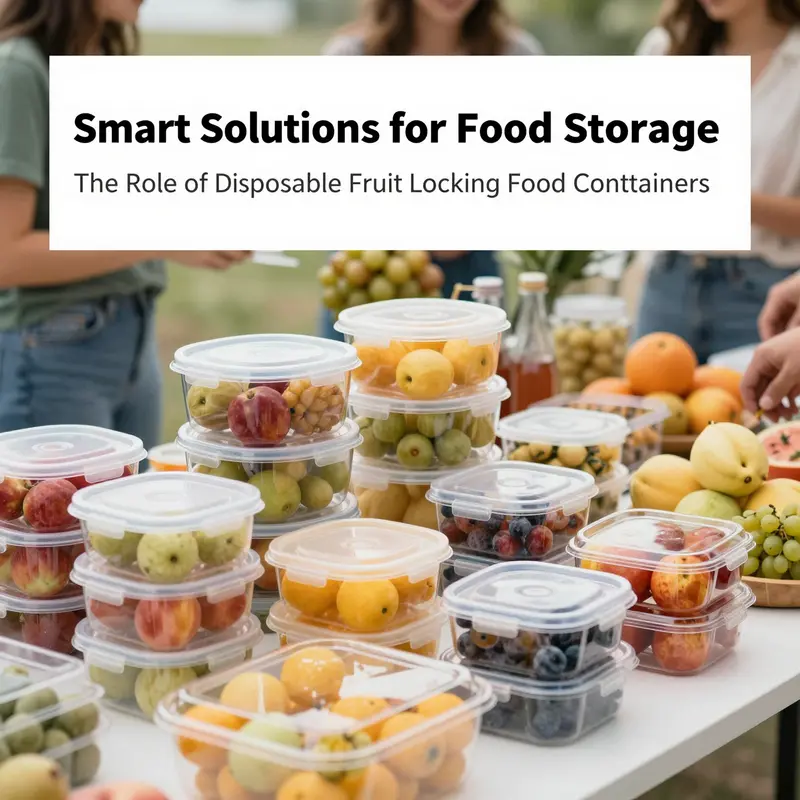
In the world of perishable produce, the chain from farm to fork hinges on one quiet, essential thing: trustworthy packaging. Disposable fruit locking containers sit at the heart of this chain, designed not merely to hold fruit but to steward freshness, protect fragile berries, and project a clean, appealing image as foods move through bustling kitchens, crowded service lines, and busy delivery routes. Their utility rests on a deliberately small set of design choices that, when combined, deliver a surprisingly broad range of benefits. At the core is a three-piece system comprising a base, a potential middle compartment, and a secure-fit lid. This trio integrates into a single, seamless unit that can endure the knocks of handling during prep, transport, and retail display. What truly sets these containers apart is their locking mechanism, a thoughtful interaction between the lid and the body that prevents seepage while preserving moisture content so fruit remains fresh rather than soggy or bruised after a bumpy ride. The locking system often relies on interlocking protrusions—a raised locking step on the main body and a corresponding groove in the lid—so that each twist and snap reinforces the seal. Even small details, like a self-cushion edge formed by bending the upper edge of the container body, contribute to a gentler seal that resists prying or accidental pops open during transit. And then there is the wraparound columnar lid, a shape designed to hug the body tightly, providing an extra line of defense against leaks and environmental intrusion. Taken together, these design elements translate into tangible performance: reduced spills, better shelf presentation, and the confidence that fruit appears as vibrant and enticing when it reaches the consumer as it did when it left the kitchen. The value proposition extends beyond leak resistance. The materials used—most commonly food-grade polypropylene (PP) or polyethylene terephthalate (PET)—bring a blend of lightness, cost efficiency, and broad compatibility with cold foods. PP, in particular, carries the practical advantage of being microwave-safe, so small portions can be reheated in a pinch, while both PP and PET offer a degree of oil and moisture resistance, essential for fruit storage whose natural juices can otherwise compromise packaging integrity. The lids are often transparent, enabling quick visual checks of produce without opening the container, an attribute that supports meticulous inventory management in service settings and a crisp, attractive display on retail shelves. This blend of features makes disposable fruit locking containers versatile enough to sustain a wide range of applications while staying within the practical constraints of disposable, single-use packaging.
From a design perspective, the three-piece structure and the locking interface serve a broader purpose than simply keeping lids on. They enable a modular approach to packaging that aligns with the needs of modern food service, where speed, consistency, and presentation are crucial. In fast-service environments, staff can assemble and seal containers rapidly, speeding up prep and reducing handling errors. In more formal settings, the clean, compact silhouette of the wraparound lid and the transparent top surface help create an orderly, premium impression for pre-packed fruit assortments or fruit-forward salads. The ability to portion-control with multi-compartment variants, including six-compartment configurations, supports consistent serving sizes and reduces waste by letting customers or staff select precise portions. This is particularly valuable for meal kits and catering events where guests expect uniformity across plates and courses.
The material choices also reflect a broader market logic. PET is known for its clarity and stiffness, which helps keep a crisp appearance during short-term storage, while PP’s higher heat tolerance expands reheating options without compromising seal integrity. These characteristics are especially relevant for cold produce, which benefits from a moisture barrier that helps maintain texture and color. Yet the acceptance of disposable containers is not purely technical; it intersects with consumer expectations and operational realities. In many markets, the ability to see the contents through a clear lid is more than cosmetic; it reduces the need for opening containers to inspect fruit, which in turn protects the packaging’s seal and prevents moisture loss that can accelerate spoilage. This clarity, combined with the neat, compact form of the wraparound lid, helps these containers perform well in both display-facing contexts and back-of-house workflows.
Applications across industries reveal how these containers have become a practical lingua franca for fresh fruit storage and presentation. In the food service realm, fruit stands rely on sturdy, leak-resistant packaging to transport delicate produce from supplier to kitchen or event site. Salad bars benefit from the ability to assemble pre-cut fruits in an organized, segmented container that keeps flavors and textures distinct. Grocery stores increasingly use these containers in fresh-cut fruit sections and ready-to-eat displays, where the seal helps preserve moisture and crispness while offering a visually appealing view through transparent lids. Meal-prep companies, too, lean on the predictable performance of interlocking lids to maintain portion integrity and freshness across complex orders. In the domain of event catering and upscale dining, the aesthetic appeal of a clean, modern container matters as much as function. The locking mechanism supports a tidy, transport-ready presentation that single-handedly conveys quality and attention to detail. Caterers and branded takeout providers alike value packaging that communicates premium standards without sacrificing practicality or price. The containers’ ability to keep fruit arrangements intact under transport and on-site service makes them a reliable workhorse for visually driven menus—where colors, textures, and layout contribute to the guest experience.
The utility of these containers also translates into everyday convenience for takeout and retail settings. Convenience stores and corporate cafeterias, drawn by the hygienic assurances and ease of handling, turn to locked containers to offer healthier snack options. The ability to deliver a self-contained, visually appealing fruit option reduces the need for additional barriers or garnishes that could complicate service or create waste. For consumers, the packaging supports fresh flavors and bright colors without the fear of spillages or messy cartons, a combination that enhances perceived value and satisfaction. In a market environment increasingly attentive to both convenience and presentation, the locking feature is not a mere novelty but a meaningful reliability signal. It reassures buyers that the product inside will arrive intact, undamaged by leaks or pressure, and that the contents will sustain their texture and appearance during the last mile of delivery or the final moments on a display shelf.
The market landscape around these containers has grown more dynamic as suppliers expand the range of configurations to meet diverse needs. In addition to standard two- and three-piece options, manufacturers now offer multi-compartment formats that separate fruit categories, berries from citrus, or fruit from salads, to prevent bruising and flavor transfer during transit. The capacity spectrum—from compact single-compartment jars to larger six-compartment trays—mirrors the variety of use cases found in food service and retail settings. These variations are often paired with design choices aimed at optimizing stacking, transport, and display. A wraparound lid design, for instance, provides a tight seal that can accommodate the vertical stacking of multiple containers in a shipment, while a shallow middle chamber can offer an extra buffer against crushing or squashing when stacked with other items. In practice, buyers select configurations that balance space efficiency with product integrity, selecting multi-compartment formats when a menu or display benefits from variety in a single package, and choosing simpler designs for straightforward fruit portions or snacks.
The growth of this category has been supported by the reach of supplier platforms that connect buyers with manufacturers able to deliver tested, food-safe plastics in high volumes at competitive prices. On bulk marketplaces, prices can be remarkably accessible—often quoted in the low cents per unit range for large orders—driving bulk adoption in cafeterias, caterers, and grocers that must manage cost-per-serving while maintaining product quality. The ability to source these containers in large quantities aligns with the needs of large operations and seasonal events, where the mismatch between demand and supply can otherwise lead to shortages or price spikes. Yet, the market is not simply about price. Buyers increasingly weigh environmental and disposal considerations as part of the purchasing decision. Most disposable fruit locking containers are designed for limited recycling compatibility in many regions, and their non-biodegradable nature can raise concerns for brands seeking to minimize environmental impact. This tension between performance and sustainability nudges the market toward innovations in materials, including compostable or renewable-resource-based options that seek to preserve the seal and leak resistance while offering more responsible end-of-life options. In the interim, buyers often balance these factors by selecting formats that maximize reuse cycles within a single event or by leaning into recycling streams where available, even as they continue to rely on the practical, cost-effective, and visually clean packaging that locking containers provide.
From the perspective of market availability, the picture is characterized by breadth and speed. The proliferation of disposable locking containers is closely tied to the broader growth of food-service packaging and takeout culture, where the emphasis on hygiene, portion control, and on-the-go convenience continues to rise. Buyers—ranging from small caterers to large-scale distributors—seek dependable suppliers who can deliver compliant, food-grade plastics with consistent performance. Platforms that specialize in restaurant and catering supplies, as well as general bulk marketplaces, connect these buyers with manufacturers offering a spectrum of configurations, from simple two-compartment boxes to more elaborate multi-compartment designs. In practical terms, this means a readily accessible supply chain for retailers and food-service operators, with options that can be customized in terms of compartment count, lid design, and even transparency levels for lids that showcase fruit colors and textures. The end result is a packaging ecosystem that supports efficient operations, attractive presentation, and dependable product integrity from the moment fruit is packed to the moment it is opened for consumption.
In parallel with expansion in configurations and supply, market discourse increasingly foregrounds environmental considerations and the search for more sustainable solutions. The basic disposable container model, by its nature, raises questions about recyclability and waste. In many regions, recycling options exist but are not universal, and the relative difficulty of recycling plastics used for food packaging can temper enthusiasm for broad adoption in sustainability-minded programs. This has spurred interest in alternatives—compostable or bio-based materials, or packaging designs that optimize material usage without compromising seal and structural integrity. As consumer preferences evolve toward healthier, more sustainable options, producers respond with innovations in material science, better recycling infrastructure, and more transparent labeling that helps users sort packaging correctly. The market therefore sits at a crossroads, balancing the practicality and affordability of established plastics with the potential for more sustainable futures. Notably, for businesses evaluating different packaging strategies, the choice of packaging is often less about a single feature and more about how container design, material selection, and end-of-life options align with brand values, customer expectations, and operational realities.
To connect practice with procurement, buyers often explore a range of supplier profiles and product offerings. An important trend is the availability of semi-custom or fully customizable solutions that accommodate branding, labeling, and specific compartment layouts. For example, some suppliers offer multi-compartment formats designed for fruit and salads that can be tailored with brand logos or color schemes on the lids or walls of the container, helping reinforce a retailer’s identity while preserving the product’s integrity. This combination of practical performance, aesthetic appeal, and branding potential makes disposable fruit locking containers a versatile choice for a wide array of commercial settings. They support quick service without sacrificing freshness, enable precise portion control that helps manage costs, and present a visually appealing product that can stand out in a crowded display. The result is a packaging option that accommodates the needs of modern food delivery and retail ecosystems, while offering a clear roadmap for brands seeking consistent, reliable, and scalable packaging solutions.
Within this broader landscape, there are practical ways to explore and evaluate packaging options that balance cost, performance, and sustainability. One can consider the role of container geometry and lid design in ensuring a tight seal that resists spills during transit and on crowded display tables. The choice of material—PP versus PET, for instance—affects not only seal integrity but also microwave suitability, heat resilience, and compatibility with various cleaning and re-use scenarios. In settings where high throughput and quick turnover define success, the capacity to pre-pack and seal fruit portions rapidly is a major advantage. Yet, the same settings must also consider waste management, particularly in programs that emphasize sustainability or that operate under strict waste-reduction policies. In that sense, the market encourages a careful assessment of the total lifecycle of packaging: the resources required to manufacture, transport, and dispose of containers versus the benefits they deliver in preserving freshness, reducing food waste, and enhancing consumer experience.
For decision-makers exploring packaging options that extend beyond plastic, the ecosystem also includes paper-based or hybrid packaging models that can be used in tandem with plastic containers to create a complete, layered packaging solution. A relevant example in the industry’s packaging repertoire is a disposable octagonal box built from kraft paper, which demonstrates how restaurants and event organizers can pair sturdy, compostable outer options with secure, leak-resistant inner containers for cold produce. This approach can help brands balance the visual and tactile appeal of paper packaging with the proven performance of plastic locking systems when fruit needs to travel safely from kitchen to customer. The concept of modular packaging—where the inner locking container handles freshness and sealing, while outer packaging provides branding and an additional barrier—illustrates how the market is evolving toward more flexible, multi-material packaging strategies. The shift toward such strategies reflects a broader industry push to maintain product quality and consumer trust, while also exploring avenues for reducing environmental impact through material choice and end-of-life solutions.
From a strategic perspective, the takeaways are clear. Retailers and food-service operators gain from choosing packaging that aligns with their operational tempo, product profile, and display goals. The locking mechanism provides a robust seal that protects contents during transport and service, while the underlying materials offer a balance between clarity, strength, and cost. The availability of multi-compartment designs extends the containers’ utility beyond simple fruit storage to include salads, fruit assortments, and snack sets that require careful portioning. The market’s continued growth is driven by demand for hygiene, portability, and consistent presentation, all of which these containers deliver when used thoughtfully in combination with other packaging formats. The ongoing conversation around sustainability will also shape future iterations of these products, with manufacturers adapting by pursuing recyclable or compostable materials and by improving the recyclability of the overall packaging system through improved waste management infrastructure.
For readers seeking to visualize how these packaging choices translate into real-world practice, consider the options available to restaurant and catering teams that aim to offer fresh fruit with minimum fuss and maximum appeal. A container that locks securely, offers clear visibility, and supports straightforward portioning becomes a critical enabler in busy settings, where staff must balance speed with quality. The ability to transport a fruit platter, a fruit-forward salad, or a mix of berries and citrus without compromising texture or flavor reinforces the value of the locking approach to container design. It is in these everyday, high-velocity environments that the benefits become most apparent: fewer spillages, less handling damage, less waste, and more satisfied customers who experience a bright, fresh product from the first glance to the last bite. The market is responding with a spectrum of configurations and price points that make this combination accessible to a wide range of operators, from neighborhood delis to national catering networks, while leaving room for innovation that continues to improve performance and sustainability over time.
As buyers navigate this landscape, one practical pathway is to consider the broader packaging ecosystem in which these containers operate. The ability to source compatible outer packaging and display solutions alongside the inner locking container can lead to a cohesive, attractive, and efficient packaging strategy. In some cases, a combined approach—where the inner lockable container keeps the fruit secure and the outer packaging provides branding, protection, and a premium unboxing experience—can deliver a compelling value proposition for retailers who wish to elevate their fruit offerings without sacrificing efficiency. This approach highlights how packaging design, materials science, and marketing considerations converge in a way that supports both the logistical realities of food service and the experiential expectations of consumers. In practice, these factors come together when a kitchen or store selects a set of containers that aligns with their menu, space, and customer journey, ensuring that every step from packing to purchase reinforces freshness, reliability, and visual appeal.
The dialogue around market availability is thus both practical and aspirational. Practically, buyers can rely on established procurement channels to secure durable, food-safe containers at scale, with options across compartment counts, lid designs, and transparency levels. Aspirationally, the market invites packaging innovations that extend life, enhance sustainability, and empower brands to tell a story of freshness from shelf to mouth. The balance between performance and sustainability remains a central theme as suppliers experiment with new materials and end-of-life strategies. This ongoing evolution offers a hopeful horizon: packaging that protects delicate fruit during transit while reducing environmental impact and supporting consumer confidence in the freshness and quality of the product they choose. In short, the disposable fruit locking container occupies a notable place in the contemporary packaging landscape—robust enough for rigorous use, adaptable enough to support a range of service models, and increasingly attentive to the environmental and experiential expectations that guide modern consumer choices.
To explore practical procurement paths, buyers can turn to major supplier platforms that specialize in food packaging and catering supplies. These sources provide a window into the scale, configurability, and pricing that characterize current market dynamics. On large-volume marketplaces, for example, a 6-compartment fruit container can be sourced at a favorable price point, with modest minimum order quantities that suit both mid-sized operations and larger distributors. The abundance of options enables buyers to tailor their selections to specific needs, whether that means favoring ultra-clear lids for maximum visibility, selecting a particular thickness for enhanced durability, or choosing a lid style that aligns with a brand’s aesthetic. The result is a vibrant market ecosystem in which operational efficiency, customer experience, and sustainability considerations intersect, offering a range of pathways for operators to optimize their fruit packaging strategy without compromising on the core attributes that matter most—freshness, safety, and presentation.
For further context on supplier perspectives and real-world offerings, consider the following external resource, which provides practical procurement insights and product listings: https://www.alibaba.com/product-detail/Take-Away-Disposable-Salad-Fruit-Lunch_1600589937681.html?src=srp&spm=a2700.16094158.0.0. This external reference can help illuminate how buyers evaluate packaging solutions in a global marketplace, including considerations like unit costs at scale, minimum order quantities, and the breadth of configurations available to support diverse use cases. It is through these market dynamics that the disposable fruit locking container continues to evolve—from a reliable, leak-resistant holder for fresh fruit to a versatile packaging component that underpins efficient service, compelling display, and sustainable growth for a wide array of food providers.
A final note on the practical integration of these containers within a broader packaging strategy: the industry increasingly recognizes that the best outcomes arise when inner containment, outer branding, and end-of-life considerations are aligned. This alignment does not merely improve operational efficiency; it enhances brand perception and customer trust. When a retailer or caterer can deliver fruit in a container that is easy to use, seals securely, and presents a clean, appetizing view, they reinforce the value of freshness. When the packaging also supports recycling or composting where feasible, it communicates a commitment to environmental responsibility that resonates with today’s informed consumers. In the end, the story of disposable fruit locking containers is one of practicality meeting purpose: a reliable, leak-resistant solution that helps keep fruit fresh, protects the integrity of the product during transit, and supports a packaging strategy that balances cost, performance, and responsibility in a complex, fast-moving market.
Final thoughts
In conclusion, disposable fruit locking food containers represent a significant advancement in food storage solutions tailored for the dynamic needs of food service industries. Their unique design features, coupled with their use of suitable materials, make them an optimal choice for maintaining food integrity while ensuring convenience for staff and customers alike. As the market for these containers continues to grow, businesses such as beverage chains, caterers, and event planners would do well to consider integrating these innovative storage solutions into their operations.