
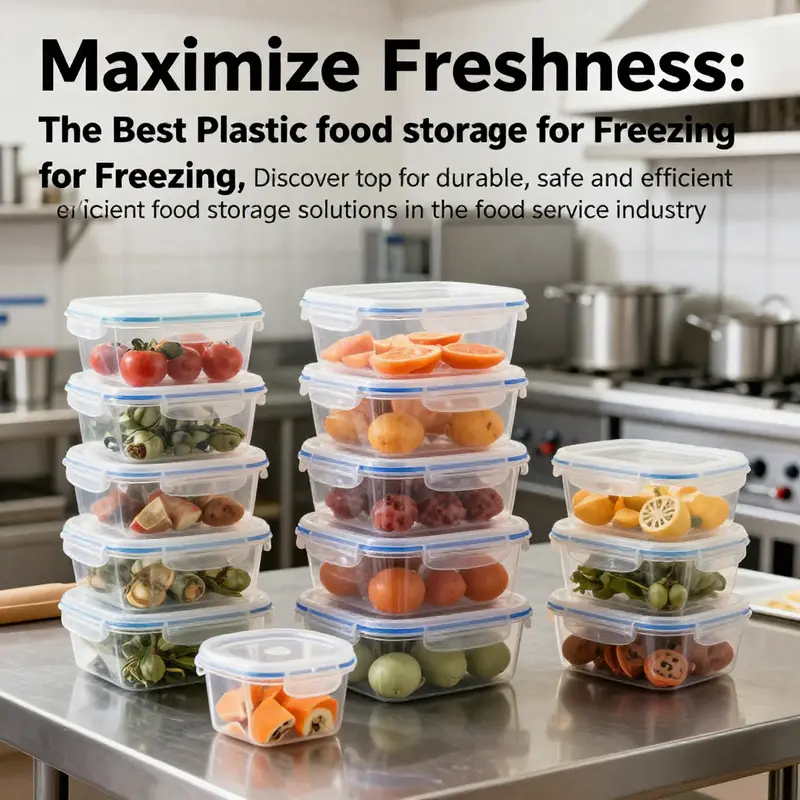
For businesses in the food service sector, understanding the importance of proper food storage is crucial, especially when it comes to freezing. Selecting the right plastic food storage containers can affect not only food quality but also safety and customer satisfaction. As we delve into the best options available, we will explore the critical aspects of material composition, design features, durability, chemical safety, and current consumer preferences. Each chapter provides insights aimed at aiding bubble tea shops, restaurants, food trucks, catering services, and corporate procurement teams to make informed choices that ensure their food remains fresh and safe for consumption.
From Glass to Tritan: The Science Behind Safe Plastic Freezers and How to Pick Truly Freezer‑Ready Containers
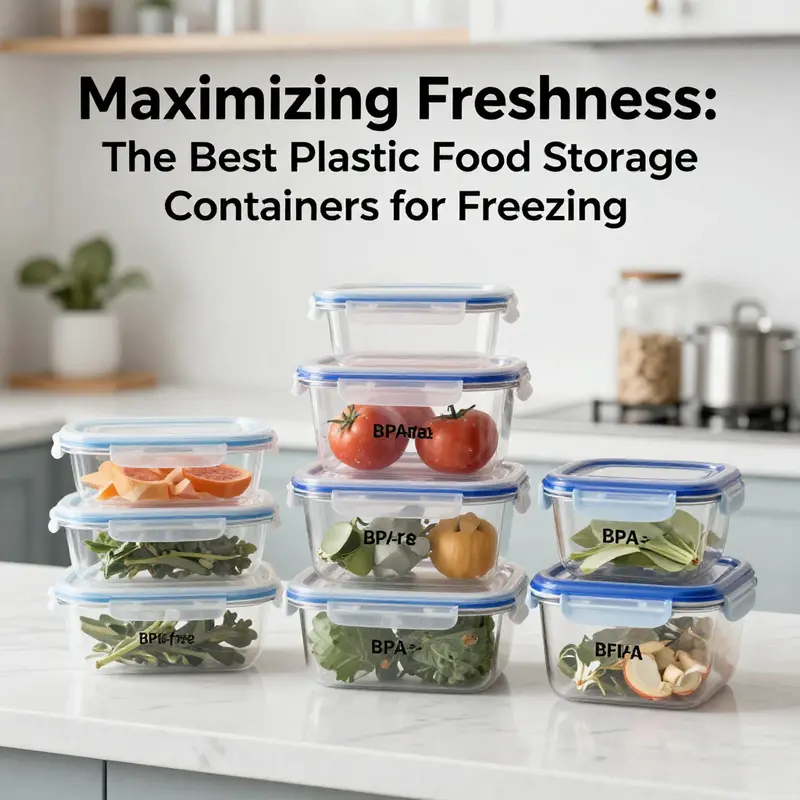
Choosing the right plastic storage containers for freezing hinges on a careful balance of safety, durability, and practical performance. The best options are grounded in materials that stay stable at very low temperatures, resist chemical leaching, and keep food quality intact over extended storage. In recent research and independent testing, certain plastics rise to the top because they combine food safety with resilience, especially when items go from freezer to table. Among these, BPA-free, FDA-compliant plastics such as Tritan have earned wide recognition. Tritan is a robust copolyester designed to be tough under freezing conditions like -4F or -20C. It is engineered to endure repeated freeze thaw cycles without cracking, clouding, or losing its seal integrity. Unlike older generations of plastic, Tritan is formulated to be free of BPA and phthalates, and it resists staining and odor absorption. This combination matters because frozen foods often carry fats, acids, or bright pigments that can cling to containers over time, affecting flavor and the appearance of future batches. When a container maintains its clarity and odor resistance, it also helps home cooks trust that what they seal today won’t contaminate what they seal next week. A truly freezer friendly plastic should also be clearly labeled as freezer safe, and it should come with a lid that forms an airtight seal. The seal minimizes moisture loss and curbs the transfer of odors between items in a crowded freezer, which is a common cause of flavor cross‑talk that can ruin the experience of reheated meals. In practice, that means users should look for thick, rigid designs—typically in the 3 to 5 millimeter range—rather than thin, flexible plastics that crack or warp when subjected to cold and prolonged storage. The material must hold its shape as air pressures shift during freezing and thawing, preventing gaps around the lid that let freezer burn sneak in. The science behind this is not only about safety but also about preserving texture and moisture, both of which are critical to a satisfying reheating experience. The emphasis on freezer safe labeling and robust lids reflects the reality that most household freezers are not a sterile environment; they are busy, uneven spaces with fluctuating temperatures and howling freezes around the edges of containers. These factors make a difference in whether a stored dish remains close to its original state when it finally hits the plate. It is precisely these conditions that separate true freezer ready plastics from those that merely claim compatibility. A modern approach also acknowledges concerns about older plastics that can leach additives if scratched, aged, or used with fatty or acidic foods during thawing. Even with a BPA‑free label, the presence of other additives can influence stability. That is why durability, scratch resistance, and inertness are as important as the absence of a single chemical. In practice, this means avoiding containers that show wear or surface abrasion, since micro‑scratches can harbor residues and create pathways for potential migration. A few shared guidelines help shoppers navigate this landscape. First, verify that the container and lid are explicitly described as freezer safe and dishwasher safe, if that is how you plan to clean them. Second, prefer thicker plastics or rigid glass or stainless steel when you anticipate long storage times or large portions. Third, pay attention to the feel of the lid seal; a tight, uniform seal without warping indicates stronger resistance to air exchange. Finally, read the label for the presence of BPA free wording, and look for compliance with FDA or EU food contact regulations. These cues reflect a broader consensus built around maintaining food quality across the freeze thaw cycle. The goal is to avoid a fragile system that jars food flavor with every cycle and to choose a solution that remains trustworthy after months in the freezer. Within this framework, plastic remains a highly practical category when it is properly selected. It provides lightness, affordability, and ease of stacking that glass and metal do not always offer. Yet plastic must be chosen with care: not all recyclable codes equal freezer performance, and some codes signal materials that have a better track record for long term storage than others. In recent evaluations, polypropylene and high density polyethylene containers often emerge as reliable options for everyday freezing because they strike a balance between rigidity and flexibility, and they are less prone to cracking than very thin plastics. These materials are typically compatible with widely available lids and gaskets that can further reduce air exposure. Tritan, however, is frequently singled out for its clarity and its resistance to staining and odors. It stands up to repeated cycles without losing transparency, which makes it easier to view contents at a glance and reduces the need to unwrap or thaw to check quality. Yet the broader landscape includes glass and stainless steel as well, each with their own strengths. Tempered glass is nonporous, inert, and often dishwasher safe, and it does not leach chemicals at all. It can be a top choice for those who value the absolute absence of plastic contact with food, especially for sauces, soups, or purees that might otherwise cling to plastic. The tradeoffs include weight and breakability, which matter in busy kitchens or households with small children. Stainless steel containers offer superb durability and zero leaching, particularly for dry goods or bulk servings. They shine in environments where transparency is less critical, and they excel in airtight performance, though they may be less ideal for liquids or for those who want to see contents without opening the lid. The core message across materials is simple: the safest path to preserving both food quality and health is to minimize exposure to degraded plastics, maximize seal integrity, and insist on labeling that confirms freezer readiness. In the context of a modern kitchen, that translates into a practical decision tree. If you value visibility and light weight, Tritan or PP based options with tight seals can be excellent choices. If you want to eliminate any plastic contact for certain dishes, tempered glass containers provide a robust alternative. For dry goods and bulk meals that benefit from high durability, stainless steel can be the long term workhorse. The key is to choose containers with thick, rigid walls, high quality gaskets, and a reputation for staying intact across cycles. There is also a behavioral side to this equation. Freezer storage is not a one time act but a habit that affects food safety and flavor across weeks and months. Proper portioning helps avoid repeated thawing of large blocks of food, which can stress containers and affect texture. Clearly labeling contents with dates helps ensure you rotate stock and minimize exposure to time. Even with the best containers, freezing is not a magical preservation method; it slows spoilage, it does not halt it entirely. The combination of a durable container with sound freezing practices yields the strongest protection against freezer burn, texture changes, and flavor loss. As you refine your toolkit, you may find that different foods benefit from different container types, and that a layered approach—light, clear Tritan for quick meals, tempered glass for long term storage, and stainless for bulk dry goods—offers the most flexibility. For readers who enjoy a broader view of kitchen storage options, one practical reference explores kraft paper food storage bowls designed for durable handling and convenient reuse in a complementary way to plastic containers. You may learn more about that option by visiting Kraft paper food-storage bowls. Kraft paper food-storage bowls. Looking ahead, the evolving landscape of food contact materials continues to emphasize safety, performance, and environmental stewardship. While plastic remains indispensable in many households, the ongoing push toward safer formulations and smarter design means that the best choices are those that balance performance with a clear commitment to health. To deepen understanding of how regulators view materials and what this means for consumer choices, consult the official guidance on food contact materials from the regulatory authority that oversees these standards. The guidance lays out core principles about migration, exposure, and safety testing that inform how products are marketed and used in real kitchens. For further reading on regulatory considerations, see the guidance on food-contact materials. https://www.fda.gov/food/food-contact-materials
null
null
Cold Resilience: The Thermal Performance and Enduring Durability of Freezer-Grade Plastic Food Storage
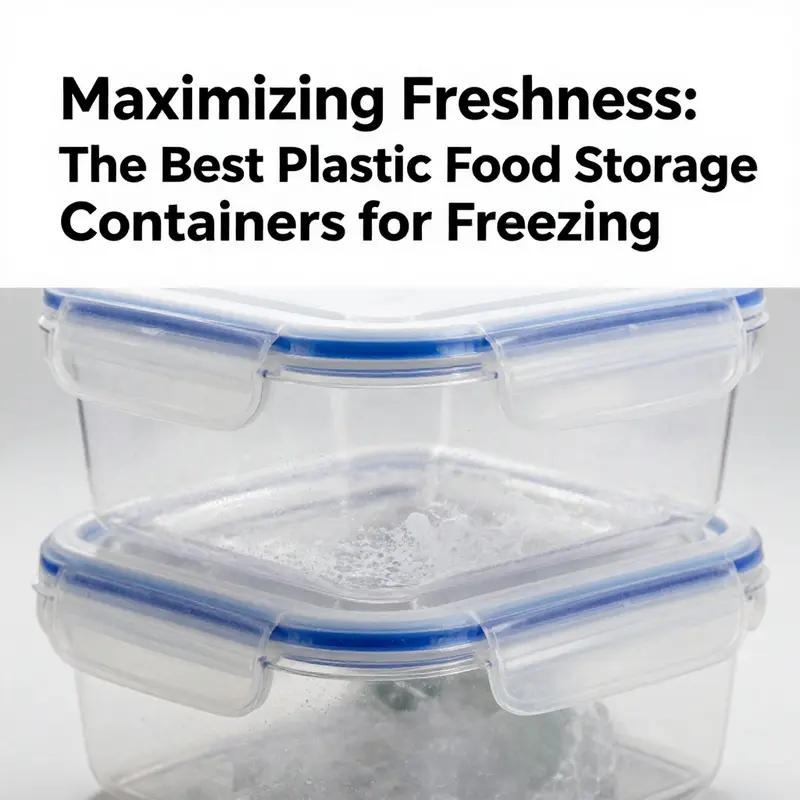
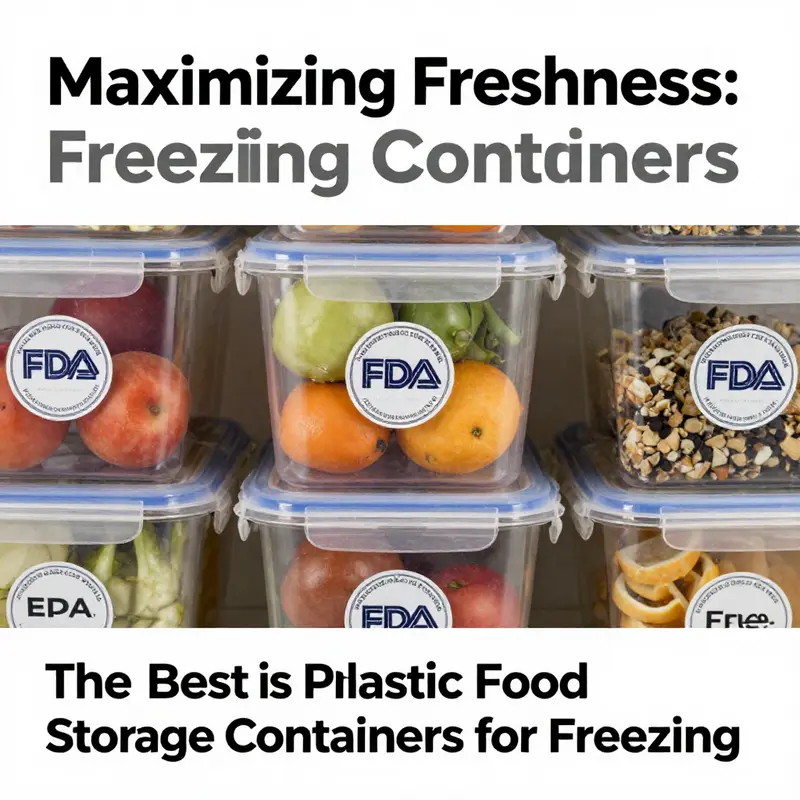
In the freezer, performance is a test of material science and thoughtful design. Freezing and thawing push plastics toward brittleness, warping, or leaks, but the best freezer grade containers stay tough, resist moisture loss, and maintain a reliable seal. A high performance copolyester often underpins these containers, balancing rigidity at cold temperatures with the ability to be reheated and cleaned safely. The walls are thick enough to resist deformation yet not so heavy as to hinder everyday use, and the lids pair with airtight seals that guard against freezer burn and odor transfer. Visibility matters too: a clear, scratch resistant surface helps with inventory and reduces unnecessary openings. Safety labels and independent testing give consumers confidence that the container will perform across many cycles without leaching or absorbing odors. In practice this translates to longer lasting flavor and texture, easier meal planning, and less waste, even after months of storage. For further context, the broader literature on high performance polymers provides rigorous backing for these design choices.
null
null
Locking in Freshness: A Practical Guide to Safe, Freezer-Grade Plastic Containers for Long-Term Food Storage
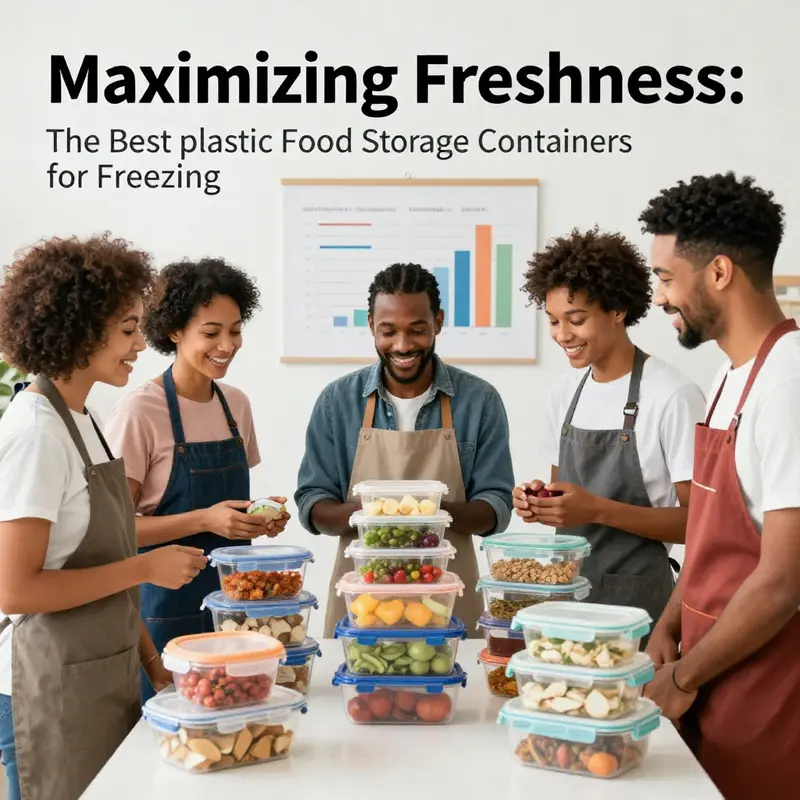
The freezer is more than a cold shelf for leftovers; it is an extended storage room where temperature, moisture, and air collide to shape the fate of every meal. When you choose plastic containers for freezing, you are selecting the vessel that will govern how well your food survives weeks or even months of cold storage. The right choice blends safety with durability and a design that keeps aromas, textures, and nutrients intact. In practical terms, this means prioritizing materials that are proven to withstand freezing without becoming brittle or releasing unwanted chemicals, and pairing them with lids that seal tightly to minimize air exposure. The conversation about safety often centers on chemistry, and rightly so. Modern consensus emphasizes BPA-free construction because bisphenol A has been linked to leaching concerns when foods are stored for extended periods. Yet safety is not the only criterion. A container can be chemically inert but fail in other corners of the test—such as seal integrity, clarity for quick content checks, or resilience to repeated freeze-thaw cycles. The science has evolved to favor copolyester and certain high-grade plastics that promise both safety and performance in the freezer’s harsh environment. Materials that check these boxes tend to be rigid, with a thicker wall, and capable of withstanding temperatures well below standard refrigerator ranges. In short, the best plastic freezing containers are defined by a combination of safe composition, physical durability, and intelligent design features that protect the quality of what’s inside from the moment of freezing to the moment of thawing.
Materials matter more than flash or fashion. A newer generation of freezer-safe plastics—one that often includes copolyesters designed to be BPA-free and phthalate-free—offers a balanced profile. These substances maintain their integrity when chilled to well below the freezing point and resist absorbing odors or staining from long-term storage. In contrast, older generations, such as some polycarbonates, raised concerns about chemical leaching after repeated exposure to cold and moisture. The shift toward safer, more robust plastics is not merely about avoiding risk; it is about enabling confident, long-term meal planning. A critical detail in this equation is the level of certification. FDA-compliance signals a baseline that these materials are intended for contact with food under defined conditions. Consumers now routinely check for freezer-safe labeling in addition to BPA-free labeling. The emphasis on clear, unambiguous guidance reflects a broader consumer demand for transparency and reliability in everyday products that touch food.
Beyond safety, performance defines the experience. Freezer-safe containers should resist the shock of rapid temperature changes and not warp or crack after multiple freeze-thaw cycles. The best designs use thicker walls—typically in the 3–5 millimeter range—so they hold their shape when liquids expand as they freeze. Liquids, in particular, benefit from thoughtful headspace: providing enough space for expansion, usually about 1–2 inches, helps prevent containers from bulging or leaking as freezing progresses. This headroom reduces the risk of freezer burn, a phenomenon caused by dehydration and oxidation at the surface of frozen foods. A consistent, airtight seal is the second pillar of performance. Lids with tight, uniform seals prevent air exchange, preserve moisture, and curb odor transfer between different items stored in the same freezer. When the seal is robust, you’re less likely to notice freezer burn on soups, stews, or sauces, and you’ll retain a more accurate sense of the original flavors when it comes time to reheat.
Practical design features complete the picture. A transparent or translucent wall makes it easy to identify contents at a glance, reducing the need to open containers and expose food to air. Stackability is not a mere convenience; it is a real space-saving strategy that matters in cramped freezers. When you can nest or securely stack containers, you squeeze more meals into the same footprint and simplify inventory management. The diameter, height, and lid design all work together to determine whether the container will perform reliably after months of storage or only a few weeks. The right combination of rigidity, seal integrity, and clear walls translates into fewer surprises when you finally remove a meal from the freezer. In the kitchen, this translates into fewer trips to the sink for defrosting mishaps and a more predictable thawing process that preserves texture.
The market response to these needs has been nuanced. The plastic storage container landscape remains heavily dominated by the advantages plastics offer: cost efficiency, durability, lightweight handling, and versatility. As of the mid-2020s, consumer research points to a substantial share for plastic containers in the freezer category, underlining their continued relevance in household kitchens. Yet, alongside the demand for affordability and performance, there is a clear appetite for safer, more sustainable options, and manufacturers have responded by refining formulations and emphasizing clarity of labeling. The bottom line for shoppers is simple: seek products explicitly labeled as freezer-safe and BPA-free, and read the material notes carefully to confirm the absence of substances of concern. The result is a reliable pairing of safety with the practical benefits that make plastic a perennial favorite for freezing needs.
From a consumer perspective, the informed choice involves more than checking a box. It means evaluating how a container handles liquids, because soups, broths, and sauces demand careful design considerations. Liquids expand as they freeze, and improper headspace can lead to lid deformation or even leakage. A robust design accommodates this expansion without compromising the lid seal or the container walls. In practice, this translates to pre-measuring portions and leaving space for expansion, especially when freezing broth or stock. It also means selecting a container with a dependable seal and a lid that doesn’t cling to the rim or warp under cold storage conditions.
For those who rely on organized freezers to support meal planning, the ability to see contents at a glance becomes part of daily efficiency. Transparent walls enable quick checks without opening the lid, which, in turn, minimizes the introduction of warm air into the freezer. The habit of labeling with contents and date becomes easier when the container design invites clarity rather than ambiguity. And while design details matter, the role of proper use cannot be overstated. Even the best materials can underperform if used inconsistently. Freezer-safe containers should be paired with clean lids, properly closed, and stored in a way that protects the seal from stress. Misuse—such as forcing lids onto containers or attempting to snap on a lid that doesn’t align properly—can compromise the seal over time and erode the value of the investment.
There is also a practical balance to strike between durability and user-friendly features. A thicker wall provides resilience but can add weight. A tight-sealing lid can prevent freezer burn but should also be easy to open after long storage. The best designs meet a compromise: interfaces that feel secure but do not require excessive force to operate. In real-world kitchens, this balance translates into fewer ruined meals and a more reliable freezer routine. As families seek healthier, more convenient ways to manage meals, the selection of freezer-safe, BPA-free plastic containers becomes a pivotal decision that influences both daily cooking and long-term planning.
Market realities reinforce this pragmatic approach. The plastic storage container market’s ongoing strength reflects both the performance of these materials in demanding storage tasks and the continuing demand for cost-effective, lightweight solutions. While sustainability concerns push ongoing scrutiny toward materials that minimize environmental impact, the freezer performance advantages of high-grade plastics keep them central to many households’ storage strategies. The message for consumers is clear: invest in containers designed for low-temperature performance and airtight sealing, and choose products with transparent labeling about materials and safety. The combination of safety features, expansion-friendly design, and clear walls creates a practical toolkit for preserving the integrity of soups, sauces, and other liquids that constitute a large portion of weekly meal prep.
To close the loop on practical decision-making, consider how you freeze and thaw as part of a single, cohesive system. Freeze in portions that fit your meal planning, leave room for liquid expansion, and ensure the lid provides an even, durable seal. Apply these principles consistently, and you’ll maximize the shelf-life, flavor, and texture of frozen foods while minimizing waste and guesswork. In this way, the everyday act of choosing a container becomes a quiet act of stewardship—protecting food, saving time, and supporting healthier, more organized cooking routines.
External resources offer additional validation and testing perspectives on these choices. For readers seeking a structured evaluation of different freezer-friendly containers, an in-depth analysis is available at an external resource that surveys durability, leak resistance, freezer performance, and chemical safety. It presents independent testing results that can guide selections beyond personal experience and retailer claims. For further reading, see the external resource: https://www.foodstorageexperts.com/best-containers-for-freezing-soup-long-term/.
Final thoughts
Choosing the best plastic food storage containers for freezing is more than just a practical decision; it’s a commitment to quality and safety in food service. By focusing on the material composition, effective design features, robust thermal performance, adherence to chemical safety regulations, and staying attuned to consumer trends, businesses can significantly enhance their operational efficiency and food preservation practices. Ultimately, investing in quality containers not only safeguards food quality but also elevates customer satisfaction, ensuring your offerings remain fresh and appealing.