
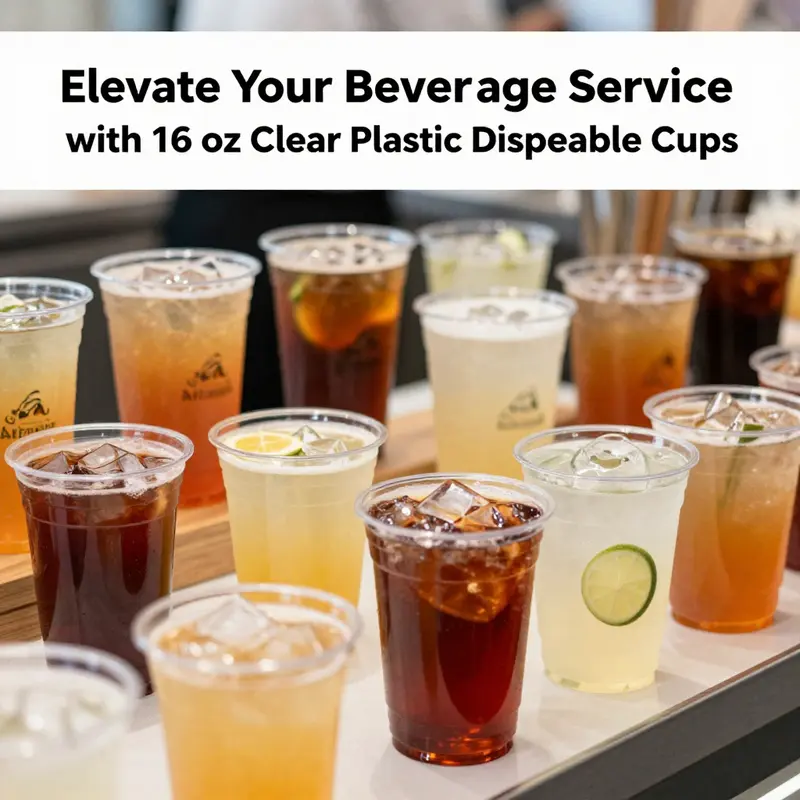
For bubble tea shops, beverage chains, restaurants, food trucks, catering services, and event planners, choosing the right serving vessel is essential. 16 oz clear plastic disposable cups are more than just a practical choice for cold beverages; they embody safety, functionality, and environmental considerations. This article delves into the material and safety standards of these cups, their design and functionality for seamless service, and the importance of environmental impact and customization options. Each chapter builds on the understanding of why 16 oz clear plastic disposable cups are a vital part of your beverage offering, helping you make informed decisions for your business.
null
null
Crystal Clarity, Clear Commitment: Designing and Using 16 oz Clear Disposable Cups for Flavor, Function, and Footprint
The 16 oz clear plastic cup stands at the practical center of countless beverage experiences, a simple vessel that carries more than liquid—it’s a conduit for color, texture, aroma, and even mood. In busy corners of urban life—from coffee counters and tea shops to food trucks and pop-up events—the need for something affordable, reliable, and visually honest is constant. A drink’s visual presentation matters as much as its taste or temperature, and the transparent wall of a 16 oz cup lets the drink do some of the talking. The hue of a milk tea, the shimmer of a smoothie, the amber glow of iced coffee—these visual cues help customers judge freshness and quality before their first sip. In this sense, the cup is not just packaging; it is part of the sensory story that shapes a customer’s experience and a brand’s first impression.
At the heart of any 16 oz clear disposable cup is its material. Most commonly, the cups are formed from food-grade polymers such as PET (polyethylene terephthalate) or PP (polypropylene). In some contexts, PLA (polylactic acid) has been explored as a bio-based option, especially in efforts to align with sustainability goals. Each material brings distinct properties. PET is lauded for clarity and rigidity, offering excellent transparency that preserves the drink’s appearance even when held up to light. It also boasts strong barrier properties and shatter resistance, which translates into reliable performance in busy environments where drops and bumps are a daily risk. PP, while sometimes slightly less rigid than PET, offers good heat resistance and chemical stability, contributing to a broader range of beverage applications. PLA, derived from renewable resources, can provide a compostable alternative where industrial composting is accessible and certified facilities exist. The choice among these materials often boils down to the balance a business seeks between clarity, temperature tolerance, stiffness, cost, and end-of-life considerations.
Beyond the core materials, the cups are engineered with food-safety and regulatory confidence in mind. They are typically BPA-free and manufactured to meet global health standards, such as FDA and EU food-safety regulations. The emphasis on food-grade safety is not merely a compliance exercise; it anchors consumer trust. When a customer sees the familiar symbol of a snack cup and knows it is BPA-free and food-safe, the perceived reliability of the beverage itself rises in tandem. For operators, these certifications provide a clear, defendable baseline for product quality, enabling rapid decisions about supplier selection, testing, and branding. In practice, a clear cup becomes a canvas where safety, transparency, and trust converge.
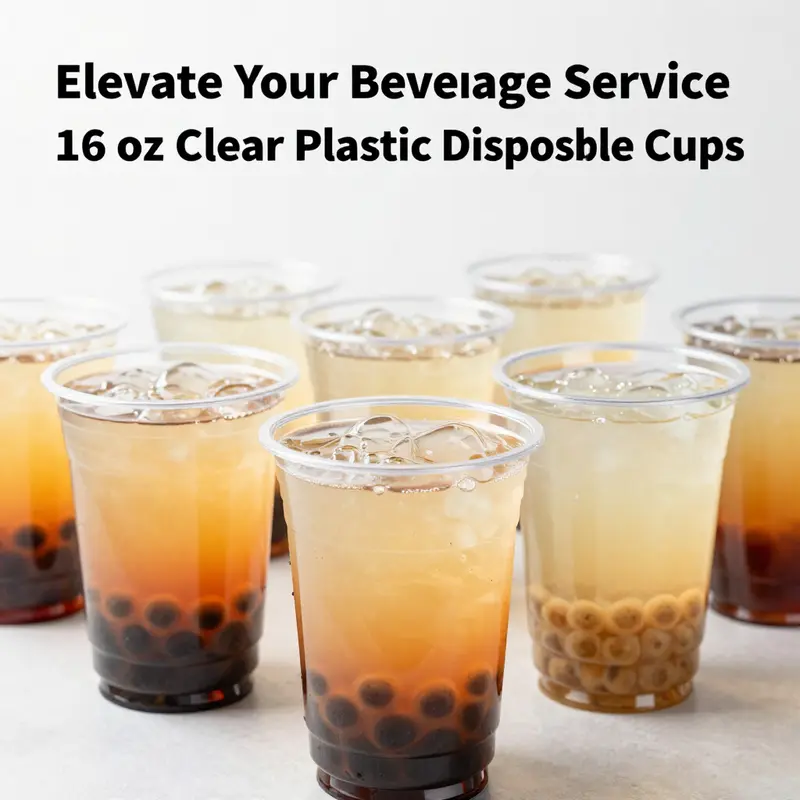
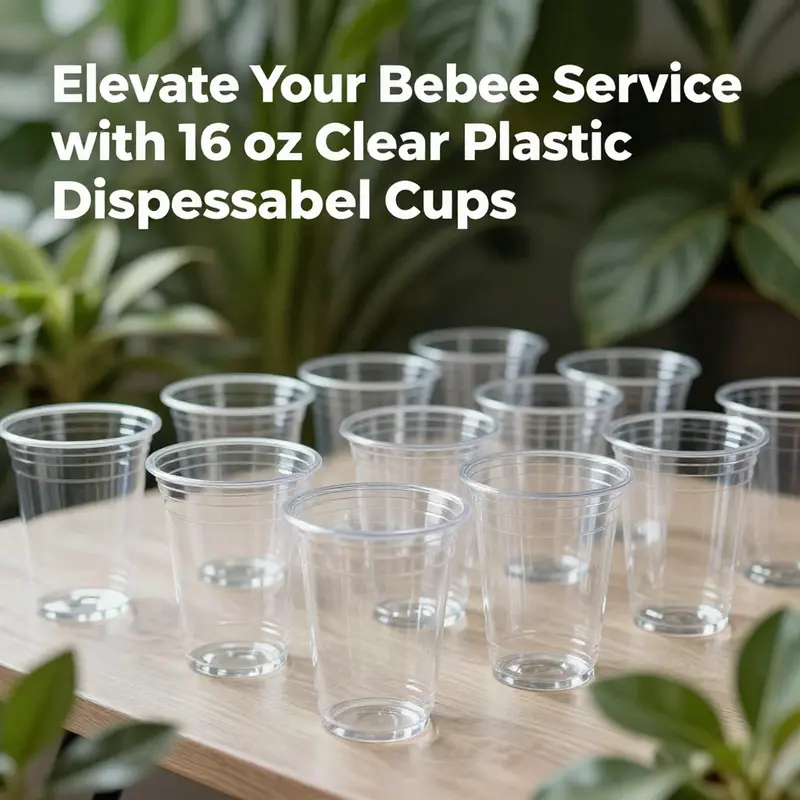
The design language of the cup is intentionally pragmatic. It is a smooth, cylindrical body with a wide top opening that facilitates easy filling of thick drinks—think smoothies, milk teas with pearls, or shaved ice topped with syrup. This broad opening also makes drinking more convenient, especially when customers are on the move, standing in line or waiting at a pickup window. Even the surface texture plays a role: a lightly waved or textured wall can improve grip, reducing the risk of slips between fingers, a small but meaningful ergonomic advantage in fast-paced service. The rim, often rolled, is engineered for comfort during sipping, a subtle touch that prevents fatigue when a cup is held for longer periods during travel or a long queue. These features—clarity, grip, and comfort—come together to create a cup that not only holds liquid but also enhances the overall moment of consumption.
Another design attribute that cannot be overlooked is the cup’s capacity and its relationship to portion control. The 16 oz size, roughly 473 ml, aligns with a broad range of popular beverages: regular coffees and iced coffees, standard milk teas, smoothies, and frozen or semi-frozen treats like shaved ice or frappes. The standardization of this capacity offers a predictable framework for baristas and beverage developers. It also simplifies inventory planning and ordering for businesses that need to scale up quickly, whether for a weekend festival or a daily takeaway workflow. In practice, the 16 oz system supports consistent drink lines, standardized pricing, and repeatable quality across dozens or hundreds of service points.
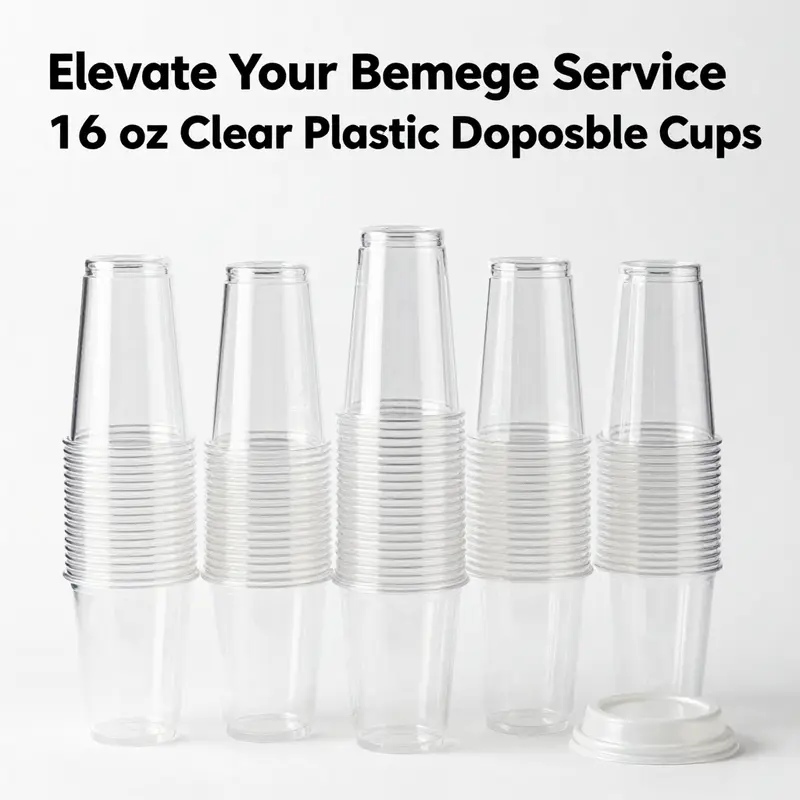
Packaging efficiency matters as much as performance. A key feature of many 16 oz cups is their stackability. When cups nest neatly, they save substantial storage space and reduce the logistical burden of transport and warehousing. In some cases, stackable designs can save up to 30% more space compared with non-stackable alternatives. That efficiency translates into tangible cost savings and smoother operations, particularly for businesses juggling multiple product lines, seasonality, and bulk orders. In environments where space is at a premium, every inch saved by clever packaging is a valuable resource, allowing teams to allocate more room to prep work, display, or additional SKUs.
Alongside design for performance is the practical consideration of spill prevention and portability. The secure dome-shaped lids—often with a flat, spill-suppressing top—are a core feature for on-the-go consumption. A well-sealed lid reduces the likelihood of leaks during transit, supports the integrity of the beverage, and protects the contents from external contaminants. The combination of a sturdy lid with a durable cup body gives operators confidence when customers carry drinks in bags, purses, or slated for delivery. In a world of errands and busy commutes, that confidence translates into fewer customer complaints and a more reliable brand experience.
There is also room for branding and consumer engagement within this seemingly simple vessel. The clear cup is an inviting surface for screen printing, logos, and promotional designs. The transparency of the cup creates a natural stage for color and branding to pop, turning a practical container into a mobile marketing tool. Logo placement can be discreet or bold, depending on the brand’s identity and the event’s theme. For many businesses, this is not an afterthought but a strategic opportunity to reinforce messaging at the point of purchase. The ability to customize—even for smaller sample orders—lowers barriers to entry for startups and seasonal promotions alike. A few careful branding placements can transform a standard cup into a memorable touchpoint that customers associate with taste and experience, rather than simply utility.
From a sustainability standpoint, the landscape of 16 oz cups includes a broad spectrum of options. Recyclability remains a core advantage of PET and PP cups, supported by established recycling streams in many regions. The eco-friendly pivot extends beyond recycling to include compostable PLA alternatives in contexts where industrial composting is available. In such cases, the cups can be designed with compostability in mind, accompanied by certifications such as BPI to verify biodegradability under appropriate conditions. The full sustainability equation also encompasses the lifecycle of the cap and lid, the compatibility of the cup with heat-resistant beverages, and the feasibility of reusing or refilling programs where applicable. Even when the emphasis is on single-use convenience, operators increasingly consider cradle-to-grave implications, aiming to minimize environmental impact where possible and to communicate those efforts clearly to customers.
The economics of these cups are inseparably tied to their design and manufacturing choices. For bulk procurement, packaging often comes in cartons with thousands of pieces per carton. Suppliers can offer flexible minimum order quantities (MOQs), frequently scaling with the degree of customization. Basic, non-customized runs may have lower MOQs and faster lead times, while custom logos or color matches generally require higher MOQs and longer production windows. Price is typically contingent on material choice, the presence and type of lids, and the scope of branding or printing. In practice, a business can negotiate pricing based on volume, the level of customization, and the inclusion of add-ons like printed logos or special finishes. The supply chain geometry—production location, shipping routes, and lead times—also shapes the overall value proposition, particularly for events, seasonal promotions, or launches with tight deadlines.
To illustrate the sourcing landscape without losing sight of the end user experience, consider how a shop might balance needs: on one hand, a premium, crystal-clear PET cup with a bold logo; on the other, a cost-conscious option for a large summer festival that still preserves drink clarity and reliable sealing. The decision is not merely about up-front price; it hinges on how consistently the cups perform across thousands of transactions, how they integrate with the shop’s labeling and branding systems, and how they align with the store’s environmental commitments. Operators often test multiple options, comparing clarity, grip, lid security, stacking efficiency, and overall user satisfaction across real-world scenarios. In doing so, they gather data that informs future purchases, brand alignment, and sustainability goals. In this sense, the 16 oz clear cup becomes a living part of the business system—a tool that helps shape service quality, brand perception, and even waste reduction strategies.
For readers who want to explore perspectives beyond plastic, a related family of beverage vessels includes kraft paper variants designed for similar 16 oz servings with lids. These paper cups can offer a different tactile experience and a different environmental profile, depending on their coatings, recyclability, and the availability of composting facilities. If you’d like to see a concrete example of such formats, you can explore a 16 oz kraft single-wall to-go coffee cup with a paper lid here. This option demonstrates how paper counterparts approach the same scale and practical constraints, providing a useful point of comparison for brands weighing presentation, sustainability, and customer preferences across packaging ecosystems.
In sum, the 16 oz clear disposable cup embodies a blend of clarity, durability, and practical design that makes it a cornerstone of modern beverage service. Its transparent body invites customers to engage with the drink visually while its ergonomic features—stackability, rolled rims, stable lids, and a comfortable sipping experience—support efficient, high-volume operations. The material choices offer a spectrum from cost-effective, highly recyclable PET to bio-based PLA options that align with composting infrastructure where available. Customization turns the cup into a moving billboard, and thoughtful design decisions can translate directly into smoother service, stronger brand identity, and better sustainability outcomes. As manufacturers refine materials, textures, and closures, the cup will continue to evolve as both a functional tool and a note in a broader conversation about how modern foodservice communicates quality, care, and responsibility to customers. External considerations—such as MOQs, bulk pricing, and supplier certifications—remain an essential part of the practical decision-making process, guiding operators toward cups that not only look right but perform reliably in a crowded, fast-paced service environment.
For those who want to preview adjacent packaging options that expand the same use-case footprint, consider exploring related beverage cup formats that share the same serving size and lid compatibility. This broader view can help brands ensure consistency across product lines, streamline operations, and present a cohesive visual identity across cups made from different materials. The key takeaway is that the 16 oz clear cup is more than a container; it is a calibrated instrument designed to optimize how beverages are perceived, served, and disposed of, all while supporting the practical realities of a modern, high-demand food and beverage operation. As industries continue to innovate, the core thinking behind these cups—clarity, convenience, and responsibility—will remain central to delivering a dependable, satisfying customer experience at every point of contact.
External resource: https://www.alibaba.com/product-detail/500ml-PET-Plastic-Cups-16oz-Clear_1600429583707.html
null
null
Final thoughts
In summary, 16 oz clear plastic disposable cups offer an exceptional combination of material safety, innovative design, and customization for environmentally conscious businesses. Whether serving bubble tea, iced coffee, or other beverages, these cups elevate the customer experience while maintaining adherence to safety standards. Making a purposeful choice in your beverage presentation not only enhances your brand but also aligns with sustainability goals, ensuring a better future for your business and the environment.