
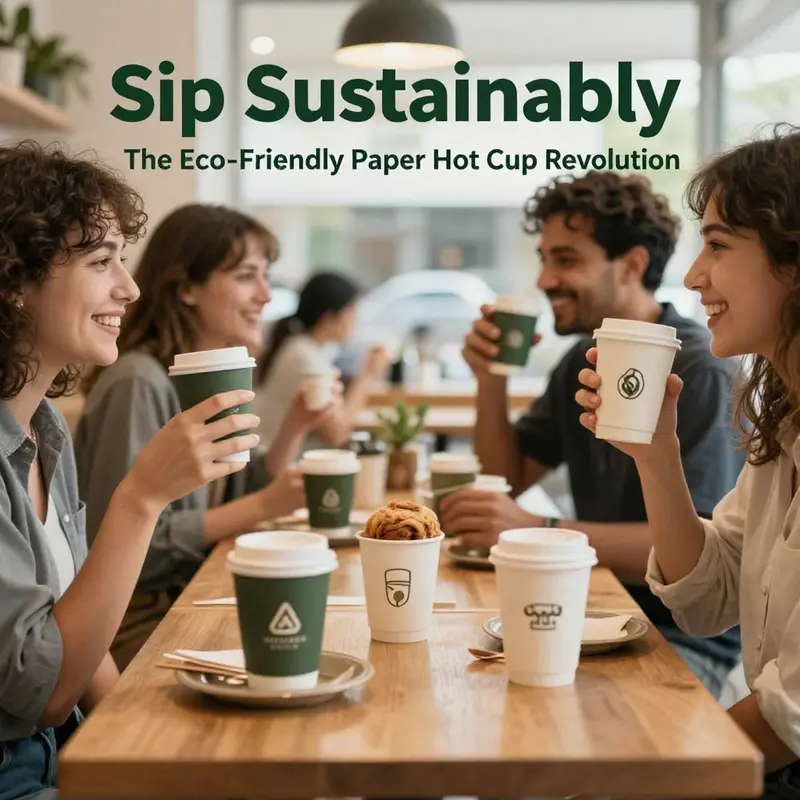
With growing environmental concerns, eco-friendly paper hot cups offer a sustainable alternative for serving hot beverages. These cups, made from renewable sources and equipped with biodegradable linings, provide a responsible choice for beverage chains, restaurants, food trucks, event planners, and corporate teams. Throughout this article, we will explore the sustainable materials that make these cups special, their compatibility and performance in serving various hot drinks, the potential for customization that elevates branding, and the latest market trends and pricing analysis. Embracing eco-friendly options not only meets consumer demand, but also enhances your brand’s commitment to sustainability.
End-to-End Sustainability: The Material Truths Behind Eco-Friendly Paper Hot Cups
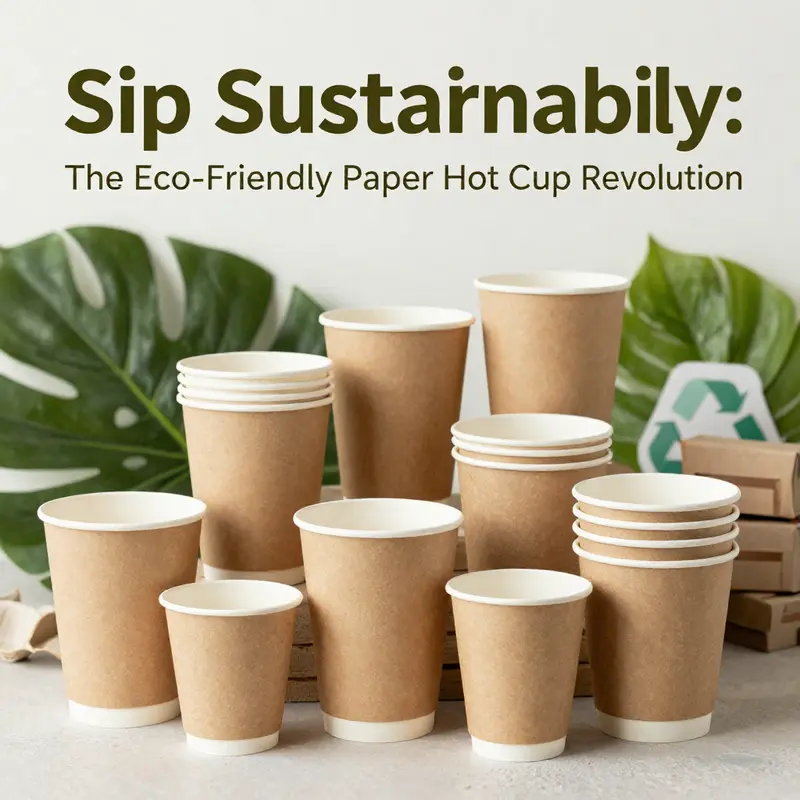
The shift toward eco-friendly paper hot cups begins not with a glossy label or a marketing claim, but with the materials themselves. In this chapter, we trace the journey from raw fibers to a finished cup that can bridge the gap between convenience and conscience. The core challenge is simple in concept and complex in practice: how to deliver a cup that withstands heat, carries a drink, and gracefully meets the expectations of today’s environmental standards. The answer lies in a careful selection of materials that work in harmony through the lifecycle of the product, from forest to recycling stream or composting facility. This is not about a single breakthrough but about a suite of choices that, when combined thoughtfully, yield a genuinely sustainable solution for hot beverages in cafés, restaurants, events, and homes alike.
At the heart of many eco-friendly cups is a base of biodegradable kraft paper. Kraft paper is valued for its strength and durability, which are essential when a cup is filled with a hot drink and subjected to transport, stacking, and handling. The most sustainable iterations of this base use virgin pulp that is certified by the Forest Stewardship Council (FSC). FSC certification signals that the wood is harvested from responsibly managed forests. This credential matters because it helps ensure that the source of the paper is not contributing to deforestation or poor forest management practices. When a cup is built on FSC-certified virgin pulp, it carries with it a traceable commitment to responsible forestry. This does not automatically guarantee perfection, but it provides a verifiable standard that consumers and buyers can recognize.
Yet sustainability is not solely about the source of the fibers. It is also about the way those fibers are treated to fulfill the practical requirements of a hot-drink cup. The high-temperature performance of a cup depends on a thoughtful combination of coatings and barrier layers that prevent leakage and degradation while keeping the material compatible with end-of-life options. A leading approach is the use of plant-based coatings, chiefly Polylactic Acid (PLA). PLA is derived from renewable resources such as cornstarch or sugarcane, which means the coating can function as a proxy for traditional plastic linings without relying on fossil-based plastics. A PLA-coating cup can be fully compostable under industrial conditions, meaning that in a properly managed facility, the cup can break down along with other compostable packaging. This removal of a conventional plastic barrier is a decisive step toward reducing the plastic footprint of hot beverage service. It is important to note, though, that full compostability generally requires industrial composting infrastructure; in households or curbside settings, compostability outcomes can vary. The practical takeaway is that PLA enables a true plastic-free path for many cups, aligning with the growing demand for packaging that safely decomposes instead of lingering in landfills.
In addition to virgin kraft with PLA, another material pathway leverages recycled paper as a base, again paired with plant-based coatings. The recycled base further reduces the consumption of virgin wood fibers and supports a circular mindset. The challenge is to maintain leak resistance and heat performance while ensuring end-of-life options remain favorable. When recycled paper is combined with a PLA barrier, the cup can deliver leak-proof service for hot beverages and still be compatible with industrial composting streams. This combination supports zero-waste objectives and appeals to venues that are striving to meet environmental targets without compromising customer experience. Consumers often prefer products that demonstrate a commitment to reducing virgin resource use, and recycled-base cups with PLA coatings provide a credible pathway toward that aim.
As researchers and material scientists push the envelope, newer composites are being explored to further improve thermal performance and environmental compatibility. One area of exploration involves additives and novel composites, such as integrating a natural mineral like zeolite into the PLA matrix. The idea is that zeolite-PLA blends can offer enhanced thermal insulation, helping to retain heat longer while staying biodegradable. If such materials reach commercial viability, they could broaden the range of sizes and designs that perform well with hot drinks, potentially reducing a cup’s need to be oversized for a given temperature profile. While promising, these innovations are still under development and must be evaluated for safety, manufacturability, and end-of-life behavior before wide adoption. The broader takeaway is that the field is moving toward a more nuanced set of material options that balance insulation, strength, and compostability without sacrificing performance.
Beyond the chemistry, there is a broader ecosystem of standards and certifications that frames what “eco-friendly” can realistically mean. Certifications such as FSC address the origin of the fiber, while Extended Producer Responsibility (EPR) schemes in various regions prompt manufacturers to consider end-of-life responsibility and proper waste streams. The goal is to create packaging that does not simply claim to be green but is demonstrably compatible with responsible disposal systems. For buyers, these labels offer a way to compare options beyond price and appearance, to include environmental integrity and lifecycle considerations. In practice this means that a cup’s value is not determined by a single attribute—whether it is compostable, recyclable, or made from recycled content—but by how these attributes intersect with real-world waste handling infrastructure.
The lifecycle lens invites attention to cradle-to-cradle thinking. Even a cup that is certified as industrially compostable fits within a network of facilities that can receive and process this material. A facility’s capability to process PLA-laminated cups, for example, is not universal, so businesses must align their procurement with the local waste management reality. In some regions, municipal composting programs accept compostable packaging; in others, only specialized industrial facilities can handle it. This nuance matters for event planners, restaurants, and retailers who aim to minimize environmental impact across their entire operation. The emphasis, therefore, is on choosing materials that harmonize with the local end-of-life landscape as much as possible, while maintaining the cup’s performance during use.
From a design perspective, the interplay of base fiber and barrier layer also influences branding and customization. Many suppliers offer customization options—logos, colors, and patterns—that can be applied to the exterior of the cup without compromising the integrity of the coatings or the fiber. This is vital for visible commitments to sustainability. A business can project its eco-friendly stance by selecting a cup that clearly reflects its environmental goals, while also ensuring the printed design does not abrade or degrade the barrier layer under heat exposure. Colorfast inks and printing methods must be compatible with PLA, FSC-certified papers, and the chosen coatings to ensure a clean, durable result from the first sip to the last. In practice, a well-designed cup communicates a message of responsibility that resonates with customers who are increasingly discerning about packaging ethics.
The economics of eco-friendly cups cannot be ignored. Prices for sustainable cups tend to reflect the materials and processes involved, and the scale of production. However, as demand for green packaging grows, suppliers are gaining efficiency in production and material sourcing, which can help yield competitive pricing, especially for large orders. A bulk purchase strategy often features lower per-unit costs, but it is essential to balance cost with performance and lifecycle considerations. For buyers, the decision should weigh not only the upfront price but also the assumed costs of waste disposal, potential reuse opportunities, and alignment with a company’s sustainability story. In this sense, the cup becomes part of a broader value proposition, rather than a simple disposable item.
A practical dimension of material choice is the breadth of sizes offered. Eco-friendly cups are commonly available in common hot-drink sizes such as 8oz, 12oz, and 16oz. The choice of size interacts with the coating thickness, paper weight, and lid compatibility to determine how well heat is managed and how long a drink remains at a desirable temperature. Thicker paper or a more robust barrier can improve containment of heat, but it also adds to material use. The best practice is to select a material combination that achieves the right balance for the expected serving context, whether a quick-service counter, a catered event, or a take-home gifting scenario. For events and weddings where branding and sustainability are both prominent, cups that pair high-performance PLA barriers with FSC-certified fiber provide a credible, visible statement of care for the environment.
While the science and policy around sustainable materials are critical, businesses must also consider practical sourcing strategies. The growing market offers a spectrum—from virgin-pulp-based cups designed to maximize strength and barrier integrity to recycled-base options optimized for lower resource consumption. The trade-offs are nuanced. Virgin-pulp cups can offer higher stiffness and better print quality, which can be important for complex brand designs. Recycled-base cups contribute to a lower demand for new fiber and align with circular economy goals, but may require careful quality control to ensure consistent printability and barrier performance. In both cases, leveraging PLA as a coating is a common thread that enables compostability without introducing plastic layers that complicate recycling streams. This compatibility between materials is a core virtue of well-conceived eco-friendly paper cups.
For someone designing a packaging program or outfitting a venue with sustainable servingware, the materials story is not merely academic. It connects directly to consumer perception and brand credibility. People are increasingly aware that the environmental impact of a single-use cup extends far beyond its moment of use. They consider how the cup was produced, what it is made from, and how it will be disposed of after it lends its service. A cup built on responsibly sourced fibers, with a plant-based coating and clear, verifiable end-of-life pathways, presents a coherent narrative: sustainability that begins at the forest and ends in responsible waste processing. The challenge remains to ensure that this narrative translates into tangible performance in hot beverage service—leak resistance, temperature retention appropriate for the drink, and the practical handling demands of busy service environments—without compromising environmental integrity.
From a storytelling standpoint, the practical value of these materials lies in their ability to support sustainable business models. A café can brand its cups around an explicit environmental promise, while events can coordinate with suppliers that share a commitment to recyclable or compostable packaging. In the long run, the most successful use cases will be those that integrate material choice with waste management partnerships, staff training on disposal options, and transparent communication with customers about what happens to the cup after its life as a hot beverage container ends. The material composition becomes a living part of a larger sustainability program, one that supports cleaner waste streams and a lower overall ecological footprint.
For readers seeking concrete prompts on sourcing and evaluation, consider exploring supplier options that emphasize both material science and sustainability credentials. Look for cups that use FSC-certified virgin kraft or recycled bases, PLA coatings for barrier performance without petroleum-based plastics, and clear statements about industrial compostability and recyclability. Vetting claims through third-party certifications and aligning them with your local waste infrastructure will help ensure that the cups you choose truly deliver on their environmental promise. And when you communicate this choice to customers or event attendees, anchor your messaging in the material realities—the paper fiber origin, the compostable coating, and the real-world end-of-life options—so that expectations are grounded in the science of sustainability rather than marketing alone.
If you are curious about real-world purchasing options that align with these material principles, you can explore wholesale channels that offer bulk cups designed for hot drinks with lids. This approach enables a consistent supply of cups across busy service periods while maintaining the sustainability standards described above. Wholesale-take-away-8oz-12oz-disposable-coffee-paper-cup-with-lids.
In the end, the best eco-friendly paper hot cup is not defined by a single material choice but by the thoughtful integration of base fiber, barrier technology, and end-of-life compatibility. When a cup blends FSC-certified fiber, a plant-based PLA barrier, and a sourcing approach that respects local waste streams, it becomes a meaningful part of a company’s sustainability narrative. It offers reliability in service, a pathway to responsible disposal, and a design language that communicates care to customers who are increasingly attentive to packaging footprints. As research advances and industrial practices evolve, the material toolkit will expand, offering more options that preserve heat, protect the integrity of the beverage, and reduce environmental impact across communities. The future of eco-friendly hot cups rests on material choices that honor both performance and planetary health, enabling businesses to serve warmth without compromising the planet’s well-being.
External resource: For a broader look at plant-based coatings and industrial compostability, see the related product information available through global sourcing platforms. https://www.alibaba.com/product-detail/Biodegradable-Eco-Friendly-Paper-Cups-with-Folding-Lid1600589798275.html?spm=a2700.galleryofferlist.pimage.1.6f6a6b656b6e4c&productId=1600589798275
Sustaining Heat and Sustainability: The Performance and Promise of Eco-Friendly Paper Hot Cups
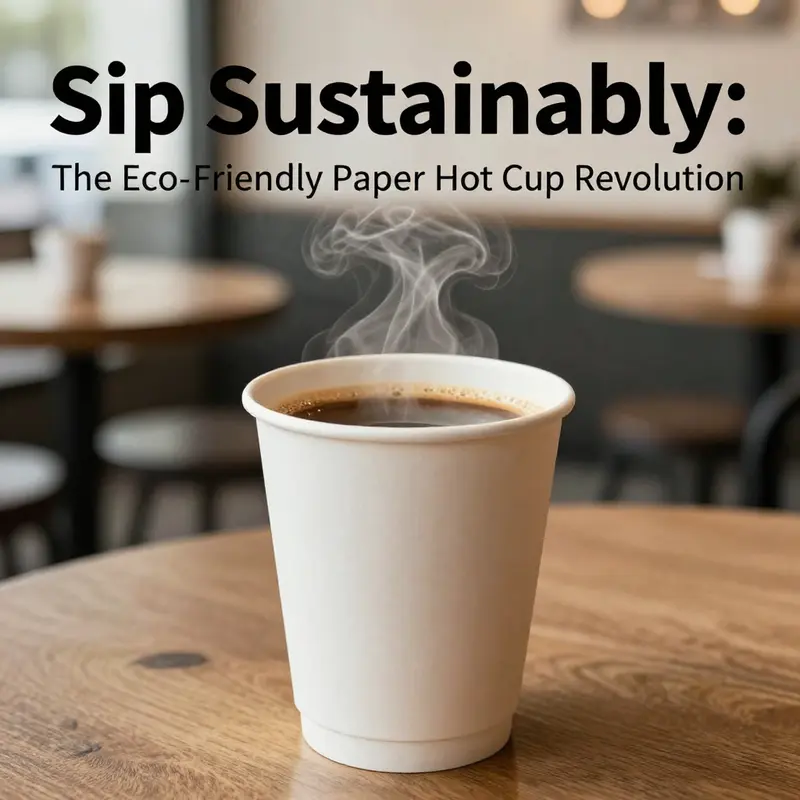
The science behind eco-friendly paper hot cups starts with a simple question: how can a disposable vessel both perform under heat and align with responsible sourcing? In practice, the answer lies in a careful combination of insulation, coatings, and end-of-life design. These cups are engineered to handle hot beverages—coffee, tea, or hot chocolate—without compromising safety or flavor while minimizing environmental impact. Their inner lining, often composed of sustainable virgin pulp or kraft paper, provides a crucial barrier against heat transfer while ensuring the cup remains sturdy enough to resist deformation. The design is not merely about holding liquid; it is about preserving the integrity of the drink from the first pour to the last sip and then ensuring the container can be responsibly managed after use. The result is a product that serves busy cafés, event venues, and homes with the same attention to performance that customers expect from traditional cups, but with a lighter footprint on the planet. The practical implications extend beyond the individual cup. When a cup is reliably heat-resistant, it reduces the need for excessive sleeves or double-cupping, streamlining service while conserving resources. This efficiency translates into tangible benefits for operators who manage large volumes and tight timelines, where a spill or a burn can disrupt service and affect guest experience. In many settings, the ability to maintain temperature for longer simply adds value. A beverage that stays warmer without becoming dangerously hot in a consumer’s hand supports a smoother customer journey, especially for busy mornings in coffee shops or lengthy tasting events. The physics behind this performance typically centers on a dual approach: a double-wall or corrugated structure that traps air and serves as a buffer against heat transfer, paired with a careful choice of coatings that resist liquid seepage while remaining food-safe. Double-wall designs, in particular, create a thoughtful barrier. The inner surface touches the beverage, while the outer surface remains cooler to the touch. That separation reduces the sensation of heat on the fingertips and reduces the likelihood of accidental contact with a scalding surface, enabling customers to hold their drink comfortably even when the cup is hot inside. The insulation effect also helps beverages retain temperature longer, which matters for consumers who savor their drinks slowly or for vendors aiming to reduce waste by keeping drinks at their intended temperature from sip one to the last drop. When the cup is designed to keep heat within, it can reduce the use of additional insulating materials or sleeves, cutting down on mass and complexity in the service line. Beyond insulation, the structural integrity of eco-friendly cups is driven by the materials themselves. Renewably sourced fibers, such as paper from responsibly managed forests, provide a solid yet lightweight foundation. A robust inner lining, often built from virgin pulp or kraft paper, collaborates with a compatible outer shell to resist tearing and leakage under pressure. This combination supports reliable handling and stacking, which is essential in high-volume environments where cups are repeatedly filled, passed, and transported. The coatings applied to these cups are a critical element of their performance. They must be waterproof enough to prevent leaks while withstanding the rigors of hot contents. Modern coatings are designed to balance barrier properties with safety and recyclability. In some cases, a carefully engineered PLA (polylactic acid)–based laminate is used to provide a compostable barrier under industrial conditions. This approach aims to maintain the cup’s performance without compromising end-of-life outcomes. The result is a cup that can survive the journey from kitchen to table while still aligning with composting streams where appropriate. The interplay between insulation and barrier protection also impacts user experience. A cup that maintains heat effectively reduces the need for additional heat-retaining devices, while a leak-proof design reduces the risk of hand burns or messy spills, which can be costly in hospitality settings. For operators, the reliability of the lid is a key part of this equation. Many eco-friendly cups are designed to work with secure lids that snap into place, creating a spill-resistant seal during transport. Some models feature integrated folding lids that add an extra layer of containment, which can dramatically cut spill rates during takeout and delivery. Reducing spills by a meaningful margin—up to forty percent in some comparable designs—translates into fewer wasted drinks and a cleaner service environment. In turn, customers gain confidence in the brand’s commitment to safety and cleanliness, an important consideration when beverages are served to families, students, or event attendees who are often juggling cups and plates in crowded spaces. The lightweight nature of these cups also matters. Being up to twenty percent lighter than traditional plastic options, they ease handling for both staff and consumers. Lighter cups reduce fatigue for bartenders and servers during long shifts while supporting easier disposal and recycling workflows in venues that prioritize waste reduction. It is not merely about the absence of weight; it is about ensuring that a lighter cup can still provide a robust barrier against heat and a secure lid system that keeps beverages intact. An additional attribute tied to performance is the cup’s versatility across beverage types. While coffee’s aggressive oils and acidity test the integrity of a cup over time, tea and hot chocolate demand compatibility with a broader range of temperatures and viscosities. Eco-friendly cups designed for hot liquids strive to maintain a stable interior environment, preventing premature breakdown of any inner lining material and sustaining a taste-neutral experience for the drinker. In practice, this means a cup can manage seasonal beverages, such as spiced coffees or cocoa-based drinks, without leaking or delaminating, while maintaining a comfortable grip for the consumer. This performance is particularly critical in contexts like events and weddings, where guests may be handed drinks quickly and expected to carry them across large spaces. The design thus blends form and function in a way that addresses both the practical realities of service and the expectations of guests who value sustainability. A broader conversation about performance also touches on the materials lifecycle. Certifications play a central role in signaling that these cups meet certain environmental standards. The FSC certification, for instance, validates that the wood fibers used to create the paper originate from responsibly managed forests, thereby supporting broader forest health and biodiversity. Other standards, such as Extended Producer Responsibility frameworks in parts of Europe, frame the responsibility of producers to minimize environmental impact throughout the product’s life cycle, including collection, recycling, and disposal. When a cup is labeled as PLA laminated or described as 100% wooden paper, these cues indicate intended end-of-life pathways and the trade-offs involved in achieving those outcomes. PLA laminates can offer industrial compostability, which helps ensure materials break down in appropriate facilities rather than persisting in landfills. Yet consumer access and local infrastructure vary, so the real-world impact depends on whether communities have composting programs or robust recycling streams capable of handling coated paper. The practical takeaway for operators is that the performance and environmental claims of eco-friendly cups are interconnected with procurement decisions, handling practices, and consumer education. Choosing a cup with strong thermal resistance and a reliable leak-proof design supports a smoother service flow and reduces waste related to spills and heat-related discomfort. Simultaneously, selecting products with credible certifications and clear end-of-life expectations helps align operations with sustainability goals and regulatory expectations. For customers, knowing that the cup was manufactured with renewable resources and can be responsibly disposed of at the end of its life adds a layer of trust to the experience. The combination of performance and environmental responsibility creates a compelling value proposition for cafés, caterers, and venues seeking to elevate their sustainability profile without sacrificing the quality of service. In practice, brands can reinforce this narrative through thoughtful packaging choices, clear labeling, and, where possible, branding that emphasizes environmental stewardship without obscuring the cup’s practical functionality. As consumer awareness grows, the conversation shifts from whether a cup can do the job to how well it does it while contributing to a circular economy. In this context, even small design decisions—like the smoothness of the inner coating, the accuracy of the lid fit, or the lightness of the cup—become meaningful indicators of a company’s commitment to sustainability. The cumulative effect is a market where hot beverage cups are judged not only on their immediate performance but also on their contribution to lower waste streams, reduced energy use, and a cleaner lifecycle. For readers exploring these products, consider how a cup’s technical features align with your service model, your customers’ expectations, and your environmental objectives. If a brand can demonstrate reliable heat retention, spill resistance, and responsible material sourcing, it will likely stand out in a crowded field where performance and planet-concern co-exist. For those seeking practical touchpoints, look for cups that offer clear environmental certifications, durable interiors, and lid systems designed to minimize disruption during transport. Those elements, observed together, sketch a portrait of eco-friendly paper hot cups that do more than hold a beverage—they support a gentler footprint for a world that still relies on warmth, hospitality, and daily rituals centered around hot drinks. As you assess options, the chapter’s core takeaway is clear: performance and responsibility are not competing forces but complementary strengths that, when balanced, unlock a better experience for customers and a cleaner future for the planet. An accessible example of how this balance can translate into real-world choices is reflected in how some suppliers emphasize integrated lid designs and folding mechanisms that improve transport safety while preserving the cup’s integrity during use. These design details matter because they shape every handoff, every sip, and every cleanup, creating a smoother, safer, and more sustainable drinking experience. In short, eco-friendly paper hot cups are not merely a trendy alternative; they represent a convergent solution that respects both the immediacy of hot beverages and the longer arc of environmental stewardship. For readers who want to explore related offerings that align with these ideas, the internal link below can point toward broader conversations about printed branding and lid compatibility, offering a practical touchpoint for those translating sustainability into customer-facing communications. eco-friendly-printed-logo-cold-beverage-cup-paper-cup-with-lid. External resources that shed light on industrial compostability and supplier standards can further illuminate the lifecycle considerations behind these cups. External resource: https://www.alibaba.com/product-detail/Biodegradable-Eco-Friendly-Paper-Cups-with-Folding_1600735987677.html?spm=a2700.189961.0.0.1c1e6d2aIyVzZJ
Branding by Design: Customization as a Sustainability Story on Eco-Friendly Paper Hot Cups
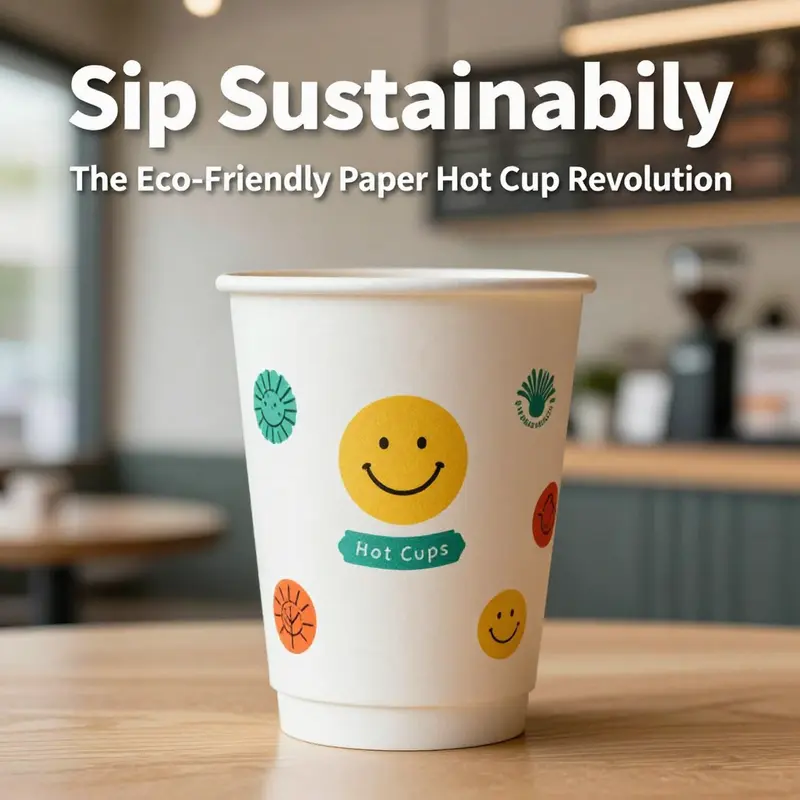
Customization on eco-friendly paper hot cups is more than a decorative flourish; it is a strategic channel for conveying a brand’s values while elevating the everyday moment of coffee, tea, or cocoa into a tactile experience. In a marketplace that prizes sustainability, the cup becomes a compact canvas where visuals, texture, and messaging converge to tell a story you want customers to carry with them—from the café counter to the street and back again. When brands view cups as ambassadors, the opportunities extend beyond mere aesthetics. They become a portable point of conversation about responsible sourcing, end-of-life stewardship, and consistent consumer experience across channels. The design vocabulary—logos, slogans, seasonal artwork, and brand colors—must harmonize with the cup’s material reality. Eco-friendly cups, built from renewable paperboard and lined with a compostable coating, invite a different kind of storytelling. The coating, often PLA derived from plant-based feedstock, enables heat compatibility and leak resistance without sacrificing compostability under industrial conditions. This compatibility between material science and messaging gives brands a chance to align intent with impact, crafting a narrative that resonates with customers who increasingly judge products by how well they align with environmental principles.
At the core of customization is flexibility. The most visible feature is the printing capability. Flexo printing, a workhorse in cup decoration, supports vibrant, multi-color designs and is well suited to branding elements such as logos, typographic marks, and themed artwork. With a capacity for up to six colors, teams can layer identity cues—carefully chosen typefaces, brand color accents, and complementary graphic motifs—to create a cohesive look across cup sizes. Because the surface is curved, the design must account for legibility and continuity as the cup curves from lip to base. A strong brand name in a clear, restrained typeface, paired with a memorable symbol, often travels better than a complex scene that loses readability when the cup is tilted or held at arm’s length. Seasonal campaigns can be realized with modular design elements that reuse a core identity while rotating a few seasonal flourishes, enabling moments of novelty without compromising recognizability.
Apart from color and composition, the actual format of customization extends into the product’s physical construction through OEM services. Original Equipment Manufacturer options allow brands to tailor not just the print but the very structure of the cup, the lid type, and even the packaging. This degree of control is crucial for businesses seeking a consistent customer experience across venues and touchpoints. A brand might choose a specific lid that seals with the same pressure, or a cup sleeve that fits perfectly around a given diameter, ensuring the user encounter remains uniform whether the beverage is served in a bustling café, at a wedding reception, or during a pop-up event. OEM capabilities also support multi-size strategies, enabling sleeve design and branding to adapt proportionally to 4-ounce, 8-ounce, 12-ounce, 16-ounce, or larger formats. In practice, this means a single visual identity can scale up and down without sacrificing legibility or impact, preserving the emotional arc of the brand regardless of cup volume.
Material decisions are a second axis of customization with meaningful brand implications. The shift toward PLA-laminated paperboard and other plant-based resources reflects a purposeful move away from traditional plastic coatings. These choices do more than reduce plastic content; they signal a commitment to responsible materials and end-of-life options. While the technical details of compostability can differ by region and facility, the overarching story centers on sustainability without sacrificing performance. The coating remains heat-tolerant enough to handle hot beverages, while the underlying board delivers stiffness and insulation that protect hands and maintain beverage temperature. When a brand highlights these material choices in its packaging design and marketing copy, it reframes the cup from a disposable item to a responsibly sourced product that participates in a circular economy narrative. Certifications from reputable bodies lend credibility to these claims, signaling that compostability and safety standards are being met across markets. In this space, the visual identity must also reflect the science behind the product, aligning color, texture, and messaging with a truthful sustainability story.
The design brief for eco-friendly cups often includes a call to balance aesthetics with practicality. The brand’s color palette should maintain strong contrast for legibility against the warm tones of coffee and the matte or gloss finish of the cup’s surface. Typography needs to stay accessible in a quick-read format. Yet design should never obscure the cup’s functional cues—size indicators, lid compatibility, and even care instructions—because a memorable brand experience also rests on user-friendly details. Print quality matters here; the ink should resist fading through repeated handling and brief exposure to steam while remaining safe for contact with hot liquids. A well-executed design respects these constraints and then uses them as a platform for storytelling. The result is not merely a pretty image but a narrative device that communicates values, evokes emotion, and invites engagement on future purchases and events.
For many brands, event-focused applications offer a powerful amplification channel. Weddings, conferences, festivals, and pop-up shops provide curated contexts where eco-conscious messaging can be reinforced through cohesive booth design, matched with cups that feel like part of the event’s aesthetic rather than a generic service item. In these moments, customization becomes a curated experience—colors that echo the wedding palette, motifs that reflect the event theme, and even lid shapes or sleeve textures that complement the overall design. The takeaway is simple: when a cup tells a story, guests are more likely to remember the brand and share it with others, extending the reach beyond the event itself.
A practical dimension of customization is the time and cost efficiency gained through bulk production and thoughtful supplier partnerships. Eco-friendly cups are often available in a broad size spectrum, with practical options such as 4-ounce to 20-ounce configurations. This sizing range supports a wide array of beverage offerings, from miniature tasting flights to large servings, and it enables brands to design a uniform branding system that spans multiple product lines. Pricing often reflects volumes and lead times, with economies of scale making large orders more accessible. While cost is a consideration, the value proposition extends to reduced waste and improved customer perception. A well-branded, environmentally responsible cup can command greater perceived value and loyalty, particularly when paired with consistent in-store messaging and signage that reinforces sustainability commitments.
Beyond the obvious print and structure, customization also encompasses packaging and presentation. The cup’s ecosystem—the lid, the sleeve, and the outer packaging—offers a cohesive surface for brand expression. A brand might extend its identity across the entire experience, providing a consistent color story and typeface through cup, lid, and sleeve. This holistic approach helps ensure that when customers receive a hot drink, they encounter a seamless, intentional aesthetic rather than a disjointed assortment of elements. It is a reminder that branding often travels with the customer, not just in the moment of purchase but in the memory that lingers after the cup is empty.
From a practical standpoint, the ability to customize without sacrificing sustainability also influences marketing and sales strategy. The option to print with multiple colors on a recyclable or compostable medium means campaigns can be creative without compromising environmental goals. The onus then shifts to materials literacy and consumer education. Brands can illuminate how the cup’s composition supports composting or recycling, providing care instructions and local guidance on end-of-life options. This is not about issuing a blanket statement; it is about offering a credible, useful narrative that helps customers make informed choices. By weaving this information into the cup’s design and the broader brand story, companies can cultivate a relationship built on trust and shared values, rather than on superficial aesthetics alone.
The practicalities of ordering are another factor in the customization equation. Suppliers often accommodate various manufacturing constraints, including minimum order quantities and lead times, while still offering customization options. For many businesses, this translates into flexibility: the ability to pilot a new design on a smaller batch, then scale up once the concept proves effective. The potential to customize not only the print but the cup’s packaging and lid type means brands can coordinate a launch that feels intentional and special, whether for a seasonal menu, a limited-time collaboration, or a long-term sustainability pledge.
To anchor these possibilities in real-world practice, consider the practical impact of a customizable, eco-friendly cup on customer experience. A cup that carries a strong visual identity, paired with dependable heat retention and leak resistance, reinforces a promise of quality. In turn, customers are more inclined to connect emotionally with the brand, share experiences, and return for future purchases. The cup becomes a quiet but powerful ambassador for a larger sustainability program, supporting not only on-site branding but post-consumer messaging about responsible disposal and local recycling or composting facilities. This alignment of design, materials, and life cycle creates a feedback loop: as customers experience consistent branding and responsible packaging, the brand’s credibility deepens, encouraging repeat engagement and positive word of mouth.
Internal linking note: brands looking to explore this in practice can examine specific customizable options that pair printing with cup structure in a cohesive package. For instance, the option to use a customizable, double-wall hot paper cup with lid preserves the hand’s comfort while allowing the design to wrap around the surface with legibility and impact. This combination can be particularly effective for campaigns that rely on both bold branding and functional performance. See an example of such a customizable offering here: custom disposable double-wall hot paper cups with lid. The link points to a packaging solution that demonstrates how print, form, and function can align under a shared sustainability narrative.
In sum, customization and branding for eco-friendly paper hot cups are about more than surface visuals. They are a strategic channel for communicating a brand’s commitments, connecting with customers on an emotional level, and reinforcing a tangible promise of responsible design. With flexo printing, OEM customization, sustainable materials, and carefully considered packaging, cups can travel far beyond the counter. They become small but powerful units of brand equity—portable, recyclable, and resilient in a world that increasingly values both beauty and responsibility. As businesses refine their cups to tell richer stories, they also contribute to a broader cultural shift toward mindful consumption, where everyday rituals are recognized not just for satisfaction but for stewardship. The result is a compelling blend of design and ethics that invites customers to participate in a larger dialogue about what it means to drink well and live thoughtfully.
External resource: https://www.alibaba.com/product-detail/Comgesi-Customized-Disposable-Hot-Drink-Paper_1600598747795.html
Rising Temperatures, Lower Footprints: Market Currents and Price Dynamics in Eco-Friendly Paper Hot Cups
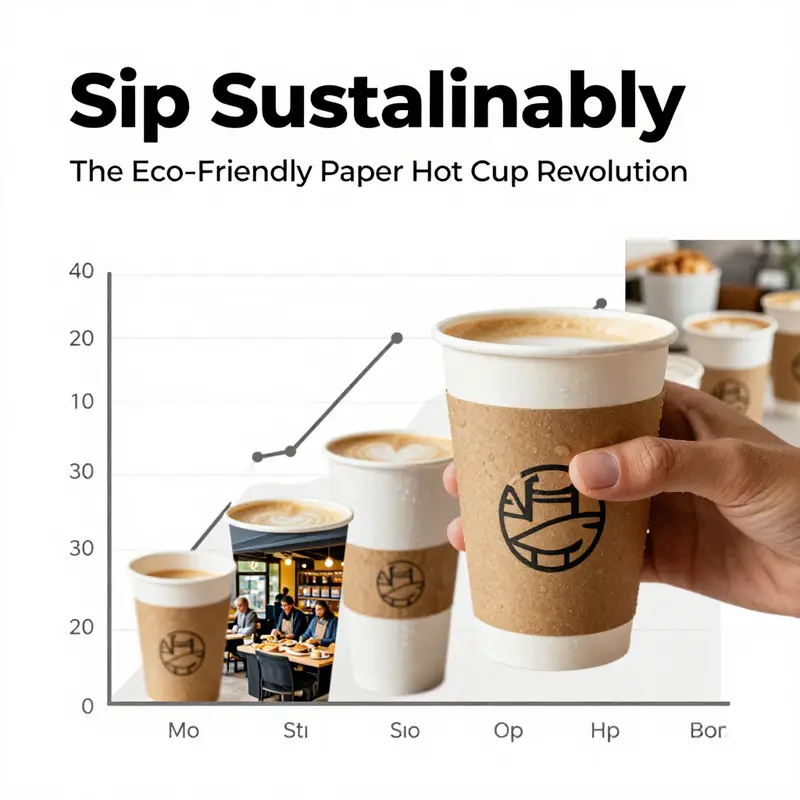
The conversation around single-use cups has shifted from mere convenience to a consideration of broader impact. Eco-friendly paper hot cups sit at a pivotal intersection of hospitality expectations and environmental responsibility. In modern coffee shops, hotel lobbies, and event spaces, the demand for cups that can safely carry hot beverages without compromising the planet is growing in parallel with consumer awareness. This chapter threads together the market’s evolving currents, the science behind the products, the economics of production, and the practical decisions buyers face as they navigate a landscape where sustainability is increasingly a baseline expectation rather than a differentiator. The trend is not just about substituting one material for another; it is about rethinking the lifecycle of a common item, from source materials and manufacturing choices to end-of-life options and brand signaling. In this broader frame, eco-friendly paper hot cups emerge as a compelling case study of how sustainability, technology, and commerce converge to reshape mainstream packaging for hot beverages.
At the heart of these cups is a shift toward renewable resources and smarter design. Traditional disposable cups relied heavily on plastics or foams to resist heat and liquid permeation. The eco-friendly alternatives capitalize on paper sourced from wood pulp, paired with coatings and liners that preserve performance while reducing environmental impact. A key feature is the use of biodegradable or compostable linings, such as those based on polylactic acid (PLA) derived from cornstarch. PLA-laminated cups offer enhanced liquid resistance and heat tolerance without the persistence of conventional plastic, and when disposed of in industrial composting facilities, they can break down more quickly than their non-biodegradable counterparts. This combination of renewable input and compostable lining helps address both the functional demands of hot beverages and the societal push toward circular packaging systems.
Performance under heat is central to the value proposition. A reliable eco-friendly paper cup must withstand the temperatures of coffee, tea, and hot chocolate, delivering a barrier against seepage and a surface that remains comfortable to hold. The specialized coatings used in many of these cups are engineered to resist deformation under heat while preserving a clean barrier between the liquid and the paper. This engineering matters for both consumer experience and brand reputation—no one wants a cup that leaks, sweats, or leaves a soggy sleeve compromised by a compromised liner. As a result, the market has seen a steady improvement in thermal resistance and barrier properties, achieved not merely by thicker walls but by smarter materials selection and precision in manufacturing processes. The result is a cup that performs reliably across a range of hot beverages and serving environments, from a quiet cafe corner to a bustling convention hall.
The conversation about end-of-life is nuanced. The label “compostable” can be meaningful in theory but depends on the infrastructure available to a given community or business. Many eco-friendly cups are designed to be industrially compostable, meaning they require controlled composting facilities to meet certification standards. In practice, this means restaurants and event organizers need to think beyond the product and consider local composting capabilities. The presence of a PLA lining, for instance, points toward compostability under appropriate industrial conditions, but it may not break down in a home compost pile or standard municipal waste stream. This nuance informs purchasing decisions and underscores the importance of transparent labeling and supplier assurances. Buyers increasingly look for certifications and clear guidance on disposal, ensuring that the environmental benefits claimed by a cup align with real-world waste management options.
A broader market dynamic is the push from the foodservice and hospitality sectors toward sustainable alternatives. These segments are responsible for a substantial share of disposable cup usage, making them especially influential in tipping the market toward eco-friendly options. Cafés, hotels, catering outfits, and event planners are increasingly integrating sustainability into procurement criteria, supplier selection, and brand narratives. The shift is not solely about environmental stewardship; it is also about aligning with consumer expectations. Guests are more likely to support venues that demonstrate a commitment to reducing waste and embracing responsible packaging. Consequently, hospitality operators are integrating eco-friendly cups into their broader sustainability programs, using them as tangible expressions of their values and as practical tools to communicate those values to customers.
Customization has become a practical lever for brands seeking to communicate their sustainability story while maintaining a professional appearance. Printing logos or designs directly onto cups offers a dual benefit: it reinforces branding and signals environmental consciousness. For many organizations, a customized cup is part of a larger narrative that includes responsible sourcing, reduced waste, and partnerships with suppliers who share a commitment to sustainable practices. The ability to tailor cups at scale—whether for a single large event or ongoing cafe operations—helps brands differentiate themselves in crowded markets without sacrificing performance. The technical feasibility of high-quality, full-bleed printing on eco-friendly cups has improved, enabling vibrant visuals that resist fading even with repeated use and washing environments common in multi-service venues.
From a pricing perspective, the economics of eco-friendly paper hot cups are shaped by material composition, manufacturing methods, and order size. Different materials influence cost, performance, and end-user appeal. For instance, standard 100% wooden paper cups—derived from renewable wood pulp—often command wholesale prices in the range of roughly $0.008 to $0.0125 per unit, with a typical minimum order quantity (MOQ) around 50,000 pieces. This tier reflects the balance between renewable content and scalable manufacturing, where the cost benefits of bulk production buttress lower per-unit prices even as the base materials remain renewable. The wooden-pulp route emphasizes biodegradability and the use of natural input materials, a factor that resonates with buyers prioritizing sustainability credentials.
On the other hand, cups that employ PLA linings, particularly those designed for higher liquid resistance and extended hot-beverage performance, can carry a higher price tag. PLA, while derived from corn-based feedstocks, introduces additional processing and certification steps that influence cost. The market thus presents a spectrum: more basic eco-friendly cups with wood-pulp bases offering cost efficiency at scale, and higher-performance PLA-lined variants that appeal to events, green cafes, and zero-waste initiatives where a premium for enhanced performance and compostability is acceptable. The choice often reflects the intended application, disposal environment, and branding strategy of the buyer. Across the market, larger orders remain a dominant driver of unit costs because economies of scale compress overheads, mold fees, and logistics, allowing buyers to secure favorable pricing as volumes rise.
A practical lens on pricing reveals a common set of tradeoffs. Materials that lean on cornstarch-based polymers, such as PLA, deliver superior resistance to leaks and a clearer path to compostability, yet they can entail higher production costs. This is especially true when a cup carries multiple sizes or a high-detail print, where the marginal cost of customization adds to the base price. Conversely, cups built primarily from wooden pulp without additional synthetic liners can attract lower unit costs but may require meticulous process control to maintain heat resistance and liquid holdout. The market’s trajectory suggests ongoing investment in research and development to close these gaps—pursuing coatings and barrier technologies that deliver performance with lower ecological impact and at a price point that makes sustainable options more accessible for everyday use in restaurants and events.
A notable trend within the broader pricing landscape is the increasing availability of bulk procurement options with relatively low MOQs. This helps smaller operators and mid-sized venues experiment with eco-friendly options without committing to prohibitively large orders. The combination of lower MOQs and competitive per-unit pricing accelerates adoption in mid-market segments and supports a broader transition toward more sustainable packaging across the hospitality spectrum. In practice, buyers weigh the per-unit price against the total cost of ownership, including disposal considerations, brand alignment, and the reputational benefits tied to sustainability commitments. The result is a purchasing calculus that privileges not just the lowest price, but the best alignment of materials, performance, and lifecycle advantages for a given business context.
In terms of ongoing innovations, the strongest momentum rests with advances in paper technology and barrier performance. The shift toward cornstarch-based polymers, alongside improvements in paper strength and heat resistance, enables cups that are both more robust and more environmentally responsible. The market has witnessed a growing emphasis on “PLA laminated” or “100% wooden paper cups” labeling as indicators of end-of-life characteristics, but buyers frequently look beyond labels to certifications, supplier transparency, and third-party testing. This is where the sourcing story becomes essential: provenance of wood pulp, the nature of the coating, and the degree to which a cup’s lifecycle aligns with a business’s sustainability goals are all features that buyers scrutinize before committing to a supplier.
For practitioners evaluating procurement options, wholesale take-away cups illustrate the scale and pricing dynamics at play. A representative option in the market offers an 8oz to 12oz range with lids, which is a common configuration for many cafes and take-away services. These cups often come with streamlined logistics, making it easier for operators to maintain consistent supply while controlling costs. Wholesale take-away 8oz–12oz disposable coffee paper cup with lids demonstrates how bulk orders can translate into predictable pricing and reliable delivery cycles, reinforcing how procurement decisions are shaped by both material choice and vendor capabilities. This link, while one among many, helps buyers visualize practical options that bridge sustainability with everyday business needs.
The breadth of market interest extends into events and weddings, where sustainability narratives can be woven into guest experience. In those settings, the choice of cup becomes part of the story a planner tells about care for the environment, community, and future generations. The ability to customize cups—printing a logo, a message, or a branding motif—lets organizers transform a simple disposable item into a touchpoint for a larger vision. In such contexts, the premium for eco-friendly cups is often justified by the amplified impact of the sustainability narrative, the alignment with waste-reduction goals, and the hospitality experience that guests take away with them.
As the eco-friendly cup market matures, buyers increasingly seek clarity about lifecycle benefits in tandem with performance. Industry observers note that the strongest growth is likely to occur where product certification, disposal infrastructure, and consumer expectations converge. In practice, this means more cups coming with straightforward disposal guidance, clearer compostability claims, and consistent performance across a wide range of beverages and serving conditions. The next wave of innovation is likely to bring even more transparent labelling, stronger recycling and composting partnerships, and coatings that reduce the residual environmental footprint without sacrificing heat resistance or taste neutrality. In short, the market is evolving from a binary choice—eco-friendly versus conventional—to a spectrum where suppliers compete on a combination of performance, lifecycle clarity, and value across multiple sizes and service contexts.
For readers seeking a broader lens on where these trends are headed, industry forecasts emphasize continued ascent in demand for sustainable packaging solutions, with eco-friendly paper hot cups playing a central role in many hospitality and foodservice strategies. The macro dynamics—rising environmental awareness, consumer preference for sustainable products, and ongoing innovations in materials and manufacturing—coalesce to push the category toward wider adoption and more competitive pricing. The practical implications are clear: operators who plan ahead, verify material claims, and align with trusted suppliers can secure stable supply, optimize costs, and strengthen their sustainability credentials. The result is not only a cheaper or more responsible cup, but a coherent narrative that clients and guests can recognize and support.
Looking ahead, the market will continue to be shaped by the balance between material science breakthroughs and the realities of waste management ecosystems. Advances that improve heat resistance and leak protection while maintaining compostability can unlock new applications and expand the adoption of eco-friendly cups in places that demand higher performance. Meanwhile, the economics will trend toward more favorable pricing with scale, improved MOQs that accommodate smaller players, and supply chains resilient enough to weather fluctuations in raw material costs. In this evolving landscape, buyers who integrate sustainability into their procurement strategy—from supplier evaluation to disposal planning—stand to gain both operational efficiency and reputational advantage. The cups themselves become more than vessels for hot beverages; they become proof points of a business’s commitment to responsible practices in a world seeking practical, scalable solutions for waste reduction.
External resource for broader market context: Paper Hot Cups Market Analysis Report Provides Trend Insights.
Final thoughts
Adopting eco-friendly paper hot cups can significantly benefit your business while aligning with sustainability goals. This powerful choice supports not only environmental conscientiousness but also enhances your brand’s image and customer relationships. With diverse material offerings, impressive performance characteristics, and customizable branding options, these cups are the perfect addition to any beverage service, from trendy cafes to grand events. By leveraging the trends and market insights shared, you can make informed decisions that meet consumer expectations while promoting a greener future.