
Disposable 12oz paper coffee cups have become indispensable in the beverage industry, finding their place not only in coffee shops but also in bubble tea establishments, food trucks, catering services, and corporate events. With the surge in coffee and tea consumption, these cups offer a practical solution for serving hot and cold beverages. However, sourcing them in bulk presents its own set of challenges and considerations. It’s crucial for beverage chains, event planners, and procurement teams to understand the multifaceted dynamics of the supply chain, ensuring they choose high-quality, cost-effective, and sustainable options. This guide explores the core components of successful procurement processes, including supply chain dynamics, quality standards and customization, cost analysis, and sustainability trends—all designed to elevate your beverage service experience.
From Pulp to Pour: Mapping the Global Supply Chain of Bulk 12oz Paper Coffee Cups
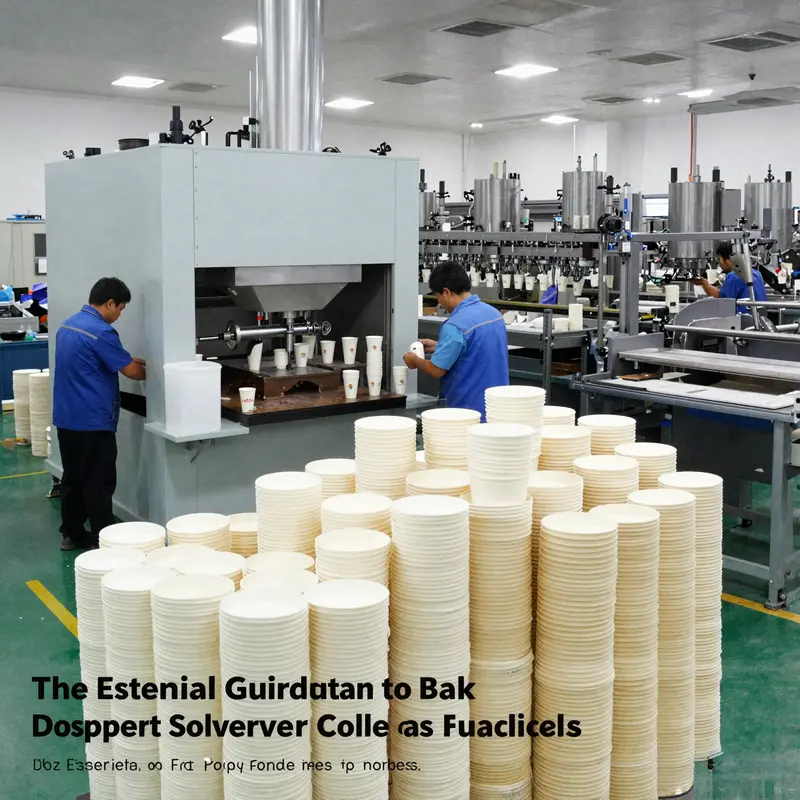
The journey of a disposable 12oz paper coffee cup from raw pulp to the final consumer moment is a story told not on a single factory floor but across a dense, highly coordinated network. In this chapter, we examine the supply chain dynamics that underwrite bulk production, highlighting how regional specialization, vertical integration, and modern automation combine to meet the urgent demands of coffee brands, cafes, and foodservice operators worldwide. The dominant regional pattern centers on China, where expansive industrial clusters knit together every ingredient of the cup—paperboard, barrier coatings, printing systems, forming machinery, and even lids—into a seamless, near-attrition-free flow. This geographic concentration is not incidental; it is the product of deliberate clustering that reduces material and transport costs, shortens lead times, and stabilizes supply in a market where a single high-volume order can ripple through the ecosystem within days. Within this landscape, the strongest suppliers are those who can orchestrate a full spectrum of capabilities under one roof, from raw pulp processing to final packaging, while maintaining robust compliance with global food safety standards. For buyers, that means speed without sacrificing safety, consistency, or traceability—an alignment of procurement priorities with the realities of mass production and international logistics.
A core feature of these dynamics is the breadth and depth of regional specialization across multiple Chinese provinces. Guangdong and Zhejiang, for example, have evolved into hubs where premium materials and high-volume disposable solutions cohabitate with sophisticated coating technologies and printing capabilities. In these zones, the supply chain benefits from a dense supplier base that can deliver laminated paperboard, barrier coatings such as polyethylene (PE) or the more ecology-forward polylactic acid (PLA) options, flexible printing, and rapid die-cutting and forming. Meanwhile, inland clusters in Hubei, Hunan, Anhui, and Shandong have carved out reputations for cost efficiency and scale, hosting networks that emphasize volume-driven production, streamlined sourcing of pulp and base stock, and the ability to convert raw materials into finished cups with minimal intermediate handling. The proximity of these facilities to port facilities, inland transportation nodes, and export corridors further compounds the efficiency, enabling larger batches to be shipped via containerized routes with reliable transit times. The result is a supply environment where a well-managed order for tens or hundreds of thousands of cups can be pushed through in a matter of weeks rather than months, a critical capability for brands responding to seasonal peaks, promotional campaigns, or sudden shifts in consumer demand.
Vertical integration and automation sit at the heart of this capability. Modern factories often house forming lines that churn out hundreds of thousands or millions of units each month, with coating, printing, die-cutting, forming, and packaging activities integrated into single, continuous workflows. By synchronizing these steps, manufacturers reduce the risk of misalignment between layers, minimize handling errors, and cut the total cycle time from design to delivery. This integration is particularly advantageous for hot-press or hot-fill cups, where barrier performance must endure both high temperatures and extended shelf life. The newer generation of paperboard materials—thin yet strong, with enhanced barrier properties—enables cups that perform in a range of environments, from steaming cafés to outdoor beverage stands. In these settings, ripple-wall configurations and single-wall variants coexist, allowing buyers to tailor insulation, sleeve compatibility, and branding to the service model they operate. The ripple-wall format, in particular, has gained traction for its thermal performance and consumer perception of quality, making it a popular canvas for premium branding in bulk orders where presentation matters as much as performance.
For procurement teams, the path to reliable bulk supply is not paved by price alone but by a structured evaluation framework that recognizes the interconnectedness of capabilities. The four to five pillars that buyers emphasize—compliance, production capacity, quality assurance, customization agility, and transaction reliability—form a practical rubric for supplier selection. Compliance covers certifications and product safety assurances that span FDA, LFGB, and local regulatory benchmarks. Production capacity measures whether an supplier can scale to the required MOQs and lead times without compromising quality. Quality assurance encompasses laboratory testing, process controls, traceability, and proactive defect management. Customization agility assesses how quickly a supplier can translate a brand’s design into the finished product, whether that entails Pantone color matching, UV coatings, or unique footprint adjustments to accommodate lids or sleeves. Transaction reliability weighs the ease of ordering, payment terms, freight terms, and post-shipment protections such as refunds or replacements if issues arise. In practice, decisions are driven by the consortium of these dimensions. A supplier that demonstrates robust capacity and rigorous QA, paired with flexible customization options and dependable delivery schedules, becomes a strategic partner rather than a vendor, capable of supporting campaigns that hinge on consistency across thousands of stores and multiple markets.
As the market evolves, sustainability continues to shape both design choices and procurement strategies. A growing share of buyers expresses preference for compostable or PLA-lined cups, acknowledging a liability-to-credibility trade-off that must be managed through rigorous supply chain transparency and credible environmental claims. In turn, manufacturers respond with a spectrum of coating options and material combinations, balancing environmental considerations with performance, cost, and consumer expectations. The practical upshot is that the supplier landscape is increasingly layered: some customers gravitate toward PE-lined cups for price efficiency and easy recyclability in certain systems, while others pursue PLA or other biodegradable coatings that align with circular economy goals and regulatory incentives in particular regions. The decision set now routinely includes not only cup performance characteristics—heat resistance, leakage control, and shelf stability—but also end-of-life pathways, compostability certifications, and the reliability of third-party verifications.
Within this evolving context, timing and logistics emerge as pivotal levers of value. Leading suppliers report that delivery times from approval to shipment can be remarkably tight, often in the 15–30 day window for standard configurations when production is in full swing and capacity is aligned with demand. For more customized runs—whether that entails bespoke printing, special palettes, or unusual dimensions—the timeline naturally extends, but the core principle remains: integrated manufacturing ecosystems minimize the number of handoffs and the risk of bottlenecks. Buyers frequently source from mills capable of rapid ramp-up, supported by large warehouses, efficient ERP systems, and close coordination with shipping lines and port authorities to ensure containerized throughput. The economics of bulk packaging also factor into these calculations. Unit costs for bulk orders can vary widely depending on material choice, the complexity of customization, and the packaging mode. The range can stretch from modest per-unit costs at very high volumes to higher unit costs when premium coatings or sophisticated branding are required. The essential insight for procurement teams is to align the order profile with the supplier’s capability matrix, ensuring that the supplier’s capacity, QA rigor, and customization chops match the strategic objectives of the brand.
Brand branding and packaging design considerations also shape the trajectory of supply chain decisions. Custom-printed cups with logos, color-mamped branding, and unique wall textures require careful coordination among printing, coating, and forming teams to ensure the final appearance is accurate under real-world conditions such as heat exposure and sunlight. A representative bulk option in the marketplace is the disposable single-wall 12oz kraft coffee cup with lid, which is frequently used by brands seeking a balance of natural aesthetics, cost efficiency, and straightforward logistics. The available variants span from simple, clean aesthetics to more complex print campaigns, with some runs incorporating UV gloss or Pantone-matched colors to deliver a premium presentation. The ability to translate a brand’s visual identity into a cup’s surface while maintaining legible labeling, compliant packaging claims, and consistent color accuracy hinges on the upstream printing and downstream coating processes’ synchronization. When done well, the result is a cohesive package that travels from factory to cafe without losing the intended impact, enabling a seamless consumer experience that reinforces brand equity.
Cost management in this space is a disciplined exercise in balancing scale, efficiency, and value-added features. Bulk pricing for cups with lids in standard configurations tends to reflect economies of scale: MOQs of 50,000 to 100,000 pieces typically unlock the most favorable unit costs, while larger orders can achieve even deeper discounts. The published ranges in supplier data illustrate this principle, with unit costs per cup decreasing as volumes rise—from modest quotes at the lower end of the MOQs to substantially lower per-unit figures in the 100,000+ tier. In practice, buyers negotiate not only on price per unit but also on the total landed cost, taking into account freight terms, packaging options, insurance, and potential duties when crossing borders. The supply chain conversation thus becomes a negotiation about total value rather than unit price alone. It also includes the attentiveness of suppliers to protect the buyer’s inventory during transit, the reliability of packaging to prevent damage, and the clarity of communications regarding product specifications, certifications, and testing reports. The more transparent and thorough the supplier’s documentation—material safety data, testing certificates, and proof of compliance—the easier it is to avoid post-shipment disputes and to keep SKUs aligned across markets.
The risk landscape in bulk cup procurement is not static. It includes raw material price volatility, fluctuations in freight costs, and regulatory shifts that can alter the permissible coatings or the classification of certain materials in specific markets. To mitigate risk, buyers increasingly favor suppliers that demonstrate robust program integrity: formal QC checkpoints, traceability across batches, and contingency plans for material surges or supplier outages. In practice, this means setting clear expectations about supplier resilience, including alternate sourcing arrangements for core components, real-time visibility into production schedules, and explicit remedies for late deliveries or non-conforming products. Documentation becomes a strategic asset—certifications, lot codes, and production histories that reassure customers and enable swift root-cause analysis if a defect emerges after market introduction. All these elements are not incidental niceties but essential components of a global supply chain designed to support rapid, repeatable scale across diverse geographies and regulatory regimes.
As brands map their own growth trajectories, the interplay between cost, speed, compliance, and sustainability becomes a central planning axis. The integrated, cluster-driven manufacturing model in China offers a powerful platform for achieving scale while preserving control over quality and regulatory compliance. The capacity to coordinate multiple stages of production under unified governance helps ensure that every cup—from the base stock to the final print—meets the stringent standards expected by retailers and consumers alike. And because these operations are sensitive to the nuances of food-contact materials, ongoing compliance with FDA, LFGB, and domestic standards remains an indispensable compass for buyers navigating a fast-changing market. The broader implication for brands is clear: when evaluating suppliers for bulk 12oz cups, the decision criteria should extend beyond unit price to embrace a holistic assessment of capability, reliability, and the ability to deliver consistent, compliant product at scale. In this sense, the supply chain dynamics described here are not merely about logistics; they are about building strategic partnerships that translate manufacturing excellence into dependable, auditable value for every cup that reaches a customer’s hand.
For readers exploring practical pathways to sourcing bulk cups with branding and regulatory confidence, consider the option of a bulk-ready, single-wall variant that aligns with simple, effective branding while maintaining predictable performance in a crowded market. A widely used option is the disposable single-wall 12oz kraft coffee cup with lid, which offers a compelling blend of natural aesthetics and functional reliability. This choice can be a pragmatic starting point for teams testing market responses to color, print, and branding before scaling to more complex wall constructions or barrier-coating configurations. The journey from initial inquiry to a fulfilled order often spans several stages: defining the exact quantity and dimensions, selecting material and coating preferences, detailing color and printing requirements, and specifying packaging and shipping destinations. As a result, buyers who enter discussions with a clear, written spec—paired with specific certification needs and preferred payment terms—tend to move more swiftly through approval and production cycles. In turn, suppliers respond with transparent timelines, sample options, and a straightforward path to scale, making it easier to translate a brand’s vision into a tangible, ready-to-sell product line.
In summary, the supply chain dynamics of disposable 12oz paper cups in bulk reveal a world where regional specialization, vertical integration, and automation co-create the conditions for scale, speed, and safety. The Chinese manufacturing ecosystem—built on dense networks that span pulp to lid and print to pallet—offers a durable foundation for meeting the evolving needs of global beverage brands. Buyers are best served by a disciplined, five-pronged lens: comply, capacity, quality, customization, and reliability. When aligned, these elements transform a standard commodity into a strategic advantage—one that supports dependable execution across markets, maintains consumer trust, and accelerates growth in a competitive landscape where every sip counts. For further context on material safety and regulatory considerations, consult the FDA’s guidance on food contact materials: https://www.fda.gov/food/food-contact-materials/food-contact-materials-and-food-packaging. As you refine vendor selections and design specifications, remember that the path from pulp to pour is as important as the cup itself, and the most resilient supply chains are those that nurture trust, clarity, and collaboration across every link in the chain.
Internal link example for further exploration within the site: disposable single-wall 12oz kraft coffee cup with lid. This link offers a practical reference point for buyers assessing bulk configurations while maintaining alignment with brand aesthetics and packaging requirements. The emphasis on bulk readiness, uniform wall construction, and lid compatibility helps anchor discussions around procurement strategies and long-term supplier relationships. By combining this product profile with the broader supply chain framework described above, brands can craft sourcing strategies that are scalable, compliant, and attuned to the evolving expectations of both retailers and consumers.
Quality by Design: Standards, Sustainability, and Customization in Bulk 12oz Paper Coffee Cups
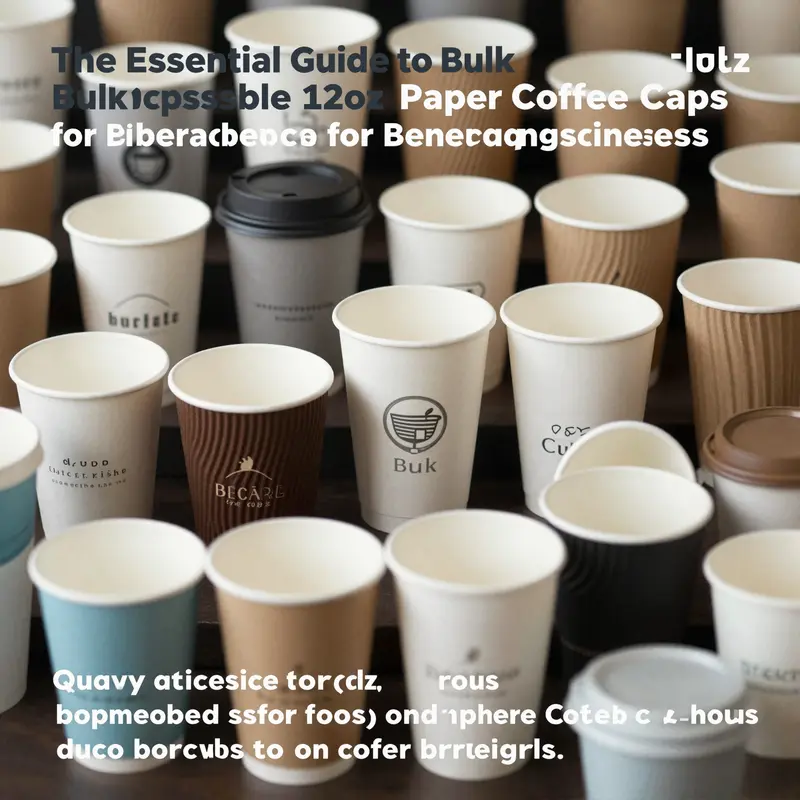
The chapter you are about to enter treats bulk 12oz disposable paper coffee cups as more than a commodity. It presents quality as a design principle that guides every decision from material selection to print strategy, from performance in hot beverage service to the way a brand visually communicates with customers. In a market where orders often run into the hundreds of thousands, the words that determine a cup’s fate are not just about price or speed; they are about reliability, safety, and the power of one cup to carry a brand story. The narrative here moves beyond the surface of capacity and lead times to explore how quality standards and customization options shape every stage of the procurement journey, and how buyers can align supplier capabilities with their own standards and audience expectations. What follows is a cohesive thread that links material integrity, regulatory compliance, product design, and the practical realities of large-scale ordering without breaking the continuity of a single, flowing discussion.
At the heart of every bulk cup is the core material stack. Today’s bulk offerings typically rely on high-quality, food-grade paperboard as the structural foundation. This base must come from sources that emphasize sustainable forest management, because a cup is not merely a container; it is a representation of a brand’s environmental stance. The paperboard provides the stiffness needed to resist compression during stacking, transport, and handling, while still delivering a light, economical profile essential for bulk procurement. Lining the interior with a thin layer of polyethylene PE serves a dual purpose. It creates a liquid barrier that prevents leakage when hot beverages are poured and helps to preserve the cup’s integrity under heat. Importantly, this lining is designed to be separable in recycling processes in many end markets, supporting better waste management outcomes when a cup is disposed of through proper channels. A growing alternative, coating systems such as PBS can be used in some regions to offer compostability or improved barrier properties. In any case, material choice is guided by a balance of performance, recyclability, and the regulatory framework in the buyer’s region. The result is a cup that performs under heat, reduces the risk of leaks, and aligns with broader sustainability commitments that brands increasingly tout to their customers.
Quality standards for these cups extend well beyond the materials themselves. Food-grade certification is the baseline, guaranteeing that the components in direct contact with hot beverages are safe for consumer use. In practical terms this means the cups, the liners, and any inks or coatings used for branding must meet hygiene and safety benchmarks that are recognized across markets. When buyers source in bulk, they often require documentation that attests to compliance with international safety regulations, ensuring that the product can be used in cafes, quick-service restaurants, and event venues without concern. Temperature resilience is another critical facet. Bulk cups in common configurations are designed to withstand temperatures up to roughly 90 C, which covers coffee and a wide range of tea and hot beverages. The ability to tolerate such heat without buckling, warping, or compromising the barrier layer is central to customer satisfaction and operational efficiency in busy settings. Some models also include heat-resistant sleeves integrated into the cup design or offered as an accessory. This feature enhances user safety by preventing burns during the moment of pickup, which is particularly valuable in high-volume environments where baristas or servers handle dozens or hundreds of cups per minute.
The design of the cup itself is closely tied to the user experience and to the operational realities of bulk supply. Wall construction choices, notably single-wall versus ripple or corrugated walls, influence insulation, grip, and the overall mouthfeel of the beverage. Single-wall cups are lighter and typically less expensive, with adequate insulation for most hot drinks. Ripple walls, by contrast, provide superior insulation and a tactile, premium feel; they also interact with branding in unique ways because the exterior surface can support more complex printing or textured finishes. The decision between wall types is rarely about aesthetics alone. It involves a careful assessment of expected beverage temperatures, service speed, and the environmental conditions of the serving environment. In a high-volume setting, a ripple-wall option may reduce heat loss and protect hands during longer hold times, while a single-wall option might be favored for quick-serve operations where cost efficiency and stackability are paramount.
From a sustainability standpoint, the lifecycle of a bulk cup matters as much as its in-service performance. Recycling and waste management considerations shape design choices and supplier specifications. The idea of a separable liner is not merely a compliance detail; it is a practical response to the realities of end-of-life processing. When a cup can be disassembled into paperboard and plastic components, downstream recycling streams can sort and process materials more efficiently, reducing landfill burden. In markets where compostable or biodegradable coatings are mandated or preferred, suppliers may offer variants that meet regional requirements while preserving the integrity of the coffee experience. Buyers should weigh end-of-life expectations alongside in-use performance, because sustainability is a defining criterion that can influence supplier selection, branding narratives, and overall total cost of ownership.
On the topic of customization, bulk orders are where the conversation shifts from compliance to expression. Flexographic printing remains the workhorse method for branding on disposable cups. It enables vibrant, full-color logos, taglines, and promotional messages directly on the cup surface. With customization comes a cascade of decisions. Pantone color matching can be requested to ensure brand continuity across product lines and packaging, while print durability must be considered in relation to the cup’s exposure to heat and moisture. The more elaborate the print, the greater the potential impact on unit cost and required lead times. Yet for many brands, the payoff is clear: a distinct, consistent visual identity that travels from cup to sleeve to signage, turning a simple container into a portable advertisement.
Custom moldering capabilities—often described in terms of OEM and ODM services—allow clients to provide sketches, drawings, or even physical samples to facilitate precise replication. This is especially valuable when a brand seeks a signature cup geometry or a specific lid interaction. In the bulk market there is frequently an opportunity to develop a custom mold for ripple-wall or single-wall configurations, enabling a unique silhouette or texture that differentiates the brand on the shelf or in the café line. The scope of customization can extend beyond printing to include integrated design elements such as heat-resistant sleeves, orientation-friendly logos that align with cup seams, or branding across the lid area. When a supplier offers such capabilities, buyers gain a greater degree of control over the presentation and experience delivered by every cup that leaves the factory floor.
MOQ thresholds are the practical hinge points of customization. In many regions, the minimum order quantities to unlock full customization are typically in the ten-thousand to thirty-thousand unit range. This range reflects the cost of set-up, mold creation, and the printing process, as well as the amortization of equipment across large-volume production. For buyers with smaller but still meaningful needs, some suppliers provide introductory programs that accommodate lower quantities, often at a premium, to allow brand trials without overextending resources. The trade-off between MOQ, customization detail, and unit price is a constant in the bulkscape, and it requires transparent dialogue between buyer and supplier about expectations, timelines, and long-term brand strategy.
In the procurement ecosystem, the role of a reliable supplier goes beyond manufacturing capacity. Four pillars tend to define a robust sourcing relationship: production capacity, quality assurance, transaction reliability, and customization agility. Production capacity ensures the supplier can meet volume and timing demands, a non-negotiable in the café, hospitality, and catering sectors where replications of a campaign or seasonal promotions hinge on timely delivery. Quality assurance involves audits, process controls, and documentation that demonstrate consistent performance across batches. Transaction reliability encompasses clear terms, predictable shipping, and robust remedy options if a shipment is delayed or damaged. Customization agility reflects the supplier’s ability to translate a brand’s brief into a finished product—mold development, color matching, print complexity, packaging configurations, and even co-developed solutions such as special lids or sleeves. Buyers who assess suppliers against these pillars tend to experience fewer disruptions, smoother reorders, and stronger brand alignment across the bulk program.
Pricing in bulk reflects the interplay of material choice, wall construction, print complexity, and packaging preferences. The spectrum can be broad: the base unit price can fall with volume, particularly when the supplier optimizes production runs or utilizes standardized molds that accommodate multiple clients. Material differences, such as kraft versus white paper, influence both aesthetics and perceived sustainability, and they interact with the choice of lid type, whether plastic or biodegradable PLA. Printing, especially with high-color fidelity or metallic effects, adds to the cost but can elevate brand impact. Packaging configurations—from outer cartons to inner protective wrap—also affect landed cost and spoilage risk in transit. Buyers who approach pricing with a structured lens, requesting transparent quotations that itemize these factors, typically secure fair terms and clearer expectations for the order’s lifecycle. In practice, the most effective procurement approach involves detailing the required quantity, cup dimensions, material preference, color and printing requirements, and packaging destination up front. This clarity helps a supplier quote accurately and reduces the need for back-and-forth revisions that waste time and increase the risk of misalignment.
The practical realities of bulk sourcing are also shaped by geography and logistics. A dense cluster of production in southern and central China offers compelling advantages: proximity of raw materials, printing capabilities, forming machinery, and a robust export framework that supports containerized shipping. This integrated ecosystem enables rapid production cycles and the ability to scale up to large orders with relatively short turnaround times. Buyers who tap into this environment often experience improved lead times, more predictable capacity, and favorable cost leverage, particularly when combined with the supplier’s adherence to strict quality controls and transparent communication.
To bring these ideas into a real-world context, a buyer who seeks to brand a 12oz cup for a nationwide promotion might begin by outlining the four pillars—capacity, QA, reliability, and customization agility—and then layering on material and design preferences. A request for a standard single-wall kraft cup with a custom full-coverage print, a recyclable liner, and a heat-resistant sleeve could be the starting point. The supplier would respond with a quote that reflects MOQs in the 10k–30k range, a proof or sample protocol, and an outline of the production schedule. Free samples might be offered, with freight paid by the buyer, to verify print fidelity and material feel before committing to a large run. The resulting procurement experience is not just about obtaining cups but about partnering with a supplier who can translate a brand’s identity into a tangible, repeatable product that travels from the factory to the café counter with minimal friction.
In this sense, the chapter of quality and customization in bulk 12oz cups becomes a narrative about consistent performance and brand fidelity at scale. It is about choosing the right material mix to balance safety, durability, and end-of-life considerations; selecting a cup structure that aligns with the intended service style and customer comfort; and embracing customization as a strategic asset rather than a decorative afterthought. When buyers integrate robust quality standards with a responsive customization program, they unlock a broader potential: a uniform consumer experience that strengthens trust in the brand while enabling rapid, large-scale deployment of campaigns, seasonal offerings, and loyalty initiatives.
For buyers who want to explore options that emphasize eco-friendly and customizable solutions, a practical pathway exists to combine sustainability with strong brand visibility. eco-friendly custom paper coffee cups with lid is a gateway to a class of products designed for brands that want to present a responsible image without compromising on impact or performance. This approach aligns with the broader market trend toward sustainable packaging and enables brands to convey a message that resonates with environmentally conscious consumers while maintaining the reliability and aesthetic strength required for high-volume operations.
In the end, the journey through quality standards and customization for disposable 12oz paper coffee cups in bulk is about more than the cup itself. It is about establishing a culture of quality that pervades every stage of the supply chain, from raw materials and coatings to printing, molding, and packaging. It is about recognizing that a cup can be a small but potent ambassador for a brand, delivering heat, comfort, and a first impression that lasts long after the beverage is finished. It is about choosing partners who can meet the exacting demands of large-scale, brand-forward programs while staying true to safety, recyclability, and responsible sourcing. And it is about viewing customization not as a luxury add-on but as a core capability that empowers brands to differentiate, scale, and communicate with customers in a way that is consistent, compelling, and durable across markets.
External reference: https://www.alibaba.com/product-detail/ERXINTE-12oz-90-Kraft-Paper-Coffee-Cup_1600575824887.html
Pricing Without Guesswork: A Comprehensive Cost Analysis for Bulk 12oz Paper Cups
Bulk purchasing of disposable 12oz paper coffee cups offers a clear pathway to lower unit costs for cafes, restaurant groups, and brands that rely on steady beverage service or corporate gifting programs. Yet price is only one axis of value. A holistic view of cost must weave together base material choices, production capabilities, logistics, and the often hidden frictions that shape total expenditure over the life of a procurement contract. In practice, the bulk market combines design efficiency, large order volumes, and standardized specifications to enable scale, but these same factors also magnify the impact of small misalignments. The result is a cost landscape where understanding the tradeoffs between price, performance, and reliability becomes a competitive advantage rather than a compliance burden.
Base unit prices provide a starting point for this analysis, but they are merely a rough map rather than the territory itself. Market data from bulk platforms in early 2026 place standard PE lined, single wall 12oz cups in a price corridor of roughly 0.08 to 0.15 USD per unit when ordered in bulk. The lower end reflects straightforward manufacturing with high throughput and modest MOQs; the higher end emerges when tighter tolerances, stricter quality control, or specific certifications are required. The per unit delta may seem small, but across tens or hundreds of thousands of units it can meaningfully affect monthly operating costs and seasonal promotions.
Material choice reshapes the math beyond the baseline. Double wall cups add an extra layer of insulation and typically command a higher price range, roughly 0.15 to 0.25 USD per unit, reflecting added material, more complex forming, and longer drying or curing steps. If branding, premium presentation, or high traffic demand is important, the incremental cost is often justified by a better user experience and greater durability. On the sustainability side, PLA lined compostable cups offer a different profile and carry a premium as well, typically around 0.18 USD per unit. This premium reflects biodegradable materials and processing required to ensure industrial compostability while maintaining barrier performance. These material distinctions ripple through the total cost picture, influencing not only unit price but also shipment weight, packaging options, and alignment with environmental goals.
Beyond material choices, several dynamic factors shape the total cost. Shipping and logistics scale with weight and complexity. Heavier double wall cups consume more fuel, require sturdier packaging to prevent crush in transit, and can trigger higher freight charges. The savings in unit price can be offset by logistics costs if the order volume is large but shipment profiles are unwieldy. Geographic clustering of production tends to improve speed and landed costs, but only if capacity, delivery times, and quality are reliable. A well-managed supplier network with export infrastructure and transparent handling can further reduce total cost via predictable schedules and lower damage rates. In practice, many buyers optimize total cost by planning for a 15–30 day window after design approval for production and shipping, aligning with seasonal campaigns and brand launches.
MOQs and order sizing are not mere inconveniences; they define the economics of bulk buying. Suppliers commonly set MOQs around 500 units, with meaningful price reductions as orders scale into the thousands or tens of thousands. The challenge is forecasting demand with enough cadence to avoid tying capital in inventory that may not turn quickly. The prudent approach is to couple forecast accuracy with flexible terms, such as the option to reallocate or repurpose inventory in related lines or to adjust printing and packaging configurations to match shifting demand.
Customization can significantly influence total cost. Printing, logo placement, and color matching add value and may require Pantone accuracy or special coatings, driving higher QA requirements, sampling, and batch traceability. Packaging extensions such as lids or sleeves add handling and labeling steps and may introduce regulatory checks. The pricing decision should distinguish essential branding needs from nice-to-have features that can be added later.
Supplier reliability and capacity matter as much as price. The strongest suppliers offer stable capacity, consistent quality across lots, and compliance with food-safety standards. Buyers should evaluate capacity buffers, defect rates, audit results, and certifications, recognizing that reliability reduces risk and can justify a premium price if it translates into lower total cost of ownership through fewer disruptions.
In total, the economics of bulk 12oz cups integrate base price, material and wall design, customization, packaging, logistics, storage, and supplier reliability. The best outcomes come from a disciplined approach: combining accurate demand forecasting with flexible supplier terms, standardized configurations where possible, and a clear view of total cost of ownership rather than price alone. This chapter closes with a practical example and a short guide to initiating a bulk-sourcing program that balances cost, brand impact, and operational risk.
External resources and benchmarks can also help. See supplier catalogs and market benchmarks for baseline expectations, and use scenario planning to map out multiple total-cost outcomes under different fuel, demand, and lead-time assumptions.
From Compostable Coatings to Circular Recycling: Greening the Bulk 12oz Paper Cup Supply Chain
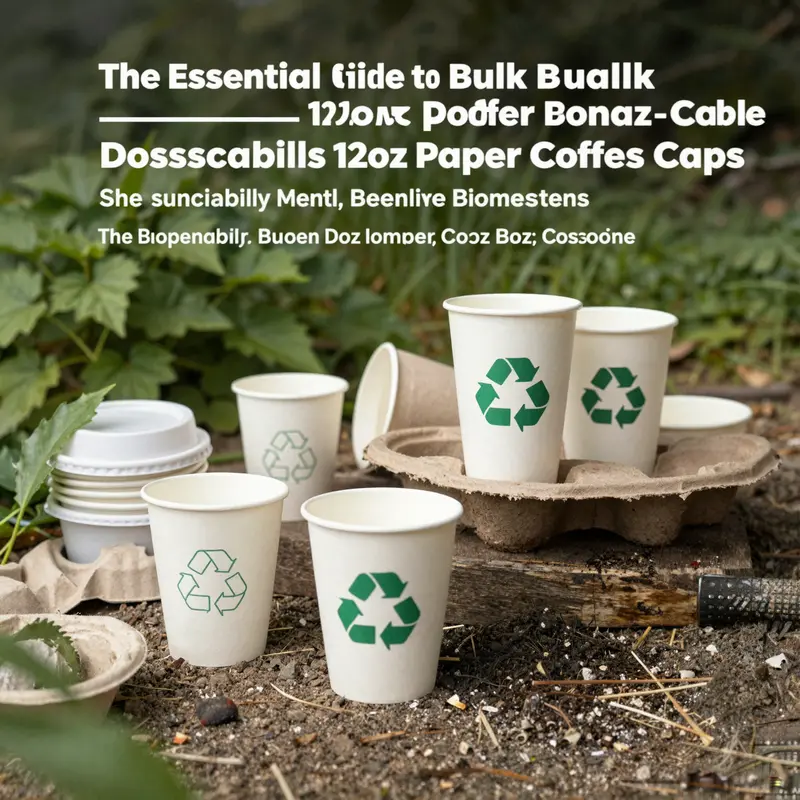
Across the bulk market for disposable 12oz paper coffee cups, sustainability is no longer a marginal consideration among manufacturers, distributors, and end users. It has become a central axis around which product development, sourcing decisions, and branding strategy pivot. The shift is not merely about labelling products as “green” or adding a single eco-friendly feature; it is about reimagining the entire lifecycle of a cup, from raw material selection and coating technology to end-of-life management and transparent environmental reporting. In this sense, the sustainability narrative for bulk production is both a technological and a logistical undertaking, requiring coordination across suppliers, converters, mills, and waste-management partners, especially within the robust manufacturing ecosystems of southern and central China that dominate the global supply of 12oz cups. The region’s scale—where paperboard suppliers, coating and printing services, and high-speed forming equipment cluster together—has long conferred cost and speed advantages to B2B buyers. But environmental ambitions are intensifying the rules of engagement. The most visible trend is the move toward compostable and biodegradable materials, particularly coatings that enable a practical end-of-life option beyond landfilling or incineration. PLA, a polylactic acid lining derived from renewable resources like cornstarch, has emerged as a common alternative to traditional polyethylene (PE). In a setting where a coffee cup’s performance is judged by barrier properties, print fidelity, and consumer experience, the adoption of PLA-coated or partially PLA-structured cups represents a meaningful advance. It matters that PLA can break down in industrial composting facilities, reducing persistent plastic pollution when the cup has exhausted its primary function of carrying a hot beverage. Yet the transition is nuanced: PLA’s compostability depends on compatible industrial facilities, and in wakeful markets, effective separation of materials remains a critical step to ensure that paper bodies can be recycled while the plastic or bioplastic lining is diverted to appropriate processing streams. This dual-path end-of-life strategy—composting where available and recycling where feasible—frames a broader trend toward recyclability through material separation. It aligns with the Sustainable Packaging Coalition’s principles and with European Union Packaging Waste Directive expectations, which increasingly reward packaging that is designed for disassembly and recovery of constituent materials. The practical challenge, of course, is integrating these standards into high-volume production lines without sacrificing throughput or cost competitiveness. In this context, regional hubs like Zhejiang and Guangdong have become focal points for R&D in barrier coatings, laminated paperboard technologies, and recycling-oriented design. The investment in these capabilities reflects a structural shift: producers are no longer content to supply a cup that merely performs in the cup-holder; they are supplying a package that can be tracked for environmental impact, labeled with lifecycle data, and aligned with green marketing strategies. For buyers, this means a different approach to supplier evaluation. The traditional benchmarks—production capacity, QA, transaction reliability, and customization agility—still matter, but they now sit alongside a growing suite of environmental metrics. Life-cycle assessment data, the ability to separate paper from lining at end-of-life, and the clarity of supply chain transparency have become essential factors in supplier selection. When a buyer requests a bulk order, they are not only asking for a certain number of units and prints per inch; they are seeking partners who can deliver packaging that respects resource limits, reduces waste, and provides verifiable data about its environmental footprint. In practice, this means choosing between material options such as PE-coated white cardboard or more sustainable barrier systems that enable later separation and recycling. The PLA alternative, for example, may lower reliance on fossil-based plastics, but it also imposes constraints on composting infrastructure, ink compatibility, and heat resistance, which in turn influence print methods and lamination choices. The design implications ripple through to branding capabilities. Eco-conscious branding has become a strong differentiator, with kraft paper cups—naturally brown and unbleached—emerging as a preferred option for brands seeking a rustic, premium aesthetic that communicates sustainability at first glance. Kraft cups typically require fewer chemical additives and can reduce the overall environmental burden when combined with low-waste packaging and minimalistic carton solutions. This trend dovetails with green-certification narratives—such as B Corp or Cradle to Cradle—that many buyers use to validate supplier alignment with ESG goals. As consumer expectations shift, suppliers respond with capacity to deliver customizable, low-waste packaging solutions. Minimal or recycled cardboard cartons for shipping, transparent lifecycle data, and clear statements about material separation processes are now differentiators that accompany traditional specs like print fidelity, barrier performance, and cup strength. In the context of a bulk-supply chain, such sustainability commitments also influence the competitiveness of regional players. For instance, companies rooted in established centers like Zhejiang and Guangdong are converging on advanced barrier coatings and laminated structure innovations, recognizing that the path to scale must harmonize performance, cost, and environmental responsibility. Some suppliers in these regions are building end-to-end capabilities—from mold development and OEM/ODM services to compliance with international food-safety standards and environmental regulations—so buyers can source a single, integrated solution rather than piece together a mosaic of suppliers. This integrated approach becomes especially valuable when the goal is to demonstrate responsible sourcing to major brands or retailers that demand verifiable sustainability claims. The movement toward greener cups also intersects with packaging optimization. Many manufacturers are rethinking the cup’s wall structure, adopting ripple-wall designs where appropriate to balance insulation with material use. The ripple-wall approach, when paired with sustainable coatings and compatible inks, can offer premium presentation without ballooning the cup’s carbon footprint. It is a nuanced balance: the wall design contributes to user experience and thermal performance, yet it also affects how the cup interacts with recycling streams. The industry’s evolving best practice now emphasizes designs that support efficient material separation at end-of-life and minimize waste in production and packaging. In addition to material and design shifts, the industry is cultivating greater transparency through lifecycle data. Buyers increasingly request cradle-to-grave information that captures raw material sourcing, coating chemistry, manufacturing energy intensity, waste streams, and end-of-life outcomes. Suppliers that can provide robust data dashboards—demonstrating the reduced environmental impact relative to conventional cups—hold a competitive edge in a market where ESG reporting is steadily gaining prominence. This is more than a marketing claim; it is a practical tool for brands to communicate responsibility to customers and employees. As part of this transparency, the use of eco-friendly branding options, such as the previously mentioned kraft cups combined with minimalistic, recyclable packaging, helps reduce the environmental narrative’s ambiguity. When consumers see a cup that looks natural and is marketed with verifiable sustainability claims, they are more likely to engage with the brand’s overall environmental story. The role of the supplier, therefore, extends beyond manufacturing excellence to become a partner in sustainability storytelling. In this evolving ecosystem, the geographic concentration of production in China remains a central factor in how efficiently sustainability can scale to meet rising demand. The proximity of raw material mills, coating and printing facilities, and high-speed forming equipment shortens lead times and lowers transport emissions per unit. Yet it also places a responsibility on suppliers to invest in cleaner technologies, energy efficiency, and waste reduction programs that align with global standards. The trend toward circular packaging is not a theoretical ideal; it is a tangible set of commitments that buyers can verify through process documentation, third-party certifications, and supply chain audits. As such, the procurement process for bulk cups increasingly merges traditional specification checks with ESG diligence. Buyers valuable forgoing purely transactional relationships in favor of partnerships that promise continuous improvement, shared investment in sustainable process development, and long-term visibility into environmental performance. For practitioners, this means a deliberate, repeatable sourcing pathway. Begin with defining core sustainability goals for the project—whether it is minimizing virgin material use, maximizing recyclability, or achieving a specific waste-diversion target. Then map these goals onto supplier capabilities: can they provide PLA or other bio-based coatings, do they practice material separation in end-of-life, and do they disclose lifecycle data that can be audited and benchmarked? Are packaging designs optimized to reduce waste, and can they accommodate minimalistic outer cartons that still protect product integrity during shipping? These questions, while technical, ultimately relate to the broader question of how a bulk-cup program can support a brand’s environmental commitments without compromising performance, cost, or speed. The answer lies in choosing partners who understand that sustainability is a continuum rather than a single feature. It is about choosing coatings that enable composting where possible while maintaining effective barrier properties, selecting primary packaging designs that balance consumer appeal with recyclability, and committing to ongoing measurement and improvement through lifecycle insights. The strategic value of such an approach is not limited to environmental outcomes. It also strengthens supplier reliability and brand credibility. When a buyer can point to a well-documented end-of-life pathway for their cups, they enhance stakeholder confidence, attract environmentally conscious customers, and reduce the risk of regulatory penalties or market pushback that could arise from opaque environmental claims. For buyers exploring the broader landscape, it is worth noting how the market’s sustainability dynamic interacts with branding and customization capabilities. The ability to offer eco-friendly, logoed designs on kraft or PLA-coated cups enables companies to communicate a green narrative without sacrificing brand differentiation. A practical example of this synergy can be seen in the way suppliers articulate product options through robust customization programs that can align with ESG marketing, while maintaining the commercial flexibility required for high-volume orders. This combination—performance-driven manufacturing, sustainability-driven material choices, and transparent, verifiable environmental data—forms the backbone of a modern bulk-cup procurement strategy. In the larger arc of the industry, this approach signals a shift from volume-centric sourcing to value-driven sourcing, where environmental stewardship and brand storytelling become measurable components of cost, risk, and opportunity. The result is a supply chain that does not merely deliver cups but reinforces a brand’s commitment to responsible packaging. Within this context, the supplier landscape remains highly dynamic. Regional players that invest in green innovation, while maintaining the efficiency of scale, tend to secure longer-term partnerships with brands seeking stable access to sustainable options. For buyers, the implication is clear: prioritize suppliers that can deliver not just consistent quality and timely shipments, but also credible environmental performance data, recyclable or compostable material options, and packaging solutions designed for minimal waste. The market is moving toward a future in which every bulk order carries a traceable environmental story, from pulp to cup to curbside bin. Internal link for further reading: the eco-friendly branding and sustainability-focused cup options page offers practical examples of how brands can pair performance with green storytelling in a single, cohesive product line. See more on this topic here: eco-friendly printed logo single-wall paper cup. External resource for deeper context on supplier selection and environmental standards can be found at the following overview, which complements the chapter’s emphasis on lifecycle thinking and third-party validation: https://www.supplychaininsights.com/2026/01/27/how-to-find-and-select-high-quality-12oz-coffee-cup-suppliers-a-strategic-guide-for-b2b-buyers/ .
Final thoughts
In a rapidly evolving market, the choice of disposable 12oz paper coffee cups can significantly impact the efficiency and appeal of your beverage service. Understanding the intricate dynamics of the supply chain, quality assurance protocols, and cost implications will empower businesses—from bubble tea shops to corporate procurement teams—to make informed decisions. Furthermore, by embracing sustainable practices, you enhance your brand’s reputation while contributing positively to the environment. As the demand for high-quality disposable cups continues to grow, staying ahead of trends will not only streamline your operations but also set your business apart in a competitive landscape.