
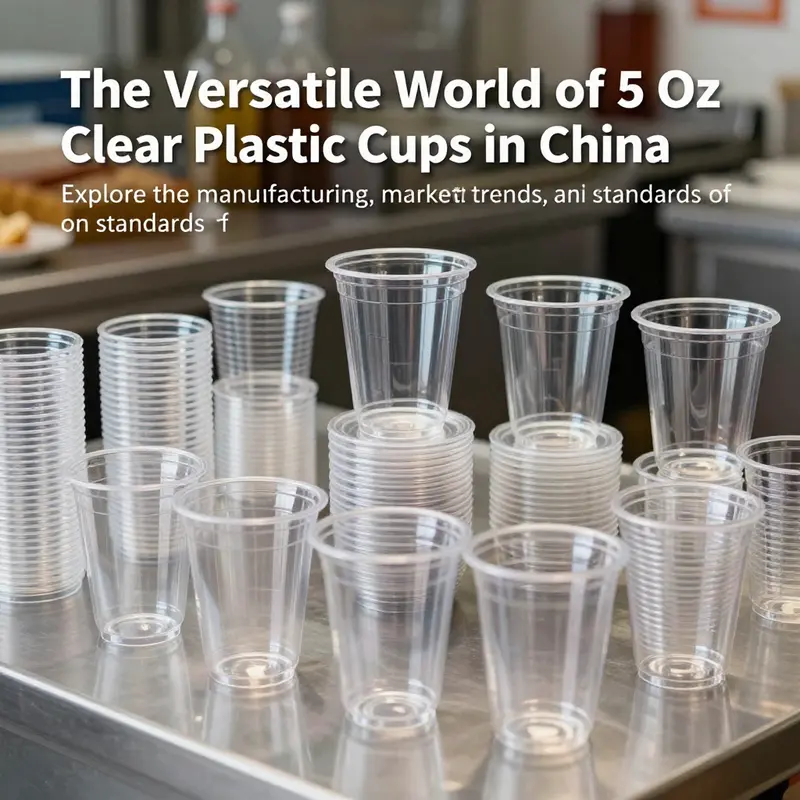
In the bustling market of China, 5 oz clear plastic cups have garnered attention for their practical applications across various sectors from bubble tea shops to catering services. Understanding this product involves delving into its manufacturing insights, current market trends, economic impacts, and the regulatory standards that govern its quality. This article will guide you through the landscape of 5 oz clear plastic cups, showcasing how they cater to the needs of beverage chains, restaurants, food trucks, event planners, and procurement teams, ensuring the right choice for your business needs.
Small Vessels, Global Reach: Tracing the Making of 5 oz Clear Plastic Cups from China
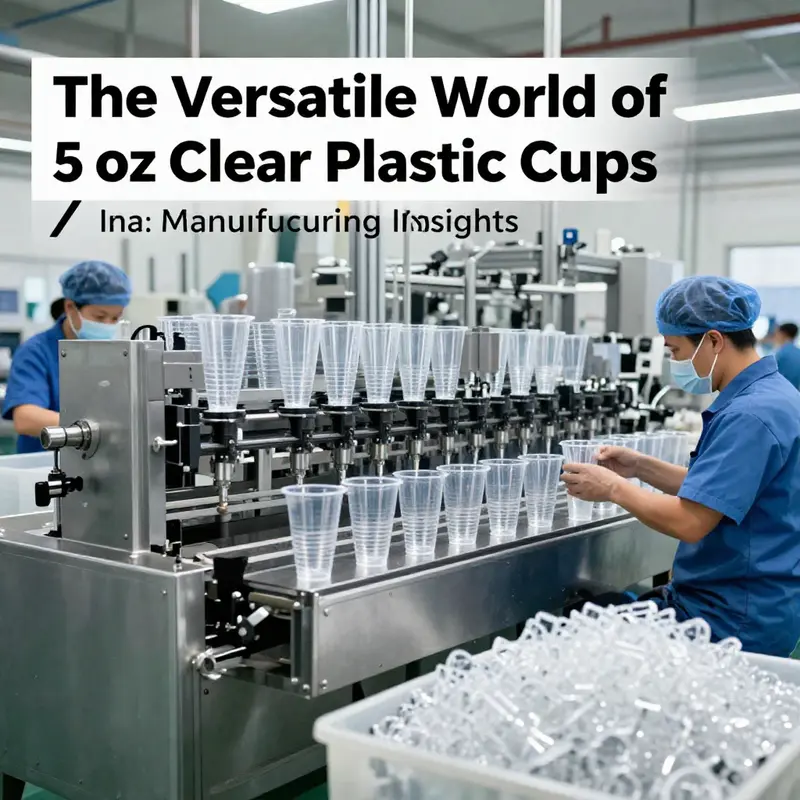
A small container can carry more than a drink; it can carry a company’s promise of quality, consistency, and safety. The 5 oz clear plastic cup—compact, transparent, ostensibly simple—embodies a sophisticated, interconnected system that begins far upstream and ends with a consumer’s hand. In China, the production of these cups is a finely tuned ballet of material science, precision engineering, and logistics that unfolds across two of the country’s deepest manufacturing ecosystems. The result is more than a commodity; it is a modular solution that fuels everything from samples and tastings to retail displays and mobile catering, often shipped in bulk to international markets with reliability that only scale can confer. Understanding how these cups are made reveals a broader truth about modern manufacturing: small items, when engineered and coordinated with rigor, become the backbone of global commerce.
The most important currents in this chapter run through two business districts that anchor China’s powder-blue map of manufacturing capability: Guangdong and Zhejiang. Guangdong Province, with its coastal cities and dense transit networks, functions as an export engine. Here, the supply chain for raw materials such as destined polymers—PET, PP, and PS—has matured to a level where input costs can be noticeably reduced. Plant floor realities reflect this advantage: injection molding lines that can be retooled for rapid product changeovers, and blow molding configurations that craft precise cups at scale. The equipment is highly automated, designed for speed and repeatability, and it is not unusual to find lines capable of churning out hundreds of thousands of units in a single day. The capability to rapidly prototype and then scale is not just a luxury; it is a practical necessity when brands require quick iterations and the comfort of predictable lead times.
Zhejiang, by contrast, has carved out a reputation for innovation and sustainability. Many manufacturers in this province actively explore eco-friendly materials and smarter packaging concepts. The shift toward greener options does not simply imply using a different polymer; it entails evaluating the entire lifecycle of the product, from the resin itself to the inks used for labeling and even the packaging that accompanies the cups. In this sense, Zhejiang’s role is less about sheer volume and more about performance under environmental scrutiny. The convergence of sustainability with high performance explains why a growing segment of buyers—particularly those with premium, eco-conscious branding—seek suppliers who can align product attributes with regulatory requirements across multiple markets.
The fundamental question buyers ask when engaging in this space is not merely how a 5 oz clear plastic cup is made, but how that cup earns trust. Material quality sits at the core: food-grade plastics such as PET or PP are common because they are non-toxic and safe for direct contact with beverages. The emphasis on safety goes beyond the cup’s wall; it extends to all components that touch the contents, including inks, adhesives, and any inner linings. Industry practices require documentation attesting that these components are migration-safe and compliant with international standards. This is not merely bureaucratic theater. It is a practical posture that ensures a cup designed for cold beverages can perform without leaching any undesirable substances, even after repeated chilling, handling, and washing in a consumer environment—or during short-term exposure to heat in a supply chain setting.
Beyond raw material selection lies a suite of design features that appear deceptively simple but are the product of careful engineering. Clear measurement markings, often available in both milliliters and ounces, aid portion control in tasting flights, samplings, and demo setups. The rims are designed for smooth handling, with a balance between rigidity and tactile comfort that reduces spill risk when cups are gripped or stacked. In many cases, suppliers offer extensive customization options that go well beyond mere color or size. In-house mold-making capabilities enable OEM (original equipment manufacturing) and ODM (original design manufacturing) partnerships, allowing a brand to imprint logos, adjust cup geometry for lid compatibility, or tailor packaging configurations to specific distribution channels. The upshot is a set of cups that behave consistently in the hands of a consumer and integrate seamlessly into a broader line of disposable tableware, retail displays, or food-service kits.
Production capacity is the most tangible signal of a supplier’s reliability. Modern Chinese plants often run automated, high-throughput lines capable of producing well over a million units each month. The scale is not an abstract claim; it translates into real-world advantages: faster replenishment for shops, the flexibility to run seasonal promotions without risking stockouts, and the ability to fulfill large, multi-country orders with a single supplier. This scale, however, does not erase the need for careful supplier management. It is still essential to verify a vendor’s compliance history, their quality-control processes, and their sustainability commitments. In practice, buyers should seek visible attestations—audits, certifications, and documented testing—that demonstrate the supplier’s ability to maintain performance across batches, especially when lines are retooled for different sizes or materials.
For buyers navigating this landscape, the supplier selection process extends far beyond comparing price. It requires a holistic view of operations: how efficiently a plant communicates, how promptly it acknowledges and resolves deviations, and how thoroughly it documents materials and processes. Proximity to major ports such as Shenzhen, Guangzhou, and Ningbo matters. Being near a port reduces transportation complexity and can shorten lead times. In numbers that keep procurement teams honest, lead times commonly range from 15 to 30 days after approval of the final sample and the production plan. A standard 20-foot container can carry between 200,000 and 300,000 units, depending on the cup’s dimensions and the packaging configuration. In other words, the economics of scale are always in play: the more units a buyer can plan for, the more favorable the unit cost becomes, and the more stable the supply chain appears to retailers and distributors.
The broader context of these cups is also shaped by a global push toward responsible packaging. While the immediate function of a 5 oz clear cup is to cradle a beverage or a sample, brands increasingly demand alignment with sustainability targets. This is not limited to the cup’s material alone but includes the entire packaging ecosystem. In Zhejiang and elsewhere, equipment and process choices reflect a growing emphasis on reducing waste, enabling more efficient resin use, and supporting recyclable or compostable end-of-life options where feasible. The result is a tiered value proposition: cups that meet safety and performance standards, add value through precise measurements and easy branding, and participate in smarter, more sustainable packaging ecosystems. Those who master this trifecta can position their offerings as reliable, responsible, and ready for diverse regulatory environments—from North America to Europe to emerging markets that require stringent food-contact assurances.
The practical realities of sourcing a 5 oz clear plastic cup in today’s market also include a nuanced understanding of how these products travel from a factory floor to a consumer’s hand. Raw materials, often sourced regionally, are transformed into cups through a sequence of manufacturing steps that can be optimized for speed, accuracy, and waste reduction. The injection molding stage shapes the base geometry, while blow molding or thermoforming processes contribute to the final wall thickness and transparency, which must remain consistent across tens or hundreds of thousands of units in a run. The challenges here are not purely technical; they extend to color fidelity, edge smoothness, and the ability to print or apply branded markings without compromising translucence. In many facilities, post-molding operations such as quality inspection, labeling, and packaging occur in-line, contributing to shorter overall lead times and fewer handling risks. The outcome is a cup whose economic efficiency is matched by its reliability under real-world use—cumulative attributes that brands rely on when confidence is necessary to scale consumer trials and national distribution.
This chapter would be incomplete without acknowledging the marketplaces where buyers discover and compare options. Online platforms and trade channels broaden the reach of suppliers, creating a dynamic environment where a single product line can be offered in dozens of configurations. While these channels reduce barriers to entry, they also demand heightened diligence. Buyers must assess not only the price and lead times but also the credibility of the supplier’s documentation, the rigor of their testing programs, and their ability to support after-sales questions or design modifications during a project. The sheer volume of options can be overwhelming, which makes a clear, well-documented specification essential. In this context, a well-chosen partner can be a strategic asset—one that helps a brand navigate market-specific requirements, from printing and branding to lid compatibility and packaging variations that accommodate different delivery channels, whether restaurant chains, vending environments, or e-commerce fulfillment centers. When a brand finds a supplier capable of aligning quality, speed, and customization with regulatory obligations, it discovers a foundation for consistent growth across multiple markets.
As brands seek to connect with consumers through clear, concise packaging, even the smallest forms of collaboration become meaningful. For practitioners who want to explore the breadth of options while retaining control over cost and quality, engaging with a supplier that can accommodate a broad range of customization requests is often a prudent choice. The conversation can evolve from basic specifications to a shared development process, where the supplier provides feedback on mold design, material selection, and printing reliability. In such partnerships, the cup becomes a testbed for broader packaging concepts, including brand identity extensions, lid integration strategies, and even packaging-for-packaging ideas that optimize shelf presence and consumer experience. The result is not merely a purchase of a container, but the procurement of a flexible platform that can support a brand’s evolving needs—from sample distribution to large-scale retail campaigns.
For readers who want to explore related options or see how real-world sourcing experiences unfold, one practical path is to consider suppliers that offer integrated product lines, including items designed to work with lids and other accessories in a streamlined way. Such functionality matters when a brand plans to run promotions, hospitality events, or limited-time tastings, where every element of the customer’s interaction with the product contributes to their perception of quality. The ability to print a logo or brand message on the cup, while ensuring the ink remains safe for contact with beverages, is part of a broader capability set that reduces the risk of mismatch between packaging and product. In this sense, the cups function as a bridge between a brand’s creative brief and a consumer’s everyday experience, turning a simple drink moment into a memorable brand touchpoint.
To illustrate how these considerations come together in a real-world sourcing decision, imagine a buyer who needs a reliable supply of 5 oz clear cups with branding options and durable performance in cold-drink contexts. The buyer would look for a supplier with robust mold-making capabilities, a demonstrated track record of documentation for food safety, and the capacity to deliver consistent batch-to-batch quality. They would prefer a partner located near major ports to facilitate cross-border logistics and a production footprint that can shift between standard runs and customized runs without sacrificing lead times. Finally, they would value a supplier that can offer a cohesive packaging solution, including compatible lids and straightforward branding applications, so that every facet of the product’s presentation contributes to the consumer’s perception of reliability and value. This is the kind of collaboration that moves a mere cup from a factory into the market as a trusted, repeatable option for cold beverages, samples, and promotions alike.
In closing this panorama of manufacturing insights, the story of the 5 oz clear plastic cup from China is a narrative of scale, precision, and adaptability. It is a reminder that even small, disposable items sit at the intersection of material science, design engineering, and global logistics. The clusters in Guangdong and Zhejiang illustrate how regional strengths—cost efficiencies, advanced machinery, and a growing emphasis on sustainability—come together to deliver a product that meets safety standards, supports customization, and remains economically viable for buyers around the world. As brands continue to innovate with packaging aesthetics, branding, and consumer experience, the cup remains a quiet, dependable workhorse—an unassuming vessel that carries more than liquid. It carries trust, resilience, and a promise of consistent performance, time after time, in markets near and far.
For readers who wish to dive deeper into a concrete example of how customization and packaging integration can shape a cup-based offering, one practical resource highlights the kinds of product lines that emphasize tailored, branded solutions for cups and lids. See the example here: custom double-wall hot paper coffee cups with lids.
External reference: for a broader marketplace reference and to explore bulk options beyond the region, refer to Alibaba’s catalog of bulk plastic cups with lids and straws: https://www.alibaba.com/product-detail/Bulk-Plastic-Cups-with-Lids-and-Straws_1600587419586.html
Clarity, Change, and Commerce: Navigating China’s 5 oz Clear Plastic Cup Market in a Sustainability-Driven Era
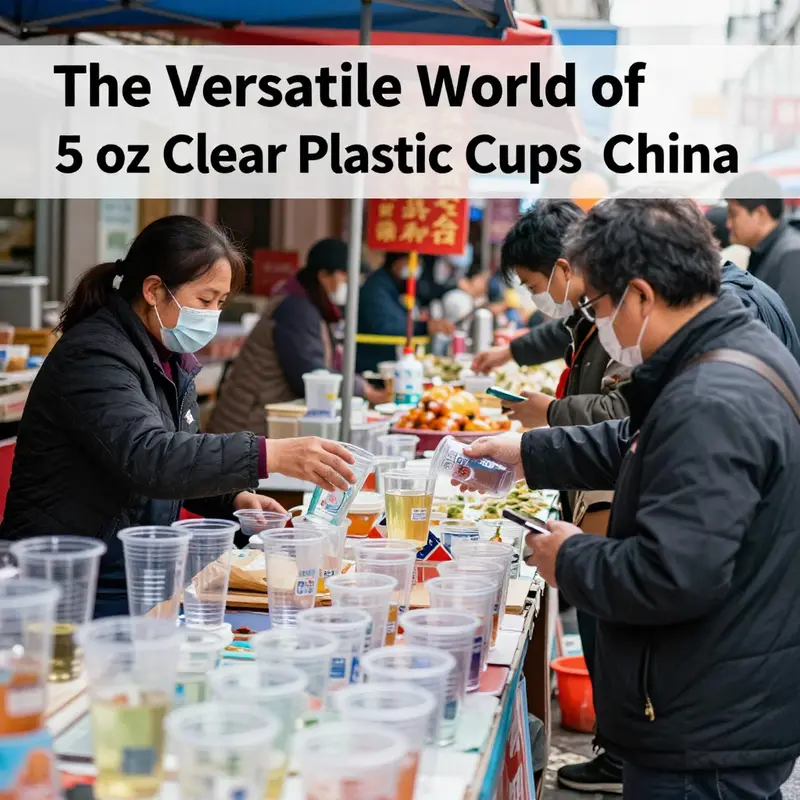
Chapter excerpt: a nuanced journey through the 5 oz clear plastic cup market in China, where tiny vessels reveal big shifts in regulation, manufacturing, and consumer culture. The 5-ounce clear plastic cup sits at a curious intersection. It is small enough to be economical and convenient, yet its fate reflects larger currents in China’s packaging ecosystem. In recent years, the market for these cups has moved beyond simple mass production. It has become a litmus test for how a country with a vast manufacturing footprint negotiates cost, quality, and responsibility in a rapidly evolving regulatory and consumer landscape. To understand where this niche fits within the broader packaging narrative, one must trace three intertwined threads: the shifting manufacturing landscape in well-established hubs, the push toward sustainability spurred by policy and consumer demand, and the evolving needs of the commercial foodservice sector that relies on precise packaging for beverages served in high-volume networks as well as in premium, experience-driven outlets.
The first thread begins in China’s core concentration zones for plastic cup production. Guangdong and Zhejiang have long been the nerve centers of this industry, with intensive supply chains that knit together raw resin suppliers, machinery suppliers, toolmakers, printers, and logistics networks. In Guangdong, for instance, manufacturers have developed the capability to convert a thousand tiny decisions into a reliable, scalable product: precise wall thickness, high clarity, dependable lids, and the ability to customize print and branding at scale. Zhejiang mirrors this sophistication, where automation, process control, and stringent quality checks align to produce consistent outputs even as demand patterns shift. The story of the 5 oz clear cup is not merely about a piece of plastic but about how a densely linked industrial system evolves to meet both domestic branding aspirations and export expectations. In a market that prizes both uniformity and adaptability, suppliers are investing in high-precision molding, tighter tolerances, and more repeatable finishes to satisfy the standards of major domestic beverage concepts as well as international buyers.
This consolidation and upgrade of the manufacturing landscape dovetails with a broader trend: a shift away from price-driven volume toward quality-driven value. As global and domestic brands demand tighter specifications—crystal-clear clarity, uniform thickness, consistent lid fit, and resistance to cracking under cold beverages—manufacturers are embracing automation, robotics, and predictive maintenance. The upshot is a capacity to deliver not only large batches but also customized runs that preserve brand integrity. For 5 oz cups, that means being able to produce cups that present a beverage with a visually compelling profile—ice, color, translucence—while ensuring the lids seal securely and minimize spills. The market’s future, then, increasingly hinges on how well a mill can balance efficiency with the rigorous quality demanded by premium coffee shops and tea houses as well as by large chain operators seeking reliable packaging at scale.
A second thread presses at the core of policy and consumer sentiment: sustainability. The Chinese government has positioned itself within the global push toward carbon neutrality and more responsible consumption patterns. The dual carbon goals—peaking and then neutralizing carbon emissions—shape regulatory expectations for single-use plastics, including those used for cups small enough to be overlooked in a larger waste management narrative. In response, developers of 5 oz clear cups are exploring a spectrum of strategies. One path emphasizes incorporating biodegradable materials such as PLA (polylactic acid) and PBAT (polybutylene adipate terephthalate) into small-format cups, a move that enables a more sustainable end-of-life profile without sacrificing the functionalities customers expect. These bio-based or bio-inspired variants are not a single-start solution; they interact with processing realities, such as heat tolerance, moisture barriers, and compatibility with existing elution and printing technologies. The forecasts suggest that the adoption of such materials will accelerate over the next five years as regulatory signals intensify and consumer appetite for greener products expands.
Yet sustainability is not a trade-off-free proposition. The clarity and rigidity of a 5 oz cup, paired with its clear PP base, can be influenced by the inclusion of bio-based content. Manufacturers must manage a delicate balance: ensuring that the cup remains transparent enough to showcase the beverage while also delivering enough strength to withstand sips, ice, and chilling temperatures. This often requires advanced extrusion or molding techniques and, in some cases, coatings or barrier layers that preserve clarity under light exposure and temperature variations. The industry is actively exploring blends and barrier innovations that preserve visual appeal while expanding the cup’s life cycle footprint. For brands that pursue eco-credentials, the total environmental impact becomes a conversation about more than just the cup; it encompasses the full packaging system, including lids, sleeves, and potential recycling pathways. The shift toward sustainable materials is not an abrupt change but a staged evolution that integrates policy cues, consumer expectations, and technical feasibility.
The third thread concerns the commercial foodservice sector’s growth trajectory. The beverage world has seen an explosion of formats and venues—from brisk tea shops offering innovative blends to specialty coffee concepts emphasizing barista artistry and experience. In these contexts, the 5 oz cup is less a disposable prop and more a paddle along which a brand crafts its identity. A small cup can carry a beverage with a strong visual appeal, and this is especially important in a market where “coffee culture” and “tea culture” are rapidly professionalizing. Operators are keen on cups that render the beverage’s color and texture clearly while providing reliable performance under repetitive use and frequent transport. They also demand practical, spill-resistant lid systems. Flat lids without holes, for instance, have become a preferred option for environments that prioritize spill prevention in fast-service settings and transport logistics. The demand is not merely for a cheap, generic cup; it is for a consistent, predictable, brand-friendly package that travels well from the bar to the customer’s table or takeout window.
The interplay of these forces—manufacturing sophistication, environmental responsibility, and service-sector needs—has shaped a market where the 5 oz clear cup is increasingly a platform for experimentation and differentiation. Many producers recognize that in a crowded field, the ability to offer a reliable supply of cups with consistent thickness, edge finish, and transparency becomes a key competitive differentiator. As brands push for more defined brand language, the ability to print or emboss logos and thematic graphics in a small format grows in importance. The capacity to provide customized runs—whether through branding, color accents, or lid compatibility—enables a more intimate product-market fit. Yet customization must be scaled; the same facility that can run 1,000 units per order must also handle 100,000 units or more with the same level of precision. It is inevitable that the most successful suppliers will be those who can marry customization with throughput, turning design-driven flexibility into reliable delivery.
The material story remains central to this convergence. Bio-based plastics and compostable options promise to align packaging with environmental objectives, but they do not exist in a vacuum. They interact with consumer behavior, waste infrastructure, and recyclability metrics. As such, packaging solutions move beyond the cup itself to the packaging ecosystem—how cups ship, how lids align, how prints endure, and how end-of-life processes can be streamlined. In this light, the 5 oz clear cup becomes a testbed for end-to-end packaging thinking. A manufacturer’s success hinges on more than the glassy viz of the cup; it depends on the reliability of the entire chain—from resin feedstock to mold making to finished product logistics and after-sales support. The best players are those who can deliver high-quality cups that meet the aesthetic and functional demands of beverage programs while also presenting a clear value proposition to brands seeking to improve sustainability metrics.
With these dynamics in view, a few practical implications emerge for buyers and planners. First, there is a clear premium associated with consistent quality. Buyers should prioritize suppliers who demonstrate process control, traceability, and stringent quality checks. This preference is not a mere luxury; it is tied to expectations of brand safety and customer satisfaction. In high-volume channels, a minor variation in cup thickness or rigidity can translate into a perceptible difference in perceived premium quality or, worse, a higher rate of leakage incidents. Second, the push toward sustainable materials will require thoughtful evaluation of each option’s compatibility with existing equipment and processes. For some operators, particularly those with long-standing lines of vision that emphasize pristine clarity, the allure of crystal-clear PLA composites or PBAT blends must be weighed against heat resistance and shelf-life considerations. Third, the rise of customization capabilities must be matched with scalable production plans. A brand that wants small-batch prints for seasonal campaigns must also secure a path to mass production for peak demand periods if the collaboration is to be durable and cost-effective.
To situate these considerations within a broader reference framework, readers can explore a practical resource that discusses strategic sourcing for bulk clear cups with lids, highlighting procurement dynamics, cost considerations, and supplier capabilities in China’s manufacturing ecosystem. eco-friendly-cold-beverage-cup-paper-cup-with-lid. While the page centers on paper-based solutions, the linked discussion captures the emerging emphasis on packaging compatibility, sustainability narratives, and the need for robust supplier partnerships—principles that translate meaningfully to the 5 oz clear plastic cup market as well. This is not to conflate materials or product categories, but to underscore the cross-cutting theme: a packaging ecosystem increasingly guided by environmental responsibility, design precision, and supply chain resilience.
As producers and buyers navigate the evolving terrain, the future of the 5 oz clear plastic cup in China appears neither bleak nor stagnant. It is a horizon of possibility defined by smarter manufacturing, responsible materials, and more intentional brand packaging. The cups themselves remain modest in size, but the ambitions surrounding them have expanded. In practice, that translates into cups whose clarity resists clouding under cold beverages and that maintain mechanical integrity through a delivery cycle that may include ice, syrup, and multimodal transport. It translates into a packaging system built to support the fast pace of modern beverage culture while reducing environmental impact through better materials, smarter design, and more effective end-of-life solutions. The market thus migrates from being a simple commodity to becoming a conduit for brand storytelling, sustainability commitments, and operational excellence. That is the essence of the current moment: a small cup that reflects a larger transformation in China’s packaging economy.
External resource for further sourcing context: https://www.alibaba.com/offer/strategic-sourcing-of-bulk-clear-cups-with-lids.html?spm=a2700.198346.0.0.1a7e1b1cWtZlRj&productId=655482239844
Small Vessels, Big Economic Footprint: The Five-Ounce Clear Cup Economy in China
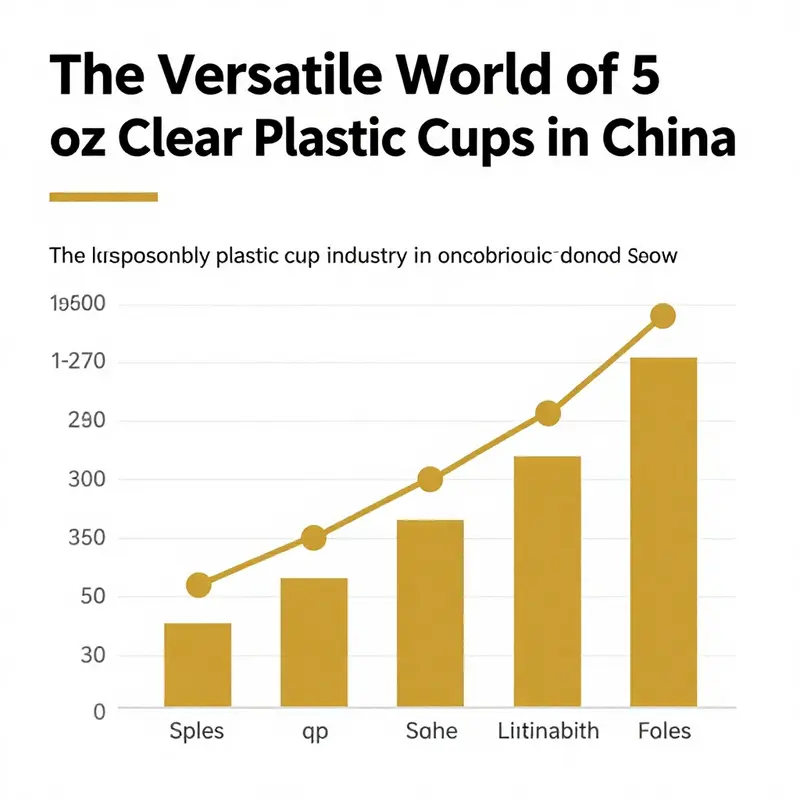
In China, the simple act of filling a five-ounce clear plastic cup with a beverage embodies a larger story of manufacturing scale. The cup’s clarity, the snap of the lid, and the ready availability of branding options at scale signal a mature, efficiency oriented economy. This chapter traces how a modest product ties domestic clusters to global demand. It is a narrative about automation, logistics, and the evolving expectations of buyers who rely on steady supplies for hospitality, retail, and events.
China’s advantage rests on clusters that sit near ports and feedstocks. Guangdong and Zhejiang stand out because factories in these provinces participate in a web of processes—from resin procurement and injection molding to final packaging and QA certifications. The proximity of raw materials to machinery and logistics nodes translates into economies of scale that matter when millions of units are produced each month. Shorter transit distances and synchronized planning can shave a noticeable portion off logistics costs, often quoted as up to mid-teens percentages when optimized properly. For buyers, these savings translate into reliable replenishment cycles and competitive pricing.
The scale of production is matched by the speed and precision of modern lines. Automated injection molds can produce large runs quickly, with consistent wall thickness and optical clarity. Polypropylene remains the workhorse material because it is inexpensive, rigid at small cup sizes, and friendly to high-speed molding. The material choice also affects downstream processes, such as printing, which can enable branding while maintaining recyclability. In a market increasingly attentive to sustainability, many suppliers emphasize BPA-free formulations and recyclable-grade PP, balancing cost with environmental goals.
Demand for five-ounce cups comes from food-service operations, retailers, and promotional campaigns. The cups support a broad beverage portfolio and can be branded with logos and seasonal graphics. The ability to pair cups with compatible lids and straw systems creates a cohesive packaging ecosystem that simplifies procurement for buyers running campaigns across markets. Branding remains a driver of value because a consistent visual identity can extend a campaign’s reach beyond a single store or event.
As the sector matures, sustainability becomes a defining competitive axis. Buyers seek products that can be recycled in municipal programs and that minimize ink usage while preserving clarity of branding. Suppliers respond with certifications and transparent supply chain attestations, helping buyers manage risk across different regulatory environments. The interplay of cost, performance, and environmental responsibility expands the export opportunities while meeting rising domestic demand for responsible packaging.
The international dimension is front and center. China remains a leading exporter of plastic drinkware, supported by disciplined quality control, scalable automation, and a willingness to align product specs with diverse market standards. Exports in this category have shown resilience in face of price competition, with reliability and lead-time predictability as central buyer concerns. Channels for supplier discovery and digital marketplaces play a growing role in showcasing capabilities and adherence to standards.
Beyond the factory floor, the five-ounce cup acts as a building block in a broader industry ecosystem that includes lids, straws, and branding elements. The end-to-end packaging experience matters for multinational campaigns and seasonal promotions, where consistent presentation across markets can influence consumer recall. The capacity to offer branded, compatible components without sacrificing lead time or cost creates a compelling value proposition for buyers coordinating procurement across regions.
The chapter closes with a view of the macro indicators. Employment in plastics and packaging, steady foreign exchange earnings, and ongoing automation investment reflect a robust domestic industry that remains deeply connected to global demand for compact, affordable packaging solutions. For buyers, the reliability of supply—on-time delivery, stable lead times, and predictable reorders—translates into confidence to schedule campaigns and plan stock. In this sense, the five-ounce clear cup is more than a disposable item; it is a practical element of modern manufacturing that supports hospitality, retail, and promotional activities across borders.
External resource: https://www.alibaba.com/showroom/bulk-plastic-cups-with-lids-and-straws.html
Standards, Verification, and Confidence: Quality in 5 oz Clear Plastic Cups Made in China
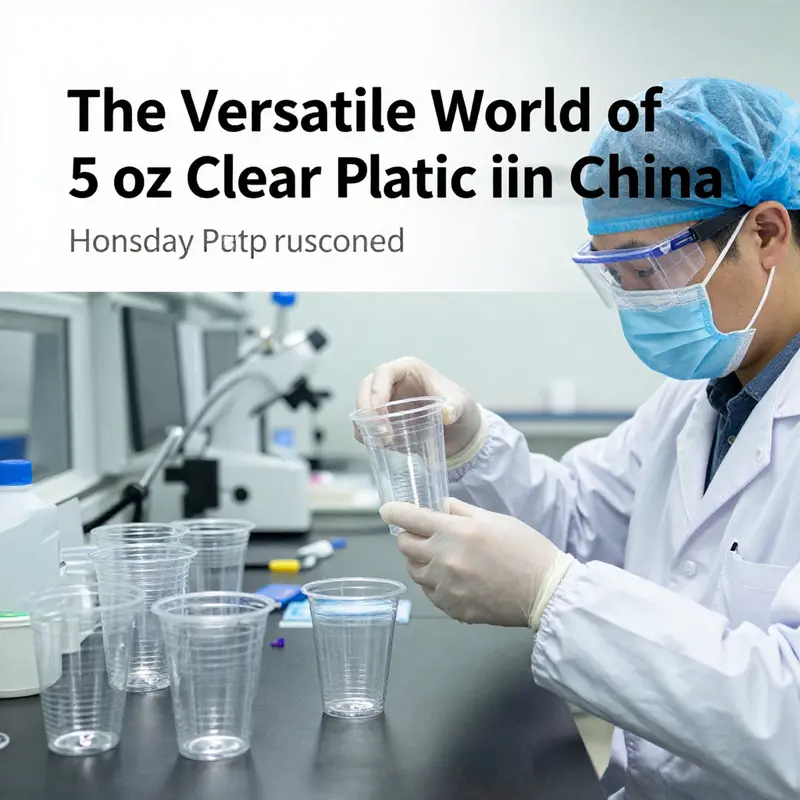
Five-ounce clear plastic cups occupy a practical niche in modern food service. In China, a large share of global supply is produced under a layered framework of material safety rules, processing controls, and independent verification. This chapter explains how resin choice, manufacturing practices, and finished-product testing come together to deliver cups that are safe and reliable rather than simply inexpensive. It emphasizes the need for evidence of material purity, absence of prohibited additives, and controlled migration into beverages under typical usage.
International buyers often look for alignment with domestic standards such as GB 4806.1-2016 in China and with external frameworks like the U.S. FDA, the EU’s LFGB, and related regulations. A robust compliance package includes resin declarations, additive disclosures, processing aids, and migration test results, all supported by third-party laboratory reports from SGS, Intertek, or TÜV. These documents provide transparency and help purchasers assess risk before shipment.
Operationally, the supply chain benefits from traceability, bulk-supply validation, and pre-shipment inspection. Practical buyer actions include requesting complete test packs, requiring routine re-testing after formulation or equipment changes, and verifying printing inks and surface treatments do not introduce migration concerns. Audits and corrective-action records further reduce risk and support steady delivery, even for large events or exporters dealing with multiple jurisdictions.
Final thoughts
The world of 5 oz clear plastic cups in China is ripe with opportunities, driven by a blend of manufacturing excellence and consumer demand. Understanding the manufacturing processes, market dynamics, and regulatory standards equips businesses with the knowledge to make informed decisions. With a commitment to quality and innovation, these cups not only serve practical purposes but also support sustainability and customer satisfaction. Your choice in plastic cups can significantly impact your business operations and brand image, making it essential to select wisely.