
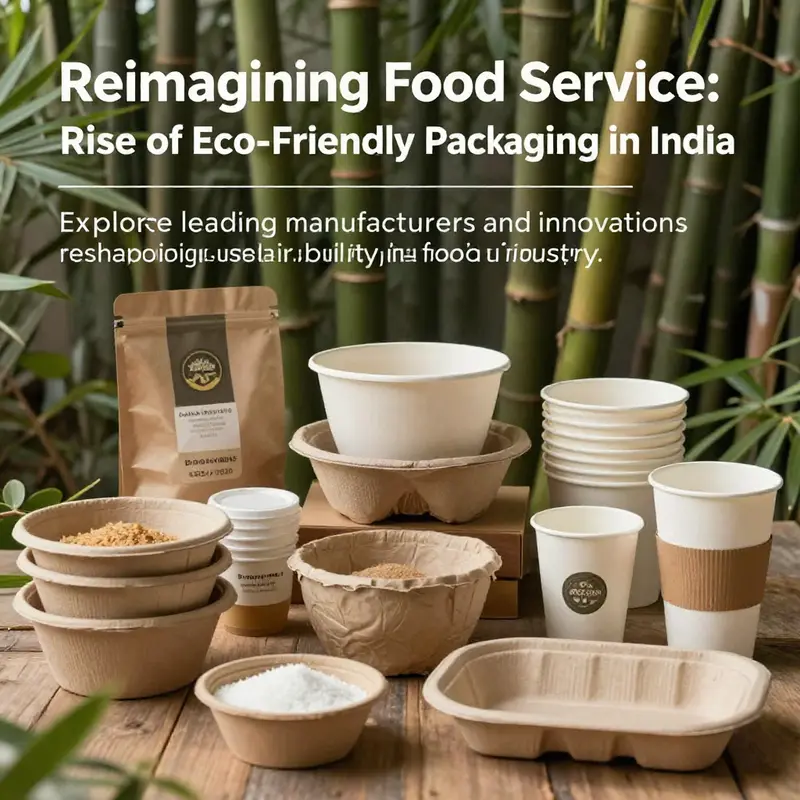
The push toward sustainability has never been stronger, particularly in India, where the demand for eco-friendly food packaging is rapidly growing. From bustling bubble tea shops to gourmet catering services, businesses are embracing alternatives to traditional plastic. Our exploration highlights key manufacturers leading the charge, showcases innovative technologies in eco-friendly packaging, analyzes economic impacts on the industry, and outlines the regulatory frameworks guiding this essential transformation. Discover how these insights can help your business thrive while contributing to a healthier planet.
From Cane to Compost: India’s Rise of Eco-Friendly Food Packaging Manufacturers
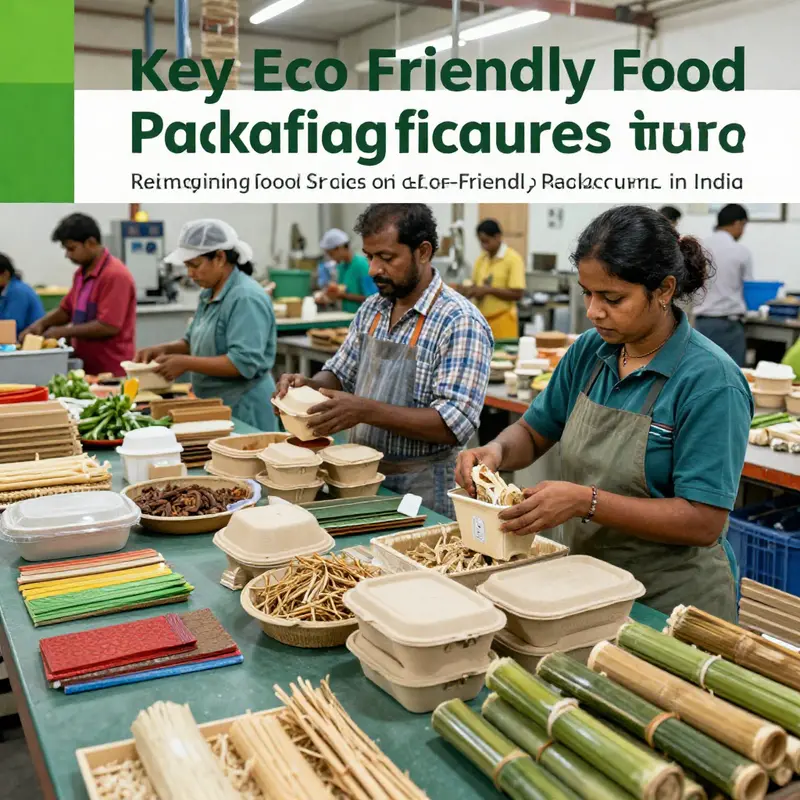
From Cane to Compost: India’s eco-friendly food packaging manufacturers are catalyzing a quiet revolution in a market historically dominated by plastics. This shift is not merely a response to rising consumer demand for greener choices; it is a carefully engineered realignment of production, supply chains, and certification that seeks to close the loop from raw material to end-of-life. In many parts of India, the story unfolds along regional clusters where agriculture and manufacturing rhythms intersect. Here, a new generation of packaging producers is turning agricultural residues and renewable fibers into forms that protect food, preserve brands, and, crucially, ease the burden on land, air, and water. The trajectory is not a single path but a tapestry of materials, processes, and regulatory signals that together sketch a practical alternative to conventional plastics.
The materials driving this change are as diverse as the landscapes of the country. Bamboo has emerged as a standout due to its rapid growth and renewability. In the hands of skilled converters, bamboo becomes disposable cutlery and food delivery packaging that balances rigidity with light weight. The plant’s natural fibers offer a tactile quality that many consumers associate with sustainability, while its fast replenishment cycle helps manufacturers manage supply risk in times of high demand. Bagasse, the fibrous residue left after sugarcane processing, has found a second life as molded pulp, rigid boxes, and takeout containers. When molded and shaped with care, bagasse-based solutions can perform at the level required for fast-casual and organized delivery networks, where stacking stability and moisture resistance matter. Recycled paper and molded pulp take this story a step further, transforming waste streams into value while returning to the earth through composting pathways that, in industrial facilities, can proceed under controlled conditions to ensure predictable decomposition.
Yet the appeal of these materials is not only environmental. The lifecycle logic behind bamboo and bagasse supports a more resilient supply chain. In India, several manufacturers have built vertical integration that covers everything from raw material procurement to final product finishing. This approach reduces transport emissions, improves traceability, and accelerates response times to evolving customer requirements. It also builds local capacity in rural and peri-urban regions, where abundant bamboo resources, agricultural residues, and craft-based skillsets can be coordinated into a modern manufacturing workflow. In practical terms, this means a factory floor that can produce a range of items—from bowls and plates to takeout boxes and tray systems—using a shared suite of equipment and a synchronized quality system. The advantage is not only environmental; it is economic. Producers can reduce waste, optimize energy use, and lower per-unit costs through higher throughput and better material utilization over time.
Still, the narrative is nuanced. Compostable packaging, often cited as a gold standard for end-of-life outcomes, relies on organic materials like bagasse and recycled kraft paper. The promise is clear: new products that degrade in industrial composting environments without leaving persistent residues. The reality, however, is more complex. Industrial compost facilities provide the high heat, moisture, and microbial activity that drive predictable decomposition. Without these conditions, some materials may linger longer than expected in a landfill or even in home compost systems. This limitation should shape product design and application. It invites a careful alignment of packaging choice with end-use contexts—whether it is a food delivery bag that travels quickly to a residence or a retail container intended for short-term use in a controlled environment. In each case, the material’s performance under real-world conditions becomes as important as its compostability on a lab bench.
Across the country, these considerations are informing manufacturing philosophy. In Karnataka, Tamil Nadu, and Maharashtra, facilities emphasize a full supply chain, where the journey from forest, farm, or field to final packaging is tracked and optimized. This alignment supports not only quality control but also the sustainability storytelling that brands increasingly rely on to connect with consumers. The factories in these regions frequently employ advanced molding and forming techniques that convert bagasse pulp or recycled paper into durable, heat-resistant items. The process is not magical; it is a careful orchestration of refining, pulping, drying, forming, and surface treatment. The result is a range of products that can stand up to the rigors of fast-food service, takeout platforms, and retail packaging, while still appealing to buyers who want to demonstrate responsibility in their supply chains.
A key lever in this transformation is the importance of certification and standards. International benchmarks like EN 13432 and ASTM D6400 have become more than abstract references; they are practical gatekeepers for exporting and for earning the trust of customers who demand verifiable sustainability. Achieving such standards typically requires more than the right material; it demands disciplined process control, consistent product quality, and transparent supply chain documentation. Some Indian producers pursue FSC or PEFC forest certification to signal responsible sourcing of raw materials. This certification suite helps reassure customers that the fiber origin, harvesting practices, and chain-of-custody meet recognized environmental and social standards. It also supports access to markets where green purchasing policies are increasingly firm. But the pursuit of certification is not merely about compliance; it is a strategic signal that a company is willing to invest in long-term, credible claims about its products.
The economics of eco-friendly packaging also warrant close attention. It is widely acknowledged that sustainable materials often carry a higher upfront cost relative to conventional plastics. However, the cost calculus shifts when one accounts for lifecycle benefits, product differentiation, and the potential for waste reduction fees or penalties in regulated markets. Consumers, too, are increasingly willing to pay a premium for products that align with their values. For manufacturers, this dynamic translates into a careful blend of price discipline, product performance, and brand storytelling. Many companies respond by embedding energy-efficient practices in their manufacturing lines. Measures such as recovering heat from drying processes, optimizing water use, and reducing scrap through precision molding all contribute to lower per-unit emissions and shorter payback periods. When combined with certification and traceability, these efficiencies translate into a more compelling value proposition for customers in both domestic and international markets.
The sector’s growth is not a solitary movement but a networked ecosystem. It involves farmers and fiber suppliers, material scientists, machine suppliers, and logistics partners who understand the constraints and opportunities of a circular economy. In the case of bamboo, the supply chain depends on regional cultivators and a steady system of processing facilities that can convert culms into usable fiber with the right properties for food packaging. For bagasse and molded pulp, collaboration with sugar mills and pulp manufacturers is essential to ensure consistent feedstock supply and quality. Recycled paper relies on robust waste collection streams and efficient deinking and pulping operations to yield a product with the right strength, printability, and moisture resistance. Each material requires its own set of design choices and processing parameters, which means that manufacturers must cultivate a deep technical bench. This is where collaboration with research institutions, testing laboratories, and standardization bodies becomes valuable, guiding product development while keeping environmental claims credible.
A practical dimension of this evolution is the design ethos that guides product development. In an industry where plate, bowl, cup, and takeout packaging must perform under heat, moisture, and mechanical stress, the design must anticipate a range of use contexts. The most successful products integrate functional performance with aesthetic appeal and brand compatibility. They may employ coatings or laminates that protect against moisture without compromising compostability, or they may leverage surface textures and shape geometry to improve stackability and heat retention. In this design-forward environment, a strong emphasis on end-of-life clarity is essential. Clear labeling about compostability, industrial compostability, and the expected handling conditions helps avoid consumer confusion and ensures the material ends its life as intended. This alignment of form, function, and life cycle messaging reinforces the credibility of the entire sector.
Within the broader Indian market, there is also a strategic push to export. While domestic demand continues to grow as more food service operations adopt sustainable packaging, the export opportunity remains significant. International buyers increasingly require proof of compliant materials and traceable supply chains. They seek partners who can demonstrate stable feedstock prices, scalable production, and robust environmental management practices. India’s eco-friendly packaging manufacturers position themselves to meet these expectations by building regional clusters with strong supplier networks, investing in energy-efficient technologies, and pursuing certifications that confer global legitimacy. The result is a diversified portfolio of offerings that can be adapted to different climates, regulatory regimes, and consumer preferences around the world.
In this evolving landscape, the role of industry narratives becomes meaningful. It is not enough to claim that a product is biodegradable or compostable; it is necessary to articulate the conditions under which those properties manifest. It is also essential to explain how the material fits into waste management systems and how it interacts with consumer behavior. The discourse around eco-friendly packaging in India therefore blends technology, policy, and culture. It invites brands to tell stories about local sourcing, craft-inspired production, and the long-term benefits of reducing plastic waste. It invites policymakers to align regulations with practical manufacturing realities, incentivizing investments in renewable materials and energy savings while maintaining food safety and consumer protection standards. And it invites consumers to recognize that sustainability is an ongoing process—the result of better choices about materials, design, and end-of-life options rather than a single product switch.
For readers who want a concrete example of the kinds of packaging formats that are gaining traction in India, one representative category is the growing array of kraft paper-based solutions used in takeout and retail contexts. This format demonstrates how a seemingly simple material can be engineered to deliver performance, convenience, and environmental benefits. The octagonal box variant, for instance, illustrates how packaging geometry can optimize space on shelves and during transport while maintaining a robust barrier against moisture and heat. The packaging format also aligns with consumer expectations for easy disposal and for clear messaging about compostability. You can explore one example of this approach through a practical internal reference that points to a publisher offering disposable octagonal boxes and related kraft paper packaging designs. disposable octagonal box- kraft paper packaging. This linkage highlights a common, scalable format that could be adapted by multiple producers within India’s growing ecosystem. Such formats, when paired with reliable feedstock and responsible sourcing, contribute to the narrative of a circular economy that keeps materials circulating for longer and with less environmental cost.
Looking ahead, the trajectory of India’s eco-friendly food packaging manufacturers will be shaped by the interplay of innovation, policy, and market demand. As more players join the field, differentiation will hinge on the integration of sustainable materials with robust supply chains and credible lifecycle claims. Companies that invest in local biomass resources, establish transparent sourcing, and pursue durable certifications will likely lead the sector. They will be able to offer a diverse menu of products—from bamboo-based cutlery to molded pulp trays and compostable fiber cups—that satisfy the needs of food delivery networks, retail packs, and waste collection programs. In doing so, they will also contribute to a broader shift toward circularity in India’s packaging landscape, reducing dependence on conventional plastics, lowering environmental footprints, and supporting a culture of responsible consumption that resonates with investors, regulators, and consumers alike.
As this chapter closes, it is worth noting that the momentum in India’s eco-friendly packaging space is not a fleeting trend. It reflects a systematic rethinking of how materials, processes, and life cycles interlock to create packaging that protects food and the environment. It is a story of regional strengths converging with global standards, of traditional craft meeting modern efficiency, and of local production expanding into international markets while keeping sustainability at the core. For readers seeking deeper context on how these materials and practices fit within India’s broader sustainability ambitions, a comprehensive external resource provides broader insights into eco-friendly products and their applications in engineering. See this external resource for further reading: https://www.sustainablepackagingindia.com/blog/eco-friendly-products-in-india
Innovating Sustainably in India: How technological advances are reshaping eco-friendly food packaging
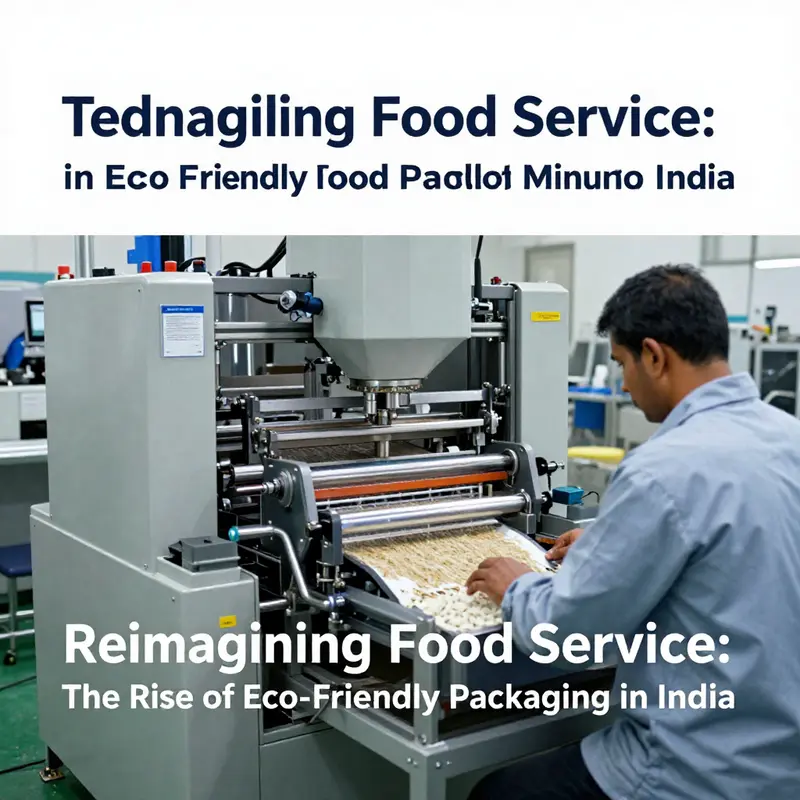
India is witnessing a quiet revolution in the packaging sector driven by renewable materials, advanced processing, and a shift toward circularity.
Agricultural byproducts such as bagasse, banana leaves, and rice husks are being transformed into durable, compostable packaging for take-out and retail.
High-pressure molding and vacuum forming enable consistent, microwave-safe containers, while smart packaging features like time-temperature indicators and natural antimicrobial coatings extend shelf life without synthetic additives.
Policy measures, standards like EN 13432 and ASTM D6400, and forest-certification schemes are aligning domestic production with international expectations.
Regional clusters in Karnataka, Tamil Nadu, and Maharashtra accelerate R&D-to-market, improve supply chains, and attract investment from startups and MSMEs.
The result is a shift from linear to circular models with visible traceability, a focus on cost of ownership through energy efficiency and waste minimization, and a growing portfolio of compostable and recyclable packaging formats.
As the ecosystem matures, collaborations among research institutes, manufacturers, and retailers will sharpen standards, certify sustainability, and expand global reach, offering practical paths for sustainable packaging in India and beyond.
Green By Design: The Economic Ripple of India’s Eco-Friendly Food Packaging Manufacturers
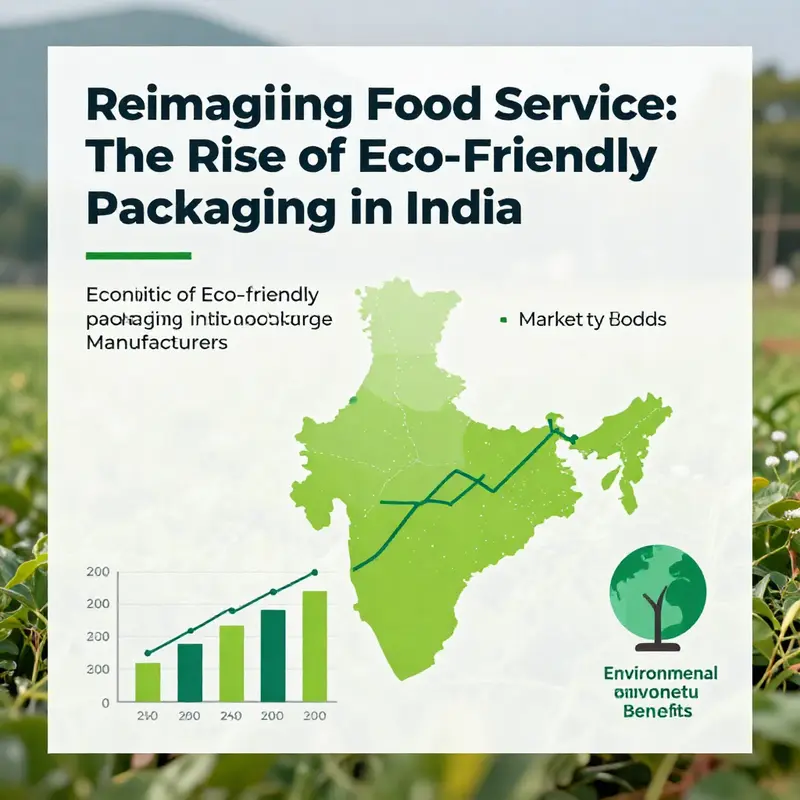
Across the bustling corridors of India’s urban markets and the quiet lanes of its rural supplier towns, a quiet industrial transformation is taking shape. It begins with a simple shift in material choices and ends in a cascade of economic effects that touch farmers, small workshops, and global brands alike. Eco-friendly food packaging manufacturers are not only replacing plastic with more sustainable alternatives; they are reconfiguring local economies, redefining industrial value chains, and aligning India’s manufacturing aspirations with a global appetite for responsible consumption. The result is a narrative of growth that sits at the intersection of environmental necessity and economic opportunity, where policy support, consumer preference, and corporate ESG commitments converge to nurture a nascent but increasingly robust sector.
At the heart of this transformation lies a portfolio of materials that leverage India’s abundant agricultural and forest residues. Bagasse from sugarcane, bamboo fiber, rice husk, and recycled paper have moved from niche options to central inputs in the modern packaging repertoire. These materials support molded pulp applications, compostable cellulose products, and basic yet resilient forms such as paper bowls, plates, and clamshells. The shift away from petrochemical-based plastics is not merely an environmental stance but a practical recalibration of sourcing, processing, and end-of-life management. Each step of the value chain carries a potential for job creation, skill development, and regional investment, turning environmental stewardship into an engine of inclusive growth.
Regional clustering plays a crucial role in this economic mosaic. In states like Karnataka, Tamil Nadu, and Maharashtra, companies often cultivate end-to-end capabilities that cover raw material procurement, processing, and finished goods production within a shared ecosystem. Such clusters reduce logistical bottlenecks, stabilize supply, and enable scale without sacrificing local employment. They also create a fertile ground for innovations in production technology. Advanced molding and forming processes can convert bagasse or recycled paper into durable food-contact items such as bowls, trays, and cups that stand up to the demands of quick-service restaurants and takeaway platforms. The emphasis on process efficiency—embedded in automation, energy management, and waste minimization—helps temper some of the higher upfront costs that accompany eco-friendly alternatives. In other words, the economic benefits emerge not only from selling a greener product but also from operating a smarter, more resilient factory network.
The domestic market’s appetite for sustainable packaging continues to expand. Supermarkets and food delivery platforms, confronted with regulatory expectations and evolving consumer preferences, increasingly favor packaging that signals responsibility. This demand fuels a virtuous cycle: higher volumes encourage investment in better equipment and staff training, which in turn improves yield and quality, attracting larger orders and more stable revenue streams for SMEs. The direct economic impact manifests in more jobs and higher income for workers across the value chain, from farmers supplying bagasse and bamboo to technicians maintaining the equipment and preserving the quality of end products. Yet the ripple effects extend beyond wages. Local suppliers, service providers, and logistics firms experience upticks in demand as packaging manufacturers scale, creating a broader regional uplift that can gradually reduce poverty pockets and improve rural-urban connectivity.
A key dimension of this economic story is India’s broader policy and macroeconomic environment. Initiatives such as Make in India and the National Action Plan on Plastic Management lay the groundwork for a more self-reliant packaging sector. They signal a policy stance that rewards domestic production, emphasizes green manufacturing, and supports the modernization of industrial infrastructure. The immediate impact is visible in investment patterns: capital flows toward green factories, the adoption of energy-efficient equipment, and the pursuit of certifications that reassure international buyers about compliance and sustainability. Although the initial cost gap between eco-friendly packaging and conventional plastics remains, the long-term economic logic is compelling. Lower waste management costs, reduced environmental cleanup liabilities, and the potential for premium pricing in ESG-conscious markets collectively improve the total cost of ownership for many buyers.
The growth trajectory projected by industry analysts reinforces this optimism. A compound annual growth rate well above 12 percent from 2024 to 2030 reflects strong demand signals across multiple channels. Retail chains and food delivery networks are expanding their initiatives to standardize sustainable packaging across geographies, while government programs promoting single-use plastic bans reinforce a durable demand pull. This trajectory also broadens the playing field for SMEs. As the market expands, small and mid-sized manufacturers gain access to finance, technology upgrades, and collaborative platforms that reduce the risks associated with scaling up. The resulting ecosystem fosters a culture of continuous improvement—where feedstock supply, processing efficiency, product design, and compliance are pursued in tandem rather than as isolated priorities.
From a trade balance perspective, the push toward domestic production of eco-friendly packaging helps India reduce its reliance on imported plastics and petrochemicals. When packaging materials are sourced and processed locally, the value-added chain remains within national borders longer, increasing the domestic value capture and improving net export performance. This is particularly meaningful in a landscape where external pressures on fossil fuel markets can translate into volatile feedstock costs. A more self-reliant packaging industry thus contributes to price stability for downstream users—restaurants, retailers, and manufacturers who require predictable packaging costs to manage margins and pricing. Moreover, as Indian firms gain expertise in meeting international standards, they become competitive candidates for export contracts, a dynamic corroborated by reports that highlight rising demand for compliant packaging in Europe and North America.
Quality and certification matter enormously in this context. The willingness of global brands to contract with Indian suppliers hinges on proven compliance with recognized standards. Certifications such as FSC or PEFC, and adherence to compostability benchmarks like EN 13432 or ASTM D6400, help establish credibility in sensitive markets. They also provide a structured framework for manufacturers to optimize supply chains and waste streams. The pursuit of certifications, while adding to upfront costs, yields downstream benefits: more consistent product performance, clearer labeling, and easier integration into circular economy models. For a sector that depends on collecting and repurposing waste streams, certification can be a differentiator that unlocks longer-term contracts and price premiums tied to sustainability commitments.
The social dimension of this economic transformation should not be overlooked. Rural and semi-urban regions often host the feedstock supply chains that underpin eco-friendly packaging. Bagasse, bamboo, and recycled paper require engaged cultivation, processing, and logistics networks. When communities participate in these value chains, the economic benefits spread beyond factory walls. Local employment grows, consumer awareness about sustainability increases, and businesses become anchors for community development. This fosters a more inclusive model of growth—one that aligns with broader development goals while providing a practical pathway for livelihoods that might otherwise be limited by traditional manufacturing sectors. In turn, the improved economic environment can fuel further investment in education and training, equipping workers with new skills suited to a greener economy.
Yet the path is not without challenges. The higher production costs associated with eco-friendly packaging, relative to conventional plastics, remain a gatekeeper for some potential customers. Industry observers emphasize the need for scalable supply chains that can deliver consistent feedstock quality at predictable prices. The requirement for industrial composting facilities to manage end-of-life disposal is another critical constraint; without adequate facilities, the environmental benefits of biodegradable products may not be fully realized, and end-of-life costs can erode savings. To navigate these issues, firms are pursuing a mix of strategies. Some invest in energy-efficient manufacturing lines and waste-minimization practices that lower unit costs. Others form cooperatives or partnerships to pool procurement, share technical know-how, and collectively negotiate with financial institutions for favorable loan terms. Certification costs and the administrative burden of compliance are acknowledged as ongoing considerations, but many players view them as necessary investments that help secure long-term market access.
Innovation remains the beating heart of the sector’s economic promise. Materials science is unlocking new formulations and processing methods that improve performance while reducing environmental impact. Molded pulp, which leverages bagasse or recycled fibers, continues to mature in strength and versatility. Bamboo fiber options advance in their ability to withstand heat and moisture, expanding the range of applications for packaging. Cellulose-based composites, with smart design and efficient separators, open opportunities for multi-use and end-of-life collection. The development of closed-loop systems, where packaging is returned, remanufactured, or composted in industrial facilities, reflects a forward-looking approach to circular economy principles. In practice, this means a packaging landscape that is not only greener but also more adaptable to shifting consumer patterns, whether it is the growth of home delivery services, the expansion of online grocery platforms, or the emergence of new food formats that require entirely different packaging typologies.
The economic resonance of these developments is visible in the broader corporate and policy environment. Companies engaged in eco-friendly packaging increasingly integrate sustainability into their core business strategy, recognizing that responsible packaging is a strategic differentiator in a crowded marketplace. This alignment is reinforced by consumer expectations that reward brands for reducing environmental footprints. At the policy level, continued emphasis on sustainable production and responsible waste management signals to investors and financial institutions that the sector is ready for scalable, responsible growth. In this sense, the economic impact extends beyond direct financial metrics. It also shapes risk profiles, investment decisions, and strategic partnerships that collectively advance India’s aspiration to be a global hub for green manufacturing.
No single chapter in this unfolding story can capture all its dimensions, yet the throughline is undeniable: eco-friendly packaging is becoming a generator of economic value, not merely an ethical or environmental choice. It touches employment, trade, innovation, and regional development in ways that reinforce the resilience and adaptability of India’s manufacturing base. When combined with a supportive policy envelope and rising ESG expectations from international buyers, this sector has the potential to become a durable pillar of inclusive, sustainable growth. The narrative is still being written, but the chapters already visible point toward a future where green design and economic vitality walk hand in hand. In the next stage of this journey, the focus sharpens on how these value chains can scale while preserving livability in the communities that feed them, and how producers can continue to demonstrate that sustainability and profitability are not opposing forces but mutually reinforcing objectives.
For those readers seeking a more practical glimpse of the market’s current shape, the trajectory described here aligns with the latest industry findings, which underscore robust demand across retail, food service, and export channels. The evidence suggests that the economics of eco-friendly packaging are shifting in favor of early adopters who invest in materials science, process optimization, and strategic collaborations. As brands worldwide tighten their ESG commitments, Indian manufacturers are well positioned to respond with reliable supply, competitive pricing, and consistent quality. This convergence of policy support, market demand, and technical capability sets the stage for a lasting, inclusive economic impact that extends far beyond factory gates. The story is not about a fleeting trend; it is about a structural shift in how packaging is conceived, produced, and valued in a modern economy that increasingly places sustainability at the core of growth strategy.
To ground this narrative in the practicalities of the market, consider how a single well-designed packaging ecosystem can ripple through multiple layers of the economy. Raw material suppliers in rural districts gain stable demand, encouraging farmers and small producers to diversify crops and invest in quality controls. Local service providers—machinery maintenance, quality testing, logistics—experience sustained throughput, often creating apprenticeships and upskilling opportunities for the next generation of workers. Manufacturers benefit from economies of scale as demand grows, which enables them to optimize energy use and reduce waste. The end result is a more resilient sector that can weather commodity shocks and regulatory changes while sustaining employment and exporting capabilities.
As this chapter closes, the larger landscape remains dynamic. Innovations in material science, improved feedstock management, and deeper integration with global supply chains continue to unlock new opportunities. The core message is simple yet powerful: eco-friendly packaging is more than a green preference; it is a strategic economic asset for India’s manufacturing sector. The ongoing alignment of domestic capacity with international demand creates a compelling case for policymakers, investors, and business leaders to accelerate capital deployment and skill-building in this space. The chapter ahead will explore how emerging financial instruments, partnerships, and policy refinements can further accelerate this trajectory, ensuring that the environmental gains translate into sustained economic value for a broad cross-section of Indian society. In the meantime, readers are invited to explore practical examples of packaging formats and applications that illustrate the real-world impact of these trends, including the growing use of sustainable packaging across food service and retail channels. For instance, one of the most visible evolutions is the increasing adoption of versatile, compostable packaging options that combine durability with ease of disposal. This evolution is not merely cosmetic; it reflects a fundamental rethinking of packaging’s role in the lifecycle of a product, from production to post-consumer waste.
To connect this discussion with concrete market options, consider the broader packaging design ecosystem that now emphasizes compatibility with recycling streams and composting infrastructure. The move toward simple, standardized designs that minimize material variety helps reduce processing costs and improves end-of-life outcomes. As producers refine these designs, the result is a spectrum of products that can meet the demands of high-volume foodservice operators while maintaining a lower environmental footprint. The economic implications are tangible: lower waste handling costs for retailers, better consumer experiences with convenient, earth-friendly packaging, and enhanced brand equity for companies that make responsible packaging a visible part of their value proposition. The path ahead is to translate these design principles into scalable manufacturing practices, supported by policy incentives and robust supply chains that can deliver consistent quality at competitive prices.
For readers who want to ground these insights in a broader industry context, the latest market analyses highlight the positive momentum across the eco-friendly packaging segment in India. This momentum reflects not only rising demand but also the maturation of supply chains capable of delivering innovation at scale. The combined effect is a sector that is becoming increasingly attractive to investors and a practical, long-term option for companies seeking to align profitability with sustainability. As the sector continues to mature, it will likely see deeper collaboration across disciplines—from agriculture and materials science to logistics and compliance—building an ecosystem that sustains both economic prosperity and environmental progress. The journey ahead promises to deepen its economic impact, broaden access to green manufacturing opportunities, and reinforce India’s position in the global market for sustainable packaging.
For readers who want to explore a practical example of packaging formats and applications tied to this ecosystem, one relevant direction is kraft paper packaging that supports both safety and sustainability in food service. This approach illustrates how a relatively simple material choice—paper and pulp-based products—can unlock durable, recyclable, and compostable solutions that meet the needs of fast-paced food environments while reducing plastic waste. Such formats demonstrate how design, material science, and logistics converge to create value across the value chain. If you’d like to see a concrete instance of this approach in action, you can explore a practical example of disposable octagonal box kraft paper packaging as a reference point for how such designs are being implemented in real-world settings. disposable octagonal box kraft paper packaging.
Beyond the domestic horizon, the global marketplace is increasingly receptive to packaging solutions that can deliver consistent performance under diverse conditions while meeting stringent environmental standards. The narrative of India’s eco-friendly packaging sector thus aligns with a wider movement toward sustainable industrialization. The potential export opportunities are enhanced when suppliers can demonstrate reliability, scale, and regulatory compliance. In this context, the sector’s growth is not only a testament to entrepreneurship and innovation but also a critical component of India’s strategy to participate as a leading supplier of green manufacturing solutions on the world stage. As global brands seek to meet ambitious ESG targets, India’s eco-friendly packaging manufacturers are poised to become dependable partners for sustainable packaging needs, offering products that are not only functional and safe but also crafted with a sense of responsibility for the planet. In this sense, the economic impact transcends national borders, reinforcing a shared commitment to sustainable development and responsible consumption that benefits communities, environments, and economies alike.
External resource for broader perspective: For a macro view of market size, share, and growth trends in the eco-friendly food packaging market, see industry analysis at https://www.researchandmarkets.com/reports/5879928/india-eco-friendly-food-packaging-market-size-share-growth-trends. This external reference complements the sector-specific insights discussed here and provides a broader context for assessing opportunities in India’s eco-friendly packaging landscape.
Steering Sustainability: How India’s New Packaging Rules Redefine Eco-Friendly Food Packaging Manufacturing
The regulatory horizon for India’s eco-friendly food packaging sector is stretching beyond simple compliance toward a structural redefinition of how materials are sourced, manufactured, and presented to consumers. With the Food Safety and Standards Authority of India (FSSAI) issuing the Food Safety and Standards (Packaging) First Amendment Regulations, 2025, the country’s packaging landscape is entering a phase where environmental performance is no longer a side concern but a core criterion that shapes product development, factory operations, and even the way brands communicate with customers. This shift aligns with broader national objectives to reduce plastic leakage, promote circularity, and push the industry toward materials that can be responsibly managed end-to-end. In practice, the amendment translates into concrete expectations that ripple through the supply chain, from raw material selection to disposal guidance printed on every package. The result is a regulatory environment that not only protects public health but also nudges manufacturers toward more sustainable choices, higher transparency, and greater accountability. For a developer of eco-friendly packaging, this is not merely a compliance checklist; it is a framework that can accelerate investment in cleaner technologies, encourage responsible sourcing, and elevate the credibility of products offered to a conscientious market.
At the heart of the regulation is a clear preference, and in many cases a requirement, for materials that are biodegradable, compostable, or recyclable. This emphasis on end-of-life outcomes mirrors global best practices and acknowledges that the environmental footprint of packaging cannot be fully understood without considering the post-consumer lifecycle. In India, this means that options such as polylactic acid (PLA), bio-based plastics, and certified sustainable paper products are not just niche alternatives but viable pathways aligned with regulatory expectations. The standard itself does not restrict innovation; rather, it delineates acceptable boundaries for materials and processing that enable responsible disposal. It invites manufacturers to evaluate the trade-offs between performance, cost, and end-of-life performance, and to document their choice with appropriate certifications and test data. By formalizing these expectations, the amendment reduces the ambiguity that has long surrounded “green” claims and helps distinguish genuinely sustainable packaging from well-marketed but less sustainable alternatives.
Labeling and transparency are tightly woven into the regulatory fabric. The directive requires packaging materials to carry clear information about material composition and end-of-life disposal instructions. In practical terms, a consumer should be able to determine whether a given container is compostable, recyclable, or destined for energy recovery, and whether the packaging should be disposed of in a home composting stream, a municipal facility, or another system. This emphasis on honest labeling protects consumers from greenwashing and creates a level playing field for manufacturers who invest in verifiable sustainability attributes. It also imposes a new operational discipline on producers: every claim about biodegradability or recyclability must be supported by credible testing data and documentation that can be produced on demand during inspections or audits. For manufacturers, the labeling requirement is as much a quality-control mechanism as a marketing tool. It demands robust product-traceability practices, accurate material specifications, and rigorous supplier management to ensure that the declared material attributes reflect reality.
The policy also charts a path toward phasing out non-recyclable or hard-to-recycle plastics. In a country with diverse waste-management capabilities, the regulation provides a pragmatic framework for gradually reducing reliance on packaging that complicates recycling streams. This approach is designed to minimize disruption to small-scale producers while steering the industry toward options that align with existing or scalable recycling infrastructure. The removal of non-recyclable plastics from the standard set of acceptable materials does not erase the need for high-performance packaging; rather, it redirects investment toward materials with clearer end-of-life trajectories and toward systems that can absorb the resulting shifts in demand. For manufacturers, this means reexamining product designs, sourcing decisions, and process choices to ensure that new materials can meet food-contact safety standards while also delivering predictable performance in storage, transport, and consumer handling.
Enforcement underpins the integrity of the framework. The amendments empower authorities with clear penalties for non-compliance, ranging from fines to suspension of operations for egregious or repeated violations. The deterrent effect is designed to reduce the risk of lagging adoption or misrepresentation of environmental attributes. In a sector that touches food safety as well as environmental stewardship, the combination of accountability and clear expectations can be particularly powerful. For companies already operating under stringent quality control regimes, the penalties create a strong incentive to integrate sustainability into every tier of operations rather than treating it as a separate program layered on top of existing processes. This alignment of compliance with everyday manufacturing discipline helps ensure that eco-friendly packaging is not only compliant but also consistently dependable in performance.
To implement these requirements, Indian manufacturers are increasingly leaning on the country’s well-established regional clusters that have built dense, integrated value chains around packaging materials. Areas like Karnataka, Tamil Nadu, and Maharashtra have become hubs where the procurement of renewable inputs—such as bagasse and bamboo fibers, rice husk, and recycled paper—meets modern processing capabilities and a growing base of certified suppliers. The integration of upstream material sourcing with downstream production enables traceability, quality assurance, and rapid adaptation to evolving regulatory demands. In practice, this means that plants can shift toward more sustainable feedstocks without sacrificing throughput or product consistency. Machinery and process technology have evolved to accommodate molds and forming techniques tailored to natural fibers and pulp-based materials. This makes it feasible to produce bowls, plates, and takeaway containers with consistent mechanical properties and reliable barrier performance, while ensuring compatibility with industrial composting or recycling streams.
The emphasis on international standard alignment, including EN 13432 for compostability and ASTM D6400 for compostable plastics, reinforces export-readiness. While many Indian manufacturers primarily serve the domestic market, the global demand for credible, verifiably sustainable packaging continues to rise. By aligning with these standards, suppliers can demonstrate to foreign buyers that their products meet recognized performance benchmarks and end-of-life expectations. That alignment is not simply a matter of regulatory compliance; it signals a risk-management approach that reduces the likelihood of disputes over material claims and strengthens the trust customers place in a brand’s environmental commitments. At the same time, makers who pursue global certifications often find themselves better positioned to secure long-term supply arrangements with retailers and multinational food-service operators that demand consistent sustainability credentials across geographies.
In addition to these material considerations, the amendments implicitly encourage manufacturers to pursue certifications that verify responsible forest management and sustainable sourcing. Forest Stewardship Council (FSC) and Programme for the Endorsement of Forest Certification (PEFC) credentials, for example, function as external validation of a company’s supply-chain ethics and material sourcing practices. While not a government requirement per se, such certifications help ensure that high-grade fibers or paper products originate from responsibly managed forests, reducing reputational risk and enhancing credibility in markets that prize transparency. As consumer and business partners increasingly expect visibility into the origin of packaging inputs, certification programs complement the regulatory framework by providing third-party assurance that sustainable practices extend beyond the factory floor.
From a practical standpoint, manufacturers can translate regulatory expectations into a concrete product-development playbook. First, material choices must be assessed not only for food-contact safety and performance but also for end-of-life behavior in relevant waste streams. This often means selecting papers that carry recognized compostability or recyclability certifications and choosing biopolymers where they deliver meaningful environmental advantages without compromising safety or functionality. Second, the factory floor must be capable of producing these materials at scale with consistent quality. Flexible molding technologies, energy-efficient drying systems, and optimized process controls can help keep unit costs manageable while enabling new material options. Third, labeling and packaging documentation must be engineered as an integrated part of product development. Bills of materials, supplier declarations, and lot-level traceability data should be readily accessible to audit teams and regulatory bodies. This integrated approach – material selection, process optimization, and transparent labeling – forms the backbone of a resilient business model in a regulatory environment that prizes sustainability and accountability.
This regulatory trajectory also reinforces a broader industry shift in India toward materials that offer legitimate advantages in terms of resource efficiency and waste management. The typical biobased options—bagasse, bamboo fiber, and recycled paper—have established performance profiles that, when combined with disciplined design, can meet the durability and barrier requirements demanded by many food applications. Yet the regulatory framework requires more than material substitution; it demands that packaging convey accurate environmental claims and that disposal pathways be clear to consumers. In this sense, the regulation functions as both a rulebook and a catalyst, pushing manufacturers to integrate sustainability into the core product design rather than treating it as an add-on. The result is a more transparent market where customers can distinguish genuinely eco-friendly packaging from superficially green alternatives, and where manufacturers that invest in credible sustainability practices gain a competitive edge.
For industry players, the changing landscape creates a need for strategic partnerships that extend from raw-material suppliers to waste-management services and testing laboratories. The pathway to compliance often requires access to independent testing, which verifies compostability, biodegradation rates, and packaging performance under real-world conditions. It also benefits from collaboration with waste-management operators to ensure that the end-of-life pathways imagined in labeling and certification schemes are feasible within the local infrastructure. Moreover, the regulatory push can stimulate innovation in packaging design. Designers and engineers are increasingly tasked with reducing material use without sacrificing integrity, reimagining shapes and closures to optimize stacking, transport, and consumer handling, and exploring multi-material systems that retain recyclability while delivering the required barrier properties. Across this evolution, the regional clusters that already support a robust ecosystem of suppliers, manufacturers, and service providers stand to gain the most through shared investments in testing facilities, certification preparation, and process modernization.
The practical implications for business strategy become apparent when one considers the customer-facing dimension. Retailers and food-service operators are under growing pressure to source packaging that aligns with consumer expectations for sustainability and corporate responsibility. Transparent labeling helps reduce friction in the consumer decision-making process, while credible compostability or recyclability claims can support premium pricing for environmentally preferred options. In other words, the regulatory framework does not simply constrain; it also empowers manufacturers to differentiate themselves through verifiable sustainability attributes. For many producers, regulatory compliance becomes a platform for market expansion, not merely a shield against penalties. Those who maintain robust supplier verification, invest in material testing, and actively pursue credible certifications are likely to secure longer-term, more stable relationships with buyers who prioritize sustainability in their procurement decisions.
While the present focus is on the regulatory framework and its immediate implications, it is also essential to acknowledge the broader ecosystem in which Indian eco-friendly packaging manufacturers operate. The country’s vision of sustainable growth is supported by incentives, investment in research and development, and a rising trend toward circular economy concepts within packaging value chains. The new rules fit squarely within this broader agenda by aligning environmental performance with food safety and consumer protection objectives. They encourage a continuous improvement mindset, where manufacturers measure progress not just against regulatory checklists but against real-world outcomes, such as reduced plastic waste, cleaner waste streams, and lower overall lifecycle impacts. The net effect is a sector that is more resilient, more trusted, and more capable of meeting the evolving demands of a global market that increasingly prizes responsible packaging choices. For readers exploring the landscape of eco-friendly packaging manufacturers in India, this integration of policy, product, and market demand offers a coherent view of how regulation can drive meaningful, lasting change rather than merely policing what happens on the factory floor.
As the industry adapts, a simple but powerful takeaway emerges. The regulatory framework is not a barrier to growth; it is a framework for disciplined growth. It channels innovation toward materials and systems that perform under the rigorous conditions of food-contact safety while ensuring that end-of-life pathways are clear and feasible. It compels manufacturers to prove their environmental claims with data and to communicate these claims with honesty and clarity. It also reinforces the value of credible certifications that attest to responsible sourcing and sustainable practices. In a marketplace where consumer preference increasingly favors green options, and where global buyers demand transparency and traceability, the regulation becomes a driver of competitive advantage for those who choose to invest in robust sustainability programs. The result is a dynamic sector in which eco-friendly packaging is not a side-note to business success but a strategic differentiator rooted in safety, performance, and responsible stewardship.
For readers seeking a precise account of the regulatory language and its procedural aspects, the official FSSAI notice provides authoritative guidance and updates as the framework evolves. As India’s eco-friendly packaging manufacturers navigate these requirements, they will likely continue to refine their sourcing networks, enhance their testing regimes, and expand their capabilities to meet stricter labeling and end-of-life standards. The path is complex, but it is also clearly defined: a path that rewards transparent, sustainable, and safe packaging that can be responsibly disposed of, recycled, or composted. One practical reminder for industry participants is to keep an eye on how these rules intersect with international expectations. Aligning with recognized standards and building robust documentation around material declarations, certifications, and disposal instructions will not only safeguard compliance but also strengthen export readiness as demand for verifiably sustainable packaging grows globally.
A note on practical implementation intersects with accessibility. The regulations create an opportunity to inform and educate the supply chain and the consumer. Clear disposal guidance helps organizations design better take-away solutions, reduce contamination in recycling streams, and support municipal waste-management efforts. In parallel, producers can invest in consumer education campaigns that explain what it means for a packaging material to be compostable or recyclable, how to separate streams at home or in a workplace, and why certain items should not be placed in non-recyclable receptacles. This education supports the regulatory intent by amplifying the effectiveness of sustainable packaging choices beyond the packaging itself and into everyday consumer behavior. In this integrated approach, the eco-friendly packaging manufacturers in India can leverage policy momentum, industry collaboration, and consumer engagement to deliver measurable environmental benefits while continuing to meet food-safety and performance requirements.
The regulatory journey is ongoing, and the landscape will continue to evolve as new technologies emerge and waste-management systems expand. Manufacturers who stay ahead will build capabilities that transcend compliance: resilient supply chains for renewable inputs, transparent material-traceability frameworks, and a culture of continuous improvement that prioritizes both safety and sustainability. The 2025 amendments mark a decisive moment, signaling a national commitment to responsible packaging and positioning India’s eco-friendly packaging sector to compete effectively on the world stage while delivering tangible environmental benefits at home. For practitioners in this field, the message is clear: invest in credible materials, verify environmental attributes with rigorous testing, communicate honestly with consumers, and pursue the certifications and process improvements that align with both today’s laws and tomorrow’s expectations.
Internal link example: As the industry adapts, many players highlight the practical viability of biodegradable options available in the market. A representative example of the growing availability of compostable and eco-friendly packaging is illustrated by biodegradable eco-friendly Kraft paper bowls. This kind of product category demonstrates how sustainable materials can be molded into durable, functional packaging suitable for take-away and retail contexts, while still aligning with end-of-life pathways endorsed by policy makers and certification programs. Such offerings provide a tangible reference point for manufacturers seeking to implement compliant, credible sustainability strategies across their portfolios. The broader implication is that compliance, credibility, and commercial viability can reinforce one another when industry participants invest in robust material selection, transparent labeling, and verifiable supply chains.
External resource: For authoritative details on the rules themselves and ongoing regulatory updates, consult the official announcement from the regulatory body at https://www.fssai.gov.in/
Final thoughts
As the food service industry in India increasingly pivots toward sustainable solutions, manufacturers of eco-friendly packaging are taking center stage. The insights shared in this article highlight not only the key players and their innovative technologies but also the economic and regulatory landscapes shaping this vital sector. By aligning with these sustainable practices, food businesses not only enhance their brand reputation but also contribute to a more environmentally friendly economy. Adopting eco-friendly packaging is not just a market trend; it’s a commitment to the future of our planet.