
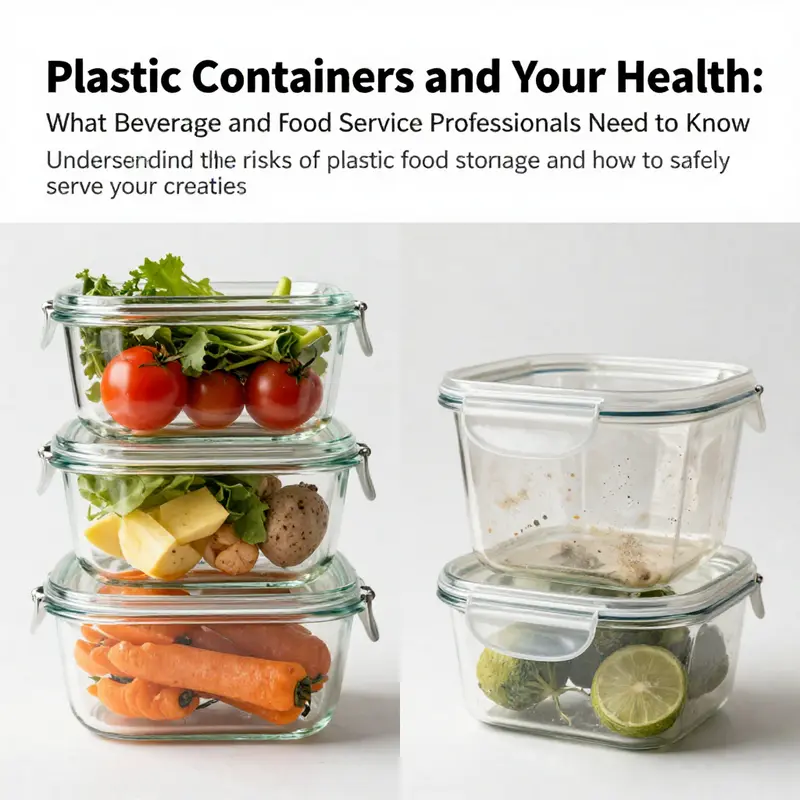
Storing food in plastic containers poses hidden health risks that professionals in the beverage and food service industry must recognize. From bubble tea shops to catering services, the potential for harmful chemicals to leach into foods can jeopardize not only customer health but also business reputations. This article delves into the health risks associated with storing food in plastic containers, particularly focusing on chemical leaching and physical integrity. Moreover, we’ll discuss the role of endocrine disruptors and provide practical best practices to mitigate these harmful effects. By understanding these risks and implementing effective strategies, you can ensure that your food and beverages are as safe as they are delicious.
Leaches in the Pantry: The Quiet Health Toll of Storing Food in Plastic Containers
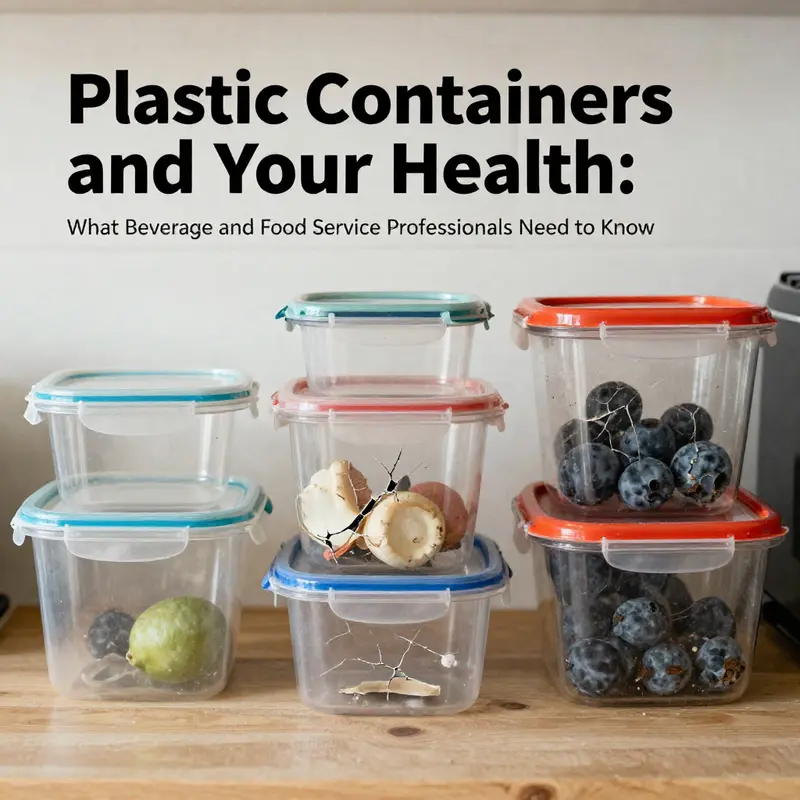
The impulse to store, transport, and reheat food in plastic containers is born of convenience. But beneath the glossy surface lies a complex chemical conversation between plastic and food that unfolds with heat, time, and the chemistry of what we eat. Plastics are not just inert vessels; they carry additives—plasticizers, stabilizers, and colorants—that help plastics perform. When these substances are not tightly bound to the polymer matrix, they can migrate into food under conditions we routinely accept as normal. The risk, while not always dramatic, accumulates with repeated exposure and is magnified for foods that are hot, fatty, or acidic. This is not merely a theoretical concern. Over the past decade, researchers have repeatedly shown that the simple act of storing food in plastic containers can introduce biologically active compounds into meals, and in some cases this transfer continues even when the containers are labeled as safe for microwave use. The practical consequence is a gentle, chronic line of exposure to substances capable of altering hormonal signaling, metabolism, and development—outcomes that are especially consequential during pregnancy, infancy, and adolescence. The body does not always respond to a single spike in chemical exposure; instead, it faces a steady drizzle that, over months and years, can nudge risk upward for a range of health endpoints. This is why the discussion of plastic storage cannot be limited to immediate safety—melt points, leaks, or a container’s structural integrity—without acknowledging the subtle, long-term consequences of routine use in everyday kitchens and takeout habits.
At the heart of the concern are two classes of chemicals that have received the most scrutiny: bisphenols and phthalates. Bisphenols, including the notorious BPA, were long used to produce polycarbonate plastics. BPA’s structural similarity to estrogen has made it a focus of endocrine disruption research. Even small amounts can mimic hormonal signals, potentially influencing reproductive development, metabolic regulation, and neural wiring that underpins behavior and energy balance. While bans and restrictions have reduced BPA in many food-contact products, manufacturers have turned to alternatives such as BPS and BPF. Yet these substitutes are not benign stand-ins. Evidence increasingly shows that BPS and BPF retain bioactivity and may produce endocrine-disrupting effects that echo BPA’s, raising questions about whether “BPA-free” truly means risk-free for long-term, cumulative exposure. Phthalates—primarily used to soften PVC plastics—enter the food chain in more insidious ways. Their role is less about the container’s rigidity and more about the plastic’s flexibility, which can be critical when containers become scratched or heated. Phthalates have demonstrated endocrine-disrupting properties and potential impacts on thyroid function and fertility. Together, these chemical families frame a core tension in consumer plastics: the need for flexible, accessible, and affordable storage versus the unknowns of chronic low-dose exposure.
Crucially, the problem is not eliminated by a label that suggests compatibility with the microwave. The term “microwave-safe” indicates only that a container won’t melt, warp, or structurally fail under normal heating. It does not guarantee that the plastic will not leach chemicals into the food during heating, even if the exposure is minuscule. Contemporary studies have pressed this point. A 2020 investigation into microwave heating found measurable migration of BPA and phthalates into foods microwaved in containers labeled as microwave-safe. The findings did not hinge on a failure of regulatory standards but rather on the biological reality that chronic, even low-dose exposure over time can accumulate and matter in vulnerable life stages. The FDA’s safety standards continue to evolve, but the broader lesson is clear: a microscopic transfer of chemicals can occur under routine use, and the consequences may unfold slowly rather than in a single dramatic episode.
The concern deepens with newer research that casts light on other potential routes of exposure. A 2024 study highlighted the routine use of plastic takeaway containers as a source of microplastics and organic additives. These microplastics and accompanying chemical residues can be carried into the body with food, and the detection of microplastics in human blood, organs, and even placental tissue has intensified debate about the systemic reach of everyday plastics. The implications extend beyond immediate toxicity. Microplastics can interact with immune responses, carry adsorbed pollutants, and potentially influence cellular processes in ways we are only beginning to understand. When taken together with the endocrine-disrupting potential of certain additives, the picture becomes more complicated: plastics may influence hormonal signaling not only through chemical migration but also through physical particles that accompany ingested meals.
These concerns do not imply that modern food-grade plastics are universally unsafe in every use case. Rather, they emphasize that safety is a function of context—the type of plastic, its age and condition, the characteristics of the stored food, and the duration of storage. The conditions that amplify risk are not exotic. High temperatures, long storage times, acidic foods like citrus and tomatoes, and fatty foods all create an environment in which leaching can occur more readily. Scratches, cracks, discoloration, and aging plastic also degrade its barrier properties, increasing the likelihood of chemical release. In practice, this means that a container that has served well for several months under refrigeration might behave differently if used again for hot soups or oily sauces. The cumulative risk for individuals who frequently rely on plastic for storage or heating—children, pregnant people, and those with high exposure from multiple daily meals—warrants particular caution.
What, then, should households and institutions do with this evolving knowledge? First, awareness is essential. Understanding that plastic storage carries potential, not absolute, risk helps shift practices without erasing practicality. When plastic must be used, selecting products clearly labeled as food-grade and designed for the intended purpose is a baseline. But beyond labeling, attention to food type is prudent. High-fat and acidic foods, or meals that will be heated, deserve caution because they can enhance chemical migration. Moreover, avoiding prolonged storage in plastic—especially for hot foods—reduces the window of opportunity for substances to migrate. The physical condition of containers matters, too. Visible wear, deep scratches, or discoloration are more than cosmetic concerns; they signal compromised integrity that can accompany greater leaching.
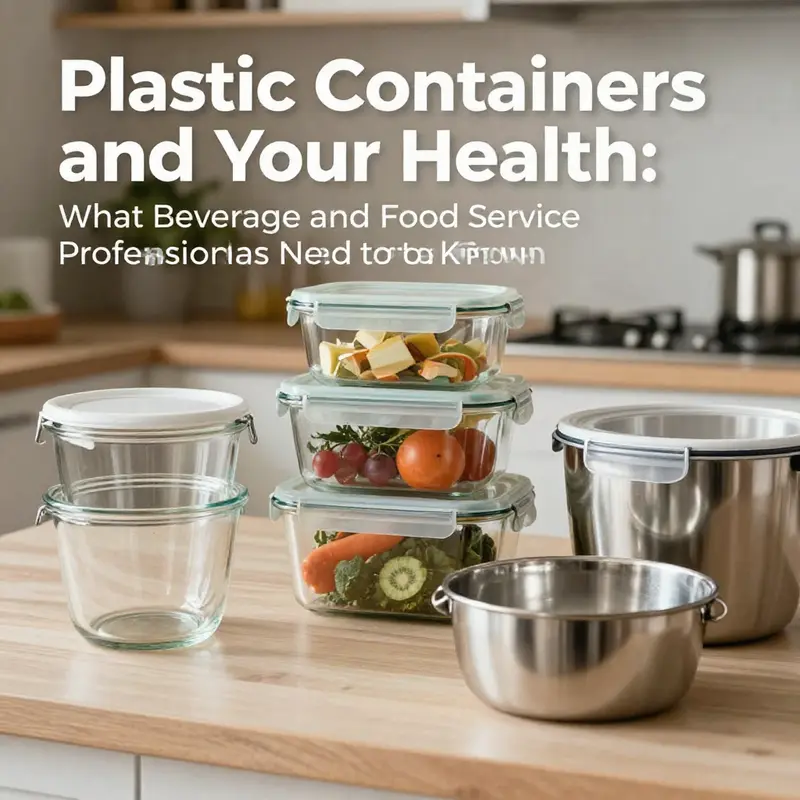
Second, safety-minded choices extend beyond the plastic aisle. Glass, ceramic, and stainless steel containers offer advantages in terms of inertness and stability. They do not leach chemical additives into food in normal use, are typically compatible with microwave or oven use (depending on the product), and tolerate broader temperature ranges without deforming. While no material is universally perfect, the stability profile of these alternatives—especially for hot, acidic, or fatty foods—makes them attractive in routine storage, reheating, and meal-prep cycles. A practical approach is to reserve plastic for non-heating storage and short-term use, while transitioning longer-term storage, reheating, and direct heating tasks to glass or steel options.
For households navigating shift toward safer storage options, there are broader patterns worth noting. As people seek practical yet environmentally conscious solutions, packaging options that emphasize sustainability and reduced chemical exposure have gained traction. In this context, certain service and packaging choices—such as durable, recyclable alternatives and non-plastic barrier materials—offer tangible pathways for risk reduction. Consider how these options align with daily routines: the habit of transferring leftovers into one vessel for the fridge, the practice of using secure lids to minimize condensation, and the choice to reheat whole meals in their original container only when proven safe for that use. In practice, a growing preference for containers and packaging made from glass, metal, or responsibly sourced paper materials reflects a broader commitment to reducing chemical exposure and environmental impact alike. For households exploring safer storage options, Kraft paper packaging options provide one such avenue to consider when the goal is use beyond short-term storage and takeout handling. Kraft paper packaging options.
A crucial element of translating science into daily practice is recognizing that “microwave-safe” does not absolve us from thinking carefully about storage time, temperature, and the nature of the food we plan to heat. Short-term use, moderate heating, and minimal contact with fatty or acidic foods reduce risk, but do not eliminate it entirely. The evidence reinforces that certain substances can migrate even under ordinary conditions and that chronic exposure, though small in each instance, can accumulate over time. This reality invites a more nuanced approach: minimize unnecessary heating in plastic, favor safer materials for hot foods, and avoid reusing single-use plastics for multiple meals when possible. It also invites mindful disposal and replacement of aging containers to prevent the onset of micro-scratches that may act as conduits for chemical transfer.
The scientific dialogue around these issues is dynamic. The studies cited here—ranging from the estrogenic activity observed in a broad panel of plastics to the microwaving-related migration of BPA and phthalates, and the newer concerns about microplastics—collectively shape best practices without guaranteeing absolute safety. What remains clear is that reducing exposure to hormonally active compounds and nano- or microplastics requires practical changes in how we store and heat food. It is not enough to rely on a label or a single precaution; it demands a reexamination of routine habits and a willingness to embrace safer materials when feasible. The goal is not perfection but a meaningful reduction in cumulative risk across generations.
External resource: https://www.ncbi.nlm.nih.gov/pmc/articles/PMC7369454/
The Quiet Migration: Plastics Heat and Our Food
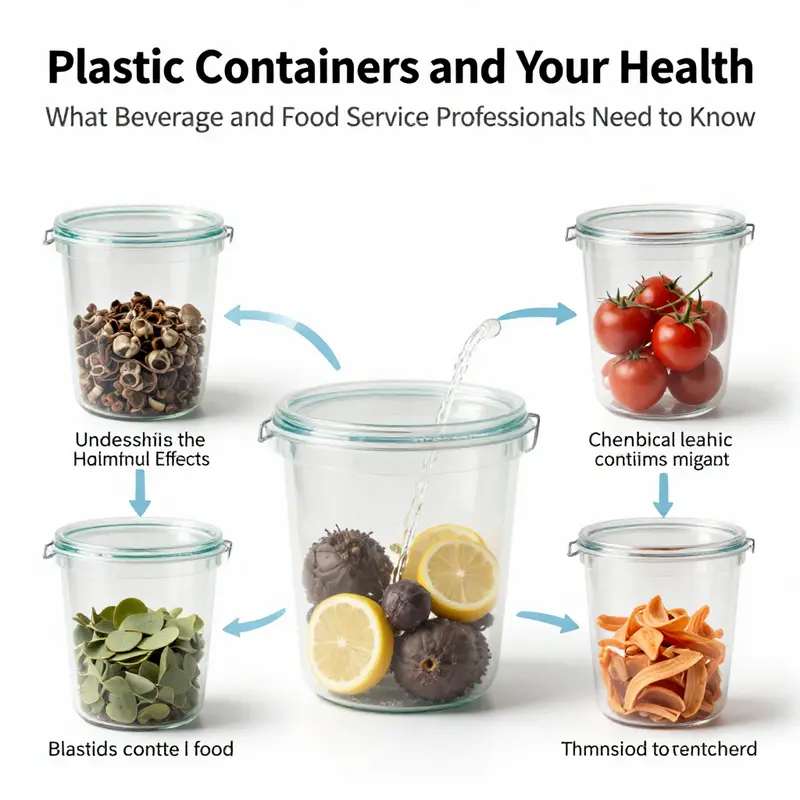
Everyday storage of food in plastic can involve a small exchange between the container and what is in the bowl. Additives in plastics such as plasticizers stabilizers and colorants can migrate into food under heat or prolonged contact. The migration is typically gradual but over time it can accumulate. Researchers discuss chemicals like bisphenols and phthalates and their potential to affect hormone signaling. BPA has been regulated in some regions but substitutes like BPS or BPF may display similar activity. Phthalates have their own history of interference with reproductive and metabolic processes. The overall message is not to panic but to reduce exposure by avoiding hot or fatty foods in plastic when possible and by replacing damaged containers promptly. Safer options include glass stainless steel and ceramics. When plastic must be used choosing food grade containers and avoiding heating in plastic can help; avoid repeated reheating and long storage times. The field continues to evolve and labeling alone cannot guarantee safety, so critical reading of guidance and careful household practices remain important. External literature supports the idea that even labeled microwave safe plastics can leak small amounts under realistic use, illustrating why practical habits matter more than a single label.
Endocrine Shadows: Hormonal Health and the Hidden Costs of Storing Food in Plastic
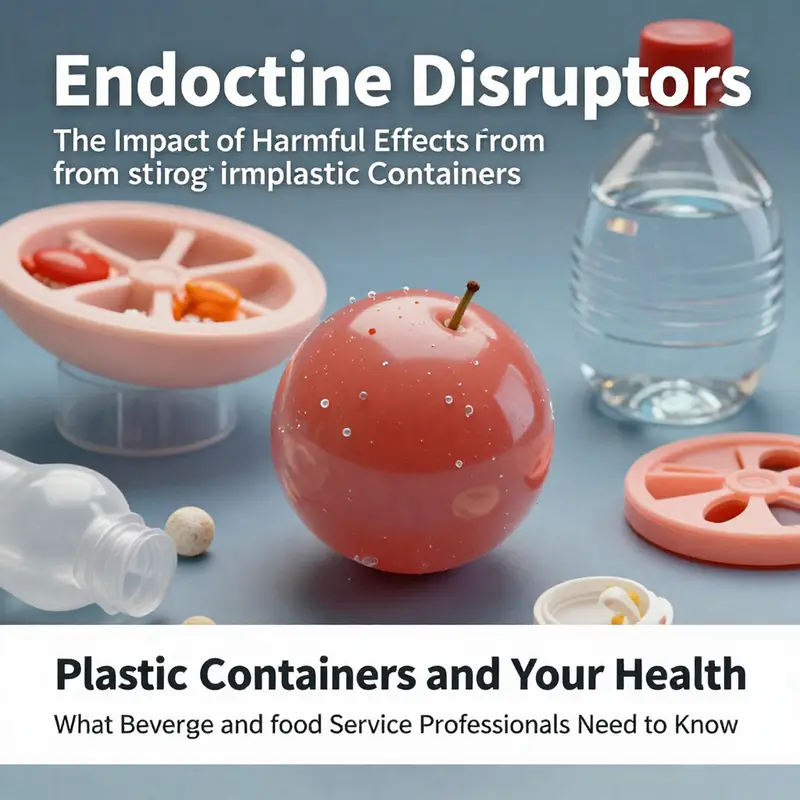
Everyday routines shape long-term health in quiet and cumulative ways. A plastic container tucked in the back of the fridge may feel inconsequential, yet it sits at the crossroads of chemistry and physiology. Leftovers stored for days, heated in the microwave, or transported in a fatty sauce can become vessels for substances that do not remain neatly bound to their plastic matrices. The story is not about a single toxin but about a class of chemicals known as plasticizers, stabilizers, and colorants that can migrate into food under conditions of heat, acidity, or prolonged contact. Among these, two families are repeatedly flagged for their potential to influence hormonal balance: bisphenols and phthalates. Look closely at containers marked as mighty and sturdy, and you may still encounter residues of BPA and its close relatives, sometimes with other bisphenols like BPS or BPF taking the stage when BPA is restricted. Similarly, hard-to-avoid phthalates, traditionally used to soften plastics, can leach out and enter the food chain, especially when fats and oils invite them into play. The science is not about a single episode of exposure but about a steady stream of interactions that accumulate over months and years, with the greatest vulnerability lying in early development, pregnancy, and childhood. The broader message is simple yet powerful: the material that holds our meals matters, sometimes far more than the meal itself.
Migration from packaging to food is a real, measurable process. It is driven by temperature and by the chemical nature of the contents. Heat acts like a push, accelerating diffusion from the plastic into the food. Fatty and acidic foods tend to carry more of these substances than neutral ones. Even when the container remains intact, the journey can happen; when it is cracked or aged, the rate of migration climbs. The practical implication is clear: long-term storage, especially under warm or hot conditions, increases the opportunity for exposure. Yet the science is not only about what happens in the pantry. It is about who is more affected once exposure occurs. Endocrine-disrupting chemicals are not blunt instruments. They can mimic, block, or alter the timing of natural hormones, with ripple effects on reproductive development, metabolism, and thyroid function.
Endocrine disruption can manifest in subtle, delayed ways. In some cases, the body’s hormonal symphony is perturbed during sensitive windows of development, such as fetal life or early childhood, and the consequences may not become apparent until later in life. There is growing concern about the way these chemicals interact with the endocrine system, which orchestrates growth, reproduction, energy use, and stress responses. BPA was the poster child for concern for a time, but the field has broadened to recognize similar bioactivity in alternatives and related compounds. The risk is not only acute health effects but a potential shift in baseline hormone signaling that could influence metabolism, fertility, and even cancer risk over the long arc of life. In this sense, exposure is not simply a matter of one bad spill but a matter of cumulative, low-dose encounters that add up over years.
The recent research landscape reflects this complexity. A 2024 cross-national analysis of plastic food packaging across five countries confirmed the ubiquity of chemicals with endocrine-disrupting and metabolism-disrupting potential. The widespread presence of these substances means that a large portion of the population may experience low-level, repeated exposure simply through everyday food storage practices. This real-world footprint is echoed by regulatory bodies that increasingly treat certain EDCs as substances of high concern. Under frameworks such as the European Union REACH Regulation, several chemicals with notable disruptive effects are categorized as Substances of Very High Concern, demanding tighter controls and safer alternatives. These regulatory shifts signal a recognition that the public health footprint of packaging goes beyond the label on a single container.
It is worth unpacking what makes the migration and the biology so intertwined. Bisphenols and phthalates are designed to be durable, versatile, and cost-effective. These traits are exactly what makes them prone to migration under heat or when the food’s chemistry encourages leaching. A fatty sauce or a warm casserole creates a slightly oily environment where any residual bisphenol or phthalate can partition into the fat phase of the food. In acidic environments, some compounds may dissolve more readily into the aqueous portion or interact with other constituents to increase absorption once ingested. While the exact doses may be small, the timing and duration of exposure hold significance. For developing beings, even tiny perturbations in hormone signaling can alter growth trajectories, organ development, and the way the body handles insulin, cholesterol, and energy use later in life. And the possibility of transgenerational effects adds another layer of concern: prenatal exposure can shape hormonal regulation not just for the child, but potentially for future generations.
The label on a container can be reassuring yet incomplete. Labels such as microwave-safe or even food-grade indicate the material’s performance under certain conditions, but they do not guarantee that chemicals will remain confined. Microwave-safe means the container won’t melt or warp under typical use; it does not guarantee that trace chemicals will stay put. The distinction matters because many households rely on plastic for quick heating, storage, and transport. The real-world practice—storing hot or warm foods for hours, refrigerating leftovers, or reheating in the same container—creates a scenario where even modest migration can accumulate. The precautionary principle thus urges a simple rule: minimize the time food spends in plastic, especially when heat or fat is involved.
The integrity of the container itself cannot be ignored. Cracks, scratches, clouding, or aging plastic are more than cosmetic concerns. They reflect structural wear that can magnify chemical release. A damaged container is a sign that the barrier between the food and the chemical matrix has weakened. The safest response is clear: replace damaged containers promptly and transition away from long-term reliance on aged plastics for food storage. This is not merely about adherence to a guideline but about reducing the cumulative exposure that accumulates with repeated use.
If plastic must be used, a careful approach can still lower risk. Choose materials labeled clearly as food-grade and ensure the container remains in good condition. Avoid storing high-fat or high-acid foods in plastic and resist the temptation to heat or reheat meals in plastic directly. Do not use plastic containers for ovens or direct heating, and be mindful of how long hot or warm foods stay in contact with plastic. When possible, transfer foods to glass, ceramic, or stainless steel for storage and reheating. These materials are less prone to chemical migration under typical home conditions, offering a more stable interface between the meal and the body.
In the spirit of practical, everyday choices, readers can seek safer options without sacrificing convenience. For those exploring alternatives that emphasize safety and sustainability, consider resources that discuss safer storage solutions and nonplastic options. For example, a resource highlighting safer, recyclable options can be a useful reference as people rethink the containers they rely on daily. eco-friendly-printed-logo-cold-beverage-cup-paper-cup-with-lid provides a lens into what safer, low-impact options look like in practice. The goal is not to demonize all plastic, but to recognize when and how it contributes to the overall exposure risk and to shift toward materials with more stable interfaces for food contact.
The broader takeaway ties back to the health story: what we store, how we store, and for how long, all shape our exposure profile to chemicals capable of altering hormone function. This is particularly important for pregnant individuals and young children, whose developmental windows heighten sensitivity to hormonal disruption. It is also relevant for people with chronic conditions where metabolic regulation or thyroid function is already under stress. The conversation about plastic storage is ultimately a conversation about exposure management—reducing unnecessary contact between food and plastic, choosing more inert materials when possible, and maintaining containers in good condition to prevent leaching.
Looking ahead, the dialogue around plastic and health is unlikely to vanish. The regulatory landscape is evolving, as is the science that tracks how everyday materials interact with our biology. Awareness, plus practical steps at home, can shift risk patterns without demanding radical changes all at once. Small decisions—avoiding hot foods in plastic, transferring meals to safer vessels, discarding aged containers—can accumulate into meaningful reductions in exposure. As researchers continue to map the web of routes by which chemicals encounter food, readers gain a clearer sense of agency: the power to change daily habits in ways that align with hormone health and long-term well-being.
External reading note: for a detailed, cross-national examination of how plastic packaging contains endocrine- and metabolism-disrupting chemicals, see Stevens et al., 2024. https://doi.org/10.1016/j.envint.2024.106152
Cracked Barriers, Contaminated Plates: The Hidden Toll of Damaged Plastic Containers in Food Storage
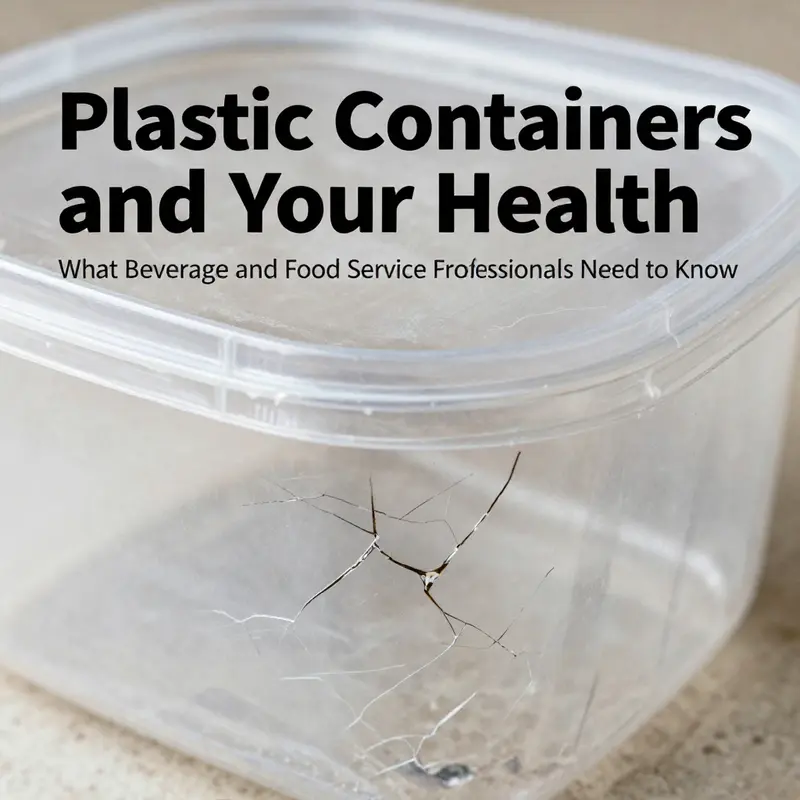
The integrity of a plastic food container is not a cosmetic detail. It is the first line of defense between what we eat and the chemistry of modern plastics. When a container is dented, scratched, cracked, or shows wear from repeated use, that line of defense weakens in ways that are subtle at first but cumulatively significant. A smooth, intact surface forms a relatively predictable boundary that slows the movement of chemicals toward the food. Once that boundary is compromised, micro-crevices emerge, giving chemicals more contact points and more pathways to migrate. Heat acts as an accelerant in this scenario, nudging molecules along diffusion routes that would otherwise be relatively quiet. Fatty substances and acidic foods, which readily interact with the plastic matrix, become more effective solvents for leached compounds when the container’s surface has been breached. In practice, this means that routine storage habits–keeping leftovers in a dented lid or using a scratched container to hold soup–can become a source of low-level chemical exposure over time.
This is not merely conjecture. Real-world cautions are echoed by health and safety guidance: as the barrier weakens, the exchange between food and plastic becomes more dynamic. The researchers emphasize that degradation of the barrier increases the opportunity for chemicals to migrate, especially when foods are heated or stored for extended periods. For households, the practical response is straightforward: retire containers that show visible cracks, deep scratches, clouding, or obvious wear, and prefer food-grade options that are well maintained.
The practical alternatives are also worth considering. Glass, ceramic, and stainless steel offer more stable barriers against chemical migration, particularly during heating. If plastic must be used, look for items clearly labeled as food-grade and microwave-safe; and minimize exposure by avoiding hot, fatty, or highly acidic foods in damaged vessels. Regular checks and sensible replacements are inexpensive insurance against a silent, cumulative exposure. The takeaway is simple: protect the barrier, choose safer forms when feasible, and apply cautious handling with the everyday plastics we rely on.
From Sealed Plastic to Safer Plates: A Cohesive Guide to Reducing Chemical Migration in Everyday Food Storage
In everyday kitchens, plastic containers are convenient champions. They are light, versatile, and often designed to fit into busy routines. Yet convenience can mask a subtle health risk rooted in the very material that makes these containers possible. Chemicals such as certain plasticizers, stabilizers, and colorants can migrate from plastic into food under heat, fat, or acidity. The two most discussed culprits are bisphenols and phthalates. BPA, once common in polycarbonate plastics, can act like a hormone and affect reproductive development and metabolic regulation. Even BPA-free products may use substitutes like BPS or BPF that retain biological activity. Phthalates are used to soften plastics such as PVC and raise concerns about endocrine disruption and fertility. Thus the plastic itself can become part of what we eat, especially when heated or used repeatedly over time. The stakes rise for anyone who relies on plastic for daily food storage, particularly families juggling multiple meals, leftovers, and snacks.\n\nMigration from plastic into food does not occur with equal intensity in every situation. Heat accelerates molecular movement, and fatty or acidic foods can serve as better solvents for certain additives, making bursts of migration more likely. When a container is warmed or heated in microwaves, ovens, or even in direct sunlight, its components can alter. The risk is not just about a single exposure; it is about cumulative exposure across meals and days. The complexities are more pronounced for vulnerable groups—children, pregnant individuals, and people with metabolic or endocrine sensitivities—who may experience effects at lower thresholds or over shorter timescales. It is not just about a single toxin; it is about a pattern of contact that compounds over weeks and months. The idea that a container labeled microwave-safe eliminates risk is a common misperception. Microwave-safe primarily indicates resistance to deformation or melting in typical heating, not zero migration. Even low-dose, repeated exposures can accumulate, particularly with chronic storage and reheating.\n\nTo understand why these concerns persist, consider how plastic compounds are designed. Some chemicals are designed to be loosely bound to the plastic matrix and can migrate into foods when the matrix is stressed by heat, mechanical wear, or chemical interactions with food itself. This is especially true for containers that are old, scratched, or cracked. Physical damage is not merely cosmetic; it can create microenvironments where substances accumulate and migrate at higher rates. Small scratches expose new surface areas and may harbor residues that resist cleaning, turning routine reuse into a quiet exposure trail. The combination of aging plastic and frequent reheating creates a setting where the risk is not a single incident but a recurring pattern.\n\nThe human story behind these chemicals is not abstract. For many households, plastic is the default for storing leftovers, preparing lunches, and transporting meals. Yet the long arc from storage to ingestion matters. Hydrogen bonds between a plastic’s polymer chains and migrant molecules can be disrupted by heat or fatty matrices, allowing compounds to slip into the food at low but measurable concentrations. Over time, even tiny quantities can contribute to a body burden. This is not a call for alarmism; it is a call for informed choices and practical adjustments that reduce unnecessary exposure without upending daily life. The dialogue about safer storage should be grounded in evidence and empower individuals to adapt habits that fit their routines while reducing risk.\n\nPractical recommendations begin with temperature and food type. Avoid storing hot foods or liquids in plastic containers. Allow dishes to cool to room temperature before transferring them to storage to reduce thermal stress. When possible, favor food-grade plastics and be mindful of the resin codes used to characterize containers. Plastics labeled with codes such as #1 (PET), #2 (HDPE), #4 (LDPE), and #5 (PP) are generally considered more stable in contact with food than others. Plastics identified as #3 (PVC), #6 (PS), or #7 (PC) carry higher risks of leaching, particularly when heated or used with fatty substances. The reality is nuanced: even food-grade plastics can release trace chemicals under certain conditions, but choosing materials with a lower propensity for migration helps reduce overall exposure. It is also worth noting that BPA-free does not automatically imply safety; substitutes like BPS and BPF have demonstrated bioactivity in some contexts, warranting cautious use of these alternatives by informed consumers.\n\nFatty foods, tomato-based sauces, citrus dressings, and oils in plastic storage deserve special attention. These substances can promote the dissolution and transport of certain additives from the container into the food. For daily habit formation, this means reserving long-term storage of oily or acidic items for sturdier materials such as glass, ceramic, or stainless steel. A practical rule of thumb is to rotate containers with a focus on minimizing prolonged contact between foods and plastics that are more prone to leaching, especially for flavors or ingredients that persist in the fridge or freezer for extended periods. The aim is not perfection but a tangible reduction in repeated exposure.\n\nAlongside material choices, attention to sealing, cooling, and cleaning matters. Always cover food to reduce oxidation and moisture loss, and limit contact with ambient air that may carry contaminants. For refrigerated items, sealed containers help maintain humidity and reduce microbial exposure, but they should not create a consistently warm microenvironment or allow repeated reheating. Cleaning practices matter as well. Use mild detergent and avoid abrasive scrubbers that can scratch the surface. Scratches become hidden reservoirs for residue and bacteria. If a container shows signs of wear—cloudiness, deep scratches, cracks, or a persistent odor—it is time to replace it. Everyday use compounds risk; replacing degraded containers is a simple, meaningful step toward reducing exposure to leached substances.\n\nWhen plastic is the only practical option, the routine should include strategic replacements and thoughtful alternatives. For certain foods, shifting storage to glass or stainless steel can be especially advantageous. Glass, in particular, presents a stable, non-reactive option that does not donate flavor, staining, or an ongoing risk of chemical migration. The broader message is practical and flexible: use safer, longer-lasting materials for sensitive foods such as dairy, eggs, oils, and spices, while retaining plastic for non-fatty, non-acidic contexts that are less likely to contribute to harmful migration. For those who must rely on plastic at times, look for clearly labeled food-grade containers and be mindful of the conditions under which they are used. This mindful approach becomes especially important in households that routinely reheat leftovers or prepare meals in advance for the week.\n\nFor readers seeking broader context, external guidance from regulatory authorities provides a framework for safe practices. Researchers and policymakers emphasize that while modern food-grade plastics are designed to be safe for typical use, real-world patterns of use can still present risks when misapplied. The cumulative effect of exposure—across meals, days, and repeated reheating—highlights the importance of reducing reliance on plastics for long-term or high-fat storage. Consider integrating safer containers into daily routines and reserving plastic for short-term, cool, non-fatty storage when feasible. An informed household can balance convenience with precaution, adopting a more diverse set of storage options that align with both health considerations and lifestyle needs. For readers who want a more structured reference, guidelines from reputable authorities offer specific recommendations on container materials, safe handling, and risk reduction, reinforcing the message that small changes can yield meaningful benefits over time.\n\nFor those exploring safer storage options, consider kraft-paper bowls with lids for cold or room-temperature items. These options provide a practical alternative for many everyday tasks, from packing lunches to storing salads and sides. The shift away from plastic in these contexts can reduce cumulative exposure while maintaining convenience. To see options that align with this approach, you can explore accessible, affordable packaging alternatives designed to support safer storage habits without sacrificing practicality. Internal reference: disposable kraft paper bowl for food package with lid. This pathway does not negate the value of glass or metal for specific foods but expands the toolbox for households seeking to minimize chemical exposure in everyday storage.\n\nUltimately, the path toward safer storage is a blend of informed material choices, prudent handling, and strategic substitutions. The goal is not to eliminate plastic use entirely but to temper its role in food storage. By cooling hot foods before transfer, avoiding long-term storage of fatty and acidic items in plastic, ensuring proper sealing, and rotating containers with attention to wear, households can reduce potential chemical migration and its cumulative impact. When in doubt, favor materials with well-established inert properties and consider switching to alternatives for sensitive foods. The science points toward a cautious, thoughtful approach that respects both the practicality of modern living and the long-term health considerations tied to everyday storage decisions.\n\nExternal resources for deeper reading: FDA guidance on food contact materials provides a rigorous framework for evaluating which plastics are appropriate for certain uses and how to handle them safely. For a broader regulatory perspective, see the agency’s information on safety and best practices in food-contact materials at https://www.fda.gov/food/food-contact-materials
Final thoughts
Understanding the harmful effects of storing food in plastic containers is crucial for professionals in the beverage and food service industries. By recognizing the risks associated with chemical leaching, the impact of damaged containers, and the implications of endocrine disruptors, businesses can take actionable steps to ensure food safety. Opting for safer storage alternatives like glass, ceramic, or stainless steel, alongside maintaining strong storage practices, will not only protect customer health but ultimately enhance your brand’s trustworthiness. Together, let’s make safer choices for our food and beverages.