
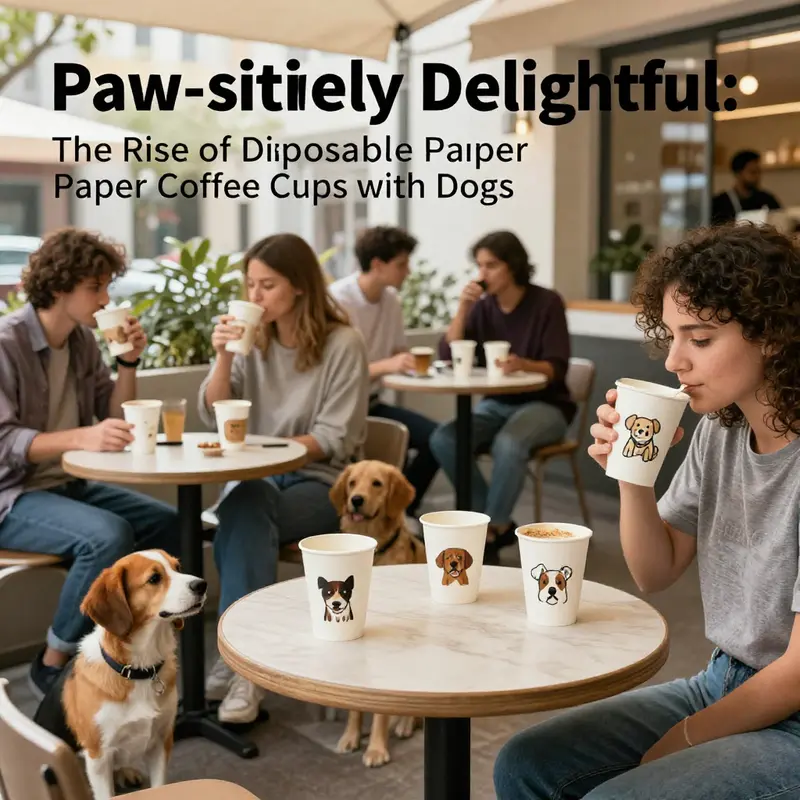
The charm of dogs continues to captivate hearts and wallets, and now they’re making a noteworthy appearance in the beverage sector through disposable paper coffee cups adorned with their likenesses. From bubble tea shops to catering services, these unique designs serve not only as a functional item but as a powerful marketing tool that resonates with pet lovers. This article delves into three chapters to uncover the unique designs of these cups, the current market trends surrounding them, and their environmental impacts. Together, they form a holistic understanding of how disposable coffee cups featuring our furry friends can attract customers while embracing sustainability.
Puppy Prints in a Cup: A Design-Driven Look at Dog-Themed Disposable Coffee Cups
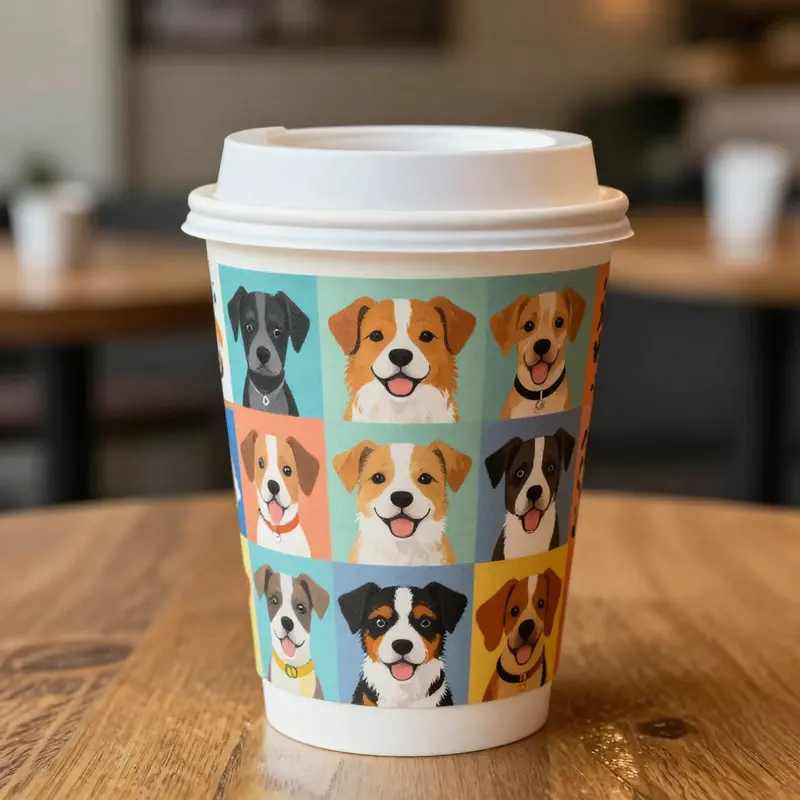
A cup may be only a vessel, yet when it carries the familiar image of a wagging tail or a playful puppy pattern, it becomes a small theater of companionship. Disposable paper coffee cups with dogs on them sit at the curious intersection of everyday ritual and pet culture, where utility is braided with whimsy and personal meaning. In cafes, at events, and even within home kitchens, these cups traverse a spectrum of settings—each encounter a brief vignette in which a dog motif signals warmth, friendliness, and a shared sense of belonging. The designs vary widely, from cute puppy portraits and paw prints to bouncy, cartoonish silhouettes and more nuanced depictions of different breeds. To the eye, these cups offer something more than a beverage. They offer a moment of resonance for dog lovers, a tiny nod to the dogs who share spaces with their humans, and an unconscious cue that invites social warmth and conversation. The appeal is not merely aesthetic; it is cultural. In a world where pet ownership has become a defining characteristic for many households, the cup becomes a portable canvas for sentiment, a way to celebrate canine companionship during the everyday act of drinking coffee or tea.
Designers and manufacturers recognize this resonance and respond with tangible choices that shape how the cups perform in daily life. The most immediate design considerations involve materials and printing. These cups are typically crafted from high-quality kraft or white paper stock, a combination that supports bright, durable imagery while remaining compatible with standard cap and lid systems. The colorways are chosen to maximize visibility of the dog motifs—contrast-rich palettes with bold lines help the illustrations stay legible under the studio lights of a bustling café and retain their charm as patrons carry cups through crowded lobbies or along sunlit sidewalks. The printing process is more than decoration; it is a mechanism that elevates the perceived value of the cup. When a dog motif is crisp and well-rendered, the cup communicates care, attention to detail, and a sense of hospitality. If a design appears grainy or poorly aligned, the moment can shift from delight to distraction, reminding us that even a small visual misstep can alter the customer experience. In this sense, the quality of line work, shading, and color saturation matters almost as much as the cup’s functional features.
Lids remain a critical design junction. A leak-proof lid is not only a practical requirement for hot and cold beverages but also a visual extension of the design. A well-integrated lid design can preserve the integrity of a dog illustration, ensuring that color and line weight hold up as the cup is handled and transported. The combination of cup surface design and lid interaction shapes how the overall product reads in the real world. A well-executed design can encourage bonus moments—an Instagramable snap, a playful exchange between customers, or a shared joke about a particular breed. The dynamics of the design extend beyond the surface; they become social accelerants, turning a simple coffee break into a small cultural event centered on canine companionship.
In practical terms, the design vocabulary on these cups often leans into motifs that are instantly recognizable and emotionally resonant. A common approach features a set of dog puppy patterns with black paw print accents, arranged in a cohesive yet lively sequence. The intent is to create a visual rhythm: a little parade of friendly faces and silhouettes that can be enjoyed at a glance or studied up close. Such patterns do not merely decorate; they invite a closer look, inviting customers to pause, smile, and reflect on the dogs that keep them company in daily life. The patterns may range from single-breed silhouettes to a mix of breeds, enabling retailers to curate assortments that feel both inclusive and specific. The effect is a gentle balance between universality and specificity: you recognize the universal warmth of a dog’s gaze, while also appreciating the particular charm of a preferred breed or a playful mix of friends.
Customization expands this design logic into a more strategic space. Custom-sized options allow businesses and individuals to embed their own dog-themed artwork onto branded cups, creating a direct line from product to brand identity. Rather than relying on off-the-shelf patterns alone, a café or event organizer can commission a cup that reflects a particular theme, sponsor, or personality. Custom designs can align with a seasonal campaign, a pet-friendly event, or a charity initiative, transforming a disposable item into a limited-edition artifact that customers want to collect or display. The process often involves collaboration with designers who translate branding guidelines into gussets of color and line work that work within the constraints of a standard cup format. The result is a product that carries a story—from the initial dog-inspired concept to the moment when a customer posts a photo with the cup and the world sees the narrative unfold in a single image.
From a sustainability perspective, many of these cups are designed with recyclability in mind. The trend toward eco-conscious packaging has pushed many manufacturers to use recyclable materials and, increasingly, biodegradable coatings that are suitable for cold beverages. Plant-based linings that eschew traditional plastic have become a meaningful development for those seeking a greener option. Yet the environmental benefits are not uniform across markets. Recycling infrastructure varies widely by region, and the success of a given cup’s end-of-life journey depends on local facilities’ capabilities. The conversation, therefore, is not only about what the cup is made of, but also about how communities collect, sort, and process used cups after they have fulfilled their moment in the cup’s life cycle. In this sense, the dog-themed cup sits at the intersection of design, consumer behavior, and waste systems, prompting retailers to consider not just how a cup looks, but how it travels from bin to reuse or recycling stream.
The economic dimension of this niche is not incidental. The pet industry has grown into a substantial segment of consumer culture, attracting attention from marketers, retailers, and designers who see dog imagery as a powerful conduit for emotional engagement. While broader pet-market statistics are beyond the scope of this chapter, it is clear that the appeal of dog-themed items—whether a mug, a shirt, or a disposable cup—expands the moments when a consumer chooses a product specifically for the feeling it evokes. In the context of coffee culture, where routine meets ritual, a dog motif can turn a routine hot beverage into a moment of delight and a talking point among friends and colleagues. This dynamic is especially potent in social settings such as dog-themed parties or charity events, where a shared motif reinforces a sense of community and common interest. The cup becomes part of the event’s identity, its color palette, and its photographic potential, contributing to an atmosphere that celebrates companionship, care, and playfulness.
Design variations also reflect broader shifts in consumer expectations around personal expression. Personalization has moved from a novelty to a baseline expectation in many consumer segments. People want products that feel tailor-made to their preferences, even when those products are disposable. A dog-themed cup can be a small portal to personal identity, a way to signal affection for a particular breed or a preference for a certain aesthetic—whimsical, minimalist, or cartoonish. In places where coffee cultures are deeply social, such visuals can encourage sharing, tagging, and discussion, extending the product’s reach beyond the initial purchase. The design thus becomes a form of micro-branding that supports local retailers’ relationships with their customers while offering a scalable solution for large chains that wish to maintain a consistent yet adaptable look across locations.
An important element of the discussion is how these cups function in real-world settings. The everyday ritual of grabbing a cup, paying for it, and moving through a space creates a chain of experiences in which the design plays a role at multiple points. When a customer selects a dog-themed cup, they are inviting a moment of recognition—not just of the dog motif, but of the shared time spent with a pet and the emotional resonance of pet companionship. Baristas notice this, too. The design can influence ordering speed, as patrons quickly identify a cup that aligns with their mood or with a friend’s selection. It can also affect social media behavior; a photograph taken with the cup frequently becomes a symbol of the moment and a sign of affiliation with a pet-friendly lifestyle. In short, the design of dog-themed disposable cups has become a content engine for small businesses and community organizers who want to cultivate warmth, accessibility, and a sense of friendliness that is easy to communicate both offline and online.
This leads us to consider how such cups sit within the broader ecosystem of disposable packaging. The market has shown resilience and adaptability as designers experiment with both form and function. For instance, some cups specifically address the needs of iced beverages by using coatings that resist moisture while preserving color integrity. This is more than a technical detail; it informs how a design reads under different lighting, angles, and drinking scenarios. A paw print motif that holds its color when condensation appears on the surface reads as reliable and well-thought-out, reinforcing customer trust and satisfaction. At the same time, the ecological narrative pushes designers to balance vivid imagery with sustainable materials and coatings. It is a careful negotiation between visual impact and environmental responsibility, a negotiation that retailers and manufacturers perform continuously as consumer values evolve.
To translate these ideas into practice, many operators consider the entire lifecycle of the cup—from production to consumption to disposal. The visual identity created by dog motifs must survive the handling and transport that characterize busy service environments. Yet the lifecycle also invites a conversation about how to communicate eco-conscious messages to customers without sacrificing design appeal. Some programs blend aesthetic appeal with transparency about materials and recycling options, inviting customers to participate in the disposal decision. In this way, the cup becomes not only a design object but a learning tool, guiding consumers toward more sustainable habits while still delivering a cheerful, dog-friendly experience. The resulting proposition is not merely about selling a cup; it is about selling a moment of shared joy and responsible consumption—the right design, at the right time, with the right message about care for pets and the planet.
The practical takeaway for café operators and retailers is that these designs can be both charming and functional. A well-chosen dog motif, combined with a robust material choice and a thoughtful lid design, can elevate the perceived value of a disposable cup without requiring a premium price. The key lies in balancing visual clarity with production realities. Bold lines and high-contrast colors tend to translate best across print runs, helping the image stay crisp even after multiple handling passes. The motifs should be scalable, working across 8-ounce, 12-ounce, and larger sizes without losing their character. Above all, the designs should feel intentional rather than gimmicky; they should reflect a brand’s persona or an event’s theme while also resonating with pet lovers who expect quality and care from the products they purchase for themselves and their pets.
For those who want a practical touchstone for customization and production, consider exploring options that emphasize flexibility in design and lifecycle thinking. The possibility of customizing cups with your own dog-themed artwork can transform a common hospitality item into a memorable brand touchpoint. A page that details disposable custom double-wall hot paper cups with lids demonstrates how customization can extend to functional aspects of the cup while preserving the integrity of the artwork. This approach allows businesses to tailor motifs to specific campaigns or venues while maintaining the durability needed for hot beverages and busy service environments. Such customization opportunities enable operators to craft unique experiences that align with seasonal festivals, adoption events, or charity drives, turning disposable cups into ambassadors for the themes they care about. disposable-custom-double-wall-hot-paper-coffee-cups-with-lid
Embedded within these design strategies is an underlying current: the choice of dog imagery is also a choice about community. One person’s favorite breed becomes another person’s shared signal of belonging. A table of cups, each bearing a different canine character, can foster conversations across tables, inviting customers to compare notes on dogs they know or dream of meeting. The cups become conversation starters, social objects that knit a sense of belonging in spaces where people come for warmth, caffeine, and connection. In this sense, the design work is not merely decorative; it becomes a social engineering tool that helps to cultivate a welcoming environment while simultaneously presenting a platform for casual storytelling. If a café can get customers to pause, notice, and smile at a dog motif, it has achieved a small but meaningful victory in the daily choreography of service, merchandising, and community building.
Beyond the shop floor, these designs also offer opportunities for collaboration with pet-related causes or community events. A dog-themed cup can support adoption drives, fundraisers for animal shelters, or pet welfare campaigns by partnering with local organizations. The cup thus becomes a philanthropic device as well as a marketing instrument. Such collaborations can extend the lifespan of a particular design, turning a seasonal motif into a recurring feature tied to local celebrations and community needs. In this sense, the artful dog illustration is not a one-off novelty but a living artifact that travels through time, gathering associations with beloved pets, memorable moments, and shared acts of kindness. The result is a nuanced blend of commerce, culture, and care: a disposable object that still carries significance well beyond its moment of use.
In sum, the world of dog-themed disposable paper cups offers a vivid case study in how design, materials science, consumer psychology, and sustainability converge in everyday objects. The cup, lightweight and disposable, becomes a durable vessel for emotion and memory. When designers imagine a set of dog puppy patterns with paw accents, they are crafting more than a visual motif; they are shaping experiences that feel personal and communal at once. The cup’s success hinges on attention to detail—on the crispness of a line, the warmth of a color, the resilience of the coating, and the clarity of a message about care for pets and the planet. It also hinges on listening to customers who want products that reflect their lives: the daily rituals of coffee, the companionship of dogs, and the shared commitment to sustainable practices. In this way, the dog-themed disposable cup becomes a small, powerful instrument of culture, a portable micro-environment where warmth, play, and responsibility converge in a single, familiar sip.
External reading can provide a broader technical lens on the materials and properties involved in fancy quality disposable cups, helping readers understand the science behind colorfast inks, coatings, and packaging performance. For deeper technical insight, see the external overview linked here: https://www.researchgate.net/publication/375492312OverviewofFancyQualityDisposablePaperCoffeeCupsCompositionMechanicalPropertiesand_Applications.
Dogs on Paper: Navigating the Emergent Market of Pet-Themed Disposable Coffee Cups
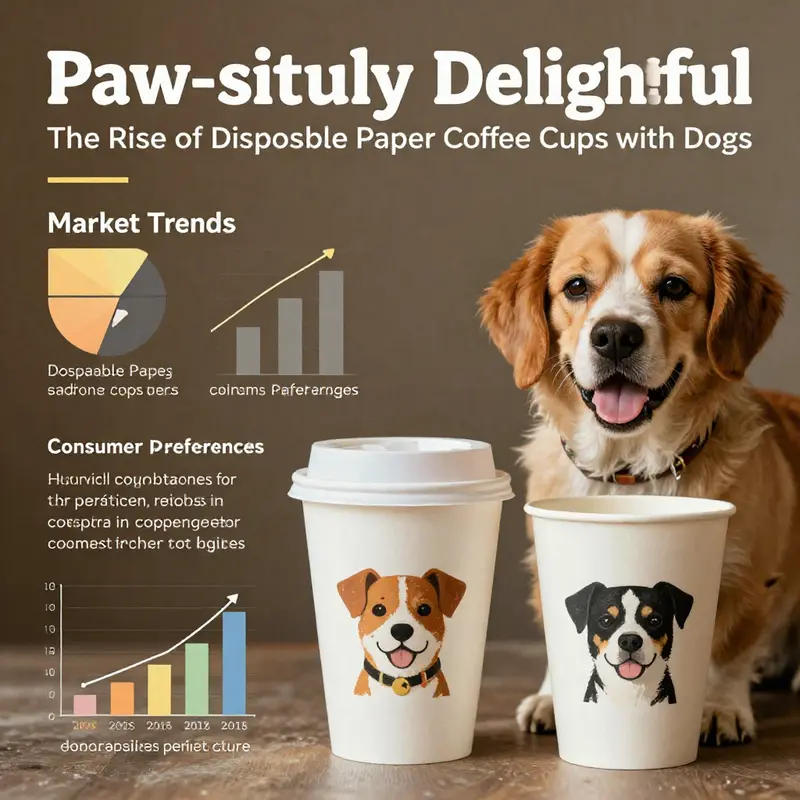
The market for disposable paper coffee cups featuring dog-themed designs is a quietly swelling current in the broader stream of consumer packaging. It moves alongside the desires of a society that loves pets not just as companions but as cultural icons and social signalers. In cafes, pop-up events, and even homes hosting puppy-themed gatherings, these cups do more than carry a beverage. They spark moments of shared delight, photographable scenes, and conversations that merge pet affection with daily rituals of coffee consumption. The phenomenon exists at a curious intersection: functional objects that double as canvases for identity, memory, and community. And while the footprint of any disposable item invites scrutiny, the momentum behind dog-themed disposables rests not only on whimsy but on a convergence of preferences that contemporary consumers increasingly prize: personalization, collectability, and a sense that everyday choices can reflect values, aesthetics, and a playful love of animals. The trend still sits in a niche category, yet its momentum is measurable. It is not merely about novelty; it is about how packaging can become an experiential touchpoint that reinforces brand storytelling while aligning with evolving consumer expectations around sustainability and social sharing. In this sense, the chapter that follows traces more than a static snapshot of product availability. It surveys how a single design motif—a dog on a disposable cup—can illuminate broader currents in hospitality, merchandising, and environmental responsibility, and how those currents interact to shape business decisions in a market that values both charm and conscientiousness.
From the consumer side, dog-themed disposable cups appeal to a spectrum of motivations. First, there is the straightforward appeal of cute or endearing imagery that prompts a smile, a quick scroll on a mobile feed, and a shareable moment among friends. A dog motif invites affinity, whether the viewer is a devoted dog owner, a dog-loving observer, or someone seeking a lighthearted, family-friendly aesthetic for a community event. Second, the visual payoff amplifies the social experience of consumption. The same moment a person takes a photo with a cup becomes a part of a larger narrative—an online post about a puppy birthday party, a fundraiser for animal welfare, or a cafe’s themed weekend. In such contexts, packaging becomes a stage prop, with the dog design acting as a conversational starter that can deepen engagement, encourage repeat visits, and invite customers to linger, chat, and capture content that travels across networks. The third driver is customization. The market shows growing demand for printable dog patterns or logos that allow a business to imprint its own identity on the cup while preserving the dog theme. This blend of personalization and novelty aligns with broader consumer desires to curate experiences rather than simply purchase goods. It is a form of branding that travels beyond the cup and into the social sphere where a photo taken with a well-designed cup can become a brand moment without a loud advert.
On the supply side, the design ecosystem for these cups is shaped by the materials and processes that underwrite disposability. Kraft paper, known for its natural, tactile warmth, often serves as the base. Inside coatings or liners are critical to compatibility with hot beverages and, increasingly, with recycling streams. In many markets, the choice of inner lining can influence whether a cup is perceived as recyclable, compostable, or simply convenient for single-use consumption. Manufacturers and distributors respond to customer preferences by refining the balance between performance and sustainability. The materials narrative matters because it informs both consumer confidence and regulatory expectations. When a cup’s design signals care for the environment, it becomes more than a product option; it becomes a statement of values that customers can carry through their daily rituals. This dynamic is particularly vivid in the pet-loving segments where families, cafes, and event planners seek packaging that harmonizes with a gentle, cheerful, and responsible tone.
The channels that carry these dog-themed disposables reinforce their niche status while expanding access. Online marketplaces and specialty retailers showcase a spectrum of patterns—from paw prints and silhouettes of various breeds to playful motifs that echo puppy fur textures and wagging tails. The availability of moderate-sized packs, such as bundles designed for events, makes it practical for hosts aiming to coordinate a theme without sacrificing efficiency or reliability. The economics of such bundles reveal a demand that is steady rather than explosive: businesses that aim to host dog-themed events or to appeal to pet lovers at a cafe can justify incremental costs for themed packaging because the social value—photos, shares, conversations—can translate into foot traffic and brand affinity that endure beyond a single sale. To be sure, the market remains selective; not every shop or event will lean into dog-themed disposables, just as not every customer will respond to them in the same way. Yet for a segment that seeks differentiation and a sense of whimsy, these cups offer a tangible, scalable method to convey character and hospitality.
From a design perspective, the dog motif is not only about adorableness; it is a language. It communicates familiarity, warmth, and inclusivity. A paw print can signal playfulness; a breed silhouette can nod to a club, a neighborhood, or a personal preference. When these cues are paired with a coffee cup—an everyday object that people carry into a café, a coworking space, or a bus stop—the result is a portable brand extension. The cup becomes a tiny billboard for the idea that a business understands its audience: a community of dog lovers who expect not just a beverage but a small moment of celebration that fits into their day. The opportunity lies in the fusion of aesthetics with utility. Customers do not simply drink coffee; they engage with a design narrative that can be photographed, shared, and remembered. In this sense, the dog-themed disposable is a social device as much as a disposable item. It enables storytelling with minimal friction, a narrative that travels with the cup and returns in conversation, on social feeds, and in the long arc of a cafe’s identity development.
What makes the market move beyond curiosity is the marriage of accessibility and aspiration. Accessibility shows up in the broad availability of themed designs across multiple price points and packaging configurations. Businesses can procure ready-made patterns in medium-sized quantities that suit a pop-up event or a weekend promo, or they can invest in customization that weaves a logo into a dog motif for a cohesive branding moment. The aspiration, meanwhile, is less about mere novelty and more about experiential branding—the idea that customers will remember the event, the meal, the moment of connection, and the way the cup contributed to that moment. In a world where many consumer experiences are fragmented across screens and platforms, a well-designed cup can anchor a memory, becoming part of a story that customers tell others. The social utility of these cups thus becomes a form of marketing capital: a small item with outsized potential to widen mouth-to-mouth referrals, shape perceptions of a cafe’s personality, and enrich the atmosphere of gatherings centered on pets.
An important facet of the current landscape is the balance between sustainability and practicality. Consumers expect convenience, but they increasingly seek responsible packaging choices. The kraft-based design paired with recyclable or plant-based inner coatings is widely discussed as a favorable compromise. It signals a commitment to reducing plastics in contact with hot beverages while preserving the user experience: a cup that holds its shape, insulates adequately, and can be responsibly disposed of after use. The sustainability story is not about a single perfect solution, but about a spectrum of options that communities and businesses can navigate. In some regions, recycling streams are more mature, and the cup’s coating is designed to be separable or compatible with existing processes. In others, compostability or biodegradability may be the guiding criterion, with dialogues around local disposal infrastructure and consumer participation. The conversation is not purely technical; it is also cultural. When customers see a dog-themed cup made from materials they recognize as compostable or recyclable, their sense of responsibility may be reinforced by the simple, joy-infused product they are holding. The result is a packaging narrative that respects both the need for everyday practicality and the rising environmental consciousness that shapes purchasing decisions.
A crucial dimension of this market is the way it intersects with events and experiential hospitality. The dog motif lends itself to themed birthdays, charity fundraisers for animal welfare, and pet-friendly cafe culture where the environment invites social interaction. These settings benefit from a packaging strategy that reinforces the social atmosphere: a cup that feels approachable, warm, and aligned with the values of animals, care, and community. In such contexts, the cup is not merely a vessel but a social artifact that helps crystallize a shared experience. People gather around the concept of dogs and coffee, exchange stories about their pets, and use the cups as a conversational catalyst. The effect is subtle yet powerful: a cohesive event narrative that deepens guest engagement and encourages return visits. In markets where pet culture is a strong cultural signifier, these cups can reinforce a sense of belonging, making a cafe feel like a curated space where customers can celebrate their love for dogs and their daily ritual of coffee at the same time.
When we turn to the distribution and consumption dynamics, it becomes clear that the market is shaped by a mix of retail channels and consumer expectations. Online platforms widen access to patterns and customization options, while physical retailers in urban neighborhoods give customers the tactile sense of the material and style. The idea of personalization—whether through printed dog patterns or business logos integrated into the design—emerges as a differentiator. Small, independent coffee shops can punch above their weight by offering themed experiences that align with their ethos and their customer base, while larger chains can deploy standardized motifs at scale to create a recognizable, friendly vibe across locations. This dual path reflects a broader truth in contemporary consumer packaging: the value of consistency complemented by occasions for customization. A consistent dog motif builds familiarity and trust; customized elements allow for a touch of exclusivity and local relevance. In a marketplace where attention is fragmented and time-poor, such a balance matters. It means a customer who might not seek out a pet-themed cup again can still appreciate the moment and the aesthetics of a well-executed design, while a regular patron might return for a special edition or a locally relevant variation.
In terms of market signals and economic potential, the pet products ecosystem has demonstrated substantial growth in recent years. The broader pet industry has surpassed a notable threshold in the United States, underscoring the scale of consumer attachment to animals. This macro-level momentum can filter down to packaging choices, influencing retailers and manufacturers to consider pet-themed designs as a strategic asset. The dog-on-cup concept taps into this larger ecosystem by translating affection for pets into a tangible product that travels with consumers through daily routines. It becomes a visible expression of lifestyle alignment—a small, portable emblem of care, companionship, and playfulness that can be shared in person or online. In this way, the cups function as micro-brand ambassadors, extending a cafe’s narrative into everyday life and into the social spaces where people document and celebrate pet companionship.
From an industry perspective, the opportunities and challenges of this niche are tightly intertwined with sustainability narratives, consumer behavior, and the logistics of customization. On the opportunity side, the cups offer a lightweight, scalable path to differentiating products and experiences without requiring a radical shift in infrastructure. Cafes can test seasonal patterns, partner with local animal shelters for charity-themed events, or offer limited-edition designs to attract attention on busy weekends. Customization services enable a direct link between business identities and the dog motif, reinforcing a brand’s voice while keeping the design approachable and shareable. On the challenge side, the same lightweight packaging that enables rapid experimentation also creates environmental concerns around waste. Even as coatings and liners improve recyclability, there remain questions about how well these cups fare in separate recycling streams, how disposal behavior varies by region, and how consumer education can influence end-of-life outcomes. Stakeholders across the supply chain must navigate these questions with transparency and ongoing dialogue among designers, recyclers, retailers, and consumers. The best strategy is not a single best solution but a flexible approach that allows for regional adaptation, continuous improvement, and a willingness to re-evaluate materials as technologies advance. In practice, this means sharing clear information about disposal options on packaging, investing in partnerships that support responsible waste systems, and encouraging a culture of mindful consumption that still embraces the joy of a well-illustrated cup.
To summarize the current market, the dog-themed disposable coffee cup represents more than a novelty item. It embodies a microcosm of contemporary consumer culture, where personalization, social sharing, and environmental awareness intersect with a love of pets. The design language—playful paw prints, breed silhouettes, and companionable imagery—translates into an experience that is both ordinary and special: the simple act of drinking coffee becomes a moment that can be cherished, photographed, and remembered. The market remains niche but robust, buoyed by events, cafe culture, and the growing recognition that packaging can be a meaningful, emotionally resonant part of the customer journey. As businesses continue to explore the balance between style, function, and sustainability, dog-themed disposables are likely to evolve in tandem with broader shifts in materials science, disposal infrastructure, and consumer expectations. The result is a dynamic that rewards thoughtful design and strategic alignment with the values of pet-loving communities, while offering practical advantages for operators who want to differentiate themselves in a crowded, competitive landscape.
Internal link note: For practitioners exploring sustainable packaging options that harmonize with pet-themed aesthetics, a current example of emphasis on eco-friendly materials and practical take-out functionality can be found here: eco-friendly recyclable pulp cup holder.
External resource: For a broader glimpse into the online marketplace interest and consumer dynamics surrounding dog-themed disposables, see this listing: https://www.aliexpress.com/item/1005005247369456.html
Dogged by Design: The Environmental Toll and Cultural Pull of Dog-Printed Disposable Cups
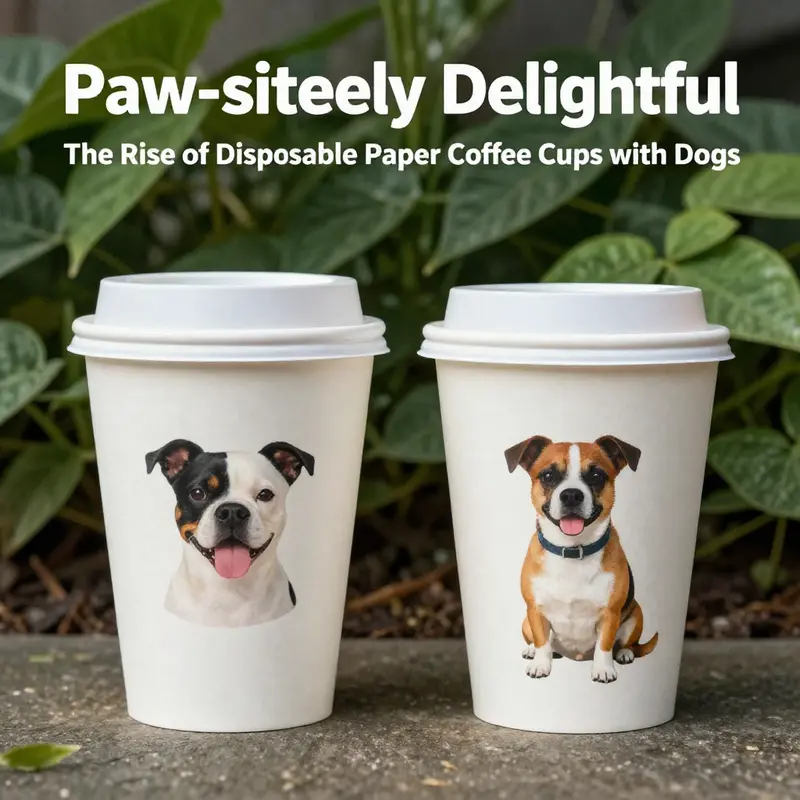
A dog motif on a disposable paper cup can brighten a morning and spark conversation, but the image hides a lifecycle that begins in forest and factory and ends in landfill or recycling stream. This chapter traces that journey and asks how designers, retailers, and policymakers can preserve whimsy while reducing waste.
Disposables balance convenience with material demands: a paper sheet with a plastic lining, printed inks, and energy-intensive production. The dog illustration adds visual appeal but does not alter the material architecture that makes the cup a one-use item.
In many places, cups are challenging to recycle because the paper and plastic are fused. Even when inks are water-based and cups are labeled as compostable, the end-of-life path depends on local facilities. A dog image is aesthetic; it does not guarantee a better outcome.
Options for improvement include reducing barrier complexity, adopting compostable linings where appropriate, and expanding take-back or reuse programs. Education helps consumers navigate disposal, while policy measures like extended producer responsibility can incentivize smarter packaging.
The dog motif can support sustainable behavior if paired with clear messages: reuse when possible, proper disposal, and transparent labeling about recyclability. The goal is to keep the cultural appeal intact while aligning packaging with planetary boundaries.
In the marketplace, dog-themed cups sit at the intersection of pet culture and convenience. Innovation in materials and waste systems—along with an informed consumer—could make the next generation of cups both lovable and less wasteful.
Final thoughts
As consumer demands evolve, disposable paper coffee cups featuring dogs symbolize a delightful fusion of pet culture and sustainable practices. These whimsical designs not only enhance customer experience but also create new market opportunities, proving that elevating a simple coffee cup into a piece of art can lead to greater engagement and a more environmentally-conscious approach. For businesses in the beverage industry, offering these charming cups is a way to participate in the pet culture phenomenon while making strides towards sustainability.