
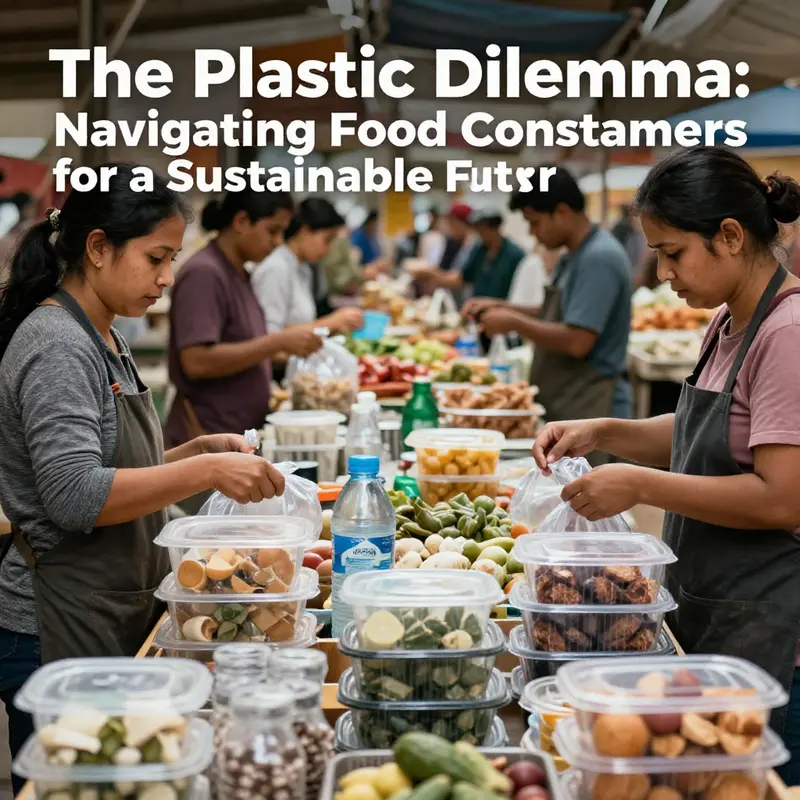
The use of plastic food byproducts containers has become omnipresent in the food industry, spanning bubble tea shops, restaurants, food trucks, and more. While these containers offer convenience and efficiency, their environmental and health ramifications are becoming increasingly difficult to ignore. As consumers and businesses alike seek sustainable practices, understanding the issues surrounding plastic food containers is critical. This article delves into the environmental impact of these containers, the potential health risks, common types and uses, sustainable alternatives, and actionable recommendations for reducing waste. Each chapter aims to equip businesses with the knowledge they need to make informed choices for a healthier planet and thriving operation.
Shifting Currents: The Environmental Toll and Choices of Plastic Food Byproduct Containers
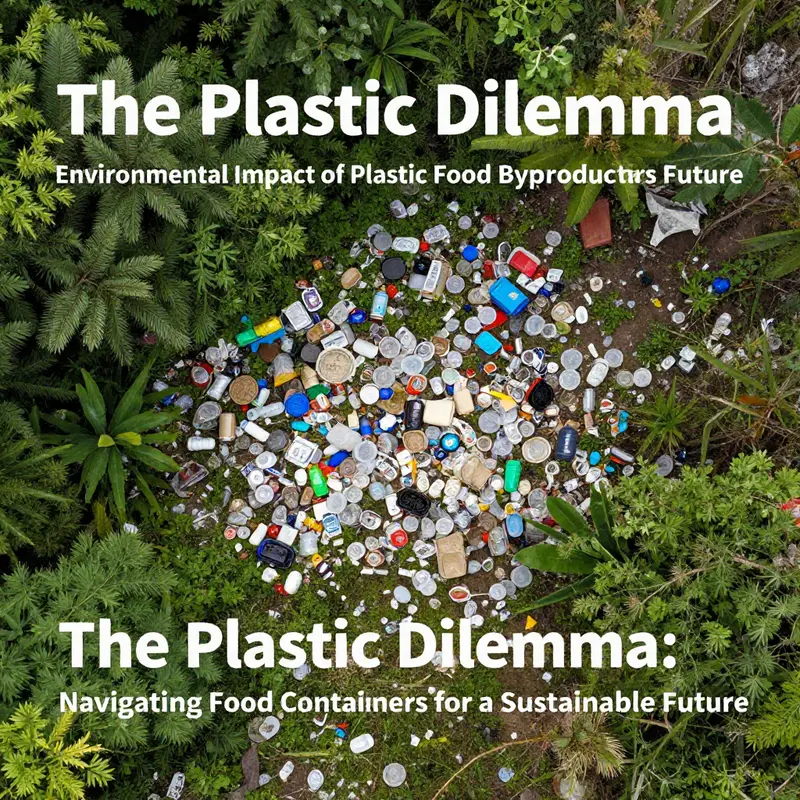
The story of plastic food byproduct containers is, at its core, a story about convenience, persistence, and the invisible costs that accrue long after a meal is finished. In households, workplaces, and on street corners alike, single-use plastic containers have become the default for storing leftovers, transporting meals, and packaging takeout. Yet beneath their utilitarian surface lies a complex chain of environmental consequences that often escapes the everyday consumer’s attention: production tied to fossil fuels, a low rate of end-of-life recovery, and a trajectory that feeds microplastic pollution across air, soil, and water. The Environmental Protection Agency’s widely cited statistic that less than 9 percent of all plastic ever produced has been recycled casts a long shadow over the routine choice to forego reuse in favor of disposability. When those plastics finally break down—if they break down at all in natural environments—they become microplastics that infiltrate oceans, soils, and perhaps the very air we breathe. Wildlife ingests them; humans inadvertently ingest them too, through contaminated seafood, dust, and other pathways. The implications are not only ecological but also linked to health considerations tied to chemical additives in plastics, a point that reverberates through every phase of a container’s life cycle from manufacture to disposal to reuse or replacement with alternatives.
To see the bigger picture, researchers evaluate environmental performance along several axes. Reuse frequency stands out as a primary determinant: the more often a container is reused, the lower its overall environmental impact, provided it remains functional and is cleaned properly. Packaging weight also matters; lighter materials can lower transport emissions, especially when products move through global supply chains. Yet weight cannot be the only consideration, since durability and preservability influence spoilage rates and, by extension, food waste. The balance is delicate: a heavier, sturdier container that can reliably preserve freshness may reduce waste more effectively than a lighter, fragile option that fails and necessitates substitution. In practical terms, the environmental advantage of any container rests not only on its material but also on how food is preserved and how waste is handled in the broader system. This means that even the most recyclable plastic, if used in a throwaway pattern, fails to deliver the ecological benefits that a robust reuse model could achieve. A central message is that the emphasis should shift from can plastic be recycled to can systems enable safe repeated use, minimize spoilage, and support circularity. The literature consistently highlights that a portion of the ecological burden is buffered by choices that reduce food waste. If a container preserves the quality of its contents and reduces spoilage, it serves not only as a packaging solution but as a partner in a broader waste-reduction strategy. And that is a crucial insight for policymakers and business leaders alike: the most responsible packaging decisions are those that support food preservation and promote circularity.
The chapter continues with practical implications for households and policy: avoid reheating food in non-microwave-safe plastics, embrace glass or metal containers for heating, and choose lids that maximize freshness and minimize leakage. For those who must rely on takeout and single-use options, prioritize products designed for recycling, reuse, or compostability in appropriate facilities, and support businesses and policies that encourage circular packaging models. The shift toward reuse begins with daily routines such as washing and drying containers promptly, stacking them efficiently, and recognizing that each reuse reduces the demand for new raw materials and energy. Public and private sectors can accelerate progress by investing in standardized sorting, advanced recycling technologies, and incentives that reward durable packaging designs that align with a circular economy. The bottom line is not simply about whether a container can be recycled; it is about building a system that makes reuse the default, minimizes food waste, and reduces the environmental and health costs embedded in the entire chain from production to disposal. For readers seeking concrete options, practical pathways include durable, non-toxic materials for everyday use, supporting circular packaging initiatives, and choosing non-plastic or minimally plastic storage solutions where feasible. Our shared goal is to keep food safe, extend the usable life of packaging, and reduce the release of microplastics and greenhouse gases into the environment. The broader message is that packaging choice is a lever for planetary health—affecting energy use, emissions, and waste. The story invites readers to see themselves as participants in a circular system that values durability, safety, and stewardship as much as convenience. For further reading on material safety and safer alternatives, readers can consult peer-reviewed reviews and reputable organizations, noting that the best packaging is the one that stays in use longer and remains compatible with safe disposal when needed. In sum, the environmental toll of plastic food byproduct containers is not a fixed verdict but a dynamic challenge shaped by the choices we make, the systems we build, and the commitments we bring to shaping a more sustainable food packaging future.
Beyond Freshness: Unmasking the Health Risks of Plastic Food Byproducts Containers
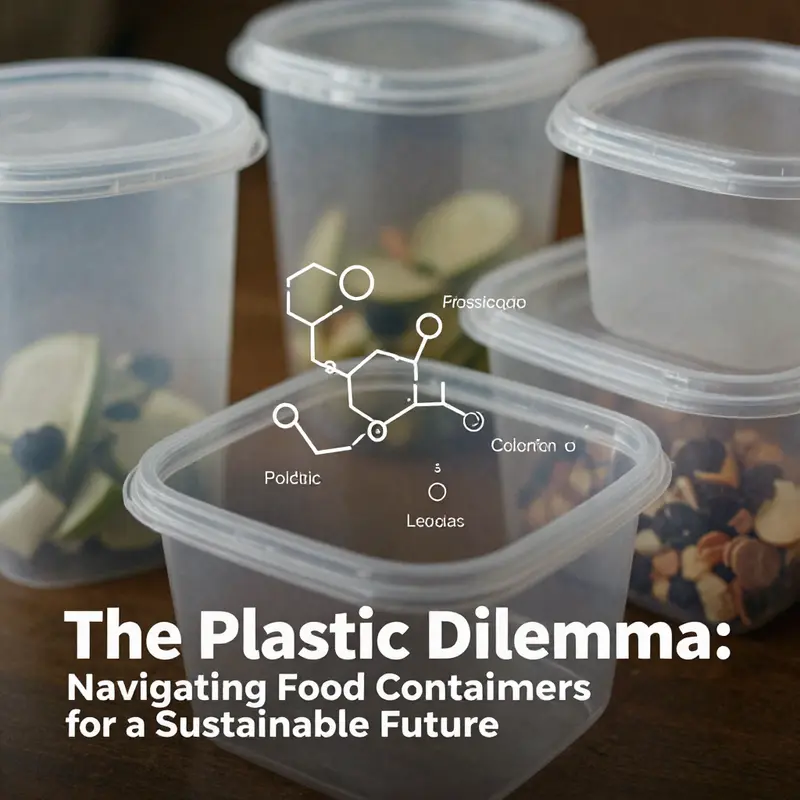
Plastic food byproducts containers surround our kitchens and workspaces, yet the safety of these ubiquitous vessels is not simply a matter of taste or odor. It rests on a more insidious question: what migrates from packaging into the food we store, heat, or gulp down over time? The health risks tied to plastic food containers arise from two intertwined sources. Microplastics that shed from the container material and chemical additives that migrate into food and beverages during contact, heating, or prolonged exposure can converge to create a subtle but meaningful intake pathway for everyday life. This is not merely a matter of occasional plastic taste or a fleeting concern for novelty packaging; it is a public health thread that runs through countless meals, leftovers, and takeout moments in households and institutions alike. The core drivers of this risk are the polymers themselves—polyethylene terephthalate, polystyrene, and polypropylene among them—and the suite of additives that give plastics their flexibility, durability, and color. When these materials encounter heat, fats, acidity, or extended contact with liquids, their constituents may diffuse or partition into the surrounding food. The result is a form of exposure that is gradual, cumulative, and sometimes difficult to reverse. A person may not notice a single episode of leaching, but repeated use, heating, or stacking of containers can yield measurable transfers over months and years. In essence, the issue is less about an acute toxin and more about chronic, low-level exposure that accumulates across a lifetime. The science behind this exposure is clear enough to guide choices in the kitchen without requiring expensive testing or specialized equipment. Heat intensifies migration. Microplastics may be shed by the container into the food or beverage, and chemical additives may diffuse out to mingle with the contents. A landmark line of inquiry shows that even when a container looks and smells acceptable, its internal chemistry can change under everyday conditions. Studies that simulate real-world use—repeated microwaving, hot liquids, or long storage—reveal a pattern: more substantial leaching under higher temperatures and in fats or acidic foods. In contrast, glass and other non-plastic materials tend to resist such migration, offering a stark contrast in chemical behavior when placed side by side in controlled experiments. This contrast is not merely academic; it frames practical decisions about how we store, heat, and transport food. The upshot is that the risk profile for plastic containers is not uniform. Different polymers, and different additives, behave differently under varying conditions. Some additives act as plasticizers, stabilizers, or flame retardants. Others are monomers or decomposition byproducts that can migrate in trace amounts but still pose concerns over long periods. Bisphenol A, phthalates, and related compounds have attracted particular attention because of their endocrine-disrupting potential. While regulatory thresholds are designed to limit acute exposure, the cumulative burden from daily life remains a focus of ongoing toxicological inquiry. The reality is that even small, chronic ingestion of multiple contaminants may correlate with subtle shifts in hormone balance, development, or metabolism, especially in sensitive populations such as pregnant women, infants, and young children. The concern is not only about one compound in isolation but about the complex mixture of leached substances that can occur when multiple kinds of containers are used for different foods and temperatures. The literature also points to broader contaminants found in some packaging materials, including trace metals and impurities that can accompany plastics through manufacturing or aging. Heavy metals, residual solvents, and processing aids may be present in tiny quantities yet accumulate as exposure continues over time. A comprehensive view would be incomplete without acknowledging these layered risks and the social context in which plastic packaging is embedded. The lifecycle of plastic containers—production, use, disposal, and potential reuse—shapes exposure in meaningful ways. Recycling rates for plastic materials remain disappointingly low in many regions, and the practice of reusing or repurposing containers can shift the exposure profile rather than eliminate it. The Environmental Protection Agency and other public bodies have highlighted a troubling paradox: plastics are designed for durability, but that durability translates into persistence in the environment and, by extension, long-term human exposure through the food chain. Against this backdrop, scientists and health professionals increasingly advocate for precautionary, health-forward choices in daily life. This translates into practical guidance: minimize reliance on single-use plastic containers for food storage and heating, favor safer alternatives when feasible, and ensure that any container labeled as a substitute for plastic is truly food-grade and free from non-food-safe additives. The practical implications are often more accessible than abstract risk numbers suggest. A straightforward precaution is to avoid microwaving or pouring hot liquids into non-microwave-safe plastics. Labels that assure free BPA or phthalates are common but not always sufficient; the broader concern is the potential for other additives and monomers to migrate under heat. For many households, the simplest path toward reducing exposure is to shift toward non-plastic options for a broad range of uses. Glass and stainless steel provide durable, reusable alternatives that do not leach chemical substances into food to the same extent as plastics when heated. Glass, in particular, offers a neutral thermal profile, does not interact with acidic or fatty foods in the same way, and is infinitely recyclable in a well-functioning system. Stainless steel is another robust option, highly resistant to heat and capable of enduring the dishwasher. When adopting non-plastic alternatives, it is essential to ensure that the new containers are clearly labeled as food-grade and free from non-food additives. Silicone-based containers also appear as practical, heat-resistant options for freezing or baking, provided they come from reputable sources and are certified for food contact. Silicone can be a valuable compromise for households seeking flexibility and resilience, especially for portions and prepped meals, but buyers should remain mindful of the finished product’s purity and any fillers used in the specific formulation. The shift away from plastic is not only a health decision but also an environmental one. Reducing the use of disposable containers minimizes the volume of plastic waste entering ecosystems, a factor widely acknowledged as a contributor to microplastic pollution and environmental degradation. The argument for safer packaging is reinforced by a broader social movement toward circular economy models, where products are designed for reuse, repair, and recycling rather than one-way disposal. In this sense, the health argument for avoiding plastic containers dovetails with environmental stewardship, creating a more cohesive narrative about how daily habits influence both personal health and planetary well-being. The evidence supporting these conclusions is consistently reviewed in peer-reviewed literature and in guidance summaries that emphasize cautious use of plastic for food storage, especially with hot or fatty foods. A notable body of work underscores the advantage of non-plastic materials when heat is involved and calls for clearer labeling and more rigorous testing of plastics used in food packaging. The goal is not to demonize all plastics but to acknowledge that some configurations present higher exposure risks than others, particularly when used repeatedly for heated, fatty, or acidic foods. To translate the science into everyday practice, consider a gradual transition away from single-use containers toward durable, reusable options. In the kitchen, it is common to encounter a mix of container materials, and the cumulative exposure depends on how those options are used across meals, storage periods, and reheating steps. For instance, using glass jars for dry goods, stainless steel for lunch boxes, and silicone lids for flexible sealing can substantially reduce the opportunities for migration while maintaining convenience. When plastic is unavoidable—such as in certain takeout contexts or for very specific storage needs—choose high-quality, food-grade plastics and avoid repeated heating, long storage times, and contact with high-fat meals when possible. The overarching message is practical and specific: reduce reliance on plastic for food contact, verify that alternatives are truly food-grade, use non-heating-safe options for hot foods, and treat each meal as an opportunity to minimize exposure. This approach aligns with a broader health-centric philosophy that integrates scientific findings with everyday decision-making, creating a safer, more informed relationship with the packaging that accompanies our meals. For readers seeking tangible, non-plastic options in everyday probability, consider the practical shift toward fiber-based or paper-based systems for takeout and meal-prep scenarios. For example, a disposable kraft paper bowl with a lid can be an effective alternative in many cold-to-warm food contexts, reducing the likelihood of chemical migration associated with plastics. See a representative option here: disposable kraft paper bowl for food package with lid. While this example highlights a non-plastic alternative, it also serves as a reminder that packaging choices are not simply about flavor or convenience but about the cumulative impact on health and the environment. In closing, the health risks linked to plastic food byproducts containers are real but not insurmountable. Science points toward a cautious approach that favors non-plastic materials for storage and heating whenever feasible, prioritizes clearly labeled food-grade alternatives, and encourages a broader adoption of circular-economy packaging practices. Public health benefits accrue not only in reduced exposure to problematic chemicals and microplastics but also in diminished environmental burden, which, in turn, protects food systems and vulnerable populations over time. The conversation about plastic packaging remains dynamic as new materials, technologies, and regulatory frameworks emerge. Keeping pace with this evolving landscape requires ongoing attention to the science of leaching, the monitoring of cumulative exposure, and a willingness to adopt safer habits in daily life. For readers seeking a deeper dive into the scientific evidence that links plastic packaging to human health risks, the peer-reviewed article available through the National Library of Medicine offers a rigorous synthesis of findings, leaching patterns, and recommendations for healthier materials. See the detailed discussion here: https://www.ncbi.nlm.nih.gov/pmc/articles/PMC10478396/.
From Containers to Consequences: Decoding Plastic Food Packaging in the Modern Food Chain
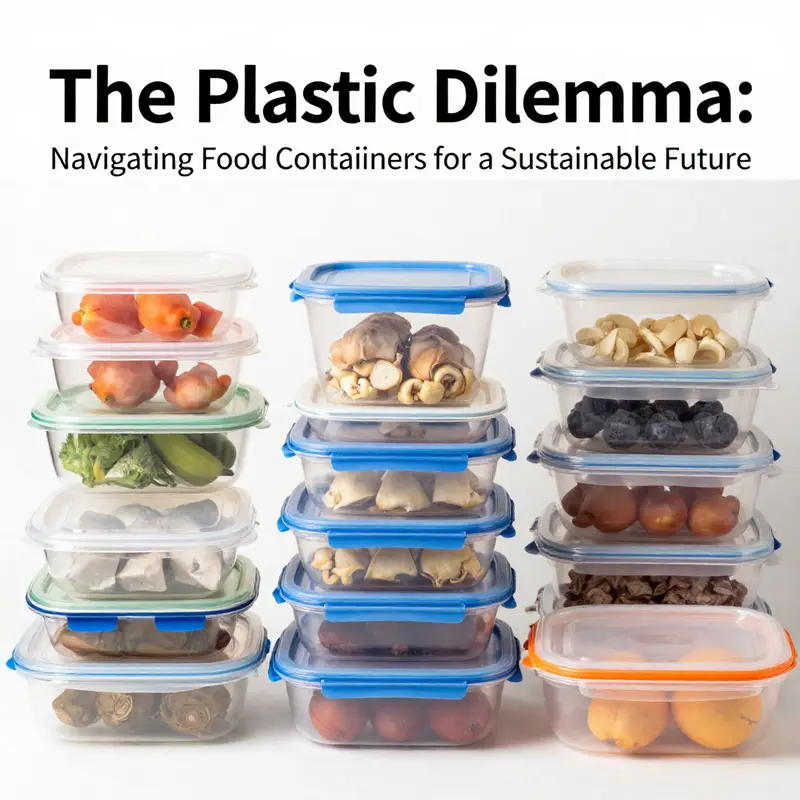
Plastic food containers are more than vessels; they shape safety, waste streams, and daily cooking habits.
This chapter surveys common resin families, explains how each performs in real use, and highlights safety and end-of-life realities.
By looking at PET, HDPE, LDPE, PP, PS, PC, and other plastics labeled #7, we map where leaching risk exists, where recyclability is strong, and where alternatives may improve outcomes.
The analysis emphasizes heat exposure, reuse potential, and labeling clarity as practical levers for consumers and policymakers.
A durable, reusable mindset reduces waste, while informed material choices support recycling streams and lower environmental impact.
The environmental dimension matters: recycling rates, contamination, and the persistence of plastic waste in ecosystems require a shift toward design for durability and effective end-of-life options.
Practically, households and food-service operations can balance convenience with responsibility by selecting glass, stainless steel, or silicone where feasible, while recognizing plant-based or compostable options where local facilities exist to process them responsibly.
Clear labeling, safe handling, and mindful disposal together enable a circular economy for food-contact plastics.
Finally, readers can connect these ideas to policy and science to navigate choices that protect health and the environment.
Rethinking Food Storage: Edible Vessels and the Circular Redesign of Plastic Food Byproduct Containers
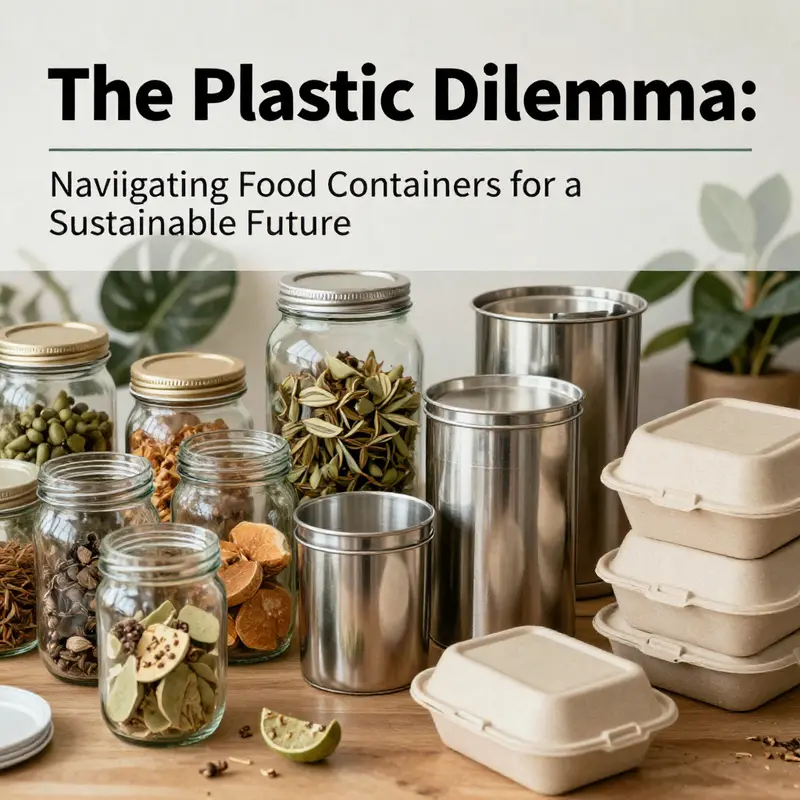
Storing and transporting food has long relied on a simple idea: keep contents fresh, safe, and portable with a container. Yet the convenience of plastic food storage comes with a heavy price tag. The environmental footprint is outsized and stubborn. The U.S. Environmental Protection Agency notes that roughly nine percent of all plastic ever produced has been recycled. The rest ends up in landfills, incinerators, or the natural world, where it can persist for centuries. These numbers aren’t just about waste; they ripple through ecosystems and communities. Microplastics shed from discarded containers find their way into soil and waterways, and some plastics contain additives that can migrate into food and beverages. The health concerns tied to chemical leaching linger in the background of everyday meals, even when the risk feels abstract. When these materials are heated, scraped, or washed repeatedly, the potential exposure rises. The narrative around plastic food containers is increasingly framed by both precaution and responsibility, a call to reimagine design from the ground up rather than simply manage waste after the fact.
The problem is multidimensional. Single-use containers, crafted mostly from polymer families like polystyrene and polypropylene, promise convenience but deliver durability in the wrong directions. They are engineered for short-term use, yet their materials endure for hundreds of years. In the environment, they fragment into microplastics that pervade oceans, soils, and even the air we breathe. In kitchens, the same plastics can interact with foods, especially when heat is involved, potentially releasing chemicals that perplex health researchers and worry consumers. The precautionary principle nudges us toward safer materials and smarter cycles of use and reuse. This is not simply a fight against waste; it is a design challenge: how to retain the practical benefits of containers while reducing harm to people and planet. The chapter that follows builds on this premise by exploring pathways that begin with material choices and move toward systemic changes in how we design, use, and recover packaging.
A closer look at the types of containers reveals how design choices cluster around use patterns. Meal prep and storage containers, usually made from polypropylene, are valued for their stackability and lids that seal. Yet the quality of some lower-end models can deteriorate with dishwasher cycles, compromising seal integrity and food safety. Containers with vent holes address the needs of humidity management for produce or freezing, where vents can equalize pressure and reduce freezer burn. Disposable takeout and kraft-based paper bowls dominate the takeout economy, delivering convenience at a steep rate of waste unless captured by recycling streams. Industrial and commercial food parcel containers contribute durability for large-scale distribution but share the same sustainability limitations inherent in non-biodegradable plastics. Across these categories, the tension remains constant: the more we depend on single-use or short-lived solutions, the larger the footprint becomes. The challenge is to loosen this dependency without sacrificing function, safety, or affordability for households and businesses.
In search of that balance, a movement toward eco-friendly alternatives has gained momentum. Glass and stainless steel provide durable, reusable options that resist chemical leaching and offer long lifespans. Glass stores food without imbibing flavors or contaminants, while stainless steel brings robustness to hot and cold foods alike. Some researchers emphasize the value of material longevity and recyclability as the core of sustainable design. Then there are plant-based options—bamboo and bioplastics like PLA—that aim to marry compostability with performance. Each material carries trade-offs. PLA, for example, can reduce reliance on fossil fuels but may require industrial composting infrastructure to meet its intended end-of-life. Home composting can be insufficient or inconsistent, limiting the real-world impact without systemic support for composting programs. Silicone emerges as a flexible, heat-tolerant alternative suitable for baking and freezing, though its long-term chemical behavior under various conditions warrants ongoing scrutiny.
Beyond materials, the overarching concept of circularity begins to shape how people think about packaging. A circular design treats containers not as one-off tools but as elements in a loop—designed for reuse, refurbishing, and safe recovery. The idea is to keep materials in productive use rather than letting them accumulate as waste. This shift involves more than replacement choices; it requires rethinking packaging systems, from logistics to consumer incentives and recycling infrastructure. When design aligns with recovery, even a used container can be seen as a resource rather than a disposal problem. In practice, this means creating containers that last longer, are easy to clean and repair, and can be returned or repurposed within a tightly managed loop. It also means fostering consumer habits that support reuse, alongside corporate strategies that invest in take-back schemes, material tracing, and transparent end-of-life outcomes.
Innovation in this space is far from limited to hard materials. One compelling direction is the development of edible vessels. These are not merely a novelty; they represent a practical, zero-waste pathway for certain food service applications. Crafted from edible ingredients like rice, wheat, or other natural starches, these alternatives can be consumed with the product or composted safely, closing the loop in a tangible way. The appeal is more than novelty; it is a direct translation of circular economy thinking into a visible, edible form. When a container can be eaten or fully composted, it removes packaging waste from the equation and signals a different relationship between food and packaging. This approach challenges the assumption that packaging must always be separate from the food it carries and presents a bold reimagining of how humans interact with sustenance and waste.
Alongside edible vessels, other eco-friendly materials provide practical steps toward reducing dependence on conventional plastics. Glass remains a staple for households seeking longevity and inert storage. Stainless steel offers a sturdy, inert, and highly recyclable option that works across a range of temperatures. Bamboo and similar rapidly renewable resources offer lightweight, decorative, and biodegradable alternatives that can perform well in various daily tasks. Bioplastics, including versions derived from natural materials, promise reduced fossil fuel use but demand careful consideration of end-of-life pathways and regional composting capabilities. The common thread is a move toward more durable, reusable, and compostable choices that align with local waste management realities. A crucial caveat to all these options is compatibility with real-world systems. It is not enough to create a fantastic material if the disposal or recycling infrastructure cannot accommodate it. The viability of any replacement depends on the infrastructure and consumer behavior surrounding it.
To translate these ideas into everyday practice, households can start with small, tangible steps. Avoid microwaving food in containers not explicitly designed for it. When in doubt, transfer to glass or ceramic that is labeled microwave-safe. Prioritize containers with tight-sealing lids to minimize spills and preserve freshness, which also helps reduce food waste—another major driver of environmental impact. Consider the long-term lifecycle of the container: can it endure regular cleaning, resist staining and odors, and be reused many times over? When possible, opt for non-plastic storage options, especially for hot contents or fatty foods known to travel more readily with leaching concerns. These decisions, while individually modest, accumulate into meaningful reductions in material throughput and waste. Concurrently, households can support circular initiatives by choosing packaging designed for reuse, take-back programs, and consumer education about proper disposal. In practical terms, this may involve seeking packaging that is designed for easy disassembly and sorting, or selecting options that clearly indicate end-of-life pathways.
A practical example of shifting away from plastic-based systems is found in kraft paper packaging options for takeout and storage. These designs emphasize recyclability, reuse, and a lower overall environmental burden. For readers curious about how such options are actually implemented on a broader scale, a representative example of the packaging landscape can be explored through a demonstration of edible and paper-based packaging choices that echo the principles described here. You can learn more about kraft paper packaging options in contexts where takeout and storage intersect with design for reuse and recovery by visiting a representative collection of packaging solutions such as the kraft paper packaging category. kraft paper packaging.
The most transformative aspect of this shift is not a single material or product but the reimagined relationship between how we store food and how we think about waste. It requires collaboration among designers, manufacturers, retailers, policymakers, and consumers. When design is aligned with reuse and recovery, the most trivial questions—What container should I choose? How should I dispose of it? How can I minimize waste while keeping food safe and convenient?—become part of a common discourse aimed at reducing harm and extending resource life. The pathway toward a more sustainable future for plastic food byproducts containers is not a straight line but a network of choices and innovations that reinforce one another. Edible vessels spark imagination while reminding us that waste can be designed out of the system entirely. Durable, reusable options provide practical, climate-conscious utility. Bioplastics and plant-based alternatives offer reduced fossil fuel dependence, albeit with dependent end-of-life conditions. And paper, glass, silicone, and metal cohere into a mosaic that reflects local waste ecosystems and consumer preferences.
As this chapter closes its circle, the emphasis remains on compatibility with the broader transition to sustainable packaging. It is about designing for longevity and recoverability, while embracing innovative ideas that can remove packaging from the linear take-make-dispose model. It is about giving consumers attainable choices that feel empowering rather than punitive. It is about recognizing that technology alone cannot solve the problem; culture, policy, and market dynamics must converge to create scalable change. In that convergence lies the possibility of a future where food byproducts containers no longer burden the environment with persistent waste but instead operate within a vibrant, circular economy that sustains people and ecosystems alike. For readers seeking to deepen their understanding of safer materials and healthier packaging choices, ongoing research and peer-reviewed guidance continue to illuminate practical pathways forward. An extern ally in this exploration is the broader body of research and guidance on sustainable packaging, which highlights how material selection, end-of-life management, and consumer behavior collectively shape outcomes. External resource: https://www.greenlivinginstitute.org/eco-alternatives-plastic-food-containers
null
null
Final thoughts
As customers increasingly gravitate towards sustainability, food businesses have a unique opportunity to lead by example. Understanding the detrimental environmental and health impacts associated with plastic food byproducts containers can drive meaningful change within the industry. By investing in eco-friendly alternatives and implementing effective waste-reduction strategies, food service providers can not only enhance their brand reputation but also contribute to a healthier planet. It’s essential to take action now—sustainable practices are no longer just an option; they are a necessity for future success.