
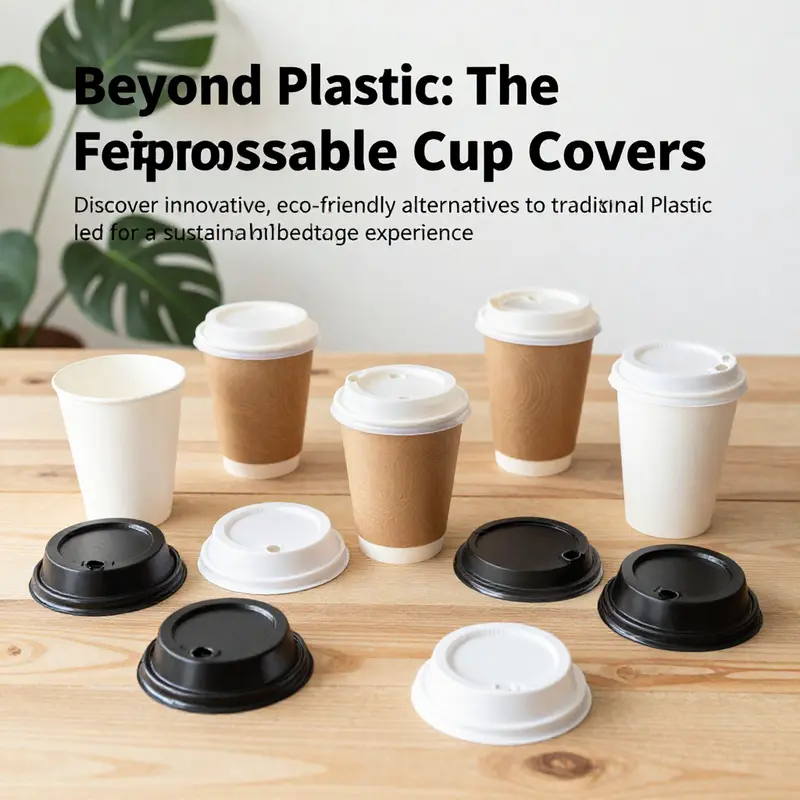
With increasing environmental awareness, the demand for disposable cup covers that are not made from plastic is at an all-time high. Beverage shops, restaurants, and catering services are recognizing the importance of transitioning to sustainable packaging solutions. This article will explore innovative materials that serve as viable alternatives to plastic lids, delve into the environmental impact of these options, and analyze market trends that signal a shift in consumer preferences. Together, we’ll uncover how adopting disposable cup covers not plastic can enhance your business’s sustainability practices while appealing to eco-conscious customers.
Pioneering Sustainability: Innovations in Non-Plastic Disposable Cup Lids
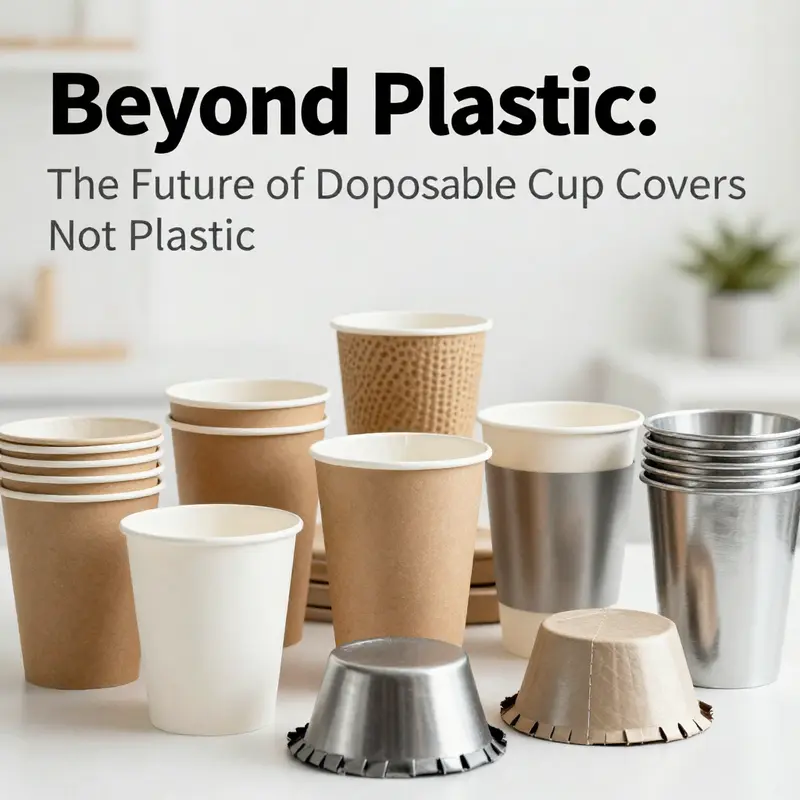
In recent years, the search for more sustainable practices in everyday products has led to an innovative transformation in the manufacturing of disposable cup covers. Traditionally, these lids were made of plastic, a material known for its durability but equally for the immense environmental burden it creates when discarded. As communities around the globe strive to reduce plastic waste, new materials have emerged to challenge the old norms. This narrative explores the groundbreaking innovations behind non-plastic disposable cup lids, the intricate technical processes that bring them to life, and the collaborative spirit that powers their development in line with environmental responsibilities.
Manufacturers and innovators have long recognized that our daily habits, including the single-use items we rely on, have a profound effect on the environment. The disposable cup cover, once seen solely as a convenience in the fast-food and beverage industries, has become a focal point for sustainability efforts. The quest to create a cup lid that is not based on traditional plastics is as much an engineering challenge as it is an ethical mandate. Researchers and companies alike are adopting renewable fibers, plant-based substances, and even metal alternatives to craft products that do not contribute to the mounting crisis of plastic pollution.
One of the most promising breakthroughs in the field comes from fiber-based alternatives. Utilizing renewable materials such as recycled paper, natural fibers, and biodegradable coatings, companies have been able to produce cup covers that offer many of the same functions as their plastic counterparts without the environmental drawbacks. The process of dry-form molding—a method where fibers are compacted and molded into a rigid form—has been at the heart of this revolution. This technique not only minimizes the energy required for production but also reduces waste by using materials that would otherwise be discarded. The result is an eco-friendly lid that aligns with the growing consumer demand for sustainable packaging.
A compelling aspect of these innovations is the collaborative efforts that have taken shape among industry partners. Several industry leaders have come together to share knowledge, resources, and technology in pursuit of a common goal: replacing traditional plastic lids with alternatives that have a smaller ecological footprint. For instance, partnerships among manufacturers, researchers, and even fast-food outlets have spurred accelerated innovation, enabling the practical application of fiber technology on a large scale. When companies pool their collective expertise, they can fast-track the development of products that not only serve their immediate function but also embody broader sustainability goals.
The technical nuances involved in creating non-plastic cup covers are both intricate and fascinating. The dry-form molding process is central to manufacturing fiber-based lids. During this process, natural fibers are treated and combined with biodegradable coatings that enhance their water resistance and durability. Although the science behind these technologies is complex, the end goal is straightforward—to replace materials that will persist in landfills for centuries with substances that decompose naturally. The materials chosen for these new lids frequently include recycled paper pulp, which is not only a renewable resource but also has the ability to naturally break down over time, reducing the cumulative waste in our ecosystems.
In the realm of plant-based bioplastics, another strand of research is drawing significant attention. Derived from renewable resources like cornstarch and sugarcane, bioplastics offer a compostable alternative to conventional plastics. When processed under industrial conditions, these materials break down without leaving behind harmful residues. This dual benefit of functionality and environmental friendliness has made bioplastics a popular component in the design of disposable cup lids. With innovations in plant-based technology, manufacturers are fine-tuning the balance between durability and biodegradability, ensuring that these lids can perform effectively while also supporting broader efforts to reduce waste.
Beyond fibers and bioplastics, some innovators have even looked to repurpose traditional metals, such as stainless steel, for reusable cup lids. Although reusability might change the nature of the disposable cup cover market, the emphasis on durability and longevity cannot be understated. Metal lids, when used in conjunction with disposable cups, provide consumers with a low-impact alternative that significantly reduces waste and offers a more sustainable lifecycle. Electronic waste and packaged disposal are two separate challenges, yet in the context of everyday products like cup lids, the adoption of long-lasting, reusable components is a noteworthy step forward.
The environmental implications of this transition are profound. Plastic waste, particularly in single-use items, has overwhelmed ecosystems and contributed to severe pollution problems in oceans, waterways, and urban landscapes. By reducing the reliance on plastic in disposable cup lids, industries can take concrete steps toward reducing their overall impact on the environment. The switch to biodegradable and compostable alternatives ensures that when these lids are discarded, they break down harmlessly rather than lingering as persistent pollutants long after their useful life has ended.
Moreover, the market implications of adopting sustainable materials extend beyond mere environmental benefits. Businesses that choose to invest in eco-friendly packaging often witness an enhanced brand image and improved customer loyalty. Consumers are increasingly aware of the environmental footprint of their purchases and are more likely to support brands that demonstrate a commitment to sustainability. In this context, non-plastic cup covers represent not only an ecological imperative but also a smart business strategy. Companies that adopt these innovations position themselves as leaders in responsible production, gaining a competitive advantage and fostering a sense of trust among their clientele.
Innovation in manufacturing procedures has further advanced the production capabilities of non-plastic disposable cup lids. Traditional molding and shaping techniques, which once relied heavily on synthetic polymers, have given way to processes that harness natural materials in their raw form. The shift from plastic to paper-based lids, for example, involves an entirely different set of parameters. Dry-form molding has been refined to ensure that every lid produced exhibits precisely the intended dimensions, strength, and water resistance. The adaptability of the process also allows manufacturers to tailor the design of the lids to fit various cup geometries, ensuring a secure fit regardless of the underlying container shape.
Within the framework of sustainability, every step of the production process is examined for its environmental impact. Energy consumption, waste generation, and the sourcing of raw materials are all critical factors in the lifecycle of a product. By choosing recycled paper and renewable fibers, manufacturers can drastically reduce the carbon footprint associated with production. In some cases, the entire production cycle is powered by renewable energy sources, further cementing the eco-friendly credentials of these non-plastic lids. The integration of technology with manual craftsmanship in this area has led to products that are as functional as they are environmentally responsible.
The journey toward sustainable disposable cup lids is also characterized by an openness to learning and adaptation. Early iterations of fiber-based innovation faced challenges such as maintaining structural integrity and resisting moisture penetration—essential qualities in a cup lid. However, through rigorous testing, research, and cross-industry dialogue, these preliminary obstacles have been overcome. Continuous refinement of both materials and manufacturing techniques has culminated in products that perform reliably in everyday use. The progress made in this field is a testament to the iterative nature of innovation, where setbacks are viewed as learning opportunities that lead to better, more resilient solutions.
One cannot overlook the ripple effects that these innovations have in terms of environmental education and policy. As government bodies and environmental organizations push for a reduction in single-use plastics, the successful development of non-plastic cup covers serves as a tangible example of what is achievable. This progress not only aligns with regulatory trends but also empowers consumers to make more informed decisions about the products they purchase. The broader message is clear: with dedicated research and collaboration, industries can pivot away from harmful practices and toward a model that honors sustainability and responsibility.
An interesting facet of this revolution is its impact on supporting the circular economy. When disposable items are designed to break down naturally or be repurposed, the cycle of production and disposal becomes far more efficient. In a well-contained system, materials are reused, repurposed, or safely composted instead of contributing to a linear flow of waste. This concept is particularly significant in the foodservice industry, where the volume of single-use items can be staggering. The shift to non-plastic cup lids demonstrates that even small changes in everyday items can catalyze larger movements toward overall sustainability in a commercially significant sector.
Throughout the evolution of sustainable disposable cup covers, the infusion of technological prowess and environmental ethics is evident. Every stage of production—from the careful selection of raw materials to the precision molding process—represents a nuanced understanding of the challenges faced by conventional plastics. It also symbolizes a commitment to developing solutions that are respectful of our natural resources. The success of fiber-based lids, plant-based bioplastics, and even metal alternatives is grounded in a deep-seated recognition of the urgent need for change. These innovations address not only the immediate issues of waste management but also contribute to a more sustainable future by minimizing the ecological footprint of our everyday choices.
The importance of robust research and cross-sector collaboration cannot be overstated. By collaborating, companies harness the power of diverse expertise. This collaborative model bridges gaps between traditional manufacturing methods and emerging eco-friendly technologies. It also illustrates that sustainability is a shared goal that transcends individual company interests. In a market where consumer values are shifting, the incorporation of sustainability into the core business model is rapidly becoming the norm rather than the exception.
A deeper dive into the technical aspects reveals that the material composition of non-plastic lids is carefully engineered for strength, durability, and environmental safety. Natural fibers, when processed correctly, exhibit characteristics such as thermal resistance and moisture management that are essential for their intended use. For example, paper-based lids that incorporate a wax or plant-based coating display an impressive resistance to heat and liquid seepage, which are critical factors for maintaining the integrity of hot beverages. The meticulous calibration of these properties during manufacturing ensures that the lids not only match the performance of plastic but also exceed it in terms of biodegradability and user safety.
For those interested in exploring related innovations, one can find more detailed information on emerging eco-friendly packaging solutions. A notable example includes the development of eco-friendly recyclable pulp cup holders, which share a similar ethos in reducing environmental impact through innovative design and sustainable materials. Such innovations underscore the broader trend in sustainable packaging and emphasize that every component—from the cup to the lid—plays a significant role in reducing overall waste.
Today, consumer behavior and regulatory environments are gradually converging towards favoring products with minimal environmental footprints. Companies that embrace sustainable practices often gain not only positive consumer sentiment but also potential government incentives and support. Stakeholders are increasingly aware that investing in eco-friendly alternatives is not merely a marketing tactic but a long-term strategy that benefits society as a whole.
From the perspective of the end user, the adoption of non-plastic disposable cup lids is a subtle yet powerful reminder that everyday choices have broader implications. When someone opts for a beverage served with a lid made from recycled or renewable materials, they participate in a global dialogue on conservation and responsible consumption. Each small action contributes to a collective momentum that can truly change the landscape of waste management. As awareness continues to grow, more businesses are likely to follow suit, fueling further research and development in this field.
Moreover, the incorporation of eco-friendly materials into daily consumables sets a precedent for other industries. The iterative processes and technologies developed for disposable cup lids can potentially be adapted to other sectors where single-use plastics are still prevalent. This cross-pollination of ideas is essential for building a more sustainable industrial ecosystem. The shared lessons of durability, adaptability, and environmental safety have far-reaching implications beyond the realm of food and beverage packaging.
In essence, the advances in non-plastic disposable cup lids are a microcosm of the broader sustainability revolution. They represent an intersection of technology, environmental concern, and consumer demand—a confluence that is steering industries towards a more harmonious relationship with nature. The story of these lids is one of perseverance, creative problem-solving, and a deep-seated commitment to safeguarding our planet for future generations. As research continues and innovations mature, the hope is that similar, environmentally responsible alternatives will soon become the standard for even more everyday products.
For a comprehensive exploration of these developments and further technical insights into the innovative fabric behind sustainable cup lids, interested readers can refer to the detailed information provided in the press release by PulPac, which outlines the industry collaboration and technological strides made in this field. For further reading, please visit PulPac’s press release on sustainable fiber-based alternatives.
Through persistent innovation and a strong drive towards environmentally conscious manufacturing, the transformation from traditional plastic lids to their sustainable counterparts is well underway. The journey is multi-faceted and full of challenges, yet it also brims with potential. Each new breakthrough reinforces the message that sustainability is not just a passing trend but a necessary evolution in product design and manufacturing. The legacy of these innovations will be measured not only in improved product performance but in the tangible reduction of waste and environmental harm. As this movement gathers momentum, both businesses and consumers are poised to benefit from a future where everyday products, such as disposable cup lids, support a circular economy and a cleaner, healthier planet.
Rethinking Disposable Cup Lids: A Deep Dive into Environmental Consequences and Sustainable Alternatives
The journey toward more sustainable disposable cup covers not made of plastic invites a thoughtful examination of the environmental toll wrought by conventional plastic lids as well as an exploration of alternative solutions that better align with current ecological priorities. In recent years, an increasing number of stakeholders, including small businesses, fast-food chains, and artisan cafes, have begun to rethink the value proposition of the standard plastic lid. This rethinking is largely driven by growing environmental concerns, as these seemingly trivial components of disposable beverage packaging contribute to a compounding global plastic waste crisis. What was once regarded as a convenient solution to retain heat and stoke consumer satisfaction has now come under intense scrutiny for its long-term impacts on public health, wildlife, and natural ecosystems.
Disposable cup covers, typically manufactured from polypropylene or polystyrene, are designed to provide functionality by preventing spills and maintaining beverage temperatures. Yet beneath this practical facade lies a sobering reality. The production and disposal of these plastic lids involve significant energy use, reliance on fossil fuels, and the generation of pollutants that persist far longer than many other consumable materials. According to environmental assessments, a mere fraction of these plastic products is ever recycled—estimations suggest that only around 9% of all plastic is ever reprocessed, leaving the vast remainder to accumulate in landfills, incinerators, or scattered across landscapes as litter. Once discarded, these lids fragment over time into microplastics that infiltrate water sources, soil, and even the bloodstreams of living organisms, thereby serving as small packets of harm that slowly degrade the environment. The environmental narrative of disposable plastic lids extends well beyond the disposal stage; their entire life cycle is emblematic of a system heavily tilted in favor of convenience over sustainability.
In many life cycle assessments, the environmental burdens of disposable packaging are weighed by comparing the raw materials, production processes, and end-of-life management of different substances. Although plastics offer certain technical advantages, these same studies have shown that the environmental costs associated with their production, transformation, and disposal often cancel out any perceived benefits. The relatively low recycling rate, the vast amounts of waste that circumvent recycling systems, and the chemical leachates that can be produced during the degradation process are critical factors that undermine the long-term viability of plastic disposable cup lids. Moreover, certain additives such as phthalates and BPA, or their newer substitutes, present additional risks when exposed to heat. This raises important questions about whether it is sufficient to merely improve recycling rates, or if a systemic change in the materials used to create these lids is imperative.
The call for alternatives to plastic has led researchers, manufacturers, and policymakers to turn their attention to non-plastic solutions that promise easier disposal and a smaller ecological footprint. The most notable alternatives include paper-based lids, which are often constructed from recycled fibers, as well as plant-based bioplastics derived from renewable sources like cornstarch or sugarcane. Furthermore, metal lids, typically made from stainless steel, are championed not only for their durability but also for the potential to be reused multiple times. Each of these alternatives comes with its own set of characteristics and challenges, yet they collectively represent a significant pivot away from reliance on non-renewable, long-lasting plastics.
Paper-based lids, for instance, have garnered much attention in recent years due to their potential for biodegradability and compostability. When sourced from sustainably managed forests or recycled materials, these lids can provide a practical, eco-friendly alternative to plastic. Their primary advantage lies in their ability to break down under certain conditions without leaving behind persistent microplastics. However, the environmental benefits of paper-based solutions must be weighed against the energy required to manufacture them, the potential for contamination during recycling processes, and the specific conditions required for effective composting. When paper lids are coupled with an appropriate coating—whether it be a plant-based wax or another biodegradable barrier—the result is a product that can resist leakage and protect beverage temperature while remaining consistent with broader sustainability goals. As these products become more widely available, some businesses are already adopting them as part of a larger strategy to reduce waste and foster a virtuous cycle of recycling and composting.
In contrast to paper-based alternatives, plant-based bioplastics offer another intriguing path forward. These materials, which are typically made from renewable resources, have the potential to offer similar functional properties as conventional plastics but under significantly reduced environmental costs when managed appropriately. Polylactic acid (PLA), for example, is derived from cornstarch and can be processed under industrial composting conditions. While bioplastics are not without their challenges—primarily related to the need for specialized composting facilities and potential competition with food resources—their adoption has sparked considerable excitement among environmental advocates and manufacturers alike. The prospect of creating a lid that maintains the performance expected by consumers while also being removable from the polluting lifecycle of conventional plastic is a powerful motivator for companies willing to invest in research and development.
The environmental performance of these alternative materials extends beyond biodegradability. The entire value chain is considered when evaluating sustainability: from the extraction of raw materials, through production, to end-of-life management. The lifecycle assessments of various products consistently reveal that no single option is a panacea. Each material has trade-offs, and the real challenge is integrating ecological, economic, and social factors into a single cohesive policy that can be applied across diverse sectors. For example, while plant-based bioplastics might reduce dependency on fossil fuels, they require energy-intensive processes and specific disposal conditions that are not universally available. Similarly, while metal lids offer reusability and durability, their higher initial cost and the energy required to manufacture and sanitize them can sometimes offset their long-term benefits.
These complexities imply that the shift away from conventional plastic lids is not merely a technical transition but a holistic reimagining of consumption patterns and waste management systems. A key factor in this transition is consumer behavior. Modern consumers are increasingly aware of the environmental implications of their choices, and they are beginning to demand products that reflect their ecological values. This growing demand for sustainable alternatives is influencing product development, encouraging companies to seek out innovative materials and methods that minimize environmental harm. In this context, disposable cup covers not made of plastic have emerged as symbols of a broader commitment to ecological stewardship—a tangible demonstration of how everyday products can be reengineered to meet the rigorous demands of environmental sustainability.
The role of regulatory frameworks cannot be overstated in this conversation, as government policies often drive market changes even when the technical feasibility of alternatives exists. Legislation aimed at reducing plastic waste, banning single-use plastics, or incentivizing the use of recycled materials has prompted many industries to invest in alternatives. In regions where such policies have taken root, businesses are incentivized to innovate and experiment with new materials. Established companies in the food and beverage sectors have begun to partner with eco-friendly suppliers, exploring options such as recycled paper lids with plant-based coatings. These partnerships not only help reduce the environmental footprint but also offer marketing advantages to companies wishing to demonstrate a genuine commitment to sustainability.
The systemic issues linked to single-use products, however, remain deeply entrenched. The disposable model, which has been a cornerstone of modern consumer economies, poses fundamental questions about waste, resource management, and environmental responsibility. Disposable cup lids, although small in size, reflect a broader cultural reliance on products designed for transient convenience. This reliance creates challenges that extend far beyond the physical product itself; it necessitates an examination of consumer habits, supply chain dynamics, and even the very nature of product stewardship. For instance, while transitioning from plastic to alternative materials may mitigate some environmental harm, it does not automatically address the sheer volume of waste generated by disposable products. Unless paired with a systemic shift in consumption and waste management practices, even the most innovative alternative materials risk falling into the same cycles of inefficiency as their plastic predecessors.
Adopting sustainable alternatives involves rethinking how products are designed, produced, and disposed of. Innovations in packaging technology that move away from single-use models are part of this broader transformation. New business models emphasize reusability, returnable packaging, and closed-loop recycling systems, minimizing the overall demand for disposable components. The move toward non-plastic disposable cup covers is symptomatic of these larger changes, as it represents a step away from an unsustainable norm toward a more integrated approach to environmental stewardship. As businesses experiment with these new models, collaboration among stakeholders becomes crucial. Producers, retailers, environmental experts, and policymakers must work in concert to develop and promote products that meet consumption needs while protecting the environment. This kind of multi-stakeholder engagement paves the way for a future where convenience no longer comes at the expense of ecological health.
It is important to acknowledge that transitional products, such as disposable cup covers made from alternative materials, serve as interim solutions that can catalyze broader change. While the ultimate goal may involve entirely rethinking the single-use model, these alternatives play a critical role in gradually shifting industry standards and consumer expectations. For example, a growing number of cafes and fast-food chains are already opting for options like eco-disposable paper lids for Kraft coffee paper cups as part of their sustainability initiatives. Such products not only reduce the immediate environmental impact but also serve as visible indicators of change, encouraging others in the industry to follow suit. By normalizing these alternatives, the market slowly moves toward a larger ecosystem where sustainable practices become the standard rather than the exception.
Even as these advancements are made, challenges remain. The degradation of non-plastic materials is heavily dependent on the conditions under which they are processed. Biodegradability and compostability, while often touted as major advantages, sometimes require industrial facilities that are not universally accessible. In some regions, paper-based materials may not break down as efficiently without proper composting infrastructure. In these cases, even products labeled as compostable could contribute to waste accumulation if consumers lack the means to dispose of them correctly. Therefore, implementing these alternatives at scale requires not only advancements in material science but also enhancements in waste management systems and consumer education efforts.
Moreover, the environmental benefits of non-plastic disposable cup covers must be critically assessed throughout their entire life cycle. Production processes, raw material sourcing, and the energy profiles of alternative materials must be considered in comprehensive environmental impact studies. Sometimes, a shift from conventional plastic to an alternative may inadvertently introduce new forms of environmental burden if not managed carefully. For instance, if the production of paper-based or plant-based lids demands significant energy input from non-renewable sources, the net environmental gain might be diminished. It is essential that life cycle analyses continue to guide the evolution of disposable cup covers, ensuring that the shift to alternatives does not create unintended consequences in other parts of the supply chain.
As stakeholders gather more data from rigorous environmental assessments and life cycle analyses, it becomes increasingly evident that a comprehensive approach is necessary to address the multifaceted environmental issues associated with disposable packaging. The conversation is no longer about simply swapping out one material for another; instead, it is about reconsidering the entire production and consumption ecosystem. In this light, the environmental impact of disposable cup lids is a microcosm of the broader debates around sustainability, resource efficiency, and the ethical responsibilities of businesses and consumers alike. It calls for a paradigm shift that embraces innovation without sacrificing environmental integrity.
The future of disposable cup covers not made of plastic thus hinges on the collective willingness of industries, consumers, and policymakers to support sustainable practices throughout the value chain. It requires reimagining product design, investing in advanced recycling and composting infrastructure, and fostering consumer habits that favor long-term ecological benefits over immediate convenience. The change is incremental, yet each small adjustment contributes to a larger wave of transformation that could redefine how society addresses waste and resource management. This integrated approach, one that combines technological innovation with systemic changes in consumer behavior and public policy, stands as the most promising path forward.
In summary, the environmental narrative surrounding disposable cup lids offers a stark reminder of the hidden costs behind everyday conveniences. The shift away from traditional plastic lids toward eco-friendly alternatives is a nuanced and layered challenge that must be tackled on many fronts. It involves not just a material change but a conceptual one—one that rethinks the disposable culture that has long dominated consumer industries. As society moves toward greener practices, the choices made today regarding materials, production methods, and waste management will ripple throughout the future, affecting ecosystems, public health, and economic sustainability. Interested readers wishing to understand more about the full spectrum of challenges related to plastic pollution can explore additional insights provided by the Environmental Protection Agency at this resource.
Ultimately, the shift to non-plastic disposable cup covers is emblematic of a broader ecological awakening. It calls for every stakeholder—from material scientists to policy shapers, from small business owners to individual consumers—to rethink their role in the environmental equation. By embracing innovation and sustainability, and by challenging the deeply entrenched paradigms of the disposable economy, society can pave the way for products that honor both functionality and environmental responsibility. This chapter not only outlines the critical environmental impacts of conventional plastic lids but also sets the stage for a future where sustainable and innovative alternatives become commonplace. The responsibility lies with all of us to nurture this transformation, ensuring that convenience does not continually come at the expense of the planet we call home.
Navigating Shifting Tides: A Deep Dive into Eco-Friendly Disposable Cup Lids and Emerging Consumer Trends
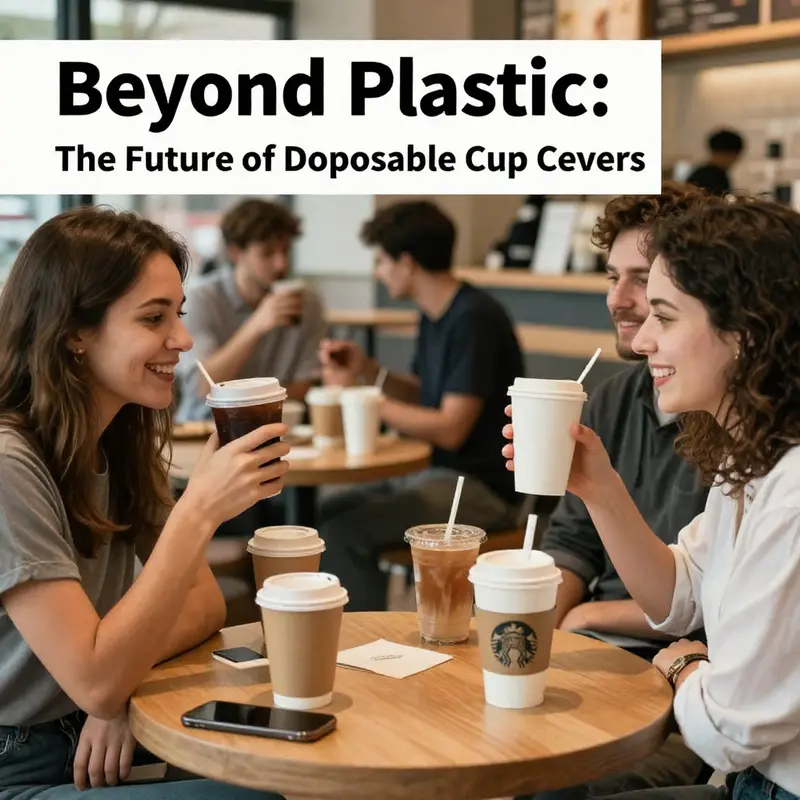
The evolution of disposable cup lids away from conventional plastic is marking a new era in the packaging industry. In recent years, manufacturers and consumers alike have begun to appreciate a renewed commitment to sustainability—a commitment that is evident in the growing popularity of disposable cup covers made from non-plastic materials. Across the globe, trends signal an industry in transformation, spurred by technological innovations, heightened environmental awareness, and evolving consumer demands. This narrative unpacks the shift away from plastic, delving into the emerging market trends and consumer preferences that drive the development and adoption of eco-friendly alternatives.
A key driver behind this transformation is the increasing awareness of environmental issues connected with single-use plastics. Traditional plastic lids have long been criticized for their long-lasting impact on the environment. As plastics persist in landfills and oceans for many decades, consumers and regulatory bodies alike have pressed for alternatives that can break down naturally without leaving behind toxic residues. The disposable cup lid market is now witnessing rapid innovation that embraces materials such as paper, plant-based bioplastics, and even metal. Each of these alternatives offers different benefits—ranging from ease of recycling to complete compostability—allowing businesses to align their product choices with environmental stewardship.
While plastics provided durability and versatility, consumer preferences now lean towards items that are biodegradable or can be fully recycled. The demand for paper-based lids has risen rapidly as part of this movement. Made from recycled paper and sometimes enhanced with eco-friendly coatings that are either wax-based or derived from plant materials, these lids do not sacrifice performance for sustainability. They are engineered to keep liquids contained and maintain freshness, especially for hot beverages like coffee and tea. With advancements in coating technologies, these paper lids are emerging as practical alternatives that deliver not only on performance but also on environmental responsibility.
In parallel with paper-based lids, plant-based bioplastics have entered the spotlight. Materials such as polylactic acid (PLA) and other sugarcane-derived compounds are increasingly used in the production of disposable cup covers. These innovative materials are derived from renewable resources and, when processed under industrial composting conditions, break down entirely into natural components. Such breakthroughs have resonated well with a growing base of eco-conscious consumers who believe that every aspect of their lifestyle—from the beverage they sip to the lid that covers their cup—should reflect sustainable values.
Metal lids, particularly those fashioned from stainless steel, offer an alternative that is both durable and reusable. Although initially more expensive than one-time use options, they cater to an audience that values longevity and reduced waste. In many cases, these lids are designed to be easily sanitized and reused, reducing the frequency of replacement and further diminishing environmental footprints. Many businesses have started to offer these reusable options not only in cafes but also at events and in delivery services as an illustrative case of how consumer needs are being matched by flexible product offerings.
The market for disposable cup lids is not static; it pages forward with robust growth projections. Estimates indicate that the global disposable cup market could reach figures as high as $22.1 billion by 2033, growing at a compound annual rate of nearly 5.9% between 2024 and 2033. This expansion is in part propelled by the shift away from traditional plastics and an insistence on eco-friendly alternatives. As consumer behavior adapts, businesses have found that aligning product offerings with such ethical imperatives is no longer optional, but rather a fundamental aspect of contemporary commerce. In an industry where taste, convenience, and sustainability converge, every improvement in material technology becomes a competitive advantage.
Industry players in regions such as China are adapting quickly to these changes. Manufacturers are now dedicating significant resources to offering bulk orders of disposable cups equipped with eco-friendly lids. These manufacturers emphasize compliance with stringent environmental standards, ensuring that every cup lid meets criteria for biodegradability and compostability. The rigorous adherence to such standards has gained traction among buyers, who no longer consider sustainability merely a buzzword but a central pillar of their purchasing decisions. Recycling and proper disposal methods are also explained in detail by suppliers, enabling consumers and businesses to make well-informed choices that correspond with sustainable practices.
The evolution in material science has also led to remarkable innovations in product design. For example, designers have reimagined disposable soup cups with reinforced walls that are not only lightweight and heat-resistant but also fully sustainable. Lids designed for these cups are engineered to handle both temperature and moisture, ensuring that even liquid products such as soups and broths are contained securely. Advancements in manufacturing processes have meant that these eco-friendly lids no longer suffer from the limitations of early green alternatives. Instead, they provide a robust solution that meets the rigorous demands of the modern food service industry.
This transition is not solely technology-driven; it is also deeply intertwined with the cultural evolution of global consumer preferences. When examining the marketplace, one sees that consumers are more informed than ever before. They routinely assess the environmental impact of their everyday products—from the food they consume to the packaging that surrounds it. This new wave of environmentally aware consumers demands transparency from manufacturers. They insist on clear information about the origins, composition, and disposal methods of disposable cup lids. As a result, manufacturers have responded by offering detailed lifecycle analyses of their products, illustrating not only the sustainable nature of the materials used but also the minimal environmental footprint associated with their production and disposal.
This heightened demand for transparency reinforces a market that is increasingly competitive. Companies that invest in innovative research and sustainable supply chains find that they are rewarded with increased customer loyalty and improved brand reputation. In an era when green credentials are a factor in nearly every purchasing decision, businesses now face the dual challenge of innovating continuously while also maintaining accessible, environmentally responsible product lines. Such evolution is evident in the way that even traditional markets have begun to phase out plastic options. Distributors are now more willing to showcase products such as eco-friendly lids that bear certifications from recognized bodies. The certifications cover aspects such as biodegradability, absence of toxic residues, and suitability for home or industrial composting.
Furthermore, evolving consumer trends are not limited to food service outlets but extend into major event catering, on-the-go coffee shops, and delivery services. In these sectors, sustainability is as crucial a selling point as convenience and product quality. Across all these areas, the importance of a lid that is both functional and eco-friendly cannot be overstated. A well-designed lid stands as a testament to the advancing state of environmental innovation; it encapsulates the ability to combine everyday practicality with a larger, purpose-driven mission of environmental stewardship.
Working within this dynamic landscape, one can observe that the market is gravitating towards solutions that emphasize a minimal environmental footprint. A compelling example in this context is found in the growing demand for a specific category of disposable cup lids that are entirely free from plastic. This category is experiencing growth driven by innovative materials that combine functionality with sustainable production methods. The emerging designs exhibit improvements in structural strength and leak-proof capabilities, attributes that have enabled them to stand up to the same challenges as conventional plastic lids. Consumers have begun to notice these improvements and, as a result, are increasingly open to giving up forms that were once the industry standard in exchange for better alternatives.
A further intriguing aspect of this market evolution is the interplay between consumer habits and regulatory frameworks. Governments around the world are beginning to implement policies aimed at reducing single-use plastics. These regulations have reached across continents, directly influencing the strategies of packaging manufacturers and distributors. The drive to eliminate plastic waste has accelerated research into non-plastic options, and environmental standards now form an integral part of product development. Producers are quick to adopt innovative materials that comply with these new rules. This regulatory momentum, combined with a rise in eco-friendly consumer sentiment, promises to reshape the market for disposable cup lids for years to come.
The conversation about sustainability is further enriched by life cycle assessments conducted by academic institutions and environmental advocacy groups. These studies scrutinize the environmental impact of every stage in a product’s life—from raw material extraction to end-of-life disposal. Analysts find that products made entirely from renewable resources, such as paper and plant-based bioplastics, have a marked advantage over those produced from petrochemicals. When all factors are taken into account, the benefits of non-plastic lids become even more pronounced. Businesses and consumers now have access to detailed, science-based evaluations that help guide purchasing decisions. The data consistently underscore that shifting away from plastic not only aids in reducing waste but also conserves energy and reduces greenhouse gas emissions.
As businesses look to cater to these eco-conscious customers, many are turning to verified sources for reliable, sustainable packaging solutions. Platforms dedicated to eco-friendly packaging now list a variety of options for disposable cup lids not made from plastic. For instance, a selection of products on some of these platforms highlights the use of kraft paper with a natural coating that offers exceptional moisture resistance without relying on plastic additives. One can learn more about such innovations by exploring detailed product pages, such as one offering eco-disposable paper lids specifically designed for coffee cups. This solution represents the fusion of functionality and sustainability—a fusion that modern consumers are increasingly demanding.
The landscape of disposable cup lids is clearly more dynamic than ever before. As the market grows, so too does the range of available options, each designed to meet the rigorous demands of environmental standards while delivering uncompromised user experience. Manufacturers are not only increasing the scale of production but also fine-tuning the technical specifications of these lids. As a result, the eco-friendly alternatives now available are as technologically advanced as they are sustainable. They cater to beverages of all types, ensuring that hot drinks remain hot, cold drinks stay chilled, and soups are contained safely. The cumulative effect of these improvements is a product category that is setting new benchmarks for sustainability in everyday consumer products.
This transformation also reflects a broader shift in how companies view sustainability. Beyond reducing reliance on plastic, firms are now rethinking their entire supply chains to minimize waste and optimize resource use. Emphasis is placed on using renewable resources, reducing energy in manufacturing, and ensuring responsible recycling. Every link in the value chain is scrutinized and optimized to meet high environmental standards. This entire process not only appeals to modern consumers but also sets the stage for a more resilient market that can adapt to future challenges. The dialogue around non-plastic disposable cup lids is emblematic of a wider sector undertaking—a sector that is in the midst of redefining its values and priorities in favor of a healthier planet.
The drive for sustainability in disposable cup lids is helping to catalyze parallel innovations in packaging technology. Manufacturers are exploring new designs that simplify recycling and composting processes. The integration of detailed disposal instructions on packaging is one such advancement. By providing clear, concise information on how to properly dispose of or recycle the product, companies are empowering consumers to participate actively in waste reduction. These improvements extend the lifecycle of the product by ensuring that end-of-life handling minimizes negative environmental impacts. In tandem with regulatory advocacy, these practical measures are fostering a culture in which environmental responsibility is embedded in every aspect of the consumer experience.
Consumer perception of disposable items is evolving dramatically. No longer is the convenience of single-use products the sole driver of purchase decisions. Instead, consumers are becoming more mindful about the full spectrum of a product’s impact. They evaluate products not just on immediate functionality, but also on long-term ecological consequences. As a result, the decision to choose eco-friendly cup lids is part of a broader pattern of choices that encompass energy conservation, recycling, and waste reduction. This holistic perspective is reshaping the marketplace, demanding that companies deliver products that truly reflect their environmental commitments.
Throughout this remarkable evolution, the umbrella of consumer trust remains central. Brands that can transparently communicate the sustainable credentials of their products earn not only higher loyalty but also an important first-mover advantage in an increasingly competitive market. This trust is built on tangible performance improvements and certifications that attest to the ecological merits of the product. For manufacturers, every detail—from the source of the raw materials to the final disposal instructions—plays a critical role. These details signal to the eco-conscious buyer that the entire lifecycle of the product has been managed responsibly.
Innovation in this space is ongoing, with new research and development projects focused on refining material properties and enhancing product performance. Companies are continually testing new blends of natural fibers, biodegradable polymers, and even innovative coatings that improve resistance to heat and moisture. The successful integration of these elements results in cup lids that uphold high performance standards while fulfilling the environmental criteria that matter most to today’s consumer. Every breakthrough in material science further solidifies the business case for non-plastic alternatives, making them viable for widespread adoption in fast-paced service environments.
In summary, the market for disposable cup lids not made from plastic is undergoing a significant transformation. This transformation is driven by an interplay of consumer demand, environmental regulations, and technological innovations. From paper-based lids with natural, eco-friendly coatings to plant-derived bioplastics and even reusable metal options, the alternatives available today are designed to meet a range of needs without compromising on performance. Businesses throughout the globe are responding by shifting their product lines and supply chains toward solutions that offer genuine environmental benefits throughout the product’s lifecycle.
For those wishing to learn more about the technical innovations and consumer benefits behind this change, further exploration into eco-friendly paper lid designs is warranted. Detailed product descriptions, such as those found on this page for eco-disposable paper lids for coffee cups, provide additional insights into the performance and sustainability of these advanced products. Moreover, market projections and industry reports, including those available on platforms like Alibaba, underscore the robustness and promise of this growing sector.
What was once a niche market is now at the forefront of an industry-wide shift. As we embrace a future that demands both performance and responsibility, the humble disposable cup lid stands as a powerful symbol of innovation and environmental progress. Every component—from its material composition to its design features—embodies a commitment to reducing our ecological footprint and championing sustainable practices. The journey away from plastic toward materials that are renewable, recyclable, or compostable is not merely a temporary trend; it is a fundamental transformation built on the collective desire to protect our planet. In this way, the evolution of disposable cup lids does more than meet a functional need—it inspires a movement toward a better, cleaner future for all.
Ultimately, each new innovation in eco-friendly disposable cup lids represents a small yet significant step in a broader effort to reimagine daily products under the lens of environmental integrity. The shift away from traditional materials is not without its challenges, but its trajectory is clear. As companies refine production processes, invest in smarter supply chains, and communicate more transparently with consumers, the market continues to set a higher standard for sustainability in everyday life. This thoughtful integration of sustainability, technological advancements, and consumer preferences is reshaping the disposable cup lid landscape into one that is both dynamic and forward-thinking. The result is a powerful example of how small changes in everyday products can culminate in meaningful progress towards a more sustainable world.
In this new era, every disposable cup lid that avoids plastic is a testament to human ingenuity, perseverance, and commitment to safeguarding the environment. It is a symbol of a future where convenience and environmental responsibility go hand in hand, where everyday decisions reflect a deeper care for our planet. Such progress is achieved one innovation at a time, inspiring both manufacturers and consumers to think creatively and act responsibly. Whether it is a paper-based lid enhanced with a natural coating, a bioplastic derived from renewable resources, or a robust, reusable metal option, the products emerging in the market are here to stay. They signal a promising shift, a realignment of conventional practices with modern, eco-friendly principles.
Through constant innovation and a solid commitment to greener practices, the disposable cup lid industry is not only meeting the challenges of today but is also paving the way for future solutions. The path forward is illuminated by advancements that reduce waste, lower carbon footprints, and promote a circular economy. As more companies embrace these changes, the cumulative effect may well contribute to a significant reduction in the overall environmental impact of single-use items. In witnessing this transition, we are reminded that every thoughtful design change, every new material innovation, and every informed consumer choice lays the groundwork for a sustainable future.
This comprehensive shift is one that resonates far beyond the confines of a single product category. It speaks to a growing global movement where economic interests and environmental ethics are not at odds but are mutually reinforcing. The progression toward eco-friendly disposable cup lids reflects an industry-wide awakening—a rethinking of what is possible when sustainability becomes the guiding principle. In this unprecedented moment, the humble cup lid emerges as a beacon of responsible design and environmental consciousness, poised to redefine the norms for generations to come.
Final thoughts
As the beverage industry continues to evolve, embracing non-plastic disposable cup covers can play a crucial role in your business’s sustainability journey. Not only do these innovations cater to the growing consumer demand for eco-friendly options, but they also significantly minimize environmental impact. Understanding the innovative materials available, the environmental benefits they offer, and the shifting market trends will equip you to make informed choices that align with both your values and your customers’ expectations. Make the leap towards sustainability with disposable cup covers not plastic, and contribute positively to our planet.