
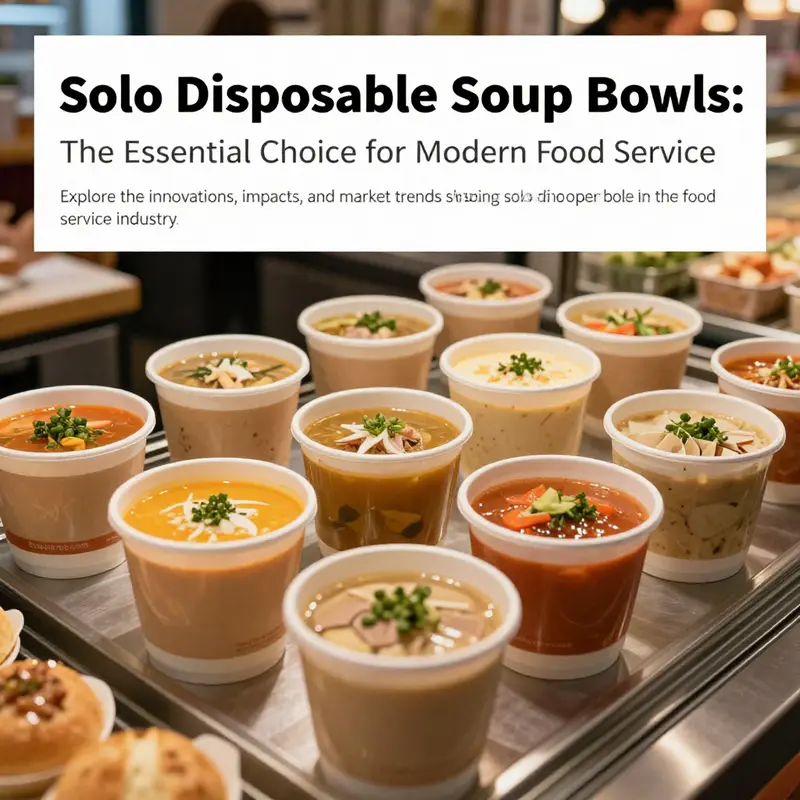
In a world where convenience meets quality, solo disposable soup bowls have emerged as a vital tool for food businesses. From bubble tea shops to catering services, these containers offer a perfect solution for serving a variety of liquid and semi-liquid foods, ensuring both safety and satisfaction. This article delves into multiple facets of solo disposable soup bowls, highlighting material innovations that enhance performance, examining environmental impacts, analyzing economic factors, exploring design and customization options, and identifying market trends. Each chapter serves to deepen your understanding of why these bowls are not just functional items, but integral components of modern food service enterprises.
Revolutionizing Performance and Sustainability: Material Innovations in Solo Disposable Soup Bowls
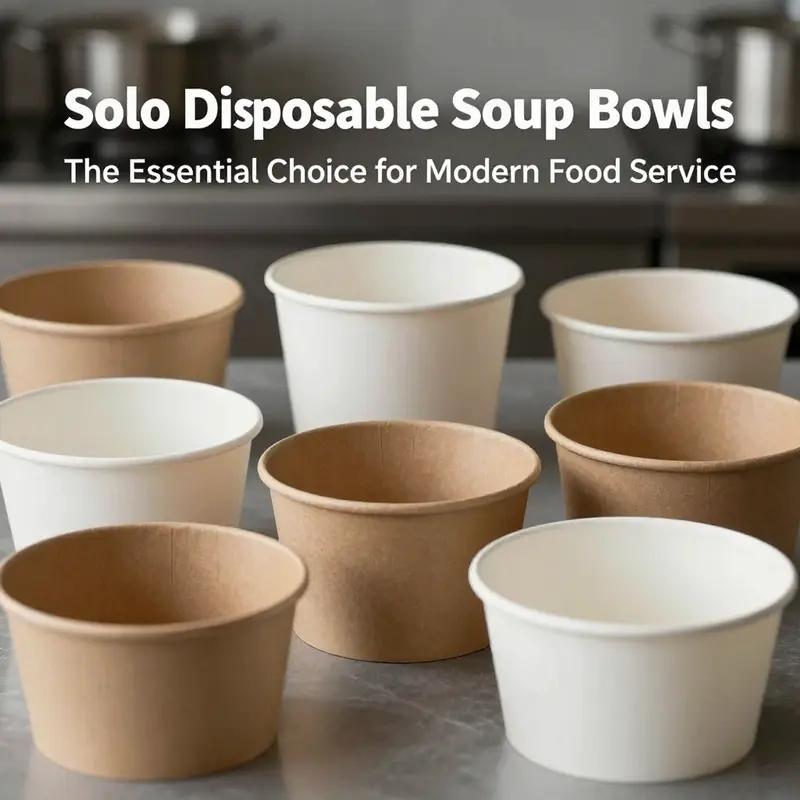
Solo disposable soup bowls have undergone a remarkable transformation in recent years. Continuous innovation in materials has allowed these once simple containers to emerge as high-performance products that not only secure the safety and integrity of hot liquids but also advance significant sustainability goals. In today’s market, these bowls blend the latest advances in science with the pressing need for eco-friendly, efficient designs. They serve an array of applications, from fast food takeouts to large-scale catering, while keeping pace with evolving consumer trends focused on environmental impact and food safety.
This evolution is most evident in the advent and refinement of plant-based bioplastics. Materials such as polylactic acid (PLA), which is derived from renewable resources like cornstarch or sugarcane, exemplify the future of disposable packaging. PLA’s properties allow it to tolerate temperatures up to 180°F (82°C). This makes it a reliable choice when filled with steaming bowls of soup or other hot beverages. Remarkably, PLA undergoes degradation under industrial composting conditions in a relatively short cycle of 90 to 180 days. This swift breakdown process means that waste management can prioritize compostable materials without compromising the performance of the product during use. For many manufacturers, PLA represents not only a viable alternative to petroleum-based plastics but also an ethical commitment to reducing harmful waste. By integrating such materials, the industry is aligning itself with broader trends that demand both safety and sustainability.
At the same time, high-performance paper composites have taken center stage in many applications. Technological advances have led to the development of specialty coatings that can be applied to recycled paper. These coatings include water-resistant food-grade waxes or bio-based polymers such as polyhydroxyalkanoates (PHA). When applied to disposable soup bowls, these coatings improve the bowls’ durability and resistance to leakage. By reinforcing the structural integrity of paper products, manufacturers can ensure the bowls withstand high temperatures and long periods of transport without deforming or compromising the food safety standards. The result is a product that delivers the appealing visual qualities of paper, such as brightness and print fidelity, while functioning reliably in challenging conditions. Many suppliers now certify these composite products as compostable through bodies such as the Biodegradable Products Institute (BPI). This certification confirms that the material meets rigorous industry standards for both biodegradability and performance.
Another significant breakthrough in the field is the use of molded pulp, particularly fiber-based materials derived from bamboo, sugarcane bagasse, or wheat straw. These renewable resources have opened the door to highly durable and naturally insulating products. Their cellular structure is inherently porous, which provides exceptional thermal resistance as well as moisture barrier properties. This means that molded pulp bowls are especially capable of handling hot and liquid-laden meals without the risk of heat loss or material breakdown. In addition to their functional benefits, these materials are lightweight, cost-effective for high-volume use, and fully biodegradable. For businesses that need to balance efficiency with environmental responsibility, fiber-based molded pulp offers a compelling mix of performance and sustainability. Because these bowls are produced using processes that emphasize renewable resources and reduced energy use, they are rapidly becoming the container of choice among eco-conscious food service providers.
Engineers and designers in the disposable packaging industry now face the dual challenge of enhancing performance while reducing environmental footprints. The drive for innovation has spurred extensive research into materials that can safely contain hot and liquid foods and offer a route to end-of-life recyclability or compostability. Treatment processes that combine chemical and physical modifications are common in today’s manufacturing lines. For instance, the application of bio-based coatings to paper substrates involves controlled curing that activates a protective barrier without adding non-renewable substances. These practices not only protect the integrity of the bowl when in contact with hot liquids, but they also ensure that the end product can be disposed of responsibly. Progressive methods in material science are being rapidly adopted worldwide, reflecting growing consumer awareness and strict regulatory requirements aimed at reducing persistent waste.
Manufacturers adopting these newer materials are often quick to innovate with further customizations. Branding and design options have become central to market differentiation. Companies are now capable of printing unique graphics or logos onto refined paper composites and bioplastic substrates. This level of customization has found favor particularly among restaurants and food delivery services, who seek to create memorable customer experiences through packaging. For example, a well-branded bowl can elevate a simple meal into a complete dining experience. In many cases, the incorporation of printed designs does not compromise the bowl’s functionality or its environmental credentials. Some advanced production lines even incorporate digital printing methods that use vegetable-based dyes. The result is a product that meets high aesthetic standards while clearly conveying messages of sustainability and quality. Interested readers can learn more about eco-friendly bowl designs through an overview available via this comprehensive guide on custom bowl design.
Beyond performance and branding, enhanced safety remains a core driver behind these technological advancements. The pressures of maintaining food safety are more intense than ever. An essential part of this responsibility lies in ensuring that packaging materials do not leach harmful chemicals or break apart when exposed to high temperatures. With traditional plastics and inadequate paper coatings, the risks were higher. Today’s advanced materials, particularly those that have passed rigorous testing for both durability and chemical integrity, provide a safe and reliable barrier between food and container. During the manufacturing process, materials undergo extensive quality assurance tests to verify attributes like heat stability, leakage resistance, and flexibility. The integration of these rigorous standards means that innovative bowls can be confidently used in various settings from commercial kitchens to outdoor events. For operators who rely on consistency and safety for consumer products, these material innovations represent a substantial improvement over older, less reliable options.
These advances not only influence functionality but also redefine the bowls’ roles in sustainability initiatives. Waste reduction is a critical concern, and enhancing the compostability and recyclability of disposable products plays a major part in environmental strategies. In many regions, strict waste management laws demand that single-use packaging break down safely and efficiently in an industrial composting environment. The use of PLA, advanced paper composites, and molded pulp are practical responses to these regulations. When properly disposed of, these materials reintegrate into the natural cycle without leaving harmful residues or contributing to long-term landfill accumulation. Life-cycle analyses clearly show that biodegradable and compostable materials reduce overall carbon footprints. In addition to meeting statutory requirements, companies that adopt these solutions reinforce their environmental commitments, aligning their operations with the expectations of eco-conscious consumers and business partners.
In addition to the direct benefits to the environment, the innovations in disposable soup bowl materials also have significant implications for supply chain management. The lightweight nature of many of these advanced materials reduces transportation costs and energy use during shipping operations, which is a boon for both logistics and the global environment. Manufacturers report that adopting lighter materials, such as advanced paper composites and fiber-based molded pulp, has led to reduced shipping weights without sacrificing durability. This development is particularly valuable for businesses that operate on a global scale where reduced weight and volume translate directly to lower transport-related emissions. The interplay between material science, logistics efficiency, and cost control is a prime example of how innovation in product design can lead to improvements across multiple aspects of the business. The integration of these materials confirms that sustainability and economic prudence can coalesce in the competitive disposable packaging market.
Moreover, the continuous refinement of manufacturing processes further solidifies the benefits of modern disposable soup bowls. Energy-efficient production techniques, increasingly automated production lines, and recycling initiatives within manufacturing plants all contribute to the overall sustainability of the final product. Incremental improvements in each stage of production mean that less energy and fewer raw materials are consumed per bowl produced. This systemic approach to efficiency helps manufacturers lower their operating costs and diminish their environmental impact. Strategies that promote the circular economy are gradually becoming a standard feature in the industry. The commitment to reducing waste, lowering energy usage, and optimizing material flows is evident in every stage from raw material selection to final product packing and distribution. These efforts collectively contribute to an industry that is more responsible, resilient, and responsive to the challenges of modern waste management.
The fusion of performance, design, and environmental responsibility has redefined the role of disposable soup bowls in modern food service. As more companies adopt these innovations, the overall quality and reliability of disposable bowls continue to improve. What once were simple containers have now evolved into sophisticated products that represent a blend of art and science. With each new advancement, manufacturers are challenged to think beyond conventional packaging and embrace innovative methods that serve both the consumer and the planet. This revolution in materials has been a collaborative effort, drawing from the fields of polymer science, environmental engineering, and digital manufacturing. The convergence of these disciplines makes it clear that the future of disposable packaging is not only in meeting current needs but also in anticipating and shaping future trends.
Looking forward, research continues to explore even more advanced alternatives that may further enhance the performance of disposable soup bowls. Ongoing studies focus on hybrid materials that combine the best properties of plastics, paper, and natural fibers. Experimental coatings that adapt to changing temperatures and humidity levels are under development. These innovations promise to usher in another phase of improvement where bowls can automatically adjust their properties based on the food temperature and environmental conditions. The cross-disciplinary collaboration between material scientists and packaging engineers is vital. It ensures that as demands change, these products will continue to evolve. For those interested in the future trends of compostable packaging, an external resource is available at Eco-Products’ Compostable Soup Bowls Made from Plant-Based Materials, which provides in-depth technical specifications and insights into current research trends.
By integrating cutting-edge materials and emphasizing sustainability in every step of production, the field of solo disposable soup bowls is poised for further growth and evolution. Every development, whether in plant-based bioplastics, advanced paper composites, or renewable molded pulp, reinforces the bowls’ essential role in modern food service. These products are no longer viewed merely as convenient disposables but have become emblematic of the broader transformation in our approach to resource management and waste reduction. The combination of efficiency, reliability, and eco-friendliness ensures that these bowls will continue to hold a pivotal place in the industry. As manufacturers and consumers alike become more mindful of environmental footprints, the emphasis on sustainable material innovations offers a promising pathway toward a greener future.
In summary, the journey of material innovation in solo disposable soup bowls has bridged the gap between high performance and environmental stewardship. This chapter has outlined the major technological advancements that have redefined what these bowls can offer—from the adoption of plant-based bioplastics and enhanced paper composites to innovations in molded fiber products. The careful attention to safety, durability, and cost efficiency has made these products indispensable in a world that values both functionality and responsibility. By embracing these innovations, manufacturers are not only meeting the immediate needs of food safety and transportation but are also spearheading a movement toward sustainable, intelligent packaging solutions. This synthesis of innovative material science and environmental commitment truly signals a bright future for the disposable packaging industry.
Sustainable Choices in a Disposable World: Unraveling the Environmental Impact of Solo Soup Bowls
Disposable soup bowls have become a ubiquitous element in modern food service, prized for their convenience and reliability. Yet behind this convenience lies a complex and often troubling environmental narrative. The materials used in these solo disposable soup bowls have long been scrutinized, as they often rely on plastic compounds and other substances that pose long-term risks to ecosystems and public health. In our examination of the environmental impact of these single-use items, we delve into the root causes of environmental degradation attributable to disposable packaging, exploring everything from production processes and material properties, to the challenges of waste management and emerging sustainable alternatives.
A significant portion of the environmental burden stems from the materials used. Traditional disposable soup bowls are typically manufactured from plastics such as polystyrene (PS) or polypropylene (PP), and, at times, expanded polystyrene (EPS) foam. These materials boast qualities that make them ideal for sustaining the integrity of hot liquids, yet they have a dark ecological legacy. Plastics do not naturally degrade, and even when subjected to environmental conditions that induce breakdown, they fracture into minuscule fragments known as microplastics. These particles have now been documented in oceans, freshwater systems, and even in the tissues of wildlife. As these microplastics accumulate, they compromise natural processes and threaten food chains with persistent toxic contaminants.
The environmental impact of disposal and degradation transcends the mere accumulation of waste. When exposed to UV light, incineration, or chemical reactions in landfills, these plastics release pollutants that persist in the atmosphere and soil for decades. The energy-intensive nature of manufacturing these disposable items further exacerbates the problem. Production facilities normally rely on non-renewable fossil fuels, contributing significantly to greenhouse gas emissions. In this light, a disposable soup bowl becomes not just a convenience tool, but also a contributor to the global challenge of climate change, with carbon footprints that extend from factory floors to landfill sites worldwide.
Yet, the issues are not solely confined to post-consumer waste. The production phase itself raises concerns that extend to energy consumption, water usage, and raw material extraction. The extraction of crude oil, which is essential for the production of most conventional plastics, leaves behind environmental scars such as deforestation, water contamination, and ecosystem disruption. Factories that manufacture these bowls usually operate with energy sources that further intensify carbon emissions, compounding the environmental cost of this otherwise useful product. In the case of EPS foam bowls, their thermal insulation and lightweight advantages in shipping make them popular, but their disposal presents a formidable challenge due to the difficulty in recycling foamed plastics. Consequently, many of these bowls end up in landfills where they can take centuries to break down.
In response to this environmental strain, manufacturers and consumers alike are beginning to seek eco-friendly alternatives. Some innovative alternatives include disposable soup bowls made from paperboard with a plastic (PE) lining, molded fiber products fashioned from recycled paper, and even plant-based bioplastics such as PLA (polylactic acid). These alternatives are often embraced for their ability to biodegrade under industrial composting conditions, presenting a promising solution to the waste accumulation dilemma. However, these advantages are sometimes offset by limitations in performance. For instance, while PLA and similar bioplastics provide a renewable raw material base and reduce reliance on fossil fuels, they can suffer from reduced thermal resistance and require specific industrial composting facilities to effectively decompose, facilities that are not widely available in many regions.
One of the notable sustainable alternatives available in the market is the paper soup bowl, often enhanced with a PE coating to provide the necessary waterproof and greaseproof qualities that make it suitable for hot and cold meals alike. These paper bowls offer several advantages such as excellent printability for brand-specific designs, sturdy construction, and even a lower environmental impact when sourced responsibly. For businesses wanting to balance functionality with environmental responsibility, these bowls represent a middle ground between convenience and sustainability. Companies have even begun to focus on eco-friendly design elements, selecting materials that are not only robust but also recyclable or degradable. For example, suppliers that offer custom-made paper soup bowls allow clients to personalize their packaging while ensuring that the materials meet stricter environmental guidelines.
The challenges do not end at material selection or production—they extend into how consumers manage disposal. The environmental benefits of biodegradable or compostable materials can only be harnessed if proper waste management infrastructures exist. In many urban areas, conventional recycling programs and proper composting facilities are either insufficient or not available at all. Without these systems in place, even the most eco-friendly disposable items may end up in traditional landfills, where conditions are far from optimal for biodegradation. In these landfill conditions, biodegradable components may break down slowly, often releasing methane—a potent greenhouse gas—thereby reducing the potential environmental benefits of the product design.
Consumer education and community practices surrounding waste disposal are therefore crucial in ensuring that sustainable alternatives reach their full potential. When consumers are informed about the proper disposal methods—whether that means recycling the bowls correctly or taking advantage of composting programs—the overall ecological footprint of disposable products can be significantly reduced. Moreover, companies are increasingly offering instructions on disposal and partnering with community initiatives that promote responsible waste management. This proactive approach not only furthers environmental objectives but also builds trust with an increasingly eco-conscious customer base.
Governmental regulation plays a pivotal role as well. Policies that promote green manufacturing practices or encourage the use of environmentally preferable materials add substantial weight to the sustainability cause. In some regions, stricter guidelines have been imposed on non-biodegradable disposables, prompting companies to reformulate their products. In parallel, there is growing advocacy for extended producer responsibility programs, where manufacturers are held accountable for the end-of-life management of their products. These systemic changes can create a more sustainable lifecycle for disposable soup bowls, redirecting waste streams and encouraging the development of innovative recycling technologies.
Furthermore, community-level strategies like the adoption of reusable bowl systems are also beginning to take root, particularly in commercial settings such as restaurants and event catering. By shifting to reusable alternatives where feasible, food service providers can drastically reduce the volume of single-use waste generated. Some establishments have implemented deposit-return schemes or incentive programs that encourage customers to bring their own reusable containers. As these practices gain traction, they serve not only to reduce waste but also to educate consumers about the broader environmental implications of their daily choices.
Taking a broader perspective, the environmental narrative behind disposable soup bowls is a microcosm of larger sustainability challenges in consumer packaging. The tension between immediate convenience and long-term environmental stewardship is evident in every facet of production, use, and disposal. Progressive steps, including both technological innovations and shifts in consumer behavior, will be necessary to reconcile these conflicting demands. Efforts to improve materials science—such as the design of new polymers that offer both performance and biodegradability—are underway, providing hope that future generations of disposable products may be less harmful to the planet. Some businesses are already spotlighting their commitment to environmentally responsible practices by choosing supplier partners who prioritize sustainable production methods. For instance, suppliers offering custom disposable soup bowls made from recycled or renewable materials are gaining favor in the market. Interested parties can explore these eco-friendly options through sources like a representative product page that outlines the benefits of custom printed, recycled material soup bowls custom disposable soup bowls, which provides a glimpse into how sustainability and functionality can coexist in product design.
Moreover, the shift towards environmental sustainability is not solely an internal industry initiative. It is bolstered by broader public policy efforts and consumer pressure. As society becomes more aware of the detrimental effects of plastic waste and energy-intensive manufacturing, demand is growing for products that embody both convenience and conscientious design. By creating a market for eco-friendly disposable items, consumers can drive change across multiple layers of the supply chain—from raw material selection to end-user waste management.
The path towards truly sustainable disposable soup bowls is not without its hurdles. The essential technical challenge remains: developing materials that meet rigorous performance standards in heat resistance and leak protection while also being entirely biodegradable in natural conditions. Until such materials are widely available and cost-effective, a hybrid approach may serve as an interim solution; incorporating recyclable or reusable elements into single-use products represents a pragmatic step forward. Collaboration between industry leaders, environmental scientists, and policymakers is vital to bridge this gap. Such partnerships foster innovation and help ensure that legislative frameworks and market incentives align toward a common sustainable goal.
Ultimately, the evolution of disposable soup bowls underscores the broader imperative for sustainability in everyday consumer items. The environmental impact of these products is a reminder that convenience should not come at the expense of the planet. A full life cycle assessment—from raw material sourcing through production, use, and final disposal—reveals opportunities for improvement at every stage. Enhanced design practices, improved waste management infrastructure, and heightened consumer awareness can collectively transform the environmental footprint of disposable soup bowls.
As the industry moves forward, it is clear that the choices made today will have reverberating effects on the environment for generations to come. A delicate balance exists between innovation and sustainability, and by making informed decisions, both producers and consumers have the power to drive significant change. The comparative benefits of various materials highlight that there is no one-size-fits-all solution; rather, the answer lies in a continued pursuit of technological, regulatory, and communal advances. The future of disposable soup bowls, and indeed of single-use packaging at large, depends on a concerted effort to reconcile practical utility with ecological preservation.
For those interested in delving deeper into how similar challenges are being addressed in other sectors of packaging, further information is available through the U.S. Environmental Protection Agency’s guidelines on this subject Understanding the Impact of Disposable Utensils and Packaging. This resource provides valuable insights into handling the multifaceted environmental issues associated with disposable packaging.
In conclusion, the environmental footprint of solo disposable soup bowls is determined by multifaceted factors, spanning raw material selection, production methods, and disposal practices. Although these bowls offer undeniable convenience, their ecological implications are profound if left unaddressed. The interplay between consumer demand, industrial capabilities, and governmental oversight reveals a complex but hopeful landscape. As sustainable innovations continue to evolve, the promise of a greener future begins to take shape, urging all stakeholders to reconsider the true cost of convenience in the modern world.
Economic Dynamics Behind Solo Disposable Soup Bowls: Balancing Material Costs, Market Demand, and Environmental Innovation
The economics of solo disposable soup bowls are a fascinating intersection of material science, market trends, and evolving environmental mandates. In a landscape where everyday convenience is increasingly scrutinized under the lens of sustainability, manufacturers and distributors must navigate a complex matrix of production expenses, consumer expectations, and regulatory pressures. Amid rising raw material costs, shifting consumer preferences towards eco-friendly alternatives, and the persistent volatility of global supply chains, suppliers are compelled to innovate while maintaining cost efficiency. This chapter explores how seemingly mundane disposable soup bowls have become a critical case study in how economic forces shape product design, manufacturing decisions, and ultimately, market viability.
At the core of the economic considerations are the intrinsic costs associated with raw materials. The production of disposable soup bowls typically relies on resources such as paperboard, molded fiber, polystyrene, polypropylene, and biodegradable alternatives like PLA. The fluctuating prices of these materials directly impact production margins. When the cost of paper or plastic surges due to supply shortages or increased demand in other sectors, manufacturers must either absorb these costs, risking profitability, or pass them onto distributors and end consumers. This delicate balancing act is further complicated by the diversity of material properties; for instance, paperboard with a PE lining offers high printability and heat resistance but comes at a premium compared to basic molded fiber options. This inherent tension drives manufacturers to continually reassess their material sources, negotiate with suppliers, and invest in cost-saving technologies. The development and adoption of automated production processes or bulk purchasing agreements are strategies that help mitigate the impact of raw material volatility, underscoring the interplay between production efficiency and economic resilience.
Beyond raw material costs, market demand plays an equally pivotal role. While plastic disposable bowls have long been the market leaders due to their low cost and widespread availability, there has been a notable shift in consumer behavior over recent years. A growing segment of the market now demands environmentally friendly solutions, spurred by global awareness of plastic waste and climate change. Consumers and businesses alike are increasingly seeking products that align with sustainability goals, even if those products come at a higher initial cost. This shift is not only a reflection of consumer ethics but also a proactive measure by businesses to future-proof their operations in increasingly environmentally regulated markets. In response, manufacturers are investing in alternatives that offer biodegradability or compostability, acknowledging that modern consumers value ecological responsibility. For example, research in sustainable packaging has led to the creation of biodegradable paper-based bowls that, while slightly more expensive to produce, offer significant environmental benefits. This trend has compelled manufacturers to innovate and adapt their production techniques to produce eco-friendly products without sacrificing the performance qualities—such as durability, heat resistance, and secure lid functionality—that customers expect from disposable soup bowls.
Environmental regulations have emerged as a key driver in redesigning the economic landscape of disposable soup bowl production. In many regions, stringent laws aimed at reducing waste and encouraging the use of recyclable or biodegradable materials have forced manufacturers to rethink traditional production methods. Compliance with these regulations often requires significant investment in research and development, along with the adoption of new manufacturing technologies. In many cases, companies are reallocating funds from other areas of their operations to innovate in the field of sustainable materials. This regulatory pressure is producing a dual effect: while it may increase short-term production costs, it also opens up new markets and opportunities for companies that proactively invest in sustainability. The long-term economic benefit of remaining ahead of regulatory changes is clear, as companies that adhere to new standards can market themselves as forward-thinking and environmentally responsible. Moreover, eco-labelling and certification can enhance a brand’s reputation, making these companies more attractive to both environmentally conscious consumers and institutional buyers who prioritize sustainability in their procurement processes.
Consumer preferences have also evolved dramatically, catalyzing a shift in how disposable soup bowls are produced and marketed. Today’s buyers are more informed and discerning, often scrutinizing the environmental footprint of the products they purchase. This heightened awareness means that the economic success of a disposable soup bowl product is no longer measured solely by production cost and functionality, but also by its environmental impact. Businesses are increasingly aware that investing in greener production processes can yield robust returns in terms of customer loyalty and brand strength. Manufacturers are now faced with the challenge of balancing cost management with innovations that fulfill these increased environmental expectations. The growing availability of sustainable options, such as eco-friendly molded pulp bowls and paper bowls with improved compostability, has led many companies to offer product lines that cater to this demand. The integration of sustainability into the core business model is not merely a cost but a strategic investment in the future, as the market is reorienting itself towards products that are perceived as both high quality and ecologically responsible. By adapting to these preferences, companies not only enhance their competitive edge but also create a narrative that resonates with the ethical values of modern consumers.
Global supply chain dynamics further complicate the economic equations for disposable soup bowl manufacturers. The production and distribution of these bowls are intricately linked to international trade policies, logistics networks, and even geopolitical events. Volatile trade disputes, unexpected policy shifts, or logistical bottlenecks can significantly disrupt the steady flow of raw materials, thereby causing delays and cost escalations. This uncertainty forces manufacturers to incorporate risk management strategies that might include stockpiling critical raw materials, diversifying sources, or even relocating production facilities to more stable economic environments. At the same time, advancements in global logistics and improvements in transportation infrastructure have provided opportunities to streamline supply chain operations. Companies that successfully harness these improvements can achieve better economies of scale and maintain competitive pricing even in the face of rising raw material costs. The dual forces of risk and opportunity in the global supply chain underscore the importance of agility and strategic planning in sustaining the production economics of disposable soup bowls. In this context, long-term contracts and strategic partnerships emerge as valuable instruments in mitigating risk while capitalizing on favorable market conditions.
Innovation in production technology has become essential to manage the various economic pressures facing the industry. Rather than relying solely on traditional manufacturing techniques, many companies are exploring innovative processes that boost efficiency and reduce waste. For example, the integration of digital printing technology not only improves the aesthetic appeal of the bowls through high-quality, durable prints but also allows for rapid design changes and customization. This is particularly important for businesses that require high degrees of personalization, such as restaurants and takeout services looking to promote their brand. The ability to quickly adjust production lines in response to market demand is a significant competitive advantage, ensuring that manufacturers can offer both high-performance products and environmentally conscious alternatives. In some cases, manufacturers have even begun to explore the use of recycled materials or hybrid composites that combine the benefits of traditional and eco-friendly materials. These technological advancements, while requiring upfront capital, create substantial long-term savings by reducing material waste and streamlining production cycles. Such innovative approaches ensure that companies can maintain profitability without sacrificing quality or sustainability—a balancing act that is essential in today’s competitive market.
Throughout these transitions, the economic strategy for disposable soup bowls is deeply intertwined with the broader narrative of sustainability and environmental stewardship. Innovative product development, while initially costly, is integral to meeting the dual requirements of consumer satisfaction and regulatory compliance. Companies that invest in research to develop compostable or biodegradable alternatives are not only reducing their environmental footprint but also setting themselves apart in a crowded marketplace. The strategic decision to focus on eco-friendly product lines is often supported by detailed market analytics and consumer trend research. A relevant example can be seen by exploring case studies on high-quality eco-friendly food packaging solutions, which illustrate how companies have successfully navigated the shifts in both market demand and regulatory expectation. This approach reflects a growing recognition that environmental sustainability is not an isolated trend but a fundamental aspect of long-term economic viability in the food service industry.
Managing these intertwined economic factors requires a delicate balance between cost-cutting measures and strategic investments in quality and innovation. Manufacturers are continually challenged to find ways to reduce production costs through bulk raw material purchases and streamlined manufacturing processes, while simultaneously investing in new technologies and sustainable innovations. The long-term profitability of disposable soup bowls hinges on the ability to adapt to changing global trends and economic conditions. For example, although investments in eco-friendly materials and production techniques might drive up costs in the short run, they often yield significant benefits by tapping into an increasingly lucrative market segment that prioritizes environmental responsibility. This forward-looking approach not only serves to enhance brand reputation but also positions companies as leaders in an industry that is rapidly evolving under the twin pressures of economic uncertainty and environmental necessity.
As the market continues to evolve, the industry’s economic landscape is likely to become even more dynamic. Trends indicate that manufacturers who can effectively integrate cost management, innovative production, and sustainable practices into their business models will be better positioned to thrive in an ever-changing market environment. Strategic investments in technology, coupled with agile supply chain management, will enable companies to overcome the challenges posed by rising material costs and regulatory pressures. Over time, the lessons learned from navigating these economic forces will likely inform broader strategies across the disposable packaging sector, reinforcing the importance of adaptability, efficiency, and sustainability.
By weaving together considerations of material costs, market demand, regulatory compliance, consumer preferences, and global supply chain challenges, manufacturers have crafted an economic model that not only meets the immediate needs of the market but also anticipates future shifts. It is this comprehensive, forward-thinking approach that forms the bedrock of successful production and distribution strategies in the disposable soup bowl sector. Companies that strike the right balance stand to benefit from not only improved profitability but also a competitive edge in a market where sustainability and efficiency are becoming inextricably linked. Manufacturers who remain flexible and are quick to adopt innovative practices are likely to find that the challenges of today transform into the opportunities of tomorrow.
For those interested in exploring detailed case studies on how customization and efficient production practices can be achieved in this competitive market, one resource that offers valuable insights is the guide on advanced packaging solutions available through this internal link custom logo printed disposable soup bowl. Additional insights into market trends and the broader economic implications can be gleaned from external studies, such as the comprehensive analysis available at Disposable Bowls Market Analysis by Grand View Research. Through careful examination of these economic dynamics, stakeholders are better equipped to navigate the challenges and leverage the opportunities inherent to the evolving disposable soup bowl industry.
Innovating Branding Excellence: The Art of Design and Customization in Solo Disposable Soup Bowls
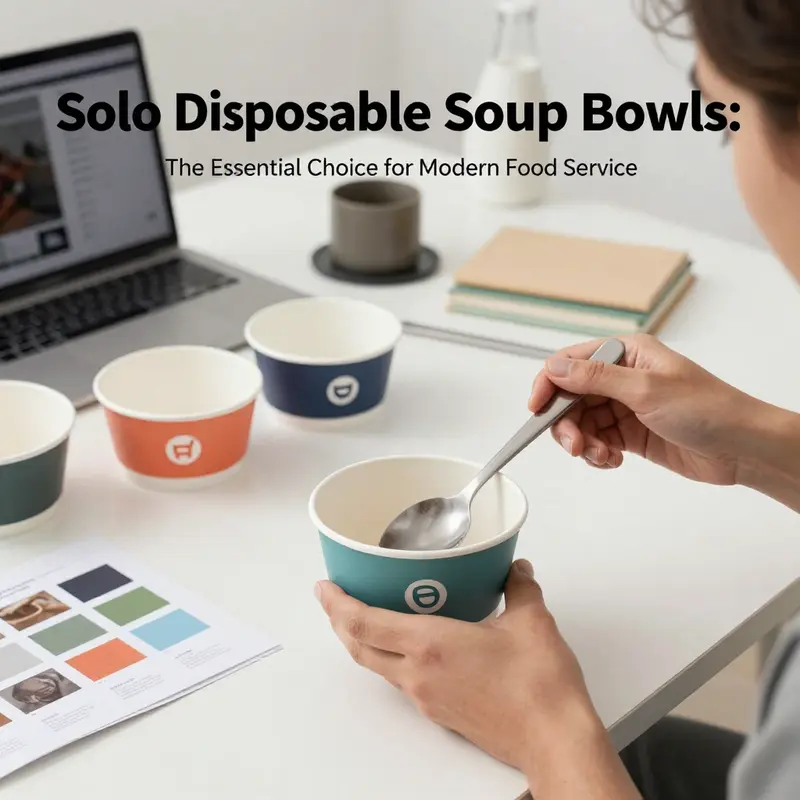
Disposable soup bowls have evolved far beyond the simple utilitarian container. They now represent a unique convergence of functionality, design, and branding that allows businesses to deliver both convenience and an enhanced customer experience. In today’s competitive food service landscape, the design and customization of solo disposable soup bowls have become a vital component of product strategy. This chapter explores how these bowls are designed and customized to meet rigorous performance requirements while enabling businesses to convey their unique brand identity in a market where presentation is as important as the taste of the food.
From the earliest iterations of disposable containers, manufacturers recognized the need for solutions that could withstand the challenges of hot liquids such as broths or steaming soups. An integral part of this evolution is the commitment to using materials that provide both thermal endurance and structural integrity. Modern solo disposable soup bowls are engineered to cope with high temperatures while resisting deformation. This is accomplished through the careful selection of materials such as paper with polyethylene (PE) lining, molded fiber, and varied plastics like polypropylene (PP) or bioplastics such as PLA. Each material contributes different properties such as durability, insulation, and environmental sustainability. Designers often choose a PE-coated paper format for its excellent waterproof and greaseproof properties which also provide a smooth surface for vibrant printing. This balance of functionality and aesthetics is essential for businesses concerned about both food safety and their brand image.
The customization of these bowls extends well beyond material selection. Businesses order these bowls in large quantities, often with a minimum order quantity of tens of thousands, where each unit must contribute to a cohesive brand message. Manufacturers now offer customization options that include the ability to print logos, brand colors, and intricate designs directly onto the bowl. Flexographic printing is one of the most popular methods, supporting multiple colors with precision and consistency, making each bowl a mobile canvas for branding. The ability to integrate a company’s brand into something as ubiquitous as a disposable bowl transforms an everyday item into a powerful communication tool. These design choices are particularly significant for catering companies, restaurants, and takeout services, where branding not only enhances visual appeal but also reassures customers about the quality and safety of the food they are consuming.
Beyond printing, the structural design of the bowls is carefully considered. Manufacturers offer various sizes, typically ranging from 8oz to 35oz, to cater to different portions from appetizer servings to full entrées. Custom dimensions ensure that each bowl is perfectly proportioned to the food it contains, enhancing both functionality and presentation. The designs may include features such as reinforced rims and walls that ensure the bowl remains rigid even when filled with hot liquids. Some models incorporate integrated lids, a critical design element that aids in transportation and minimizes the risk of spills. In addition, certain models are engineered with moisture-resistant and grease-resistant coatings that protect the bowl from unwanted leakage and maintain the visual integrity of printed graphics and patterns.
Sustainability considerations have become a driving force in the design process. With growing global emphasis on environmental responsibility, many brands are opting for eco-friendly alternatives. FSC-certified kraft paper and plant-based bioplastics are increasingly popular choices among businesses that prioritize sustainability. These eco-friendly materials not only lower the carbon footprint but also appeal to consumers who are becoming more selective about their environmental impact. The transition from traditional plastics to biodegradable and compostable options has prompted manufacturers to innovate new coatings and structural solutions that uphold performance under heat and moisture stress. For instance, compostable bowls made from molded fiber can maintain their form even under intensive use, making them a reliable option for events and bulk takeout services.
The adaptability of disposable soup bowls is one of their strongest selling points. Companies can request bowls that are specifically tailored to their operational needs, whether it involves obtaining containers that are ultra-lightweight for streamlined logistics or ones that offer robust insulation for prolonged heat retention. The versatility of the design allows the same base product to be adapted for diverse settings—from delivering comforting hot soups on a cold day to ensuring a pristine presentation for gourmet dining experiences. The ability to customize size, material, coating, and printing ensures that each bowl not only serves its primary function but also supports the broader operational goals, be it faster service, enhanced brand recall, or sustainable packaging practices.
The process of designing and customizing these soup bowls involves intricate planning and collaboration between brands and manufacturers. Detailed discussions are often undertaken to determine optimal material compositions, taking into account the specific food items that will be served. For instance, a restaurant that specializes in pho or ramen may require a design that maximizes heat retention while ensuring the bowl does not warp over time. Other businesses focused on delivering chilled soups or bisques might prioritize a material that offers both robustness and visual clarity for high-quality printing. Tailoring the bowl’s dimensions, its wall thickness, and even the curvature of its base all contribute to a product that maximizes both functionality and consumer appeal.
Brand-specific design tweaks often include the integration of unique visual elements that distinguish one product from another. The design process involves more than just printing logos; it requires an in-depth understanding of the brand’s identity. For some, a minimalist design may underline sophistication and quality, while others might opt for bold, striking colors to stand out on crowded shelves. Moreover, manufacturers are increasingly using state-of-the-art printing techniques that allow for detailed imagery and vibrant hues that resist fading, ensuring that the visual impact remains strong from the moment of purchase until the bowl is used. This synergy of design and function turns each bowl into a piece of promotional art, capable of enhancing the brand’s image with every use.
Additional structural enhancements, such as the incorporation of integrated lids, provide extra utility. Lids are not only practical for preventing spills during delivery, but they also offer additional printing real estate for subtle branding cues or product information. These lids are designed to snap securely onto the bowls, ensuring that they remain intact even in dynamic environments such as busy takeout services or during transportation in event catering scenarios. The inclusion of lids is a thoughtful design innovation that demonstrates the level of detail and engineering that goes into producing a product that is both hygienic and visually appealing.
For food service providers, the process of selecting the right disposable soup bowl is as much about operational efficiency as it is about marketing. When a bowl is customized to feature a brand’s distinct styling, it immediately elevates the perceived value of the food served. The bowl becomes an extension of the dining experience, and a well-designed bowl can play a critical role in customer satisfaction and repeat business. This is particularly important for businesses that operate in a fast-paced environment where first impressions are formed quickly, and every element of the packaging must contribute to overall brand perception.
The global market for disposable soup bowls is supported by an intricate supply chain that spans continents. In hubs like Wuhan and other major ports, these products are meticulously packed and shipped, ensuring consistent quality from manufacturing facilities to end-users. Bulk orders are typically finished and dispatched within a narrow window, ensuring that businesses receive their products in time for crucial service periods. This reliability in supply is critical for maintaining a smooth operation and meeting consumer expectations. Moreover, the cost-effectiveness of these products means that even highly customized bowls are available at competitive prices, making premium presentation accessible across different price points.
Internally, many manufacturers provide design consultations to help businesses choose the right specifications for their disposable soup bowls. By working closely with design experts, businesses are aided in selecting the ideal combination of material, size, and printing techniques that align with their specific service requirements. This collaboration guarantees that each bowl not only meets performance standards but also serves as a medium for effective communication. For those interested in exploring further details on customization options and material performance, check out this comprehensive discussion on disposable soup bowl design here. This resource underscores the importance of precise customization in contemporary disposable packaging.
The seamless integration of design and functionality in solo disposable soup bowls is a testament to decades of innovation and constant refinement. Advances in material science and printing technology have driven the evolution of these products, ensuring that every bowl can be adapted to meet the unpredictable demands of modern food service. As environmental considerations become more paramount, the product development cycle evolves to incorporate sustainable materials that not only support the planet but also meet high standards of performance. The result is a product that is as resilient and attractive as it is environmentally friendly.
The future of solo disposable soup bowls seems poised for further innovation. With ongoing research into new biodegradable materials and smarter design techniques, manufacturers are continuously pushing the boundaries of what disposable packaging can achieve. Future designs may integrate smart features, like temperature indicators or even RFID tags for enhanced tracking across the supply chain. Such advancements would further align the product with the needs of modern businesses that rely on data and connectivity to optimize their operations. As the market evolves, customization will likely play an even more significant role, with clients demanding personalized solutions that speak directly to their brand ethos and consumer expectations.
This dynamic interplay between functionality, aesthetic appeal, and sustainability places disposable soup bowls at the heart of modern packaging solutions. The strides made in design and customization are a response to a market that values both environmental stewardship and operational efficiency. With every design tweak and material innovation, these bowls continue to redefine what a disposable product can achieve, expanding their role from mere containers to fundamental elements of a brand’s identity.
Ultimately, the design and customization of solo disposable soup bowls underscore a broader commitment to quality, sustainability, and brand differentiation. By carefully selecting materials that promise durability, employing advanced printing techniques for optimal visual impact, and incorporating user-friendly features such as integrated lids, manufacturers have created products that deliver performance on multiple fronts. In a marketplace where every detail counts, these bowls offer a compelling example of how thoughtful design and meticulous customization can transform a simple container into a powerful marketing tool.
For additional insights on evolving standards, material innovations, and performance benchmarks in the industry, readers may refer to an in-depth guide on soup disposable bowl standards. This external resource provides further context and technical details that complement the discussion presented here, offering useful perspectives for businesses interested in both operational efficiency and sustainability.
Innovative Market Dynamics: Sustainability and Custom Branding in Solo Disposable Soup Bowls
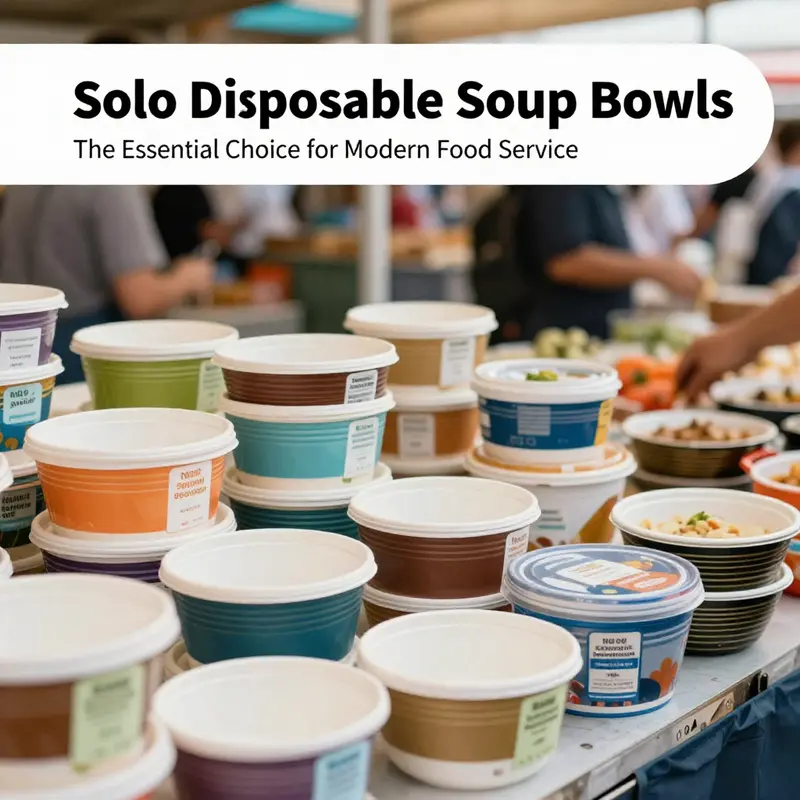
The evolution of the solo disposable soup bowl market stands as a vivid example of how everyday objects can become a nexus for technological innovation, environmental stewardship, and creative branding. Historically regarded as mere vessels for holding comforting broths and stews, disposable soup bowls have now morphed into products that embody both performance excellence and advanced design. Today’s market is characterized by ever-changing consumer demands and operational imperatives that require both hygiene and convenience. This convergence of factors has spurred manufacturers to rethink the very materials and aesthetics that define these bowls. For many businesses operating in fast-paced food service industries, the ability to serve a piping hot soup in a container that maintains its structural integrity even under pressure is not only a practical necessity but also a statement about their commitment to quality and care.
In recent years, one of the most compelling shifts in the market has been the transition toward sustainable materials. Manufacturers are increasingly replacing traditional plastics such as polystyrene and polypropylene with eco-friendly alternatives. Among these, plant-based options like polylactic acid (PLA) have gained substantial traction. PLA and similar biodegradable materials have become the hallmark commodities for eco-conscious food service providers, as their adoption aligns with broader environmental initiatives globally. Businesses are under growing pressure to minimize plastic waste and address environmental concerns without sacrificing the durability required for high-temperature exposures. Consequently, the market has seen a measurable rise in offerings that promise both resilience when filled with hot liquids and a reduced environmental footprint. This dual mandate of functionality and sustainability has spurred investments in research and development, leading to a host of innovative solutions that cater to both emerging regulatory standards and consumer preferences.
The adoption of eco-friendly materials also goes hand in hand with a broader commitment to reducing the ecological impact of disposable products. As municipalities and governments around the world regulate the use of non-biodegradable plastics, manufacturers are quick to innovate. Biodegradable composites and compostable coated paper have emerged as viable substitutes. The quality of these materials has improved significantly, resulting in disposable bowls that offer exceptional heat retention while being fully compliant with food safety standards. It is in this context that disposable soup bowls have transitioned from being a mere convenience to becoming a critical component of sustainable packaging practices. This transformation is supported not only by technological breakthroughs but also by consumer advocacy and a global shift in spending habits. Today’s buyers are more discerning and demand products that reinforce their own commitment to environmental responsibility.
Alongside the technological and environmental innovations, the market has embraced a heightened focus on personalization and branding. In an era where visual presentation and brand identity influence consumer decision-making more than ever before, disposable soup bowls have evolved into customizable canvases for brand messaging. Companies are investing in high-quality printability techniques that allow for the integration of vibrant colors, logos, and innovative designs. This customization transforms the humble bowl into a marketing tool that enhances the dining experience. For fast-casual restaurants, takeout outlets, and large-scale caterers, the ability to imprint a distinctive aesthetic on each bowl reinforces brand recognition and customer loyalty. In many cases, the disposable soup bowl has become emblematic of a company’s commitment to not only serve great food but also to present it attractively and responsibly. Manufacturers are thus providing extensive customization options that range from unique shapes to vibrant flexographic prints, ensuring that every bowl conveys a consistent message about quality and sustainability.
The integration of customization with sustainable materials has opened up innovative avenues for operational efficiency. Food service establishments are increasingly ordering large quantities—often tens of thousands of pieces—and relying on the speedy distribution of these products to meet demand. This dynamic market requires products that are not only cost-effective but also adaptable to varying culinary requirements. Whether restaurants are serving a light consommé or a hearty stew, modern disposable soup bowls are engineered to maintain their integrity under diverse conditions. The design parameters now include factors such as micromanagement of thermal insulation, retention of heat over extended periods, and resistance to deformation. This ensures that each bowl performs practically regardless of whether it is subjected to a microwave, freezer, or prolonged exposure to outdoor temperatures during a catering event. The balance between performance features and aesthetic customization is a primary reason why these single-use containers continue to dominate the market. Their evolution reflects an astute sensitivity to the real-world challenges of food delivery while simultaneously serving the marketing needs of a highly competitive industry.
Another facet of market innovation is the focus on operational sustainability that extends beyond the product itself. The logistical aspects of manufacturing and distribution have seen significant improvements, particularly with the advent of smart shipping techniques and efficient packaging methods. The cooperation between suppliers and logistic hubs around key global centers, such as major ports in China, has streamlined the supply chain and reduced lead times. This efficiency is essential when companies must maintain large inventories while ensuring that their products arrive in pristine condition. The rigorous quality control measures employed during both production and transportation further affirm the commitment to providing consumers with high-performance, safe, and visually appealing products. With these integrated solutions, disposable soup bowls have become more than just receptacles; they serve as a testament to the powerful synergy between product innovation and operational excellence.
Market forecasts indicate robust growth as the global appetite for convenient, sustainable food packaging continues to swell. The disposable bowl sector is anticipated to witness exponential expansion in the coming years, driven by rising demand in emerging markets and increasing consumer awareness about environmental issues. Current industry data projects the sale of over 500 million units annually, a figure that underscores the resilience and expansive potential of the sector. This growth is not solely propelled by the high-volume takeout and catering industries but also by the rise of online food delivery services and meal kit companies, each prioritizing speed, hygiene, and sustainability. In such a fast-evolving market, manufacturers are compelled to refine their product lines continuously and adapt to an ever-changing competitive landscape. It is not uncommon to see innovations such as leak-proof lids and multi-functional design features that accommodate both hot and cold offerings. Such enhancements further drive market penetration and underscore the critical role that disposable soup bowls play in modern culinary operations.
As the industry grows, manufacturers are also exploring creative collaborations with designers and environmental experts to push the envelope on what is possible within the realm of disposable packaging. These collaborations have led to breakthrough developments in both material science and product aesthetics. For example, new variants that balance the mechanical strength of paperboard with the waterproof and greaseproof properties provided by plastic coatings have proven to be a game changer in commercial kitchen applications. Moreover, some companies are experimenting with hybrid materials that not only enhance heat retention but also offer improved recyclability. This innovative spirit is not only reshaping industry standards but also fostering a sense of environmental responsibility among both suppliers and end users alike. The resulting products are not simple throwaways, but rather, are designed to meet the stringent demands of tomorrow’s eco-friendly market while reflecting a commitment to excellence in presentation. Businesses such as restaurants and catering services have taken note, integrating these increasingly advanced options into their regular operations to differentiate themselves in a crowded marketplace.
This dynamic interplay of sustainability, operational efficiency, and innovative branding strategies is redefining the concept of disposable packaging in the food service industry. The evolution of the disposable soup bowl is a story of adaptation and reinvention, one where consumers—both end users and business clients—demand a higher level of quality, safety, and environmental conscience. Even as traditional materials continue to offer advantages in cost and performance, the impetus towards greener, more customizable, and versatile products cannot be ignored. A particularly notable example is the surge in interest for products like the custom logo printed kraft paper soup bowl, which perfectly encapsulates the market’s twin demands for durability and personalization. The strategic focus on such product enhancements not only propels the market forward but also acts as a barometer for broader industrial trends that are set to redefine sustainable food packaging in the years ahead.
Looking to the future, the market for solo disposable soup bowls is poised to become even more dynamic. Innovations in biodegradable materials, improvements in manufacturing processes, and advances in logistics are converging to create a market that is both resilient and continually evolving. The drive for improved performance is matched only by the imperative for environmental sustainability, ensuring that every new product iteration is better aligned with the ethical and operational considerations of modern food service. With companies investing heavily in research and development, the boundaries of what these products can achieve are rapidly being expanded, sparking further discussion around the role of disposable packaging in a world where sustainability has become a key indicator of corporate responsibility and consumer trust.
In conclusion, the market dynamics shaping solo disposable soup bowls reveal a complex yet coherent picture of an industry in transition. What began as a practical solution to a common need has burgeoned into a sophisticated product category that marries aesthetics, functionality, and a deep-seated commitment to environmental sustainability. The drive towards sustainable materials, the emphasis on customization and brand identity, and the advancements in performance and operational efficiency have collectively redefined the disposable bowl market. For those interested in keeping pace with these transformative trends, a detailed report such as the Disposable Bowls Market Analysis offers valuable insights into the market’s ongoing evolution. This comprehensive perspective underscores the intricate dance between innovation and tradition, ensuring that the humble disposable soup bowl remains a vital, ever-evolving component of modern culinary presentation and food safety.
Final thoughts
As the food service landscape evolves, the role of solo disposable soup bowls continues to become more significant. Their innovative materials, environmental considerations, economic implications, design flexibility, and alignment with market trends position them not just as packaging solutions, but as essential tools for enhancing customer experience. By understanding these aspects, businesses can better cater to their clientele’s needs while staying environmentally responsible and economically viable, ensuring a successful future in the modern food service industry.