
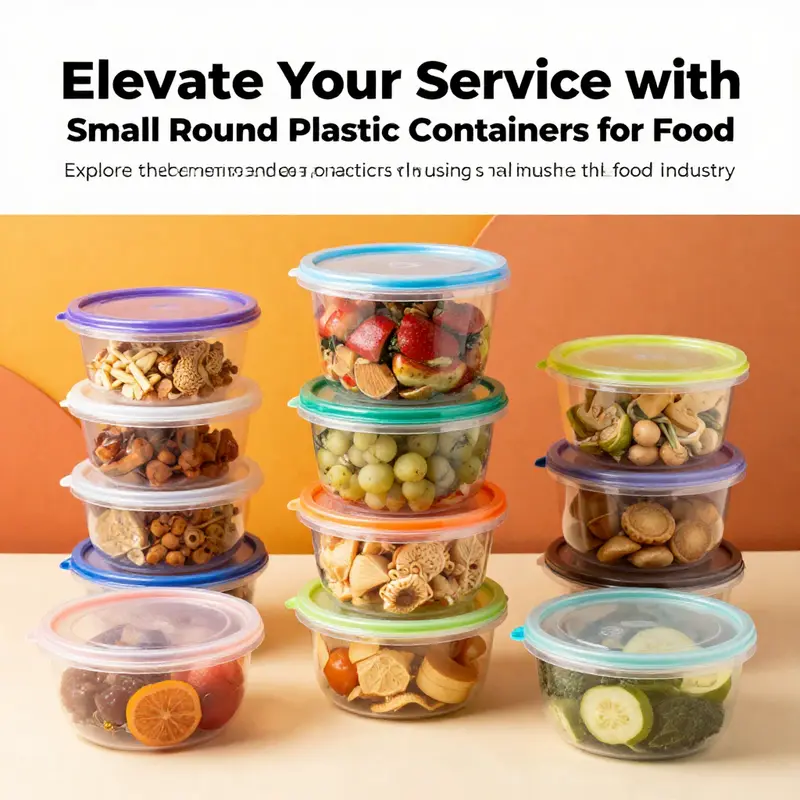
Small round plastic containers have become indispensable in the food and beverage industry, offering practicality and versatility for a wide array of uses. From bubble tea shops and restaurants to food trucks and catering services, these containers serve as essential tools for storage, packaging, and presentation. This article delves into the essential aspects of small round plastic containers, from their materials and safety standards to market trends and environmental considerations. By understanding their impact on customer satisfaction and operational efficiency, your business can optimize its offerings. Join us as we explore best practices in using and maintaining these containers, guiding you toward a more organized and successful service.
The Round Box That Keeps It Fresh: How Small Circular Containers Shape Everyday Food Storage
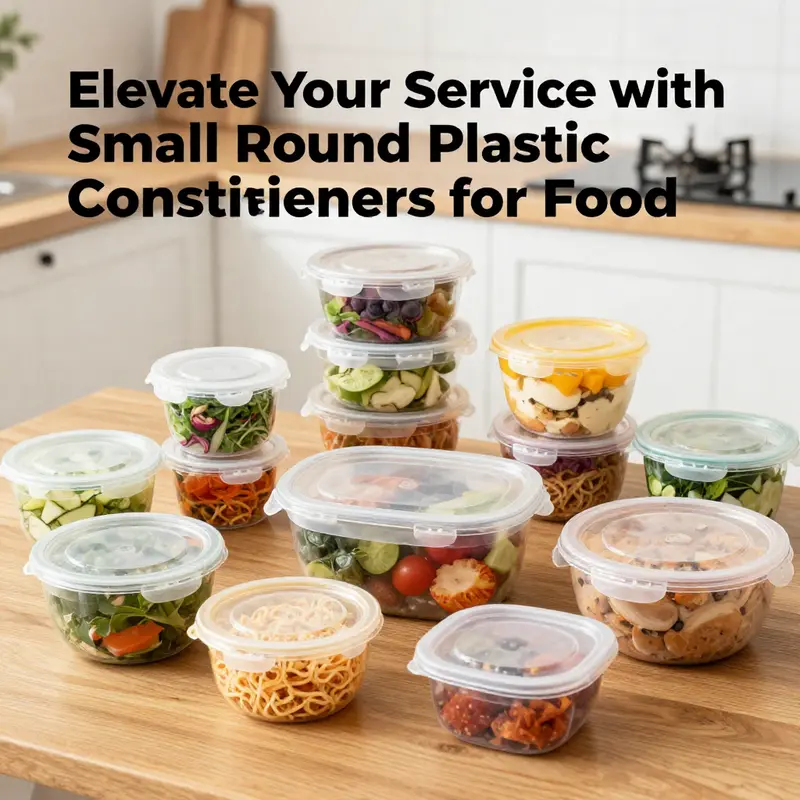
The round plastic container is more than a simple vessel; it is a compact tool that supports fresh food handling in homes and in food-service settings.
Its circular shape isn’t just for aesthetics. It helps maximize internal volume while making stacks stable in refrigerators and on shelves. Lids are designed to seal securely, often with a gasket that minimizes air exchange and moisture loss, which helps maintain flavor and texture during short-term storage.
In the marketplace, a range of sizes and finishes lets users choose single-serving rounds or multi-compartment designs that separate components without the need for bags or wrap.
Care and maintenance matter: regular cleaning around the gasket and ensuring the lid remains free of cracks are simple steps that extend life and reduce waste.
From a sustainability perspective, reusable models raise the bar for longevity, while disposable options meet fast-service demands. The best choice depends on context, frequency of use, and local waste infrastructure.
In sum, the round container is a small but efficient ally for portion control, meal prep, and on-the-go meals, quietly contributing to convenience, safety, and sustainability in everyday life.
Safeguarding Freshness in a Round Package: How Materials, Standards, and Design Shape Small Round Plastic Food Containers
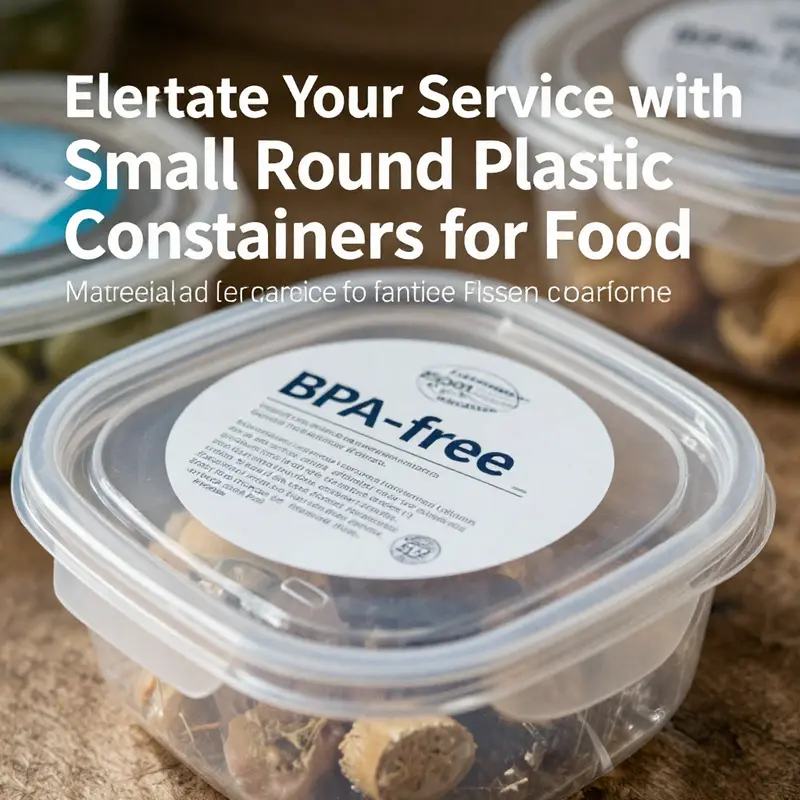
Everyday kitchens, lunchboxes, school cafeterias, and office desks depend on small round plastic containers to store, transport, and serve a wide range of foods. They are the quiet workhorses of modern food handling, balancing the convenience of lightweight, affordable packaging with the demand for safety, durability, and ease of use. The chapter on materials and safety standards, though technical in texture, translates into practical choices that affect what ends up on a plate, how long a meal stays fresh, and how confidently a consumer can reheat leftovers or portion out meals for the week. At the heart of these decisions lies a careful pairing of resin chemistry, regulatory guardrails, and thoughtful design, all aimed at keeping food in contact with plastic free from unwanted migrations while preserving flavor, texture, and safety across a spectrum of use cases. The round shape itself is more than a geometric preference; it is a design envelope that supports multi-compartment layouts for portion control, airtight seals to preserve moisture and aroma, and stackable form factors that optimize storage in crowded cabinets or commercial coolers. When these containers are used for meal prep, school lunches, or takeout, the material choices and the compliance landscape directly shape how well the container performs in real life—how hot a meal can be when safely reheated, whether the seal resists leaks during transport, and how long the container can be reused before it begins to show signs of fatigue.
Materials used for food-contact plastics are selected for a combination of heat resistance, chemical stability, and ease of processing. Polypropylene, identified by the recycling code #5, is the most widespread among food-grade plastics for round containers. It offers robust heat resistance, typically up to about 120°C (248°F), and a chemical profile that remains stable under repeated heating and cooling cycles. This stability translates into containers that can be placed in microwaves or reheated under moderate conditions without a significant risk of leaching. For many households and food-service outfits, PP is the workhorse material for both single-use and reusable options, delivering a balance of clarity, rigidity, and resilience that keeps portions intact as they travel from fridge to microwave and back to the fridge again.
High-Density Polyethylene, or HDPE (#2), is another common choice when the heat exposure is more restrained or the container faces rough handling. HDPE is exceptionally durable, resistant to acids and bases, and capable of withstanding the rigors of transport and repeated washing. It does not heat as aggressively as PP, which makes it a preferred option for cold or mildly heated applications where strong chemical resistance is needed but high-temperature performance is less critical. Then there is PET (#1), the hallmark of many single-use packaging streams. PET’s safety profile is solid for cold or room-temperature foods, but it is generally not recommended for repeated use or heating because prolonged exposure to heat can cause structural changes and potential migration risks over time. PET’s attractive clarity and stiffness remain advantageous for certain display-and-serve contexts, yet its use in high-temperature scenarios is wisely minimized.
Other plastics enter the conversation less frequently for rigid, round storage but still deserve attention. LDPE (#4) brings flexibility and good barrier properties to wraps and bags, which is why it shows up in some lid materials and flexible linings rather than as the main body of a rigid round container. Polycarbonate (#7) has a different history: once common for clear, rigid containers, PC raised concerns about Bisphenol A (BPA) leaching. Today, BPA-free PC variants exist and are regulated differently in many markets, but the ongoing public and regulatory scrutiny means manufacturers often favor alternatives when formulating food-contact products. What matters for consumers is recognizing that each resin brings a unique set of trade-offs—heat tolerance, chemical resistance, clarity, and long-term durability—and that these trade-offs influence when to heat, what foods to store, and how long a given container can be expected to last.
The regulatory canvas that governs these materials is multilayered and international in scope. In China, for instance, all food-contact plastic containers must meet the formal standard GB 4806.7-2016, which sets migration limits for potentially harmful substances, including monomers, additives, and trace metals. This standard, along with other national measures, forms the baseline that manufacturers use to demonstrate safety before a product reaches consumers. In the United States, the FDA governs food contact materials under the Federal Food, Drug, and Cosmetic Act, recognizing certain plastics such as PP, HDPE, PET, and LDPE as generally safe for food contact, provided they are used within specified conditions and with appropriate labelling. The global landscape is further enriched by certifications such as ISO 9001:2018 for quality management and various manufacturer-specific licensing programs, which help ensure consistent production practices, proper testing regimes, and traceability from resin to finished container. These standards matter not only for the legality of a product but for the confidence of chefs, parents, students, and managers who rely on consistent performance across thousands of cycles of use.
The practical implications of these standards reveal themselves in everyday decisions. When a container is labeled as microwave-safe, that label is meaningful only if it aligns with the resin’s heat tolerance and with the presence of any additives that may migrate under specific conditions. A lid designed to seal tight is a promise of spill resistance, but only if the gasket materials and locking mechanism remain intact through hundreds of cycles. The reality is that even widely used materials can behave differently under different temperatures, food types, and cleaning regimens. Acidic foods like tomato sauces or vinegars, and fatty foods, can interact with plastics in ways that alter a container’s barrier properties or even slightly accelerate degradation if the containers are used beyond recommended timelines. This is why the guidance for safe usage—limiting microwave times, avoiding prolonged contact with acidic or fatty foods, and replacing aged containers at the first signs of discoloration or cracks—remains essential for preserving consumer safety without sacrificing convenience.
From a design perspective, small round containers are engineered to meet a spectrum of needs. The single-compartment option is prized for compactness and ease of stacking, while multi-compartment designs, including four-part or bento-style configurations, address portion control and meal-planning efficiency. Airtight seals, often achieved through snap-on lids or bayonet-type locking systems, are not merely about keeping food from leaking; they are about maintaining humidity and aroma, which are crucial for both sensory quality and microbial safety. The shape and walls of the container contribute to heat distribution during reheating, while the lid’s construction can influence how well a meal travels without losing moisture. In a world where consumers juggle busy schedules, the reliability of a round container to withstand frequent washing—whether in domestic dishwashers or commercial sterilization setups—has a direct impact on the container’s lifecycle, cost per use, and environmental footprint when the choice is made between reusables and disposables.
Reusability and disposability form part of a larger conversation about sustainability and consumer responsibility. Reusable plastic containers are positioned as eco-friendly alternatives to single-use options, offering the potential to reduce waste when treated as a long-term investment, properly washed, and used within the limits of the material’s service life. Disposable variants, by contrast, remain popular in catering, events, and takeout contexts where convenience, speed, and cost per unit are decisive factors. The critical throughline is not simply whether a container can be used more than once, but whether it can retain its functional and safety characteristics through repeated cycles and whether it can be safely disposed of or recycled at the end of its life. Consumers should be mindful of labeling that indicates “food grade,” “food safe,” or regulatory approvals, while also observing that the absence of such labeling is a strong warning sign. Cleaning practices deserve equal attention: mild detergents, non-abrasive sponges, and thorough drying help maintain sealing gaskets and prevent the harboring of bacteria in crevices. Abrasive cleaners or rough handling can crack surfaces or scratch the interior, creating tiny reservoirs that hold contaminants and undermine hygiene.
In the end, the story of small round plastic containers for food is a story of balance. It is about selecting materials that perform under the temperature demands of everyday use, while remaining within regulatory boundaries designed to protect health. It is about intelligent designs that combine airtight sealing with practical forms that fit into a busy kitchen or a service operation. It is about using labeling as a guide to safe use and replacing items that show wear as a straightforward risk-management practice. And it is about recognizing the subtle but real trade-offs between cost, durability, and environmental impact, choosing the right container for the right task, whether one is packing a simple lunch or portioning a week’s worth of meals for a family. For most readers, that means understanding the materials behind the plastic, the standards that govern them, and the day-to-day practices that keep food safe from plate to palate. The next step lies in applying that understanding to the specific contexts of home cooking, school or workplace meal programs, and professional catering, where the choice of container translates into reliability, safety, and satisfaction for every bite.
External resource: For official standards and testing guidance, see GB 4806.7-2016 (National Standard for Food Safety: Plastic Materials and Products for Contact with Food) at https://std.samr.gov.cn/gb/standard/summary/GB%204806.7-2016
Round, Responsible, and Ready: The Evolution of Small Round Containers in a Sustainability-Driven Market
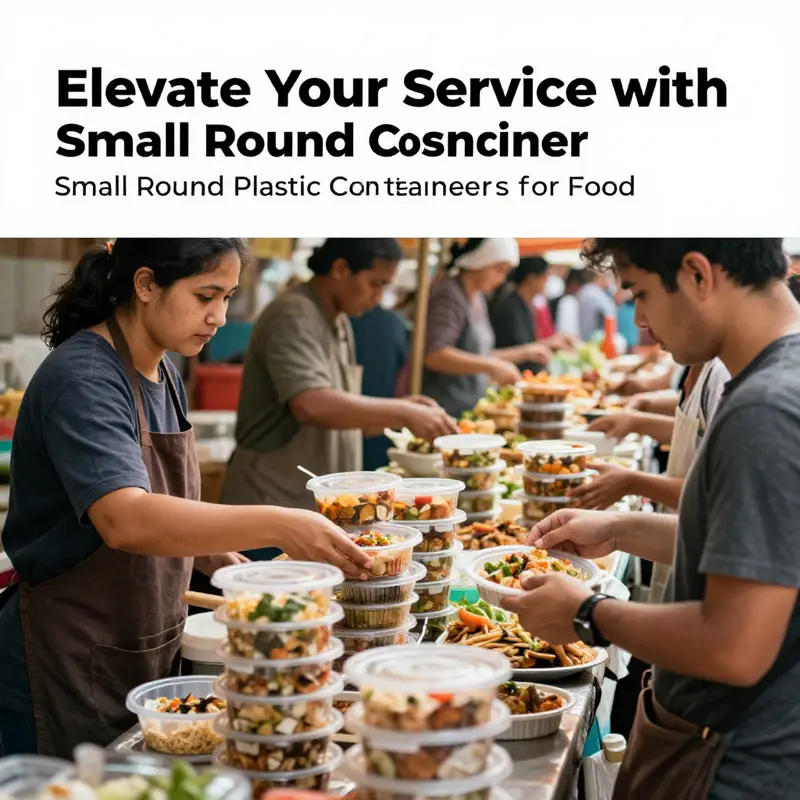
The market for small round containers once hinged on convenience, durability, and price. As consumers grow more aware of environmental impact, the narrative around these everyday tools has shifted toward responsibility and transparency. What began as a broad category of single serving cups, compact meal prep rounds, and multi-compartment options now sits within a larger conversation about how materials behave from production to disposal.
Sustainability sits at the core of current market trends, extending beyond slogans to concrete sourcing decisions and regulatory awareness. Reducing reliance on single-use plastics is a notable driver, with companies, institutions, and consumers scrutinizing packing choices for long-term costs. Recyclability, reuse potential, and product lifecycle matter more than ever, and infrastructure for post-consumer sorting and cleaning increasingly influences design decisions. The broader circular packaging movement underscores this shift, signaling growth as systems for reuse and recycling scale up. The implication for small round containers is clear: design and material choices must anticipate downstream processing as well as immediate performance in storage and transport.
Material innovation is now a central battleground. Bioplastics and renewably sourced polymers are gaining traction as part of a broader strategy to reduce fossil fuel dependence. Even in mainstream plastics, advances aim to improve recyclability and reduce contamination in recycling streams. Meanwhile, improvements in recycling technologies for PET and HDPE expand the feasibility of reclaiming materials once deemed difficult to recycle. This fosters a design ethos that favors clean material separation, simpler multi-layer constructions, and clearly labeled pathways to recyclability. Manufacturers balance strength, heat resistance, and lid integrity with recyclability considerations so a container can truly be reused or recycled at end of life.
Consumer preferences drive these shifts. Eco-conscious buyers seek brands that demonstrate real commitment to reducing plastic waste and provide transparent information about material origins, production methods, and end-of-life options. Yet convenience remains non negotiable. Small round containers are valued for their ability to store leftovers, support portion control, and travel well in microwaves, freezers, and dishwashers. The best products combine durability and safety with sustainability signals and clear end-of-life guidance.
From a design perspective, the market rewards airtight seals and rugged lids, while multi-compartment formats support meal prep and on-the-go use. Each added feature adds complexity for recycling, nudging designers toward simpler, modular constructions and clearer differentiation between components to aid separation at end of life. Branding opportunities align with clear communications about recyclability, reuse potential, and BPA-free design where relevant. Even as the market evolves, the aim remains practical: reliable performance together with responsible packaging choices.
Supply chains add texture to the picture. Production often concentrates in key hubs, making regional stewardship and responsible sourcing important. A diverse ecosystem—from global brands to contract manufacturers—meets demand with speed, while branding or logos can be added at origin without compromising packaging integrity. The ability to offer rapid dispatch and scalable volumes is essential for catering, events, and food delivery, where consistency matters. In this context, sustainability extends beyond the container to the packaging program as a whole.
For users, daily use realities shape preferences as much as ideals. Leftovers fit neatly in refrigerators and lunch bags, aiding portion control and waste reduction. Reheating in microwaves and freezing while preserving texture remain key benefits, while options for recyclability and reuse continue to expand. Circular thinking guides end-of-life decisions, encouraging paths that keep materials in productive use.
Alongside material and design considerations, consumer education remains pivotal. Transparent labeling, clear recyclability guidance, and simple care instructions help build trust. Safety guidance about contact with acidic foods or overheating further protects health and longevity. Regulation and guidance around food contact materials provide a foundation for industry decision making as the market embraces a fuller spectrum of options rather than a binary choice between plastic and alternatives.
From Convenience to Footprint: Tracing the Life Cycle of Small Round Plastic Food Containers
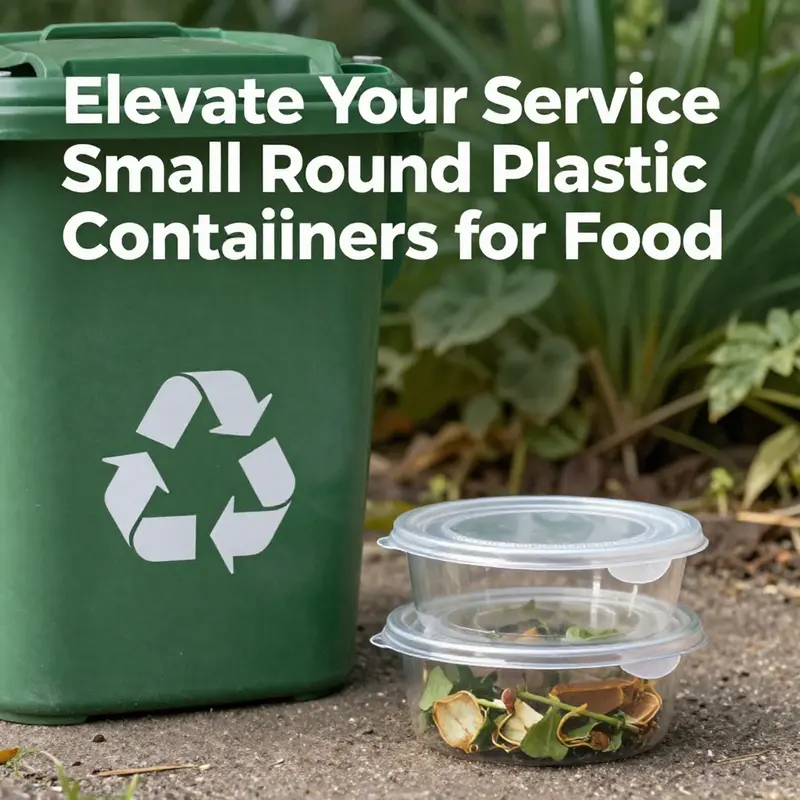
The small round plastic container is a modest act of engineering that quietly anchors daily routines. Its circular form, snug lid, and clear, stackable profile have made it a staple in kitchens, lunchrooms, and take out lines alike.
For many households, these containers are the practical bridges between shopping, meal planning, and consumption. They shuttle leftovers from plate to fridge, separate snacks for a desk drawer, and transport meals from home to school or work with minimal fuss. They are designed to be lightweight yet resilient, resistant to the bumps of busy days, and compatible with freezers, microwaves, and dishwashers under a wide range of conditions. Yet behind that everyday usefulness lies a more complex story about how these containers are made, used, and ultimately disposed of, a narrative that stretches from energy intensive manufacture to evolving ideas about reuse, recycling, and material alternatives. Understanding this life cycle helps connect the convenience of plastic food storage with the responsibilities that accompany mass production and consumption in a world where packaging waste has become a defining environmental challenge.
The environmental considerations begin at the cradle: the materials themselves. Most small round containers aimed at food storage are fashioned from food grade plastics such as polypropylene or polyethylene. These polymers offer particular advantages: they withstand repeated heating and cooling, resist chemical interactions with common foods, and can be molded into tight sealing shapes that prevent leaks. The marginal cost of producing a single unit is often outweighed by the value of reducing spoilage and enabling portion control. From a business perspective, this balance makes sense, especially in sectors where convenience and speed are prized. Consumers benefit from predictable performance, clear labeling, and the option to reuse containers to stretch grocery dollars. But the environmental calculus is more nuanced. Plastic production relies on fossil fuels and energy. Even modestly sized items accumulate a substantial energy footprint when scaled to billions of units each year. The energy embedded in manufacturing, freight, and end of life processing compounds across the chain, shaping the container’s overall carbon footprint just as much as its packaging claims or resealable features.
Longevity is a central piece of the sustainability puzzle. A container designed for long life may reduce waste by enabling multiple uses, but it also complicates end of life options. If a container is heavily used and well maintained, it can stretch far beyond a single season. On the other hand, if wear and tear occur—discoloration, cracking, or degraded seals—the container may become less reliable, increasing the likelihood it will be discarded earlier than intended. This is where consumer behavior intersects with material science. Regular cleaning, careful drying, and proper sealing are essential to maximize reuse. Seals and gaskets, in particular, warrant routine attention because compromised seals can invite contamination or leaks, undermining both hygiene and the container’s practical life. The more a product is reused, the greater the environmental payoff, provided the reuse does not compromise safety or performance.
When the container does reach the end of its usable life, recyclability becomes the next critical question. Plastics labeled as recyclable may not always be recycled in practice. Contamination with food residues or the presence of mixed plastic types can complicate sorting and processing, leading to lower recycling rates in many regions. In a global system, the actual recycling rate for plastics remains relatively modest, and the fate of many small, single use or lightly used containers is land filling or incineration rather than a closed loop life cycle. The durability and the low cost of these plastics can, paradoxically, make it harder to justify the energy intensive recycling stream, if the post use pathway is uncertain or inconsistent. These dynamics help explain why some sustainability conversations emphasize reuse, design for durability, and a broader portfolio of end of life options.
The sustainability discussion would be incomplete without acknowledging the micro plastics concern. As plastics break down—whether in natural environments or through mechanical abrasion and heat exposure during use—they can fragment into microplastics. These tiny particles have been detected in water, seafood, and even human samples in a growing body of research. The implications for health and ecosystems are still the subject of ongoing study, but the precautionary principle urges minimization of unnecessary plastic exposure and careful consideration of how often plastics are heated or stored with acidic foods. A narrative of caution emerges: while reuse reduces material throughput, repeated heating can, in some contexts, affect the integrity of containers and potentially influence the release of microplastic fragments. The aim becomes clear—extend container life where safe, minimize exposure to harsh conditions, and pursue design features that make cleaning and reuse straightforward and hygienic.
Against this backdrop, the sustainability conversation has begun to pivot toward material innovation and design reforms. PLA, a bio based thermoplastic derived from renewable feedstocks, is one example that has captured attention as a potential end of life option compatible with industrial composting under specific conditions. This line of inquiry is part of a broader shift toward lightweight and sustainable packaging that seeks to balance functional requirements with environmental responsibility. The pursuit of alternatives also invites designers to rethink the container’s geometry, sealing mechanisms, and stackability to reduce material use without sacrificing performance. This is not a binary choice between plastic and non plastic; rather, it is a spectrum of strategies that include better reuse infrastructure, more efficient recycling streams, and the exploration of compostable or bio based options where appropriate. The challenge lies in aligning these innovations with real world systems, from consumer behavior to municipal processing facilities, so that the theoretical benefits translate into tangible environmental gains.
Within the consumer landscape, responsibility is as much about behavior as it is about materials. Making informed choices involves recognizing when plastic storage is the most practical option and when alternatives can deliver comparable outcomes with lower environmental impact. For example, larger, bulk purchases may reduce packaging waste overall, while using durable, reusable containers made from glass or metal can significantly lower material throughput if users commit to consistent reuse. The argument for reuse resonates when it is paired with clear cleaning routines and robust design that resists staining, odors, or structural wear. In parallel, some vendors and policymakers are exploring more sustainable packaging concepts, such as encouraging reusability, improving labeling to aid sorting for recycling, and pursuing standardized materials to streamline the recycling value chain. These shifts reflect an industry wide acknowledgment that the status quo cannot sustain continued growth in waste generation without compromising ecological health.
To readers who want to navigate these choices without losing the convenience they value, practical guidance matters. First, consider the container’s lifecycle before purchase: how will you use it, how often will you reuse it, and what happens when it wears out? Look for containers with robust seals and durable walls that resist cracking and discoloration after repeated heating and washing. Proper cleaning cannot be an afterthought; gaskets deserve special attention, as residue and oils can accumulate and undermine hygiene. Second, be mindful of heat exposure and acidity. Prolonged microwaving or exposure to highly acidic foods can accelerate material degradation in some plastics, potentially affecting performance or safety. Following manufacturer guidelines for heating times—typically shorter rather than longer—helps maintain integrity. Third, when the container finally reaches end of life, attempt to separate and recycle according to local guidelines, recognizing that not all plastics are equally recyclable in every jurisdiction. When reuse is not feasible, exploring alternatives to conventional plastics can be part of a broader strategy. In this light, the conversation about small round plastic containers becomes a dialogue about balancing convenience with environmental stewardship, not a dismissal of practicality but a call to extend responsibility across the product’s life cycle.
The broader narrative driving these reflections is the ongoing evolution of packaging culture itself. The market’s willingness to adopt lightweight, sustainable packaging hints at a future where disposal burdens are mitigated through smarter design, improved recycling, and a greater emphasis on reuse. That future is not inevitable; it requires collaboration among manufacturers, retailers, and consumers to align incentives with environmental outcomes. It also invites a more transparent conversation about what sustainable means in practice. Is it the reduction of material use, the ability to recycle more efficiently, or the creation of viable composting streams that can safely process end-of-life products? The answers lie in the integration of material science, logistics, public policy, and consumer education—each piece reinforcing the others.
As we consider the everyday use of small round plastic containers, it becomes clear that their value goes beyond fragments of convenience. They are implicit levers for larger economic and environmental systems. When managed wisely, they can support portion control, minimize spoilage, and enable efficient meal preparation, all while contributing to a broader conversation about sustainable packaging. When mismanaged, they compound waste and complicate disposal. The path forward rests on a pragmatic blend of durable design, responsible reuse, and a more resilient recycling infrastructure that can handle the realities of modern food packaging. It is a path that invites ongoing attention and action from all players in the supply chain and from the households that rely on these containers every day.
For readers seeking a glimpse of viable alternatives and complementary approaches to packaging, consider the broader ecosystem of sustainable options, including compostable or recyclable packaging that can reduce overall waste. A useful reference point in this regard is the broader packaging landscape that favors environmentally considerate choices alongside the continued need for practicality in daily life. To explore related options, you can consider resources such as eco friendly recyclable pulp packaging and take away solutions that illustrate how different materials can align with sustainability goals while maintaining the convenience that users expect. This example underscores the potential for packaging formats that preserve usability while offering improved end of life characteristics. At the same time, regulatory guidance remains crucial for navigating safety and materials standards. The U.S. Food and Drug Administration provides official guidance on food contact materials, outlining how materials in contact with food must meet safety criteria and how to interpret labeling, testing, and usage guidelines. For authoritative guidance on food contact materials, see the FDA’s resource: https://www.fda.gov/food/food-contact-materials/food-contact-materials
Seal, Store, and Sustain: A Practical Guide to Using Small Round Plastic Food Containers
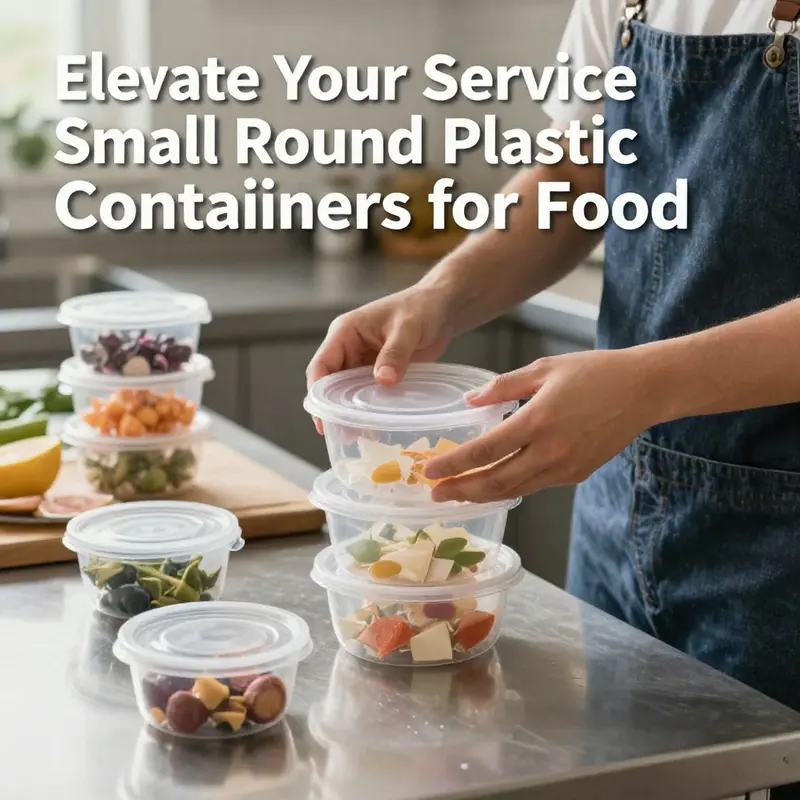
A compact round plastic container is more than a transient convenience; it is a small, dependable system that organizes meals, protects freshness, and shapes daily routines around food. In homes, offices, schools, and catering settings, these containers enable precise portioning, predictable reheating, and efficient stacking that helps curb waste and clutter. A well-chosen set blends safety, durability, and practicality: materials that stand up to chill and heat, lids that form secure seals, and designs that adapt to different foods and occasions. The chapter that follows invites readers into a thoughtful, hands-on approach to using these containers. It treats the container as part of a wider kitchen ecosystem, where every decision—material, lid, size, and cleaning method—affects not just food quality but long-term safety, ease, and sustainability.
Material and safety logistics lie at the heart of any responsible approach to plastic food containers. The most common workhorse for microwave-ready storage is polypropylene, the plastic widely labeled as #5. When a container is clearly designed for microwave use and labeled accordingly, it offers a reliable balance of heat resistance and chemical stability. Yet even within that category, heat should be managed with care. Prolonged exposure to high heat can degrade plastics, shift microstructure, or alter texture and flavor in some foods. The general guideline is straightforward: microwave only as long as the manufacturer recommends, and never rely on a fast, high-heat burst when the container isn’t explicitly built for it. In practical terms, that often translates to a maximum microwave window of roughly two minutes and twenty seconds for many everyday containers. This restraint isn’t merely a precaution about melting plastic; it helps preserve the integrity of the seal, the clarity of the material, and the overall safety profile of the container. The rule of thumb is simple: avoid heating beyond what the design specifies, and don’t use any plastic for long durations in environments like ovens, broilers, or any situation where direct, sustained high heat is involved.
Another central principle is temperature management in storage. Hot or warm foods should not be poured into plastic containers for long-term storage. Allowing hot dishes to reach room temperature—or, better, a cooler, safer temperature—before sealing helps minimize the potential for chemical migration, texture changes, or deformation that could compromise seal integrity. This is not merely a theoretical concern. Even under typical household conditions, letting foods cool on the counter or in a fridge before transfer reduces the risk of condensation, fogging, and accelerated aging of the container’s surfaces and seals. As a practical habit, consider pre-portioning meals into clean containers after cooking, then letting them cool briefly before sealing and refrigerating. This approach aligns with core safety guidance from health authorities and manufacturers alike, while supporting more consistent meal temperatures when reheating later on.
Design diversity drives flexibility in how these containers are used. Sets range from single-compartment units to multi-compartment configurations that resemble mini-bento boxes. The latter are particularly popular for meal prepping, school lunches, and office takeout because they minimize the need for separate containers and help with portion control. Lids come in several locking or snap-on formats, including gasketed seals designed to slow moisture exchange and reduce spills. Some designs emphasize stackability, turning kitchen shelves into compact, efficient columns of ready-to-go meals. The choice between single and multi-compartment models often hinges on how often foods are mixed at the table, whether sauces move between compartments, and how strict the user’s portioning needs to be. Regardless of configuration, the best designs maintain a reliable seal without excessive force, resist warping in the fridge, and tolerate repeated cycles of washing in a dishwasher when labeled as dishwasher-safe.
When it comes to cleaning and hygiene, the gasket or sealing ring deserves special attention. The sealing surface, including the groove that holds the gasket, can trap tiny pockets of food debris where bacteria might linger. A soft brush or a small toothbrush makes it easier to remove trapped particles from both the groove and the gasket itself. After washing, it is essential to dry both the gasket and the groove completely before reassembling. Moisture left behind can foster mold growth or promote undesirable odors over time. Abrasive cleaners—steel wool or harsh scouring pads—should be avoided because they can scratch the surface, creating micro-scratches that harbor bacteria and provide new sites for material degradation. Mild dish soap and warm water are usually sufficient for routine cleaning, and a periodic, thorough inspection helps ensure that micro-scratches or cloudiness do not accumulate unchecked.
Storage and handling are as much about mindset as technique. Acidic or oily foods can accelerate the aging process of some plastics if stored for extended periods. Foods such as tomato sauces, citrus-based marinades, or strong vinegars can be especially aggressive over time, leading to surface discoloration or reduced clarity and, in rare cases, changes in texture. Prolonged exposure to heavy oils may also affect plastic performance by softening or weakening seals. To minimize risk, many users choose to transfer highly acidic or fatty items into containers designed for longer life or to pursue non-plastic alternatives when storage is frequent or the expected shelf life is long. Likewise, strong solvents or beverages with high alcohol content are not recommended for storage in everyday plastic containers, as leaching and surface interactions can alter flavor and safety. A further practical step is thoughtful stacking: keep containers on flat, stable surfaces, distribute weight evenly, and avoid overloading shelves. Temperature and light also matter; storing containers in a cool, dry, dark place helps preserve both the plastic and the seals by reducing UV exposure and heat-induced aging.
An occasional, essential reminder concerns monitoring and replacement. A typical lifespan for many plastic food containers is around three to five years, though this can vary with usage, cleaning frequency, and the specific formulation. Visual cues are telling: scratches, cloudiness, yellowing, cracks, or brittleness can indicate aging beyond the container’s comfort zone. When such signs emerge, replacing the affected unit is a prudent decision to minimize the risk of leaks, contamination, or migration of substances into food. Some users may maintain a rotating set of containers, using newer ones for daily meals and reserving older, less-frequently used pieces for nonfood storage or crafts. The long view also invites consideration of alternatives. Glass or ceramic storage options offer excellent durability and inert properties in many common use cases, especially for items that require frequent reheating or long-term storage of spoil-prone ingredients. The choice between plastic and non-plastic materials ultimately depends on a careful balance of safety, convenience, cost, and the user’s values about reuse and waste.
Beyond safety and practicality, there is an emergent conversation about sustainability. Reusable plastic containers—properly maintained and regularly replaced when worn—can reduce waste over time compared with disposable options. Yet reuse still demands diligent cleaning, inspection, and a willingness to retire the item when flaws appear. For many households and workplaces, a hybrid approach works well: invest in sturdy, reusable containers for daily meals and bulk food prep, while reserving disposables for events, catering, or occasions where single-use packaging delivers a clear advantage in terms of convenience. When evaluating options, it’s helpful to weigh not just price per unit, but potential lifecycle costs, including energy used in washing, the frequency of replacement, and the environmental impact of production and disposal. Informed choices often lead to smarter storage habits, fewer spills, and more consistent meal experiences, especially when containers are used as part of a broader system of meal planning and food safety.
As readers consider their own routines, a broader perspective on packaging ecosystems becomes relevant. Disposable and reusable options sit along a spectrum defined by purpose, context, and environmental considerations. In many settings, bulk purchasing from trusted manufacturers supports consistent quality, better seal integrity, and standardized sizes that simplify inventory and labeling. While it is tempting to focus on short-term costs, a long-term view emphasizes durability, ease of cleaning, and the feasibility of repurposing containers for nonfood uses when their primary life ends. For those who are balancing convenience with care for the environment, exploring complementary or alternative packaging choices can be a practical step. A useful reminder is that even responsible plastic containers can be part of a broader strategy to reduce waste when they are used wisely, cleaned thoroughly, and retired thoughtfully when wear or safety concerns arise. To broaden the conversation about sustainable packaging options, consider looking at the following resource that highlights eco-friendly alternatives: eco-friendly recyclable pulp take-away cup holder.
For readers seeking additional safety guidance and material standards, the U.S. FDA offers official guidance on food-contact materials. This resource provides authoritative information about materials used in containers that come into contact with food, including polypropylene and other common polymers, as well as practical considerations for everyday use. You can explore these standards and recommendations here: https://www.fda.gov/food/food-contact-materials/food-contact-materials
Final thoughts
In summary, small round plastic containers play a vital role in enhancing service quality within the food industry. By understanding their materials, safety standards, market trends, and sustainable practices, businesses can not only meet consumer expectations but also promote a healthier environment. Implementing best practices in the use and care of these containers will lead to improved operational efficiency and customer satisfaction. As your business adapts to these considerations, you will find that small round plastic containers are more than just a storage solution—they are a key component in your offering.