
Chilled packaging plays a critical role in safely transporting temperature-sensitive food items, maintaining their quality and freshness. In the catering and food service industry, this has become increasingly important with the growth of online food deliveries and meal kits. Understanding the latest innovations in chilled packaging, such as sustainable materials and advanced insulation technologies, can greatly enhance the efficiency of your operations while ensuring food safety. This article is designed to guide bubble tea shops, beverage chains, restaurants, food trucks, catering services, event planners, and corporate procurement teams through the evolving landscape of chilled packaging, delving into sustainability, technological advancements, economic impacts, and the challenges faced by the industry.
Keeping It Cool: Smart Innovations Redefining Chilled Packaging for Food Deliveries
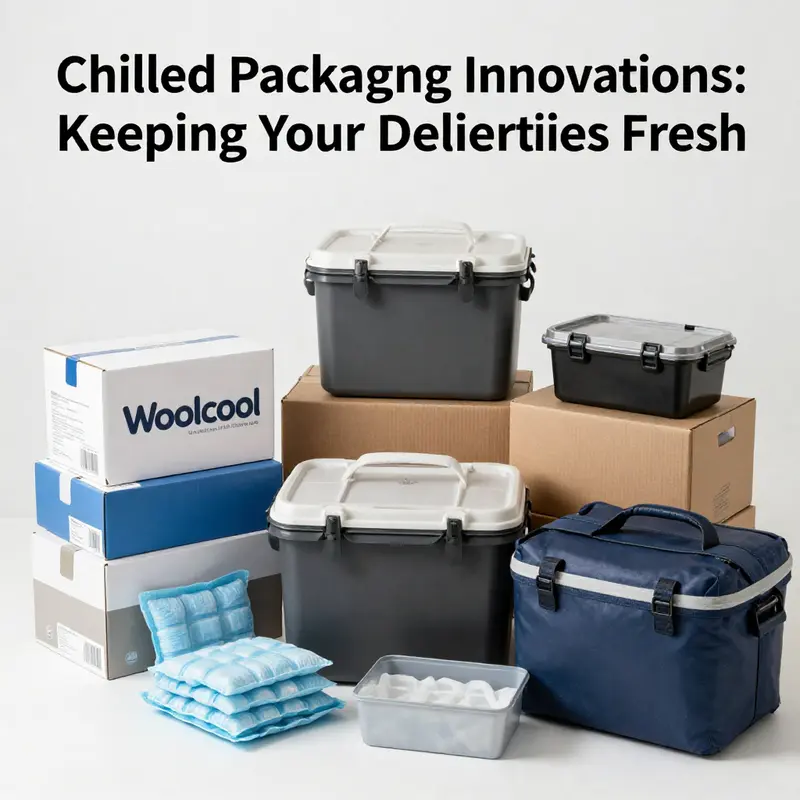
The art and science of chilled packaging for food deliveries unfold at the intersection of materials science, logistics, and responsibility. To keep perishables safe and appealing from doorstep to dining table, the packaging must do more than simply shield contents from warmth. It must actively manage heat transfer, minimize moisture and oxygen intrusion, and align with increasingly stringent sustainability goals. At its core lies a simple but demanding temperature target: keep the contents consistently below 5°C for extended periods, often up to a full day or more, even in urban hubs with busy delivery networks. In practice, achieving this requires a carefully choreographed combination of insulating materials, cooling elements, and container design, all calibrated to the specific needs of different product classes—from delicate dairy and seafood to plant‑based meals and ready-to-eat kits. When these pieces come together, the result is not just cooler food but a more reliable, safer, and more environmentally considerate cold chain that can scale with demand and evolve alongside consumer expectations.
A standout direction in recent years is the shift toward wool‑based insulation integrated with recyclable fibreboard. This approach replaces traditional foam cores with a wool‑lined system that sits inside a fibreboard shell engineered to be recycled, degradable, or compostable. In practical terms, this means a packaging solution that can be handled and transported like conventional cardboard boxes, yet offers superior thermal stability in a form that aligns with circular‑economy principles. The wool insulation draws on natural, breathable fibers that slow heat ingress while supporting a gentle, uniform cooling profile. When tested in realistic courier scenarios, this combination has demonstrated the ability to maintain temperatures under the 5°C threshold for at least 24 hours, a period long enough to cover urban deliveries and multi‑stop routes while reducing the risk of temperature abuse.
What makes this approach compelling is not just the temperature performance but the lifecycle story. The fibreboard is designed for recyclability and compostability, lowering the end‑of‑life burden compared with materials that persist in the waste stream for decades. A growing segment of the market seeks solutions that can slot into existing recycling streams without requiring specialized disposal steps. For operators, this means not only safer, more stable cold chains but the potential to demonstrate a genuine commitment to environmental stewardship—an increasingly influential factor for customers and regulators alike. In practice, such packaging can serve both everyday grocery deliveries and more demanding e‑commerce logistics where long distances or variable weather patterns can test the persistence of cooling.
The pairing of high‑performance insulation with cooling elements remains central to extending the duration of safe storage. Gel packs, in particular, have emerged as versatile allies in the toolkit. Although gel packs are often highlighted for ambient shipments of baked goods and dry foods, their role extends into chilled containers when used alongside heavy‑duty chill boxes or insulated delivery bags. When integrated with vacuum‑sealed fiber layers or high‑density foam insulation, gel packs contribute to a more stable thermal gradient and slower heat gain, buying extra hours of buffer during handoffs between warehouses, riders, and recipients. The result is a more forgiving temperature profile across the typical lifecycle of a delivery—from pickup through handover and into the recipient’s kitchen.
Even with these advances, designers continue to explore the sweet spot between insulation strength, weight, and cost. For cold cuts and other protein‑rich foods, dedicated heavy‑duty insulated containers offer enhanced rigidity and stronger thermal barriers. These containers are built to withstand multi‑stop routes and, in some cases, wholesale distribution or e‑commerce scenarios where items must remain safely chilled through longer fulfilment windows. The emphasis here is on a system that preserves product quality while remaining practical for operators who must stack, store, and transport large volumes without sacrificing performance. In many cases, modular, stackable designs support efficient warehousing and delivery routes, helping to optimize space and energy use in a way that can scale with demand.
A broader design ethos also centers on precision portioning and airtight sealing. Modern containers increasingly feature segmentation that allows for accurate portion control and reduced air exposure within individual compartments. Airtight seals prevent moisture ingress and oxygen diffusion, both of which can degrade texture, flavor, and nutritional value over time. Materials that are microwave‑ and freezer‑safe expand the utility of containers beyond cold storage, enabling consumers to reheat or repackage meals with minimal waste. The emphasis on reusability and branding also comes into play here: stackable, durable containers can be branded for a cohesive brand experience while reducing the need for single‑use packaging, aligning with circular economy principles and consumer demand for responsible packaging choices.
Yet even as the packaging itself becomes smarter and more sustainable, the surrounding materials and configurations matter just as much. Insulated boxes often rely on vacuum‑sealed fiber layers or advanced foam technologies to minimize heat transfer, particularly across longer journeys or multi‑stop deliveries. Foam remains a reliable option for certain applications, but the trend is toward materials that balance thermal performance with environmental considerations. In this evolving landscape, the best solutions combine high‑performance insulation with supplementary cooling elements and are tailored to the specific delivery profile—whether it is a brisk urban run or a longer corridor haul that spans several regions.
Of course, challenges persist. Plastic‑based variants, while effective, can degrade over time and complicate end‑of‑life management. Reusable packaging is appealing, but its longevity depends on careful stewardship: cleaning, maintenance, and the realities of high‑volume, time‑sensitive deliveries can erode the benefits if not managed properly. At the same time, higher production costs and bulkier designs raise the price per delivery, a factor operators must weigh against the gains in safety and product quality. Industry observers recognize that progress hinges on balancing performance with responsible materials choices and scalable manufacturing processes. This balance increasingly points toward greener formulations and more efficient manufacturing chains that shrink both environmental footprint and total cost of ownership over the life of the packaging system.
Ongoing research and broader industry adoption are accelerating the move toward sustainable materials that do not compromise on thermal performance. As urban food delivery expands to meet rising demand, innovations in chilled packaging will play a pivotal role in reducing food waste, preserving food safety, and meeting the expectations of consumers who are attuned to environmental considerations. The ambition is clear: to deliver outcomes that are safer for people, kinder to the planet, and economically viable for operators who must compete in a crowded market. For practitioners, this means selecting packaging solutions that are not only technically sound but also compatible with responsible disposal streams and scalable logistics workflows.
In the quest for continuous improvement, many teams are examining how the packaging ecosystem can harmonize with other components of the cold chain. This includes coordination with courier networks, inventory management, and customer communication. Transparent temperature data, real‑time monitoring, and clear guidance on storage and handling can empower both senders and recipients to maintain product integrity. While precise product names are not the focus here, the overarching principle remains: a thoughtfully engineered combination of insulation, cooling elements, and container design that adapts to product type, route length, and user behavior will yield more reliable outcomes and a stronger, more sustainable cold chain.
Among the practical considerations is how packaging choices influence consumer experience. The tactile feel of a sturdy, well‑designed box, the ease of opening and reusing components, and the presence of branding that aligns with sustainability messaging all contribute to perceived value. Consumers increasingly benchmark brand responsibility alongside product quality, and packaging experiences can reinforce trust in the product itself. In this light, methods that enable precise portioning and contamination prevention, while allowing for easy recycling or composting at end of life, provide a powerful narrative that resonates with environmentally conscious shoppers. As with any evolving technology, the balance between performance, cost, and environmental impact continues to guide decision making, nudging the industry toward smarter, cleaner, and more resilient solutions.
To illustrate how these ideas translate into real‑world choices, consider the broader ecosystem of eco‑friendly take‑away packaging. A practical example involves combining insulated boxes with disposable Kraft paper bowls designed for food packages with lids. These components offer a compatible pairing: the insulated shell maintains the cold chain, while the Kraft bowls provide a convenient, recyclable vessel for contents that require separate serving or utensils. This pairing demonstrates how sustainability and functionality can be harmonized without sacrificing practicality for delivery drivers or end users. For more on eco‑friendly packaging options in this space, one representative product page provides detailed specifications and customization opportunities: disposable-kraft-paper-bowl-for-food-package-with-lid. disposable-kraft-paper-bowl-for-food-package-with-lid
As the industry presses forward, the conversation increasingly centers on how materials science, design thinking, and logistics optimization converge to create a truly end‑to‑end chilled packaging solution. The most effective systems are not built around a single clever trick but around an integrated workflow that anticipates heat transfer dynamics, handling realities, and end‑of‑life considerations. They leverage a mix of wool‑based or other natural fiber insulation, vacuum‑sealed liners, and targeted use of gel packs or alternative cooling elements. They also embrace the realities of high‑volume delivery, where consistent performance must be guaranteed across a spectrum of temperatures, routes, and consumer expectations. In this sense, the chapter you are reading is part of a broader narrative about how food delivery can remain both cool and responsible, even as the pace of urban life accelerates and the appetite for sustainable choices grows.
For readers seeking a deeper dive into the technologies and case studies shaping these trends, additional resources offer detailed explorations of insulation strategies, material lifecycles, and practical deployment considerations. Notably, external insights into wool‑based insulation solutions provide a thorough look at how natural fibers interface with recyclable packaging substrates to deliver robust thermal performance without compromising end‑of‑life options. These perspectives help contextualize the innovations described above and illuminate the path toward broader adoption across retailers, restaurants, and delivery platforms. https://www.woolcool.com
Chilled by Design: Building a Sustainable Cold Chain for Food Deliveries
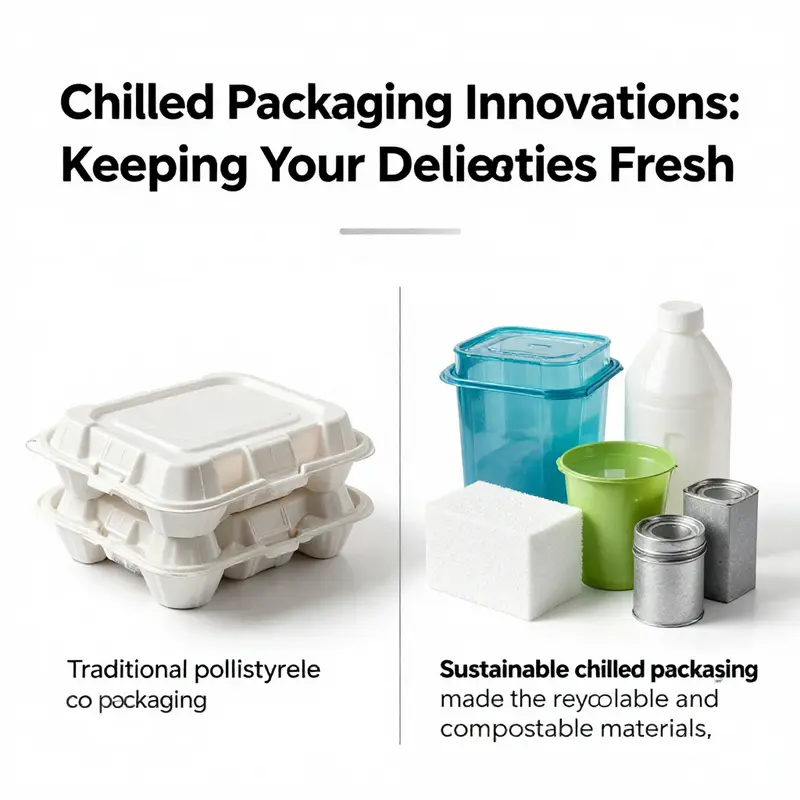
A robust chilled packaging system must balance two fierce demands: keep cold foods safe and preserve quality, while minimizing environmental impact. As online orders for fresh produce, dairy, deli items, and ready meals surge, so does scrutiny of packaging footprints. Consumers increasingly connect the integrity of their food with the way it is packaged. They want not only reliable temperature control but also packaging that can be recycled, composted, or reused at the end of its life. Regulators are aligning with these expectations, tightening standards around material provenance, recyclability, and the energy embedded in manufacturing and transport. This convergence pushes brands to reimagine the cold chain as a holistic system. The goal is not merely to prevent spoilage during a single delivery, but to design a loop that reduces waste, lowers emissions, and retains product safety from kitchen to customer doorstep.
In practice, the most durable answer to this challenge lies in integrating high-performance insulation with materials that are kinder to the planet. One compelling approach is a wool-based insulation lining embedded within a fibreboard structure that is recyclable, degradable, and compostable. Such a configuration demonstrates how innovative materials can deliver rigorous thermal performance without relying on conventional plastics. Industry data up to March 2026 show that, when deployed correctly, this kind of insulation helps maintain temperatures below 5°C for at least a full day, a threshold that translates into fewer excursions in the cold chain and less risk of temperature abuse. The strength of this solution lies not in a single feature, but in the way the layers work together. The wool provides a renewable, breathable barrier that resists heat gains and losses, while the fibreboard offers a stable rigid shell that can travel through sorting hubs and urban deliveries with minimal deformation. The combination also aligns with circular economy thinking: materials are designed to be recycled, and in some cases composted if end-of-life collection streams exist. Such properties address the dual demand for product protection and responsible stewardship, illustrating how sustainability can be embedded in the core design of cold-chain packaging rather than appended as an afterthought.
This is not a one-size-fits-all proposition. The cold chain spans short urban runs and longer regional hauls, each with distinct temperature profiles, dwell times, and handling hazards. For many shipments, passive insulation alone cannot deliver the required margin of safety, particularly when there are delays at loading docks or during last-mile routing. Gel packs, therefore, often play a supporting role. While gel packs are especially well-suited for ambient shipping of baked goods, snacks, and dry foods, they can be integrated into heavy-duty chill boxes or delivery bags to extend cooling duration. When paired with vacuum-sealed fiber layers or high-density foam insulation, gel packs contribute meaningful extra hours of cold retention, reducing the likelihood that perishable items drift above safe temperatures before they reach customers. The judicious use of these packs—placed in well-designed internal cavities and shielded from direct contact with sensitive foods—can complement a primary insulation system rather than replace it. The result is a layered strategy: the outer shell provides the bulk of the thermal resistance, the internal barriers minimize convective heat transfer, and the coolant packs extend the practical window for safe delivery, even in imperfect logistics conditions.
A parallel track of innovation focuses on containers designed specifically for protein-rich and meat-based products. These heavy-duty insulated containers are built to withstand the rigors of wholesale distribution and e-commerce deliveries, where multiple handoffs and varied ambient conditions are common. They feature robust construction, reinforced seals, and advanced thermal barriers that slow heat ingress from the outside while protecting the delicate cold inside. Crucially, these containers also reflect a growing emphasis on end-of-life options. Often they are designed to be reused in a closed-loop system or collected for refurbishment, reducing the volume of single-use packaging. The practical takeaway is clear: high-performance insulation and smart design must be paired with thoughtful stewardship of materials, so every kilogram of packaging can contribute to food safety without becoming a long-lived burden on landfills.
Beyond the mechanical and material dimensions, the sustainability conversation is deeply normative. It asks whether packaging should be as light as possible, as returnable as feasible, or as compostable as practicable. The best path tends to be a nuanced blend that respects local waste-management capabilities and consumer behavior. Biodegradable materials show promise in some contexts, but they are not a universal answer. They require specific collection streams and can behave differently under varying temperatures and moisture conditions. Reduced plastic use is an important objective, yet it cannot compromise cold-chain reliability. The movement toward reusable or returnable systems has gained traction, especially in urban delivery networks where volume is high and return logistics can be optimized. The challenge lies in designing reuse cycles that minimize transport emissions and guarantee product safety through repeated use. Designers are experimenting with modular, stackable interfaces, easy-clean interiors, and standardized fittings that make it easier to reuse containers across multiple shipments and service partners.
The broader sustainability framework also embraces smart packaging technologies. Temperature-sensitive indicators and passive sensors provide real-time or near-real-time validation of the cold chain, enabling shippers and retailers to detect deviations quickly. Minimalistic design principles reduce material consumption while simplifying end-of-life paths. For instance, labels and indicators should be integrated into the packaging in a way that does not require additional wrappers or adhesives, thus lowering both waste and the risk of detachment during transit. In tandem with these innovations, lifecycle thinking helps stakeholders compare scenarios more effectively: a seemingly heavier, reusable container might have a lower overall environmental impact if it yields high reuse rates and reduces energy-intensive production cycles. Conversely, a lighter, single-use option could be preferable in circumstances where reuse streams are weak or logistics are highly fragmented. The balance is delicate, but the guiding principle is clear—every packaging choice should be evaluated against a framework that accounts for production energy, transport emissions, end-of-life processing, and potential for circular reuse.
To translate these principles into practice, it helps to anchor decisions in a few practical considerations. First, assess the typical journey of a given product. If a shipment travels through urban hubs with frequent handoffs, a sturdy, reusable container with high thermal stability and modular interfaces can minimize repair needs and downtime. If a shipment is localized and predictable, a compostable or recyclable single-use option might suffice, provided that the local waste-streams can handle it effectively. Second, align packaging design with the realities of consumer behavior. A system that is easy to return, easy to separate for recycling, and clearly labeled for end-of-life disposal is more likely to achieve high participation rates. Third, consider the trade-offs between performance and embodied emissions. Materials with excellent insulating properties may reduce energy usage in transport but require higher-energy manufacturing processes. The aim is to identify configurations that deliver the necessary safety margins with the smallest possible environmental cost over the full lifecycle.
The research landscape continues to evolve, and so does the vision of what sustainable chilled packaging can look like. The emphasis is shifting from simply meeting a temperature spec to delivering a resilient, low-impact cold chain. In practice, this means embracing a portfolio approach: combining renewable insulation options with recyclable or compostable fibreboards, supplementing with smart temperature indicators, and enabling reuse where feasible. The result is a cold chain that respects the planet without compromising safety or shelf life. It is about engineering confidence into every box, bag, and container so that delivery makes a promise to the consumer—a promise that the product arrived cold, fresh, and with a footprint that the brand is prepared to own and reduce over time.
The path forward is collaborative. Manufacturers, retailers, logistics providers, and waste-management systems must coordinate to expand access to recyclable streams, to implement returnable packaging programs, and to standardize components for easier repair and refurbishment. Innovation will continue to be guided by the realities of city logistics and regional distribution networks. When these systems align, the environmental benefits extend beyond a single shipment. Fewer boxes end up in landfills, energy is conserved across the supply chain, and consumers gain confidence that the convenience of delivery does not come at an unacceptable ecological price. In this way, sustainability is not an add-on feature; it becomes an integral design criterion that informs every choice in the chilled packaging ecosystem.
For readers seeking practical ingress points into this evolving field, there are accessible paths to explore. Consider the case for layered insulation strategies that pair renewable materials with durable, recyclable shells. Look for packaging concepts that support both high-temperature tolerance in loading environments and predictable end-of-life outcomes. When possible, favor options that enable reuse cycles, and invest in temperature-monitoring components that are lightweight and unobtrusive. These decisions, taken at the design stage, compound across volumes of shipments to deliver meaningful reductions in waste and emissions. As consumer expectations continue to tilt toward sustainability, the role of packaging in the cold chain becomes less about containment and more about responsible stewardship that protects both food and the planet. For additional context and industry perspectives on sustainable chilled food packaging, see the external resource below.
A practical note on sourcing and materials can be found in related discussions and product family examples, such as eco-friendly kraft paper bowls with lids, which illustrate how packaging components can be designed for recyclability and reuse while still supporting cold-chain integrity. eco-friendly kraft paper bowls with lids
External resource for broader context: https://www.foodnavigator.com/Article/2024/08/15/Sustainable-chilled-food-packaging-comes-under-scrutiny
Keeping Fresh on the Move: The Tech-Driven Evolution of Chilled Packaging for Food Deliveries
A delivery landscape that promises speed and convenience also carries a quiet, stubborn demand: the temperature must stay right where it should be, not just today but through a journey that can span urban corners and long-haul routes. In chilled packaging for food deliveries, the primary goal remains the same as ever—keep contents safely below a critical threshold, typically around 5°C, for as long as possible. Yet the path to reliable cooling has shifted from simple insulation to a sophisticated fusion of materials science, sensing capabilities, and intelligent logistics. The result is a culture of packaging that does more than shelter its contents; it monitors, adapts, and communicates with the broader cold chain. In practical terms, this means a packaging system that acknowledges every mile from kitchen to doorstep and treats each segment of the journey as an opportunity to preserve safety, texture, aroma, and nutritional value, rather than merely delaying heat ingress.
The center of gravity in these advances is the integration of intelligent temperature monitoring systems directly into packaging. Time-temperature indicators, digital sensors, and even embedded QR codes or near-field communication tags transform a passive box into a transparent, traceable component of the delivery. When a consumer or retailer scans a tag, they glimpse an uninterrupted temperature history—an auditable record of how well the cold chain has performed from dispatch to arrival. This capability is more than a comfort; it is a guardrail against spoilage and a trust signal to customers who increasingly expect visibility into how their meals were kept cold. The promise is simple but powerful: real-time alerts can trigger proactive interventions, such as rerouting a shipment to avoid a heat spike or dispatching an additional cooling module if a delay looms. Rather than guesswork in the middle of a hot city afternoon, stakeholders gain a concrete, data-backed view of temperature integrity. The trend toward smart packaging also nudges operations toward better calibration of each packaging level, encouraging suppliers to match insulation thickness, sensor placement, and moisture management to the specifics of each product category and route. It is a holistic approach that treats packaging as part of the service proposition rather than a disposable accessory.
Alongside perception and monitoring, new materials are reshaping what the packaging itself can do. Phase-change materials, or PCMs, stand out for their ability to absorb and release heat as they transition between states. When a PCM charges, it stores energy; as the surrounding environment warms, the material absorbs excess heat, helping to hold the interior temperature steady for extended periods—often well beyond a typical 24-hour window. The advantage of PCMs lies in their balance of high latent heat and light weight, which reduces the bulk and structural burden that can come with traditional cooling aids. Complementing PCMs are vacuum-insulated panels, or VIPs, that create an almost perfect thermal barrier with a core kept under vacuum. VIPs deliver remarkable thermal resistance without inflating the package’s size or weight, which is particularly valuable for long-haul deliveries and high-volume e-commerce orders that traverse varied climates. The combination of PCM charging and VIP containment has begun to redefine what is feasible in single-trip and multi-link shipments, enabling a lighter, more compact cold chain that still maintains strict temperature control over hours and, in some cases, days. The payoff is tangible: fewer temperature excursions, reduced waste, and an improved consumer experience when a product arrives as fresh as it left the kitchen.
Sustainability has shifted from a reputational goal to a design constraint and an opportunity. The newest generations of chilled packaging explore biodegradable and compostable alternatives that do not sacrifice performance. Materials derived from fungal mycelium, seaweed-based films, and plant-derived polylactic acid (PLA) show real potential to reduce environmental impact while maintaining sufficient insulation and mechanical resilience for transport. Scaling these options remains a work in progress, with ongoing research needed to guarantee consistent performance under diverse conditions and to streamline production at the volumes demanded by modern delivery ecosystems. Yet the momentum is undeniable: customers are increasingly willing to favor suppliers whose packaging aligns with circular economy principles, and brands are responding by embedding sustainability into product narratives and cost models alike. It is no longer enough to be merely recyclable; the challenge now is to deliver compostability and biodegradability at scale without eroding the cold-chain performance that the delivery experience depends on. In this evolving scenario, the packaging itself becomes a message about environmental responsibility, not just a container for food.
The frontier also includes smarter packaging ecosystems that go beyond temperature alone. Predictive analytics and machine learning are seeding a future where packaging requirements can be tailored to the specifics of a route, weather forecast, and time of day. Historical delivery data, geospatial patterns, and even traffic conditions feed into models that anticipate when a given shipment will need more cooling or a more robust barrier. In high-heat climates or during peak summer windows, a package might automatically receive an enhanced cooling layer or a larger PCM charge. Conversely, in milder conditions or shorter hops, the system might scale back to conserve energy and minimize waste. The implications extend to operations planning, inventory management, and sustainability accounting. By aligning cooling strategies with actual risk profiles rather than a one-size-fits-all approach, the cold chain becomes more resilient, efficient, and cost-effective. The ultimate outcome is a more reliable delivery proposition that can preserve quality, reduce spoilage, and fulfill consumer expectations for freshness in a way that is measurable and accountable.
To build these capabilities, the industry often combines multiple layers of cooling and insulation with smart design choices. Gel packs retain temperature in environments where ambient conditions threaten product safety, particularly for goods that are less perishable but still sensitive to temperature fluctuations. When integrated into heavy-duty chill containers or delivery bags, gel packs extend the window of safety and help smooth out spikes during loading, unloading, or transit in variable conditions. For protein-rich products and other high-risk items, specialized insulated containers reinforce the barrier with robust construction and advanced thermal barriers. These heavy-duty enclosures are engineered to withstand busy logistics networks, multiple handoffs, and longer routes while maintaining a steady interior climate. The overarching message is that there is no single magic component; rather, the most effective chilled packaging strategy blends sustainable insulation, intelligent monitoring, adaptive cooling elements, and route-aware logistics to create a resilient, end-to-end cold chain.
In practice, this means a packaging solution designed with the journey in mind. Urban routes, with fast handoffs and close-temperature control requirements, demand compact, highly efficient systems. Rural or regional hauls, with longer distances and more potential for disruption, require materials and configurations that maximize thermal reserve without becoming prohibitively heavy. The preferred approach is modular, allowing a carrier to add or remove layers of insulation or cooling as needed while ensuring compatibility with sensors and data interfaces. The unifying aim is to deliver a product that remains within safe temperature bands from minute zero to the moment the consumer unpacks it, preserving texture, moisture, and safety. This is not merely about compliance or quality; it is about delivering a consistent, dependable experience that reinforces trust and minimizes waste.
As these developments unfold, practical choices in packaging design still matter. A widely used option for everyday takeout and grocery deliveries is a sturdy, shell-like container made from recycled and recyclable materials, paired with a sustainable insulation layer and a calibrated cooling system. A discreet but critical detail is moisture management and airflow control, which help prevent condensation and the associated risk of microbial growth or texture degradation. Another crucial factor is compatibility with the brand’s sustainability commitments and the consumer’s expectations for responsible packaging. For instance, a practical example of how packaging design can align with broader goals is displayed in a disposable octagonal kraft paper packaging option, which demonstrates how form can enhance both function and perception. You can explore this specific packaging approach here: [disposable-octagonal-box-restaurant-food-k kraft-paper-packaging](https://greendispopack.com/product/disposable-octagonal-box-restaurant-food-k kraft-paper-packaging/). The emphasis on shape, materials, and end-of-life options signals a broader trend: the packaging itself is a stakeholder in the cold chain, shaping choices, behavior, and outcomes across the delivery ecosystem.
Ultimately, the trajectory of chilled packaging for food deliveries points toward a tightly integrated system where material science, sensors, and data analytics converge to safeguard freshness. The convergence is not merely technical; it is strategic. Companies that align insulation performance with real-time monitoring, sustainable materials, and route-aware logistics will likely see fewer temperature excursions, less waste, stronger consumer trust, and clearer accountability across the supply chain. As the field matures, the narrative shifts from keeping items cold to enabling a resilient cold chain that adapts to changing conditions while upholding safety and quality. For readers seeking a broader perspective on the innovations driving this evolution, a comprehensive exploration of the latest trends in temperature-sensitive packaging is available at the following external resource: https://www.logisticsofthings.com/5-innovations-in-temperature-sensitive-packaging. The synthesis of intelligent sensing, advanced materials, and smart analytics is redefining what is possible in food delivery, turning chilled packaging from a protective shell into a capable, responsive partner in the journey from kitchen to consumer.
Cold Calculus: How Chilled Packaging Shapes Costs, Confidence, and Customer Trust in Food Deliveries
The economics of chilled packaging in food deliveries extend far beyond the box itself. They hinge on a delicate balance between protecting product integrity, meeting rising consumer expectations, and controlling total logistics costs in crowded urban markets and long-haul networks alike. As the appetite for fresh, ready-made meals and temperature-sensitive ingredients grows, so does the premium on consistent cold-chain performance. The financial equation becomes clearer when we consider what is at stake in a single delivery: a fragile supply chain transit made to keep perishable items safe, aesthetically intact, and legally compliant from kitchen to consumer door. The box, insulation, cooling elements, and the way they are packaged all contribute to a lifecycle cost that can determine profitability, reputational risk, and even the ability to scale operations across regions with varied infrastructure. In this context, the cold box is more than a container; it is a strategic asset whose value accrues as spoilage drops, customer trust climbs, and the supplier network becomes more predictable and efficient.
One of the most tangible economic benefits of effective chilled packaging is the preservation of perishable integrity. When products survive transit without temperature excursions, spoilage-related waste declines, and with it the heavy costs that come with returned, unsellable, or discounted items. For delivery services and restaurants that rely on a rapid turnover of fresh items, even small improvements in temperature stability can translate into meaningful savings. The cost of waste is not merely the price of the product itself; it encompasses downstream effects—reduced inventory turns, disrupted menus, adjustments in supplier sourcing, and the reputational hit of delivering items that don’t meet expectations. Chilled packaging that reliably keeps products below critical thresholds curbs these downstream costs and stabilizes gross margins over time. In markets where margins hinge on tight operating tempos and high volumes, the incremental savings from reducing spoilage can compound, reinforcing a business case for higher upfront packaging investments that pay off repeatedly across daily throughput.
Market dynamics also play a central role in the economics of temperature-controlled packaging. The global chilled food packaging market is expanding rapidly, buoyed by the growth of e-commerce and on-demand delivery platforms. As more households order fresh meals, salads, dairy products, and other temperature-sensitive items from online storefronts, the demand for reliable cold-chain solutions rises in tandem with expectations for speed and convenience. This expansion creates opportunities for manufacturers and logistics providers to differentiate through packaging performance, sustainability credentials, and total cost of ownership. Yet the market growth also pressures buyers to scrutinize the value proposition of different solutions. It is not enough to offer superior insulation; the total cost—material, weight, energy use during transit, disposal, and potential reuse—must be weighed against the risk of spoilage and the price premium customers are willing to pay for dependable freshness. In a highly competitive landscape, the decision to invest in advanced chilled packaging becomes a strategic move that aligns operational goals with consumer demand signals and price tolerance.
The choice of materials is central to those economic calculations. Insulating options such as expanded polystyrene, polyethylene foam, and vacuum-sealed fiber layers each bring distinct cost and performance profiles. EPS, for example, offers solid thermal resistance at relatively low material cost but can raise questions about end-of-life management and recycling challenges. Polyethylene foam supplies cushioning and additional moisture control, with benefits for items prone to physical damage or moisture ingress, but adds mass and volume that affect freight costs. Vacuum-sealed fiber layers present a more sustainable framing for the insulation envelope, sometimes enabling thinner walls and lighter packaging while maintaining or improving thermal performance. The financial trade-offs among these materials are not only unit-cost concerns; they bear on freight efficiency, warehouse handling, and route optimization. Heavier or bulkier packaging increases shipping expenses and energy use in cold-chain operations, while lighter, more compact options can improve payload efficiency and reduce fuel consumption on a per-delivery basis. This is where the economics of scale come into play: even modest per-box savings multiply across thousands of parcels when you serve a dense urban corridor or a sprawling regional network.
Beyond material costs, the design of chilled packaging intersects with waste management and sustainability goals, which are increasingly priced into the economics of modern logistics. As environmental considerations rise in corporate reporting and consumer scrutiny, businesses face a double-edged sword: materials that perform well thermally may complicate recycling streams or require special disposal channels. Reusable and recyclable options are gaining traction, not only for environmental reasons but also for long-term cost containment. When a packaging system can be reused across multiple journeys or cycles, depreciation costs can be amortized over a longer horizon, lowering the effective per-delivery cost. However, the promise of reuse depends on reliable recovery systems, consistent cleaning protocols, and robust product protection that prevents damage during multiple reuse cycles. In some cases, the upfront premium for sustainable designs is offset by lower disposal fees, extended service life, and stronger brand equity with eco-conscious customers who value responsible stewardship of resources. The net effect is to rebalance the traditional cost calculus toward a broader lifecycle view, in which purchase price is only one piece of a multi-year financial story.
The interplay between cost, performance, and sustainability also shapes strategic choices around cooling agents. Gel packs, phase-change materials, and other cooling elements can extend thermal retention during longer routes or hotter climates, but they add consumable costs and weight. When integrated with high-efficiency insulation, these cooling elements can yield longer periods of stability with fewer temperature excursions, reducing the risk of wholesale spoilage and customer dissatisfaction. The energy and logistics implications of these cooling aids must be modeled against delivery windows, transit conditions, and the availability of energy-efficient warehouse and transport cooling systems. In urban centers, where short, predictable delivery cycles prevail, leaner packaging with optimized insulation and smaller cooling payloads may deliver cost advantages through speed and maneuverability. In regional or cross-border movements, the emphasis may shift toward greater insulation redundancy and more robust cooling elements to safeguard freshness across longer timelines. The economics of cooling, therefore, depend as much on route design and contingency planning as on raw materials and box size.
A crucial consideration in this equation is the tension between upfront costs and long-term benefits. Higher initial expenditure on insulated packaging can seem daunting when budgets are tight, but the financial logic strengthens when we account for waste reduction, improved delivery reliability, and enhanced customer satisfaction. Fewer complaints and returns translate into lower customer-service costs and a more predictable revenue stream. Price premiums for fresher, higher-quality deliveries—especially for salads, dairy-based meals, and other sensitive items—can offset higher packaging costs, and, in some segments, can even become a differentiator that justifies a premium pricing tier. Brands that communicate a commitment to freshness and responsible packaging often command stronger loyalty and higher repeat orders, which over time can bolster gross margins and cash flow stability. The challenge is to quantify these intangible benefits—brand equity, trust, and perceived quality—into a credible financial model that stakeholders can rally around. When such a model exists, the cold-chain investment ceases to be a mere compliance expense and becomes a revenue-accelerating, risk-mitigating business strategy.
Within this broader economic framework, the design and operation of chilled packaging must align with the practical realities of delivery networks. Urbanization creates dense demand corridors but also tight delivery windows, congestion, and variable weather. Long-haul routes test the durability of packaging and the resilience of cooling strategies, while the need for fast turnover in micro-fulfillment centers drives the selection of packaging that is not only protective but also efficient to handle, stack, and transport. Standards and interoperability across suppliers and carriers become meta-costs in themselves; the more consistent the packaging ecosystem, the easier it is to optimize routes, synchronize pickup and drop-off times, and reduce dwell times that erode product quality. In this light, the economics of chilled packaging are inseparable from logistics efficiency, network design, and the operational discipline that keeps temperature integrity intact from kitchen to consumer doorstep.
For readers seeking a deeper dive into the market dynamics driving these choices, consider exploring how the broader market trends are shaping investment and strategy in chilled packaging. A comprehensive external resource on market trends and forecasts can be found here: https://www.marketsandmarkets.com/Market-Reports/chilled-food-packaging-market-154879895.asp. In addition, for practitioners looking to connect packaging decisions with practical, on-the-ground choices in the realm of sustainable, everyday containers, a relevant example of how eco-conscious packaging is being implemented in real-world food-service settings can be explored through an industry-focused product page that emphasizes recyclable and reusable options. For instance, a representative offering of eco-friendly disposable packaging with printed branding and lids demonstrates how sustainability goals can be woven into the consumer experience while maintaining functional performance in cold-chain contexts. eco-friendly printed-logo cold beverage cup with lid. This kind of example highlights how packaging choices can support brand storytelling around freshness and responsibility, while still delivering on the operational demands of temperature control.
As the sector continues to evolve, the core economic message remains consistent: chilled packaging is an investment in product integrity, customer satisfaction, and operational reliability. The most successful approaches merge sustainable insulation with efficient cooling strategies, tailored to the specific demands of each distribution network. This synthesis yields not only measurable cost savings but also stronger competitive positioning in a market where freshness and reliability are central to the consumer value proposition. When viewed through this lens, the economics of chilled packaging become a compelling narrative of risk management, efficiency, and strategic differentiation—an essential component of the modern food delivery ecosystem that quietly underpins every successful, fresh-from-the-kitchen experience.
Preserving Freshness on the Move: A Cohesive View of Challenges and Smart Solutions in Chilled Food Delivery Packaging
Preserving freshness on the move is a puzzle that every cold-chain operation must solve. Delicate produce, dairy, prepped meals, and perishables rely on more than good intentions; they require packaging that behaves as a quiet partner in transit. The goal is simple in theory—keep the contents under a tight temperature threshold, typically around 5°C, from the moment the order leaves the kitchen to the moment it reaches the customer’s doorstep. In practice, however, dozens of variables converge: the weather outside, the length of the delivery route, handling at busy hubs, the heat of a city street, and the inevitable variability of human picking and loading. The challenge is not merely keeping food cold for a few hours; it is sustaining a stable thermal environment across a multi-leg journey that may span urban cores, suburban corridors, and regional corridors.
In addressing temperature control, the central tension is between performance and practicality. Traditional insulation has relied on bulky, low-cost materials that trap a chill but can be wasteful or difficult to dispose of. The modern approach seeks a more nuanced balance: superior thermal stability with a lower environmental footprint. This shift is partly driven by the growing consumer demand for sustainability and partly by the operational need to reduce spoilage, returns, and customer complaints. Even modest improvements in temperature hold can translate into meaningful gains in shelf life and perceived quality, which in turn influence a delivery service’s reputation and loyalty. The stakes are high, but so are the opportunities for clever engineering that respects both the product and the planet.
A cornerstone of resilience in chilled packaging is the integration of insulation with active or passive cooling elements. Passive strategies have evolved beyond simple bubble or foam wraps. The industry has embraced insulation layers that combine recycled content with advanced barrier properties, creating a more robust envelope that resists heat ingress and moisture migration. One line of development emphasizes wool-based or wool-inspired insulation. The idea is to exploit wool’s natural hygroscopic properties and low thermal conductivity to slow heat transfer. The wool is embedded within a recyclable fibreboard system, forming a composite wall that can be both strong and sustainable. This approach aims to deliver consistent temperatures for longer periods without the heavier environmental cost associated with traditional foam-based solutions. The practical upshot is a packaging solution that remains cool longer while relying on materials that are easier to recycle and, in some cases, compostable at end of life. The miles a chilled package can cover before it becomes a liability are extended when the thermal buffer is both effective and responsible.
Yet insulation alone cannot solve the problem. Gel packs, with their phase changes from solid to liquid, add a predictable cooling punch, especially when temperatures are marginally above the target. Gel packs are versatile and can be positioned within heavy-duty chill boxes or delivery bags. When used in concert with vacuum-insulated panels and dense inner linings, they help stretch the cooling window without increasing bulk excessively. The science behind this is straightforward: a gel pack changes phase at a defined temperature, absorbing latent heat as it melts. This latent heat absorption dampens fluctuations that might otherwise push perishable goods into unsafe zones. The best implementations use a careful geometry—placing gel packs where heat tends to intrude most during transit and pairing them with vacuum-insulated or aerogel-like barriers to slow down heat ingress even further. The result is a more forgiving thermal profile that can withstand occasional delays, peak loading, or longer last-mile routes.
The product category for chilled containment also sees specialized containers tailored to the nature of the contents. Heavy-duty insulated containers designed for cold cuts, dairy, or meat products are engineered to minimize conduction and convection while maintaining structural integrity through rough handling. These containers often blend thicker insulation with rugged, impact-resistant walls and interiors that resist crushing or puncture. The emphasis is not merely on maximum cooling duration but on preserving product integrity against jostle, vibration, and rough urban delivery environments. In practice, this means choosing a container with a well-considered balance of insulation density, inner geometry, and sealing performance. The better designs ensure that if a door slips ajar, the thermal mass remains resilient for a measurable period, giving drivers a margin to re-stabilize the shipment without compromising safety or quality.
Sustainability remains a central consideration. The industry has learned that high-performance insulation does not have to come at the expense of the environment. Recyclable fibreboards and compostable liners are increasingly common as part of a broader move toward circular packaging. These materials can be engineered to meet both barrier requirements and end-of-life realities. The trade-off used to be that eco-friendly solutions underperformed in thermal terms. Today, advances in material science and clever packaging architecture have narrowed that gap substantially. Companies and researchers are pushing for solutions that deliver premiumness in performance while reducing overall environmental impact. The result is a more responsible cold chain that can satisfy retailers, couriers, and consumers who demand both safety and stewardship.
Beyond materials, the logistics network itself plays a decisive role in maintaining temperature integrity. An optimized chilled network reduces the time products spend in transit, minimizes handoffs, and uses dedicated night trunking or controlled-temperature corridors to shield items from heat exposure. A dual-temperature distribution concept can deliver frozen and chilled goods along different legs of a network, ensuring that each product category travels in a climate appropriate to its needs. The design of such networks requires careful alignment of depot locations, vehicle fleets, and real-time temperature monitoring. Temperature data collected at multiple points—loading docks, transit legs, and delivery moments—provides a feedback loop that drives continuous improvement. The value here is tangible: a tighter, more predictable schedule lowers spoilage risk, improves on-time delivery, and creates a more reliable customer experience.
Sustainability also intersects with the choice of distribution methods. For some operations, a hybrid model that combines reusable, insulated packaging with a well-planned return flow can yield benefits. Reusability must be balanced with hygienic practices and frequency of cleaning to avoid contamination risks. In other scenarios, designers opt for recyclable or compostable outer shells paired with refillable cooling elements to reduce waste. The aim is to design a system where the environmental cost of cooling is not simply offset by shorter trips or smarter routing, but genuinely reduced over the life cycle of the packaging. The real measure is not only whether a package can be recycled but whether it can be reused or repurposed in a way that closes the loop without sacrificing performance during transit.
For practitioners, the spectrum of strategies is less about choosing a single solution and more about creating a compatible bundle that suits the specific delivery context. Urban centers with dense traffic and variable weather demand packaging that remains steady during multiple handoffs and extended door-to-door times. Rural or regional routes, where transit times are longer, require insulation and cooling elements that can stretch the cold chain across larger distances without becoming prohibitively bulky or expensive. In both cases, the art lies in harmonizing materials science with logistics design. The goal is a system that looks simple to customers—an unobtrusive, compact, and reliable package that preserves freshness—while internally spinning a web of layers that cooperate to suppress heat penetration, manage moisture, and keep the product visuals intact.
The literature and industry discussions highlight a few guiding principles that recur across successful implementations. First, prioritize consistent temperature control over sporadic extreme cooling. A modest, reliable buffer is more protective than a brief spike of cold followed by a gradual rise. Second, integrate cooling elements with smart barrier materials to reduce the energy and material intensity of the solution. Third, design with end-of-life in mind—from recyclable cores to compostable liners—so the packaging can participate in circular workflows rather than contributing to waste. Fourth, align packaging design with logistics realities. A solution that demands exact timing but cannot accommodate typical urban delays is not truly fit for purpose. Finally, cultivate a feedback-rich system where temperature data, spoilage outcomes, and customer feedback feed back into ongoing improvements.
In this context, a holistic approach becomes indispensable. Chilled packaging cannot be a single-material fix; it must be a carefully calibrated ecosystem. The core is a robust insulation strategy—one that may employ wool-based composites or other high-performance barriers—paired with cooling elements that can be tailored to route, duration, and product type. Gel packs, phase-change materials, and vacuum-insulated layers are not mutually exclusive; they can be combined in ways that optimize thermal stability for a given service. The outer shell and inner lining must work together to prevent heat ingress while resisting moisture and mechanical wear. Finally, the supply chain must be structured to minimize exposure to heat through fast, predictable handoffs, efficient depot layouts, and intelligent routing.
For those building or refining a chilled delivery program, there is value in benchmarking against principles rather than chasing a single best material. The most resilient operations treat chilled packaging as a dynamic, living system. They embrace modularity—where different insulation configurations and cooling elements can be swapped as routes or products change. They invest in data governance—temperature logging, transit time analytics, and spoilage tracking—to make evidence-based adjustments. And they recognize that sustainability is not a cosmetic layer but a core performance criterion. The packaging must demonstrate that it can deliver not just cold, but responsible cold, in a way that aligns with a brand’s promises to customers and to the planet.
If readers seek a concise synthesis of strategies and the rationale behind them, a widely cited resource emphasizes how premium quality, sustainability, and distribution efficiency converge in chilled products. It is a reminder that the future of cold-chain delivery lies in systems thinking—where materials science, logistics design, and environmental responsibility are inseparable partners in keeping food safe, fresh, and waste-free on the journey from kitchen to consumer. For those exploring practical pathways toward this future, consider experimenting with a mix of high-performance insulation, flexible cooling elements, and network-aware logistics to test how far a well-designed package can go before the ice begins to melt the margins of safety.
For further reading and a deeper dive into the interplay between premiumness, sustainability, and distribution, see the broader literature on chilled product challenges and solutions, including the linked external resource: Solve your chilled product challenges – from premiumness and sustainability to distribution. https://www.tetrapak.com/solutions/chilled-products. In addition, a related note on eco-friendly packaging options can be explored through internal resources such as https://greendispopack.com/product/eco-friendly-printed-logo-cold-beverage-cup-with-lid/, which underscores how sustainability-minded packaging choices can align with broader environmental goals while keeping performance in sharp focus.
Final thoughts
In an era where consumer expectations for quality and safety are higher than ever, understanding the significance of chilled packaging in food deliveries is essential for businesses in the food service industry. Innovations, sustainability efforts, and technological advancements serve to enhance the reliability and efficiency of delivery systems, ensuring that perishables remain fresh and appealing. Businesses that invest in effective chilled packaging solutions not only improve their operational efficiency but also position themselves favorably in the competitive landscape by meeting the growing demand for high-quality, safe food delivery options.