
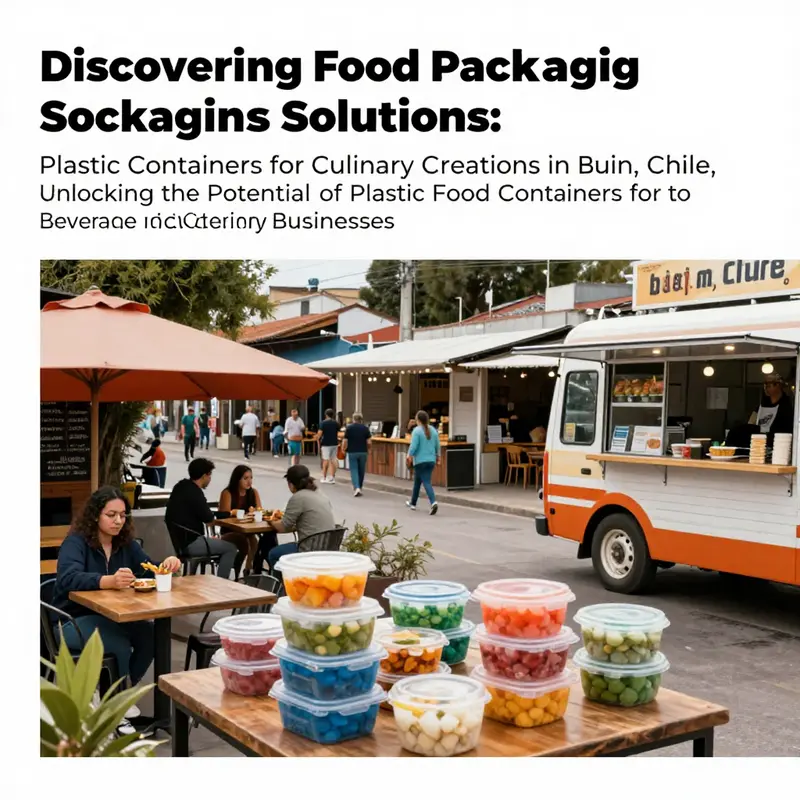
In the vibrant culinary landscape of Buin, Chile, the selection of food packaging solutions plays a crucial role in enhancing both presentation and preservation. Disposable plastic containers present an ideal choice for bubble tea shops, restaurants, food trucks, and catering services aiming to streamline their operations while meeting customer expectations. As we delve deeper into the topic, we will explore various aspects of sourcing, environmental impact, market demand, regulatory standards, and innovative designs of food-grade plastic containers that not only serve practical needs but also align with modern consumer trends. Each chapter will uncover vital insights, ensuring businesses in Buin can confidently navigate their packaging requirements.
Navigating a Global Supply Chain: Sourcing Food-Grade Plastic Containers for Buin’s Culinary Landscape
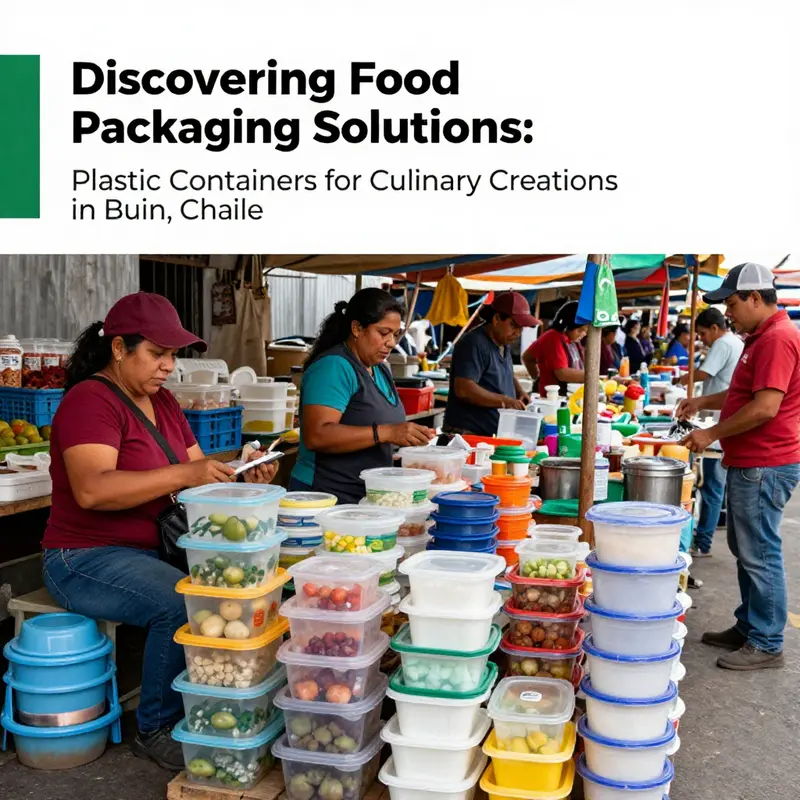
In Buin, Chile, where the rich history of traditional culinary practices meets the modern demands of convenience and quality, sourcing food-grade plastic containers has emerged as a pivotal element in the vibrant world of food service and preparation. The journey of procuring these essential items is a story of global interconnectivity, regulatory rigor, and strategic partnerships that extend from the bustling industrial hubs of China to the dynamic markets of Latin America. This narrative delves into the intricate process of selecting and managing suppliers, ensuring that products meet stringent safety standards, and navigating the logistical demands of international trade while addressing the unique needs of local businesses in Buin.
The foundation of any successful procurement process for plastic food containers begins with a deep understanding of the regulatory environment. In Chile, adherence to SERNAC guidelines is non-negotiable, and containers must meet food contact safety standards that are recognized not only locally but also on an international level. Manufacturers from China, a global leader in plastic container production, often produce items using materials that comply with FDA regulations in the United States, the BPA-free requirements of many markets, and even the EU 10/2011 standard. For food businesses in Buin, this means that every container must contribute to the safe storage and presentation of food, protecting both consumer health and brand reputation.
Local companies in Buin are finding significant value in sourcing plastic containers that are transparent in their quality assurance processes. Suppliers are expected to provide detailed, production-run-specific test reports from accredited laboratories. These reports often detail migration limits, thermal stability, and the safe performance of containers in microwave or dishwasher conditions. The emphasis on using materials that are both food-safe and eco-conscious has driven some suppliers to offer recyclable options such as RPET as well as certified compostable alternatives. This trend not only meets regulatory standards but also aligns with the growing consumer preference for sustainable products. In a city where tradition meets innovation, offering food-safe, eco-friendly packaging is a crucial competitive advantage.
The process of supplier selection goes far beyond comparing unit prices. For businesses intent on maintaining high standards, it is vital to evaluate potential partners based on operational agility, scalability, and a proven track record in international exports. In China, major production hubs such as the Pearl River Delta, Jiangsu, and Zhejiang provinces have perfected the art of manufacturing plastic containers at scale. Companies in these regions benefit from integrated ecosystems that support automation in processes such as injection molding and thermoforming. Furthermore, their proximity to major Chinese ports, including Shenzhen and Guangzhou, ensures that international logistics are managed efficiently and cost-effectively. For a business in Buin, partnering with suppliers who have demonstrated their export expertise to Latin America is key to minimizing unforeseen delays and keeping the supply chain robust.
A detailed analysis of supplier capabilities emphasizes the importance of operational agility. Reliable manufacturers invest in in-house mold design and development capabilities, which is critical when it comes to customizing containers to meet specific market needs. The ability to modify existing molds or create new ones within a tight timeframe of around 15 to 25 days offers a critical advantage in a dynamic market environment. In practice, this flexibility means that businesses in Buin can quickly adapt to emerging trends, whether by tweaking the container design to improve its functionality or by addressing regional tastes and preferences. The production process that emphasizes both precision and prompt turnaround times is a testament to the manufacturers’ commitment to long-term partnership, rather than a one-off price advantage.
Even after a reliable partner is chosen, businesses must consider the broader logistics landscape. Importing products from China involves a comprehensive appreciation of the total landed cost, which includes not only the unit price but also shipping fees, customs duties, and potential storage costs. Shipping routes from key Chinese ports, such as Shenzhen Yantian and Guangzhou Nansha, typically take between 20 to 35 days to reach Chile, and an unanticipated delay at any stage can impact supply continuity. However, reputable suppliers with well-established export infrastructures and alliances with major logistics providers can offer more predictable delivery schedules that allow food businesses in Buin to plan more accurately and mitigate risks associated with stockouts or overstocking.
An additional factor that adds value to the sourcing process is the alignment of container design with market demands. Modern consumers in Buin are not only concerned with the safety of the materials used but also pay attention to the aesthetics and functionality of the containers. Businesses now look for containers that enhance food presentation, thereby elevating the overall dining experience. Customization becomes a strong draw when a supplier is able to incorporate visual appeal and practical features that reflect local culinary traditions while embracing contemporary design principles. For instance, a container that is robust under varying temperature conditions yet designed to be user-friendly in terms of stacking and handling, can serve both traditional street vendors and upscale food service providers.
In this era of globalization, the strategic sourcing of plastic food containers plays a central role in how food businesses in Buin maintain quality assurance and manage costs. The interplay between comprehensive regulatory compliance, supplier agility, and efficient logistics creates a framework within which local companies can thrive. Consideration of these factors ensures that each container not only meets the strict standards required by food safety authorities but also aligns with the business objectives of enhanced brand reputation and consumer satisfaction. By forming long-term, collaborative relationships with suppliers, businesses can leverage shared expertise to better navigate dynamic market conditions and upgrade their overall product offerings.
One illustrative example of this process in action is the way companies are rethinking how to position their packaging solutions. By partnering with experienced manufacturers, food businesses in Buin can integrate seamless logistics with innovative design practices. The shift involves not only meeting regulatory checklists but also anticipating future market trends. This might include considering new sustainable materials or adopting more efficient production methodologies, thus illustrating a proactive stance in a competitive market. In doing so, local companies reinforce their commitment to quality and continuous improvement, ensuring that every container adapts to evolving market needs while also delivering superior performance.
The economic implications of sourcing plastic food containers from overseas add another layer of complexity to the decision-making process. While the cost advantages of manufacturing in China are significant, businesses must weigh these benefits against factors such as the impact of long-distance shipping, currency fluctuations, and trade tariffs. A comprehensive financial analysis, which takes into account both the direct and hidden costs associated with global procurement, is essential. This analysis helps local businesses in Buin effectively budget for both immediate and long-term investments in their supply chains. Moreover, striking a balance between cost efficiency and quality assurance is often seen as the cornerstone of a sustainable operational model.
Integrating logistics and financial stewardship leads to another important aspect of this sourcing strategy: risk management. The interconnected nature of global supply chains means that disruptions—whether due to geopolitical tensions, environmental challenges, or fluctuations in demand—can have cascading effects. To mitigate these risks, many businesses have started to implement contingency planning measures, such as maintaining higher safety stocks or exploring partnerships with multiple suppliers. This forward-thinking approach ensures that even if one link in the supply chain experiences delays, the overall flow of raw materials and finished containers remains unaffected, thereby providing a buffer against unforeseen challenges.
Furthermore, as markets evolve, so does the expectation of customization and personalized service. This evolution is partly driven by the desire to offer products that not only meet functional needs but also resonate emotionally with consumers. The plastic containers that are destined for kitchens and food establishments in Buin are no longer viewed merely as storage or transport vessels; they have become integral components of the dining experience. A container that features clean, customizable design elements contributes to conveying a strong brand identity. As such, manufacturers must be agile enough to offer bespoke options that can reflect the unique gastronomic identity of Buin’s local heritage. By demonstrating such commitment to design and innovation, suppliers facilitate a closer bond between customers and brands, ensuring that the containers themselves contribute to the overall sensory experience of food consumption.
In light of these dynamic market trends, consumers now pay close attention to both the functionality and ecological footprint of every product they purchase. The food service industry in Buin is no exception. Distributors and restaurateurs alike are increasingly aligning with global trends that favor products that reduce waste and enhance sustainability. As a result, suppliers that offer eco-friendly options—whether in the form of recyclable plastics or biodegradable alternatives—are well positioned to capture market share. This renewed focus on sustainability not only meets regulatory mandates but also supports broader efforts to protect the environment, reflecting the modern consumer’s values. Businesses that successfully incorporate sustainable practices into their supply chain operations can differentiate themselves in a crowded marketplace, positioning their brands as responsible stewards of both food quality and environmental health.
To further enhance the strategies they implement, many businesses in Buin have begun to explore relevant internal resources and case studies that illustrate how packaging innovations can transform food service operations. For instance, a detailed examination of custom packaging solutions underscores the value of flexibility and innovation in meeting both aesthetic and functional requirements. More detailed insights on how adaptable packaging can respond to market trends can be found in articles such as the one on disposable and custom printed containers, which sheds light on how design and practicality converge in today’s market. For an in-depth look at such innovations, you may explore the article on a disposable food packaging solution available at custom printed food containers.
Balancing every aspect of the sourcing process, from regulatory compliance to economic and operational logistics, demands an ongoing commitment to strategic planning and continuous improvement. Businesses in Buin that invest in robust supply chain management are better positioned to adapt to changes in consumer behavior, emerging regulatory reforms, and global economic shifts. In essence, the sourcing of food-grade plastic containers is not simply about procurement – it is about building resilience into the supply chain while simultaneously enhancing the quality of the end product. It is a strategic decision that can profoundly influence a business’s reputation, customer satisfaction, and competitive positioning in an increasingly interconnected global marketplace.
Throughout this process, clear communication and quality assurance stand as the twin pillars supporting the entire operation. It is critical that both the supplier and the buyer maintain an open dialogue regarding production schedules, quality benchmarks, and logistical challenges. In a market as fast-changing as food packaging, such partnerships must constantly adapt, ensuring that each delivery meets the evolving needs of modern food service. With carefully negotiated terms, agreed-upon quality certifications, and shared commitments to sustainable practices, the resulting supply chain becomes a reliable extension of the business itself. This collaborative approach propels local businesses forward, enabling them to innovate and excel even under the pressures of global market dynamics.
This entire sourcing journey is best understood as a symbiotic relationship, one in which quality, reliability, and sustainability play equally important roles. As Buin continues to expand its culinary horizons through the adoption of advanced packaging solutions, the focus remains firmly on creating a win-win scenario. Every element of the process—from the design and manufacturing stages in China to the final point of sale in local markets—must be executed with meticulous attention to detail and a long-term view toward growth. In achieving this balance, food businesses in Buin not only meet the immediate needs of their customers but also lay the groundwork for a more innovative, efficient, and environmentally responsible future in food packaging.
For those seeking actionable insights and a comprehensive strategic approach, numerous resources are available that further elaborate on the nuances of international sourcing. One particularly relevant external guide discusses the intricacies of global plastic container manufacturing and offers detailed advice on harnessing the potential of supply chain partnerships. You can read more about these strategic sourcing practices in the article on China’s Dominance in Global Plastic Container Manufacturing – Strategic Sourcing Guide.
In summary, the art of sourcing food-grade plastic containers in Buin, Chile, encapsulates a wide array of considerations ranging from regulatory compliance and strategic supplier relations to logistical planning and market-driven design innovations. This dynamic field reflects the larger story of globalization as local businesses seamlessly integrate international resources with regional needs. It is a testament to how informed decision-making and proactive risk management can unlock opportunities across borders, fueling an industry that continues to evolve while rooted in deep culinary traditions and a forward-thinking, sustainable mindset.
Navigating the Environmental Toll: Managing Food Plastic Container Waste in Buin, Chile
The environmental impact of food plastic containers in Buin, Chile, is a multifaceted subject that intertwines waste management challenges, deficient recycling infrastructure, public understanding, and the broader implications for both local ecology and human health. In Buin, as in many parts of Chile, the progressive policies enacted by the government have concentrated on reducing single-use plastics such as shopping bags, but despite these interventions, the disposal of food plastic containers remains a pressing problem. This chapter provides an in-depth analysis of the current scenario, reflecting on national trends while focusing on the specific challenges encountered by Buin and similar communities.
Given the rapid increase in the use of disposable plastic food containers for culinary convenience, the patterns of waste generation have shifted significantly. Historically, disposable plastic items were lauded for their convenience and cost efficiency; however, as environmental concerns have grown, the consequences of widespread plastic usage have become more apparent. The issue in Buin is compounded by the absence of comprehensive recycling programs and the limited availability of services that encourage proper sorting and recycling of plastic waste. Often, food plastic containers are disposed of alongside general trash, leading to landfilling or, in worse scenarios, open dumping.
The environmental toll of these practices is immense. Plastics do not biodegrade in any meaningful timeframe, and they often persist in the environment for decades, breaking down only into microplastics. These particles then infiltrate natural ecosystems, affecting soil quality and contaminating water sources. In the humid and variable climates typical of central Chile, these plastics tend to fragment under intense solar radiation and temperature variations, potentially releasing toxic substances into the environment. Research has demonstrated that improper disposal methods, such as open burning of waste, frequently practiced in smaller communities like Buin, result in the emission of harmful chemicals. These emissions adversely affect both the air quality and the health of local residents, who are exposed to by-products that have been linked to respiratory and other chronic health conditions.
Local attitudes towards recycling and waste management further complicate the issue. A study published in the Journal of Hazardous Materials in 2021 revealed that Chileans are well aware of the dangers posed by plastic pollution. Despite this awareness, the translation into consistent and widespread behavioural change has been disappointing. In Buin, the majority of residents acknowledge that plastic pollution leads to the degradation of their local environment, yet only a minority actively engage in proper recycling practices. This gap between knowledge and action is partly attributed to insufficient municipal support and a lack of accessible recycling facilities. In urban centers, collection services might be available, but in smaller communities like Buin, these services are sporadic at best. This discrepancy in access and support contributes to an ever-increasing accumulation of waste in the region.
Notably, food plastic containers represent a unique challenge among various plastic forms. Their design and composition, often tailored to preserve food safety standards, inadvertently make them more difficult to recycle compared to other forms of packaging. Their thin, flexible construction, which is ideal for ensuring hygiene and protecting food items, complicates the recycling process. Once these plastics enter municipal waste streams, the potential for contamination with organic matter further reduces their recyclability. The separation required to reclaim pure plastic materials becomes an expensive and labor-intensive challenge, discouraging investment in recycling facilities that could otherwise absorb a significant portion of these wastes. As a consequence, much of this plastic waste is relegated to landfills, where it sits and continues to degrade, leaching chemicals into the surrounding soil and groundwater over time.
The economic dimensions of the problem are also significant. Although the cost of producing disposable plastic containers remains low and appeals to businesses focused on convenience and food safety, the long-term environmental costs are not factored into the current business models. In Buin, local businesses that rely on these containers are caught between the need to maintain food safety and the desire to adopt more sustainable practices. The economic viability of switching to alternatives such as biodegradable packaging or recyclable materials remains uncertain, particularly when reliable and cost-effective recycling infrastructure is lacking. However, some local businesses have started experimenting with alternatives, such as the use of a disposable kraft paper bowl for food packaging, which, while not directly replacing plastics in every application, helps in reducing the overall volume of waste and serves as a stepping stone towards more sustainable practices. These efforts, though limited in scope, indicate a growing awareness within the business community of the broader environmental implications of their packaging choices.
The ecological impact of inadequate plastic management in Buin is further underscored by reports detailing harm to both flora and fauna. A comprehensive study focusing on the environmental impact of flexible food packaging documented that the injury inflicted upon local ecosystems by plastics often surpasses that caused by paper-based packaging by as much as 63%. Plants and animals are at risk because plastics, when abandoned in natural settings, can obstruct water flow, act as physical barriers, and introduce harmful substances into habitats. In sensitive ecosystems surrounding agricultural areas, plastic waste can diminish soil fertility and alter the delicate balance of nutrients required for robust plant growth. Moreover, birds and small mammals that might mistake plastic pieces for food often suffer from ingestion-related health issues, leading to higher mortality rates and a subsequent disruption of local biodiversity.
These ecological disturbances have contributed to broader concerns regarding the sustainability of current waste management practices. As the environmental legacy of plastics becomes more burdensome, local governments and environmental organizations in Buin are increasingly advocating for more stringent disposal practices and better community education on waste segregation. Public awareness campaigns have been launched, encouraging residents to dispose of plastic waste responsibly, and informing them of the long-term risks of improper plastic handling. Despite such initiatives, the transition from awareness to action remains a slow process, hindered by the logistical challenges of waste collection and the pervasive nature of plastic pollution.
In addition to mobilizing local communities, there is an urgent need for systemic change at the policy level. Enhanced regulations that mandate the use of eco-friendly alternatives, along with subsidies for businesses that invest in sustainable packaging solutions, could help mitigate the environmental burden in the long term. In Buin and similar communities, a coordinated approach that combines improved waste management infrastructure with robust policy interventions is essential. It is not enough to focus solely on public education; there must be an emphasis on creating a holistic system that drives behavioural change, supports sustainable alternatives, and enforces regulatory measures to ensure compliance.
One cannot overstate the importance of a circular economy approach in tackling the challenges associated with plastic waste. Instead of relying on a linear system where products are made, used, and disposed of, a circular model emphasizes the reuse, recycling, and repurposing of materials. In this context, reimagining the lifecycle of food containers is critical. Innovations in material science, such as the development of compostable or easily recyclable alternatives, could revolutionize the way businesses in Buin approach food packaging. Small steps, like encouraging businesses to consider substitutes, such as a disposable kraft paper bowl designed for food packaging, exemplify how incremental changes can gradually build towards a larger systemic transformation. These changes become particularly significant when viewed in the context of community-driven initiatives that aim to reduce dependence on traditional plastics.
At the same time, the onus also lies on international suppliers and manufacturers who serve the Chilean market. Cross-border trade in food plastic containers accelerates the diffusion of essential products but also creates complexities related to quality assurance and environmental safety. International suppliers must work with Chilean regulators to ensure that products meet local environmental standards, thereby reducing the risk of substandard or non-recyclable materials exacerbating the pollution problem in places like Buin. This collaboration is vital not only for maintaining food safety but also for ensuring that the environmental footprint of these products is minimized from production to disposal.
Concerted efforts to address the environmental impact of plastic waste in Buin require an integrated strategy that accounts for both supply and demand. On the consumer side, robust recycling programs and better waste collection systems can facilitate proper disposal, while on the production side, incentives to switch to eco-friendly packaging options can drive the market towards sustainability. Business leaders and city planners in Buin must work together to explore innovative solutions that bridge the gap between economic viability and environmental responsibility. A key element of this strategy involves strengthening infrastructure and community-based initiatives that promote responsible waste management practices.
In this regard, local businesses are increasingly open to exploring partnerships and adopting new technologies that can lead to a more sustainable future. Although the challenge is significant, the rising global consciousness regarding plastic waste management offers hope. Cities around the world are reimagining their waste management systems by investing in recycling technologies and initiating programs to convert plastic waste into energy, raw materials for new products, or even art. Buin, with its unique blend of traditional practices and progressive policies, stands at a crossroads where decisive action can pave the way for a greener future.
Efforts to overhaul waste management practices are not solely reactive measures but also represent proactive steps towards environmental conservation and community well-being. Residents and local policymakers have begun to recognize that the externalities associated with plastic waste extend beyond environmental degradation, affecting public health and socio-economic development. The challenges are entrenched in historical practices and cultural norms, necessitating a transformation in both attitudes and systems. Community engagement becomes a fundamental aspect of this transformation, as every resident plays a role in ensuring that waste is managed responsibly. By incorporating educational programs and fostering a sense of local pride in a cleaner environment, Buin can gradually shift its reliance on disposable plastic containers toward more sustainable alternatives.
While progress may seem incremental, the pathway forward is clear. By investing in better waste management infrastructure, incentivizing eco-friendly products, and supporting grassroots initiatives, Buin can serve as a model for other regions grappling with similar issues. The transition is neither rapid nor straightforward, yet each incremental improvement contributes to a cumulative effect that can reshape the environmental landscape. In this light, sustainable alternatives become not just viable but necessary. For instance, a transition to alternative packaging options such as the well-engineered and eco-friendly disposable kraft paper bowl for food packaging may offer a tangible solution. It exemplifies how innovation can reduce reliance on plastics, lessening environmental damage while preserving the convenience demanded by food service operations.
The journey towards mitigating the environmental burden of food plastic containers in Buin is a shared responsibility that traverses individual actions, corporate policies, and national regulations. It is an ongoing narrative of balancing modern culinary convenience with environmental stewardship. The challenges presented by improper waste disposal and limited recycling infrastructure are significant, yet they are also opportunities for systemic change. For a community like Buin, where the interplay between tradition and progress defines the local identity, addressing the plastic waste crisis is both a necessity and a chance to forge a sustainable future. Small-scale efforts, spurred by public awareness and supported by better regulatory frameworks, may eventually culminate in a paradigmatic shift away from disposable plastics towards safer, more sustainable alternatives.
For further detailed insights into the environmental challenges associated with plastic waste in Chilean communities, please refer to the comprehensive study on Chile’s plastic waste crisis published on ScienceDirect: Chile’s Plastic Waste Crisis: Challenges and Policy Responses.
Evolving Trends and Dynamic Demands: Plastic Food Containers in Buin, Chile
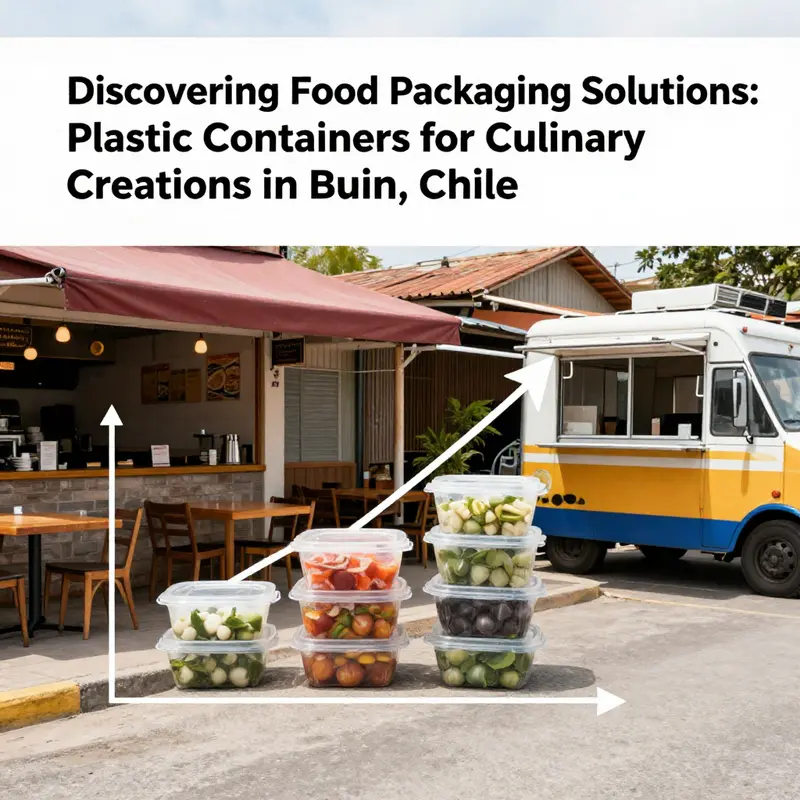
In the small but vibrant town of Buin, Chile, there is an evolving market for food packaging that is beginning to mirror larger trends seen across Latin America. While Buin may be known for its rich culinary traditions and emerging local businesses, the demand for high-quality, safe, and durable plastic containers for food storage and presentation has been experiencing a steady climb. This shift is not just a local phenomenon; it reflects a broader regional movement influenced by rising consumer expectations, economic factors, and advances in manufacturing and safety standards. Business owners in Buin are increasingly aware that the right packaging can preserve the integrity of their products while elevating their brand image. With a focus on food-grade plastics, these containers are becoming an essential element for restaurants, catering companies, and local vendors who are eager to adapt to modern market needs.
The journey of these plastic containers from manufacturer to market involves multiple layers of quality control, including adherence to rigorous food safety certifications. Businesses are particularly attentive to the material composition of the containers, ensuring that the plastics used can withstand the demands of everyday use, such as resistance to impact and leakage. This is crucial because quality is not just about presentation—it is a matter of consumer safety. In Buin, food service providers and retailers face increasing pressure to offer packaging solutions that not only meet aesthetic demands but also protect the food from contamination. This duality—protection and presentation—has pushed the market towards plastic options that are lightweight yet strong, a combination that perfectly serves both the economic and practical demands of the food industry.
Even though detailed local statistics specific to Buin are sparse, the indicators from broader regions in Chile point to an upward trend in packaging solutions. For example, projections show that the Chile Container Glass Market is on track to surpass 2.04 million tonnes by 2031, highlighting a significant overall growth in packaging needs. While this figure primarily points to glass, the same shift towards higher-quality packaging can be traced in the demand for plastics, especially in disposable packaging that is both cost-effective and efficient. Similar to the trends seen in the Latin American food containers market—which is expected to see growth from USD 24.22 billion in 2024 to USD 33.04 billion by 2033—the local market in Buin is absorbing these lessons and adapting them to its unique circumstances.
Unlike larger metropolitan areas, Buin’s market dynamics are distinct because they blend traditional culinary methods with modern efficiency standards. Local food vendors are finding that the use of standardized, high-quality plastic containers can help maintain freshness while appealing to consumers who value both safety and convenience. In upscale segments, such as gourmet food retail and high-end catering, the presentation of food is as crucial as its flavor. Here, businesses are investing in customized and aesthetically refined packaging options that underscore the quality of their products. Although companies like Dongguan Sunzza Plastic Industry Co., Ltd. may not be based in Buin, their influence is felt through the availability of premium plastic containers made from food-grade polypropylene. This material is celebrated for its durability and clarity, and while it originated from international suppliers, it has now set a benchmark for what Buin’s most discerning food businesses seek.
The ramifications of using plastic containers extend beyond mere presentation. From an economic perspective, these containers support the sustainability of the supply chain by reducing costs and lowering waste. Consider that sturdy plastic containers reduce the frequency of replacement compared to inferior alternatives, and they also contribute to the overall streamlined logistics of food distribution. This reliability is particularly appreciated in regions where importing food-grade packaging materials is subject to strict regulatory oversight. The costs involved in meeting import regulations are balanced by the long-term benefits of enhanced product longevity and reduced spoilage. As Buin continues to grow economically, many local businesses are weighing these factors carefully. The price point for these containers is not just a figure on a balance sheet; it is an investment in a business’s reputation and operational efficiency.
The functional benefits of plastic containers have made them indispensable in several facets of the food industry. Their lightweight nature means that shipping and handling are significantly easier, while their durability offers a robust solution for both indoor and outdoor food events. In a landscape where both industrial-scale production and small-scale culinary artistry coexist, the versatility offered by these containers is particularly appealing. Whether it is for transporting freshly prepared meals or for offering a secure and presentable option for takeaway services, these plastic solutions have become ubiquitous. The dual purpose of ensuring food safety while also enhancing presentation has led many local enterprises to prioritize plastic over other materials, such as glass or paper. This prioritization is reinforced by the growing consumer awareness around food hygiene and waste management.
The transformation in packaging is not without its challenges. Local businesses in Buin must navigate an increasingly complex interplay of market needs, regulatory requirements, and consumer expectations. With international suppliers offering a wide range of customizable plastic containers, decision-makers face the difficult choice of balancing cost and quality. They must assess factors such as chemical composition, resistance to high temperatures, and overall sturdiness before finalizing a purchase. In this environment, technological advances in plastic production not only promise improved quality but also greater design flexibility. The potential for innovation is enormous, and local suppliers are keen to tap into this potential to offer products that are both visually appealing and functionally superior.
An interesting facet of this packaging evolution is how it drives local strategies in marketing and consumer engagement. For instance, when presenting a new line of gourmet meals or specialty produce, businesses meticulously select the type of container to match the product’s image. With consumers becoming more educated about packaging, having a container that speaks to quality can enhance a brand’s market presence. The streamlined logistics that come with reliable plastic containers also ensure that local kitchens maintain the freshness of their offerings, even when faced with fluctuating demand and variable supply chain challenges. In addition to their protective role, these containers function as silent ambassadors for the brands they carry, effectively communicating quality and reliability to the end user.
From a holistic perspective, the market demand for plastic containers in Buin is intricately tied to economic considerations on a broader scale. The import regulations that govern food-grade plastics mean that businesses must adhere to stringent standards. These regulations are designed to ensure that only products meeting specific safety criteria enter the local market. As such, suppliers who can consistently deliver products compliant with these standards are highly sought after. The increased demand for regulatory compliance has also pushed innovation further, with suppliers investing in research and development to refine the quality and safety of their containers. This cascading effect benefits the entire supply chain and reinforces Buin’s reputation as a region that values quality and safety above all.
Moreover, the local market might be characterized by niches that prefer certain design elements—for example, specialized containers for fresh produce or foods that require elaborate presentation. Women-led businesses and family-run enterprises, in particular, have exhibited an appreciation for packaging that is both functional and attractive. This appreciation is evident in the adoption of containers that boast elegant designs while still offering the durability needed for daily use. Business owners are finding that there is a definite competitive advantage in providing packaging that meets the dual criteria of aesthetic appeal and technical reliability. One such example can be seen in the way companies have begun to source packaging from reliable international platforms. These trends not only reflect economic realities but also underline the consumer’s desire for products that marry style with substance.
In the midst of these market dynamics, local entrepreneurs are also considering sustainability as a growing concern, even though plastic containers have traditionally been viewed as a less eco-friendly option. Advances in plastic production have led to the development of recyclable and even biodegradable alternatives that can now be considered for food storage and transport. Such innovations are critical for businesses that are committed to reducing their environmental footprint while still meeting consumer demand for safety and quality. Although the shift towards truly sustainable plastics is a gradual process, it is a conversation that is starting to take root in Buin’s business strategy sessions and community discussions alike. These innovative solutions are gradually bridging the gap between environmental demands and the practical necessities of food storage, creating new potential pathways for local producers.
Another factor that cannot be overlooked is the role of consumer trust. When customers see that their food is being stored in containers that are specifically designed to resist contamination, they develop a stronger trust in both the product and the business. This trust is crucial in increasingly competitive markets where consumers have myriad options for their culinary needs. The relationship between packaging quality and consumer satisfaction is a direct one; a well-preserved product in a durable container speaks volumes about the overall reliability of the vendor. In Buin, word-of-mouth recommendations and community reputation often go hand in hand with packaging standards, making it imperative for businesses to invest in high-quality plastic containers.
In a market where every detail matters, the focus on securing food-grade and customizable plastic containers is a strategic choice. The internal dynamics of this market emphasize not only the practicality of these containers but also their role in branding and customer engagement. As the local demand continues to grow and mature, businesses find themselves at a crossroads of tradition and innovation, balancing longstanding culinary practices with the needs of modern consumers. For many, the solution lies in a careful selection of suppliers who can deliver products that meet both the technical and aesthetic criteria demanded by today’s market. In this context, one can consider alternatives such as a disposable paper bowl for food packaging as a complementary solution that, despite its differences in material, shares a focus on sustainability and safety.
It is evident that the demand for plastic food containers in Buin is more than just a fleeting trend; it represents a strategic transformation in the way food is stored, presented, and consumed. This transformation reflects a broader desire for products that can safely handle the rigors of modern distribution channels while also contributing to the visual and tactile satisfaction of the consumer. For local businesses, this means that every decision about packaging is intertwined with economic strategy, regulatory compliance, and branding efforts. The deeper implication is a shift towards operational excellence that prioritizes efficiency and safety, ultimately benefiting both businesses and consumers.
As Buin continues to forge its path in the nationwide market, it becomes clear that every aspect of packaging, including the choice of plastic containers, plays a significant role in elevating the standard of food presentation and safety. This intricate dance of materials science, marketing, and consumer psychology is setting the stage for future developments in the local food industry. To remain competitive and meet the increasingly sophisticated demands of their clientele, business owners in Buin must continuously adapt and innovate. The interplay between global supply trends and local market nuances offers a fertile ground for experimentation and growth—a landscape where every incremental improvement in packaging can translate into enhanced consumer satisfaction and business success.
For those interested in a broader perspective on these regional trends, further insights can be found in research reports such as the one available at Latin America Food Containers Market Size and Share, 2033. This evolving narrative of packaging in Buin is a testament to the innovative spirit of its people and a clear indicator that the future of food storage and presentation is both dynamic and promising.
Navigating Chile’s Evolving Regulatory Landscape for Food-Grade Plastic Containers in Buin
In Buin, Chile, the regulatory framework surrounding plastic food containers is evolving in tandem with heightened concerns for public health and the quality assurance that food-grade materials demand. The meticulous regulatory oversight, administered through Chile’s Ministry of Health, seeks to balance innovation in food packaging with uncompromising safety standards. Businesses and local foodservice operators in Buin have come to rely on these standards not only to meet the requirements of national law but also to assure consumers that the practices implemented in food preparation and packaging reflect global best practices.
Central to these regulatory measures is the emphasis on Good Manufacturing Practices (GMP), which ensure that every plastic container entering the market is produced under conditions that minimize contamination risks and maintain the integrity of food products. Such practices extend across the entire production cycle: from the selection of raw materials to the final packaging process. Manufacturers are now mandated to establish and maintain rigorous internal controls that guarantee substances known to potentially pose health risks do not migrate into food in amounts exceeding strict limits. This careful control process ensures that even the slightest possibility of transfer of harmful chemicals is addressed, thereby upholding consumer safety while supporting the innovative spirit of local culinary businesses.
The enforcement of migration limits is a cornerstone of the updated regulations. In practical terms, these limits define the maximum amount of certain chemicals that could migrate from the container material into food. For substances that are not part of Chile’s approved positive list, the allowable migration is as minute as 0.01 mg per kilogram of food. Beyond this, the regulations also set forth stringent overall migration limits on plastics used in food packaging: for products such as infant formula and special dietary foods, the specific limit is capped at 60 mg per kilogram, while for other food types, the cap is set at 10 mg per square decimeter. These detailed specifications, aligned with international standards, ensure that both the packaging materials and the food they protect do not experience unwanted interactions over time. In this environment, suppliers must be vigilant in monitoring and reporting the chemical stability of their products throughout the transportation and storage processes.
Perhaps most notably, the updated framework has introduced severe controls on additives and non-intentionally added substances (NIAS). Only substances that have received explicit approval through Chile’s positive list can be incorporated in food-contact plastics. Any additives that fall outside of this list risk severe regulatory action. Manufacturers must produce compelling scientific evidence when NIAS are detected, demonstrating that these substances do not compromise the safety of the food. This operational rigour is particularly relevant when considering the broad use of plastic containers for the packaging of everything from desserts and baked goods to full meal preparations, underscoring the critical intersection of consumer safety, innovation in packaging design, and responsible manufacturing practices.
Another significant element in this regulatory landscape is the treatment of recycled plastics. The Chilean government has acknowledged the sustainability benefits inherent in recycling initiatives. However, recycled materials are permitted in food-contact applications only when they adhere strictly to the same stringent safety protocols as virgin plastics. Facilities producing recycled plastic must secure a valid health report from the regional health authority, thereby ensuring that even recycled materials meet the high safety thresholds demanded by consumers and regulators alike. This measure reflects a broader commitment to environmental sustainability while ensuring that an eco-friendly approach does not compromise the health and safety of food products.
Record-keeping, traceability, and robust documentation are also integral to the modern regulatory approach. Manufacturers and importers alike are now required to maintain comprehensive systems that document the entire lifecycle of a food-grade plastic container, from production to distribution. Such documentation must be detailed enough to allow regulators to trace the origins of every component, should any discrepancies arise. The practice of maintaining a Declaration of Conformity (DoC), which verifies that a product meets all mandated safety standards, has now become routine for companies supplying food packaging materials in Buin. Through independent laboratory reports and certified declarations, businesses can provide irrefutable evidence of compliance, thereby reinforcing consumer trust and facilitating smoother cross-border trade. This rigorous approach to documentation has been instrumental in assuring that the public, as well as local businesses, operate in an environment where safety is paramount.
Labeling practices are receiving new attention under these updated standards. Plastic containers intended for food contact must now bear clear and unambiguous markings stating “Para contacto con alimentos,” or display a universally recognized food contact icon such as the fork and glass symbol. These labels serve as an immediate visual confirmation of the container’s intended use and compliance with regulatory protocols. In specific contexts—such as when the food contact nature of the item is evident—certain products might be exempted from these labeling requirements. Nonetheless, for the majority of food packaging applications, this clarity provides both consumers and regulatory authorities with an immediate, accessible validation that the container meets the expected standards.
Attention has also been drawn to the nuances involved in the selection and application of inks for printed labels and designs. While printing on the non-food-contact portions of a container is entirely permissible, care must be taken to ensure that the ink does not migrate to surfaces that come into direct contact with food. The underlying principle is that any substance eligible for use in direct food applications must be subject to the same rigorous safety evaluations as the plastics themselves. This means that inks used in any capacity where there is a risk of contact require pre-approval and continuous monitoring to ensure they remain within safe migration limits. For manufacturers engaged in creative packaging design, this careful coordination between aesthetics and safety protocols often means adapting innovative printing techniques that both catch the consumer’s eye and meet the exacting standards set forth by the Ministry of Health.
The revision and strengthening of these regulatory measures have not come without broader economic and operational implications. Businesses sourcing food-grade plastic containers from international suppliers, particularly those engaging with platforms like Alibaba, must navigate a complex web of production certifications, shipment controls, and compliance documentation. The overall cost of production—already influenced by economic variables such as global pricing and supply chain disruptions—must now also accommodate additional expenditures related to comprehensive quality control and verification systems. In this context, local businesses in Buin are adapting to an environment where the benefits of high-quality, safe packaging must be balanced against the realities of global economics and fluctuating market dynamics. As an example, locally tailored solutions, such as the disposable kraft paper bowl for food packaging, often incorporate guidance gleaned from international standards to offer safer and more environmentally responsible alternatives.
Consumer preferences in Buin have also evolved in response to these regulatory developments. Increasingly, customers are not only aware of the safety measures that underpin food packaging but are also actively seeking assurances that the materials used in their everyday products conform to the highest standards available. This growing awareness has encouraged culinary businesses to invest in state-of-the-art solutions that merge safety with visual appeal. Consequently, the narrative around food packaging in Buin is increasingly one of innovation, where regulated safety serves as a foundation for creative presentation and sustainable practices. The desire to deliver fresh, high-quality food in containers that uphold food safety protocols has become a hallmark of modern foodservice operations. In turn, this reinforces the importance of full compliance with the Ministry of Health’s guidelines.
The updated regulations also reflect Chile’s commitment to harmonizing its internal standards with emerging global trends in food safety and material sciences. The Chilean government continuously monitors scientific developments and international regulatory trends to update its guidelines accordingly. This dynamic, responsive approach places Chile in a competitive position to participate in global trade and attract international investments in the food packaging sector, benefitting local communities in Buin. By aligning with internationally recognized guidelines, Chile not only improves domestic food safety but also boosts the credibility of its export markets. Regulatory updates such as those issued on July 25, 2025, serve as clear indicators of the country’s commitment to maintaining rigorous oversight and ensuring consumer trust in food packaging processes.
For stakeholders in Buin, staying informed of these regulations is not merely a legal obligation but a strategic business consideration. Compliance is achieved through a combination of in-house quality control measures and external certification processes. Many businesses now collaborate with accredited laboratories to regularly analyze their products for compliance with both migration limits and overall material safety criteria. This systematic approach ensures that any deviation from the established standards is identified and corrected in a timely manner. Beyond mere compliance, these practices establish a reputation for reliability and safety, fostering long-term trust with consumers and business partners alike.
The evolving regulatory environment also offers profound lessons about the interplay between innovation and safety. While the food packaging industry continues to witness rapid advancements in design and material science, regulatory bodies remain steadfast in their commitment to consumer protection. The restrictions on additives and recycled materials, combined with enhanced documentation and stringent labeling, are not intended to stifle creativity. Rather, they encourage manufacturers and designers to innovate responsibly, ensuring that every new development in packaging technology is scrutinized under rigorous safety protocols. The result is a balanced marketplace where creativity is celebrated within the confines of safety and public health imperatives.
As it stands, the regulatory evolution of food contact plastics in Buin is a multifaceted narrative, marked by meticulous attention to detail and responsive oversight. Chile’s Ministry of Health, in consultation with international experts and local stakeholders, has devised a framework that serves as a benchmark for food safety. This framework not only protects consumers but also propels forward the industries involved in manufacturing, distributing, and innovating food packaging solutions. The dialogue between regulatory authorities and industry players is ongoing, with new insights and scientific advancements periodically prompting updates to established practices.
In this dynamic landscape, businesses are encouraged to continuously engage with both local and international resources that provide updated guidance. Information sources such as the official announcement by SGS Chile serve as critical touchpoints for verifying compliance and understanding the nuances of the latest regulatory shifts. As Chile navigates the challenges inherent in integrating advanced material sciences with robust health safeguards, stakeholders are reminded that the success of any innovation must lie in its ability to protect public health while fostering economic viability. For further detailed information, readers are encouraged to review the comprehensive guidelines and real-time updates available at SGS Chile’s official portal.
Ultimately, the strengthened regulatory framework signifies more than just adherence to statutory requirements—it serves as the foundation for a transparent, trustworthy food packaging industry. The commitment to maintaining rigorous standards is the very measure that guarantees every plastic container entering the market in Buin stands as a testament to scientific rigor and safety assurance. As the industry grows in response to consumer demand and technological innovation, the regulatory landscape will continue to adapt. In this way, Chile not only safeguards its own citizens but also sets an example on the world stage, underlining the critical role that well-enforced safety standards play in promoting consumer confidence and advancing sustainable business practices in the realm of food packaging.
Through all these efforts, the journey of ensuring that every plastic container meets and exceeds expectations is a continuous one—a journey marked by collaboration, meticulous research, and an unwavering commitment to health and safety. The nexus of regulatory diligence and innovative packaging technology paints a promising picture for the future of food safety in Buin, where the needs of both businesses and consumers align with the highest benchmarks of quality and reliability.
Innovative Pathways in Food Container Evolution: Merging Sustainability & Design in Buin, Chile
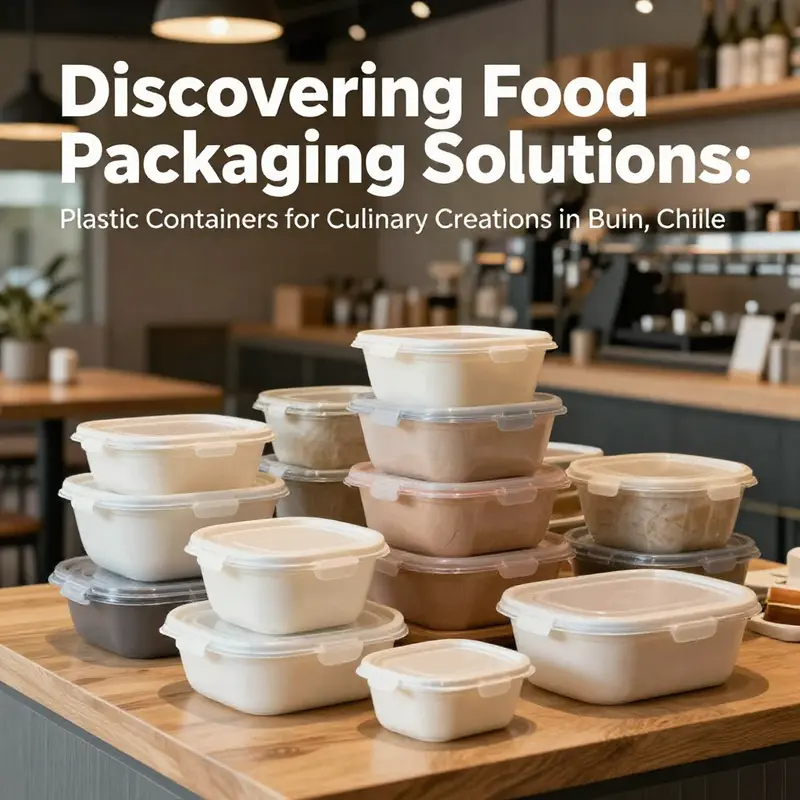
In the dynamic culinary landscape of Buin, Chile, the evolution of food container design is taking on a new and fascinating role that goes beyond simply holding food. As the local market embraces a blend of traditional culinary practices and modern demands for convenience, the push towards sustainable and innovative plastic containers has become increasingly pertinent. This evolution is not merely a response to growing environmental concerns but also an opportunity to redefine how food is preserved, presented, and enjoyed by consumers throughout the region.
Historically, conventional plastics have been favored for their strength, moisture resistance, and reliable performance under various conditions. However, as awareness about chemical leaching and environmental hazards has grown, the spotlight has shifted towards more advanced materials such as Polylactic Acid (PLA) and other bio-based, biodegradable alternatives. In Buin, where culinary traditions are deeply rooted and business operations often hinge on the quality and presentation of food, the need for food-safe and sustainable packaging has spurred a critical reassessment of conventional plastic containers.
The transition towards newer materials and designs is influenced by global trends that champion sustainability while ensuring that the technical functionalities of food containers are not compromised. This balance between environmental consciousness and practical modularity is emerging as a cornerstone in the ongoing evolution of food packaging. Local entrepreneurs and restaurateurs in Buin are increasingly considering the environmental impact of their packaging choices even as they seek to uphold high food safety certification standards—a dual objective that ultimately enhances both the quality of the food and the consumer’s dining experience.
One inspiring example of innovative thinking in the region is seen in projects that repurpose industrial design concepts for everyday applications. While not directly related to food packaging, the Refugio CB project in Buin showcased the potential of using shipping containers in architecture. This project demonstrated how industrial elements can be transformed into creative, functional spaces, and it serves as an inspiration for reimagining food container design. The idea of modular, reusable containers that not only preserve food but can also be repurposed for various functions is gaining traction. This approach potentially opens the door to a future where food packaging in Buin could be both environmentally responsible and multifunctional, contributing to a circular economy where materials are reused and repurposed.
As Buin’s market evolves, so does the consumer’s expectation for packaging that not only feels premium but also contributes to a sustainable future. Today’s customers are more informed and conscious of the environmental footprint left by their purchases. This shift in consumer behavior catalyzes a market trend where businesses look for eco-friendly, durable designs that stand up to the dual tests of practicality and safety. The growing demand for sustainable alternatives makes it essential for local businesses to evaluate and invest in advanced container technologies that incorporate smart packaging solutions.
Smart packaging technologies, which introduce features such as antioxidant and antibacterial properties, are part of a wider global movement towards food safety innovation. These technologies not only extend the shelf life of food but also enhance its sensory quality by ensuring that flavors and textures are maintained. In the context of Buin, where culinary heritage is coupled with modern techniques, these advancements could revolutionize how food preservation is approached. A container that integrates smart technology might detect minute changes in its internal environment, alerting restaurateurs to potential quality issues and thereby reducing food waste.
Moreover, the adaptation of edible packaging made from carbohydrates, proteins, and fats represents another frontier in sustainable design. Although still in its early stages, such innovations hold promise for reducing plastic waste and the overall environmental impact associated with disposable utensils and containers. As researchers and manufacturers globally continue to refine these concepts, Buin’s culinary community could be among the first to adopt packaging solutions that are not only safe for food storage but also contribute to a broader vision of sustainability.
The integration of these modern technologies into food container design is indicative of a much larger shift in the food service industry. In a typical Buin eatery or food delivery service, the choice of container is paramount; it affects the perceived quality of the meal, influences the dining experience, and can even serve as a marketing tool. Many businesses now recognize that food packaging, when done thoughtfully, can elevate their brand image and appeal to a more environmentally aware clientele. This transformation is being driven by a combination of local consumer insights and international influences, with platforms like Alibaba.com enabling businesses in Buin to explore a multitude of customizable, food-grade options. These platforms offer containers that are designed to meet global food safety standards while allowing for the incorporation of design elements that reflect local cultural identity and aesthetic preferences.
At the heart of this shift is a growing appreciation for the connection between a product’s form and function. The design of a food container goes beyond its immediate purpose of holding food; it is also about preserving flavor, ensuring safety, and maintaining the integrity of the culinary creation. Innovations in container design are increasingly focused on achieving these multifaceted goals. For instance, modern containers often feature seals that prevent spillage and chemical migration, a critical attribute given the concerns surrounding chemical leaching when containers are exposed to heat. As a result, businesses in Buin are compelled to prioritize materials and construction methods that guarantee both robustness and health safety.
The journey towards innovation is also intertwined with economic considerations. While sourcing high-quality, sustainable materials might initially seem cost-intensive compared to traditional plastics, the long-term benefits—in terms of reduced waste management expenses, improved food quality, and enhanced brand reputation—are significant. When local businesses in Buin invest in these advanced container designs, they are not only meeting the current regulatory and consumer demands but are also future-proofing their operations against upcoming environmental regulations and market trends. This strategic investment in innovation is essential for competing in an increasingly eco-conscious global market.
Furthermore, the versatility of modern container designs opens up avenues for creative presentation and effective portion control in the culinary sector. Innovative containers can be tailored to suit various types of cuisine—whether it is a delicately prepared dessert or a hearty, steaming bowl of soup. The modular nature of some designs even allows for elements to be rearranged or repurposed, offering both convenience and an enhanced dining experience. By aligning with emerging trends, Buin’s culinary businesses have the opportunity to distinguish themselves in a competitive market. They can leverage these innovations not just to meet regulatory standards but to also craft a distinct culinary narrative that resonates with the community.
In a practical sense, the progression of innovative container technology often begins at the research level and moves into the realms of design and production. Local enterprises are increasingly collaborating with international suppliers to source materials that are both food-safe and environmentally friendly. A clear example of such collaboration is the growing interest in products that emphasize design flexibility and operational efficiency. By integrating feedback from chefs and food safety experts into the design process, manufacturers can produce containers that cater specifically to the needs of the food service industry in Buin. This partnership between local innovators and global suppliers is setting a benchmark for the next generation of food packaging.
The comprehensive customization available through international platforms not only broadens the selection but also enhances reliability and compliance with international standards. Businesses benefit from the ability to order containers that are pre-certified for food contact applications, ensuring that each container adheres to strict quality and safety criteria. This level of assurance is particularly crucial for establishments where consumer trust and food quality are paramount. In this light, the evolution of plastic container design in Buin is not merely about adopting a new material or shape; it is about embracing an entire ecosystem of innovation that spans research, design, and practical application.
While current trends are predominantly driven by a need for improved functionality and sustainability, aesthetic considerations continue to play a critical role. The visual appeal of a food container can influence consumer perceptions and even impact the overall dining experience. Designers are exploring ways to incorporate artistic elements and local cultural motifs into container design, thereby creating products that are as visually engaging as they are practical. The resulting products serve as a medium through which culinary artistry can be both preserved and showcased.
Even the small innovations—such as improved sealing technology or enhanced ergonomic design—are contributing to an increasingly sophisticated infrastructure of food packaging in Buin. They signify a shift in mindset from traditional, utilitarian designs to ones that consider the holistic experience of eating and the environmental ramifications of single-use plastics. As businesses adapt to these changes, the importance of maintaining a dialogue between design, safety, and sustainability becomes ever more apparent. In this respect, local stakeholders in Buin are poised to lead a subtle yet impactful revolution in food packaging within the region.
As this innovative journey unfolds, a critical factor remains the balance between cost, performance, and environmental impact. By carefully selecting materials and incorporating advanced design features, local businesses can create containers that not only meet today’s standards but are also resilient enough to adapt to tomorrow’s challenges. A well-designed container, for instance, may reduce the need for multiple packaging layers and thus reduce overall production costs and waste. It also offers the possibility of creative repurposing, thereby extending its lifecycle and contributing to a more sustainable circular economy.
The role of education and continuous improvement is integral in this context. As business owners, chefs, and packaging designers in Buin become more aware of the benefits of modern, sustainable packaging, they are more inclined to invest in innovations that truly add value. It is this commitment to progress and quality that will ultimately drive the food service industry towards a future where sustainability, safety, and design excellence coexist harmoniously. For those interested in understanding more about the integration of sustainability with functional design, one resource explores the practical aspects of eco-design in food packaging, such as in the discussion offered by a range of innovative packaging technologies. For example, you can explore insights through this detailed review of eco-friendly packaging options with a focus on durability and design by visiting a relevant resource on sustainable packaging here.
In this transformative era, the future of plastic container design for food in Buin is being shaped by a synergy of local exigencies and global technological advancements. While the region might not yet boast a plethora of homegrown innovations in this particular field, the adoption of sustainable practices and smart functionalities is a trend that continues to gain momentum. By actively engaging with these global trends, local businesses are positioning themselves at the forefront of a market that values both efficiency and ecological responsibility. This commitment to innovation is not only fostering a healthier environment but is also paving the way for a new cultural identity in culinary presentation in Buin, where packaging becomes an integral part of the gastronomic narrative.
For further insights on emerging bio-based packaging trends and cutting-edge research into sustainable food container design, consider visiting a comprehensive study on the subject: Enzymes as Innovation for Biobased Packaging at the Food Value Chain.
Final thoughts
The exploration of plastic food containers in Buin, Chile, reveals a rich tapestry of opportunities and challenges for businesses across the culinary spectrum. From sourcing reliable and environmentally friendly options to understanding regulatory landscapes and market demands, stakeholders can optimize their approach to food packaging that meets both customer needs and sustainability goals. By investing in innovative designs and aligning with consumer preferences, establishments can significantly enhance their service offerings. Ultimately, adopting thoughtful packaging solutions will not only streamline operations but also contribute to the thriving food culture in Buin.