
Effective food storage is crucial in the culinary world, especially for beverage businesses like bubble tea shops, restaurants, and catering services. While plastic containers have long been the go-to for food storage, growing evidence suggests they may pose significant health risks when used improperly. This article explores the various risks associated with plastic containers, including chemical leaching and health concerns. We will then delve into safer and more sustainable alternatives for food storage. Lastly, we’ll discuss best practices to ensure your food storage methods promote safety and quality, providing you with the insights to make informed decisions for your business.
Beyond Convenience: The Hidden Dangers of Plastic Food Storage and Safer Alternatives
Plastic containers dominate modern kitchens because they are light, cheap, and versatile. They promise a simple solution for storing every crumb and preserving flavor overnight. Yet convenience is not the same as safety, and the everyday habit of turning leftovers into cold storage can expose us to risks that are easy to overlook. The central question for readers of this chapter is not whether plastic is convenient, but under what conditions it becomes wise to rely on it for food. The evidence reviewed here shows that plastic storage is safest in narrow, specific contexts, and more risky when foods are hot, fatty, acidic, or stored for longer periods. Framing plastic as a universal good for storing food sets up a contradiction between ease and health that is worth unpacking in detail.
Chemical migration sits at the heart of many concerns. When hot foods touch plastic, the heat can accelerate structural changes in the polymer, altering its barrier properties and allowing additives to migrate. Bisphenol A, phthalates, and related compounds have long been the focus of scrutiny because they behave as endocrine disruptors. They mimic hormones at very low concentrations and have been linked, in animal models and emerging human data, to changes in metabolism, reproductive development, and inflammatory processes. Even if a product is labeled BPA free, the overall chemical kit of the plastic can still shed substances when heated. The risk is not limited to a single plastic family; different polymers respond differently to heat, UV exposure, and contact with moisture, meaning some containers are more forgiving than others, but none are completely risk free under all conditions. The takeaway is cautious use: heat accelerates leaching, and longer contact times compound exposure. Temperature thresholds vary, and some polymers begin to soften or break down at modest heat, magnifying exposure during reheating.
Microplastics add a subtler, but increasingly worrisome, layer to the story. Over time, plastics break down into tiny fragments and fibers that can migrate into foods. Once ingested, microplastics have been detected in human blood, various organs, and even breast milk in some studies, raising concerns about chronic inflammation, immune responses, and impacts on digestion. Animal research shows that exposure to microplastics can alter gut microbiota and exacerbate tissue inflammation, although translating those findings to humans requires careful interpretation. The presence of microplastics in the kitchen environment means that even ordinary storage practices, such as soaking or heating plastic containers, can contribute to exposure. The cumulative effect of small exposures from daily life is a compelling reason to minimize unnecessary contact between food and plastic when possible. In addition, a growing portion of the research emphasizes how microplastics travel through water and air to reach household surfaces and food contact zones, creating multiple routes of potential ingestion.
Some foods deserve special attention because their chemical or physical properties amplify the risks. Hot liquids, such as tea or soup, poured directly into plastic will often experience faster wall degradation, which increases the chance of chemical migration. Fatty and oily foods interact with plastics in ways that speed up the breakdown of the polymer matrix and promote the transfer of chemicals. Acids, including tomato products and vinegars, can react with certain plastics, accelerating deterioration and leaving unpleasant flavors or odors behind. Even in dominated foods that people assume are inert, such as eggs or dairy, there are practical concerns: the sealed microenvironment can support unwanted microbial growth if the container is damaged or not cleaned properly, and plastics can absorb smells or slightly alter the taste of dairy fats and proteins. The combined effect is that some day-to-day storage choices transform from innocuous to questionable when the food’s chemistry and the container’s chemistry collide. It is common to see dairy products stored in plastic with lids that trap moisture, which can encourage spoilage sooner than expected.
Durability and wear compound these issues. Plastic can degrade with repeated microwaving, dishwasher cycles, or long storage times. Scratches, cloudiness, warping, or brittle lids are more than cosmetic flaws; they signal a change in the container’s surface chemistry and structural integrity. Damaged containers are more likely to leach and harbor residues, and older plastics may have already shed some of their protective properties. Food safety authorities commonly advise replacing aging containers and avoiding storage in containers that show wear, especially for items that are sensitive to contamination, such as dairy, eggs, or leftovers that sit in the fridge for days. The U.S. Food and Drug Administration recommends replacing plastic containers every 3–5 years, or sooner if signs of wear appear. The practical implication is simple: invest in newer storage options when you see cracking or staining, and prioritize containers whose surfaces remain smooth and clear of scratches.
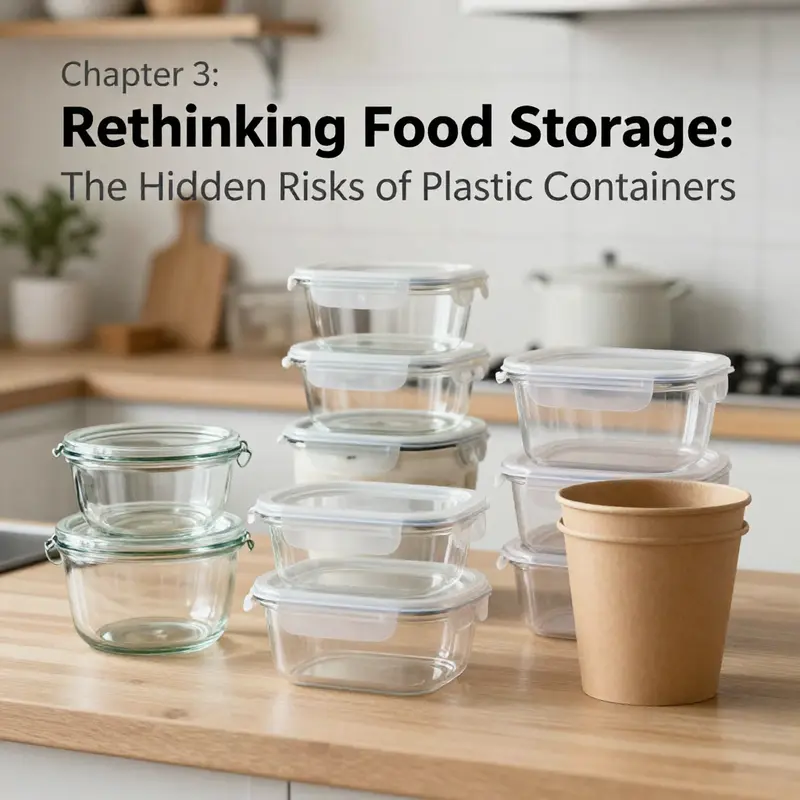
Safer alternatives are not merely a theoretical preference; they match real kitchen needs and are practical for everyday use. Glass is valued for its chemical inertness, ease of cleaning, and resilience to reheating. It can hold hot foods without releasing additives, and it does not degrade under typical household conditions. Ceramic containers provide similar stability with added insulative benefits for temperature retention, which matters for dairy items and soups that require careful handling. Aluminum trays or tins, when used correctly, offer reliable heat distribution and a neutral interaction with many foods, though they must be selected with caution for acidic or salty dishes. For dry or ambient items, breathable options can help maintain texture; paper bags or cloth bags used for bread or potatoes allow proper air exchange and reduce moisture buildup, mitigating mold and soggy textures that plastics sometimes encourage. The shift toward glass, ceramic, or metal storage emphasizes safety without sacrificing function, particularly for people who consistently reheat meals or keep leftovers for more than a day. When integrated thoughtfully, these materials enable a storage system that respects flavor, texture, and nutrient integrity, while minimizing chemical exposure and waste. In practice, many households combine these approaches, using glass for most fridge storage and paper or cloth for bread and bulk produce, creating a balanced approach to safety and convenience.
Beyond substitution, there are operational practices that reduce risk in kitchens that still rely on plastic for certain tasks. Do not store or reheat hot foods in non glass containers when possible, and avoid stacking or sealing containers with tight lids that trap steam against the plastic surface. If plastic must be used, prefer containers that are explicitly labeled microwave safe and limit the heating duration. Never reuse single use containers for extended periods, and inspect lids, seals, and walls for signs of wear before reinserting food. Clean containers thoroughly and air dry to prevent residual moisture from becoming a growth medium for microbes. These practices, while seemingly small, contribute to a larger strategy of minimizing exposure to harmful chemicals and microplastics, especially for households with children, pregnant individuals, or people with autoimmune concerns. The overarching message is this: adjust usage patterns to keep heat exposure brief, moisture controlled, and storage duration short whenever plastic is involved.
Taken together, the chapter argues that the assumption plastic containers are inherently good for storing food is incomplete at best and unsafe at worst in many common scenarios. The most reliable form of storage involves choosing materials with inert chemistry, such as glass or certain ceramics, pairing them with sensible handling practices that reduce heat exposure and moisture buildup. The chapter also emphasizes that safe storage is not a one size fits all proposition; it depends on the food, the storage duration, and the cooking or reheating methods used. The broader narrative invites readers to reexamine their kitchen routines and to experiment with safer configurations that do not compromise flavor, texture, or nutritional value while diminishing potential health risks. The next chapter will explore practical guidelines for integrating these safer containers into meal planning, shopping choices, and routine cooking, with an emphasis on reducing waste and simplifying daily life. In the meantime, refer to the external resource from regulatory authorities to understand the scope of official guidance and to inform personal decisions about how best to store food. External resource: https://www.fda.gov/food/food-contact-materials-ingredients/food-contact-materials-and-chemicals-questions-and-answers
Plastic Storage and Health: What You Really Need to Know
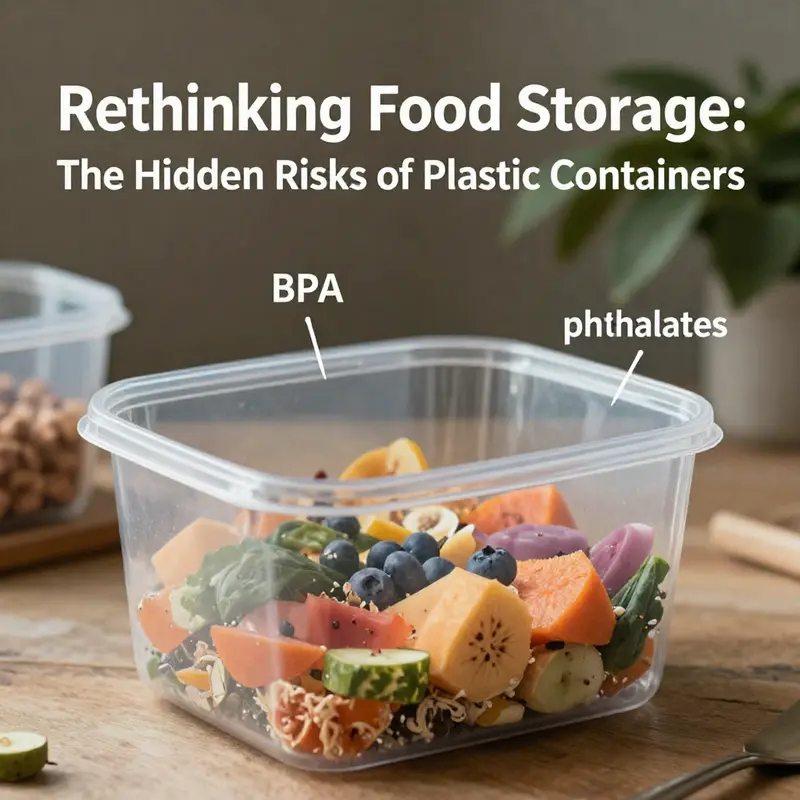
A concise exploration of how plastic storage interacts with heat, fats, and acidity. Heat increases chemical migration from plastics into food, especially with fatty or acidic items. Common concerns include BPA, BPS, and certain phthalates, though the science emphasizes context: the type of plastic, the temperature, and the food pose a combined risk. Practical guidance focuses on reducing exposure: prefer glass or ceramic for heating, check that plastic containers are clearly labeled for microwave use, and avoid reusing single-use containers. For many households, a simple strategy is to use non-plastic options for hot foods and long-term storage while keeping plastic limited to non-heat tasks. The overarching goal is to balance convenience with safety and to make small, repeatable choices that collectively reduce risk over time.
null
null
Chapter 4: Choosing Safe Storage Vessels—A Practical Path Through Materials and Habits
Choosing the right vessel for food storage is less about a single universal rule and more about balancing safety, practicality, and everyday convenience. The chapter that follows threads through the practical realities of keeping food fresh, safe, and flavorful, emphasizing how material choice and routine practice shape outcomes far more than any single trend or promise. The conversation begins with a straightforward premise: not all containers are created equal, and the conditions under which they are used dramatically affect the safety and quality of the food they cradle. For most households, the goal is not only to keep food from spoiling but to prevent any unintended transfer of substances, tastes, or odors from one meal to the next. In this sense, the question isn’t simply whether plastic can store food, but under what conditions it is wise to rely on plastic, and when other materials offer a clearer path to lasting quality and nutritional integrity. The argument here aligns with a broader caution: material choice matters, and good storage is a practice built from deliberate decisions as much as from favorable properties of a given substance.
Among the materials that repeatedly prove their value in safe food storage, silicone stands out for versatility and reliability. Food-grade silicone has earned respect for its ability to withstand a wide range of temperatures without undergoing significant structural change or releasing harmful substances. It can go from a cold fridge to a hot oven, and in many cases it handles sous-vide cooking or long-time simmering with a degree of resilience that plastic cannot always guarantee. The important caveat is not to assume all silicone is automatically safe. The safe path is to confirm that the silicone is explicitly labeled as food-grade and that it complies with relevant safety standards set by authorities in the jurisdiction where it will be used. When these conditions are met, silicone offers a practical combination of flexibility, durability, and inert behavior that reduces the likelihood of flavor carryover or odor absorption compared with porous or reactive materials. In short, silicone can bridge the gap between the convenience of reusable containers and the stringent demands of safe storage, provided the user remains vigilant about labeling and usage guidelines.
Beyond silicone, the discussion naturally extends to glass, which many households favor for its inert, non-reactive character. Glass does not wick flavors or odors into its surface the way some plastics can, and it tends to resist staining and warping under normal kitchen use. Reheating in a glass container is common in many kitchens, and the material’s stability helps preserve the taste and texture of foods that are sensitive to chemical interactions. Yet glass is not a perfect solution for every scenario. Its weight and fragility mean it requires handling with care, especially in households with children or limited storage space. In high-use environments, such as busy households or camping trips, the practicality of glass must be weighed against the occasional risk of breakage and the need for adapters or protective wraps to prevent damage when moving containers. The upshot is simple: when used thoughtfully, glass offers a relatively clean slate for food storage, especially for items prone to color transfer, odor retention, or chemical leaching under heat. It is a sturdy ally for long-term storage of many foods when kept in good condition and used within its safe temperature range.
Ceramics occupy a middle ground in the conversation about safe storage, prized for heft and a sense of permanence, but potentially carrying hidden hazards if care is not taken. The practical appeal of ceramic containers often lies in their sturdy feel and their ability to maintain temperature stability for periods that would cause rapid cooling or heating in other materials. However, the safety calculus around ceramic hinges heavily on the glazing used in the piece. Older or lower-quality glazes may contain trace amounts of lead or cadmium, substances that can leach into acidic foods or during heating. The risk is not merely theoretical; it is practical enough to motivate a cautious approach whenever ceramic storage is considered. The safe path is to seek ceramics labeled as lead-free and certified for food contact, and to pay particular attention to the compatibility of the glaze with the intended use. Even with glazed ceramics, the risk is modulated by temperature, acidity, and duration of contact. When those factors align unfavorably, the perceived solidity of ceramic can belie hidden vulnerabilities in how well the container protects the food it holds.
Against this backdrop, plastics present a more complex picture. The simplicity of plastics—lightweight, inexpensive, and versatile—has long made them a staple in many kitchens and storerooms. Yet the conversation is not one of absolutes; it is a careful appraisal of when plastics may be appropriate and when they demand heightened scrutiny. The central concern with many plastic containers is their propensity to interact with foods under certain conditions. Heat, especially, has a way of accelerating chemical processes inside plastics. When hot foods or reheating in plastic occurs, there is a nontrivial risk that the material may degrade and release substances, including microplastics or additives, into the food. The risk profile becomes even more pronounced with acidic or oily foods, which can accelerate leaching and capture odors or flavors that compromise both safety and enjoyment. The practical implication is clear: if plastic containers are used for storage, it is essential to observe strict guidelines about temperature and food type. The label may say microwave-safe or dishwasher-safe, but those assurances are conditional and should be understood within the framework of the food’s acidity, fat content, and the duration of exposure. In many cases, the safest course is to minimize the use of plastic for hot or highly reactive foods and to reserve plastic for tasks where its physical properties—lightweight, flexible, and affordable—offer real advantages without compromising safety.
A cohesive approach to safe storage emerges when we integrate these material realities with a set of well-practiced habits. First, always use containers designed specifically for food storage, and avoid damaged or cracked vessels, which can harbor bacteria and foster contamination even with thorough cleaning. Second, never microwave or expose plastic containers to high heat unless the container is explicitly labeled as microwave-safe for the specific use case. If in doubt, transfer hot foods to a different vessel—glass or silicone, for example—and reheat in that material. Third, when storing acidic foods such as tomato sauces or citrus-based products, the choice of container matters more than typical cold-storage decisions. Glass or approved ceramic is generally preferable to metal or unglazed clay in these contexts, because these materials minimize chemical interactions that could affect flavor, safety, or color. Fourth, the process of cleaning matters as much as the container’s material. After each use, a thorough rinse with mild detergent and warm water followed by air-drying reduces the risk of residual residues that could harbor bacteria and create cross-contamination. Abrasive scrubbers should be avoided as they can scratch surfaces and create micro-abrasions where bacteria can hide, especially on plastic surfaces that have already endured countless cycles of use and washing.
A practical trajectory follows from these principles. For cold or room-temperature storage, many households discover that paper-based options can play a useful role, particularly for arrangements that require airflow or short-term storage of dry goods or bread. Paper bowls with lids, for instance, provide a convenient, low-cost, and often recyclable alternative for certain storage needs. They are not a universal solution for long-term storage of liquids or high-moisture foods, but they can be an appropriate choice for events, picnics, or day-to-day packing that does not demand a heavy barrier against moisture or heat. In these contexts, the choice of container becomes as much about the ecosystem around the food as about the food itself—the packaging that travels with the meal, the ease of disposal or reuse, and the environmental considerations that people weigh alongside safety. For readers exploring these pathways, a practical example can be found in the widely used family of paper bowls with lids, which can accommodate a range of cold or tepid foods and offer a compact solution for on-the-go meals. See, for instance, a representative option that demonstrates how paper-based designs can pair open accessibility with lid-enabled containment, demonstrating that safe storage can also be simple and adaptable without demanding elaborate equipment.
The broader point is that safe food storage in containers is a matter of material properties, temperature management, and mindful use. The materials that support safe storage—glass for inert, long-term holding; silicone for high-temperature versatility; ceramic with lead-free glaze for stable temperature and aesthetic appeal—each have their niches. Plastic, when used under strictly observed boundaries, may still have a role in certain contexts, but it should not be presumed to be universally safe for all foods and all conditions. The safest practice is to tailor the choice of container to the specific food profile, the expected storage duration, and the heating or reheating plans, while staying mindful of the risk factors that accompany each material. In practice, this means selecting containers that align with the food’s acidity, moisture content, and heat exposure and replacing worn or damaged vessels promptly to avoid the gradual decline in barrier performance that can accompany repeated use and cleaning.
In sum, the pathway to safer storage is not a single product or a blanket rule. It is a thoughtful synthesis of material science, regulatory guidance, and everyday kitchen wisdom. The aim is to keep foods from spoiling, protect nutrients from unnecessary loss, and maintain the flavor and texture that make meals enjoyable. This is achieved by recognizing when plastics are suitable and when alternative materials offer clearer advantages, and by adopting a disciplined set of everyday practices that minimize risk while maximizing convenience. To a reader skimming for a quick takeaway, the message is simple: the safest, most reliable storage tends to come from materials that are inert, stable, and appropriate for the intended use, handled with care and cleaned with consistent, gentle routines. A well-chosen container, used correctly, protects your food, supports your health, and helps maintain the integrity of your meals from pantry to plate. For further reading on the regulatory context shaping these recommendations, see the FDA guidelines on food contact materials, which provide the official framework that underpins the safety standards discussed here. For practical examples of paper-based containment options that align with these principles, explore the kraft paper bowl with a lid as a flexible, recyclable option suitable for appropriate use cases.
External resource: FDA Guidelines on Food Contact Materials. https://www.fda.gov/food/food-contact-materials
Final thoughts
In summary, while plastic containers are widely used in food storage, their potential risks cannot be ignored. As businesses strive for excellence in service and safety, transitioning to safer alternatives is paramount. By understanding the risks associated with plastic and adopting safer storage solutions, you can enhance both food safety and customer satisfaction. Consider implementing the best practices discussed to ensure your operations align with health standards while offering high-quality products. Your commitment to safety can set your business apart in the competitive food service industry.