
In the culinary world, the integrity of flavors is paramount, especially for establishments like bubble tea shops, restaurants, and catering services that strive to deliver impeccable taste experiences. However, many operators encounter a perplexing issue: food that disappointingly tastes like Ziploc plastic containers. This taste can arise from various factors, including container aging, temperature effects, and storage practices. Understanding these elements is essential for industry professionals aiming to enhance food quality and customer satisfaction. This article explores the reasons behind this phenomenon across four chapters, offering actionable insights to prevent undesirable plastic flavors in foods and beverages, ensuring that your offerings are nothing short of exceptional.
When Food Tastes Like Plastic: How Aging and Degradation Change Flavor and Safety
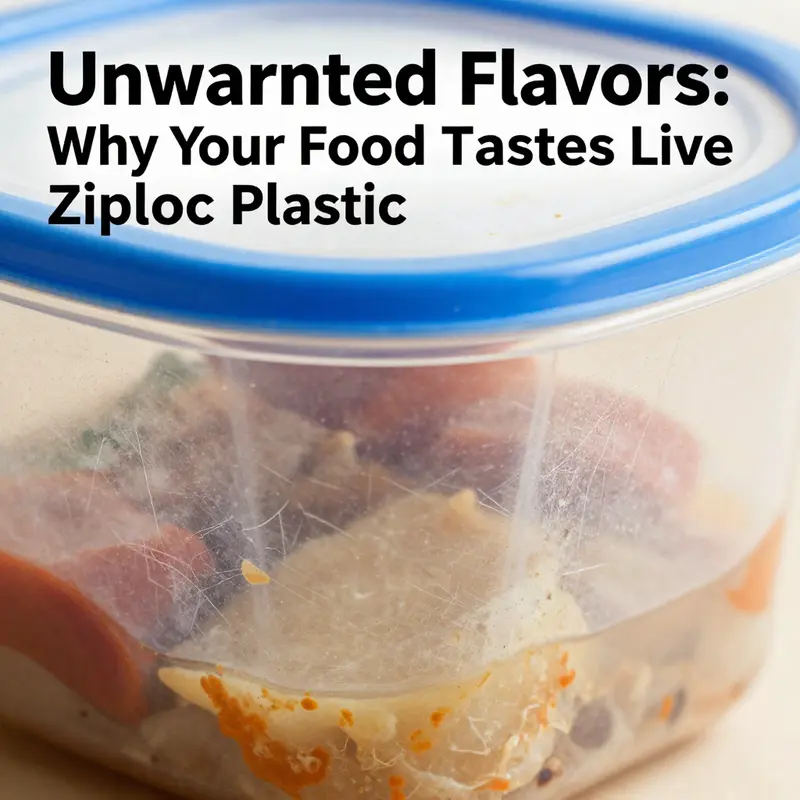
Why aging plastic makes food taste plastic
A faint chemical tang, a waxy aftertaste, or a clear reminder of the container instead of the meal—these are common ways people describe food that carries a plastic flavor. This reaction is not imaginary. Over time, the materials used to make food storage plastics break down in ways that change both a container’s scent and the foods it holds. Understanding why food can taste like plastic requires looking at the plastic itself, how we use it, and what happens when chemical compounds migrate into food.
Plastics used in food storage are complex mixes of polymers and additives. Polymers form the structural backbone. Additives provide flexibility, color, and stability. Some additives are intentionally mobile: they make plastic softer or resist cracking. Others are meant to stay put. Aging alters that balance. When containers get scratched, exposed to heat, or used repeatedly, their physical and chemical integrity erodes. Small amounts of additives and degraded polymer fragments can move from the container into food. That transfer produces off-flavors and odors. In many cases the taste is described simply as “plastic,” a catchall for chemical and waxy notes foreign to natural food flavors.
Heat is a major accelerant of these changes. Thermal stress loosens molecular bonds in the polymer matrix. Repeated cycles of heating and cooling create micro-fractures. These micro-fractures increase the surface area and the pathways for small molecules to escape. Even containers labeled safe for microwave use or dishwasher cleaning are not immune. High temperatures make migration much more likely. When warm or hot foods are placed in such containers, volatile compounds can vaporize or diffuse into the food and release a detectable taste. Similarly, placing a hot container in a cold environment, or freezing foods and then thawing them inside the plastic, can produce stresses that promote migration.
Long-term storage, especially with certain types of food, also heightens the problem. Acidic foods such as tomato-based sauces and citrus marinades can chemically interact with plastic surfaces. Oils and fatty foods act as solvents for many plastic additives, drawing them out of the container over time. Even when migration rates are low, months of contact will amplify the transfer. A sauce stored for weeks can taste different after a few days in a plastic tub, and worse after a month. This slow leaching explains why some preserved or long-stored foods taste of the packaging rather than the food.
Mechanical wear plays its part as well. Fine scratches and abrasions in the interior surface create traps for food residues and provide channels for deeper migration. Each time a container is used, washed, or carried, microscopic damage accumulates. Over months or years, that degradation becomes noticeable. Discoloration and cloudiness often accompany the physical wear. These visible signs are useful cues: when a container looks old, it is likely to be more chemically active.
A related phenomenon is the adsorption and desorption of odors. Many plastics are at least mildly porous on a microscopic level. They can absorb volatile compounds from strong-smelling foods like garlic, curry, or smoked fish. Even after washing, those trapped volatiles can slowly release and mingle with new food. This is less about structural breakdown and more about residual scent transfer. The result can be a faint but persistent flavor that undermines fresh dishes.
The materials science behind this transfer also matters. Some widely used additives can behave as endocrine disruptors or irritants at high doses, though the amounts migrating into food from household containers are usually low. Still, studies have shown that heating and prolonged exposure can raise levels of migration to measurable amounts. When microplastic fragments are shed from degraded surfaces, they can carry adsorbed chemicals into food. While health risk assessments vary by compound and exposure, many experts recommend reducing unnecessary exposure, especially for foods consumed frequently or by vulnerable groups.
Identifying the cause of a plastic taste in food often starts with observation and simple tests. Warm a small amount of the suspect food in a non-plastic dish and compare tastes. If the off-flavor is gone, the container was likely the source. Smell empty containers for lingering odors. Look for cloudiness, discoloration, or surface scratches. Note the type of food and storage time: acidic and fatty foods, or long refrigeration intervals, increase the odds. Replacing damaged or highly used containers often fixes the problem. If new containers produce the taste immediately, manufacturing or batch issues may be involved.
Practical steps reduce both flavor transfer and potential health risks. First, avoid placing very hot food directly into plastic containers. Let food cool to room temperature before storing, or transfer heated items to glass or stainless steel. Do not use plastic containers for reheating unless the container is explicitly intended for that purpose and still in good condition. Avoid long-term storage of acidic or oily foods in plastic; opt instead for inert alternatives. When washing, use gentle scouring tools to avoid creating scratches, and dry containers thoroughly. Replace containers that show any signs of damage, clouding, or persistent odor.
For those seeking single-use or disposable options that avoid plastic flavor concerns, certain paper-based bowl and box designs now include food-safe linings. These offer a short-term solution for takeout and delivery without the risk of long-term migration. A good example is the disposable kraft paper bowl for food package with lid, which can be useful for hot or acidic dishes that you plan to consume immediately. Such choices limit exposure to plastic-derived tastes when convenience is the priority.
When lifelong storage or repeated reheating is needed, glass and stainless steel stand out. Both materials resist chemical migration, do not absorb odors the way plastic can, and tolerate a wide range of temperatures. Their inert nature preserves food flavor over the long term. Ceramic and enameled cookware provide similar stability, though they can chip if mishandled. Ceramic glazes should be intact to prevent tiny particles from influencing food. For on-the-go beverages and meals, insulated stainless steel containers keep temperatures stable and protect flavor.
Regulatory bodies have long set migration limits for food-contact materials. These limits are intended to keep exposure below levels considered dangerous to health. Yet those rules assume typical use patterns. When containers are misused—subjected to high heat, abrasive wear, or prolonged storage—the real-world migration can exceed those assumptions. Scientific reviews have found that some food-contact plastics release volatile compounds when heated. The compounds vary by plastic type and additives, and not all releases produce an obvious taste, but many do. For readers who want to explore the research that documents migration under everyday conditions, the Consumer Reports summary provides useful findings and context: https://www.consumerreports.org/plastic-food-containers-health-risks/.
Awareness and small habit changes go a long way. Use plastic for short-term, cool storage when appropriate. Reserve glass and metal for heating and long-term preservation. Replace worn containers and avoid storing foods that interact aggressively with plastics. If a faint plastic note appears in food, treat it as a sign: the container has likely reached the end of its best use. Choosing alternatives not only restores flavor, but also reduces unnecessary exposure to chemical migration and microplastic shedding.
A final note about perception: sometimes the expectation of plastic taste heightens sensitivity. Our senses are attuned to anomalies. A single plastic-like sniff can trigger a strong dislike. Still, when the taste is consistent and reproducible across containers, lab studies and material science back up the experience. The taste points to real material interactions. Addressing these interactions preserves meals as they should taste, and keeps food storage simple, safe, and pleasant.
When Food Tastes Like the Container: How Heat Changes Flavor and Releases Plastic Notes
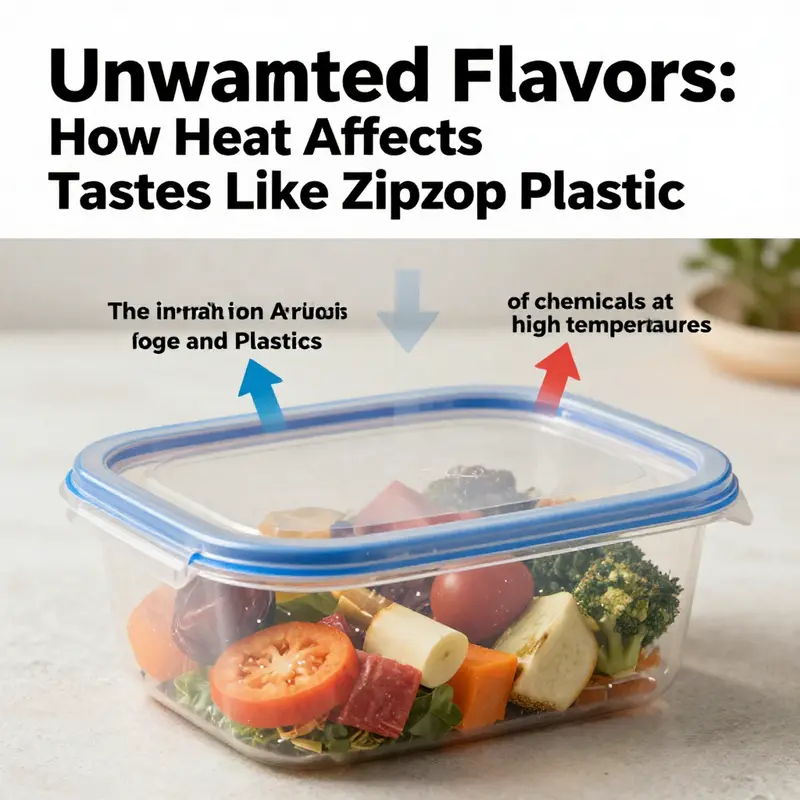
Heat, flavor perception, and plastic migration converge when warm food takes on a container-like taste. Temperature reshapes what we sense, and it also changes how materials behave. Heat can make a soup smell and taste more vivid. It can also encourage chemicals and volatile compounds from plastic to move into food. The result is a confusing mix of sensory shifts and material interactions that leave food tasting faintly of plastic.
At the sensory level, temperature works on three fronts. It alters the volatility of aroma compounds, it affects how taste molecules dissolve and reach receptors, and it changes receptor sensitivity. Warmth increases the evaporation rate of many aroma molecules. That means hot food usually smells stronger and more complex. Because much of what we call flavor comes through smell, heat makes flavors seem more intense and layered. A warm broth or roasted vegetable therefore releases more aromatics than the same dish served cold.
Temperature also shifts the balance of basic tastes. Sweetness tends to peak around human body temperature, about 37°C. Foods near that warmth often register as sweeter than they actually are. Saltiness behaves differently: it is stronger at cooler temperatures, around 15°C, and diminishes as food warms. Above roughly 42°C, perceived saltiness can drop noticeably. Bitterness usually declines with rising temperature, while sourness stays relatively steady across a broad range. These differences are not arbitrary. They come from the way taste receptors and molecules move and interact under different thermal conditions.
Texture and mouthfeel change too. Warm fats melt and coat the tongue, creating a richer mouthfeel. Cold fats stay firmer and give a different structure. A sauce that coats the palate when warm may feel thin when chilled. Those textural changes feed back into flavor perception. A creaminess that enhances sweetness at 37°C may be absent at lower temperatures. This interaction helps explain why hot food sometimes seems both more aromatic and more balanced than its chilled counterpart.
While these sensory effects explain many normal differences in taste with temperature, another pathway creates an unwanted plastic note. Heat accelerates chemical migration from containers into food. Plastics are made of long polymer chains plus additives. Some additives keep plastics flexible, stabilize color, or prevent degradation. Under heat, these molecules can become mobile. They may vaporize slightly or diffuse into surrounding food, especially oils and acids that dissolve such compounds more readily. Even containers labeled heat-safe can release trace volatile organic compounds when exposed to high temperatures.
The physical state of a container matters. Scratches, discoloration, and cracks increase surface area and expose more polymer chains. These defects can trap food particles and harbor residues that change how a container reacts to heat. Repeated heating cycles weaken polymer bonds and can break down stabilizers. Over time, a previously inert container may begin to impart a faint chemical or plastic aroma to stored or reheated food.
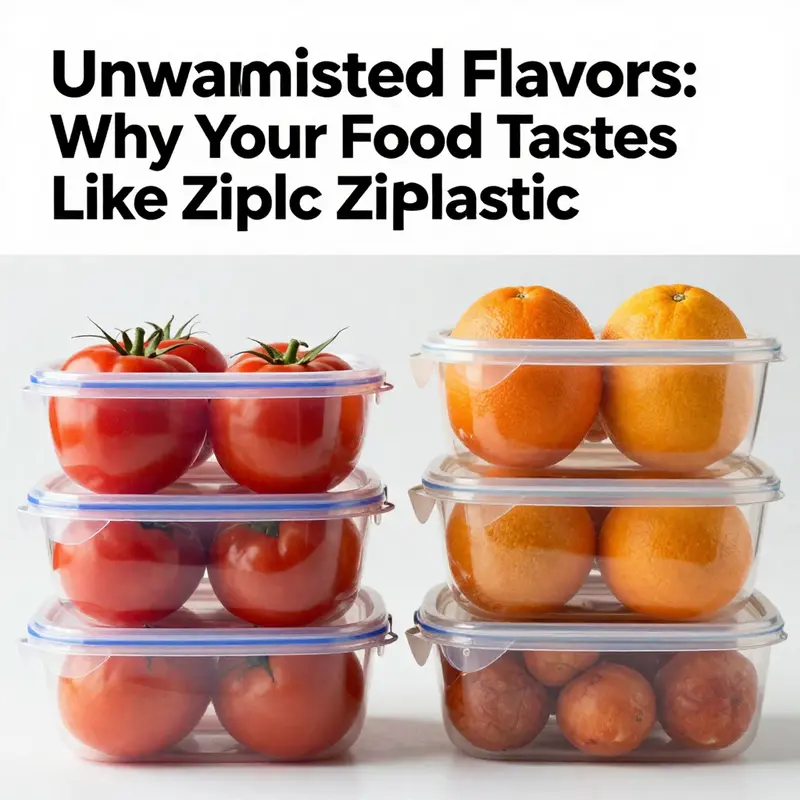
Food type is a second key factor. Acidic foods, such as tomato-based sauces, and fatty foods both increase the risk of chemical transfer. Acid can catalyze certain degradation processes, while oil acts as a solvent for lipophilic additives. Long-term storage of acidic or oily foods in plastic containers accelerates interaction. A salad dressing or a tomato stew left in plastic for days will likely pick up more product-related notes than a short-term, cool-stored meal.
Temperature extremes amplify these risks. Placing boiling liquids into plastic, microwaving food in thin or non–heat-rated containers, or leaving hot food in plastic to cool slowly sets up conditions for migration. Even when a container claims oven or microwave suitability, the combination of high temperature and prolonged contact increases the likelihood of off-notes. For example, thawing a hot stew in a plastic box can quickly transfer volatile molecules into the food’s aroma profile. The same stew cooled in glass will remain cleaner in flavor.
Sensible choices reduce the chance of container-related taste changes. Prefer containers rated for high temperatures when reheating. Avoid placing boiling liquids into typical storage tubs. Do not use thin foam or polystyrene for hot foods. When heating, transfer food to a heat-safe dish first. For dishes heavy in oil or acid, choose glass, ceramic, or stainless steel for both storage and reheating. These materials resist chemical migration and do not carry their own volatile residues into food.
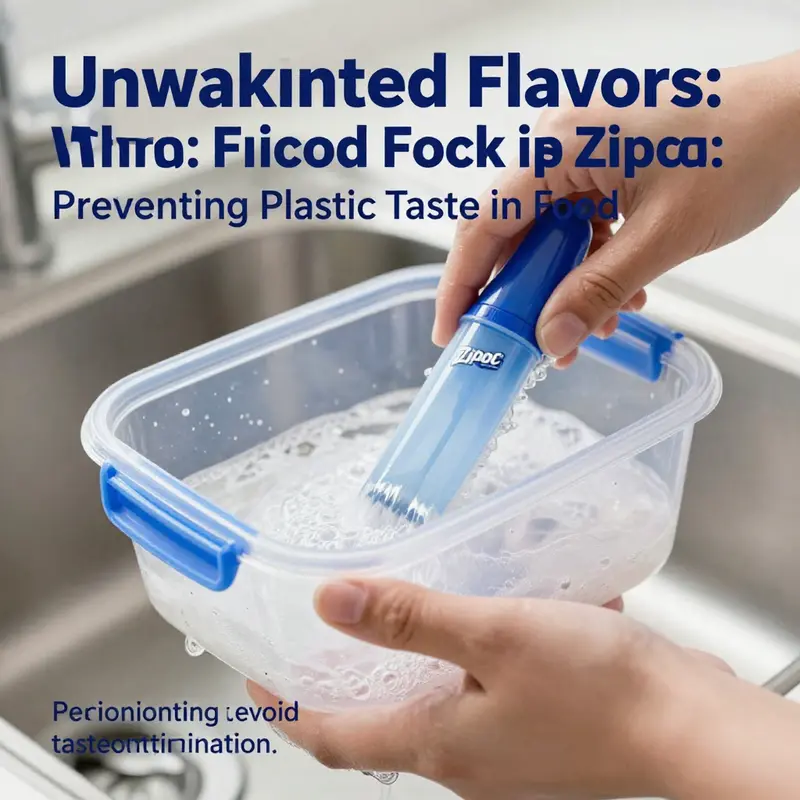
Cleaning practices also matter. Residual odors from prior strong-smelling foods can cling to plastic microstructures and reappear when the container warms. Thorough washing removes most residues, but old containers with scratches can retain molecules in surface crevices. Airing containers in sunlight or leaving them open to dry reduces trapped odors. When smell persists despite cleaning, retirement is the best option.
Understanding material types helps too. Some food-safe plastics tolerate heat better than others. High-density polyethylene and polypropylene generally show better heat stability than thin polystyrene or some PETs. Still, no plastic is entirely immune to thermal effects. Avoid repeated cycles of heating and cooling in plastic. If you need disposable options for hot takeout, consider single-use, heat-rated paper bowls that resist grease. They offer a neutral sensory profile compared with many plastics and can be easier on flavor when the dish is hot. For an example, consider a disposable kraft paper bowl with lid suitable for hot foods.
Beyond single incidents, manufacturing variations exist. Even products from the same family can use different batches of raw materials. Those batch differences can subtly change odor when warmed. That is why two ostensibly identical containers may not behave the same under heat. If you detect an unusual plastic note from a recently purchased container, test it with plain hot water. If the scent transfers, stop using that piece for food.
From a practical standpoint, the interplay of temperature and material behavior leads to clear rules of thumb. First, never heat food in containers that are not explicitly heat-stable. Second, avoid storing acidic or oily foods long-term in plastic. Third, replace scratched or discolored containers. Fourth, prefer glass or stainless steel for reheating and extended storage. Fifth, when a neutral disposable container is needed for hot food, choose a grease-resistant paper bowl rather than thin plastic.
Some home cooks worry about trace chemical exposure. While many plastics meet regulatory safety standards for food contact, these standards do not guarantee zero migration at every temperature. Regulatory testing often uses defined conditions. Real-world cooking can exceed those conditions. For peace of mind, select materials with wider thermal safety margins for hot applications.
Finally, consider sensory troubleshooting as a simple experiment. If a warm dish carries an odd plastic note, follow a quick checklist. Is the food freshly heated? Was it stored in the container while hot? Is the container scratched or discolored? Was the dish particularly acidic or oily? Testing the food in a different dish can localize the issue. If the plastic note disappears when the same food is placed in glass, the container is the likely culprit.
Temperature shapes both flavor and material behavior. It boosts aroma release and changes taste perception. It also speeds chemical movement within plastics. The combination can turn a pleasant hot meal into one with a faint container-like aftertaste. Minimizing direct contact between hot food and susceptible plastics preserves the intended flavor of the dish. Choosing stable materials, avoiding prolonged storage of acids and fats in plastic, and replacing compromised containers will keep your food tasting like food, not like its storage.
Science behind these interactions is well established. Temperature effects on flavor compounds and receptor sensitivity explain many perceptual shifts. Materials science explains how heat mobilizes additives and degradation products. For further detail on how temperature influences flavor perception and volatile release, consult this review: https://www.sciencedirect.com/science/article/pii/S095671352200245X
null
null
null
null
Final thoughts
Preventing food from tasting like Ziploc plastic is a multifaceted challenge involving proper storage practices, suitable container materials, and maintenance strategies. By understanding the aging process of plastics, recognizing the effects of temperature, managing food acidity, and implementing effective cleaning protocols, food service operators can significantly enhance their culinary offerings. With these insights, establishments can ensure that their dishes deliver flavors as intended—without the unwelcome presence of plastic.