
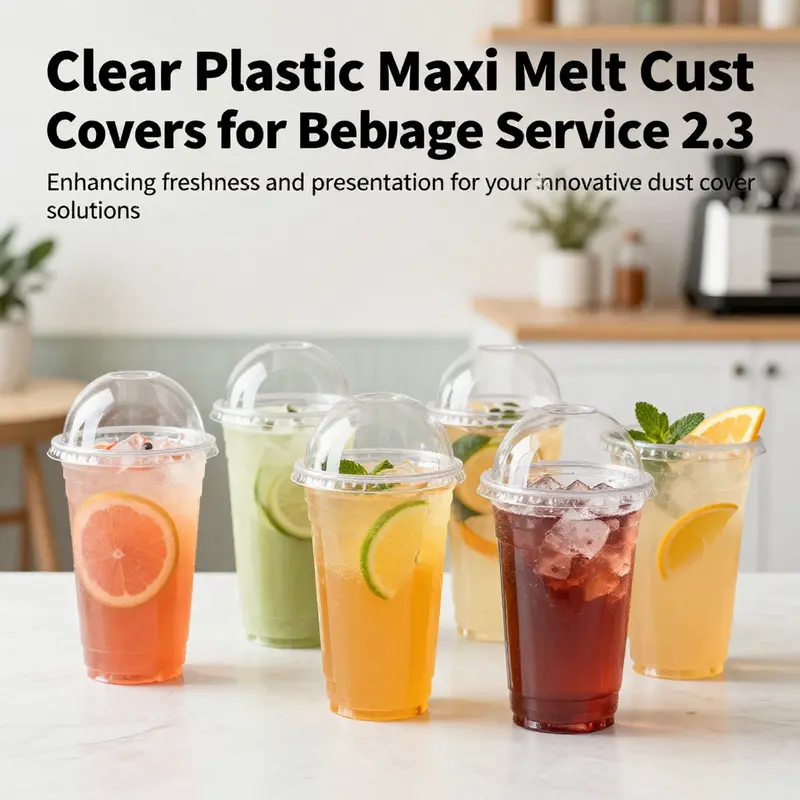
The fast-paced hospitality sector requires innovative packaging solutions that not only protect products but also enhance service presentation. Among these essential tools, the clear plastic maxi melt cup dust cover stands out. Designed primarily for beverage shops, restaurants, and catering services, this innovative cover not only shields drinks from dust and contaminants but also preserves their freshness, ensuring customer satisfaction. Each successive chapter will delve into specific aspects of this product, including its material specifications, functional applications in various food and beverage contexts, compliance with industry standards, and current market trends, helping businesses recognize the advantages of adopting this crucial accessory.
Chapter 1: Clarity and Shield — A Deep Dive Into the Clear Plastic Dust Cover for Maxi Melt Cups (2.3)
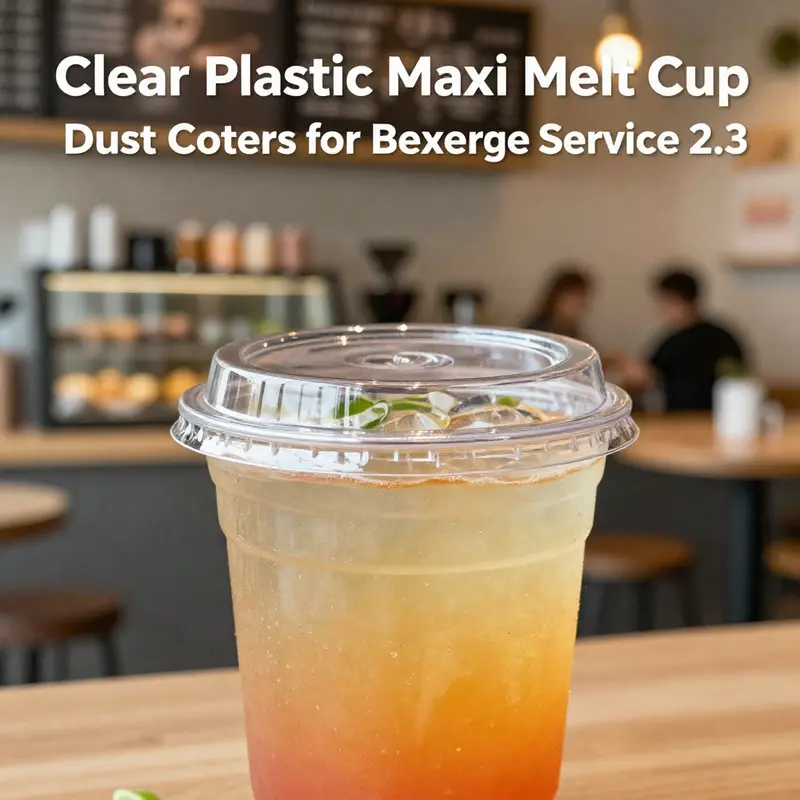
The life of a finished dessert often begins long before it leaves the kitchen, and in the world of cold treats, presentation must harmonize with protection. The clear plastic dust cover designed for large, transparent ice cream cups—hereafter referred to in general terms as the clear plastic dust cover for Maxi Melt-type cups—functions as a quiet guardian of quality. Its primary role is to shield the contents from airborne dust, moisture intrusion, and incidental handling during storage, transport, and display. Yet this small, nearly invisible component also sustains the consumer’s perception of cleanliness and care. When a customer lifts a gleaming lid to reveal a pristine interior, the cover has already replayed the first part of the sensory story: reliability, hygiene, and clarity. In this sense, the cover is not merely a protective accessory but a bridge between product integrity and the dining experience it promises to deliver.
From a materials perspective, the dust cover sits at an intersection of visibility and durability. The available references point to high-clarity, food-grade plastics such as polypropylene (PP) and, in some cases, polyethylene terephthalate (PET). These plastics are chosen not only for their optical properties but also for their ability to resist the chill of refrigerated display cases and the occasional minor impact of transit without cracking or warping. Clarity is essential; the more transparent the cover, the more the product inside can speak for itself. This transparency helps administrators, servers, and customers alike to confirm the presence and condition of the dessert without removing the protective barrier. In practice, the lid must be crisp enough to fit snugly around the cup’s rim while staying pliable enough to accommodate slight dimensional variances in mass production. The design often features a precise rim profile and an edge contour that snugly embraces the cup, creating a light but effective seal that minimizes air exchange and safeguards texture and aroma.
A key facet of the dust cover’s value lies in its compatibility with the standard maxi formats of clear cups. The 2.3 designation, while not always explicit in every supplier catalog, signals a specific size family within the broader Maxi Melt cup ecosystem. The fit is inseparable from function: a cover that is too loose invites contamination, while one that is too tight risks cracking the cup or tearing during handling. It is here that tolerances—minute, sometimes almost invisible allowances in molding or extrusion processes—become a practical art. Manufacturers calibrate wall thickness, lip geometry, and edge rounding to balance rigidity with flexibility. Too much rigidity can hinder stacking and transport efficiency, while excessive flexibility can compromise the seal. Material selection and process parameters collaborate to ensure that a cover remains serviceable across a wide range of temperatures and conditions typical of food-service workflows.
Beyond the technicalities, the dust cover embodies a pragmatic economy. In high-volume environments such as ice cream parlors, convenience stores, and catering operations, efficiency matters as much as purity. A lightweight, easily handled cover reduces breakage and speeds up service without sacrificing protection. The quick, tactile action of placing and removing the lid can become part of the service rhythm, contributing to smoother line flow during peak periods. At the same time, a well-designed cover supports inventory control. When staff can rely on a uniform, predictable lid profile, ordering, storage, and shelf-life planning become more straightforward. In bulk procurement scenarios, suppliers often package these components with the same discipline used for the cups themselves, enabling a unified supply chain that minimizes misfits and returns. While exact pricing for dust covers may vary by size, material choice, and supplier, the general market trend supports economical scalability. In related packaging ecosystems, bulk options frequently surface with favorable unit economics; for instance, wholesale listings for clear PP cups have been observed around a price point of US$0.031 per unit, a reminder that packaging components produced in tandem with cups tend to follow similar economies of scale. This pricing context can influence the strategic decision to standardize the dust cover across multiple product lines, shortening replenishment cycles and reducing the risk of mismatched components.
From a sustainability perspective, the dust cover occupies an interesting position in the packaging landscape. The push toward greener packaging has many practitioners asking about recyclability, reusability, and the lifecycle of plastic components used in display and serviceware. The covers described in this context are typically thin-walled and designed for one or a few reuse cycles, depending on the handling and cleaning practices of a given operation. Reusability remains a possibility where hospitality teams rotate a small inventory of covers for multi-day events, yet the practical realities of sanitation—plus the risk of cross-contamination—often steer facilities toward single-use policies paired with efficient recycling streams, where local infrastructure supports the recovery and processing of clear plastics. The broader implication is that each packaging decision sits within a larger sustainability calculus: will introducing a cover reduce waste by preserving product life and reducing spoilage, or will it add an extra layer of material that ultimately ends up in recycling streams that may or may not accept the specific polymer type? In many cases, the answer lies in the specifics of local recycling capabilities and the operational routines of the business. The cover, therefore, functions not only as a hygiene barrier but as a tangible data point in corporate sustainability reporting and vendor selection.
Operationally, the dust cover contributes to the broader efficiency of display and merchandising. Transparent lids preserve the visual appeal of the dessert, allowing the product’s color, texture, and even subtle toppings to be observed without exposing the interior to dust. This is particularly valuable in self-serve or grab-and-go contexts, where the consumer’s first encounter with the product is through a clear, protective veil. The lid’s unobtrusive appearance does not distract from branding or product presentation; rather, it sustains the focus on the dessert itself while conveying a message of cleanliness and care. Effective use of such a cover can also improve perceived value, a factor that resonates in a market where many customers equate hygiene with quality. The impact on brand perception may be indirect but meaningful, especially when the same cover is used across multiple product lines, contributing to a consistent, trusted package language.
The design ethos behind the Maxi Melt cup dust cover is therefore one of quiet reliability. It balances a spectrum of priorities: optical clarity, hygienic protection, mechanical resilience, economic practicality, and a modest nod to sustainability. Designers and suppliers strive to couple the cover with a reliable cup system so that servers can operate with confidence. In practice, this means that the cover is conceived not as a standalone accessory but as part of a cohesive packaging system. The cover must be able to accommodate minor variations in cup dimensions, caps, and even cold-chain exposure without compromising the integrity of the seal. This is where industry best practices converge with material science, leading to a product that is both predictable and adaptable across settings—from a boutique ice cream shop to a high-volume stadium concession stand.
In considering the broader ecosystem, it is helpful to reflect on related packaging formats, such as clear plastic clamshells and other transparent lids used for cake, pastry, and snack containers. The underlying principles—clarity, protection, and ease of use—are shared across these formats. The dust cover for Maxi Melt-type cups embodies a streamlined solution that respects the inherent fragility of frozen desserts while acknowledging the realities of day-to-day operations in a busy food service environment. The leverage point is simple but powerful: a universal, well-fitting cover reduces handling hazards, minimizes contamination risk, and preserves the product’s visual appeal during display, transport, and service. In this light, the dust cover becomes a practical embodiment of a broader philosophy in modern packaging—maximizing protection and visibility with minimal material burden and maximum operational compatibility.
For readers seeking to ground these considerations in concrete procurement steps, it is useful to recognize that the dust cover sits within a family of accessories that are commonly bundled with standard cup lines. Suppliers who offer clear, food-grade covers often present options in bulk quantities that align with the cups’ own price and availability cycles. This alignment supports streamlined inventory management and consistent quality across orders. While the precise 2.3 sizing may vary by manufacturer, the fundamental approach—designing for a snug fit, easy handling, and clear visibility—remains consistent across the market. As such, the dust cover emerges not as a peripheral add-on but as an integral component of an efficient, coherent packaging system designed to protect, present, and preserve.
In closing, the dust cover for large, clear cups represents more than a protective shell. It is a compact, economy-minded, design-aware tool that helps ensure product integrity, enhances consumer perception, and supports operational efficiency. Its value rests in its reliability and its quiet ability to harmonize with the broader packaging strategy a business adopts. When viewed through this lens, the 2.3 designation becomes less about a numeric label and more about a family of solutions designed to keep desserts pristine, appetizing, and ready for the moment of presentation. For operators exploring sustainable packaging options beyond plastics, there is a growing ecosystem of paper-based lids and cups that can complement or substitute certain plastic components, with internal resources available to guide branding and lifecycle considerations. For further exploration of eco-focused paper cup solutions, see the related option: disposable-eco-friendly-custom-paper-coffee-cups-with-lid. Additionally, external market data on clear plastic cups and related accessories can be examined through industry listings such as the following external resource: https://www.alibaba.com/product-detail/wholesale-pricedisposable-clear-plastic-ice-cream1600548937557.html?src=1016032&spm=a2700.productdetail.detail&scm=1016032.1016032.0.0.1a6e6f1dQJjGZB.
The Clarity Equation: Material Specifications and Performance for Clear Plastic Dust Covers on Food Cups (Section 2.3)
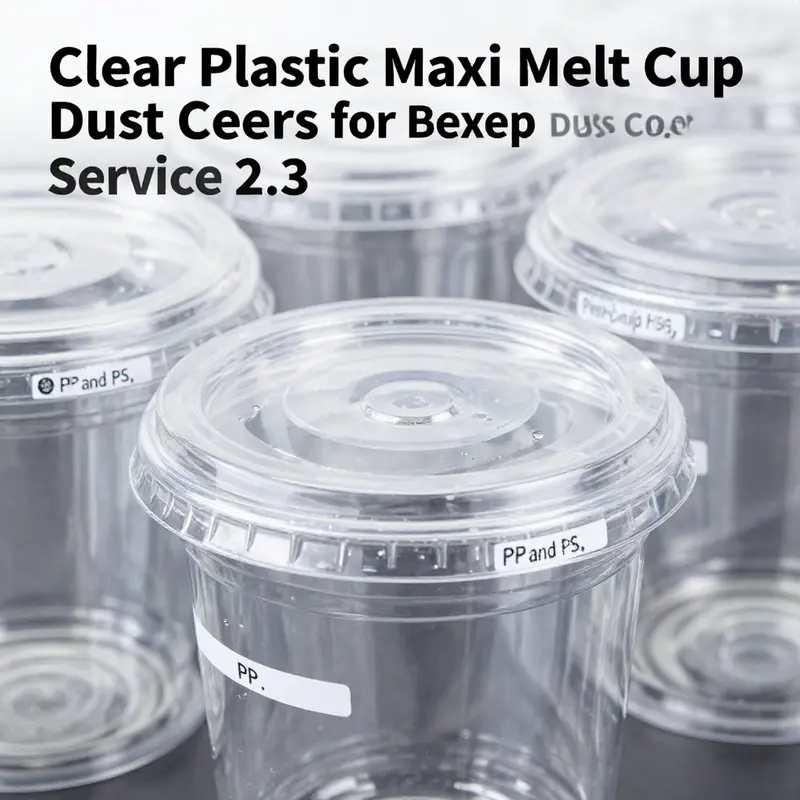
Clear plastic dust covers play a quiet but essential role in protecting the integrity of food cups in transit, display, and service. They are the final screen against dust, moisture, and incidental contact, while also contributing to the user experience through optical clarity and tactile fit. The real heft of these lids lies not in their outward appearance but in the underlying material science that governs their behavior under real-world conditions. A well-chosen material delivers a balance of transparency, strength, temperature tolerance, chemical resistance, and recyclability. It must maintain its clear appearance over time, resist fogging or hazing, and interact reliably with the cup rim and any sealing features. In practice, this means designers and manufacturers need to ask not only what the cover looks like but what it can do in service: how it behaves when hot beverages are poured, when the lid encounters cold condensation, how it tolerates stacking during storage, and whether it can be recycled after use. Section 2.3 of the material specification framework invites us to weigh these properties together in a single, coherent assessment.
From a materials perspective, clear dust covers for cups are primarily molded or thermoformed from transparent thermoplastics such as polypropylene (PP), polystyrene (PS), or polyethylene terephthalate (PET). Each of these resins brings a distinct set of advantages. Polypropylene is favored for its toughness and fatigue resistance, plus a relatively high heat tolerance for hot beverages. Its clarity is robust when properly processed, and it can stand up to repeated opening and resealing without significant deformation. Polystyrene, by contrast, offers excellent optical clarity and a smooth surface that enhances the premium feel of a clear lid. It can be stiff enough to provide a reliable seal in thinner gauges and remains relatively inexpensive. PET and PETG offer superb clarity and barrier properties but may demand more careful processing to avoid haziness and to ensure consistent wall thickness in the final part. The choice among these materials is rarely about a single property; it is a negotiation among stiffness, clarity, heat resistance, and cost.
Clarity is not just a matter of aesthetics. It is a functional attribute that informs consumer perception of cleanliness and product quality. Achieving high optical clarity in a lid requires controlling haze and surface defects, which can arise from the extrusion, molding, or forming processes. Haze can be influenced by the resin’s intrinsic properties, the presence of additives, and how the surface is finished. A clear lid must also resist yellowing or embrittlement under exposure to UV light or heat, particularly in convenience-store environments where cups sit under fluorescent lighting and near sunlight. Manufacturer notes in Section 2.3 typically specify minimum optical transmission percentages and maximum haze values, along with tolerances for surface roughness. These measurements translate directly into the perceived value of the product, since a crystal-clear lid communicates cleanliness and reliability to the consumer and reduces visual barriers to appetite.
Beyond optical performance, the dust cover must exhibit robust barrier properties. In the context of food contact, barrier performance translates into moisture and aroma retention, as well as resistance to oil migration from the cup contents. While a lid is not a barrier as stringent as a laminated film in high-oxygen applications, it still plays a critical supporting role in preserving freshness and preventing cross-contamination from dust or incidental exposure. Material choices influence water-vapor transmission rates, which can impact how quickly a cup loses heat or how condensation forms on the interior surface. A lid with too high a permeability may allow moisture ingress that compromises texture or flavor, while too low a permeability could trap steam in a way that leads to fogging or partial suction. In the design realm, achieving the right balance involves careful control of wall thickness, edge geometry, and seal features. Section 2.3 often outlines recommended thickness ranges and tolerances that ensure functional sealing without excessive material use, while also preserving clarity and rigidity.
Temperature resilience is another pivotal criterion. The service temperature range for clear dust covers typically spans from freezing or near-freezing conditions to near-boiling scenarios, depending on the intended beverage or content. Materials like PP tend to resist deformation and maintain their shape at moderate hot-fill temperatures, which helps the lid retain its fit as a hot-liquid cup cools. PS and PET variants offer superior rigidity and clarity but may exhibit greater sensitivity to thermal stress if used outside their optimal temperature window. The practical consequence is that a lid designed for cold beverages might not perform identically to one designed for hot drinks. Designers must predict worst-case scenarios—rapid cooling after pouring, exposure to sunlight, and stacking pressure during display—and specify heat deflection temperatures and impact resistance accordingly. The result is a material specification that anticipates how the lid behaves during both consumer use and downstream processing, including dishwasher or steam-waste environments in industrial settings.
Edge fit and sealing performance intersect with material selection in subtle but essential ways. The cup-to-lid interface relies on a precise lip diameter, a stable edge finish, and a surface finish that allows a gentle but secure seal. The lid’s stiffness and elasticity determine whether it can snap over the cup rim without creasing while maintaining a tight seal around the circumference. Additives or colorants can affect surface slipperiness and friction, influencing both the ease of application and the long-term integrity of the closure. Section 2.3 often recommends tolerances for bead, groove, or ridge features that engage with the cup lip, as well as guidelines for surface smoothness to avoid scratch marks on the cup’s finish. The interplay of rigidity, flexibility, and geometry ensures a lid that is easy to apply in high-throughput environments yet remains secure enough to withstand transportation and handling without accidental opening.
Sustainability and end-of-life considerations increasingly shape material decisions. Recyclability is a growing priority across the supply chain, and the choice of resin can influence how easily a lid is accepted by recycling streams. PP and PET are widely accepted in many municipal programs, while PS can pose challenges in certain facilities due to its density and additives. Section 2.3 acknowledges these trade-offs by recommending resin options that align with existing recycling infrastructure and by encouraging the use of recycled-content or post-consumer recycled (PCR) grades where feasible. Thermal stability, while important for performance, must be balanced against recyclability and overall environmental impact. In practice, this means selecting resins that not only perform well in the field but also fit into a sustainable lifecycle plan that aligns with supplier capabilities and consumer expectations. The chapter emphasizes that every material choice has downstream implications, from manufacturing energy to end-of-life processing, and invites designers to view material selection as an integrated decision rather than a purely performance-driven one.
In the broader ecosystem, compatibility with the broader product family matters. The insight drawn from related documentation suggests a shared language of design principles across lid types that enables consistent performance across various cup formats. A practical cross-reference for practitioners seeking to understand lid compatibility within a family of food-contact closures can be found in the disposable paper lids product page, which discusses how lid design intervals and mating surfaces are engineered for reliable fits and predictable performance. This cross-topic alignment helps ensure that a single set of design criteria can be applied across related products, reducing variance and improving supply-chain predictability. For readers seeking contextual examples of lid designs that share a common philosophy—clarity, seal integrity, and consumer safety—the linked resource provides a tangible reference point while remaining agnostic about specific end-use products. Disposable Paper Lids for Hot Paper Coffee Cups
To close, Section 2.3 of the material specifications for clear plastic dust covers underscores a central truth: the performance of a dust cover hinges on the harmony of material properties, processing methods, and design geometry. Clarity is more than a visual trait; it is a gatekeeper for consumer trust and perceived quality. Barrier properties, temperature resilience, and mechanical fit must be considered together so that the lid not only protects but also facilitates an efficient, hygienic, and satisfying user experience. In a landscape dominated by fast-moving food-service and retail environments, a well-specified dust cover can reduce risk, extend product shelf-life indirectly, and elevate brand perception through reliable, elegant design. For further reading on the fundamental materials that underpin these choices, consider exploring external resources on polypropylene and related polymers that illuminate the trade-offs behind transparency, strength, and recyclability. External resource: https://en.wikipedia.org/wiki/Polypropylene
Guardians of Clarity: The Subtle Architecture and Everyday Value of Clear Plastic Dust Covers for Large Melt Cups
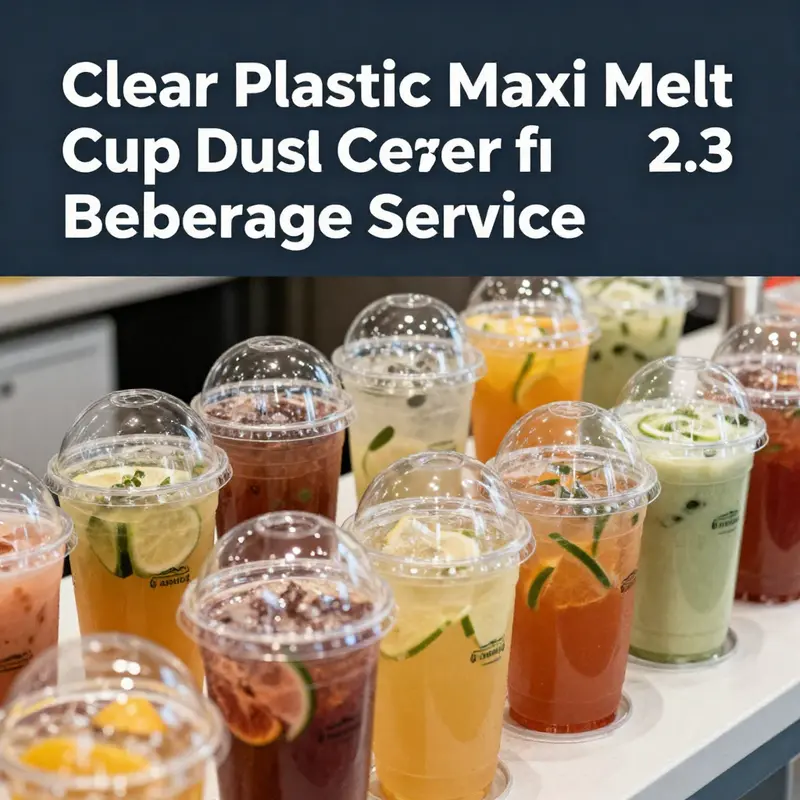
A clear plastic dust cover is more than a simple lid. In the context of large melt cups, it acts as a quiet guardian, allowing visibility while delivering a barrier that preserves freshness, blocks dust, and governs the exchange of air and contaminants between production, storage, and service environments. When a packaging solution relies on a clear shield over a melting or portioning vessel, the goal is not merely to seal but to reconcile several competing needs: optical clarity, mechanical fit, hygienic integrity, and seamless compatibility with downstream handling. The narrative around clear covers for melt cups is best understood not as a single product specification but as a convergence of material science, ergonomic design, and food-safety philosophy that informs everyday operations in kitchens, commissaries, and manufacturing floors. In this sense, the cover becomes a critical, often overlooked, instrument in a broader system that keeps foods vibrant, safe, and convenient to use from factory to table.
What makes a dust cover in this setting function effectively is a subtle blend of transparency and restraint. Transparency is essential because, in many workflows, operators need to inspect contents without removing the cover. The possibility of peeking at the melt cup’s contents through the shield reduces unnecessary handling, which in turn lowers the chance of contamination or temperature fluctuations that can compromise texture and aroma. Yet transparency alone would offer little value if the cover offered poor barrier properties or failed under the thermal and mechanical demands of daily use. The most common materials for these clear lids—polypropylene, polystyrene, and occasionally PET—strike a practical balance. They are lightweight, inherently rigid enough to resist buckling under modest stack pressures, and they maintain optical clarity across repeated cycles of opening and closing when properly processed. They also exhibit reasonable resistance to fats, sugars, and mild acids encountered in many culinary applications, which is essential for preventing surface staining or odor absorption that would degrade the user experience.
What follows, then, is not a glimmering single-piece solution but a study in the design logic that enables a dust cover to perform consistently across a spectrum of operating conditions. A well-conceived cover does more than shade contents from dust; it also respects the geometry of the melt cup, allowing for straightforward alignment during placement, a snug enough fit to deter air exchange in the moment of sealing, yet not so tight a tolerance as to impede quick reusability or create interference with subsequent processes such as transportation, cooling, or shredding for recycling. The lip or rim geometry is a small but decisive element. A robust rim must grip the cup securely when closed while remaining easy to lift without risk of cracking the cover during repetitive cycles. Curvature at the edge, the thickness profile, and the surface texture all influence how the cover behaves when multiple units are stacked for storage or when a series of lids is pulled from a rack. In practice, those choices translate into tangible differences in handling time, breakage rates, and the likelihood of metal detectors and quality-control checks triggering alarms due to mis-seated lids.
Material selection further shapes the performance envelope. The translucent character of these covers depends on polymer chain structure and the absence of additives that could impart a yellowish cast or reduce UV resilience. But beyond aesthetics, each polymer brings distinct advantages and limitations. Polypropylene offers a favorable combination of heat resistance and chemical inertness, which matters if the melt cup contents glow at high temperatures or if processing environments involve steam or warm wash-down routines. It tends to be more forgiving in impact resistance and maintains a clean, smooth surface that resists cling for easier cleaning. Polystyrene, with its higher rigidity and excellent clarity, provides a crisper view of contents, a factor some operators prize when immediate identification is crucial. However, PS can be more brittle and susceptible to deformation under sudden temperature shifts, so its use often reflects a carefully tailored lifecycle, emphasizing controlled handling and stable storage conditions. PET, when used for lids, adds an edge in chemical resistance and recycling compatibility, but its thermal performance under repeated dipping into warm melts or prolonged heat exposure must be evaluated for each application. The choice among these materials is rarely about a single attribute; it is about a scoring of trade-offs that align with product safety, operational efficiency, and end-of-life considerations.
Another design dimension concerns the cover’s interaction with the melt cup’s contents. In many setups, the melt cup holds items that may require gentle cooling, gradual aeration, or protection from airborne contaminants that could alter texture or moisture. A dust cover should neither trap excess moisture nor allow it to condense in ways that promote microbial growth or surface slickness. In this respect, the cover’s internal geometry—whether it employs a shallow recess, a slight dome, or a flat profile—can influence condensation behavior during cooling. Likewise, the cover’s surface finish matters. A high-gloss exterior can deflect fingerprints and dust, while a slightly textured interior can reduce the potential for surface adhesion of sticky substances. These micro-differences accumulate across thousands of cycles, shaping the everyday reliability of the packaging system. When a cover is designed with the end user in mind, it becomes almost invisible in operation: a small, steady barrier that does not demand extra steps, does not interrupt the flow, and nevertheless stands ready to protect and reveal the contents when the moment calls for inspection.
On the manufacturing side, uniformity in thickness and edge quality is essential. The simultaneous demands of clarity and strength require precise molding or thermoforming. A cover made from a material with uneven thickness risks a wobbling fit, which in turn can cause misalignment with the cup during automated stacking or packaging. Edges must be deburred and smooth to avoid catching on gloves, conveyor belts, or the rim of neighboring units. The manufacturing tolerance, while invisible to the end user, governs breakage rates, waste, and the energy invested in rework. When a pack line operates briskly, even minor deviations in lid geometry translate into measurable slowdowns. In this sense, the dust cover is as much a part of the line’s efficiency as it is a protective device.
Hygiene and food-safety considerations are inseparable from practical performance. A cover that seals well but is difficult to sanitize would undermine the very hygiene objectives it was designed to serve. Standards for food-contact plastics emphasize low extractables, minimal aroma transfer, and the ability to withstand routine cleaning and sanitization without degrading or shedding particulates. In many facilities, the dust cover accompanies rituals of temperature control, where the melt cup rests within a climate-controlled zone that preserves moisture balance and minimizes microbial growth. A cover that resists staining and is easy to wipe down supports these routines, ensuring that the visible surface remains clear and clean over repeated uses.
The sustainability conversation also shadows every packaging choice. Clear plastic dust covers present a tension between the desire for a crisp, recyclable, technically recyclable, or reusable solution and the realities of a fast-paced service environment. Some facilities favor rigid, recyclable plastics that integrate into existing waste streams; others pursue minimal-use designs that lower overall material throughput. The lens of sustainability, in this context, considers not only the material itself but the entire lifecycle: how easily the cover can be cleaned and reused, whether it can be re-melted or reprocessed, and how its presence influences the overall waste profile of a given operation. When feasible, designers may optimize for thinner walls without compromising stiffness, or for clear materials that are widely accepted in local recycling streams. The pragmatic aim is a packaging module that remains effective while reducing environmental impact across the product’s journey from production to consumption.
In the literature around protective covers for food containers, several themes recur that illuminate why a clear plastic dust cover for a melt cup matters in daily practice. The most evident is the balance between visibility and protection. A customer opening a refrigerated case or a kitchen line should be able to see the product clearly and quickly, while staff rely on a trustworthy barrier to prevent contamination, odor migration, or accidental exposure to dust and splash. The protective function is especially salient in settings where multiple components—cups, lids, and covers—are assembled in sequence, each step needing a reliable, consistent interface to minimize errors. The design philosophy here is not merely about making a lid that fits; it is about shaping a system in which a simple cap becomes a seamless extension of the cup, promoting speed, safety, and satisfaction with the final product.
To frame these ideas with concrete reference, it is helpful to acknowledge related discussions of transparent covers and protective lids in the broader packaging literature. A notable, closely related topic is the overview of plastic clamshell and lid configurations used to seal and protect food containers. While the precise product namings differ, the underlying principles—clear visibility, protective barriers, compatibility with the container geometry, and ease of handling—are shared. The parallels help illuminate how a dust cover for a melt cup can be optimized within a family of solutions that address the same practical goals. This alignment underscores the idea that even when a specific item lacks publicly available specifications in a knowledge base, the functional logic remains consistent across different formats and applications.
From a process perspective, a clear plastic dust cover for large melt cups is a small component with outsized influence on operational efficiency and product quality. The everyday impact includes faster line rates, more reliable shelving and display management, and simpler quality checks, all of which contribute to a more predictable service experience for customers and a calmer workflow for staff. The cover’s ability to remain transparent after repeated use—a property tied to the chosen polymer’s resistance to surface abrasion and to the absence of migratory additives—supports long-run clarity that makes the contents legible at a glance. In contexts where the melt cup is used for confectionery, snack mixes, or ready-to-serve portions, this visual accessibility translates into easier inventory control and a more confident customer perception of freshness.
As with many packaging components, the precise specifications of a given dust cover—dimensions, thickness, and tolerances—will ultimately depend on the melt cup geometry, the fixture design, and the production environment. In the absence of an exact specification such as a 2.3 dimension, practitioners often rely on standard practice within their sector, guided by trials and performance data collected on the line. The gap between an exact metric and practical application becomes a design invitation: to interpret a dimension like 2.3 not as a fixed constraint but as a hint that informs fit, ease of use, and interchangeability within a family of lids. When engineers and operators collaborate, they transform a near-match into a robust solution that aligns with throughput goals, sanitary requirements, and material stewardship.
In closing this reflection, it is worth noting a practical step for readers who want to situate these ideas in a broader context: examine closely how a dust cover interfaces with the melt cup in your own operations. Observe the tactile feel of the lid during insertion, the amount of force required to seat it, and how the cover behaves when multiple units are stacked for transport. Do you notice any tendencies for condensation to pool near the edges, or for the surface to pick up fingerprints and dust in high-traffic zones? Are the edges smooth enough to prevent snagging on gloves or conveyor components? These questions reveal how small design choices accumulate into a reliable, user-friendly packaging module. They also remind us that the value of a clear plastic dust cover extends beyond its visible function; it resides in its quiet consistency, in how it supports the product’s story from first meltoff to final display.
For readers seeking a broader lens on related protective lid concepts in container packaging, see the related resource on disposable single-wall paper cups with lid, which offers a complementary perspective on how protective lids are engineered to harmonize with diverse cup geometries and service contexts. disposable single-wall paper cup with lid.
Safeguards in Clear Plastic: Standards and Compliance for the Clear Plastic Cup Dust Cover Version 2.3
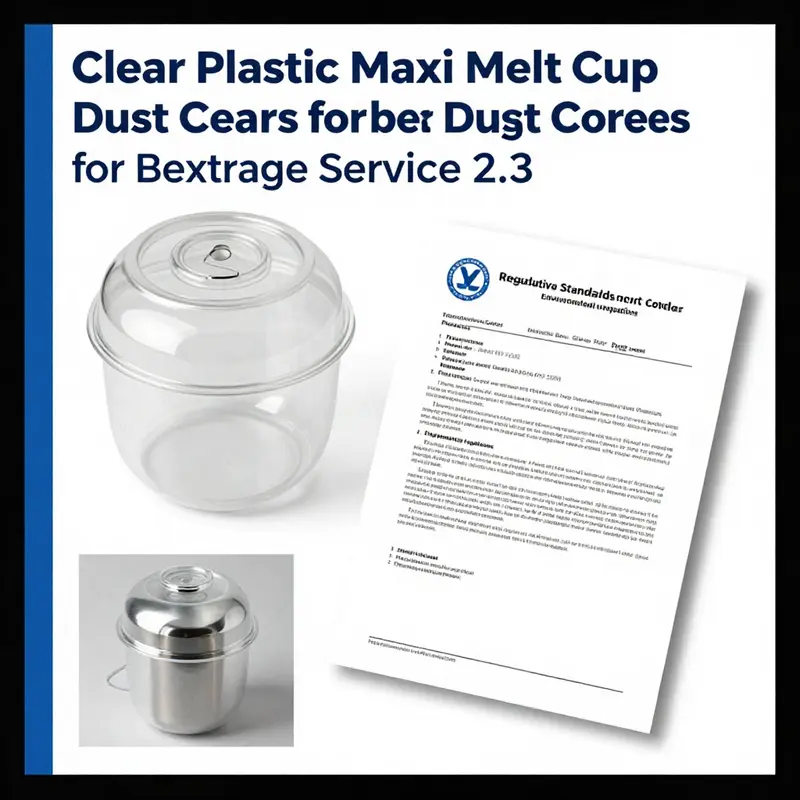
The quiet authority of a dust cover often goes unremarked in the rush of packaging design, yet it is a hinge point where performance, safety, and responsibility meet. For the clear plastic cup dust cover version 2.3, the regulatory and standards landscape is not a dry catalog of requirements but a living framework that shapes every material choice, every draw of precision during manufacturing, and every decision about end-of-life disposal. The goal is not merely to keep the contents uncontaminated during storage and transit; it is to guarantee that the cover itself remains inert under a spectrum of real-world conditions, from crowded warehouse aisles to sunlit loading bays, and that the whole lifecycle aligns with evolving expectations for safety, sustainability, and accountability. In this chapter, we explore how material science, safety regulation, and industry best practices converge to define what a compliant, capable dust cover looks like when version 2.3 travels from maker to user and, ultimately, into the recycling stream that serves as a shared environmental infrastructure.
At the heart of the compliance conversation is the material itself. The dust cover is typically fashioned from a clear thermoplastic such as PET, chosen for its clarity, rigidity, and barrier properties. PET’s suitability for direct or indirect contact with many contents is codified in major regulatory regimes, with the FDA’s rules for food-contact materials and EU food-contact principles forming a broad, widely recognized baseline. The core idea is that when the cover sits atop a cup, it should not exchange flavors, odors, or any residual substances into the contents under normal use. In the case of a melt cup containing waxes or related materials, this principle extends to prevent any leaching or degradation that could alter the composition of the melted substance or create new, unwanted byproducts as temperatures rise during handling or early-use scenarios. The migration limits associated with PET are not mere technicalities; they are practical guardrails that influence the choice of additives, stabilizers, and even the processing temperatures used in extrusion, forming, and finishing.
From a standards perspective, the relevant frameworks are threefold: material compositional compliance, performance and safety benchmarks, and environmental and end-of-life considerations. On the material side, PET resins for food-contact applications must demonstrate compliance with limits on substances that could migrate and potentially impact consumer safety or product quality. In the United States, this is anchored by FDA 21 CFR Part 177.1610, which permits PET for food-contact applications provided that substances migrating into the contents stay within established thresholds. In the European context, Regulation (EC) No 1935/2004 requires that all materials and articles intended to contact food do not release harmful substances above safe levels, and ISO 18811:2015 offers guidance on evaluating polymer suitability for food contact, including chemical resistance and migration testing. While the dust cover here is not a food container per se, the coupling of these standards offers a robust, conservative baseline that ensures the cover will not degrade or leach when in contact with melted substances, during storage, or upon incidental exposure to heat and light in transit. This multi-jurisdictional approach reflects a broader industry consensus: safety and performance must be demonstrable across markets where the product may circulate.
Design and manufacturing teams typically interpret these standards through a practical lens. They initiate migration testing that simulates realistic contact scenarios, including potential exposures to waxes or wax-like melts and the possible effects of warming during transport or display. They also monitor mechanical performance under conditions that mimic rough handling: a dust cover must resist impact, maintain seal integrity where applicable, and avoid warping or cracking that could compromise the barrier function. UV stability is addressed not merely to preserve cosmetic clarity but to maintain the structural integrity of the PET in conditions that may include exposure to sunlight or indoor lighting that can degrade polymer chains over time. These considerations are not abstract; they translate into choice of stabilizers, antioxidants, and the specific grades of PET used in the formulation. In practice, a version 2.3 dust cover balances clarity with durability, resisting the kind of micro-deformations that would otherwise create dust traps or allow particulate ingress over repeated use cycles.
The environmental dimension of compliance is increasingly central to decision making. PET’s recyclability is a well-established advantage, embodied in the recycling code #1 and a well-developed collection and processing infrastructure. The compliant dust cover is designed for recyclability as a discrete stream or an easily separable component in the broader packaging assembly. Of course, the market is also interrogating the feasibility of alternative materials. Bio-based or biodegradable options, such as PLA, are discussed in sustainability circles as potential futures, yet they often bring tradeoffs in barrier performance, heat resistance, and aging behavior that must be reconciled with the demands of industrial environments and the realities of recycling streams. In practice, the current standard-setting environment encourages a durable yet recyclable solution—one that preserves product integrity during its useful life and remains compatible with established recycling pathways. The overarching message is clear: a compliant dust cover is not only about safety at the point of use but about responsible stewardship across the product’s life cycle.
Beyond the letter of regulation, industry practice emphasizes the reliability of performance in application. A protective barrier like the dust cover must deliver on several frontiers simultaneously. First is seal integrity, especially for covers designed to provide a controlled barrier against dust, moisture, and contaminants. Even when a seal is not perfect, the cover should still prevent premature contamination, preserving the quality of the product inside. Second is impact resistance and durability. The cover must withstand the physical rigors of distribution: drops, stacking, compression during palletization, and the vibrations of transit. Thin-walled plastics can be surprisingly resilient when engineered with the right geometry and material additives, but the test methods remain pragmatic, focusing on real-world mishaps rather than laboratory ideals. Third is heat and UV exposure. In transit and display, the cover may encounter varying light exposure and ambient temperatures. PET used in this context typically includes UV stabilizers to deter yellowing and embrittlement, prolonging the cosmetic and functional life of the product without compromising safety or migration performance.
In the practical realm of design decisions, the dust cover version 2.3 must also consider its relationship with the cup and lid ecosystem. The cover’s geometry should complement the cup diameter, rim thickness, and any sealing features without introducing interference with pouring or melting processes. While the primary function is protective, material compatibility with the cup’s surface finish and the potential for micro-abrasions during handling is equally important. The end user’s experience—ease of removal, clean handling, and a crisp, transparent appearance—becomes a measurable aspect of quality, one that must align with regulatory expectations for materials that deliver consistent optical clarity over time. In markets where consumers expect packaging to be both informative and visually appealing, the clarity of the PET not only communicates cleanliness but also signals reliability. The interaction between policy, material science, and consumer perception becomes an informal contract: the user trusts that what they buy and handle will remain safe and visually reassuring throughout its journey from warehouse to display case.
A practical reminder of the planning that goes into these standards appears in the attention paid to end-of-life handling. The dust cover’s recyclability hinges on its separation from other streams and compatibility with existing PET recycling processes. While PET’s recyclability is a strength of the current approach, the industry continues to explore more sustainable options that do not compromise performance. The balance remains delicate: a material with excellent optical and barrier properties that resists heat must also be feasible to recycle in a way that minimizes environmental impact. In addition to recycling considerations, labeling and information disclosure play a role. The packaging should clearly communicate material composition, suitability for contact with certain substances (in this case, melted contents), and recycling recommendations to guide proper disposal. A well-documented material profile helps downstream recyclers, regulators, and consumers coordinate a safer and more efficient lifecycle for the product.
The narrative of standards and compliance for the clear plastic cup dust cover version 2.3 is not a static checklist but an evolving conversation. It is about translating dense regulatory language into robust product design that performs reliably in real-world conditions. It is about recognizing that the cover’s role extends beyond simply preventing dust intrusion to shaping how the product is perceived, stored, and reintegrated into circular systems. This is why an integrated approach matters—one that harmonizes material science, regulatory expectations, and practical packaging engineering. The result is a cover that supports safety and quality without becoming a barrier to efficient distribution or responsible disposal.
For readers seeking a practical illustration of lid design considerations in adjacent packaging categories, the broader packaging ecosystem offers instructive parallels. A reference point is the realm of disposable paper lids for hot beverages. While not identical to clear plastic dust covers, these lids share a core concern: ensuring a barrier against contamination while enabling user-friendly access and predictable performance under heat. The linked resource provides a perspective on how lid design incorporates material choice, barrier properties, and user interaction to achieve a cohesive, reliable product experience. disposable paper lids for hot paper coffee cups
As the industry advances, the conversation will continue to hinge on a shared commitment to safety, clarity, and environmental responsibility. Chapter 4 has highlighted how standards function as a living framework, guiding material selection, product design, and the lifecycle management of the clear plastic cup dust cover version 2.3. The journey from resin to finished cover, from migration testing to end-of-life sorting, reflects a disciplined synthesis of science, policy, and practical need. The objective remains consistent: to deliver a component that protects its contents, preserves consumer trust, and participates constructively in a circular economy. In the end, the dust cover is a quiet steward—part of a system that values integrity, transparency, and responsibility as much as it values performance and price. For researchers, designers, and compliance professionals, this is a reminder that small components can embody a complex web of considerations, and getting them right sets a foundation for better packaging across many product families. External resources offer further context on the broader regulatory landscape and evolving best practices. For a consolidated overview of food-contact material guidance, consult the FDA’s page on food-contact materials. https://www.fda.gov/food/packaging-labeling-food/food-contact-materials
Clear Vision, Growing Demand: Market Trends and Economic Implications of the Clear Plastic Dust Cover for Wax Melt Cups
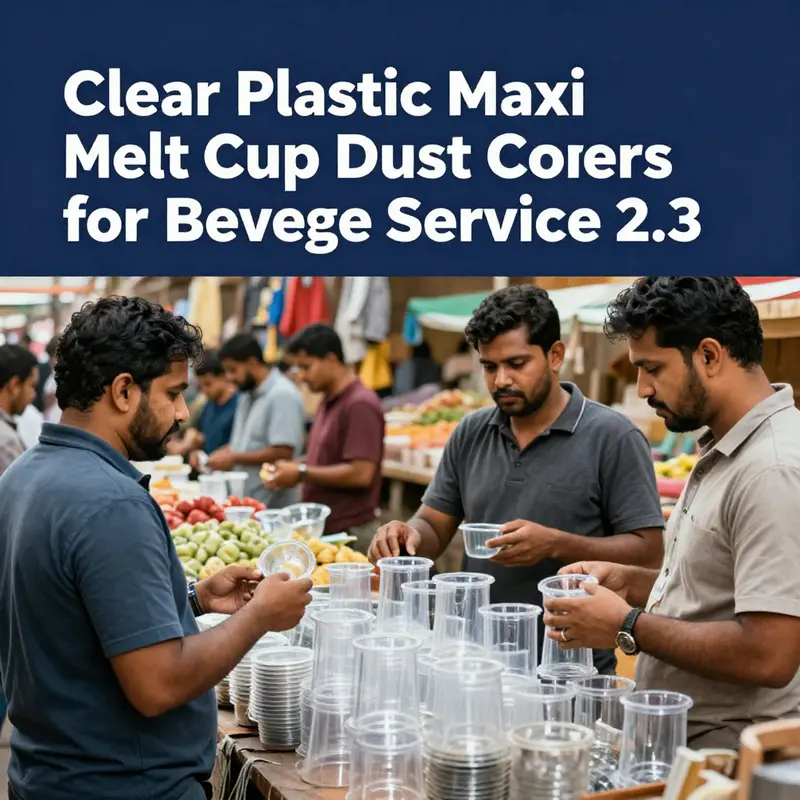
A quiet shift is shaping the realm of home fragrance packaging: growing demand for clear plastic dust covers that protect wax melt cups while preserving their visual appeal. The covers sit at the intersection of protection, aesthetics, and supply-chain efficiency, influencing design choices, manufacturing behavior, and retailer expectations. They are more than simple enclosures; they are part of a storytelling system that sustains product visibility and perceived quality.
In markets where artisanal wax melts rise in popularity, the ability to see the product through a clear lid reinforces premium storytelling and shelf presence. The transparent cover communicates care, durability, and craftsmanship, helping brands command value in a crowded marketplace. Consumers often form early impressions based on presentation, and a crystal-clear lid that resists fogging supports color fidelity and fragrance storytelling from online photography to in-store display.
Material science matters. PET and PP offer high optical clarity, good surface gloss, and resistance to fragrances, oils, and wear. The choice of material affects not only appearance but long-term performance, including scratch resistance and ease of handling, which in turn influence perceived quality and willingness to pay. Manufacturing tolerances, sealing reliability, and heat resistance also matter for consistent fit and product protection across batches.
From a business perspective, economies of scale, resin pricing, and demand from boutique brands shape profitability. While the per-unit margin may be modest, the opportunity lies in packaging differentiation, customization options (branding on lids or seasonal motifs), and the ability to support direct-to-consumer channels with a premium, story-driven packaging system. Sustainability considerations—recyclability, recycled-content inputs, and end-of-life messaging—are increasingly central to brand positioning and consumer trust.
Looking ahead, ongoing material innovation, process optimization, and strategic partnerships will determine how quickly the market scales. Vendors who can demonstrate clarity, durability, and responsible sourcing will be well positioned to serve designers, crafters, and retailers seeking cohesive packaging ecosystems. Finally, the consumer emphasis on responsible packaging and recyclability will continue to influence product development, pricing strategies, and lifecycle thinking across the supply chain.
Final thoughts
In conclusion, the clear plastic maxi melt cup dust cover 2.3 serves as an essential solution for businesses in the beverage service industry. Its protective qualities not only ensure the preservation of drink freshness and quality but also enhance the overall consumer experience. As we explored throughout this article, understanding the specifications, applications, compliance, and market trends surrounding this dust cover allows businesses to make informed decisions that align with industry standards and customer expectations. With the continuing evolution of food and beverage services, integrating such solutions into operations will lead to improved hygiene practices and customer satisfaction.