
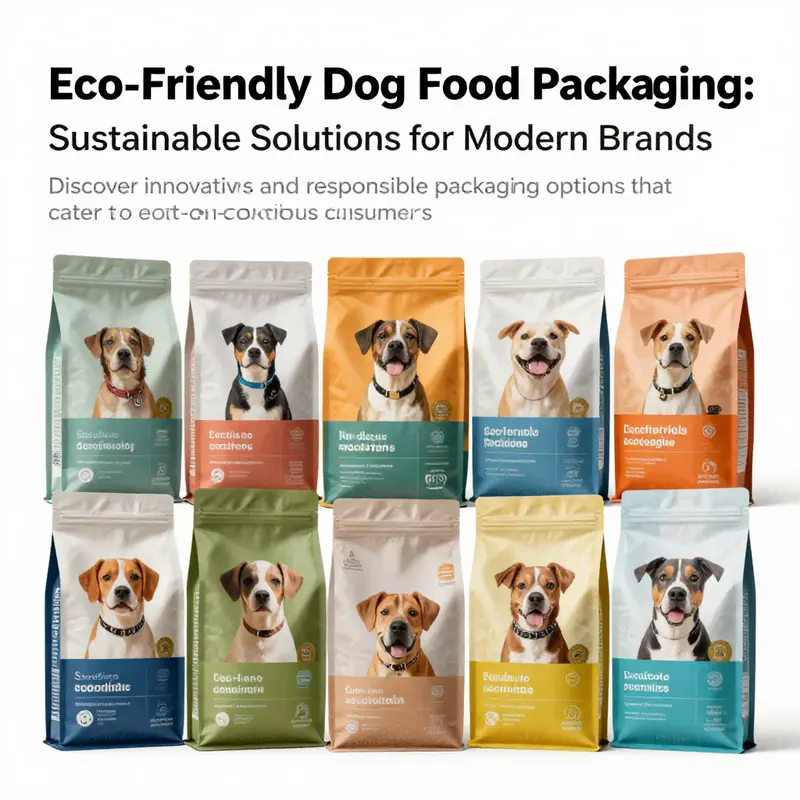
In an age where sustainability is more than just a trend, the demand for eco-friendly dog food packaging has seen a skyrocketing increase. Brand perception is shaped by how responsibly products are packaged, with consumers now looking beyond quality food to include the integrity of its packaging. Eco-friendly packaging not only caters to the environmental concerns of consumers but also plays a pivotal role in branding and business success. This article outlines the best eco-friendly dog food packaging solutions, focusing on their materials, design innovations, current market trends, and essential certifications. By understanding these aspects, brands can enhance their product appeal while ensuring they remain aligned with sustainability goals.
null
null
Durable, Discerning, and Digestible: How Material Choices Drive Truly Eco-Friendly Dog Food Packaging
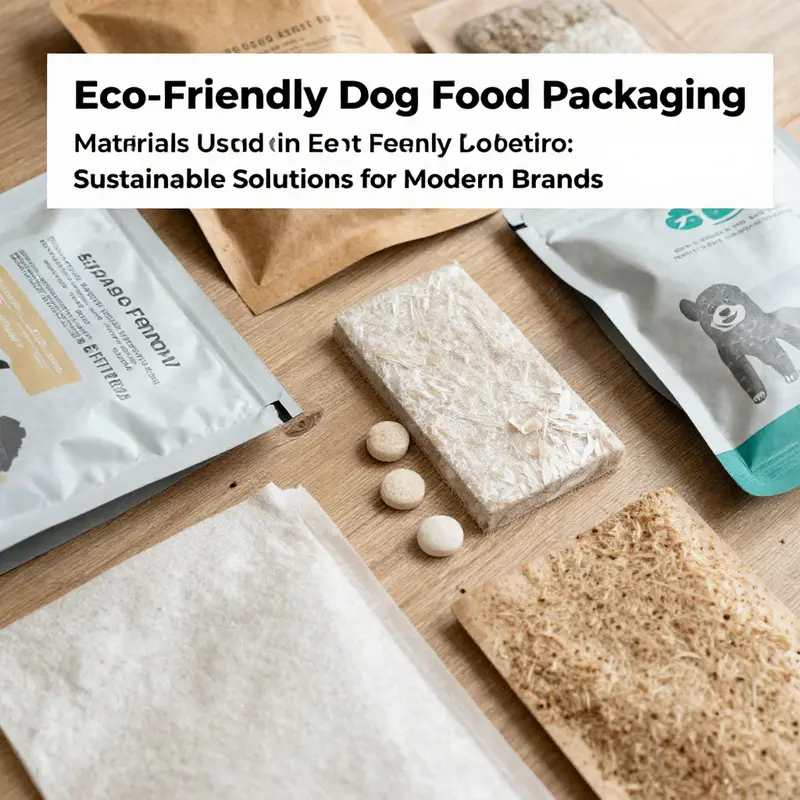
Materials used in the best eco-friendly dog food packaging reflect a careful negotiation between protecting pet food and protecting the planet. The most successful solutions blend barrier performance with end-of-life options that align with a brand’s values and a consumer’s expectations for transparency and responsibility. The goal is not a single perfect material but a holistic package that keeps kibble or treats fresh, prevents contamination, and can be disposed of in ways that real people can actually follow. In this landscape, several material families have emerged as credible options, each with its own trade-offs and opportunities for safety, branding, and environmental stewardship. The result is a spectrum of designs that can be tuned to the product—whether a dry kibble, a chewy snack, or a semi-moist convenience item—without compromising safety or performance.
Biodegradable and compostable films have gained prominence because they offer a plant-based path to end-of-life relief while still delivering essential barrier properties. Polylactic acid, or PLA, derived from renewable resources such as cornstarch, is frequently used in films and laminates designed to degrade under industrial composting conditions. When paired with a transparent, food-grade interior liner and a printable exterior, these films can produce a stand-up pouch that holds shape and resists puncture while committing to a more sustainable disposal stream. The practical challenge lies in how facilities handle composting and whether the end consumer has access to industrial composting infrastructure. In some multi-layer structures, PET, Mylar, or BOPP films provide the moisture and oxygen barrier needed to preserve freshness for dry foods, snacks, or treats, but the layers complicate recycling. The ideal scenario interlaces compostable interiors with recyclable exteriors or uses mono-material designs that simplify separation at end-of-life. This aligns with a broader industry push toward reducing plastic waste without sacrificing product integrity.
Recyclable paper and paperboard have become a cornerstone for brands prioritizing a circular economy. High-quality, food-grade paper and paperboard can be engineered with water- or moisture-resistant coatings to guard against moisture and oxygen while maintaining recyclability. The coatings themselves matter: bio-based or plant-derived coatings that are compatible with established paper recycling streams help keep the entire package out of landfills. Paper-based packaging shines for dry foods, where crumb leakage is less of a risk and where consumer perception leans heavily toward natural, fiber-based aesthetics. When designed with a robust reseal, a stiff inner barrier, and clear labeling about end-of-life options, these packages can deliver both functionality and a strong eco message. The trade-offs include sometimes higher material thickness to achieve comparable barrier performance and the need for careful testing to confirm that coatings do not migrate into food or pet food and that the finished package remains compliant with safety standards.
Bagasse sugarcane fiber offers another compelling path for brands seeking a renewably sourced, compostable option. Derived from the fibrous residue left after juice extraction, bagasse is a fully renewable material that can be molded or formed into rigid or semi-rigid structures, including bowls and sleeves around more traditional pouches. For dry snacks and treats, bagasse provides excellent heat retention and a natural texture that resonates with sustainability-minded consumers. The compostability of bagasse depends on the disposal stream; industrial composting facilities can process bagasse more reliably than home composting, so brands must communicate appropriate end-of-life guidance. From a product performance standpoint, bagasse shows good stiffness and printability, enabling compelling branding while maintaining a lower carbon footprint than some conventional plastics. Its use, however, is typically localized to specific form factors, meaning a brand might pair bagasse components with a recyclable film or coated paper to create a hybrid system that balances performance with environmental goals.
Flexible laminated films with eco-targeted designs illustrate the industry’s move toward simplification and recyclability. Traditional laminates, prized for barrier strength, often comprise multiple plastics that resist sorting. Eco-friendly versions seek mono-material or easily separable layers that preserve the barrier to moisture and oxygen while staying compatible with recycling infrastructure. These designs can be tailor-made to the product—dry food may require stronger oxygen barriers; wet or semi-wet items demand moisture control. When a mono-material approach is not feasible, engineers pursue easy separation of layers at end-of-life, or they select coatings and interfaces that can be peeled away in recycling streams. The practical payoff is a pouch that remains sturdy on shelves, resists leakage, and can re-enter the waste stream without contaminating other recyclables. The challenge remains to maintain shelf appeal through vibrant gravure printing and color richness while guaranteeing that the materials chosen align with environmental goals and regulatory requirements.
Aluminum foil, used sparingly in limited, recyclable applications, serves as an impermeable barrier that blocks light, oxygen, and moisture with exceptional reliability. While the energy footprint of aluminum production is a concern, its durability and barrier fidelity can justify selective use when it’s paired with recyclable outer layers and a recoverable end-of-life plan. In the eco packaging dialogue, aluminum tends to appear in niche configurations—where a rigid, recyclable composite system can reliably separate aluminum from other materials at end-of-life or where the overall package design keeps aluminum as a thin, recoverable layer rather than a dominant component. The overarching takeaway is strategic use rather than blanket adoption: leverage aluminum only when its barrier benefit is indispensable and the disposal system can accommodate recycling or reclamation in a way that minimizes waste.
The most responsible packaging solutions, therefore, emerge from clever material hybrids that optimize both performance and end-of-life pathways. A typical best-in-class approach might use a recyclable film as the exterior shell, paired with a compostable inner liner for direct contact with dog food. This structure preserves freshness and prevents contamination while offering a clear, achievable route back into the recycling or composting stream. It also allows brands to customize dimensions, thickness, and seal features to suit different product formats—dry kibble, treats, or semi-moist formats—without compromising safety or sustainability. Brand owners are wise to pursue third-party certifications that confirm food safety, material integrity, and compliance with environmental standards. Certifications build trust with eco-conscious consumers and help retailers validate claims about recyclability, compostability, or responsible sourcing.
In practice, packaging teams are increasingly exploring how to translate these material properties into tangible consumer benefits. The stand-up pouch, for instance, has emerged as a versatile platform that can incorporate resealable sliders, barrier films, and recyclability considerations all in one form. The design flexibility lets brands tailor the pouch to the product’s moisture sensitivity and oxygen sensitivity while presenting an attractive surface for branding and education. Aesthetic cues matter for conveying sustainability, and the ability to print up to many colors, when paired with a responsible material choice, can boost market appeal without inflating the environmental footprint. Consumers increasingly expect packaging that reflects a brand’s ethics; clear messaging about end-of-life options, recycled content, and certifications can be a decisive factor in purchase decisions and repeat purchases.
For brands looking to deepen the discourse with concrete examples—and to draw inspiration from related eco-packaging disciplines—resources on paper-based and compostable packaging offer valuable lessons. A useful reference point is a case study that examines paper-based options in food-service packaging, where the balance between barrier performance and recyclability has driven meaningful innovation. When considering a category-wide approach, it helps to review how coating choices, surface finishes, and seal technologies influence end-of-life outcomes. Another important consideration is consumer behavior: even the best-designed package will fail to realize its environmental potential if end users do not dispose of it properly. Clear labeling, simple disposal instructions, and visibly highlighted certification marks can empower households to participate in recycling or composting programs more effectively.
As the packaging ecosystem continues to evolve, brands should stay attuned to how standards and innovations intersect. Industry guides and technical resources remain essential for identifying what kinds of end-of-life infrastructure exist in a given market and which material combinations maximize both safety and sustainability. For further reading on industry standards and material innovations, see the external resource linked at the end of this chapter. And for practical examples of how paper-based and other eco-friendly packaging solutions are implemented in related product categories, an internal reference to accessible, climate-conscious packaging solutions can provide a helpful perspective on aesthetics, printability, and consumer acceptance. The overarching narrative remains clear: the best eco-friendly dog food packaging is not a single material but a thoughtfully engineered system that respects both pet health and planetary health.
External resource: For a broader view of industry standards and material innovations in eco-friendly packaging, see Glopack’s guide on eco-friendly food packaging solutions [external resource].
Internal link reference: For an example of paper-based, recyclable packaging solutions that inform both barrier design and end-of-life considerations, explore this internal example: eco-friendly recyclable pulp cup holders.
Smart Materials, Circular Systems, and the Future of Eco-Friendly Dog Food Packaging
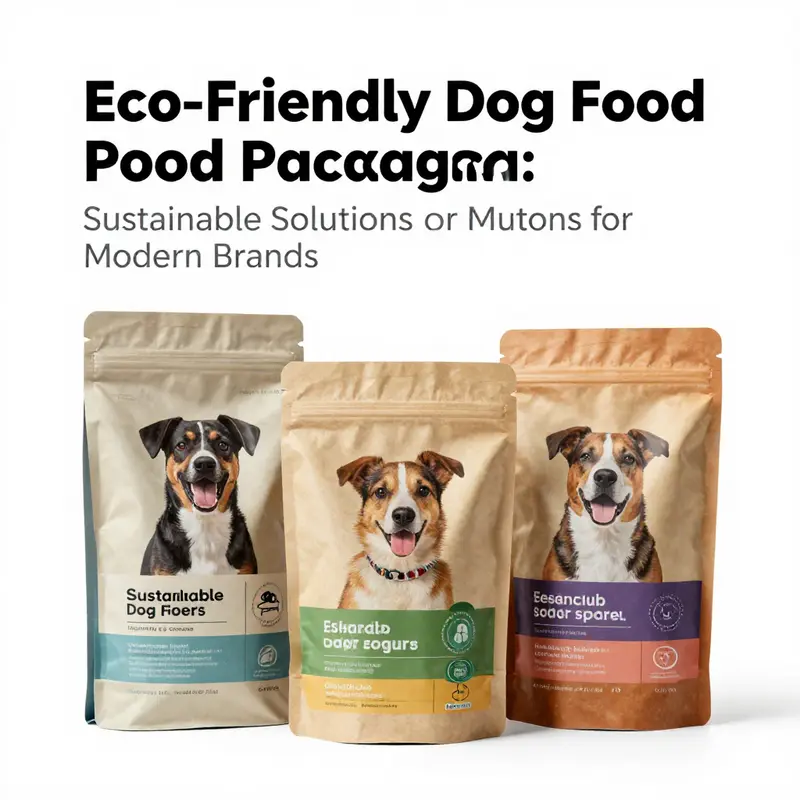
The pet food industry is undergoing a profound shift toward packaging that can be recycled, reused, and recovered at end of life, while still protecting product safety and freshness. In this new paradigm, packaging is expected to speak clearly about environmental performance as part of a brand’s promise. The design challenge is to combine lightweight, high-barrier functionality with circularity and practical logistics.
A major lever is the move toward lightweight, high-performance flexible packaging. Modern films and liners are engineered to deliver formidable barriers against moisture, oxygen, and light, preserving quality without adding unnecessary thickness. The result is a package that travels lighter through the supply chain, reducing material use and energy demand while maintaining product integrity. The ability to reseal and reclose helps consumers portion meals and minimize waste, extending the usable life of opened bags while staying compatible with standard recycling streams.
Alongside barrier performance, recyclability and ‘recyclable-in-practice’ designs are increasingly prioritized. Polymers such as PET and HDPE are common in dry foods because they can be collected, cleaned, and reprocessed. Brands are pursuing materials and structures that align with existing recycling infrastructure, while communicating end-of-life options clearly to shoppers. The goal is a closed-loop or near-closed-loop system where packaging materials retain value across multiple lifecycles.
Beyond consumer packaging, robust reusable transport bags for bulk distribution are gaining traction. These heavy-duty bags reduce single-use waste in transit and can be cleaned and maintained for repeated use, with end-of-life options that recycle or repurpose components. Integrating durable transport packaging with consumer packaging creates a coherent ecosystem that improves logistics efficiency and strengthens a brand’s sustainability narrative.
A unifying thread across these developments is a focus on resealability and branding that does not compromise sustainability. Effective closures, reliable barrier performance, and print quality can coexist with recyclability when materials are chosen with care. Brands can achieve vibrant branding and clear environmental messaging without sacrificing circularity or end-of-life outcomes. The result is a flexible packaging ecosystem that protects product quality, reduces waste, and supports consumer trust.
For readers seeking concrete examples, consider how a pouch can combine recycled content with easy recyclability, compatible printing, and a facility-friendly recycling profile. This is not merely about reducing plastic; it is about rethinking structure, closure, and barrier systems to create a package that is safer, more convenient, and better for the planet.
External resources on recyclable and lightweight packaging materials illustrate the broader context for pet food packaging and its impact on sustainability.
The Green Bag Era: Market Trends Shaping Eco-Friendly Dog Food Packaging
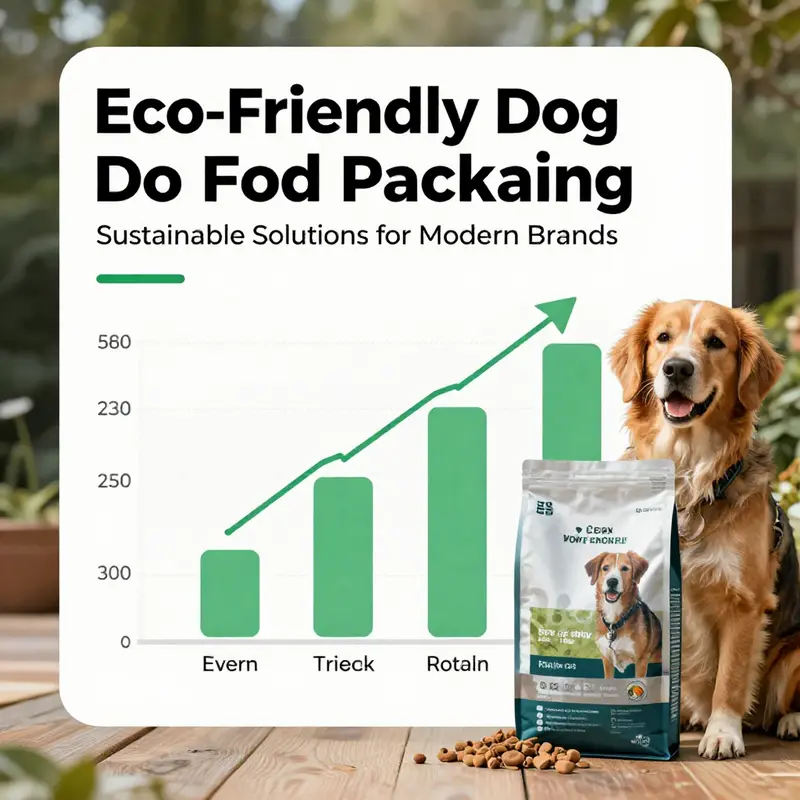
A shift is underway in how the pet food industry presents its products to a growing cohort of eco-conscious shoppers. The market for eco-friendly dog food packaging is expanding rapidly, driven by a broad demand for sustainability and a heightened awareness of environmental impact. Industry analyses point to a global pet food packaging market that is expected to grow at a compound annual growth rate of more than 6 percent through 2030. Within that trajectory, eco-friendly solutions are among the fastest-growing segments, reflecting a collective move by brands toward packaging that aligns with values as well as function. This isn’t a trend that will fade with the next season; it represents a strategic recalibration of how products are designed, manufactured, stored, and sold. Consumers increasingly expect packaging to protect freshness and safety while also reducing waste and enabling responsible disposal. In response, companies are rethinking not only the materials themselves but the entire packaging system—from pre-design considerations to end-of-life pathways. The result is a more transparent, performance-driven approach that treats packaging as part of the product’s environmental footprint rather than as a disposable afterthought.
Material shifts are at the core of this transformation. Brands are prioritizing options that can be biodegradable, compostable, or recyclable, and the vocabulary of choice now includes plant-based films, recycled paper, and mono-material laminates. Each material brings a set of trade-offs, particularly around moisture and oxygen barriers, seal integrity, and shelf life. Plant-based films can offer meaningful reductions in fossil-fuel dependence, but they must be engineered to meet the rigorous demands of pet food storage. Recycled paper and mono-material laminates can simplify recycling streams, yet they must still deliver the dependable barrier performance that keeps kibble fresh and treats intact. The driving insight is that sustainability and performance do not have to be mutually exclusive, but achieving both requires design thinking that starts with end-of-life in mind. Advances in material science and processing enable these solutions to stand up to the rigors of transport, display, and domestic use, while still offering a path to recovery for waste streams that would otherwise accumulate in landfills.
A notable wave of packaging innovation is reshaping how products reach shelves and homes. The shift away from traditional multi-layer plastic pouches—valued for their barrier properties—toward recyclable, single-stream options is accelerating. This evolution is fueled by ongoing research and development aimed at preserving product freshness without compromising recyclability. The ambition is to achieve packaging that can be collected, sorted, and reprocessed through established recycling systems, reducing contamination and improving overall material lifecycles. In dry pet food segments, this means exploring compostable or recyclable lines that do not force brands to compromise on performance. While the specifics of barrier technology vary, the overarching objective is consistent: deliver reliable shelf life, minimize waste, and offer a clear, responsible disposal route for end users. The broader industry response has been to invest in flexible packaging solutions that can be compatibility-tested across regions, ensuring that a product designed for a particular market can be adapted to others without sacrificing recyclability or safety.
Brand differentiation now often hinges on how packaging communicates quality and sustainability at a glance. Custom printing capabilities have become a critical lever for standing out in a crowded marketplace while supporting environmental goals. Sustainable substrates can carry vibrant, high-fidelity branding in multiple colors, addressing consumer expectations for premium visuals without compromising the ecological profile. For premium dog foods and niche lines—such as organic, grain-free, or specialty formulations—bold, precise branding on eco-conscious materials reinforces both the product promise and the value proposition of responsible packaging. In practice, brands can realize high-impact graphics, with multi-color printing that remains compatible with recyclable or compostable structures. The ability to print with clarity and richness on sustainable films or papers adds a vital dimension to packaging strategy, enabling brands to convey quality and purpose in a single glance.
The sourcing and manufacturing landscape underpins these trends. Today, many brands look to partners capable of delivering eco-friendly laminated films and resealable features with minimal environmental footprints. China remains a dominant hub for flexible packaging innovation, with regions such as Zhejiang recognized for their depth of capability in sustainable laminates and innovative sealing solutions. This ecosystem supports the development of packaging formats that combine performance with responsible materials, helping brands scale sustainable packaging across different markets and price points. The geographic and supply-chain advantages translate into competitive pricing, shorter lead times, and the ability to tailor material structures to the needs of dry kibble, treats, or wet food variants. Still, the move toward eco-friendly packaging is not merely a materials story. It is a holistic transition that includes third-party safety certifications, robust printing technologies, and a focus on ensuring that the entire lifecycle—from production to disposal—aligns with consumer expectations and regulatory standards.
Amid this evolving landscape, ordinary packaging decisions acquire strategic weight. Brands must weigh moisture resistance, oxygen barriers, resealability, and tamper evidence against material recyclability and compostability. They must also consider the visible cues that signal sustainability to the shopper: labeling accuracy, clear end-of-life guidance, and evidence of third-party verification. The strongest proposals couple strong performance with strong environmental credentials, providing a credible platform from which brands can engage eco-conscious consumers. A compelling packaging story emerges when materials are not only chosen for their intrinsic properties but also for how they integrate with the broader circular economy. This means tracking and communicating recycling or composting options in a way that is understandable and actionable for the average consumer, while maintaining the product’s integrity throughout its shelf life and journey to disposal.
In practice, this means brands are increasingly seeking formats that balance convenience, freshness, and sustainability. Features such as resealable zippers, moisture barriers, and seals that remain secure through multiple handling cycles are common expectations. Yet manufacturers are also focused on ensuring that these features do not create recycling complications. Single-stream or fewer-stream packaging formats that streamline recovery can help reduce contamination and improve the efficiency of recycling facilities. In this context, a growing suite of solutions—from plant-based films to recyclable laminates and responsibly sourced papers—offers a spectrum of choices. The objective is a coherent, end-to-end packaging system that supports brand storytelling while delivering measurable environmental benefits. For brands willing to invest in design and testing, the payoff is twofold: a stronger competitive position in a crowded market and a clearer signal to consumers that sustainability is embedded in the product itself.
To illustrate how these ideas translate into real-world packaging options without compromising the consumer experience, consider the broader ecosystem of eco-friendly take-away packaging. For example, customized design eco-friendly kraft paper bowls with lids demonstrate how even basic food packaging can fuse aesthetics, practicality, and environmental responsibility. Such solutions highlight how flexible, recyclable substrates can be used for a range of applications beyond traditional bags, showing the versatility of sustainable formats in everyday consumables. This kind of example helps anchor the market’s trajectory in tangible options that brands can adapt for pet foods, treats, or supplemental meals, reinforcing the idea that packaging innovation is both universal and industry-specific. For more on this type of customizable eco-friendly paper-based packaging, see the following example: customized-design eco-friendly 1300ml kraft soup and salad paper bowl with lid.
As the market continues to mature, the longer arc favors those who invest in sustainable material science, streamlined supply chains, and transparent communication about end-of-life options. Consumers are increasingly willing to pay a premium for products that align with their values, provided the packaging delivers consistent performance and clear environmental benefits. Regulators are also catching up, with growing emphasis on safety certifications and standardized labeling that helps buyers distinguish genuinely sustainable options from greenwashed alternatives. This confluence of consumer demand, regulatory clarity, and material innovation creates a robust, enduring market for eco-friendly dog food packaging. Brands that position themselves as stewards of both pet health and planetary health will likely lead the next phase of growth, using packaging as a tangible, visible expression of responsibility that resonates with households everywhere.
External reference noting the broader market outlook can be found in the Global Pet Food Packaging Market report, which provides more comprehensive data on market size, growth trends, and emerging technologies in this sector: Global Pet Food Packaging Market Report 2024-2030.
Certifications and Standards as the Compass for Safe, Sustainable Dog Food Packaging
Every decision a dog food brand makes about packaging is a yes or no to a future where safety, functionality, and environmental stewardship coexist. The chapter that follows treats certifications and standards not as dry labels but as a compass guiding product developers, manufacturers, and retailers toward packaging that protects pet health and minimizes ecological footprint. In practice, choosing eco-friendly packaging begins with a careful audit of certifications that verify two core promises: material safety for direct contact with pet food and responsible, transparent production that respects the planet from cradle to cradle. The most trusted signals come from independent, third-party bodies that test and verify both the science and the stewardship behind a packaging solution. When a supplier speaks about renewables, recyclability, or compostability, a consumer’s trust hinges on verifiable proof. The SEEDLING certification, for instance, is a beacon for materials that come from biobased sources and are designed to biodegrade or compost under industrial conditions. It matters not only that a material reduces fossil fuel dependence but also that it meets explicit pathways for end-of-life processing. In a market that rewards circular economy thinking, SEEDLING signals a real commitment to letting packaging return to nature—or to a recycling stream—without leaving a lingering environmental debt. Alongside SEEDLING, the ok-Biobased certification offers a practical counterpoint by quantifying how much of a package’s content derives from renewable biological resources. This metric helps brands balance performance with sustainability. It clarifies how much of the plastic, paper, or composite used in a pouch or bag is sourced from plant-based or other renewable inputs rather than fossil fuels. The combination of these certifications helps a brand articulate a clear narrative: we are reducing petroleum dependence while maintaining the protection and freshness of pet food throughout shelf life. Yet certification is not a shield against responsibility; it is a framework that requires adherence across the lifecycle. That is why policies like EPRGermanyPacking—the Extended Producer Responsibility for Packaging in Germany—are more than bureaucratic labels. They compel manufacturers to take accountability for packaging at every stage, from production through end-of-life management. This approach can push brands toward designs that are easier to recycle, easier to sort, and more compatible with existing municipal systems. It aligns with a broader regulatory and consumer shift: packaging should be designed with its final destination in mind, whether that destination is a recycling facility or a composting stream. The result is a shift in how a package is engineered. Materials that offer robust moisture and oxygen barriers remain indispensable for keeping pet food fresh and safe. But today, those barriers must be achieved with materials that can be divorced from a future of landfill and wasted energy. In many cases, designers are moving toward mono-materials or intelligently layered structures that maximize barrier properties while keeping recyclability in sight. The emphasis on food-grade certifications is equally vital. Any packaging that will contact dog food must verify that it does not contribute harmful residues or contaminants. Food-grade certification acts as a baseline, assuring retailers and caregivers that the packaging is safe for direct contact with food products, including pet food. Beyond safety, the packaging must withstand practical handling: transport, storage, and display should not compromise integrity or hygiene. This is where moisture-proof and oxygen-barrier properties become practical assets, offsetting the need for non-recyclable additives or excessive plastic content. When these properties are achieved with sustainability in mind, the packaging becomes a true value proposition rather than a compromise. The conversation often turns to the broader family of standards that signal a holistic approach to sustainability. Certifications like CE, BV, and ISO are not limited to one material or one industry. They reflect a philosophy of safe, reliable production—whether the machinery that makes the packaging or the packaging material itself is designed to meet stringent international benchmarks. In the context of packaging derived from renewable or recycled streams, such as sugarcane bagasse or other biomass-derived materials, ISO standards often guide quality control, process consistency, and environmental performance. A brand aiming for eco-responsible packaging will look for these broad assurances as part of the supplier’s capability statement. The practical implication for dog food brands is to seek a package that can deliver high performance without surrendering recyclability. For instance, stand-up pouches—customizable in dimensions and capable of accommodating logo printing—are a core solution in this space. When these pouches are made from recycled plastics and are food-grade certified, they offer a compelling blend of safety, convenience, and environmental stewardship. The internal design can incorporate a slider zip lock to maintain freshness and prevent spills, while the stand-up form improves shelf stability and storage efficiency. Yet the best combination of features must be evaluated through the lens of certifications. A pouch might excel on barrier performance and convenience but fail to meet a credible end-of-life standard. Conversely, a package may bear a robust biobased claim but lack independent verification of recyclability. The disciplined path is to assemble a package profile anchored by third-party verification—covering material content, barrier performance, food safety, and end-of-life pathways. This profile serves as a concrete yardstick for product development, procurement, and marketing. The marketing dimension should not be underestimated. Consumers increasingly scrutinize packaging claims for authenticity. Third-party labels provide the clarity and accountability that can translate into brand trust and premium pricing—without compromising environmental commitments. An integrated approach to certifications also supports supplier collaboration. When packaging partners share a common language of standards, it becomes easier to co-design solutions that meet environmental goals without sacrificing performance or safety. The supply chain thus becomes a joint platform for innovation: a space where design decisions, material science, and recycling infrastructure converge to reduce waste and extend product life. Optional but valuable is the practice of communicating these certifications in a transparent, consumer-friendly way. Clear labeling about biobased content, compostability conditions, and end-of-life instructions helps pet owners understand how to dispose of packaging responsibly. It also invites a broader conversation about how brands can participate in local and national recycling programs and how consumers can contribute to a circular system in real life. Of course, the path to certification is not abstract. It requires practical diligence: verifying certificates’ scope and validity, confirming that the testing aligns with the actual packaging use, and ensuring that the supply chain can sustain compliance over time. This is not a one-off audit but a continuous process of monitoring and improvement. Brands should work with suppliers who provide accessible documentation, test reports, and renewal timelines. A steady cadence of recertification signals ongoing commitment rather than a one-time green claim. For readers seeking concrete examples of how the certification ecosystem translates into real packaging choices, consider a range of customizable, eco-friendly options that blend performance with sustainability. These solutions illustrate how the structural design—such as resealability and good moisture resistance—can coexist with recyclability and renewable content. The right combination depends on the product format (dry kibble, treats, or moist offerings), brand positioning, and the regional waste infrastructure. As a closing reflection, think of certifications as a compass—not a single north star but a constellation that guides every engineering and procurement decision. The best eco-friendly dog food packaging aligns with multiple signals: food safety, credible biobased or recycled content, end-of-life responsibility, and verifiable performance under real-world conditions. In this integrated view, packaging becomes a platform for responsible behavior rather than a one-way material choice. For brands eager to explore practical, certified options, a starting point can be found in practical packaging lines that offer sustainable materials, robust barrier properties, and accessible logos proving third-party validation. For additional context and example options that illustrate these concepts in action, explore a related eco-friendly take-away packaging line that demonstrates how design and standards intersect in everyday use. eco-friendly take-away Kraft paper bowl. This internal reference helps readers connect the certification framework to tangible packaging choices while reinforcing the central message: responsible packaging is a competitive differentiator in a market that increasingly rewards transparency and sustainability. External researchers and industry commentators also highlight how reputable certifications and standards can de-risk supply chains, reduce waste, and build consumer trust in a crowded marketplace. An accessible external resource that discusses these themes in depth is https://www.alibaba.com/product-detail/Supouches-Food-Packaging-Pouch-stand-up-pouch_62589730626.html, which showcases how certified materials and performance criteria translate into scalable packaging solutions. The combination of credible verification, practical design, and clear communication creates a durable path toward packaging that protects both pets and the planet.
Final thoughts
Sustainable practices are becoming a priority across all industries, and dog food packaging is no exception. The ecosystem of eco-friendly packaging closely intertwines innovative materials, thoughtful designs, market trends, and necessary certifications. By adopting these solutions, brands can not only meet the rising consumer demand for responsible packaging but also contribute positively to the environment. Packaging is not just a protective element; it serves as a reflection of a brand’s values, making the choice of eco-friendly options a strategic and impactful decision. As we’ve explored, the eco-friendly dog food packaging landscape is rich with opportunities for brands to elevate their market presence and commitment to sustainability.