
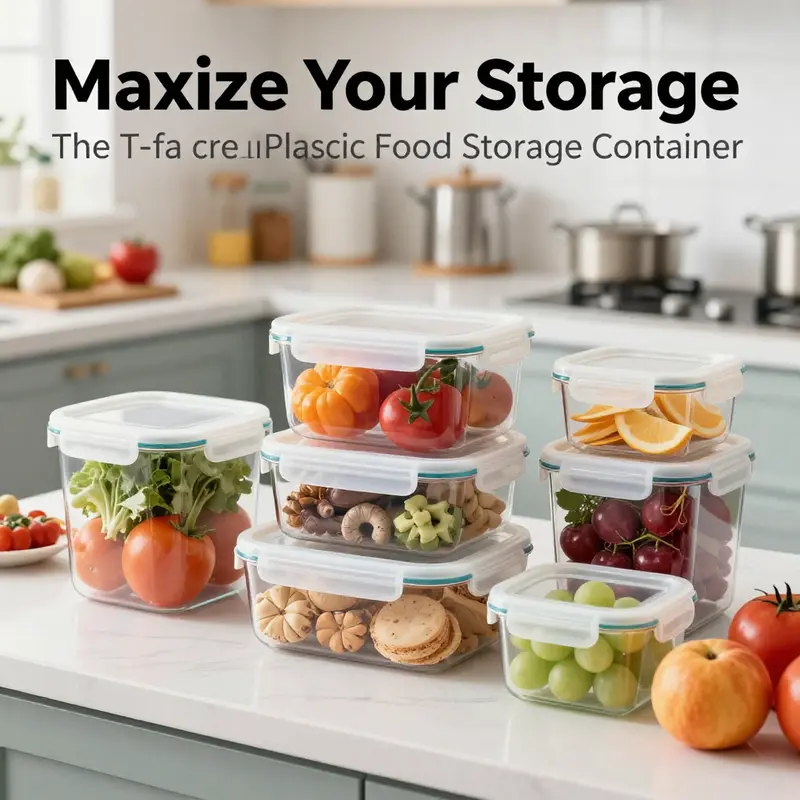
Every beverage shop, restaurant, and catering service thrives on efficient organization and effective storage solutions. The T-fal Rectangle Plastic Food Storage Container, with its 1.8-liter capacity, provides a versatile option for preserving the freshness of ingredients. This article explores the array of features, safety standards, design efficiencies, user applications, and how it compares to similar products in the market—perfect for anyone in food service looking to streamline operations.
Efficient Dry-Goods Storage with a 1.8-L Rectangular Airtight Container
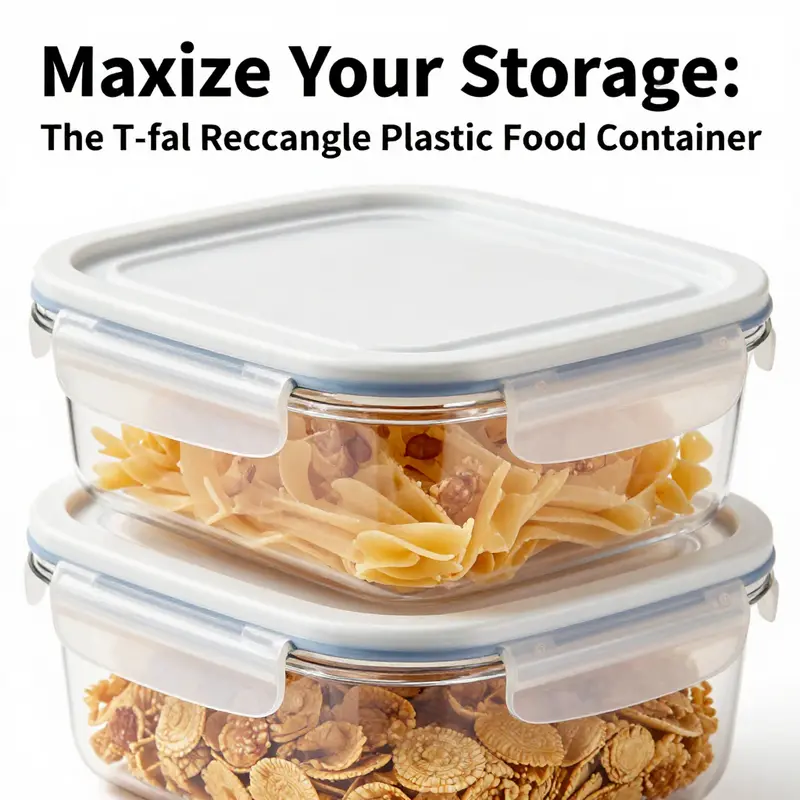
A well-organized pantry starts with thoughtful storage, and the 1.8-liter rectangular, airtight plastic container contributes calmly but decisively to that order. Its compact size fits neatly on a shelf or inside a shallow pantry, yet it holds a meaningful portion of pantry staples without crowding the space. The rectangular form, transparent walls, and simple lid design create clean lines on a shelf and easy at-a-glance recognition of contents.
The airtight sealing system is the real workhorse here. The flip lever locks in a tight seal, designed for one-handed use when the other hand is busy with pots or stacking containers. Airtight integrity protects contents from air, moisture, and odors, preserving texture and flavor for staples like rice, pasta, and cereal. This is not just about longer freshness; it supports consistent meal prep by ensuring you reach for the right item every time.
Material safety matters, and this container uses BPA-free plastic intended for daily handling and the occasional heat spike. It is top-rack dishwasher safe, which makes cleanup easier after a busy cooking session or grocery restock. The combination of safety and practicality reduces friction in everyday use, so the container remains a dependable default rather than a high-maintenance exception.
Visibility is more than cosmetic. The clear body lets you scan the contents in an instant, reducing rummaging and impulse purchases. When you see a near-empty bag, you can plan a restock before you run out, helping maintain steady meal planning and reduce waste.
The geometry is deliberate: a stackable rectangular profile maximizes cabinet and fridge space. A well‑organized shelf becomes a more forgiving workspace, saving time during grocery runs and meal prep. This container pairs well with others in a modular system to create an orderly pantry that feels calm and efficient.
To keep the system reliable, a few routine habits help: wipe the interior before loading to remove residual moisture, and allow the lid to dry completely after washing. A dry seal preserves gaskets and latching performance, ensuring reliable use for months and years.
In short, the 1.8-liter rectangular container embodies a practical approach to kitchen efficiency: keep it dry, visible, and accessible. Its size and design make it a versatile workhorse for everyday dry goods, helping reduce waste and support confident, streamlined cooking.
1.8-L Rectangular Plastic Food Storage: Material Integrity, Safety Standards, and Everyday Kitchen Organization
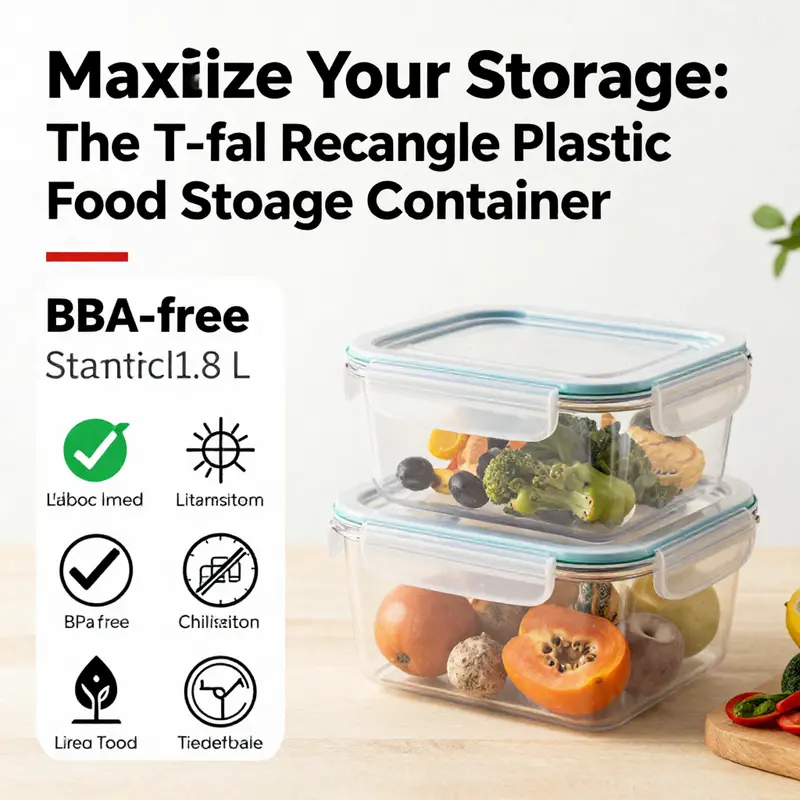
A simple rectangle can redefine how a kitchen feels and functions. In the realm of pantry efficiency, a 1.8-liter rectangular plastic storage vessel stands out because it combines likelihood with practicality: a shape that fits neatly on shelves, a capacity that accommodates a generous portion of dry goods, and a construction that eyes safety as attentively as usability. When readers imagine their cupboards organized, they often picture uniform, stackable containers that sit in disciplined rows. The 1.8-liter rectangle is well suited to that mental image, offering just enough room for dry staples like pasta, rice, and cereal, as well as snacks or legumes that populate the middle shelves of busy kitchens. Its clean lines and transparent body make contents instantly recognizable, reducing rummaging and keeping prep days smooth rather than frenzied. The real strength, though, lies beneath the surface—where material choices and sealing design meet daily needs to preserve freshness over time and to support a clutter-free workflow.
From a material standpoint, the container is crafted from a durable plastic designed for repeated use in food storage. In contemporary kitchenware, such vessels are commonly produced from plastics that are considered safe for direct contact with dry foods and that tolerate the daily rhythms of home life—washing, stacking, occasionally being pulled from a crowded cabinet, and repurposed for new ingredients as seasons change. While specific certifications can vary by batch and market, the modern expectation is for a material that resists chipping and staining, maintains structural integrity through routine dishwashing, and remains inert enough to avoid imparting any off flavors to dry goods. A key element of this expectation is the commitment to avoiding problematic substances that migration studies flag as potential concerns. In practice, many manufacturers emphasize BPA-free formulations and other safety safeguards, aligning with growing consumer demand for materials that prioritize health alongside convenience.
The container’s transparency is more than cosmetic: it is a safety feature of its own. A clear body lets you see contents at a glance, which reduces the temptation to overpurchase or to forget what sits at the back of a shelf. This visual accessibility translates to less waste and more purposeful meal planning. It also means you can routinely check for signs of moisture or condensation, which can indicate a leak or an unsettled seal. In combination with a rectangle’s straight sides and right angles, the goal becomes easy identification, quick access, and a calm, organized storage zone that supports efficient cooking routines rather than obstructing them.
A cornerstone of this design is the airtight sealing system. The lever or latch mechanism that creates a tight seal is essential for keeping dryness in and humidity out. When dry goods are sealed effectively, their texture and aroma stay closer to what you bought, thereby extending their usable life. The importance of an airtight seal extends beyond mere freshness; it also helps guard against aroma transfer between different pantry items. You won’t smell yesterday’s rice while searching for pasta if the seal holds firm. In practice, this kind of sealing system is designed to balance light, one-handed operation with a dependable engagement that remains durable through frequent use. It’s a practical feature for busy households and for professional kitchens alike, where efficiency is measured in seconds as much as in shelf space.
Space efficiency is another critical advantage. The rectangular shape with a uniform base often contributes to a tidy stackable profile. When lids nest and containers stack, vertical space in cabinets and drawers can be maximized without sacrificing accessibility. This is particularly valuable in smaller kitchens or spaces where every inch counts. The combination of a flat lid plane and a compatible base reduces wobble and promotes neat rows, which in turn supports quicker retrieval of ingredients during meal prep. A well-considered stacking system can make a modest storage area feel significantly larger, allowing cooks to keep commonly used staples within easy reach while tucking less-used items into higher shelves or deeper drawers.
Beyond the immediate practicalities, there is a broader conversation about safety standards and how they translate into everyday use. In many markets, materials intended for contact with food are regulated to limit the presence of substances that might migrate into foods under normal conditions. While the exact standard or certification for a given vessel may not be detailed in every product description, the industry expectation is that manufacturers will provide documentation upon request and will align with applicable regulations. Consumers are encouraged to review product sheets or official websites for precise information about compliance with food-contact guidelines, whether that involves federal safety codes in one region or European standards in another. The underlying principle is that safe storage starts with the choice of material and continues through every design decision that touches the food itself, from the resin used in the walls to the gasket or lid interface that keeps air and moisture at bay.
Care and usage practices reinforce safety and longevity. Dry foods—pasta, rice, cereal, dried beans, and snacks—benefit most from containers that minimize air exposure and moisture ingress. When using a 1.8-liter rectangle, it is prudent to keep the container away from heat sources and direct sunlight, which can accelerate material wear or uneven aging. It is wise to avoid outfitting the container with hot liquids or foods that could impose thermal stress unless the manufacturer explicitly states suitability for such use. Even when a vessel is marketed as dishwasher-safe, some plastics respond better to upper-rack cleaning cycles and milder temperatures; frequent high-heat cycles can cause warping, dull the clarity of the body, or affect the integrity of seals over time. When in doubt, hand washing with a mild soap helps preserve both the material and the seal’s performance.
The narrative of safety also extends to care at the end of life. Reusability should be paired with responsibility. Plastic containers that endure many cycles can contribute to waste reduction, especially when they are built to last and designed for easy cleaning. Nevertheless, every material has a horizon, and once a container shows signs of cracking, clouding of the body, or persistent odors that won’t wash out, replacement becomes the safer choice to avoid contamination or reduced performance. In this respect, the 1.8-liter rectangle embodies a balance: everyday practicality and a durable profile that stands up to regular use, without prompting concerns about safety for direct food contact, provided proper care is observed and the product documentation confirms relevant certifications.
In sum, this rectangle’s material choices and sealing design converge to deliver dependable storage for dry goods, along with the practical virtues of visibility and space efficiency. The result is a kitchen where organization does more than look neat; it actively supports fresher ingredients, easier meal planning, and calmer cooking sessions. The safety standards that underpin such a vessel may not always be spelled out in every listing, but they live in the decisions to choose a BPA-free formulation, to design a robust airtight seal, and to shape a transparent, stackable body that minimizes waste and maximizes accessibility. For readers, the takeaway is clear: when selecting a container in this class, prioritize the material integrity, verify the seal’s reliability, and confirm the documentation behind any safety claims. These steps ensure that the modest 1.8-liter rectangle becomes a trusted workhorse in daily food storage, nourishing both pantry organization and peace of mind.
External resource: https://www.fda.gov/food-contact-materials
Rectangle of Efficiency: Designing a 1.8-L Dry-Food Container for Compact Kitchens
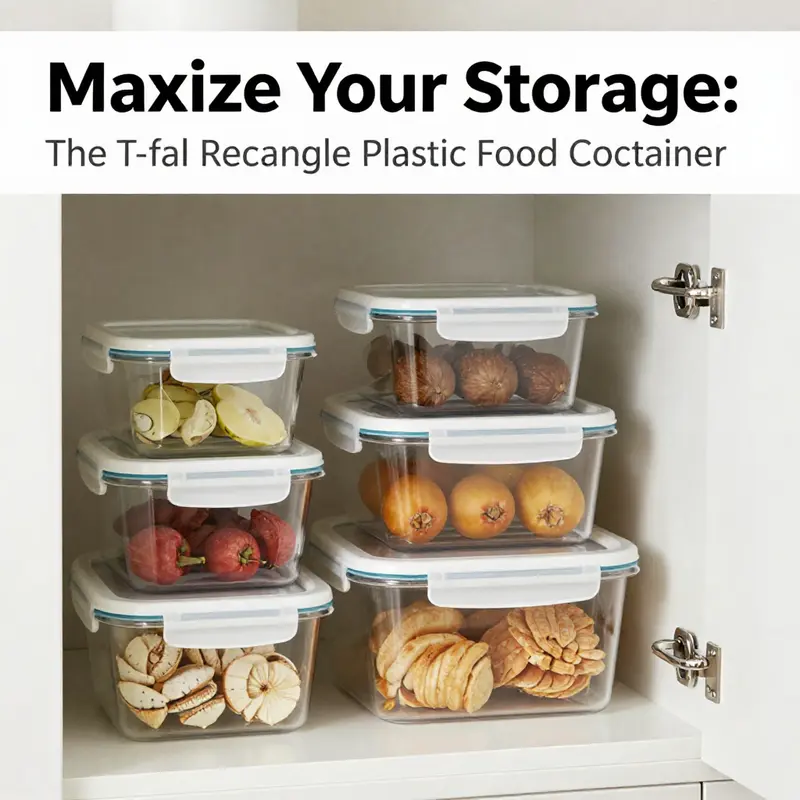
In the world of kitchen organization, a 1.8-liter rectangle container sits at a quiet crossroads between everyday practicality and architectural efficiency. Its boxy footprint and clear walls are not incidental; they reflect how people store, view, and access ingredients in crowded spaces. A 1.8 L capacity is enough to hold a batch of pantry staples—pasta, rice, cereal, or snack mixes—yet the geometry remains compact enough to slip onto a shelf, tuck into a cabinet, or nest beside similar units without crowding neighboring items. The rectangular profile is designed for shelf grids and drawer stacks, where every inch counts. When space is at a premium, it is not the largest jar that matters but the efficiency with which a small one can be deployed to meet daily needs. This focus on geometry aligns with how modern kitchens balance form and function, transforming a simple container into a strategic element of daily workflow.
Design features and form factor unfold in a straightforward yet purposeful way. The 4 by 8 inch footprint is a practical standard. It aligns with typical cabinet depths and allows multiple containers to be arranged in a neat row or stacked in a shallow tower. The streamlined form minimizes protrusions, reducing snag points on busy countertops and in pull-out organizers. The surface remains unobtrusive yet accessible, inviting a quick grip and reliable lid engagement. In kitchens that balance style with function, the right rectangle becomes a quiet enabler of better workflow, turning what could be rummaging into a targeted reach for the right ingredient. Size and shape are not merely about containment; they set the tempo for how efficiently you move through the cooking routine and how smoothly you transition from pantry to pot.
At the heart of the container’s freshness retention is a lever-lock airtight sealing system. The mechanism is a small but critical hinge point between container and lid, designed to press a gasket firmly against the rim as a flip lever closes. The result is an air- and moisture-proof seal that slows the subtle moisture exchange that can degrade dry foods over time. For dry goods with any tendency to clump or stale, this feature can extend shelf life and preserve flavor without requiring constant attention. The seal also serves a practical purpose: it reduces the risk of spills when containers are moved from pantry to counter or to the mixing bowl. In busy households, this reliability translates into fewer wasted ingredients and less cleanup from accidental leaks. The feedback loop is simple and meaningful—keep air out, keep your ingredients in the prime state longer, and keep the kitchen calmer. The lever mechanism also contributes to everyday cleanliness; a secure seal minimizes dust collection and keeps the lid joint pristine with less effort.
Another design virtue is secure stacking. The base is flat and stable, and the container dimensions are consistent across units so that several can share vertical space without wobble or misalignment. This is a small performance detail with outsized payoff: a neat line of containers on a shelf becomes a visual cue for what is stored and where. In a crowded pantry, the certainty that a stack will stay upright fosters a sense of order rather than chaos, enabling quick inventory checks before meals. The ability to create a modular system means you can tailor storage to the flow of your kitchen, fitting long, shallow rows for pastas and rice alongside deeper pockets for snacks, dried beans, or baking ingredients. This modular capability is a quiet driver of space efficiency, turning a single unit into part of a coherent, scalable storage strategy.
Safety and durability are central to the value proposition of any plastic storage solution. The material is chosen to resist cracking under typical kitchen use and to maintain clarity as it ages. A transparent body helps users identify contents at a glance, reducing the need to open multiple containers just to locate a single item. That transparency, paired with the sealed lid, makes it easier to plan meals, assemble ingredients, and reduce food waste. The BPA-free construction reinforces confidence that everyday storage will not introduce unwanted chemicals into the cooking process or the pantry routine. When a container is built to last, it becomes a long-term ally in organizing a space that often operates at the edge of capacity. In addition, the combination of robust plastics and a well-engineered seal contributes to resilience against daily activity—slips, bumps, and repeated opening without compromising performance. This reliability supports a kitchen culture of consistency where routines become smoother over time.
Its ideal use cases flow from the constraints and benefits described above. In homes with compact kitchens, every inch saved matters. A neat stack on a high shelf or a front-facing bin in a drawer can release precious cabinet space for dishes or appliances. The 1.8 L volume is well suited to common dry-store tasks: portions of pasta for a week, rice portioning for family meals, cereal for a few mornings, and assorted snacks for kids’ lunchboxes. For professional settings, the container supports efficiency on a smaller scale. Food-prep stations, dry-storage rooms, and catering setups benefit from uniform dimensions that glue into a precise shelf plan. The ability to seal and stack with predictability reduces handling time during service and keeps dry goods in good condition across shifts. In both home and macro kitchens, the combination of capacity, seal integrity, and spatial efficiency translates into better organization and less clutter during the day. The everyday impact is not only measurable in time saved but visible in a calmer work environment where each item has a clearly defined place.
Beyond the container itself, the philosophy of compact, modular storage shapes how we think about meals and shopping. A rectangular, closed system invites a mindset where ingredients are treated as a sequence rather than a scatter of containers. When you can quickly identify the contents, you cook with intention rather than rummaging, which saves minutes and reduces the likelihood of waste. In practice, that means fewer trips to the pantry, fewer unsettled surfaces, and more deliberate planning for breakfasts, lunches, and dinners. The real payoff is a kitchen that feels calm because the architecture of the shelves mirrors the logic of your pantry—items placed where they are used, sealed when not in use, and visible when needed. This design lens—space-conscious, user-centered, and resilient—provides a durable path toward a more efficient culinary routine, especially in spaces that must do more with less. It is a reminder that storage is not simply about keeping things dry; it is about shaping the tempo of daily cooking, reducing cognitive load, and giving attention to what matters most: the meals that sustain us.
For readers exploring alternatives or complementary storage options that share a commitment to practicality and sustainability, consider-looking into packaging solutions that expand the concept of lightweight, reusable storage beyond rigid plastic. Wholesale Custom Print Kraft Paper Food Storage Salad Noodle Bowl offers a glimpse into how packaging materials can support a similarly organized, low-footprint approach in different contexts. This is not a direct substitute for a rigid plastic container, but it underscores a broader principle: the best storage solutions reduce chaos, cut waste, and fit the rhythm of daily life without overwhelming the space. It invites readers to think holistically about how containers, lids, and even disposables can converge toward a kitchen that breathes more easily and cooks with greater calm and certainty.
To ground these design choices in real-world testing and specifications, one can consult the official product resource that documents the engineering behind airtight, stackable dry-storage containers. The page details the mechanism, dimensions, materials, and performance benchmarks that inform everyday use in kitchens and workspaces. Access to such documentation helps designers and buyers alike compare options and understand how a given container balances capacity with portability, durability with cleanliness, and simplicity with reliability. External reference: https://www.t-fal.com/us/en/products/kitchen-storage/airtight-food-containers/ingenio-84562.html
Sealed Precision in a 1.8-Liter Rectangle: Redefining Dry-Food Storage for Home and Kitchen
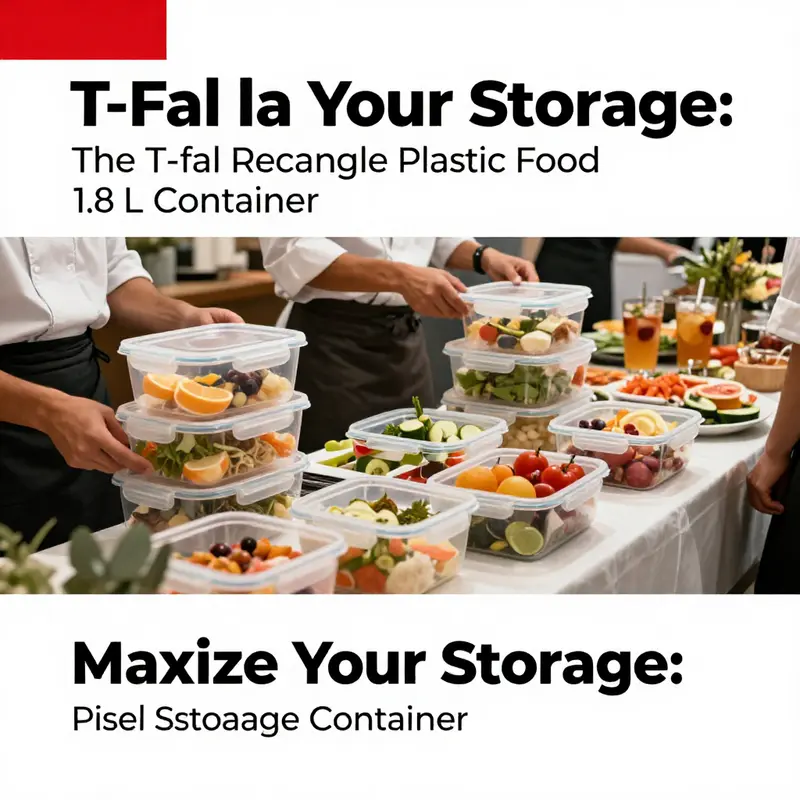
A well-organized pantry often begins with a single, reliable rectangle container that pairs a compact footprint with a lid that can lock in freshness. In the realm of dry-food storage, a 1.8-liter rectangle plastic option stands out for more than just its measured capacity. It embodies a balanced fusion of practical design, dependable sealing, and thoughtful versatility. When you slide the lid into place and flip a small lever, the mechanism becomes nearly automatic—a simple, one-handed motion that creates an airtight seal. The result is a container that keeps pantry staples—pasta, rice, cereal, or crunchy snacks—crisp, free from drafts, and protected from the occasional spill during transport. This is not about a flashy feature but about a reliable quietness in daily routines: a quiet satisfaction that the contents will be ready when needed, without rummaging through the depths of a crowded cabinet. The lever-lock system, designed to compress the seal firmly against the rim, minimizes air exchange, which translates into prolonged shelf life for dry goods and fewer trips to replace items that have lost their freshness. In the whole picture of kitchen efficiency, the real value lies in the calm reliability of a product that performs consistently day after day, season after season.
The container’s rectangular form is not a cosmetic choice but a deliberate architecture for space optimization. In kitchens where cabinet and counter space can feel scarce, vertical dimensions matter as much as horizontal ones. The straight edges and flat sides tessellate neatly with other containers, making it possible to build a predictable stack that remains stable when pulled out for a cooking session or a quick lunch prep. The transparency of the body is another understated strength. Being able to visually identify what sits inside at a glance eliminates the weary ritual of opening each lid to check, reducing the number of unnecessary openings and preserving the integrity of the stored goods. Visibility also guides portion planning. When you can quickly gauge whether you’re low on a staple, you’re more likely to plan ahead, batch cook, or tidy the pantry before a shopping trip. All of this contributes to a kitchen that feels curated rather than cluttered, and it begins with the simple decision to choose a container whose design invites orderly use rather than chaotic rummaging.
Material choice matters as much as form. A BPA-free plastic shell addresses safety and longevity, offering a reassuring barrier between the dry contents and the outside environment. The plastic’s robustness gives confidence that the container can withstand daily handling—being opened, closed, stacked, and moved without showing signs of wear. Durability is crucial in both home kitchens and busy prepping spaces, where equipment routinely endures repeated cycles of use and cleaning. The seal’s integrity is essential not only to freshness but also to the practical reality of transporting foods for work, school, or weekend trips. The combination of a secure lever-lock mechanism and a sturdy, transparent body creates a dependable workhorse that can join a rotating lineup of pantry essentials without feeling fragile or fussy.
Capacity matters, and 1.8 liters is a sweet spot for many households. It is large enough to hold a generous bag of pasta or a couple of cups of rice, yet compact enough to tuck into narrow shelves or side-by-side stacks. This size is also conducive to batch prep sessions: you can portion out ingredients for a week’s worth of dinners, keep them separated, and access them quickly as plans shift. Beyond grains and noodles, the container accommodates a range of dry goods and solid snacks with equal poise. It can house chopped nuts for trail mixes, dried fruit, or crispy granola that might otherwise mingle with other pantry items if left in mixed containers. The ability to reorganize within a kitchen system—placing a 1.8-liter rectangle next to similar units that hold crackers, cookies, or dried beans—emphasizes how form and function converge to support a calmer cooking rhythm. It is the kind of design that makes a kitchen feel more like a well-rehearsed workflow than a battleground of clutter.
Beyond storage, the container can perform across contexts. For meal-prep enthusiasts, it becomes a reliable vessel for portioning meals ahead of time. Leftover ingredients can be kept intact, ready to reassemble into a complete dish later in the week. For office or school users, its secure seal reduces spill risk when transported in bags or lunch totes, offering a practical alternative to more fragile jars. In a small café or catering setup, a 1.8-liter rectangle can streamline station work by consolidating common dry goods into clearly labeled, easy-to-access units. The emphasis on airtight sealing is not about novelty; it is about protecting quality in a space where freshness is a daily concern and where the slightest breeze of air can alter the texture and aroma of dry foods over time.
A practical caveat accompanies every tool of this kind. While the airtight feature excels for dry goods, it is most effective when used with solids or semi-solids rather than liquids. Liquids can challenge the seal’s performance if not properly contained, and moisture introduces a different set of considerations for long-term storage. In kitchens that rotate between pantry staples and more liquid-heavy ingredients, it helps to designate containers by use case and to check labeling for any specific safety or usage notes. Cleaning also deserves mindful attention. A simple rinse with warm soapy water and thorough drying keeps corners dry and prevents mold or residue buildup in the lid’s locking mechanism. Regular inspection of the seal ring ensures it remains free of nicks or deformation that could compromise performance. With care, the container continues to serve as a reliable anchor for a tidy countertop ecosystem or a streamlined pantry stack.
This kind of storage philosophy—clear visibility, modular stacking, robust durability, and airtight integrity—resonates with both home cooks and professionals who need dependable tools that disappear into the background while supporting a precise, repeatable workflow. It encourages thoughtful organization rather than constant searching. When the kitchen’s surface area is at a premium, every item that slides into place with a predictable habit becomes a quiet ally in the daily routine. The rectangular silhouette, in particular, is a practical statement about how we want to live with food preparation: vertically oriented, easily accessible, and easy to rearrange as new needs arise. The philosophy extends beyond the container itself, shaping how a kitchen is equipped and how a cook approaches the day’s task—from pantry inventory to quick-meal assembly to batch cooking for the week.
For readers exploring similar storage variants that can complement a drying, sealing, and stacking approach, consider exploring other practical options in the broader storage family, such as wholesale custom print kraft paper food storage bowls. These paper-based solutions provide a different material approach while sharing the underlying goal of reducing clutter and improving access to essentials. Wholesale Custom Print Kraft Paper Food Storage Bowls
As a cohesive system, these pieces work best when coordinated with a greater storage strategy that honors simplicity, durability, and safety. The 1.8-liter rectangle container embodies those principles in a compact, repeatable form. Its design speaks to a modern kitchen ethos that values reliable performance over novelty, and that prioritizes the practical realities of daily life—meal prep, pantry management, and the quiet confidence that comes with knowing your dry goods are protected and ready when you need them. In this way, a single rectangle container becomes more than just a receptacle; it becomes a dependable stagehand in the kitchen’s ongoing performance. Its presence is felt not in grand gestures but in the ease with which it returns you to your chosen task, time after time. The narrative here is not about a single feature, but about how a thoughtful combination of form, material, and mechanism can elevate ordinary storage into something consistently dependable.
External resource: For a detailed look at the official specifications and usage guidance, see the product page: https://www.t-fal.com/usa/en/products/kitchen-essentials/food-storage-containers/ingenuo-rectangular-food-container-1-8-l.html
Redefining Freshness and Space: A 1.8-L Rectangular, Airtight Plastic Storage Solution for the Modern Pantry
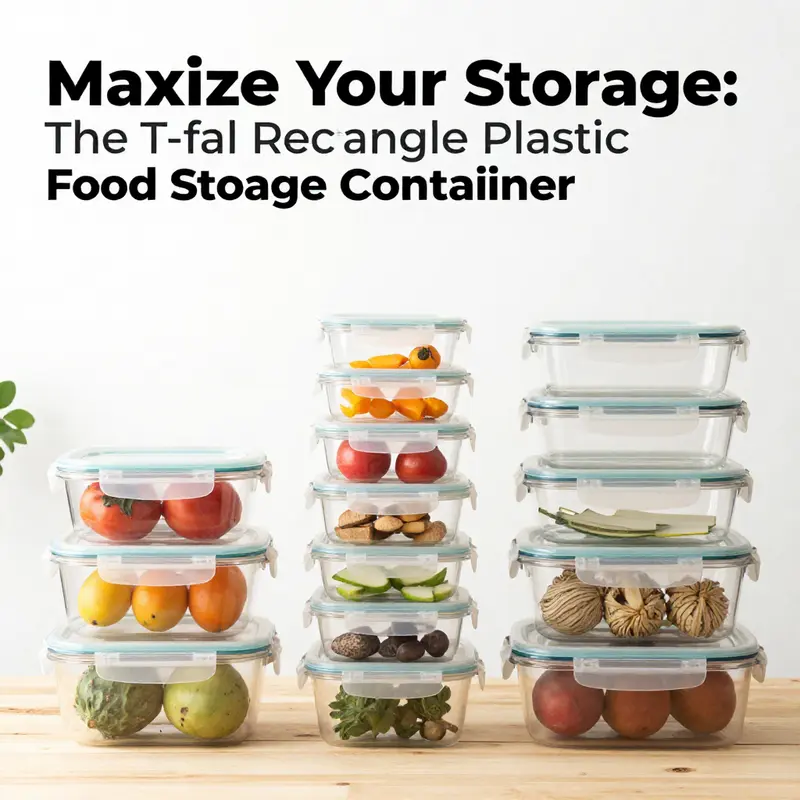
A pantry is a system, not a shelf. Its efficiency arises from how well each piece fits into a broader rhythm of storage, rotation, and retrieval. The 1.8-liter rectangular plastic container designed for dry goods embodies that philosophy in a compact, everyday form. Its size offers a practical middle ground: enough capacity to store staple dry items like pasta, rice, or cereal, yet compact enough to tuck neatly into a crowded cabinet or beneath a shelf. The rectangular footprint is not a mere aesthetic choice; it’s a deliberate alignment with how pantries actually organize space. When rows of cans and boxes loom in front of you, a low-profile, flat-front container becomes easier to slide, stack, and reach. The result is a calmer, more intentional pantry where visibility replaces rummaging, and where the absence of air gaps translates into fewer trips to the back of the shelf to check for spoilage. In this light, the 1.8-liter option is less a single product and more a modular piece of kitchen choreography, designed to harmonize with a system of similar containers that share the same goals: durability, clarity, and a seal that keeps what you store exactly what you expect, day after day, month after month.
Material safety is a cornerstone of that choreography. A container marketed as BPA-free addresses a core consumer concern about chemical migration from plastic into food. While no packaging is entirely without risk in every context, choosing a material that avoids certain additives and layers of processing reduces exposure to potential contaminants. For dry goods, where moisture and air are the primary enemies of freshness, the emphasis on a nonreactive plastic also helps ensure that the flavor and texture of what’s stored remain intact over time. The transparency of the container is more than a design cue; it’s a practical feature that supports mindful storage. When you can see a bag of beans or a bag of rice through a clear body, you can quickly assess quantity, identify what you’re running low on, and avoid duplicating purchases. This reduces waste and supports a more intentional meal plan, especially during busy weeks when every decision counts.
At the heart of the container’s performance is its airtight sealing system. A lever-lock mechanism—one that closes with a firm, audible click—transforms a simple lid into an active barrier against air and moisture. The objective is straightforward: prevent the small, invisible exchanges that degrade dry goods over time. Air carries humidity; humidity invites staleness and, in some cases, mold or pest-friendly conditions in long storage. A reliable seal means a cereal can stay crunchy, pasta can stay dry, and flour won’t clump into a dusty block after a few weeks in the cabinet. That’s not merely about freshness in the kitchen’s immediate sense but about preserving the shelf life of pantry staples across weeks or even months between restocks. The lever-lock design also simplifies use. Unlike standard screw lids or flimsy snap caps, a mechanism that activates with a deliberate movement offers reassurance, a tactile cue that what you’re storing is being protected by a purpose-built system. The result is a sense of confidence that your dry goods remain in their best condition until the moment you need them for a recipe or a snack.
The shape of the container is another element that carries practical implications for everyday cooking and organization. A 1.8-liter capacity is ideally suited to a family or a frequent recipe planner who works in batch mode. It supports bulk portions of pantry staples without encouraging over-storage, a condition that can lead to space fatigue and clutter. The rectangular form is inherently stack-friendly, enabling stable piling and more predictable density inside a cabinet. Proper stacking reduces the risk of accidental tipping and makes the most of vertical space in kitchens where every inch counts. In a professional setting, this compact footprint translates into more efficient shelf planning, faster inventory checks, and less time spent on housekeeping rather than cooking. For home cooks juggling multiple ingredients, the ability to align containers in neat, straight lines—each one clearly visible through its transparent wall—simplifies the workflow from pantry to stovetop.
Beyond the immediate benefits of freshness and space, the price landscape and market positioning of such a container reveal a broader narrative about consumer expectations and product design. In a market segment where premium features are increasingly standard—durable materials, easy-to-use locking mechanisms, and clear visibility—the decision to invest in a high-function container is often framed as a choice for longevity and reliability. While precise pricing details may vary by retailer and region, the general stance positions this kind of container as a higher-tier option within its category. Consumers are often drawn to these features not only for the immediate culinary payoff but for the long-term value they imply: fewer replacements, less waste, and a more orderly kitchen. That alignment between perceived value and actual utility is essential for a product intended to function daily, for years, within the heart of the home.
Market context offers additional texture to this picture. In a broader comparison with assorted plastic storage offerings, several competing designs emphasize different priorities: some favor bulk affordability, others prioritize high-clarity acrylic for quick visual checks, and a subset touts extreme modularity or extra-wide rims for effortless access. The debate often centers on the balance between cost, seal integrity, and user experience. The 1.8-liter rectangle with a lever-lock seal tends to be positioned as a premium yet practical choice that blends secure freshness with everyday convenience. It acknowledges that a kitchen is as much about reliable performance as it is about elegant simplicity. The consumer, in turn, benefits from a product that not only preserves contents but also reduces the cognitive load of keeping track of pantry inventory. It is this convergence of durability, ease of use, and space-conscious design that explains why similar containers can command a price premium relative to bulk, lower-cost equivalents, yet still remain accessible to households seeking meaningful upgrades to their storage systems.
The practical implications for everyday use are clear. For dry goods, the container’s design reduces the friction of meal planning. It makes it easier to rotate stock, ensuring older items are used first and newer purchases are placed behind them in the lineup. The transparent wall supports a steady rhythm of assessment: do I have enough spaghetti for tonight, or is it time to refill the jar? In households that prepare meals ahead or batch-cook on weekends, this rhythm is amplified. A stable, sealable, and stackable container helps keep ingredients ready to be measured, measured again, and finally combined into dishes with minimal rummaging. The ability to see contents without opening the container reduces unnecessary openings, which in turn helps preserve the seal and the contents’ integrity. In short, the combination of capacity, material safety, airtight performance, and space efficiency offers a coherent approach to kitchen organization that aligns with contemporary expectations for healthy, convenient, and orderly homes.
This narrative is not a celebration of novelty for novelty’s sake but a reflection on how a single, well-conceived design choice—an integrated rectangular shape paired with a tactile locking mechanism and a transparent body—can influence daily routines. It’s about how a modest 1.8 liters becomes a practical hub in a broader pantry ecosystem. The goal is to illuminate how such a container fits into real kitchens: as a trusted workhorse that simplifies storage, preserves freshness, and respects the user’s time and space. In the evolving conversation about home appliances and kitchen systems, this kind of component—compact, durable, and easy to use—illustrates how thoughtful engineering translates into tangible benefits in the heart of the home: the kitchen.
External resource: For a broader market context and a sense of how similar square and rectangular storage solutions are positioned in online marketplaces, see this industry listing: https://www.alibaba.com/product-detail/Holar-3-Size-All-Clear-Square-Plastic-Food-Storage-Container1600789119227.html?spm=a2700.1.women.1&productid=1600789119227
Final thoughts
The T-fal Rectangle Plastic Food Storage Container 1.8 L stands as an excellent choice for restaurants, beverage chains, and catering services aiming for organizational efficiency. With its sturdy design, safety compliance, and practical features, it meets the diverse needs of food storage across the culinary spectrum. Investing in such versatile storage solutions not only simplifies kitchen management but also helps preserve the quality of your ingredients, ultimately enhancing service delivery.