
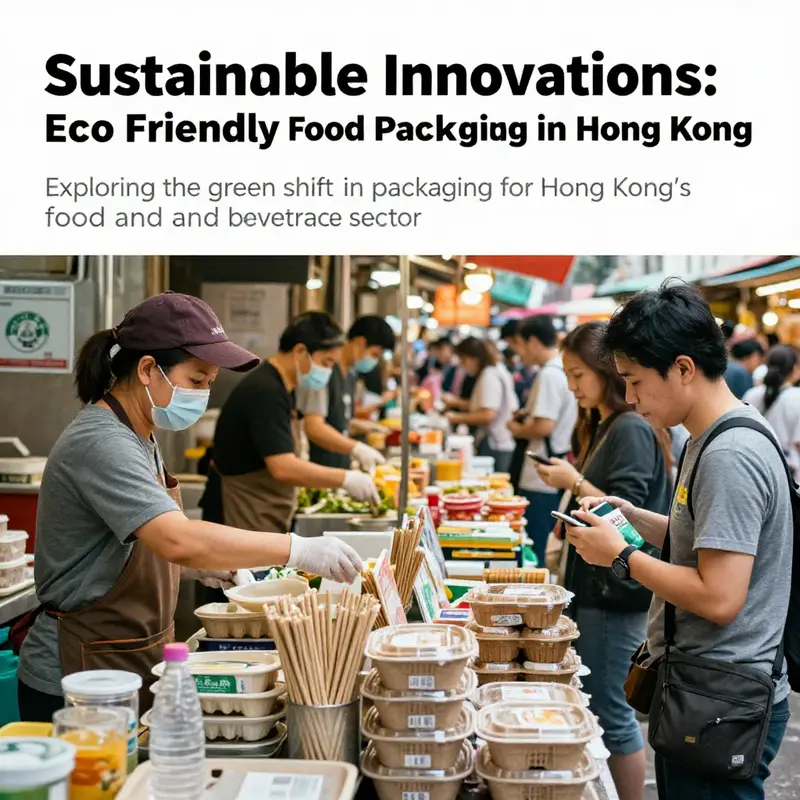
As the demand for sustainable practices in the food and beverage industry increases, Hong Kong is at the forefront of this green revolution, particularly in eco friendly food packaging. With a unique trade and regulatory environment, businesses—ranging from bubble tea shops to catering services—are finding innovative ways to adopt environmentally friendly options. This article will explore the remarkable innovations transforming packaging practices in Hong Kong, the supportive regulatory framework that ensures safety and compliance, and the challenges faced by businesses in implementing these sustainable solutions. Each chapter will provide insights, strategies, and valuable recommendations tailored to your specific segment, ensuring that businesses can not only meet consumer demands but also contribute positively to the environment.
Currents of Change: Innovation, Regulation, and the Circular Economy in Hong Kong’s Eco-Friendly Food Packaging
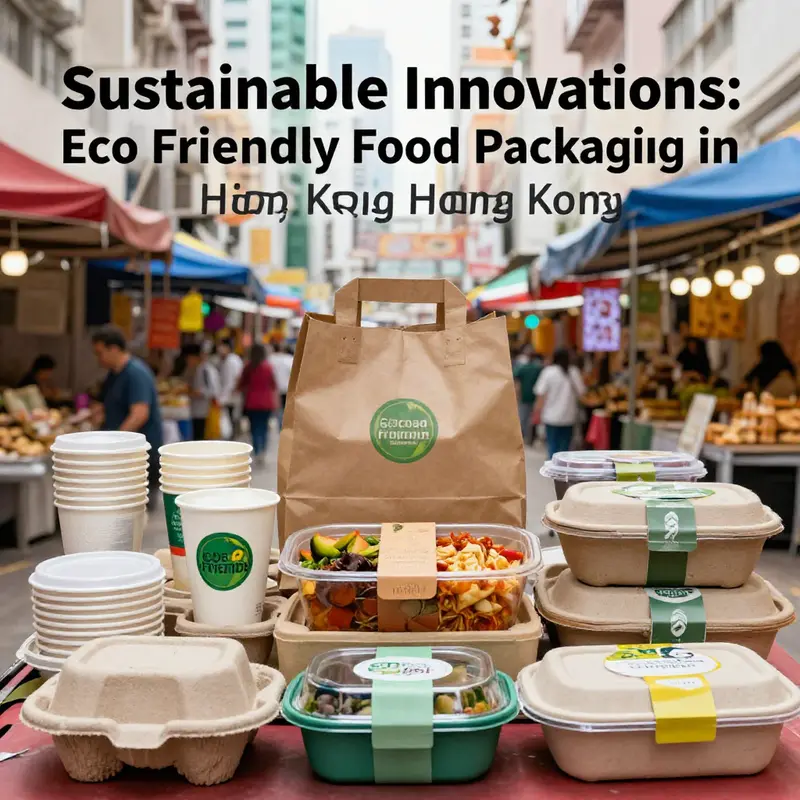
Hong Kong stands at a crucial intersection where global demand for sustainable packaging meets a dense, highly regulated food culture. The city’s strategic position as a trading, logistics, and regulatory hub means that the way it sources, tests, and distributes eco-friendly packaging has implications beyond its shores. In recent years, sustainable packaging has shifted from a niche concern to a core element of business strategy for local food retailers, caterers, and manufacturers. As consumer awareness grows and regulators tighten expectations, Hong Kong has begun to fuse cutting-edge material science with rigorous quality assurance to create a pipeline of packaging solutions that respect hygiene, safety, and environmental goals. The movement hinges not merely on what arrives on shelves but on how products are designed, how they travel through the supply chain, and how waste is managed once they leave the kitchen.
One practical manifestation of this shift is the adoption of paper-based hot cups with biodegradable lids alongside PET plastic cold cups. The combination reflects a pragmatic approach: for hot beverages, paper-based materials with compostable or biodegradable components can offer a more favorable end-of-life outcome in appropriate waste management systems, while cold drinks can leverage the high recyclability of PET where facilities exist. This dual material strategy echoes a broader principle in Hong Kong’s packaging scene: the emphasis on recyclability and compostability is contingent on local infrastructure. Without robust municipal composting or recycling streams, a material’s environmental credentials can only be measured against the actual post-use pathways available to consumers. In practice, this means brands and regulators alike navigate a nuanced calculus that balances material properties, consumer behavior, and the realities of waste separation at the curb.
The regulatory frame in Hong Kong reinforces this nuanced calculus. The Food and Environmental Hygiene Department FEHD and the Centre for Food Safety CFS uphold strict hygiene, labeling, and safety standards that apply regardless of packaging type. Changes in packaging design—such as switching from conventional plastic films to biodegradable films—do not remove a product from scrutiny. Importers and manufacturers must ensure that any packaging materials meet safety standards, do not introduce contamination risks, and remain compatible with existing storage, transport, and handling conditions. This regulatory discipline is not a brake on innovation. Instead, it serves as a compass that helps innovators align new materials with tested safety protocols and traceable supply chains. In a market as dynamic as Hong Kong, where imported goods account for a large portion of food supply, the clarity and consistency of these standards are valuable signals to both producers and consumers.
Another factor shaping the packaging landscape is the cross-border dimension of Hong Kong’s trade. The Hong Kong Made Food Convenience Clearance initiative exemplifies how regulatory levers can streamline the movement of goods, including those in more sustainable packaging formats, for export to mainland China. The initiative recognizes the efficiencies gained when packaging innovations travel with food products through a regulated, predictable process. In an era when regional supply chains are increasingly integrated, this kind of clearance support reduces delays and helps maintain the integrity of eco-friendly packaging choices from factory floor to consumer table. The outcome is a more resilient supply chain that does not force compromises between sustainability and reliability.
Yet the path is not without friction. The CFS has underscored the need for vigilance about cross-contamination, particularly when foods of different types share preparation surfaces or storage spaces. Even when packaging materials themselves are designed to be safer or more sustainable, mismanagement in handling can undermine safety and drive up waste if spoilage occurs. Temperature control remains a critical piece of the puzzle. For eco-friendly packaging to fulfill its promise, it must be integrated into end-to-end processes that preserve freshness and mitigate waste. In Hong Kong, where space is at a premium and demand for convenience is high, the pressure to deliver reliable, safe, and green packaging often translates into meticulous training, clear labeling, and well-designed packaging features that support proper storage and usage.
What makes this a uniquely Hong Kong story is the city’s role in catalyzing collaboration across regional ecosystems. To source and implement eco-friendly packaging at scale, many local players turn to Guangdong and beyond, where manufacturing clusters in cities like Guangzhou and Shenzhen supply a breadth of sustainable options, including plant-based polymers and post-consumer recycled materials. These regional ecosystems provide the connective tissue for designing packaging that travels efficiently from raw material to finished product, while meeting the stringent standards required by Hong Kong’s regulatory bodies. The interplay between Hong Kong’s regulatory expectations and Guangdong’s manufacturing capabilities enables a dynamic, integrated approach to packaging that is hard to replicate in more isolated markets. It is this regional collaboration that accelerates the adoption of innovations—from advanced materials to smart packaging—that can be scaled across Hong Kong’s bustling food economy.
Intelligent packaging is a particularly compelling area where Hong Kong’s expertise and regional networks converge. Temperature-sensitive indicators embedded into packaging can offer real-time signals about product safety and quality, reducing waste and enhancing consumer confidence. QR-code-enabled tracking systems are becoming increasingly common, providing traceability that extends well beyond the label. These systems help identify when a product was produced, how long it has been in transit, and whether storage conditions have been maintained. For operators, this visibility translates into better decision-making about inventory management, spoilage prevention, and returns handling. For consumers, it translates into greater trust that the product they purchase is fresh and safe. The rise of smart packaging meshes with broader sustainability aims by enabling more accurate forecasting of shelf life and enabling targeted interventions that minimize waste across the supply chain.
Alongside these digital innovations, local researchers and startups in Hong Kong have been exploring biodegradable alternatives driven by plant-based polymers and nanocellulose derived from agricultural byproducts. The pursuit of these materials reflects a broader global shift toward biobased, compostable, and recyclable packaging options that minimize reliance on fossil-based plastics. Nanocellulose, with its exceptional strength and lightness, offers opportunities to reduce material thickness and weight without sacrificing performance. Plant-based polymers bring renewability into the equation, and when combined with sophisticated design and processing, they can deliver packaging with meaningful environmental advantages. The research ecosystem in Hong Kong—comprising universities, research institutes, and startups—plays a critical role in translating these laboratory advances into scalable product formats that can be integrated into existing manufacturing networks through partnerships in Guangdong and elsewhere. The outcome is a more diverse palette of packaging options that can meet a range of product requirements, from hot beverages to ready-to-eat meals, while keeping environmental footprints in check.
The circular economy framework underpins these innovations. Beyond simply swapping one material for another, the emphasis is on designing for reuse, repair, and recyclability, as well as on optimizing product life cycles to minimize waste. Circular thinking in packaging means selecting materials with established end-of-life routes, designing for disassembly, and enabling efficient sorting and processing at waste facilities. It also means considering the entire value chain—from sourcing to production to consumer use—so that every step contributes to resource efficiency and waste reduction. In Hong Kong, this approach aligns with both market expectations and regulatory incentives. It supports corporate sustainability commitments, which in turn drive further investment in research and procurement of greener solutions.
A supportive ecosystem underpins the momentum. Government agencies are not only regulators but also partners that enable testing, pilots, and scale-up. The collaboration between policymakers, industry associations, and corporate sustainability teams fosters an environment where green packaging can move from prototype to mainstream. This ecosystem is amplified by Hong Kong’s logistical prowess: world-class ports, efficient warehousing, and a highly connected transport network that can absorb the complexity of multi-material packaging while maintaining strict hygiene and safety standards. The combination of policy clarity, logistical capability, and business incentives creates a fertile ground for packaging innovations to flourish, making Hong Kong a leading example in Asia’s green packaging movement.
To translate these innovations into practical outcomes for businesses, proximity to reliable suppliers matters. The regional supply chains in Guangdong, with their established networks for raw materials and manufacturing capacity, reduce lead times and transportation costs. They also support economies of scale that make advanced packaging feasible for a wide range of operators, from small cafes to large distributors. Materials often circulate through integrated ecosystems where design, testing, and production co-locate, allowing iterative development and rapid deployment of new packaging formats. In this setting, a local brand can experiment with a paper-based hot cup and a compostable lid in one quarter, while a counterparty in the same region can evaluate a plant-based polymer alternative for a separate product line in the next quarter. The net effect is faster learning, more reliable supply, and a broader menu of sustainable options for Hong Kong’s food service sector.
The path forward is as much about people as it is about material science. Knowledge transfer, training, and consumer education are essential to maximize the environmental benefits of new packaging. Businesses must communicate clearly about disposal options, labeling, and compatibility with local waste management streams. At the same time, consumers benefit from transparent information about how to dispose of packaging and what can be recycled or composted at the local level. The success of eco-friendly packaging in Hong Kong thus depends on a well-informed ecosystem that aligns producers, regulators, waste shippers, and households around shared goals. When the public understands the environmental rationale behind packaging choices, adoption becomes more than a compliance exercise; it becomes a shared social practice that reinforces sustainable consumption patterns.
As this chapter has explored, the innovations in Hong Kong’s eco-friendly packaging scene are best understood as a tapestry woven from material science, regulatory discipline, cross-border collaboration, and a circular economy mindset. It is a landscape where new materials and digital tracking coexist with careful adherence to hygiene and safety standards. In this environment, the city’s role as a regional hub is not merely logistical; it is catalytic. Hong Kong serves as a testbed and a gateway for sustainable packaging solutions that can scale across Asia and beyond. The continuous feedback loop among research institutions, industry practitioners, and policymakers helps to refine designs, reduce costs, and expand the range of use cases—from hot soups in insulated paper bowls to ready-to-eat meals in recyclable, post-consumer recycled content packaging. The result is a packaging ecosystem that meets the imperative of environmental responsibility while maintaining the high standards of food safety and service that define Hong Kong’s vibrant food culture.
For readers looking to explore concrete options within this evolving market, a closer look at current supply offerings can reveal practical pathways to implementation. A recent example in sustainable packaging formats features versatile kraft-based bowls and sleeves that support a variety of take-out concepts. These products, available through a range of suppliers, illustrate how local businesses can adopt eco-friendly solutions without sacrificing performance or cost efficiency. To find such options, you can browse examples such as kraft paper bowls for take-out. The page showcases designs that combine durability with recyclability, offering a template for how green packaging can fit into fast-paced service models while aligning with Hong Kong’s regulatory expectations and environmental ambitions. The example underscores the broader principle that sustainability in packaging is achievable through deliberate design choices, robust testing, and close collaboration across the supply chain.
Looking ahead, the path to broader adoption of eco-friendly packaging in Hong Kong will likely emphasize further integration of smart packaging technologies with more sustainable materials. Advances in biodegradable polymers and nanocellulose-derived composites hold promise for replacing conventional plastics in a growing array of products, from single-use cups to multi-use food containers. The regulatory environment will continue to provide guardrails that ensure safety and quality while encouraging innovation through pilots and performance-based criteria. The cross-border networks will remain essential, as the city’s demand for scale and diversity of options can only be met through the combined strength of its regional ecosystem. In this sense, the story of Hong Kong’s eco-friendly packaging is not a single invention or policy change; it is an ongoing process of learning, collaboration, and refinement that will shape how cities manage food safety, waste, and consumer convenience in the decades to come.
External resource: For broader context on Hong Kong’s green packaging initiative, see Hong Kong’s Green Packaging Initiative: Driving Sustainable Innovation in Food Packaging. https://www.hongkong.gov.hk/en/environment/eco-packaging/
Regulatory Compass: How Hong Kong’s Rules Drive Eco-Friendly Food Packaging
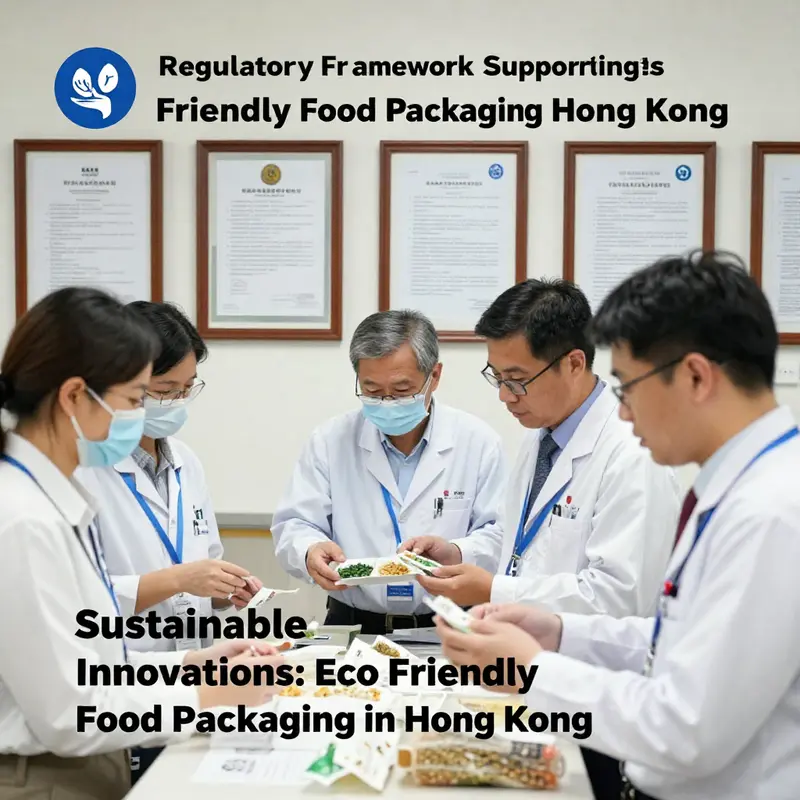
Hong Kong sits at a pivotal junction where environmental ambition, food safety, and vibrant trade intersect. The city does not rely on a single statute to govern eco-friendly packaging; instead, it operates through a regulatory ecosystem that blends waste policy, safety standards, and export facilitation. This architecture shapes how businesses design, source, and deploy packaging in a way that preserves product integrity while nudging the market toward less resource-intensive options. The chapter that follows traces this regulatory choreography, highlighting how each component reinforces the others and why the interplay matters for the daily decisions of producers, suppliers, and retailers in a crowded, highly efficient urban economy.\n\nCentral to the regime is the Producer Responsibility Scheme, a cornerstone of contemporary waste management that embodies the polluter pays principle. The scheme assigns accountability to producers for the environmental footprint of their products, including packaging. While the framework does not mandate a single material class, it creates a strong incentive to minimize the volume of packaging used and to favor designs that can be recycled, reused, or composted where appropriate. The logic is practical as well as principled: when the cost of end-of-life management is embedded in product design, innovators seek alternatives that reduce waste, lower disposal fees, and improve recovery rates. Over time, this dynamic has the potential to tilt market demand toward paper-based and other recycled-content alternatives, especially in a city with high packaging turnover and robust logistics networks.\n\nThe PRS therefore acts as a distant drumbeat in the background of every packaging decision. It nudges designers toward materials that can be efficiently collected, sorted, and processed by local systems or, at minimum, by cross-border recycling streams. It also pushes suppliers to provide materials that maintain product safety while offering end-of-life advantages. Importantly, the presence of a PRS signals a regulatory preference for lifecycle thinking, encouraging firms to evaluate not just the initial cost and functionality of packaging but also its ultimate environmental performance. In a market as dynamic as Hong Kong, where consumers increasingly expect responsible practice, the PRS becomes a pragmatic discipline that aligns economic incentives with environmental outcomes without sapping competitiveness.\n\nBeyond the scheme, food safety and export compliance frameworks anchor eco-friendly packaging in the realm of consumer protection. The Food Safety and Hygiene Ordinance and related guidelines require that all packaging materials used in Hong Kong be safe and suitable for their intended purpose. This baseline prevents harmful substances from migrating into food, a safeguard that is non-negotiable for public health. The same safety logic that guards against contamination also constrains the choices available to packaging designers. For instance, a material that performs well in terms of recyclability but risks chemical migration or incompatibility with certain foods would face heightened scrutiny or rejection. The aim is not to stifle innovation but to ensure that any sustainability feature does not come at the expense of safety. In practice, this means packaging must meet migration limits, withstand anticipated storage and handling conditions, and maintain integrity through the distribution chain.\n\nExport compliance layers further connect packaging choices with cross-border trade realities. The Hong Kong Made Food Concessional Clearance initiative, which facilitates streamlined customs clearance for qualified local foods exported to the mainland, intertwines packaging choices with the standards required by a large consumer market. To qualify, manufacturers must operate from licensed facilities and implement certified food safety management systems, such as ISO 22000 or HACCP, alongside adherence to mainland China standards. These prerequisites create a high-quality operating environment where sustainability measures—such as using recyclable films or recyclable paper-based packaging—are evaluated in concert with safety and quality controls. In essence, the export program elevates the stakes for packaging decisions: efficient, safe, and sustainable packaging can accelerate entry to an enormous adjacent market, while noncompliant packaging can derail even well-loved products at the moment of crossing the border.\n\nThe enforcement logic is complemented by the Food Safety and Hygiene Ordinance, which codifies the obligation to prevent contamination and to ensure packaging materials are fit for their intended function. The governance architecture does not merely specify what is acceptable; it also sets expectations for performance across supply chains. For packaging, this translates into a disciplined approach to material selection, barrier properties, and compatibility with foods. A packaging solution that prioritizes sustainability must still earn the confidence of regulators and the public by proving that it does not jeopardize safety or spoil product quality. In a city famed for its meticulous regulatory culture, the requirement for safety becomes a powerful enabler of sustainability, because it pushes innovation toward materials that are both green and robust.\n\nA closely related thread in the regulatory tapestry concerns sourcing and supply chain integration. For teams pursuing eco-friendly packaging in Hong Kong, the value chain often traverses regional ecosystems in Guangdong and other Chinese manufacturing hubs. These ecosystems offer complementary strengths: feedstock innovation, design capabilities, and high-volume production capacity. Bamboo, post-consumer recycled content, and other sustainable inputs are increasingly used in packaging formulations and products. The practical reality is that a city like Hong Kong relies on cross-border collaboration to realize local sustainability goals. Rather than viewing cross-border supply as a hurdle, many see it as a strategic attribute—an opportunity to harness regional strengths while maintaining rigorous quality and safety standards mandated by local authorities.\n\nIn this landscape, the guidance and data produced by regulatory bodies such as the Environmental Protection Department and the Centre for Food Safety provide a navigational map. They outline how producers can meet both safety obligations and emerging environmental expectations. The Producer Responsibility Scheme page, for instance, offers insight into how the government intends to drive material efficiency, recyclability, and waste reduction. Although the scheme may not specify exact materials or products, it signals a direction: packaging must become easier to recover and less resource-intensive to produce and dispose of. When combined with the safety-centric code of practice, it creates a durable framework that supports steady, predictable progress toward greener packaging without disrupting the essential function of packaging in the food system.\n\nThe regulatory mix also addresses the practicalities of storage, handling, and cross-contamination risks in a world where mixed food types share spaces and cold or ambient chains intersect. Recent guidance from the authorities underscores the importance of maintaining proper storage temperatures and preventing cross-contamination between raw and ready-to-eat items. This emphasis on operational hygiene indirectly informs packaging design, because packaging must support safe handling across diverse environments. For instance, front-line staff rely on clear labeling, reliable seals, and materials that hold up under temperature variations. The aim is to minimize risk while preserving the environmental benefits of the packaging solution. In this way, the sustainability story remains grounded in everyday work at markets, eateries, and distribution hubs where the realities of a busy city demand resilience and clarity as much as ambition.\n\nThe interconnectedness of these policies becomes particularly evident in the way they shape supplier relationships and procurement decisions. When buyers seek eco-friendly packaging, they look for supplies that align with formal safety standards, regulatory expectations, and export readiness. They also require suppliers to demonstrate a transparent lifecycle approach—documenting material recyclability, end-of-life processing, and the environmental footprint of manufacturing. The result is not a single ideal material but a portfolio of options that can be matched to product categories, storage conditions, and local waste-management capabilities. In practice, this often means choosing packaging with clear recyclability paths, or papers that come from responsibly managed forests, or films that can be collected and processed by the region’s recycling infrastructure. The policy environment rewards such choices by reducing risk for importers and retailers while expanding the long-run viability of sustainable packaging suppliers.\n\nFor practitioners and researchers alike, the practical implication of this regulatory architecture is straightforward: to thrive in Hong Kong, packaging strategies must harmonize safety, sustainability, and supply chain efficiency. The city’s regulatory regime does not punish green experimentation; it channels it through a structured process that values evidence, traceability, and compliance. Companies that integrate safety testing, migration assessments, and end-of-life considerations into early-stage packaging design stand a better chance of securing approvals, meeting export criteria, and achieving consumer trust. The workflow is therefore not about choosing between safety and sustainability but about designing packaging that fulfills both roles with equal rigor.\n\nThe journey toward eco-friendly packaging in Hong Kong is thus a story of regulatory design enabling market-based innovation. It highlights how policy tools—such as producer responsibility, safety requirements, and export facilitations—can align with corporate strategies to reduce material use, improve recovery rates, and expand access to both local and cross-border markets. It also acknowledges the practical hurdles—local recycling capacity, the need for cross-border logistical coordination, and the complexity of ensuring compliance across different jurisdictions. These challenges are real, but the policy landscape provides a stable frame within which continuous improvement can be pursued.\n\nAs this chapter turns toward concrete implications, the reader should keep in mind that the regulatory compass is not static. It points in a direction where sustainability and safety reinforce one another. The evolving PRS, the safety-centric packaging rules, and the export-focused clearance initiatives collectively shape the choices manufacturers face when designing, sourcing, and delivering eco-friendly packaging in a dense, highly globalized economy. This is not a simple shift from plastic to paper; it is a broader transformation of how packaging is conceived, produced, and managed across a densely interconnected urban region. The city’s regulators, industry players, and consumers all participate in this ongoing adjustment, each contributing to a future where packaging serves both people and the planet without compromising reliability, safety, or convenience.\n\nInternal link: For a practical overview of market-ready eco-friendly kraft paper packaging options, see this example set of options that aligns with the region’s sustainability and safety standards: eco-friendly kraft paper packaging options.\n\nExternal resource: The Producer Responsibility Schemes page from the Environmental Protection Department provides official context on how waste management policy interacts with packaging design and end-of-life outcomes in Hong Kong. https://www.epd.gov.hk/epd/english/environmentinhk/waste/producerresponsibilityscheme.html
Rethinking the Box: Navigating Eco-Friendly Food Packaging in Hong Kong’s Dense Urban Marketplace
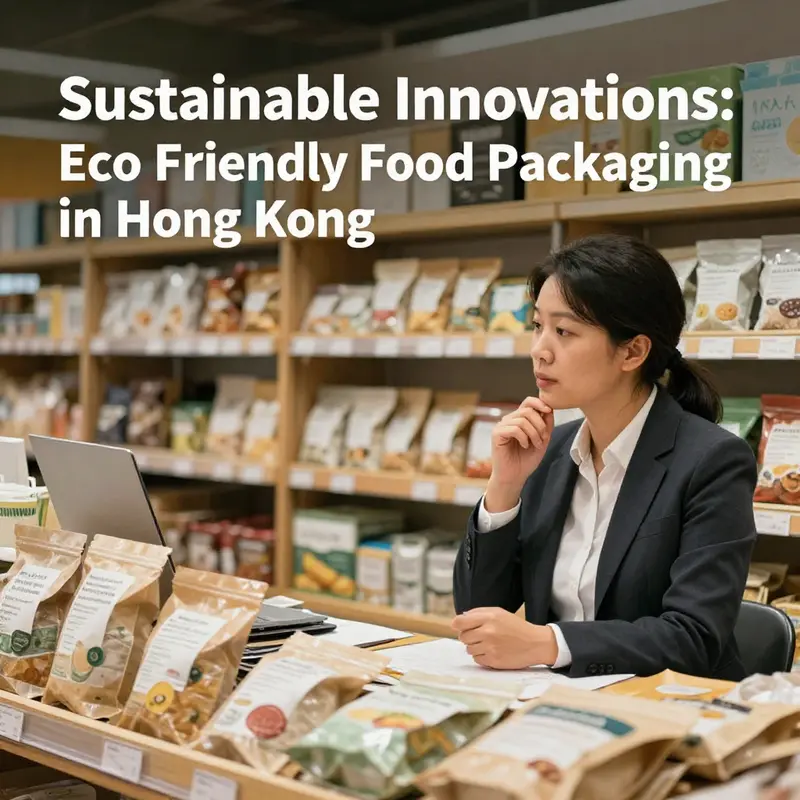
Hong Kong’s food scene is a study in contrasts. The city’s fast-paced, high-density environment rewards speed, convenience, and dependable service, yet it simultaneously presses for more responsible use of resources and less waste. In this ecosystem, eco-friendly packaging is not a luxury but a strategic choice that must align with daily commerce, consumer expectations, and a regulatory framework that governs safety as avidly as it does sustainability. The shift toward greener packaging is not simply about substituting one material for another; it is about weaving environmental considerations into the fabric of a bustling urban economy. In practice, this means that a local brand, seeking to meet rising consumer demand for greener options, may choose paper-based hot cups with biodegradable lids or PET plastic cold cups, materials that can be recyclable or compostable depending on the city’s waste management infrastructure. The choice is rarely straightforward. It involves evaluating the full lifecycle of each option—from sourcing and production to end-of-life handling—and balancing these factors against the realities of a city that moves at the speed of a thousand deliveries an hour. The result is a cautious but deliberate embrace of packaging solutions that reduce waste without compromising the reliability that Hong Kong consumers expect from their everyday meals, snacks, and beverages.
The regulatory environment in Hong Kong plays a pivotal role in shaping what is feasible and what is prudent. The Food and Environmental Hygiene Department (FEHD) and the Centre for Food Safety (CFS) are not merely gatekeepers of hygiene and labeling; they are navigators of a broader sustainability trajectory that touches import controls, material safety, and the integrity of the supply chain. For packaging, this means that changes in materials or formats—whether switching from traditional plastics to biodegradable films or adopting entirely new materials like plant-based alternatives—must still meet rigorous safety standards. The regulatory framework is designed to prevent contamination, ensure that labeling accurately reflects contents and handling instructions, and safeguard consumers. Compliance is non-negotiable, and it shapes how companies design and source their packaging. It also means that the idea of “eco-friendly” packaging is interpreted through the lens of safety and traceability. A packaging material may be marketed as compostable, but if a city’s waste stream cannot reliably separate compostable fractions from general waste, the environmental benefit may be limited. This reality pushes brands toward packaging choices that perform well within the local waste management system, while still delivering meaningful reductions in single-use plastics and other materials that burden landfills.
Hong Kong’s role as a regional hub for trade, logistics, and regulatory compliance further influences how eco-friendly packaging takes root. The city’s strategic position between manufacturing clusters in Guangdong and global markets means that many local brands source packaging from across the Pearl River Delta. The result is a layered ecosystem in which ideas, designs, and materials flow quickly from design studios to extrusion lines to distribution centers, with feedback loops that enable rapid iteration. In this context, the adoption of paper-based hot cups with biodegradable lids alongside PET cold cups illustrates a practical approach: the hot cups offer a compostable or recyclable path for hot beverages, while PET cups provide durability and clarity for cold drinks, with the caveat that the end-of-life outcome depends on local facilities for sorting and recycling. This kind of hybrid solution acknowledges both consumer expectations for convenience and the reality of recycling infrastructure, allowing merchants to provide reliable service while steering waste toward higher-value streams whenever possible.
A concrete example of this pragmatic approach emerges in the everyday operations of local eateries and takeaway outlets, where packaging choice is calibrated to the product type, service model, and customer segment. When a brand serves both hot and cold beverages, it makes sense to offer a single-line packaging system that can accommodate both temperatures and formats, minimizing the complexity of stockkeeping and the risk of contamination across streams. In such cases, the packaging design becomes part of the brand story: it communicates care for the environment, flexibility for different menu items, and reliability for the end user. The broader supply chain must respond accordingly, with suppliers who can provide materials that meet safety standards while also delivering on environmental promises. This is where a local-to-regional network of suppliers becomes particularly valuable. By leveraging clusters in Guangdong and other parts of China—where there are established ecosystems for sustainable packaging made from bamboo fiber, post-consumer recycled content, and other innovative materials—Hong Kong brands can access a broader palette of options, negotiate economies of scale, and reduce lead times. The synergy between Hong Kong’s regulatory oversight and the Guangdong production base creates a resilient pathway for scaling eco-friendly packaging without sacrificing efficiency or safety.
For those exploring implementation in Hong Kong, the regulatory guidance is explicit: packaging materials must comply with hygiene and labeling requirements set by FEHD and CFS, and any modifications to packaging design must be integrated into the existing compliance framework. The import process remains a critical chokepoint where quality assurance and material safety converge with custom clearance, ensuring that sustainable materials do not circumvent safety standards. The broader policy environment also recognizes the environmental goals of the sector. Initiatives such as the “Hong Kong Made Food Convenience Clearance”—though designed to streamline customs for certain foods exported to mainland China—reflect a regional momentum toward efficiency that can be leveraged to introduce more sustainable packaging formats across the supply chain. In practice, this means that a packaging solution must deliver not only environmental benefits but also reliability in transit, durability under varying temperatures, and compatibility with the cold-chain requirements of Hong Kong’s myriad suppliers and retailers. The end product must be able to preserve food safety while enabling consumers to participate in a circular economy through recycling or composting when facilities exist.
Yet challenges persist. The cost differential between sustainable materials and traditional plastics remains a real barrier, especially for small operators and street vendors who already operate on narrow margins. Even when a material promises lower environmental impact, price, availability, and performance must align with daily business needs. Consumer awareness, while growing globally, does not uniformly translate into willingness to pay a premium in every neighborhood. Market research across different districts shows that willingness to absorb higher packaging costs correlates with perceived value in the packaging’s environmental attributes and with visible quality improvements in the product experience. If eco-friendly packaging is perceived as merely cosmetic, buyers may resist, regardless of its potential to reduce waste. Therefore, ongoing consumer education, transparent labeling, and consistent performance across the supply chain are essential to convert environmental intent into sustained demand.
Another layer of complexity arises from the recycling infrastructure itself. Although Hong Kong has made notable progress, contamination in recycling streams and limited processing capacity can dilute the environmental benefits of biodegradable or compostable packaging. If a “green” cup ends up in the wrong stream, it might end up in general waste, undermining the circularity that brands seek. This underscores the need for clear guidance on waste sorting at the consumer level, coupled with robust collection systems and partnerships with waste-management operators who understand the nuances of compostable versus recyclable materials. Effective recycling is not about a single material; it is about a coordinated system where manufacturers, retailers, and households share responsibility for waste streams and ensure that packaging designed for sustainability is actually recoverable and reusable.
In response to these pressures, the Hong Kong government has rolled out programs that actively support sustainable packaging practices. The Green Business Certification Scheme and the Plastic Reduction Programme are designed to incentivize companies to adopt greener practices and to recognize public commitments to environmentally responsible operations. These programs provide a framework for evaluating packaging choices not only on environmental grounds but also on business viability and consumer acceptance. Beyond regulatory incentives, there is a clear push toward innovation in packaging technologies. Edible films, plant-based materials from sugarcane bagasse and bamboo fiber, and reusable container systems are among the frontier developments gaining traction. Each option brings distinct benefits and trade-offs. Edible films could, in theory, reduce waste to zero, but their practical adoption hinges on consumer acceptance, food safety considerations, and compatibility with existing dining-out and take-out ecosystems. Plant-based materials offer promising alternatives to conventional plastics, yet they must prove scalable, affordable, and compatible with local waste management capabilities. Reusable container systems represent a behavioral shift—encouraging customers and delivery platforms to participate in container take-back schemes, wash-and-reuse cycles, and clear incentives—yet their success depends on robust logistics, clear return points, and consumer convenience.
Collaboration emerges as a central ingredient in any viable path forward. NGOs, local startups, and established food-entrepreneurs are partnering to test scalable models that adapt to Hong Kong’s specific needs. These collaborations aim to reconcile the demand for speed and reliability with the aspiration to minimize single-use packaging. In such partnerships, designers and engineers work with policy makers to translate environmental goals into practical packaging formats that can be produced at scale, stored efficiently, and shipped quickly. The resulting solutions reflect a nuanced understanding of Hong Kong’s urban rhythm—the need for compact, stackable, and heat-tolerant packaging that can be used in a dense network of restaurants, take-out counters, and delivery platforms while still enabling end-of-life recovery through recycling or composting where available. In this ecosystem, suppliers in Guangdong and beyond are essential allies, offering integrated ecosystems for sourcing raw materials, designing packaging, and producing at high volumes. Bamboo fiber, sugarcane bagasse, and post-consumer recycled content are no longer theoretical materials; they are components of real products that arrive in port and find their way into local channels with reliable lead times and predictable performance.
From a practical standpoint, businesses seeking to implement eco-friendly packaging in Hong Kong should begin with a careful materials assessment that weighs safety, shelf-life, and consumer experience against environmental impact. This begins with simple questions: Will the chosen material protect the product through the typical transit conditions in Hong Kong’s climate? Does it maintain its integrity when exposed to heat, moisture, or rough handling during peak ordering times? Is the packaging easily recyclable, compostable, or reusable within the city’s waste-management framework? And crucially, can the supplier provide consistent quality at a price point that makes sense given the business model and target margins? These questions guide the selection process and help ensure that sustainability is not an abstract ideal but a practical advantage that can be communicated credibly to customers.
Sourcing decisions, in particular, must consider the broader regional ecosystem. The Guangdong region, with its established clusters around Guangzhou and Shenzhen, presents a compelling option for obtaining sustainable packaging components. The ability to source bamboo fiber, bagasse, and recycled-content plastics within a short supply chain reduces lead times and allows for more iterative testing of packaging concepts. For brands that intend to place orders at scale, partnering with suppliers who can deliver consistent quality, predictable pricing, and reliable logistical support becomes as important as the environmental attributes of the packaging itself. The cross-border dimension also means that regulatory alignment across jurisdictions is essential. Materials that comply with Hong Kong safety standards and labeling requirements must also meet the testing and certification expectations of the mainland market when any component is intended for export in a broader regional supply chain. In such a setup, a packaging solution is most robust when it is designed with flexibility—able to accommodate different product formats, temperatures, and consumer usage patterns—while remaining faithful to the core goals of waste reduction and end-of-life recoverability.
In addition to material choices and supplier networks, the human element of packaging design—how consumers perceive and use packaging—should not be underestimated. Cross-contamination, a key concern highlighted in recent guidance from the CFS, reminds us that convenience and safety must be carefully balanced. Mixed-food handling scenarios call for clear separation strategies within packaging, unambiguous labeling, and user-friendly features that reduce the risk of contamination. At the same time, the design must not undermine recyclability or compostability. A cup or bowl that performs beautifully in terms of heat retention but complicates sorting at the consumer level fails to deliver the intended environmental benefit. Thus, packaging decisions must be informed by concrete user behavior data, testing under real-world conditions, and ongoing feedback from operators on the ground. The outcome is a more resilient packaging system—one that supports fast service without sacrificing the environmental commitments that customers increasingly expect from the brands they trust.
For businesses eager to translate these insights into action, a practical route involves selecting packaging options that demonstrate a thoughtful balance between form, function, and sustainability. The right choice should align with the brand’s values, the product’s needs, and the city’s waste streams. It should also be scalable, enabling growth across multiple channels—dine-in, takeaway, and delivery—without forcing a complex, costly change each time the menu evolves. A packaging line that embraces both hot and cold offerings—using paper-based hot cups with biodegradable lids and PET cold cups, for instance—can deliver a cohesive user experience that signals environmental responsibility while maintaining performance. And for those who wish to explore the tactile and aesthetic dimensions of sustainable design, there are opportunities to partner with packaging providers that offer customizable micro-detailing and branding options on items like kraft paper bowls and related serveware. See this example of a disposable take-away paper cup with customization options for logos and branding to illustrate how sustainability and branding can harmonize in a single product line: disposable-takeaway-paper-cup-custom-logo-kraft-coffee-cup-with-lid.
Looking forward, the trajectory for eco-friendly packaging in Hong Kong will hinge on continued collaboration, policy refinement, and consumer engagement. The city’s unique urban logic—dense populations, compact streets, and a highly interconnected logistics network—presents both constraints and opportunities. The constraints push innovators to create materials and designs that perform under pressure and can be integrated into existing waste management systems. The opportunities arise from Hong Kong’s capacity to act as a conduit between regional production hubs and global markets, accelerating the adoption of sustainable packaging formats that not only reduce waste but also set new benchmarks for reliability and safety in the fast-moving food sector. If the system can harmonize regulation, supply chain agility, and consumer education, eco-friendly packaging can become a standard rather than an exception in Hong Kong’s vibrant food landscape. The city’s ongoing investments in waste reduction, along with the growing visibility of green certifications and public-private collaborations, will likely push more operators to experiment with plant-based materials, reusable systems, and designs that optimize both resource use and user experience. In that sense, the chapter on eco-friendly food packaging in Hong Kong is less about a single breakthrough and more about a holistic, scalable model—one that respects the city’s pace while elevating its commitment to a healthier, more circular economy.
For readers seeking practical, on-the-ground guidance, the first step is to map the entire packaging lifecycle—from material selection to end-of-life outcomes. This means identifying which packaging formats are compatible with local recycling streams, which materials can contribute to composting programs where they exist, and how to communicate the environmental benefits in a way that resonates with customers. It also means acknowledging that the journey is iterative. Initial experiments with paper-based hot cups and PET cold cups may reveal new optimization opportunities, such as adjusting lid designs for improved sealing, refining cup thickness to balance heat resistance with material efficiency, or exploring branding options that reinforce sustainability messaging without compromising recyclability. As more brands undertake these experiments and share learnings, the social and economic logic of green packaging in Hong Kong will become more compelling and more scalable. The momentum will strengthen as suppliers, regulators, and retailers align their expectations, ensuring that every package delivered in the city carries not just a product, but a promise—to reduce waste, protect public health, and support a resilient urban economy.
External resource: https://www.epd.gov.hk/epd/english/environmentinhk/waste/plastic_reduction.html
Final thoughts
The shift towards eco friendly food packaging in Hong Kong is not just a trend—it’s a necessary evolution for businesses aiming to stay relevant and responsible. By embracing innovative materials, aligning with regulatory standards, and addressing the challenges of implementation, food and beverage establishments can enhance their sustainability profile, subsequently appealing to a growing market of environmentally conscious consumers. The journey to adopting eco friendly packaging is paved with opportunities to reduce environmental impact while simultaneously boosting brand loyalty and customer satisfaction. It’s a win-win scenario, showing that sustainability can be both strategically beneficial and ethically imperative.