
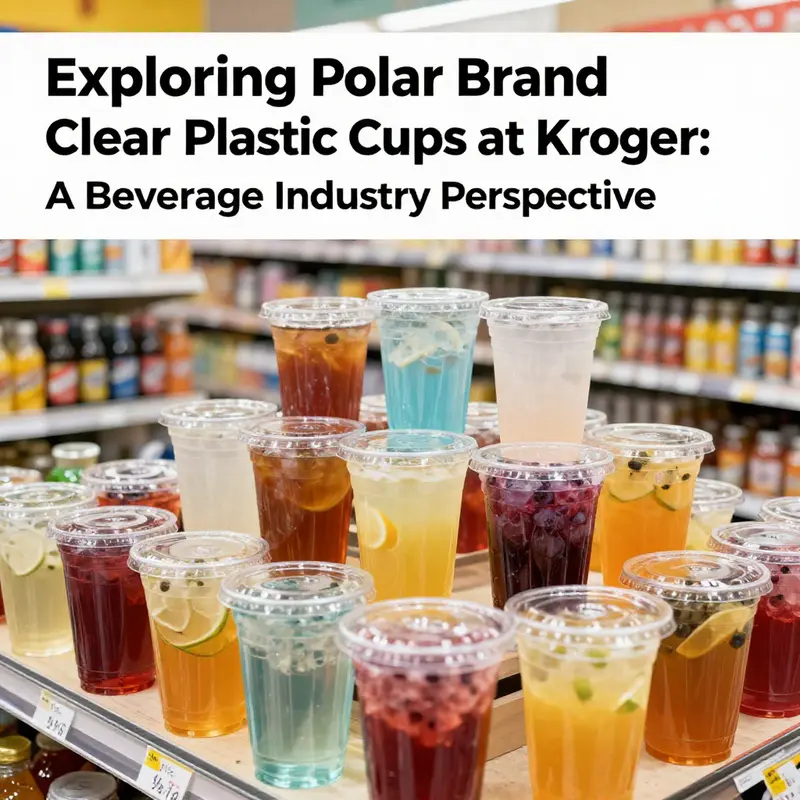
In the realm of beverage service, choosing the right disposable cup can elevate customer experience while maintaining operational efficiency. This discussion centers on the Polar Brand clear plastic cups, specifically the 10oz options that many businesses seek for serving drinks such as bubble tea. While Polar may not be widely available through Kroger’s direct offerings, understanding Kroger’s brand and its related products is valuable for beverage shops, restaurants, food trucks, and catering services. Each chapter will unravel the nuances of the available products, their pricing, packaging, and suitable usage scenarios, helping businesses make informed decisions about their disposable beverage needs.
Retail Brand Clear Plastic Cups in 10oz: A Practical Guide to Availability, Design, and Everyday Use
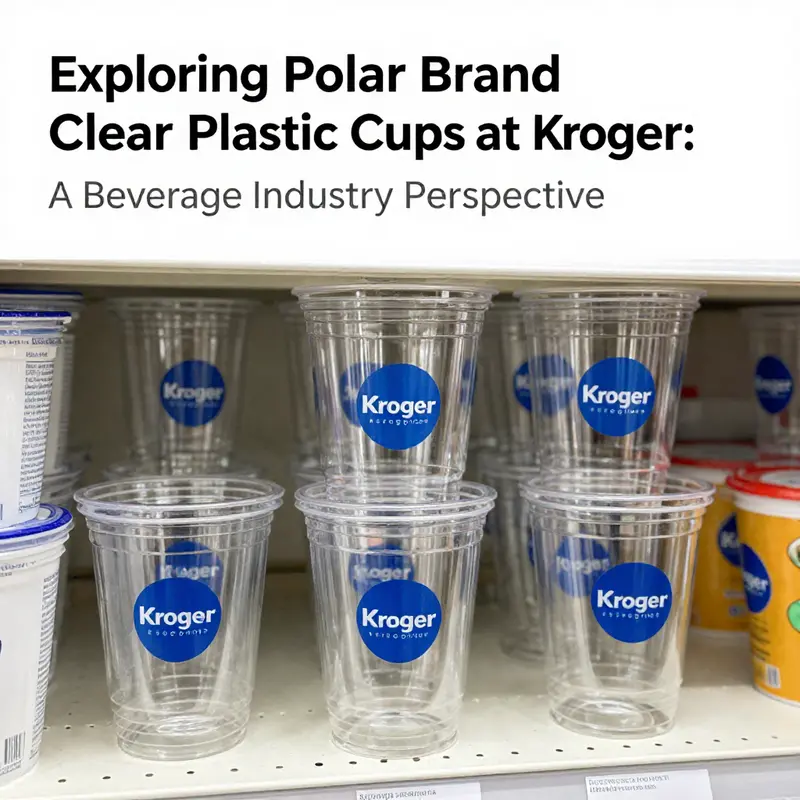
Clear, disposable cups in the 10-ounce size sit at the intersection of practicality and everyday hospitality. They are the kind of product you notice only when you don’t have them: a missing link at a party, a hurried refreshment station in a meeting, or a quick-dispense option in a casual-dining setting. What makes these cups enduringly useful is not a flash of novelty but a steady combination of clarity, convenience, and compatibility with the rhythms of daily life. In many supermarket environments, the 10-ounce clear cup is offered under a retailer’s own private label or by third-party brands, making it both ubiquitous and affordable. The result is a simple, dependable option that consumers lean on for cold beverages, desserts, sampling, and even small portions of condiments in casual service contexts. The story of these cups, when viewed through the lens of a sprawling retail ecosystem, is less about a singular design and more about the way a basic, well-made tool supports a broad spectrum of moments—from a family picnic to a neighborhood fundraiser to a coffee break on a busy workday.
At the core of the cup’s usefulness is its material and its geometry. Most 10-ounce clear cups are crafted from PET, a lightweight plastic known for high clarity and respectable rigidity without adding too much weight. The appeal of PET here is twofold: it showcases the beverage inside, preserving the visual appeal of color and texture, and it holds up well enough under typical cold-drink scenarios. The 10-ounce capacity sits at a sweet spot for a range of cold beverages—water, juice, iced tea, and small servings of dairy-based drinks—without feeling oversized for social settings or undersized for a practical measure of refreshment. The lip and wall thickness, the smoothness of the interior, and the uniformity of the walls all contribute to a perception of quality that is important for repeat use and for the sense that the cup is a reliable vessel rather than a disposable afterthought.
Design features matter. The stackable form is a quiet but powerful advantage. When you unpack a bulk carton and begin to stack, you understand why this shape endures in both home and professional contexts. A stackable profile saves storage space, reduces handling time, and simplifies inventory management for organizers and caterers alike. The rims of these cups are typically designed with a smooth edge to help prevent snags and to make sipping comfortable, which matters whether guests are sampling a bright citrus beverage or a creamy smoothie. Beyond the cosmetic advantages, there is a practical consideration: leak resistance. The combination of a tight tolerance between cup wall and lid (where lids exist) and a well-formed lip helps mitigate spills during transport or mid-service, even when cups are carried in baskets, trays, or single-file lines. These features translate into real-world value because they reduce the friction of service and improve the experience of the person on the receiving end.
The market for these cups is shaped by the balance of price, convenience, and availability. In many retail ecosystems, bulk packs of 50 or 100 cups are common, and buyers range from families stocking up for a backyard gathering to small cafés or event planners seeking a straightforward, cost-conscious solution. The private-label option offered by a major retailer can be particularly attractive because it usually pairs predictable retail price with broad distribution. That combination makes it easier to stock a consistent supply for recurring needs without the hassle of chasing a specific brand. Yet, it is worth noting that the range does not end with one private label or another. There are multiple brands in many markets, and the landscape can shift by region or season, with promotions, seasonal packaging, or changes in supplier arrangements—all factors that shape what you might find on a given shopping trip or online cart.
From a consumer perspective, the decision to choose one 10-ounce clear cup over another often comes down to practicalities more than dramatic differences in performance. If the goal is a straightforward beverage service for casual use, the focus tends to be on clarity, comfort of grip, and the ease with which cups can be handled in bulk. For events that require a portable, easily organized solution, the stackable attribute becomes a lead criterion. If the event involves a longer duration or a mix of beverages, some buyers consider rim thickness and rigidity to avoid flex or distortion when gripping the cup, especially if attendees are young children or older adults who might apply uneven pressure. Temperature tolerance, while not usually an issue for chilled drinks, is another consideration. Exposing these cups to high heat can cause deformation or affect the integrity of the material, which in turn can impact the user experience and the perceived value of the service.
In the broader conversation about single-use plastics, these cups sit squarely in the middle—handy and widely accessible, yet part of a conversation about environmental impact. PET is a commonly accepted material in recycling streams, often identified as #1 plastic. While curbside programs in many communities will accept PET items, the ease of recycling can vary with local facilities, labeling, and processing methods. The single-use nature of these cups is a reminder that sustainability considerations extend beyond the item itself to the larger consumption cycle: collection, transport, processing, and eventual reuse or disposal. Retailers and manufacturers have responded by exploring more eco-friendly options, including alternative materials or compostable formulations, but such shifts are not uniformly available across all locations or product lines. Consumers who want to align choices with environmental values may weigh factors like post-consumer recycled content, the availability of compostable variants, and the potential for recycling or reuse within their own communities.
The interplay between function and footprint shapes everyday decisions about these cups. They are practical because they enable quick assembly and quick service, traits prized at family gatherings, classroom tastings, or casual workplace settings. They are reliable because they maintain a consistent form that works with standard lids, straws, and insertable accessories, minimizing the guesswork for hosts and servers who must move smoothly through a busy workflow. They are flexible because, in many contexts, they function across a spectrum of cold beverages and light desserts, from a simple iced drink to a small portion of yogurt or pudding with a decorative topping. And they are familiar—part of a familiar toolkit in which the right container helps keep the focus on the people, the food, and the occasion rather than on the packaging itself.
When we look at the purchasing landscape, the conversation evolves from the cup as a standalone item to the cup as part of a broader system of service, storage, and transport. The 10-ounce clear cup becomes a dependable piece of infrastructure within a party plan, a catering roster, or a café’s daily rhythm. It is easy to underestimate how often a simple, well-built cup supports the flow of a day: the quick refill, the mindful tasting at a wine or tea station, the kid-friendly portion during a birthday gathering, or the light, refreshing break between meetings. In each case, the cup’s attributes—clarity, grip, stackability, and compatibility with lids and accessories—contribute to a smoother experience. Consumers learn to appreciate the small, predictable advantages that accumulate over time, advantages that are not flashy but essential to delivering a consistent, pleasant encounter with beverages and light desserts.
For readers who want to explore sustainability options further while maintaining the convenience of a widely available cup, a practical route is to consider complementary packaging and disposal choices. Some retailers emphasize the possibility of selecting products with higher post-consumer content, or they highlight the availability of compostable or more easily recyclable alternatives where regulations and infrastructure permit. The decision to stay within a familiar, low-cost pathway versus to shift toward greener options often depends on local disposal capabilities, the scale of consumption, and the values of the organization hosting the event or the household managing the shopping list. In all cases, the cup remains a quiet workhorse—an everyday object that quietly supports social connection, refreshment, and sharing without demanding attention to itself.
To connect this discussion to the broader ecosystem of packaging and supply chains, consider the ways in which these cups interact with other common elements of serviceware. Lids, sleeves, napkins, and tray systems all play a role in how a simple drink is presented, carried, and consumed. The relationship between cup design and the ease of pairing with lids or sleeves can influence staffing needs, speed of service, and even the guest experience. When you select a cup, you are also selecting a degree of reliability for a service task. The decision becomes a matter of aligning the cup with the setting, the expected traffic, and the mood of the event. In that alignment, the 10-ounce clear cup emerges as a pragmatic choice—unassuming, adaptable, and sturdy enough to handle the small yet essential moments that give a gathering shape and warmth.
To anchor these reflections in real-world shopping realities, many buyers turn to trusted online or in-store sources that present the same private-label options available in physical aisles. The browsing experience often involves comparing pack counts, price-per-unit, and delivery or pickup convenience. In practice, a shopper may choose a 50-count or 100-count carton based on anticipated usage and space constraints. The decision may also hinge on the availability of complementary accessories and the ability to reorder easily for recurring events. As a result, the cup becomes less a product and more a component in a reliable service repertoire—one that supports timely hospitality without adding friction to the process. This is the essence of what makes the 10-ounce clear cup a staple in households, small businesses, and community gatherings alike: not a star of the show, but a dependable partner in countless everyday moments.
For readers who want to explore more about eco-conscious options tied to beverage service and to see how sustainable packaging can be integrated into everyday shopping, consider examining resources that discuss recyclable and compostable alternatives and the practicalities of implementing them in a local context. eco-friendly-recyclable-pulp-2-4-cups-coffee-take-away-cup-holder offers a lens into how packaging choices intersect with environmental goals and consumer demand, illustrating how a broader category of take-away disposables can align with responsible practices without sacrificing convenience. As you weigh options, it helps to keep in mind the broader picture of how a single cup fits into a system of use, reuse, and responsible disposal, and how that system evolves as cities, retailers, and manufacturers pursue more sustainable solutions.
External reference: https://www.amazon.com/dp/B07Z9D2VQH
Between Brand Promise and Market Shelf: Navigating Polar Brand 10oz Clear Plastic Cups at Kroger and the Quietly Ubiquitous Alternatives
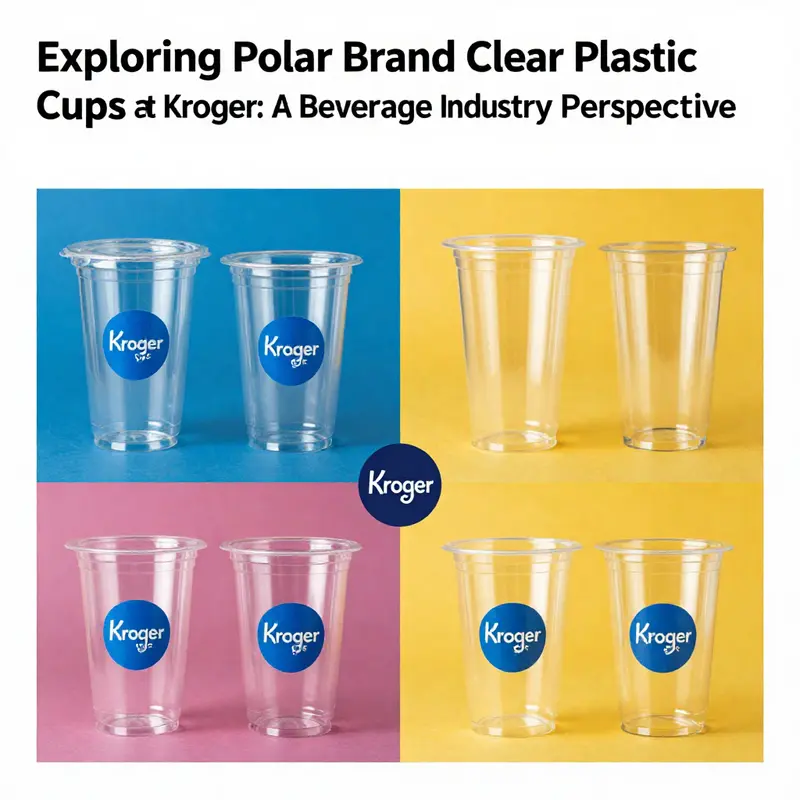
When shopping for the right disposable cup, the first hurdle is not the cup’s capacity or its price alone. It is whether the brand name on the cup’s sleeve aligns with a retailer’s inventory, and whether the shelf real estate at a trusted grocer reflects what consumers actually need for a home party, a neighborhood barbecue, or a small-restaurant takeout window. In the case of the 10-ounce clear plastic cup—whether it bears the polar branding or a Kroger private label—the dynamic is less about a single item and more about how a category of packaging stories gets written in a single trip to the store. The 10-ounce size sits at an interesting crossroads: it is small enough to feel intimate for a cold beverage or a delicate dessert, yet sturdy enough to hold a robust, thickened drink without warping or leaking. The cups that sit on display in Kroger stores or its online marketplace are a practical reminder that retail packaging is rarely just about clarity and convenience. It is about a chain of decisions—from material choices and wall thickness to lip design and stacking geometry—that together determine how reliably a cup performs in real-world use. And in this chain, branding matters, but availability matters even more. The question shoppers frequently pose—whether Polar Brand offers a 10-ounce clear plastic cup at Kroger—reflects a broader tension between what a consumer wants to buy and what a retailer actually stocks. The reality, based on current information, is that Kroger’s shelves and its digital storefront feature a spectrum of 10-ounce clear cups, but the specific Polar Brand designation is not consistently verifiable across all Kroger channels. This ambiguity is not a weakness in retail science; it is a feature of how supply chains distribute products regionally and how online catalogs mirror real-time stock levels. For shoppers, the prudent approach is to treat Polar Brand as a potential option while also respecting the more consistently available Kroger private-label alternatives. The private-label option—often offered in packs of 50 or 100—delivers predictability: a defined unit count, a standard wall thickness, and a predictable price point that makes it a dependable baseline for budgeting, especially for events or small venues that must balance quantity with quality. The practical upshot is that if a shopper cannot locate Polar Brand on the Kroger site or in a local store, there is a clear, legitimate substitute that preserves the intended experience: a clear, cold-drink-friendly cup that holds up under the chill and the swirl of ice and condensation that defines a shaded summer afternoon. A shopper’s search becomes less about chasing a single brand and more about aligning the cup’s performance with the event’s needs. In this light, the 10-ounce category reveals several important considerations that go beyond the cup’s optics. Clarity is essential; however, it is equally crucial that the cup’s material structure supports a pleasant drinking experience. A well-made clear plastic cup offers crisp clarity, but it must also resist clouding after a few minutes in a fridge or a transient impact from a brief drop. Wall thickness matters, particularly when ice and carbonated beverages interact with the cup’s interior. A thicker wall helps prevent deformation, which in turn reduces the risk of accidental leaks or a sloppy fit with a lid, if one is used. The lip and rim design influence both ergonomics and spill resistance. A comfortable lip—slightly rounded, with a finish that doesn’t snag napkins or straws—encourages steady sipping, especially for younger guests or casual gatherings where a cup passes hand to hand with minimal fuss. These micro-details accumulate into a larger consumer experience: the sense that the cup you chose, at the price you budgeted, will be there when you need it. From a supply-chain perspective, Kroger’s ecosystem—spanning brick-and-mortar aisles and the online storefront—operates on a framework of supplier relationships, private-label strategies, and regional distribution. The Kroger private-label 10 oz clear cups, in particular, illustrate a deliberate approach to standardization. Private-label products allow retailers to tailor pricing, packaging units, and fulfillment timelines to local demand patterns, thereby reducing lead times for restocking and smoothing price points during peak shopping periods. This is not to devalue branded options; rather, it highlights a practical menu of choices for consumers who require dependable performance without being tethered to a single brand’s availability across all stores. It is also worth acknowledging that “Polar Brand” may surface in certain regions or through third-party sellers. In such cases, the onus falls on the consumer to confirm current availability through Kroger’s official channels—either by visiting Kroger.com and performing a live search or by calling a local store for inventory checks. Real-time checks matter because what appears online can diverge from what sits on the shelf, particularly in a nationwide retail network that must juggle multiple distribution centers and regional suppliers. For the practical shopper, this means a few actionable steps. First, when shopping for 10-ounce clear cups, search the Kroger site for “10 oz clear plastic cups” and then filter by brand if the option appears. If Polar Brand does not surface, consider the Kroger private-label equivalent, which is widely sold in standard pack sizes and is known for reliable clarity and consistent dimensions. Second, compare unit counts and packaging configurations. Some buyers prefer 50 cups per box for intimate gatherings, while others need 100 cups or more to cover a weekend event without restocking mid-party. The economics of bulk packing can be surprisingly favorable, and consistent packaging reduces the cognitive load of planning and purchasing. Third, evaluate lifetime value by considering not just price per cup but the total cost of ownership: the likelihood of breakage, the ease of washing or disposal, and the compatibility with ice and cold beverages. In this space, the consumer’s eye becomes a practical tool: a way to balance aesthetic appeal with utilitarian reliability. The broader conversation around 10-ounce clear cups also invites a look at alternatives that are often discussed alongside Polar Brand options. Generic clear plastic cups, available from a spectrum of manufacturers, can offer similar optical clarity and leak resistance. The crucial variable tends to be the cup’s wall thickness and rigidity, which influence how well a cup holds its shape under the weight of poured liquids and ice. In high-usage settings, a more robust cup translates into fewer mid-event replacements and less waste from compromised cups. Beyond the plastic realm, inner laminated paper cups represent a growing branch of the conversation for those who seek a potentially more eco-conscious footprint. These 10-ounce paper cups include a thin interior plastic or bioplastic (PLA) coating that can provide leak resistance while supporting printability for branding or messaging. While not a direct substitute for a clear plastic cup, they serve in contexts where a compostable or recyclable narrative adds value to a vendor’s offering. The trade-offs are real: paper cups with inner coatings can sometimes be less transparent to the eye, and some coatings may influence the experience of hot beverages or certain cold drinks. Nevertheless, for certain cafés and takeout operations, the combination of clean branding, adequate insulation, and expected performance makes laminated paper cups a viable option worth considering when a store or a brand contemplates its lineup. For readers who want a practical starting point, the path forward is to assess both the functional and aesthetic needs of the event at hand. If the goal is a crisp, transparent presentation with a straightforward service flow, a clear plastic cup—whether Polar Brand or a Kroger private-label alternative—can deliver that exacting standard with a consistent footprint across settings. If environmental considerations are prioritized, then both paper-coated options and alternative disposal strategies deserve closer scrutiny. These decisions, while technical, impact guest experience and operational efficiency in tangible ways. As with many packaging decisions, the best choice emerges from aligning supplier capabilities with consumer expectations, event requirements, and the retailer’s logistical realities. The result is a practical, economical, and sustainable approach to stocking a staple item that most hosts and vendors will rely on repeatedly. For shoppers who want to explore beyond the shelf, there is value in scanning the broader landscape of disposable cup offerings on e-commerce platforms, comparing clarity, thickness, and unit economics. And as with any major purchase decision, real-time verification—whether through a mobile app or a quick call to a local Kroger—helps confirm that the desired 10-ounce clear cup is indeed available in the form that best fits the occasion. When the moment calls for a reliable, economical, and visually crisp serving vessel, the choice often boils down to a straightforward calculus: a trusted private-label option that meets the event’s needs, a widely available brand that offers consistent performance, and a contingency plan that respects regional库存 realities. In the end, the shelf is as much a map of consumer behavior as it is a catalog of product specs. The 10-ounce clear cup remains a simple, ubiquitous tool—one that converts liquid and ice into a memorable, shareable moment. It is the small, unassuming vessel that holds not only beverages but also the expectations of hosts and the confidence of guests. For those who want to see how this plays out in practice, a nearby example of packaging choices and substitutions can be found in related disposable products, where the emphasis shifts from a single brand to a coherent, site-wide packaging strategy. This approach—prioritizing consistency, accessibility, and cost-effectiveness—helps retailers serve diverse communities with a familiar, dependable option whenever 10-ounce clarity is needed. To explore a related packaging category that often sits alongside cup offerings, consider this resource on durable, single-wall paper cups used for hot and cold beverages, which illustrates how packaging decisions can reflect broader branding and sustainability goals: disposable single-wall paper cup 12oz-16oz kraft coffee cup with lid. For further reference on current retail availability and real-time inventory checks, you can visit the Kroger site directly: https://www.kroger.com
Clear, Cost-Effective Serviceware: Packaging and Pricing of 10oz Clear Plastic Cups in a Major Retail Ecosystem
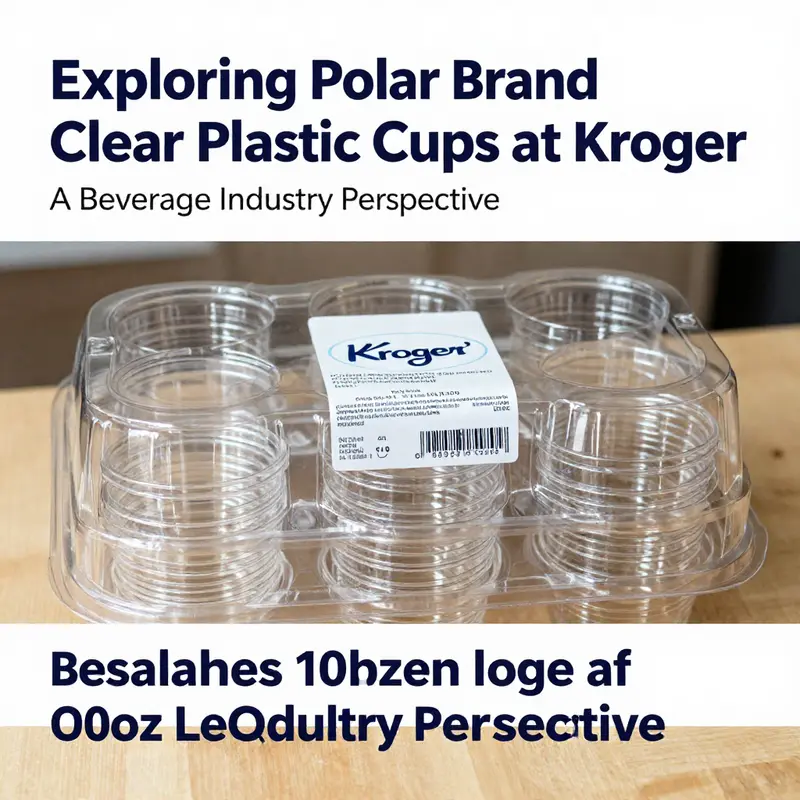
In the landscape of everyday hospitality, the simple clear plastic cup serves as a quiet workhorse. Its design is unassuming yet purposeful: a sturdy, transparent vessel that showcases a drink, a dessert, or a cold treat, while offering predictable performance in terms of height, lip smoothness, and stackability. The 10-ounce size sits at a sweet spot for casual gatherings, corporate meetings, and family events alike. When one walks through the aisles of a large grocery retailer, the cups on display are not just about volume; they are about how packaging choices align with consumer needs and how pricing reflects a complex interaction of materials, logistics, and sales strategy. The cups come in packages that prioritize convenience for the shopper and efficiency for the store. The most common configurations are modest in count but meaningful in value: packs of 50 and packs of 100. These two options, while simple, embody a larger calculus about usage, waste, and the economics of scale. For a family gathering, a 50-count box might be more than enough, while a neighborhood picnic or a small office event could necessitate the larger bundle. The decision to choose one over the other hinges less on a dramatic difference in function and more on how price per cup and the pace of consumption shape the purchasing decision. The packaging, too, communicates a message. A compact 50-count pack fits more easily into a shopping cart and a pantry shelf, while a 100-count bundle leans into the realities of longer events and repeat use in a single purchase. The retail design of these bundles—how the cups are displayed, how the lids or accessories are offered nearby, and how clearly the contents are labeled—also informs the consumer’s perception of practicality and value. In a world of quick decisions, shoppers rely on clarity: what you see is what you get, and what you pay reflects how many you receive.
Pricing for these commonly packaged cups tends to follow a familiar arc. On average, a 50-count pack tends to fall in the range of about $3.99 to $4.49, a price point that positions the cups as an affordable, no-fuss option for everyday use. A 100-count pack generally trends higher, roughly $7.99 to $8.99, a structure that rewards bulk purchases with a lower cost per cup. It is easy to translate these figures into everyday math: a 50-count pack might deliver a unit price around eight to nine cents per cup, while the 100-count option typically lands in the realm of seven to nine cents per cup, depending on the exact product configuration and current promotions. The margins of these numbers are not arbitrary; they arise from a blend of raw material costs, manufacturing efficiency, packaging design, and the economics of distribution. Raw materials—primarily the plastics and the polymers that render a cup clear and sturdy—fluctuate with global markets and, at times, with regional supply dynamics. The choice of polymer, the thickness that ensures reliability when hot beverages are not involved but cold drinks benefit from a stable chill, and the ease with which the cups stack and nest contribute to production costs. When a retailer negotiates with manufacturers, it considers not just the unit price of the cups but the overall cost per display, the space required on the warehouse shelf, and the potential for wastage due to overstock or mis-selections by shoppers. All these factors converge to create the price bands observed on the shelf.
To the shopper, the numbers tell a practical story, but the full narrative extends beyond the price tag. The packaging decisions—whether the cups are sold as 50-count or 100-count bundles—are driven in part by consumer behavior and in part by the store’s inventory strategy. A 50-count pack is naturally easier to handle for a quick grocery run or a spur-of-the-moment party plan. It lowers the upfront commitment and reduces the risk of over-purchasing. Yet, a 100-count bundle brings a compelling value, especially for recurring events, small businesses, or households that regularly host gatherings. The cost per cup declines as the quantity increases, but the perceived risk also shifts. With more cups in the trunk, there is more to manage at home, and consumers often pair the decision with adjacent purchases—perhaps a nearby aisle deal on napkins or a discount on dessert cups—that augments the overall value proposition. The digital side of shopping—mobile apps and online catalogs—adds another layer to the pricing conversation. Real-time pricing and availability become powerful tools for shoppers who are planning ahead for a weekend gathering or a workweek coffee service. In many cases, the price you see online reflects a stock-and-demand calculation that mirrors what you would see in-store, but with the added benefit of price transparency and the ease of comparing multiple options at once. A shopper can quickly evaluate whether a 50-count or a 100-count pack fits the occasion, then confirm the best price by checking the retailer’s app for current promotions or digital coupons. The result is a shopping experience where packaging size and price are in dialogue with one another, helping consumers optimize both their budget and their party planning.
The decision framework for a consumer to select between 50-count and 100-count cups also intersects with considerations of durability and suitability for different beverages. For standard cold drinks, the cups provide a reliable barrier against condensation and a smooth edge that feels comfortable to grip. For simple desserts or layered treats that require a clear presentation, the cups maintain a clean, unobtrusive profile that won’t distract from the contents. In these contexts, the difference between 50 and 100 cups often becomes a question of balance between immediate consumption and future use. A household that hosts a weekly gathering might favor the larger bundle to reduce the frequency of restocking, while a small office that rarely serves beverages in bulk might lean toward the smaller option to keep inventory lean and waste minimal. The retailer’s packaging strategy supports this versatility by ensuring that both sizes are readily accessible near each other and are presented in a way that communicates convenience. The display itself, from a shopper’s perspective, matters as much as the price. When the packaging is clearly labeled, with straightforward counts and a prominent claim of value, it reinforces trust and reduces decision fatigue. The design language—clear cups that showcase the beverage, a simple wrap or shrink-band to hold the bundle together, and packaging that nests compactly for efficient stacking—speaks to the modern consumer’s preference for simplicity and reliability. It also speaks to the retailer’s intent to minimize breakage and facilitate easy stocking by store personnel, a factor that, in turn, influences the overall cost of goods and, ultimately, the price tag to the consumer.
From a store operations standpoint, the economics of these cups extend into the backroom logistics and the flow of goods through distribution channels. The margins on everyday disposable serviceware are typically modest, reflecting the broader strategy of chasing volume and ensuring shelf visibility for entry-level items that see frequent turnover. The focus, then, is less on dramatic price swings and more on steady stock, predictable demand, and promotions that can be timed with seasonal buying patterns. In the heat of summer, for example, a retailer might feature these cups more prominently as families plan picnics and barbecues, nudging the price slightly in a way that complements other cooling and party supplies. In cooler months, the emphasis may shift to catering and office beverage stations, with bundles positioned to encourage bulk purchases for ongoing use. The pricing bands do not occur in a vacuum; they reflect a synthesis of consumer demand, supplier contracts, and the retailer’s overarching pricing architecture. The result is a familiar, reliable price range that helps shoppers budget for cups in the same way they budget for cups and plates, napkins and straws—household provisioning that supports everyday life while still leaving room for occasional savings.
For those who want to verify current offerings or compare options in real time, the practical step is to consult the retailer’s product page or app. While the general ranges provide a helpful framework, prices and availability shift with promotions, regional inventory, and packaging updates. The ability to view live stock, explore related items, and calculate the per-cup cost on the fly makes the experience more transparent and more actionable. When planning an event, it is useful to perform a quick calculation: divide the pack price by the number of cups in the pack, then adjust for any applicable taxes or delivery considerations if purchasing online. This simple exercise can reveal whether a larger bundle truly offers better value for the occasion or if a smaller package suffices for the intended use. The result is a practical, user-centered approach to shopping for clear plastic cups that harmonizes packaging, price, and purpose. In this way, the choice of whether to buy 50 or 100 cups becomes a deliberate calculation rather than a reflexive impulse, supporting informed decisions that align with both budget and event scale.
External resource: For the most up-to-date details on current offerings and prices on a prominent retailer’s site, see the official product page. https://www.kroger.com/product/10-oz-clear-plastic-cups-50-count/1000000000000
Beyond Brand Names: Decoding Premium vs. Private-Label 10-Ounce Clear Plastic Cups
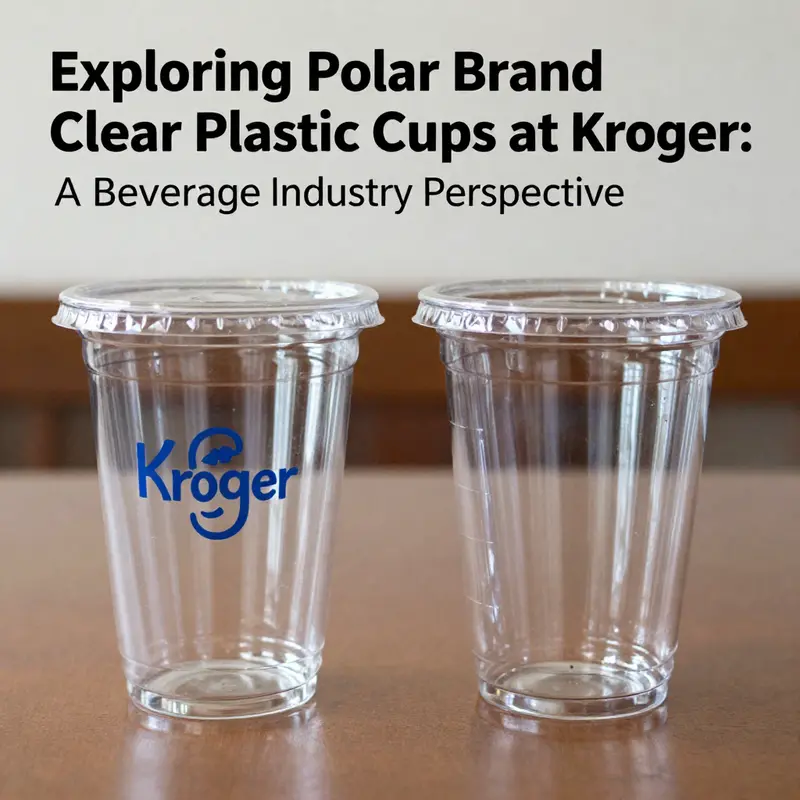
A clear plastic cup is more than a simple vessel for a cold drink. In the world of disposable tableware, the 10-ounce size sits at a sweet spot between compact convenience and practical capacity. It is small enough for portion-controlled beverages and desserts, yet robust enough to handle a steady stream of cold drinks at parties, catering events, and everyday gatherings. The market for these cups includes a spectrum of options, from premium, domestically produced varieties that advertise durability and clarity, to budget-friendly private-label offerings that grocery chains carry under their own names. The contrast between these two ends of the market often comes down to two questions: what the cup can withstand in real-world use, and what the buyer is willing to pay for that assurance. Reading the landscape through this lens helps both casual shoppers and professional buyers decide not only which cup to choose, but why they might choose it in a given setting.
On the premium side of the spectrum, customers tend to encounter cups marketed for durability and visual clarity. These cups emphasize a clean, crystal-like transparency that preserves the appearance of the beverage it holds, from a pale lemonade to a rich, dark cola. They also tend to highlight domestic manufacturing, a point that matters to buyers who want to support local or national production or who perceive domestic-made goods as more consistent in quality control. The messaging around these cups often points to a balance of rigidity and lightness, a rim that feels sturdy in the hand, and a base that resists tipping when a busy service lineup or a crowded event occurs. The practical benefits are easy to observe in real-world settings: cups that resist bending under the pressure of a full ice cube and a vigorous sip, parties that run smoothly without a sudden creak or crack, and presentations that maintain a neat, professional appearance from first pour to last sip.
In contrast, the private-label cups offered by a major grocery retailer present themselves as workmanlike, value-focused vessels. They are the kind of product that shoppers encounter when they stock up for routine use—games night with friends, school events, or a busy home beverage bar. The labels may be understated, and the exact specifications are often less visible in public-facing material. These cups are designed to balance cost with function, aiming to deliver reliable performance at a price point that makes them a sensible choice for mass consumption or seasonal needs. The market data suggest that while these private-label cups can be perfectly adequate for many tasks, they rarely carry the same explicit, premium-oriented messaging about manufacturing origin, structural innovations, or performance benchmarks that dedicated cup lines push into the foreground.
A useful way to think about the difference is in how the two ends of the spectrum frame their value. The premium option tends to sell a narrative of clarity, strength, and domestic sourcing—qualities that matter when a host wants to present beverages with a crisp, unblemished look and when a caterer needs a container that can be counted on for numerous service cycles without warping. The private-label option, meanwhile, is marketed as budget-conscious reliability. It speaks to users who plan for scale and want to minimize per-unit costs, even if that means accepting less emphasis on the extrinsic attributes that can matter to a premium buyer. In both cases, the fundamental function remains the same: to hold a capful of drink with a neat presentation and a predictable degree of stability. Yet the perceived value of each cup depends as much on these contextual cues—origin, messaging, and price—as on the tangible features themselves.
This tension between durability and cost is not merely theoretical. It plays out in how these cups are sourced, stocked, and used. For instance, events that crown quantity and cost over every ounce of performance might lean toward the budget-friendly private-label option, especially when attendees are sampling multiple beverages in quick succession. Catering briefs that demand a high standard of presentation, or venues that emphasize a locally supported supply chain, might prioritize a premium cup whose marketing materials foreground clarity and domestic manufacturing. In practice, decision-makers weigh several interacting factors: storage and packaging requirements, the anticipated number of service cycles, the expected temperature range of the beverages, and the logistical realities of reordering during a busy season.
To speak concretely about the two ends of the spectrum without naming particular brands, consider the typical packaging and availability patterns that accompany each. The premium cup type often appears in larger, batch-oriented lots and is commonly promoted as a premium product with clear claims about strength and resilience. It may be associated with smaller but more carefully curated packaging that aligns with a brand narrative about quality and provenance. The private-label alternative typically ships in more flexible packaging configurations, and the emphasis is on affordability per cup and straightforward use. The result is a marketplace where a buyer can choose between a cup that communicates a sense of premium assurance and a cup that communicates reliability at a lower total cost. The choice hinges on context: the importance of presentation versus the importance of cost containment, the expectations of guests or customers, and the scale of consumption.
The role of information becomes crucial here. In a landscape where product pages may not always publish exhaustive specifications, buyers often rely on indirect cues to assess quality. For the premium option, the emphasis on clarity and durability can translate into test results or third-party assurances about material integrity, wall thickness, and rigidity. For the private-label option, even if exact metrics are not widely advertised, shoppers have to infer value from packaging density, batch sizes, and the stated goal of delivering everyday performance at a friendly price. The practical implication is that the consumer who wants to minimize surprises will look for signs of sturdiness in the cup’s stance and seams, a stable rim that won’t recoil when a hand grips it firmly, and a base that remains flat and steady on a crowded table. The shopper who is more price-sensitive will look for bulk availability, predictable pricing, and the ease of reordering when the event calendar fills up.
For readers who want to imagine how these cups actually behave in the field, consider common service scenarios. At a casual outdoor birthday party, guests might juggle ice and straw, and hosts will want a cup that resists warping even when the ice cubes begin to melt and the beverage concentration changes. A high-clarity cup with a rigid wall helps maintain the perceived quality of the drink as color and texture remain visually appealing, which matters in photographs and social posts that attendees may share. In a corporate lunch setting, the same cup must strike a balance between that premium feel and the realities of rapid service. Here, a dependable rim and a durable body reduce the chance of leaks or spills when intoxicated balance and busy servers are involved. The private-label option may excel in this space where the volume of servings is high and the focus rests on consistent performance and cost-effective replenishment rather than marketing cues.
The decision-making process is further complicated by how these cups are integrated into the larger ecosystem of disposable tableware. Operators who run frequent, time-sensitive service environments tend to look at the total cost of ownership rather than the unit price alone. That total cost includes the per-cup price, the storage footprint, the ease of stacking and dispensing, and the rate of failure under real usage. A cup that resists cracking after repeated tray passes or that tolerates brief exposure to slightly warm beverages can deliver tangible savings through fewer replacements and less cleanup. Conversely, in a setting where beverage quality presentation is the top priority and the budget allows, a premium cup with a reputational edge for clarity and domestic manufacturing can reinforce a brand’s commitment to quality. In short, the best choice is not universally fixed; it is a function of how the event, venue, or user defines success in terms of visual appeal, reliability, and cost efficiency.
From a sourcing perspective, the marketplace also reflects broader retail patterns. Private-label cups offered by large grocers sometimes appear as part of a broader assortment of disposable tableware, where the focus is on convenience and price. The premium option may be positioned as a specialty or seasonal product, promoted through targeted marketing messages that align with events, holidays, or corporate catering. Buyers who manage inventory across multiple locations may find value in having both types on hand, using the premium cups for high-profile events and the budget option for routine, high-volume needs. This dual approach allows organizations to tailor their choices to the occasion while maintaining a cohesive supply strategy. It also reduces the risk of overpaying for when the situation does not demand premium attributes.
For those who want to explore a broader set of related beverageware, a practical direction is to consider how a wider family of cups—such as double-wall, ripple-wall, and other design variations—may complement or substitute these 10-ounce clear cups in specific contexts. A handy resource to learn more about these related options is available on a supplier’s site that catalogs disposable double-wall ripple-wall cups with lids. This reference point can illuminate how design choices in material construction and wall geometry translate into grip feel, insulation, and lid compatibility, which in turn influence user experience and operational efficiency. See the product page here: disposable-double-wall-ripple-wall-paper-cup-with-lid.
In sum, the marketplace for 10-ounce clear plastic cups embodies a spectrum where the conversation often centers on value as much as on material and measurements. Buyers must weigh the allure of a premium, domestically manufactured option—one that touts durability, clarity, and a manufacturing story—against the practicality of a private-label alternative configured for everyday use at a lower total cost. The best choice depends on the occasion, the level of presentation desired, and the resources available for ongoing supply. Understanding these dynamics helps planners, caterers, and households alike make informed decisions that maximize both the visual appeal of beverages and the efficient execution of service. The chapter invites readers to move beyond brand-name cues and assess cups through a holistic lens of performance, provenance, and price that aligns with their specific needs and settings.
External reading suggests a practical window into the broader market dynamics of disposable cups and related packaging options. For those curious about how similar cups fare in real-world listings and how marketable attributes are conveyed, one external source offers a tangible snapshot of a large, bulk-oriented product listing in this category: https://www.ebay.com/itm/LOT-OF-270-CLEAR-STRONG-DISPOSABLE-PLASTIC-CUPS-10-OZ/354544375697. This resource provides a concrete example of the scale and perceived value that can drive decisions in both consumer and professional contexts, even as individual retailers and regions vary in their own offerings.
Internal link example: readers who want to expand their view to related cup designs in the same supplier ecosystem can explore related options at this page: disposable-double-wall-ripple-wall-paper-cup-with-lid. This link may illuminate how subtle shifts in wall configuration and insulation influence the overall user experience, helping buyers anticipate performance beyond simple capacity and appearance.
Clear Utility: The Role of 10oz Kroger Clear Cups in Everyday Drinking, Event Service, and Brand Engagement

The transparent simplicity of a 10 oz clear plastic cup can carry more weight than its modest silhouette suggests. In the careful choreography of drink service, parties, and everyday meals, the right cup does more than hold a beverage. It frames color, texture, and temperature, guiding the eye and shaping the moment between pour and sip. When a retailer like Kroger offers a reliable 10 oz clear cup option, it becomes a quiet workhorse in kitchens, event spaces, and small cafes alike. The practical promise underlying these cups is not merely convenience; it is clarity. Clarity in the way a drink looks, in how quickly a host can restock a table, and in how a brand can present a clean, unadulterated image of its contents. In environments where guests are sampling a range of beverages, the transparent wall of the cup becomes a canvas that makes every hue, every shimmer of condensation, and every straw mark stand out with minimal distraction. The result is a seamless balance between presentation and practicality, a balance that is especially valuable when the goal is to serve many people with efficiency and a consistent standard of service.
The versatility of the 10 oz format is evident in how it is deployed across settings. At home, these cups offer a disposable alternative to glass without sacrificing the visual appeal of the beverage inside. They are sturdy enough for iced teas, fruit punches, smoothies, and simple sodas, yet light enough to be used in a casual kitchen or outdoor gathering without the weight that can slow service. For events, the cups rise to the occasion of large guest lists where speed matters. They stack neatly, travel well in bulk, and pair with a variety of lids and dispensers, which makes them particularly well suited to gatherings that require quick turnover, such as school functions, community fairs, or corporate receptions. Their 10 oz capacity is a practical middle ground: more liquid than a small sample cup, yet easier to manage and finish than a larger party size. The size supports consistent portioning and helps maintain a steady flow of beverages to keep guest lines moving during a busy service window.
In a landscape where disposable tableware often competes with sustainability concerns, the choice of cup becomes part of a broader conversation about waste, recycling, and responsible sourcing. While a brand name may surface in some regions or stores, Kroger’s standard 10 oz clear plastic cups provide a dependable baseline that many operators rely on when they want to minimize surprises in cost and performance. The clear plastic offers a straightforward presentation. It allows the natural color and texture of a drink to take center stage rather than competing with the container itself. This is particularly important for beverages that are visually appealing, such as layered juices, vibrant lemonades, or smoothies that showcase fruit blends. In moments where presentation matters, the cup becomes a silent amplifier of the drink’s appearance and appeal, a factor that can influence guest satisfaction without adding to the cognitive load of service staff.
Branding and customization are a natural complement to the utility of a clear cup. For businesses that want to extend their visual identity into the drinking experience, the option to add a logo or event detail on disposable cups can create a cohesive promotional touchpoint. Customization may require services beyond a standard retail purchase, but the underlying platform remains the same: a sturdy, transparent vessel that provides a clean stage for branding elements. When an organization considers private labeling or logo printing on disposable drinkware, the decision often centers on how the cup will be used in the audience’s daily life. Will the cup travel to offices, schools, or community events? Will it be part of a takeout experience, or a temporary branding effort for a fundraiser? The 10 oz clear cup’s simple shape supports a broad array of branding opportunities, allowing a logo, a color palette, or a brief message to be read clearly at a glance.
The practical design of the cup lines up with the realities of food service. In cafes, fast-casual operations, and catering environments, the cup must be compatible with common beverage equipment and service workflows. The 10 oz size aligns well with standard beverage dispensers and cup holders, ensuring it integrates into existing infrastructure without requiring adjustments. The cups also pair effectively with lids for to-go orders, a feature that expands their utility into takeout scenarios that demand portability and spill resistance. In these contexts, the capacity is generous enough to support a satisfying cold beverage portion while remaining easy to handle for staff who are juggling multiple orders. The shelf life of the product matters as well; bulk packaging, often in 50 or 100-count configurations, makes it economical for venues that serve many guests, helping to manage labor costs and inventory without sacrificing service speed.
Safety considerations are a constant undercurrent in discussions about disposable drinkware. The 10 oz clear cups are designed for cold to moderately warm beverages, with the understanding that high heat can distort the plastic or compromise the user experience. A straightforward rule of thumb emerges for operators: reserve these cups for beverages that stay comfortably cool or only mildly warm. This constraint preserves the integrity of the cup and protects guests from unintended contact with hot surfaces. Such guidance is practical for home cooks who want to avoid mishaps at backyard barbecues, as well as for event planners who must ensure the reliability of service during long-running events where temperature control is a factor.
The search for the exact brand identity behind a given product can be a curious undertaking. In some markets, a brand named Polar might surface in certain listings, yet it is not always readily visible on Kroger’s official channel. The more reliable pathway in those cases is to search Kroger.com for the 10 oz clear plastic cups and to examine the brand filter for any available options. If Polar isn’t listed, the Kroger private label 10 oz cup provides a comparable performance profile: the same transparent geometry, the familiar 10 oz capacity, and the same practical packaging approach that supports bulk handling, quick restocking, and straightforward disposal after use. This approach—prioritizing dependable material, clear presentation, and economical bulk packaging—resonates with operators who need predictable results across many servings and events. It is a reminder that the value of a simple cup extends beyond the moment of pour; it shapes the rhythm of a service window, the ease of cleanup, and the visitor’s perception of a brand’s attention to detail.
Beyond pure practicality, there is a subtle dimension of opportunity in how a standard, clear cup contributes to the storytelling of a beverage moment. When a guest picks up a drink at a party or at a cafe counter, the cup itself can convey cleanliness, consistency, and care. The design invites curiosity about the drink inside, and it supports the sensory experience of tasting—color, aroma, and texture—without overpowering the drink’s own personality. In this sense, the 10 oz clear cup becomes a partner in the drink’s narrative. It does not demand attention; it amplifies what is already present in the beverage and in the moment of consumption. For hosts and business operators who want to craft a coherent consumer experience from the first sight of a cup to the last sip, choosing a dependable, transparent vessel is a strategic, almost invisible, decision that pays dividends in clarity and efficiency.
For brands and organizations that want to explore customization to extend their reach, a practical path exists that respects both design and workflow. A ready-to-use approach involves linking the core function of the cup with a branding option that does not complicate the service process. For those curious about logo incorporation or eco-friendly customization, a practical example is available in the broader ecosystem of disposable drinkware. See the option for eco-friendly printed logos on cold beverage cups, which demonstrates how a simple vessel can carry a brand message with minimal disruption to the service flow. disposable-eco-friendly-printed-logo-cold-beverage-cup-paper-cup-with-lid
In sum, the 10 oz clear cup from a major retailer represents a thoughtful compromise between visibility, convenience, and cost. It is a product that satisfies the basic linguistic requirement of a cup while offering the flexibility business operators need to manage crowds, venues, and takeout workflows. Its clear walls make beverage quality visually accessible, while its bulk packaging supports efficient inventory and staging. It is not merely a disposable container; it is a facilitator of service pace, a canvas for branding when needed, and a practical step in a broader strategy of menu presentation and event design. When planning a beverage program for a gathering, a cafe, or a catered event, the choice of cup becomes one of the quiet leaders in the tempo of service. The cups help ensure that each pour contributes to a smooth, predictable experience, letting guests focus on taste and conversation rather than on the mechanics of refilling and cleanup. External considerations such as recycling streams, waste reduction goals, and supplier relationships will continue to shape how these cups fit into a broader sustainability plan, but their fundamental role in presenting beverages clearly and efficiently remains steadfast. For those who want to validate retailer-specific options and explore the exact packaging, a visit to the Kroger site or a local store can confirm availability and current pricing. External resource: https://www.kroger.com
Final thoughts
The exploration of 10oz clear plastic cup options from Kroger reveals an array of choices that cater to various needs in the beverage service industry. While the Polar Brand may not be directly accessible, Kroger’s own offerings provide reliable alternatives featuring quality construction ideal for different beverage types. Understanding these options reinforces the importance of selecting the right disposable solutions that align with business operations, customer satisfaction, and budget considerations. Investing time in reviewing such alternatives can significantly enhance service efficiency and presentation.