
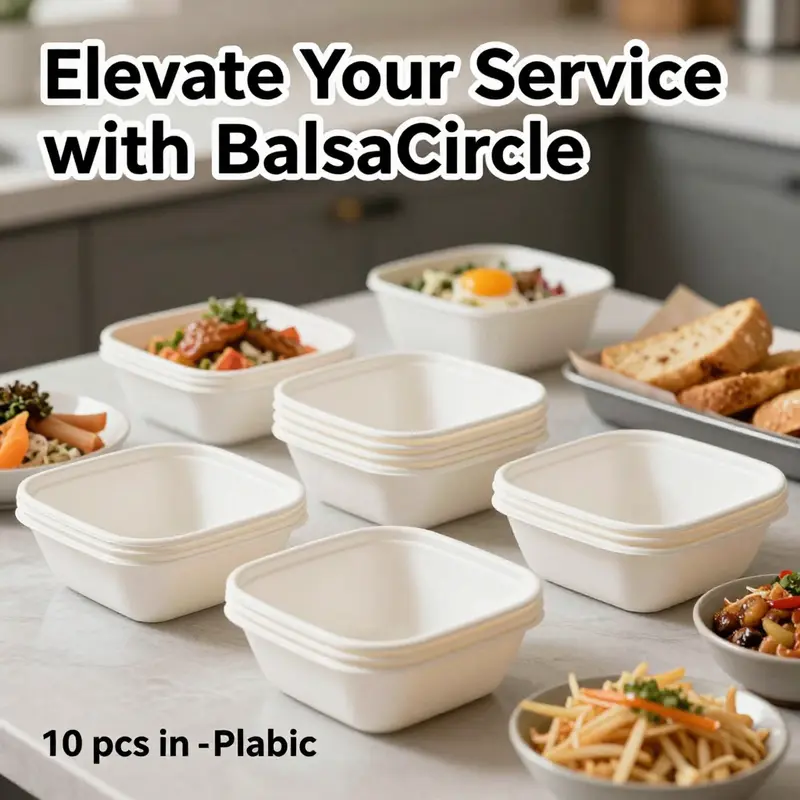
In the dynamic world of food service, presentation and functionality are paramount. For Bubble Tea Shops, Beverage Chains, Restaurants, Food Trucks, Catering Services, Event Planners, and Corporate Procurement Teams, the choice of tableware plays a crucial role in both customer satisfaction and operational efficiency. BalsaCircle’s 10 pcs disposable plastic square bowls stand out in this space, combining durability with sleek design, catering to diverse culinary presentations. This article will delve into the features of these square bowls, compare them to other disposable tableware, assess their environmental impact, review consumer feedback, and analyze their cost-effectiveness against competitors. Each chapter will elucidate why BalsaCircle’s offering is an excellent choice for businesses focused on quality and convenience in disposable serving solutions.
Polished Simplicity: Elevating Events with a 10-Piece Disposable Square Bowl Set
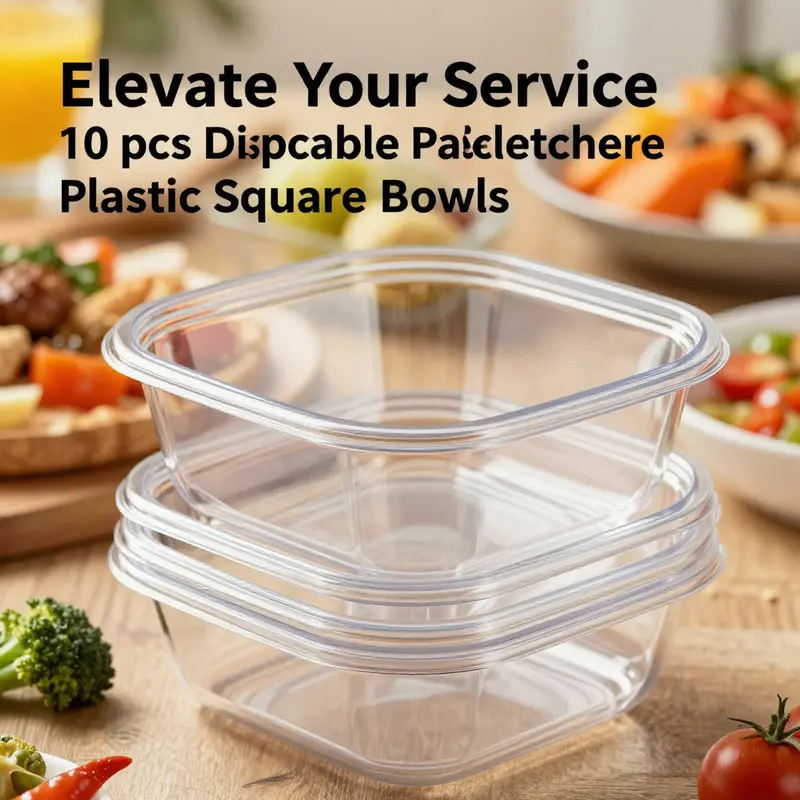
A 10-piece disposable square bowl set introduces a quiet kind of elegance to events that prizes both presentation and practicality. It is easy to overlook how much a simple, well-designed container can influence the perception of a dish and the flow of a gathering. Square, generous in footprint, and crafted for single-use convenience, these bowls occupy a unique niche in modern tabletop planning. They are not merely vessels for desserts or salads; they are formal framing for the food, a stage that helps guests focus on color, texture, and portion without demanding extra cleanup after the last bite. The logic behind such a set is straightforward, yet its impact at a real event can be quietly transformative. A full set of ten bowls stabilizes service for a crowd, allowing servers to portion with consistency and guests to navigate a table without crowding or cross-contamination of flavors. The square shape is more than a geometric preference. It provides a cleaner alignment across a table, enabling a row of bowls to form neat, visually balanced lines that echo the edges of a formal place setting. This geometry also makes stacking and transport more efficient, reducing the risk of tipping during transit and making it easier for caterers to stage dozens or hundreds of servings in a compact footprint. When the bowls are described as durable, they reference more than strength; they imply a design that retains form as flavors are loaded and moved, that resists bending under the weight of a layered dessert or a hearty salad, and that remains stable when bumped by passing arms or a rolling cart. The material is food-safe and designed to hold a range of foods—from delicate fruit mousses to densely dressed greens—without warping or leaking through. That reliability matters as much to a wedding as to a corporate lunch. The most immediate impression a guest perceives is the finish. A clean white or clear surface offers a modern canvas that complements almost any palette. An optional gold rim—subtle yet unmistakable—adds an air of refinement to the simplest of offerings. That metallic accent can elevate the perceived value of the dish, signaling to guests that the event planners have considered even the smallest details. The public-facing effect is not merely aesthetic; it informs expectations around portion, presentation, and care. A square silhouette frames the food in a way that can encourage thoughtful plating. Chefs and hosts can guide the eye toward the center of a dessert, a perfectly arranged fruit tower, or a precisely dressed salad. The consistent geometry helps ensure a uniform experience for guests, whether they are sampling a bite at a concession stand, strolling a buffet, or sitting down for a plated moment that is kept informal by the disposable nature of the ware. Size matters, and the approximately 10-by-10 inch footprint leaves ample room for generous portions while still allowing space for garnishes and accents that enhance color and texture. In this context, the bowls function as enablers: they give the chef space to design an edible story, while quietly supporting the social rhythm of the event. The set’s disposability, far from implying a lack of care, can be a deliberate choice that respects both guests and hosts. It promises a clean slate after the final course and a straightforward post-event wrap-up that minimizes disruption in tight timelines or busy venues. Yet disposability does not have to be careless. A well-considered disposable option can align with a table plan that values cohesion, tone, and timing. The color and finish choices allow a mix-and-match approach with other serveware, enabling an on-theme table that feels curated rather than haphazard. The clear option can disappear visually into the background, letting desserts shimmer or greens glow, while the white option keeps things crisp and contemporary. Even the choice of a gold rim should be considered in the larger design scheme: metallic accents catch the light and draw attention to the dishes without overpowering the food’s inherent color. For hosts weighing the balance of form and function, this square bowl set offers predictable reliability. It is easy to estimate portions when guests are not served from overly deep or narrow vessels, and it helps maintain a consistent dining tempo. The shapes align well with a buffet or a station-style service, where guests follow a curated flow from one dish to the next, moving from savory to sweet with a sense of continuity rather than abrupt changes in ware. The decision between plastic and other disposable materials is often the deciding factor in a host’s choice, and the plastic option provides a blend of sturdiness, lightness, and cost-effectiveness that makes it appealing for gatherings of all sizes. In environments where space is at a premium or where guests travel between rooms, the light weight of plastic bowls reduces physical strain on staff and minimizes the risk of breakage during transport. This is not merely about convenience; it is about enabling a smoother operational rhythm that keeps events moving with fewer interruptions. The design’s elegance does not demand ceremony-grade logistics. It works in a wide range of contexts, from intimate celebrations to large-scale conferences, and from formal receptions to casual gatherings. The clean lines and restrained detailing pair well with modern decor, seasonal palettes, and branding elements that do not require expensive custom china. While the set is straightforward in concept, it also invites thoughtful planning around complementary serveware and table layout. A host can arrange the bowls in long, unbroken rows to simplify replenishment, or create focal points through color-coded accents and carefully placed decorations. The disposable nature also grants a practical advantage: quick turnover and swift cleanup, especially in venues with limited staff or tight deadlines. The practicality extends to transport and storage as well. Square bowls pack efficiently in flat, stackable configurations, reducing both the space required for shipping and the footprint of storage in a staging area. Their symmetric shape minimizes the “cupping” effect that sometimes accompanies round bowls when brimming with sauces or dressings, helping maintain a neat edge and a stable base for toppings. As with any serving ware, considerations about sustainability and waste are part of the conversation. While many hosts appreciate the convenience of single-use items, there is growing interest in eco-conscious options that minimize environmental impact. This might include varieties that are recyclable or compostable, or that leverage recycled content in their manufacturing. In contexts where sustainability is a priority, planners often weigh the trade-offs between the ease of cleanup and the lifecycle footprint of the ware, looking for a best-fit balance that aligns with event goals and organizational values. For those who would like to explore alternatives that align more closely with paper or compostable options, there is a related path worth considering. In the realm of disposables, a range of materials exists that can achieve similar visual impact and practical function through different environmental profiles. For instance, disposable kraft paper bowls designed for take-away or salad service can offer a distinct tactile and visual experience, sometimes with lids for portability and freshness. If you are weighing plastic square bowls against paper-based disposables, you may find the latter appealing for certain settings and audiences. disposable kraft paper bowl take-away—kraft paper salad bowl with pet lid delivers a practical example of how branding, handling, and convenience intersect in a different material class. This link is offered here to illustrate the broader ecosystem of disposables and to encourage readers to assess which option best fits their event’s design language, service model, and sustainability commitments. The choice is never absolute; the best path often lies in a thoughtful appraisal of context, guest expectations, and logistical realities rather than adherence to a single material standard. For those curious to see a market reference in a broader sense, an external resource can provide a sense of how the industry frames these decisions, the trade-offs involved, and the evolving standards around food-safe plastics and alternatives. External references can illuminate practical considerations around durability, leakage resistance, and presentation impact as you plan future events. External resource: https://www.amazon.com/dp/B08X3ZQKJ2
Ten-Piece Square Bowls: Market Realities and Alternatives
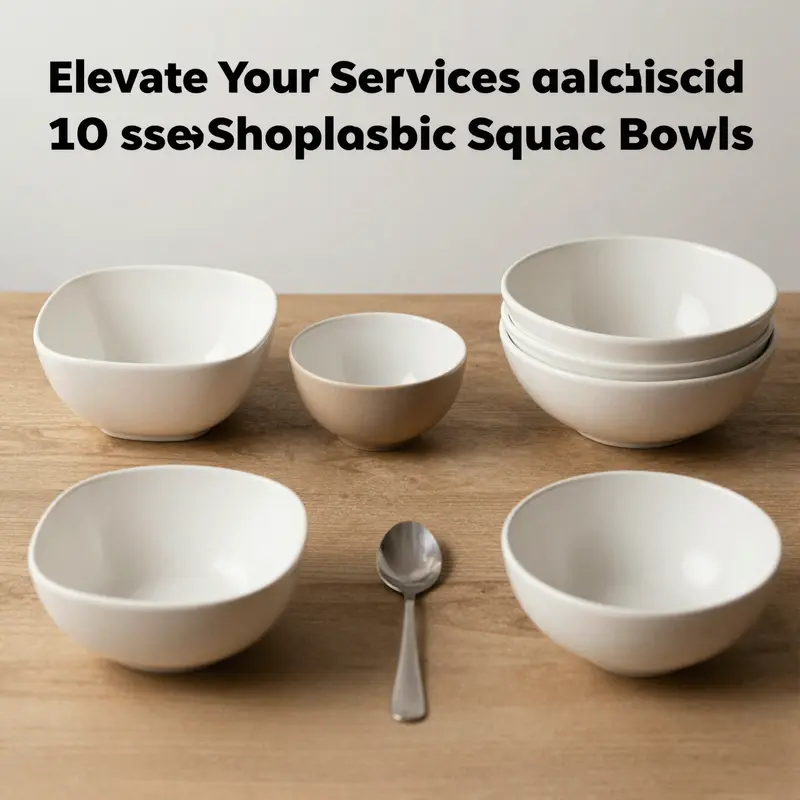
A concise exploration of the demand for a ten-piece square disposable bowl set and how the market responds. While a perfect match may be elusive, buyers can assemble cohesive, look-matched tables by combining compatible shapes, sizes, and finishes. Square bowls are rare in ten-piece configurations, but sets of 3.5-inch square dessert plates, 10-inch square plates, and round bowls in neutral tones offer practical alternatives that align with a square aesthetic. The key is to think in terms of a family of pieces rather than a single item. Practical options include white or lightly tinted 6-inch round bowls with a subtle metallic trim, which provide a polished look for salads and desserts while maintaining disposability. Such pieces are typically food-grade and BPA-free, balancing safety with convenience. For event planners, a strategy of mixing and matching subgroups within a cohesive palette helps deliver a cohesive table that feels intentional without requiring an exact ten-piece square bowl set. Consumers can also consider paper-based disposables with lids for take-away service, expanding the material palette while preserving the desired presentation. The question is less about a singular product and more about achieving a consistent, elevated look through thoughtful combinations that suit the occasion and budget. External references and supplier catalogs can offer guidance on which shapes and finishes most easily coordinate with one another, enabling hosts to craft a refined tablescape even when the exact shape and count aren’t available as a ready-made package.
From Dinner Tables to Ocean Currents: The Environmental Toll of Disposable Plastic Square Bowls
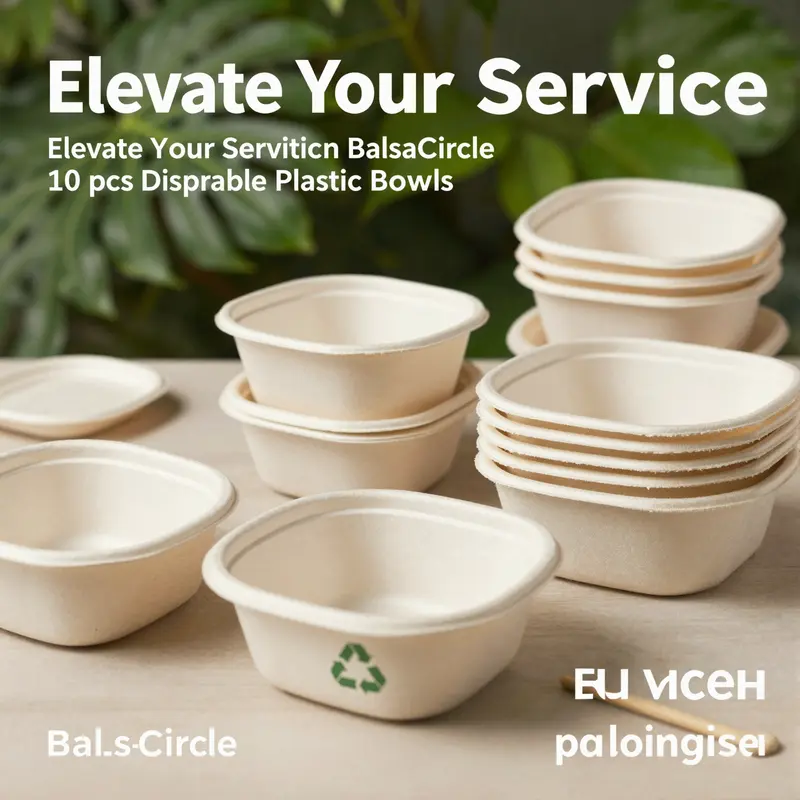
Disposable plastic square bowls promise convenience for events, picnics, and quick-service meals. Yet their environmental footprint extends far beyond the moment of use. These items are typically manufactured from polymers such as polypropylene or polystyrene. Neither material is readily biodegradable, and their persistence is measured in centuries, not years. When tossed, these bowls seldom stay within the neat confines of a trash bin; wind and rain can carry them toward streets, parks, and waterways. In time, many of them settle into landfills where they resist decay and gradually shed microplastics into surrounding soils. The glamor of a tidy, pre-packaged solution hides a stubborn sustainability challenge: every disposable bowl becomes a potential thread in a far larger tapestry of plastic pollution.
Over the long arc of waste management, such products contribute to a cycle that includes production energy, transport emissions, and end-of-life losses. Even when waste systems capture a fraction, plastic fragments can escape and accumulate in natural habitats. The South Pacific’s Henderson Island has become infamous for its beaches lined with plastic debris, a stark illustration of how easily single-use items travel from urban centers to remote ecosystems. While that island hosts a sprawling litter gallery, many square bowls—alongside countless other dishware items—enter the environment in less dramatic, but no less harmful, ways. They blow off trucks, escape landfills, or are discarded in imperfectly managed waste streams. Once in the environment, they do not simply disappear. They fragment under sunlight and mechanical abrasion, creating countless microplastic particles at scales invisible to the eye.
Microplastics and nanoplastics pose risks that extend beyond the shoreline. As plastics degrade, they break into progressively smaller pieces that can be ingested by plankton, fish, birds, and eventually humans. Research estimates that people can ingest thousands of microplastic particles every week, a stark reminder that daily choices echo throughout food chains. In some studies, bottled water has contained hundreds of thousands of micro- and nanoplastic particles per liter, including nanoparticles capable of crossing biological barriers. These tiny fragments can accumulate in tissues and organs, raising concerns about inflammation, toxicity, and the potential for chemical leaching from additives used in manufacturing. The atmospheric and aquatic pathways by which plastics disseminate highlight a troubling truth: the convenience of a single-use bowl often comes at the expense of long-term health and ecological resilience.
Policy responses have begun to tighten the screws on single-use plastics, but gaps remain that allow certain products to persist in commerce. In some jurisdictions, bans target cutlery and plates used for take-out or pre-packaged foods. Yet such bans frequently exclude categories tied to specific service contexts, including items already in circulation within restaurants and catered events. That regulatory nuance means disposable square bowls, among other items, can continue to circulate in many commercial workflows. The result is a mismatch between environmental aspiration and practical packaging choices in the hospitality and events sectors. For businesses seeking to reduce footprint without sacrificing convenience, the choice is no longer simply between price and performance; it is about alignment with a broader commitment to resource efficiency, resilience, and community health.
Turning the gear toward sustainable alternatives requires more than a temporary substitution. Reusable options—such as durable plastics designed for repeated use, metal, or silicone—offer a straightforward path to lowering per-use impact when validated by strong cleaning and lifecycle practices. Yet for rapid-service environments, durable reuse can be impractical, and compostable options may offer a closer match to need. Plant-based materials like bagasse or cornstarch can be engineered into bowls that break down under industrial composting conditions. But even compostable does not guarantee end-of-life success; compostability depends on local waste infrastructure, collection programs, and consumer participation. The most robust solution is to pursue a circular economy approach: reduce the volume of disposables, reuse where possible, and recycle or compost thoughtfully wherever feasible. In practice, this means rethinking catering templates, altering packaging configurations, and collaborating with suppliers that prioritize cradle-to-cradle design.
For readers and businesses exploring packaging choices, a useful middle path exists. Some packaging options aim to bridge convenience and sustainability without demanding dramatic behavior changes from customers. For example, there are compostable kraft paper bowls designed for take-out meals, available through suppliers that emphasize closed-loop or industrial composting pathways. These choices, while not flawless, reflect an industry shift toward materials that break down more readily when supported by appropriate waste streams, and they illustrate how the chain of custody matters as much as the raw material itself. The option to explore such alternatives can be embedded in procurement policies, menu design, and service standards. disposable kraft paper bowl for food package with lid offers a concrete illustration of the kind of packaging that can align with an environmental strategy, even if it is not a perfect substitute in all contexts. It is not a call to abandon modern convenience; it is a call to ensure that convenience does not escape responsibility.
Ultimately, consumers hold power not only through purchase choices but through the expectations they set for venues and brands. When a restaurant, event organizer, or home host asks questions—how is this packaged, where does it go after use, and what is the actual end-of-life pathway?—the industry is nudged toward better systems. Innovations in material science, waste management, and product design are converging to create options that reduce harm without sacrificing practicality. The shift toward compostable or reusable bowls is part of a broader transformation: a move from a linear take-make-dispose model to a more resilient, restorative approach. Such a transition thrives where policy, business strategy, and community norms reinforce each other. In this sense, the choice of a single bowl becomes a microcosm of a larger decision: how to balance the human desire for ease with the planet’s capacity to sustain future generations.
To grasp the scope of the challenge, it helps to look at numbers that speak to scale and impact. Plastic production has surged over the past decades, and the demand for disposable tableware has grown with it. Even as some regions adopt bans or phased reductions, the market for single-use items remains sizable in many parts of the world. The environmental footprint originates not only in the use phase but also in the production and transport of raw materials, additives, and finished goods. Each shipment, each wrapper, each lid contributes to a cumulative burden. The cumulative effect is measured not in a single event but in a series of choices that echo through ecosystems and communities over generations.
Choosing to move away from disposable square bowls does not require perfection or abrupt upheaval. It requires intention and plausible, incremental changes that fit different contexts. For caterers, cafeterias, and households, the pathway often begins with a simple question: can we use a container that minimizes waste while maintaining safety and hygiene standards? The answer may be yes, if one pairs design thinking with practical waste-management planning. It may mean leaning into refillable service ware where feasible, or selecting packaging with clear labels about end-of-life options and local composting or recycling capabilities. It also means engaging with customers in honest conversations about what happens after use, which in turn cultivates a culture of accountability that extends beyond the event. In this sense, a single bowl can become a catalyst for broader change when stakeholders insist on higher standards and better systems.
Finally, the broader takeaway is not simply about one product category, but about the ways individuals and organizations chart their relationship with consumption. The story of disposable square bowls—once celebrated for convenience—embodies a tension between human habit and planetary boundaries. Recognizing this tension invites more resilient choices: reimagining the flow from design to disposal, aligning with responsible waste-management practices, and supporting innovations that turn waste into resource rather than linger as pollution. The path forward is not a single solution but a portfolio of actions: reduce where possible, reuse where practical, and ensure end-of-life pathways are defined, accessible, and effective.
External reading:
For a broader overview of plastic pollution and its environmental consequences, see ScienceDirect’s Plastic Pollution Overview: https://www.sciencedirect.com/topics/environmental-science/plastic-pollution
Reading the Silence: Consumer Perceptions and Practical Realities of 10-Piece Disposable Square Bowls
When a product yields no visible consumer reviews on its listing, the silence itself becomes part of the narrative. For a set described as a 10-piece disposable square bowl collection, the absence of quotes, ratings, or user-only notes invites readers to read between the lines of the specification, the use cases implied by the design, and the broader market habits around disposable serveware. In this space, a 10-ounce capacity, a BPA-free claim, and the descriptor of elegance do not guarantee how a buyer will actually experience the product. They do, however, frame expectations for quantity, function, and event viability. The limited feedback available in the public listing pushes buyers to infer performance from the design cues and from what the category itself has learned about disposables that come in square silhouettes. The result is a cautious curiosity: will these bowls deliver the neat, tidy aesthetic promised by their lines, and will they hold up under the kinds of use most often imagined for them — from bite-sized hors d’oeuvres to tiny dessert portions, from buffet displays to café take-away samples?
The size and shape choices carry their own logic. A 10-ounce square bowl suggests a segment intent on presenting a curated bite rather than a full portion. The square form maximizes surface area in a compact footprint, allowing foods with color, layers, or delicate garnishes to present themselves with a photographer’s honesty. In catering and self-serve contexts, such bowls can serve as stylish vessels for condiments, dips, or small tasting portions, as well as for desserts that rely on a neat, geometric plate presence. Yet form alone does not determine satisfaction. The chemistry of use hinges on sturdiness, leakage resistance, heat tolerance, and the ease of stacking and transporting. The BPA-free and recyclable labels point to a consumer expectation of safety and environmental consideration, two factors that increasingly guide purchase decisions in the disposables market. Describing the bowls as “elegant” in product copy signals a tilt toward events where appearance matters, whether a wedding reception, a corporate stand, or a boutique dessert bar. But elegance in a disposable item is a fragile promise if performance under real-world conditions falters. The absence of experiential data leaves readers to imagine scenarios and to weigh risk against the convenience the product promises.
Without user reviews to calibrate risk, the best evidence rests in the alignment between the product’s stated materials and its intended use. BPA-free plastics are a reassurance for many consumers, especially when they anticipate presenting foods that will touch the interior of the vessel. The recyclability claim further reinforces a perception of responsibility and a desire to minimize waste after a single, planned event. The practical question that emerges from this combination is not just whether the bowls won’t leak, but whether they can stand up to the lifecycle of an event: from being unboxed and hand-picked by guests, to being carried through lines or under heat lamps, to the final moment of disposal or return. The square geometry can encourage a more regimented layout on a table, yet it can also introduce challenges in stacking precisely, particularly when the pieces are of modest height. If a guest lifts a bowl with a glossy finish or a shallow depth, does it hold up to a pastry filling or a sauce with a little weight? And if the set is planned for a busy service window, will it survive a stack-and-transport routine without scuffing, cracking, or warping? These are precisely the questions that living with a product yields when consumer voices are not yet present to answer them.
In this landscape, readers can still glean directional insights by stepping back and observing how the category tends to respond to similar attributes. Square disposable vessels often compete on a balance of presentation and practicality. They must look appealing enough for a display yet be inexpensive enough to justify disposal after a single service. The 10-ounce size signals a taste-focused use rather than a heavy-duty, all-purpose dish. The material choice — BPA-free and recyclable plastic — places the product in a safety-conscious, eco-aware segment of the market, where buyers increasingly compare disposables to compostable or paper-based alternatives. The tension between plastics and paper-based options surfaces in consumer discussions about sustainability, cost, and performance under temperature variance. In many settings, institutions and individuals would weigh the desire for a sleek, modern look against concerns about environmental impact and the true end-of-life fate of the item.
In the absence of direct consumer voices, practical evaluation becomes a triad of tester-led insight: visual appeal, tactile feedback, and functional performance. Visually, the bowls can convey a compact, modern charm that suits contemporary party aesthetics or restaurant display. Tactilely, the plastic’s rigidity and edge finish contribute to the sense of quality; a sturdy feel can compensate for the lack of a more robust, reusable alternative in some contexts. Functionally, questions about heat transfer, leak resistance, and stacking efficiency come to the fore. A 10-ounce capacity aligns with tasting portions and mini-desserts, but it also invites questions about the capacity’s sufficiency for certain items once a guest adds sauces, toppings, or layers. The square shape, while space-efficient on the display or in a briefcase, could complicate cooperation with lids or seals that some buyers rely on for transport and service.
The broader consumer conversation around disposables now often stresses not just the immediate use but the lifecycle and stewardship after the event. Buyers increasingly consider whether a product’s packaging and labeling reflect a sustainability-forward approach, and whether the material is readily recyclable in their municipal programs. The culture surrounding take-away and catering has shifted toward transparency and traceability in material sourcing, as well as a preference for products that reduce waste. In this climate, the described attributes of the bowls — 10 oz capacity, BPA-free and recyclable plastic, and an “elegant” design for various occasions — are emotional and practical signals. They tell a potential buyer, in essence, that the item is meant to perform with confidence on a stylish stage while aligning with some responsible waste handling practices. Whether this promise is fulfilled can only be confirmed when consumer experiences, or at least field tests, begin to populate the listing’s feedback. Until then, readers and buyers must listen to the language of the specs and imagine the event scripts where such bowls would shine.
For readers navigating this space, the absence of consumer comments should not be dismissed as a red flag, but rather as a cue to adopt a pragmatic approach to evaluation. Consider requesting samples or testing a small batch for a mock service — not simply to gauge presentation, but to observe handling, stacking, and any signs of wear after repeated use or movement. A well-managed test can reveal gaps between the promise of elegance and the realities of day-to-day operation. It also invites a direct conversation with the seller about expected performance under heat, with or without lids, and about the most compatible serving scenarios. In the end, the decision to purchase a 10-piece set of square disposable bowls rests on how closely the imagined event aligns with the product’s specs and on a buyer’s tolerance for ambiguity in the absence of reviews.
For those who wish to explore alternatives or complementary options, a look into eco-conscious or paper-based disposables can be instructive. A nearby comparison point is the kraft-paper take-away rectangular square salad paper bowl, which appears in offerings highlighting sustainable design and compostable goals. If you want to see how the market frames a square, take-away container in a different material, you can explore a product described as kraft paper take-away rectangular square salad paper bowl. This example helps set a boundary for what buyers might expect when comparing materials, aesthetics, and end-of-life considerations across the disposable plate and bowl spectrum. You can read more about such options here: kraft paper take-away rectangular square salad paper bowl.
While reviews would be the most direct route to understanding real-use outcomes, the available data emphasizes the importance of thoughtful experimentation and clear communication with suppliers. If actual consumer feedback remains elusive on the listing, the prudent course is to treat the product as a design-driven option whose value lies in its presentation and its material claims, and to test it in controlled conditions before committing to an event-scale purchase. Ultimately, the decision to adopt a 10-piece set of square, disposable bowls will hinge on how well the imagined guest experience translates into a tangible, reliable performance in the context of the event’s tempo, menu, and sustainability goals. For readers seeking broader regulatory context about the safety of plastics used in food contact, consider the FDA’s guidance on BPA in food packaging as a reference point to understand how materials are evaluated for consumer safety. See: https://www.fda.gov/food/packaging-labeling-food-safety/bpa-bisphenol-a.
Value by the Square: Cost Realities and Competitive Position of BalsaCircle’s 10-Piece Disposable Square Bowls
For planners and hosts who choreograph the look and feel of an event, the choice of disposable tableware becomes a subtle signature. It is not merely about keeping dishes clean and meals moving; it is about shaping a moment. In the realm of square disposable tableware, a specific set often comes under scrutiny: a ten-piece collection touted as disposable and square, designed to elevate desserts, salads, and small bites with a neat, modern geometry. Yet the landscape reveals that while square shapes are visually striking, the exact product configuration of a ten-piece disposable square bowl may not always exist in a single, uniform package. What does exist, across markets and shelves, includes a spectrum of square options—3.5-inch square dessert plates, 10-inch square plates, and a variety of round bowls in compact formats. This mix prompts a practical line of inquiry: how does the cost structure of a mid-sized, square-format disposable item compare with nearby options, and what is the true value of such a purchase beyond sticker price?
From a pricing perspective, the most concrete data point emerges from a close look at a ten-piece set described as 3.5-inch disposable square plastic dessert plates, offered in a clear finish with a subtle sheen. The price tag, positioned in a mainstream retail channel, lands at about $2.03 for the ten-piece pack. This places the unit cost at roughly twenty cents per piece, a figure that seems modest at first glance but warrants deeper examination. The classification here is important: the product in question is a small dessert plate, clear in color, with a lightweight construction intended for single-use service. The material specification highlights food-grade, BPA-free, non-toxic plastic, a combination that resonates with many event budgets because it aligns with safety standards while maintaining a clean aesthetic suitable for weddings, anniversaries, baby showers, and other celebrations where a clear, unobtrusive look complements the decor. The functional promise is clear enough: reliable handling for desserts and small portions, ease of disposal, and a polished finish that avoids a dull or utilitarian impression.
In the broader category of disposable square tableware, the competitive field contains similar yet not identical offerings. For instance, another prominent option is a 10-piece white square disposable bowl of a different size configuration, marketed for salads or main dishes, which speaks to the same shape-driven appeal but with a different capacity and presentation emphasis. The price points for these equivalents tend to cluster in a similar mid-range band, with a certain premium attached to design cues or color finishes. The comparison reveals two practical insights. First, price per unit can rise or fall depending on the finish and perceived fragility of the product. A crystal-clear or glitter-dusted surface may carry a small premium because the materials and finishing processes are chosen to create a more refined event impression. Second, the cost calculus becomes more complex when one adds the cost of shipping, handling, and potential waste management. A set that feels sturdy enough to survive a high-traffic service moment—where plates are swapped repeatedly in a busy reception line—may prove more economical in practice if it reduces breakage or the need for immediate replacement, even if the upfront price per unit is slightly higher.
The logic that underpins cost analysis in this space is not limited to the sticker price. True cost of ownership includes several moving parts: packaging efficiency, transport weight, and the environmental footprint of disposal. For event planners, these facets translate into tangible decisions about storage, inventory management, and waste handling during and after an event. A mid-tier price position, such as the $2.03 for a ten-piece set, often reflects a balance between material quality, presentation value, and mass-market accessibility. The mid-tier stance is not merely a matter of affordability; it signals a commitment to a product that is sturdy enough to handle the throughput of typical events while still being economical to replace if a demand spike occurs. In other words, the price point is a signal, not a guarantee of performance, and it invites buyers to weigh the expected turnover against the likelihood of breakage, spillage, or the need for quick replenishment.
There is another layer to the decision matrix: the visual and tactile expectation that a square bowl or plate can convey. A square shape naturally creates a neat grid on the table, guiding guest attention toward each bite, a compositional advantage for photos and display arrays. This aesthetic argument matters most when the event hinges on a coordinated, magazine-quality presentation. In that context, the choice may justify a modest premium or at least a willingness to spend a bit more per piece to secure a cohesive look. However, the literature of the market also shows that many buyers are not chasing premium visuals alone; they seek reliability, safety, and predictable performance. Materials specified as food-grade and BPA-free meet that demand, reassuring buyers that the vessel is safe for desserts, salads, small entrées, and even occasional hot items if the product tolerates heat without deformation. The clear finish with a slight metallic accent described for some square options adds an additional layer of refinement. It is a balance: a product that looks good on camera may still be eminently practical in the hands of a line of servers, a buffet table, or a plated service at a formal reception.
Beyond the intrinsic cost and design features, the chapter’s cost analysis invites a direct, pragmatic comparison with competitors’ offerings and with adjacent categories that serve similar functions. If one scans the market for ten-piece sets, the difference often lies in the scale of the set, the size and shape of the dish, and whether the product is explicitly marketed as a dessert plate or as a small-capacity dish suitable for light courses. A company may price a 3.5-inch square dessert plate at $2.03 per ten-piece set because the piece is intended for delicate items with a refined look, while someone else may offer a larger 10-inch square plate at a slightly different price point for main courses or salads. The key takeaway is that price alone cannot capture the full value proposition. A buyer should ask whether the product’s physical attributes—rigidity, edge smoothness, food-safe coating, and the ease with which it resists bending under a light load—translate into fewer interruptions during service. If a set reduces the need for replacements or mitigates the risk of leaks and spills, that factor can outweigh a small delta in unit price.
From an event-planning lens, the decision to pursue a square presentation—whether strictly square bowls or square-inspired dessert plates—aligns with the broader aim of creating a cohesive table language. A square motif can harmonize with a modern venue aesthetic, guiding guests’ eyes toward food or dessert stations in a disciplined, geometric rhythm. When cost aligns with this aim, the square option becomes a strategic asset rather than a simple consumer good. Yet the landscape also nudges buyers toward practicality: if a square design is difficult to source in a ten-piece configuration, or if the price spreads widen when considering color options, finishes, or alternate sizes, it may be prudent to consider closely related alternatives such as square plates or bowls in compatible dimensions. In practice, substituting a square dessert plate for a square bowl can work if the event requires light portions and a clean display; it is a way to maintain the visual language without inflating the budget or complicating service logistics.
The decision to source a ten-piece square option, then, emerges as a function of three interlocking criteria: budget discipline, desired visual drama, and operational practicality. For budget-focused buyers, the mid-tier price is attractive, particularly if the product is paired with favorable terms such as reliable shipping, consistent availability, and the absence of forced substitutions at the last moment. For those seeking a heightened sense of refinement, the clear finish with a subtle metallic accent offers a tangible, non-verbal cue of quality that can elevate the event’s perceived value. Finally, for planners managing large venues or frequent events, the ability to standardize on a single square option across different service contexts simplifies inventory and reduces decision fatigue at critical moments.
In navigating this landscape, it is helpful to consider proximity to alternative options that share the same functional goals. For example, a commonly used pathway in the disposable tableware space is to pair a rectangular or square paper bowl or plate with practical lids, sealing, and stacking capabilities for take-away or catered service. A useful resource for exploring these kinds of options is a related category of disposable paper products that emphasizes take-away functionality and customization possibilities. For those curious about how alternative materials and finishes influence the overall package, this broader comparison is instructive. A practical route is to look at a disposable takeaway paper cup with a customized logo, which demonstrates how branding, material choice, and lid design contribute to the customer experience in a similar space. See disposable takeaway paper cup with custom logo and lid for a related exploration of how branding and packaging influence perceived value and practicality in disposable serviceware.
As for the explicit cost data that anchors this analysis, buyers should track current listings and regional variations. The cited price point of $2.03 for ten pieces is a snapshot that can shift with promotions, stock levels, and supplier dynamics. It remains a solid reference point when weighing the square option against both other shapes and other brands in the same price tier. In a market where small differences in unit price translate into meaningful totals at scale, every cent counts; yet, it is the intersection of price with performance, presentation, and sustainability that ultimately frames whether the ten-piece square option is the right tool for a given event. The broader implication is clear: a well-chosen disposable square option can consolidate brand vision, guest experience, and operational rhythm into a coherent, cost-conscious package that stretches across multiple use cases without surrendering quality.
For readers who want to corroborate price and specification details or to compare with related offerings, the direct listing provides real-time data on quantity, dimensions, material safety, and intended use. This foreground helps ensure that any procurement decision is grounded in current market realities rather than static assumptions. In the end, the cost story is not only about dollars and cents; it is about how a square-shaped vessel contributes to a memorable, efficient, and aesthetically coherent event experience. When the numbers align with the desired look and service reliability, a seemingly simple choice—whether to use a ten-piece square option or its close relatives—can become an integral part of delivering a stage-worthy gathering.
For readers seeking further context on related disposable pieces and how the market presents complementary options, a related resource on sustainable, take-away-friendly bowls and lids offers additional perspective on design and packaging considerations that affect total event cost and guest satisfaction. disposable takeaway paper cup with custom logo and lid
External resource: https://www.walmart.com/ip/BalsaCircle-10-Pieces-3-5-Disposable-Square-Plastic-Dessert-Plates-Clear/1786834275
Final thoughts
In summary, BalsaCircle’s 10 pcs disposable plastic square bowls offer an impressive combination of style, convenience, and affordability, making them a perfect choice for various sectors in the food service industry. Their contemporary design enhances food presentation while their durability ensures practical usability that meets the demands of busy environments. With positive feedback from consumers and a commitment to sustainability, these bowls represent a valuable investment for businesses looking to streamline operations without compromising on quality. Whether you run a restaurant, manage an event, or operate a food truck, utilizing BalsaCircle’s tables solutions can elevate your service and leave a lasting impression on your customers.