
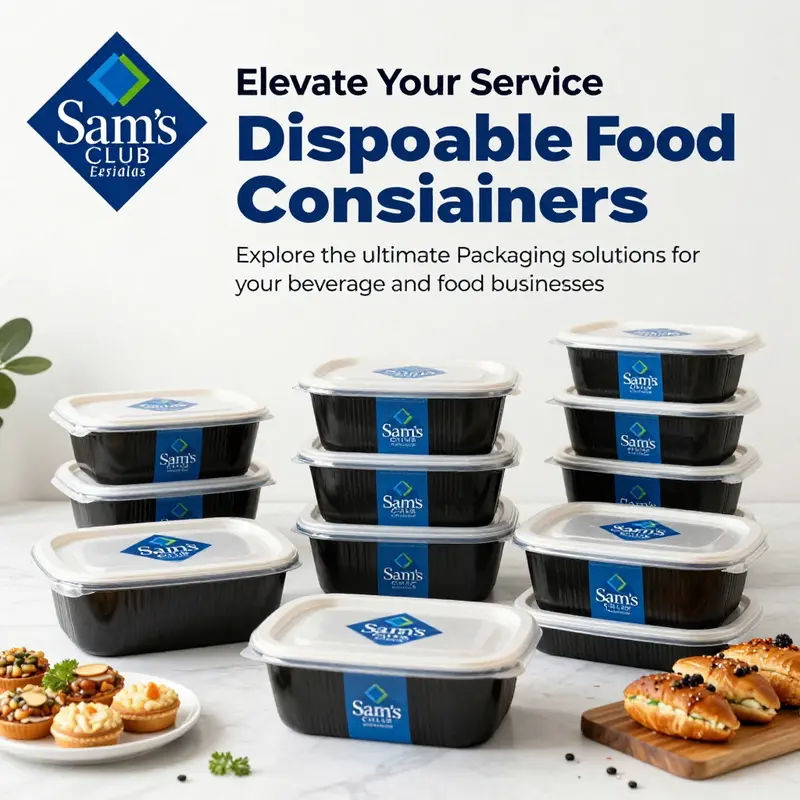
In today’s dynamic food service industry, choosing the right disposable food containers can significantly impact your business’s efficiency and presentation. Sam’s Club offers a diverse range of disposable food containers tailored for various enterprises, such as bubble tea shops, restaurants, food trucks, catering services, and corporate procurement teams. From meal prep to elegant event catering, the selection not only caters to functional needs but also champions convenience and affordability. This exploration will unfold the various types of containers available, the materials used in their construction, the benefits that they bring to businesses, and the environmental implications of their use. By the end, you will have a comprehensive understanding of how Sam’s Club disposable food containers can represent a game-changer in your operational setup.
Bulk Convenience, Streamlined Serving: A Deep Dive into Sam’s Club Disposable Food Containers
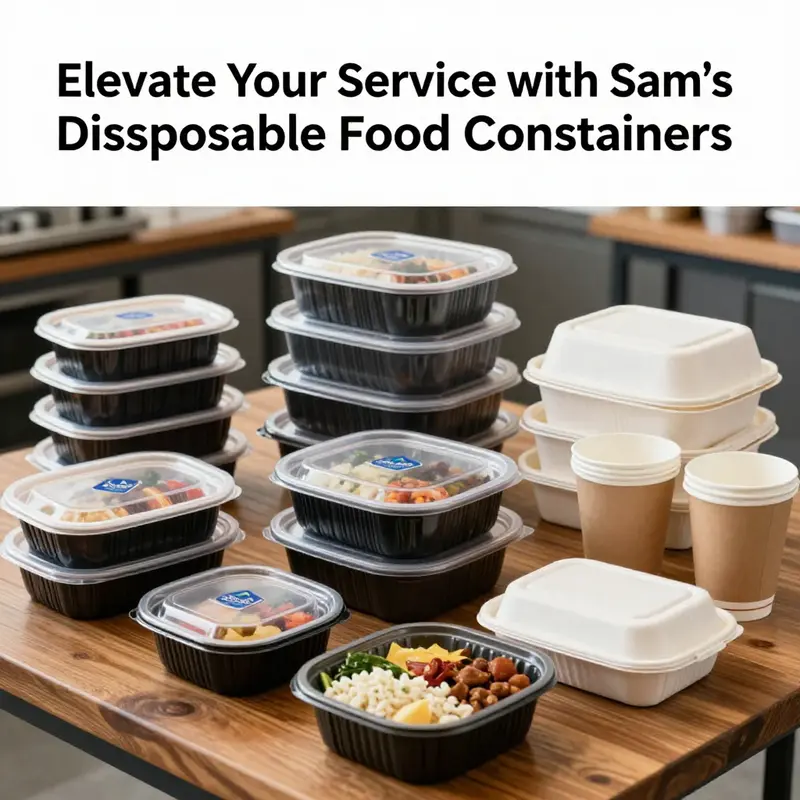
A well organized kitchen begins with the right tools for storage, transport, and presentation. In the world of bulk shopping and rapid meal turnover, disposable food containers become more than just packaging; they are part of a workflow. For households that cook in batches, for families who meal prep, and for small events that require reliable serving ware without a lot of cleanup, sources that offer bulk options can be a game changer. The conversation around these containers often centers on two practical concerns: convenience and safety. Convenience means containers that seal securely, stack neatly, and fit into standard refrigerators or microwaves. Safety, especially where food is involved, includes choosing materials that are free from harmful substances and that are appropriate for the temperatures and types of food being stored or reheated. When bulk shopping is the aim, the choice of container type becomes a balance between cost, durability, and environmental footprint. This chapter explores the main categories commonly found in big-box retailers and club warehouses, the advantages and caveats of each, and the practical ways shoppers can think through a purchase that will genuinely support meal routines and event planning without turning into a storage headache.
At the core of most disposables is material science as much as consumer habit. Plastic storage options are often hailed for their durability and resealability. In the typical club setting, you’ll find BPA free plastic designs that come in a spectrum of shapes—from compact rounds to generous rectangles and space efficient squares. The intent is to provide containers that can handle day to day life: crisp lids that click shut to prevent spills, clear bodies to allow quick content identification, and walls thick enough to resist dents during stacking. The ability to go from freezer to microwave, though not universal, is present in many lines, with clear labeling on each product. The practical effect is a system that supports both long term storage and rapid reheating, which is invaluable for people who batch cook or who prepare lunches for a school week. When a lid is tight and a container is rigid, the risk of soggy or mixed flavors drops dramatically, which in turn reduces waste and the need to rehome leftovers in secondary packaging.
Paper based options occupy a different corner of the aisle, appealing to shoppers who want to minimize their reliance on plastic and who favor compostable or recyclable profiles. Paper containers often come in takeout friendly forms—boxes with handles that feel almost like a premium takeaway box, clamshell designs that protect contents through transit, and stackable trays that optimize counter space during assembly or service. The environmental rhetoric here is not merely about appearance; it reflects a broader shift toward materials that break down more readily under proper conditions. For many catering scenarios or family events, paper packaging offers a practical blend of sturdiness and disposability, with the added benefit of reducing plastic contact with hot foods. Still, performance varies with food type and moisture content; certain sauces or damp foods can sog out paper if the lining isn’t robust enough, which is a reason readers should check for paraffin or polymer liners when necessary.
Foam, specifically polystyrene, serves as a reminder of how choices evolve with time and policy. In recent years, the environmental conversation around foam has become more focused, and many stores have phased out or reduced foam offerings in favor of more sustainable materials. Where foam remains available, it is often pitched for heat retention and cost efficiency, particularly for straightforward hot or cold takeout needs. For shoppers who encounter foam, the key questions are about compatibility with lids, durability during transport, and whether the foam type has a formal recycling or disposal pathway in their community. It is the kind of option that is still seen in some locations, but it sits on the edge of a shrinking category as more customers demand compostable or reusable alternatives.
Across these materials, lids and accompanying accessories matter just as much as the containers themselves. A trustworthy lid is not an afterthought; it is a critical element of performance. Tight seals prevent leaks, protect freshness, and make bulk batches feel portable rather than precarious. Dividers, inserts, and stackable trays can multiply the utility of a single container by enabling portion control and organized meal assembly. When planning for meal prep or a catered event, it is common to pair a set of containers with an assortment of lids and accessories that fit a specific use case—liners for salads, vented lids for steaming foods, or divider inserts for multi item portions. In practice, this toolkit approach reduces the need to juggle multiple packaging formats and minimizes the risk of cross contamination during transport. In a store aisle that emphasizes value, the ability to customize a container system with a compatible lid and accessories becomes a decisive factor for busy households and small food service operations alike.
The decision to choose one type of container over another often hinges on a few core scenarios. For batch cooking at home, the priority is to preserve texture and taste, maintain compact freezer storage, and enable quick reheating. Plastic options that are labeled microwave safe, freezer resistant, and leak resistant tend to support these goals well. For households prioritizing sustainability, paper based options offer a compelling alternative, provided they include a reliable liner or are designed to withstand moisture without compromising integrity. For events that demand cost efficiency and a neutral presentation, a simple monolithic option may win the day, while higher volume catering or meal programs may justify a more modular system with a suite of compatible lids and dividers. In all cases, the decision matrix includes how the containers will be used, how they will be stored, and how they will be disposed of after service. The sustainability component, while sometimes a secondary consideration, should never be an afterthought; it has real ramifications for waste streams, community recycling capabilities, and the long term footprint of a consumer’s purchasing choices.
Shopping strategy matters as much as product design. Bulk retailers that carry an assortment of disposable containers often structure price in ways that reward larger pack counts, but the savings are meaningful only if the containers actually fit the user’s needs. A shopper who prepares meals for two can save by using medium sized rectangular plastic containers with snug lids, but that same person might overbuy if the pack is optimized for families of four or more. Similarly, choosing a paper box with a handle can improve presentation for a social gathering or a takeout order, yet the increased material cost and weight may not be ideal for a casual weeknight dinner. Reading the labeling, comparing dimensions, and understanding the recommended reheating or disposal guidelines becomes part of the pre-purchase ritual. This is where the bulk model shines: it offers choice, volume, and a straightforward way to stockpile confidently without paying premium per unit.
In considering these options, many shoppers also weigh the ethical and environmental implications of their packaging choices. The trend toward compostable or recyclable materials has gained momentum as communities refine what is accepted in curbside programs. Paper based containers, when sourced from responsibly managed forests or recycled fiber, present a lower carbon footprint in the lifecycle sense. Yet the story does not end with materials alone. The packaging system is most responsible when it supports reuse, minimizes waste, and communicates clear handling expectations to the consumer. A durable plastic option that reduces the risk of spills and keeps foods fresh longer can lower waste by preventing spoilage, while a compostable paper option can reduce landfill mass if properly processed. The practical takeaway is that the best choice varies with the context—whether the user is batch cooking, transporting, or serving a crowd—and the container should align with both the food’s needs and the consumer’s values.
Within this landscape, an important nuance is the availability of compatible accessory products that extend the life and function of the containers. Some lids are designed to be vented for steam, others to seal tightly for cold or room temperature items. Dividers and trays can transform a single container into a mini meal kit, which is particularly useful for meal prep planners who portion out proteins, grains, and vegetables separately to maintain texture. Stackable trays reduce clutter in refrigerators and freezers by creating a uniform footprint. The synergy between container bodies and their lids or inserts often determines whether a batch can be stored safely and retrieved quickly. When a shopper can assemble a coherent system—containers plus lids plus organizers—the daily routine becomes more predictable and less wasteful. It is a small but powerful detail that can encourage more home cooking, more organized meal prep, and more efficient catering planning.
For readers seeking a tangible starting point, a practical approach is to assess the most common cooking and storage patterns in their household or business and then map those patterns to the container families described here. If repeated tasks involve freezing portions for future meals, a compact set of square or rectangular containers with reliable seals can become the backbone of the routine. If the focus is on takeout or catering for events, paper based boxes with sturdy handles and sturdy clamshell designs might take precedence, balanced by a selection of versatile lids and dividers. The aim is to reduce friction: fewer containers that are easy to stack, easy to label, and easy to transport. In this sense, the best packaging solution is less about chasing the newest trend and more about achieving practical reliability across the full cycle of buying, storing, reheating, and discarding. When that reliability is achieved, the day-to-day work of feeding a household or supporting a small operation feels smoother, and the cost savings from bulk buying begin to compound as less food is wasted and less time is spent managing loose, incompatible packaging.
To connect this discussion to real world choices, consider how a shopper might link these ideas to the broader ecosystem of disposables. One practical option is to explore a set of packaging designed for a specific application, such as a rugged, stackable paper box suitable for takeout or a plastic storage system optimized for portion control and reheating. A single well chosen system can serve as a backbone for both daily meals and occasional gatherings, reducing decision fatigue and supporting consistent storage results. The ability to mix and match within a coherent framework—containers that seal, stack, and transport with minimal fuss—becomes the core advantage of bulk purchasing for families and small businesses alike. It is this balance of durability, cost efficiency, and practical flexibility that makes the landscape of disposable food containers so consequential in contemporary shopping and home meal routines.
For readers who want to explore related options beyond the store aisle, consider this resource that offers insight into durable, eco friendly packaging solutions and practical design considerations. disposable-octagonal-box-restaurant-food-kraft-paper-packaging. This reference illustrates how packaging shapes impact user experience, from ease of handling to the perception of quality, and it underscores the idea that the best packaging strategy aligns with both the food itself and the context in which it is served.
With these perspectives in mind, the ongoing dialogue about disposable containers is less about choosing one type and more about building a thoughtful, cohesive system. It is about recognizing how different materials meet different needs, how lids and inserts extend utility, and how bulk availability can translate into real benefits for meal planning and event execution. As shopping patterns continue to evolve and as environmental considerations become more central to consumer values, the container landscape will continue to adapt. The result is a diverse, pragmatic toolkit that supports modern eating habits—whether a family schedules a week of meals, a home cook scales up for a party, or a small operation coordinates daily deliveries—with packing solutions that are reliable, reusable where possible, and respectful of the food they accompany. For updated product availability, pricing, and specifications, readers may consult the official retailer site linked earlier, which remains the best source for current inventory and policy notes.
External resource: For up-to-date inventory and product information from a major retailer, see the official site: https://www.samsclub.com
Material Matters: The Hidden Architecture Behind Sam’s Club Disposable Food Containers
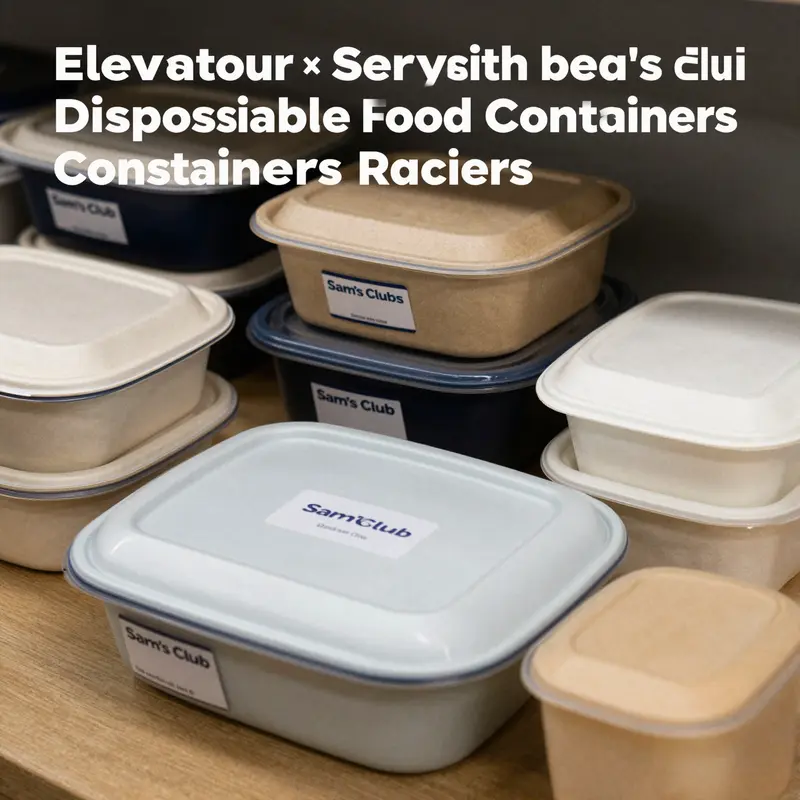
The materials that shape disposable food containers are more than a list of ingredients stitched together in a mold. They are the quiet engineers of everyday meals, the unseen infrastructure that determines how long food stays fresh, how easily it travels from kitchen to table, and how a customer experiences a takeout moment. In the context of a major wholesale retailer, these choices are not merely about cost per unit. They are about balancing safety, performance, and environmental responsibility while maintaining the familiar value proposition that draws members back again and again. When we look at Sam’s Club’s disposable containers, we glimpse a spectrum of materials chosen for distinct roles: insulation and lightweight transport, structural rigidity for packaging, visibility for food presentation, and, increasingly, sustainability narratives that many shoppers now demand. A careful reading of these choices reveals why certain materials rise to the top in bulk, and why others recede as markets and regulations push for greener alternatives.
At the core, the everyday container must preserve food quality through its life cycle. It must protect delicate ingredients from moisture, contamination, and temperature fluctuations while being easy to store, stack, and transport. These are not abstract requirements. They translate into real material properties: low weight for cost efficiency, adequate barrier properties to slow moisture transfer, chemical inertness to prevent flavor or aroma migration, and predictable behavior in the heat and cold ranges typical of grocery storage and consumer kitchens. Among the most common families of materials encountered in disposable containers are polystyrene, paperboard, and plastics such as PET and PP. Each of these materials carries a different set of advantages and trade-offs that align with particular use cases in a wholesale retail environment aimed at serving both households and foodservice operations.
Polystyrene, often encountered in foam containers, has long been favored for its lightness and insulation. Its low density means bulk shipping costs are reduced, an important consideration when a retailer stocks thousands of containers. Foam’s insulating capacity helps if warm food needs to travel a short distance to a shareable meal or catering pick-up, keeping cold items from warming too quickly and hot items from cooling in the wrong direction. For some operators, foam is a cost-effective choice that supports quick turnover and minimal weight on the shelf. Yet, the environmental and safety conversations surrounding polystyrene are complex. The material can be challenging to recycle at scale, and concerns about chemical residuals and end-of-life disposal have intensified scrutiny from regulators and consumers alike. In response, many suppliers and retailers have expanded alternatives, including paper-based or other plastic-based options, to address both safety and sustainability expectations without sacrificing performance.
Paperboard-based containers offer a different set of strengths. They tend to provide a solid, rigid structure that can be molded into a variety of shapes—think sandwich boxes or bakery packaging—that presents food with a clean surface for branding while maintaining a sturdy exterior during transit. Paperboard can be engineered with barrier coatings to resist moisture and grease, enabling it to handle a range of foods from sandwiches to pastries. This class of material also aligns with growing consumer interest in compostable or at least more easily recyclable packaging, especially when coatings are minimized or designed to break down under composting conditions. Still, the real-world end-of-life fate of paperboard packaging hinges on local waste streams and the extent to which coatings, liners, and inks complicate recycling or composting. For retailers, this means panels and boxes must not only resist the rigors of carry-out service but also remain compatible with the curbside processing ecosystems that individual communities offer.
Plastics—specifically PET and PP—occupy a crucial middle ground between visibility, durability, and heat resilience. PET is renowned for its clarity and strength, which makes it ideal for transparent containers that showcase the culinary arrangement inside. This is a valuable feature for takeout and display in-store cases, where customers want to see the product clearly before purchasing or picking up. The downside, however, is that PET is typically not the best material for heating; while some PET containers are designed for cold or room-temperature service, they may not be suitable for microwave use. Polypropylene, on the other hand, brings heat resistance and a broader spectrum of reusable or reusable-leaning applications. PP can often withstand reheating and is more forgiving when it comes to stacking and microwaving. These properties make PP a versatile option for lunch bowls, noodle containers, and other single-use items that demand more robust performance in household kitchens. The trade-off, of course, lies in recyclability and the lifecycle of plastics, which has spurred ongoing innovation and debate regarding how to reconcile convenience with environmental stewardship.
The broader narrative around Sam’s Club disposable containers is not only about material performance but also about how these choices fit a bulk, value-driven model. The wholesale logic rewards packs that reduce handling, optimize shelf density, and minimize waste at scale. In practice, that means a catalog that favors materials and designs that pair cost efficiency with dependable functionality. A bulk pack of standard containers can streamline procurement for busy families and small catering outfits alike, helping members stock up with fewer frequent orders. Yet this same model also invites reflection on how disposables intersect with responsible consumption. For some shoppers, the decision tree includes weighing the convenience of a disposable option against the desire for more sustainable, longer-lasting alternatives—whether that means reusable containers or compostable papers that align with local composting programs. In this context, the material choices are not just about immediate use; they reflect a chain of considerations from the supplier’s facility to the point of purchase and beyond.
In discussing the material universe of these containers, it is also important to acknowledge how product design tends to favor clarity and containment. Transparent or semi-transparent plastics enable easy identification of contents, a practical benefit for quick service and efficient storage in crowded kitchens or pantry shelves. This visibility is not merely aesthetic; it reduces handling errors, speeds up inventory checks, and supports a smoother consumer experience during busy periods such as weekend meal-prep cycles or party catering. Conversely, paper-based and compostable options often emphasize the opposite virtue: a simpler, more recyclable end-of-life story. These designs may opt for a more restrained or natural appearance, signaling to shoppers that the packaging aligns with environmental values and local waste processing capabilities. The material choice thus helps communicate functional expectations while anchoring ethical considerations about disposal and the lifecycle impact of a take-out moment.
One practical thread that runs through these material decisions is temperature tolerance. A container that performs well under refrigeration must also hold up during quick transfers to the oven or microwave, depending on the food and the consumer’s quick-start plans. PP’s heat resistance often makes it favorable for hot meals, while PET’s clarity is ideal for cold assortments or items where the visual appeal matters. Paperboard’s barrier coatings must strike a balance between moisture resistance and recyclability, ensuring that a sandwich or bakery item remains stable without compromising the end-of-life options available to local waste streams. These performance traits are not abstract engineering choices; they translate into real-world outcomes, from how long a deli salad stays crisp to whether a leftover curry can be reheated safely in its original container. In the end, the container becomes a functional extension of the food it carries, its material composition a quiet negotiator between the culinary and the logistical.
Beyond the core materials, there is a growing emphasis on sustainability that shapes product development and supplier selections. Compostable or more easily composted paper options have gained traction as retailers and manufacturers respond to consumer demand for greener alternatives. Yet the actual environmental impact depends on the end-of-life infrastructure available to communities. A container labeled compostable may not break down efficiently in a typical curbside program if the local facility is not equipped for the specific composting standard. This nuance means that the most sustainable choice in one city may differ in another, and it underscores why retailers feature a spectrum of options rather than a single “green” solution. Many operators also explore reuse or refill programs, which can dramatically lower waste and shift the narrative away from single-use convenience toward a more circular approach. While bulk availability remains a hallmark of Sam’s Club’s model, the market’s direction over time increasingly rewards packaging that aligns with consumer values and municipal capabilities rather than mere cost per unit.
The interplay of materials, performance, and end-of-life considerations also invites a more nuanced view of branding and consumer communication. When a container communicates its material story clearly—whether through labeling about BPA-free status, compostability, or recyclability—it becomes part of the customer’s decision calculus. The container becomes a vessel of trust, offering reassurance about safety and quality while signaling environmental awareness. This is especially important in a wholesale context where customers may repurpose containers for a broad array of uses, from meal prep to event catering. Clear labeling helps prevent misapplication, such as heating in a container not designed for microwaving, while also guiding a consumer toward the recycling or composting options that are feasible in their locale. In this way, material choice and communication work in tandem to deliver value not just to the moment of purchase but across the entire lifecycle of the container and its contents.
As shopping habits evolve and the conversation around sustainability intensifies, the materials used in disposable containers become a lens through which we can understand broader retail strategies. The mix of polystyrene, paperboard, and various plastics reflects a market balancing act: the need for lightness and insulation, the desire for sturdy, branded presentation, and the push toward better end-of-life outcomes without sacrificing the practicality that customers expect. It is a balance that retailers continually recalibrate, weighing the economics of bulk procurement against the environmental implications of disposal and the real-world constraints of local waste systems. For members who rely on these containers to carry meals, pack leftovers, or stage a catering event, the material story matters not just for today’s convenience but for tomorrow’s resource stewardship.
In closing, the materials behind disposable containers are a quiet but powerful factor shaping the everyday experience of food on the go. They influence everything from how a product travels from store to kitchen to how a family saves leftovers for another day. They also reveal how a retailer navigates price, safety, and sustainability in a landscape where consumer expectations are increasingly complex and local waste systems vary. The right material choice can translate into less waste, better performance, and a more transparent narrative about where packaging ends up after the meal is finished. This is the hidden architecture of convenience: a set of material decisions that undergird the simple act of picking up a meal and, in doing so, shape the broader conversation about how we package, transport, and finally dispose of food in a modern economy.
For readers seeking more detail on the current landscape of disposable food containers in large-format retail, the broader information page from the source retailer offers a comprehensive reference to product categories, usage, and safety considerations. You can explore the official overview here: https://www.samsclub.com/samsclub/food-service-disposable-containers. In addition, a related exploration of recycled and compostable packaging options in the market provides complementary insights into how the industry is evolving toward more sustainable materials while preserving the reliability customers expect during busy meal times. For a detailed look at specific packaging design and material choices in the context of restaurant and takeout packaging, see disposable octagonal box packaging.
External resource reference: https://www.samsclub.com/samsclub/food-service-disposable-containers
Smart, Safe, and Sustainable: The Practical Benefits of Sam’s Club Disposable Food Containers
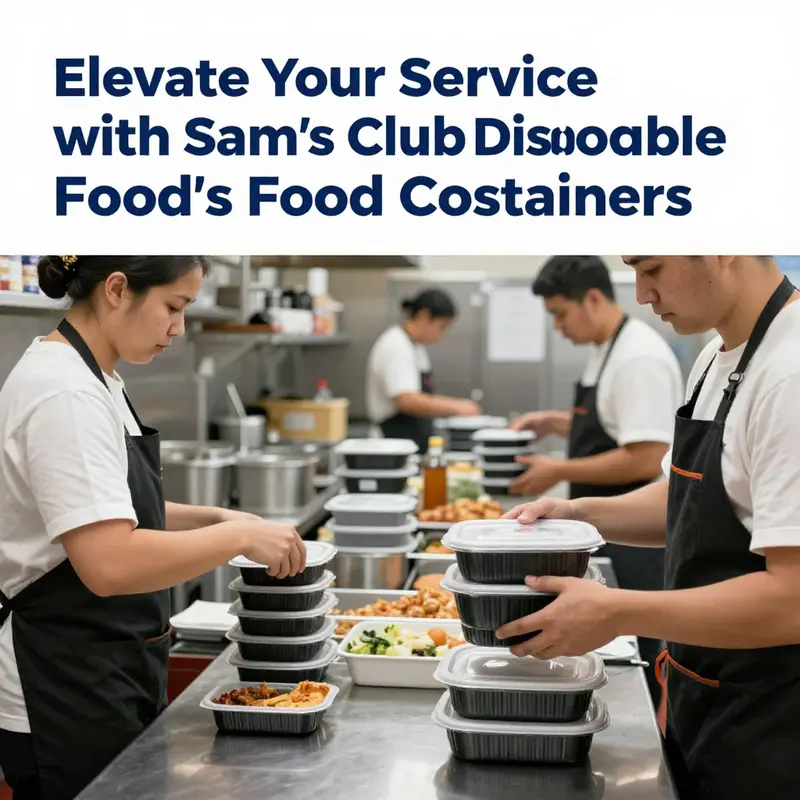
When a kitchen runs on routine, the right disposable containers can become as essential as the ingredients themselves. Sam’s Club offers a range of disposable food containers designed to simplify storage, transport, and presentation. The beauty of these solutions lies not just in convenience, but in the quiet confidence they bring to both personal routines and small-scale service operations. For home cooks, they translate meal planning into fewer missteps and less mess. For small caterers or office break rooms, they translate into consistent packaging that looks professional and travels well. The overarching advantage is a standardized, predictable system: a trusted size, a reliable lid, and a predictable way to stack and stack again, which saves space and time in a world that often runs on tight schedules.
Materials form the backbone of this practicality. Many of the containers in this category are built from food-safe plastics such as polypropylene and certain forms of PET. These materials offer a balance of safety, lightness, and durability. The safety aspect is not an empty claim; these plastics are chosen for their proven performance in contact with food and their suitability for handling refrigerated content. For shoppers who value peace of mind, the fact that these options are often BPA-free adds another layer of assurance. It is not just about keeping contents intact, but about minimizing potential chemical exposure during ordinary use, reheating, or brief storage periods. The practical upshot is a set of containers that handle the typical cycle of food storage and transport with minimal fuss while maintaining the crispness and appearance of the food itself.
Design features further extend the usefulness of these containers beyond mere containment. A staple among the best-loved options is the leak-resistant lid. This simple pairing—container plus lid—transforms a fragile liquid or sauce into something portable, reducing spills during transit and enabling a reliable grab-and-go experience. The containers are often designed to be stackable, a feature that many kitchens and event setups prize. When space is at a premium, the ability to nest or stack containers without sacrificing stacking stability translates into real, tangible efficiency. The result is less clutter in the fridge or catering station and more usable square footage for food prep and packaging tasks. The emphasis on practical design aligns with Sam’s Club’s broader value proposition: bulk availability and uniform compatibility across a family of products that make everyday operations smoother.
Microwave safety is another practical dimension worth noting, especially as reheating becomes a routine step for many households and small service operations. A substantial portion of these containers is compatible with microwave reheating, largely due to the properties of polypropylene-based plastics. Users can take a prepared meal from the fridge, reheat it in its original container, and then serve—reducing the number of dishes that accumulate after a busy day. This convenience reduces both prep time and dishwashing, two factors that can weigh heavily on weekday efficiency. It’s important, however, to respect heat limitations. Not every container is oven-safe or designed for high-heat, long-duration cooking, so knowing the intended use helps avoid mishaps. The upshot is a family of containers that supports quick reheating and easy portioning without stepping outside safe usage boundaries.
Beyond safety and convenience, aesthetics matter. A clean, professional appearance helps elevate the perceived quality of the food, whether it’s a takeout order, a catered event, or a meal-prep service. The containers typically project a neat, organized look that communicates care and attention to detail. This visual coherence matters for brands that rely on consistent packaging to reinforce reliability and trust. For operators who transition between casual home use and more formal service occasions, the uniform styling of these containers offers a flexible packaging language. It signals that the food inside is prepared with care, and it helps maintain a consistent customer experience across different contexts.
Sustainability considerations are increasingly central to choice in packaging, and Sam’s Club addresses this criterion with a spectrum of eco-conscious options. For shoppers seeking gentler environmental impacts, there are container families crafted from recycled paperboard and molded fiber. These materials sit on the more sustainable side of the spectrum, offering compostability in suitable facilities and a clear path toward reducing plastic use. Such options pair well with cold or room-temperature foods, including salads, sandwiches, and desserts, where moisture management remains manageable without relying on synthetic barriers. While these eco-friendly choices represent meaningful progress, they also come with a responsibility: disposal decisions should align with local recycling or composting guidelines to ensure the intended environmental benefits are realized. In practice, this means rinsing or emptying containers when feasible and following local guidelines to direct the waste toward recycling streams or composting programs where available.
The range of shapes and configurations also broadens the practical reach of these containers. Consumers can select from round, square, or rectangular formats to accommodate different cuisines and presentation needs. This variety supports efficient portioning, faster packing, and cleaner dining experiences. It also helps in inventory planning for businesses that arrange catering or takeout at scale, where the geometry of a container can influence everything from stacking density to display aesthetics. The design flexibility becomes especially valuable for those who balance multiple service lines, such as grab-and-go meals, salads, and snack assortments. In short, shape variety translates into better fit, better aesthetics, and better waste management at the point of sale and beyond.
Of course, no packaging system is without its limits. The range of disposable containers remains anchored by their disposable nature, which means not all applications are appropriate. Oven safety is generally limited or nonexistent for many of these options, given material constraints. Heat resistance is typically adequate for microwave reheating and short-term room-temperature storage, but prolonged exposure to high heat can compromise structural integrity and safety. This is a practical reminder that these containers optimize convenience and performance for common, everyday scenarios rather than for every cooking method. Awareness of these boundaries helps users deploy the right container for the right job, ensuring food safety and customer satisfaction while minimizing the risk of mishandling.
Sustainability as a practice extends beyond the container itself. The most thoughtful use involves considering the end-of-life pathway. Recycling remains a core route where possible, but so does composting for paper-based and molded-fiber options. The guidance to rinse containers, separate different material streams when required, and dispose of compostable items in appropriate facilities supports a broader environmental strategy. Waste reduction, after all, is most effective when it’s part of a system: careful selection, mindful use, and proper disposal. In contexts like home kitchens, office break rooms, or small catering operations, these packaging choices can reduce waste intensity and align with corporate or personal commitments to sustainability.
The practical synthesis of safety, convenience, aesthetics, and environmental responsibility makes these containers a durable ally for everyday routines and professional engagements alike. They simplify workflow for meal prep and leftovers, provide dependable transport for takeout and catering, and offer a visual and functional consistency that bolsters brand perception and customer trust. The bulk availability typical of membership-based shopping models translates into cost efficiency for those who package meals or run small-scale operations. The economic advantage is not merely a lower price per unit; it also comes with predictable quality and reliability, which ultimately reduces the time spent solving packaging glitches and frees up energy for cooking, service, and customer engagement.
For readers curious about packaging options that blend practicality with style in the takeout and catering space, a relevant example on a related packaging family is described in this resource: rectangle takeaway kraft octagonal paper bowl with lid. This internal link showcases how a specific, aesthetically aligned option can harmonize with the broader goals of durability, presentation, and sustainability that underpin Sam’s Club disposable food containers more generally. The broader takeaway remains consistent: thoughtful packaging choices can support every step of the food lifecycle—from prep and storage to transport and service—without sacrificing safety or style.
With these considerations in mind, readers can approach Sam’s Club disposable food containers as more than a convenience item. They are a practical toolkit for efficient kitchen management, a vehicle for consistent presentation, and a pathway toward more sustainable handling of meals and meals-systems. Whether used for personal meal prepping, family leftovers, or a growing food-service operation, these containers offer a coherent, versatile solution that aligns with daily routines and evolving consumer expectations. In a world that prizes speed and reliability, the right packaging choice can quietly elevate the entire dining experience while supporting responsible waste management. External resources provide additional context and broader industry insight, helping buyers compare options and make informed decisions that fit their specific needs and values. For further reading and a broader view of available storage solutions, the official Sam’s Club information page offers a comprehensive overview of current offerings and features that guide selection and purchase decisions: https://www.samsclub.com/samsclub/food-storage-containers
Tracking the Footprint: The Environmental Story Behind Sam’s Club Disposable Food Containers
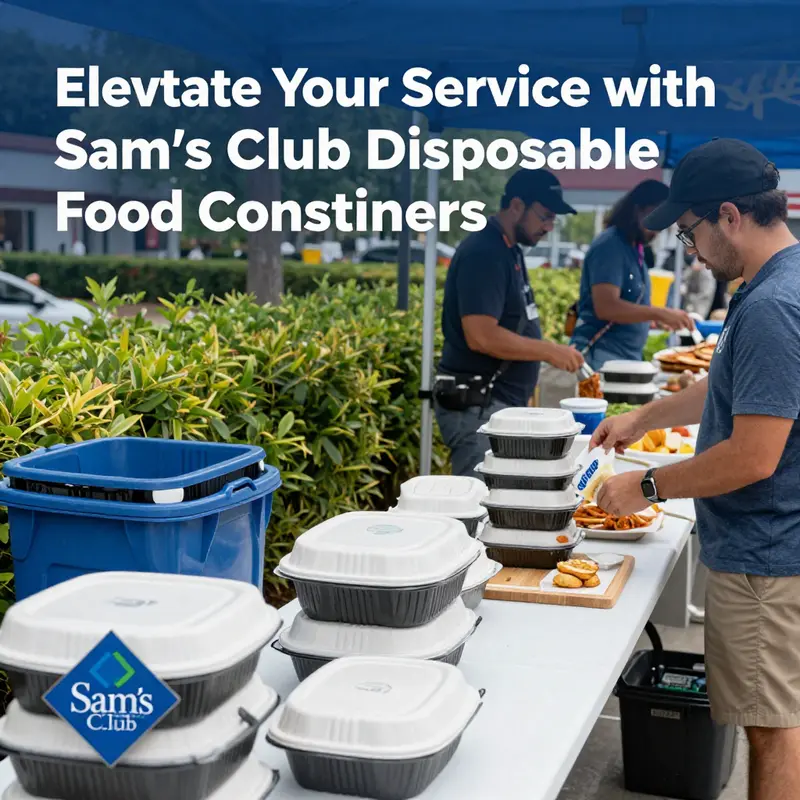
The environmental footprint of disposable food containers sold through Sam’s Club clusters around a few central questions: what materials are used, how those materials behave at the end of life, and how supply-chain decisions shape the overall impact. Although there is no public, independent, product-specific assessment of Sam’s Club’s disposable containers, the broader evidence about common container materials offers a useful lens. The way a retailer curates a range of disposables—from bulk-pack storage boxes to single-use bowls and lids—inevitably influences energy use, greenhouse gas emissions, and waste streams long after a product is discarded. In this context, the environmental story is not about a single material or a single disposal outcome; it is about the interplay of material choices, manufacturing energy, transportation, recyclability, and end-of-life infrastructure. To think clearly about this, it helps to outline the main material families typically found in the disposable container category and then to examine how each family performs along the life cycle, from cradle to grave.
A first and fundamental distinction lies in the material itself. Many disposable containers are based on polypropylene, a durable thermoplastic that resists heat well and is widely used for its clarity, rigidity, and cost efficiency. When analysts compare environmental indicators across common single-use plastics, polypropylene often shows relatively high global warming potential and energy intensity in production and in end-of-life processing compared with some alternatives. The broader literature, including assessments published in the Journal of Cleaner Production, highlights that single-use polypropylene can perform poorly across multiple environmental impact indicators, underscoring the climate and resource-use costs tied to this material in typical use scenarios. This is not a universal judgment about every polypropylene item, but it signals that, within the spectrum of container options, plastic-based disposables contribute meaningful carbon and energy footprints—especially when manufactured at scale, distributed through sprawling supply chains, and disposed of in systems with limited recycling or incineration efficiency.
A closely related family includes polystyrene-based containers, including foam variants. Foam-backed, lightweight, and insulating by design, these materials present another set of trade-offs. Although some lifecycle studies have noted relatively favorable energy considerations during certain stages of manufacturing—polystyrene can demand less energy to fabricate than some alternative plastics—the non-biodegradability and long-tail persistence of foam plastics have become the defining environmental concern for many observers and policymakers. The problem is not only recycling rates but also the sheer scale of waste that persists in the landscape when foam products are discarded improperly. Across various waste-management contexts, polystyrene’s recyclability remains limited, and its tendency to fragment into microplastics poses ongoing ecological challenges.
Beyond plastics, there is a growing category of paperboard and molded-fiber containers. These materials are designed to be recyclable, compostable, or biodegradable, and they often incorporate post-consumer or post-industrial fibers. In many markets, paper-based options are perceived as the more sustainable choice, particularly when they come from recycled content and are disposed of through established paper recycling or composting streams. The environmental performance of these fiber-based options can be compelling, especially when transportation and processing systems are optimized and when the end-of-life facility accepts fiber-to-fuel or composting processes. Yet even with fiber-based disposables, the end-of-life outcome hinges on local infrastructure. A fiber bowl that ends up in a landfill or in a mixed-waste stream may lose many of its intended environmental benefits.
The variability in end-of-life outcomes underscores a central point: the environmental advantage of a given container type is not inherent to the material alone but is contingent on how the product is designed for recycling or composting, how it is used, and what happens after disposal. In the Sam’s Club context, the range of options—whether primarily plastic or paper-based—mirrors a broader retail strategy that seeks to meet a spectrum of consumer needs: from cold-storage and take-away to catering and bulk service. In practice, this means that the environmental profile of Sam’s Club disposable containers is shaped by material choice, packaging design, consumer behavior, and the robustness of local recycling or composting networks.
Alongside material choices, supply-chain decisions play a decisive role. In an era when sustainability narratives increasingly influence shopper expectations, retailers face trade-offs between cost, convenience, and environmental performance. A shift toward more eco-friendly options is visible in the industry: a move away from traditional single-use plastics toward recycled-content paperboard, molded-fiber products, or other compostable formats, when practical. These shifts hinge on several factors, including the availability of recycled input streams, the energy intensity of manufacturing processes, and, crucially, the appetite of municipal and commercial facilities to process different materials. Recyclability claims gain strength when a container is labeled as recyclable in regions with accessible streams, while compostability becomes a strong driver when local composting infrastructure is in place and consumer behavior aligns with composting incentives. When Sam’s Club expands or consolidates its disposable catalog, each material category carries implications for the retailer’s environmental footprint, as well as for the waste economy of the communities in which its members reside.
From a lifecycle perspective, the climate dimension is central. Manufacturing energy, emissions from raw material extraction, and the energy costs of processing and transporting containers shape their global warming impact. If polypropylene dominates a product mix, the overall footprint is often higher in climate terms, and this nudges retailers toward exploring alternatives that reduce energy intensity or increase the share of recycled or renewable inputs. Conversely, paperboard and molded-fiber products, particularly those made from recycled content, have the potential to lower climate impact when they are integrated into efficient recycling or composting streams. Yet this potential is realized only if the end-of-life pathway is truly circular and if contamination during recycling or composting is minimized. In short, the environmental story of these containers is a story of systems: the system of production, the system of distribution, and the system of consumption and disposal acting in concert.
The practical implications for shoppers and policymakers are nuanced. For consumers, the most meaningful guidance is to seek clarity about disposal options and to favor options that align with local waste-management realities. If a container is clearly labeled as recyclable in a community with robust paper and plastic recycling streams, that label becomes a tangible signal of a lower environmental risk, provided it is disposed of properly. If a container offers compostability, it should be paired with access to industrial composting facilities, and consumers should ensure that the facility accepts such materials. The third path—choosing products made with recycled content—also holds promise, because it can reduce the demand for virgin feedstocks and lower energy use in some production cycles. Yet the benefits of recycled-content options hinge on the existence of markets for those inputs and the ability of the system to close the loop.
In this context, a retailer like Sam’s Club has a unique platform to influence environmental outcomes. By curating a mix of disposables that balance cost, performance, and end-of-life considerations, the retailer can guide consumer choices and shape waste streams. This involves clear labeling, education about disposal pathways, and partnerships with suppliers to prioritize materials that demonstrate improved lifecycle performance. It also means recognizing the constraints that exist in different markets: in some places, recycled-content plastics may be limited by feedstock availability; in others, paper-based options may outshine plastics due to efficient composting or paper-recycling infrastructure. The result is a pragmatic, region-sensitive approach to packaging that respects both the economics of bulk shopping and the ecological realities of disposal.
For those who want to see a tangible illustration of how a fiber-based option can fit into this environmental logic, consider flexible, practical choices designed for takeaway and bulk service. Fiber- or paper-based containers that are designed for simple separation and collection in recycling or composting streams can reduce the friction of disposal for busy consumers. The design challenge is to ensure that such containers perform well in real-world conditions—keeping food secure and containers sturdy—while enabling efficient post-use processing. This often means selecting materials with consistent performance across temperature ranges, minimal coating layers that hinder recyclability, and a production footprint that favors low-energy processing.
In the broader conversation about single-use packaging, the environmental impact is not just a function of the container type but also of the system around it. Waste collection schedules, the efficiency of sorting facilities, contamination rates, and consumer participation all determine how much of the potential benefit of a given container is realized. When a retailer communicates clearly about disposal options and supports programs that improve recycling and composting outcomes, the full value of environmentally minded packaging choices can come into sharper focus.
For readers who want to explore fiber-based and paperboard alternatives beyond plastics, a practical entry point is to examine options designed for take-out and service with composting or recycling in mind. The green potential of these formats grows when retailers and manufacturers commit to using recycled inputs and to designing packaging that is simple to separate at end of life. In effect, the environmental performance of Sam’s Club disposables reflects not a single material verdict but a culmination of design choices, supplier collaborations, and municipal capacity to process materials in an effective, low-impact manner.
From a research standpoint, establishing a precise, product-specific environmental tally would require detailed life-cycle assessments that track material composition, manufacturing energy, transport distances, and end-of-life outcomes for each SKU. In the absence of such data, the reasonable stance is to evaluate patterns and align shopping and policy decisions with evidence-based principles: favor materials with lower climate impact, maximize recycled content where possible, support recyclable and compostable formats where end-of-life infrastructure exists, and prioritize packaging designs that minimize contamination and maximize recovery during recycling streams. This is the path toward a more sustainable take-out and retail ecosystem, where bulk-buy models and eco-conscious packaging can coexist with everyday convenience.
An important practical takeaway for shoppers is to look for packaging that explicitly signals end-of-life options and to participate in local recycling or composting programs. When a container can be clearly separated from food waste and can be processed by local facilities, its environmental advantage increases. Put differently, the best choice is not merely a material that seems greener in abstract terms but a packaging solution that aligns with real-world disposal pathways and that fits the waste-management capacity of the community it serves. In this sense, the environmental impact of disposable containers is as much about the infrastructure of waste handling as it is about the materials themselves.
To connect these ideas with tangible options, consider the broader category of fiber-based and paperboard take-out containers, which are increasingly popular in many markets for their perceived lower environmental impact. These options often translate into more favorable outcomes when they are paired with robust recycling programs or industrial composting facilities. Retailers have a role here as well: by stocking a mix of fiber-based and plastic options that reflect local disposal realities, they empower customers to make choices that align with their community’s capabilities. The conversation, ultimately, is about matching packaging design to end-of-life systems in a way that reduces waste, lowers emissions, and preserves resource reserves for future use.
As part of a broader culture of sustainability, it is essential to recognize that consumer education matters. Clear labeling about disposal options reduces confusion and improves disposal accuracy. When shoppers understand whether a product is recyclable in their area or compostable in local facilities, they are more likely to participate in the proper separation of materials. This, in turn, increases the likelihood that a broader portion of packaging will be diverted from landfills and reintroduced into a productive loop. The linkage between consumer behavior and waste-management outcomes is not incidental; it is a core determinant of the environmental performance of disposable container systems.
In closing this thread of the environmental conversation, it is useful to reiterate that the precise impact profile of Sam’s Club’s disposable containers depends on the exact mix of materials, the end-of-life infrastructure available in different communities, and the degree to which packaging is designed for circular use. While the literature points to clear differences among major material families, the real-world effect emerges when retailers, manufacturers, municipalities, and consumers coordinate to optimize material choices, improve recycling and composting capability, and reduce unnecessary material use through smarter packaging design and consumption patterns. The aspiration is not to eliminate disposables altogether but to steer them toward configurations that minimize energy use and environmental harm while preserving the benefits of convenience and bulk value that define the shopping experience.
Final thoughts
With a range of disposable food containers designed for versatility and practicality, Sam’s Club stands as a valuable partner for any food service provider. Whether you are running a busy bubble tea shop, a food truck, or organizing an event, these products facilitate not only convenience but also operational effectiveness. Furthermore, with a commitment to using sustainable materials, these containers also align with the growing need for environmentally conscious choices in packaging. A small investment in the right disposable food containers from Sam’s Club can drive improvements in service quality and customer experience, while reinforcing your commitment to both efficiency and sustainability.