
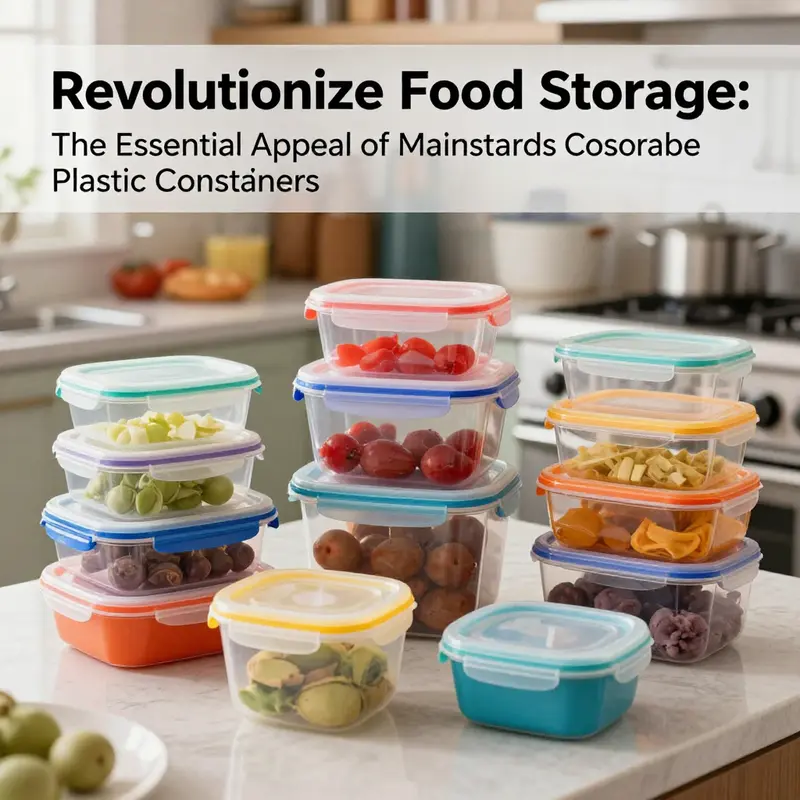
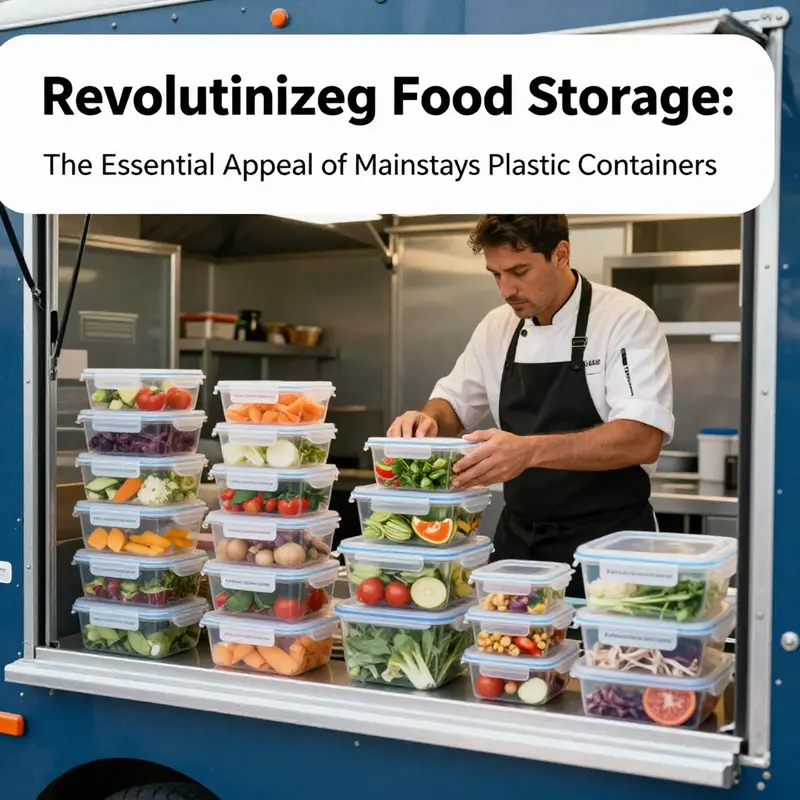
Mainstays plastic food storage containers have emerged as vital tools in the food service industry, catering to the diverse needs of bubble tea shops, restaurants, food trucks, catering services, and corporate procurement teams. These containers not only provide practicality and durability for varying food items, but they also highlight an economical alternative that meets the demands of modern businesses. This article dives deep into their features, practical uses, consumer ratings, materials, sustainability, and purchase options, illustrating how these versatile containers can enhance operational efficiency and meet safety standards while contributing to a portion-controlled and organized service environment.
Under the Lid: Unpacking the Features That Make a Budget-Friendly Plastic Food Storage Line a Kitchen Workhorse
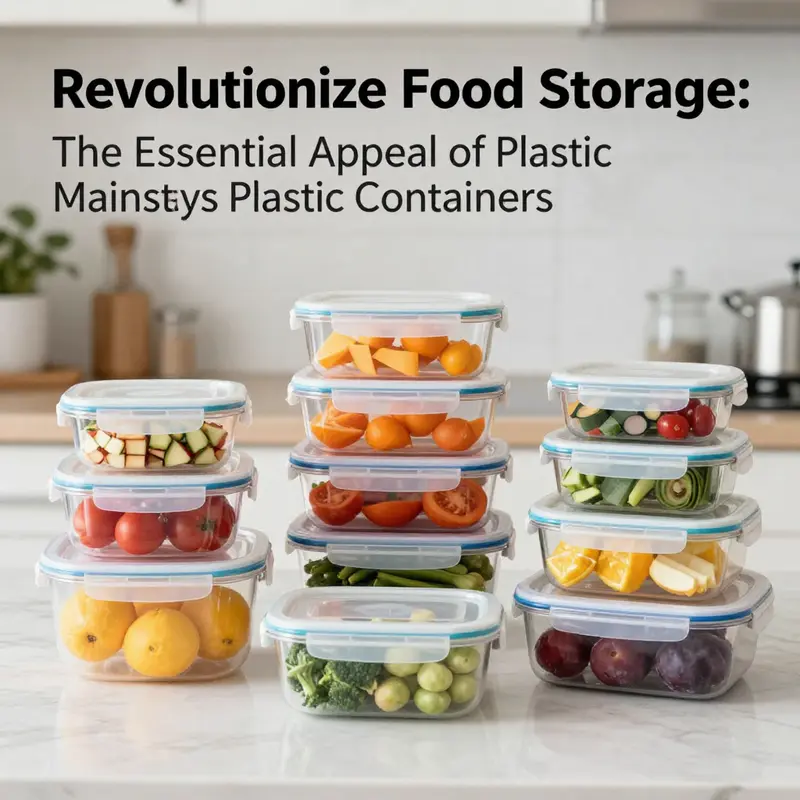
A well-organized kitchen begins with the right containers, and a budget-friendly plastic storage line can be the quiet engine behind daily meal prep and long-term freshness. The features bundled into this store-brand collection are not flashy tricks but practical design choices that work together to reduce clutter, protect food, and simplify routines. In homes where leftovers are a daily habit and batch cooking is the norm, these containers become more than vessels—they are tools that shape how families eat, plan, and waste less. What makes this line useful is not a single standout feature, but a thoughtful combination of safety, durability, versatility, and ease that aligns with real kitchen life.
Material safety sits at the foundation. The containers are made from food-grade polypropylene and high-density polyethylene, plastics chosen for their stability, chemical resistance, and low risk of leaching under typical use. This is not about chasing the latest trendy material; it is about steady performance over time. The emphasis on non-toxicity matters most in a home where meals are stored, reheated, and front-and-center on the table. The same materials that tolerate cold and heat also hold up to repeated washings, so safety and cleanliness stay consistent as the set grows through use.
Durability follows safety closely. These lines are designed to endure daily handling, from scooping leftovers to stacking on crowded shelves. The walls resist cracking or warping when moved around a busy kitchen, and the lids stay aligned even with regular snapping and snapping back into place after use. The durability is particularly appreciated by families and busy households where containers are hauled between fridge, freezer, and dishwasher or stacked in a tight cabinet. In a world of disposable fast fixes, the sturdiness of a reliable storage line is a reminder that a budget option can deliver lasting value without sacrificing performance.
The versatility of storage is another core strength. A broad range of storage conditions is supported, covering freezer, refrigerator, and room-temperature storage. This adaptability means the same set can handle fresh produce, cooked meals, dry goods, and even prepped ingredients waiting to be portioned for the week. Some pieces are explicitly suited to freezing, which means thicker walls and snug seals that resist freezer burn. Others are designed to sit on the top shelf of the fridge, where clear visibility and tight lids help keep flavors and textures intact. The ability to move from cold to room temperature without a hitch is a simple but powerful feature for anyone who plans meals in advance.
Cleaning and care are straightforward and low-effort. Most items are dishwasher safe, which is a significant time-saver in households where every minute counts. The same ease applies to routine maintenance: lids stay paired with their bases, seals remain pliable, and the clarity of the plastic helps keep an eye on stains or residues. A note of caution accompanies microwave use. While many pieces tolerate microwaving, overheating can deform the containers, so users are advised to follow simple guidelines to avoid warping or compromising the seal. This balance—between the convenience of heat for reheating and the care needed to maintain shape—reflects a design that respects common kitchen habits rather than forcing a single mode of use.
Transparency is not merely about see-through plastic; it is about reducing guesswork. Clear bodies and, often, translucent lids let cooks glance at contents without opening everything to check freshness. This visibility speeds up meal planning, portioning, and inventory checks while helping to prevent food waste. The transparency feature also complements the practice of pre-portioning meals, since seeing exact contents through the lid reduces the temptation to open multiple containers in search of a single ingredient.
Stackability and space efficiency round out the practical advantages. A thoughtful shape encourages nesting when not in use, and the ability to stack securely saves valuable cabinet and shelf space. That efficiency matters in kitchens where every inch of storage counts, turning a potential clutter problem into an organized system. The range of sizes within each set—smaller portions for snacks or a lunch pair, and larger capacities for bulk meal prep—lets households tailor their purchases to actual routines rather than speculative needs.
A broad spectrum of capacities is central to serving different storage needs. The collection includes compact options around 3.8 cups or 4.2 cups (approximately 1 liter), and it extends to larger versions, including capacities in the several-liter range for bulk storage or family meal prep. Sets come in formats from modest three- or four-piece bundles to much larger configurations, such as 10, 14, or even 30-piece assortments. This variety supports both single-person households and larger families, enabling users to build a cohesive system that matches cooking habits to storage capacity without overbuying. The arrangement makes it easier to keep pantry staples organized, portion out lunches, and reduce the amount of mismatched containers wandering the kitchen.
Airtight design remains a defining feature across many pieces. Tight-fitting lids with latches or screw-on mechanisms help preserve moisture and flavor while also preventing cross-contamination of aromas in the fridge or freezer. For leftovers or batch-cooked meals, airtight seals extend freshness and maintain texture, making it practical to prepare meals in advance and reheat them later without sacrificing quality. In day-to-day use, that reliable seal translates into fewer trips to the trash can due to spoilage and a more predictable meal routine.
Colorful stacking sets and lid variety add an element of organization that many households appreciate. Some iterations feature bright lids or labels that make it easy to categorize containers by meal type or family member. The nesting capability further supports an orderly kitchen, letting users stack similar shapes and sizes neatly while conserving space. It is not merely about aesthetics; color and shape cues serve a pragmatic purpose, helping to reduce search time and misplacement during busy mornings.
Set combinations are where practicality translates into real-world usefulness. The line is commonly sold in bundles that range from a few practical pieces to large meal-prep assortments that cover a wide array of sizes. For families, these configurations provide a one-stop solution for meal planning, portion control, and batch cooking. For individuals who are new to organized storage, starting with a compact trio or quartet can establish a workflow that grows with needs over time.
Beyond the basics, thoughtful touches such as replacement pieces and, in some cases, subscription services add value by ensuring continuity. When a seal wears out or a lid is lost, having access to affordable replacements keeps the system intact rather than letting it fall apart. For households that rely on a precise set for meal-prep routines, this continuity matters as much as the initial price point. The overall cost-effectiveness becomes more evident when replacement parts are readily accessible, extending the life of the entire collection and reducing waste associated with disposable alternatives.
In sum, the features of this budget-friendly plastic storage line are not about a single groundbreaking innovation. They represent a coherent, practical package designed for the realities of home life: safety that withstands daily use, durability that does not give up after a season, versatility across freezer, fridge, and cabinet, easy maintenance, clear visibility, space-saving design, and scalable sets. The result is a flexible system that adapts to how people cook, store, and reheat food, rather than forcing households into a rigid routine. For cooks who value predictability, order, and efficiency, these containers offer a reliable framework that supports consistent meal planning, responsible portioning, and improved freshness without a premium price tag.
External resource: For more details, consult the official product page. https://www.walmart.com/ip/Mainstays-10-Piece-Meal-Prep-Food-Storage-Containers-with-Stackable-Design-Microwave-and-Dishwasher-Safe-4-2C-1L-Capacity-Clear-Lids-Ideal-for-Meal-Prep-and-Storage/119576422
null
null
Affordability in Action: Reading the Ratings Behind Mainstays Plastic Food Storage Containers
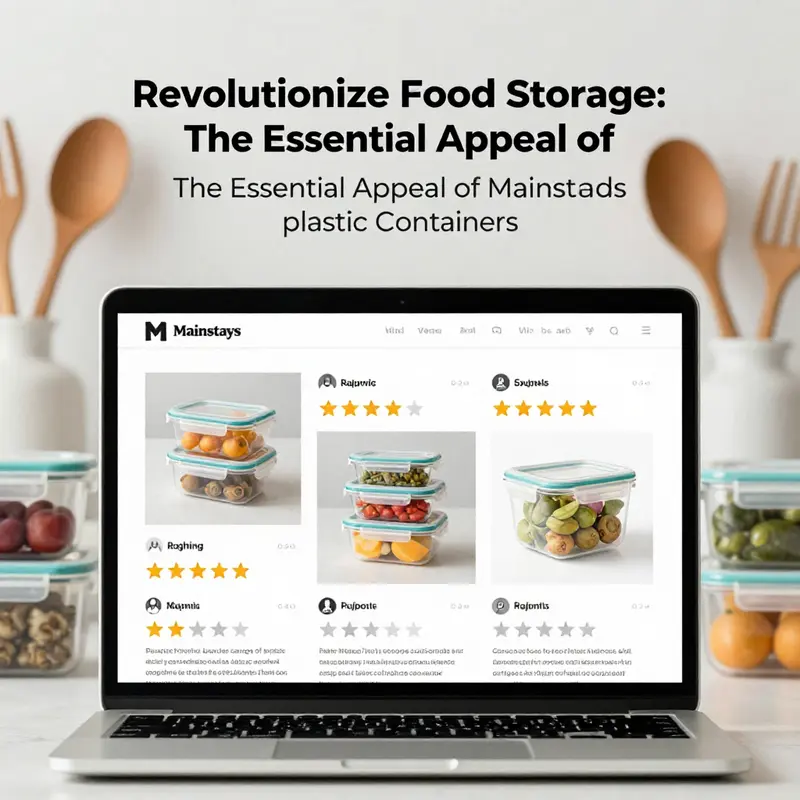
Every kitchen has a story about organization, and the story often pivots on a simple math equation: price plus performance equals peace of mind. In the realm of home storage, that balance is vividly illustrated by Mainstays plastic food storage containers. The ratings and reviewer counts that accumulate across these products aren’t just numbers; they map a user experience that centers on practicality, durability, and the sense that a low-cost choice can still feel dependable day after day. When you look closely at the top-rated items, a pattern emerges. Consumers consistently praise generous capacities that suit meal prep in bulk, sturdy construction that endures repeated handling, and versatile designs that flex between fridge, freezer, microwave, and dishwasher use. In short, affordability is not traded for fragility; it’s paired with a kind of unsung reliability that households come to rely on as a rhythm of daily life.\n\nConsider the round 47-ounce container in green. With a rating of 4.6 out of 5 from more than six hundred reviews, it stands as a benchmark for what many shoppers seek in a single vessel: a sizeable reservoir for leftovers, bulk-prepped grains, or sauces, matched with a form that fits neatly into a crowded fridge door or a lunch bag. Reviewers emphasize the value of that size for families who cook in batches and want to reheat a portion quickly, while still keeping flavors distinct. It isn’t flashy, but it earns trust by delivering consistent performance without demanding delicate handling. In the same vein, a rectangle snack container at 19 ounces attracts a 4.7 rating from around a hundred twenty reviews. The comments celebrate its snack- and portion-sized convenience, a reminder that everyday use often hinges on clear, predictable dimensions that help with portion control and on-the-go meals.\n\nThe breadth of the line also matters. An eight-piece covered bowl set, shaded in dark gray, has earned about a 4.6 rating from more than a thousand reviews. The language of the feedback centers on two recurring themes: the value of stackable, space-saving design and the multifaceted role these bowls play from prep to serving to storage. Shoppers describe them as sturdy enough for daily kitchen routines and versatile enough to stand in for mixing bowls during assembly or mixing, then collapse back into a neat configuration for cupboard storage. The 3.8-cup square containers, offered in a four-pack, mirror the same reliability. A rating of 4.6 from 704 reviews signals a robust performance across a variety of tasks—from storing chopped vegetables to housing bulk-cooked grains—that many families find indispensable for weekly meal planning.\n\nThen there is the one-gallon option, a larger container that often gets placed at the heart of bulk storage needs. With a 4.7-star rating from nearly four hundred reviews, it is singled out for its straightforward, no-nonsense approach to keeping foods fresh and accessible. The pattern across these products is unmistakable: consumers reward containers that deliver reliable sealing, ease of use, and the kind of robustness that survives repeated cycles of freezer, microwave, and dishwasher. Because the materials used—generally food-grade polypropylene or high-density polyethylene—are designed to endure everyday wear, reviewers feel confident that these pieces will not degrade quickly under normal household use. That confidence translates into repeat purchases and a willingness to build a coordinated set that can cover a full week’s worth of meals, snacks, and leftovers.\n\nPrice is the other thread weaving through these stories. The items highlighted as best sellers on Walmart’s official site show price points that begin at surprisingly low levels, often just a few dollars per piece when purchased in multi-packs or multi-piece sets. This accessibility is not mere frugality; it represents a practical approach to maintaining an organized kitchen without a large upfront investment. It also intersects with features that matter most in day-to-day routines: freezer safety for long-term leftovers, whether a container is microwave-safe for quick reheats, and the ability to stack neatly so a crowded cabinet or pantry doesn’t devolve into chaos. The ongoing availability of these products, including occasional subscription services for replacement pieces and limited-time offers with same-day delivery, adds another layer of value. Consumers can replace or expand their sets without the friction of shopping around, which helps sustain loyalty to the line.\n\nThese ratings and buying patterns speak to a broader dynamic in contemporary households. People rely on a familiar, budget-friendly option that can scale with their needs—from single servings to family meals, from refrigerator organization to freezer stockage. The design language of Mainstays containers—clear or lightly tinted bodies for visibility, lids that seal firmly, and lids with bright but practical color cues for quick categorization—also contributes to their popularity. Colorful stacking sets, for example, solve two distinct problems at once: they help families visually sort foods by type or by day of the week, and they maximize storage space through nesting capabilities. When such features align with a low price point, the appeal compounds, and consumer reviews reflect that satisfaction across multiple product lines.\n\nIn the conversations that fans and critics alike have about kitchen gear, some of the most telling insights come from the way reviewers compare these containers to alternatives. The messages emphasize not only what the containers can hold but how they endure. A reviewer might note that a 47-ounce round container remains stout after repeated washing, or that a 4-pack of 3.8-cup square containers holds its shape through transport, stackable for tight shelving but accessible enough to retrieve a single portion for lunch. The 1-gallon piece, in particular, often earns praise for bulk storage without overflowing or cracking under pressure, an important consideration when families freeze large batches or bulk-cook staples. Across the board, the sentiment is consistent: when a product delivers on basic promises—capacity, durability, and ease of use—the price barrier collapses and the product earns a steady position in weekly shopping carts.\n\nBeyond the raw numbers and the pragmatic praise, what these ratings reveal is a consumer mindset that values practical, repeatable results over novelty. In a market saturated with choices, the ability to rely on a single, affordable container lineup fosters routine and reduces decision fatigue. This is especially true for households that juggle cooking, meal-prep planning, and freezer management in tighter timeframes. A good container becomes a sort of organizational infrastructure, a tool that quietly supports healthier eating habits by making leftovers more approachable and reducing waste. The reviewer counts—hundreds here, thousands there—are not just popularity metrics; they reflect a shared approach to home life where reliable storage translates into more predictable meal planning and less everyday stress.\n\nFor readers curious about related product ecosystems that also emphasize practical packaging and storage solutions, there is a related angle worth exploring. This broader catalog demonstrates how value-oriented brands attempt to blend affordability with dependable function across different material families and use cases. To explore a packaging option that aligns with the same ethos of accessible, practical storage, see Wholesale Custom Logo Kraft Paper Salad Noodle Bowl. This internal link offers a related perspective on how a company positions affordable storage and serving solutions in a broader lineup, reinforcing the idea that cost-effective design can extend beyond plastics into other materials while still prioritizing user ease and reliability.\n\nExternal resources can deepen the sense of context as well. For a broader view of how Mainstays-style storage products perform in real shopping environments and how customers rate them across major retailers, you can consult the Walmart search page for Mainstays Food Storage Containers. The aggregation of reviews and star ratings across multiple SKUs provides a real-world counterpoint to the individual product scores discussed above, highlighting how price, availability, and packaging influence consumer decisions in a crowded market. The ongoing convergence of price and performance in this category underscores a persistent truth: when a storage line proves itself across diverse tasks and settings, it earns a durable seat in the modern kitchen. External reference: https://www.walmart.com/search?q=Mainstays+Food+Storage+Containers
From Polypropylene to Practicality: How Materials Shape the Sustainability Story of a Popular Plastic Storage Line
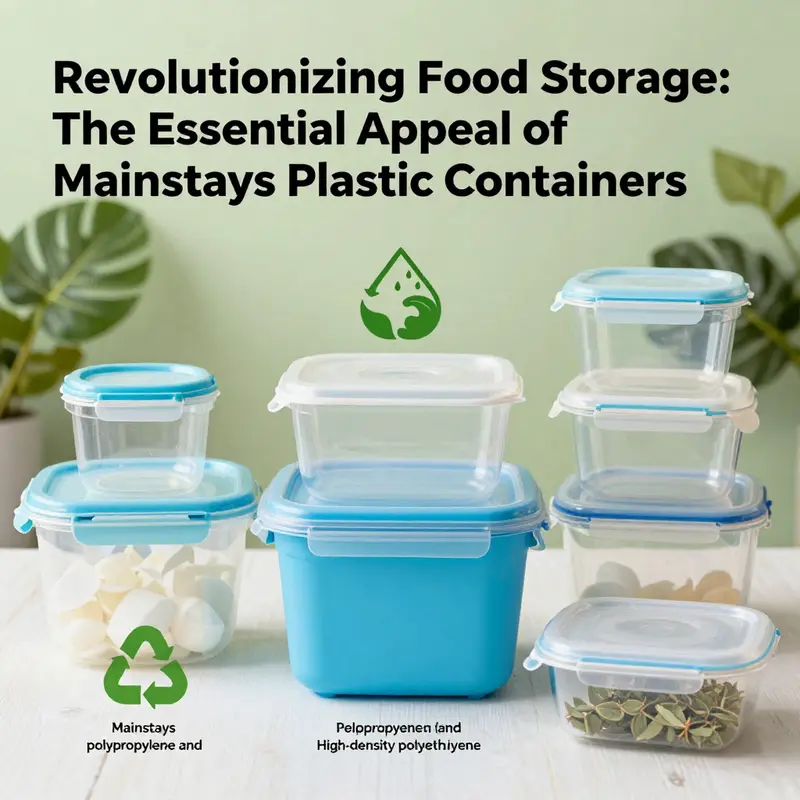
Every kitchen workflow unfolds around the containers that cradle our meals. The line of plastic storage vessels favored by many households is chosen not only for its price or variety but for a balanced combination of material strength, safety, and everyday practicality. At its core lies a polymer known for its reliability in countless household routines: polypropylene. This material is widely recognized as food-grade and, in many instances, BPA-free, which matters because it directly touches the foods we eat and the flavors we savor. The choice of polypropylene is not accidental; it brings a blend of stiffness and resilience that keeps lids aligned, seams tight, and stacks stable as leftovers migrate from the counter to the fridge, then to the microwave or freezer as needs dictate. In some product configurations, high-density polyethylene also finds its place, offering additional options for rigidity and chemical resistance. The result is a family of containers designed to endure a cycle of daily use—washing, reheating, and shelving—without surrendering performance or safety.
The practical benefits of this material choice extend beyond safety. Polypropylene is known for heat tolerance that suits common kitchen tasks: it can handle brief microwave heating, tolerate freezer temperatures, and withstand the temp swings that accompany meal-prep routines. In the context of user experience, that translates into less worry about warped lids, broken hinges, or leaky seams. It also means users can often clean these containers in the top rack of a dishwasher, streamlining routines for busy families. This combination of microwave safety, freezer viability, and dishwasher compatibility is not incidental; it is a deliberate design decision aimed at reducing friction in everyday cooking, storage, and reheating, so that a single set of containers can accompany meals from prep to plate.
Safety is further reinforced by the emphasis on non-toxicity. Food-grade PP is chosen precisely because it minimizes potential chemical migration into foods, a concern that becomes particularly salient when containers are used to portion and reheat meals. The BPA-free attribute—while ensuring consumer confidence—fits into a broader narrative about material choices that prioritize long-term safety as households rely more on meal-prep and portion-control practices. In practice, this means families can portion out soups, grains, vegetables, or leftovers with a sense of assurance that the containers will perform without compromising the integrity of the food they store.
Yet material choice is only part of the sustainability equation. The line’s durability and reusability are what actually shift consumer behavior away from single-use options. Reusability reduces the volume of waste generated by disposable containers and wraps, a pivot that matters in everyday kitchens that churn through meals, lunches, and snacks. From a materials perspective, polypropylene’s recyclability is a meaningful feature, even though the real-world recycling outcome depends heavily on local infrastructure. In many regions, polypropylene falls under the #5 recycling code. The availability of programs that accept #5 plastics varies, which means that the environmental impact of these containers is partly shaped by regional recycling networks. Consumers increasingly expect to be able to recycle ends of life, and that expectation highlights a broader truth: the environmental footprint of reusable containers is not fixed but tied to how communities collect and process post-use plastics.
This nuance—recyclability versus real-world recycling access—often governs consumer decisions about longevity and end-of-life. The sustainability story becomes a two-act play: first, the act of reuse, which displaces single-use alternatives and curbs waste; second, what happens when a container finally reaches the end of its usable life. In the first act, the typical user can expect years of service from a well-cared-for set, provided proper handling and routine maintenance—avoiding extreme heat, excessive scrubbing, or rough treatment that could compromise seals or the surface finish. In the second act, the fate of the container hinges on local facilities and consumer choices. Scratches, cracks, and odor buildup can shorten its usable life, nudging households to replace parts or the entire set. This reality underscores a broader truth: sustainability relies not only on the material’s intrinsic properties but also on mindful use, responsible disposal, and accessible recycling options.
The design language of the line reinforces efficient household management while maintaining a practical environmental footprint. Square and rectangular shapes maximize fridge real estate, enabling easier stacking and better use of shelf space. Airtight seals—whether through tight-fitting lids or screw-on closures—play a critical role in preserving freshness, reducing food waste, and preventing cross-odor transfer in the fridge or freezer. The colorful, nesting configurations and large-capacity sets respond to the day-to-day rhythms of meal-prep and batch cooking, supporting portion control and meal planning without sacrificing convenience. In practice, these design choices facilitate more sustainable behavior by making it simple to portion meals, store leftovers safely, and reheat without transferring food to other vessels. The accessibility of replacement pieces through subscription or spare-parts options further supports long-term use, smoothing over the inevitable wear that accompanies frequent use and helping to extend the life of the original investment.
An honest look at the sustainability footprint of any plastic storage line must balance the benefits of reuse with an awareness of disposal realities. While these containers are built to endure, repeated exposure to high heat, scraping brushes, or aggressive dishwashing can erode gaskets and seals, or tempt users to replace sets sooner than necessary. The longer a container remains functional, the more effective it is at reducing waste. Yet the end-of-life story remains complex and varies by jurisdiction. Encouraging users to consult local recycling guidelines and to consider community-based programs that accept #5 plastics can help close the loop toward a more circular approach. In short, the materials—the PP backbone, with occasional HDPE accents—provide a safe, durable, and reusable platform for home storage. The true sustainability impact emerges in how households engage with these tools over time: care for longevity, mindful cleaning, proper storage practices, and informed decisions about recycling where options exist.
For readers seeking a broader framework to understand plastic recycling and end-of-life management, the U.S. Environmental Protection Agency provides a comprehensive guide outlining how plastics are collected, sorted, and recycled in different regions. This resource can help illuminate why some local programs readily accept certain plastics while others do not, and how individual choices can influence overall recovery rates and environmental outcomes. https://www.epa.gov/recycle/plastics-recycling
null
null
Final thoughts
The versatility and efficiency of Mainstays plastic food storage containers reflect a modern solution for businesses aiming to optimize their food storage and service practices. With features that cater to diverse storage needs, high consumer approval ratings, sustainable materials, and various purchasing options, these containers serve as essential components for bubble tea shops, restaurants, food trucks, and catering services. By investing in Mainstays, food service professionals can enhance operational workflow, ensure food safety, and contribute to sustainability efforts—all while adhering to budget constraints. Embracing these practical tools not only elevates the overall dining experience but also aligns with the industry’s growing focus on efficiency and eco-consciousness.