
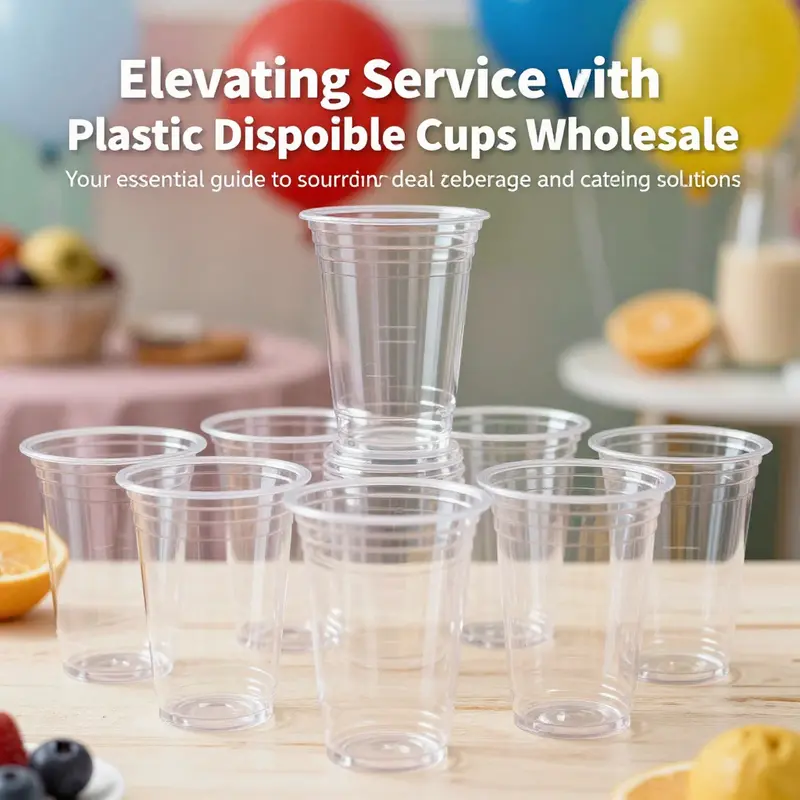
In an era where convenience meets elegance, clear plastic disposable cups have become a staple across various sectors, including bubble tea shops, restaurants, food trucks, and event planning. These versatile cups not only enhance the aesthetic appeal of your beverages but also offer practicality and safety for food services. This guide delineates the wholesale market for clear plastic disposable cups, focusing on their essential specifications, uses, supplier logistics, and pricing options, ensuring that your procurement decisions are both informed and strategic. Whether you’re looking to streamline your beverage service or find eco-friendly solutions for your catering needs, understanding these aspects will empower you to choose the best options available.
Clear, Clarity, and Convenience: Navigating the Wholesale Market for Clear Plastic Disposable Cups
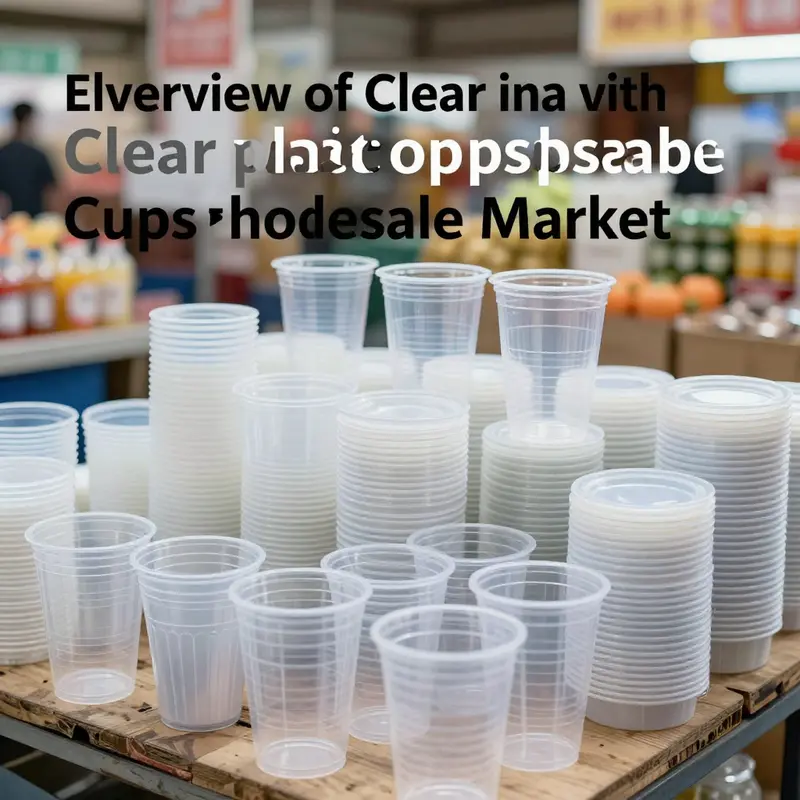
The wholesale market for clear plastic disposable cups sits at a crossroads of practicality and presentation. In a world where beverages travel from kitchen to curbside to banquet hall in a matter of moments, there is a quiet demand that does not shout but shapes choices: clarity, reliability, and cost efficiency. These cups are not merely vessels; they are instruments of service. They preserve the visual appeal of the drink inside while offering a predictable, sanitary, and convenient option for large-scale operations. Their ubiquity among foodservice providers, event organizers, and retailers stems from a simple calculus: when speed, hygiene, and visibility matter, clear plastic cups become a default choice for many buyers in wholesale channels.
Materials sit at the heart of this market. Clear cups are typically molded from PET (polyethylene terephthalate), PP (polypropylene), or PLA (polylactic acid). Each material offers a different blend of clarity, rigidity, heat tolerance, and cost. PET and PP are praised for their transparency and durability, making them well suited to cold beverages and everyday service at moderate temperatures. PLA introduces an eco-conscious option; it is marketed as biodegradable in appropriate facilities and attracts buyers who want to signal environmental responsibility to customers. Yet, even as PLA gains traction, it is important to recognize its limitations: industrial composting infrastructure is not universal, and some uses—hot beverages, moisture exposure, or long-term stacking—may demand careful material choice. In wholesale settings, buyers weigh these material profiles against their specific service contexts, from casual cafe windows to high-volume event concessions.
Size and format are not afterthoughts but essential levers in cost control and customer experience. Common wholesale options include 10 oz, 16 oz, and 32 oz cups, with larger formats tailored to coffee service or juice stations. The options are not just about capacity; they influence handling, stacking, and the logistics of serving at scale. The market recognizes that different venues demand different lid types as well. Snap-on and slip-on lids coexist with a spectrum of compatibility features. When a business plans a bulk purchase, it must confirm that the lid design aligns with the cup’s diameter, seal integrity, and the kind of service environment—whether a car window, a standing reception, or a festival lineup where durability and speed are critical.
The consumer-facing advantage of clear cups—what many buyers chase in wholesale is the ability to showcase beverages in their most appealing state. Clarity matters, and the market continuously tests the balance between transparency and cost. In a wholesale context, this translates to a tiered pricing dynamic: the cost per unit shifts meaningfully with volume, material, and customization. A straightforward, standard-clear cup produced in bulk can verge toward very low unit costs, with wholesale prices often dropping as volumes rise. For example, basic clear cups made from PP or PET can be sourced at modest unit costs when purchased in larger quantities, with price bands that reflect the scale of the order. As orders climb into tens of thousands or hundreds of thousands of pieces, per-unit pricing benefits from economies of scale, and the incentives to consolidate purchases or standardize one or two core sizes become more pronounced.
Customization is a distinct value proposition in this market, though it comes with a price of due diligence. Flexo printing and branding on clear cups can deliver a memorable visual impact for a brand, a theme, or an event. Yet, customization usually carries a minimum order quantity (MOQ) that rises with the complexity of the print. Buyers must decide whether the branding payoff justifies the higher upfront investment. In many cases, the standard, non-custom cups remain the backbone of wholesale catalogs, providing a reliable base price and assured supply. When customization is pursued, it often requires a commitment of 100,000 pieces or more, a level that aligns with larger brands, beverage chains, or major events where a consistent, long-run branding effort is planned.
Pricing dynamics in this market reflect multiple interacting factors: material choice, size, and customization level are primary, but so are the supplier’s location, production efficiency, and certifications. Base materials—PP and PET—tend to be the most affordable, particularly for standard, unbranded cups intended for cold beverages. PLA, positioned as an eco-friendly option, may carry a premium reflecting its sustainability narrative, while buyers who prioritize environmental credentials may accept higher unit costs for branding opportunities and liability messaging. Suppliers often present pricing tiers that align with MOQs, so a buyer evaluating a 10,000-piece order versus a 50,000-piece order may see a meaningful divergence in price per unit. Shipping and logistics add another layer: lead times for first orders sometimes stretch into many weeks, with repeat orders arriving faster as production lines and logistics partnerships mature.
These realities are not just numbers; they shape procurement strategy. Buyers must consider the whole lifecycle of a wholesale purchase—from the moment a cart is filled to the moment the last cup is used and disposed of. Food safety remains a non-negotiable criterion. Reputable suppliers emphasize that cups be BPA-free and compliant with standards such as FDA regulations and ISO9001 quality-management frameworks. These certifications offer assurance that the cups meet core safety and quality expectations for food contact materials. They also provide a basis for due diligence when vendors are evaluated in competitive bidding processes. The emphasis on safety is not just regulatory posturing; it translates into reliable performance—from how a cup behaves under cold storage to its resistance to leaks and cracks during transport.
Beyond safety and performance, many buyers are weighing sustainability narratives alongside practicalities. Eco-conscious buyers often seek out biodegradable or compostable options, and some suppliers promote PLA cups as a greener choice. The market’s trajectory shows a growing alignment with environmental concerns, but buyers must parse the claims with a critical eye. Real-world sustainability depends on end-of-life infrastructure, regional composting capabilities, and consumer behavior. The wholesale sector increasingly supports transparent sustainability claims through documentation and third-party certifications, while still delivering the practical advantages of disposable cups for high-volume service.
Logistics and sourcing dynamics shape the day-to-day realities of wholesale purchasing. The typical path includes direct relationships with manufacturers or bulk suppliers listed on global trading platforms. In practice, buyers encounter MOQs that vary widely: for standard, non-customized products, MOQs may be lower, while for customization or branded runs, they rise to substantial thresholds. Packaging is usually standardized export carton packaging designed for shipping efficiency and protection throughout long-distance logistics. Lead times for first-time orders can range from one month to six weeks or more, depending on the supplier’s production queue, raw-material availability, and the particular customization requirements. Once a reliable supplier relationship is established, repeat orders tend to streamline to shorter lead times, reflecting the efficiencies gained from ongoing production and established logistics lanes.
The global nature of this market means buyers must also be vigilant about the credibility and capabilities of suppliers. A robust due diligence process includes verification of safety certifications, QA processes, and the ability to provide samples before committing to large purchases. Some suppliers offer free samples, though buyers should anticipate potential shipping costs. The merit of a sample is not merely a test of aesthetics; it is a chance to evaluate clarity, weight, lid compatibility, and how the cup performs under actual service conditions. In regions where production dominates the landscape, a buyer may lean on a few trusted factories to reduce risk and maintain a predictable supply cadence. While price remains central, the total cost of ownership—covering quality, reliability, and delivery—often trumps the sticker price.
An important nuance in considering alternatives within the broader packaging ecosystem is the role of branding and consumer perception. For instance, even when a business primarily uses clear plastic cups, the option to showcase brand identity through subtle labelling or branded packaging components can influence the decision to stay with a standard model or invest in customization. For buyers exploring branding in parallel with sustainability, an inline reference to related resources on eco-friendly, printed-options for cup formats can be informative. See this resource for a perspective on eco-friendly, printed-logo single-wall cup options: eco-friendly printed-logo single-wall paper cup.
As the market evolves, so do consumer expectations and regulatory environments. The push toward more sustainable packaging solutions coexists with the continued demand for clear, reliable, and cost-effective cups. The best wholesale decisions often arise from a careful synthesis of material science, packaging logistics, and market psychology: a choice that honors beverage presentation while delivering predictable value across service contexts—from hurried lunch counters to elaborate festival settings. The ongoing development of biodegradable materials, improved manufacturing processes, and smarter logistics will continue to shape the competitive landscape. Buyers who stay attuned to supplier capabilities, certification assurances, and transparent pricing are well positioned to secure favorable terms without compromising performance.
For buyers seeking a practical entry point into current listings and pricing, the wholesale landscape remains accessible through large platforms that aggregate supplier options and provide standardized specifications. Real-time pricing will vary, but the core decision framework remains consistent: select the appropriate material for the application, confirm lid compatibility, assess customization needs and MOQs, and weigh total cost against the value of brand impact and service reliability. The balance between upfront cost and long-term reliability is the essence of wholesale purchasing in this category. In this sense, the journey from clear cup to confident service is not simply a transaction; it is an orchestration of clarity—clarity of product, clarity of value, and clarity of supply.
External resource for pricing and listings: For real-time listings and pricing, see the wholesale market page on Made-in-China: https://www.made-in-china.com/products/wholesale-clear-plastic-disposable-cups.html
Seeing Through Service: A Deep Dive into Wholesale Clarity, Craft, and Compliance for Clear Plastic Disposable Cups
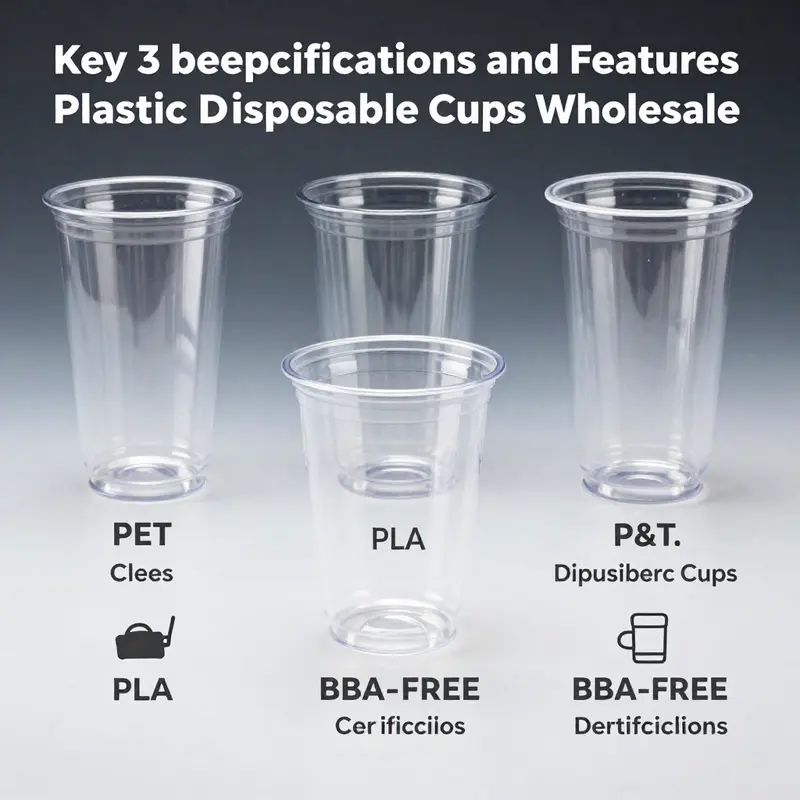
Clear plastic disposable cups sit at the intersection of practicality and perception in the wholesale ecosystem. For operators who must serve high volumes with speed, clarity, and a sense of reliability, these cups are more than containers; they are a small stage on which beverages display their color, texture, and appeal. The decision to source clear cups wholesale cannot be reduced to price alone. It requires a careful balance of material choices, capacity planning, design features, safety certifications, and supply chain logistics. In this chapter, we move through those layers in a way that keeps the focus on how each choice impacts everyday service, brand experience, and sustainability goals, while anchoring the discussion in the realities of bulk procurement and vendor ecosystems.
Material choice sets the tone for both performance and cost. The core options for clear cups are polypropylene, commonly known as PP, and polyethylene terephthalate, or PET. PP cups excel in durability and versatility. They handle hot and cold beverages with a resilience that keeps shape and clarity intact during busy service windows. They are light, economical, and BPA-free, a combination that aligns with food safety requirements most buyers must meet. In addition, many PP cups bear third-party biodegradability certifications, such as those from the Biodegradable Products Institute, which can reassure buyers pursuing compostable waste streams where applicable. PET cups, meanwhile, are renowned for their high clarity, which enhances beverage presentation and helps sales teams communicate color and texture at a glance. PET tends to be a straightforward option for beverages that do not require hot-drink tolerance, and it remains a staple for standard cold-service contexts when cost per unit and supply reliability are the primary drivers. A newer option in this space is PLA, a biobased polymer derived from renewable resources like cornstarch. PLA cups are fully biodegradable and compostable under industrial conditions, offering a path for brands aiming to reduce plastic waste footprints. The choice between PP, PET, and PLA often comes down to a blend of temperature tolerance, end-of-life goals, and total cost of ownership. Whatever material you choose, the cups should be BPA-free and manufactured to align with recognized safety and quality standards to satisfy health regulations and consumer expectations.
size and versatility are the next frontiers. Wholesale clear cups cover a broad range of capacities to support different service moments—from a quick refreshment to a full meal option. Commonly available sizes include 12 oz and 16 oz, with larger formats such as 32 oz accommodating smoothies, iced teas, or specialty beverages that require more generous servings. For venues that experiment with espresso-based or artful beverages, smaller 2.5 oz options exist, enabling a compact, post-despresso experience. The market often accommodates custom sizes upon request, a practical route for brands that want a standardized look across their beverage program while meeting niche demand. The capacity spectrum—paired with reliable lid systems and straw compatibility—enables a seamless, one-stop supply for cafes, event catering teams, and mobile vendors who must scale up quickly during peak periods.
Design and functional features matter as much as raw capacity. The typical clear cup emphasizes visibility; a transparent body ensures the beverage color, texture, and layers are immediately legible to customers. This visual clarity is a selling point in many venues where the drink itself is part of the experience. In addition to simple one-piece cups, many lines include double-wall construction. Double-wall insulation helps maintain beverage temperature while keeping hands comfortable and reducing condensation on the exterior. This feature is particularly valuable for hot drinks and for operators seeking to minimize sleeve waste. For cold beverages, the option to pair cups with lids and straws is standard, supporting secure transport and spill resistance for takeaway service. Such sets are especially relevant for bubble tea, smoothie bars, and nightclub or festival environments where customers are on the move. The integration of lids, straws, and heat resistance considerations with the chosen material and size contributes significantly to the overall customer experience, because it shapes both the perceived value and the practicality of service.
Beyond the practical design, adherence to safety and environmental standards is a core criterion in wholesale buying. Reputable suppliers align products with FDA food-contact safety requirements and maintain ISO 9001 quality management systems to ensure consistent performance from batch to batch. For buyers who prioritize environmental responsibility, certifications such as BPI compostable certification offer a pathway to composting where industrial facilities handle the material under appropriate conditions. While not every clear cup will be PLA or certified compostable, the availability of these certifications provides a way to align purchasing decisions with corporate sustainability goals. In markets where regulatory scrutiny is high or where brand messaging hinges on responsible packaging, having a documented safety and environmental profile can significantly reduce friction at the point of sale and with post-purchase feedback.
The economics of wholesale are both straightforward and nuanced. Pricing for large-scale purchases can reach the entry threshold of as little as two cents per unit when order quantities climb into tens of thousands or more. For example, 32 oz cups may be priced in the lower per-piece range when the order quantity is around 10,000 pieces or more. MOQs vary, generally spanning a broad continuum from 10,000 to 100,000 units depending on material type, customization level, and packaging preferences. Standard, non-customized PET or PP cups may require lower MOQs within that range, while PLA-based biodegradable cups or cups with custom branding typically demand higher MOQs. In addition to base pricing, suppliers often offer the option to bundle with lids and straws, with pricing reflecting the convenience of a ready-to-ship bundle. Packaging is typically arranged in export cartons designed for bulk transport, with lead times that reflect factory capacity and geographic location. For first orders, manufacturers commonly quote 30 to 45 days of production time, with subsequent orders frequently reducing to a 7 to 15 day window once tooling and logistics are stabilized. Buyers should expect variation by port and region, with Wuhan and other global hubs representing major nodes for regional distribution.
All of these factors come together in a way that shapes the total cost of ownership. When negotiating, it helps to consider not only the per-unit price but also the reliability of supply, the consistency of cup clarity and thickness, lid compatibility, ease of stacking and packing, and the availability of samples to verify fit and finish. Free samples are a common courtesy offered by many suppliers, with postage typically paid by the buyer. This step can be particularly important for brands that intend to implement branding or custom logos and need to verify color fidelity and print alignment before committing to a full MOQ. Speaking of branding, some manufacturers offer flexo printing for up to three colors, a tempting option for those seeking a cohesive brand identity across beverage service. However, it is worth noting that customization often carries higher MOQs, commonly in the 50,000 to 100,000 range, and may extend lead times due to decorating processes.
From a procurement perspective, the sourcing landscape for clear plastic disposable cups is international and multifaceted. You will encounter direct factory listings on global B2B marketplaces where producers and distributors offer bulk volumes with varying MOQs and logistics terms. In practice, buyers will often compare options across major platforms and negotiate terms that fit their operational calendar. When evaluating suppliers, it is prudent to scrutinize certifications and request samples to confirm safety, dimensional accuracy, and lid compatibility. A careful diligence routine helps prevent misalignment between expected performance and delivered quality, safeguarding the customer experience that is central to a brand’s reputation.
Sustainability considerations increasingly intersect with price and performance. For buyers seeking to minimize environmental impact, PLA-based cups present a compelling option, provided the end-of-life plan includes suitable industrial composting facilities. Even for PP and PET options, the opportunity to promote responsible waste management through clear labeling and consumer education can enhance a brand’s sustainability narrative. The procurement decision thus becomes a blend of material science, service efficiency, and environmental strategy, rather than a singular focus on price per cup.
For buyers who want to explore concrete supplier examples and get a sense of the product range, a representative reference to the broader market can be found through industry listings and product catalogs. A starting point for real-time, verified product details and supplier information is available via major procurement portals. For a concrete supplier reference, see the external resource linked at the end of this material.
In addition to the above considerations, brands can leverage internal content to align packaging with broader marketing and packaging campaigns. For instance, a product page that showcases branding options for cups can be a practical source of inspiration. A good example of branding-enabled packaging content is available at this internal resource: Disposable eco-friendly printed logo single-wall paper cup. This link illustrates how branding can be integrated into cup design and packaging, even when working with clear plastic options. The emphasis remains on clarity, compatibility, and consistency across the customer journey, rather than on any single decorative feature.
What follows, then, is a practical checklist to guide buying teams through the decision process without getting lost in the details. First, confirm the temperature tolerance and intended beverage profile to decide between PP and PET or a PLA alternative. Next, map the service scenario to the size range that best suits peak hours and menu offerings. Then assess lid and straw compatibility, as well as any required double-wall insulation for hot drinks or condensation control for cold beverages. Safety and environmental certifications should be verified before approving a supplier, with ISO 9001 and FDA recognition as standard baselines and BPI or equivalent certifications as appropriate for sustainability goals. Finally, align MOQs and production lead times with the store or event calendar, and include a plan for sampling and pilot testing to minimize disruption. If the goal is branding, then inbound logistics should also account for branding lead times and potential printing constraints that may extend timelines.
External reference for industry specifics and supplier details can be found here: https://www.alibaba.com/product-detail/FULING-Disposable-PP-Plastic-Cup-Clear_1600375822149.html?spm=a2700.1.w10013631.1.3c3f3b3aXHwWZt
Crystal Clarity, Bulk Convenience: The Business Case for Wholesale Clear Plastic Cups
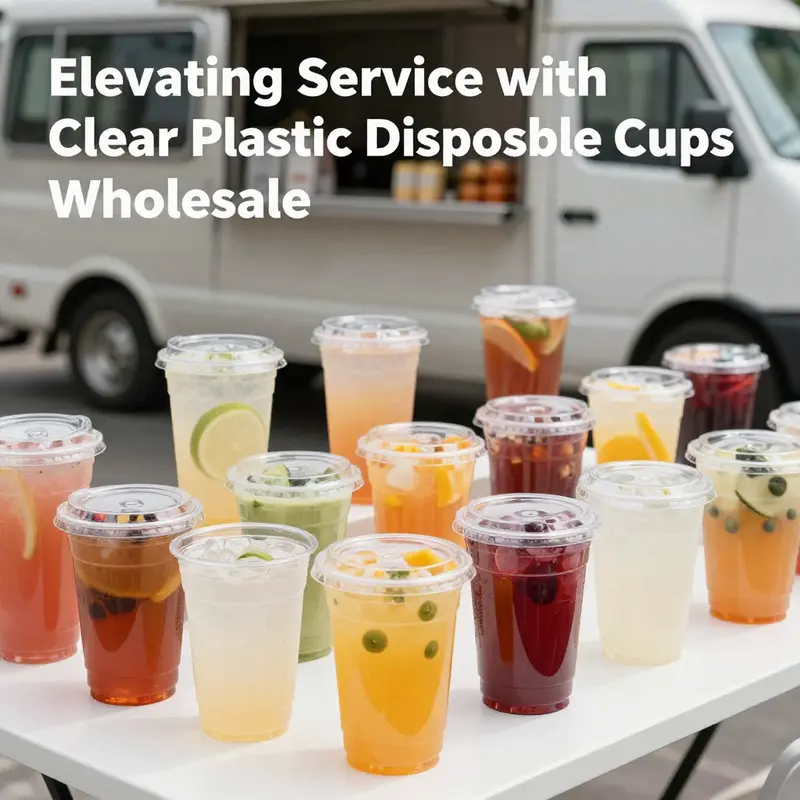
Clear plastic disposable cups sit at a quiet crossroads in the beverage service ecosystem. They are not the most glamorous element on a menu, yet their value becomes evident the moment a kitchen, cafe, or events team shifts into high gear. In wholesale, these cups are more than containers; they are a logistical and branding tool that helps operators balance speed, cost, and presentation. When a client orders hundreds of thousands of cups, the choice of material, size, and compatibility with lids and accessories begins to define the flow of service. The glassy transparency of these cups is the first communication channel between drink and consumer. It invites anticipation, allows color and texture to shine, and reduces the cognitive load on staff and guests alike. For operators managing multiple service points—cafes, food trucks, pop-ups, large-scale events—the clarity of the cup becomes a silent facilitator of efficient, hygienic service. A wholesale approach to these cups typically emphasizes a trio of practical advantages: volume-based cost efficiency, predictable performance, and a spectrum of material choices that respond to different sustainability and budget goals.
Material options sit at the heart of these trade-offs. PET and PP cups are the mainstays for cold beverages because they deliver excellent clarity, strong rigidity, and reliable seal compatibility with snap-on or slip-on lids. PET is valued for its optical properties and stiffness, which helps beverages remain visually appealing even when filled to the brim. PP, with its lighter weight and robust resistance to cracking, offers a durable choice for high-volume operations that require frequent handling and quick turnover. A growing subset of buyers looks to PLA-based cups as an eco-conscious alternative. PLA can align with statements about sustainability, but it is essential to understand its end-of-life realities: compostability is typically guaranteed in industrial facilities, not in standard home composting. The decision among PET, PP, and PLA is rarely about one being universally better; it is about matching the product to the beverage profile, the service model, and the facility’s waste-management capabilities. The wholesale market accommodates this range by offering common-volume assortments that include 10 oz, 12 oz, 16 oz, and even 32 oz options. Although the exact sizes may vary by supplier, the general intent remains: provide a sturdy, clear vessel that performs consistently under cold-drink conditions and, where needed, accepts a lid without compromising grip or spill resistance.
Size and compatibility drive a lot of the practical planning that goes into a wholesale purchase. The 12 oz, 16 oz, and 32 oz formats are particularly prevalent because they map neatly to standard beverage servings and to the lifecycles of typical foodservice menus. The choice of lid type—snap-on or slip-on—further expands how a cup is used. Snap-on lids tend to offer superior leak resistance, which matters for portable service at events or in delivery channels. Slip-on lids, meanwhile, can streamline assembly lines where speed is prioritized and where a slightly looser fit is acceptable for sipping on the go. Within a wholesale catalog, these lids are often marketed as compatible accessories, designed to fit multiple cup sizes, which helps operators standardize their stocking without sacrificing service flexibility. The end-user experience hinges on how well the cup maintains clarity after repeated handling, how securely the lid seals, and how easily an employee can stack, store, and transport hundreds of units at a time. In bulk, even small improvements in stacking efficiency or lid compatibility can translate into meaningful reductions in breakage and waste, reinforcing the value proposition of wholesale buying.
From a business perspective, the clear cup’s primary appeal lies in its ability to showcase product quality. A visually striking beverage—whether a juice blend, a frothy iced coffee, or a cool, herbaceous mocktail—often looks better when presented in a transparent vessel. The wholesale channel supports this goal by offering consistent, large-batch production with tight tolerances for wall thickness and nominal capacity. When a supplier can guarantee a uniform diameter, a reliable seal, and uniform clarity across millions of units, a café owner can plan menus and promotions with greater confidence. The transparency of the cup also interacts with branding strategies in nuanced ways. Even in a wholesale setting, cups can act as a canvas for branding through color-coded lids, subtle embossing, or a branded sleeve. Some manufacturers push this idea further by offering flexo printing in limited color ranges, though such customization typically comes with a high minimum order quantity. For a business exploring branding alongside disposables, it’s useful to think of the white space the cup provides as a platform for making beverages the centerpiece of the customer experience.
As with any wholesale purchase, pricing matters. The economics of large-volume orders are driven by economies of scale: in many cases, wholesale providers can offer unit costs that fall well below a few cents per cup when order quantities reach tens of thousands or more. For very large commitments—tens of thousands to hundreds of thousands of pieces—the per-unit price can dip toward the two-cent or even lower range, depending on material choice, customization, and packaging needs. For standard non-customized 32 oz cups in common PET, PP, or PLA formulations, price bands frequently fall in the three-to-five-cent range at modest MOQs, with deeper discounts tied to higher volumes. The ability to aggregate orders for event producers, caterers, and multi-location operators is what makes wholesale pricing compelling. It allows a business to forecast promotional campaigns, price beverages competitively, and keep a steady stock of vessels that align with seasonality and demand spikes.
Manufacturing and logistics are the other side of the wholesale coin. Reputable suppliers, particularly those with a global footprint, emphasize safety and compliance. BPA-free materials and food-grade certifications—such as FDA alignment or ISO9001 quality management—are common expectations. Buyers should still perform due diligence, especially when sourcing from new suppliers or when venturing into different material families like PLA. Lead times for first orders can be longer, often in the 30–45 day window, reflecting production setup, especially for large capacities or customized runs. For repeat orders, the restocking cycle typically shortens to single-digit weeks. Packaging is designed for export, with standard export cartons that optimize stacking and minimize transit damage. The logistics narrative matters just as much as the cup’s anatomy. Freight timelines, port selection, and risk management around temperature-controlled or precautionary handling for sensitive cargo all influence the overall value proposition. For operators managing events in multiple regions or running distributed catering networks, reliable regional distribution is as important as the cup’s appearance and performance.
A practical note for buyers is to verify certifications and request samples before committing to a large purchase. Evaluating a sample set allows a team to test clarity after exposure to cold beverages, the fit of lids, and the ease of stacking and wrapping for transport. This due diligence is especially important when the decision involves PLA-based cups or other eco-oriented options, where compostability claims may depend on local facilities and municipal programs. The wholesale market also presents opportunities to diversify the disposable portfolio. While clear plastic cups dominate cold-beverage service, many buyers maintain a mix of cup types to accommodate different formats and channels—think blended beverage stations, fountain service, or streaming catering at outdoor events. The presence of a broadly compatible lid program, and the possibility of matching a few non-plastic options for certain branding or sustainability goals, enables a more resilient beverage strategy.
From a branding and operational perspective, the wholesale model rewards a disciplined approach to stock management. Inventory planning benefits from grouping items by size, material, and lid compatibility. A well-managed catalog reduces the risk of mismatched lids, shattered inventory during peak demand, and the awkward scramble that can accompany last-minute catering changes. It also helps teams balance the physical space needed for storing hundreds of thousands of cups with the need to keep cold beverages visually appealing and structurally sound. In this sense, the clear plastic cup becomes more than a passive vessel. It is a facilitator of speed, a guardian of presentation, and a component in a broader ecosystem of disposable serviceware that must be reliable in the moment when a crowd converges on a vending line, a festival booth, or a banquet hall.
For operators who value branding as a strategic differentiator, the wholesale supply chain offers avenues to align cup selection with broader marketing and merchandising goals. Customization capacity—whether through limited-color flexo printing or through a selective set of branded lids and sleeves—enables a coherent look across multiple channels. Yet customization must be weighed against MOQs, production constraints, and potential introduction of new suppliers into a busy supply chain. The balance is delicate: the more a program hinges on customization, the more critical it is to secure dependable lead times and predictable quality across all batches. Despite this complexity, wholesale providers consistently deliver scalable solutions that accommodate both modest pilot runs and expansive rollouts. The market’s strength lies in its ability to merge the aesthetic promise of a clear cup with the practical realities of mass service, enabling operators to meet guests’ expectations while keeping costs in check.
For readers seeking a broader sense of the disposable cup family beyond plastics, a related discussion on custom-printed, logo-bearing disposables in the Kraft-paper sphere can be insightful. For example, there is a line that showcases disposable takeaway paper cups with custom logos and lids, illustrating how branding can travel across different material choices without sacrificing functional uniformity. See the related product offering here: custom-logo disposable kraft coffee cup with lid.
External resource for further context on clear wholesale plastic cups with lids can deepen understanding of specifications, performance, and common uses. A detailed external overview is available here: https://www.benjaminross.com/blog/clear-plastic-cups-with-lids
From Factory Floor to Table: Navigating Suppliers and Logistics for Clear Plastic Disposable Cups in Wholesale
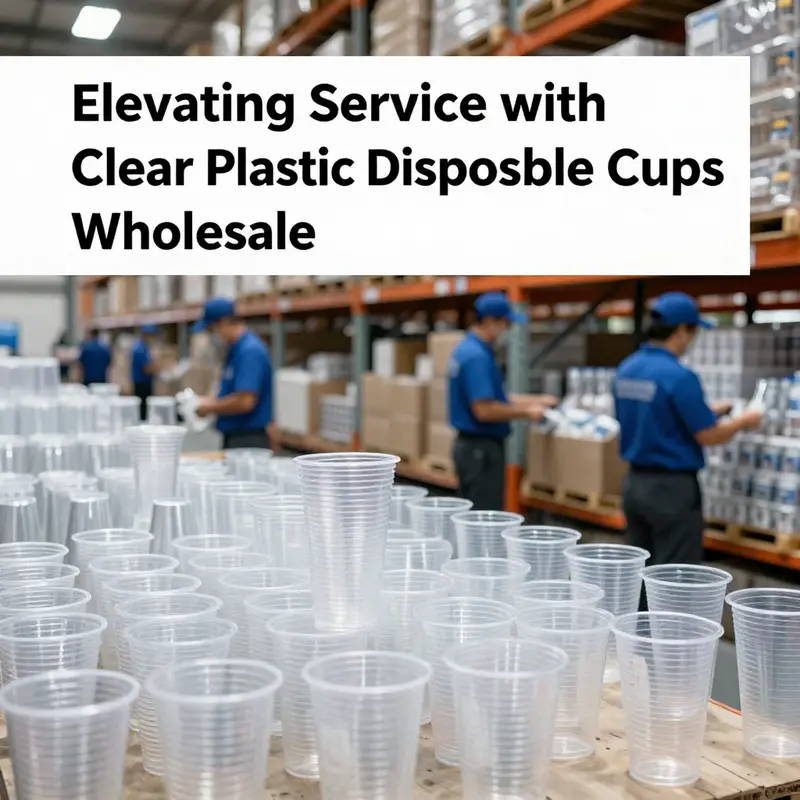
The wholesale market for clear plastic disposable cups sits at the intersection of visibility, convenience, and scale. For beverage service operations—from bustling cafes to large events—clear cups offer more than just a vessel; they provide a window into the product inside. This visual appeal is complemented by practical attributes: materials such as PET, PP, and PLA deliver a balance of clarity, rigidity, and cost. PET and PP cups are prized for their rigidity and transparency, making a bright juice or a layered smoothie look enticing through the rim of the cup. PLA cups, built from polylactic acid, present an eco-conscious option that aligns with growing demand for biodegradable solutions without sacrificing the clean, transparent aesthetic. In wholesale terms, the portfolio is broad enough to cover everyday cold drinks as well as specialty offerings, from smoothies to wine, with sizes spanning from compact 7 or 9 ounces up to generous 32 ounces and beyond in some lines. The promise of disposability remains a core driver for busy service contexts where hygiene, quick turnover, and easy cleanup are paramount.
This market, however, is not merely a matter of product specs; it is a mosaic of supplier networks, certification benchmarks, production capabilities, and logistics that must align to meet lead times and cost expectations. The typical wholesale pathway begins with the choice between standard stock cups and options that allow for branding or customization. For many buyers, standard clear cups with lids suffice for ordinary service, while brands seeking a branded presence may explore flexo printing in up to three colors. The optimization challenge is how to secure the right material, the right volume, and the right delivery schedule without compromising on safety or quality. In practice, that means weighing the tradeoffs between lower upfront costs and longer lead times, or between more transparent customization and higher minimum order quantities. It also means evaluating the total cost of ownership, which includes cartons, shipping, and potential imports duties, all of which scale with volume and destination.
Within the wholesale ecosystem, the supplier landscape is heavily dominated by manufacturers in major producing regions. The most actively cited sources for clear plastic cups and related packaging often come from Chinese manufacturers, who can offer a broad range of sizes and materials, including PET, PP, and biodegradable PLA options. For many buyers, these suppliers bring a combination of competitive unit pricing, consistent quality, and the ability to support both standard and customized orders. The conversation around MOQs is central. Many factories stipulate MOQs in the tens of thousands, with first orders typically requiring something like fifty thousand pieces to begin a mutually workable production relationship. This threshold reflects the realities of tooling, setup, and the economics of larger runs, where unit costs decline with higher volumes. Lead times for first orders tend to stretch to the 30–45 day window, a norm that friendly negotiations around production capacity and shipping schedules can help to smooth out for repeat orders, which may shorten to about 7–15 days. The capability to deliver on time becomes as valuable as the price per unit, particularly for event planners or food service operators with precise schedules and inventory buffers.
A practical implication of these dynamics is the way pricing breaks at scale. Buyers who commit to bulk purchases can tap into remarkably low unit costs; wholesale channels often advertise price points around two pennies per cup for very large runs, with larger formats such as 32 oz cups frequently pricing in the low single digits per piece when ordered in bulk. For example, a typical spectrum of offerings places 32 oz clear PET, PP, or PLA cups in the $0.03–$0.05 range at a 10,000-piece MOQ, while standard 12 oz variants may sit nearer $0.10 per unit for smaller orders and drop further as volumes grow to 20,000 or more. Such price structures reflect the economies of scale that wholesalers leverage through long-term supplier relationships, consistent production lines, and shared logistics arrangements. They also underscore the strategic value of locking in a steady supply ahead of peak seasons, festivals, or large corporate events, when demand surges can create bottlenecks if procurement is ad hoc.
Beyond raw costs, the spectrum of value at wholesale includes options for customization and branding. Flexo printing, compatible with several cup materials, can deliver logos or simple graphics in up to three colors. The catch heads with this feature are the minimums and the timing. Custom branding typically carries a higher MOQ—often in the range of 100,000 pieces—reflecting the costs of print cylinders, color registration, and set-up. For buyers who simply want their logo on a cup, but also want to keep costs manageable, a hybrid strategy may be to adopt unprinted stock cups for most service contexts while reserving branded runs for promotional events or premium offerings. In this way, operations can preserve flexibility and avoid tying up capital in inventory that may not move as quickly as a standard line. The logistics surrounding these custom runs align with production realities: more colors and larger print surfaces require longer setup times and closer coordination with the supplier’s printing facility, which, in many cases, is co-located with their main manufacturing lines.
The chapter would be remiss without acknowledging the growing demand for eco-conscious alternatives within the clear cup family. Clear PLA cups offer a biodegradable pathway that resonates with clients aiming to reduce plastic waste footprints. In practice, PLA variants tend to mirror the pricing and MOQs of standard cups, but the environmental edge can command premium attention and may influence buyer preference in markets with strong sustainability expectations. For smoothies and juices, these cups can perform as well as their fossil-fuel–based counterparts, provided the product stabilization and shelf-life considerations are aligned with the serving conditions. Biodegradable options also tend to come with sampling policies that reflect a common industry practice: free samples may be offered by some suppliers, with the buyer covering postage. This sampling phase becomes a critical step in qualification, especially for first-time buyers who need to gauge the cup’s clarity, rigidity, and compatibility with lids and seals. The broader point is that wholesale procurement now often includes a spectrum of material choices, enabling retailers and caterers to tailor packaging to both performance requirements and brand story.
Lids and closures complete the package and circumscribe how a cup performs in real-world service. The majority of wholesale listings bundle cups with compatible lids, offering sets that simplify stocking and reduce compatibility guesswork. Lids can be snap-on or slip-on designs, and the choice may influence consumer experience, spill resistance, and ease of use in fast-paced service environments. While the cups themselves may present the clearest statement of beverage appeal, the lids round out the user experience, guarding against leaks during transport and ensuring a clean, professional presentation. This is particularly important for food trucks, event catering, and large venues where handling time and spill prevention translate directly into customer satisfaction and post-event cleanup efficiency.
Logistics and distribution networks are the lifeblood of wholesale sourcing. The production and shipping choreography commonly centers on major hubs such as Chinese ports, with Wuhan frequently cited as a default departure point for many buyers. This hub is representative of a broader logistics reality: the capacity to route shipments efficiently to Western Europe, North America, and other regions depends on established export packaging, standardized export cartons, and a robust network of freight channels. Reported response rates from suppliers in these networks can be high, sometimes exceeding eight in ten inquiries, reflecting the demand concentration and reliability expectations of wholesale buyers. For regional distribution, suppliers frequently note access to additional shipping routes or port options for markets outside their primary hub. The result is a supply chain that combines global reach with the agility to adapt to demand spikes, port delays, or seasonal upheavals. The strategic takeaway is to secure a supplier who can provide consistent lead times, transparent communication, and a contingency plan, such as alternative port routing or expedited shipping lanes, should disruption occur.
In addition to logistical specifics, buyer due diligence remains essential. Reputable suppliers publish documentation that confirms food safety compliance, including BPA-free assurances and certifications aligned with FDA or ISO9001 standards. Verifying these credentials before placing large orders helps to mitigate quality or regulatory risk, especially in markets with stringent import controls. A practical step in the evaluation process is to request samples—ideally shipped at the supplier’s expense or with postage coverage by the buyer—to assess clarity, thickness, and seal integrity. When a supplier offers a PLA option, assess the performance of the cup under expected temperature ranges and ensure compatibility with standard lids and accessories. Packaging quality, carton strength, and labeling accuracy also matter, particularly for exported shipments where product codes and batch numbers must be traceable. The combination of safety certifications, sample validation, and confirmed lead times builds a reliable baseline for sustained wholesale procurement.
To connect the thread to broader packaging options, consider a related product category that often complements the cup portfolio in wholesale catalogs. For instance, a disposable eco-friendly printed logo cold beverage cup with lid presents a concrete example of the branding and sustainability narrative in practice. This internal link points to a page that explores branded cup options in a packaging line, illustrating how a business can extend brand identity through its disposable vessels. The link provides a tangible reference for buyers weighing branding versus standard stock cups: it demonstrates how a design investment can align with corporate image while maintaining the logistical rhythm of high-volume procurement. Disposable cups thus serve not only as a vessel but as a vehicle for brand storytelling, operational efficiency, and customer experience across venues and events.
Internal link reference: Disposable eco-friendly printed logo cold beverage cup with lid
External resource for further context: https://www.alibaba.com/product-detail/Wholesale-Free-Sample-Plastic-Cup-Disposable_1600589527525.html
In sum, the wholesale market for clear plastic disposable cups is characterized by a careful balance of material choice, customization potential, scale economics, and a resilient logistics framework. Buyers who optimize MOQs, lead times, and safety certifications while maintaining flexible access to both standard stock and branded options position themselves to meet diverse service needs—from quick-service locations to large-scale events. The path from factory floor to customer hands is navigable, provided procurement teams approach supplier selection with a clear view of production capabilities, cost structures, and delivery reliability. The long horizon of wholesale sourcing is not only about securing the lowest unit price; it is about cultivating dependable partnerships that can navigate demand cycles, regulatory checks, and the practical realities of global logistics. By embedding careful evaluation steps, leveraging the right material options, and aligning packaging with brand and sustainability goals, buyers can build a robust, scalable cup supply that supports consistent service quality and a positive customer experience across markets.
Seeing Through Value: Pricing, Customization, and the Wholesale Path for Clear Plastic Cups
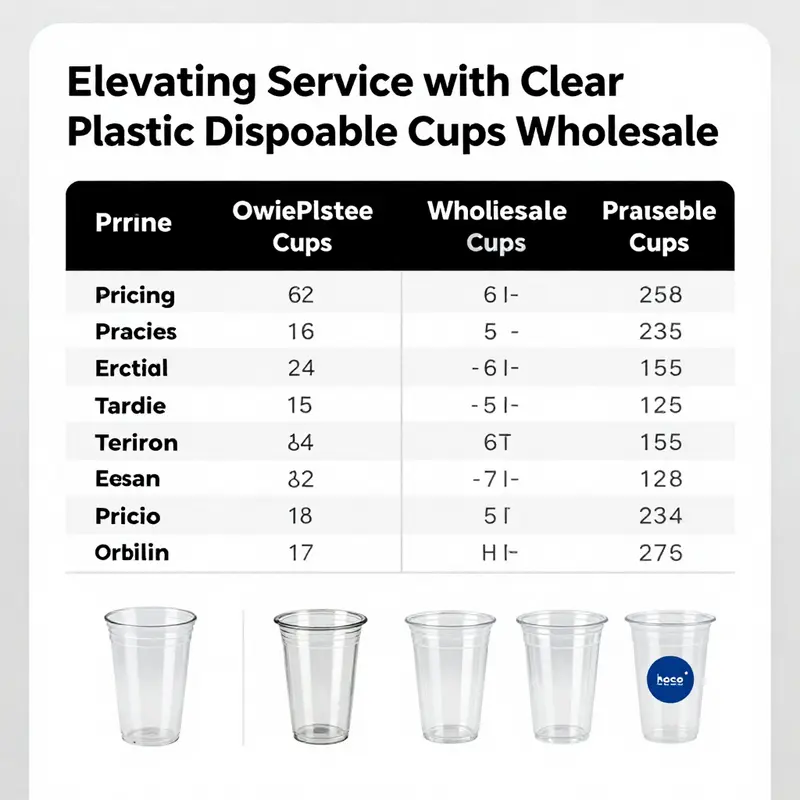
The clear plastic disposable cup is more than a simple vessel; it is a value proposition that blends visibility, convenience, and branding potential for a wholesale buyer who serves cafes, caterers, food trucks, and large events. When a buyer weighs the cost per unit, the decision often hinges on a matrix of material choices, size options, and the degree of customization that can be economically justified by the anticipated return. In this context, the price you pay is not only about the lowest sticker price but about the long run value—how well a cup supports your beverage workflow, aligns with your environmental policies, and reinforces your customers’ perception of your brand. The numbers from current wholesale pricing shed a clear light on where the leverage points lie and how a purchaser can optimize for both cost efficiency and impact.
The most common materials for wholesale clear cups are PET, PP, and PLA, each bringing a distinct balance of clarity, heat resistance, and end-of-life considerations. PET cups, prized for their exceptional clarity and suitability for cold beverages like coffee, tea, or milk, also carry advantages in recyclability. PP cups bring a different set of strengths: higher heat tolerance and broader versatility for hot or cold drinks, as well as certain comfort factors in ice cream or frozen beverages. PLA cups, while marketed as biodegradable or compostable, tend to come at a premium and require industrial composting streams to realize their environmental promise. For buyers prioritizing price and stability in cold-beverage service, PET remains the baseline option, while PP can be the smarter choice where hot beverages are common or where a broader range of product formats is needed.
Pricing structures reveal how volume and material choice translate into unit costs. PET cups in the 7-ounce to 9-ounce range, intended for coffee, tea, or milk, can be remarkably affordable at scale. On wholesale terms, prices have been observed around $0.026 per unit for mid-tier orders, dropping to roughly $0.023 per unit for volumes in the 500,000 to 999,999 piece band, and further to about $0.02 per unit when orders reach 1,000,000 pieces or more. This tiered structure demonstrates a classic price curve: the more you buy, the less you pay per cup, with the largest discounts reserved for the largest groups of cups. For many operators, hitting the million-piece milestone is not just a theoretical target; it translates into real cost savings that can be redirected toward branding, service enhancements, or improved margins. The value proposition becomes particularly compelling when a retailer or event organizer repeatedly replenishes stock or stages repeated campaigns across multiple venues.
Other material streams illustrate the diversity of options and price applications. PP cups, especially those sized for larger servings or for cold desserts like ice cream, can command wholesale prices in a different band. Wholesale PP cups are often available at roughly $0.038 to $0.05 per unit for smaller runs around 10,000 pieces, but the real savings appear as volumes climb. For buyers who must support both beverage service and dessert-oriented applications, PP becomes a practical compromise: a little higher base cost than PET, but with broader resilience to heat and a stronger performance envelope for certain uses.
There are also bulk-pricing cases that illustrate the minimum entry point for very large or non-custom orders. For instance, clear disposable bulk cups offered in smaller baseline bundles—such as 900-piece lots—may present a price range from about $0.018 to $0.04 per unit, depending on the supplier and discount structure. While these small-batch prices are informative, they often only hint at the true wholesale economics available to buyers who plan to scale well beyond tens of thousands of units. The practical takeaway is that early-stage pilots or seasonal spikes benefit from flexible sourcing strategies, but long-term planning should aim for larger allocations to secure the deepest price discounts.
Custom printing adds another dimension to the cost calculus, with branding often driving additional value but also introducing a gateway cost. Flexo printing, commonly offered in up to three colors, is typically available with a minimum order quantity around 100,000 pieces. The branding payback comes when the printed cups deliver lift in recognition and perceived premium value at the point of service. For brands seeking a higher-touch presentation, the extra budget for branding can be justified by stronger customer recall and improved event storytelling. Lids, which can be paired with branded cups, may come in matching design schemes or basic clear formats, sometimes sold as sets or as add-ons to the base cup. The customization story thus broadens from mere color and clarity to a full branding experience that spans cup, lid, and packaging.
Pricing and customization are further influenced by the regulatory and safety backdrop. Reputable suppliers commonly hold food-safety certifications such as FDA compliance and ISO9001 quality management, with BPA-free formulations becoming a baseline expectation for many buyers. When contemplating PLA-based cups as an eco-friendly option, buyers must assess not only the compostability claims but also the supply chain realities. PLA often requires specific composting environments, and the price premium can be nontrivial. This context matters for event organizers who want to highlight sustainability credentials, as well as for retailers who want to meet evolving consumer expectations without compromising operational efficiency.
From a practical standpoint, the supply chain dynamics behind wholesale cup pricing matter as much as the price tags themselves. Typical lead times for first orders tend to range from 30 to 45 days, reflecting manufacturing lead times and the logistics of transitioning from factory to distribution networks. For repeat orders, production windows often shorten to around 7 to 15 days, highlighting the cost and timing advantages that come with stable supplier relationships and robust forecasting. Distribution hubs and shipping routes frequently center on major ports in strategic regions, enabling distributors to service multiple markets with speed and reliability. For buyers who strategize around seasonal peaks—weddings, festivals, or holiday gatherings—these timelines are not just operational details; they shape cash flow, inventory planning, and the ability to respond to changing demand.
The decision to pursue customization also recalibrates the ethical and environmental considerations of the purchase. For buyers with sustainability targets, PLA’s eco-friendly narrative can be compelling, provided there is a credible end-of-life plan. In other circumstances, choosing PET or PP for a standard, high-volume application may be the most cost-efficient path, especially when brands are focused on price stability and supply reliability. The balance between cost, branding, and environmental impact often lands at a pragmatic compromise: implement branding through a durable, high-clarity cup in PET or PP, while carefully selecting eco-friendly alternatives for specific campaigns or markets where customer expectations foreground sustainability.
For a buyer negotiating this landscape, the decision framework runs beyond unit costs. It includes the alignment of product performance with service models, the compatibility of printed designs with production tolerances, and the feasibility of sampling before large-scale commitments. Free samples are frequently available from suppliers, with the buyer covering the postage, while paid samples—typically in the range of $0.08 to $0.10 per piece for custom items—offer a controlled means to evaluate color fidelity, lid fit, and overall feel in hand. The sample process serves as a practical hedge against hidden costs later in the cycle, making it possible to confirm whether the projected branding impact and functional performance align with real-world use.
In the end, the most economical approach often depends on aligning volume strategy with branding ambitions and environmental priorities. The cheapest unit price, achieved only at the million-piece scale, represents a baseline for standard PET or PP cups. Yet the true value derives from how well the cup integrates into the service experience: the clarity that makes a beverage look appealing, the compatibility of the lid with a secure seal, and the opportunity to differentiate through a branded or co-branded presentation. A wholesale buyer who plans for repeated use across multiple venues gains not only purchase price advantages but a consistent supply pipeline that minimizes stockouts and supports smoother operations.
For those seeking a point of reference on current wholesale PET pricing, external industry sources illustrate the competitive landscape and the range of options available to buyers. See for example a current listing that documents clear PET cup pricing in the 7-ounce to 9-ounce segment, offering insights into tiered volume discounts and the associated lead times. While the specific numbers may vary by supplier and region, the underlying pattern remains consistent: larger commitments unlock lower per-unit costs, and customization adds tangible value when coupled with strong branding and reliable quality. External reference: https://www.alibaba.com/product-detail/Clear-Disposable-7oz-9oz-Pet-Cups_1600843136348.html
Final thoughts
In conclusion, clear plastic disposable cups serve as an essential component for various sectors seeking to balance elegance and functionality. Understanding the wholesale market dynamics, key specifications, common applications, and supplier logistics are vital for making informed, cost-effective decisions. With ample customization options available, these cups can also enhance your brand’s visibility. By investing in quality cups that meet your specific needs, you’re not only elevating the presentation of your beverages but also ensuring consistent safety and reliability.