
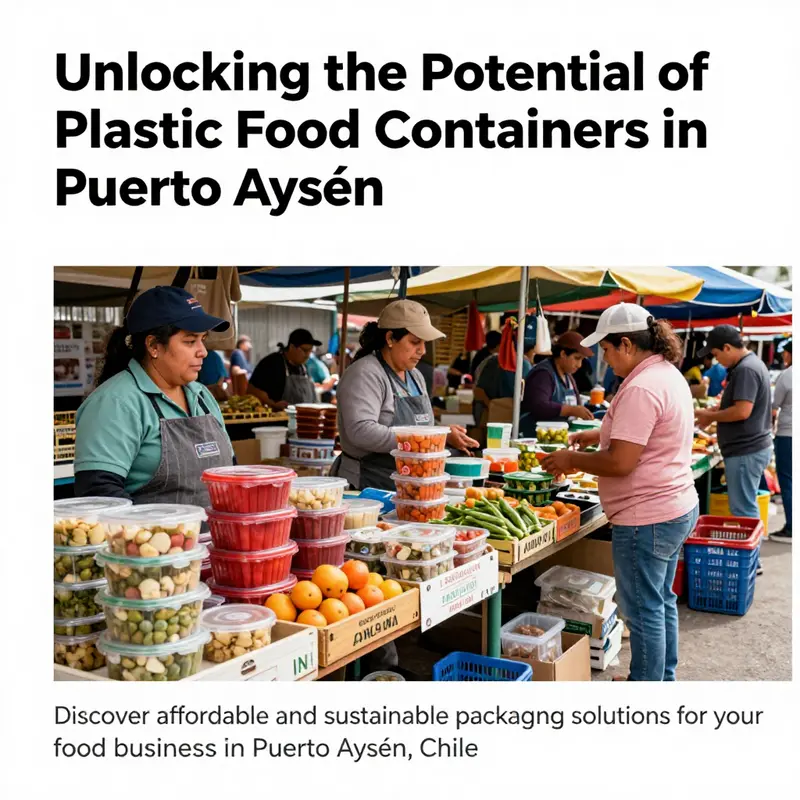
In the culinary heart of Puerto Aysén, Chile, the demand for reliable food storage solutions has never been more critical. As bubble tea shops, restaurants, food trucks, catering services, event planners, and corporate procurement teams look to streamline their operations while ensuring quality, the choice of packaging can significantly impact performance, cost, and sustainability. This article will delve into the versatile plastic container options available, explore their economic aspects, and examine the environmental and safety regulations that govern their use. Each chapter will build towards a comprehensive understanding of how the right packaging can enhance your food business’s efficiency and appeal.
Sealed by Wind and Water: Navigating Plastic Food Containers for Puerto Aysén, Chile
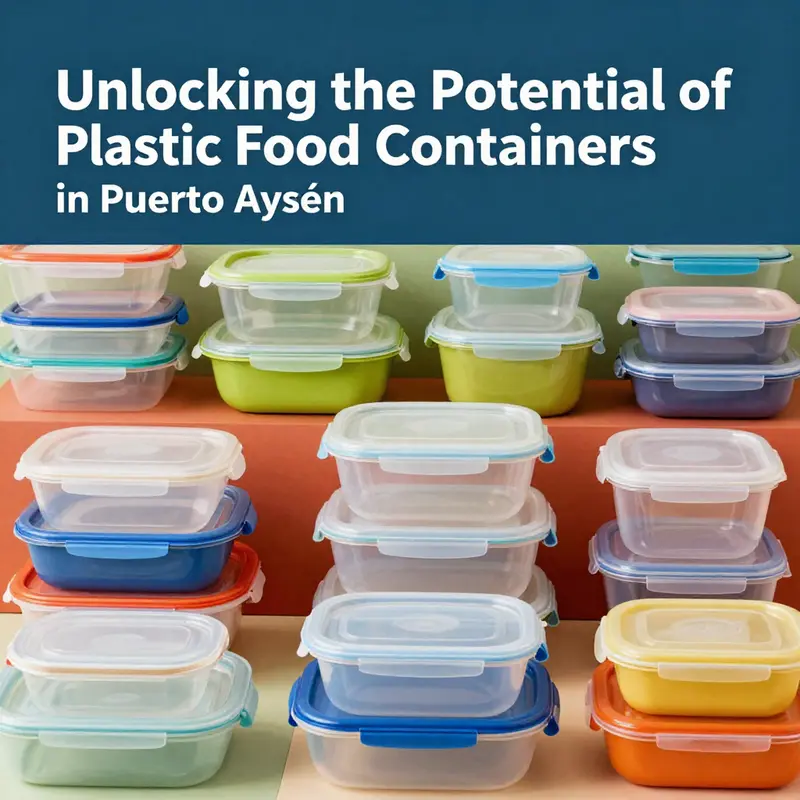
Puerto Aysén sits at the edge of Chilean Patagonia, where rugged coastlines meet fjord ecosystems and seasonal tourism swirls with long, wind-driven days that push even the simplest tasks toward practicality and resilience. In such a place, the choice of plastic container for food is not just a matter of shelf life or cost. It becomes a decision that touches logistics, safety, and an emergent sense of environmental stewardship in a region where remoteness intensifies both the promise and the challenge of packaging. When we look at the options available for food storage and transport in Puerto Aysén, several material families stand out for their balance of weight, durability, and affordability. The most common are PET, PP, and bioplastics like PLA. Each brings a distinct set of strengths and constraints, which become particularly salient in a landscape where supply lines might snake long distances from manufacturing hubs and where recycling infrastructure may not be as robust as in more densely populated areas. In practical terms, these materials translate into containers that are light enough to ferry along the town’s docks, sturdy enough to weather the frequent bumps of outdoor markets, and economical enough to scale for kitchens, juice bars, or small catering outfits that aim to serve both locals and travelers with consistent portions and predictable outcomes.
PET, or polyethylene terephthalate, is often chosen for its clear, rigid structure and good barrier properties. It preserves the appearance and integrity of contents, which can be important for fresh juices, dressings, or layered cold dishes that benefit from visual appeal. In the microeconomy of a remote Chilean town, PET delivers a familiar mix of dependable performance and cost efficiency. It is recyclable in many regions, a factor that appeals to operators who want to minimize waste sent to landfills or to informal disposal sites. Yet the actual end-of-life story for PET in Puerto Aysén hinges on the local recycling stream, which may be less developed or less easily accessible than in urban centers. This reality nudges operators toward designs that maximize reuse and minimize leakage, while keeping an eye on the overall life cycle. PP, or polypropylene, often becomes the go-to for containers intended to handle heat and microwaves. A microwave safe polypropylene container offers a pragmatic advantage for households or small eateries that reuse containers for daily meals or meal prep. PP’s heat resistance translates into less warping and better performance when reheating leftovers, a daily rhythm in homes that cook in bulk or in community kitchens near the coast. From a cost perspective, PP typically logs well in high-volume production, which translates to lower per-unit prices that can be appealing in mass-market packaging or retail settings that emphasize value for residents and travelers alike. Such affordability helps keep the price of ready-to-use storage solutions accessible to smaller businesses that serve a mix of local customers and seasonal visitors who lean toward compact, portable packaging for picnics, hikes, or ferry rides along the fjords.
Bioplastics, particularly PLA, add another layer to the conversation. Derived from renewable resources like corn starch or sugarcane, PLA introduces a compostable option that can appeal to eco-conscious guests and operators who want to signal responsible packaging choices. In Puerto Aysén, PLA can be attractive for certain use cases where containers are destined for composting streams or where guests expect lower environmental impact from disposable items. However, PLA and other bioplastics commonly exhibit limitations in heat tolerance and structural durability compared with traditional plastics. The very climate and usage patterns here — brief, intense outdoor service windows, variable storage conditions, and remote waste management — require careful matching of material to function. If a PLA cup or lid is exposed to heat or sun for extended periods, its performance can shift, potentially compromising barrier properties or sealing integrity. For this reason, decisions around bioplastics must be paired with clear expectations about disposal or composting infrastructure. In the Puerto Aysén context, the reality is that proper disposal streams can be uneven or difficult to access, especially in winter months when travel between settlements is less frequent. These ecological and logistical realities shape a broader philosophy: select materials not just for what they can do in a controlled kitchen or showroom, but for how they fit into a remote region’s daily routines and waste management realities.
The dialogue around sustainability in this coastal enclave naturally extends beyond the material itself to include design, reuse, and the broader ecosystem of packaging. In an area driven by tourism and outdoor activity, the demand for containers that are easy to transport, reliable in sealing, and forgiving of imperfect storage becomes paramount. For some operators, the incentive is to lean toward reusable systems in which containers are designed for repeated use, return logistics, and simple cleaning. The idea of reuse aligns with the practicalities of a region where boats, buses, and hikers converge on a handful of day markets and service points. For others, especially small caterers or takeout kiosks that operate with tight margins, single-use options that still offer decent performance and predictable costs may remain essential. This spectrum invites a pragmatic synthesis: choose packaging that remains functional within the realities of supply, storage, and waste, while balancing the environmental footprint with the needs of guests and workers who navigate the winds and waters of Puerto Aysén.
In the practical vocabulary of the local supply chain, these choices are not abstract. They press into how quickly a kitchen can scale up during peak season, how easily a vendor can restock from a distant supplier, and how a hotel or guesthouse communicates its standards to visiting travelers. For instance, the region’s tourism-centered economy means that eco-conscious accommodations and restaurants increasingly seek packaging that aligns with a broader stewardship narrative. Yet market realities require that these choices also be economical, safe, and simple to implement. A 3-star hotel along the coastline may emphasize value and convenience, which translates to packaging decisions that balance low per-unit cost with robust sealing and spill resistance. A backpacker-friendly café might prize compact, microwavable containers that keep portions fresh during short trips or long bus rides. The thread that connects these scenarios is the shared need for containers that can survive transport along gravel roads, damp storage rooms, and variable ambient temperatures, while keeping contents secure and free from leakage.
Safety considerations anchor the conversation in concrete terms. Across the spectrum of materials, the promise of food-grade compliance is essential. In many markets, retailers and manufacturers pursue certifications that signal acceptance for contact with food, including standards such as REACH, LFGB, and NSF. These attestations help reassure operators that the containers meet defined safety criteria and perform reliably in everyday use. In Puerto Aysén, where some businesses operate on tight margins and travelers expect consistent quality, such assurances contribute to peace of mind and operational reliability. They are especially relevant for containers used for sauces, dressings, or liquid beverages, where a tight seal and strong barrier properties can prevent leaks during transport on boats and along windy routes. The practical upshot is that operators should look for containers whose design and materials have an established track record with regards to sealing performance, thermal stability, and compatibility with common food items found in the local market.
From a distribution standpoint, the path from supplier to kitchen in Puerto Aysén often traverses a mix of direct shipments, regional distributors, and online platforms that connect buyers with manufacturers across national and international networks. The economics of this route strongly influence which materials become the default. Lightweight, shatter-resistant options like PET and PP often present a compelling balance of cost, availability, and performance, particularly when demand is high or when containers must endure repeated handling during pick-up and delivery. When buyers require larger storage capacity for catering or hotel operations, polyolefin-based options and larger insulated containers, typically in the 20 to 50 liter range, come into play. These larger vessels rely on sturdy plastics such as PE for insulation and durable lids that prevent leaks, supporting soups, broths, or sauces that may be scaled for event catering or restaurant service. The inclusion of features such as hinged lids and locking closures in these larger containers introduces a layer of reliability that is especially valuable in a region where service interruptions can ripple through to guest experiences.
The regional nuance also extends to the marketplaces where residents and visitors alike purchase containers. Local markets and supermarkets in southern Chile offer a spectrum of basic storage solutions designed for everyday use, often prioritizing affordability and availability over cutting-edge performance. In this context, the choice to favor recyclable or reusable containers gains traction. Operators who prioritize environmental responsibility recognize that single-use items, even those labeled as recyclable, can accumulate waste if the local infrastructure for collection and processing is uneven. This awareness nudges the conversation toward strategies that reduce reliance on disposables, or that pair disposables with clear end-of-life pathways. One practical implication is the potential for integrating reusable systems, such as returnable containers, where feasible, or selecting packaging with long service lives and straightforward cleaning processes that minimize waste over time.
In cataloging the practicalities of Puerto Aysén, it is helpful to acknowledge the role of suppliers who serve southern Chile with a range of packaging options. Many buyers begin by exploring online platforms and regional distributors that promise reliable supply chains, flexible order quantities, and scalable options for both small operators and larger establishments. The decision matrix owed to these suppliers often weighs unit cost against performance, end-of-life considerations, and the ease with which containers can be integrated into daily routines. It is not unusual for a kitchen that prepares fruit juices, sauces, or ready-to-eat meals to prefer a container that remains sturdy under cold storage and during quick reheating, while still offering a reasonable price point for volume orders. In a setting where the weather can oscillate between brisk winds and sudden rain, the stability of the packaging during transport and under display can also influence the consumer experience. A container that seals well, resists moisture intrusion, and keeps contents visually appealing can become a small but meaningful determinant of customer satisfaction in a remote coastal locale.
The broader environmental conversation also touches the possibility of bridging different packaging ecosystems. In some instances, operators may look for materials that are more compatible with composting streams, while others will emphasize recyclability and reuse. Given the local realities of Puerto Aysén, the feasibility of a recycling program or composting facility often governs how aggressively a business pursues such options. The reality may be a mix of approaches: some containers are designed for recycling in regions with established municipal programs, while others are selected for their reusability or compatibility with local cleaning and reuse practices. The result is a pragmatic, layered approach to packaging — one that recognizes both market demands and the environmental footprint in a region where geography and seasonality influence every decision.
For readers seeking additional context on how different packaging formats perform in practice, a useful comparative reference is a guide focused on the performance and applications of various plastic and bioplastic containers. This external resource offers insights into how heat resistance, barrier properties, and compostability intersect with real-world use cases, complementing the regional perspective described here. While local constraints in Puerto Aysén may shape the specifics of what works best, understanding the broader performance profiles of PET, PP, and PLA is a valuable foundation for making informed choices that align with safety, cost, and environmental goals.
Within this landscape, a practical takeaway emerges: choose containers that align with the operational realities of Puerto Aysén, while keeping an eye on the end-of-life story for each option. For many businesses, this means weighing the immediate benefits of a lightweight, affordable, and durable option against the longer-term implications of waste management and environmental responsibility. It also means favoring design features that support leak resistance, robust sealing under varied temperatures, and straightforward handling during storage and transport. In the end, the goal is not to chase a single ideal material but to craft packaging choices that fit the unique rhythms of life along the fjords, where wind, water, and warmth define daily routines. To support this approach, operators may occasionally refer to resources that illuminate how different containers perform across contexts and climates, and they may explore options that pair the practicality of disposables with opportunities for reuse and responsible disposal. For those who want to explore a concrete example of eco-conscious packaging that can complement this approach, one might consider practical, user-friendly options like eco-friendly custom paper cups with lids, which can be integrated into a broader strategy that includes recycling or reuse where feasible. See more on this specific packaging approach in the linked resource dedicated to eco-friendly custom paper cups with lids.
Ultimately, the question of which plastic container to choose in Puerto Aysén reduces to a balanced assessment of function, safety, and the region’s distinctive realities. PET and PP offer reliable performance for everyday storage and transport at a favorable price point, while PLA promises a greener aesthetic and compostability if a compatible end-of-life path exists. The best choice respects the constraints of remote logistics, acknowledges the tourism-driven demand that characterizes much of the local market, and aligns with a longer-term vision of waste reduction and resource stewardship. In the chapters that follow, we will build on this foundation by examining specific case studies and practical guidelines that help translate these principles into actionable packaging strategies for kitchens, caterers, and hospitality businesses operating along Puerto Aysén’s coastal belt. For readers who want to dive deeper into material comparisons and performance data, an external resource on plastic and bioplastic container performance can provide useful benchmarks and context for decision making in remote settings like Puerto Aysén.
External reference: https://www.plasticpackaging.com/chia-pudding-containers-guide/
Between Remoteness and Regulation: The Economic Currents of Food Plastic Containers in Puerto Aysén, Chile
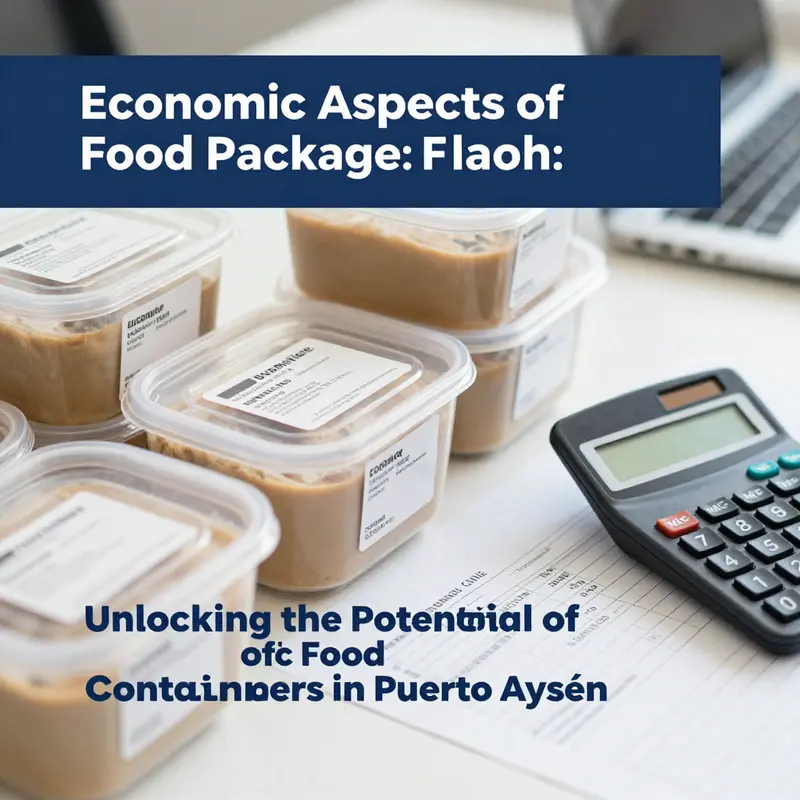
Puerto Aysén sits at the edge of Chile’s southern fjords, where sea routes, snow-draped passes, and narrow supply lines shape everyday choices for local restaurants, small retailers, and households. In this landscape, plastic containers for food do more than hold soups, sauces, or reheated meals; they connect distant farms to urban kitchens, and remote fisheries to urban markets. The economics of those containers—how they are sourced, priced, regulated, and disposed of—are a practical ledger of the region’s broader challenges and opportunities. The remote geography, while majestic, translates into higher costs for importing raw materials, and the result is a pricing dynamic that pushes local vendors to balance reliability with affordability. In many cases, the most inexpensive, widely available options come from distant suppliers who ship in bulk, leveraging platforms that enable global reach. Yet the distance also means longer lead times, more complex inventory planning, and a heightened sensitivity to disruptions in transport networks. Every container thus becomes a hinge point where material science, logistics, and consumer expectations intersect, with consequences felt in the price tag visible on a grocery shelf or a take-out counter. The practical effect is that plastic packaging in Puerto Aysén is not simply a domestic concern; it is a reflection of how remote markets negotiate the trade-offs between cost, quality, and supply security under the weight of global and local constraints alike. In this light, the economics of plastic containers for food in such a setting demands a careful look at who pays for what, and who benefits from any shift toward more sustainable packaging options, whether driven by policy, consumer sentiment, or the evolving practices of waste management and recycling services.
The cost structure for plastic packaging in Puerto Aysén begins with the price of the base materials—polypropylene (PP), polyethylene (PE), polyethylene terephthalate (PET), and, increasingly, bio-based alternatives such as polylactic acid (PLA). These materials are subject to the vagaries of international markets. The region’s remoteness amplifies the effect of freight, insurance, and port handling fees on the landed cost of what arrives on local suppliers’ docks. Importing materials is not just about the sticker price per kilogram or liter; it encapsulates a bundle of charges: freight rates that react to global demand, currency fluctuations that nibble at margins, and the costs of compliance with various regulatory regimes that may apply differently to plastic pellets, films, and finished containers. For local businesses, these fixed and variable costs can tilt decisions toward shorter product lifecycles, higher turnover, and more frequent reordering. The practical upshot is that vendors in Puerto Aysén often operate at lean margins, with packaging costs integrated into the price of ready-to-sell food items, homemade sauces, and prepared meals. Such integration means packaging choices echo beyond the mechanical act of sealing a container; they ripple through menu pricing, promotional strategies, and even the perceived value of a brand as conjoined with how responsibly it handles waste.
A broader regulatory backdrop forms a secondary but equally decisive axis in this economic equation. Chile’s National Plastic Strategy (2023–2030) signals a defined policy trajectory toward reducing single-use plastics and guiding producers and retailers toward more sustainable packaging alternatives. The strategy envisions support for recyclable and compostable options, better waste separation at source, and reinforced responsibilities for polluters. For remote regions like Puerto Aysén, the policy mix introduces both a challenge and an opportunity. On the one hand, vendors face the prospect of higher upfront costs as they transition to compostable or more easily recyclable materials, and they must adapt procurement practices to source compliant packaging. On the other hand, the strategy opens pathways for adopting packaging that reduces long-term disposal fees, mitigates environmental risk, and positions local businesses as forward-looking actors in a growing circular economy. The tension between short-term capital expenditure and long-term cost savings is particularly acute in a region where waste management infrastructure, though improving, remains unevenly distributed. Small and mid-sized enterprises are especially sensitive to cash-flow constraints; yet, as consumer consciousness grows around environmental stewardship, the reputational benefits of sustainable packaging become more tangible and measurable. In this sense, the policy framework acts not merely as a regulatory constraint but as a lever that can tilt decision-making toward more efficient, sustainable packaging systems over time.
The economic story is also inseparable from the way consumers in southern Chile perceive and respond to packaging choices. A rising environmental awareness among consumers translates into expectations that packaging be recyclable, reusable, or compostable, with clear labeling that aids responsible disposal. This behavioral shift, while gradual, feeds into demand signals that influence supplier strategies. Local markets, restaurants, and online sellers increasingly factor in the full life cycle costs of packaging—from production and transport to end-of-life management. When consumers value reduced waste and transparent environmental performance, brands can differentiate themselves by adopting packaging that aligns with these values, thereby preserving or expanding their market share in a competitive regional economy. Still, in the immediate term, the adoption of more sustainable materials often entails higher upfront costs. For many small businesses in Puerto Aysén, the challenge lies in bridging the gap between environmental aspirations and cash-flow realities. The question becomes not only what packaging costs today, but what the true cost of inaction might be tomorrow, including possible penalties, waste disposal charges, or reputational risk that could limit access to certain customer segments. The region’s economic dynamics thus demand a careful balancing act: maintain affordable, reliable packaging to keep prices accessible, while gradually incorporating more sustainable designs that meet evolving policy and consumer expectations.
In the current landscape, the specific packaging options that vendors consider carry distinct cost and performance profiles. The most common plastic containers used for food storage and service tend to be made from PP, PET, or PLA, each with its own set of trade-offs. PP containers are valued for their toughness and microwavability, a practical feature for households and small eateries that rely on rapid heating. For instance, warm, ready-to-eat meals or sauces stored in microwave-safe PP containers can reduce wait times and streamline service during busy shifts. The cost, in some cases, can be surprisingly low: unit prices as low as roughly $0.133 per item are cited for small, multipurpose PP storage options. While such low per-unit costs are attractive, they do not capture the full picture. They must be weighed against the energy, labor, and logistics required to stock, handle, and transport a large volume of containers, especially when orders are tied to seasonal demand and weather-influenced shipping windows. PET containers offer clarity and barrier properties that help preserve product freshness for longer periods, but their use in large-scale packaging must be balanced against price sensitivity and recycling infrastructure. PLA, a bio-based alternative, appeals from a sustainability standpoint but often carries higher unit costs and sometimes less favorable performance in extreme temperatures or long-term storage. In Puerto Aysén, where supply chains are uneven and waste management infrastructure is still maturing, the adoption of PLA or other bio-based solutions hinges on how public policy, supplier networks, and consumer behavior align to create a viable market. The regulatory dimension adds another layer: the National Plastic Strategy and related standards encourage or require certain certifications, such as compliance with European or North American safety benchmarks where applicable, and adherence to local labeling and disposal guidelines that help ensure safe and responsible use of materials. In practice, this means that the choice between PP, PET, or PLA is rarely a purely technical decision; it becomes a strategic one that factors in supplier reliability, regulatory compliance, total cost of ownership, and the potential for partnerships with waste management providers that can support a more circular approach to packaging.
Alongside the micro-level decisions about material chemistry and product formats, the structure of the supply chain plays a decisive role in the economics of packaging in Puerto Aysén. The remoteness of the region amplifies the importance of supplier relationships, distribution networks, and inventory resilience. Vendors often rely on a mix of import channels and regional distributors to secure a steady stream of containers, cups, and lids that meet local food-safety standards. Platforms that connect buyers with manufacturers, whether through direct orders or bulk procurement, broaden access to a spectrum of container types, including microwave-safe PP options and specialized packaging for sauces or condiments. The lure of reliable supply is tempered by the fact that reordering cycles in such settings may be driven by unpredictable weather, port delays, or fluctuations in the availability of bulk stock. Consequently, procurement planning becomes a critical competence, one that can determine whether a business can maintain consistent service levels or must adjust menus, portion sizes, or promotional tactics to align with the realities of packaging supply. The dynamic nature of these choices often pushes local operators to favor adaptable packaging formats that can weather stockouts or price volatility, while still satisfying safety and quality requirements.
To illustrate the practical implications, consider the range of applications that demand larger, more robust packaging. For restaurants and hotels with more substantial volume needs, 20-liter to 50-liter insulated soup containers made from PE material provide excellent heat retention and leak resistance, features that matter in both takeaway and on-premises dining. These containers typically incorporate hinged lids and locking mechanisms to prevent spillage during transport and service, a design detail that resonates with operators who juggle cold-storage, hot meals, and multi-service environments. Responsible buyers also look for compliance with international safety and environmental standards, often choosing equipment that has undergone independent testing and certification. In southern Chile’s context, achieving credibility with clients who expect rigorous compliance can translate into a competitive advantage. It signals that a vendor is dependable, attentive to risk management, and prepared to invest in packaging solutions that protect product integrity while supporting sustainable practices. The presence of such products in the regional marketplace demonstrates that the economics of packaging in Puerto Aysén encompasses both everyday decisions about single-use items and the strategic choices involved in investing in higher-capacity, more durable solutions when the customer base justifies the expense.
One way to interpret these dynamics is to view packaging as a signal of a business’s broader commitments. Companies that couple cost-conscious decisions with a transparent narrative about waste reduction, recycling, and responsible disposal can build stronger relationships with customers who care about the environmental footprint of their meals. That signals a willingness to bear some longer-term cost for the sake of reduced waste streams and a cleaner community, and it often translates into a higher willingness among consumers to pay a premium for goods that carry a sustainability narrative. In Puerto Aysén, where the natural environment is a defining asset and tourism plays a growing role, the ability to articulate and demonstrate responsible packaging practices can directly influence brand perception and market access. The National Plastic Strategy’s emphasis on shifting away from disposable plastics toward recyclable or compostable alternatives aligns with this ethos and provides guidance for how businesses can structure their packaging pipelines to meet policy aims while remaining economically viable. The practical challenge remains: to translate these policy ideals into concrete procurement and waste-management decisions in a context where both costs and benefits unfold over time and across supply channels. This is where the economics of packaging become a living negotiation between what is possible today and what the region aspires to become tomorrow.
The transition toward more sustainable packaging in Puerto Aysén is not a one-time purchase decision but a multi-year evolution that intersects with waste management infrastructure, consumer education, and local regulatory enforcement. Short-term financial pressures can be substantial. Upfront investments in cleaner, more recyclable packaging can tighten cash flow, especially for small operators who must balance staff costs, rent, seasonal demand, and inventory. Yet the long-term savings can materialize through reduced waste disposal fees, improved recycling returns, and a strengthened brand that resonates with a growing base of environmentally conscious customers. The interplay between policy and practice creates opportunities for regionally tailored solutions. For example, if local authorities advance efficient waste sorting facilities and provide incentives for companies to adopt reusable or recyclable packaging, businesses can mitigate some of the initial cost burdens and realize steadier long-run cost profiles. Moreover, as the supply chain matures and economies of scale emerge in packaging production and distribution for southern Chile, the price gaps between traditional plastics and more sustainable options may narrow, making the economics more predictable for small and medium-sized enterprises.
In this context, the potential for a gradual, well-planned upgrade in packaging for Puerto Aysén becomes clear. The region can experiment with transitional strategies that combine familiar, affordable plastic containers with progressively more sustainable alternatives. For instance, some vendors might adopt a hybrid approach: maintain standard PP or PET containers for everyday use while piloting a limited range of recyclable or compostable options for premium or seasonal products. This approach can provide a cushion against price shocks while enabling learning and adaptation processes for both suppliers and waste-management partners. Over time, as consumer demand shifts and the regulatory framework strengthens, more of the packaging mix can move toward materials that support a circular economy without compromising service levels or food safety. In short, the economics of plastic containers for food in Puerto Aysén is a story about balancing immediate competitive pressures with a longer-term orientation toward sustainability, resilience, and value creation that aligns with both policy direction and consumer expectations.
The lesson from the current landscape is not simply about choosing between cost and ecology. It is about recognizing that packaging decisions are economic decisions in disguise, shaping cash flow, risk, and growth opportunities. In a remote region such as Puerto Aysén, the path toward more sustainable packaging sits at the intersection of import dynamics, regulatory signaling, and local capacity-building. It requires careful coordination among suppliers, waste handlers, municipal authorities, and end consumers. It also invites a broader reflection on how to design packaging systems that are not only compliant and cost-effective but also capable of generating social and environmental dividends for small businesses and their customers. The National Plastic Strategy offers a framework for that pursuit, outlining a trajectory that reduces plastic leakage, encourages recycling and composting, and strengthens the producers’ and retailers’ accountability for end-of-life outcomes. For anyone seeking a practical anchor in this evolving space, the region’s experience with packaging costs, supply chain pressures, and policy incentives provides a concrete case study of how far the plastics conversation has come in a remote southern landscape—and how much further it may go, once the pieces of funding, infrastructure, and consumer buy-in begin to align.
To connect this analysis with a concrete resource that expands on the policy side, one can consult the National Plastic Strategy 2023–2030 issued by the Chilean Ministry of Environment. This document frames the strategic priorities, regulatory expectations, and actionable steps that influence packaging choices across the country, including remote communities. Such an external reference helps ground the economic discussion in policy realities, offering a map of incentives, timelines, and compliance standards that shape procurement, product design, and waste management decisions for packaging in Puerto Aysén and similar regions. For readers seeking a practical example of how a paper-based packaging option can be positioned within a broader sustainability narrative, a relevant example from regional packaging suppliers demonstrates how cost, form, and function can be harmonized to support both business viability and environmental responsibility. In exploring these pathways, it is important to acknowledge that the journey toward sustainable packaging is iterative and collaborative, requiring ongoing dialogue among producers, distributors, retailers, regulators, and consumers. By embracing the complexity rather than resisting it, Puerto Aysén can model a balanced approach that maintains affordable access to essential food packaging while gradually weaving sustainability into the fabric of its local economy and its future.
Internal link note: While plastics remain a central component of food packaging in Puerto Aysén today, alternative substrates and packaging formats are actively discussed in regional procurement circles. For practitioners looking to explore paper-based packaging options that align with a sustainability narrative without sacrificing practicality, consider exploring wholesale custom-printed kraft paper food storage bowls and related formats. These solutions demonstrate how a shift toward recyclable or compostable materials can be integrated into a regional supply chain that already includes robust plastic options. See an example here: kraft paper food storage bowls. This link provides a window into how packaging suppliers are positioning sustainable alternatives within the same regional market that relies on plastic, offering a tangible sense of how the packaging ecosystem could evolve in Puerto Aysén.
External reference: Chilean Ministry of Environment – National Plastic Strategy 2023–2030: https://www.mma.gob.cl/estrategia-nacional-plastico/
Rethinking Food Packaging in Puerto Aysén: Navigating Regulation, Sustainability, and Practicalities of Plastic Containers
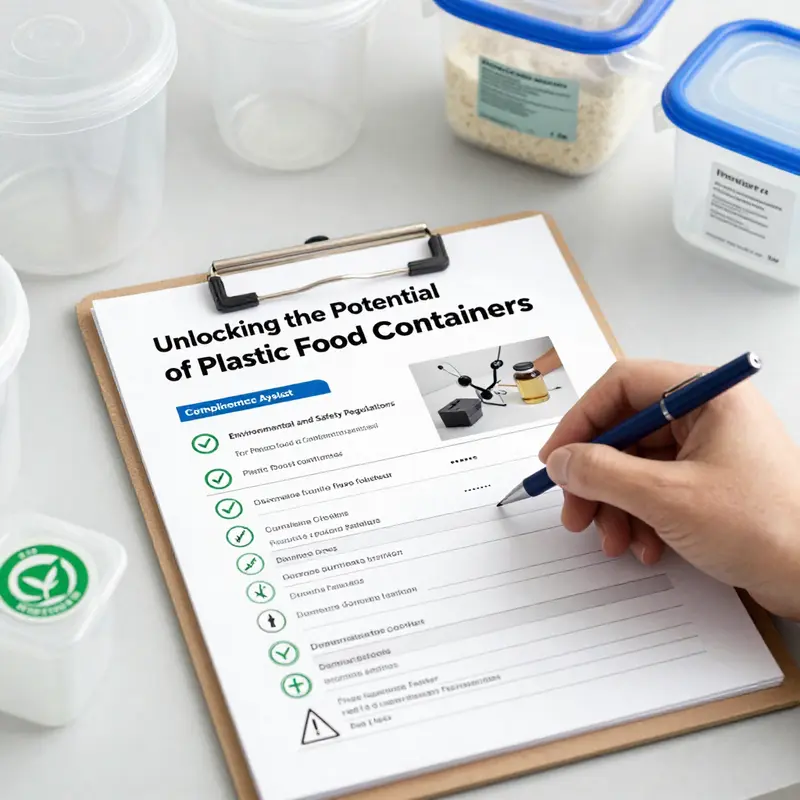
The edge of Chile’s southern fjords, where Puerto Aysén threads life into the Patagonian landscape, is more than a scenic destination. It is also a place where food habits, supply chains, and packaging choices collide with new rules that shape what can be used to hold meals, sauces, soups, and snacks. The shift is not merely a matter of replacing one material with another. It is a broader reexamination of how containers are sourced, produced, used, and disposed of, all within a jurisdiction that is determined to curb plastic waste and to steer toward materials that fit a changing climate and evolving consumer expectations. As the chapter unfolds, it becomes clear that the regulatory environment in Puerto Aysén is not a distant bureaucratic note. It is a live framework that informs every decision—from the clever design of a microwave-safe storage pot to the decision to serve beverages in reusable systems at a local market. In this sense, the regulation functions as both a constraint and a catalyst, nudging businesses toward packaging that aligns with environmental goals and with the practical realities of a region where waste management infrastructure and transportation logistics bear unique challenges.
Law No. 21,368, enacted in 2024, stands as the central pillar of Chile’s new approach to single-use plastics. Its aim is simple in principle, though its implications are intricate in practice: reduce the release of disposable plastics into everyday life, especially in the food sector, and foster sustainable alternatives that can be managed in the long term. In Puerto Aysén, this law translates into concrete prohibitions and clear expectations for how restaurants, supermarkets, caterers, and small vendors present their goods to customers. The overarching goal is to cut back on the most common single-use items that accumulate rapidly in waste streams, from unionized utensils and expanded polystyrene containers to plastic straws and single-use bags. The policy’s reach is designed to touch all touchpoints of the consumer experience, including what species of containers are permissible, how they are marketed, and how leftovers and packaging waste are managed in the end.
Within this regulatory landscape, several provisions stand out for the way they shape daily operations in Puerto Aysén. First, the law prohibits most single-use plastics across the spectrum of food packaging. The stated scope covers widely used packaging forms found in the hospitality and retail sectors: containers for soups, sauces, and ready meals; takeout cups and lids; utensils and bags commonly used in food commerce. The impact here is not only about choosing a different material but about rethinking the life cycle of each item. For a business, this means evaluating whether a given packaging solution is a one-off convenience or a durable option that can be reused, composted, or otherwise controlled within a waste-education framework. It is a call to balance operational efficiency with environmental responsibility, a balancing act that defines contemporary packaging strategy in this part of Patagonia.
Compliance, in practical terms, requires a diligent approach. All restaurants, supermarkets, and food vendors operating in Patagonia, including Puerto Aysén, must adhere to the prohibitions outlined in Law No. 21,368. This means reconfiguring inventory to avoid single-use plastic containers for food storage, service, and takeout. It also means ensuring that staff are trained to recognize non-compliant items and to substitute compliant alternatives. The enforcement mechanism relies on routine inspections, and violations can trigger fines or other administrative actions. For a small business or a regional retailer, that risk underscores the importance of proactive planning—bringing in materials that are clearly permissible and supported by the appropriate documentation and labeling. In practice, this reduces the chance of accidental noncompliance and streamlines day-to-day operations, especially during peak seasons when demand for packaging spikes.
The allowed alternatives emerge as a central theme in practical decision-making. Under Law No. 21,368, Certified Compostable Plastics represent a legally permissible option when they meet stringent standards. These materials must be biodegradable in both home and industrial conditions, a requirement that reflects an intent to ensure that compostability is not a purely theoretical label but a verifiable performance outcome. The materials should contain at least 20% renewable content, reinforcing the policy’s emphasis on reducing reliance on fossil-based inputs. Moreover, certification from authoritative bodies must align with recognized ISO or EN standards, accompanied by transparent labeling that communicates the product’s compostability, material composition, and end-of-life pathways. In other words, a compostable container needs to be traceable, credible, and actionable for both users and waste handlers.
These standards also imply a careful design philosophy. A compostable container is not merely about meeting a specification on a certificate. It must perform in real-world settings: resist leakage, withstand the temperatures of hot foods, be suitable for storage, and manage moisture without compromising structure. They should also be compatible with local composting infrastructure or with home composting where possible, recognizing that Puerto Aysén’s waste management framework can vary and that practical composting options may differ from urban centers. The labeling must be explicit enough to guide consumers in proper disposal and composting. In the absence of clear end-of-life pathways, even a technically compliant material can fail to deliver the environmental benefits it promises. The law’s emphasis on labeling, certification, and renewable content is therefore a reminder that packaging decisions involve both material science and systems thinking.
A separate but complementary strand of policy encourages reusable systems. The government explicitly promotes the adoption of returnable beverage container programs in supermarkets and other retail outlets. This approach seeks to decouple consumption from constant new packaging by establishing a loop in which the container is collected, cleaned, and reused. For Puerto Aysén and the broader Patagonia region, this approach is particularly resonant. The geography and population density pose unique challenges to achieving high return rates, yet the potential environmental benefits—reduced waste, lowered production costs over time, and a more resilient supply chain—are compelling reasons to invest in such systems. A shift toward reusable containers also aligns well with the region’s ethos of stewardship and respect for natural landscapes, reinforcing a culture where packaging is a shared responsibility rather than a disposable afterthought.
When compliance is in focus, enforcement mechanisms and penalties matter. Regular inspections are designed not as punitive checks alone but as collaborative opportunities to help businesses align with best practices. The risk of fines or other administrative actions creates a strong incentive to transition away from noncompliant options. This is especially relevant for the hospitality and retail sectors, where the pace of service and the breadth of product offerings can tempt a reliance on convenient packaging. The law thus nudges operators toward more durable choices, smarter product design, and more effective waste management practices. It also underscores the importance of accurate labeling, because clear consumer guidance is essential to ensure the desired environmental outcomes materialize in everyday behavior.
For a practical orientation, this regulatory shift suggests a few critical strategic moves for Puerto Aysén’s packaging ecosystem. First, businesses should map their current packaging portfolio and identify components that are likely to be banned or restricted. The next step is evaluating alternatives that satisfy regulatory requirements without compromising service quality or customer experience. In boiling this down to a plan, consider the types of containers used in different food contexts: microwavable storage for homes and small eateries, sealed cups and sachets for sauces, larger capacity vessels for bulk storage in restaurants, and whether each item can be swapped for certified compostable or reusable options. The aim is a packaging mix that is robust, transportable, and easy to manage across seasons of demand while remaining compliant.
Material choices in this framework are not arbitrary. The research landscape in Puerto Aysén shows that a variety of materials arises in different contexts: polypropene (PP) for microwave-safe storage, polyethylene (PE) for certain larger vessels known for their durability, and bioplastics like PLA in more specialized applications. Each material class carries its own set of trade-offs. PP can deliver heat resistance and cost advantages but may require careful handling at end-of-life to fit composting streams. PE, while rugged for larger containers, also demands attention to recycling or disposal pathways that respect local infrastructure. PLA and similar bioplastics offer compostability but depend on appropriate industrial or home composting channels and certification standards to ensure environmental outcomes. In Puerto Aysén’s regulatory climate, the emphasis is on verifiable performance and clear labeling to reduce confusion among consumers and waste-management partners alike.
Design implications flow from these material realities. A container intended for heat, sauce, and transport in a remote Patagonian setting needs to perform under temperature fluctuations and long transit times. It should resist leakage, protect flavors, and maintain structural integrity when stacked for storage or shipping. Equally important is its compatibility with the end-of-life pathway the law envisions. If a container is labeled as compostable, it should be evident that industrial composting, or at least home composting in certain contexts, will break it down effectively. The design process thus becomes a cross-disciplinary exercise involving material science, packaging engineering, supply-chain logistics, and consumer education. A well-considered packaging system minimizes waste, reduces downstream disposal costs, and demonstrates a business’s commitment to environmental stewardship to both customers and regulators.
From the supply chain perspective, Puerto Aysén’s packaging transition requires careful supplier selection and risk management. For instance, if a business wants to switch from conventional single-use plastics to certified compostable alternatives, it must ensure that suppliers can provide consistent quality, meet minimum renewable-content thresholds, and supply necessary documentation for ISO or EN certifications. It also requires a reliable delivery schedule and clear communication about labeling and disposal expectations. The remote geography can complicate freight times and cost, making it essential to co-locate or closely coordinate with suppliers who understand Patagonia’s logistical realities. In practice, this often means choosing partners who can offer local or regional production capacity, or who can guarantee a robust supply chain that minimizes interruptions during winter closures or weather-related disruptions. Such coordination reduces risk of stockouts and helps keep menus and takeout options compliant with the law.
On the consumer side, education remains a cornerstone of success. The most advanced packaging strategy will struggle to deliver environmental benefits if customers do not understand how to dispose of compostable containers or return reusable drinkware. Clear, multilingual labeling helps. Signage at points of sale, public outreach through municipal channels, and simple disposal guidance can bridge knowledge gaps. The cultural dimension matters too. In a region where people rely on a strong sense of place and community, messaging that emphasizes protecting the Patagonian environment and preserving local resources resonates deeply and motivates behavior that aligns with regulatory aims.
The regulatory transition also interacts with broader environmental and social objectives. For Puerto Aysén, investing in compostable packaging or reusable systems can be part of a larger regional strategy to reduce solid waste, lower emissions from transport and processing, and promote sustainable livelihoods. Local manufacturers may need to upskill or expand their portfolios to meet new demands, creating opportunities for regional job growth in packaging engineering, waste management coordination, and quality assurance. Visitors and tourists, who often use local services, benefit too from a packaging system that minimizes litter and preserves the pristine nature that draws travelers to this part of Chile. The cumulative effect can be a cleaner environment, a more efficient waste-management loop, and a manufacturing ecosystem that is more resilient to global supply shocks.
Any shift toward certified compostable or reusable packaging must also consider regulatory alignment with related standards and certifications. The law’s emphasis on credible labeling and transparent documentation points to the need for due diligence in supplier assessments. Businesses should verify third-party certifications, confirm renewable-material content, and ensure that end-of-life pathways are clearly defined for consumers. In practice, this means maintaining a small but robust set of documentation files, including supplier certifications, material specifications, and disposal guidance that can be readily shared with inspectors and customers alike. When done well, such documentation not only supports compliance but also builds trust with a customer base that increasingly values transparency and accountability in packaging.
What does all this mean for the day-to-day reality of Puerto Aysén’s food sector? It means reimagining how containers are chosen, used, and disposed of across a spectrum of settings—from family kitchens to bustling cafés and full-service restaurants. It means being prepared for seasonal fluctuations, with packaging inventories that can adapt to the ebb and flow of tourism and local commerce. It means embracing alternatives that respect both the environment and the realities of supply chains in a remote region. And it means cultivating a shared sense of responsibility among operators, waste-management partners, and consumers alike, so that the packaging decisions in Puerto Aysén contribute to a cleaner landscape, a smoother logistics chain, and a more sustainable local economy.
In this context, proprietary or branded packaging is only part of the story. The material properties themselves—not only the label or the price—define how well a container meets the dual demands of performance and compliance. A microwave-friendly PP container, for example, offers convenience for households and small eateries that rely on rapid service. Yet even with such a familiar material, careful attention is needed to ensure it carries appropriate end-of-life messaging and supports recycling or composting streams where available. Similarly, larger 20–50 liter thermal containers that might be used by larger venues must be scrutinized for their durability, leakage prevention, and compatibility with reusable systems or certified compostables. The best outcomes arise where product design is synchronized with regulatory requirements, waste-management capabilities, and end-user behavior. This is the axis around which Puerto Aysén’s packaging future will turn.
A practical takeaway emerges for policymakers and business operators alike. The new regulatory regime invites a holistic approach to packaging that blends material science, supplier governance, consumer education, and logistical planning. It invites a shift toward packaging that is not only legally permissible but genuinely fit for purpose in the Patagonian environment. It invites retailers and restaurateurs to explore the economics of reusables, including the costs of collection, cleaning, and return systems, against the long-term savings from reduced purchase of single-use items and improved brand perception. And it invites communities to build a waste-management framework capable of supporting compostable streams and the successful operation of returnable packaging programs in a region where geography and climate pose distinct challenges.
As this chapter closes its circle, the connection to the broader article topic remains evident. The discussion of environmental and safety regulations for plastic food containers in Puerto Aysén, Chile, is not an abstraction. It is a living guide that informs how containers are chosen, how they travel, and how they return to the system for reuse or responsible disposal. It shapes the future of packaging in one of the country’s most distinctive regions, a place where the terrain and the people converge to define what sustainable packaging can mean in practice. It also points toward a broader national trajectory in which the packaging industry must innovate, verify, and communicate its environmental commitments with clarity and honesty. The result is not only compliance but progress—a more resilient packaging ecosystem in Puerto Aysén that can adapt to evolving standards, rising consumer expectations, and the imperatives of environmental stewardship.
Internal link reference: For a practical example of how packaging alternatives can align with sustainability goals, see the discussion on eco-friendly, custom paper cups with lids that illustrate the kind of disposable yet responsibly designed options available for takeout contexts. This option represents a pathway parallel to compostable plastics, emphasizing user-friendly disposal and clear labeling. disposable-eco-friendly-custom-paper-coffee-cups-with-lid
External resource: Chile Enacts Single-Use Plastics Regulation Law 21.368 — LinkedIn article detailing provisions, compostable standards, and regulatory scope, providing context on how the law is applied in Chile’s hospitality and retail sectors. https://www.linkedin.com/pulse/chile-enacts-single-use-plastics-regulation-law-21368-julio-contreras/
Final thoughts
Puerto Aysén boasts a burgeoning market for food businesses, and selecting the right plastic containers is essential for success. Through thoughtful exploration of available options, understanding economic implications, and ensuring compliance with environmental and safety regulations, businesses can optimize their operations while aligning with sustainable practices. The right packaging not only enhances the customer experience but also fortifies the brand’s commitment to quality and safety. By investing in modern plastic containers, you’re not just packaging food—you’re packaging quality and care.