
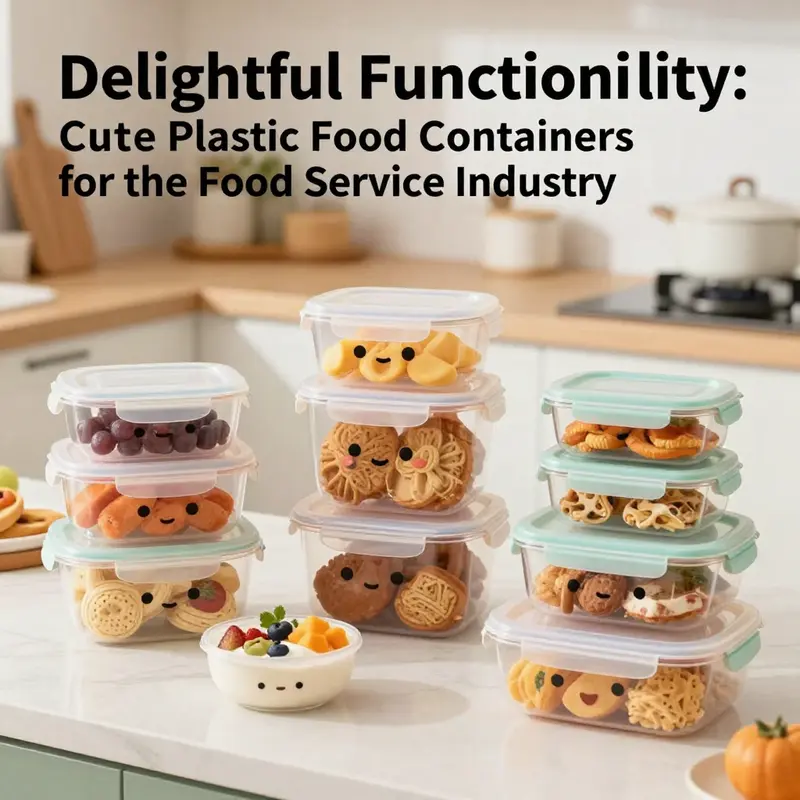
Cute plastic food containers have become essential tools for businesses in the food service industry, from bubble tea shops to catering services. With their eye-catching designs and practicality, these containers not only serve functional purposes but also create a memorable impression on customers. They come in various shapes and sizes, ensuring they can cater to different culinary needs, from meal preps to festive event packaging. This article explores how the innovative designs of cute plastic food containers can elevate your business, how they help in organizing kitchen spaces efficiently, and the health and safety considerations to keep in mind when choosing the right containers for your operations.
Delightful Geometry: The Art and Engineering of Cute Plastic Food Containers
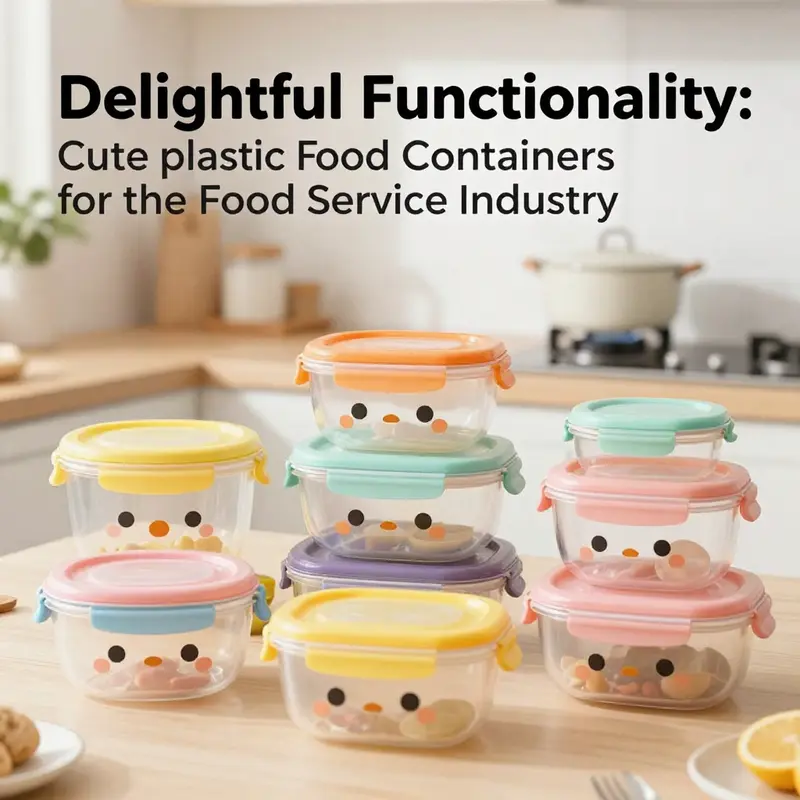
The rise of cute plastic food containers marks a moment where whimsy and utility reinforce each other. These containers are not merely vessels for food; they are small tools for daily organization that travel from pantry to bag to desk, keeping contents fresh while adding personality. In design terms, shape, seal quality, color, and texture all communicate function and care, turning routine storage into a moment of deliberate calm.
In a triad of considerations—functionality, safety, and personality—functionality remains non-negotiable. Leak-proof and airtight seals are standard expectations. Containers must endure hot or cold foods, be safe for microwave or freezer use, and withstand repeated handling. The core materials—polypropylene (PP), high-density polyethylene (HDPE), and polyethylene terephthalate (PET)—each bring toughness, moisture resistance, and heat tolerance to the table. PP offers a balance of rigidity and lightness, HDPE adds durability and chemical resistance, and PET provides clarity for easy content identification while supporting predictable sealing performance. The careful combination of these materials reflects an engineering logic: content stays secure in transit and storage without imposing unnecessary burden on users or the environment.
Safety follows closely. Reusable containers marketed as premium should reassure users of food-grade quality and safe construction. Yet safety encompasses more than chemical composition; it is about maintaining integrity through repeated washing and handling. Dishwashers can stress plastics, so designers select durable colorants and robust seals that perform over many cycles. The aesthetic layer—the playful lids, vivid hues, and subtle patterns—must coexist with materials that behave predictably under real-world use, from the first lunch to the hundredth leftover.
Personality, the third pillar, elevates a practical object into a companion. The best designs express a consistent vocabulary of shapes, motifs, and color palettes that create recognizable families rather than one-off novelties. Animal-inspired lids, floral motifs, or themed collections offer cues about usage context and personal taste. A child might prefer friendly shapes and bright contrasts, while an adult may seek restrained palettes and tactile finishes that still whisper whimsy through details like ripple textures or embossed patterns. When a container feels right in the hand and nests neatly with its siblings, it becomes part of daily ritual rather than mere storage.
The technical ingenuity behind these devices mirrors larger packaging programs that prize ergonomic form, material efficiency, and distinctive identity. The design mindset—prioritize user comfort, minimize material usage without sacrificing integrity, and deliver a clear visual signature—scales down to small containers without losing rigor. The result is a philosophy: design small objects so their form, materials, and surface language communicate care as clearly as a handwritten note in a lunch bag.
Sustainability sits at the intersection of ambition and responsibility. Reusable plastics reduce waste when used repeatedly, but trade-offs require nuance. Recyclable PET options offer a path to circularity, while compatibility with municipal streams varies. Material choices also address safety from migration and microplastics, especially for hot or acidic contents. Practitioners emphasize monitoring wear and signaling degradation during reuse, ensuring products remain robust without compromising food safety. The challenge is to reconcile durability with repairability and end-of-life considerations, so the charm of these containers does not come at the planet’s expense.
In closing, the story of cute plastic food containers is a balance of clear functional benefits, playful aesthetics, safety, and sustainability. When a container is easy to open, easy to clean, and pleasing to the eye, it lowers friction in daily routines and invites mindful, enjoyable interaction with meals. The future will likely bring more expressive patterns, smarter seals, and materials that respect the environment while preserving whimsy.
Order in Color: Organizing a Bright, Safe Kitchen with Cute Plastic Food Containers
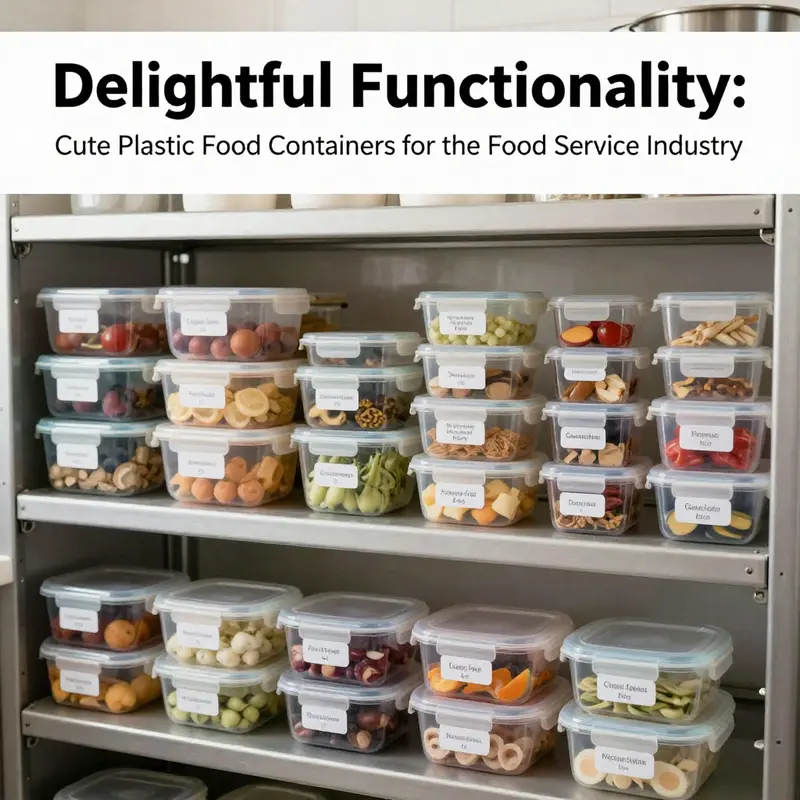
A well-ordered kitchen feels like a small, daily celebration. The bright colors and friendly shapes of cute plastic food containers do more than please the eye; they invite everyday routines to become predictable and pleasant. In a home where every ingredient has a place, where a lunchbox or a drawer of spices can tell a story without words, these containers become more than tools. They become organizers of behavior, shaping how we plan meals, store leftovers, and even manage tiny essentials like skincare samples or meds. When they are chosen and arranged thoughtfully, their aesthetic charm harmonizes with practical performance, turning a cluttered counter into a calm, navigable space. The result is not a sterile pantry but a kitchen that supports intention—where choices are easier, waste is reduced, and the day begins with a small, satisfying sense of order.
At the core of this organizing magic is a balance between design and function. Cute plastic containers typically come in a spread of sizes and shapes, a spectrum of colors from airy pastels to crisp transparent bodies, and patterns that range from whimsical to minimalist. The design often emphasizes visibility, with transparent or semi-transparent walls that allow you to see what’s inside at a glance. This visual clarity removes the friction of having to lift lids or move items around to locate the right quantity of rice, oats, or dried fruit. When you can identify contents instantly, you are more likely to use what you have before it expires, which supports both budget and waste reduction. The effect is not merely convenience; it is cognitive ease—the sense that the kitchen is a partner in your routine rather than a battleground of mismatched containers and forgotten leftovers.
The practical backbone of these containers rests on three familiar pillars: material safety, sealing performance, and durability through daily use. Most commonly, they are made from BPA-free, food-grade plastics such as PET or other clear, durable polymers. These materials are chosen for their balance of light weight, clarity, and resistance to odors and stains—qualities that matter when your pantry doubles as a showcase or when a lunchbox travels on a busy commute. The absence of BPA is a standard assurance that resonates with many households, especially those seeking premium-feeling, reusable solutions for hot or cold foods. The trade-offs, however, are worth considering in a measured way. While these plastics offer convenience and a pleasant aesthetic, they are not immortal. Repeated washing, particularly in a dishwasher, can gradually degrade the plastic surface. Over time, this wear may alter how the lid seals, how easily it stacks with others, or how resistant it is to staining from sauces or curry powders.
A key feature that often elevates both the practical and emotional value of these containers is the airtight or leakproof seal. A reliable seal preserves freshness, minimizes spills when moving meals, and helps reduce the likelihood of cross-contamination between different foods stored together in the same container stack. For families and professionals alike, the ability to portion meals, keep soups secure, or transport sauces without fear of leakage becomes a daily assurance. The seal system—whether a snap-lock lid, a silicone gasket, or a simple tight-fitting cap—matters. If the seal holds up under a variety of temperatures and handling conditions, it reduces the need to discard food prematurely and makes it easier to plan balanced meals without constant restocking.
The design also speaks to space efficiency. Stackability, modular shapes, and nesting features allow users to maximize vertical storage in a compact kitchen or pantry. This is where cute containers move beyond mere aesthetics and become true space savers. A reliable set can align in a pantry with a neat grid of colors and sizes, making it almost a visual inventory system. When you open a cabinet and see a uniform array of clear bodies with matching lids, the process of sourcing ingredients becomes less like a scavenger hunt and more like a guided tour through your own kitchen. The mental lift from this kind of order has a ripple effect: it can encourage meal planning, reduce impulse buying, and create a sense of calm that lasts through the week.
Beyond the kitchen, these containers reveal their versatility. Their clear design and compact footprint can turn them into practical organizers for non-food items as well. Spices, skincare samples, or small medical supplies can be housed in a single, color-coded collection that stays neatly tucked away in a drawer or on a shelf. The same containers that hold almonds for a healthy snack can also hold tiny hardware nails, beads, or buttons if you’re organizing a craft station. This flexibility underscores a wider truth about organization: when your tools are adaptable and aesthetically pleasing, you’re more likely to use them in a broader array of contexts. The line between kitchen utility and home organization blurs, with the containers acting as a gentle, persistent reminder to keep systems simple and consistent.
From a care perspective, longevity hinges on mindful use. A common maintenance theme is to clean promptly and avoid letting residues set, because baked-on sauces or oily spices can degrade the plastic’s surface over time. For many households, a gentle hand wash with mild soap is enough to keep the containers clear and odor-free. If you do run them through a dishwasher, using a top rack and a gentle cycle reduces heat exposure and abrasive contact that might wear down the seal or scratch the walls. Still, even with careful cleaning, the repeated cycles of heat and detergent can take a toll. A 2020 study published in Environmental Science & Technology highlighted a potential health consideration: visibly damaged containers could shed substantially more microplastics after multiple wash cycles. The finding is a reminder to periodically inspect containers for cracks, clouding, or warped lids and to retire any unit that shows signs of structural compromise. This does not negate the value of reusable plastics, but it does call for a measured approach—prioritizing visible integrity over prolonged reuse when damage appears.
The topic of safety naturally leads to a conversation about material choice and the lifecycle of containers. Among the most common options are PET and other clear, lightweight plastics that balance visibility with resilience. In practical terms, PET is often chosen for its clarity and recyclability, making it central to sustainable storage strategies. Yet even the most responsibly sourced materials benefit from mindful use: avoid exposing fragile units to sharp temperature extremes, which can create micro-cracks that harbor bacteria and compromise the seal. When a container shows signs of wear, the best practice is to retire it. This discipline helps maintain a safe storage system in which nothing leaks, and everything performs as designed.
Another dimension of organization is identification. Matching labels—an often overlooked feature of sets—make it easier to identify contents at a glance, which supports meal planning and reduces food waste. A well-labeled, color-coordinated lineup can convey everything from cooking dates to portion sizes. It is surprising how much mental energy is saved when you can see, without opening a lid, whether a jar of quinoa, a bag of dried lentils, or a jar of curry powder needs restocking. The labels themselves are part of the aesthetics, contributing to a tidier, more thoughtful kitchen presence. Some sets even include labels that coordinate with the color or shape of the container, reinforcing a cohesive look that feels intentional rather than piecemeal.
As the household moves through its routines, the containers’ presence can shape behavior in subtle but meaningful ways. For example, in a busy family, color-coded sets can help children participate in preparation and cleanup. A child might choose the pink-lidded container for fruit and the blue-lidded one for nuts, reinforcing the habit of washing hands before reaching for food and helping them understand portion control. In an office kitchen, a similar approach can enable colleagues to grab a balanced portion for a midday lunch while keeping leftovers organized for the next day. Even in school settings, these containers can support simpler lunch logistics, enabling students to prepare meals with less mess and more accountability. The cheerful designs become more than decoration; they become cues that anchor routine action and encourage better habits without nagging prompts or rigid rules.
An important caveat accompanies the romance of organization: the environmental footprint of frequent washing and long-term reuse. The popularity of cute containers has spurred a wide range of options, including recyclable PET and other clear plastics chosen for their safety and durability. The push toward eco-conscious packaging is evident, with many manufacturers highlighting recyclable content and safe materials. Yet the same materials that enable reuse must be used with care. Damaged units should be retired, not hidden away, to minimize potential chemical migration and the risk of microplastic exposure. In practice, this means a practical habit: regularly inspect the seals and the walls, keep lids clean, and replace any piece that has become warped, cracked, or discolored. Such attentiveness protects both the user and the broader environment by ensuring that the reuse cycle remains safe and beneficial rather than compromised.
In the realm of consumer decisions, price and aesthetics often go hand in hand with practicality. The appeal of cute containers is not merely about how they look on a shelf; it is about how often they are used, how long they last, and how effectively they help people avoid waste. When stacked neatly, labeled, and sealed, these containers reduce the need for single-use disposables in daily life. They make it feasible to portion meals for home cooking or for kids’ lunches with consistent sizes that support balanced nutrition. They also invite a broader rethinking of storage logic: the kitchen can become a system that favors repeatable routines over episodic bursts of cleaning and reorganizing. The result is not a utopian pantry but a functional, refreshing space where design and utility support one another.
For those who want a broader perspective on sustainable options without sacrificing the benefits of transparency and ease of use, there are packs and sets designed with eco-conscious materials and transparent construction in mind. Some options emphasize long-term durability while others highlight recyclability and safe disposal at the end of life. The conversation around sustainability is nuanced and ongoing, reflecting a broader shift in how households approach consumption, waste, and the reusability of everyday objects. It is not only about choosing a container that looks good; it is about choosing a system that encourages consistent, mindful use and that ages gracefully, becoming a trusted partner in daily life rather than a fleeting purchase.
If you’re exploring how to optimize your storage strategy further, consider pairing your plastic containers with complementary organization tools that respect space and accessibility. For example, a compact wall rack can keep a row of containers easy to reach, while a labeled drawer divider can prevent lids from slipping into the wrong spots. The goal is to create a cohesive ecosystem where color, shape, and function work in harmony. When you can glide your hand along a shelf and know precisely where to find the right container for a topping, a snack, or a leftover sauce, the kitchen stops feeling like chaos and starts feeling like a well-conducted symphony. In this sense, the containers are not merely vessels; they are instruments that orchestrate everyday life.
To deepen your exploration of choices that balance aesthetics, practicality, and sustainability, you can also consider non-plastic packaging options as part of a broader storage strategy. A well-curated set of storage options, including recyclable or compostable materials where appropriate, can create a more versatile and resilient system. When you encounter sets that emphasize clarity and clean lines, you are looking at design solutions that reduce cognitive load and elevate the daily ritual of cooking, eating, and cleaning. The ultimate payoff is a kitchen that feels designed rather than merely arranged—where you move through your day with less friction and more grace because the containers you use already understand your rhythms.
In this continuous dance of form and function, the little details matter. The lid shape, the locking mechanism, the presence of a gasket, the wall thickness, and the way a container nests within another—all of these micro-details accumulate to determine how enjoyable and durable the system will be. The more you know about these details, the better you can select a set that matches your lifestyle. If you have a young family, you might prioritize easier grip, flexible lids, and resilient seals that stand up to frequent use. If you travel often, you might lean toward leakproof designs with secure latches and compact, stackable forms that tolerate bumpy commutes and airline storage. If you cook in bulk for the week, you might favor larger sizes that maintain freshness and a labeling scheme that keeps you on track with portions. Each preference reflects a different approach to organization, yet all converge on a common truth: color and form, when paired with safety and durability, can transform ordinary containers into partners in a kinder, more organized kitchen life.
The narrative of cute plastic containers is ultimately about balance. They offer the pleasure of color and the ease of visibility while delivering practical advantages in storage, transport, and meal planning. They can encourage healthier eating by supporting more predictable portions and less reliance on disposable packaging. They can simplify the busy mornings when the goal is to assemble a quick, balanced lunch without rummaging through a maze of mismatched boxes. They can also cross over into other spaces of the home, turning a medicine cabinet into a tidy, predictable system that reduces the chance of misplacing small items. The more deliberate your approach to choosing material safety, sealing reliability, and structural durability, the more you unlock the benefits these containers promise. In the end, it is not only about keeping food fresh; it is about nurturing a daily rhythm that makes life a little easier, one cheerful color at a time.
A final note on practicality and perspective helps ground this discussion in everyday use. When you settle on a favorite set, you might discover that its appeal lies not in the loudest pattern or the boldest color but in the quiet reliability with which it handles your routines. The most satisfying configurations are those that disappear into the background, allowing you to focus on cooking, sharing meals, and enjoying time with loved ones. The containers become background scenery for daily life, yet their presence matters. They free your attention for conversations at the table, for a quick check of inventory before grocery shopping, or for a moment of calm as you wipe down a counter that is finally free of clutter. The beauty of a well-ordered kitchen lies not in emptiness but in clarity—clarity of purpose, clarity of space, and clarity of intention. In that sense, the cute plastic containers you choose and how you place them can become not just a tool for storage but a quiet ally in a life lived with more intention and less waste.
For readers seeking a straightforward pointer to expand their storage options with a practical mindset, consider a simple step: map your most-used areas first. Identify where you prepare meals, where you store leftovers, and where you stock dry goods. Create a small, color-coded system that can be expanded as needed. If you have room to grow, invest in a few flexible inserts or modular racks that you can rearrange when your family’s routines change. The beauty of a well-kept kitchen is that it adapts with you, not against you. The transition from an ordinary to an organized kitchen is less about radical changes and more about consistent, mindful choices that honor both aesthetics and safety. In time, the experience of cooking and eating becomes lighter and more joyful, and the containers that once seemed a simple accessory reveal their deeper role as facilitators of daily life.
A practical reminder ties these reflections back to the everyday. Look for a set that aligns with your cleaning habits, your storage space, and your commitment to safety. Consider how the lids fit, whether the seals hold under varied temperatures, and how easy it is to see what’s inside. Keep in mind that a damaged container isn’t just an eyesore; it’s a potential risk to food safety and a signal that it’s time to retire that piece and replace it with a better, safer option. If you want to explore choices that harmonize with a broader approach to eco-conscious packaging, you can consult resources that compare materials and end-of-life options—bearing in mind your own household priorities, such as recyclability, durability, and the ease with which you can maintain a clean and organized system. To expand your understanding of sustainable options beyond plastic, you can review general packaging resources that discuss alternative materials and the trade-offs between durability, freshness, and environmental impact. For further reading on packaging options that offer a transparent, practical approach to storage, see the kraft paper packaging options page. kraft paper packaging options.
In summary, the charm of cute plastic food containers lies in their ability to transform storage from a chore into a design-forward practice. When chosen with attention to safety, sealing performance, and durability, and when arranged with a sense of color and clarity, they become a catalyst for a calmer, more efficient kitchen. Their impact extends beyond the pantry shelves into the rhythms of daily life, where organized spaces empower better choices, reduce waste, and make the act of cooking and eating a more enjoyable, even uplifting, experience. The kitchen becomes a place where aesthetics and practicality cohere, where a click of a lid signals order rather than clutter, and where the simple choices we make about containers ripple outward into more mindful living. If you approach these tools with curiosity, care, and a touch of playfulness, you unlock a method of organization that feels less like duty and more like a small, daily act of care for yourself and your home.
External resource for further exploration: https://www.alibaba.com/product-detail/DS1484-Kitchen-Transparent-Plastic-Food_1601075371949.html
Delightful Yet Delicate: Navigating Health, Safety, and Everyday Use of Cute Plastic Food Containers
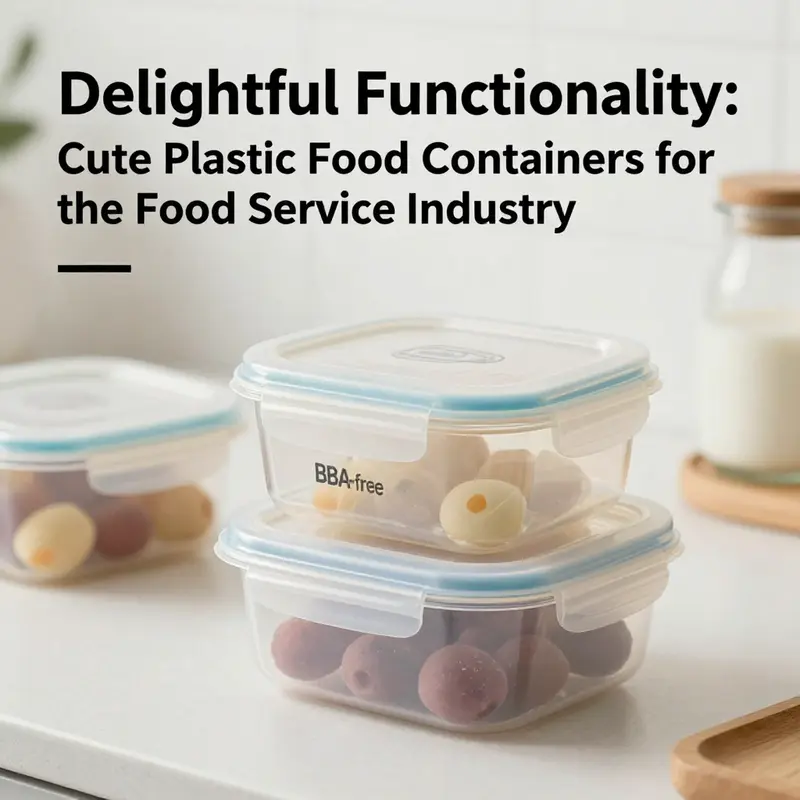
The charm of a compact, colorful container is undeniable. It catches the eye with cheerful hues, whimsical shapes, and clever lids that seem built to keep a meal intact through a busy day. Yet beneath the smiles lies a practical responsibility: the health and safety implications of using cute plastic food containers. This chapter treats those implications as part of a larger conversation about how design, materials, and care intersect to preserve both the flavor of food and the well-being of the people who eat it. It is not a sermon against practicality or aesthetics, but a closer look at how these containers behave in real life—when heated, washed, stacked, and stored—so that consumers can balance convenience with caution and make choices that echo long-term health goals as much as momentary delight.
The materials most commonly found in these containers are polypropylene (PP) and sometimes Tritan™-type copolymers, along with standard plastics used for food contact. These materials are selected because they are designed to be stable, to resist the wear of daily use, and to minimize chemical leaching under normal conditions. The appeal of PP and similar plastics lies in their ability to withstand typical household temperatures, their light weight, and the possibility of reuse. They are often marketed as BPA-free and food-grade, a label that gives many buyers confidence that they can pack leftovers, heat a meal, and carry a lunch without a risky chemical exchange between container and contents. The reality, however, is more nuanced. Even the materials labeled as safer options are not perfectly inert. When these containers encounter high temperatures, acidic foods, or highly oily foods, trace amounts of chemicals or metals may migrate into the food, albeit usually at low levels. The extent of this migration varies with the exact formulation, the presence of any additives, and the duration of contact with hot or fatty foods.
A critical reminder emerges here: safety is a spectrum, not a single threshold. The moment a container is used outside its design parameters—such as heating a non-microwave-safe plastic, or storing a highly acidic sauce for many days—the risks can rise. This is why labels matter. If a container explicitly states microwave and dishwasher compatibility, that is not a generic invitation to ignore temperature limits. It is a guidance system. The boundary conditions—what temperature is safe, for how long, and under what storage conditions—are set to minimize leaching and preserve the container’s integrity. Users should always check and respect those guidelines. In practice, this means avoiding heating in containers that lack microwave-safe labeling, avoiding prolonged or repeated heating of any container, and steering clear of metal-wrapped or painted designs that might add layers of potential reaction surfaces for heat and moisture.
The everyday lifecycle of a cute plastic container also raises questions about stability over time. Reuse sounds prudent and economical, but it comes with the caveat that repeated mechanical stress can gradually erode a plastic’s surface. Scratches and micro-abrasions offer more than just a cloudy appearance; they create tiny niches where bacteria can settle and proliferate. This is especially true when cleaning is harsh or irregular. Abrasive sponges, aggressive detergents, or dishwasher cycles can abrade the surface and generate micro-scratches that compromise hygiene. The implications extend beyond cleanliness: scratches can alter the container’s seal, potentially impacting leak prevention and the overall effectiveness of the lid’s airtight claim. In other words, even if a container looks pristine, subtle damage can undermine both safety and performance over time.
Recent research has deepened concerns about microplastics associated with long-term reuse. A study published in Environmental Science & Technology in 2020 found that visibly damaged containers shed significantly more microplastics after multiple wash cycles. The figure cited—up to 400% more microplastics—serves as a stark reminder that repeated cleaning, especially with abrasive methods, may contribute to microplastic exposure in ways that aren’t immediately apparent. While the health implications of microplastics in food remain the subject of ongoing inquiry, these findings push consumers to weigh the convenience of reuse against the evolving science of exposure.
For households seeking safety within a practical framework, several steps can reduce risk without sacrificing the benefits of cute, functional designs. First, prioritize containers made from BPA-free, food-grade materials. PP and certain Tritan-like plastics are common choices because they strike a balance between durability and relatively low chemical leaching under standard use. Second, adhere strictly to temperature limits and cleaning methods specified by manufacturers. It is not enough to assume a design is universally safe for all reheating scenarios; the labeling reflects tested conditions that minimize risk. This means using microwave-safe containers only for microwave use, and never heating non-microwave-appropriate plastics. Third, handle cleaning with a measured approach. Hand washing with gentle detergents can reduce surface wear compared to harsher dishwasher cycles, especially if you use gentle sponges and avoid scouring pads. If you do rely on a dishwasher, place containers in zones designed for plastic ware, and select gentler cycles that preserve glazes, prints, and seals. The goal is to preserve the container’s integrity so that the seal remains effective and the surface remains free of micro-scratches that harbor microbes and odors.
Beyond cleaning and heat, the broader question is about long-term use and end-of-life considerations. Recyclability is a central argument in favor of plastic containers, particularly those made from PET or high-density polyethylene (HDPE). PET, in particular, is widely recycled and can be reprocessed into a range of products, reducing the need for virgin plastic. Yet PET and other plastics also share a common caveat: even when recyclable, the nutrition and safety profile of recycled plastics can differ from that of virgin material, and the recycling stream is subject to contamination and improper sorting. In practice, even well-intentioned buyers can misjudge the lifecycle of a container. A translucent or opaque design may look pristine, but if the container has been exposed to repeated heat or has visible wear, the risk profile changes. In such cases, it may be wise to retire the container and replace it with a newer, undamaged unit that carries explicit safety assurances.
Sustainability considerations intersect with health in telling ways. Recyclable PET containers are available and are part of a broader eco-conscious approach to packaging. The choice to recycle, rather than discard, can lower the overall environmental footprint, but it does not automatically resolve health concerns. Even recyclable plastics must be kept clean and dry to maintain the integrity of the polymer and to avoid cross-contamination during processing. Additionally, the presence of additives or colorants used to produce the “cute” look can influence leaching dynamics, though many modern containers aim to minimize such risks. Consumers who want to combine aesthetics with responsible use may also consider glass for certain applications. Glass is highly resistant to chemical leaching and is easier to sanitize, though it is heavier and more prone to breakage. The decision between plastic and glass ultimately rests on balancing convenience, safety, durability, and the intended use context—whether it is a child’s lunchbox, a meal-prep routine, or a seasonal storage solution.
Yet even with careful material choice and mindful handling, the social dimension of “cute” containers should not be ignored. Design influences behavior, and behavior shapes safety outcomes. The visual-friendly designs often promote frequent reuse, which aligns with sustainability goals but can tempt people to treat containers as indefinite. A simple habit—the habit of inspecting a container before reuse—can make a meaningful difference. Look for cloudiness, odors, or cracks that indicate structural compromise. If any of these signs appear, it is wise to retire the container rather than risk chemical exposure, microbial growth, or a compromised seal during transit. In lunch-pumpkin-and-snap-apple-season life, such vigilance matters as much as the decision to bring a repurposed bag of chips to work.
The path to safer use also involves practical transitions. For example, when a container is used for hot foods, consider alternatives for ultra-hot items or those with aggressive sauces. A separate heat-safe container for hot meals can preserve the integrity of delicate designs and lids that may be added to the aesthetic appeal but not designed to withstand heat stress. This approach preserves the functional aspect—keeping sauces contained, textures intact, and aromas vibrant—while reducing potential exposure risk associated with heat-induced chemical migration. The culinary experience then remains enjoyable, and the safety profile remains manageable through deliberate design and care.
The content above sets the stage for real-world application. In daily life, it is common to juggle multiple containers for different purposes: a lunch box for the office, a small jar for a spice kit, a compact tray for a skincare sample, or even a medicine kit for travel. Each use case carries its own safety considerations. For example, storing acidic foods such as tomato sauces or citrus-based dressings for extended periods can alter the leaching dynamics in some plastics, particularly when reheated later. Similarly, fatty foods can interact with packaging materials differently than water-based foods, demanding careful attention to labeling and storage guidelines. Some people find that the aesthetic design of a container enhances their commitment to neat meal-prep routines; others worry that the constant re-use of bright, cheerful containers may inadvertently lead to complacency about the limits of plastics. The aim is not to dull the charm of these vessels but to cultivate informed habits that honor both taste and health.
To make the connection to everyday choices clearer, consider the spectrum of options that a consumer might encounter. A high-quality, BPA-free plastic container with a robust seal can be a reliable ally for daily meals. It can be part of a system that includes planning meals, portioning, and carrying leftovers. The same container, if damaged, placed under high heat repeatedly, or washed aggressively, can become a source of risk rather than a convenience. The consumer’s role is to evaluate risk actively, rather than passively accepting a marketed safety claim. It is about matching the product’s design and its intended use to the context in which it will be employed, and recognizing that protective features—such as an airtight seal or a leakproof lid—are only as good as the conditions they are tested against in real life.
For readers who would like a practical alternative that aligns with health concerns while preserving convenience, a lightweight, disposable kraft paper bowl with a lid offers a different set of advantages. Such options can be preferable for certain events, lighter travel, or occasions where reusing plastic is less practical. This is not a blanket indictment of plastic; rather, it is an invitation to expand the repertoire of containers used in daily life, guided by safety, sustainability, and personal preference. To explore a representative option in this vein, you can learn more about the disposable kraft paper bowl take-away use case here: disposable kraft paper bowl take-away with lid. The page highlights a design that emphasizes portability, recyclability, and a different material profile, which may inform decisions about when to choose plastic and when to opt for paper-based packaging.
Ultimately, the story of cute plastic food containers is a story about balance. It is about pairing the emotional satisfaction of a product’s design with the rational discipline of safe use. It is about recognizing that health and safety are ongoing concerns that evolve with new research, better labeling, and clearer consumer education. It is about choosing materials thoughtfully, using them within the limits set by manufacturers, maintaining them properly, and knowing when to retire them. It is about embracing a lighter, cleaner daily routine that still honors flavor, texture, and aroma. As long as care, context, and curiosity guide usage, cute plastic containers can remain a practical and enjoyable part of modern life while staying true to safety standards that protect communities over time.
For readers who want to dig deeper into the science behind plastic food container safety and chemical leaching, authoritative guidance is available in peer-reviewed literature. This includes reviews and studies on how different materials interact with foods, the effects of heating, and the potential health implications of long-term exposure. When navigating the literature, it is important to consider the quality of the study design, the relevance to everyday use, and the specific materials in question. A reputable starting point is the NIH’s compilation of research on plastic food container safety, which synthesizes diverse findings into a comprehensive overview of risks, recommendations, and practical takeaways. You can access a detailed scholarly overview here: https://www.ncbi.nlm.nih.gov/pmc/articles/PMC10234567/.
In closing, the appeal of cute plastic food containers remains strong. They offer versatility, organization, and a sense of whimsy that can make meal planning feel more approachable. The key to sustaining that appeal over time is a disciplined approach to safety: know the material, heed the temperature and cleaning guidelines, monitor wear, and retire compromised pieces. When used thoughtfully, these containers become more than containers; they become a practical extension of a health-conscious lifestyle, a touch of color in daily routines, and a reliable ally in the ongoing work of keeping food safe, fresh, and delicious.
Final thoughts
Incorporating cute plastic food containers into your business can not only enhance aesthetic appeal but also facilitate efficient organization and promote health and safety. Their innovative designs cater to diverse needs, making them suitable for a wide range of applications within the food service sector. By understanding the importance of choosing the right containers, you can make informed decisions that elevate your brand’s image and operational efficiency.