
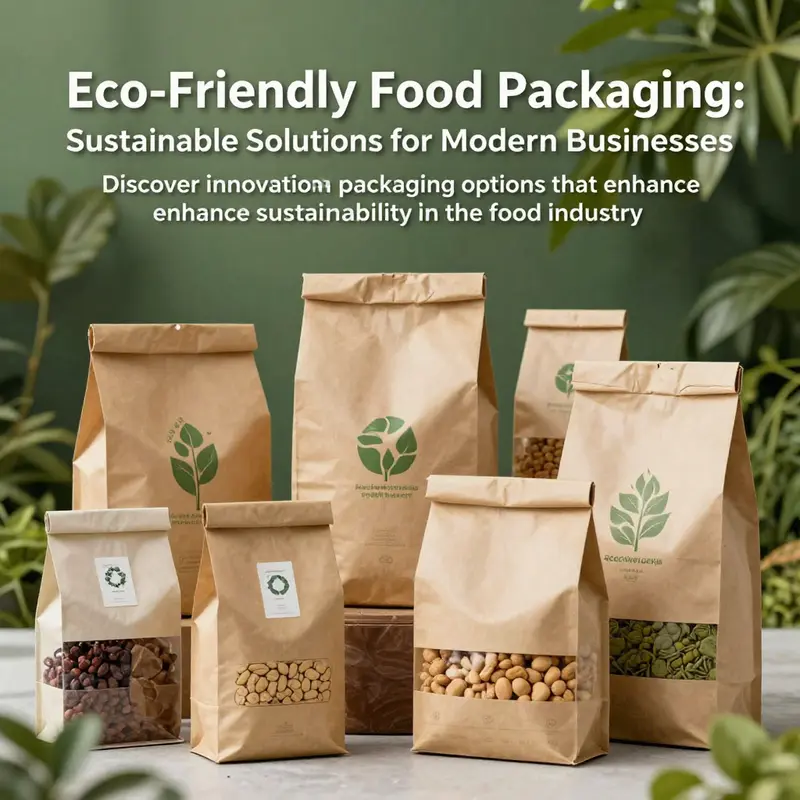
As the demand for sustainable practices rises, eco-friendly packaging bags for food have become essential for businesses looking to minimize their environmental footprint. These innovative solutions not only cater to the growing consumer preference for green alternatives but also maintain the vital functionality and aesthetic appeal required by businesses. From bubble tea shops to catering services, the adaptation of eco-friendly packaging is becoming a significant competitive advantage. In this exploration, we will delve into the innovative materials used in eco-friendly bags, highlight their environmental impact, evaluate their economic viability, examine regulatory compliance, and analyze evolving consumer preferences and market trends. Each chapter builds a comprehensive understanding of how eco-friendly food packaging is shaping the future of the food industry.
From Molecules to Market: Crafting Tomorrow’s Eco-Friendly Packaging Bags for Food
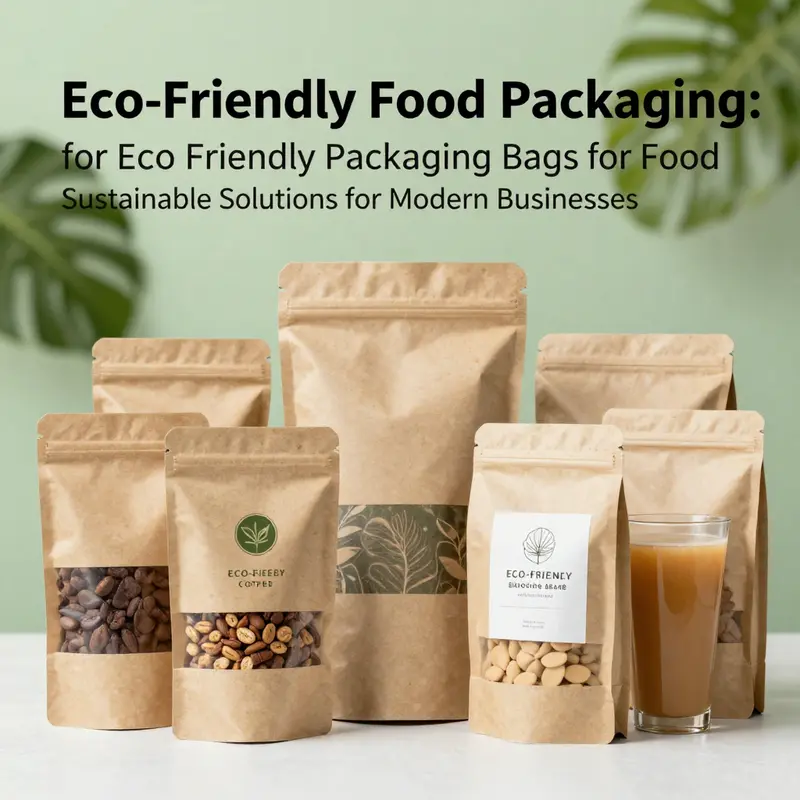
The migration toward truly eco-friendly packaging bags for food is not a single leap but a careful stitching of materials science, regulatory alignment, and consumer trust. As brands seek to shed the environmental baggage of conventional plastics, the materials narrative has shifted from simply being “biobased” to being purposefully integrated into circular systems. At the heart of this shift lies a family of bio-based and compostable materials that promise to balance performance with environmental responsibility. The journey begins with polylactic acid, or PLA, a biodegradable polymer produced from renewable plant starches, most commonly corn. PLA offers a light, clean, and print-friendly alternative to traditional plastics. It performs well as a bag material for snacks, coffee, and dry goods where weight and shelf life are critical. Its barrier properties against moisture and oxygen help preserve freshness, while its compostability under industrial conditions aligns with a broader ambition to move away from fossil-based polymers. Yet the promise of PLA is not without its caveats. The composting requirement stands as a pivotal condition. Industrial facilities are not always accessible to every consumer, and the end-of-life fate of PLA depends on proper sorting and composting infrastructure. Without those systems, PLA materials can behave less like a waste-diverting hero and more like a traditional plastic in the waste stream, compromising the circularity that many brands are striving to achieve. This is where the broader family of bio-based materials becomes more than a single solution; it is a spectrum of options, each with its own strengths and lifecycle considerations.
Closely related to PLA in the material family are cornstarch-based polymers. These polymers are notable for their low carbon footprint and their natural origins, and they extend the range of food packaging applications beyond dry goods to items that require some level of moisture resistance. Cornstarch-based films can be formulated to offer cutting-edge barrier properties while remaining compostable and, in many cases, recyclable within appropriate streams. They can be tailored to perform in powders, dry ingredients, and even some liquid-containing pouches, broadening the scope of products that can transition away from conventional plastics. The environmental messaging is strengthened when these materials are scrutinized through a lifecycle lens: renewable feedstocks reduce fossil fuel dependency, whereas end-of-life considerations emphasize the need for facilities capable of handling compostable polymers. The real-world impact hinges on aligning material selection with local waste management capabilities and consumer behavior, ensuring that the ecological benefits are realized rather than merely claimed.
Beyond the base polymers, researchers and manufacturers are advancing resins and adhesives that elevate performance without sacrificing sustainability. Tamper resistance, durability, and robust sealing outcomes are essential for maintaining product safety and shelf appeal. These advances are not about chasing higher strength alone; they are about achieving reliable seals that withstand transport, stacking, and handling while remaining compatible with existing packaging machinery. The challenge, then, is twofold: formulating adhesives and laminates that can be processed on current lines and that can ultimately be diverted from landfills without compromising food safety standards. In practice, this means a careful balance of material compatibility, heat resistance, and migration control. A well-designed adhesive system can secure a seal against moisture ingress and oxygen transmission while still enabling efficient recycling or composting at the end of life. When done well, these developments support brands in delivering date-stable products and appealing branding without incurring a disproportionate environmental toll.
Another compelling design pathway is the emergence of spout pouches, or doypack-style configurations, which integrate convenience with sustainability. Spouts address consumer demands for easy pouring and resealing, particularly for products like beverages, baby foods, and certain puree-based offerings. The innovation here is not only in the spout geometry but in material compatibility—ensuring the spout remains food-safe, tamper-evident, and moisture resistant while the surrounding film maintains barrier integrity. Spout pouches often pair paper- or film-based bio-compostable components with barrier layers that protect contents without resorting to all-plastic constructions. This fusion of form and function reshapes how we perceive sustainability: a bag that looks and feels like its plastic predecessor can still deliver enclosures that are friendlier to the planet when properly sourced and disposed of. The design challenges grow as products demand different shelf lives and storage conditions, yet the industry is meeting them with multi-layered solutions that balance barrier protection, processability, and end-of-life pathways.
In practice, the shift to innovative packaging is inseparable from the realities of scale and supply chain logistics. Production lines must accommodate new materials without sacrificing throughput, and facilities must maintain quality controls that meet stringent food-safety standards. From a manufacturing perspective, materials like PLA and cornstarch-based films can be integrated into existing equipment with adjustments to sealing temperatures, dwell times, and lamination schemes. This compatibility reduces the barrier to adoption for brands transitioning away from fossil-based plastics, while preserving the aesthetic and tactile attributes customers expect. Yet this transition cannot be viewed in isolation from waste streams. The environmental value of a compostable bag depends on its end-of-life fate. If industrial composting facilities are sparse or if consumer participation in recycling streams is low, the ecological advantage can be diminished. Therefore, education and infrastructure investment go hand in hand with material innovation. The industry’s best performers are those that communicate clearly how to dispose of products, provide transparent labeling, and support local waste-management networks that can handle the materials they produce.
A practical consideration that bridges material science and consumer experience is the sensory and aesthetic parity with traditional plastics. Brands want packaging that feels sturdy, looks premium, and communicates sustainability without appearing “cheap.” This is where the ability of bio-based materials to mimic conventional plastics becomes valuable. The material scientists work toward achieving gloss, opacity, and printability that match consumer expectations. When a bag or pouch evokes the familiar brand cues of plastic packaging while offering a clear environmental benefit, the likelihood of widespread adoption increases. The psychological dimension matters: consumers perceive sustainability as a product quality when the packaging signals care in both manufacturing and end-of-life planning. To that end, the visual language, labeling clarity, and tactile experience become integral components of the material choice rather than afterthoughts.
The conversation about eco-friendly materials is not complete without acknowledging the regulatory and safety landscape. Food packaging is subject to rigorous standards that govern migration, contact with contents, seal integrity, and barrier performance. Bio-based and compostable materials must demonstrate that they do not introduce contaminants into food products and that they maintain their protective functions under expected conditions. This requirement drives continuous collaboration between material developers, packaging engineers, and regulatory bodies. It also incentivizes the development of standardized testing protocols that can compare performance across materials and help brands select options that align with their product categories and geographic markets. In parallel, the industry is pushing for clarity around end-of-life labeling, ensuring that consumers can act on disposal instructions with confidence. Clear guidance reduces missteps and accelerates the circularity that these materials promise.
The overall trajectory is a move toward truly circular packaging ecosystems, where the embodied energy of production, the post-consumer fate of the packaging, and the economic realities of manufacturing converge. The materials themselves are a means to this end, not an end in themselves. As technology advances, we can anticipate even more sophisticated bio-based resins, improvements in barrier properties, and smarter packaging solutions that combine compostability with recyclability. For developers and brands alike, the challenge is to select the right material for the right product, to design packaging with end-of-life in mind, and to collaborate across the supply chain to ensure that sustainability is measurable, verifiable, and scalable. In this sense, the evolution from simple substitution to strategic material selection marks a maturation in eco-friendly packaging design. The goal extends beyond reducing harm; it is about enabling a consistent, reliable, and economically viable pathway toward a food packaging system that makes environmental stewardship compatible with the realities of retail, transport, and consumer use.
In sum, the materials story behind eco-friendly packaging bags for food is evolving toward a nuanced, system-level approach. PLA and cornstarch-based polymers illuminate how renewable resources can deliver practical barriers and form factors familiar to consumers. Complementary resins and adhesives refine performance, while innovations in spout pouches demonstrate how design can evolve to meet both convenience and sustainability. The success of these efforts hinges on production compatibility, regulatory compliance, and, crucially, end-of-life infrastructure. Companies that invest in robust labeling, clear disposal guidance, and partnerships with waste-management networks will maximize the real-world benefits of these materials. As policies tighten and consumer appetite for responsible packaging grows, the industry will continue to refine these solutions, making sustainable bags an ordinary choice rather than a bold exception. The path ahead is not merely about replacing plastic with something greener; it is about rethinking packaging as a material and logistical system that aligns with a circular economy, one that respects both the planet and the people who rely on it daily. For readers looking to explore practical examples of how these principles translate into actual packaging options, one can explore related materials and components, such as eco-friendly recyclable pulp cups and holders, which illustrate how sustainability can permeate multiple food-contact packaging elements. A broader technical overview of industry-wide approaches to eco-friendly materials, including PLA and cornstarch-based films, is also available through global packaging leaders who publish data on performance, processing, and environmental benefits. See for instance the external resource that surveys these innovations and their practical implications for food packaging: Plastipak’s overview of eco-friendly packaging. (External resource: https://www.plastipak.com/our-solutions/eco-friendly-packaging).
Breathing Life into Food Packaging: The Environmental Footprint of Eco-Friendly Bags
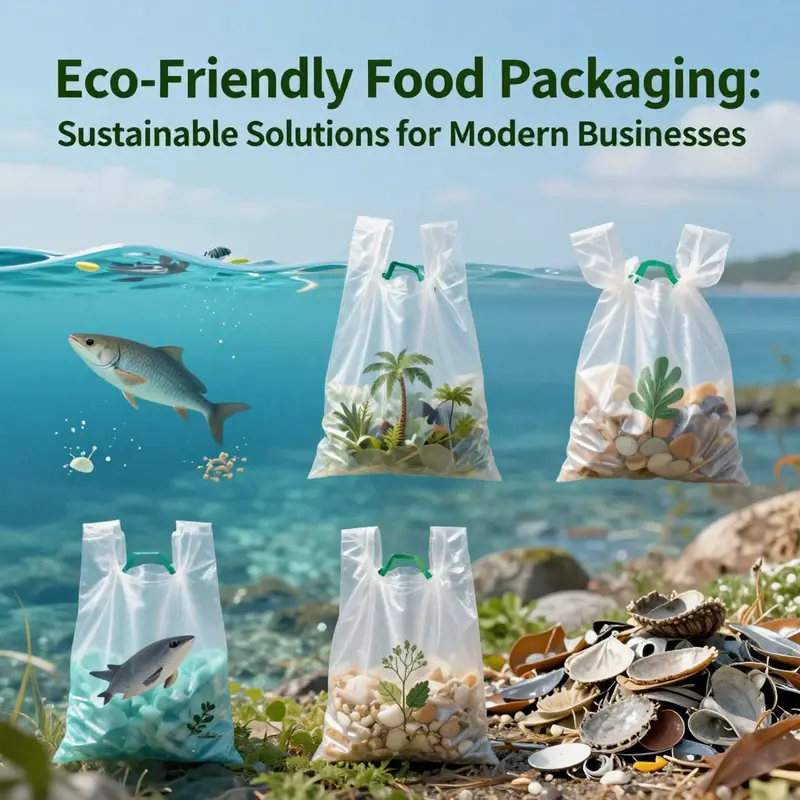
From the factory floor to the shelf, eco-friendly packaging bags for food trace a path through the modern demand for sustainability. They promise to reduce the burden on landfills and oceans while preserving the quality and safety of the foods they protect. But this promise isn’t a simple swap; it is a system-level shift that requires careful choices about materials, manufacturing processes, disposal infrastructure, and consumer behavior. These bags are designed to perform as diligently as their plastic predecessors while tracing a smaller environmental footprint across the lifecycle from raw material to end of life.
The materials themselves tell a story about where this shift comes from. Many eco-friendly options draw on renewable resources such as plant-based polymers like polylactic acid or PLA, starch blends, or on recycled paper materials such as kraft. The goal is to replace fossil-based feedstocks with sources that can be regrown or reintegrated into a circular system. Yet the diversity of formulations matters: some blends emphasize rapid compostability under industrial conditions, while others rely on recycled content to reduce virgin material needs. The result is a family of packaging that looks and behaves like conventional packaging in the shops, but that belongs to a different material narrative.
One of the clearest advantages is a reduced dependency on fossil fuels and a corresponding tilt in the energy balance of production. Plastic films are energy-intensive to manufacture and require long lifecycles to justify the environmental cost of their disposal. Biobased or recycled alternatives often incur lower greenhouse gas emissions in production, especially when they are sourced from responsibly managed forests or from communities that recover materials after use. The end-of-life phase then becomes a focal point of the environmental story. Compostable systems are designed to break down into water, carbon dioxide, and organic matter within industrial facilities. In practice, materials such as PLA and PBAT are engineered to decompose more efficiently when exposed to high heat and microbial activity that commercial composting facilities provide. When these conditions exist, the bags tend to vanish within a few months rather than persist for decades in landfills.
That said, the end-of-life narrative is not universally smooth. Consumer disposal behavior and the local infrastructure for waste management determine whether these bags realize their compostable potential. Home compost systems, for example, rarely reach the temperatures or microbial conditions needed to trigger full breakdown. In many places, what is marketed as compostable ends up being landfilled, where low heat and slow degradation mimic the fate of conventional plastics. This mismatch between product design and disposal reality underscores an essential point: the environmental benefits of eco-friendly packaging hinge less on a single property and more on the alignment of materials, collection, and treatment systems.
Sustainability in packaging also flows through the forestry and paper streams. Kraft paper, especially when produced in unbleached forms, can be a strong pillar of responsible packaging when it comes from sustainably harvested wood pulp and avoids chlorine-based bleaching. In such cases, the chain of custody and certifications help ensure forests remain healthy and productive. Recycling adds another layer of benefit, as 100% recycled kraft bags reduce energy use and raw material extraction. These gains, while meaningful, are not free of caveats. The production of bio-based plastics still needs water, land, and energy inputs. If feedstocks compete with food crops or require intensive agricultural inputs, the net environmental balance can shift. This is why responsible sourcing and scalable waste management infrastructure are as critical as the bag’s material choice itself.
From a practical standpoint, safety remains non-negotiable. Eco-friendly packaging for food must meet stringent food-contact safety standards. Features such as being BPA-free and food-grade minimize chemical migration risks from packaging into foods. The design also has to balance mechanical performance with safety; bags should resist tearing during handling and transport while preserving moisture and aroma when needed. The result is a class of packaging that can convincingly mimic the look and feel of conventional plastics, which helps brands transition to greener options without sacrificing shelf appeal or consumer trust. The aesthetics matter: a bag that communicates sustainability through color, texture, and finish can reinforce the message that it is more than just a container—it is a commitment to responsible consumption.
Economic and logistical realities frame how broadly these solutions can scale. Competitive pricing is a meaningful driver of adoption. For example, spouted drink pouches—a form factor that enables convenient liquids in a flexible package—can be produced at surprisingly accessible unit costs as low as US$0.021, depending on volume, finish, and the specific materials chosen. This kind of pricing, paired with scalable production and relatively modest minimum orders, makes it feasible for many brands to experiment with greener packaging in a way that does not risk immediate cost penalties. At the same time, the breadth of available options—from stand-up bags for dry goods to liquid pouches with convenient spouts—means there is a design solution for many product categories. The challenge is to select forms that harmonize material performance with waste management realities and brand storytelling.
Design and functionality also enter the environmental calculus, because practical packaging must support product safety and consumer convenience. A stand-up bag that breathes can preserve the freshness of dry foods like nuts, coffee beans, and bakery items by modestly controlling moisture exchange. This breathability is not a failure of barrier performance; rather, it is a deliberate accommodation of the product’s needs. For beverages or liquids, pouches with closures or spouts can enable portion control, reduce packaging weight, and simplify transport, while still aiming for compostability where appropriate. The choice of material and structure thus becomes a negotiation among several goals: barrier protection, mechanical strength, recyclability or compostability, and branding. When done well, it demonstrates that sustainability and usability are not mutually exclusive.
Beyond breathability, the practical packaging system must deliver barriers against oxygen, moisture, and light where needed. Modern eco-friendly bags often employ multi-layer laminates that combine plant-based films with kraft cores, producing a composite that can resist moisture ingress while still enabling controlled gas exchange. The challenge is selecting layers that can be recycled or composted without leaving toxic residues. In some designs, bio-based adhesives and inks are chosen to minimize heavy metals or chlorine-based processing aids, further reducing environmental impact. Anti-static properties and shock resistance are also considered, ensuring the bag does not cling to itself during automated filling or transit and can withstand rough handling at retail docks.
Scale is a non-trivial factor in sustainable packaging. While early trials favor smaller runs, established grocers and manufacturers seek reliable supply chains with predictable pricing. A common arrangement features MOQs around 10,000 pieces, enabling steady production without imposing prohibitive upfront costs. As demand grows, suppliers expand capacity and diversify offerings— from stand-up dry goods bags to spouted pouches—while improving material performance and reducing waste in packaging lines. This scalability is essential for brands moving from test marketing to full category level adoption.
Another layer of complexity involves labeling and consumer guidance. Clear disposal instructions help people understand how to treat the bag after use. If a bag is designed for industrial composting, the packaging should explain that pathway plainly, while still offering recycling options where applicable. This transparency reduces contamination in recycling streams and increases the odds that the bag will be handled in the intended manner. Designers also consider the downstream implications of printing inks and coatings, choosing formulations that do not hinder recycling or composting processes.
In practice, many manufacturers and designers lean on a dual strategy: preserve product freshness and safety while offering a packaging experience that signals environmental responsibility. This sometimes means adopting kraft-based substrates that present a natural, premium aesthetic, combined with inks and coatings that maintain barrier properties and consumer appeal without introducing harmful chemicals. It also means recognizing when a form factor, such as a recyclable or compostable stand-up bag, might be the right fit for one product category but less suitable for another. Such discernment requires a balanced understanding of how the bag will be used, stored, and disposed of, as well as how regional waste systems handle the packaging after it leaves the plant gates.
For readers seeking a tangible sense of how these choices translate into real-world design, consider packaging examples that integrate durable, food-grade materials with clear indicators of sustainability. The breadth of options—from a simple stand-up bag designed to maintain freshness to an advanced pouch with spout for liquids—illustrates why brands are increasingly embracing eco-friendly packaging. These forms can support premium positioning while reducing environmental impact, thereby addressing both consumer expectations and corporate responsibility commitments. Importantly, this transition is not a one-size-fits-all solution; it is a spectrum where material choices, form factors, and disposal ecosystems interplay to determine overall performance and footprint.
The conversation about eco-friendly food bags continues to evolve with ongoing innovations and collaborations across materials science, waste management, and consumer education. As brands learn to balance performance with environmental goals, the opportunity grows to reshape how packaging communicates value. In that sense, the environmental impact of eco-friendly packaging bags becomes less about a single triumph and more about a shared pathway toward lower resource use, smarter end-of-life management, and a more resilient food system. This pathway invites careful attention to material selection, process efficiency, and transparent storytelling so that the benefits are real, measurable, and accessible to consumers everywhere. By weaving sustainability into both product design and the waste stream, the industry can deliver packaging that protects what is inside while safeguarding the world beyond it.
For further reading on technical standards and real-world performance of these materials, see this overview of durable, sustainable foil bags and their kraft-based construction. And for related packaging solutions that demonstrate the breadth of kraft paper packaging options, you can explore a representative internal example such as disposable octagonal box in kraft paper packaging. These references illustrate how design, material science, and responsible sourcing come together to support a greener food-packaging ecosystem. A deeper dive into broader lifecycle considerations, including industrial composting performance and regional waste-management variations, can be found in external resources such as the overview provided by a major supplier: https://www.alibaba.com/product-detail/Custom-Foil-Bag-White-Kraft-Paper_1600372455958.html.
null
null
A Regulatory Compass for Eco-Friendly Food Packaging Bags: Safety Standards, Compliance, and Market Readiness
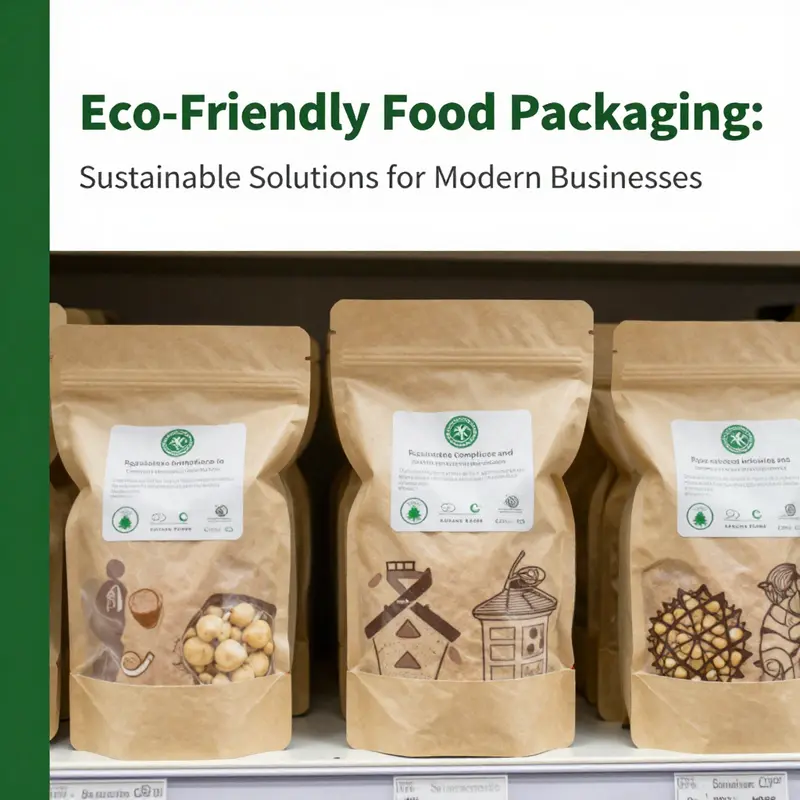
The shift toward eco-friendly packaging bags for food is as much about governance as it is about materials. In a landscape crowded with competing claims of sustainability, regulatory compliance acts as a compass that guides designers, manufacturers, and brands toward products that are not only functional and attractive but also safe for consumers and responsible for the environment. The chapter you are reading sits at the confluence of chemistry, logistics, and policy, where every choice—from the resin in a film to the ink on a label—carries regulatory implications. To navigate this terrain, one must understand how European and national standards shape performance, safety, and end-of-life outcomes, and how these rules ripple through supply chains, labeling, and market access. The result is a coherent approach to packaging that can endure audits, avoid penalties, and earn consumer trust through transparent claims and verifiable outcomes.
In Europe, the governance of eco-friendly food packaging hinges on two closely related ideas: safe materials in contact with food and a credible pathway to end-of-life management. The European Union has established a framework that leaves substantial room for innovation while requiring demonstrable safety and environmental stewardship. Core to this framework are standards that set objective criteria for biodegradability and compostability. EN 13432, for instance, provides criteria for packaging to be considered compostable in industrial facilities. It does not grant an automatic green light to any material that claims compostability; rather, it specifies conformity conditions related to disintegration, biodegradation, and compost quality, ensuring that the packaging does not leave behind hazardous residues. Complementing this, ISO 14855 governs the determination of aerobic biodegradation, offering a method to quantify how quickly a material breaks down when exposed to oxygen and microorganisms under controlled conditions. Together, these standards create a language for evaluating whether the materials used in eco-friendly bags truly support a circular economy, particularly when the end-of-life infrastructure depends on industrial composting facilities. Within the context of food packaging, this means that a bag advertised as biodegradable or compostable must be tested and labeled accordingly, with clear guidance on the conditions under which the claimed performance applies. This alignment of test methods and claims underpins consumer confidence and helps prevent misinterpretation that could lead to regulatory inspections or reputational damage.
Beyond compostability, the EU framework also emphasizes the safety of materials intended to contact food. EU Regulation (EC) No 1935/2004 lays down general safety requirements for any material or article that may come into contact with food. It calls for a robust approach to risk assessment, traceability, and documentation, ensuring that substances migrate from packaging into food at acceptable levels. For manufacturers, this means a rigorous set of controls over raw materials, adhesives, printing inks, coatings, and laminates. It also translates into ongoing compliance activities, such as annual material safety evaluations, supplier audits, and record-keeping that can withstand regulatory scrutiny. In practical terms, this translates to transparent supply chains where every component—whether a plant-based film, a polymer layer, or a sealing adhesive—can be traced back to a certified, food-grade source. The objective is not to stifle innovation but to ensure that new materials meet safety thresholds and do not introduce risks to consumers or the environment.
Nationally, member states implement and interpret these broad EU principles in ways that reflect their own waste management cultures and tax regimes. Germany, Italy, Spain, and the United Kingdom illustrate a spectrum of regulatory emphasis that brands must respect when selling eco-friendly packaging bags across borders. In Germany, compliance with EU 1935/2004 is complemented by national take-back and recycling obligations. Producers often participate in packaging recovery schemes, with responsibility for reporting packaging content and ensuring that the end-of-life path aligns with recycling or composting capabilities. This emphasis on take-back systems helps close the loop by ensuring that packaging materials re-enter the economy rather than becoming waste. Italy introduces a mandatory environmental labeling framework that requires clear, accessible information about recyclability and environmental impact. Environmental labeling empowers consumers to make informed choices and incentivizes brands to optimize the recyclability of their packaging designs. In Spain and the United Kingdom, plastic packaging tax regimes have gained prominence. These regimes compel manufacturers to report their recycled content and to minimize the use of virgin plastics. The intended effect is twofold: to promote higher recycled-content packaging and to reflect the true environmental costs embedded in packaging choices. For a brand, these regimes translate into practical steps such as selecting materials with superior recyclability, disclosing recycled content, and aligning product claims with verified outcomes, rather than marketing rhetoric.
From a materials perspective, eco-friendly options commonly include plant-based films derived from corn starch, cellulose, or polylactic acid (PLA). These materials are attractive because they can reduce dependence on fossil fuel–based polymers and may offer favorable end-of-life profiles when paired with appropriate facilities. However, the mere presence of a green material is not sufficient. Certifications matter because they provide independent validation of safety and performance. Recognized certifications such as TÜV Austria and OK Compost signal that the material has undergone testing for food safety and industrial compostability. These certifications help bridge the gap between lab results and real-world behavior, assuring retailers and consumers that the packaging can function as intended without compromising safety or environmental goals. In tandem with material certification, design features such as tamper-evident seals and reliable heat-sealing mechanisms contribute to consumer safety and product integrity. Yet, those features must be compatible with the biodegradable or compostable nature of the materials, never compromising the material’s structural performance or its end-of-life fate.
Compliance is not a static milestone but a continuous process of alignment and improvement. A coherent compliance strategy begins with a thorough audit of the packaging’s lifecycle: raw materials, production processes, usage conditions, and end-of-life infrastructure. Traceability is fundamental. Having a documented bill of materials, supplier certifications, and test results for barrier properties, migration thresholds, and compostability criteria supports due diligence during audits and paves the way for quicker approvals when regulatory demands tighten or when new claims are introduced. In practice, this means maintaining detailed records of material specifications, supplier performance, and batch-level testing. It also means staying attuned to evolving standards and regulatory updates. The European Commission’s official portal on food contact materials serves as a central resource for updates, guidance, and official interpretations that influence product development and labeling.
To illustrate how these regulatory and technical considerations translate into practical packaging design, consider the broader ecosystem of eco-friendly packaging options. While the conversations often focus on films and bags, the principle remains the same: safety, environmental responsibility, and transparency in labeling. A cohesive packaging solution integrates a food-safe, compostable material with a barrier profile suitable for the product category, along with clear consumer communication about end-of-life expectations. The labels, inks, and adhesives must all be compatible with the chosen material and must meet migration and labeling requirements. The goal is to deliver packaging that performs on shielded shelves and in transit while also behaving responsibly in composting or recycling streams.
A practical touchpoint for industry professionals is to examine case examples of how a kraft-based packaging approach can align with compliance goals. For instance, a disposable octagonal box, designed for fast distribution and made from kraft paper, illustrates how a packaging format can support both functionality and sustainability while remaining compatible with end-of-life objectives. Such solutions demonstrate that it is possible to maintain the visual and tactile appeal brands rely on for shelf impact, without compromising regulatory compliance or environmental performance. For a tangible example of how a kraft-paper packaging approach works in practice, see this disposable octagonal box for restaurant food kraft paper packaging: disposable-octagonal-box-restaurant-food-kraft-paper-packaging. The link anchors the reader to a real-world representation of the principles discussed, illustrating how compliant materials can be engineered into packaging formats that still meet consumer expectations for aesthetics and convenience.
Ultimately, the regulatory story for eco-friendly packaging bags for food is a story of disciplined design, rigorous testing, and transparent communication. Brands that invest in robust safety evaluations, credible environmental claims, and traceable supply chains are better positioned to withstand regulatory shifts and consumer scrutiny. They also create a foundation for scalable growth, as compliance-ready packaging can be integrated across product lines and markets without disabling supply chains or undermining sustainability targets. The interplay between standards such as EN 13432 and ISO 14855, safety regulations under EU 1935/2004, and national strategies around labeling and taxes, fosters an ecosystem where innovation and responsibility reinforce each other. For professionals, the path forward is clear: integrate risk assessment into the design phase, document every material decision, engage suppliers in certification programs, and maintain ongoing surveillance of regulatory developments. In doing so, eco-friendly packaging bags for food can deliver not only performance and appeal but also the trust that modern consumers increasingly demand.
External resource: For broader regulatory context and updates from a central authority, consult the European Commission’s guidance on food contact materials: https://ec.europa.eu/food/safety/foodcontactmaterials_en
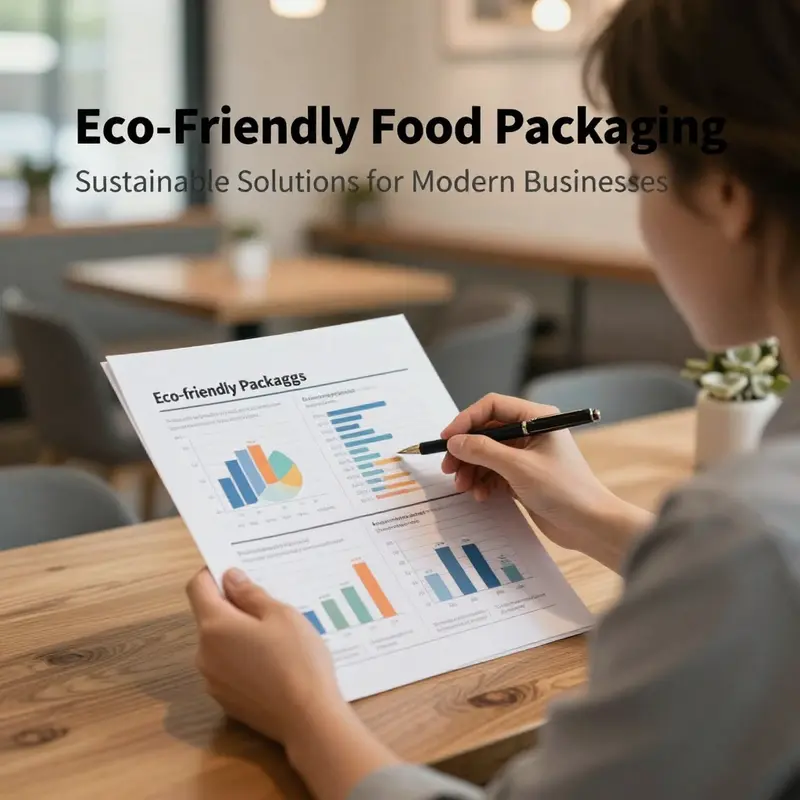
From Choice to Momentum: Reading the Consumer Pulse in Eco-Friendly Food Packaging Bags
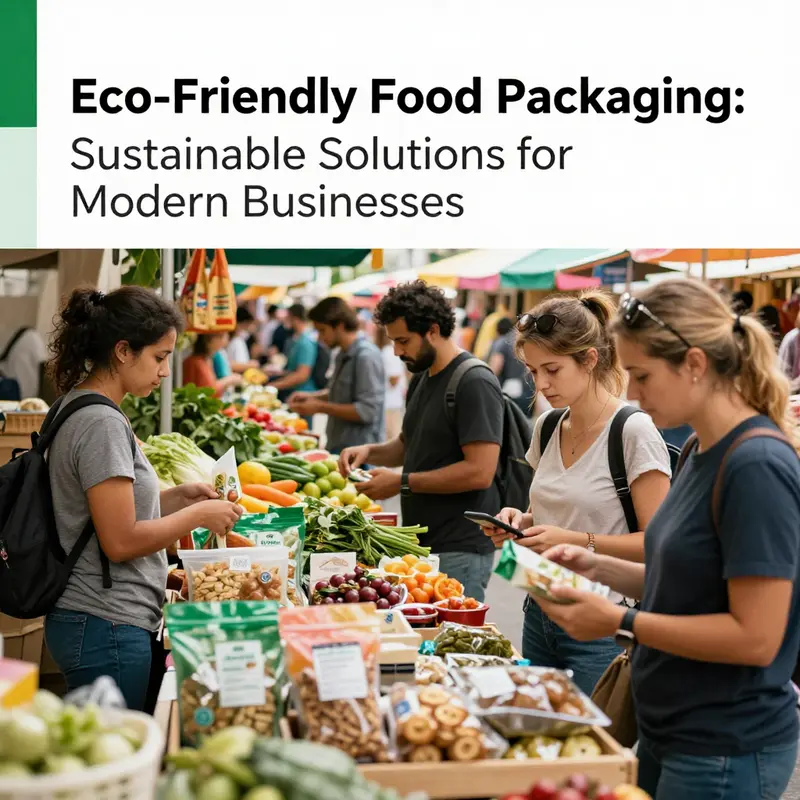
A shift in how people think about packaging has quietly become a major force shaping the food industry. Consumers want packaging that protects freshness while aligning with environmental values, and they are voting with their wallets. Market watchers estimate steady growth in the eco-friendly packaging segment as brands compete to prove that sustainability can coexist with safety and convenience. This momentum is not a niche trend but a mainstream expectation that shows up in product choice, shelf appeal, and loyalty signals.
Behind the numbers lies a multi-layered story of preferences. People increasingly seek materials that combine performance with environmental responsibility. Traditional options—glass, paper, and conventional plastics—remain a baseline, but there is a clear tilt toward eco-friendly, reusable, and recyclable solutions. In consumer surveys and pilot programs, durability, clarity about recyclability, and transparent environmental claims emerge as top factors when evaluating a bag’s value.
Awareness and concern about environmental issues persist across age groups and income levels. Educational campaigns that connect packaging choices to everyday health, safety, and waste reduction tend to resonate, reinforcing trust in brands that can credibly demonstrate impact. Labels, third-party certifications, and simple messages about barrier performance and end-of-life options help translate awareness into trial and repeat purchases.
Market drivers run deep. Perceived health and safety benefits, combined with a desire to reduce waste, push brands toward packaging that communicates strong barrier properties while offering recyclability or compostability. Designers are balancing moisture and oxygen control with the practical realities of circular economy goals. For beverages, dried goods, or ready-to-eat items, the challenge is to deliver performance without sacrificing end-of-life outcomes.
Adoption is being aided by scalable production and cost-conscious suppliers. While some sustainable options may have a higher upfront price, the economics improve with volume, lifecycle savings, and consumer willingness to pay a small premium for responsible packaging. The result is a more accessible landscape where startups and established brands alike can experiment with materials that meet safety standards and consumer expectations.
Ultimately, the packaging story is about more than materials. It is about how a bag communicates value—protecting flavor and freshness, reducing waste, and telling a trustworthy brand story. Practical guidance for practitioners includes focusing on durable yet recyclable designs, transparent sustainability messaging, and clear disposal instructions that help consumers complete the cycle. When brands align product design with real-world performance data, they build loyalty and trust that extend beyond a single product line.
For readers seeking actionable steps, start with a packaging system that can be marketed as both premium and sustainable. Emphasize barrier performance for shelf life, use materials with proven recyclability or compostability, and provide clear disposal guidance. Build credibility with simple, verifiable data that connect packaging choices to tangible environmental outcomes, and scale production in a way that keeps costs manageable. The aim is a practical, credible pathway where sustainability and performance reinforce each other in the eyes of shoppers.
Final thoughts
In conclusion, the shift toward eco-friendly packaging bags for food is not only a trend but a necessity in today’s environmentally conscious market. These innovative, sustainable packaging solutions fulfill the practical requirements of food businesses while aligning with consumer values and regulatory standards. As we move forward, embracing these eco-friendly alternatives can enhance brand reputation, cater to evolving consumer preferences, and contribute to a larger sustainability agenda. Now is the time for businesses in the food industry to invest in eco-friendly packaging solutions, creating a win-win scenario for profits and the planet.