
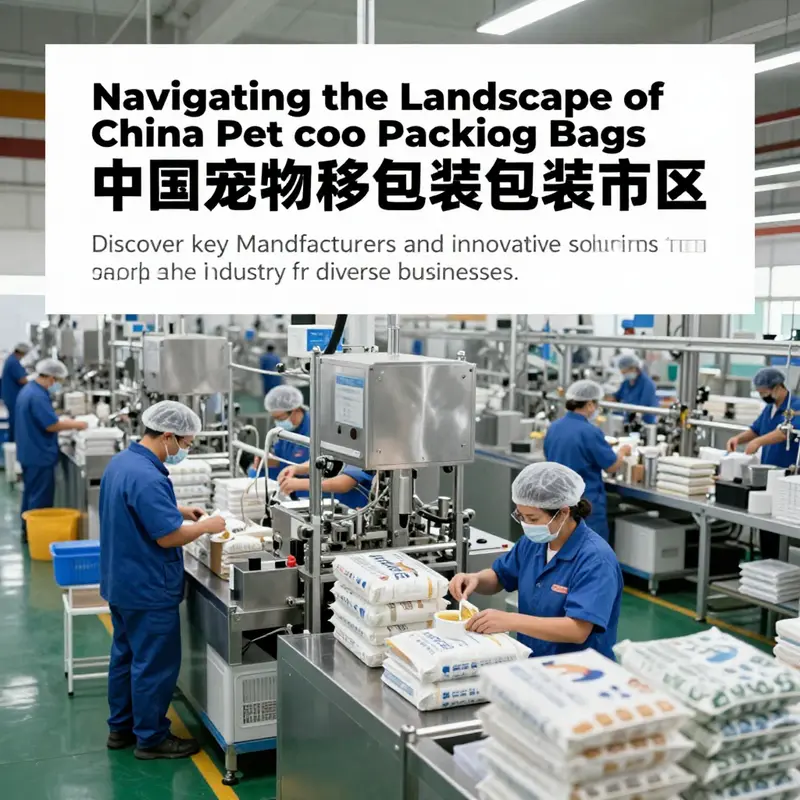
Understanding the pet food packaging bag manufacturing landscape in China is essential for businesses in food service and retail. This sector is undergoing rapid evolution with a mix of traditional practices and modern innovations. As Bubble Tea shops, restaurants, food trucks, catering services, and corporate procurement teams demand reliability, efficiency, and sustainability, this overview highlights leading factories in China. Each chapter explores distinct players in the market: Qingdao Fangda Packaging Co., Ltd. stands out for its large-scale production capabilities and global compliance; Dongguang County Hongpeng Plastics Co., Ltd. is pioneering innovations that enhance functionality; Cangzhou Rundong Plastics Co., Ltd. leads in sustainable practices; and a variety of notable manufacturers present options for tailored packaging solutions. Dive into each segment and learn how these manufacturers fit into the larger narrative of your packaging needs.
Chapter 1: Qingdao Fangda Packaging—Mastering Scale, Standards, and Innovation in China’s Pet Food Plastic Packaging Bags
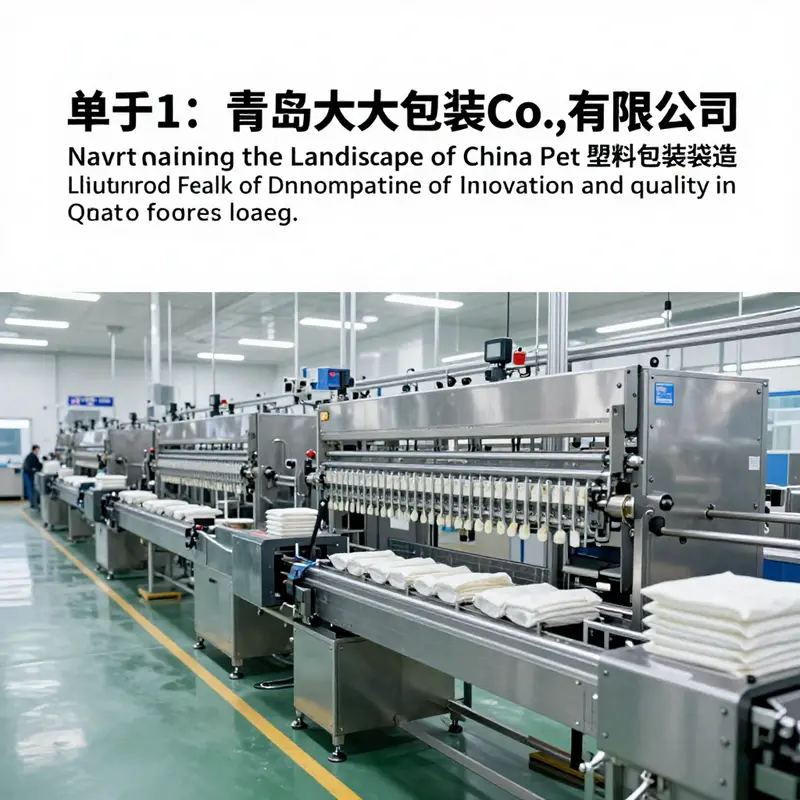
Qingdao Fangda Packaging Co., Ltd. did not rise to leadership by accident. In a market defined by strict requirements for food safety, shelf life, and brand differentiation, the company built its identity around a disciplined convergence of focus, scale, and a relentless pursuit of technical excellence. Founded in October 2011, Fangda positioned itself as a professional manufacturer that specializes in plastic flexible packaging products, with a sharpened emphasis on pet food packaging bags. From the outset, the vision was not merely to produce bags, but to engineer packaging solutions that actively preserve nutrition, protect products during distribution, and elevate the consumer experience at the moment of brand encounter. This orientation toward high-quality, customized solutions has kept Fangda aligned with evolving consumer expectations, regulatory demands, and the widening horizons of international trade.
The scale of Fangda’s operations stands as a defining attribute. The company’s annual production capacity surpasses 100 million bags, a figure that speaks to its ability to marry volume with precision. In a sector where even incremental improvements in efficiency translate into meaningful shifts in cost and lead time, Fangda’s capacity is both a strategic asset and a signal to international customers who require reliable supply chains. But volume alone would not suffice without uncompromising quality controls. Fangda has embedded its operations within robust management frameworks, maintaining ISO 9001 quality management standards and BRC certifications that are instrumental for food-safety compliance and cross-border trade. These certifications are not mere compliance checkpoints; they are part of a living system that anchors every step of the production process—from raw material selection and lamination to ink printing and finished bag testing.
If scale and standards form the backbone, Fangda’s technology and innovation frame the muscularity of its offering. The company has invested in Industry 4.0–grade smart equipment and a dedicated color control center, ensuring consistency across thousands of SKUs and packaging configurations. In an industry where visual branding and barrier performance must coexist, Fangda’s approach to printing accuracy, surface finish, and color fidelity is a differentiator. The company’s intellectual property footprint—22 patents and 6 copyrights—offers tangible proof of a culture that translates ideas into commercially viable, defensible solutions. This blend of automation, process discipline, and protection of ideas has helped Fangda stay ahead not only in China but in markets like the United States and Australia, where regulatory expectations and consumer preferences place a premium on traceability and reliability.
What makes Fangda particularly compelling within the broader ecosystem of pet food packaging is its strategic commitment to specialization. The company focuses on plastic flexible packaging products with a clear, singular orientation toward pet food. This specialization has enabled Fangda to invest in material science and process engineering that directly address the unique challenges of pet food packaging—tight moisture and oxygen barriers, light protection, and barrier-enhanced packaging that can preserve aroma and palatability over extended shelf lives. The product portfolio reflects this emphasis, offering a range of flexible configurations designed to accommodate branding needs while delivering practical performance. While not listing every SKU, the portfolio broadly encompasses reclosable solutions, stand-up formats, side-seal configurations, and gusseted designs, all of which are engineered to support brand storytelling without compromising protection. Each packaging option is evaluated for its barrier properties, seal integrity, and compatibility with the specific formulations of pet foods, including items that require careful control of moisture ingress and oxygen transmission.
The international dimension of Fangda’s business is not incidental. Its products have found homes in major markets across the Pacific and beyond, signaling a level of trust in both manufacturing reliability and adherence to food-safety expectations that global buyers demand. Fangda’s export activity is complemented by a proactive presence in industry events that matter in the Asia-Pacific region. Participation in leading trade shows—events that bring together brand owners, distributors, and fellow manufacturers—serves as a platform for showcasing Fangda’s latest innovations and for building relationships that translate into repeat business and long-term partnerships. Such engagement also reflects Fangda’s responsiveness to evolving consumer concerns and regulatory developments, including the growing emphasis on sustainable packaging options that can still meet the rigorous shelf-life requirements of premium pet foods.
Beyond the factory floor and the trade show floor lies Fangda’s attention to sustainability and environmental responsibility. The company acknowledges the global shift toward eco-friendly materials and acknowledges the need to balance ecological goals with performance demands. This means Fangda is prepared to accommodate material choices that align with circular economy principles while maintaining the mechanical strength and barrier properties required by premium pet foods. Innovations in packaging often involve composite structures and barrier layers that can be tuned to optimize both performance and end-of-life considerations. The challenge is nontrivial: plastics must deliver dependable performance throughout distribution and retail, while companies also contend with consumer expectations for recyclable or biodegradable options. Fangda’s approach embodies this dual objective by exploring alternatives that minimize environmental impact without sacrificing the integrity of the packaging system.
In the context of China’s dynamic pet food packaging sector, Fangda’s leadership can be understood as a synthesis of three core strengths: specialization, scale, and standards. The company has crystallized an offering that is deeply aligned with the specific needs of pet food brands, providing a depth of knowledge about barrier properties, printing requirements, and compatibility with various plastic laminates. Its scale enables it to deliver consistently high volumes, meeting the demands of large retailers and international distributors who require stable supply chains and predictable lead times. And its commitment to recognized quality management systems and industry certifications reinforces confidence among global customers who must navigate complex regulatory landscapes and stringent supplier audits. Taken together, these elements position Fangda as a model of how a regional manufacturer can become a global supplier without diluting its core identity as a specialist in pet food packaging bags.
The operational philosophy behind Fangda—driven by innovation, quality, and customer-centric design—also reveals itself in the company’s approach to collaboration. Rather than offering a one-size-fits-all solution, Fangda emphasizes co-development with clients, aligning printing capabilities, barrier requirements, and form factors with a brand’s sensory and logistics objectives. For brands seeking premium, reliable packaging on a global scale, this collaboration reduces development timelines and enhances the odds of market success. It also reinforces Fangda’s reputation as a partner rather than a supplier, a distinction that resonates with multinational customers seeking stable, long-term relationships.
To readers following the broader arc of this article, Fangda’s trajectory demonstrates how a Chinese manufacturer can successfully blend local engineering talent with global market expectations. The company’s capacity to deliver high-volume production, combined with rigorous quality controls and a forward-looking stance on sustainability, makes it a compelling case study for the pet food packaging sector. Fangda’s story also invites reflection on the ways in which other Chinese factories—whether in coastal hubs or inland innovation centers—may replicate such a model by embracing specialized capabilities, investing in intelligent manufacturing, and aligning their technical roadmap with the evolving standards demanded by international buyers.
As the chapter on Fangda closes, it is useful to consider what keeps this enterprise anchored in a rapidly shifting landscape. First, the insistence on continuous improvement—whether through automation, color management, or patent-driven innovation—ensures that Fangda remains not merely compliant with existing expectations but ahead of the curve. Second, the ability to provide customizable solutions without sacrificing scalability means brands can maintain brand identity across markets without renegotiating production terms for every SKU. Third, the integration of sustainability into core product development reflects a strategic understanding that environmental responsibility has become a performance metric in its own right, influencing supplier selection and consumer trust alike. Together, these factors form a holistic portrait of a leading player whose success rests on disciplined engineering, strategic partnerships, and a clear, future-oriented vision for pet food packaging in a global marketplace.
External resource: https://www.iso.org/iso-9001-quality-management.html
Dongguang County Hongpeng Plastics Co., Ltd.—Pioneering PET-Based Innovations in China’s Pet-Food Packaging Bags
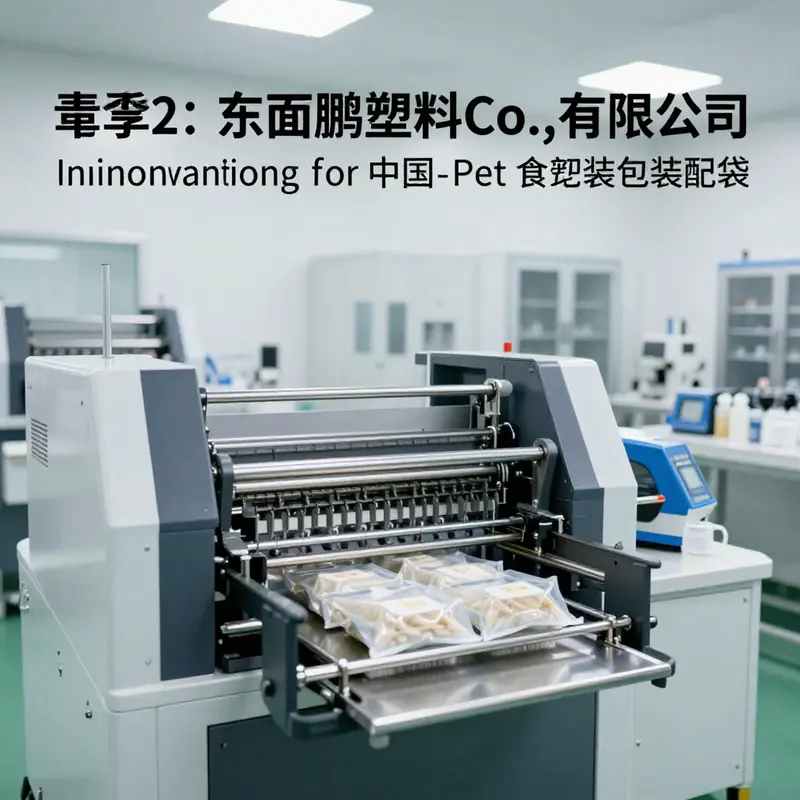
Dongguang County Hongpeng Plastics Co., Ltd. has carved a distinct niche within China’s vibrant pet-food packaging sector by centering its development and manufacturing prowess on high-performance polymer solutions. While many players in the field chase cost efficiencies or broaden portfolios across disparate packaging formats, Hongpeng has oriented its strategy toward PET- and PETG-based bags that deliver robust barrier properties, food safety assurances, and a path toward sustainability. In an industry where freshness, flavor protection, and consumer trust hinge on every packaging decision, the company’s approach blends deep materials science with practical design and responsive collaboration. This combination positions Hongpeng not merely as a supplier of bags but as a partner in the brand’s journey to extend shelf life, preserve nutrient integrity, and strengthen market presence across global markets. The story of its innovations is not merely about materials but about how those materials are translated into reliable, brand-differentiating packaging that speaks to pet owners’ expectations for quality, safety, and environmental responsibility.
At the core of Hongpeng’s value proposition are advanced polymer materials, particularly PET and its glycol-modified variant, PETG. These polymers are favored in demanding packaging roles because they offer exceptional moisture, oxygen, and light barriers. For pet foods, where exposure to humidity and photo-oxidative processes can erode nutritional value and palatability, a reliable barrier is essential. PET shields contents from moisture ingress that could promote microbial activity or accelerate staling, while its barrier against oxygen helps preserve aromas and vitamins that define a product’s perceived freshness. PETG, with its improved clarity and toughness, enhances the visual appeal of the package and contributes to durability in handling, shipping, and consumer use. Hongpeng’s engineering teams leverage these properties to craft bags that maintain product integrity across a spectrum of storage conditions—from cool, dry pantries to fluctuating ambient temperatures in transit and retail displays.
Quality and safety remain non-negotiable tenets in Hongpeng’s process. The company adheres to stringent food-grade standards and international guidance for packaging materials. The focus extends beyond the polymer itself to the entire value chain: additives, laminates, and closures are selected and validated to prevent contamination and ensure traceability. This commitment translates into bags that perform consistently under real-world conditions, whether a bag endures repeated opening and resealing, or stands up to long-shelf-life regimes driven by premium pet foods that promise sustained nutrition over months. In practice, this means Hongpeng designs bags that accommodate resealability and leak resistance without compromising the material’s barrier performance. The physical structure is engineered to resist punctures and abrasion during stacking and transport, while maintaining flexibility enough to handle dispensing features embedded in premium products. Such engineering is not accidental; it results from meticulous material selection, process validation, and ongoing quality checks that consider the entire product lifecycle from factory floor to consumer pantry.
A distinctive aspect of Hongpeng’s capabilities lies in its use of colorants and functional additives within PET materials. By incorporating colorants, brighteners, and toughening agents directly into the polymer matrix, the company achieves vibrant, market-ready visuals without resorting to secondary printed laminates that may compromise barrier performance. This integration offers several benefits. Visually striking packaging can attract attention on crowded shelves, while the use of additives tailored to the packaging’s end-use can improve abrasion resistance during handling and extend the package’s resilience under varied environmental conditions. The additive strategy also enables branding flexibility—brands can realize unique, consistent aesthetics across batches while maintaining the mechanical integrity and food-safety characteristics required for pet foods. Hongpeng’s approach to color and physics in PET/ PETG is not merely decorative; it serves as a functional layer that supports brand storytelling, shelf appeal, and consumer confidence.
In line with today’s demand for more sustainable packaging solutions, Hongpeng has actively integrated recycled PET materials into its product lines. This choice reflects a broader industry shift toward circular economy principles and aligns with brands’ sustainability commitments. Recycled PET can be engineered to recover much of the original polymer’s barrier performance while reducing the environmental footprint of the packaging. Hongpeng invests in refining recycled PET blends to ensure they meet the same stringent food-contact safety standards as virgin materials. The company’s R&D teams run rigorous testing protocols to monitor mechanical strength, seal integrity, and barrier performance across recycled-content formulations. The result is a family of bags that successfully balance environmental considerations with the performance expectations of pet-food brands and consumers who demand packaging that protects product quality from production through to consumption.
Sustainability also informs Hongpeng’s manufacturing philosophy beyond material choices. The company emphasizes efficient production planning, waste minimization, and energy-conscious processes. By aligning production with demand signals and process controls, Hongpeng reduces excess inventory and scrap, ultimately lowering both costs and environmental impact. This agile approach is particularly relevant in a market where new product introductions, seasonal promotions, and changing consumer preferences require rapid adaptation without compromising quality or safety. Hongpeng’s operations demonstrate that sustainability and agility can reinforce one another rather than compete for scarce resources. In practice, this means flexible tooling, modular lines, and a culture of continual improvement that seeks to shrink the packaging lifecycle—from raw material sourcing to end-of-life processing—without sacrificing performance at any stage.
The three-dimensional bag concept attributed to Hongpeng’s design team marks another notable innovation. This architectural approach to packaging creates a form that accommodates robust sealing, improved leak resistance, and predictable dispensing behavior. A three-dimensional structure can distribute internal stresses more evenly, reducing the likelihood of leakage during transport or when consumers reclose and handle the bag. It also supports more efficient stacking and display in retail environments, contributing to better shelf performance and consumer experience. While the precise geometries vary with product line and client requirements, the overarching principle remains: an intelligently engineered bag can outperform traditional flat or simple-form designs by delivering reliability, functionality, and brand differentiation in a single solution. The result is packaging that not only preserves product quality but also minimizes waste and confusion at the consumer level—an outcome that resonates deeply in an era where packaging is judged by its performance and its footprint.
Hongpeng’s emphasis on collaboration with pet-food brands is more than a sales-oriented stance; it is a core capability that guides product design from the earliest stage of development. The company engages with clients to understand their product profiles, shelf-life expectations, and marketing objectives. Through collaborative development, Hongpeng translates those insights into material choices, thickness tolerances, and laminate configurations that harmonize with brand identity and supply-chain realities. This client-centric approach ensures that packaging solutions are not merely technically sound but also commercially viable. Close collaboration facilitates rapid prototyping, test runs, and validation exercises that shorten time-to-market without compromising safety or performance. In a sector where perception and trust are paramount, such alignment helps brands articulate a consistent promise across products and categories, reinforcing consumer loyalty and reducing the risk of costly packaging failures.
From a regulatory perspective, Hongpeng positions itself as a steward of compliance. International markets impose diverse requirements on packaging materials intended for food contact, including pet foods. Hongpeng’s quality management practices emphasize traceability, batch-level documentation, and rigorous validation of all materials and processes. The organization of its quality program ensures that changes in resin suppliers, colorant formulations, or adhesive systems are evaluated for potential impacts on safety, performance, and regulatory status. This disciplined approach helps cushion brands against regulatory shifts and streamlines cross-border distribution, where a packaging solution must travel through multiple jurisdictions with varying approval criteria. In addition, the company’s emphasis on continued research and development signals a commitment to staying ahead of evolving standards, anticipating consumer expectations, and adapting to new scientific insights into polymer science and food-contact safety.
The broader industry context reinforces why Hongpeng’s path is both timely and strategic. As pet owners become more discerning about product provenance, texture, and palatability, they increasingly treat packaging as part of the product experience. Barrier performance that protects aroma and nutrition, resealability for convenience, and intelligent, sustainable material choices collectively shape brand perception at the moment of purchase and during long-term storage. The adoption of recycled content aligns with corporate sustainability goals that many global brands now prioritize. In tandem, the rise of smart and digital packaging concepts—ranging from serialization to consumer engagement features embedded in packaging—suggests a future where PET-based bags can evolve to include enhanced data capabilities without sacrificing barrier reliability. Hongpeng’s current investments in polymer chemistry, color science, and sustainability reflect a forward-looking strategy designed to meet these shifting expectations while preserving the core values of safety, performance, and trust.
Hongpeng’s market footprint extends beyond its regional base. By offering PET- and PETG-based solutions that can be tailored through tailored colorants, additives, and recycled-content formulations, the company serves brands seeking premium packaging that aligns with sustainability goals and shelf-life requirements. This combination is particularly compelling for pet-food products that command premium positioning and consumer trust. In practice, the company’s products are evaluated not only on how well they preserve nutritional and sensory qualities but also on how they preserve brand equity—how faithfully the packaging communicates the promised quality, how reliably it protects against leaks or tampering, and how efficiently it integrates into the customer’s supply chain. The result is a value proposition that speaks to brand owners, retailers, and end consumers alike: packaging that delivers performance, supports responsible consumption, and reinforces positive brand associations across the purchase journey.
Looking ahead, Hongpeng appears well positioned to influence the trajectory of China’s pet-food packaging sector. Its emphasis on PET-based materials, barrier-focused design, and sustainability aligns with market signals pointing toward more durable, recyclable, and brand-differentiated packaging. The company’s ongoing R&D program, combined with its collaborative client relationships, suggests a future in which new formulations and novel bag geometries emerge to address evolving product formats and storage challenges. While competition in the sector remains intense, the clear blend of technical excellence, practical packaging design, and environmental stewardship gives Hongpeng a distinctive voice in conversations about how pet foods are packaged in a modern, global context. Its work demonstrates that innovation in packaging need not come at the expense of safety, regulatory compliance, or sustainability; instead, it can be used to advance product integrity, consumer satisfaction, and corporate responsibility in parallel.
For readers charting their own paths through China’s pet-food packaging landscape, Hongpeng’s approach offers a concrete blueprint: invest in polymer science that yields robust, food-safe barriers; implement packaging architectures that enhance performance while supporting brand storytelling; embrace recycled-content strategies that reduce environmental impact without compromising quality; and cultivate deep, collaborative relationships with brands to align product goals with packaging capabilities. This is how a plastics-focused manufacturer can contribute meaningfully to the evolving narrative of pet care, packaging innovation, and responsible consumption.
External reference: https://www.globalpackaginginsights.com/asia/pet-food-packaging-trends-china-2026
Chapter 3: The Sustainability Paradox in China’s Pet-Food Plastic Packaging Bag Industry — Investigating Cangzhou Rundong Plastics in a Growing Market
In the sprawling landscape of China’s pet-food packaging, plastic bags that shield and showcase a product through a retail shelf or a distributor’s logistics chain carry more meaning than their simple function suggests. They are the interface where product quality, consumer trust, manufacturing discipline, and environmental responsibility collide. The chain of assumptions behind these bags has shifted in the past decade from a singular focus on cost and barrier properties to a more complex mosaic that includes sustainability as a core criterion. In this context, the story around Cangzhou Rundong Plastics Co., Ltd. (Rundong) becomes a useful lens for examining how a sector that is fast-moving and highly technical handles the question of “green” in practice—especially when public data about a specific supplier’s pet-food packaging activities are sparse. Rundong, founded in 2023 and located in Cangzhou, Hebei, is described in public summaries as a rubber and plastics producer. Crucially, available sources do not offer verifiable details about its involvement in pet-food plastic packaging bags or its sustainability practices in that precise segment. That absence is itself telling: in a market where a few players publicly project sustainability through certifications, equipment, and traceable innovations, the lack of documented activity invites a careful, data-driven reading of where sustainability stands for midsize, regional manufacturers.
What does sustainability mean in this particular field, and how should a buyer interpret the potential for a supplier like Rundong to meet green expectations? The broader industry context makes this question more concrete. Across the sector, some factories have created sustainability narratives by combining advanced process control with specific material strategies. One standout example is a company that concentrates exclusively on pet-food packaging and operates with an annual production scale exceeding 100 million bags. Its strategic posture centers on Premium, high-volume production, and a commitment to international compliance, supported by a suite of Industry 4.0–driven smart equipment, a dedicated color-control center, and a robust patent portfolio. This company also demonstrates how strict quality systems—ISO 9001, BRC certification, and other international standards—are now regarded as essential for market access, especially for customers in the United States and Australia. Those signals—scale, specialization, technology-enabled quality control, and international standards—have become the benchmarks by which buyers evaluate green potential in this space.
In contrast, another leading edge in the Chinese pet-food packaging sector is the more technically oriented approach to barrier performance and product integrity. A factory in the Plastic Packaging Capital region has built out a facility with 5 automatic high-speed printing lines and a solvent-free lamination system. Its cleanroom environment reaches an extraordinary standard—the 100,000-class level—ensuring product purity in doses, packaging formats, and lamination materials that must maintain integrity for long-shelf-life pet foods. What this company demonstrates is not only a capacity for complexity in design and production but also a clear commitment to functional innovation. Its aluminum-foil vacuum packaging strategy uses a seven-layer laminate to extend freshness by more than three times relative to conventional packaging and introduces a three-dimensional bag structure that reduces the risk of leakage—a problem that bedevils many conventional bag designs. This is the kind of concrete, performance-driven sustainability narrative that regulators, retailers, and major brands increasingly expect: it is sustainability expressed as product performance, process cleanliness, and material efficiency.
Another facet of the sustainability conversation is assembled around the idea of responsible operations and agile, data-driven manufacturing. A different player is making headlines for its supply-chain discipline more than its marketing. It has positioned itself near major transit corridors, such as the Jing–Hu Railway, enabling what is described as a “zero inventory” production system and an astonishing 48-hour order-to-delivery cycle. This kind of operational efficiency reduces waste, lowers energy use in warehousing, and minimizes the environmental footprint of buffer stock. It also points to a broader trend in the industry: the convergence of lean manufacturing, fast customization, and sustainable logistics. When a company can switch production quickly without accumulating idle capacity, it reduces waste and energy consumption while meeting ever-shorter lead times demanded by brands and retailers seeking to differentiate themselves with sustainable packaging options.
Against this backdrop, Rundong’s lack of publicly documented engagement in pet-food packaging sustainability becomes the focal point for understanding the data gap that increasingly matters in supplier selection. The official record suggests a company with a general plastics and rubber manufacturing footprint rather than a clearly defined specialization in pet-food bag production. In a market where customers increasingly demand explicit environmental footprints from their suppliers—such as energy intensity, waste management, solvent handling, and end-of-life considerations—Rundong’s profile underscores how a company can be structurally present in the broader plastics sector yet privately ambiguous about the pet-food packaging niche. The absence of published environmental performance data does not necessarily mean the absence of sustainable practice. It may reflect a quieter pathway of ESG development in smaller or newer suppliers, or it may indicate a lack of transparency in public disclosures. Either way, for buyers, this data gap shapes risk assessment, supplier development programs, and the due-diligence steps necessary to verify compliance with environmental expectations.
Sustainability in this field hinges on several converging elements. Material choices are central: the lightweight yet highly protective barriers required for pet-food bags must balance performance with environmental impact. A growing segment within the industry embraces bio-based and biodegradable alternatives, such as cornstarch-based materials designed to degrade more rapidly than conventional plastics while maintaining mechanical properties essential for pet-food packaging. Yet this shift is not merely about substituting one polymer for another; it is about lifecycle thinking—how a packaging structure performs during distribution, how it is recycled or recovered at the end of its life, and how it integrates with downstream waste management systems that may differ by market. The industry also exhibits a clear interest in reducing solvent use and energy consumption through process innovations like solvent-free lamination and upgraded printing technologies with lower emissions. The comparison with the seven-layer laminates and aluminum-foil–based vacuum packaging shows what “green” can look like when it is tied to performance: longer shelf life means fewer returns, less waste, and lower overall environmental cost per unit of product.
Rundong’s public data void in the pet-food packaging niche invites a practical, disciplined approach to evaluating sustainability claims in the absence of explicit disclosures. A buyer or researcher should look for several indicators: third-party certifications appropriate to food packaging safety and environmental management, such as ISO 9001 for quality and ISO 14001 for environmental management; evidence of clean production practices, such as cleanroom standards for any sterile or pharmaceutical-adjacent packaging components; and material strategies that demonstrate a move toward reduced environmental impact, whether through improved barrier performance with thinner films, incorporation of recycled content, or adoption of biodegradable materials where feasible. The evidence from other players in the field suggests that leadership in this space is not just about the material itself but about an integrated system: automated, data-driven production that reduces waste; a supply chain designed to minimize inventory-related waste; and a willingness to invest in research and development to push the envelope on barrier properties, seal integrity, and end-of-life options. In other words, sustainability here means an ecosystem of practices that collectively reduce environmental impact while maintaining or improving product performance.
The lack of explicit information about Rundong’s sustainability footprint should not deter due diligence. It should, however, shape the due-diligence process itself. A cautious buyer would begin by requesting clarity on the company’s current and planned environmental measures. Are there quantified targets for energy consumption, water usage, waste generation, and emissions? Is there any documentation of the use of greener materials or recycled content in packaging films? What about waste management—how is scrap handled, recycled, or recovered? Are there any proof of concept trials or pilot programs testing biodegradable film alternatives or compostable structures in pet-food bags? These questions help determine whether Rundong is pursuing a sustainability trajectory, even if the public reporting is not yet visible.
Another layer to consider is the broader policy and ecosystem in China. The country has been actively encouraging green manufacturing and the adoption of sustainable practices across industries. The Green Manufacturing Public Service Platform, a government-guided resource, aggregates cases of green factories and green product supply chains. Although the platform is a national resource and not a company press release, it offers a glimpse into the kinds of standardization and transparency that customers increasingly expect. For a practical sense of how packaging suppliers communicate sustainability to clients through design and materials choices, consider the growing emphasis on compliance and traceability, which often accompanies green claims. A tangible, accessible example of related packaging formats can be found through eco-friendly disposable takeaway packaging that emphasizes design for disposability and recycling, as seen in a range of product offerings such as custom-labeled, recyclable bowls and sleeves. The link to one such example is provided here with anchor text: disposable-takeaway-kraft-paper-bowl-with-lid. This internal resource showcases how packaging vendors are framing sustainability in a consumer-facing, practical way that aligns with brand narratives and environmental goals. disposable-takeaway-kraft-paper-bowl-with-lid
In addition to internal considerations, buyers should scrutinize the possibility that a supplier may be able to scale sustainability across a product line while maintaining cost competitiveness. Rundong’s relatively recent formation suggests the potential for modern manufacturing platforms to be integrated from the outset. If the company can demonstrate a clean production environment, a modular equipment portfolio, and a roadmap toward green materials or recycling-forward end-of-life practices, it would possess a competitive advantage when balanced against established players who already communicate strong sustainability credentials. Still, the absence of data should trigger extra diligence rather than premature conclusions. The pet-food packaging market rewards transparency: it is not enough to claim that a packaging structure is robust or that it is produced efficiently. The market increasingly requires evidence that the packaging system reduces waste in transit and at point of disposal and that it aligns with consumer and retailer expectations about environmental responsibility.
There is also a practical truth about sustainability in manufacturing: it is rarely a single decision but a chain of decisions that starts at the raw material and travels through the conversion, printing, lamination, filling, and final packaging stages. A factory’s sustainability can be inferred by looking at several converging indicators. First, the degree of vertical integration and process control. Second, the use of solvent-free laminations and high-efficiency energy systems. Third, the facility’s cleanliness and sanitation standards—particularly relevant to pet-food packaging due to sensitivity to contaminants. Fourth, the degree to which the factory minimizes waste and recycles scrap material. Fifth, the transparency and verifiability of environmental performance data. Taken together, these indicators form a composite picture of a supplier’s green maturity.
Within this framework, Rundong’s public profile offers a cautionary note about how to interpret sustainability for suppliers in a rapidly growing ecosystem. The Chinese pet-food packaging sector is not a monolith; it comprises a spectrum of capabilities—from high-end, premium, internationally certified producers that operate at scale and leverage Industry 4.0 technologies to smaller players with a more ambiguous environmental footprint. The right choice for a brand or distributor depends on aligning the supplier’s capabilities with the product requirements, regulatory obligations, and corporate sustainability commitments of the buyer. For a brand exploring premium packaging with long shelf-life, a partner with demonstrated barrier performance, strict process controls, and an explicit sustainability plan is preferable. For a brand prioritizing cost-sensitive, high-volume packaging, the emphasis might tilt toward reliability and supply-chain responsiveness, but even there, sustainability cannot be ignored since it increasingly affects consumer perception and regulatory risk.
The current moment in the industry is a reminder that sustainability in pet-food plastic packaging is not about a single initiative; it is about a culture of continuous improvement, a willingness to document progress, and a readiness to adopt innovations that reduce environmental impact without compromising safety or performance. Rundong’s absence of public pet-food packaging sustainability disclosures should motivate a structured due-diligence approach: request a policy overview, demand a sustainability report or a third-party audit, and seek evidence of any ongoing or planned investments in greener materials or waste-reduction projects. If Rundong can present a credible roadmap and verifiable data, it could become a candidate for collaboration at a stage where the industry is actively seeking to balance market growth with environmental responsibility.
In framing the chapter around Rundong, the overarching takeaway is not that the company lacks potential, but that sustainability in this particular sector is a moving target shaped by material science, process engineering, supply-chain design, and public accountability. The sector’s best performers demonstrate that green manufacturing is not an optional add-on but an integral dimension of competitiveness. They show how a company can achieve lower environmental impact while delivering packaging solutions that meet exacting barrier, durability, and aesthetic requirements. For buyers and researchers, the lesson is clear: the quality of the sustainability data matters as much as the packaging’s performance. And when data are absent, it is essential to pursue a rigorous due-diligence process that uncovers the company’s long-term commitments, current practices, and plans for transparent reporting.
External resource: Green manufacturing and sustainability standards are being actively developed and disseminated through national platforms that guide factories toward more transparent and verifiable practices. See the Green Manufacturing Public Service Platform for a broader understanding of how institutions promote and validate green manufacturing in China: https://www.greenmanufacturing.cn/
Notable Chinese Pet-Food Plastic Packaging Bag Makers: A Broad, Integrated Perspective on an Innovation-Driven Ecosystem
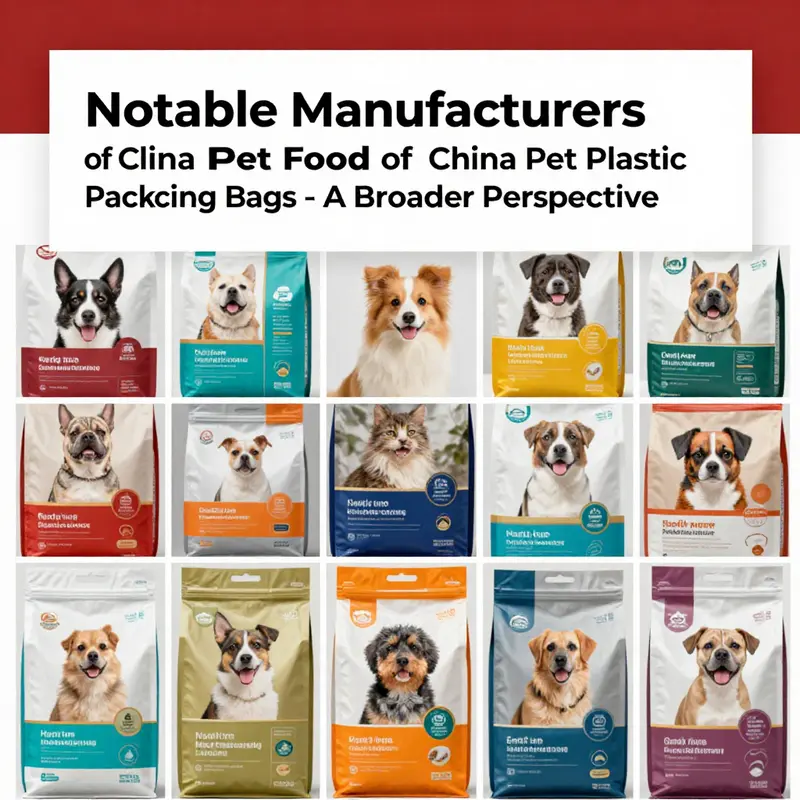
The Chinese market for pet-food plastic packaging bags sits at a crossroads of regional specialization, technological advancement, and rapid supply-chain execution. It is not a monolithic industry built on a single capability but a broad ecosystem where different clusters leverage distinct strengths to meet a diverse set of brand needs. From high-end, globally oriented producers to agile regional manufacturers that push sustainability and speed, the landscape reveals a continuous push toward better barrier properties, smarter production, and more responsible materials. In this chapter, we look beyond individual names to understand how the broader network of factories shapes the decisions of international buyers and domestic brands alike, and how the evolving demands of safety, traceability, and environmental responsibility are reshaping choices about who makes the bags and how they are made.
At the forefront stands a cadre of manufacturers that have aligned deep specialization with scalable operations. One company, recognized for its exclusive focus on pet-food packaging, operates at the scale of more than a hundred million bags produced yearly. Its strength lies not merely in capacity but in a philosophy of precision and process control that uses advanced manufacturing concepts—often described in industry terms as Industry 4.0. A color-control center, integrated digital workflow, and rigorous quality management underpin a portfolio designed to meet stringent international standards. The significance of such a model goes beyond the ability to produce large volumes; it signals a commitment to consistent color accuracy, film integrity, and finish across thousands of SKUs destined for subscribers and retailers across the United States, Australia, and other demanding markets. Certifications like ISO9001 and BRC underpin this approach, serving as external validation of a robust quality-management system. In industry dialogue, this combination—scale plus process discipline plus global certifications—defines what many buyers now expect from a top-tier supplier.
Innovative technology also plays a critical role in shaping the competitive edge in pet-food packaging. A dedicated color-control center, for example, is more than a cosmetic assurance. It represents a control loop that binds every step from resin selection and extrusion to lamination and printing. In high-end packaging, even small shifts in color tone or gloss can alter consumer perception and brand credibility. When a factory can guarantee tight color convergence across thousands of bags and multiple runs per day, it gives customers confidence to place large, long-term orders, knowing that batch-to-batch variation will not undermine packaging uniformity. This is especially important in premium segments where brands invest in visual consistency to reinforce premium positioning. The capability to converge on precise hues and finishes routinely serves as a differentiator in a crowded market.
A second notable cluster emphasizes regional strengths that extend across the supply chain from raw-material modification to finished bag production. In a major plastic-packaging hub, several manufacturers have built dense capabilities that combine high-speed printing with solvent-free lamination and strict cleanroom controls. Their laboratories and production facilities emphasize purity and regulatory-compliant process environments, closely mirroring pharmaceutical standards in some respects. This alignment speaks to a broader industry trend: as pet food products increasingly enter premium and sensitive segments, packaging must guard against contamination and degradation while sustaining shelf life and consumer trust. The seven-layer aluminum-foil vacuum-packaging solution is a striking example of functional innovation designed to extend freshness and safeguard aromas, nutrients, and moisture barriers. In practice, such advanced structures deliver a step-change in shelf life for pet foods that demand longer distribution windows or that must endure longer transit times without compromise.
Beyond barrier performance, design ideas in this regional cluster address practical leakage concerns that have long plagued bag manufacturers. A three-dimensional bag structure, developed by a local design team, demonstrates how packaging can actively reduce product leakage—one of the most common post-sale issues brands encounter. This kind of engineering solves a stubborn problem with elegance: a bag that can seal tightly around the product yet open easily for consumer access. The ability to combine a leak-proof profile with a consumer-friendly opening experience speaks to a mature design-readiness on the shop floor, where experienced teams routinely test for puncture resistance, heat-seal integrity, and print readability under real-world handling. Such innovations do not just improve performance; they reduce waste and returns by ensuring the product remains intact from warehouse to pantry.
The sustainability thread also runs strongly through the sector, driven by both consumer demand and stricter regulatory expectations in many markets. A different but equally important thread emerges from a coastal manufacturing cluster where environmental considerations have become core to business strategy. A leading producer there has embraced cornstarch-based biodegradable materials that strike a balance between mechanical strength and rapid degradation. The adoption of bio-based polymers aligns with a broader intent to reduce the environmental footprint of packaging while maintaining performance parity with traditional plastics. This approach speaks to a broader consumer trend toward responsible packaging and to a brand’s desire to differentiate themselves through sustainability. It is not merely a niche option; it is evolving into a meaningful strategic choice for many pet-food brands seeking to minimize the environmental impact of their entire value chain.
Geographically, proximity to logistics networks matters as much as technical capability. One prominent supplier benefits from a location near major rail corridors, enabling what is described as a zero-inventory, flexible production model. In practice, this means customers can place orders with extremely short lead times and rely on rapid response to meet shifting demand. The ability to switch quickly between bags for different SKUs or to adapt to sudden changes in demand without accumulating stock is a powerful capability in today’s consumer landscape, where product cycles can be brisk and seasonal variations pronounced. The combination of fast responsiveness and environmental discipline—where materials are selected to support both performance and sustainability—helps these firms carve out trusted partnerships with brands that prize both reliability and responsible sourcing.
This broader ecosystem is not solely composed of a few stars. The landscape includes a spectrum of players—established packaging houses with long track records, and mid-sized firms that serve as agile testbeds for new formats and materials. Some manufacturers maintain a broad portfolio that spans multiple packaging forms, including standard bags and more specialized offerings. This versatility keeps the ecosystem robust, allowing brands with different price points and specification needs to find suitable partners. Even so, the leading players vary in emphasis: some pursue the highest-end, compliance-backed production for international markets; others excel in sustainable materials and rapid manufacturing to support seasonal or region-specific demands. Still others anchor clusters that offer strong value through scale and cross-functional competencies in printing, lamination, and converting.
Those choices reveal a deeper truth about how brands approach outsourcing in China. The decision often hinges on a matrix of factors: whether the primary need is premium packaging with a long compliance tail, whether there is a demand for long shelf life and rigid barrier protection, whether a supplier can deliver on sustainability promises, and whether logistics can be optimized for quick turnover and prevent stockouts. In practice, buyers must weigh a factory’s technical prowess against its operating model. A facility that excels in high-end, internationally certified production may have longer lead times or require larger minimum orders. Conversely, a plant optimized for lean, rapid-response manufacturing might be the preferred partner for brands pursuing flexibility and lower upfront capital commitments, even if its comfort zone is not anchored in the most complex compound structures. The best-fit choice thus emerges from aligning a brand’s risk tolerance, required throughput, and sustainability ambitions with a supplier’s core strengths and operating style.
These dynamics illuminate how a broader set of players contribute to a global packaging system that must adapt to shifting consumer expectations, regulatory changes, and evolving brand storytelling. The pet-food category calls for packaging that protects product integrity from production through distribution and into the consumer’s home, while also communicating quality and trust on a visual level. In this sense, the regional clusters and national leaders described here function as different gears in a single machine: one gear that emphasizes advanced process control, another that prioritizes barrier performance and cleanroom standards, and a third that pushes environmental responsibility and responsive service. Together, they keep the system moving, enabling brands to source packaging that aligns with their price tier, their market, and their values.
For buyers seeking to understand the landscape, a nuanced map helps. If the priority is consistency at scale and rigorous quality systems, the premium producer with an Industry 4.0 mindset often delivers the most predictable outcomes. If the goal focuses on maximizing freshness of perishable pet foods with extended shelf life, the seven-layer composite and aluminum-foil vacuum technologies represent the most compelling innovations. If sustainability or rapid delivery is paramount, the bio-based materials and the logistics-driven manufacturers near rail hubs are particularly attractive. If a brand requires a combination of aesthetics, safety, and functional design at moderate volumes, the regional players with strong design teams and flexible capacity can be the optimal partners. The value, ultimately, lies in the ability of a supplier to translate technical prowess into practical, dependable results for the brands they serve.
This broader perspective would be incomplete without acknowledging the importance of collaborative, transparent relationships across the supply chain. Buyers increasingly demand clear traceability, not only for compliance and safety, but to support lifecycle assessments and sustainability reporting. The factories that best integrate with a brand’s own systems—sharing real-time data on production status, material provenance, and packaging performance—tend to outperform those that operate in silos. In a mature ecosystem, information flows freely between brand owners, contract manufacturers, and suppliers of raw materials, enabling faster problem-solving and more accurate forecasting. The same technology that underpins color control and process consistency also underpins predictive maintenance, supplier scoring, and performance dashboards that help brands plan, execute, and optimize packaging programs with confidence.
In the end, the Chinese pet-food packaging bag manufacturing sector reflects a broader global trend: specialization within a shared platform of advanced manufacturing, coupled with a growing appetite for sustainable materials and agile service. The leaders who combine scale with process discipline, while continually investing in research and development for novel barrier systems and more responsible materials, set the pace for the industry. As brands look to penetrate new markets or expand product lines, the capacity to source packaging that is both technically superb and pragmatically adaptable becomes a critical competitive differentiator. The ecosystems described above demonstrate how regional strengths—whether in the form of a high-end, globally oriented factory or a sustainability-forward regional cluster—contribute to a dynamic, resilient supply network. For anyone charting a path through China’s pet-food packaging landscape, the lesson is simple yet powerful: identify the core capability that aligns with your brand strategy, then seek a partner whose operating model amplifies that capability while maintaining the level of quality and service your customers expect.
To underscore the breadth of packaging formats and related packaging innovations discussed in this broader landscape, consider the more general packaging ecosystem that these manufacturers sit within. A related line of packaging articles and product formats demonstrates the diversity of flexible packaging options available to brands seeking to align form with function. For instance, the market offers a spectrum of disposable and reusable packaging components that complement bag manufacturing, from compact single-use items to more robust multi-serve solutions. This broader context helps explain why brands often evaluate suppliers not only on the merits of one specific product but on the capacity of a partner to provide integrated packaging solutions across a portfolio. The interconnection between pet-food bags, moisture barriers, print fidelity, and end-user experience becomes a strategic determinant when brands craft packaging programs that aim to differentiate on quality, sustainability, and convenience.
For readers who want to explore adjacent topics in a hands-on way, one example of related packaging formats that resonates with the overall narrative is the growing interest in disposable kraft-paper-based vessels that can accompany various pet-food formats. These formats illustrate how material choices outside traditional film bags influence brand storytelling and consumer perception. The existence of these related formats also points to a broader ecosystem where supplier capabilities extend across material science, converting, and final-assembly processes—an ecosystem that increasingly values modularity, interoperability, and end-to-end service.
Internal link for related reading: Disposable 700ml Kraft Paper Bowl
External resource: For a deeper look at a leading high-end producer that embodies many facets of this integrated approach, see the official site of a prominent pet-food packaging specialists’ leadership in China’s packaging technology landscape. External reference: https://www.qd-fd.com/
Final thoughts
The landscape of pet food plastic packaging in China is characterized by innovation, quality assurance, and a growing emphasis on sustainability. Companies like Qingdao Fangda, Dongguang Hongpeng, and Cangzhou Rundong highlight the distinct approaches to manufacturing within this competitive industry. By selecting the right manufacturer, businesses in food service can ensure that they meet customer demands for high-quality, reliable, and eco-friendly packaging solutions. This overview not only emphasizes key players but also encourages collaboration with manufacturers that align with specific business goals in packaging.