
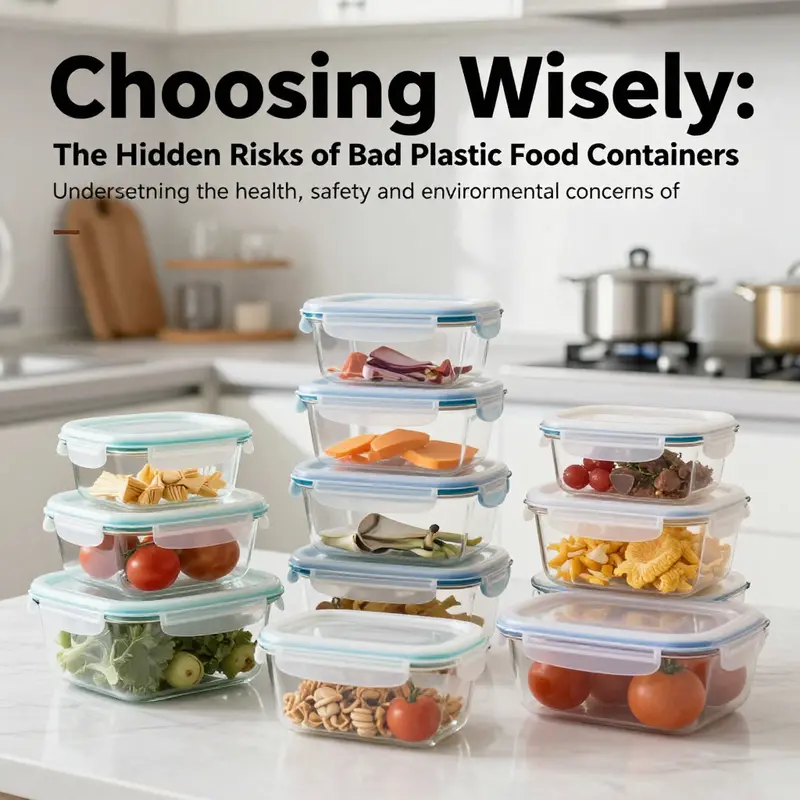
As the food and beverage industry continues to flourish, so too does the necessity for reliable food storage solutions. However, not all plastic food containers are created equal. Many affordable options may save you money initially but come with hidden risks that can jeopardize customer safety and satisfaction. Understanding the potential dangers of bad plastic food containers is vital for businesses—like bubble tea shops, restaurants, food trucks, event planners, and corporate procurement teams—to maintain high quality standards. This article unpacks the multi-faceted risks associated with these containers, addressing chemical risks, physical degradation, environmental impacts, regulatory concerns, and potential health implications. By the end, you will be equipped to make informed choices that protect your customers and your business.
Leach, Degrade, and Endanger: The Hidden Chemical Threat of Bad Plastic Food Containers
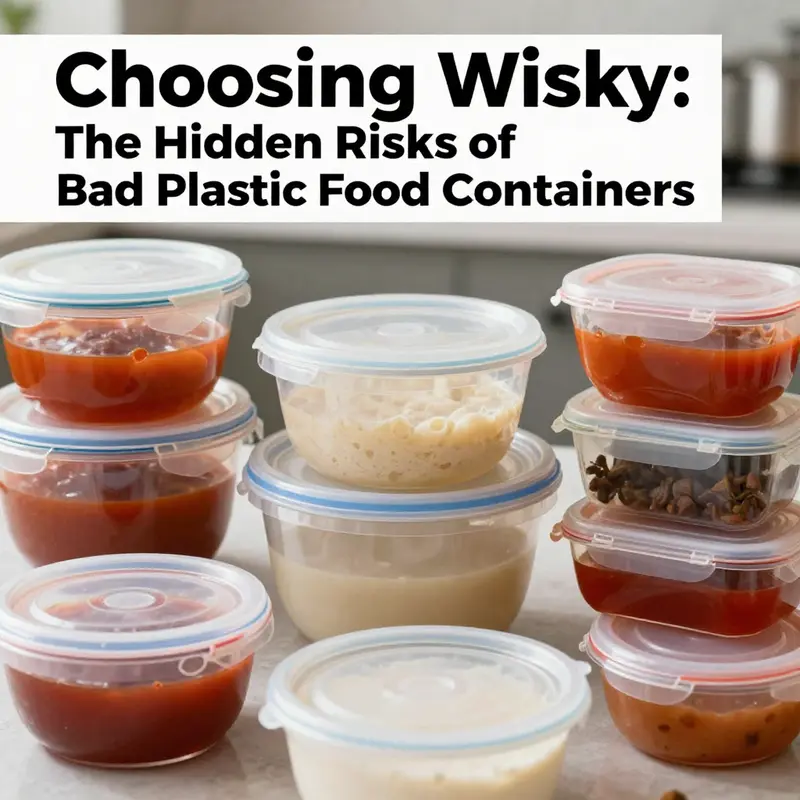
The everyday act of storing and reheating leftovers seems simple, almost invisible in its routine. Yet beneath the hum of a busy kitchen, heat, fat, acidity, and aging plastic can interact to release substances into our meals. This chapter surveys how plastics can migrate chemicals when containers are heated, stored for long periods, or become scratched. BPA and phthalates are among the best known concerns, but the risk is broader: additives, degradation products, and microplastics can accumulate with repeated use. Not every plastic is dangerous, and exposure does not always cause immediate illness, but cumulative and context-specific effects remain a concern for long-term health. The practical takeaway is pragmatic: minimize heat exposure, prefer safer materials for hot or fatty foods, and retire containers that show wear. To reduce risk, practical steps include avoiding microwaving in plastic, choosing glass or inert materials for hot or fatty foods, avoiding containers that are scratched or discolored, and labeling to track age and intended use. While regulation has tightened standards, no material is entirely risk-free under all conditions. Consumers can improve safety by preferring proven food-grade options and retiring worn containers. For more guidance, consult official food safety guidelines from health authorities, and look for respected certifications that address food contact safety.
Cracked, Warped, and Contaminated: The Physical Degradation and Safety Risks of Bad Plastic Food Containers
Plastic containers seem sturdy, but many are not built to last under real kitchen use. Repeated handling, heat, and harsh cleaning can push plastics toward wear that is easy to miss until problems appear. This chapter traces how physical degradation translates into safety concerns in everyday storage.
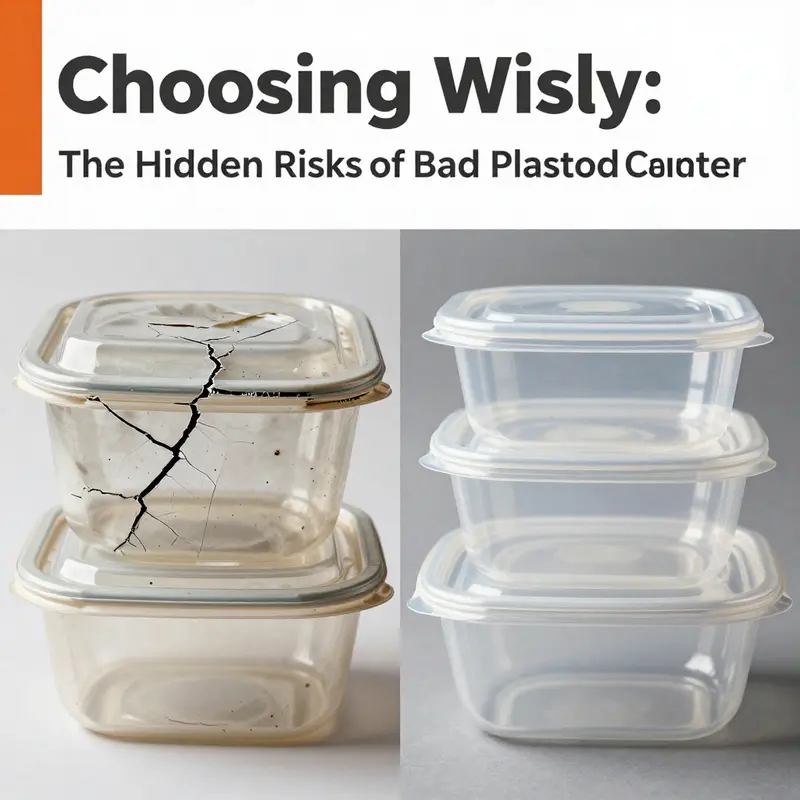
When a container is new it may feel solid, but over time the material shows signs of stress. Cloudiness, fine scratches, and slight lid warping can signal a compromised barrier between food and the outside world. A scratched surface can harbor residues and create microenvironments where bacteria can hide.
Warps and misalignment of the lid undermine the air and moisture seal that keeps leftovers safe. Heat can accelerate chemical changes and widen pathways for substances to migrate from plastic into the food, even if the product is labeled microwave safe.
Chemical migration is driven by temperature, duration, and the presence of fats or acids. Leftovers from tomato sauce or citrusy marinades stored in low quality plastics may expose you to higher levels of additives after multiple reheatings. BPA is only one part of the story; other additives and breakdown products can also migrate.
As plastics age, microcracks form and surfaces become rough. These features provide niches for bacteria and make cleaning harder. The combination of surface damage and repeated heating increases the chances that degraded fragments will shed into food.
Health concerns include endocrine disruptors that may migrate into food. Even BPA free products can release other additives or monomers that influence hormonal signaling over long-term exposure. The precaution is simple: minimize contact between worn plastics and heat whenever possible.
Practical consequences include odor absorption and stubborn staining. Odors from curry, garlic, or tomato sauce can linger in micro pores, signaling remaining surface issues and potential contamination in future meals. Cheap plastics may absorb heat and flavor more readily, accelerating both odor retention and chemical migration.
Safety relies on recognizing wear signs early. Cloudiness that goes beyond a surface sheen, deep scratches, warping, and lids that no longer seal firmly should prompt disposal and replacement with more stable options.
Safer alternatives exist. Glass is inert and non porous, and high quality polymer options with tight seals can offer long lasting performance. When choosing containers, look for materials designed for repeated contact with food and heat and for clear statements of compliance with safety standards.
Practical steps for households include inspecting containers regularly, avoiding heating non labeled plastics, and transferring leftovers to glass or high grade polypropylene before reheating. Clean gently to avoid creating new micro-scratches, and retire any container that shows wear.
Beyond individual choices, consumers can seek packaging that minimizes plastic use and favors paper based alternatives when feasible. For those seeking more information, official guidance from food safety authorities provides a framework for evaluating material safety and labeling.
The Environmental Toll of Bad Plastic Food Containers: From Production Lines to Ocean Floors
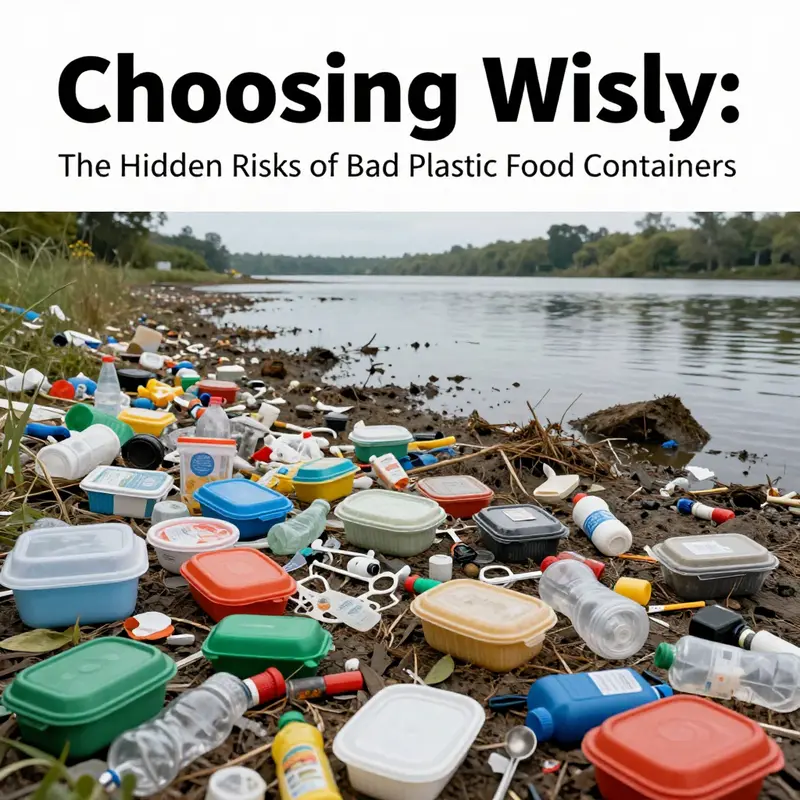
The environmental toll of bad plastic food containers begins long before a single sandwich or curry ever crosses a café counter. It starts in the factory where fossil fuels are transformed into polymers, additives are blended, and a product intended for short-term convenience is born. The story then moves through a web of stages—manufacture, use, disposal, and, for many, endless remnants in the environment. Each step compounds the harm when the design prioritizes cost over durability, when labeling is vague, and when the end of life is treated as an afterthought. The result is not a neat one-off problem but a chronic pressure on ecosystems, climate, and human health that persists long after the container has fulfilled its brief usefulness.
At the heart of the environmental concern is the chemical makeup of many plastic containers. Some are made from polymers and additives that, under heat or acidic contact, can shed substances that are not friendly to living systems. Polystyrene, designated as PS #6, is often cited in discussions of disposable containers because its heat tolerance can be limited and certain migrants may exceed accepted safety thresholds when containers are heated to high temperatures. Polyethylene terephthalate, or PET #1, is another common material in the grab-and-go world, valued for clarity and strength yet not immune to leakage of compounds when stressed or degraded. These concerns extend beyond the kitchen. When plastics are engineered for performance, some include the kind of chemical packages—like BPA or phthalates—whose health implications have chased them into public scrutiny for years. And in recent discourse, “forever chemicals” such as PFAS show up as coatings intended to resist grease but with the consequence that they do not easily break down in the environment, accumulating in soil, water, and living beings. The takeaway is not a single event of exposure but a cascade of opportunities for interaction between container chemistry and everyday meals, especially when containers are heated, reused beyond their design limits, or scratched, which can create micro-porous surfaces that harbor residues and microbes alike.
These chemical questions intersect with a harsher truth about usage patterns. The packaging that is designed for quick, single-use turns into a long-lasting footprint the moment it escapes a consumer’s attention. In landfill and aquatic environments alike, plastics fragment under sunlight, mechanical abrasion, and weathering. The fragments become microplastics—tiny, persistent particles that drift through soil and water, ensnaring wildlife and infiltrating food chains. The scale of the problem is staggering. Research indicates that millions of tons of plastic enter marine environments each year; in some estimates, the global river-to-sea flux carries enough material to fill a fleet of garbage trucks every minute. This pervasive presence has become a hazard for sea life. Sea turtles can mistake bags for jellyfish; seabirds often ingest plastic fragments, with studies suggesting that a substantial majority of seabirds have already encountered plastic in their diet. Even if a single piece seems inert, its long tail-lives and the way it fragments into microplastics means it participates in ecological disruption for decades, if not centuries. The imagery is stark: a world where disposable containers contribute to a cycle of contamination and harm that outlasts the meals they once protected.
The lifecycle emissions of plastic containers add another layer to the environmental calculus. On average, plastics contribute a smaller share of greenhouse gases in the overall lifecycle of some foods, with estimates showing under 10% of emissions across a range of products. Yet this still matters, especially when scaled to the sheer volume of containers used globally and the long-term persistence of the material. In addition to direct emissions, the production and disposal pathways of plastics interact with resource depletion, energy use, and the broader climate picture. The situation is compounded by the emergence of coatings and additives that resist grease or heat. PFAS-derived coatings, for example, resist oil but do not easily degrade, weaving a thread from consumer packaging into the environment and even into biological systems. The net effect is a layered, stubborn problem: a product designed for convenience ends up contributing to environmental and health concerns long after the initial meal is consumed.
What, then, can be seen as a way forward when the problem is both material and behavioral? The mitigation recommendations that appear in robust safety and environmental assessments point toward a two-pronged approach: reduce reliance on disposable plastics and raise the durability and recyclability of the containers that remain in circulation. Reducing single-use reliance means encouraging reusable, long-lasting alternatives such as glass or high-quality polypropylene (PP) containers with secure, airtight seals. The logic is simple but powerful: if a container can last for many meals, the frequency of waste generation declines and the opportunities for degradation, leakage, and microplastic formation diminish. When reusables are practical, the temptation to discard after a single use drops, especially in settings where cleanliness and food safety standards are well enforced.
The materials themselves deserve scrutiny. Safer resin codes, for instance, guide safer use patterns in microwaves or dishwashers; PP #5 is commonly recommended for microwave-safe use, provided that the container is in good condition and free from scratches that can harbor residues. In contrast, containers that are labeled PS #6 or PET #1 should be heated with caution or avoided for hot foods because the risks of chemical migration and structural compromise increase with temperature. Beyond these codes, clear labeling that conveys food safety compliance—BPA-free, FDA-approved, or compliant with EU food contact regulations—helps consumers make informed choices and reduces the chance of unknowingly buying containers with questionable safety or environmental performance. When labeling is accurate and transparent, it becomes a cornerstone of consumer confidence and a signal to manufacturers that long-term safety and environmental performance matter as much as immediate convenience.
Consumer behavior and product design are not isolated culprits; they form a dynamic feedback loop that shapes the packaging landscape. The push for convenience has historically favored materials that are cheap to produce and easy to dispose of. Yet the consequences—landfill overflows, microplastic seepage into waterways, and the slow, costly process of cleaning up environmental debris—force a reconsideration of what constitutes acceptable risk and acceptable cost. A shift toward better design for recyclability can be as pragmatic as choosing materials that are more easily recovered by municipal waste systems. In practice, this means creating containers that are simpler to sort, with materials that can be separated and reprocessed without compromising integrity or safety. It also means incorporating consumer-friendly choices that support daily reuse, such as sturdy glassware or metal containers with well-sealing lids that resist cracking under dishwasher cycles and frequent handling.
In this evolving landscape, the role of alternatives becomes salient. One practical pathway is to prefer packaging that uses renewable or recyclable materials and to recognize that paper-based or pulp-derived options often offer distinct environmental advantages over traditional plastics. For instance, kraft paper-based bowls and packaging, when produced responsibly, can reduce reliance on fossil fuels and lower the environmental burden across some life-cycle stages. This is not a blanket endorsement of any single material but a call to compare life-cycle footprints, end-of-life pathways, and real-world performance. Consumers can be guided by a simple premise: durability and recyclability should not be sacrificed for short-term convenience, and when possible, container choices should lean toward systems that keep materials in circulation rather than consign them to landfills or the natural environment. For readers seeking a tangible example of how packaging choices can align with sustainability goals, a careful look at kraft paper packaging options reveals a practical route toward reducing waste while maintaining food safety and usability. kraft paper packaging offers a snapshot of how a design paradigm can emphasize reusability, modularity, and end-of-life recoverability without sacrificing performance in everyday food service.
The broader takeaway is clear: moving away from bad plastic food containers requires coordinated action across production, regulation, and consumer habits. Policy playbooks that incentivize recyclability, improve labeling, and promote reuse can tilt the market toward materials and designs that minimize environmental risk. At the same time, consumer education about safe handling, heating practices, and proper disposal reduces unnecessary exposure to hazardous migrants and cuts the volume of waste that would otherwise persist in the environment. The environmental costs of takeout culture are not solely abstract figures; they translate into air and water quality concerns, wildlife harm, and a climate burden that becomes more acute as plastic production and consumption grow. A practical, evidence-informed response integrates safer materials, more robust waste management, and a cultural shift toward durability and responsibility.
For readers who want to explore the scientific backbone of these concerns, a deeper dive into peer-reviewed research on the environmental footprint of takeaway containers provides a broader context. This body of work underscores the nuanced balance between functionality, safety, and sustainability that must guide both policy and everyday choices. External resources illuminate the complex trade-offs involved in material selection, end-of-life treatment, and the real-world outcomes of packaging systems on ecosystems and climate. As the field evolves, the core message remains consistent: better design, better labeling, and a commitment to reuse and recyclability can reshape the trajectory of plastic packaging from a symbol of disposable convenience to a component of a more sustainable food system.
External resource: Environmental impacts of takeaway food containers on ScienceDirect: https://www.sciencedirect.com/science/article/pii/S095965261830743X
Sealed in Doubt: Regulatory Tensions and the Demise of Bad Plastic Food Containers
The regulatory landscape surrounding plastic food containers is a dynamic negotiation among health, industry, and the environment. At its core lies a fundamental question: how do we safeguard people from chemicals that might migrate from packaging into the foods we eat, while also reducing the waste that clogs landfills and oceans? The answers and the tensions behind them reveal why bad plastic containers persist in some corners of the market and how policy is shifting to curb their impact. Chemical safety regulations center the debate on migration; when plastics are heated or come into contact with fatty or acidic foods, certain additives, monomers, or even microplastics can migrate into the contents. The modern policy stance, particularly in the United States, emphasizes that microplastics or nanoplastics are not to be treated as ingredients in food; instead, the emphasis is on ensuring that any material used in food contact complies with strict limits and robust testing to prevent harmful substances from leaching into meals. Yet evidence suggests that migration can occur under real world conditions, depending on temperature, time, and the composition of the food. The lingering concern is that consumers are not always aware of these subtleties, and the containers they rely on for daily meals may harbor residues that accumulate over years of use. The regulatory response to this risk is precautionary and iterative, encouraging safer polymers and additives that maintain barrier properties without introducing new hazards. The cautionary note here is not to stigmatize all plastics but to call out the class of low quality or poorly tested products that can fail in everyday scenarios. The evidence pointing to microplastic exposure and oxidative stress strengthens the case for tighter oversight and more rigorous certification processes. When a container is labeled as food safe but exhibits warping, scratching, or degradation after dishwasher cycles, a subtle but consequential failure occurs: the seal weakens, air and moisture infiltrate, and the microenvironment within the container becomes a haven for bacteria. This is not merely an issue of aesthetics or efficiency; it is a direct pathway to faster spoilage and potential health risks. The regulatory narrative thus intertwines safety with practical usability. A container designed to resist heat but failing to maintain an airtight seal under repeated use betrays both consumer trust and the protective purpose of food contact materials. The design flaws often reflect the economics of production, where cheaper molds and additives meet the minimum standards just enough to pass testing, but not enough to withstand the rigors of home or commercial kitchens. In those moments, the conversation shifts from the laboratory to the kitchen table, where a consumer’s decision about how to store leftovers becomes a choice about long term health and environmental stewardship. The environmental dimension adds a parallel layer to the regulatory calculus. Europe is pushing toward a circular economy, with targets like recycling at least 55 percent of all plastics by 2025, reframing what counts as safe packaging. The United Kingdom has taken an even more aggressive stance, proposing that by 2030 all plastics placed on the market should be reusable or easily recyclable. These ambitions press manufacturers to rethink materials, not just to reduce chemical risk but to design products that can re-enter the economy rather than languish in landfills or waterways. The regulatory focus on end of life management elevates questions about which materials truly deserve a long shelf life in the home and which are better suited to short term, compostable or recyclable cycles. For high temperature applications, crystalline PET, CPET, has emerged as a workhorse for oven and microwave safe design. CPET can withstand a broad temperature range, from sub zero to near boiling conditions, offering a practical solution for hot foods and ready meals. Yet CPET is not a panacea. It is relatively rigid, more brittle than polypropylene, and its production and end of life considerations raise concerns about recyclability and biodegradability. These trade-offs illustrate a broader regulatory truth: safety and sustainability often pull in different directions, forcing policymakers and industry to balance performance with environmental accountability. The guardrails that emerge from this balance emphasize clear labeling, traceable compliance, and robust testing that reflects real world use. Without explicit labeling or certification signals, consumers are left to guess about a container’s safety profile. The absence of clear signals can create a gap between lab tested promises and everyday practice, with practical consequences for reheating, storage, and hygiene. In response, regulators increasingly promote safer materials and better lifecycle thinking. They encourage the adoption of glass or high quality food grade polypropylene containers that offer airtight seals and inert surfaces. Glass, for example, is chemically inert and non porous, resisting degradation and providing a stable barrier to air and moisture. The shift toward such alternatives does not merely protect health; it aligns with environmental goals by enabling longer reuse cycles and easier end of life processing. The challenge, of course, is making these safer options accessible and convenient for everyday consumers and commercial operators alike. The policy conversation extends to information transparency. Clear labeling about what a container is made of, its heat tolerance, and its compliance to recognized safety standards is essential. When labeling is opaque or misleading, consumer decisions become riskier, and the broader regulatory aim of reducing exposure to potentially harmful substances weakens. In practical terms, this means that manufacturers and retailers share responsibility for ensuring that packaging not only passes initial safety tests but also remains reliable throughout its life from first use to disposal. It also means the industry must invest in better materials science, exploring polymers that resist migration, degrade less in use, and are easier to recycle. The regulatory momentum is toward products that combine safety with durability and recyclability, rather than short lived, single use plastics that fail under heat and time. For readers seeking a sense of how these shifts translate into choices in the market, it helps to consider safer packaging options that are increasingly promoted by safety guidelines and sustainability programs. For instance, there is growing emphasis on paper based and pulp packaging options as alternatives for take-away and home storage. These materials generally offer inert surfaces and straightforward end-of-life processing, with less risk of hazardous migration or contaminant accumulation. If you want to explore practical packaging alternatives that align with the regulatory and environmental direction outlined here, a good starting point is to explore kraft paper packaging options. Kraft paper packaging options provide a tangible example of how the market is shifting toward safer, recyclable formats without sacrificing functional performance. This is not a one size fits all prescription, but it signals a trend: the most resilient regulatory responses encourage safer materials that still meet consumer needs, while evolving toward circularity. To deepen understanding of the health implications associated with plastics in food contact, readers may refer to official resources that summarize current guidance on microplastics and nanoplastics in food. The FDA has published guidance detailing how microplastics are understood within the regulatory framework, emphasizing that material safety testing, migration limits, and compliance are central to protecting public health.
Hidden Dangers in Everyday Food Storage: The Human Cost of Bad Plastic Containers
In kitchens across the world, plastic containers have become a quiet, constant companion for storing, reheating, and transporting meals. The convenience is undeniable, yet beneath the everyday routine lies a web of health risks that researchers are increasingly tying to the quality, design, and misuse of plastic food containers. This chapter follows a single thread through chemical migration, physical degradation, microbial risk, and the long shadow cast by microplastics. It asks not what plastic does to food, but what it can do to the human body when the containers that hold our daily meals are not up to safety standards or are used inappropriately. The pattern is not dramatic television horror, but a steady drumbeat of potential exposures that accumulate with repeated use, heat, and time. When containers are heated, scratched, exposed to fatty or acidic foods, or used long after their intended lifespan, the risk landscape shifts from theoretical concern to practical everyday danger. The story is not anti-plastic by impulse; it is a call to mindful choice and rigorous testing, to ensure convenience does not come at the cost of health. And it is a reminder that the simplest acts—how we store soup, how we reheat leftovers, how we seal a lid—carry consequences that echo beyond the kitchen.
Chemical migration is the most discussed mechanism by which bad containers threaten health. Low-quality plastics may harbor additives such as bisphenol A, phthalates, and trace metals that facilitate the leaching of potentially harmful substances into food. When a container is heated, the barrier between the food and these additives becomes thinner in practice, even if the material meets safety standards at room temperature. The risk intensifies with hot or oily foods, which can accelerate the transfer of substances into the meal. Among the materials most frequently flagged are PVC and PS, which have been associated with chlorinated byproducts and styrene derivatives under heat. The long-term picture is less obvious than a single meal, yet the concern is real: endocrine disruption, reproductive effects, and potential contributions to cancer risk have been observed in toxicology and epidemiology literature. The IARC classifies certain phthalates as possibly carcinogenic to humans, a designation that underscores why tenure of safety testing matters as much as labeling. The absence of a clear, universal threshold for exposure makes it especially important to minimize contact with non-food-grade plastics, particularly when meals are heated in microwaves or stored in cars on sunny days.
Even when a container appears intact, the material itself can degrade with repeated use. Cheap plastics may warp, crack, or lose their shape in the dishwasher, warping lids and compromising the seal. A compromised seal invites air and moisture to infiltrate, speeding spoilage and creating anaerobic or microaerophilic environments where bacteria can flourish. Scratches and micro-pores become hidden reservoirs for residues that are hard to rinse away completely. In such microenvironments, microbes like E. coli or Salmonella can persist, especially if the container is not dried thoroughly after washing. The danger is not limited to gross contamination; it propagates through repeated cycles of storage and reheating, increasing the odds of consumer exposure to harmful organisms and their toxins. The design flaw becomes a practical hazard precisely because it is invisible to the casual observer.
A separate but deeply troubling vector is the transfer and persistence of microplastics. As plastics age, and as they are subjected to heat, abrasion, and cleaning, microscopic particles shed from the surface. These microplastics can find their way into food and drinks, later entering the human body through ingestion. Recent and rapidly evolving evidence suggests these particles can travel through the bloodstream and accumulate in organs such as the heart, liver, lungs, and even the placenta. The potential consequences include chronic inflammation and oxidative stress, along with disruptions to the gut microbiome. While the full health implications are still being studied, the possibility that microplastics could contribute to inflammation, DNA damage, and metabolic disturbances is enough to warrant precaution. The notion that plastic containers could be a source of these particles makes the choice of container an act of long-term risk management, not merely a matter of present convenience.
The risk equation is further complicated by microbial realities. Plastic surfaces, especially those with scratches, cracks, or discoloration, can harbor bacteria and mold. If residues are not cleaned thoroughly or dried properly, these residues become a hidden source of contamination. Pathogens such as certain strains of E. coli or Salmonella flourish in imperfectly cleaned crevices and micro-pores. The consequences range from mild gastrointestinal upset to acute gastroenteritis, vomiting, and diarrhea. For individuals with weakened immune systems or underlying health conditions, such infections can escalate into more severe illnesses. The everyday habit of reusing containers and lids, particularly in busy households, amplifies this risk.
Children and older adults are particularly vulnerable to the health consequences associated with poor plastic containers. Developing bodies in children absorb toxins more readily, and their detoxification systems are not as efficient as those of adults. Early exposure to endocrine-disrupting chemicals, including certain phthalates and bisphenols, has been associated with potential effects on neurodevelopment, attention and behavior, and even obesity trajectories. In the elderly, diminished organ function can hinder toxin clearance, allowing cumulative exposure to weigh more heavily on conditions like cardiovascular disease or liver dysfunction. These vulnerabilities are not mere theoretical concerns; they help explain why public health bodies emphasize careful selection, labeling, and periodical replacement of plastic storage items, especially in households with young children or seniors.
Real-world consequences and surveillance data help translate these mechanisms into lived experiences. In some urban settings, researchers and health authorities have noted a surprisingly high prevalence of households that continue to use unsafe containers, including some that exceed safe usage lifespans. Case-based evidence—such as one reported instance of stomach cancer linked, in part, to long-term exposure to heated plastic storage practices—illustrates how the risk can accumulate over years. While single cases do not establish causality, they illuminate the underlying biology and reinforce the message that risk depends on sustained patterns rather than isolated incidents. The broader public health picture is reinforced by guidance from institutions that describe how simple actions, such as selecting food-grade plastics, avoiding heating plastic containers, and replacing damaged items, can meaningfully reduce exposure.
Against this backdrop, practical steps emerge without sacrificing the convenience people rely on. Whenever possible, favor materials explicitly labeled as food-grade, and be mindful of the recycling codes that signal performance characteristics. Polypropylene, a common food-grade option with the code #5, is often more heat-tolerant and less prone to leaching than other plastics. Codes #2 (HDPE) and #4 (LDPE) are also frequently suitable for non-heated storage, though they may not be ideal for reheating. The overarching principle is simple: minimize exposure to high temperatures, fatty foods, and acidic foods in plastic storage, and replace containers that are cracked, warped, or heavily scratched. In practice, this translates to an action triad—prefer glass or inert materials for hot or fatty meals, choose high-quality plastics with clear labeling for cold storage, and monitor the shelf life and integrity of containers with a critical eye.
As a matter of daily habit, many people also weigh the trade-offs of reuse. Reusing single-use plastics or PET bottles, especially for storing hot or oily foods, can dramatically increase risk. Affordability, convenience, and habit often clash with safety. The safer alternative matrix is straightforward: glass, ceramic, or stainless steel for hot, acidic, or fatty foods; high-quality plastic or PP for cold storage and short-term use; and a disciplined timetable for replacement. Glass, in particular, offers chemical inertness and non-porosity that resist the kind of degradation seen in many plastics, making it an attractive long-term option for households seeking to minimize cumulative exposure.
Even as the science evolves, there is value in a disciplined approach to packaging that respects both safety and sustainability. For households seeking practical, low-cost shifts, it is worth considering safer take-out and storage options that reduce reliance on plastics altogether. In daily life, choosing packaging composed of kraft paper or other paper-based materials can mitigate several of the risks described above. For example, kraft paper packaging often provides a stable, non-absorbent surface that does not retain food residues in micro-pores. If you are exploring reliable, safe packaging options for take-out or reuse, you may find durable kraft paper alternatives that are designed for easy disposal and lower environmental impact. If you are curious about specific packaging designs that align with these safer practices, you can explore examples such as kraft paper packaging options for take-out at this resource: kraft paper packaging options for take-out.
Despite the weight of evidence and the urging of public health agencies, the everyday choice remains personal, practical, and deeply contextual. The balance between convenience and safety often hinges on habits that are easiest to sustain in a busy household: how we store leftovers, how we reheat, how we wash and dry containers, and when we decide to replace worn items. The message is not to abandon plastic altogether but to treat it as a tool whose use is governed by clear boundaries. Avoid heating plastic containers unless they are specifically labeled microwave-safe, avoid storing hot foods in any container that is not designed for such use, and be prepared to retire containers that become discolored, scratched, or deformed. In the end, the goal is to protect the food you eat and the body you feed it to. The safer storage choices, when paired with mindful use, can dramatically reduce chemical exposure, microbial risk, and the unseen accumulation of microplastics in daily life. For those seeking deeper context and authoritative guidelines, external resources such as national public health guidance provide practical steps and warnings that help translate science into everyday practice. External resource: https://www.chinacdc.cn/xxgk/jkgz/202507/t20250712_287948.html
Final thoughts
In the fast-evolving landscape of the food and beverage industry, the choice of food storage containers can profoundly impact your business’s reputation, customer safety, and environmental footprint. As we’ve explored through the chapters, bad plastic food containers can lead to a plethora of challenges ranging from chemical risks and physical degradation to significant environmental impacts and regulatory challenges. By prioritizing safer, high-quality alternatives like glass or food-grade polypropylene, you not only safeguard your customers’ health but also contribute positively to environmental sustainability. The commitment to using safe food storage solutions reflects a professional and responsible approach that can enhance your brand’s image and customer loyalty.