
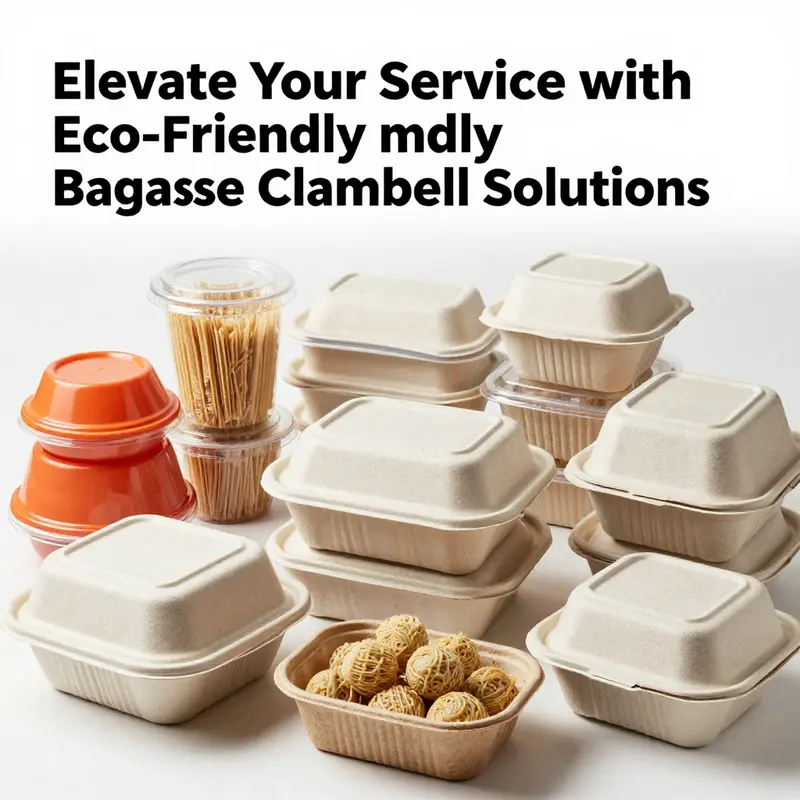
As sustainability becomes a pivotal concern for consumers and companies alike, bagasse clamshell packaging emerges as a go-to solution. Extracted from sugarcane byproducts, these compostable containers represent an environmentally friendly choice for bubble tea shops, restaurants, food trucks, and catering services. This article dives deep into the operations of bagasse clamshell factories, shedding light on their economic viability, environmental impact, and the customization trends currently transforming the market. With a focus on these core areas, we aim to equip procurement teams and business owners with comprehensive insights that will aid in their decision-making process for packaging solutions.
null
null
From Green Waste to Scalable Profit: The Economic Viability of Bagasse Clamshell Manufacturing
The economics of bagasse clamshell production unfold less like a simple price calculation and more like a careful orchestration of renewable resources, specialized processes, and shifting regulatory appetites. When a factory turns a renewable byproduct of the sugarcane industry into disposable tableware, it is not merely chasing a niche market. It is tapping into a structural change in how the world thinks about packaging: compostable alternatives that can perform at scale, with costs that can be tuned through design, location, and logistics. The market data in 2026–2031 tells a consistent story. The broader stock clamshell packaging sector, which now includes bagasse-based options, was valued at about USD 6.31 billion in 2026 and is projected to grow at a compound annual rate of roughly 5.1 percent, reaching around USD 8.09 billion by 2031. Within this framework, the bagasse tableware segment is not a fragile niche; it is a growth vector with a slightly higher long-term trajectory, estimated at about 6.1 percent annually from 2026 to 2033. Those numbers are more than optimistic indicators; they reflect a shift in policy, consumer expectation, and the strategic posture of major foodservice operators who seek to reduce plastic footprints without compromising performance.
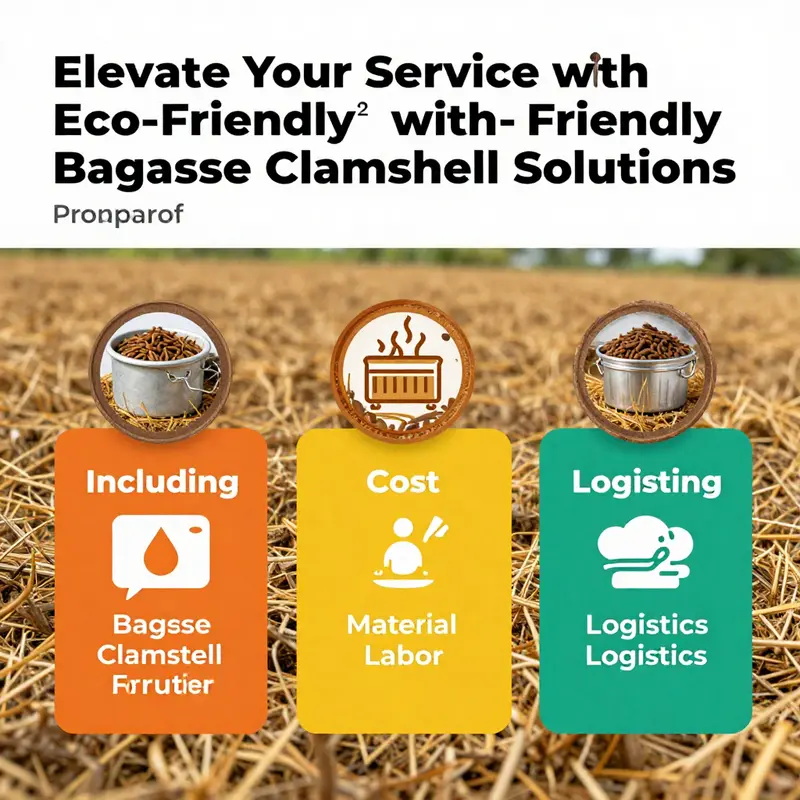
The driving forces behind this expansion are clear and interrelated. Environmental awareness is no longer a peripheral concern; it has become a criterion for procurement decisions. In many regions, regulators are actively encouraging or mandating biodegradable and compostable alternatives to conventional plastics, especially for single-use items. This regulatory environment lowers the risk of alternate materials gaining a foothold and gradually narrows the price delta between traditional plastics and compostable substitutes. In response, manufacturers of bagasse clamshells have found that the cost of raw materials, energy, and labor can be offset by design choices that optimize yield, reduce waste, and shorten cycle times. The result is a product that can be offered with competitive unit prices even at substantial volumes, provided the production system is tuned for efficiency.
The numbers from early 2026 show a practical price anchor for a typical 8-inch, three-compartment bagasse clamshell: roughly USD 0.09 to 0.10 per unit for large orders, with minimums around 10,000 units. Those figures are not static seals on profit; they are leverage points. They can be improved by refining the supply chain, achieving better economies of scale, and reducing landed costs through smarter logistics. A factory equipped to produce more than 200,000 units annually can spread fixed costs across a larger base, thereby improving unit economics. This is where the concept of location becomes a strategic asset. Production hubs in China, where supply chains are densely networked and seasonality in demand can be absorbed by a broad base of customers, allow for easier access to certifications, faster throughput, and competitive pricing. But the real economic gain comes when a factory pairs high-volume capability with a lean operation that minimizes waste and energy use, without compromising the compliance standards that buyers rely on for food contact products.
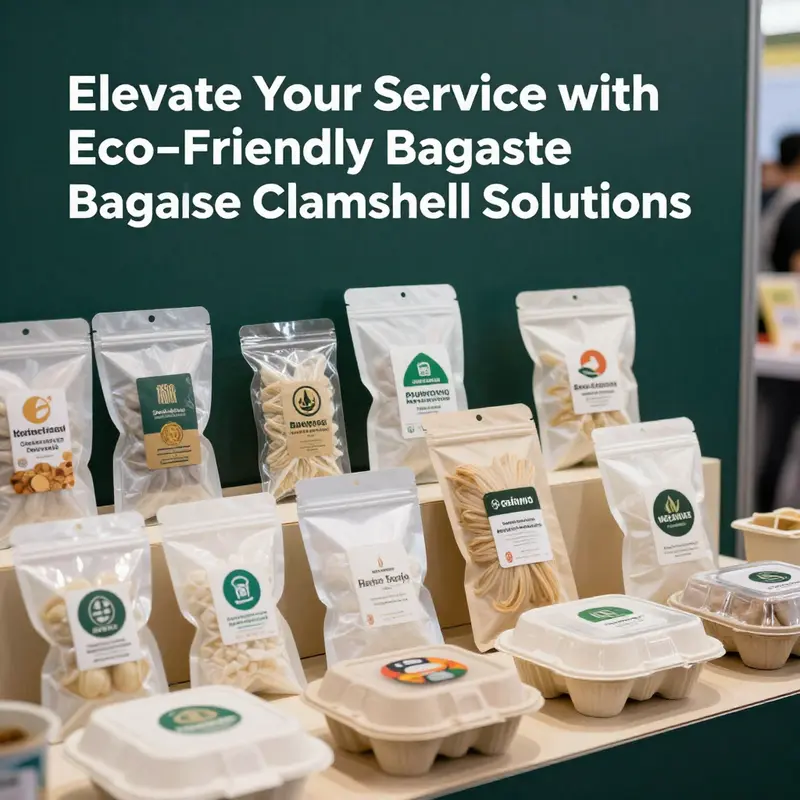
From a product-design perspective, the ability to offer customization at scale has become a key differentiator in this market. While the base bagasse clamshell provides a dependable performance envelope—heat resistance, moisture management, and rigidity—OEM and customization capabilities enable brands to stand out in a crowded field. The trend toward customization is not merely about branding; it is about packaging solutions tailored to specific menu formats, portion sizes, and service models. A consumer-facing environment that often includes rapid turnover, delivery services, and varied cold and hot holding conditions benefits from packaging that can be adapted to different workflows. For manufacturers, this creates a twofold opportunity: first, to secure contract volumes through branded design and packaging, and second, to elevate average order value by offering a suite of compatible accessories or lids that complement the core clamshell design.
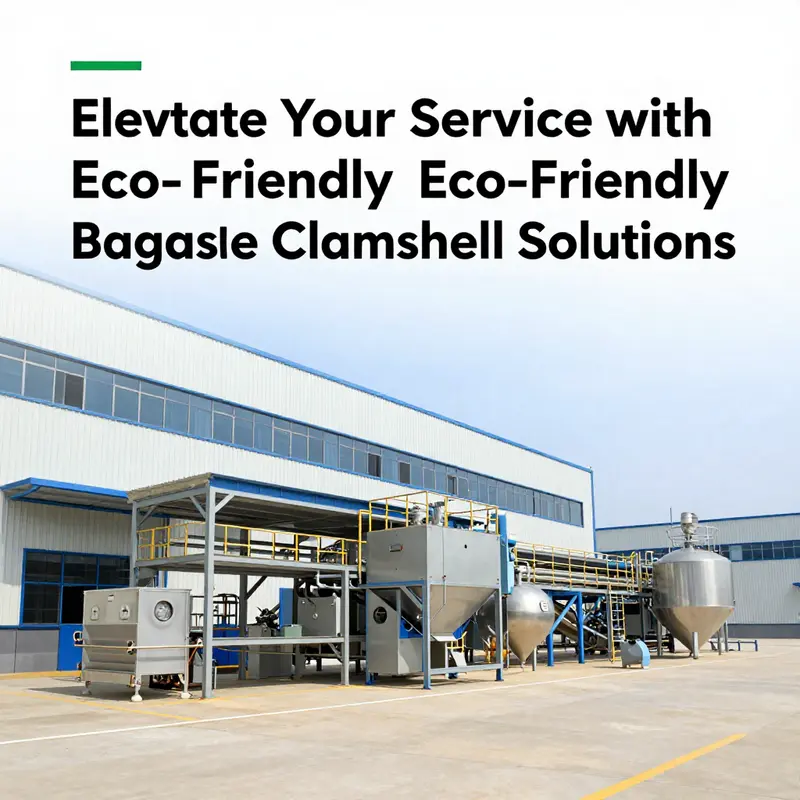
In this context, a practical path to profitability emerges from balancing raw-material reliability with process discipline and market responsiveness. Bagasse is a fibrous, renewable byproduct of sugarcane processing. It is abundant in regions where sugarcane is cultivated at scale, and its availability can stabilize supply even when demand from other uses fluctuates. A factory that maintains stable access to bagasse fibers, and simultaneously invests in converting lines that optimize yield and minimize waste, can keep unit costs predictable. The conversion into clamshell boxes requires a set of specialized steps—forming, folding, embossing, and sometimes coating—each with its own cycle time and energy profile. The best plants minimize downtime, maximize machine utilization, and implement rigorous quality control to ensure consistency across tens or hundreds of millions of units per year. When certifications from bodies like the FDA and BPI are in place, these operations gain a credible value signal that helps justify price parity with other eco-friendly options while preserving margins.
One recurring theme in this economic calculus is landed cost. The price of the container is only part of the story. Shipping, tariffs, insurance, and port handling can tilt the economics significantly, especially for buyers who source from international suppliers. The total landed cost is a composite of the per-unit price plus freight, handling, duties, and any compliance-related expenses. In markets where demand is concentrated in North America and Europe, landed costs can be sensitive to freight rates and timing. A factory with efficient logistics partners and the capacity to bundle large orders into full container loads will tend to outperform peers that rely on sporadic shipments. The minimum order quantity serves both as a risk control and a profitability buffer: it ensures that the production line runs at a rate that justifies the setup, maintenance, and material handling overhead, while still offering large enough blocks to attract buyers with scale ambitions. In practice, a lead-time strategy that aligns manufacturing cycles with seasonal demand—such as festival seasons or back-to-school periods—can smooth revenue recognition and reduce the need for overstated safety stock.
Functional performance remains a non-negotiable determinant of viability. Bagasse clamshells must perform under the realities of hot foods, moisture exposure, and rough handling during transit. The certifications, notably by FDA and BPI, provide a prerequisite assurance that the packaging is suitable for food contact and compostable in appropriate environments. These assurances unlock access to a broad customer base, including restaurant chains, delivery platforms, and environmental campaigns that demand robust compliance. The presence of such certifications reduces due diligence friction for procurement teams and shortens the sales cycle, which, in turn, accelerates cash conversion cycles—a tangible element of profitability in any manufacturing operation.
Strategic considerations for manufacturers extend beyond the familiar triad of price, capacity, and certification. They include the ability to respond to shifting consumer preferences, the flexibility to adapt to evolving regulatory frameworks, and the capacity to deliver on branding promises without sacrificing process efficiency. For instance, the growing demand for customization (OEM) services is a structural feature of the market. Clients are not simply buying a container; they are seeking packaging ecosystems that align with their branding, packaging design language, and sustainability narrative. A factory that offers design customization, color options, and branding opportunities while maintaining the integrity of the underlying material and its compostability gains a competitive edge. The option to embed brand identity through embossed patterns, lid designs, or tailored shapes without complicating the recycling or composting endpoints is a nuance that long-term clients value highly. In practical terms, a facility that can accommodate a client’s design requirements at scale—without compromising cycle time or yield—will price additional OEM services into its cost structure and improve overall profitability.
The landscape of supplier competition also matters. In major production hubs, multiple factories compete for the same orders, creating a dynamic where process improvements, procurement strategies, and contract terms become differentiators. Buyers increasingly scrutinize not just unit price but the total package: capacity to meet tight lead times, the ability to deliver with consistent quality across regional distribution centers, the robustness of packaging and logistics documentation, and the track record of compliance with environmental standards. A credible supplier will provide transparency around production capacity, certification status, lead times, and logistics capabilities. The literature and procurement guides published in late 2025, including those on B2B platforms, point to the importance of evaluating a supplier’s ability to scale, the reliability of supply continuity, and the sustainability profile of its entire value chain. Those considerations are not peripheral; they are central to achieving sustainable profitability in a market where price competition can be intense but margins can be protected through volume, reliability, and value-added services.
From a strategic vantage, profitability in bagasse clamshell manufacturing hinges on orchestrating three core elements: scale, efficiency, and credibility. Scale unlocks competitive unit costs through high throughput and amortized fixed costs. Efficiency manifests as improved yields, lower energy consumption, reduced waste, and lean manufacturing practices that minimize downtime. Credibility comes from certifications, consistent quality, and a dependable supply chain that can stand up to the requirements of large buyers and international distributors. When these elements align, a factory can realize sustainable margins even as raw-material costs and freight dynamics fluctuate. The globalization of supply chains means that sourcing from a core hub—most notably China, with its dense ecosystem of producers, equipment suppliers, and certification bodies—remains a practical reality for many operators. But scale must be coupled with nimbleness: the ability to adjust production plans in response to demand shifts, to offer OEM options that align with client branding needs, and to maintain a favorable landed-cost profile across diverse markets.
For readers seeking a concise view of market dynamics and strategic options, the MarketsandMarkets analysis provides a broader context. It highlights how the clamshell packaging market continues to evolve as consumer expectations, regulatory pressures, and environmental commitments converge in a way that sustains demand for bagasse-based solutions. In practice, a factory that combines a strong production base with robust OEM capabilities and a clear path to reducing landed costs can weather price volatility and maintain profitability across multiple business cycles. This is not merely about surviving in a niche segment; it is about aligning production architecture with global demand for sustainable, dependable, compostable packaging that performs under real-world conditions.
The practical implication for managers and investors is straightforward. Prioritize capacity expansion that does not outpace demand, invest in process improvements that lower unit costs, and cultivate a credible sustainability story anchored by certifications and transparent supply chains. Build a portfolio of customers—from foodservice chains to delivery platforms—that values reliability, branding flexibility, and environmental responsibility. The economics favor those who synchronize product design with manufacturing discipline, enabling high-volume output without compromising the compostability and safety commitments that define the category. In this sense, the bagasse clamshell factory becomes a platform: a scalable, adaptable operation capable of delivering consistent quality at competitive landed costs, while enabling brands to tell a credible environmental narrative through choice, not compromise.
Further reading and a broader market perspective can be found in industry analyses such as the MarketsandMarkets report on the clamshell packaging market. For a concrete example of how customization and branding play into supply dynamics, see the detailed product page on customized design options for eco-friendly containers, which exemplifies how brands can align packaging aesthetics with sustainability goals while leveraging the efficiency of a high-capacity production line. For additional context and practical procurement guidance related to sourcing criteria, lead times, and logistics capabilities, consult the comprehensive supplier procurement guide published for the China bagasse clamshell sector. To explore related packaging formats and design possibilities, you can visit the internal resource on customized design options: customized design eco-friendly 1300ml kraft soup and salad paper bowl with lid.
External resource: https://www.marketsandmarkets.com/Market-Reports/clamshell-packaging-market-244789378.html
null

null
null
null
Final thoughts
In summary, the operations of bagasse clamshell factories represent a critical advancement for businesses looking to elevate their packaging solutions while adhering to sustainability goals. The economic viability and reduced environmental impact make these factories an appealing option for food service sectors. With growing market demand for customized packaging, it’s clear that partnering with these manufacturers enhances brand visibility and demonstrates a commitment to ecological responsibility. Businesses can thrive in today’s conscientious consumer environment by investing in bagasse clamshells—turning an ecological need into a marketplace advantage.