
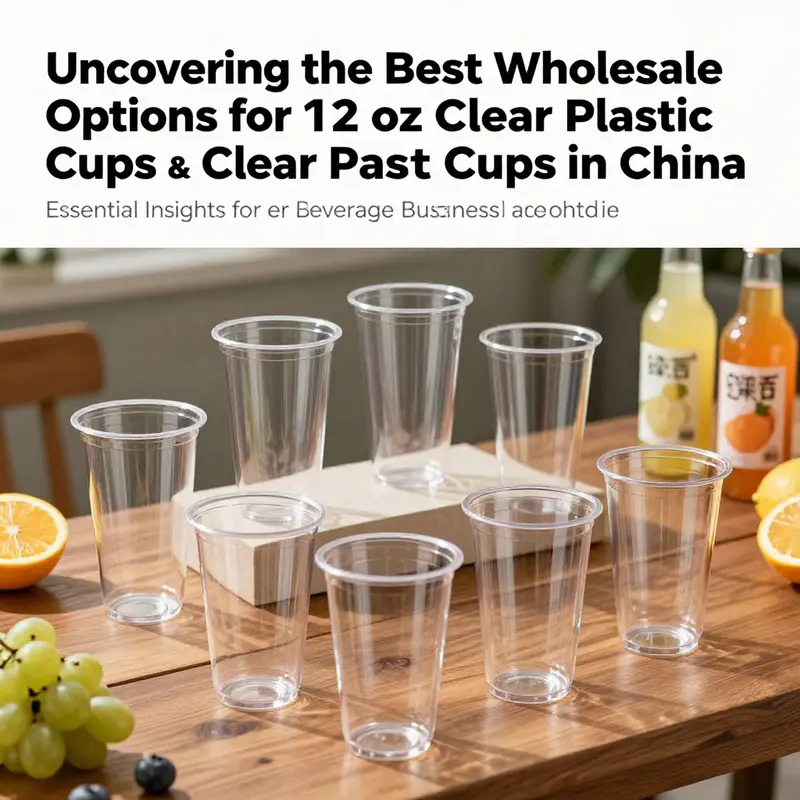
The beverage industry in China is thriving, especially with the rise of bubble tea shops and beverage chains, making the choice of packaging crucial. This article delves into wholesale 12 oz clear plastic cups, which are essential for various businesses, including restaurants, food trucks, catering services, and corporate events. Understanding supplier insights, material specifications, pricing trends, and customization options will empower operators to make informed decisions for their beverage offerings. Each chapter equips readers with the knowledge they need to successfully navigate the wholesale market for these versatile cups, all tailored to enhance customer experiences while meeting operational needs.
Clear Scaling: A Cohesive View of China’s Wholesale Market for 12-Ounce Transparent Plastic Cups
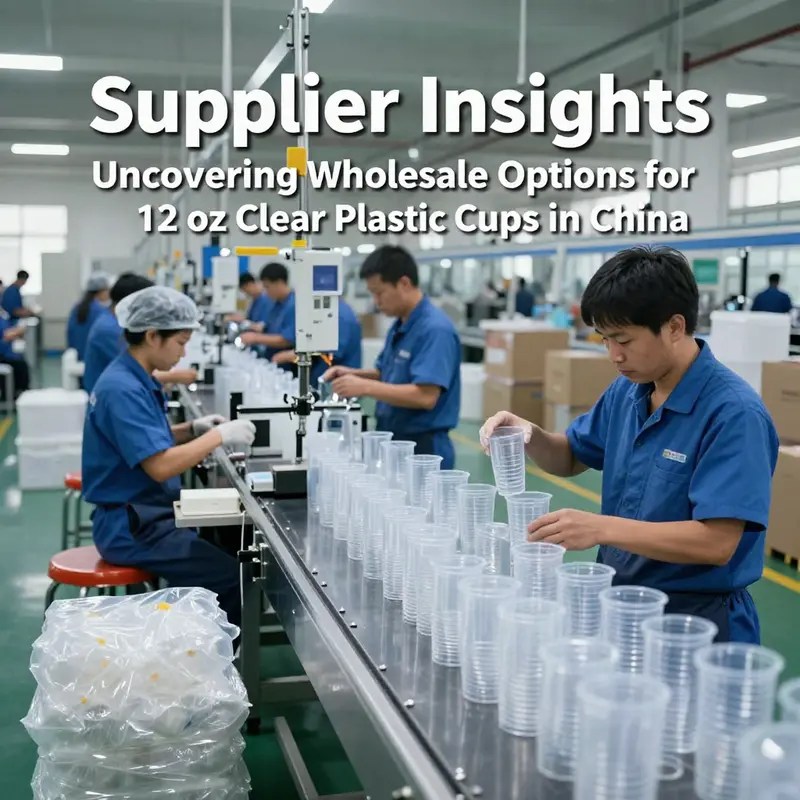
The wholesale landscape for 12-ounce clear plastic cups in China is a study in scale, specialization, and logistical coordination. From the moment a buyer begins to evaluate options, the path to procurement unfolds across a network of regional strengths, each contributing factors that matter far more than the base unit price. In the most active manufacturing belts, Guangdong and Zhejiang sit at the epicenters of supply, while Jiangsu reinforces the backbone with precision molding and efficient turnover. This geographic distribution is not arbitrary; it reflects decades of development in plastics processing, container design, and export readiness. For a buyer seeking reliable quality, predictable lead times, and the ability to customize at scale, understanding these regional dynamics is the first step toward a durable supply relationship rather than a one-off purchase.
Guangdong stands out as a hub of plastic innovation. Its cities—Shenzhen and nearby manufacturing clusters—coevolve around high-volume, export-oriented production. The operational model here tends to be vertically integrated, wrapping raw material processing, extrusion, trimming, and final packaging into a single, streamlined chain. The practical upshot is faster turnarounds and tighter quality control. The region’s strength is particularly evident in cups designed for cold beverages, where clarity and strength must withstand rapid temperature shifts and handling during transit. The efficiency produced by this integration helps suppliers offer shorter sampling cycles and more reliable on-time delivery, a critical attribute when event-driven demand spikes are a factor for many buyers.
Beyond Guangdong, Zhejiang and Jiangsu contribute their own distinctive advantages. Zhejiang excels in injection molding capabilities, a core process for producing consistent wall thickness and reliable clarity in cup bodies. Proximity to downstream users and close access to raw material streams help keep production cycles tight. Jiangsu complements this with a mature logistics framework and highly organized supplier networks, which minimize coordination friction and support scalable order fulfillment. Together, these provinces form a supply mosaic that enables buyers to combine global quality standards with local efficiency, optimizing both the purchase price and the reliability of delivery in large, recurring orders.
But what actually matters when a buyer evaluates suppliers is not only where they are located, but how they operate. Across the best-performing facilities, several criteria rise to the top. First, certifications and compliance are not simply a checkbox; they translate into real safety margins for food-contact applications. Buyers typically seek indirect food-contact compliance aligned with widely accepted standards in major markets. While a full ISO certificate can be beneficial, it is the evidence of internal quality audits and the consistent use of non-toxic additives that often matters most in the daily running of production lines. The ability to trace a production batch, quickly isolate any issue, and implement corrective actions is what keeps a supplier from becoming a risk signal in the supply chain.
Second, production capacity and MOQs are central to forecasting and budgeting. Leading suppliers can run high-volume lines with daily outputs that approach tens of thousands of units per machine, a scale that supports per-unit costs that are competitive at larger quantities. Yet many reputable suppliers also recognize the needs of mid-market buyers by offering flexible MOQs and staged production plans. This balance allows a buyer to negotiate custom runs without paying a premium that is unsustainable when demand is uncertain. The relationship between capacity, MOQs, and delivery windows often defines the practical ceiling of what a supplier can accommodate within a given lead time, especially when a buyer requires multiple SKUs or bespoke packaging configurations.
Customization options are another axis of value. Reputable suppliers present a spectrum of customization, ranging from printing logos and shifting cup hues to offering varied lid configurations such as flat, dome, or even specialized lids that accommodate accessories. Some facilities even provide insert cups that enable parfait-style presentations or multi-component merchandising within the same production calendar. For this reason, a supplier’s ability to manage color consistency, print registration, and adhesion on clear PET or PP walls becomes a differentiator as orders scale. When buyers need brand cohesion across a large field of outlets or franchise locations, the ability to deliver consistent visuals on every cup is as important as the physical performance of the cup itself.
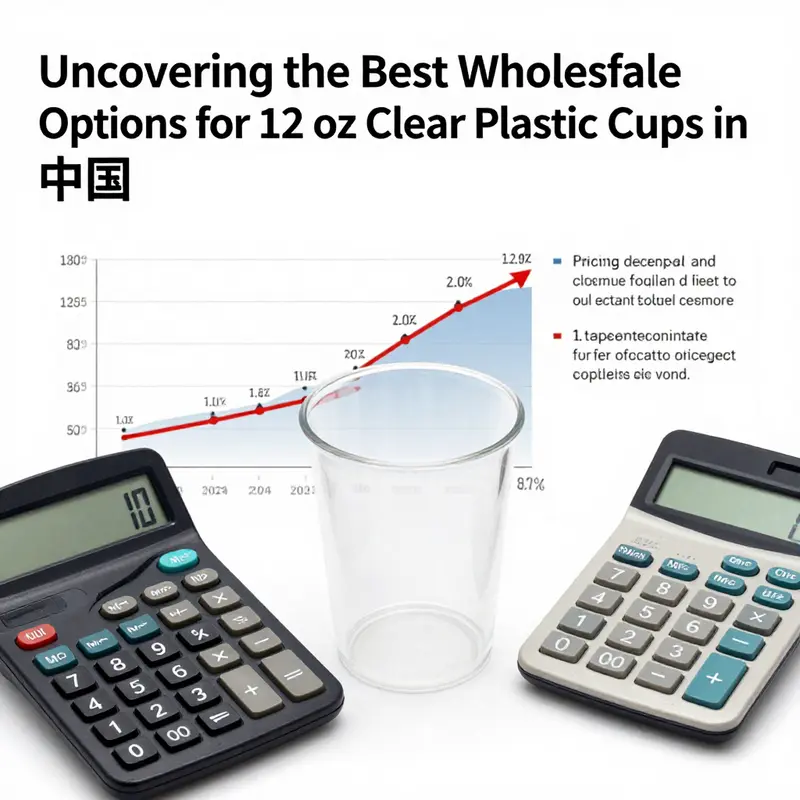
Pricing typically reflects a combination of raw material volatility, process efficiency, and the flexibility of MOQs. On average, a reasonable target for bulk purchases—say, tens of thousands of units—ranges from a few cents per piece, with pricing moving downward as quantity increases. Buyers often see price bands in the vicinity of a few cents per unit, influenced by the exact material (PET versus PP), the presence of any print or logo, and the specific lid type selected. What often matters more than the base price is the total landed cost, which includes freight, insurance, and any fees tied to customs clearance or quality sampling. In practice, even a seemingly small shift in packaging—such as a different lid design or tighter tolerances on cup clarity—can ripple through the landed cost if it triggers a separate production line or a new set of molds. This is why many buyers prefer to negotiate as part of a larger program rather than as a series of standalone, ad hoc orders.
Over the course of a procurement cycle, a buyer will inevitably confront the realities of the cross-border supply chain. Packaging products like 12-ounce clear cups, when shipped in large quantities from China to markets abroad, require attention to packaging integrity, stacking efficiency, and shelf-ready presentation. The design of the cup itself—adequate thickness, rigid rims, and even a slight taper to stabilize stacking—plays into how many units a single container can carry without damage. Efficient stacking becomes a source of savings in both container space and handling costs, particularly when multiple shipments are involved or when the buyer relies on third-party logistics providers to consolidate freight. The end-to-end efficiency of the supply chain is a function of both the manufacturer’s internal protocols and the buyer’s ability to specify and maintain a consistent specification sheet from order to order.
In practice, savvy buyers lean on established online platforms to scope the market quickly and securely. Platforms that curate supplier catalogs and offer structured inquiry channels provide a route to rapid price benchmarking and capability verification. They also tend to present documented compliance data, quality assurance artifacts, and traceability features that help buyers compare options on a level playing field. A thoughtful sourcing approach uses these platforms not only to obtain quotes but to validate that a supplier can meet the required standards for indirect food contact, maintain process controls, and sustain delivery performance across multiple production cycles.
When buyers navigate this landscape, the questions they pose to suppliers are as much about process discipline as about price. How do you manage tolerance bands on cup thickness and clarity? What is your process for material lot segregation to avoid cross-contamination? How do you handle packaging for international transit to minimize breakage and protect the product from humidity? Can you demonstrate a track record of on-time delivery across large orders? Answers to these questions often reveal the difference between a supplier that can fulfill a one-time order and a partner that can support a continuous, branded program across franchises, events, or seasonal campaigns.
Beyond the operational details, buyers should also consider the broader market signals. The presence of multiple large-scale producers within a region is not only a sign of capacity, but also of resilience. If one line or plant experiences a shutdown, a diversified supplier base with nearby alternatives can prevent disruption. This is especially relevant in the context of global demand for disposable packaging, where even minor delays can cascade into stockouts for downstream customers. In China, the combination of regional clustering, integrated manufacturing models, and a mature export ecosystem tends to yield a more predictable cadence of supply than can be found in less densely connected markets. For a buyer seeking stability in a contract arrangement, this is a critical consideration.
As a practical note for buyers who want to dive deeper into supplier behavior online, one path is to explore catalogs that emphasize customization options, minimum order quantities, and the ability to provide proof of compliance with indirect food-contact standards. In the process, it becomes clear that platform-provided quotes are just the surface. The real value lies in the supplier’s demonstrated capability to sustain quality across production runs, to manage packaging integrity during transit, and to adjust for the inevitable shifts in demand. The buyer’s role, then, is to specify a clear set of expectations from the outset, including tolerance levels, labeling requirements, and the scope of customization for logos or colors. A well-defined requirement set reduces the risk that a supplier must absorb unexpected changes mid-cycle and helps preserve favorable pricing by avoiding mid-stream design shifts that would otherwise compel new tooling and re-qualification.
To illustrate how these dynamics play out in practice, consider the online catalog approach that buyers commonly employ. Suppliers can present a cohesive package of options, including material choice, lid types, and print techniques, alongside a transparent MOA (minimum order agreement) and samples program. When samples are requested, responsible suppliers respond with a controlled evaluation process, including sample traceability and documentation of material safety data. This transparency is not just a courtesy; it is a signal of a supplier’s readiness to engage in a longer-term, performance-driven partnership. In many cases, buyers will stage a pilot order to confirm performance before committing to a broader rollout. The pilot not only validates the physical attributes of the cups but also helps align logistics with the buyer’s distribution network.
In the broader sourcing narrative, buyers are often directed to specific regional hubs depending on their strategic priorities. Guangdong’s speed and scale suit buyers who prioritize aggressive lead times and broad export reach. Zhejiang and Jiangsu offer a blend of precision, cost efficiency, and dependable cadence, aligning with buyers who value steady, repeatable production even as orders scale. The common thread across all these regions is a culture of continuous improvement and a willingness to adapt to the evolving demands of international buyers. This adaptability—paired with the discipline of quality management and a transparent pricing framework—creates a foundation for stable supply chains that can weather volatility in raw material markets and shifts in demand patterns.
For readers who want to explore the supplier landscape firsthand and compare capabilities across options, a practical path is to use reputable B2B platforms that connect buyers with certified manufacturers. These platforms often host documentation on compliance, MOQs, and product specs, which helps buyers filter for the most compatible partners. Additionally, they offer secure payment protection and dispute resolution mechanisms, which adds a layer of reassurance when ordering large quantities. In evaluating any potential supplier, timing is a decisive factor. A supplier’s ability to meet a compressed timeline without compromising quality can unlock opportunities for seasonal campaigns, large events, or promotional activities that require rapid scaling. Conversely, a supplier that cannot guarantee consistency in lead times may introduce unnecessary risk into the planning cycle. The best practitioners treat supplier selection not as a one-off negotiation but as the cornerstone of an ongoing procurement strategy that aligns with brand standards, cost governance, and operational resilience.
For buyers who want to anchor their search with practical next steps, consider focusing on the combination of three pillars: compliance, capacity, and customization. Compliance ensures that products are safe for indirect food contact and meets the relevant regulatory expectations. Capacity guarantees that the supplier can deliver at the required scale within the expected time frame. Customization enables brands to achieve a consistent, on-brand presentation across markets. When these pillars align, the result is a supply relationship that supports growth rather than constrains it. Buyers who keep these principles at the forefront find it easier to navigate the fluctuations of material prices and freight costs, while still achieving the visual and functional specifications that consumers expect from a trusted packaging solution.
As a closing reflection on the wholesale market for 12-ounce clear cups in China, the value proposition rests as much on the orchestration of regional strengths as on the chemistry of the plastic itself. The clarity, rigidity, and uniformity of the cups are largely a function of investment in mold design, polymer formulation, and quality control protocols. The efficiency of delivery rests on the same foundation, amplified by the maturity of cross-border logistics networks and the disciplined use of data to forecast demand and schedule production. Buyers who approach this market with a disciplined plan—grounded in region-specific capabilities, rigorous supplier evaluation, and a clear view of total cost—will find that the scale and sophistication of Chinese manufacturers translate into meaningful competitive advantages. The end result is not merely a low unit price but a reliable supply pipeline that can support a brand’s growth ambitions across markets and channels.
Internal link reference: For an example of how online catalogs present customizable packaging options, you can explore a related supplier profile that highlights logo customization and lid configurations: Disposable-takeaway-paper-cup-custom-logo-kraft-coffee-cup-with-lid. See the linked catalog entry for a sense of how suppliers structure offerings and lead times in a live marketplace.
External resource for a broader industry view: For a wider industry framework and sourcing guidelines, see Alibaba’s guide on cross-border trade and supplier evaluation. https://www.alibaba.com
Clear and Compliant: Material Specifications and Supply Dynamics for Wholesale 12 oz Clear Plastic Cups in China
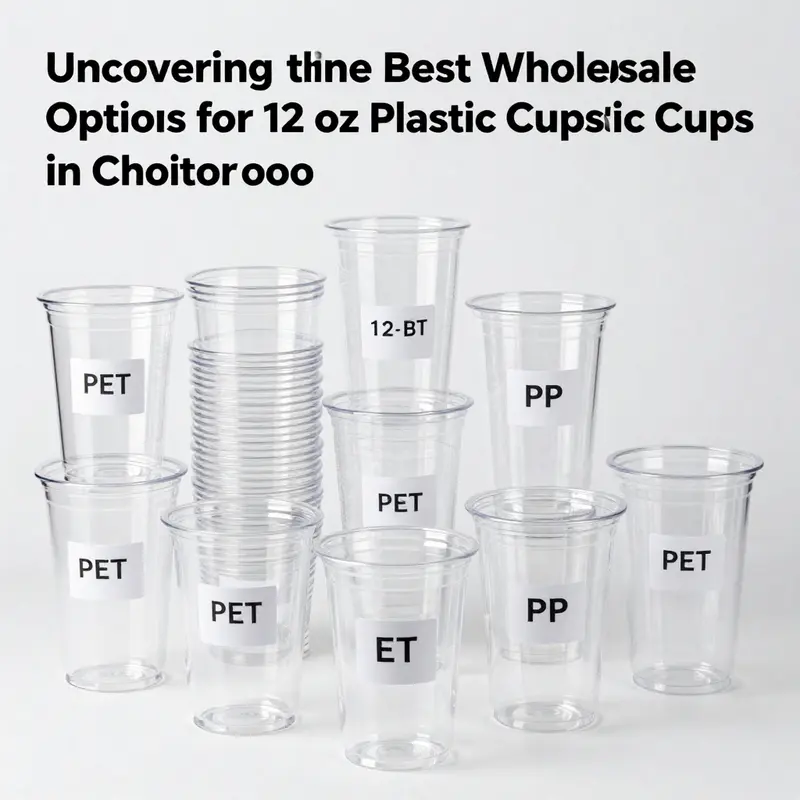
The wholesale market for 12 oz clear plastic cups in China is defined as much by the materials behind the transparency as by the speed of the supply chain that carries them from factory floors to restaurant counters and event stalls. Clarity, rigidity, and the confidence that a cup will hold a cold drink without deformation or leakage become the baseline requirements buyers seek when negotiating volume orders, long before the cups ever meet the consumer. In practice, these expectations translate into concrete material specifications, verified safety standards, and a network of manufacturing clusters where plastic resins, conversion technologies, and quality control systems align to deliver reliable, scalable packaging. The principal materials used for these cups are PET, PP, and, in some cases, PS, each with its own profile of advantages and caveats that shape how suppliers position their products to different markets and different applications. Buyers who understand these material profiles can better anticipate performance under real-world conditions, whether they are serving a cold beverage, a blended frappé, or a chilled juice that requires a crisp, transparent vessel that resists clouding as it cools.
PET, or polyethylene terephthalate, remains the most common choice when clarity and rigidity are paramount. In wholesale runs, PET cups are celebrated for their near-spotless transparency, allowing the color and texture of the beverage to show through with minimal haze. The rigidity of PET lends itself to stacking and lightweight handling in high-volume operations, which is essential when the goal is to keep the unit cost per cup low while maintaining a stable supply chain. From a safety perspective, PET cups used for cold drinks are generally marketed as food-grade and BPA-free, aligning with increasingly stringent consumer expectations and regulatory requirements in many export markets. For buyers, this means requesting documentation that confirms food-grade status and BPA-free formulations, along with any internal or third-party testing results that demonstrate consistent optical clarity and absence of speckling or whitening when in contact with typical cold beverages.
Polypropylene, or PP, offers a different value proposition within the same 12 oz category. PP is renowned for its durability and impact resistance, making it a robust alternative for environments with high handling pressure or where a cup may be exposed to rougher transport conditions. PP also displays better heat resistance than PET, which can be advantageous in applications that involve hot fillings, warming shelves, or instances where the consumer mixes or stirs beverages directly in the cup. In practice, PP cups used for cold drinks—where hot handling is not required—still appeal to decision-makers who prioritize toughness and a more forgiving tolerance to minor misalignments during lid application and stacking. Like PET, PP cups are produced to food-grade specifications and are commonly advertised as BPA-free. For purchasers, the PP option often comes with assurances about impact resistance and a different set of recycling streams, encouraging an evaluation of end-of-life plans and local recycling capabilities in target markets.
A less prominent but still relevant option is PS, or polystyrene, which some suppliers leverage for rigid or foam-style cup designs. PS cups may present clear, glass-like clarity similar to PET, but their broader environmental footprint has led many buyers to consider PS options only when a specific design or cost constraint necessitates it. When PS is used for food-contact applications, it is essential to confirm compliance with relevant food-safety regulations, including documentation attesting to FDA-compliant formulations or other regional standards. The market for PS-based options tends to be more sensitive to sustainability narratives and public policy shifts around single-use plastics, so buyers with long-range perspective often weigh PS against more recyclable materials and look for suppliers who can provide clear lifecycle information.
Beyond the raw materials, the packaging ecosystem surrounding these cups—lids, sleeves, and even labeling—plays a decisive role in overall performance. Flat lids and dome lids, for instance, interact with cup geometry to determine spill resistance and user experience during transport. The compatibility between cup mouth diameter, lid type, and sealing method matters as much as the resin itself, especially in high-volume settings where even small variances in tolerance can translate to leakage or misalignment. Competent suppliers will typically offer guidance on which lid styles pair best with which cup material, and they will provide test data or certifications showing that the combined system performs under typical handling and temperature conditions. Buyers who approach procurement with this holistic view—the cup material plus its compatible lid system—are more likely to secure products that endure the rigors of modern distribution channels.
In practice, buyers in China frequently navigate a landscape where manufacturing capacity sits across several hubs. Zhejiang and Guangdong provinces remain central to the ecosystem, with numerous mills and conversion facilities capable of turning resin into finished cups at scale. The clustering of suppliers in these regions supports not only cost efficiencies but also rapid lead times, which is a critical factor in wholesale engagements that run on tight schedules and demand predictability. The value proposition for buyers in this context extends beyond unit price: it encompasses the reliability of supply, the stability of resin sourcing, the consistency of thickness and thin-wall construction, and the ability of suppliers to meet minimum order quantities that align with global distribution needs. In the wholesale arena, typical minimum order quantities for 12 oz clear cups often begin around ten thousand pieces, a threshold that reflects the realities of tooling, production setup, and the logistics of moving large volumes through regional ports and inland warehouses. Price ranges, frequently cited in supplier catalogs and inquiry responses, commonly fall into the vicinity of a few cents per piece, depending on resin choice, lid compatibility, packaging, and any customization such as logo printing or color-coded lids.
While materials and supply dynamics form the core of the specification landscape, buyers increasingly demand clarity on safety and environmental stewardship. Food-safety compliance is non-negotiable for cups intended for direct beverage contact. The standard expectation is that cups are certified food-grade and BPA-free, with access to certificates of analysis or compliance documents that corroborate these claims. In parallel, environmental standards are evolving rapidly. The market increasingly favors materials with robust recyclability profiles, such as PET and PP, and buyers may also encounter discussions about recycled-content cups and even niche biodegradable or compostable options. In some wholesale programs, suppliers will highlight a lifecycle or cradle-to-grave narrative, outlining how resin selection, manufacturing processes, and end-of-life handling converge to reduce environmental impact. For purchasers, this translates into a triad of checks: confirm the resin material, verify the presence or absence of harmful additives, and understand the end-of-life pathway for the cup in their regional waste-management system.
Quality assurance is not an afterthought but a continuous process woven into every stage of production. Reputable suppliers implement internal quality audits and rigorous process control, monitoring parameters such as wall thickness uniformity, clarity under standard lighting, and absence of micro-defects that can compromise strength or visual appeal. The design of the cup—its geometry, wall taper, and lip smoothness—contributes to leak resistance, comfortable handling, and compatibility with lids and sleeves. For buyers, the assurance that a cup will perform under practical conditions—transport, stacking, and consumer handling—often rests on third-party or industry-standard testing. Requests for documentation, such as material safety data sheets (MSDS), compliance certificates, or third-party test reports, help establish a credible safety profile and establish confidence in long-term supply relationships.
The sourcing journey for wholesale 12 oz clear cups in China also involves practical considerations around customization and branding. Many buyers seek to differentiate their offerings through logos, color accents, or lid options. This is where the broader packaging ecosystem becomes relevant, because the presence of a customized lid or an on-cup decoration can influence consumer perception and operator efficiency during service. In some cases, platforms that connect buyers with manufacturers can facilitate discussions around minimums for logo printing, lead times for customization, and the impact of such modifications on price points. For buyers who want to explore alternative packaging formats or complementary options alongside clear PET or PP cups, there are related product lines that address different use cases while still leveraging the same regional manufacturing networks. For example, a related option in the packaging conversation emphasizes eco-friendly and printed-logo configurations for cold beverage paper cups, which can be explored here: Eco-friendly printed-logo cold beverage paper cup with lid. This link reflects a broader trend in the packaging world toward customizable, sustainability-aligned solutions that can complement or substitute for clear plastic options depending on the event, venue, or brand strategy.
From a sourcing perspective, buyers are well served by using established B2B channels and supplier directories that curate manufacturers and provide critical details such as resin type, wall thickness, tolerance ranges, packaging formats, and minimums. These platforms also help buyers verify the legitimacy of suppliers and compare lead times, payment terms, and after-sales support. The emphasis, however, remains on material specifications and performance criteria. A clear understanding of what each resin brings to the table enables a buyer to align product choice with the intended market—whether domestic wholesale in China, regional export to neighboring countries, or deeper integration into global supply chains that require standardized testing and transparent certifications.
In addition to the material-focused considerations, buyers increasingly factor in the broader regulatory and import-export landscape as they plan for scale. Compliance with food-contact regulations, both domestic and international, is a moving target governed by evolving standards. Within the chapter’s scope, the insights point to a need for careful due diligence: confirming that cups are suitable for cold beverages (for PET), ensuring heat tolerance for PP variants, and understanding any packaging or labeling obligations associated with export markets. Documentation should not be viewed as a box to tick but as a foundation for trust between buyers and suppliers, one that supports ongoing procurement, risk management, and reputational integrity in a market where product safety and environmental claims carry real business consequences.
As the discussion turns toward practical steps for decision-makers, the takeaway is not merely to select a material but to design a specification dossier that reflects performance, safety, and environmental targets. A robust specification combines material designation (PET, PP, or PS), clarity requirements, hoop tests or leakage tests that reflect real-use scenarios, moisture or condensation considerations, and the degree of recyclability expected by the end consumer. It should also include a clear picture of the supply chain: resin suppliers, converter capabilities, lid compatibility, and warehousing and logistics arrangements that enable consistent delivery across weeks, months, and peak seasons. Buyers should request evidence of non-toxic additives and stability under typical cold beverage temperatures, and they should seek corroborating data on the resin’s recyclability in the target markets. The ability to demonstrate stable optical clarity and resistance to clouding when exposed to chill temperatures is often a deciding factor that separates a satisfactory wholesale cup from a dependable long-term supplier relationship.
In closing, the chapter’s material specifications guidance reflects a practical synthesis of performance, safety, and sustainability. The wholesale market for 12 oz clear cups in China is not a single-path supply chain but a dynamic ecosystem where resin choice, design geometry, and regulatory alignment converge to shape outcomes for manufacturers, distributors, and end users. Buyers who approach procurement with a firm grasp of PET’s clarity and rigidity, PP’s durability and heat tolerance, and PS’s niche role—balanced by a vigilant view of safety documentation and end-of-life considerations—will be better positioned to secure cups that meet volume targets without compromising quality or compliance. The narrative surrounding these cups is increasingly interwoven with environmental considerations, as recyclability becomes not only a selling point but a defining criterion for market access and brand responsibility. In such a landscape, the ability to articulate a comprehensive material specification, backed by verifiable data and robust supplier collaboration, becomes as essential as the cups’ transparency itself. And for those who want to explore related packaging options that align with sustainability goals while maintaining branding flexibility, the linked resource offers a concrete example of how paper-based, eco-friendly designs are entering conversations that were once dominated by rigid plastic in the wholesale space. For regulatory context and guidance on food-contact materials, refer to official resources such as the FDA’s packaging and food-contact materials guidance available here: https://www.fda.gov/food/packaging-labeling-food-contact-materials
null
null
From Logos to Lids: Customization Pathways for Wholesale 12 oz Clear Plastic Cups in China
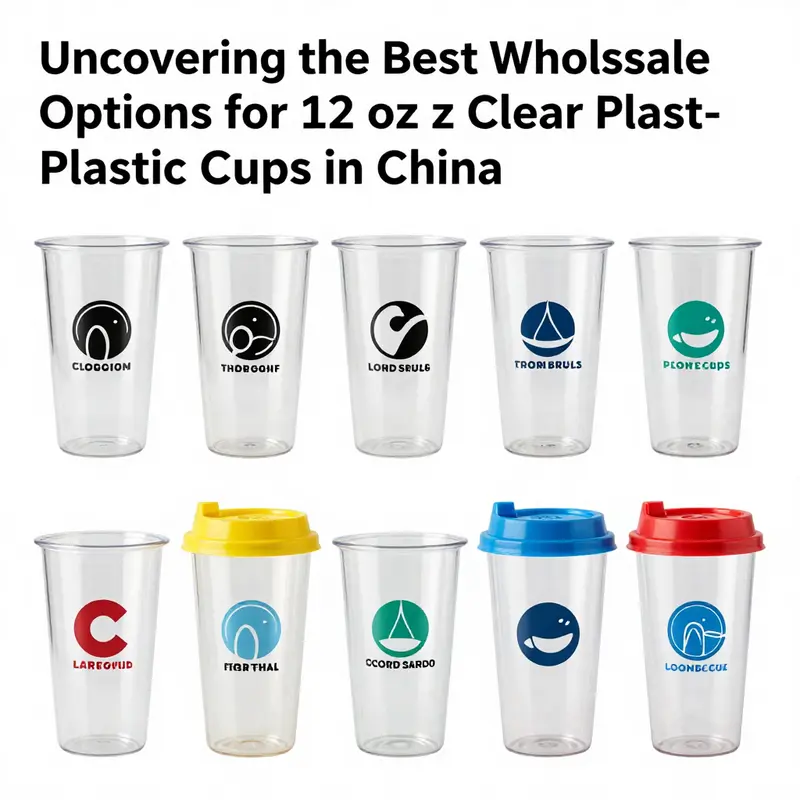
Sourcing wholesale 12 oz clear plastic cups in China opens a corridor to a wide and nuanced world of customization, where branding meets practicality at every turn. The landscape is dominated by manufacturing hubs in coastal and inland provinces, with Zhejiang and Guangdong standing out for the sheer density of capable producers and the sophistication of their equipment. Buyers who are advancing brands or retail concepts through these cups quickly discover that the surface of a disposable cup can serve as a canvas for identity, not merely a vessel for a drink. This realization anchors a broader narrative: the journey from a generic, portable cup to a tailored packaging solution that communicates a brand’s ethos while protecting contents, delivering, and being easy to dispense. The glide from commodity to customized product is not accidental; it is shaped by a convergence of materials, process technologies, and supply-chain design that suit both the taste of modern consumers and the operational rhythms of large-scale beverage programs.\n\nAt the heart of customization is material choice. The standard 12 oz cup often comes in food-grade PP (polypropylene) or PET (polyethylene terephthalate), each with its own price band, performance profile, and compatibility with lids and dispensing systems. PP cups tend to offer robust rigidity and heat resistance suitable for some hot beverages or specialty mixes, while PET cups deliver a crystal-clear clarity that maximizes product visibility, a factor many brands equate with premium perception. Yet the door remains open for brands pursuing sustainability or niche performance to request alternatives such as PLA, a compostable bioplastic lineage. The capacity to accommodate such requests is a testament to the flexibility embedded in many supplier operations. It signals a market where environmental narratives increasingly inform design choices, from the lightness of the cup to the compostability of the material, and even to the recyclability of the packaging ecosystem surrounding the cup, lid, and sleeve.\n\nMaterial and design flexibility translate directly into form factors that extend beyond the straight, clear cylinder. U-shaped or tapered profiles can alter grip and mouthfeel, while double-walled constructions introduce insulation that expands usage scenarios in hot or cold service, particularly in segments like premium beverages, smoothies, or multi-ingredient offerings. Clear plastic injection cups can be produced with different bottom geometries and wall thickness variations that subtly influence stackability, dispensing efficiency, and the overall experience of the consumer as they grasp the cup. Within this spectrum, the choice of lid type—dome, flat, or screw-on—becomes a second axis of customization. Dome lids with a curled finger lip can improve sipping comfort, while flat lids may be preferable for stackable display and shipping efficiency. Some suppliers offer no-hole lids designed for leak-proof transport of thicker beverages or yogurt parfaits, further extending the practical use cases of a single cup format.\n\nBrand owners frequently pursue logo printing as the most visible customization layer. Flexographic printing and digital printing are the two primary pathways suppliers emphasize for branding the 12 oz cup surface. Flexographic processes perform well for multi-color runs and high-volume production, delivering reliable color reproduction across thousands to millions of units. Digital printing, with its advantages in flexibility and faster turnarounds, enables smaller MOQ runs and more iterative design testing. The industry commonly notes that up to three colors can be effectively printed using flexo under standard tolerance thresholds, a constraint that aligns with most brand palettes while preserving legibility and brand integrity at scale. When a brand engages the customization pathway, the typical workflow includes design validation, printable mockups, and free samples offered for pre-production approval. These sample programs are not mere courtesy; they are essential steps that ensure branding accuracy before committing to mass production. The assurance of sample approval reduces risk and accelerates market readiness.\n\nThe scope of customization extends beyond the cup wall itself. Suppliers often provide compatible lids that can be branded or coordinated with the cup print design. In some cases, a coordinated branding approach is possible across the cup and lid, reinforcing the brand message from top to bottom. Branded packaging accents, such as branded cartons or blister packs, can accompany the cups to enhance shelf presence and unboxing experiences in retail settings. The concatenation of cup, lid, and packaging becomes a cohesive system that reduces friction for distributors and retailers while amplifying brand storytelling through every touchpoint. For beverage programs that lean into on-premise or take-away formats, matching lid aesthetics help maintain a consistent brand impression, even when the cup is handled by various partners in the supply chain.\n\nA critical dimension of customization concerns supply-chain flexibility and the economics of scale. MOQs for basic, unprinted cups can be modest, sometimes as low as a few thousand units, which makes experimentation with branding feasible for smaller brands or pilot programs. When customization escalates—multi-color print runs, special molds, or unique size variants—MOQs can climb into tens of thousands or even higher, reflecting the fixed costs associated with plate making, color matching, and mold maintenance. However, many established manufacturers in Zhejiang, Fujian, and neighboring provinces are adept at balancing these cost curves through ODM (original design manufacturing) or OEM (original equipment manufacturing) collaborations. In practice, ODM/OEM allows brands to co-develop solutions that may extend beyond the standard 12 oz offering to 16 oz or 24 oz variants, a strategic advantage for operators seeking a unified line across multiple formats while preserving brand identity. This flexibility matters not only for new product launches but also for retailers pursuing consistency across seasonal programs or regional promotions.\n\nQuality and compliance sit at the core of any credible customization program. The most reputable suppliers actively align their operations with recognized international standards such as FDA food-contact compliance, ISO 9001 quality systems, and QS certifications where applicable. For brands, this is not mere paperwork; it is a practical assurance of material safety, process reliability, and consistent performance under the stress of mass production and real-world handling. A disciplined supplier evaluation framework—centered on compliance, capacity, communication, and customer retention—helps ensure that the partnership endures beyond a single order. In practice, buyers should request documentation that attests to material certifications and factory audits, inquire about the batch-traceability systems in place, and verify the supplier’s ability to implement corrective actions when quality gaps emerge. The most successful collaborations combine clear specifications, iterative testing, and transparent cadence of updates that reduce uncertainty and accelerate timelines.\n\nCost structures for customized 12 oz cups reflect a balance between base materials, printing complexity, mold and tooling, and the scale of production. The base cost of a plain, unprinted cup tends to be the most straightforward line item, but branding and design features slide into the pricing with predictable increments. Color accuracy and multi-color printing add incremental costs that are justified by stronger brand recall and a heightened consumer experience. Lids and packaging materials, while sometimes bundled with the cup, can also be priced separately, creating a modular approach that allows brands to design a packaging suite aligned with budget cycles and retail channels. Lead times vary with the degree of customization and the supplier’s current capacity but often follow a predictable rhythm: design and approval, sample production, pre-production run, and mass production. For many brands, this translates into a two- to six-week window for the pre-production cycle, with additional weeks for larger runs or complex color matching. Building buffers into production schedules is prudent, especially for seasonal campaigns or coordinated launches across multiple markets.\n\nIn practice, the decision to pursue customization in China hinges on more than the aesthetics of a cup and the thrill of a brand reveal. It touches the operational realities of beverage programs—the reliability of supply, the predictability of lead times, and the ability to maintain consistent quality across thousands of units that cross borders before reaching a distributor, a service counter, or a store shelf. It also invites brands to think holistically about sustainability. While the standard cups are created for single-use convenience, there is a rising interest in eco-conscious options that align with broader corporate responsibility goals. Some suppliers are responsive to this interest, offering PLA-based alternatives or recommending recycling-friendly packaging ecosystems. Even when sustainability remains a secondary consideration for some customers, the move toward more responsible packaging often proves to be a differentiator in crowded marketplaces and a driver for long-term partnerships with manufacturers that can scale responsibly.\n\nUnderstanding the practicalities of working with vendors in these manufacturing hubs is equally important. The most successful buyers maintain close dialogue with sales and technical teams, sharing clear specifications, requesting printed proofs, and scheduling regular check-ins throughout the development phase. Clear communication reduces rework and helps forecast the impact of design decisions on production lead times. Given the scale of many projects, it is common for suppliers to offer samples or mockups for approval at no cost or at a modest charge, a policy that reflects confidence in their ability to reproduce the intended result in mass production. The agility to adapt—whether it involves adjusting a color, tweaking a wall thickness to improve grip, or reconfiguring a lid to accommodate a thicker beverage—becomes a practical measure of how well a supplier can support a brand’s evolution over time.\n\nThe decision to source wholesale 12 oz clear plastic cups from China is as much about partnerships as about products. Contemporary buyers increasingly look for suppliers who can function as design collaborators, providing inputs on material feasibility, print legibility, and even packaging logistics. The supplier’s readiness to offer ODM/OEM options, to accommodate varied MOQs, and to align with international standards matters because it shapes the risk profile of the program. A well-chosen supplier becomes a strategic ally who helps a brand translate a visual identity into a tangible, reliable packaging solution that travels from factory floor to consumer seamlessly. At scale, that translation requires disciplined project management—robust quality control, traceable batch records, and a shared cadence of status updates. It requires a partnership built on mutual trust and a clear map of responsibilities across design, manufacturing, quality assurance, and logistics.\n\nWithin this framework, a brand must also plan for the actual deployment of the cups in-market. The logistics of distribution, warehousing, and retail display influence design choices as well. For example, if a program relies on high-velocity turnover across multiple channels, the cups must be easy to stack, compatible with standard dispensing equipment, and able to withstand typical handling from cart to counter to consumer table. If the program includes gifting or promotional usage, the cups may benefit from stronger branding that remains legible even after exposure to refrigeration or condensation. Packaging considerations—such as carton branding, protective inserts, or tamper-evident features—become part of the overall design brief and require close coordination with the supplier’s packaging team.\n\nFor brands charting this path, a practical approach emerges from the sequencing of decisions. Start with the core material and basic cup format to anchor cost and supply. Move to logo and color choices, validating how prints render on the chosen surface and under expected lighting. Then align with the ideal lid type and any branding on the cap or seal. Finally, add packaging and any environmental considerations to complete the ecosystem. This progression supports a smoother development timeline, reduces the risk of costly rework, and builds a cohesive narrative around the product that can be communicated to retailers, distributors, and end users alike. In today’s market, where every beverage package competes for a moment of attention, the assembled story matters nearly as much as the cup’s functional performance.\n\nAs brands navigate this customization landscape, they may find it useful to consult the broader ecosystem of industry resources and marketplaces that aggregate verified manufacturers and provide comparative insights. For ongoing reference, one can explore vendor directories and B2B platforms that host multiple Chinese manufacturers, offering search filters for materials (PP, PET, PLA), printing options, and MOQs. These platforms often serve as a bridge between conceptual design and manufacturing capability, enabling brands to test multiple suppliers quickly and to align on a preferred partner based on response times, sample quality, and demonstrated capacity.\n\nInternal links can help readers see adjacent packaging options that complement the cup-based strategy, enabling a cohesive packaging narrative across formats. For example, a recent expansion in take-away packaging showcases a broader set of eco-friendly or branded solutions, illustrating how a single brand identity can proliferate across cups, lids, and carton solutions in a single campaign. Users may explore related offerings in the packaging space, such as wholesale take-away cups with lids and branding opportunities, to understand how a unified packaging system can enhance retail impact and consumer recall. To learn more about a practical, wholesale approach to branded cups and related disposables, readers can refer to a resource that emphasizes end-to-end take-away packaging development. wholesale take-away 8oz-12oz disposable coffee paper cup with lids\n\nIn summation, customization for wholesale 12 oz clear plastic cups in China is a nuanced balance of material science, print technology, design thinking, and supply-chain stewardship. It invites brands to envision packaging not as a passive container but as an active participant in the consumer experience. The most successful programs emerge from a disciplined collaboration with manufacturers who can translate creative intent into scalable production while safeguarding quality and compliance. A well-executed customization strategy yields a packaging system that looks cohesive in the market, performs reliably in distribution, and tells a compact, persuasive brand story at the moment of choice. As markets evolve toward greater emphasis on branding, sustainability, and consumer engagement, the value of thoughtful customization becomes not only a promise but a measurable contribution to a brand’s growth trajectory. External resources can provide supplementary perspectives on supplier standards and packaging trends. For those seeking to deepen their understanding of the broader supplier landscape, external resources such as well-curated directories and trade platforms offer a gateway to verified manufacturers and related packaging innovations. https://www.made-in-china.com
Final thoughts
Selecting the right supplier for wholesale 12 oz clear plastic cups in China is vital for beverage-centric businesses, influencing both customer satisfaction and operational efficiency. By understanding supplier insights, material specifications, pricing trends, and customization options, businesses can confidently partner with manufacturers that meet their needs. As the demand for high-quality beverage packaging continues to rise, staying informed about these aspects will ensure success in a competitive marketplace. Embrace the opportunities presented by these versatile cups to elevate your brand.