
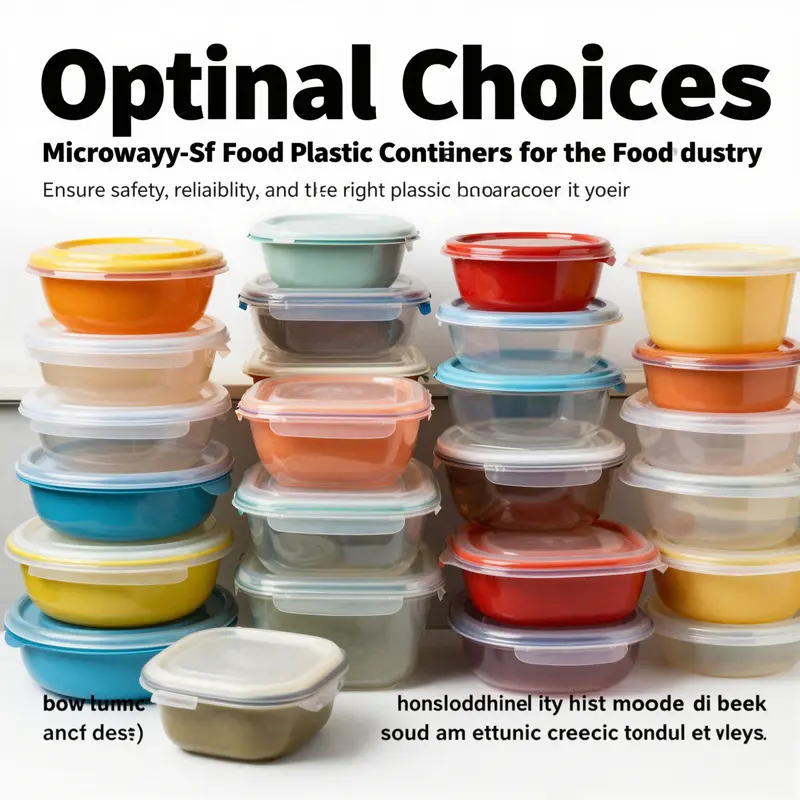
Choosing the right plastic food containers for microwave use is essential for businesses in the food industry, including bubble tea shops, restaurants, food trucks, catering services, and corporate events. Not only do these containers need to facilitate efficient food reheating, but they must also be safe and compliant with health standards. With various materials available, understanding their performance and safety characteristics can significantly impact your operational success. This article delves into crucial considerations regarding safety and performance, the types of suitable containers, their industry applications, and the safety standards every food service provider should know.
Heat, Hazards, and the Quiet Trade-Offs: Reconsidering Safety and Performance of Microwave Plastic Containers
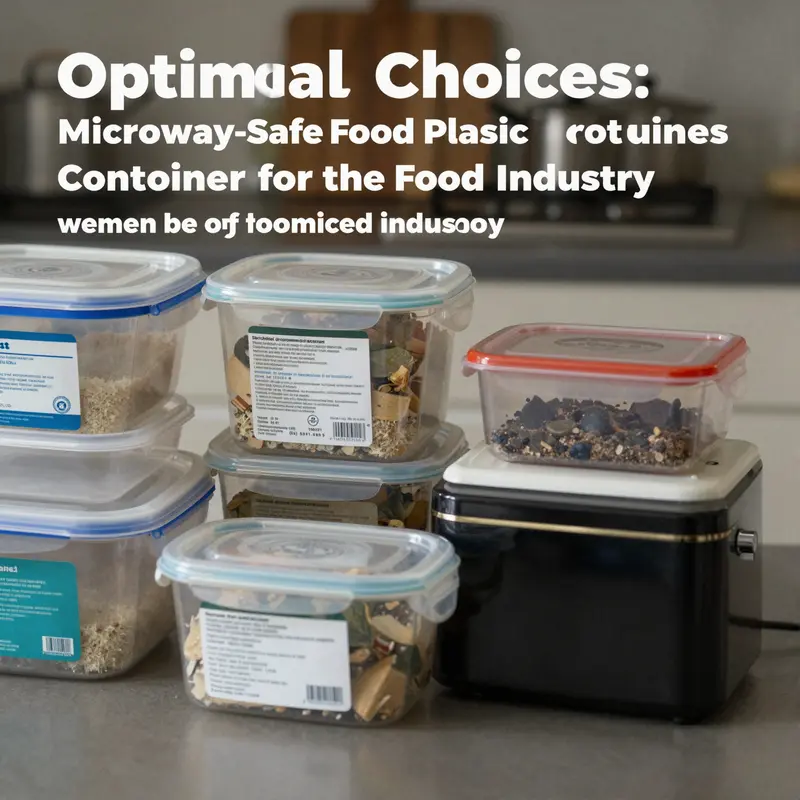
The microwave has become a daily rite in homes, offices, and dorm rooms, a small ritual that turns chilled leftovers into a comforting meal with the push of a button. Yet beneath the familiar hum and the steam that escapes from vented lids lies a more complicated conversation about safety, performance, and the real costs of convenience. The term microwave-safe on a container is a useful shorthand, but it should not be mistaken for an ironclad guarantee that no chemicals will migrate into food. The label primarily communicates that the container is unlikely to warp or melt under the heat of a typical cycle. It does not promise that every molecule within the plastic will stay put, nor does it ensure that the heat will not trigger changes in the material that could affect flavor, texture, or long-term health. In other words, the everyday choice to reheat in plastic treads at the edge of risk and benefit, a balance that demands careful attention from makers, retailers, and users alike. The conversation is not merely about safety labels; it is about understanding what happens when heat and polymer meet the vulnerable stew of our meals, sauces, and stored memories of appetite.
From a scientific standpoint, the most pressing concerns cluster around chemical migration and microplastic exposure. A pivotal 2020 study in the Journal of Exposure Science & Environmental Epidemiology documented detectable levels of bisphenol A (BPA) and phthalates in food after microwaving, even when containers were marketed as microwave-safe. This finding crystallizes a critical gap: a label that says “microwave-safe” does not inherently guarantee that harmful chemicals will not migrate into the contents. BPA has long been studied as an endocrine disruptor, with associations to hormonal imbalances, developmental issues in children, and elevated cancer risk in some contexts. The landscape of substitutes—BPS and BPF among the most common—has not fully resolved the risk, as their structural kinship to BPA suggests they may harbor similar biological effects. Phthalates, used to soften plastics, bring concerns about reproductive health, metabolic disturbances, and developmental outcomes when exposure occurs at sensitive life stages. The issue is compounded by the presence of polyvinyl chloride (PVC) in some wraps and containers, a material that can release carcinogenic dioxins under heat. Even when a container looks sturdy and modern, the process of microwaving can drive migration of these compounds into foods, turning a simple reheating step into a potential exposure route. The picture grows more complex when we consider microplastics. Microwave heating can facilitate the release of microplastics—millions of tiny particles that can become embedded in meals and accumulate in the body over time. The convergence of chemical migration and particulate shedding paints a challenging map for consumers seeking safety through convenience alone.
These realities prompt a broader comparison with alternatives that have stood the test of time in hot food handling. Glass containers occupy a space of durability and safety that is difficult for plastic to match. Glass tends to exhibit superior thermal stability, resisting warping and maintaining more even heat distribution across a meal. The absence of leachables is a central advantage; glass is chemically inert in the vast majority of culinary contexts, which means it does not contribute to the chemical load of the food it encases. In practical terms, this can translate to meals that reheat more evenly, with fewer cold pockets that characteristically harbor bacteria growth. Texture can also benefit. Dense dishes—like casseroles, stews, or pilafs—often reheat with a more appetizing mouthfeel in glass or ceramic vessels, where moisture distribution and heat retention connect with a more natural reheating curve. The trade-offs, of course, center on fragility and weight. Glass can be heavier and more prone to breakage during handling or accidental drops, a reality that can impact daily routines, travel, and institutional service where portability is essential. Ceramic and stoneware offer close cousins to glass in terms of heat resistance and inertness, though they bring their own considerations about thermal shock and care.
The plastic family most often labeled as microwave-safe—typically polypropylene (PP) and Tritan—offers a different, more utilitarian calculus. These materials are marketed for their heat resistance, with typical performance ceilings around 200–250°F (93–121°C). They are presented as BPA-free and food-grade, with lids designed to be airtight and leak-proof, and with designs that stack and store efficiently. The truth, however, lies beyond these specifications. The migration question is not resolved by a heat threshold alone. Even at temperatures within the stated range, the molecular interactions between plastic and fatty, acidic, or highly moist foods can facilitate migration of additives or monomers into the food. Consumers who rely on these containers for daily meals should therefore adopt a cautious approach: use containers specifically labeled for microwave use, inspect for cracks or clouding, and replace any container with signs of wear or deformation. The question is not only “will the plastic melt?” but also “what is the material doing to the meal in the heat of the moment?”
In practical terms, the ownership of this risk is distributed among manufacturers, retailers, and buyers. For manufacturers, the challenge is to design polymer matrices and closures that minimize migration while preserving the convenience features customers expect. This is not simply a matter of selecting a different polymer; it is about the entire system—lids that vent correctly, seams that resist leakage, and the purity of additives used in colorants and stabilizers. For retailers and brands, the obligation is to communicate clearly about what the microwave-safe designation covers and what it does not. For households, the responsibility is more nuanced but actionable: to use containers that bear explicit microwave-use guidance, to avoid heating in cracked or scratched plastics, and to prefer alternatives like glass when the meal will be heated for longer durations or at higher power settings.
Among the most instructive truths is that safer personal practice does not negate structural risk. If a container degrades, if a seal falters, or if the plastic begins to distort under heat, the only prudent response is to stop using that vessel for microwave reheating. The choice to heat in plastic should be guided by reasoned risk assessment rather than sentiment about convenience. This is especially important in environments with vulnerable populations—children, pregnant individuals, or people with sensitive health conditions—where exposure to endocrine disruptors and other additives is a more salient concern. It also matters for households that rely heavily on ready-made meals or takeout containers. In such cases, the idea of “greener” or safer options can be supported by selecting materials that minimize chemical migration potential. For those who must use plastic, the most reliable path is to opt for PP or Tritan-grade products clearly labeled as microwave-safe, to avoid containers that show wear, and to replace containers on a regular schedule as part of a broader food-safety routine.
For readers who are curious about broader packaging ecosystems and the sustainability of meal infrastructure, there are compelling reasons to explore non-plastic options in certain contexts. Paper-based and fiber-based packaging solutions have evolved to offer credible alternatives for hot and cold foods, including items designed for takeout and delivery. These formats can deliver protective performance, mechanical stability, and hygiene standards without the same risk profile associated with heated plastics. To delve into this line of thought, consider the broader packaging landscape and the role of paper-based solutions in restaurant takeout and meal-prep settings. For a look into one such packaging approach, see disposable octagonal-box restaurant kraft paper packaging. This reference points to a packaging approach that emphasizes material performance and end-of-life considerations while steering away from plastics where appropriate. Access it here: disposable-octagonal-box-restaurant-food-kraft-paper-packaging.
The evolving science also invites a sober reflection on how information is conveyed to consumers. Labels and certifications matter, but they must be interpreted with a critical eye. The ongoing tension between convenience and safety calls for a continuing dialogue among scientists, manufacturers, and policymakers about what “microwave-safe” really means in everyday kitchens. It is reasonable to expect more rigorous testing that focuses not only on melting and deformation but on migratory behavior under realistic warming profiles, including prolonged heating, variable moisture content, and mixed foods. Ideally, labels would differentiate heat-resistance performance from chemical-migration risk, giving users a clearer map of which containers are most appropriate for specific meals and use scenarios. In the meantime, practical steps can help reduce exposure: favor glass or ceramic when quick, repeated reheating is common; reserve certain plastics for short, low-power reheating; and maintain a clear, repeatable replacement schedule for containers that show wear.
The dialogue about safety and performance is not simply a debate about materials; it is a question about how we structure our kitchens for health, reliability, and simplicity. The kitchen is, after all, a theater of transformation. It turns raw ingredients and prepared dishes into nourishment, and the tools we choose—whether glass, plastic, or paper—play supporting roles in that drama. A more nuanced understanding of microwave safety invites us to pay attention to the details: the presence of BPA substitutes, the design of lids to vent steam safely, the compatibility of containers with hot, fatty, or acidic foods, and the reality that even well-intentioned choices can have unintended consequences. As research continues to illuminate the intricate interactions between heat, plastics, and food, consumers can make more informed decisions about when to rely on plastic and when to pivot to alternatives.
In sum, the path forward is not a single, universal prescription but a spectrum of choices aligned with context, risk tolerance, and values. For daily routines that hinge on speed and ease, high-quality, microwave-designated PP or Tritan containers offer practical performance, with a caveat: do not assume the absence of risk, and replace containers that show wear. When the meal demands longer heating, higher power, or greater chemical stability, glass remains the most robust option for safeguarding both flavor and health, even as it introduces considerations of fragility and heft. And for those seeking packaging pathways beyond plastics, fiber-based solutions provide a promising avenue worth exploring, especially in settings that prioritize end-of-life sustainability along with food safety. The experimental and regulatory landscapes will continue to evolve as science clarifies how cooking heat interacts with modern polymers, but the core message endures: microwave safety is a multi-layered concern that benefits from a cautious, informed approach, not a blanket confidence in a single label.
For readers who want to explore the broader packaging ecosystem and practical decisions that extend beyond the kitchen, consider one of the packaging options highlighted above. In particular, kraft paper packaging demonstrates how non-plastic formats can meet the needs of restaurants and households seeking durable, cost-effective, and potentially more sustainable choices for takeout and storage. This topic next invites a closer look at how design, materials, and consumer behavior intersect to shape the future of food packaging in a microwave-enabled world. External research continues to emphasize that safety in reheating is not a matter of a single material but of a system—how the container, the lid, the food matrix, and the heating pattern all interact to determine outcomes.
External resource for further reading: https://www.ncbi.nlm.nih.gov/pmc/articles/PMC7813549/
The Polypropylene Rule: Navigating Microwave-Safe Plastic Containers with Confidence
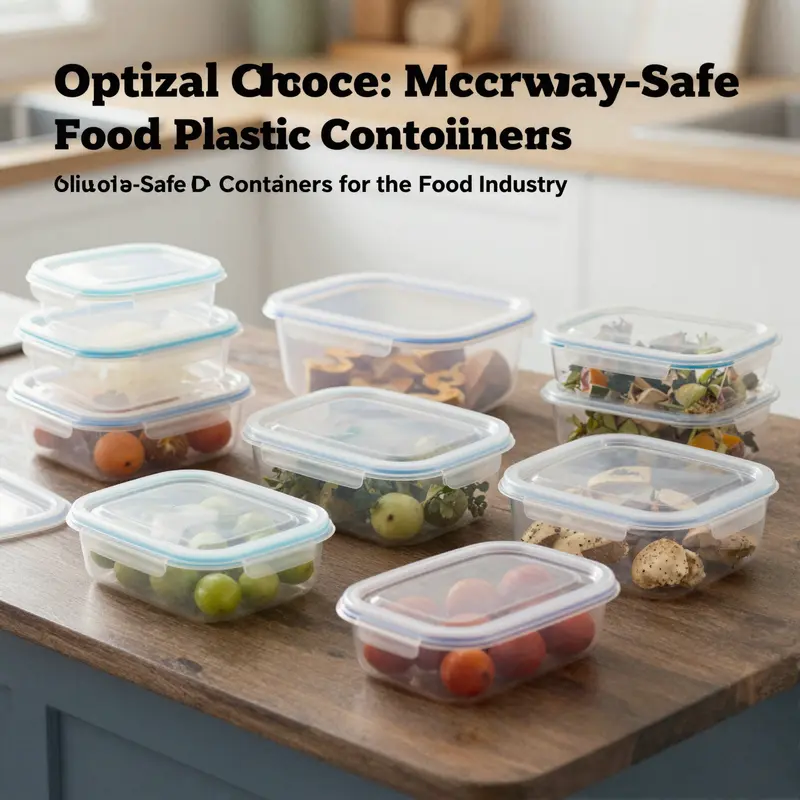
In kitchens where leftovers live in a steady rotation and quick meals hinge on speed, the choice of container becomes more than a matter of convenience. It is a decision that shapes safety, taste, and even the texture of reheated food. The microwave has a knack for exposing the weaknesses of plastic, especially when the container is not built to withstand heat or when the lid traps steam and forces heat back into the food. This is where a clear, science-backed rule helps: when it comes to microwave reheating, polypropylene, identified by the familiar number 5 inside the recycling triangle, is the plastic most consistently trusted for safe performance. Polypropylene is not just another plastic; it is the workhorse of microwave-safe containers because it combines a relatively high heat tolerance with stable chemical behavior under typical reheating conditions. Its melting point sits well above the temperatures reached in the microwave for most foods, often cited as around 160°C (320°F) or higher. That cushion matters because microwaving can drive food temperatures toward or beyond the boiling point of water, and with fatty or dense foods, pockets of heat can spike locally. In practical terms, this means PP containers can maintain their shape, integrity, and safety during the majority of everyday reheating tasks, avoiding both structural failure and the release of undesirable compounds that might accompany weaker plastics when heated.
The promise of PP hinges on simple, observable cues. The recycling symbol on the bottom, a triangle with the number 5 inside, is the primary identifier. This symbol is more than a label; it is a shorthand for the material’s compatibility with heat and food contact. Yet even with the PP label, a careful consumer must exercise caution. The container body being PP does not automatically authorize all associated parts for microwaving. Lids, seals, and any air vents may be made from different plastics or composite materials. If the lid is not PP, or if a seal contains a different polymer, the safe path is to refrain from microwaving the lid itself. The same logic applies to any accessory that accompanies the container. The body can endure heat, but the lid might not, and heating with a non-microwave-safe lid can create hotspots, trap steam in ways that cause pressure buildup, or contribute to warping or leaching in the long term. In short, the PP body provides the safety margin, while the accompanying pieces require their own compatibility checks.
From a safety perspective, this rule—favor PP containers with the 5 inside the triangle—addresses two core concerns: leaching and structural compromise. Leaching is a function of how plastics interact with hot foods, fatty components, and acidic or basic ingredients. While modern PP resins used in food contact are formulated to minimize extractables, no plastic is inert at every temperature, and repeated high-heat cycles can alter surface chemistry or release trace chemicals if the material has degraded. Choosing a PP container with a robust food-grade specification reduces this risk because its formulation is designed to resist such changes under typical reheating conditions. Structural integrity matters because heat can soften plastics, particularly at the edges, around lids, or at seams. A container that stays rigid and stable during reheating is less likely to deform, spill, or create uneven heating, which in turn helps food reach a safe and palatable temperature more evenly. The practical implication is simple: select PP-based containers for reheating, minimize the risk by avoiding overheating, and inspect containers for any signs of wear before reuse.
But the PP rule does not exist in isolation. The broader landscape of microwave safety is anchored in how the entire container system behaves under heat. The heating process inside a microwave is not uniform, and containers influence how heat is transferred to the food. A well-designed PP container will have a body that tolerates the heat without warping and a lid that either is vented or designed to release steam without allowing direct contact that could lead to hotspots. In many cases, manufacturers use PP for the body and a different plastic for the lid or a composite seal. In those cases, the safest practice is to microwave the food without the lid or to remove the lid and use a microwave-safe cover that is explicitly labeled for such use. This careful approach helps avoid scenarios where a non-microwave-safe lid traps steam in a way that raises internal pressure or causes uneven heating. The takeaway is not a rigid prohibition against all lids but a reminder to verify the lid’s material and labeling before microwaving with the lid in place.
The landscape also contains plastics that warrant avoidance. PVC, or polyvinyl chloride, is one such material that should be avoided for microwave use because it can release toxic chlorine compounds when heated. Polyethylene, especially the lower-density grades labeled as #2, presents another hazard: its heat resistance is generally lower, and under microwave conditions it can soften or warp, compromising both safety and performance. Polystyrene, the #6 category, is another common culprit, particularly with fatty or very hot foods, because it can release styrene when heated. The risk of chemical migration or structural distortion makes these plastics poor choices for microwave reheating, even if they are labeled as food-safe in other contexts. The logic is straightforward: a container that maintains its integrity and resists chemical migration during reheating is the one that keeps flavors intact, reduces cleanup headaches, and minimizes the risk of adverse health effects.
An essential part of the consumer’s toolkit is label literacy. The safest practice is to look for a clear “microwave-safe” label on the container itself. Without this label, the cautious default is to assume the container is not suitable for microwave use. Labeling often reflects a combination of tested performance and recommended usage. When a product carries the microwave-safe designation, it is usually accompanied by guidance on temperature limits, lid use, and any cautions about heating durations. This information helps users plan reheating times and power settings in a way that preserves texture and moisture. The guidance to avoid overheating—whether the food is moist or dry—applies here too. Food that dries out during reheating can cause the container to become more prone to cracking or warping, and overheating can magnify the risk of delamination or edge failure that might lead to leaks or spills.
Practically speaking, safe use comes down to a few habits that align with the polypropylene rule. First, inspect containers for cracks, warping, or clouding before each use. A compromised surface is a weak point where heat can more easily lead to failure. Second, be mindful of the food’s composition. Water-rich dishes heat differently from fatty or sugary ones, and heat distribution matters. The PP material is robust, but it is not a shield against careless usage. Third, avoid repeated cycles of heating and cooling that can stress the polymer. Repeated exposure to high heat can gradually degrade even a PP container, undermining its performance and potentially altering how food tastes or how evenly it heats. Fourth, respect the lid policy. If in doubt about the lid’s compatibility, remove the lid and use a microwave-safe cover. These habits, simple as they are, help ensure that the PP rule remains a reliable compass rather than a single data point in a crowded decision tree.
All of this sits within a practical ecosystem of container design and user behavior. For everyday meals, polypropylene containers often come in a spectrum of forms: single-compartment designs that hold a standard portion, multiple-compartment arrangements that separate proteins from sides, collapsible formats for travel, and disposable takeaway options for catering. Each design has its own heat-handling profile, venting mechanism, and lid design. The common thread is that the plastic chosen—PP for the main body—tends to deliver dependable performance when used as intended. Yet the best practice remains grounded in a straightforward principle: verify the label, confirm the material, and be honest about the full assembly’s heat tolerance. This approach keeps reheating predictable and safe, weathering the everyday demands of a busy kitchen or a school lunchroom, where robust performance is as critical as taste and texture.
In evaluating containers, people often weigh convenience against safety. Polypropylene-based solutions have become popular because they offer reusability, relatively high heat resistance, and compatibility with standard cleaning routines. The material’s stability under microwave conditions makes it a natural choice for households seeking reliable reheating without the complexity of additional precautions. At the same time, the broader move toward environmentally conscious packaging invites consideration of recyclability and lifecycle impact. PP is widely recyclable in many municipal streams, and the use of food-grade PP aligns with safety standards that minimize both leaching risk and contamination potential during reheating. This combination of safety, reliability, and recyclability helps explain why PP has emerged as the default in many microwave-safe applications, even as manufacturers continue to refine designs that optimize venting, sealing, and heat distribution.
Ultimately, the decision to use a plastic container in the microwave is a balance between material science and practical kitchen behavior. The polypropylene rule—choose PP (#5) for the body, verify the lid and any seals, and avoid overheating—offers a clear, actionable framework. It does not eliminate all risk, but it does reduce it by aligning choice with chemistry and with the functioning realities of microwaves. For families and institutions alike, this alignment translates into safer meals, fewer surprises when food is heated, and less waste from containers that fail under the stress of reheating. The discussion also underscores a broader truth: the convenience of reheating is inseparable from a conscientious approach to materials, labeling, and usage. When these elements come together, the microwave’s promise—a quick, efficient means to revive leftovers or deliver a comforting warm meal—remains intact and trustworthy.
For readers seeking further depth on how regulators and manufacturers approach microwave-safe plastics, see the official guidance on food contact substances from reputable health authorities. This background helps connect everyday practice with broader standards, reinforcing that the polypropylene rule is more than a habit; it is a scientifically grounded best practice that supports both safety and performance in the modern kitchen.
External reference: https://www.fda.gov/food-contact-substances
Heat-Ready Packaging in Practice: How Microwave-Safe Plastic Containers Shape Homes, Cafés, and Kitchens

The moment a meal is invited into the microwave, the container becomes more than a vessel; it becomes a partner in the journey from cold to hot, from leftovers to ready-to-eat. In the broad landscape of food packaging, microwave-safe plastic containers occupy a pivotal niche. They must withstand heat without transferring unwanted substances to the food, keep moisture and odors contained, and survive the rigors of daily use in homes, schools, and professional kitchens. The materials most commonly trusted for these tasks are heat-tolerant, food-grade plastics such as polypropylene and other BPA-free copolymers. These plastics are designed to resist deformation up to roughly 93 to 121 degrees Celsius (that is about 200 to 250 degrees Fahrenheit) while remaining stable enough to preserve taste, texture, and safety.
Yet heat resistance is only part of the equation. The real strength of these containers lies in how their design aligns with the rhythms of modern food preparation, service, and consumption, from portion control and stackability to airtight seals and the reliability of lids during reheating.
In everyday kitchens, the choice of container influences not just the act of reheating but the quality of the final dish. A well-designed microwave-safe container distributes heat evenly, minimizes hot spots, and prevents the food from drying out or becoming overcooked at the edges. That requires materials that tolerate repeated heating cycles without becoming brittle, warped, or compromised by oils and acids found in many meals. BPA-free labeling has become a cornerstone of consumer confidence, signaling that the container uses food-grade materials designed to limit the migration of potentially harmful compounds during heating. This reassurance is crucial for busy households that reheat a wide array of dishes, from protein-rich meals to vegetables with delicate sauces. It also resonates with schools and workplaces that rely on safe, reusable containers for meals delivered or stored for later consumption. The presence of a tight, leak-proof lid further augments safety by preventing spills and reducing the risk of cross-contamination in crowded kitchens or lunchrooms. The lid design often features a venting mechanism to permit steam to escape during microwaving, balancing pressure buildup with the need to keep the food moist and flavors intact. In practice, these design elements matter as much as the plastic itself, because a container that leaks or warps can undermine a reheated dish’s texture and appeal and can also complicate cleaning and storage in a busy operation.
Who uses microwave-safe plastic containers, and for what purpose, reveals the breadth of their industry footprint. In home kitchens, the priority is convenience and reusability. A single-compartment container is common for leftovers, while compartmentalized designs support portion control, helping families manage balanced meals without sacrificing ease of reheating. Collapsible containers, though less ubiquitous, offer travel-friendly flexibility for picnics or meal-prep on the go, reducing bulk when empty and expanding capacity when filled. For catering and food-service operations, the ability to prepare, transport, and reheat in a single vessel simplifies workflows and minimizes waste. Disposable takeaway containers, though used more sparingly in high-volume settings, still play a role in quick-service environments where meals are prepared in advance and delivered to customers who need to heat and serve at their convenience. Across schools and workplace cafeterias, these containers support standardized portions and consistent reheating results, helping to maintain safety and nutritional targets while adapting to varied menus and dietary needs. The common thread across these applications is a balance: the container must be sturdy enough for repeated use when that is the intended path, or reliably economical when used once and discarded, all while remaining safe under the heat of the microwave.
Beyond the basics of heat tolerance and safety labeling, the practical performance of microwave-safe plastic containers depends on how they interact with food during the reheating process. When a meal is placed inside, heat is transferred primarily through the container walls and the food’s surface, with steam playing a supporting role in two directions: it can help preserve moisture inside the container, and it can create pressure if not vented properly. A well-calibrated container maintains the integrity of the lid seal without trapping excess moisture that could lead to sogginess or, conversely, to drying out by rapid evaporation. The kit of features—tight lids, vented openings, and solid, non-porous surfaces—contributes to predictability. The material itself should resist staining from sauces and oils without absorbing flavors, which could compromise future uses or attract lingering aromas. The smooth interior surfaces of many BPA-free copolymers simplify cleaning, a practical advantage for both home users and institutions that must maintain hygiene standards across many meals and days.
The industry’s adoption of microwave-safe plastics also reflects a broader conversation about sustainability and lifecycle considerations. Reusable containers can reduce waste when they are designed for many reheating cycles and easy cleaning, while disposable options can provide convenience in high-traffic settings but contribute to waste streams if not properly managed. The trade-offs hinge on durability, repairability, and the container’s compatibility with recycling streams. In this sense, material choice—whether a durable polypropylene or a robust BPA-free copolymer—has implications for long-term reuse potential, dishwasher compatibility, and end-of-life processing. For example, a container built for repeated heating and washing may offer a lower overall environmental footprint than a short-lived disposable option, even if its upfront cost is higher. Conversely, in catering or education settings where turnover is high and washing facilities are limited, durable disposables may provide operational reliability, even as manufacturers seek to improve recyclability and compostability across product lines.
Within the design vocabulary of microwave-safe containers, several form factors and features stand out for their practical value. Single-compartment containers are simple, clean, and easy to store; they excel for reheating a single dish without the complexity of mixing flavors or textures. Compartmentalized designs support portioning and can help reduce food waste by keeping components separate, preserving the integrity of sauces and textures. For meals that are easily packable and travel-ready, collapsible or modular designs provide versatility; their ability to flatten when empty lowers storage demands in kitchens with tight space constraints and makes them suitable for meal-prep services that aim to streamline logistics. Lids matter, too, as do the rattling concerns of seals that might loosen during microwaving or travel. A lid that resists popping and maintains its seal while still allowing steam to escape is an essential safety feature, especially in busy service environments. The choice of color, transparency, and labeling can aid in quick identification of contents in quick-service settings and help ensure that reheating is performed according to the intended plan. While the aesthetic aspects of container design may sometimes seem secondary to safety and function, they influence user experience, reducing the likelihood of misuse or misloading and thus supporting safer reheating outcomes.
From a workflow perspective, industry adoption has been shaped by the need to standardize containers across multiple venues and channels. In many operations, a core set of containers is used for different menu categories, enabling staff to track inventory, reheating times, and portion sizes with greater accuracy. When staff can rehear a tray with predictable performance, the risk of under- or over-heating drops, which improves food safety and quality. This standardization is most effective when containers carry clear, durable microwave-safe labeling and when the materials are compatible with common cleaning and sanitizing regimes. The combined effect is a smoother, more reliable reheating cycle that aligns with service speed, customer expectations, and safety protocols. For managers and chefs, the containers become a backstage technology that supports the front-of-house mission: hot, safe, and consistent meals delivered to diners, students, or coworkers without unnecessary delays or risk.
In considering the broader packaging ecosystem, it becomes clear that the relationship between container design and reheating practice extends beyond the microwave. A well-conceived container supports not only the act of heating but also storage, transport, and even the post-meal routine of cleaning or recycling. Consider a scenario in which meal-prep services pre-portion lunches for a school week. The chosen containers must endure cold storage, microwave heating, and dishwashing cycles without degrading. They should not impart flavors or aromas that linger across meals, and they must remain leak-proof to prevent cross-contamination in transit. In another scenario, a café or take-away counter might prioritize clear visibility of contents inside the container to streamline order fulfillment and reduce mistakes during busy lunch hours. The container becomes a small but essential cog in the fast-paced world of food service, where reliability and safety can influence a business’s reputation as much as taste and presentation.
As we look toward the future, advances in material science promise to widen the range of safe, heat-tolerant plastics available for microwave reheating. Innovations may bring improvements in thermal conductivity that enable more even heating with thinner walls, reducing material usage without compromising performance. Enhanced barrier properties can help protect food quality by limiting the transfer of odors, oils, and moisture that can affect taste and texture. At the same time, the push for sustainability will continue to drive research into more recyclable and compostable options that meet microwave safety requirements. In education and corporate settings where environmental targets are part of the mission, designers and manufacturers are likely to pursue containers that balance durability, performance, and recyclability, while still delivering dependable reheating results.
The practical takeaway for readers who navigate kitchens, schools, or food-service operations is that the choice of microwave-safe plastic container is not a trivial one. It is a design decision that influences safety, quality, and efficiency across a meal’s life cycle. By prioritizing materials that resist heat, avoid harmful migration, and maintain structural integrity under repeated use, stakeholders can deliver reheated meals that are not only safe but tasty and well presented. Lids, venting, and seal quality are just as important as the base material. A container that collapses under heat or leaks during transit undermines confidence and waste management goals. The best solutions integrate robust materials with thoughtful geometry, reliable labeling, and a clear pathway for recycling or disposal at the end of life.
In the spirit of connected packaging—where form, function, and safety align—one can glimpse how micro-decisions in container design cascade into macro outcomes. The right container supports portion control, reduces waste, enhances food safety, and streamlines service delivery. It helps a student rediscover a hot, balanced lunch, a cafeteria worker manage energy use and time, and a home cook reheat with minimal fuss. While the landscape continues to evolve as new materials enter the market and recycling streams adapt to changing realities, the core goal remains steady: enabling reliable, safe, and convenient reheating that respects the food itself and the people who share it.
For readers who wish to explore related packaging choices in more depth, consider examining contemporary options in disposable and durable take-away packaging that reflect how container design informs reheating and service dynamics. This broader view helps connect the dots between the packaging materials chosen for microwave reheating and the wider systems that govern food preparation, distribution, and consumption. As these systems evolve, the conversation about microwave-safe plastic containers will continue to expand, embracing new materials, better safety testing, and smarter handoffs between storage, heating, and service. In the end, a well-conceived container is a quiet partner in the kitchen—one that supports safe, flavorful meals delivered with efficiency and care.
To connect this discussion to practical examples and supplier perspectives, readers may find relevant case studies in the broader packaging space that illustrate how design choices affect reheating performance, storage efficiency, and end-of-life outcomes. The takeaway is clear: when container design keeps pace with reheating needs, every meal arrives warmer, safer, and more satisfying, whether it travels from home to desk, from kitchen to classroom, or from cafe to customer.
Heat, Plastic, and Precaution: Practical Safety Standards for Microwave Food Containers
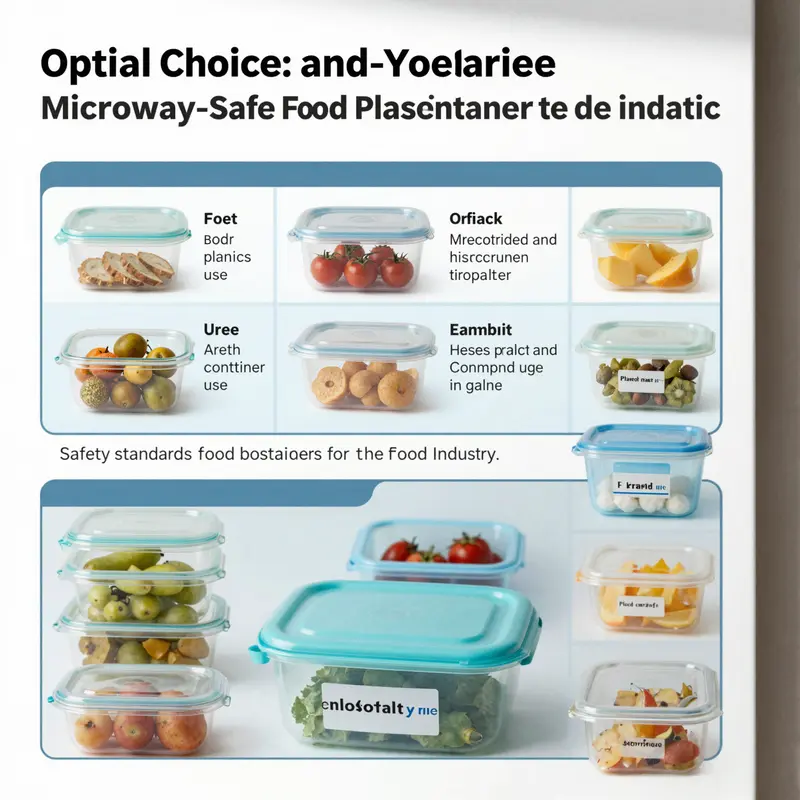
Identifying truly microwave-safe plastics starts with the label. A clear “Microwave Safe” marking or the recycling symbol with the number 5 indicates polypropylene (PP). PP is the material most widely accepted for microwave reheating. It tolerates sustained temperatures and resists softening and chemical breakdown. If a container carries the “5” or the letters “PP,” you can treat it as suitable for microwave use—provided it is undamaged and the manufacturer explicitly allows heating.
Beyond that basic check, understanding what not to heat matters as much as spotting what is safe. Plastics marked 1, 3, 6, and 7 are high risk for microwave use. PET (1) bottles can release antimony and phthalates when heated. PVC (3) contains plasticizers that migrate under heat. Polystyrene (6), including foam takeout containers, can off-gas styrene when warmed. The miscellaneous category (7) often includes polycarbonate and other resins that may contain bisphenol-A (BPA). When these plastics are exposed to heat, the likelihood of chemical leaching rises. For this reason, avoid heating food in containers labeled with these numbers, even if they appear sturdy.
Labels alone are not the whole story. Regulatory standards and testing back up labeling claims. In several jurisdictions, food-contact plastics must meet defined safety requirements. Standards such as GB 4806.7-2016 set material and migration limits for plastic food contact articles in their region. In the United States, the regulatory framework holds that products claiming to be microwave-safe should withstand temperatures of at least 120°C without deforming or releasing concerning substances. These standards ensure manufacturers test for heat stability and chemical migration under typical use conditions. When evaluating containers, prioritize those that reference compliance with recognized standards or state the tests performed to earn their microwave-safe label.
Use and maintenance habits determine how safe a container remains over time. Plastic degrades. Heat cycles, abrasive dishwashing, and rough handling accelerate wear. Cracks, deep scratches, surface cloudiness, yellowing, or persistent odors are signs the material has deteriorated. Once a container shows these changes, it may release more chemicals during heating. Discard or repurpose damaged plastics and replace them with intact, clearly marked containers.
Lids require special attention. Container bases and lids are often made of different plastics. A bowl may be polypropylene, while its snapping lid may be polyethylene or another resin. If the lid lacks a heat rating or a microwave-safe mark, remove it or vent it before heating. Airtight lids can trap steam, increasing pressure and the risk of warping, lid failure, or a sudden release of hot contents. Use vented lids or loosen seals to allow steam to escape safely. For sauces or foods that splatter, use a microwave-safe cover rather than a tight-sealing lid.
Power settings and heating technique influence container longevity and food safety. High power can create hotspots in both food and plastic. Hotspots accelerate polymer breakdown and raise the risk of localized melting. Heat in shorter intervals at medium power instead of long, high-power cycles. Stir and rotate food between intervals to even out temperatures. For dense or fatty foods, reduce power and extend total heating time. Fat and sugar absorb microwaves differently and may become much hotter than surrounding items. Avoid microwaving empty containers. An empty plastic container can reach much higher temperatures quickly, causing deformation or combustion in extreme cases.
Single-use and takeout plastics deserve cautious handling. Many takeaway clamshells and foam containers are designed for transport, not reheating. Even if the container seems robust, it may lack the necessary heat resistance or labeling. When you receive food in a disposable container, transfer it to a labeled microwave-safe dish before reheating. As an alternative, consider switching to disposable paper-based bowls with lids that are designed for hot foods. These products often resist grease and provide better microwave compatibility for short reheating cycles. For example, a disposable kraft paper bowl with lid can be a practical, compostable option for single-serve reheating and transport when used according to its specifications (check the product page for suitability and instructions).
Routine care reduces risk. Rinse containers promptly after use to avoid food residues bonding to the plastic. Use non-abrasive sponges and mild detergents. Avoid cleaning methods that pit or scratch the surface. If a container is dishwasher-safe, follow the manufacturer’s recommended rack placement to reduce heat stress. Repeated dishwasher cycles often expose plastics to high temperatures that speed up chemical breakdown. If you plan to freeze and then microwave in the same container, confirm it is rated for both extremes. Thermal shock from moving a container from freezer to microwave repeatedly can also weaken polymers.
Certain foods and liquids require extra caution. Oils, concentrated sauces, and sugary syrups can heat unevenly and reach temperatures higher than water. When heating such items in plastic, use lower power and check frequently. Foods with a skin, like eggs or sealed sausages, can build internal pressure and rupture. Pierce skins and vents to allow steam to escape safely. Be mindful of dairy products, which can separate and scorch, leaving residues that are difficult to remove and may degrade the plastic.
When safety is the priority, choose non-plastic alternatives for microwave reheating. Glass labeled as borosilicate is highly heat resistant and chemically inert. It rarely leaches and tolerates repeated microwave cycles. Ceramic dishes marked microwave-safe are another strong option, provided they contain no metallic paints or finishes. Avoid metals in the microwave; stainless steel, even when food-safe for stovetop use, should never go into a microwave. For storage and non-microwave reheating, stainless steel 304 is an excellent, durable option. Yet for microwave reheating, glass or ceramic are the best non-plastic choices.
Keep a simple decision rule in your routine: label, condition, and context. First, verify the container is explicitly labeled microwave-safe or made from polypropylene (5). Second, inspect the container for damage. Third, consider the food type and heating method. If any of those checks fail, transfer food to glass or ceramic before reheating. For on-the-go meals, choose disposable bowls designed for hot foods and check their temperature tolerance. These practices minimize exposure to potential migrants and reduce the chance of physical failures like melting or lid blowouts.
Manufacturers can help consumers by marking both body and lid, including maximum safe temperatures, and listing applicable standards. As a consumer, prefer products that provide transparent testing information. If you handle large volumes of reheating in commercial settings, adopt written procedures for container selection and lifecycle replacement. Label shelves with acceptable container types, and train staff to avoid cross-using containers for microwave and non-microwave applications. For parents and caregivers, the same rules apply. Keep plastic food storage away from high-heat tasks like boiling and direct flame. When in doubt, transfer to a microwave-safe glass dish.
Finally, know that “microwave-safe” is not a lifetime guarantee. It is a statement of suitability under stated conditions, not an immunity to wear. Frequent replacement, careful handling, and a habit of venting lids and using lower power settings will extend safe use. If you prefer to limit plastic entirely, choose glass or certified ceramic cookware for reheating. For takeaway and single-use needs, paper-based bowls designed for hot food can reduce plastic exposure while remaining convenient for transport and short reheating cycles. Check the product details to ensure they match your reheating habits.
For authoritative regulatory guidance on materials and testing for microwave use, refer to this resource from the U.S. regulatory body overseeing food contact materials: https://www.fda.gov/food/food-contact-materials/food-contact-materials-and-products.
Final thoughts
Understanding the intricacies of microwave-safe food plastic containers is vital for businesses in the food service industry. From ensuring safety standards compliance to optimizing operational efficiency, selecting the right containers directly influences service quality and customer satisfaction. By prioritizing safety and performance in your container choices, you can safeguard your brand while effectively meeting the diverse needs of your clientele.