
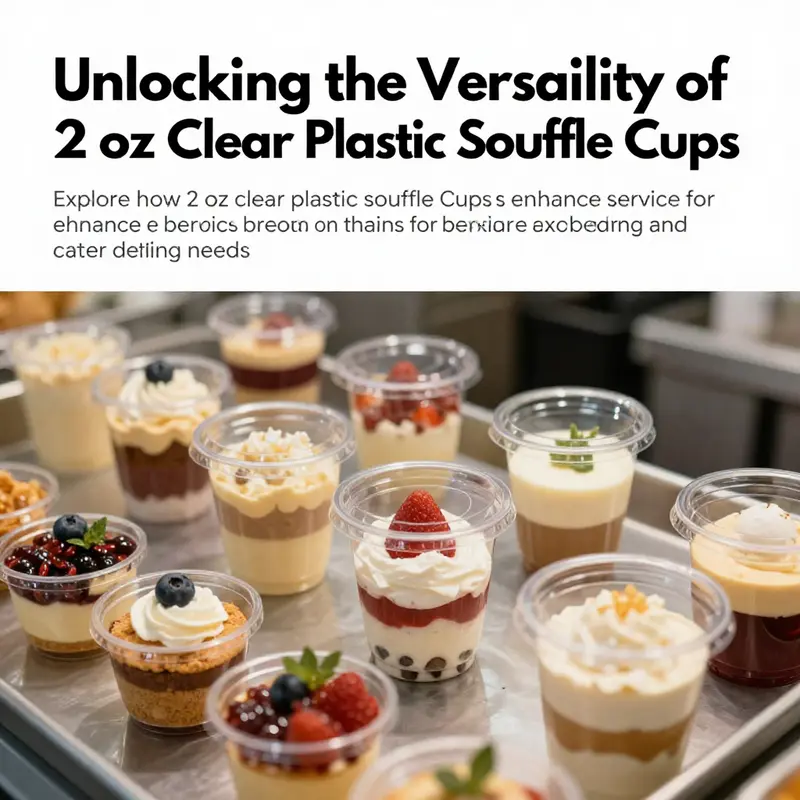
In the competitive landscapes of bubble tea shops, restaurants, and catering services, presentation and convenience are paramount. Enter the 2 oz clear plastic souffle cup – a game-changer that combines functionality with an appealing design. These versatile containers are perfect for a variety of scenarios, from serving desserts to packaging samples. This article delves into the applications of these souffle cups, the materials that make them reliable, the current market trends driving their popularity, and the unique design features that set them apart. Understanding these aspects holistically enables businesses to leverage these cups for maximum impact.
Small Vessels, Big Impact: The Versatility of 2 oz Clear Plastic Souffle Cups
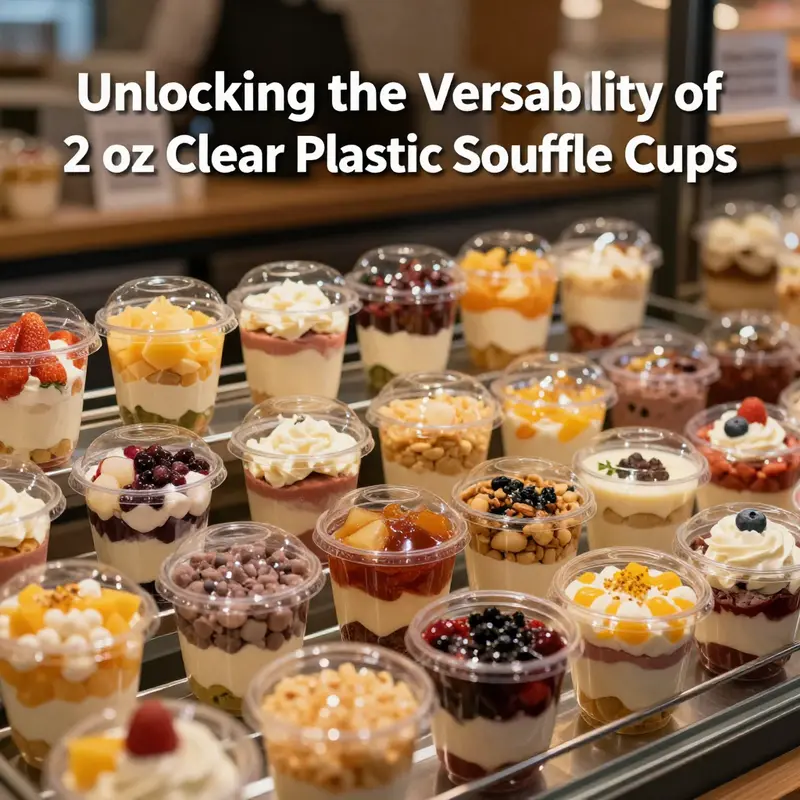
In the quiet economy of modern dining, serviceware that appears unassuming can carry a surprising load of functionality and aesthetic appeal. The 2 oz clear plastic soufflé cup is one of those small vessels that quietly shapes how food is presented, sampled, and portioned across a spectrum of settings. With a capacity of roughly 59 milliliters, these cups function as portable stagehands for the plate, revealing colors, textures, and layers with the simplest of frames. Their transparent walls become an invitation to the eye, allowing the eye to track the movement of a marinade, a gel, or a delicate mousse without distraction. The most practical part of their design is often the most invisible: the way the container maintains the integrity of its contents while staying accessible to the hands that will lift, tilt, and savor. In busy kitchens, at bustling events, and in the quiet corners of home meal prep, these cups prove their worth not by drama but by consistency across the day’s many routines.
At the core of their versatility lies a straightforward truth about materials and construction. Most 2 oz soufflé cups are molded from food-grade polymers, with options that include polypropylene and polystyrene. The choice of material matters not only for safety and compliance with regulatory standards but also for how the cup behaves under varying temperatures and handling. The clear, rigid walls enhance visibility, which is a subtle but powerful advantage. When a chef or a sampler sets a glossy jelly into the cup, the bright clarity turns the product into a small exhibit, a bite-sized display that looks as fresh as when it left the prep table. A secondary but equally important feature is the presence of a lid, often leak-proof, designed to prevent spills and contamination while still allowing the cup to be stacked or transported with confidence. The combination of a well-sealed lid and a robust body translates into a reliable tool for travel—from kitchen to service line, from trade show floor to conference room.
The practical implications of these design choices ripple across a wide range of environments. In a professional kitchen, the cups provide precise portion control for condiments, dressings, and dips. A chef can portion out sauces for plating with surgical consistency, ensuring that each plate receives the same enhancement without the waste or mess that sometimes accompanies bulk containers. For desserts, these cups become miniature stages for jello shots, layered mousses, or fruit compotes, enabling a sequence of flavors and textures to be enjoyed one after another without the need for a larger, heavier vessel. In bakery and confectionery settings, the cups support a compact, retail-ready presentation. Mini pastries or bite-sized candies can be displayed in a way that makes their individual appeal legible from a distance, inviting customers to pick up and sample without the clutter of larger packaging.
Event management and party planning rely on the cup’s portability and resilience. Buffets and cocktail receptions demand containers that are light, stackable, and resistant to spills as guests move through space. The 2 oz soufflé cup fits naturally into these scenes, giving caterers a way to serve a variety of small bites—sauces, dips, puree accompaniments, and tiny desserts—without cluttering tables or threatening traffic flow. The transparent form also contributes to a clean, modern aesthetic; when the contents are vibrant, the cups act as tiny glass-like vials that elevate the overall presentation rather than compete with it. The cups’ ability to be prefilled, capped, and transported safely makes them particularly appealing for multi-stop service models and off-site events where efficiency and reliability are paramount.
Beyond the restaurant and events, the cups find a home in health-conscious meal prep and pediatric feeding routines. Portion-controlled servings support balanced eating patterns and make it easier to plan meals with consistency. Parents and caregivers appreciate containers that can be filled with a carefully measured portion of purees or soft foods, then sealed for on-the-go feeding or for day-long storage. This is where the lightness and simplicity of a small cup matter most: fewer moving parts, less risk of leakage, and easier cleanup after meals or activities. In addition to human consumption, the cups also appear in contexts such as product testing and formulation, where researchers and developers rely on a predictable, neutral container to hold small samples during trials. The transparent design, in this case, is not merely aesthetic—it becomes a practical aid in observation and evaluation, enabling quick visual checks of texture, layering, and consistency without having to unwrap or open larger packaging.
A growing thread in the conversation about these cups is sustainability and material choice. Eco-conscious buyers increasingly seek options that align with corporate responsibility goals. Compostable versions, certified by bodies like the Biodegradable Products Institute for use in industrial composting streams, represent one pathway toward reducing packaging waste. While the core cup remains a reusable or single-use item depending on context, the market’s shift toward compostable or recyclable variants signals a broader desire to minimize environmental impact without sacrificing the convenience and performance these vessels offer. For many operators, the ability to pair a clear, dependable cup with a responsibly sourced lid or a compostable alternative allows them to address consumer expectations around sustainability while maintaining the efficiency and presentation standards essential to good service.
Another facet of their appeal lies in how universality and economy intersect. The cups are designed to be highly compatible with a wide range of food types, including viscous liquids like jelly and dressings, as well as more liquid or semi-liquid substances such as oils or smooth fruit purées. This broad compatibility supports experimentation in tasting menus, sampling campaigns, and promotional events where a company wants to offer a diverse range of small bites or samples without investing in a bespoke line of containers for each item. The clear walls provide an immediate read on color and texture, which can be crucial for brand storytelling in a crowded display—an aesthetic advantage that often translates into higher engagement during tastings or demonstrations.
From a procurement standpoint, the appeal of 2 oz soufflé cups also lies in their standardization. The consistency of size and weight in bulk orders helps ensure that kitchen lines stay symmetrical, that inventory remains predictable, and that storage spaces can be organized with confidence. Suppliers frequently emphasize that these cups meet industrial packaging standards, with tolerances that guarantee uniformity across thousands of units. This reliability reduces the risk of miscounts, misalignments, or spills that can erode margins or disrupt a busy service. The practicality extends to the equipment used in stores and kitchens; many staging areas are set up to accommodate standardized cup dimensions, making loading, stocking, and replenishment straightforward tasks rather than logistical puzzles.
In the conversations surrounding sourcing, the reference points often broaden to include the broader ecosystem of packaging and retail presentation. Market platforms offer a spectrum of options—from basic, cost-effective variants to more feature-rich configurations that pair the cup with ribbed, leak-resistant lids designed to minimize spills during transport. For operators prioritizing sustainability, there are offerings that align with composting programs, as noted above. The decision matrix can be complex, but the core criteria remain consistent: reliability of seal, clarity of material, quick access for diners, and compatibility with existing display and serving systems. Operators who need to scale rapidly for events or seasonal demand tend to favor suppliers that can deliver consistent quality at scale and provide clear documentation on material composition and safety. In this context, the 2 oz soufflé cup emerges as a practical solution that can be adapted across a spectrum of menus, formats, and consumer expectations without requiring a heavy redesign of the dining or event experience.
Sustainability considerations naturally invite a closer look at the broader packaging ecosystem. The push toward responsible choices does not threaten the effectiveness of the cup; instead, it invites a thoughtful pairing of containers that aligns with a brand’s values. For instance, coupling the clear soufflé cup with lids that securely seal and with compostable or recyclable lining options can help address waste concerns while preserving the convenience that foodservice professionals rely upon. In addition to material choices, brands increasingly emphasize the story told by the packaging—the transparency, the clean lines, and the orderly presentation that makes a simple bite feel intentional and premium. This narrative, in turn, reinforces consumer trust and can elevate a sampling or tasting moment into a memorable, repeatable experience.
For those seeking credible directions on how to expand sustainability without sacrificing function, it is worth noting the availability of suppliers that offer BPI-certified, industrially compostable options. This alignment with recognized standards helps ensure that a business can communicate clear expectations to customers and align with waste management facilities that can process these materials. In practice, this means more than a single cup; it is about the entire ecosystem of packaging choices that support the same goals—ease of use, reliable performance, and a commitment to responsible stewardship of resources. The end effect is a packaging story that is at once practical, visually clear, and morally attentive to the impact on the planet—a story that can begin with a simple, 2 oz soufflé cup and unfold across menus, events, and everyday meal prep.
In the ongoing evolution of packaging design, the advantages of transparency and simplicity in these small cups become even more pronounced when considered alongside related packaging options. While the cups themselves serve a specific purpose, their effectiveness is amplified when used as part of a cohesive system that includes lids, seals, and complementary containers. The result is a flexible, scalable approach to portioning, presenting, and distributing culinary samples and small servings that can adapt to different venues, themes, and audiences. The ultimate takeaway is that a seemingly modest tool can become a central piece in a broader strategy for consistency, hygiene, and presentation across the entire food and beverage operation. And because these cups are lightweight and easy to store, they offer a practical solution to the often overlooked question of how to maintain quality and charm in the small moments that define a guest experience.
To connect this discussion back to practical choices, it helps to consider how a business sources these cups and what features matter most for its particular context. For some, the priority is ultra-clear visibility to showcase a dessert with bright hues and a glossy finish. For others, it is the assurance of a leak-proof seal that preserves the integrity of dressings and dips through travel and service. In all cases, the cups act as the quiet engine of portion control, presentation, and efficiency. They are not the front-stage actors; rather, they are the backstage facilitators that enable chefs, caterers, and marketers to deliver consistency, safety, and a refined sensory experience—every time a guest lifts a small vessel to their lips. And while the cup itself may be a single-use item in many settings, its role in shaping impressions, enabling quick service, and supporting sustainability goals makes it a surprisingly influential component in the modern packaging and food presentation landscape.
For readers exploring sustainable packaging ecosystems beyond the cup itself, consider this related resource on eco-friendly take-away packaging options that aligns with the broader shift toward responsible design. You can learn more about eco-friendly printed-logo single-wall paper cups here: eco-friendly printed-logo single-wall paper cup.
External resource: https://www.alibaba.com/product-detail/Fuling-31-Years-Supplier-Disposable-2-oz_1600857193279.html
Understanding 2 oz Clear Plastic Souffle Cups: Materials, Performance, and End-of-Life
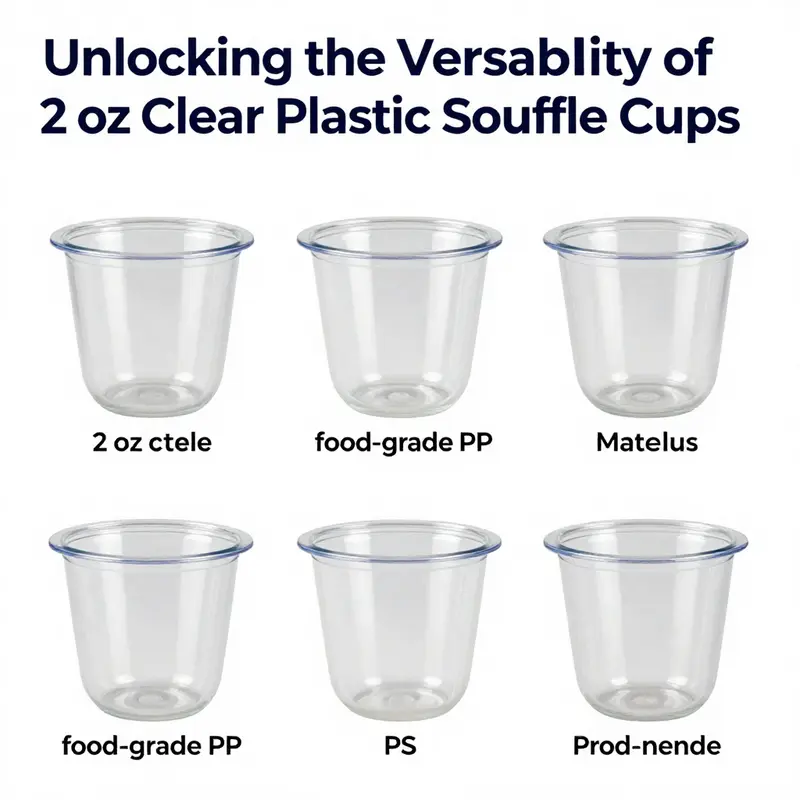
The 2 ounce clear plastic souffle cup is a compact, everyday tool in professional kitchens, cafés, and display cases, valued for its transparent walls, predictable geometry, and reliable leak resistance during handling and transport. The material choices behind these cups—principally PLA bioplastics derived from plant feedstocks, versus polypropylene grades engineered for compostability or enhanced end-of-life performance—shape how well the cup protects contents, withstands temperature changes, and fits with lids and accessories. PLA cups tend to offer crisp clarity and rigidity but can have lower heat tolerance compared with polypropylene, which can affect performance with warm sauces or desserts. Compostable PP options seek to combine durability with end-of-life pathways, yet their benefits depend on local disposal infrastructure and consumer behavior. Design tolerances, wall thickness, and lid compatibility also influence stacking, sealing, and portion accuracy. In short, the choice between PLA and compostable PP is a balance among functionality, cost, and waste-management realities, with environmental benefits realized only when disposal streams and certifications are aligned. The practical takeaway for operators is to verify material claims, understand serving context, and map post-use waste streams to local facilities, ensuring that the cup supports both quality presentation and responsible stewardship.
null
null
Seeing, Serving, and Securing: The Design Language of 2 oz Clear Plastic Souffle Cups
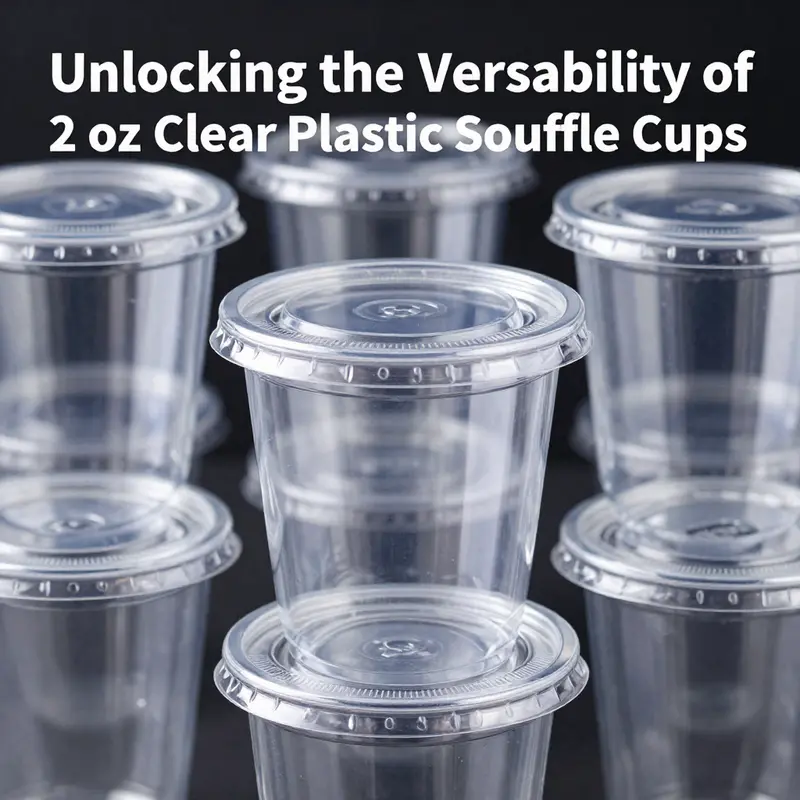
Seeing, Serving, and Securing: The Design Language of 2 oz Clear Plastic Souffle Cups
The appeal of a 2 oz clear plastic souffle cup begins with its visual promise. A small, transparent vessel communicates portion, freshness, and quality at a glance. This visual clarity is the defining design decision behind these cups. Manufacturers select high-clarity polymers to let color, texture, and consistency of contents show through. That visibility improves presentation for sauces, desserts, and samples. It also speeds service and reduces packaging errors in busy kitchens.
Material choice drives both appearance and performance. Common resins include polypropylene (PP) and polyethylene terephthalate (PET). Each offers a slightly different balance of clarity, heat tolerance, and stiffness. PET yields exceptional gloss and crystal-clear transparency. PP provides better heat resistance and toughness. Both are available in food-grade, BPA-free formulations. Choosing a certified, food-safe resin ensures the cup is non-toxic and suitable for direct contact with edible products.
Lid design is another cornerstone of the souffle cup’s utility. Lids serve as the barrier between contents and the environment. Well-engineered lids snap securely and align precisely with the cup rim. Snap-on and press-fit lids prevent spills during transport. Some designs add gasket features to increase seal integrity. In certain models, lids offer a controlled vent or pressure relief. That vent prevents bulging when filling hot sauces or when the cup experiences temperature shifts during transport.
Ergonomics and stackability shape how the cups are handled and stored. A simple, round profile makes scooping and dipping easy. Slight tapering at the base allows cups to nest during storage. The nested stacks reduce footprint on shelves and counters. At service, individual cups separate cleanly without sticking. This balance helps both front-of-house staff and busy caterers manage high volumes with fewer handling errors.
Portion control is both a design objective and a commercial requirement. The 2 oz capacity is a standardized, predictable serving size. Designers ensure inner volume matches stated capacity within tight tolerances. Precision molding and consistent wall thickness keep each cup uniform. Tolerances such as ±1 millimeter in dimensions are common. Weight variation is often controlled to within ±1 percent. These specifications support predictable cost control and nutritional labeling when used in food preparation.
Durability and usability must coexist in a tiny package. The cup walls are thick enough to resist flexing, yet thin enough to remain cost-effective. That structural balance prevents leakage when filled with oils or viscous sauces. Properly chosen resin and wall geometry resist cracking under moderate impact. Many cups withstand both refrigeration and hot-fill processes. Heat-resistant PP variants tolerate short microwave use depending on manufacturer guidance. Clear cups designed for hot fills often require PET alternatives or stabilized PP grades to maintain clarity under elevated temperatures.
Sustainability options are increasingly part of the design conversation. Some 2 oz souffle cups are produced in compostable bioplastics. These cups often carry third-party certifications, such as BPI, which verify industrial compostability. Other options use recycled PET (rPET) to reduce virgin plastic demand. Designers balance end-of-life claims with performance needs. Compostable formulations may behave differently under heat or with oily contents. Recycled plastics can vary in clarity compared to virgin resins. For businesses seeking greener choices, it is important to match the cup’s material properties to intended use.
Manufacturing tolerances and quality control matter in high-volume supply. Injection molding yields precise geometries when processes are well controlled. Tooling design focuses on consistent wall sections and smooth ejection. Dimensional control reduces mismatch between cups and lids. Quality monitoring may include random dimensional checks and weight control. Visual inspections ensure clarity, freedom from haze, and lack of surface defects. For commercial buyers, these checks translate to reliable performance and consistent product presentation.
Labeling and branding integrate into the design without compromising function. The smooth exterior of a clear cup offers a small, elegant canvas for tamped-on labels or small printed bands. Clear cups present product color directly, so labeling strategies often aim to complement, not obscure, the contents. Some cups accept direct printing on the rim or side for simple logos or lot codes. Manufacturers also offer customization for large orders, including embossed features or color rings to match brand identities.
Hygiene and regulatory compliance underpin material and process choices. Food-contact regulations in many markets require validated resins and appropriate manufacturing hygiene. Typical compliance claims include food-grade certification and BPA-free status. For specific uses, such as infant food samples or pharmaceutical-looking packaging, manufacturers may additionally validate sterilization compatibility. Choosing cups from suppliers that document compliance reduces liability and simplifies procurement.
Functional adaptations expand the cup’s utility beyond sauces. Designers add features like tamper-evident rims to support retail sampling. Vented lids help preserve texture in aerated desserts. Stiffer rims improve scoopability when the contents are dense. Slightly textured exterior walls can improve grip for wet hands. Each small modification responds to a service need, from takeout to buffet line presentation.
Supply chain and logistics influence the cup’s designed form as much as customer-facing features. Stackable nesting reduces shipping volume, lowering costs and carbon footprint. Lightweight parts decrease weight-based freight expenses. Robust lids that stay secure during transport reduce product loss during delivery. For operators who prepare food off-site, these factors become critical to maintaining quality from kitchen to table.
End-user experience is the final judge of design choices. A clear cup that resists leaking, stacks neatly, and presents food attractively becomes an operational favorite. Staff appreciate lids that seal without extra effort and cups that separate cleanly from stacks. Customers notice visible freshness through clarity and consistent portion sizes. The cumulative effect of thoughtful design delivers fewer service errors and a cleaner brand impression.
Comparing alternatives helps refine buyer decisions. Paper or kraft bowls offer a warmer, eco-forward aesthetic. They suit larger servings and hot liquids well. However, they cannot match the visual presentation provided by a transparent souffle cup. For small samples, clear cups outperform opaque options. If environmental claims matter, explore certified compostable models or recycled-content variants. You can also combine materials strategically, using clear cups for samples and paper bowls for main servings. For one practical comparison of eco alternatives and holders, consider this resource on an eco-friendly recyclable pulp cup holder: eco-friendly recyclable pulp cup holder.
Designers of the 2 oz clear souffle cup continue to refine the balance between clarity, strength, and sustainability. Each decision affects performance in kitchens, at events, and during delivery. When selecting cups, assess material compatibility with hot or oily contents, lid security needs, and end-of-life expectations. Pay attention to dimensional and weight tolerances to ensure consistent portions. Demand documentation of food-contact safety and any sustainability claims.
For those sourcing these cups, product listings often include detailed technical specifications and customization options. You can review molding details, material datasheets, and sealing options before purchase. One such technical listing with specification details is available here: https://www.alibaba.com/product-detail/2-Oz-Plastic-Souffle-Cups-Durable-Versatile_1600569172595.html
A well-designed 2 oz clear souffle cup is more than a simple container. It is a compact system that communicates product quality. It protects, preserves, and presents small servings with efficiency. Thoughtful design choices create reliability across handling, display, and disposal. That reliability turns a humble cup into an essential operational tool.
Final thoughts
The 2 oz clear plastic souffle cup is not just a simple container; it’s a multifaceted solution that meets the demands of diverse food service scenarios. From their application flexibility to their robust materials and appealing design, these cups are poised to enhance offerings in the restaurant, catering, and beverage sectors. As market trends continue to favor sustainable and practical solutions, integrating these souffle cups can significantly elevate business efficiency and customer satisfaction. Make the smart choice and consider how these cups can align with your service needs today.