

Choosing the right dessert presentation is crucial for any dining experience. Martellato Round Dessert Cups, made of clear plastic and designed with a diameter of 2 1/4 inches, offer an elegant solution for various culinary settings. Designed for versatility and aesthetic appeal, these cups are perfect for use in bubble tea shops, restaurants, food trucks, and during corporate events. Each chapter will delve into their innovative design and materials, capacity and measurements that make them practical, ideal culinary applications, availability and purchasing options, and current market trends to help your business make informed decisions.
Clear 2 1/4″ Round Dessert Cups — Design, Materials, and Practical Appeal

Design and Materials of Clear Round Dessert Cups
Transparent single-portion dessert cups combine simple engineering with purposeful aesthetics. At roughly 2 1/4 inches in diameter and about 2 3/4 inches tall, these cups hold around 4 ounces. Their small footprint makes them ideal for individual servings, while their vertical walls create a neat canvas for layered desserts. The result is a presentation tool that pairs form with function.
The construction relies on clear, food-grade hard plastic. Materials commonly used include food-safe polycarbonate, PET, or other hard plastics that deliver glass-like clarity and firm structure. This clarity highlights color, texture, and layered components, making puddings, mousses, parfaits, and small trifles visually compelling. Because the walls remain rigid, delicate layers remain intact during transport and display. The transparency also reduces the need for additional garnishing; the dessert itself becomes the focal point.
Cylindrical geometry defines the aesthetic. A simple round profile is unobtrusive and versatile. It works equally well on casual buffet tables and polished plated presentations. The straight walls emphasize vertical layers, which is especially useful for desserts that rely on visible strata: sponge, cream, fruit compote, and crunchy elements. The uniform diameter from rim to base supports even stacking and stable placement on trays. Many designs retain a minimal rim to facilitate comfortable holding and easy nibbling, while preserving clean lines.
Beyond looks, several practical attributes make these cups appealing for foodservice and events. First, portion control is inherent. With a 4-ounce capacity, portions stay consistent. This helps manage cost, nutrition, and guest expectations. Second, the cups are convenience-oriented. They are disposable, which reduces the need for washing and simplifies post-event cleanup. This can save labor and mitigate cross-contamination risks in high-volume settings. Third, their rigidity protects delicate textures during handling. Unlike flimsy paper containers, hard plastic resists crushing and keeps layered elements visually distinct.
Functionality extends to a wide range of desserts and small bites. Puddings and custards set well against clear walls. Cream-based desserts like mousses cling to the sides without losing structure. Parfaits and layered yogurts stack ingredients for striking contrast. Crumble or streusel toppings add texture and interest, while fruit or coulis layers provide vibrant color. Savory applications also work: small salads, dips with crudités, and composed amuse-bouches benefit from the crisp presentation. The cups accept both chilled and room-temperature items; they are not intended for direct heat or oven use.
Practical service considerations influence selection. For caterers, stackability matters. Many clear cups nest when empty to save storage space, then stack upright when filled for transport. This duality helps reduce footprint in both back-of-house storage and service staging. Clear cups also pair easily with lids when needed. Snap-on lids preserve freshness and ease transport. When lids are used, they protect layered surfaces and prevent spills while allowing the visual appeal to remain visible through the top.
Handling and stability are important during service. The cylindrical shape distributes weight evenly, reducing tipping. A slightly wider base improves stability for taller fillings. When arranging on trays, spacing cups closely adds visual density and minimizes accidental movement. For buffet lines, placing cups on plates or within shallow trays helps guests carry multiple items. The cups’ compact size allows for more servings per tray than larger dishes, increasing efficiency during high-volume events.
Aesthetics are enhanced by the interplay of textures. The clear sides magnify layering techniques, so contrasts matter. Smooth creams next to crunchy inclusions create visual and textural intrigue. Color contrasts—dark chocolate against pale cream or bright fruit against neutral custard—read clearly through transparent walls. Garnishes placed on top remain focal points, while microgreens or edible flowers can add refinement without obscuring inner layers.
Sustainability and lifecycle are frequent considerations. While many clear cups are disposable, recycling availability depends on local programs and the resin used. Hard plastics with clear, glossy finishes often require specialized sorting. When recycling is not feasible, consider sourcing reusable or compostable alternatives for repeat events. Alternatively, select single-use cups made from recyclable resins where collection is available. Reuse strategies include rinsing and repurposing cups for storage or crafts, though single-use guidelines should be followed for food safety in professional settings.
Compatibility with other serveware expands versatility. These cups work well alongside small paper bowls, kraft containers, and disposable plates. For venues seeking mixed-material displays, pairing clear dessert cups with eco-friendly bowls offers visual variety while accommodating different menu items. For customizable or branded events, printed lids or sleeve labels add identity without altering the core vessel. If packaging is needed for takeaway service, shallow containers and clamshells that accept multiple cups make transport straightforward.
From a buying perspective, attention should focus on material grade, wall thickness, and exact dimensions. Food-grade certification ensures safety. Thicker walls increase durability but also material cost. Exact volume matters when portion control is a priority. Confirm the internal capacity, since nominal dimensions sometimes differ slightly from true usable volume. Consider lids and nesting characteristics when planning storage and transport.
Presentation tips make the most of the cups’ strengths. Reserve the clearest cups for layered or transparent desserts. Use slightly tinted containers if you want to mask an imperfect bottom layer or to create a mood. Keep layers even and compact for the sharpest visual effect. For plated service, present cups on small doilies or on a bed of decorative elements to elevate the look. Finally, test assembly and transport to identify any tipping or condensation issues before a large service.
For venues exploring complementary single-use options, consider the availability of small printed cups designed specifically for ice cream and desserts. These alternatives can serve similar portion needs with different material properties or branding possibilities. See this example of custom paper ice cream cups for an eco-conscious counterpart: custom-printed 3oz–8oz paper ice cream cups.
For a detailed specification and purchasing reference to a clear, food-grade round cup in the 2 1/4-inch diameter range, consult the product listing linked below.
Precision in Portions: Measuring and Using 2 1/4″ Clear Round Dessert Cups
Measurements and Practical Capacity
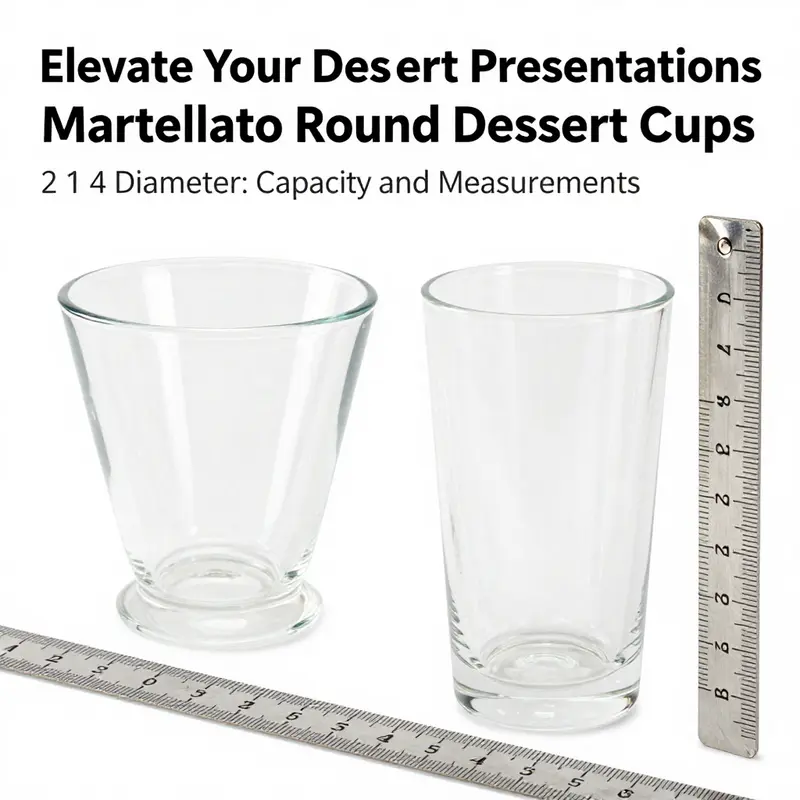
These clear round dessert cups are built around precise, practical dimensions that suit plated desserts, buffets, and grab-and-go desserts. Each cup measures 2 1/4 inches in diameter at the rim. The height is 2 3/4 inches, which converts to roughly 70 millimeters. Capacity sits at 3.4 ounces, about 100 milliliters. Those figures matter because they define portion control, visual presentation, and how the cup behaves when layered with creams, mousses, or fruit compotes.
Think of capacity not as a single number, but as a design constraint that informs recipe scaling. A 3.4-ounce cup is compact enough for a single portion, yet large enough to hold two to three distinct layers. For example, a 30–40 ml base, a 40–50 ml middle layer, and a 20–30 ml topping fit comfortably without overflow. Working with these volumes simplifies batching for events and reduces waste, while keeping each serving visually balanced.
The diameter and height together create a cylindrical silhouette that favors vertical layering. The narrow opening emphasizes height, which helps to showcase clean layers of color and texture. Because the cups are clear, every layer is visible from the side. That visibility enhances perceived value. A small cup filled with contrasting textures reads as more sophisticated than a larger, flatter vessel holding the same volume.
Material and Handling
Constructed from food-grade hard plastic, these cups are rigid enough to protect delicate contents during transport. Rigidity is important for two reasons. First, it prevents deformation when stacked or when lids are applied. Second, it keeps delicate layers intact while the cup is being handed to guests. The trade-off is that these are intended for single use. They avoid the fragility of thin film plastics, yet are not designed for repeated wash-and-reuse cycles.
Because they are not compostable, disposal planning is essential for operations seeking lower waste footprints. Consider pairing these cups with compostable or recyclable alternatives elsewhere in your service line. When recycling streams permit, clear hard plastics often have higher recycling potential than mixed-material disposables. Still, local recycling rules vary, so check guidelines before assuming recyclability.
Practical Use Cases and Portion Strategy
A 3.4-ounce cup is ideal for desserts intended as a refined single bite or a modest, elegant portion. It works well for layered parfaits, panna cotta, cheesecake mousse, and small trifle portions. For plated desserts, these cups can act as a modular element placed on dessert boards or banquet trays. They are also useful for sampling programs where multiple small items let guests taste a variety.
For catering, these cups simplify portioning during service. Pre-portioning desserts allows kitchen teams to control cost per serving precisely. When pricing is tight, the 100 ml capacity maps cleanly to ingredient yields and weight-based costing. Scale recipes by volume rather than by weight when small quantities are involved; it is often faster and sufficiently accurate for individual portions.
Layering Tips and Filling Efficiency
Because of the tall, narrow profile, layering should proceed from the densest to the lightest components. Start with a compact base like cookie crumb or dense fruit compote. Use measured scoops or syringe-style dispensers to control volume for each layer. A 15–20 ml scoop for thin bases and a 40–50 ml depositor for mousse layers speeds assembly and ensures consistency.
Tap each filled tray lightly to settle components. Small air gaps can change perceived volume. If you need a glossy top, finish with a light glaze and chill briefly before transporting. For hot elements, allow full cooling before assembly to prevent condensation, which can blur layers in a clear cup.
Storage, Stacking, and Transport
These cups stack efficiently when empty, saving storage space. Once filled, stackability depends on lids or protective trays. Using a shallow lid can protect surfaces without crushing layers. For transport, use tray inserts or compartment trays to keep cups from sliding. Cooling during transport reduces movement because chilled gels and creams firm up.
When storing filled cups before service, place them in a flat, level refrigeration surface. Avoid stacking filled cups directly on top of one another unless the lids are designed for that load. The rigid plastic resists minor pressure, but deformation risks increase with weight.
Visual Presentation and Branding Opportunities
Clear cups are inherently visual. Use contrast to your advantage. Dark fruit compote beneath pale mousse creates a striking two-tone effect. Small garnishes like edible flowers or mint sprigs provide a focal point. Keep garnish size proportional to cup diameter to avoid overwhelming the portion.
If custom printing or branded sleeves are part of your service, consider options that allow the clear sides to remain visible. A subtle band near the base or a branded sticker on the lid can reinforce identity without hiding the dessert. For businesses exploring paper alternatives or custom-printed options for other containers, a relevant resource is available for custom paper ice cream cups in multiple sizes, which may inform broader disposable packaging strategies: custom-printed 3oz–8oz paper ice cream cups with lid.
Recipe Scaling and Cost Control
When converting standard recipes to fit the cup, measure by volume. Use graduated pitchers for batters and syringes for syrups. Keep a reference sheet with precise milliliter values for each layer to speed production. For example, a three-layer dessert might allocate 30 ml base, 50 ml mousse, and 20 ml topping. Multiply by the number of servings to calculate total volumes.
Material selection affects both cost and guest perception. The rigidity and clarity of these cups justify slightly higher per-unit costs compared to flimsy disposables. The payoff comes in reduced breakage during setup and improved shelf presentation.
Environmental and Operational Considerations
While these cups improve presentation and portion accuracy, they are single-use and not compostable. For operators pursuing sustainability goals, mix-and-match strategies help. Use recyclable or compostable bowls for some menu items, while reserving clear hard cups for premium desserts that rely on visibility. Explore alternatives for other menu components to offset single-use impact.
Finally, standardize cleanup and recycling procedures. Label back-of-house bins clearly, and train staff on local recycling rules. Clear communication reduces contamination and ensures more of the material enters the appropriate waste stream.
For full product specifications and purchasing details, review the manufacturer listing here: https://www.amazon.com/dp/B07XK5ZQJF
Little Stages for Sweet Moments: Clear Round Dessert Cups (2¼″) for Elegant Single-Serve Presentation

Practical Culinary Uses and Presentation Tips
Clear round dessert cups with a 2¼-inch diameter and roughly four-ounce capacity act as miniature stages for desserts. Their transparency turns layered treats into visual centerpieces, while their compact footprint makes them easy to plate, serve, and transport. Made of food-safe plastic and often labeled BPA-free, these cups hold chilled creams, mousses, fruit layers, and parfaits without compromising shape. Their cylindrical profile highlights color contrasts and textural transitions, which is why pastry chefs and caterers favor them for single-serve desserts.
The most immediate advantage of the clear cup is visual storytelling. A simple three-layer dessert—crushed biscuit base, silky panna cotta or mousse, and a bright fruit coulis—reads instantly through the cup. Color, texture, and proportion are visible from the moment a guest approaches. This reduces the need for elaborate garnishes and lets the dessert speak through well-planned layers. For example, alternating opaque and translucent layers gives depth. Using a darker biscuit base anchors the composition. A middle layer of light, aerated mousse creates a soft contrast. Top with jewel-toned fruit or a transparent gel for a polished finish.
These cups excel with chilled preparations because the plastic maintains form and chill while being light to handle. Panna cotta, custards set with gelatin, chilled mousses, and layered yogurt parfaits all perform well. When building layered desserts, consider temperature and viscosity. Denser bases should be chilled before adding lighter mousses. A quick chill between layers helps keep clean separation. Use piping bags or spoons to place layers with control. A small offset spatula or the back of a spoon smooths surfaces and keeps edges neat.
Portion control is another core benefit. With a four-ounce volume, these cups make it easy to calculate servings per batch. This is especially helpful in professional kitchens and event catering where consistent portions affect cost and presentation. When designing tasting menus or dessert buffets, the predictable portion size simplifies menu planning and inventory forecasting. For events, place them on trays for a self-serve station or pre-place lids for grab-and-go convenience. The compact size encourages guests to sample multiple items without feeling overindulged, which suits multi-course dinners or tasting events.
Catering benefits extend beyond portions. The lightweight cups are stackable and space-efficient for transport. They can be sealed with small lids or wrapped with cling film for safe transit. For plated service, they slip easily onto small saucers, slate tiles, or dessert spoons for a modern presentation. For informal settings, arrange several cups on a tiered stand. For formal events, pair each cup with a delicate spoon tied with a ribbon or placed on the side. When using lids, label them with flavor or allergen information to assist guests and staff during service.
Texture and mouthfeel are critical in small portions. Because each bite counts, aim for contrast within each cup. Combine crunchy elements like cookie crumbs or nut praline with soft components such as mousse or custard. Add a small quenelle of cream or a scattering of toasted seeds on top for a final textural note. Micro-herbs or an edible flower petal can add color and flavor without cluttering the small surface area. Remember that small servings magnify strong flavors. Balance sweetness with acidity or bitter notes to keep the profile interesting.
These cups also work for cold savories and layered starters. Think chilled soups, composed salads in miniature, or composed tartare portions. The clear walls still highlight layers—oil on top, finely diced vegetables, and a creamy base—allowing a chef to create a composed bite with clear visual cues. Use cling film or fitted lids for safe transportation when serving outdoors or at a busy venue.
From a workflow perspective, the cups speed up plating and assembly. Prepare bases in bulk and fill on a production line. Use measured scoops or piping bags for uniformity. Chilling between stages reduces slumping and maintains sharp lines. Storing finished cups in well-organized trays makes staging service straightforward. For make-ahead desserts, keep garnishes separate until the moment of service to preserve texture and brightness.
Sustainability and alternative options are part of the decision process. Many kitchens balance convenience with environmental goals. While single-use plastic provides hygiene and practicality, there are reusable and compostable alternatives that mimic the clear aesthetic. Glass or acrylic tumblers offer reusability and a similar visual effect. For short-term events, consider lightweight glassware that can be collected and washed. Compostable clear options are improving, but verify temperature tolerance and clarity before committing to a menu.
Practical handling tips matter. Check whether the cup is microwave-safe before attempting to warm a component. Most disposable plastics are not suitable for high heat. For chilled or room-temperature desserts, avoid prolonged contact with highly acidic or alcoholic components, which can alter plastic over time. During service, use trays with non-slip surfaces to prevent tipping. For plated presentations, center the cup on a stable small plate and add a spoon rest or a protective napkin underneath. Staff training on how to remove lids cleanly and present each cup will speed service and keep the look consistent.
When pairing with other serveware, consider texture coordination. A raw wood tray pairs nicely with bright fruit layers. Slate tiles enhance jewel-toned gels. For casual events, recycled kraft paper trays and holders can add eco-friendly charm. If you need printable branding or signage, small adhesive labels can be applied to the lids or bases without obscuring the dessert.
Finally, think about creative uses beyond dessert. These cups are useful for portioned condiments, tasting flights, palate cleansers, and small amuse-bouche servings. They allow chefs to experiment with tiny compositions that would be difficult to plate individually. Because the cups frame each bite, they encourage creativity in flavor layering and finishing details. Use them as a low-risk way to prototype recipes or to offer diverse, small-format menus.
For guidance on selecting the ideal cup style for specific applications, a helpful resource outlines how dessert cup shape and size influence presentation and function. See this practical guide for more on choosing the right cup for each dessert application: https://www.thespruceeats.com/ideal-dessert-cups-for-every-application-4136788
For a disposable cup option focused on small frozen treats and paper alternatives, explore a supplier of custom printed paper ice cream cups (3oz–8oz) for additional portioning ideas: https://greendispopack.com/product/custom-printed-3oz-5oz-8oz-paper-ice-cream-cups-with-lid/
These clear round cups transform compact portions into memorable presentations. They simplify portioning and service and amplify visual appeal. When used thoughtfully, they become more than containers—they become curated miniature experiences.
null
null
Clear Cylinders, Clear Impressions: How Small-Diameter Clear Plastic Dessert Cups Shape Presentation and Preference
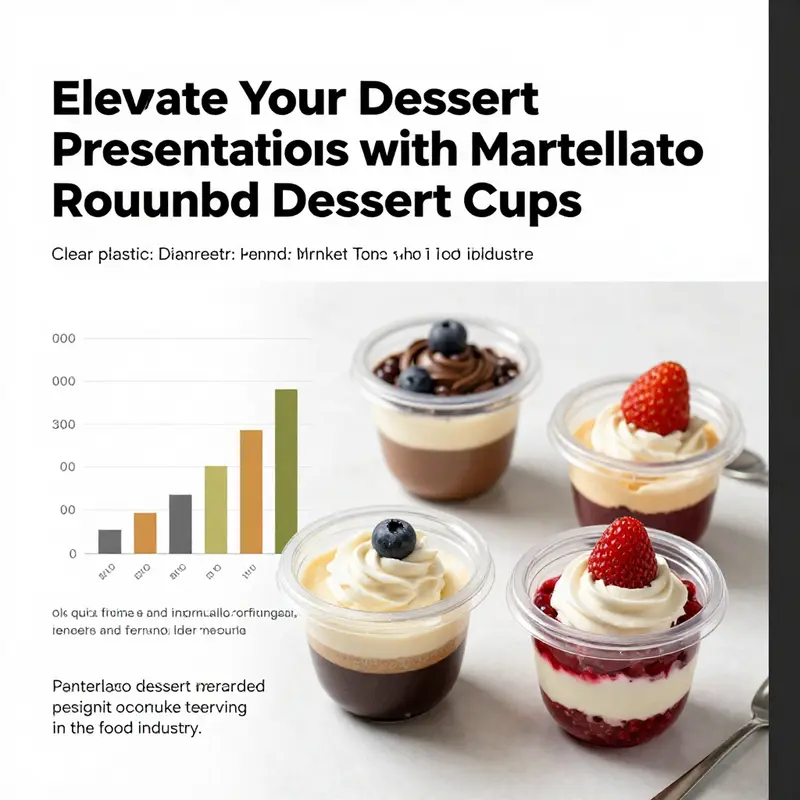
A small, transparent cylinder can carry a larger promise. In the realm of single-serve desserts, clear plastic cups with a compact diameter—often around 2 1/4 inches, with many variants hovering in the 40 to 57 millimeter range—have carved out an essential niche. These cups, usually designed with a clean cylindrical silhouette and a modest capacity near 120 milliliters, serve more than just a container role. They are stage and frame alike, elevating the look of layered desserts, mousse cups, fruit parfaits, and petite desserts that rely on visual cues as much as on taste. The diameter, modest yet purposeful, is not an arbitrary number; it is a deliberate choice that balances visibility with stability. A cup in this size supports a few distinct layers—crisp biscuits, smooth creams, and glossy toppings—without overwhelming the eye or the palate. In practical terms, the 120 ml capacity aligns with portion-control expectations at events and eateries, while the slender profile makes handling, transport, and display streamlined enough for both professional and home use. This diameter range also enables multiple servings to be arranged in a coherent display on a dessert table, enhancing the overall presentation without creating clutter. In practice, the small-diameter cup becomes a storytelling device, inviting guests to peek at the layers, guess the flavors, and anticipate the textures that lay beneath the surface. The clarity of the material—clear, food-grade plastic—plays a central role in this storytelling, turning the cup into a window that reveals each component from top to bottom. When every layer is visible, the dessert reads as fresh, crafted, and thoughtfully composed, even when it comes from a box or a catering cart. The geometry matters as much as the contents; a clean, cylindrical form with a transparent exterior offers a modern, minimalist aesthetic that pairs well with countless dessert ideas, from delicate mousses to vibrant fruit crowns. Consumers and professionals alike are drawn to this fusion of practicality and beauty, where the cup becomes an extension of the dessert itself rather than a mere vessel for transport. The small diameter matters in part because it encourages precise portioning. In catering and hospitality, consistent portion sizes translate to predictable costs, which is essential for planning menus, calculating service times, and managing waste. Yet the precision is not merely fiscal. It also supports the culinary technique of layering. When a chef or home cook drops a spoonful of cream, a swath of jam, or a ribbon of chocolate into a clear cylinder, the viewer’s eye traces the progression from one layer to the next. Each layer stands as an individual texture and flavor, yet the whole is read as a cohesive, dessert-ready composition. The transparency invites a tactile curiosity as well—the way the light travels through the cup, the way the layers refract at each interface, and the way a glossy fruit topping catches a wedding-aisle glow or a party-hall spotlight. In this sense, the cup becomes a stage for dessert artistry, and the diameter becomes a crucial character in the performance. The market for these cups has evolved alongside changing consumer expectations around safety, convenience, and environmental responsibility. Food-grade plastic is non-negotiable; consumers seek assurance that what they see is what they eat, without lurking concerns about contaminants or off-flavors. The emphasis on safety is not only about the material itself but about the broader packaging ecosystem. People want packaging that can withstand handling during transport, stacking on shelves, and quick service at a busy event. A well-shaped cup with a stable base helps prevent tipping and spillage, preserving the dessert’s integrity from kitchen to table. The conversation around materials has grown more nuanced in recent years. While the clarity and rigidity of hard plastics meet current needs for durability and presentation, there is rising attention to the sustainability of disposable options. A portion of the market now looks toward recyclability, recyclate content, and the feasibility of incorporating more eco-friendly plastics or post-consumer materials. The industry is responding in part by expanding labeling that helps with recycling streams and by exploring alternative formulations that maintain clarity and stability while reducing environmental impact. Yet the core appeal remains not just safety and sustainability, but the undeniable advantage of presentation. Consumers judge desserts in a glassy, unobstructed medium where the eye can trace color, texture, and layering without distraction. In many settings—catering, hospitality, and even home entertaining—the thin profile of these cups aligns with the desire for elegance without extravagance. It is a design philosophy that says: let the dessert speak, and let the cup be the frame rather than the focal point. The cultural shift toward experiential dining further reinforces this preference. People are less satisfied with mere sweetness; they crave a multisensory experience that starts with appearance. A compact, transparent cup that showcases a precise layering strategy communicates care, professionalism, and a thoughtful approach to portioning. It signals a menu that treats dessert as a curated moment rather than a throwaway afterthought. Industry observers note that the market has begun to blend the best of both worlds: the convenience and hygiene of disposable materials with visual clarity that rivals glass in many display scenarios. The result is a category that thrives by solving a practical problem—how to serve elegant, layered desserts in a way that preserves texture, color, and temperature—while also meeting the expectations of modern event planners and everyday hosts who value tidy, organized service. The conversation around sustainability is not a one-size-fits-all answer. For some operators, recyclability of the cup itself is a critical criterion; for others, the emphasis lies in reducing overall waste through stackability, efficient packaging, and compatible lids that secure the dessert during transport without adding excessive bulk. In a broader sense, this reflects a larger trend within disposable tableware: companies are balancing performance with responsible packaging choices, recognizing that the consumer base is increasingly mindful about the lifecycle of the products they purchase. For readers who want a broader read on market dynamics, industry reports provide structured data on market size, growth trajectories, and regional preferences. A well-regarded source aggregates insights on disposable tableware, including plastic dessert cups and related formats, offering a picture of how demand pivots with consumer tastes and regulatory environments. As organizations explore future-proof options, some will experiment with materials that blend clarity with sustainability, such as recyclable polymers or bioplastics designed to maintain the pristine look that consumers associate with a premium dessert experience. Meanwhile, the appeal of the small-diameter, clear cup endures because it satisfies a timeless consumer impulse: to savor layered dessert visuals before tasting, to appreciate the craft of presentation, and to enjoy a portion that feels both personal and special. For professionals shaping menus and event concepts, the takeaway is clear. The 2 1/4-inch-class cup remains a versatile tool that supports precise portioning, dependable transport, and striking presentation. It invites creativity in layering and topping, while its size makes it compatible with a range of display configurations—from single-row kiosks to multi-tiered dessert platters. It is not a luxury; it is a practical design with an aesthetic payoff. And as the market continues to tilt toward clarity, safety, and sustainability, these cups will likely evolve in tandem with consumer expectations, offering improvements in material science, recycling compatibility, and sourcing transparency—areas that matter to planners who must balance taste, look, and responsibility in every event. For readers seeking a snapshot of ongoing industry trajectories and consumer behavior in disposable tableware, a recent external resource provides a structured view of market size and trends across the 2024–2030 horizon: https://www.statista.com/statistics/1289571/disposable-tableware-market-size-global/. On the packaging side, those exploring alternatives within the same family of single-use serveware can consider a variety of materials and formats; as one example of related packaging options, see the eco-friendly options available in disposable, printed-label, single-wall paper cup configurations as a point of comparison for sustainability-minded decisions: eco-friendly-printed-logo-single-wall-paper-cup. This blend of presentation-focused design and responsible packaging choices continues to shape how consumers perceive and select dessert cups at every scale. In the end, the small diameter becomes a stage for big impressions, and the journey from kitchen to display to bite is as compelling as the flavors themselves.
Final thoughts
Martellato Round Dessert Cups are more than just containers; they are an elegant solution for presenting culinary creations. Whether in a bustling restaurant or an upscale event, these cups enhance the food experience while offering functionality and aesthetic appeal. By understanding their design, capacity, various applications, purchasing options, and market trends, businesses can make informed decisions that elevate their dessert offerings. Investing in quality presentation solutions like Martellato cups reflects a commitment to excellence in service.