
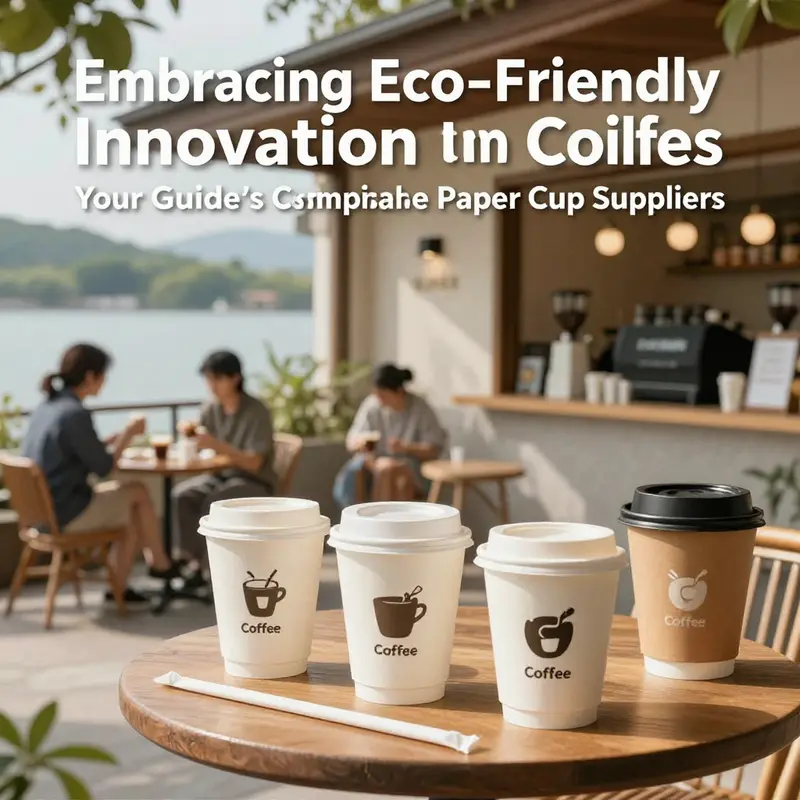
As businesses in the beverage and food industry increasingly prioritize sustainability, turning to compostable paper cups has become essential. Suppliers in China are at the forefront of this shift, offering innovative and eco-friendly solutions tailored to the needs of bubble tea shops, restaurants, food trucks, and event planners. Each chapter in this article will explore the strengths of these suppliers, the market landscape that shapes their offerings, the technological innovations they bring to the table, and the sustainability practices they uphold. Dive in to understand how partnering with these providers can enhance your brand’s environmental responsibility and operational efficiency.
Mapping China’s Compostable Paper Cup Suppliers: Scale, Materials and Sourcing Confidence
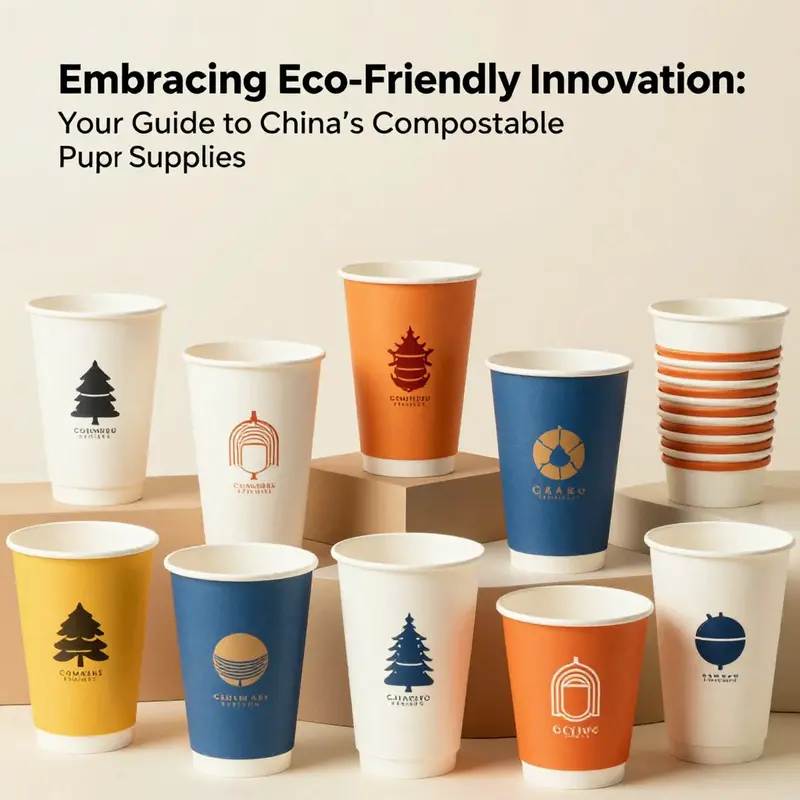
Supplier landscape and what differentiates reliable partners in China
China’s compostable paper cup industry now spans a wide range. Large, vertically integrated manufacturers coexist with nimble, material-focused innovators. Buyers face two immediate realities. First, supply capacity and certifications vary dramatically. Second, raw-material choices shape both performance and end-of-life outcomes. Understanding these differences helps procurement teams choose partners that meet regulatory, brand, and operational requirements.
A practical way to read the market is to view suppliers through three lenses: capacity and compliance, material innovation and biodegradability, and logistics plus brand-sensitive services. Capacity and compliance matter when orders hit tens of millions of units. Material innovation matters when you sell acidic or sugar-rich beverages. Logistics and branding matter for timing, cost control, and the customer experience.
Some suppliers stand out for global-scale production plus recognized food-safety certifications. These manufacturers operate modern, large-area plants and can supply billions of units yearly. Their value proposition is predictable volume, extensive quality-management systems, and the ability to support multinational rollouts. Their certifications commonly include international food-safety approvals and recognized management-system standards. That combination gives buyers confidence when entering regulated markets.
Other companies focus on material science and practical biodegradability. Innovations range from new coatings to composite fiber blends. For coastal or marine-sensitive markets, suppliers that develop coatings designed to accelerate marine degradation or reduce microplastic formation can be decisive partners. These innovators frequently collaborate with research institutes, which speeds iteration and validates claims under controlled conditions.
A strong mid-market cohort balances raw-material sustainability with cost and print quality. These companies often use blends of alternative fibers such as bamboo pulp and sugarcane bagasse. The blends reduce reliance on virgin wood pulp while maintaining structural integrity. Brands that need clear, high-fidelity printing for complex artwork benefit from suppliers with advanced surface treatments that lower defect rates and preserve brand colors.
Certification details separate genuine compostable solutions from marketing promises. International certificates like BPI and OK Compost confirm compostability under industrial or home conditions. FDA clearance or equivalent food-safety approvals matter for export to North America and other regulated markets. When a supplier lists multiple certifications and participates in national standard-setting, that reflects deeper technical capacity and a commitment to compliance.
Sourcing advice must account for the real trade-offs between compostability standards and beverage performance. PLA coatings and other biopolymers perform well under many conditions but differ in marine degradation rates. Novel alginate-based coatings can provide faster marine breakdown and better resistance to acidic drinks. If your product line includes fruit juices or carbonated sugary drinks, material selection must balance leakage resistance, shelf life, and compostability metrics.
Operational realities also influence supplier choice. Central-location producers offer lower inland distribution costs and faster replenishment for national rollouts. Coastal manufacturers often provide international shipping advantages. Manufacturing hubs differ in average lead time by region, so buyers should match supplier location to their distribution footprint to control landed costs and timelines.
Below are profiles of representative supplier types, integrated into the sourcing narrative, and focused on what procurement teams really need to know.
• A large-scale, standards-driven manufacturer combines high throughput with broad international certifications. Their strength is predictable supply for global chains and rigorous quality control. When a supplier has extensive patent portfolios and regularly engages in national standards work, expect robust technical support during new product development and regulatory audits. They typically offer one-stop solutions and can adapt manufacturing lines for special coatings or custom shapes. For teams launching new branded lines across countries, this reliability reduces risk. External reference: https://www.baofengpack.com/
• A material-innovation specialist uses advanced bio-based coatings to address marine pollution and leakage performance. Their alginate-based composite coating accelerates marine degradation relative to common PLA systems. It also improves resistance to acidic and sugar-rich beverages, reducing customer service issues linked to leakage. These suppliers excel when your sustainability story must extend beyond industrial compostability to real-world ocean impact reductions.
• A mid-market supplier focused on fiber blends provides an attractive middle ground. Their paper cups use a thoughtfully crafted pulp mix that significantly lowers dependence on virgin forest resources. Blends such as bamboo and sugarcane bagasse deliver good rigidity and heat resistance. These suppliers often invest in surface treatments that enhance print quality. For brands prioritizing visual identity and consistent color reproduction, choosing a partner with a lower print defect rate reduces waste and rework.
• A vertically integrated R&D-driven manufacturer offers both compostable certification and a wide product suite. When a supplier operates its own mold-making, mechanical assembly, and testing labs, lead times on tooling and custom projects shrink. Vertical integration also permits faster corrective action when production deviates from spec. This setup benefits clients that value rapid iteration and unified accountability across design, tooling, and volume production.
• An enterprise tackling greenwashing emphasizes raw-material purity and real home-composting credentials. These suppliers restrict additives and rely solely on naturally renewable fibers. Their certifications for home composting provide a simpler consumer-facing claim, and when paired with large-scale implementation of renewable energy, they demonstrate measurable environmental impact. Brands with strict sustainability commitments should assess a supplier’s raw-material sourcing data and lifecycle reporting to verify assertions.
Selecting a supplier also requires a reliable testing and validation process. Start with a clear specification sheet. Include material composition, targeted compostability standard (industrial or home), beverage types, printing requirements, and expected order cadence. Request independent lab test reports for compostability and for barrier performance with your beverage mix. If possible, run a pilot through your distribution network to validate transport and end-user handling. Ask for third-party verification of certifications and recent audit reports.
Negotiation levers frequently relate to volume, lead time flexibility, and design complexity. Long-term contracts can secure better pricing and prioritization on production schedules. Buyers should quantify total landed cost, not just unit price. Savings from lower defect rates, shorter inland transit times, or fewer returns can outweigh modest unit-price differences. For seasonal peaks, identify suppliers with buffer capacity or local warehousing to avoid stockouts.
Customization and branding deserve attention. High-quality print often requires specially treated paper surfaces and stable ink systems. Work with suppliers that provide color-matching support and pre-press proofs. Request samples under real fill conditions. Verify that printing processes do not compromise compostability claims. Some inks or varnishes can affect biodegradation; insist on compatible, certified consumables.
Risk mitigation includes multiple-source strategies and phased rollouts. For large programs, split orders across one high-capacity partner and one specialized innovator. The high-capacity partner covers volume while the specialist can pilot new materials or coatings. Maintain regular supplier audits and hold periodic performance reviews.
Sustainability messaging must rest on traceable facts. When a supplier claims reduced forest impact or landfill diversion, ask for quantified data. Metrics such as tons of agricultural residue diverted or lifecycle carbon savings are meaningful. Publicly verifiable data, supported by certification, strengthens brand claims and protects against scrutiny.
Finally, operationalizing a compostable cup program involves collaboration across procurement, quality, logistics, and marketing. Procurement secures the right supplier and negotiates terms. Quality verifies materials and lab results. Logistics optimizes distribution. Marketing defines labeling and consumer guidance to ensure proper end-of-life handling. A cross-functional rollout with clear KPIs reduces the risk of unexpected returns or compliance issues.
A tactical checklist for the next supplier selection cycle:
- Define required certifications and test-report thresholds.
- Prioritize suppliers by the three lenses: capacity/compliance, material innovation, and logistics.
- Request full material disclosure and recent independent lab tests.
- Validate printing compatibility and request production samples under real use.
- Compare total landed cost, factoring in defect rates and transit.
- Consider a split-sourcing approach for volume and innovation.
- Ensure supplier transparency on energy and raw-material sourcing.
- Negotiate lead times and contingency production plans.
An example of a product from the domestic trade that shows typical design and specification expectations is the 8oz double plastic-free single-wall paper cup. Suppliers who offer such cup variants typically support rapid prototyping, custom printing, and standard certifications necessary for foodservice use. Reviewing a matched SKU helps clarify dimensions, raw materials, and expected barrier performance during supplier evaluation: 8oz double plastic-free single-wall paper cup.
Pairing the right supplier to your program means aligning technical needs with business constraints. Big brands needing consistent global supply prioritize capacity and comprehensive certifications. Coastal or ocean-aware brands need marine-degradation-focused coatings. Mid-sized companies often benefit from fiber blends and central-location logistics. Each path requires different proof points, but the universal requirement is transparent, verifiable data. That transparency makes supplier claims testable and procurement decisions defensible.
Sourcing compostable paper cups from China today offers many credible options. The most suitable partner depends on your priorities: scale and compliance; material performance and marine impact; or a balanced, cost-effective mid-market solution. Use a structured evaluation, insist on independent testing, and design a procurement strategy that blends short-term availability with long-term sustainability verification.
Navigating China’s Compostable Paper Cup Market: Drivers, Leading Suppliers and Sourcing Strategy
Market dynamics and supplier differentiation
China’s compostable paper cup market has matured from early experimentation to a structured industry. Policy momentum, shifting consumer expectations, and material innovation now shape demand. Regulation has not only reduced the viability of single-use plastics, it created a procurement imperative for foodservice chains, delivery platforms, and brand licensors seeking compliant packaging. At the same time, buyers demand performance parity: leak resistance, heat-handling, print quality, and predictable supply. This combination has raised the bar for suppliers. Those who can prove certifications, scale, and material transparency command attention. Others compete on niche innovations or regional logistics advantages.
Supply-side differentiation is now clear. A small number of large-scale manufacturers focus on volume and compliance. They invest heavily in quality systems and international approvals. Their value proposition is reliability for large rollouts and long-term contracts. Mid-market manufacturers position on cost-performance balance. They often combine bio-based raw materials with efficient printing lines and flexible minimums. Finally, specialist innovators bring novel coatings, marine-friendly formulas, or pulp blends to address specific use cases. When selecting a supplier, buyers should map these supplier archetypes to their own priorities: regulatory coverage, price-sensitivity, branding needs, or environmental outcomes.
What drives buyer decisions today
Procurement teams prioritize several hard criteria. Certifications such as BPI, OK Compost, and the US FDA provide quick trust signals. They indicate that a product meets recognized test methods for biodegradability or food safety. Production capacity and lead-time reliability are equally important for large clients. A domestic facility that produces billions of units annually reduces supply chain risk. Technical performance matters too. Heat stability, anti-leak properties with acidic or sugary drinks, and print fidelity influence customer satisfaction and brand image. Finally, transparency about raw materials matters to sustainability teams. Buyers want to see evidence that pulp comes from managed sources, or from crop residues like sugarcane bagasse or bamboo pulp.
Beyond technical specifications, geography and logistics matter. Centralized plants offer lower inland transit times and costs. Coastal suppliers may prioritize marine-degradable formulations, useful for island or port cities. Regional manufacturers can serve local chains with short lead-times and lower freight impact. In China, a clear pattern has emerged: manufacturers that combine certifications, material innovation, and logistics advantages capture the largest contracts.
Profiles of supplier strengths and their strategic fit
Leading manufacturers that hold multiple international standards typically serve global customers. Their strengths include large-scale automated production, strong quality management, and the ability to meet complex compliance requirements across markets. These suppliers are the logical partners for international brands or large domestic chains that require predictable volumes and third-party audits. They also tend to take part in national standards work, which helps align their products with evolving regulation.
Innovative material companies focus on new bio-based coatings or composites. For example, seaweed-derived alginate coatings accelerate marine degradation and improve performance with acidic drinks. Such materials represent pragmatic solutions where disposal pathways are uncertain or where consumer-facing sustainability messages are key. Buyers seeking to minimize marine persistence or to emphasize cutting-edge sustainability may prioritize these suppliers.
Mid-market producers often strike the best balance for regional brands. By blending fast-growing fiber sources—bamboo pulp and sugarcane bagasse—they reduce reliance on virgin wood. This approach both lowers environmental footprint and stabilizes input prices. These companies commonly excel in printing and customization, delivering higher fidelity branding at lower defect rates. They are a fit for mid-size franchises and beverage chains wanting high-quality packaging without global-scale commitments.
Companies with genuine compostability certifications occupy a distinct position. BPI and OK Compost accreditation means products consistently meet recognized industrial or home composting standards under test conditions. For buyers whose customers will compost packaging post-use, or for markets with industrial composting infrastructure, these certifications are decisive. They validate marketing claims, reduce reputational risk, and ensure compliance with procurement policies tied to circular economy goals.
Trends shaping procurement choices through 2026 and beyond
Material diversification continues. PLA remains an important technology because of its performance and commercial maturity. But alternatives are gaining traction. Seaweed-derived coatings, bamboo pulp blends, and sugarcane bagasse are no longer experimental. Each offers trade-offs in cost, barrier properties, and end-of-life behavior. Buyers must evaluate materials by the disposal context they expect. Industrial composters favor certain formulations. Coastal communities concerned about marine litter will prefer faster marine-degrading options.
Another trend is the move toward integrated service offerings. Top suppliers now present themselves not only as manufacturers, but as partners. They offer design support, co-development for custom inks and finishes, and tailored logistics solutions. This adds value to brand owners who want a single point of accountability for artwork, quality control, assembly, and delivery.
Supply-chain transparency is growing. Buyers ask for mill certificates, audit reports, and carbon or resource use data. Suppliers that can present verifiable metrics about diverted agricultural residues, responsible forestry, or solar energy use gain an ethical premium. Such claims, when backed by third-party evidence, reduce procurement risk and help brands meet environmental reporting obligations.
Finally, circular infrastructure is an urgent challenge. A compostable cup can only fulfill its promise when collection and processing exist. Many Chinese cities and export markets still lack widespread industrial composting. Suppliers and buyers increasingly coordinate with waste managers and foodservice clients to create pilot collection streams, signage, and consumer education. Suppliers that engage across the value chain strengthen the likelihood that their products will be processed properly.
Practical sourcing strategy for procurement teams
Start with a priority matrix. Map required certifications, expected volumes, logistical constraints, and the disposal context. For large volume needs, favor suppliers with demonstrated annual throughput and multiple international standards. For coastal or marine-sensitive markets, prioritize materials with accelerated marine degradation. When brand identity and print fidelity matter, evaluate suppliers for surface treatment capabilities and defect rates.
Ask targeted questions during pre-qualification. Request copies of certification dossiers and recent audit reports. Verify production lead times and minimum order quantities. Test barrier performance with your actual beverage recipes. Insist on color proofs and run samples through your filling equipment. Confirm whether the supplier performs life cycle or material traceability reporting. Finally, check whether they offer value-added services like design support, warehousing, or drop-shipping.
Negotiate contract clauses that reflect reality. Allow for material evolution by including co-development and change-control terms. Set clear KPIs for defect rates, delivery performance, and compliance evidence. Consider pilot orders to stress-test lead times and printing in real operations. If the supplier promises compostability claims, require documentation of accredited test methods and guidance on recommended disposal pathways.
Risk management and quality assurance
Mitigate risk through multiple tactics. Use staged scaling, beginning with smaller orders and increasing as reliability is proven. Maintain dual-sourcing where possible to avoid single points of failure. Insist on inline quality checks and require pre-shipment inspections for initial runs. Monitor complaint rates and return statistics closely during the first year. For overseas buyers, ensure clear Incoterms and customs handling protocols to prevent delays.
Technical risk is equally important. Evaluate how formulations behave with hot, acidic, or sugar-laden beverages. Run accelerated aging and leakage tests. Confirm that printing inks used meet food contact regulations. Request documentation for migration testing where applicable.
How supplier choices affect brand value and compliance
Selecting the right supplier influences reputation, regulatory risk, and operational costs. A supplier with proper certifications lowers the chance of rejected shipments or regulatory fines in export markets. One with strong printing capabilities protects brand image during promotions. A partner engaged in waste infrastructure reduces the risk that compostable claims become empty promises due to lack of processing.
Finally, sustainability is now measurable. Brands will be asked to report on diverted agricultural waste, avoided plastic usage, or the lifecycle emissions of their packaging. Suppliers that provide verified data make reporting easier and more credible. In procurement decisions, this evidence often becomes the tie-breaker between otherwise similar offers.
A single practical link for product context
For teams evaluating single-wall options and quick-turn models, consider reviewing a representative product listing such as the best-price 8oz double plastic-free single-wall paper cup to understand retail-level specifications and common trade-offs.
Supplier reference and next steps
When a procurement plan is ready, shortlist suppliers that match your matrix. Conduct physical audits where possible. Run co-development sprints for custom branding or material adaptation. Pilot with a limited number of outlets and iterate quickly.
For a trusted supplier with broad certifications and large-scale capacity, review the manufacturer profile at https://www.baofengpack.com/ and compare their documented capabilities against your procurement matrix.
By aligning certification, material choice, logistics, and end-of-life considerations, procurement teams can select partners who meet both operational needs and sustainability goals. The market rewards those who look beyond unit price and invest in verification, testing, and lifecycle thinking.
Technological Breakthroughs in China’s Paper Compostable Cups: Material Alchemy, Smart Manufacturing, and Transparent Sustainability
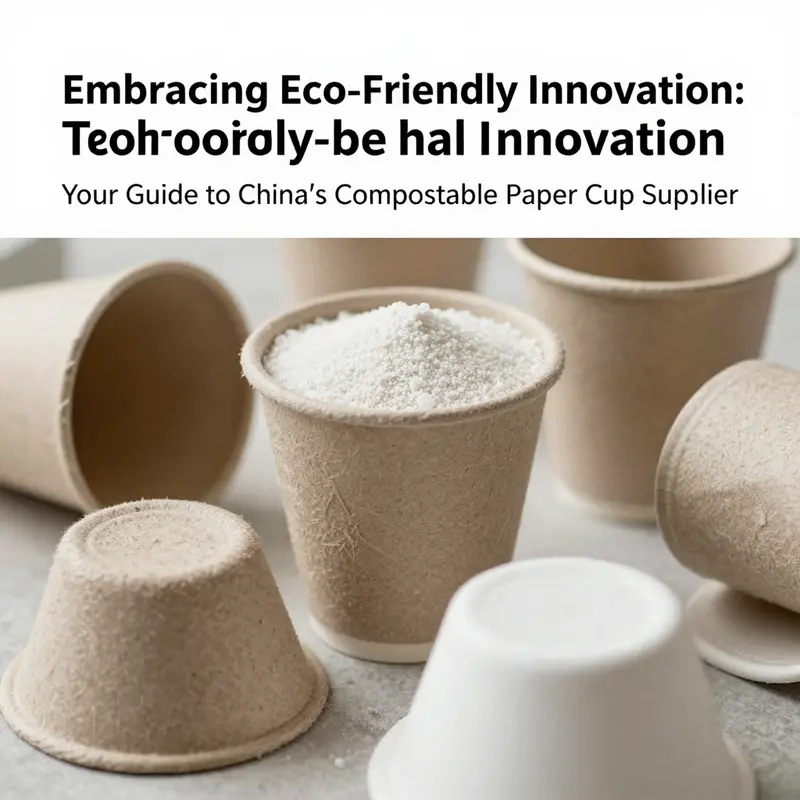
In the tightening loop of regulation, resource scarcity, and heightened consumer awareness, China’s paper compostable cup suppliers are transitioning from simple manufacturing to a discipline of continual innovation. The shift is not merely about using greener materials; it is about reimagining every link in the chain—from the chemistry of the coatings and fibers to the way plants are turned into cups, and from the energy used on the factory floor to the way supply chains are tracked and verified. The chapter that follows weds technical advancement with practical supply realities, showing how material science, production engineering, and certification ecosystems converge to redefine what it means for a cup to be truly sustainable. The overarching narrative is not about a single breakthrough but about a spectrum of innovations that, taken together, push the entire industry toward a lower carbon footprint, more reliable performance, and verifiable environmental impact. This is the core of what is reshaping the competitive landscape in China and, by extension, in global foodservice packaging.
Advanced material development sits at the heart of this transformation. Suppliers are actively replacing traditional plastic linings with bio-based and plant-derived alternatives, driven by a combination of regulatory demands and rising consumer expectations for compostability and safety. Polylactic acid, or PLA, has become a central pillar in many product lines, celebrated for its renewability and its compatibility with industrial composting streams. When paired with well-engineered coatings, PLA-based cups can achieve full compostability under recognized standards such as ASTM D6400 and EN 13432, which offer credible benchmarks for global customers seeking to differentiate truly sustainable packaging from mere green marketing. The emphasis is not only on the base resin but on the entire system that makes compostability possible in real-world facilities. In this context, the role of leading material specialists—those who can translate long-standing polymer science into scalable, food-contact friendly solutions—cannot be overstated. The discipline of formulating coatings and binders that resist leakage, maintain heat performance, and survive the rigors of a densely packed supply chain is a core component of these innovations.
A parallel movement hinges on plant-fiber materials, where roots stretch beyond conventional paper to architectures built from bamboo pulp, sugarcane bagasse, and other agricultural fibers. This is not simply about substituting materials for the sake of novelty; it is about leveraging the intrinsic strength, renewability, and end-of-life advantages of plant-based biology. A standout area in this space is the development of composite fiber systems that blend bamboo pulp and sugarcane bagasse with controlled virgin fibers to preserve durability while enabling better composting behavior. Such blends have demonstrated improved performance under heat and moisture stress and, crucially, support higher resistance to beverage-related leakage—an issue that can undermine consumer trust in categories like hot drinks, juices, and carbonated beverages. The strategic importance of these material systems lies in their ability to reduce dependence on virgin forests, mitigate lifecycle carbon footprints, and offer brands a credible narrative about circularity. This material science trajectory has not only attracted attention from academic and industry researchers but has also fostered deep, ongoing collaboration with research institutions that provide access to the latest bioenergy and bioprocess insights.
In practice, these material developments intersect with capabilities in production. Sustainable production processes have become a key differentiator as factories embrace energy-efficient machinery, closed-loop water systems, and on-site power generation. High-speed, automated production lines are not just about volume; they are about precision, repeatability, and waste reduction. Modern cup-forming lines, when integrated with flexographic and offset printing, allow for consistent print quality, tighter tolerances, and shorter changeovers. This matters because the aesthetic dimension of a cup—brand color fidelity, legibility of logos, and crisp graphics—complements the environmental story with tangible consumer-facing benefits. The production ecosystem is increasingly characterized by digital control systems that monitor temperature, humidity, coating thickness, and curing conditions in real time, enabling operators to detect drift before it becomes quality issues. In some facilities, energy and water management have progressed to the level of closed-loop systems and solar installations, underscoring a broader commitment to operational sustainability that extends beyond the product to the plant itself.
The resulting improvements in process efficiency dovetail with a growing emphasis on certification and traceability. The most credible suppliers pursue an array of international standards that go well beyond basic compliance. The strongest programs aim for a full license status across food safety, environmental management, and social responsibility. In this context, leadership in certifications such as BRC, FSSC 22000, SGS, and BSCI signals a supplier’s ability to operate at global scale with rigorous quality control and a transparent supply chain. Equally important are product-specific recognitions for compostability and biodegradability, such as BPI and OK compost, which offer downstream buyers meaningful criteria for end-of-life outcomes. Such certification portfolios do more than satisfy regulatory demands; they actively de-risk procurement by reducing the need for bespoke audits, enabling faster onboarding of new customers and smoother integration into global brands’ supplier programs. In practice, the most credible players build an environmental and social governance (ESG) narrative around their operations, one that is verifiable through documented audits and third-party certificates.
This commitment to certification and traceability is not abstract. It translates into concrete capabilities and organizational structures. Some suppliers maintain a vertically integrated ecosystem that encompasses mechanical manufacturing, mold processing, research and development laboratories, and dedicated production facilities. Such vertical integration supports tighter quality feedback loops and faster innovation cycles. When a plant controls the critical stages of material choice, coating chemistry, cup-forming tolerances, and final quality tests, it creates a feedback loop that accelerates both product development and process optimization. The result is a portfolio of offerings that can be customized to meet the specific environmental claims of different markets, while retaining the reliability required by large foodservice operators and retailers.
Digital integration has emerged as a practical enabler of these sophisticated capabilities. Beyond the shop floor, suppliers are adopting digital platforms to deliver real-time visibility into pricing, inventories, and delivery timelines. An example of how such tools translate into tangible procurement advantages is the availability of online cost calculators that let customers generate quotes quickly based on cup size, weight, and print requirements. This kind of transparency removes traditional bottlenecks in the early stages of supplier engagement and helps buyers model total cost of ownership with greater accuracy. It also reduces the cognitive load on procurement teams, enabling them to experiment with different material systems and design configurations while maintaining straightforward financial planning. The broader implication is that digital tools empower buyers to compare options on a like-for-like basis, which in turn incentivizes suppliers to differentiate through performance, not just price.
The interplay of material science, sustainable production, certification, and digitalization is visible in the real-world fabric of China’s compostable cup market. Material innovations are not isolated from manufacturing realities; they require factories that can consistently implement new coatings, fiber blends, and curing protocols at scale. The production lines must be tuned to preserve the functional properties of novel materials while maintaining the delicate balance between heat resistance, leak prevention, and print fidelity. In this context, a supplier’s capability to execute on both ends of the spectrum—advance material systems and robust production controls—becomes a decisive factor in its ability to meet the demands of a fast-changing global packaging landscape.
The credibility of these efforts is reinforced by transport and supply chain considerations. In an era where regional trends increasingly intersect with global demand, centralized locations with efficient logistics networks become strategic assets. A supplier with a base in a compact logistics hub can reduce delivery times to major markets, lower transportation costs, and improve the reliability of just-in-time manufacturing arrangements. This logistical advantage complements the technical strengths described above, providing a practical pathway for brands seeking to scale their sustainable packaging programs without sacrificing performance or schedule reliability.
What does this mean for procurement teams evaluating the landscape of Chinese compostable cup suppliers? First, it underscores the importance of a credible materials story. Buyers should seek clarity about what the cups are made from, how coatings behave during composting, and what fraction of the product remains post-disposal. This is where the chemistry of PLA, plant-fiber blends, and their compatibility with industrial versus home composting streams becomes a central criterion. Second, it highlights the necessity of production transparency. Buyers should be confident in the factory’s process controls, energy and water management practices, and capacity to deliver consistent quality at scale. Third, it points to the value of a rigorous certification package that spans product safety, environmental stewardship, and social responsibility. Certifications are not merely badges; they are evidence of an integrated governance framework that reduces risk across the supply chain. Finally, it signals that digital tools—pricing calculators, order tracking, and inventory analytics—are increasingly essential for managing complex procurement programs. When combined, these elements form a robust framework for evaluating suppliers who can deliver truly sustainable cups at scale.
Within this landscape, several credible players have emerged as exemplars of this integrated approach. They offer a mix of advanced materials expertise, strong process engineering, and active engagement with certification and ESG-oriented standards. While each company has its own unique strengths and strategic focus, the shared thread is a commitment to moving beyond superficial sustainability toward verifiable, measurable impact. The momentum is not about chasing novelty for novelty’s sake; it is about building a framework in which green claims are auditable, materials are responsibly sourced, and production remains resilient under the pressure of rising demand. In practice, this means that buyers can work with partners who can articulate a clear path to improved lifecycle outcomes and who can demonstrate progress through data and third-party validation.
To anchor these observations in the broader market, consider how the five credible players described in the current research landscape exemplify this integrated approach. One emphasizes a broad certification portfolio and large-scale capacity, enabling dependable supply for major international chains. Another integrates a proprietary alginate-based coating and a storied collaboration with a leading research institute, accelerating the adoption of marine-degradable solutions. A third offers a sustainable blend of bamboo pulp, sugarcane bagasse, and virgin fibers that reduces forest dependency while supporting high-quality printing and centralized logistics. A fourth maintains a platform for genuine biodegradability backed by recognized compostability standards, alongside a vertically integrated ecosystem that strengthens quality control and innovation. The fifth concentrates on true degradability, extensive environmental impact metrics, and a global reach that demonstrates the scalability of sustainable packaging to meet diverse market needs. Taken together, these profiles illustrate how Chinese suppliers are not only innovating in the lab but also translating innovations into reliable, scalable, and transparent value propositions for buyers around the world.
As the industry continues to evolve, one subtle but meaningful trend is worth highlighting: the shift from greenwashed claims to verifiable, science-backed sustainability narratives. This is a response to increasing demand from retailers and foodservice operators for packaging that can credibly claim compostability in specific facilities or contexts. A robust certification ecosystem, combined with material transparency and process traceability, makes such claims credible. The impact on procurement decisions is significant. Brands can enter long-term supplier relationships with greater confidence when the underlying technology and the operational realities of manufacturing align with the stated environmental benefits. This alignment reduces the risk of misinterpretation by end consumers and creates a clearer path for lifecycle assessment and sustainability reporting.
To illustrate how these principles translate into a practical procurement mindset, consider a scenario where a buyer seeks a scalable, compostable cup solution for a regional rollout. The choice would hinge on a well-documented materials strategy (PLA and plant-fiber blends where appropriate), a production facility that demonstrates energy efficiency and water stewardship, and a certification package that confirms both safety and environmental performance. The supplier’s capacity to offer digital tools—such as a transparent online cost calculator and real-time ordering—will further streamline the project, enabling the buyer to model costs across multiple design variants and forecast supply chain performance with greater precision. It is in this convergence of science, engineering, governance, and digital capability that the true value proposition of China’s compostable cup ecosystem comes into sharper focus. The result is not merely a switch to a greener material but a redefinition of what qualifies as credible, scalable, and responsible packaging in a globally connected market.
For readers who want to explore a concrete example of how these innovations translate into practical content and options, one relevant resource demonstrates how a supplier is delivering an eco-friendly, cold-beverage cup with a modern lid. The link provides a tangible sense of what a strong feature set looks like in a real-world product scenario and how buyers can evaluate similar offerings in their own sourcing exercises. disposable-eco-friendly-cold-beverage-cup-paper-cup-with-lid.
Ultimately, the story of technological breakthroughs in China’s paper compostable cup sector is one of convergence. It is about how material science, engineering discipline, and governance frameworks come together to produce packaging that performs reliably in the field, respects environmental boundaries, and communicates its value clearly across a global supply chain. The path forward is not a single silver bullet but a tapestry of incremental advances—each strengthening the others, each expanding the practical reach of sustainable packaging. In this way, the innovations being pursued by China’s compostable cup suppliers are not just about reducing waste; they are about redefining the economics and the desirability of sustainable packaging in a world where consumers and regulators increasingly demand accountability, traceability, and verifiable outcomes. The chapter you have read is a snapshot of that evolving landscape, a landscape in which the next breakthrough may arise from a new blend of fibers, a novel coating, an improved formability technique, or a more transparent means of communicating performance to customers and stakeholders. The momentum, however, is clear: higher standards, smarter manufacturing, and a more accountable supply chain are becoming the default expectations for any supplier who seeks to compete in the modern market.
External resource: For an authoritative reference on the material and process innovations shaping this sector, see the official site of a leading packaging materials company that has helped crystallize many of these advances in practice. https://www.jinhao-pack.com/
From Lab to Landfill: Sustainability Practices Shaping China’s Paper Compostable Cup Suppliers
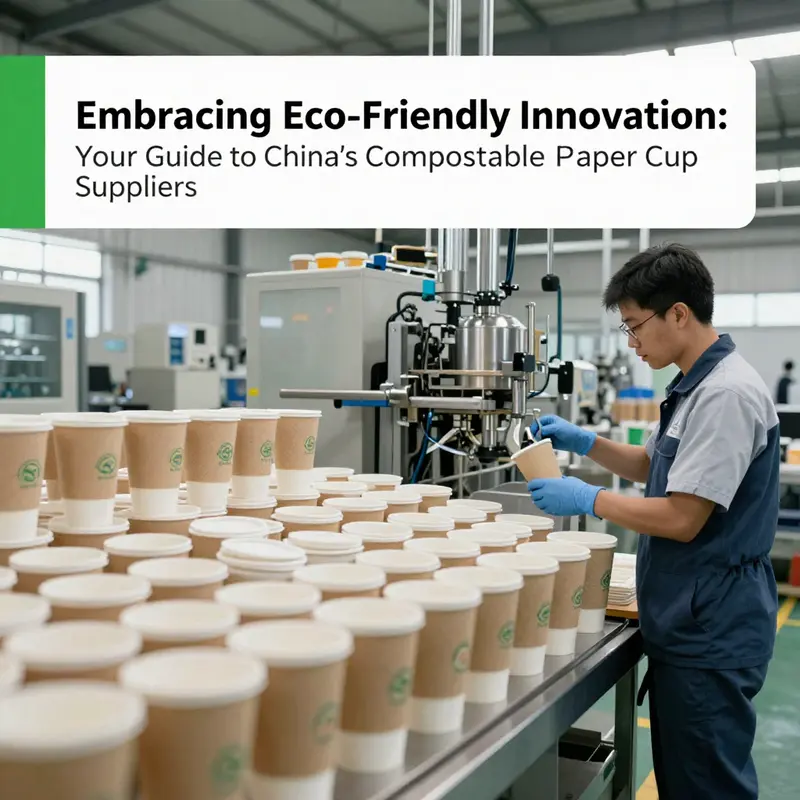
In the landscape of modern packaging, China’s paper compostable cup suppliers stand at a pivotal junction where regulatory pressures meet shifting consumer expectations and where material science must translate into scalable, credible sustainability. The chapter that follows traces a unified narrative across the spectrum of practices now emerging in the sector. It connects the dots between certification hoops, innovative coatings, and raw-material choices, showing how different strategic paths converge on one core objective: cups that perform as well as their plastic predecessors while breaking down reliably in composting environments. It is a story not just about compliance, but about a disciplined, long-term commitment to lifecycle stewardship. The goal is to deliver a product that remains functional in the field—holding hot drinks, resisting leaks, and showcasing brands’ sustainability promises—yet dissolves into the waste stream in a predictable, non-harmful way when composted under appropriate conditions. In this sense, the Chinese supply base is moving beyond rhetoric toward demonstrable, traceable performance that aligns with both domestic environmental governance and the demands of global markets.
The spectrum of approaches within this space reveals a nuanced ecosystem. One archetype comes from a large-scale manufacturer whose operations rest on a robust portfolio of international certifications, including food-safety and environmental management standards. This is a supplier whose scale—think a factory footprint on the order of tens of thousands of square meters and annual outputs in the billions of units—enables steady supply to major global chains. The hallmark of this model is not only capacity but credibility: comprehensive certifications such as FDA for food-contact safety, coupled with quality and environmental systems like BRC, BSCI, FSC, and ISO 9001/14001/45001. These credentials signal disciplined governance of the entire value chain, from incoming raw materials to final packaging. They also position the supplier as a contributor to public standards development; for instance, involvement in setting national takeout management guidance demonstrates a willingness to help mainstream sustainability in the broader market. The benefits ripple beyond the factory floor: procurement teams can anchor supplier risk management in verifiable evidence rather than aspirational claims. The lessons here are clear. When scale and certification align, suppliers can reliably meet the volume demands of global brands while maintaining consistent quality control. In turn, brands gain confidence that their sustainability narratives are anchored in measurable performance rather than marketing slogans.
Another path emphasizes environmental innovation at the material level. A leading edge among Chinese producers has embraced proprietary alginate-based coatings derived from seaweed. This technology is designed to accelerate marine degradability by up to roughly 30 percent relative to conventional PLA coatings, a meaningful step for coastal markets where marine ecosystems are a central concern. The efficiency of disposal is not the sole virtue; the same coating system also contributes to functional performance, such as superior resistance to leakage when cups hold acidic or high-sugar beverages—a known weak point for some alternative materials. This dual benefit—enhanced end-of-life outcomes and improved on-the-shelf performance—illustrates how material science can directly address both environmental objectives and brand reliability. Long-term collaborations with reputable research institutions help drive rapid iteration and scale, ensuring that these bio-based innovations remain compatible with existing manufacturing lines and with the stringent tolerances required for printing and mold performance. For procurement teams this pathway underscores the value of partnering with suppliers who can demonstrate both science-based advantages and a credible route to industrial deployment. It is a reminder that sustainability is not a single lever but a portfolio of advancements—each with its own set of trade-offs and proofs of performance.
A third stream centers on sustainable formulation through blended pulp sources. A mid-market supplier has built a reputation around a unique composition that blends 50 percent bamboo pulp, 30 percent sugarcane bagasse, and 20 percent virgin wood pulp. The goal here is to cut reliance on virgin forests while delivering adequate strength for daily use. The strategy translates into durable cups capable of withstanding routine handling and moderate thermal loads, while the reduced dependence on new wood fiber contributes to a lower environmental footprint across the product’s lifecycle. At the same time, the company has focused on superior surface finish and print quality. The surface is treated to yield high color fidelity and sharp detail, resulting in a noticeably lower rate of printing defects compared with the industry average. The logistics advantage of being based in a central region further compounds this value proposition. Shorter delivery times to major urban centers cut both lead times and costs, improving overall supply chain resilience. The implications for brands that require nationwide or cross-regional distribution are clear: a favorable balance of material sustainability, cosmetic quality, and logistical efficiency can translate into a tangible competitive edge in markets that prize both performance and responsible sourcing.
A fourth archetype highlights the importance of genuine biodegradability and a vertically integrated ecosystem. This model is anchored by long-standing R&D capabilities and a deliberate, end-to-end approach to product development. A supplier drawing on the strengths of a parent organization with deep academic and research affiliations demonstrates a robust pipeline for new materials and processing improvements. Certifications such as BPI and OK Compost serve as critical benchmarks, signaling that products not only biodegrade but meet defined criteria for industrial composting. The internal structure of these enterprises—spanning mechanical manufacturing plants, mold processing centers, in-house laboratories, and dedicated production facilities—provides a coherent platform for quality control and rapid iteration. In practice, this translates into a stable supply of customizable, compostable cups that stay true to performance expectations while guaranteeing compostability in supported facilities. For buyers, the value proposition is clear: a stable, transparent pathway from raw material to finished item, underpinned by independent validation that the product will behave as advertised in appropriate composting environments. This alignment of technology, process discipline, and third-party verification offers a high degree of confidence for brands seeking credible sustainability commitments.
A fifth pathway foregrounds the broader environmental impact story—measured not only in landfill diversion but in tangible outcomes such as resource use and carbon footprint reductions. In this model, materials are sourced from renewable, plant-based feedstocks with careful attention to life-cycle metrics. For example, bagasse and bamboo pulp dominate as primary inputs, avoiding non-renewable or highly polluting alternatives. A standout feature across this trajectory is the emphasis on credible certification, including BPI and OK HOME COMPOST. Beyond certifications, the narrative emphasizes the quantifiable environmental dividend: hundreds of thousands of tons of agricultural residue diverted from landfills, significant reductions in energy consumption through on-site generation or high-efficiency processes, and in some cases, solar-powered facilities that reduce the carbon intensity of production. The outcome is a global reach—suppliers capable of scaling to 80 or more countries—driven not merely by cost considerations but by the aspiration to demonstrate real-world environmental stewardship. For brands, this represents a powerful alignment: the ability to narrate a precise sustainability story supported by verifiable metrics and a proven export footprint.
Across these varied approaches, the common thread is credible evidence. In practice, sustainability for paper compostable cups hinges on three pillars: robust third-party certifications, transparent material disclosures, and track records of consistent supply. The former provides the standardized assurances that the product will behave as claimed in the right disposal infrastructure. The latter ensures that brand teams and auditors can verify the composition and processing steps, from pulp sourcing to printing inks and coatings. The third pillar—reliable supply—addresses the core business question: can the supplier meet demand cycles without compromising quality or sustainability promises? In this ecosystem, leadership emerges not from a single technological breakthrough alone but from an integrated, auditable system that links raw inputs, manufacturing processes, product performance, and end-of-life outcomes.
From the procurement viewpoint, this integrated story translates into practical criteria. First, verify international certifications relevant to the end markets—FDA for food contact in North America and analogous schemes in other regions—alongside BPI and OK compost, which confirm industrial or home-composting decomposability. Second, scrutinize the raw-material mix and provenance. Is the pulp FSC-certified? Do the coatings derive from plant-based sources with verifiable sourcing chains? Third, assess the production system for environmental management capacity. ISO 14001 certification or equivalent signals a company’s commitment to reducing water and energy intensity and to preventing pollution. Fourth, demand transparency about the end-of-life path. Are there third-party lifecycle assessments or independent test reports that quantify compostability and environmental impact? Fifth, ensure scalable capability and reliable logistics. A supplier should offer predictable lead times, clear production schedules, and contingency plans to safeguard supply during seasonal spikes or disruption. Taken together, these criteria help buyers avoid the traps of greenwashing and misrepresentation that can undermine credible sustainability journeys.
Within this framework, an internal link can serve as a practical bridge between sustainability discourse and real-world procurement execution. For teams seeking a concrete example of how sustainability and branding can align, a case in point is the option to source eco-friendly, custom paper coffee cups with lids. These cups illustrate how a supplier can combine compostable materials, high-quality printing, and brand-ready customization into a single offering that meets environmental commitments while supporting brand expression. See for yourself how such products articulate a sustainability-forward narrative through design and material choices: eco-friendly custom paper coffee cups with lid. This kind of integration—where sustainability is embedded in both the product and the packaging ecosystem—helps brands communicate their commitments clearly to customers and regulators alike.
The broader industry context reinforces the importance of credible sustainability credentials. In parallel with the points above, it is essential to keep an eye on external developments and market intelligence. Industry stakeholders increasingly rely on independent third-party reports and lifecycle analyses to benchmark performance, identify best practices, and track progress toward stated environmental goals. These analyses illuminate pathways to reduce environmental burden while maintaining or improving product performance. They also expose gaps where claims may outpace verification, underscoring why transparent reporting and verifiable results matter so much in a global market that scrutinizes every step of the value chain. For a more expansive perspective on supply-chain sustainability in this sector, readers can consult broader governance and industry analysis that contextualizes these practices within international market expectations and evolving Chinese standards. External resources offer a critical layer of knowledge to augment internal due diligence and supplier assessments.
In sum, sustainability practices among China’s paper compostable cup suppliers are becoming more differentiated, yet converging on a shared commitment to credible, verifiable outcomes. Whether through large-scale certification-led operations, marine-degradation innovations, bamboo-sugarcane blends, or fully integrated biodegradability ecosystems, each path contributes to the overarching aim: cups that perform reliably in use and responsibly in disposal. The ongoing evolution of material science, coupled with robust environmental management systems and transparent reporting, will continue to shape how brands select partners and how suppliers demonstrate the real-world impact of their choices. As the sector matures, the most credible suppliers will be those who combine measurable environmental results with dependable supply and clear, verifiable information about sourcing, processing, and end-of-life performance. The narrative is moving from promises to proof, and in that shift, the market finds the confidence it needs to transition away from fossil-based single-use plastics toward genuinely compostable packaging that respects both people and the planet.
External Reading for Context and Further Verification: https://www.chinaexport.com/sustainability-in-compostable-paper-cups-supply-chain
Final thoughts
Choosing a reliable supplier for compostable paper cups is crucial for businesses aiming to improve sustainability while delivering high-quality products. The features, market insights, innovations, and sustainable practices explored in this article provide a comprehensive understanding of how suppliers in China are setting the standard in this crucial market. By making informed choices, your business can not only enhance its environmental footprint but also cater to the growing consumer demand for eco-friendly solutions.