
In the ever-evolving landscape of the beverage and food service industries, finding the right disposable cup is crucial for delivering outstanding customer experiences. Asda’s clear plastic cups are more than just a practical solution; they encompass a range of varieties and sizes ideal for bubble tea shops, catering services, and event planners. This article will explore the unique offerings of Asda clear plastic cups, including their sustainable materials, versatile applications for events and gatherings, and guidance on procurement options, ensuring that your business remains at the forefront of quality and convenience.
Clear Choices: Exploring the Varieties and Sizing of Asda’s Clear Plastic Cups
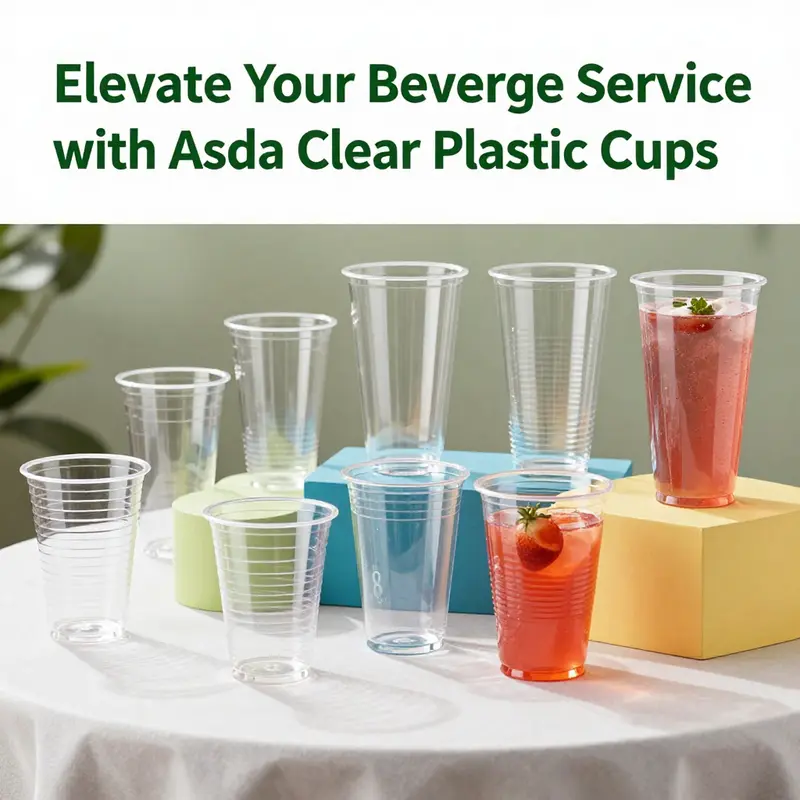
When households, caterers, and event planners think about serving drinks, desserts, or light fare in a way that feels clean and convenient, clear plastic cups often rise to the top of the list. They offer a window into what’s inside, a simple, unfussy presentation that fits both everyday routines and more festive occasions. In this landscape, a retailer’s range can shape choices far beyond a single purchase. The clear plastic cup category is not just about a disposable vessel; it is a compact system of design decisions that balance practicality, aesthetics, and practicality for different settings. From home kitchens to birthday parties to informal corporate gatherings, the story these cups tell is one of versatility and accessibility. The attention a shopper pays to size, material, and use case can correlate directly with how smoothly a gathering goes, how well beverages stay at the right temperature, and how easily guests can handle a range of offerings from juice to yogurt to layered desserts.
The materials chosen for these cups are more than mere manufacturing details; they influence the user experience in tangible ways. Polypropylene (PP) and polystyrene (PS) are commonly used, prized for their clarity and durability. PP is known for a little more flexibility and heat tolerance, which can be a boon for warm beverages or foods that require a stable, shatter-resistant cup. PS, meanwhile, often delivers a crisp, high-clarity look that makes drinks and desserts appear more appealing, a visual edge that matters in both everyday use and display-oriented settings. The interplay between material choice and design intent is subtle but meaningful. A cup that looks almost invisible when filled can help highlight the color and texture of the drink or dessert inside, a factor that can influence guests’ perception of the overall experience.
Within this material framework, the sizing of the cups matters as much as the material. Clear plastic cups come in a spectrum of capacities that align with different consumption habits and serving formats. Commonly available sizes include 170ml, 200ml, 250ml, and 270ml varieties. These mid-range options are especially practical for everyday beverages, fruit-infused waters, yogurt, or small portions of jelly and puddings. For larger servings, a 16-ounce cup, which holds about 473ml, becomes a versatile choice for coffee, smoothies, or generous juice servings. The possibility of a 24-ounce cup, approximately 710ml, opens up even more room for party beverage stations, iced tea bursts, or shared refreshments at communal events. Some product lines also include a 200ml cup specifically described as a yogurt or jelly cup, signaling a design that knows its context and purpose. This attention to multiple sizes reflects a broader philosophy: cups should fit the tall, cool drink and the small, delicate dessert with equal ease, without forcing awkward compromises on portion sizes or presentation.
That design philosophy is reflected not only in the raw materials and sizes but also in the practical features that help the cups perform in real-world conditions. A notable trend is the inclusion of stackable designs. Stackability is more than a space-saving feature in a pantry or on a catering cart; it also translates into efficiency during service. When cups nest neatly, servers can reach for a ready-to-use stack rather than struggle with loose, wandering cups. This becomes particularly valuable at larger gatherings where speed and consistency matter. The stacking design can be achieved without sacrificing the cup’s clarity or rigidity, ensuring that even after multiple handoffs or brief rest periods, the cups maintain their shape and appearance. Beyond storage, stackable cups contribute to a smoother flow at the drinks station, reducing spillage and confusion during peak moments of service.
Aesthetic touches also play a role in how these clear cups are perceived. While the core purpose is functional, there are variants that add a touch of elegance to special occasions. Some cups feature subtle silver borders, a design cue that elevates the look of the vessels for weddings, receptions, or formal celebrations. The effect is understated yet noticeable, turning ordinary clear cups into something that feels a step closer to appropriate tableware for more refined settings. In such contexts, the cups retain their practicality—clear, stackable, versatile—but the visual cue aligns with a mood of celebration and care. This balance between everyday utility and occasional formality is a hallmark of a well-curated line, where a single cup can blend into both casual and semi-formal tableaux depending on how it’s used.
Of course, modern users increasingly consider sustainability alongside convenience. Eco-friendly options have become a meaningful criterion for many shoppers, especially as demand grows for packaging that minimizes environmental impact. In this space, BPA-free variants and recyclable options are frequently highlighted as important considerations. The emphasis on recyclability and safer materials reassures users who want to maintain low environmental footprints without sacrificing performance or price. For some buyers, the choice of material is not just about clarity and strength, but about aligning with broader values around responsible consumption and waste management. In practice, this means a cup lineup can cater to a variety of use cases while still offering clear pathways for recycling where facilities exist and encouraging reusable habits when appropriate. The result is a product family that respects both the need for disposable convenience and the growing preference for sustainable packaging solutions.
The utility of these cups expands beyond the beverage aisle. Their rigidity and shape can accommodate a spectrum of uses, from cold drinks to desserts, from yogurt to jelly, and even light salads in compatible cups. The versatility is particularly evident when considering party or event settings where a single cup type can serve several roles throughout a single occasion. A 250ml cup, for instance, can hold a small yogurt parfait as part of a dessert bar, while also serving as a convenient vessel for a mid-sized juice or a chilled coffee option. The 16-ounce or 24-ounce variants are equally adaptable at a beverage station or buffet, where guests might mix and match drinks and light bites. This multi-use capability is not about forcing a single solution to fit every scenario; rather, it’s about offering a carefully chosen range that supports a cohesive hosting plan.
For those who purchase in larger quantities or who run commercial operations, the sizing and material choices offer a degree of predictability that simplifies procurement. Knowing that a particular line offers clear, durable cups in 170ml, 200ml, 250ml, and 270ml increments helps buyers align inventory with anticipated demand. It also supports branding and presentation strategies, since the same shape and thickness can be carried across different sizes to maintain a consistent look and feel at service points. The same is true for design details such as the possibility of silver-bordered variants, which can be reserved for special events or used as a premium option at seasonal sales without requiring a wholesale departure from the standard lineup. In short, the variety and sizing are not just about meeting a consumer’s immediate needs; they’re about enabling retailers and hosts to plan with confidence while still offering flexibility at the point of use.
Another layer to consider is the way these cups fit into daily routines and hospitality workflows. In homes, the cups are often part of a simple cleanup equation: lightweight, disposable cups reduce post-event washing up, while still providing a crisp, clean presentation for meals, snacks, and family gatherings. In a workplace or community setting, the same cups can be incorporated into a breakroom or catering plan with predictable cleanliness and safety standards. The hot-cold versatility is crucial here; cups designed to handle both hot and cold beverages expand the range of offerings that can be served in a single container, reducing the number of different cups needed during an event. This matters for logistics, storage space, and even the overall environmental footprint of a gathering, when balanced with proper disposal or recycling practices.
The broader conversation around these cups inevitably touches on consumer expectations around safety and quality. Quality testing remains a constant, ensuring that the cups can withstand the pressures of daily use, resist cracking under reasonable handling, and maintain clarity even after repeated use in certain contexts. While many of these cups are designed for single use to support fast cleanup, there is growing attention to reusable or reusable-capable designs for those who prefer a more sustainable approach. Whether used at a casual backyard barbecue or a formal reception, the cups carry a dependable sense of reliability that guests can trust. The balance between disposable convenience and responsible consumption often translates into practical decision points for buyers: should I lean into a fully disposable approach or mix in reusable options with clear labeling and proper washing protocols? The answer tends to depend on the specific event, budget, and environmental values of the host.
To give readers a sense of how the category sits within the larger packaging ecosystem, it helps to consider the broader implications of material choice and lifecycle. Clear cups built from PP or PS are efficient from a production standpoint and offer clear advantages in terms of rigidity and clarity. Yet, as consumer awareness grows, retailers and manufacturers increasingly highlight how these materials fit into recycling streams and waste-management systems. The rise of BPA-free variants reflects a shift toward safer, more consumer-conscious production standards, while the push for recyclability aligns with municipal programs and consumer incentives to recycle more effectively. This is not merely about a single product; it is about the ongoing evolution of packaging that supports both convenience and sustainability without compromising the user experience. The result is a line that can stand up to busy family kitchens, lend itself to efficient service at events, and still present a clean, attractive appearance that makes the host’s offerings feel thoughtfully chosen rather than merely functional.
For readers who are curious about the current full range and the latest details, the official store page remains a practical reference point. It provides up-to-date specifications, availability, and any promotional information that can influence a purchase decision. In parallel with this, there is value in looking at related packaging solutions that share a similar emphasis on clarity, durability, and ease of use. That broader context helps explain why a retailer might favor clear plastic cup designs that work across beverages, desserts, and light dishes, while also offering dedicated dessert or salad variants that optimize portioning and display. The ultimate goal is to enable hosts and retailers to build cohesive serving strategies that align with how people eat and drink in real life, not just how products are described in catalogs.
As a closing reflection, the chapter on varieties and sizing of clear plastic cups is really about choices that empower everyday moments and special occasions alike. It invites shoppers to think beyond a single snapshot of a product and to consider how the available sizes, materials, and design nuances support a broad spectrum of uses. It invites hosts to blend practicality with aesthetics, ensuring that the most common tasks—pouring a cold drink, presenting a small dessert, or laying out a simple salad—are handled with units that feel right in hand, right in sight, and right for the moment. When the cups are chosen with intention, they become quietly reliable players in the choreography of a gathering, helping to keep the focus on the people, the flavors, and the conversations that make every event memorable.
For readers seeking a concrete reference to current stock and product lines, a visit to the official store page offers the most up-to-date information. This resource complements the chapters that discuss the broader packaging landscape, including options that emphasize environmental responsibility and practical usability in real-world settings.
External resource: https://www.asda.com
Internal reference for eco-conscious packaging ideas: eco-friendly recyclable cup holders
Clear Choices, Hidden Footprints: Reframing the Sustainability of Asda’s Clear Plastic Cups
The everyday act of pouring a cold drink into a clear plastic cup can seem almost trivial, a simple moment of convenience in a busy routine. Yet behind that transparency lies a larger conversation about materials, waste, and the responsibilities of retailers to rethink packaging as part of a circular economy. In exploring the sustainability of clear plastic cups offered by a major UK retailer, we are invited to trace not only the physical lifecycle of the cups themselves but also the strategic commitments that influence every stage—from design choices to end-of-life options. This chapter refuses easy answers and instead charts a landscape where durability, recyclability, and consumer behavior intersect with corporate policy and the realities of waste processing. In doing so, it ties the seemingly mundane object to a broader movement toward packaging that respects the limits of our ecosystems while preserving the practical value of clear visibility that a cup can provide, especially in retail and takeaway contexts.
Across the industry, plastic cups have long been valued for their clarity, their ability to showcase beverages, and their low cost. They are designed to withstand a range of temperatures, from icy cold drinks to hot beverages, and they often double as dessert vessels for yogurt or jelly in informal settings. This functional versatility is precisely why any conversation about sustainability cannot dismiss clear cups as a niche concern. Instead, it must acknowledge how the design, material choice, and end-of-life pathways influence both the environmental footprint and consumer convenience. The question then becomes not whether a clear cup can be made more sustainable in isolation, but how a retailer can steer product development, supplier choices, and consumer habits toward outcomes that are recyclable, reusable, or compostable where feasible, and that minimize the presence of persistent plastics in the environment where disposal pathways exist.
In recent years, a broader commitment from major retailers to transform packaging has sharpened the focus on clear cups as a test case for progress. The guiding principle is straightforward: all own-brand packaging ought to be recyclable, reusable, or compostable by a target year, with a parallel push to reduce dependence on single-use plastics. Such ambitions are not merely window dressing. They reflect an understanding that the value of packaging lies not only in its ability to protect and present a product but also in how gracefully it can be reintegrated into the material stream after use. The practical implication for clear cups is that materials science, waste management infrastructure, and consumer education must work in concert. A cup is no longer just a disposible vessel; it is part of a system that includes recycling streams, composting facilities, and the demand signals sent by shoppers when they choose products with clearer end-of-life options.
One of the central threads in this sustainability tapestry is material selection. Clear cups are most commonly produced from polymers such as PET, PP, or PS, each with its own profile of durability, heat tolerance, cost, and recyclability. PET, widely used for beverage cups, is valued for transparency and stiffness, making it a natural choice for cold drinks and light snacks. Polypropylene offers heat resistance that benefits hot beverages, and polystyrene, though offering strong clarity and rigidity, raises more concerns about persistence and end-of-life processing. The trade-offs among these materials are not merely technical; they shape how easily cups can be diverted from landfill and reintroduced into the manufacturing loop. In the context of a retailer’s sustainable packaging goals, the emphasis often falls on choosing polymer types that align with local recycling capabilities and on collaborating with manufacturers to design products that meet recyclability criteria without sacrificing performance.
Beyond the base resin, the presence of recycled content can significantly alter the environmental footprint. The shift toward post-consumer recycled (PCR) materials in packaging is one of the more tangible steps toward reducing virgin plastic demand. PCR usage in other own-brand packaging—such as water bottles and food containers—has demonstrated that incorporating recycled streams can be technically feasible and commercially viable. When applied to clear cups, PCR can help close the loop by increasing the proportion of recycled polymer that becomes a usable cup again rather than contributing to new plastic production. However, the actual impact depends on the availability of PCR feeds at scale, the compatibility of recycled resin with the stringent clarity and purity requirements of cups, and the economic balance between recycled content and performance.
Even if a cup is designed with recyclability in mind, end-of-life realities matter greatly. Recyclability is not just a property of the polymer; it is a system attribute. A clear cup may be labelled with the correct resin identification code, but if local recycling programs do not accept that material, the label has limited practical effect. That is why the broader sustainability narrative emphasizes alignment between product design and municipal recovery capabilities. A retailer can influence this through supplier standards, clear labeling, and consumer education about proper disposal. The result is not a single magic switch but a set of coordinated practices that reduce the likelihood of cups ending up in landfill or incineration where emissions, energy use, and material loss are greatest. It is, in effect, packaging becoming more responsible through a better understanding of the system in which it operates.
A further nuance arises when considering compostability. PLA and other biobased alternatives promise to reduce fossil fuel dependence and to support composting pathways. Yet the real-world environmental benefits of compostable cups depend on the availability of industrial composting facilities that can process them at scale. In markets where such facilities are sparse, compostable cups can complicate waste streams, leading to misroutes that undermine recycling programs rather than complement them. The upshot is that a compostable cup is not automatically a more sustainable choice everywhere. It is a decision that must be contextualized within local infrastructure, the kind of appetite consumers have for properly segregated waste, and the willingness of a retailer to invest in education and labeling that clarify when and where composting is appropriate. In other words, a cup’s sustainability is partly about where it goes after use, and partly about how well a community can support the intended end-of-life option.
The 2020s have been a moment of reckoning for the materials that underpin clear cups. Consumer testing and independent research released in 2026 highlight a spectrum of performance and environmental outcomes across conventional plastics and newer, greener options. Traditional materials such as PS, PET, or PP often score well on durability and cost, which keeps them popular for everyday use and high-volume events. Yet, when measured against environmental criteria such as microplastic migration and end-of-life impact, their advantages can appear more fragile. Biodegradable and compostable alternatives like PLA offer compelling theoretical benefits, but their success hinges on the availability of appropriate facilities and consumer behavior that ensures industrial rather than home composting. The reality is that even well-intentioned shifts toward greener materials can be undermined if the broader waste system cannot process them efficiently.
An additional, more insidious concern in modern packaging conversations is the issue of fluorinated additives. A finding from a 2026 consumer-focused study raised caution about persistent chemical additives that can resist degradation and pose concerns for ecosystems over time. While the specifics depend on the exact composition and manufacturing processes, the broader message is clear: sustainability assessments must go beyond a single property like recyclability and consider the full suite of potential environmental and health implications. For retailers, that means adopting a precautionary stance—demanding transparency from suppliers about additive use, pursuing cleaner formulations, and supporting research that illuminates long-term outcomes. The practical effect is a more stringent standard for product development and more meaningful dialogue with consumers who seek assurance that everyday packaging does not introduce hidden risks into the environment.
Recognizing these complexities, many retailers, including the one discussed here, have begun pilots and broader transitions that seek a better balance between visibility, performance, and responsibility. The clear cup’s defining advantage—the ability to display the beverage’s color and texture—remains a crucial selling point in retail and food-service contexts. At the same time, there is a growing appreciation that visibility cannot be pursued at the expense of environmental integrity. Innovations in eco-friendly packaging solutions show that it is possible to combine the advantages of clear cups with smarter materials and smarter waste management. One example of such packaging innovations is the adoption of materials and designs shown in related ecologically oriented packaging offerings, including the option to explore disposable eco-friendly custom paper cups with lid, which demonstrates how a retailer can diversify to meet consumer expectations for sustainability without sacrificing the practical benefits of packaging in fast-paced settings. disposable eco-friendly custom paper coffee cups with lid
What emerges from this landscape is not a single verdict but a spectrum of strategies that retailers can deploy to align with long-term environmental goals. The lifecycle assessment of a clear cup becomes a living document, updated as materials science evolves, recycling infrastructure expands, and consumer habits adapt. This is not merely about choosing the most eco-friendly polymer on the shelf; it is about designing a set of business practices that make those choices meaningful. It involves collaborating with packaging suppliers to set clear expectations around recyclability and recycled content, investing in labeling that helps consumers sort items correctly, and supporting or enabling better recycling streams through partnerships with local authorities. It also means being honest about limits. Some contexts simply do not have the infrastructure needed to render certain materials sustainable in practice. In those cases, the responsible course is to pursue alternatives that fit the local system and to communicate openly with customers about the trade-offs involved.
The moral of the story is that sustainability is a moving target shaped by technology, policy, and culture. For a large retailer, the path forward is to treat clear cups not as a finished product but as a component of a broader packaging strategy that prioritizes recyclability, transparency, and continuous improvement. The goal is to sustain the role these cups play in everyday life—the convenience of a quick, clean drink, the ease of cleanup after gatherings, and the ability to offer desserts in clean, controlled portions—while shrinking their environmental footprint in the long run. It is a balanced approach: keep the benefits that consumers value and simultaneously reduce waste, improve recovery, and support a circular economy. As consumers become more discerning about where their packaging begins and ends, retailers gain a responsibility to provide clear information, accessible disposal options, and an evidentiary basis for the choices they promote.
In the end, sustainability is less about absolutes and more about pathways. The clear cup remains a useful, pervasive instrument in both daily life and special occasions. Its durability, run-ready performance, and transparent presentation are strengths that must be paired with robust end-of-life considerations. The industry’s trajectory suggests that future iterations will increasingly feature higher recycled content, better recyclability, and, where appropriate, compostable forms aligned with capable facilities. The journey is not a straight line but a web of decisions—material chemistry, corporate policy, municipal programs, and consumer behavior—that collectively shape the cup’s ultimate fate. By embracing this complexity, retailers can steward packaging that continues to serve shoppers with efficiency and dignity while reducing its footprint on the wider environment. The conversation is ongoing, and the questions we ask today will shape the cups we see and use tomorrow. For a broader perspective on policy and progress, the official sustainability reporting from the retailer provides a reliable compass to follow. External reference: https://www.asda.com/sustainability
See-Through Solutions: How Asda Clear Plastic Cups Transform Events and Gatherings

See-through Solutions: How Asda Clear Plastic Cups Transform Events and Gatherings
Clear plastic cups are often treated as a basic supply item. Yet, when planned and used well, they become a practical design element. Asda clear plastic cups combine utility, visual clarity, and cost efficiency. They work for small family meals and for large, planned events. Their transparency presents drinks attractively while making service easier. For hosts and planners who value simple logistics and pleasing presentation, these cups bridge the gap between function and style.
The appeal starts with visibility. Clear cups let guests see what they are pouring or being served. At a buffet or self-serve station, that visual cue speeds choices. At themed events, layered cocktails, colorful juices, and parfaits become part of the décor. For plated and passed drinks, the cup becomes a small stage. Garnishes, fruit slices, and ice catch the light. This effect lifts inexpensive beverages, giving them a refined look without heavy cost.
Material choice matters. Many variants are made from polypropylene, a sturdy thermoplastic that resists cracking and flexing. Others use polylactic acid, a bio-based polymer that offers compostable properties in industrial facilities. Both options are light yet durable. They hold their shape under normal guest handling, and they withstand a range of temperatures when designed for hotter liquids. Still, confirming temperature limits for a chosen cup style is a smart step when planning hot drinks. Some models are explicitly rated for hot and cold service while others are optimized for chilled beverages.
Size variety supports multiple service styles. Smaller 200ml cups work well for desserts and tastings. Mid-size 16oz cups cover common beverage needs, balancing capacity with comfort in the hand. Larger 24oz options suit smoothies, iced coffees, and long-drink formats. Choosing a mix of sizes can simplify service; for instance, offer 200ml cups for desserts at a dessert table and reserve 16oz or 24oz cups for drinks. This mix reduces overflow, limits waste, and tailors portion control for different age groups.
Design details are subtle but influential. A plain rim is functional for everyday use. A silver-accented border lifts the cup for more formal events. That single metallic ring reads as celebratory without demanding extra glassware. For weddings and receptions, these cups can fit a refined palette while keeping setup simple. Clear walls also allow for labeling or color-coding, either by attaching tags or by slipping themed sleeves over the cups for quick identification.
Stackability and transportation are logistical strengths. Stackable cups reduce storage footprint and speed setup. Event teams can carry stacks rather than trays, which eases movement across venues. Stacked cups also fit into bins or catering boxes neatly, improving van packing efficiency. For outdoor events, stackable cups keep supplies compact and protected during transit, reducing the chance of accidental damage.
Disposable cups save time on cleanup. After guests leave, hosts avoid washing dozens of glasses. Cleaning crews can focus on larger tasks. The disposability factor also helps in mobile and pop-up scenarios. Food trucks, market stalls, and outdoor festivals benefit from light, single-use cups. Yet single use does not mean thoughtless disposal. Many modern cups are recyclable where facilities accept them, and some compostable options exist for green events.
Event planners must consider waste stream options. Clear cups made from polypropylene are recyclable in many municipal programs. Compostable PLA cups require industrial composting to break down properly. When sustainability is a priority, choose the right material and plan for appropriate disposal stations. Clear signage at waste stations speeds correct disposal by guests. Pairing cups with designated recycling or compost bins reduces contamination and improves diversion rates.
Durability and safety matter at crowded events. Plastic cups, unlike glass, reduce the risk of breakage. For outdoor celebrations or venues with uneven flooring, that safety difference is significant. Lightweight cups are easier for kids to handle. They also reduce noise from clinking, which matters in intimate settings. Still, the structural strength of the cup should match the intended use. Stirring cocktails with long spoons or carrying filled trays calls for a thicker wall and a sturdier base.
Customization increases event-brand alignment. Bulk packs may offer printing or labeling options for logos, dates, or themed graphics. Even when custom printing is not feasible, simple branding touches work well. Add a colored ribbon, a custom sticker, or a small wrap to tie the cup back to the event palette. For commercial events, branded cups serve as takeaways and walking advertisements. For private gatherings, a minimal label can help guests find their own cup and reduce cross-use.
Practical service strategies maximize both presentation and efficiency. Use lids for mobile service, to prevent spills during transit. Where lids are not necessary, set up a covered station to protect drinks from flies and debris. Provide dispensers or pitchers with clear signage to show ingredients and allergens. For mixed drink stations, offer sample cups so guests can taste before choosing a full pour. At dessert stations, stack smaller cups near spoons and napkins to guide how guests should serve themselves.
Pairing clear cups with complementary disposables can complete a low-fuss setup. Paper bowls and trays carry heavier food. Cup holders organize multiple drinks for easy transport. Selecting coordinated materials keeps a visual thread throughout the event design. For hosts aiming for an eco-conscious look without sacrificing convenience, consider accessories that match the sustainability goals of the cups. An example of a practical accessory is an eco-friendly cup holder that supports takeaway service and reduces hand contact. For such support items, explore options like this eco-friendly recyclable cup holder.
Cost is a key consideration for large gatherings. Clear plastic cups tend to be more affordable than glass hire. They reduce breakage costs and eliminate washing labor. Because packs often come in large quantities, price per unit drops significantly for higher-volume purchases. This makes them ideal for festivals, community events, and company gatherings where budget control is essential. Always run a guest-to-cup calculation before buying. Factor in a buffer for accidental drops, spillers, and the chance of guests taking cups home.
Aesthetic versatility is another advantage. Transparent cups fit rustic, modern, and minimalist themes. They pair with simple place settings and with ornate centerpieces. For layered desserts, the cup becomes a clear vessel to showcase colors and textures. For cocktails, it highlights the drink’s clarity and ice shapes. For kid-friendly parties, stickers or markers can personalize each cup, adding a playful element while limiting mix-ups.
Accessibility and guest comfort often drive the choice toward plastic. Lightweight cups are easier to hold for older guests. They reduce strain for servers moving heavy trays. For crowded venues, they minimize the hazards associated with broken glass. For family gatherings, they remove the concern of shattering near children. These practical comforts should be balanced against environmental goals, with recycling and composting planned accordingly.
Quality control ensures a positive guest experience. Reliable suppliers test cups for leakage, heat resistance, and rigidity. Choosing tested cups reduces on-site surprises. When ordering in bulk, request samples. Try them with the planned beverages and garnishes. Test stacking, lid fit, and ease of drinking. Small pre-event trials reveal whether a cup suits the service style and audience.
Finally, logistics and timing make the difference between a smooth event and a stressful one. Order well in advance to account for shipping and restocking. Store cups in a dry, temperature-stable area to prevent warping. During set-up, place cups near service points and keep a backup stash for quick replenishment. Train staff or volunteers in waste separation and cup handling. These operational habits preserve the benefits of clear plastic cups.
Clear plastic cups offer a compelling blend of practicality and presentation. Their transparency enhances visual appeal, while their lightweight durability simplifies service. With thoughtful material choices and disposal planning, they fit both casual and formal events. Their stackability and affordability support large-scale logistics. When combined with smart accessories and clear guest guidance, these cups help hosts deliver a tidy, attractive, and efficient service experience.
External reference: https://www.aliexpress.com/item/1005002847953269.html
Clear Choices, Smart Deals: Navigating Purchases and Promotions for Clear Plastic Cups
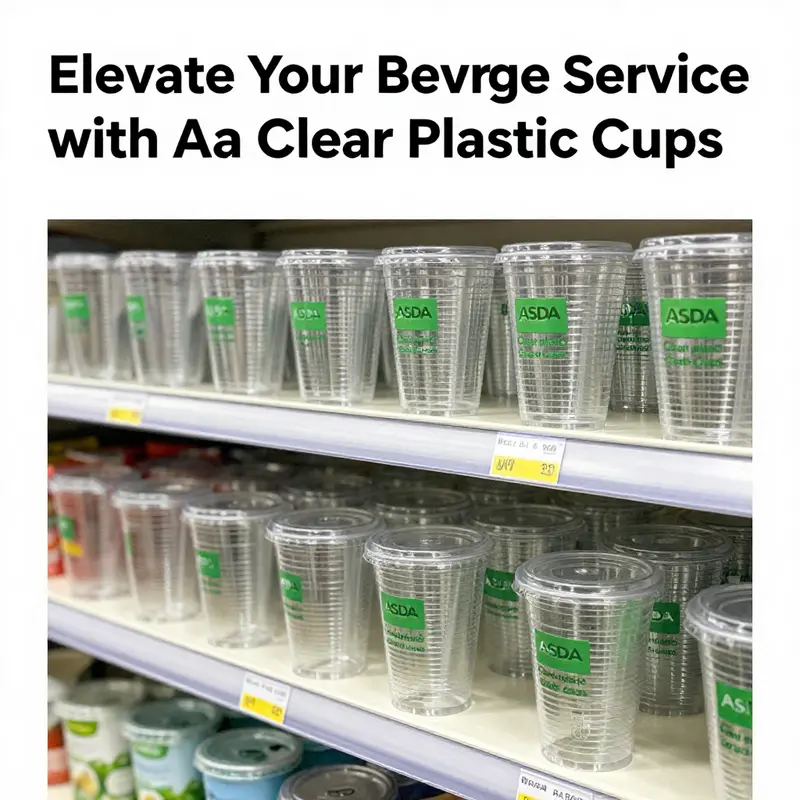
Clear plastic cups occupy a quiet but essential corner of modern life. They are the unassuming vessels that carry daily beverages, picnic desserts, and party refreshments in homes, offices, and event spaces. When the aim is simplicity and reliability, many buyers turn to a major retailer known for its broad selection and frequent promotions. The practical attraction is not only the straightforward design—transparent walls that let the color and texture of a drink speak for themselves—but also the predictable performance that comes with standardized sizes and widely available accessories. The appeal extends beyond mere convenience. For households and small gatherings, these cups offer a dependable, lightweight option that minimizes cleanup while still ensuring that guests can enjoy cold drinks, iced coffees, smoothies, or a quick yogurt-and-jelly dessert in the same familiar vessel. To plan well, it helps to understand the common materials, typical capacities, and how these cups are tested for safety and durability under a variety of conditions.
Material choice matters, and buyers will often encounter two primary options in the clear-plastic category. One is polypropylene, a material known for its heat resistance and sturdy feel. PP cups can tolerate a broad temperature range, which makes them suitable for hot beverages as well as cold drinks. The other option, polylactic acid, is often marketed for its environmental profile. PLA is biodegradable in certain industrial settings, aligning with sustainability goals that many households and organizations are increasingly prioritizing. Yet the practical reality is that the environmental performance of PLA depends on local composting capabilities, which vary by region. In everyday use, most people care most about whether their cup remains clear and crack-resistant, whether a lid seals well, and whether the cup can be stacked efficiently for storage and transport. Those practical considerations become the backbone of shopping decisions when browsing a retailer’s catalog.
Capacity options tend to cover a broad spectrum, accommodating a wide range of drinks and dining ideas. The smaller end includes cups around 200 milliliters, a size at which yogurt, jelly, or a single-serve dessert can be portioned neatly. On the other end, the line expands into volumes around 296 milliliters, 473 milliliters, and 710 milliliters, roughly corresponding to 10 ounces, 16 ounces, and 24 ounces. These sizes map directly to common use scenarios: a 10-ounce cup for a quick juice, a 16-ounce cup for a larger smoothie or coffee, and a 24-ounce cup for iced beverages or busy event service. Each size has its own advantages and drawbacks. Smaller cups reduce material use and waste for single-serve experiences; larger cups increase the amount a guest can enjoy without needing a refill and can elevate the perceived value of a party spread. For commercial contexts, the availability of multiple capacities makes it easier to standardize service across a menu or event package, while still offering customers a transparent window into what they are paying for.
The design of the cups often includes thoughtful touches that enhance usability. Some carry simple lids that are designed to be leak-proof, which matters for commuters and self-serve stations alike. The combination of cup and lid can help prevent spills during transport and table service, while also enabling a more varied display of beverages at a catered event. A few cups within the broader range incorporate a bit of aesthetic flair, such as cups with silver borders that lend a touch of formality and sparkle to celebrations like weddings and other gatherings. While these stylistic options may not be essential for every day, they illustrate how versatility in a clear cup can extend from casual daily use to more formal occasions without forcing a separate product line.
Quality and safety testing are embedded in the process of cataloging and stocking these cups. Standards are set to ensure that the cups can hold hot and cold beverages without compromising integrity. A cup that collapses, leaks, or becomes unglued under heat is not just inconvenient; it can pose safety concerns. Even in a simple, single-use context, durability matters because it affects the user experience, waste generation, and overall satisfaction with a purchase. This is why many retailers emphasize not just the material and capacity, but also the compatibility with lids, the ease of stacking for storage, and the reliability of seals during transport.
A practical buyer often weighs the trade-offs between economy and customization. In bulk scenarios, there is a clear incentive to explore wholesale channels that promise lower unit costs, especially when the base product is offered in large quantities. In wholesale terms, minimum order quantities and bulk pricing can tilt the decision toward a different supplier network. Here, the market divides into two broad streams: consumer-focused purchases from official channels and warehoused, business-to-business purchases from wholesale marketplaces. The latter can unlock significantly lower unit costs but typically requires larger orders and longer lead times. Consumers, by contrast, may seek the latest promotions and new stock added to the retailer’s online catalog, with flexible delivery options and straightforward return policies.
Promotions at the official retailer level are often structured around time-bound events and purchase thresholds. A typical promotional mix may include buy-one-get-one-free offers, bundles that combine cups with lids or with complementary disposal accessories, or percentage-based discounts when shopping above a certain dollar amount. Seasonal sales can broaden the horizon, making it possible to stock up for holidays or large family gatherings at favorable prices. The advantage of pursuing promotions through official channels lies in consistency and assurance: you know the product specifications, you understand the packaging, and you can rely on the retailer’s warranty and customer support if something is amiss. There is also the benefit of up-to-date material information and the latest design updates being reflected in the catalog, which means fewer surprises at the point of sale.
For those who are comparing options beyond the official storefront, major e-commerce platforms often host listings from third-party sellers. These marketplaces can provide price comparisons and a broader view of available configurations, including the same cup in different colorways or with varied lid designs. A careful buyer will check seller ratings, delivery times, and the existence of any warranty or return policy tied to the purchase. The trade-off is that product specifications might vary slightly from the retailer’s own line, especially if the listing represents a different version or a different supply chain. If you’re managing a business project that involves large volumes, you may also encounter a wholesale pathway on global marketplaces where minimum order quantities are substantial—often thousands of units. In those cases, negotiating terms and verifying compatibility with your event or service model becomes a crucial part of the buying process.
Another layer of consideration centers on environmental impact and how the materials align with an organization’s sustainability goals. PP is typically recyclable in many municipal programs, though you should verify local guidelines to ensure proper disposal. PLA, while attractive for its compostable perception, requires specific facilities to achieve proper degradation, and not all regions provide those capabilities. For event organizers aiming to minimize waste, choosing a cup with a clear lifecycle narrative can help stakeholders understand the environmental footprint and the end-of-life process for the product. Some retailers now emphasize eco-friendly claims in their product descriptions, signaling steps from material selection to manufacturing practices and packaging reductions. This can influence how a buyer frames a purchase as part of a broader corporate social responsibility initiative or a family’s personal values around waste and sustainability.
The design and material choices also influence how a cup is utilized in catering and food-service contexts. A straightforward, clear cup is ideal for showcasing the natural color of beverages, from the rich brown of a cold brew to the vibrant hue of fruit juice. In a kid-friendly setting, the transparency helps children gauge portion size and see the contents clearly, which can reduce spill risk when combined with a well-fitted lid. For yogurt or jelly desserts, a smaller 200-milliliter cup size is particularly convenient, allowing a single serving that families can readily enjoy without excess waste. The ability to combine cups with lids creates a flexible service model that can adapt to in-house dining, take-away orders, or self-serve beverage stations at events. In all these applications, the cup must be robust enough to withstand handling, transportation, and, in some cases, a shaker or blender’s vibrations if hot drinks are in transit.
This versatility naturally steers buyers toward balancing three practical factors: price, performance, and purpose. When a buyer is prioritizing budget, bulk purchase through a wholesale channel may be the most sensible route, given the lower per-unit cost. However, if a family gathering or small office party requires a more curated presentation or a last-minute purchase, an official-store purchase with promotions might offer a more reliable and simpler experience. The reality is that both paths have merit, depending on the scale of need and the importance placed on design details. A nuanced approach to decision-making often involves evaluating a few representative scenarios in advance. For example, a casual weekend get-together might call for the straightforward utility of standard clear cups with lids, vibrant beverages, and minimal customization. A wedding, a corporate reception, or a school fundraiser could justify a purchase plan that includes subtle silver-border accents and a degree of customization to reflect the event’s branding or color scheme. In those cases, even adding a small amount of branding—like a logo or a themed label—can enhance the guest experience without compromising the cup’s clean aesthetic.
The practical budgeting aspect of purchasing these cups also involves understanding how different sizes and materials relate to the overall event costs. A smaller, economy-focused cup may be ideal for dessert servings or sampling stations, while larger cups may be favored for self-serve beverage bars, where guests can refill at a station. In both cases, the cost per unit interacts with handling costs, storage considerations, and waste management plans. If an event requires a uniform look across multiple service points, customizing cups or lids can provide a cohesive visual thread that unifies the experience. In some cases, this customization may be available through the retailer’s own program, while in others, it may be pursued through third-party vendors that collaborate with bulk buyers. The decision to pursue customization will also hinge on the event’s scale, timeline, and budget, as well as expectations around reusability or disposal.
For buyers who are exploring the landscape beyond the retailer’s direct catalog, there is value in understanding the differences between consumer purchases and wholesale arrangements. Consumer purchases tend to emphasize convenience, speed, and the ability to compare options easily via the retailer’s own website or a trusted e-commerce platform. Wholesale arrangements, by contrast, emphasize long-term cost efficiency, dedicated account management, and predictable supply lines that can support recurring events or a business model that requires consistent stock. The transition from consumer to wholesale conversations rarely occurs by accident; it typically follows a clear pattern of growth or scaling in which an organization realizes the benefits of bulk pricing and the reliability of a steady supply. It is during that transition that potential buyers assess not only the price-per-unit but also shipping terms, lead times, and the availability of bulk packaging options that minimize handling complexity.
To bring together these threads into a cohesive approach, a practical buyer can follow a simple decision framework. Begin with the intended use: will the cups hold hot drinks, or are they reserved for cold beverages and desserts? Next, determine the appropriate capacity to fit your serving size and the guest experience. Then assess the importance of design elements such as lids, leak resistance, and optional silver-tone accents for special events. After that, weigh material choices—PP for heat tolerance and general durability or PLA for environmental considerations—and confirm compatibility with local waste systems. Finally, map out the purchasing route, deciding between official-store promos, general e-commerce comparisons, or wholesale channels based on quantity, timing, and the need for branding or customization. This framework helps translate a catalog of options into a specific, actionable plan that aligns with both immediate needs and longer-term goals.
As you navigate the catalog, there is value in considering ancillary options that often appear alongside clear plastic cups. Some buyers look for simple lids that fit securely and minimize spill risk. Others are drawn to cups that offer a straightforward stacking profile for efficient storage before event setup. For commercial or large-scale use, exploring customization opportunities—such as a logo or event branding applied to the cup or lid—can elevate a program without dramatically altering the production footprint. A tangible example is the broader ecosystem of disposable beverage packaging, where the interface between cup, lid, and branding can influence the perception of quality and professionalism. This is where a single, well-chosen cup can support a broader service narrative, reinforcing consistency across service points, whether in a coffee shop, a catered function, or a school cafeteria.
For readers who want to see how these purchasing decisions play out in real terms, it helps to keep an eye on official stock updates and promotional calendars. Official channels will list the latest promotions, which can include temporary price reductions, bundled offers, or seasonal incentives that align with holiday events and school programs. While third-party marketplaces can complement the search, official channels generally provide the most stable reference for current specifications and guaranteed availability. When planning a bulk purchase, it may be prudent to contact wholesale suppliers directly to understand minimum order quantities, lead times, and the possibility of extended terms for ongoing events. The goal is to secure a reliable supply that meets both the functional requirements of the cups and the logistical needs of service delivery.
In closing this exploratory look at purchasing clear plastic cups, the practical takeaway remains straightforward: clarity in purpose, a mindful choice of material and size, and a balanced approach to price and reliability yield the best outcomes. Whether you are stocking up for a routine week at home, equipping a small office, or organizing a large event, the right combination of cups and lids can streamline service, reduce waste, and enhance guest satisfaction. The interplay between official promotions and wholesale opportunities invites a thoughtful comparison, ensuring that the best possible deal aligns with the desired quality and ecological considerations. For readers who want to dig deeper into official catalogs and current promotions, a quick visit to the retailer’s site will reveal the most up-to-date options and any ongoing deals that could shape your purchase. You may also encounter inspirational examples of how disposable packaging concepts are evolving, including opportunities to explore customization for branding or event-specific themes. And for those curious about example designs and how related packaging categories model similar decision pathways, a relevant case study—such as a custom-logo take-away cup with lid offered in a different material category—offers a practical illustration of how branding can integrate with functional packaging to create a cohesive user experience: custom logo Kraft paper coffee cup with lid. This kind of reference helps connect the everyday choice of a clear plastic cup to broader strategies around product selection, branding, and sustainability.
For external context and official information about the retailer’s offerings and current promotions, readers can consult the retailer’s official site directly: https://www.asda.com
Final thoughts
Asda’s clear plastic cups stand out not only for their varied designs and sizes but also for their commitment to sustainability and convenience. Whether for bubble tea shops, catering companies, or event planners, these cups provide a reliable and fashionable option for serving beverages and desserts. By choosing Asda, businesses can align their operations with eco-friendly practices while still delivering quality and elegance to their customers. Explore these versatile solutions today and elevate your beverage service.