

As the world increasingly seeks elegant and practical solutions for event hosting, the popularity of 12oz silver plastic cups clear disposable tumblers continues to rise. Ideal for bubble tea shops, restaurants, and catering services, these cups combine style and durability, serving a dual purpose of functionality and aesthetic appeal. In this exploration, we will delve into the market demands driving their popularity, the quality features that set them apart, smart sourcing strategies to find reliable suppliers, the environmental considerations associated with their use, and the latest trends and innovations shaping their application in various industries. Together, these insights will provide a comprehensive understanding of how these cups can enhance service offerings for your business.
Elegance in a Sip: Exploring the Market Demand for 12oz Silver Rimmed Clear Disposable Tumblers
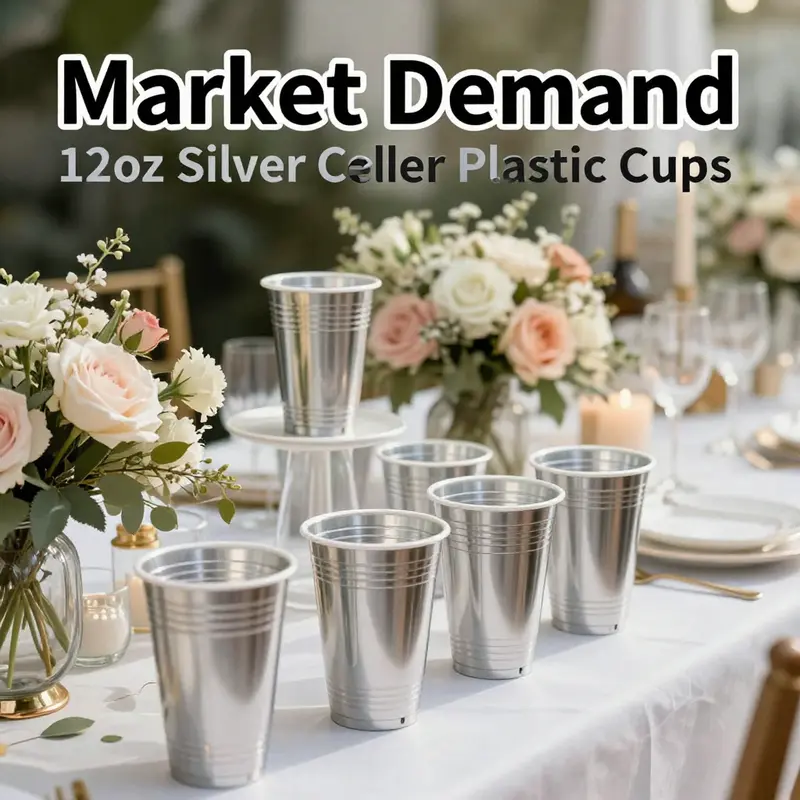
When event planners, retailers, and home hosts look for disposables that don’t read as disposable, the 12oz silver-rimmed clear tumbler rises to the top of the shortlist. The combination of a crystal-clear body and a refined metallic edge provides a quiet, deliberate sophistication that works across a spectrum of occasions. It is not merely a cup; it is a design cue that signals a level of preparation and care. In markets where guests expect convenience without sacrificing style, this type of tumbler offers a practical solution that can elevate the look of a formal wedding, a holiday gathering, or a casual reception. The appeal lies in balance: a beverage experience that feels premium yet remains simple to manage, especially in fast-paced settings where cleanup and turnover are as important as the event itself. As consumers move through venues and marketplaces, the glass-like clarity of the cup, paired with the silver rim, communicates a subtle promise of quality without the fragility or heft of traditional glassware. The result is a product category that seats itself between everyday disposables and true serveware, filling a niche that is highly valued by those who must balance aesthetics, budget, and logistics in the same breath.
Behind this aesthetic is a robust demand rooted in versatility. The 12oz size aligns with standard beverage portions, making the cups suitable for a wide range of drinks—from sparkling water and lemonade to wine spritzers and signature cocktails. The silver rim adds a formal touch, enabling planners to reuse the same vessels for multi-course occasions or themed gatherings without appearing mismatched across different moments of the evening. This versatility translates into practical advantages for retailers and event teams. A single style can be deployed across weddings, Thanksgiving dinners, corporate functions, and seasonal parties, reducing the need for multiple line items and simplifying inventory management. In markets where timelines are tight and margins are scrutinized, such simplification can be a decisive factor when choosing which disposables to stock.
Product variety further fuels demand. The broader category includes options that extend beyond the classic clear body and silver rim, with color accents, metallic tones, and varied packaging configurations. Buyers notice that a single product line can be adapted to different event themes or branding needs, whether the goal is understated elegance or a more festive, high-shine presentation. This breadth supports a broader retail and wholesale strategy, enabling sellers to attract customers who are planning everything from intimate soirees to large-scale celebrations. The ability to mix and match styles while maintaining a coherent aesthetic is particularly valuable for coordinators who must balance budget constraints with guest experience expectations. It is no accident that the market reports a steady flow of listings across major online marketplaces and wholesale channels, suggesting that buyers are actively comparing options that offer a comparable look with different price points and packaging sizes.
Specialized variants extend the appeal even further. In addition to traditional uses, designers and event producers experiment with glow-in-the-dark or neon-enhanced cups for themed nights and dance parties. Such variants demonstrate that the same visual language—a clear body with a metallic edge—can be repurposed for entertainment-driven environments without losing its core sense of refinement. This expansion mirrors broader consumer trends toward experiences that are both visually striking and easy to execute. For planners, this means more opportunities to craft cohesive experiences around a single disposables line, from the invitation text to the color palette of decor and lighting. It also signals to suppliers that there is room to innovate within the category, offering higher-margin options that still meet the practical needs of cleanup and reuse where appropriate.
The eco-conscious dimension of modern consumption plays a significant role in shaping demand as well. Although disposables by their nature invite ongoing debate about sustainability, many buyers are drawn to durable, premium-feel products that minimize waste and maximize efficiency. The appeal of a sturdy cup that withstands busy service lines without cracking or leaking aligns with a broader preference for single-use options that still respect environmental considerations. In this context, producers and retailers alike are exploring durable materials, recycling-friendly finishes, and return programs for events held outdoors or in venues with large guest rosters. The market also rewards those who communicate clear end-of-life options to customers, whether through recycling guidance, compostability where applicable, or partnerships with venues that implement responsible waste streams. Such transparency helps build trust with planners who must justify the environmental footprint of their selections to clients and stakeholders.
Consumer sentiment around these products is further reinforced by ratings and peer feedback across retail platforms. High satisfaction indicators—when a product earns strong reviews from a broad base of buyers—signal reliable performance in real-world settings. Positive feedback often highlights the cups’ durability, clarity, and the premium feel of the rim, all of which contribute to repeat purchases and recommendations to colleagues and friends. For those evaluating options, these signals matter as much as the price or the packaging size. A cup that performs well in the throes of setup and service, then still looks pristine after a busy night, becomes a reliable workhorse for event teams. This combination of aesthetics and functional reliability helps explain why retailers repeatedly add such items to their catalogs and why suppliers continue to invest in consistent finishes and quality control.
On the supply side, the market for 12oz silver-rimmed clear disposables is supported by a diverse range of bulk suppliers and distributors who offer packs configured for various event scales. Buyers accustomed to planning for large guest lists appreciate the ability to procure sizable quantities in a single shipment while still maintaining the appearance of a premium product. The ability to order in bulk, with options for samples to assess fit with a specific event theme, lowers the barriers to trial and adoption. In practice, planners often compare several packaging configurations—whether 100-pack or 200-pack assortments—to match anticipated consumption and the cadence of the event lineup. The logistics of distribution, particularly for outdoor weddings or multi-venue conferences, are eased when a supplier can offer dependable lead times, consistent quality, and straightforward returns if substitutions are needed. In essence, demand grows not only from the cups’ visual appeal but from the operational clarity and reliability that accompany bulk purchasing.
For those researching market options, real-time listings on major retail and wholesale platforms illustrate a steady, ongoing interest in this design. Buyers frequently cite the elegance of the silhouette, the ease of stacking and transport, and the balance between form and function as reasons to select these tumblers over other disposables. The enduring appeal of a clear body with a metallic accent is that it communicates a sense of event readiness without forcing compromises on service speed or guest experience. The narrative of the product evolves from merely having a disposable option to embracing a curated, cohesive look that aligns with the event’s theme and branding. In practice, coordinators who standardize this style across different events find that it becomes part of a recognizable visual language—one that signals thoughtful preparation to guests who notice the finer details without being distracted by them.
The path forward for buyers rests on three practical considerations: alignment of visual impact with budget, assessment of durability under typical service conditions, and awareness of end-of-life options. When these factors are balanced, the 12oz silver-rimmed clear tumbler becomes a reliable choice for planners who refuse to sacrifice elegance for convenience. The niche it occupies is not an accident; it reflects a deliberate preference for disposables that look sophisticated, perform consistently, and integrate smoothly into diverse event ecosystems. For readers seeking to explore related eco-conscious packaging options, there is a relevant resource that discusses disposable solutions designed with sustainability in mind, including options for logo customization and single-wall configurations. This context helps illustrate how a single product family can anchor a broader procurement strategy while accommodating evolving consumer expectations.
To illustrate the practical link between market understanding and real-world sourcing, consider a representative eco-friendly option that aligns with the broader trend toward responsible disposable design. disposable-eco-friendly-printed-logo-single-wall-paper-cup. This example underscores how suppliers frame disposables as branded, easy-to-use solutions that fit diverse events while signaling a commitment to environmental considerations. It is not meant to replace the silver-rimmed tumbler; rather, it highlights the spectrum of choices buyers navigate when shaping a disposable strategy that honors style, convenience, and sustainability.
As the market continues to evolve, the overarching takeaway remains clear: 12oz silver rimmed clear disposable tumblers fulfill a precise demand for elegance and practicality. They enable planners to deliver a consistent guest experience across celebrations, with a look that reflects careful curation rather than impulse buying. The combination of versatile sizing, refined aesthetics, and the option to scale up for larger gatherings makes this cup family a staple in event inventories. For the reader mapping out a procurement plan, this chapter points toward a balanced approach—one that prioritizes design coherence and service efficiency while remaining open to innovative variants and eco-conscious alternatives that respond to a broader shift in consumer values.
External resource: https://www.walmart.com/ip/Sparklane-100-Pack-Silver-Plastic-Disposable-Cups-12-oz-Clear-Plastic-Cups-Tumblers-Elegant-Silver-Rimmed-Disposable-Glasses-Perfect-for-Wedding-Thanksgiving/1437281234
Elegance Unboxed: The Construction and Quality of 12oz Silver Rimmed Clear Disposable Tumblers
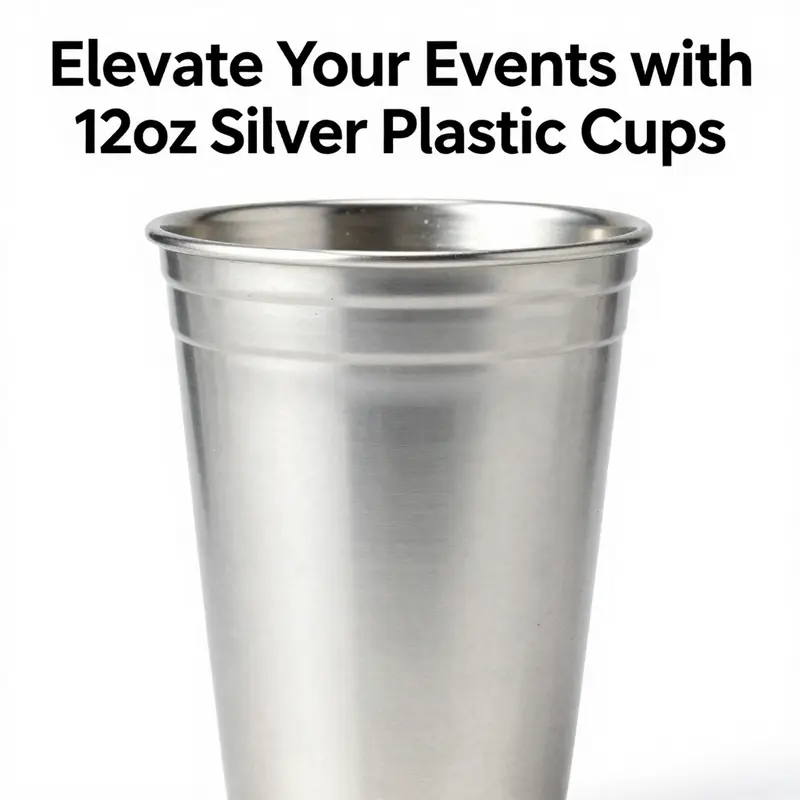
The moment a guest lifts a drink from a 12-ounce silver rimmed clear disposable tumbler, the scene shifts from casual refreshment to a moment of measured sophistication. In a well-planned event, every detail of the cup contributes to that lift, from the crystal clarity of the plastic to the quiet gleam of the silver border. These tumblers are designed to feel substantial in the hand while remaining ultimately practical for busy service environments. They purposefully marry the convenience of disposable wares with an appearance that echoes glassware, a balance that matters when tables are set for celebration or reception. The construction choices behind these cups—what they are made of, how the silver rim is applied, and how the walls are formed—shape not only how they look but how they behave under real-world use, where temperature swings, enthusiastic toasts, and rapid turnover test durability and spill performance alike. The result is a disposable cup that can hold a moment as well as a beverage, without requiring guests to compromise on the perceived refinement of their drinkware.
At the core of these tumblers is material science that prioritizes clarity and strength. The body is typically molded from a high-quality clear hard plastic that resolves into a transparent body with a convincing glass-like transparency. The choice of material isn’t arbitrary: it must resist the dulling effects of ice, condensation, and repeated handling while preserving that pristine, see-through look. When the light catches the rim, the visual effect is akin to that of a finely cut glass, and the silver border intensifies that impression, giving the cup a premium rhythm that undercuts the casual nature often associated with disposables. The silver rim is more than a cosmetic flourish. It is a deliberate design feature that frames the beverage and draws the eye to the top of the cup, guiding the server and guest alike toward a polished, cohesive presentation.
The way the rim is finished is a key part of the cup’s quality story. In many cases, the silver edge is achieved through a thin metallic layer or a foil-like application integrated into the molding process. This is done with a careful tolerance so that the border remains even, free from chipping, and resistant to wear when the cup is handled, stacked, or knocked against another surface. The alignment between the rim and the body matters, too. A well-executed junction reduces the risk of cracks propagating from the edge when the tumbler is carried or bumped. In practice, this translates to a more forgiving product at events where staff are juggling trays, guests are leaning in to toast, and ice cubes clack against the sides as the drinks flow.
Beyond appearance, the structural design of the cup emphasizes durability. The walls are thicker than those found in many standard disposable cups, a feature that conveys a tangible heft and steadier grip. This heavier construction helps the tumbler resist denting and deformation, even when filled with icy beverages or when subjected to the quick informs-and-ice cycle of a busy service line. The result is a cup that feels substantial in the hand and can endure the bumps and shuffles that come with moving from kitchen to bar to table. The combination of a robust body and a secure rim supports a spill-minimizing design philosophy. While no disposable cup is truly spill-proof in every circumstance, these tumblers are engineered to minimize leaks during transport and casual handling. The goal is practical reliability: a cup that holds its shape when tucked into a tray, a cup that doesn’t flex excessively when lifted by the stem of a toast, and a cup that remains stable enough to avoid tipping when set down on a crowded surface.
Importantly, a well-made disposable tumbler must also perform under a range of serving conditions. The crystal clarity of the plastic is not just a visual cue; it indicates a material that can temper temperature changes without clouding or becoming brittle. When a beverage is chilled, the cup’s walls should remain rigid rather than bending or warping. When a hot or mildly warm drink is poured, the external surface should stay comfortable to the touch long enough for the guest to enjoy the moment, without the cup flexing in response to the heat. In outdoor settings, wind, sun, and movement add layers of stress, and the combination of durable walls with a sturdy rim helps prevent the type of fatigue that would otherwise lead to cracks or leaks.
The aesthetic of the silver rim also contributes to the social dynamics of the event. A visually cohesive table setting often relies on uniform metallic accents that catch the eye and unify the table’s design language. The silver border acts as a focal point that elevates the perceived value of what is otherwise a disposable item. Guests associate the familiar shape with a premium experience, and the visual cue of silver can subtly influence their expectations for quality. The cups become more than vessels for a drink; they become design elements that support the overall mood—whether a chic wedding, a formal reception, or a corporate gathering where the visual narrative matters as much as the beverage itself.
From a sustainability standpoint, many manufacturers emphasize recyclability and responsible material choices. The tumblers are typically made from recyclable clear plastic, and their lifecycle is framed around practical end-of-life handling. In markets with robust recycling programs, these cups can be diverted from landfill and reintroduced into the material stream. For event planners and venues that prioritize green practices, this aspect is not merely a compliance note but a strategic choice—an opportunity to align disposable drinkware with broader sustainability commitments. It is worth noting that while recyclability is widely available, the actual environmental impact depends on local recycling infrastructure and on how the cups are collected and processed after the event.
The practical realities of sourcing such cups can influence decisions as much as the features themselves. Buyers often weigh bulk-pack options that promise convenience and consistency. A robust 200-pack or larger bundle can significantly reduce handling time and ensure uninterrupted service through a busy reception. The promise of bulk availability is appealing when planning for guest lists that demand reliable supply without frequent reordering. In the end, the decision to adopt 12oz silver rimmed clear disposable tumblers rests on a blend of perceived value, service efficiency, and the ability to deliver an upscale experience without the fragility and cleanup overhead of traditional glassware. For brands seeking a broader sustainability narrative that spans materials, a complementary option exists in eco-friendly disposable paper cups with printed logos. This approach can be explored through disposables that emphasize environmental messaging without sacrificing the sense of occasion—one useful resource is available here: eco-friendly printed-logo single-wall paper cup.
For readers who want a concrete sense of how these features translate into real-world results, consider the following practical takeaways. First, the visual impact of the silver rim makes the drink look more polished, which can enhance perceived quality even when the cup is not the centerpiece of the table. Second, the heavier wall construction translates into a more substantial heft in the hand, which can influence guest comfort and handling ease during long service periods. Third, the combination of a clear body with a reflective rim can improve beverage visibility and color presentation, helping guests appreciate the drink’s hue at a glance. Finally, the recyclable material story, while not a universal guarantee, provides a pathway for venues and caterers to communicate responsible procurement and end-of-life planning to guests who care about sustainability.
In sum, the construction and quality features of 12oz silver rimmed clear disposable tumblers are not a single attribute but a bundle of choices that together deliver elegance, durability, and practicality. They recognize that event drinkware must endure from the first toast to the last glass of sparkling water, while still contributing to a refined aesthetic. They acknowledge that guests will judge the moment by what they see and touch, and so the cup must perform gracefully under pressure. They offer a compelling answer for planners who want their disposable options to read as premium without demanding a glass replacement in a fast-paced, high-volume setting. For those who wish to explore related disposable options with sustainability at the core, there are additional resources that bridge the gap between style and responsibility in dining ware. As the market evolves, the silver rimmed clear tumbler remains a practical touchpoint—a reminder that even disposables can carry a sense of ceremony when designed with care.
External resource: https://www.walmart.com/ip/Munfix-100-Silver-Rimmed-12-Oz-Plastic-Cups/54867783
Sourcing 12oz Silver Rimmed Clear Cups: Suppliers, Regions, and the Event-Ready Supply Chain
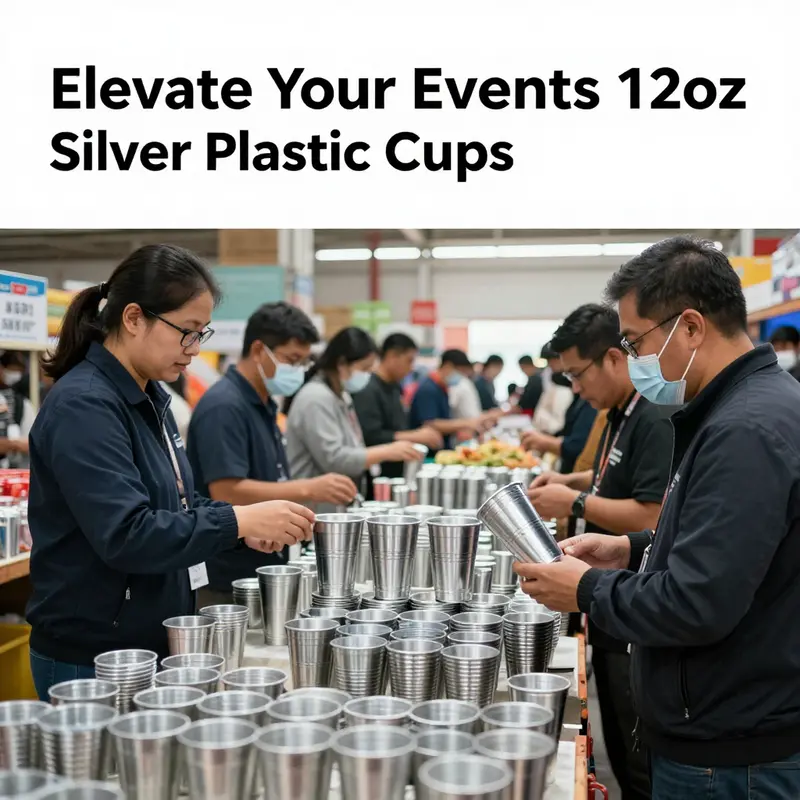
When an event is planned, the 12oz silver-rimmed clear cup combines a polished look with practical performance. Its visual refinement can elevate even a casual toast, but that appeal only travels if the cups are reliably sourced, manufactured consistently, and delivered on a schedule that aligns with the event calendar. The sourcing chapter focuses on building a supplier ecosystem that fits your order profile, time horizon, and the flexibility to adapt to changing guest counts without sacrificing the premium finish you expect for weddings, galas, or corporate events.\n\nRegion matters not as a brand badge but as a set of operational realities. Yiwu in Zhejiang Province stands out as the most strategically relevant hub for this product category. This wholesale ecosystem is known for rapid fulfillment and often lower minimum order quantities, which is especially valuable for small retailers, startup brands, or planners running pilot programs. Proximity to raw-material suppliers and related packaging units typically yields shorter lead times and more forgiving terms when you need to adjust quantities or mix in complementary items such as lids, stirrers, or napkins. While other regions have strengths, Yiwu’s model is particularly well suited to mass-market, fast-turnaround dynamics common in events with tight schedules.\n\nOther regions offer different advantages. Zibo’s industrial DNA brings a legacy of precision molding and surface finishing that can be useful if you’re exploring specialty finishes or sublimation-ready options. For the standard 12oz clear cup with a silver rim, however, Zibo is often a secondary consideration rather than the primary source. Henan Province can support hybrid designs that combine metal components or layered constructions, but these options tend to drift away from the core disposable model preferred for one-time use and quick cleanup. In practice, the Yiwu wholesale framework remains the most efficient path for testing quantities and observing demand without large upfront commitments.\n\nFrom a buyer’s perspective, approach the market with a disciplined evaluation framework. First, consider cost per unit, but also factor minimum order quantities and tiered pricing that rewards larger runs. A low MOQ and predictable unit pricing enable agile testing, letting you pilot a batch for a small event without tying up capital. Second, verify quality beyond listed specifications. Durability matters: will the rim finish hold up to ice, condensation, or the occasional clink during a toast? Will the cup walls remain crystal-clear and resist quick wear? Third, evaluate supplier responsiveness. A reliable supplier who communicates clearly, offers samples promptly, and can adjust packaging with minimal friction reduces the risk of last-minute substitutions that could disrupt your design concept. Finally, maintain flexibility. The event environment rarely follows a rigid plan, so the ability to adapt packaging or mix in compatible items without punitive fees is a sign of a mature supplier relationship. A practical due-diligence approach includes requesting samples to test fit and finish, confirming lead times for standard and rush orders, and verifying whether the supplier can accommodate specific packaging configurations or stacking constraints.\n\nTo make this concrete, consider how a typical sourcing decision unfolds. Start with a forecast of guest counts and map those numbers to convenient pack sizes, mindful of possible last-minute additions. The 12oz size serves well for cocktails, waters, and non-alcoholic drinks at receptions, offering ample capacity without becoming unwieldy. The silver rim adds a sophisticated cue that aligns with a formal ambiance, while the rim finish and cup clarity must be consistently solid. A supplier that can provide samples—including a few cups with the expected silver rim—helps verify that perception aligns with reality. In this way, Yiwu becomes not just a source of stock but a gateway to predictable quality and timely fulfillment.\n\nBeyond the core cup, buyers should consider adjacent packaging and serviceware to maintain a cohesive ecosystem. Packaging strategies may include disposable paper bowls or other complementaries that don’t compete for storage or distribution space. Exploring related formats can sharpen buying decisions and reduce the risk of overcommitting to a single SKU. For readers who want a broader view, an article on disposable kraft paper packaging discusses how alternative materials can fit into a broader events strategy and supply chain, available at https://greendispopack.com/product/disposable-octagonal-box-restaurant-food-kraft-paper-packaging/.\n\nIn procurement realities, the product ecosystem around 12oz silver-rimmed cups appears on major marketplaces and sourcing platforms with listings for standard or premium versions and sometimes a related 10oz option. Be cautious about assuming size guarantees the same quality. Bulk packaging at discounts often requires MOQs and specific packaging configurations. The broader message is not to chase discounts at the expense of reliability or delivery windows. When a supplier can consistently deliver within your event timeline, the incremental savings from bulk pricing matter most when they do not incur delays or require substitutions.\n\nUltimately, the combination of regional strengths, supplier responsiveness, and disciplined evaluation yields a practical pathway for sourcing that supports a polished event experience. Yiwu can serve as a pragmatic entry point for testing and scaling, while a surrounding logistics network allows for order adjustments as guest counts shift. The emphasis remains on quality, reliability, and the ability to adapt quickly. External resources can broaden your understanding of bulk sourcing and supplier networks; for context on bulk sourcing and supplier listings, refer to industry-wide insights here: https://www.alibaba.com/trade/search?fsb=y&IndexArea=product_en&SearchText=12oz+silver+plastic+cups
Shine with a Footprint: The Lifecycle and Environmental Toll of 12oz Silver Rimmed Clear Disposable Tumblers

A gleam on the table can spark a mood as effectively as a ribbon of music. The 12oz silver-rimmed clear disposable tumbler plays that role at many gatherings: it catches the light, feels sturdy in the hand, and contributes a sense of polish to a table setting that must balance style with practicality. Yet behind that polished surface lies a lifecycle with consequences that keep pace with the event’s energy. The conversation around these tumblers is not just about aesthetics; it is about the hidden cost carried by the materials, the production lines, and the afterlife of every cup that is used once and discarded. When the room quiets after the last toast, millions of such cups begin a journey that most guests never see, a journey that links celebration to resource use, energy, and waste management. The appeal of a crisp, transparent cup with a metallic edge is undeniable, but its environmental footprint asks for careful consideration in events, venues, and households that want both elegance and responsibility.
To understand the environmental implications, it helps to look at what these tumblers are made of and how they are produced. The most common disposable tumbler starts as a plastic polymer, most often polypropylene, shaped into a cylinder with a clear, glossy surface and sometimes a metallic-looking rim. Polypropylene is derived from fossil fuels and requires energy-intensive processing, which translates into greenhouse gas emissions at multiple stages of production. Even as a clear cup might appear simple, the supply chain behind it involves resin manufacture, forming, molding, coating, and finishing—each step consuming energy and contributing to emissions. The charm of a 12oz size lies in its utility: it fits into coffee service, casual dining, and party settings without feeling oversized or flimsy. But the same mid-range capacity that makes it popular for everyday use also contributes to its high turnover at events, amplifying the aggregate environmental impact when millions of cups traverse through markets and households in a year.
Some manufacturers promote an eco-friendly image by offering alternatives such as polylactic acid (PLA) cups, which are marketed as compostable and derived from renewable resources. PLA cups are not a panacea, however. They require specific industrial composting conditions to break down effectively, conditions that are not universally available. In many places, PLA cups are disposed of in conventional landfills or mixed waste streams where anaerobic conditions, temperature, and moisture are not adequate for composting. In such settings, PLA can behave similarly to conventional plastics, persisting for long periods rather than returning nutrients to the soil. This discrepancy between labeling and real-world outcomes underscores a fundamental point: the end-of-life fate of disposable cups is highly dependent on the local waste infrastructure, which means that the same cup can have very different destinies depending on where it is discarded.
Disposal and recycling present another layer of complexity. Recycling aluminum-like rims or metallic coatings on clear cups is not straightforward. Mixed materials, liquid residues, and thin plastic films complicate the sorting process in many recycling facilities. The cup’s relatively small footprint means it is frequently contaminated by drink residues, which lowers the value of the material in the recycling stream. Even when a facility can process PP or PLA, the rate at which these cups are diverted from landfills depends on regional programs, the availability of recycling streams, and consumers’ willingness to participate in proper sorting. In practice, high-volume use in coffee shops, fast-food restaurants, and large events exacerbates these challenges. The sheer number of cups needed to meet demand, combined with the reality of limited recycling capacity, means that a large share of these cups ends up in landfills or as litter in urban spaces and waterways. These end-of-life outcomes have ripple effects, from leaching chemicals to microplastic pollution, which can persist long after a cup has fulfilled its brief moment of use.
Recent lifecycle analyses have drawn attention to the broader environmental burdens of disposable cups made from polypropylene and polylactic acid. A 2024 study published in a leading journal examines the full spectrum of impacts—from material extraction and manufacturing to use, disposal, and potential recycling. The findings emphasize that the environmental footprint of disposable cups is not limited to a single stage; it accumulates across the entire lifecycle, particularly through greenhouse gas emissions and resource depletion during production, as well as through end-of-life management challenges. The study also highlights how microplastic release and carbon emissions are closely tied to the lifecycle stages of these products. For a product that is designed for one-time use, the aggregate effect of millions of cups quickly becomes noteworthy, especially when considering the cumulative impact across regions with varying waste-management capabilities.
In this context, the 12oz silver plastic cup stands out not only for its visual appeal but for its high turnover rate. Its popularity in beverage service in cafes, fast-casual venues, and events translates into a substantial daily volume. The short lifespan of these cups—used for a handful of minutes, then discarded—translates into a rapid throughput of material that challenges local waste streams. The problem is compounded by the fact that many of these cups come into contact with liquids, making separation and sorting more difficult for recycling facilities. The result is a lower-than-desired recycling rate, with a significant portion of these items ultimately landing in landfills or becoming litter. In the long run, this dynamic contributes to broader environmental concerns such as microplastic pollution and the carbon footprint associated with the production and disposal of single-use plastics.
What, then, can be done to reduce the footprint without sacrificing the visual appeal and functional convenience of these tumblers? The answer lies in a combination of smarter waste management, consumer awareness, and the development of alternatives that align aesthetics with sustainability. First, improving end-of-life pathways is essential. Where industrial composting or certified composting facilities exist, PLA-based cups may be a viable option, provided they are accepted by the facility’s program. Yet, given the variability of infrastructure, relying solely on compostable labeling is insufficient. It is crucial for event planners, venues, and households to know what the local system can actually handle and to design waste streams accordingly. Sorting guidance, clear labeling, and on-site staff or volunteers can help ensure that liquids are emptied and materials are directed toward appropriate collection points, reducing contamination and increasing the likelihood that materials are diverted from landfills.
Second, reducing single-use consumption remains a powerful lever. Where possible, venues can implement reusable cup programs with deposits or return systems. While these systems require upfront investment and logistical planning, they dramatically decrease waste volumes, especially in recurring events or high-traffic settings. In designing such programs, it is important to consider the practicalities of cleaning, storage, and guest participation, ensuring that the approach is convenient enough to encourage participation without creating additional burdens for staff.
Third, for those who still opt for disposables, exploring eco-friendly paper-based or pulp-based alternatives can offer a different environmental profile—one that may be more compatible with local waste-management capabilities. These options can reduce reliance on fossil-fuel-derived plastics and may be more readily integrated into existing recycling or composting streams, depending on regional infrastructure. To help readers envision tangible paths forward, consider an accessible, eco-friendly paper-cup option that aligns with both aesthetics and sustainability goals. For example, there are disposable paper coffee cups designed with lids that emphasize eco-friendly credentials and customizable branding, offering a practical compromise between appearance and responsibility. eco-friendly custom paper coffee cups with lids. This kind of alternative demonstrates that it is possible to maintain a polished service while leaning into materials that can better match the capabilities of local waste systems.
Ultimately, the choice of cup goes beyond a moment of visual appeal. It is a decision that resonates with guests’ perceptions of a venue’s responsibility and with a community’s longer-term environmental health. The 12oz silver plastic cup occupies a notable space in contemporary dining and events because of its combination of durability, convenience, and design appeal. Yet the lifecycle narrative it embodies—production energy, material choices, end-of-life complexities, and the potential for litter—serves as a reminder that every seemingly small consumer habit contributes to larger environmental patterns. As venues and organizers weigh options, they should weigh the cost not only in dollars but in ecological impact, choosing pathways that align with local waste-management realities and with a broader commitment to stewardship.
For readers who want to extend this reflection into practical practice, it is worth contemplating how a venue’s decor, service style, and waste management policies can be harmonized. When possible, pair the desire for a refined table presentation with systems that encourage reuse or responsible disposal. Consider signage that clarifies acceptable disposal streams and provide accessible receptacles that minimize contamination. When guests see that elegance can coexist with care for the environment, the impression is not merely aesthetic; it becomes a statement about the values that guide the event and the community that hosts it. The chapter’s focus remains on the tension between convenience and responsibility, a tension that many hosts confront as they craft experiences that are memorable and sustainable in equal measure.
External resources can offer a broader lens on this topic, helping readers connect the lifecycle discussion to ongoing policy, industry practices, and technological innovations. For those seeking deeper insight into the environmental and littering impacts of disposable cups, a detailed lifecycle assessment provides a rigorous framework for evaluating the trade-offs involved in polypropylene and polylactic acid cups. Access the study here: https://www.sciencedirect.com/science/article/pii/S095965262400137X
null

null
Final thoughts
The 12oz silver plastic cups clear disposable tumblers stand out as a versatile choice for various businesses, combining elegance with practicality. As demand rises, understanding their construction, identifying reliable suppliers, considering environmental factors, and staying informed about trends can significantly enhance your service offerings. These cups not only support your operational efficiency but also elevate customer experiences, making them an essential addition to your beverage service toolkit.