

As food service professionals in bubble tea shops, restaurants, food trucks, and catering services, ensuring the safety and well-being of your customers is paramount. Yet, many may not realize that widely used plastic food containers are linked to serious health risks due to chemical leaching, microplastic contamination, and bacterial growth. This article unveils the hidden dangers of plastic food storage solutions. Chapter one will explore the complexities of chemical leaching and its implications for food safety. The subsequent chapters will delve into the issue of microplastic shedding and its associated health impacts, followed by an examination of bacterial contamination in plastic. Finally, we will discuss practical alternatives to plastic food containers that can safeguard your business and customer health.
Warmth Unleashed: The Silent Dangers of Chemical Leaching from Plastic Food Containers
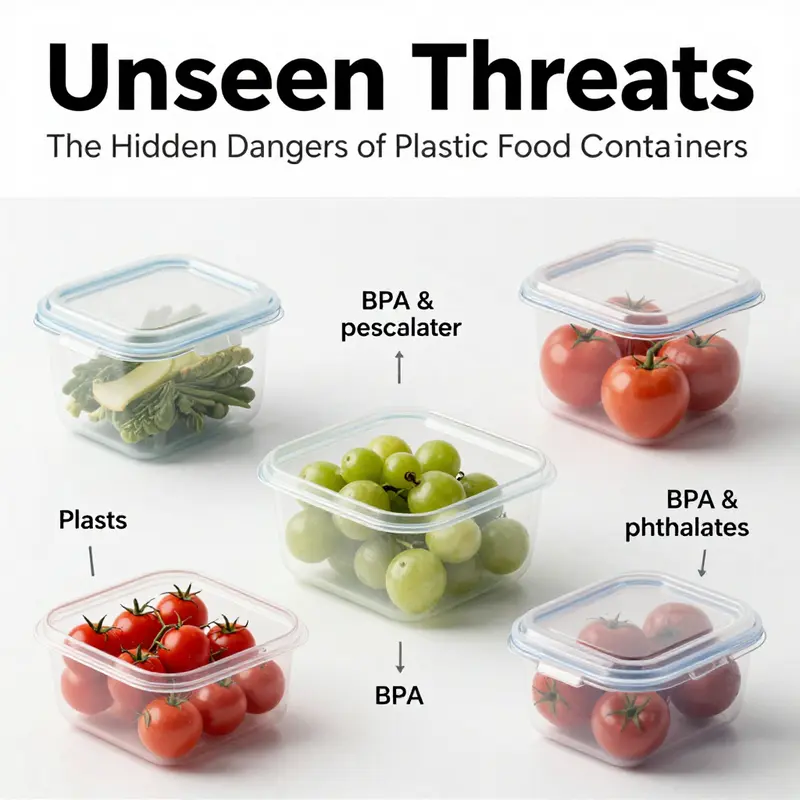
Chemical leaching from plastic food containers is a quiet, persistent threat that reveals itself only after the first bite or sip. The journey from container to meal begins not with a dramatic spill but with everyday actions: heating a leftover, washing in hot water, or storing a fatty sauce in a plastic box. Each of these stressors nudges the material’s chemistry toward migration. Over time, the additives that give plastics their flexibility, durability, and texture—such as bisphenols, phthalates, and other plasticizers—can migrate into food. The danger is not merely in the container’s appearance or its ability to withstand a microwave test; it lies in the subtle, cumulative exposure that can reshape hormonal signaling, metabolism, and inflammatory processes across the body. This is the core of chemical leaching: a process that begins at the molecular level and ends in systemic health effects that may unfold over years or even decades.
When plastics age through repeated heating, cooling, and washing, their molecular bonds loosen, and microenvironments within containers become more permissive to leachate migration. Among the most scrutinized chemicals are bisphenols—especially BPA—and their replacements, such as BPS and BPF. These compounds have long been linked to endocrine disruption, interfering with hormonal regulation and communication across tissues. But the concern doesn’t stop at BPA. Substitutes like BPS and BPF often behave similarly in the human body, possessing the capacity to mimic estrogenic activity and perturb multiple endocrine pathways. In parallel, phthalates—the plasticizers that lend flexibility to many polymers—have a well-documented track record of hormonal imbalances, reproductive issues, and developmental challenges in children. The problem compounds when containers are heated because heat accelerates molecular motion and migration rates; fats and acids in foods further facilitate this transfer by solubilizing hydrophobic compounds that would otherwise remain bound within the plastic matrix. The result is not an immediate, visible effect but a measurable, persistent contamination that cannot be detected by sight, smell, or taste.
A pivotal finding from 2020 underscores the seriousness of this issue: microwaving meals in plastic containers—whether labeled microwave-safe or not—enabled the migration of BPA and phthalates into food simulants. The takeaway challenges a common assumption held by many consumers: microwave-ready labeling equates to safety from chemical migration. In reality, such labeling matters for structural integrity, not for chemical safety. The same line of inquiry also highlights that even containers marketed as BPA-free may release other estrogenic compounds when subjected to heat, acidic foods, or fatty components. This reality has been a touchstone for broad skepticism about “free-of-BPA” claims and a reminder that the body does not distinguish between a BPA molecule and its structurally similar stand-ins when it comes to hormonal signaling. The broader implication is clear: limiting exposure requires more than avoiding certain labels; it requires rethinking storage habits, cooking methods, and, when possible, the materials used to hold our most common meals.
The concern grows even more when one considers the materials beyond BPA and its close relatives. PVC, an older and still-used plastic in some food-contact applications, can release carcinogenic dioxins when heated. To imagine these substances as lurking only in rare or outdated packaging is to overlook a steady stream of everyday exposure. In this light, the danger is not a single event but a continuum: as containers age, as they are reused, and as they encounter heat, a cascade of migratory compounds can accumulate in the foods that fill our plates. In addition to the chemical drivers, the physical degradation of the container’s surface—scratches, micro-abrasions, and worn seals—increases the surface area available for interaction with food, creating more opportunities for compounds to leach out rather than remain trapped within the polymer matrix. The logic is simple: the more a container is stressed, the more likely it is that a meal will carry with it a chemical signature that was not part of the original recipe.
The health implications of such exposure extend beyond the endocrine system. Endocrine disruption is a gateway to a wider network of potential consequences, including metabolic dysregulation and inflammatory responses. Some studies have pointed to altered glucose metabolism as part of the broader systemic impact of plastic leachates, suggesting that low-level chronic exposure could contribute to metabolic syndrome pathways over time. There is also concern about developmental effects in children, where hormonal signaling is critical for growth and maturation. Reproductive health is another axis of risk, with evidence linking certain leachates to disturbances in reproductive development and function. While the precise dose–response relationships may vary between individuals and contexts, the convergence of data across studies strongly argues for precaution and restraint in the way we handle and store food in plastic.
The broader implications extend beyond individual meals to cumulative lifetime exposure. Each reuse, each heating event, and each harsh cleaning cycle adds a little more of these chemicals to our daily intake. And as research accumulates, the picture becomes less forgiving: even seemingly inert or “microwave-safe” plastics can release measurable pollutants, implying that consumer assurances of safety based on labeling alone may be misguided. The takeaway is not merely a list of banned substances, but a shift in practice. If we want to reduce the burden on our hormonal ecology and metabolic systems, we must rethink our reliance on plastic for food storage and embrace alternatives that resist leaching under normal usage.
Practical steps offer a path forward without demanding a complete lifestyle overhaul. Glass and stainless steel containers present safer, more durable choices because their chemical stability does not degrade in typical household conditions. While no material is entirely risk-free in every scenario, the balance shifts dramatically when high heat, fatty meals, and repeated use are considered. For those situations where plastic cannot be avoided, several precautions can reduce risk. First, avoid heating or cooking directly in plastic containers. Reheating leftovers in glass or ceramic ware minimizes exposure to migrating additives. Second, limit the reuse of plastic containers that were originally designed for single use; wear and micro-scratches can accelerate chemical migration. Third, be mindful of the plastic’s recycling codes. Containers made from codes #2 (HDPE), #4 (LDPE), or #5 (PP) are generally considered more stable, yet even these should be treated with caution. The emphasis here is on reducing unnecessary heat exposure, not assuming a blanket safety guarantee from a code designation.
To translate these guidelines into everyday practice, consider the way meals move through your routine. When you plan, portion, and store, prioritize materials with demonstrated chemical stability. If you must use plastic for storage, keep it for short-term, cold or room-temperature use and avoid fatty or acidic foods that can carry more leachates. The risk is higher when containers are compromised by age, scratches, or improper cleaning methods. In this sense, a shift in habit becomes a shield: less microwaving, less repeated washing, and more mindful disposal of older plastics before wear compounds the risk. And while the literature increasingly supports a cautious approach, the practical steps are simple and within reach: favor glass or stainless steel, minimize heating in plastic, and be judicious about reuse.
The conversation around safety also invites readers to explore viable packaging alternatives, including robust paper-based and pulp-derived options that can reduce reliance on plastic. For a concrete example of these alternatives in the market, consider the option of eco-friendly recyclable pulp-based take-away cups and accessories. eco-friendly-recyclable-pulp-2-4-cups-coffee-take-away-cup-holder offers a tangible reminder that substitutes exist and that consumer choices can drive demand for safer packaging solutions. While no material is perfect, expanding the shelf of options helps diminish the overall burden of chemical leaching across the food system. This shift is not about abandoning convenience but about rebalancing convenience with long-term health considerations.
In translating these findings into a practical lifestyle, it becomes clear that the goal is not fear but informed restraint. Consumers deserve to know that the label “microwave-safe” may not cover all dimensions of safety, particularly chemical migration. The precautionary principle suggests that, when possible, reducing exposure is prudent. The health signals are consistent enough to justify changing habits: lower the frequency of heating in plastics, favor containers that maintain their integrity over years of use, and seek safer storage materials when possible. In the end, the choice of container becomes a daily health decision, influencing hormonal harmony, metabolic balance, and inflammatory status over time.
For readers who want a deeper dive into the science behind these conclusions, a robust peer-reviewed resource outlines the mechanisms of migration and its health implications in greater detail. It presents the kind of rigorous evidence that informs policy and personal practice alike. External resource: Journal of Exposure Science & Environmental Epidemiology (https://www.journals.elsevier.com/journal-of-exposure-science–environmental-epidemiology). This external reference underscores how microwaving and heat exposure can drive the release of BPA and phthalates from plastic food containers into food simulants, reinforcing the call to action to minimize reliance on plastic for long-term food storage and to favor safer alternatives wherever possible.
Invisible Leaks, Invisible Threats: Microplastic Shedding from Everyday Plastic Containers and the Quiet Toll on Health
The hum of the kitchen often masks a far subtler drama playing out in the plastics we trust with our meals. Plastic containers, once celebrated for convenience, are not inert vessels. They are dynamic surfaces that shed, leach, and interact with the foods they cradle. The chapter on microplastic shedding pulls back a veil that few of us consciously lift: the tiny particles and associated chemicals that can detach from plastic during routine use—heating, cooling, washing, and even simply sitting in storage. This is not a singular event but a continuous, low-dose exposure that accumulates across a lifetime. What begins as a minor nuisance in the form of a few specks on a plate can, over time, translate into a more meaningful human exposure to microplastics and the chemicals that tether themselves to these particles. The science is still unfolding, but the signals are clear enough to warrant caution and informed choices, especially given the broad array of sources in a typical home environment, from food containers to textiles and decorative items. Microplastic shedding, in other words, is both an environmental and a public health concern that connects the kitchen, the hospital, and the lab through the same microscopic threads.\n\nThe core mechanism driving shedding is mechanical and thermal stress. When plastics are repeatedly heated, cooled, and washed, their molecular structure changes in ways that compromise the integrity of the polymer matrix. Each cycle of heat loosens intermolecular bonds, each abrasion from a dishwasher rack or a crisper drawer scratches surfaces, and each fold or squeeze during stacking can create micro-cracks. These micro-cracks are not merely cosmetic. They become conduits through which plastics break free as tiny fragments, fibers, or nanoparticles into the food or liquid they contact. The most widely discussed concern is the shedding of microplastics—fragments smaller than 5 millimeters, of course, but often many orders of magnitude smaller when it comes to nanoplastics—that can migrate into our meals or beverages and, in some cases, be inhaled while handling containers or cleaning surfaces where particles have settled. The scale of release matters because it shapes the potential for internal exposure and biological interaction.\n\nA growing body of evidence points to diverse routes of exposure. Ingestion remains the primary path for many people, as microplastics hitch a ride with water and food. Inhalation is another plausible route, particularly in households where synthetic textiles, decorative plastics, and other consumer items accumulate fibers and shed particulates during cleaning or movement. Dermal contact is less well understood, but it is plausible that some particles—especially those bound to surfaces or embedded in biofilms—could interact with skin or be transferred to the body via microabrasions. The complexity of exposure is heightened by the fact that microplastics are not clean slivers of polymer alone. They carry a suite of adsorbed chemicals, including additives and environmental contaminants that cling to their surfaces in the environment and during use. Some of these chemicals may leach into surfaces or foods in contact with plastics, compounding the potential risk.\n\nA telling nuance in the literature is the heterogeneity of exposure. Not all plastics shed equally, and not all microplastics are created equal in terms of their chemical baggage. Certain heat-intensive processes, such as microwaving food in plastic or leaving liquids in plastic containers heated for extended periods, can dramatically amplify shedding. For instance, a recent synthesis of data from varied experiments notes that heating in microwaves significantly increases the release of micro- and nanoplastics from food-grade plastics, with astonishing numbers reported in laboratory measurements. In some cases, microplastic particles and nanoparticles released during microwave heating can reach tens of billions per square centimeter under specific test conditions. These figures are not meant to imply everyday practice will yield identical results in real life, but they underscore a tangible risk pathway: when plastic is stressed by heat, it sheds more particles and with greater variety in size.\n\nThis physical shedding is intimately linked with chemical migration. The same processes that cause polymers to fracture also influence how additives and adsorbed substances move from the material into the food. Even plastics marketed as BPA-free can leach estrogenic compounds when heated or in contact with fatty or acidic foods. The landscape of substitutes for BPA—such as BPS or BPF—has raised concerns because these alternatives may carry comparable endocrine-disrupting potential. A broader takeaway from the literature is sobering: a large fraction of tested containers exhibited estrogenic activity, irrespective of labeling about microwave safety or dishwasher safety. The implications are not only hormonal disruption in the short term but potential long-term consequences that reverberate through development, metabolism, and disease risk.\n\nAs microplastics disseminate through the environment and our bodies, another layer of concern emerges: the potential for biological interactions beyond chemical exposure. Microplastics can become scaffolds for microbial communities, forming biofilms that harbor bacteria and potentially pathogenic organisms. Scratches and cracks in containers create microhabitats, and the warm, moist environments of dishwashers or sinks can facilitate microbial colonization. The convergence of particulates, surface biofilms, and heat may yield scenarios in which ingestion involves both mechanical irritation from particles and chemical exposure from adsorbed contaminants or biofilm-derived compounds. The health implications are not fully mapped, but early signals point toward inflammatory and immune-mediated processes, especially with chronic, low-level exposure rather than acute, single-event exposure.\n\nThe biomedical signal is reinforced by animal research that translates the kitchen drama into a physiological effect. In a landmark study conducted by Ningxia Medical University, mice exposed to water stored in disposable plastic takeout boxes for three months demonstrated clear cardiac injury, heightened inflammatory markers, and mitochondrial dysfunction. Although extrapolating from mice to humans requires caution, this finding aligns with the broader concern that chronic, low-dose exposure to plastic-associated materials could contribute to systemic inflammation and organ-level stress. Complementary human data, drawn from long-term use of disposable plastic storage, suggests an elevated risk for cardiovascular events such as congestive heart failure, albeit in observational contexts that call for careful interpretation. Taken together, laboratory and epidemiological strands argue for prudence with the most common plastics used for food storage and serving.\n\nThe health narrative here is not simply about a single chemical or a standalone particle. It is about how microplastics and co-occurring contaminants travel through the body, how they interact with tissues and immune cells, and how they escape the body’s initial defenses to circulate or accumulate in organs. Evidence has detected microplastics in human blood, placenta, and lung tissue, which signals that these particles can cross biological barriers and potentially influence fetal development, respiratory function, and systemic inflammation. While the extent of direct harm from microplastics remains the subject of ongoing research, the converging lines of evidence point toward plausible mechanisms of harm, including inflammation, oxidative stress, and immune disruption. These are not abstract terms in a health context; they reflect nodes of vulnerability that could become meaningful health risks after years of exposure, particularly for vulnerable populations such as pregnant individuals, children, and those with chronic inflammatory conditions.\n\nFrom a policy perspective, the microplastic story adds urgency to broader questions about packaging design, life-cycle impacts, and consumer behavior. If the same materials shed more when subjected to heat, then cooking or reheating foods in plastic containers should be avoided as a precaution. Similarly, if microplastics contaminate foods during storage or transport due to wear and tear, then maintaining container integrity and choosing safer materials becomes a matter of risk management rather than mere convenience. In daily life, these considerations translate into practical choices: minimizing the use of plastic for hot foods, avoiding tampering with lids and seals that could compromise the polymer matrix, and favoring storage solutions that are inherently more stable under typical kitchen conditions.\n\nOne pragmatic response is to explore alternatives that reduce direct exposure to microplastics without sacrificing function. Glass and stainless steel containers offer stability under typical household use and are less prone to particulate shedding when used within normal operating temperatures. For households that need the lightness and affordability of plastic for certain uses, adopting glass or metal options for hot foods and fatty or acidic contents—where chemical migration tends to be higher—can mitigate risk. In other contexts, packaging and food-service design can shift toward safer, recyclable, or compostable alternatives, with careful attention to how these materials perform under heat, dishwasher cycles, or repeated handling. The broader message is not to abandon plastic altogether but to rethink where and how it is used, especially for heating, serving, or storing meals.\n\nTo connect these ideas to practical choices that readers can act on, consider the role of packaging alternatives in daily life. For instance, packaging options based on kraft paper or other paper-based materials may offer safer alternatives for many takeout and storage needs, particularly when used with liners or lids that minimize direct contact with food. For a sense of how these packaging formats are marketed and discussed in the wider eco-packaging space, see the detailed product pages that illustrate disposable options designed to replace conventional plastics in some contexts. disposable-octagonal-box-restaurant-food-kraft-paper-packaging. This is not a universal solution, but it demonstrates a shift toward packaging that is easier to recycle, less prone to chemical migration under typical conditions, and better aligned with circular economy goals.\n\nAs research continues to unfold, one important takeaway remains consistent: the items we store and heat our meals in matter for long-term health and environmental stewardship. The microplastic story is not only about invisible particles in a lab setting but about the everyday devices and habits that shape exposure. It invites readers to ask questions about what happens to food after it leaves a plate, how containers are cleaned or reused, and what the cumulative burden of daily choices might be over a lifetime. It also invites collaboration among researchers, policy-makers, manufacturers, and consumers to design safer products, improve filtration and waste management, and cultivate behaviors that limit unnecessary exposure.\n\nFor readers seeking a deeper dive into the science behind these concerns, the University of Plymouth offers a comprehensive resource on microplastics in the home environment. This external study provides a broader context for how microplastics pervade everyday spaces and the potential health implications of exposure. https://www.plymouth.ac.uk/research/microplastics-in-the-home-environment
Hidden Microbes in Plastic Containers
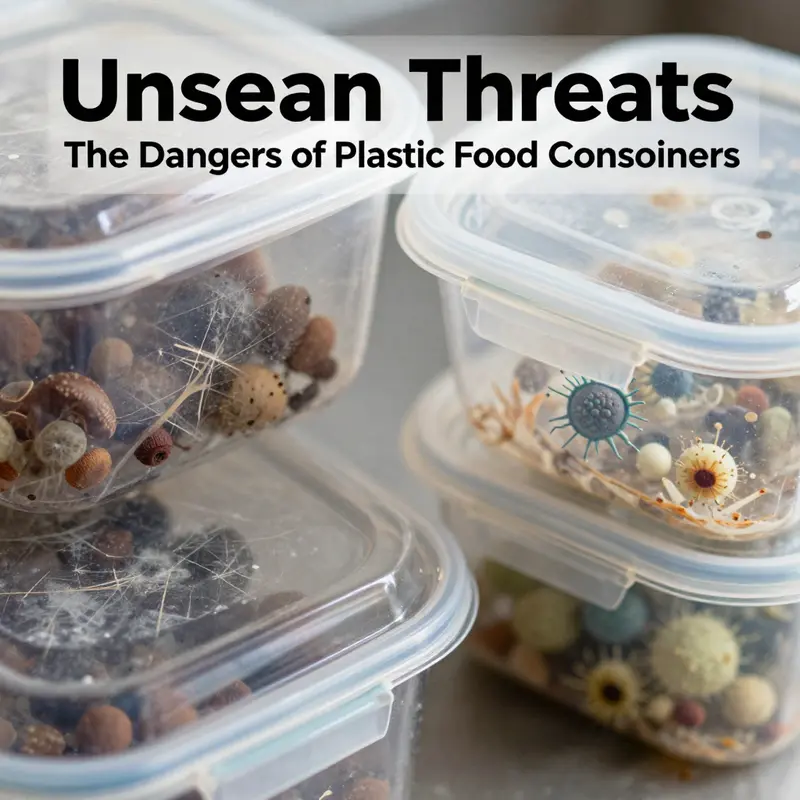
Plastic food containers are ubiquitous, providing convenience yet harboring unseen microbes. Even when they look clean, micro-scratches and residual nutrients create micro-habitats where bacteria can cling and multiply, especially when containers are reused or stored with warm foods. Aging plastics, rough surfaces, and imperfect seals can raise bacterial loads and promote biofilm formation, complicating cleaning and increasing the odds of contamination in everyday meals. Practically, minimize risk by avoiding reuse of single-use plastics, choosing containers with smooth walls and wide openings for thorough washing, and drying completely before reuse. If a container shows scratches, cloudiness, or odors, retire it; safer materials such as glass or stainless steel reduce microbial niches and are easier to sanitize.
null

null
Final thoughts
As the service industry increasingly prioritizes health and safety, it’s essential to consider the hidden dangers posed by plastic food containers. From chemical leaching to the risks of microplastics and bacterial contamination, the evidence is compelling. Transitioning to alternatives such as glass or stainless steel can enhance food safety and align with consumer expectations for sustainability. By making informed choices, you can protect both your customers and your brand.