
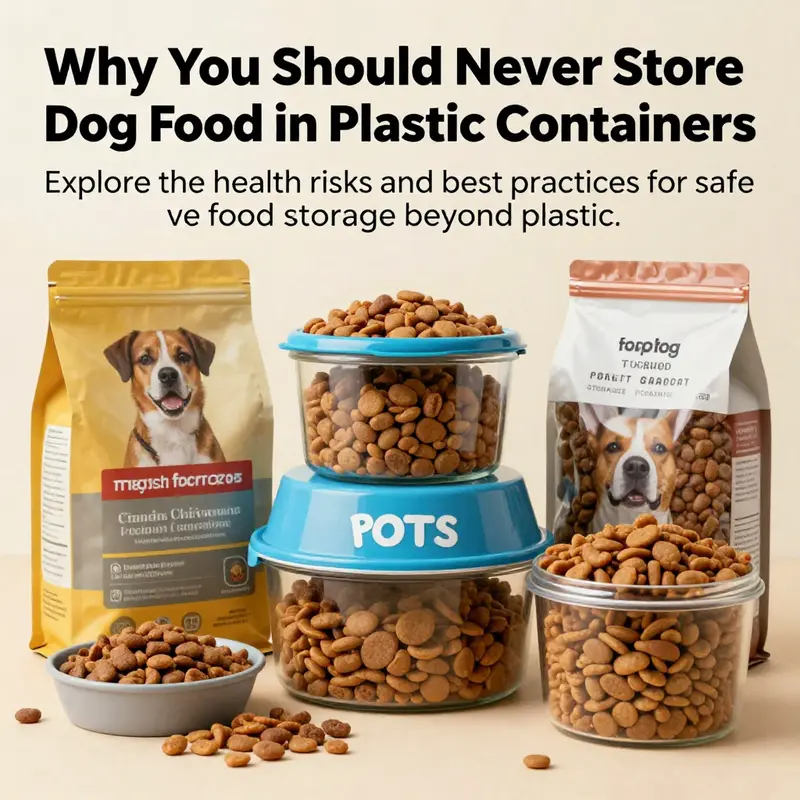
The convenience of plastic containers might seem appealing when it comes to storing dog food, but the hidden health risks and potential for chemical contamination make them a poor choice. Pet owners, especially businesses in the food service industry such as bubble tea shops, restaurants, and catering services, must engage in safe storage practices for pet food to protect the health of our furry friends. This article will delve into the health risks associated with plastic storage, explore the various chemical contaminants linked to these materials, and recommend best practices for dog food storage, ultimately emphasizing the significance of keeping dog food out of plastic containers.
Storing Dog Food in Plastic: Risks and Safer Alternatives
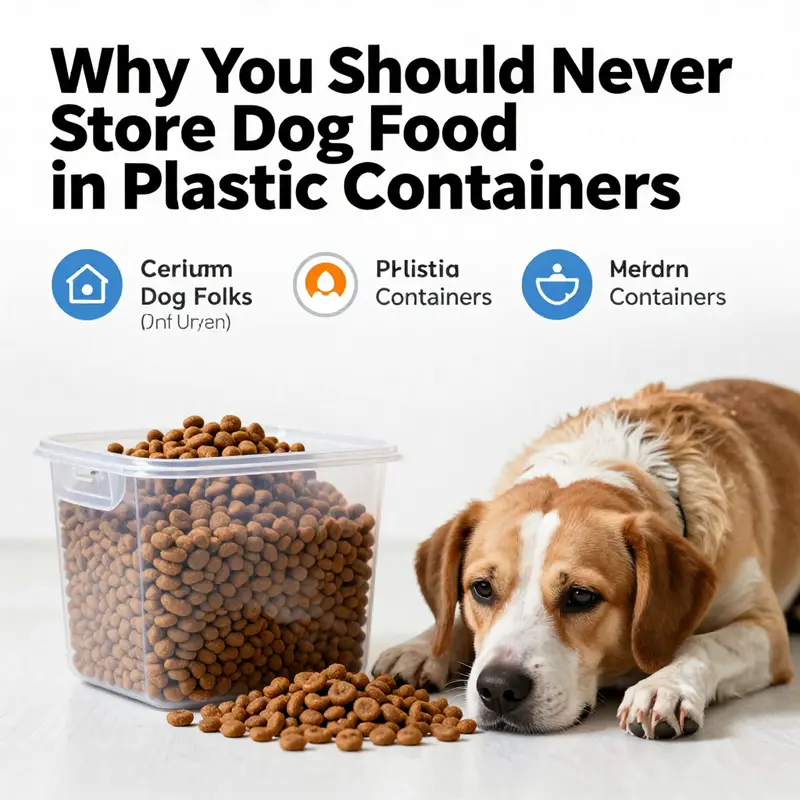
Many dog owners reach for plastic storage because it is light, clear, and convenient. Yet plastic can contribute to chemical migration into dog food, especially when containers are reused, stored in warm corners, or left for long periods. Chemicals such as BPA, BPS, and phthalates have been studied for endocrine effects, with risk increasing with duration and exposure.
For safety, prefer keeping dog food in its original packaging inside a non-plastic, airtight container made of glass or metal, or other food-grade materials designed for long-term storage. When the bag is opened, transfer to a truly airtight metal or glass container and limit the time kibble spends in plastic. Rotate stock to use oldest bags first and store in a cool, dry place away from direct sun. Following veterinary storage guidance can help reduce exposure without sacrificing convenience.
Leaching Dangers in the Bowl: Why Plastic Storage Threatens Dog Health
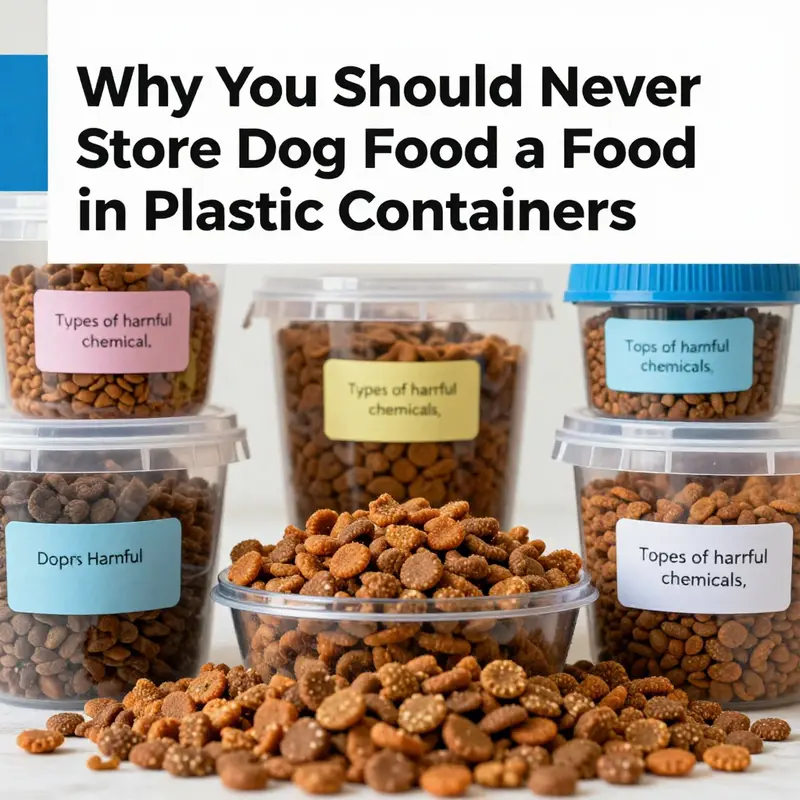
Plastic storage for dog food can be convenient, but it carries hidden risks. When kibble is kept in plastic containers, chemicals can migrate into the food, especially if the container is heated or exposed to fat-rich kibble. Nutrient loss can also occur over time due to oxygen and light exposure. These factors may contribute to endocrine disruption, metabolic changes, and digestive or liver stress in dogs. The safest long-term approach is to use inert materials like glass or stainless steel and to keep the original bag inside the container to preserve batch information.
If plastic must be used, select BPA-free and phthalate-free options designed for food storage, avoid heating, ensure the container is well-sealed and opaque, and replace aging containers that show scratches or cloudiness. Regular cleaning is essential to prevent residues and microbial growth. The overarching message is to minimize plastic exposure while preserving food quality and safety for pets.
Guarding Every Bite: Why Glass and Steel Beat Plastic for Safe Dog Food Storage
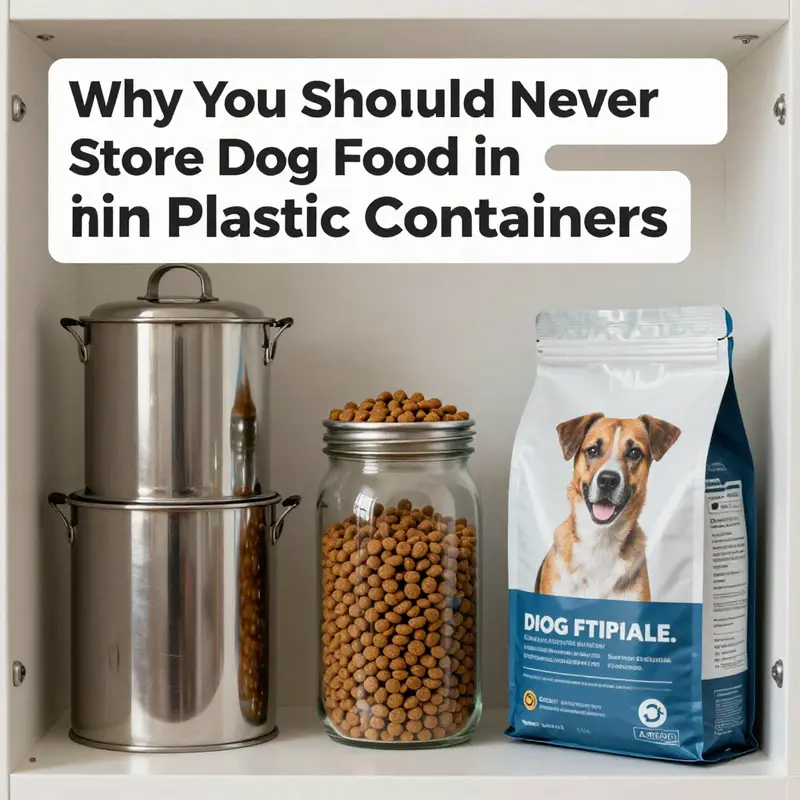
In the quiet routines of a canine household, the storage of dog food often slides into the background—a practical corner of the kitchen, a tidy canister, a ready scoop. Yet the choices behind that seemingly simple decision can ripple through a dog’s health in ways that surprise many owners. The chapter you’re reading resists the allure of convenience when it comes to where and how we keep kibble. It argues that the ingredients of safety in pet care extend beyond what sits in the bag and into the containers that hold it. The lesson is straightforward, but it runs deep: for long-term protection of freshness, safety, and overall well-being, the best practice is to opt for materials like glass or stainless steel over most plastic options. This stance aligns with a growing consensus among veterinarians and pet safety experts who emphasize minimizing chemical exposure and contamination in everyday pet care routines. The path from bag to bowl is not a single leap but a sequence of small, deliberate choices that can cumulatively support a healthier life for a dog and a safer home for humans.\n\nTo appreciate why plastic containers are often discouraged, we need to understand the chemistry and the physics at play. Many plastics are not designed with the long-term storage of dry pet foods in mind, especially when those foods are stored in warm rooms, in environments with fluctuating humidity, or in containers that have imperfect seals. Even containers marketed as “food-grade” can degrade over time under heat or friction, and as they do, they can release compounds that are not part of the food’s nutrition but can interact with it in ways that matter. Among the compounds that have raised concerns are a family of substances known as plasticizers and stabilizers. Phthalates, used to soften plastics and improve flexibility, have associations with reproductive and developmental effects in animal studies, and concerns about their presence in household environments persist. Bisphenol A (BPA) and its substitutes, like BPS, have become a focal point of public health discussions because of their potential to mimic hormones and disrupt endocrine balance. Even though regulators have restricted or banned BPA in many consumer products—especially for infant use—there is no universal shield for pet food storage containers. In some regions, gaps in oversight mean pet owners may unwittingly choose containers with materials that could leach into food over time. The narrative becomes more nuanced when one reads about BPA-free products: some studies indicate that certain BPA-free plastics may exhibit estrogenic activity comparable to or greater than BPA-containing variants. The takeaway is not a blanket condemnation of all plastics, but a cautious appraisal of the risks and a careful choice of materials, with an emphasis on minimizing exposure.\n\nBeyond chemical leaching, the physical structure of plastic storage presents its own hazards. A kibble bag’s composition, oils, and fats can seep into cracks and micro-crevices of a plastic container. Those tiny fissures create a haven for oxidation processes and mold growth. When mold or mycotoxins invade stored pet food, the consequences for a dog can range from mild digestive upset to more serious liver or systemic issues. While not every plastic bin will become a mold hotspot, the risk is heightened in warm, humid environments or in containers that fail to seal tightly. The sealing problem is a practical but often overlooked flaw: many plastic containers do not maintain an airtight barrier as well as metal or glass alternatives. When oxygen enters the container, it accelerates staleness and can encourage bacterial growth, while moisture can compromise both texture and smell. These factors collectively erode the perceived freshness of the food and can inadvertently reduce palatability, tempting owners to overfeed or reintroduce stale portions into the bowl.\n\nThe recommended approach, particularly for long-term storage, is straightforward yet specific. Prefer materials that offer durability, inertness, and good barrier properties against light, heat, and moisture. Glass and stainless steel bins are widely endorsed for their inert surfaces and their resistance to odors and staining. They rarely react with kibble ingredients, are non-porous, and are easier to clean thoroughly. High-density polyethylene (HDPE) can be a reasonable alternative when it is specifically rated for food storage and properly maintained, but it still does not match the impermeability and long-term stability of glass or metal. The critical point is that the container should be food-grade, non-toxic, and designed for long-term storage, not just casual use. When these materials are used, they provide a robust line of defense against odor permeation, moisture infiltration, and pest intrusion, which are common threats to stored pet food. For households that prioritize sustainable practices, glass and stainless steel also offer the advantage of reusability and reduced reliance on single-use packaging, aligning convenient storage with broader environmental considerations.\n\nIf plastic must be used, the guidelines become more stringent. Only containers explicitly labeled as BPA-free, phthalate-free, and designed for food storage should be considered. Even then, owners should note the limitations: such containers still require careful handling, cleaning, and storage conditions to minimize risk. It is worth emphasizing that even in these cases, the safest default remains to rely on the original packaging whenever possible. Keeping unopened dog food in its original bag inside an airtight container that is non-plastic combines the best of both worlds: the protective barrier of the container and the stability of the original packaging, which often includes a heat seal or other protective features. This arrangement helps preserve freshness, traceability, and the integrity of the product in the event of a recall, because the original bag can serve as a reference point for batch numbers and expiration dates.\n\nMaintenance is the unsung hero of effective storage. Whatever container you choose, regular cleaning is essential. After each refill, wash the container with hot, soapy water and ensure it is fully dried before adding more kibble. Residual moisture can promote mold and bacterial growth, undermining the very purpose of airtight storage. If you use a metal container, be mindful of corrosion or rust after repeated washings or exposure to moisture. If you opt for glass, check for any cracks or chips that could harbor bacteria in notches and edges. In all cases, store the container in a cool, dark place to avoid heat build-up and ultraviolet exposure, both of which can degrade some plastics and hasten odor absorption or fat rancidity. A non-glass, non-metal option—HDPE included—still requires scrupulous cleanliness and dryness, as these materials can accumulate fats and food particles in their grainy textures. The simple act of wiping a lid’s sealing surface and drying it thoroughly before reassembly cannot be overstated.\n\nAn often underappreciated dimension of safe storage is traceability. By preserving the original bag inside a sealed, non-plastic container, you maintain access to essential information such as batch numbers, production dates, and ingredient lists. In the event of a recall or safety notice, having the bag with its printed codes can simplify identification and help safeguard a pet’s health more rapidly than rummaging through a new container’s labeling. This practical detail is a bridge between consumer safety and veterinary oversight, reinforcing the idea that responsible storage supports not only everyday nutrition but also the ability to respond promptly if a safety issue arises.\n\nThe guidance emerging from professional sources reinforces this stance. Reputable veterinary associations emphasize minimizing chemical exposure and preventing contamination through appropriate storage methods. They advocate for containers that are inert, stable, and seal tightly, with an emphasis on reducing the potential for leaching, odor transfer, and contamination. The American Veterinary Medical Association, in particular, provides clear recommendations for safe pet food storage and highlights how proper storage practices contribute to overall pet health. For readers seeking an explicit, practical reference, a careful review of these guidelines can be complemented by accessible advice from trusted pet nutrition resources. The interplay between scientific insight and practical home routines is where most owners can make the most meaningful improvements in daily care.\n\nIn sum, the journey from bag to bowl is about more than convenience; it is about protecting health across months and seasons. It is about choosing containers that minimize risk while supporting freshness, flavor, and nutrition. It is about recognizing that the most cautious path—storing unopened food in its original packaging inside a sealed, non-plastic container—bankrolls safety by preserving traceability and reducing chemical exposure. When a plastic container is used, it is not just about selecting the right grade; it is also about adopting rigorous handling, cleaning, and storage practices that preserve the integrity of the food. The best practice remains clear: prioritize materials that are known to be safe for food storage, ensure airtight seals, and maintain a storage environment that is cool, dry, and out of direct sunlight. In a world where pet health hinges on the smallest details, the container you choose becomes a quiet guardian of every bite a dog takes—and every bite, in turn, is a vote for ongoing well-being.\n\nFor readers who want to explore the subject further, practical tips and expert-backed recommendations can be found in the routinely updated guidance on safe dog food storage. Dog Food Storage Tips offers accessible, evidence-informed considerations on avoiding low-quality plastics and prioritizing safer alternatives like glass and stainless steel. This resource, together with the overarching guidance from veterinary associations, helps build a practical framework that supports responsible ownership and a healthier relationship with pet food.\n\nExternal resource: https://www.avma.org/resources/pet-owners/pet-care/pet-food-storage
Guarding Canine Health: The Hidden Dangers of Plastic Dog Food Storage
Every pet owner wants a tidy, space-efficient kitchen, and plastic storage bins often look like the perfect solution for kibble. The lid clicks closed, the container stacks neatly, and the food stays out of sight. Yet beneath that neat surface lies a risk that many households overlook: the simple act of storing dog food in plastic canisters can introduce substances that may affect a dog’s long-term health. The appeal of convenience must be weighed against the possibility that a routine habit could contribute to hormonal disruption, immune challenges, or digestive upset over time. A deeper look into the science and practicalities of storage reveals why the safest choice is not to reuse a plastic bin for dry dog food, and in many cases, to avoid plastic altogether for this purpose. This chapter weaves together chemistry, microbiology, and everyday pantry practices to explain how to shield a dog from unseen dangers while preserving freshness and traceability in the event of a recall.
One of the most persistent concerns centers on the chemicals that can migrate from plastic into dry pet food. Plastics are chosen for their light weight, clarity, and barrier properties, but some polymers, especially when exposed to heat, fats, or moisture, can release substances such as bisphenol A (BPA) and phthalates. These compounds are known to interfere with hormones in humans and animals alike. Hormonal disruption can manifest as subtle metabolic shifts or more overt conditions over a dog’s lifetime, including weight management challenges and reproductive issues. The risk is not limited to BPA alone; even when a product is labeled BPA-free, certain substitutes can exhibit estrogenic activity comparable to, or greater than, BPA in some contexts. In other words, a “safe” label on a plastic container does not automatically translate into a risk-free food experience for a dog. To complicate matters further, some regions have lax or evolving regulations around using these materials in pet products, making it harder for households to gauge risk based on labels alone. The concern about chemical leaching is not merely theoretical; it emerges from a body of research that highlights how heat and oil-rich foods can accelerate the migration of additives from plastics into surrounding contents. Food storage, in effect, becomes a slow, continuous exposure event, especially when the dog food contains fats and palatability enhancers that may draw out trace amounts of the container’s additives.
Beyond chemical migration, plastic containers introduce a separate, practical hazard: micro-crevices. Even a container that looks pristine can accumulate microscopic scratches and gaps where fats, proteins, and moisture can lodge. Over time, those crevices become fertile ground for microbial growth. Bacteria, molds, and fungi can colonize the tiny nooks that are difficult to sanitize completely, particularly when the container is not fully emptied between refills. The process of cleaning can itself introduce risk if containers are not thoroughly dried or if residues are left behind. When fats from kibble seep into these micro-habitats, oxidation can accelerate, promoting spoilage and, in some cases, the formation of mycotoxins produced by certain molds. Mycotoxins are not obvious to the eye or nose, but they can inflict gastrointestinal distress in dogs and, in severe cases, contribute to liver damage or neurologic symptoms. The combined effect of chemical leaching and microbial contamination means plastic storage can become a double-edged sword: substances may migrate into food while the container becomes a repository for contamination, particularly in homes where storage conditions are less than ideal.
The best response to these risks is to rethink how dog food is stored. The literature and expert guidance converge on a clear recommendation: minimize or eliminate plastic contact with dog food, especially for long-term storage. Glass and metal containers with tight-fitting lids offer safer alternatives. They do not leach chemicals at the concentrations associated with some plastics, are generally easier to sanitize thoroughly, and do not harbor the same micro-scratches that can trap food particles and foster microbial growth. The emphasis is not merely on selecting a different material; it is about adopting a storage system that supports freshness, reduces contamination risk, and preserves traceability in case a recall arises. A practical rule of thumb is simple: keep unopened dog food in its original packaging inside an airtight container made of glass or metal. This preserves the bag’s integrity and labeling, which is essential for product identity, batch numbers, and expiration dates—critical information if a recall ever occurs.
If you must transfer kibble from its original bag, choose a container that is explicitly designed for food use and made from non-plastic materials. A high-quality glass or stainless-steel option is ideal. When plastic is unavoidable, select only containers labeled BPA-free and phthalate-free, and verify that they are designed for long-term food storage. Even then, limit the duration of storage in such containers and ensure the container is thoroughly cleaned between refills. The aim is to minimize the dog’s exposure to any potential leachates and to ensure that the container has a clean, smooth interior that is easy to sanitize. A crucial complementary practice is to store the entire setup in a cool, dry place away from direct sunlight. Heat and light can accelerate chemical migration from plastics and degrade fats in the kibble, which in turn can worsen both taste and safety.
Another layer of protection involves maintaining the original bag’s presence within the container. This dual-layer approach—bag plus outer container—provides a safety net. The original packaging typically contains batch information, lot numbers, and expiration dates that are essential during recalls. If a problem is detected, the intact bag inside the outer container preserves the chain of information needed to identify the affected product. It also helps with storage organization so that older bags can be distinguished from newer purchases, reducing the risk of staling and the growth of spoilage organisms that thrive when kibble sits too long in imperfect storage conditions. To support readers who want a concrete sense of safer, non-plastic options, there is a practical resource that discusses non-plastic serving and storage alternatives, including biodegradable and compostable options. This resource highlights a range of non-plastic containers that can accommodate dry pet food, while aligning with broader sustainability goals. For a practical look at non-plastic storage options and related packaging choices, you can explore biodegradable kraft paper bowl options linked here: biodegradable-eco-friendly-take-away-odm-oem-round-kraft-paper-bowl.
Translating science into daily practice also means adopting a consistent cleaning routine. Regardless of the material chosen, containers should be cleaned thoroughly between refills. Use hot, soapy water and rinse well to remove kibble dust and oil residues. After washing, dry completely. Any moisture that remains can become a seedbed for mold or bacteria, especially in warm, humid environments. If a container shows scratches or cracks, it is time to retire it. Micro-damage harbors residues that are nearly impossible to remove completely and can compromise the entire storage system. When possible, avoid reusing old plastic containers that previously held foods with strong odors or oils. Stale residues can linger and attract pests, and the surfaces may not sanitize as well as new, reputable food-grade options. The aim is not to pursue perfection in appearance but to create a storage environment that is easy to sanitize, minimize residue, and support consistent freshness.
The literature also emphasizes the practical importance of environmental factors. Cool, dry storage reduces oxidative processes in kibble and slows the activity of mold and bacteria. Sunlight can degrade fats and promote chemical reactions that heighten risk, and damp basements or warm pantries can accelerate contamination. A quiet but important consideration is the impact of storage practices on a dog’s behavior and appetite. Consistent, clean storage conditions help maintain the dog’s acceptance of his food, since odors and flavors can be altered by improper storage. A dog that notices a different smell or texture may eat less or more, which can influence weight management and energy levels—factors that are central to overall health and fitness.
Ultimately, the safest practice remains conservative: keep unopened dog food in its original packaging inside a sealed, non-plastic container such as glass or metal whenever possible. If you choose to use plastic, rely on containers that are explicitly designed for long-term food storage, ensure they are BPA-free and phthalate-free, and be diligent about cleaning and monitoring for signs of wear. This balanced approach recognizes the convenience plastic offers but privileges your dog’s health and safety above convenience alone. The knowledge that plastic can contribute to chemical exposure and microbial contamination should guide everyday decisions about how and where to store kibble, especially in homes with multiple pets, high heat, or frequent bag openings.
In the context of broader pet care, this storage question intersects with other best practices for safeguarding canine health. It dovetails with how owners handle food recalls, monitor freshness, and educate family members about proper hygiene around pet food. It also aligns with a precautionary mindset in households that are actively reducing exposure to a wide range of environmental toxicants. The aim is not to spark fear, but to empower readers with clear choices that support long-term well-being. For more detailed, official guidance on best practices for pet food storage, consult veterinary and professional resources that emphasize minimizing chemical exposure and preventing contamination through thoughtful storage methods. The takeaway is straightforward: treat dog food storage as part of a broader commitment to preventive health, one that prioritizes materials, cleanliness, and vigilance over quick but risky shortcuts.
External references and further reading can help deepen understanding of these issues and provide context for how guidelines evolve over time. For readers seeking an authoritative overview of safe storage practices, the pet care literature regularly points to professional guidelines and organizational recommendations.
External resource:
- AVMA guidance on proper pet food storage: https://www.avma.org/resources/pet-owners/pet-care/pet-food-storage
Final thoughts
In summary, storing dog food in plastic containers can lead to multiple health risks for our pets, primarily due to harmful chemicals that may leach into the food. Understanding the impact of these storage methods is crucial for pet owners and businesses alike. By following best practices, such as using airtight metal or glass containers while keeping dog food in its original packaging, we can ensure the safety and health of our furry companions. Protect your pets by making informed choices about food storage today!